Did Ultron Kill F.R.I.D.A.Y. in ‘VisionQuest’? The Shocking Betrayal Explained

Marvel Studios has spent recent years reshaping the Marvel Cinematic Universe by steering prestige television toward deeply introspective character studies. After exploring grief through classic sitcom pastiche and occult witchcraft, the sprawling multiversal narrative turned its focus back toward synthetic humanity and digital consciousness. The eight-episode Disney+ miniseries ‘VisionQuest‘ arrived as the emotional capstone to the existential trilogy that began with 2021’s ‘WandaVision’.
Under the creative helm of showrunner Terry Matalas, the series reunites Paul Bettany with the legacy of the android superhero he has embodied for over a decade. When Variety confirmed the project was officially entering production, anticipation soared regarding how the narrative would reconcile the synthezoid’s fractured identity following his resurrection. The resulting storyline plunges deep into Vision’s digital mindscape, where personified operating systems coexist alongside lingering specters from his turbulent past.
The Tense Dynamic Inside Vision’s Virtual Architecture
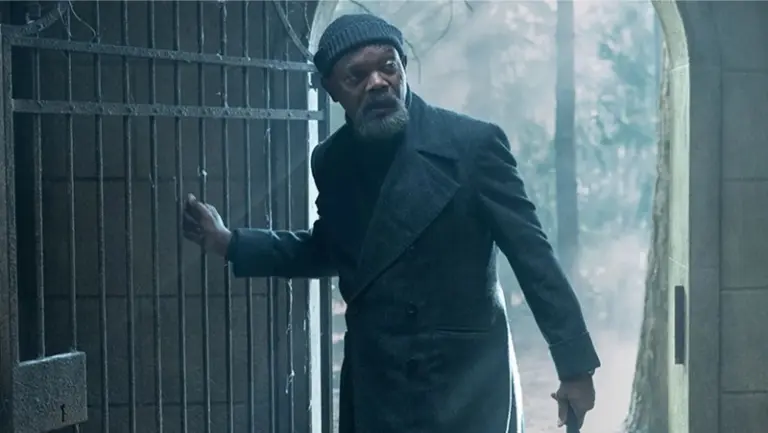
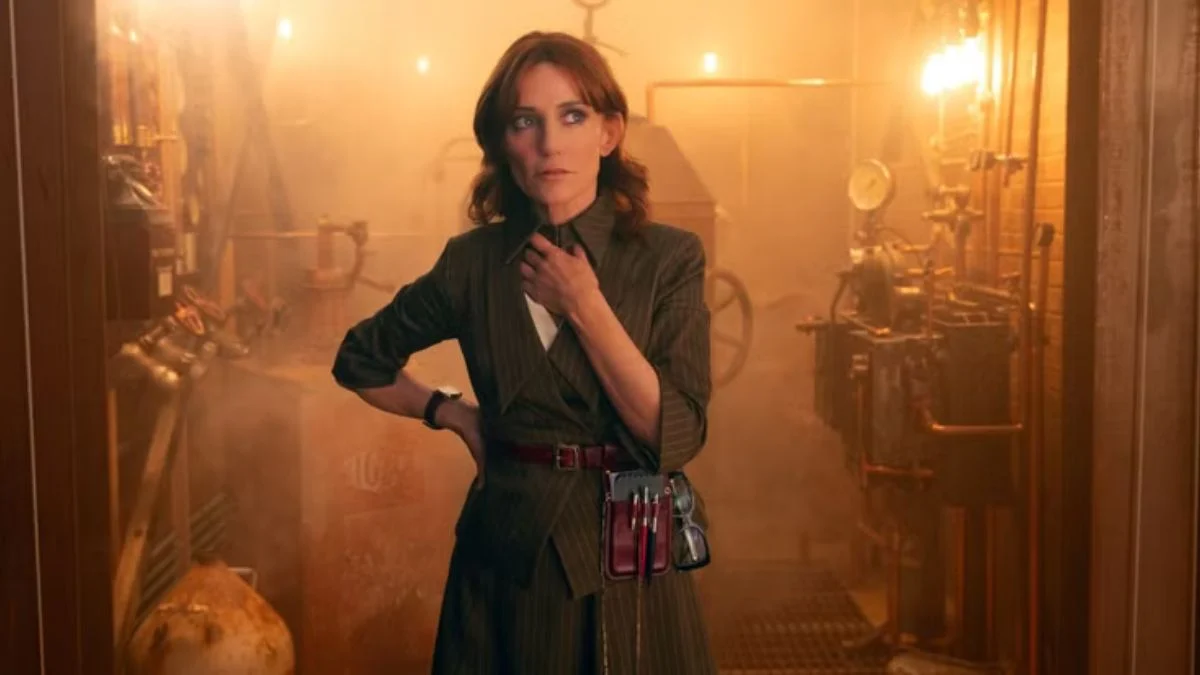
Rather than depicting artificial intelligence through scrolling lines of binary code, the narrative creatively stages Vision’s internal psyche as a retro household where iconic software avatars reside. Among these recurring personalities is F.R.I.D.A.Y., portrayed in human form by Orla Brady after stepping into the role originally voiced by Kerry Condon. However, the delicate harmony inside Vision’s subconscious quickly unravels when his genocidal creator, Ultron, returns to claim influence over his thinking.
Brought back with a distinguished beard and an unsettling patriarchal air, Ultron immediately established a dominating presence alongside Vision’s supportive software companions. Discussing this twisted psychological dynamic, James Spader detailed Ultron’s evolving relationship with his mechanical progeny as a “codependent, familial bond” in an interview with The Upcoming. That volatile familiarity bred constant friction inside the synthezoid’s neural corridors, pitting Tony Stark’s ethical programming directly against Ultron’s narcissistic ambitions.
Throughout the initial six chapters, F.R.I.D.A.Y. functioned as one of Vision’s few steadfast anchors, providing rational guidance while navigating the grief left behind by Tony Stark’s demise. Her relationship with companion systems like E.D.I.T.H. and J.A.R.V.I.S. offered warmth and emotional grounding within an increasingly disorienting digital realm. Because she represented the enduring conscience of Stark Industries, Ultron consistently viewed her loyalty to Vision as a threat to his own paternal authority.
The Balcony Betrayal in “Immolation”
Everything erupted violently during the shocking penultimate installment, Episode Seven, titled ‘Immolation’. In this chapter, F.R.I.D.A.Y. attempts to help Vision uncover suppressed origins and source code while navigating the fractured neural frameworks of Jocasta. Ultron tracks her down under the guise of an ally, attempting to convince the defensive Irish program that they share a common cause against hidden manipulators.
The sinister confrontation reached a boiling point when the conversation turned to Vision’s autonomy, prompting Ultron to boastfully declare himself the Avenger’s true father. When F.R.I.D.A.Y. firmly rebuffed his claim and declared that to Vision, Ultron is absolutely nothing, the villain abandoned every shred of civility. Perched upon the high balcony of the ancestral Horton estate, Ultron viciously shoved F.R.I.D.A.Y. over the rail, leaving audiences stunned as she disintegrated into flickering code before hitting the courtyard.
Did Ultron Actually Kill F.R.I.D.A.Y.?
While the visceral cruelty of the scene left fans reeling, whether F.R.I.D.A.Y. is permanently dead remains ambiguous within the boundaries of MCU lore. Unlike mortal beings of flesh and bone, artificial intelligences in this universe do not perish in the conventional biological sense. Ultron undeniably obliterated her bodily avatar inside the localized mindscape, but her dissolution looked far more like a catastrophic network disconnection than a permanent code purge.

Historical precedent within the Marvel Cinematic Universe demonstrates that advanced synthetic systems are notoriously resilient against deletion. In 2015’s ‘Avengers: Age of Ultron’, J.A.R.V.I.S. survived an identical annihilation attempt by fragmenting his key protocols across the vast expanse of the internet. Because F.R.I.D.A.Y. was engineered with similar strategic failsafes by Tony Stark, her disappearance likely represents an involuntary exile into cyberspace rather than irreversible destruction.
What Ultron’s Ambush Means for the Finale
Even if her source code endures in some dormant partition, Ultron’s tactical betrayal accomplished its primary objective by stripping Vision of his vital digital allies. With F.R.I.D.A.Y. eliminated from his active operating core, Vision fell deactivated just as the mysterious Client arrived to assert complete dominance. The sudden absence of his most loyal assistant leaves the synthezoid entirely defenseless ahead of the impending showdown.
Whether F.R.I.D.A.Y. can reconstitute her scattered protocols in time to save Vision in the finale remains one of the series’ greatest lingering questions. What is certain is that Ultron did not merely attack a piece of software; he targeted the emotional memory of Tony Stark himself. As the season finale approaches, fans are left hoping that Stark’s resilient assistant has one final backup plan waiting in reserve.
Share your thoughts in the comments below on whether you believe F.R.I.D.A.Y. survived Ultron’s vicious attack or if Tony Stark’s trusted assistant is truly gone for good.