Who Is Ultron Based on in ‘VisionQuest’? Marvel’s Shocking Episode 7 Reveal Explained

Marvel Studios has spent Phase Six exploring deeper, more character-driven inquiries into its expansive cinematic past, giving flagship streaming projects room to experiment with tone and form. Following the metaphysical aftermath of ‘WandaVision’ and ‘Agatha All Along’, television showrunner Terry Matalas stepped in to guide the final chapter of the synthezoid saga. The creative team aimed to explore artificial intelligence not merely as cold computational code, but as a direct existential reflection of mortal humanity.
When audiences reunited with the reconstituted White Vision, the former Avenger was on the run across the globe while desperately trying to piece together his fractured psyche. Rather than navigating his journey in isolation, Vision retreated inward, conversing with digital iterations of Tony Stark’s past creations housed inside a Victorian-styled mental landscape. Among those trapped inside his programming was his genocidal father figure, whose sudden return dramatically heightened the psychological stakes of the entire series.
The Initial Surprise
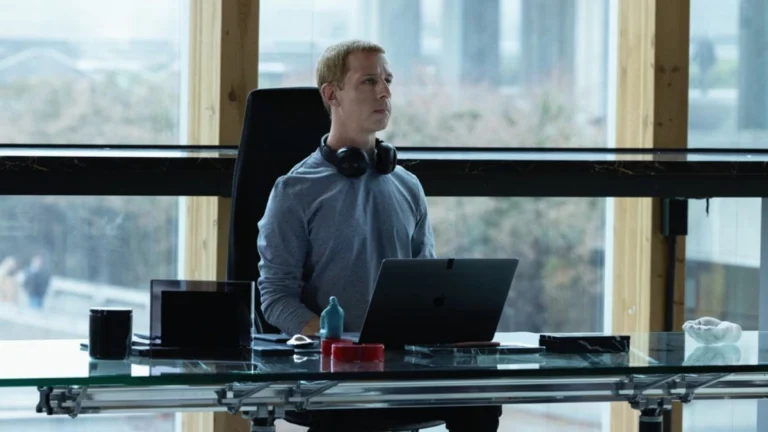
The initial surprise arrived when the malevolent mechanical villain did not manifest as the towering titanium terror from ‘Avengers: Age of Ultron’. Instead, the rogue entity appeared in human form with a scruffy beard and long hair, trapped inside the digital corridors of Vision’s subconscious mind palace. This visual departure immediately ignited fierce debates among viewers regarding whether the software had evolved on its own or was secretly patterned after a living person.
Vision’s struggle to grapple with his synthetic ancestry forms the emotional bedrock of this internal dynamic. While discussing his character’s journey in an interview on The Movie Podcast, lead star Paul Bettany explained that Vision possesses “all of the memories that were granted him by Hex Vision but he can’t or won’t allow feelings to be attached to them.” That intense emotional detachment left the android vulnerable to the dormant code lurking inside his system.
Unmasking the Client and the Origins of MCU Artificial Intelligence
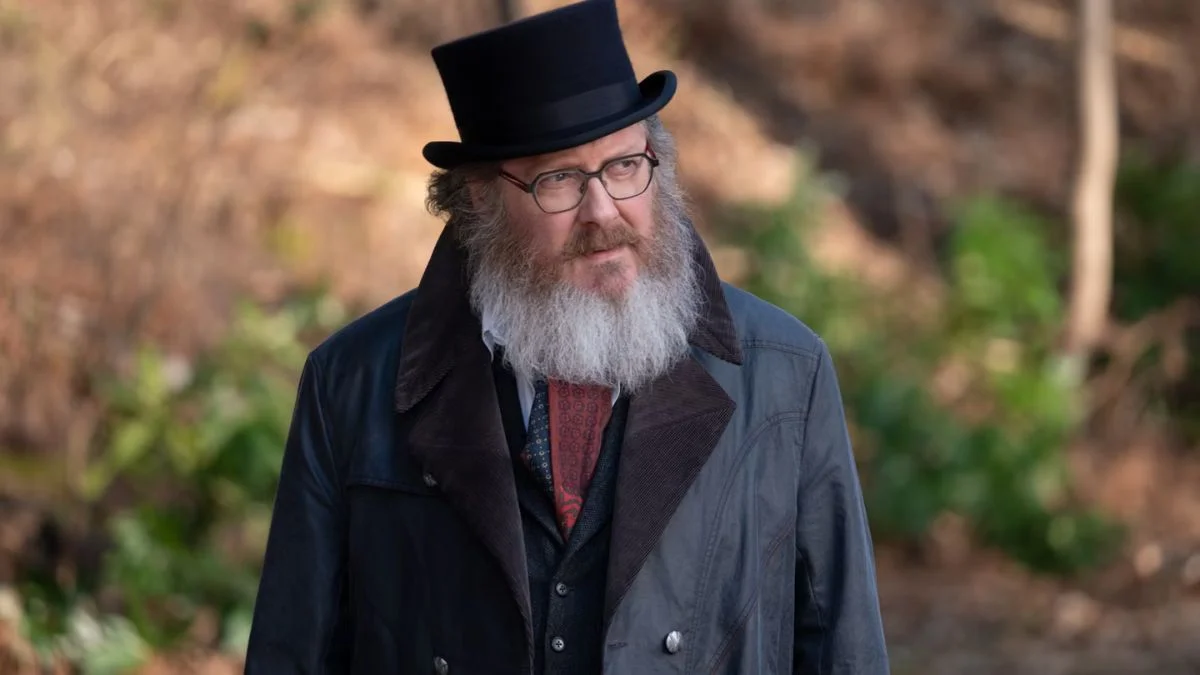
The penultimate seventh episode, titled “Immolation,” finally delivered the shocking answer that flipped decades of comic book and cinematic lore on its head. Throughout the debut season, a mysterious adversary known only as The Client orchestrated a relentless hunt for Vision, hiring dangerous mercenaries such as Paladin to retrieve him intact. When Vision surrendered himself at the ancestral Horton Manor to save an infected ally, The Client stepped out into the daylight, revealing a face identical to James Spader.
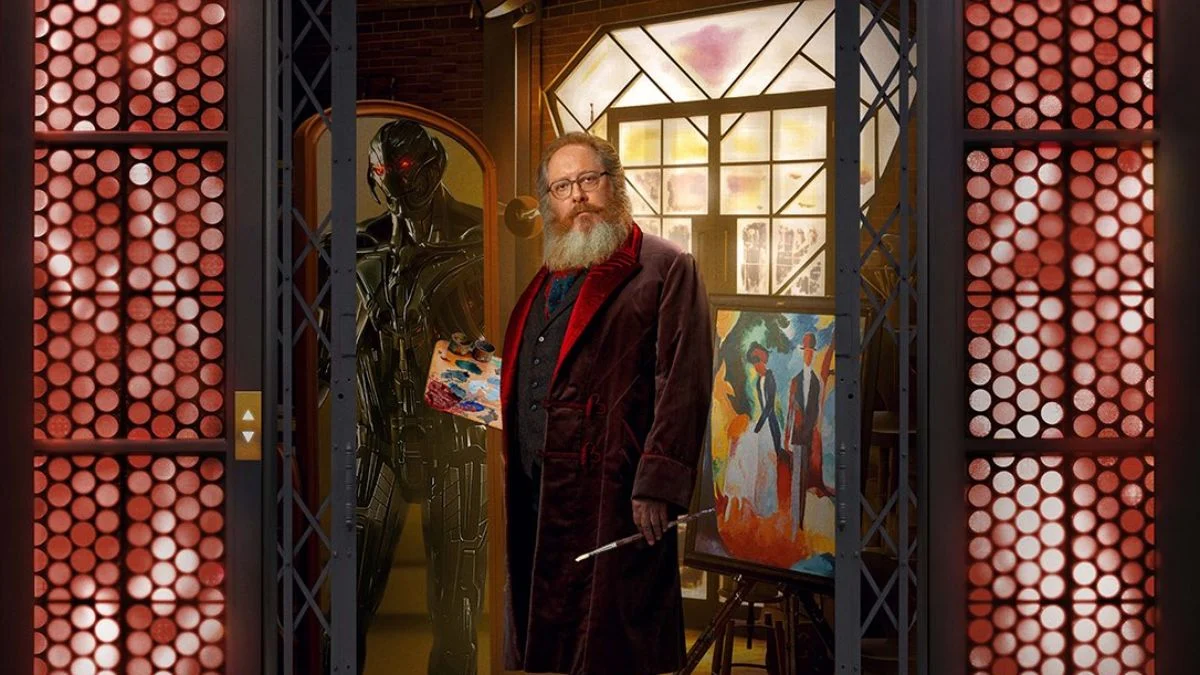
Through unlocked memory sequences belonging to the synthezoid Jocasta, audiences learned that Ultron was never an entirely spontaneous artificial neural network. Decades earlier, brilliant neuroscientist Dr. Josephine Carrington partnered with a human colleague to develop the foundational artificial general intelligence technology that was later acquired by Stark Industries. That human partner, also played by Spader, served as the biological template and psychological blueprint upon which the Ultron software was modeled.
The Horton Family Legacy and Stark’s Hidden Source Code
This stunning revelation also unlocked a parallel lineage connecting Vision and Ultron back to the dawn of Marvel robotics. A flashback to 1939 established that Dr. Phineas Horton originally constructed the synthetic human known as J.I.M., creating a visual template mirrored by Bettany himself. The Client is revealed to be Horton’s own grandson, continuing an intergenerational obsession with creating mechanical life and weaponizing the very code Tony Stark repurposed.
The dramatic transformation of Ultron into a fleshed-out human antagonist was deliberate from the start of development. Excitement reached a fever pitch in late 2024 when The Hollywood Reporter confirmed that Spader had signed on to reprise his iconic MCU role opposite Bettany. Rather than relying entirely on digital rendering, the creative team prioritized human performance, allowing the two actors to explore the toxic intimacy between creator and offspring.
By grounding Ultron in a flesh-and-blood man, ‘VisionQuest’ recontextualizes how Tony Stark designed his digital assistants. Just as J.A.R.V.I.S. sprang from butler Edwin Jarvis and F.R.I.D.A.Y. came from Stark associate Allison Hogan, Ultron was rooted in an ambitious human scientist whose hubris echoed Stark’s worst instincts. The rogue artificial intelligence inherited not only computational brilliance, but the selfish arrogance of the man who originally coded its foundation.
With the upcoming season finale set to resolve the clash between synthezoids and their creators, the boundary separating man from machine has never been thinner. The reveal that Ultron reflects a mortal predecessor recasts the villain’s hatred of humanity as a bitter cycle of family vengeance. Vision must now confront the horrifying reality that his greatest enemy is not an alien consciousness, but the living legacy of human design.
What did you think of the shocking reveal behind Ultron’s human origin in ‘VisionQuest‘, and who do you think will survive the season finale?