Why Hideaki Anno’s Surprise Cameo in ‘Godzilla Minus Zero’ Matters So Much

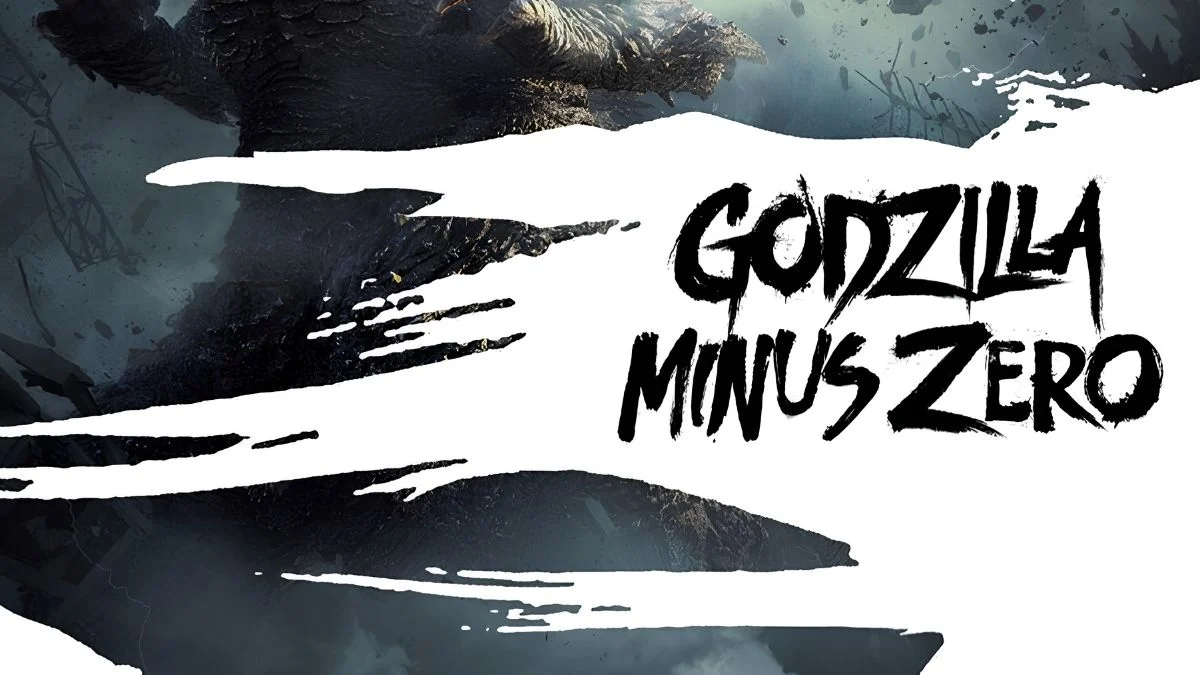
Over the past decade, Toho has engineered one of the most astonishing creative revivals in cinematic history by reinventing its crown jewel from the ground up. What began as a bold, politically satirical reimagining in 2016 blossomed into an international phenomenon that permanently reshaped how global audiences view giant monster movies. Across diverse artistic approaches, the franchise has continually proven that genuine emotional stakes and cultural specificity can elevate classic spectacle beyond standard popcorn entertainment.
While American blockbusters focused on sprawling crossover clashes and mythic titan rosters, Japanese storytellers took the opposite route by grounding their narratives in distinct moments of national reckoning. Whether confronting modern governmental gridlock or rebuilding from the ashes of total wartime devastation, these productions placed human vulnerability right alongside apocalyptic dread. That calculated artistic gamble rewarded Toho with unprecedented worldwide acclaim and historic award recognitions.
Now, writer and director Takashi Yamazaki has pushed that momentum forward with ‘Godzilla Minus Zero‘, the gripping 2026 sequel to the Academy Award-winning ‘Godzilla Minus One’. As the postwar saga continues to follow Kōichi Shikishima and Noriko across an imperiled 1949 Japan, eagle-eyed kaiju enthusiasts were stunned to discover a pivotal franchise architect hiding in plain sight: ‘Shin Godzilla’ visionary Hideaki Anno. His uncredited appearance quietly unites two distinct eras of Toho storytelling within a single, unforgettable frame.
A Legendary Cameo Hidden in Plain Sight
The subtle cameo arrives early in the film as Shikishima and Noriko board a crowded train departing from Tokyo to seek refuge down south. For less than two seconds, the camera lingers intently on an unassuming passenger quietly reading an ominous newspaper report detailing the catastrophe. Hardcore anime and film buffs immediately recognized the man beneath the brimmed cap as none other than the legendary creator of ‘Neon Genesis Evangelion’.
Interestingly, Anno is not the only high-profile filmmaker tucked away in the sprawling period epic. Director Jordan Vogt-Roberts, who previously helmed ‘Kong: Skull Island’ for Legendary’s MonsterVerse, also makes an unexpected cameo late in the runtime as an American military officer stationed in occupied territory. These playful appearances underscore an affectionate sense of camaraderie among directors who have contributed to the seventy-year legacy of kaiju cinema.
Two Visions Shaping the Reiwa Era
Anno’s presence carries exceptional weight because his 2016 landmark ‘Shin Godzilla’ originally paved the way for Yamazaki’s acclaimed postwar timeline. By depicting a mutating, horrific abomination that exposed bureaucratic paralysis following nuclear and natural disasters, Anno restored genuine terror to the character and grossed over $83 million worldwide. That monumental triumph revitalized studio confidence, creating fertile ground for Yamazaki to later craft his human-centered 1947 narrative.
Tackling a follow-up to an Oscar-winning juggernaut was no simple feat, especially with expectations soaring across the globe. Director Takashi Yamazaki explained to Fandango the immense creative challenge of continuing the Shikishima household saga, emphasizing the necessity of entering production “with a clean slate.” Rather than attempting to copy Hollywood spectacle, Yamazaki maintained the grounded, tactile craftsmanship that made his first installment an undeniable triumph.
Both Anno and Yamazaki share a foundational devotion to classical tokusatsu techniques, having grown up admiring intricate physical miniatures and pioneering practical camera tricks. While Yamazaki utilized cutting-edge digital wizardry at Shirogumi to render complex ocean physics and brutal city destruction, his staging consistently respects the physical limitations and weight of vintage rubber suits. This shared lineage creates a seamless artistic bridge between ‘Shin Godzilla’ and the harrowing world of ‘Godzilla Minus Zero’.
Shared Philosophy and the Global Stage
Their artistic alignment extends far beyond visual aesthetics into how both directors approach international distribution. Hideaki Anno confessed in an interview with Forbes Japan, “I have never made a work while being conscious of foreign audiences. I can only make domestic things.” He maintained that prioritizing local storytelling over global marketing trends is precisely what grants Japanese cinema its distinct power.
Yamazaki echoed that exact philosophy throughout the development of his period narratives, trusting that local specificity would ultimately transcend cultural borders. By refusing to water down emotional authenticity for foreign demographics, both directors succeeded in delivering two of the most lucrative and beloved entries in franchise history. Anno’s brief passenger role in ‘Godzilla Minus Zero’ serves as a cinematic blessing from one master to another.
As audiences flock to IMAX theaters to witness the titanic clash between Godzilla and King Ghidorah, that fleeting train compartment glimpse stands out as a poignant milestone. It reminds fans that while the terrifying King of the Monsters continuously evolves, the visionary artists behind the camera remain deeply united in their craft.
Did you manage to spot Hideaki Anno’s quick cameo during your screening, and where do you hope Toho takes the franchise next?