Is ‘Paper Tiger’ Based on a True Story? James Gray’s Personal Crime Drama Explained

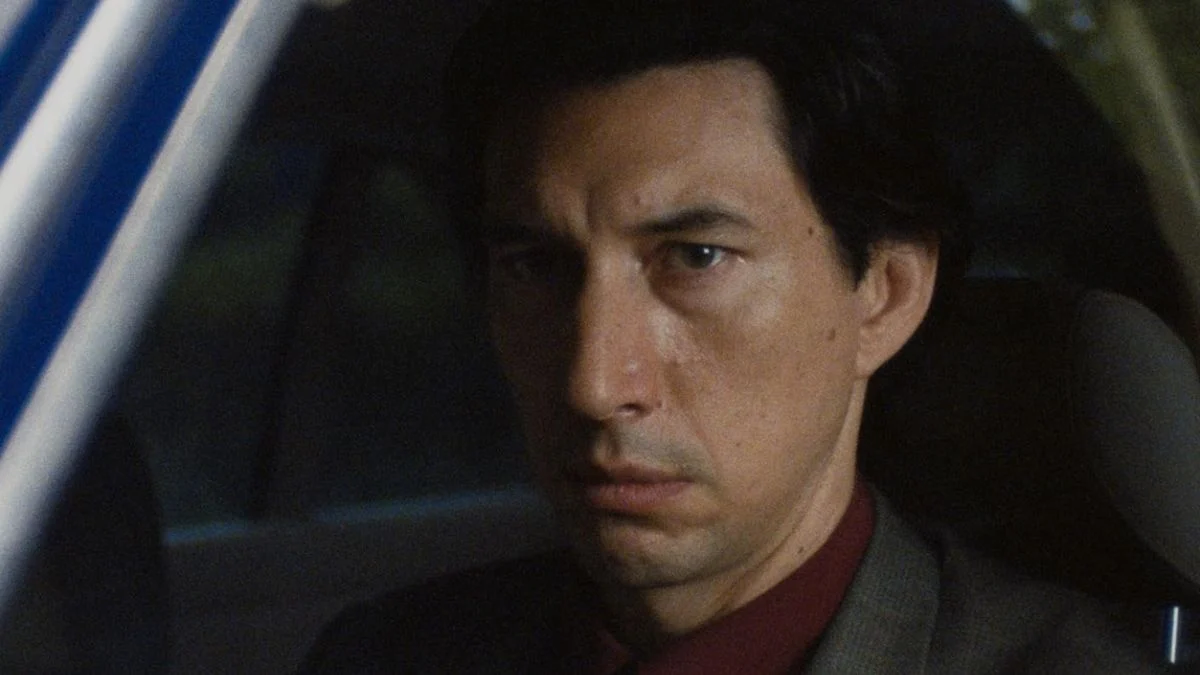
Filmmaker James Gray has spent three decades examining the fragile seams of the American Dream, framing complex family dynamics against the backdrop of late-twentieth-century New York. His crime drama ‘Paper Tiger‘ transports audiences to the working-class neighborhoods of Queens and Brooklyn in 1986. Led by an ensemble featuring Adam Driver, Miles Teller, and Scarlett Johansson, the project generated intense anticipation across the international film circuit.
When the picture held its world premiere at the prestigious Cannes Film Festival, it earned an emotional 10-minute standing ovation from attendees. Buzz intensified as critics highlighted the movie’s tactile period aesthetic, oppressive tension, and authentic depiction of working-class survival. Because the narrative presents such a grounded atmosphere and intricate emotional fractures, viewers have wondered whether the tragic saga draws from actual events.
To answer the central question: yes, ‘Paper Tiger’ is deeply rooted in real-life events. Rather than adapting an investigative chronicle or historical record, writer-director James Gray sourced the project straight from his own family history. In discussions surrounding the release, the filmmaker revealed that the story is roughly 90 percent autobiographical, transforming formative childhood trauma into a classical cinematic morality tale.
The High-Stakes Plot of ‘Paper Tiger’
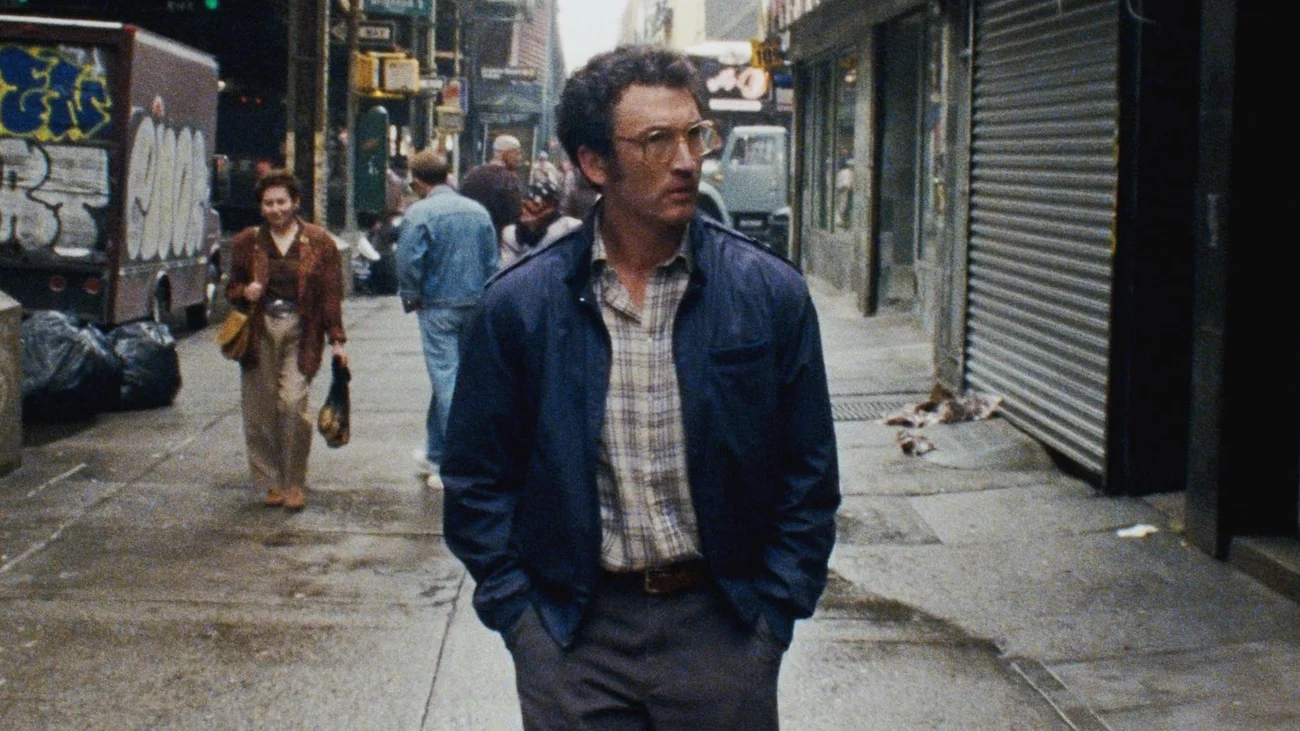
The narrative of ‘Paper Tiger’ unfolds around two brothers striving for prosperity in late-1980s New York. Miles Teller stars as Irwin Pearl, an unpretentious Queens engineer struggling to provide for his household, while Adam Driver portrays his confident older brother Gary, an ex-police detective. Gary presents Irwin with a lucrative proposal involving the environmental cleanup of the polluted Gowanus Canal, insisting that the Russian mob figures backing the initiative are harmless paper tigers.
That fateful miscalculation triggers devastating consequences once Irwin stumbles across suspicious criminal operations during a late-night visit to the waterfront. Anxious to secure the promised $10,000 consulting fee, Irwin and his wife Hester, portrayed by Scarlett Johansson, find their family terrorized by ruthless mob enforcers. The escalating nightmare forces the siblings to make desperate choices that test their loyalty and dismantle their lives.
How James Gray Transformed His Family History
Beneath the thriller conventions lies a transparent portrait of Gray’s actual upbringing and family. The director grew up in Elmhurst, Queens, caught in the flight paths between JFK and LaGuardia airports, watching his parents navigate constant financial hurdles. Irwin Pearl is modeled directly on Gray’s father, a working electronics contractor whose ambitious quest for sudden wealth ultimately led him to become a convicted criminal.
The emotional devastation depicted in the household also draws from the tragic loss of Gray’s mother. In the film, Scarlett Johansson plays Hester, a matriarch secretly confronting severe illness inspired by Gray’s mother, who died rapidly of glioblastoma. Gray has noted that he long suspected the toxic industrial contamination in Queens contributed to her condition, prompting him to weave the canal cleanup into the central storyline.
Blending Painful Memories With Noir Fiction
While the interpersonal dynamics and personal grief remain genuine, Gray acknowledged that roughly 10 percent of the movie was altered for genre conventions. The character of Gary is not a replica of one individual, but a creative composite blending Gray’s uncle and one of his father’s business associates. At a festival press conference, Gray explained that the narrative was “stolen from incidents in my own life and my own past,” then pushed into a pulpy, Hitchcockian framework.
The film gained significant traction earlier in the year when Variety confirmed that distributor Neon acquired North American rights ahead of its Cannes bow. That release path underscores the raw universality of the story, which documents the sudden disintegration of a middle-class home. In real life, Gray’s childhood world fractured completely within two months, as he left for film school at USC while his mother died and his father faced potential prison time.
Moving Beyond Personal Cinema in Future Projects
Having previously examined his formative years in the 2022 coming-of-age drama ‘Armageddon Time’, Gray views ‘Paper Tiger’ as the culmination of his autobiographical exploration. “I’ll go back to doing stuff that’s outside of the realm of my autobiographical experience probably on the next film,” Gray stated in an interview with Deadline, explaining, “I’m simply trying to express where I am emotionally with each film”. By transforming private tragedy into an operatic crime thriller, Gray delivers an uncompromising examination of the hidden costs behind the American Dream.
Share your thoughts about the devastating real-life family history behind ‘Paper Tiger’ and how it translates to the screen in the comments section below.