Is ‘Wrong Turn’ Based on a True Story? The Real Inspiration Behind the Horror Slasher

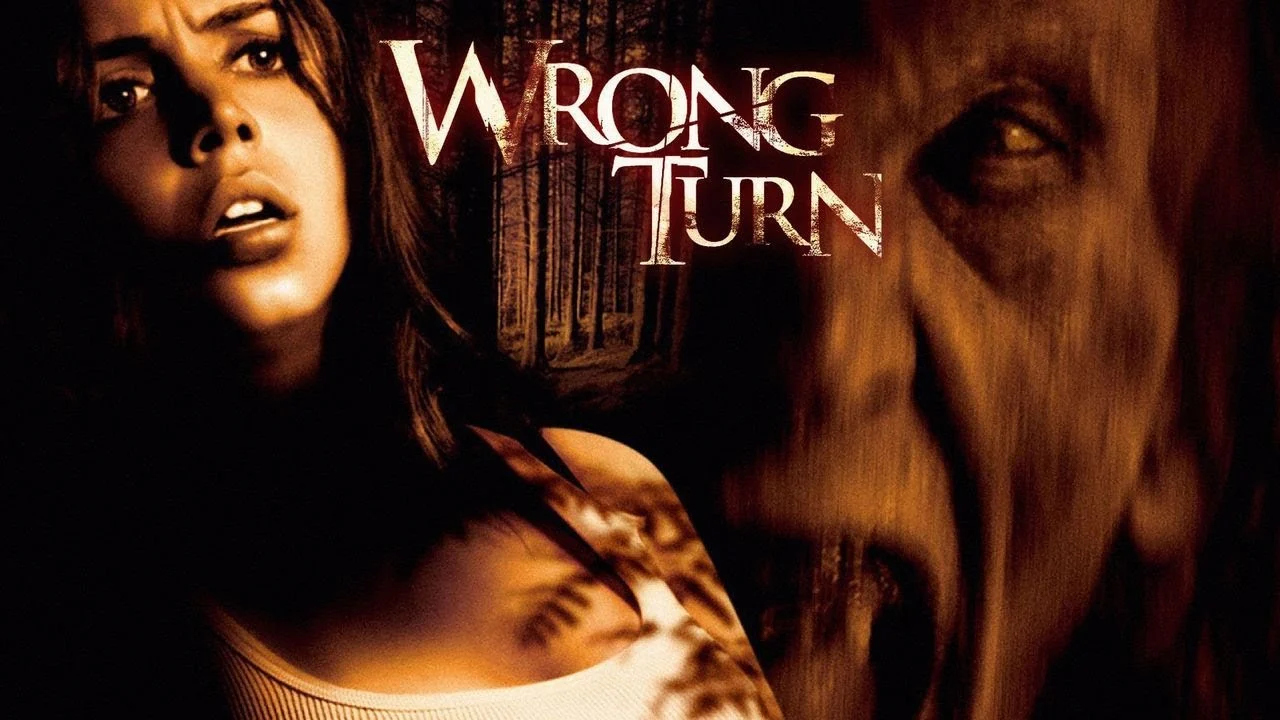
When the early 2000s ushered in a gritty revival of backwoods slasher cinema, few films terrified road-trippers quite like ‘Wrong Turn’. Released theatrically in 2003, director Rob Schmidt’s survival horror tapped into the universal anxiety of straying off the main highway and losing cellular service in unfamiliar terrain. With its blood-drenched Appalachian setting and gruesome practical creature effects designed by four-time Academy Award winner Stan Winston, the movie quickly became an enduring cult classic.
The grueling chase through the dense woods of West Virginia struck a particularly raw nerve with audiences, spawning five direct-to-video sequels and a 2021 franchise reboot. Viewers watched in shock as six stranded travelers were systematically hunted down by three disfigured, cannibalistic mountain men named Three Finger, Saw Tooth, and One Eye. Because the depiction of rural isolation felt so uncomfortably visceral, persistent rumors began circulating that the gruesome carnage was inspired by real-life missing persons cases.
Despite decades of persistent internet rumors and Appalachian campfire lore, ‘Wrong Turn’ is not based on a true story. The blood-soaked nightmare endured by characters like Chris Flynn and Jessie Burlingame is entirely a fictional tale crafted in Hollywood. However, while the deformed cannibal brothers never existed in reality, the core concept originated from very real psychological anxieties and unsettling personal experiences on the road.
The Real-Life Night Drive That Sparked the Script
Screenwriter Alan B. McElroy conceived the film’s premise during a harrowing late-night road trip to New York when an immense traffic jam brought highway travel to a complete standstill. Stranded on an unfamiliar, pitch-black stretch of asphalt for hours, McElroy and his wife began dreading the catastrophic possibilities of a flat tire miles away from any help. McElroy paired that eerie sense of vulnerability with an earlier, unproduced short-film script he had developed called ‘Blur’, which centered on an escaped bank robber stumbling into a hostile woodland cabin.
Rather than adapting documented crime headlines, McElroy surprisingly modeled the core narrative framework after the classic children’s fairy tale ‘Goldilocks and the Three Bears’. The stranded motorists wander into an empty woodland cabin seeking a telephone, uncover horrifying evidence of butchery, and must desperately hide under beds when the monstrous occupants return. Examining the clash between modern society and primal horror, McElroy told We Watched A Movie that he wanted to explore “who is the monster,” noting that “in the original ‘Wrong Turn’, you know who the monsters” are.
The Influence of Sawney Bean and 1970s Survival Horror
While the characters are completely fictional, ‘Wrong Turn’ stands proudly on the shoulders of the rural American Gothic tradition that dominated genre cinema during the 1970s. The movie pays direct thematic homage to John Boorman’s ‘Deliverance’, Tobe Hooper’s ‘The Texas Chain Saw Massacre’, and Wes Craven’s ‘The Hills Have Eyes’. Like those seminal classics, the story exploits modern urbanites’ deep-seated paranoia about unchecked wilderness and insular clans existing far outside the reach of the law.
Craven famously drew inspiration for ‘The Hills Have Eyes’ from the medieval Scottish folklore of Sawney Bean, an incestuous clan leader whose family allegedly murdered and ate travelers in coastal caves. That ancient folkloric archetype heavily informed ‘Wrong Turn’, shaping Three Finger and his brothers into modern mythological bogeymen rather than flesh-and-blood historical criminals. By transferring these ancient cannibalistic myths onto the remote mountains of West Virginia, the filmmakers gave their survival scenario an unsettling veneer of regional authenticity.
Psychological Isolation Over Documented History
The enduring terror of ‘Wrong Turn’ relies far more on primal psychology and geography than any factual criminal investigation. Lead actress Eliza Dushku reflected on this lingering roadside dread in an interview with IGN, explaining, “The biggest fear is getting lost and being lost and no one can find you and you don’t have food and you don’t have water and it’s all over”. That helplessness continues to resonate with anyone who has ever watched their dashboard navigation screen flicker and lose signal in the middle of nowhere.
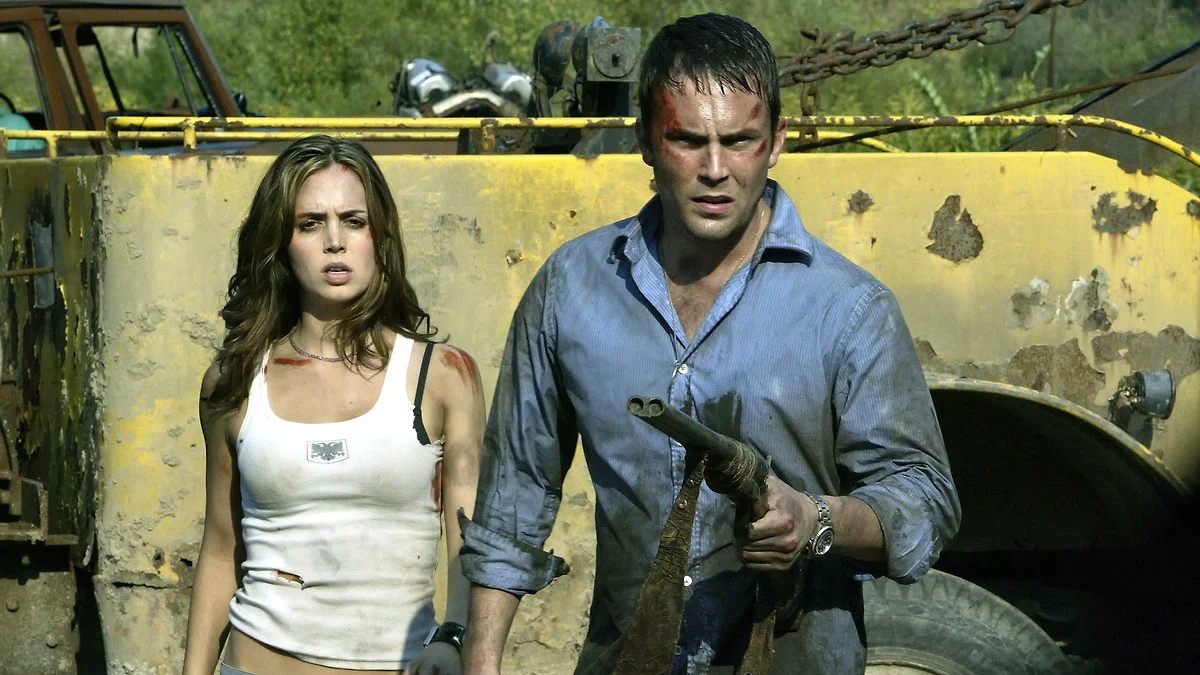
Over two decades later, the seven films across the franchise endure because the catalyst for the terror remains so relatable and mundane. Any motorist can miss an exit, run over road debris on an unmarked detour, and find themselves hopelessly separated from civilization. The deformed cannibal family remains pure Hollywood fantasy, but the vulnerability of taking a single wrong turn is completely real.
Do you think ‘Wrong Turn’ still stands as one of the best backwoods horror films of the 2000s, or did the sequels push the premise too far?