Netflix’s ‘Ethos’ Season 1 Recap: Navigating Istanbul’s Deep Cultural Divides

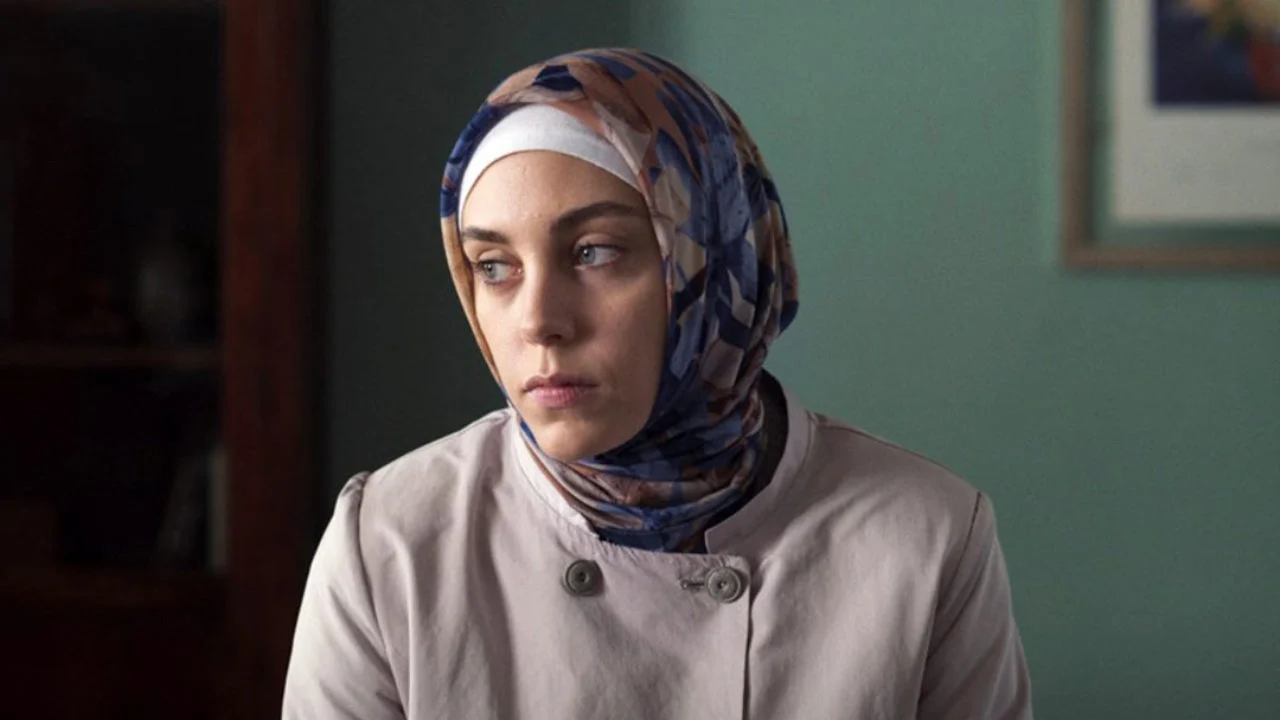
Over the past decade, Turkish television productions have expanded far beyond conventional melodramas, finding passionate international audiences through complex streaming narratives. Among this wave of sophisticated storytelling, writer and director Berkun Oya delivered a landmark triumph with the critically acclaimed drama ‘Ethos’ (originally titled ‘Bir Başkadır’) on Netflix. The eight-episode drama captured widespread attention by presenting a contemplative, visually stunning exploration of contemporary Turkish society.
Set against the sprawling, multi-layered backdrop of modern Istanbul, the drama maps the sharp contrasts between secular cosmopolitan elites and devout, traditional working-class families. Rather than treating these social strata as distant archetypes, the narrative interlocks their lives through unexpected encounters, mutual misunderstandings, and shared vulnerabilities. The production relies on patient cinematic framing and intimate conversations to examine how systemic divides shape internal personal conflicts.
At the center of this social tapestry is Meryem (Öykü Karayel), a devout, headscarf-wearing young woman living on the outskirts of Istanbul who suffers from recurring, unexplained fainting spells. When medical tests confirm no physical illness, she is referred to Dr. Peri Aksoy (Defne Kayalar), a wealthy, Western-educated therapist. Reflecting on her character’s relatability, Karayel noted, “Meryem is one of us. She is one of the people we live together with,” in an interview with journalist Ayşe Arman, adding that “Instinctively, she knows what is good for her”.
A Web of Intersecting Prejudices and Hidden Desires
The clinical encounters between Meryem and Peri immediately expose the deep cultural fissures within the metropolis. While Peri maintains a polite, professional demeanor in her office, she harbors severe prejudices against veiled women, which she vents during supervision with her own therapist, Gülbin (Tülin Özen). Unbeknownst to Peri, Gülbin comes from a middle-class Kurdish family and constantly battles intense ideological polarization at home with her conservative sister Gülan (Derya Karadaş).
Meryem’s fainting episodes are soon revealed to be psychosomatic reactions connected to the repressed romantic longing she harbors for her wealthy employer, Sinan (Alican Yücesoy). Sinan is an emotionally distant bachelor whose casual partners coincidentally include both Gülbin and Melisa (Nesrin Cavadzade), an actress who befriends Peri. Whenever conversations turn toward marriage, weddings, or her domestic chores for Sinan, Meryem’s unexpressed desires overwhelm her subconscious, triggering sudden collapses.
Back in Meryem’s cramped suburban home, daily life is weighed down by escalating tension and buried grief. She lives with her hot-tempered brother Yasin (Fatih Artman), a nightclub bouncer, and his severely depressed wife Ruhiye (Funda Eryiğit). Ruhiye remains incapacitated by past trauma, while their young son İsmail has grown mute under the weight of household distress.
Confronting Buried Trauma and Cultural Expectations
Seeking spiritual guidance for their mounting family hardships, Yasin regularly consults the respected local cleric Ali Sadi Hoca (Settar Tanrıöğen). Yet the cleric faces private sorrow of his own as his daughter Hayrünnisa (Bige Önal) secretly leads a double life. Grieving her mother, Hayrünnisa removes her veil in private, embraces underground electronic music, and explores a romantic connection with another woman.
The narrative reaches a pivotal turning point when Ruhiye decides to return to her rural village to confront the man who assaulted her years earlier. Accompanied by Yasin and Hilmi (Gökhan Yıkılkan), Ruhiye confronts her assailant, finally breaking her silence and finding the closure needed to begin emotional healing. Her catharsis sparks an immediate breakthrough at home, culminating in little İsmail finally finding his voice and speaking aloud.
Meanwhile, Hayrünnisa openly abandons her headscarf after her mother’s burial, stepping courageously into her authentic truth. Though pained by her departure from tradition, Ali Sadi Hoca responds with paternal tenderness and quiet acceptance. As TRT World reported, the drama’s emotional brilliance stems from connecting characters “coming within a couple of degrees of separation, if not closer,” allowing disparate worlds to discover unexpected common ground.
The Final Breakthrough in the Therapy Room
Season 1 reaches its poignant resolution when Meryem returns to Peri’s office ready to abandon evasion and speak openly. During their final consultation, Meryem confesses her affection for Sinan, confronting the emotional vulnerability she had spent months suppressing. By articulating her feelings without shame, Meryem breaks free from the psychological paralysis that caused her fainting spells, while Peri confronts the limits of her own secular worldview.
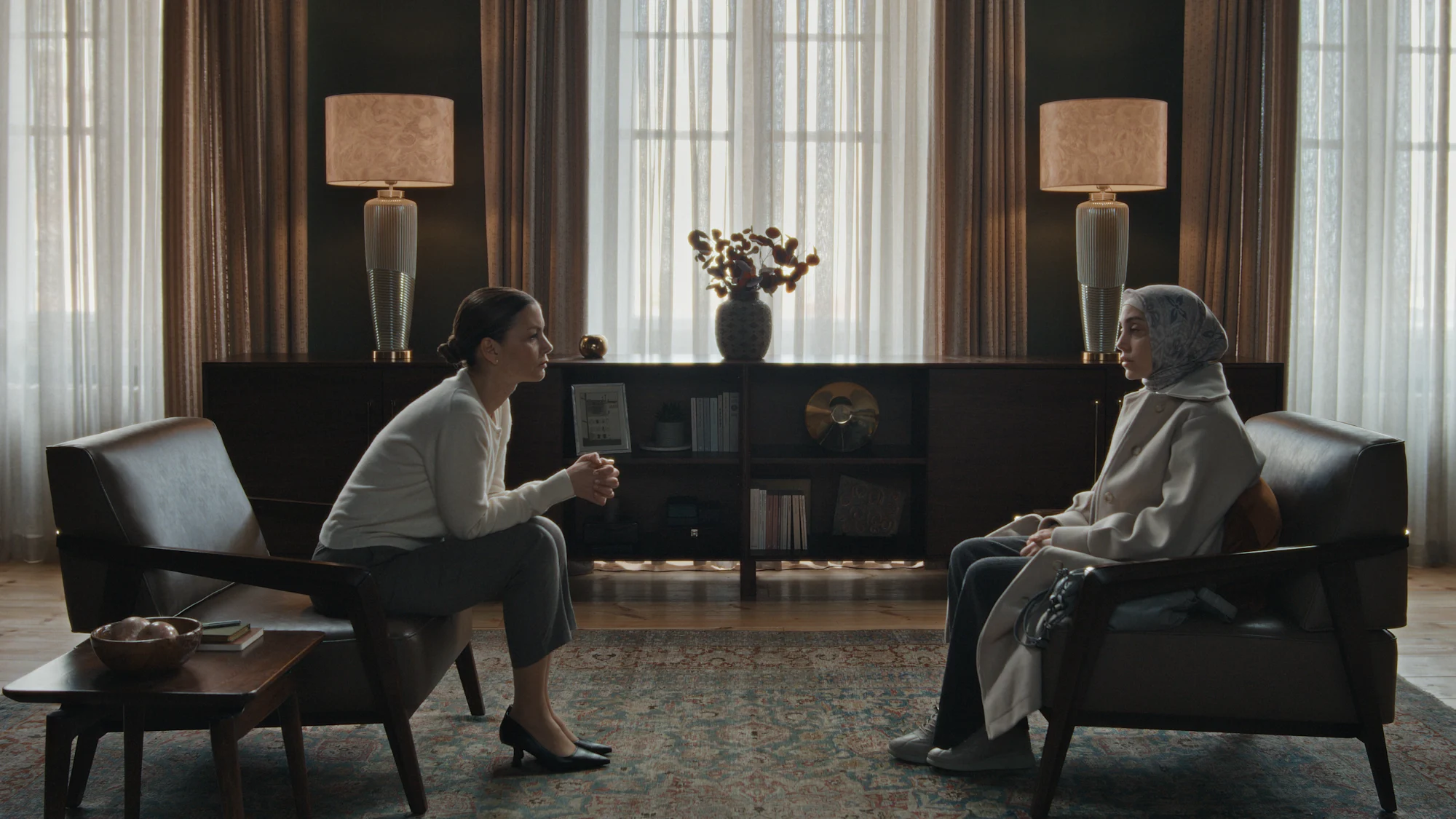
Ultimately, ‘Ethos’ concludes not with tidy fairy-tale resolutions, but with fragile, hard-won strides toward mutual understanding and collective healing. Across Istanbul’s fractured cultural landscape, each individual finds the courage to shed burdensome pretenses and acknowledge their shared humanity.
What did you think of the character arcs in ‘Ethos’ Season 1, and how do you feel about its portrayal of societal divides?