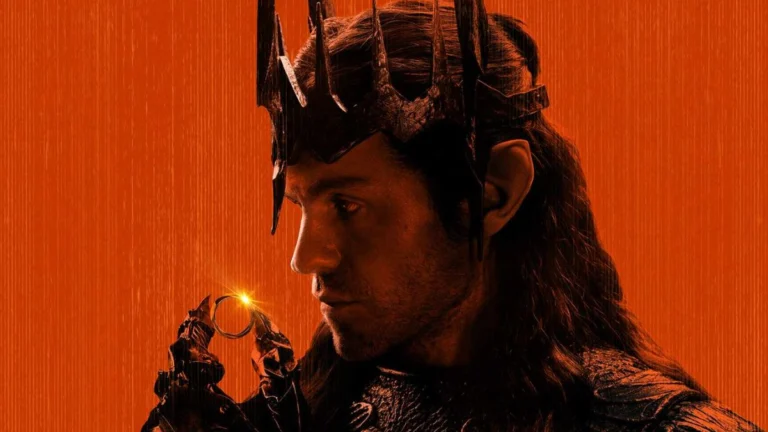
What Is ‘Ebenezer’ Based On? The True Story Behind the Character and Movie


Every winter holiday season brings a familiar cycle of cinematic traditions, folklore, and moral reinvention across Hollywood. From vintage black-and-white broadcasts to modern studio reimaginings, storytellers perpetually return to tales of bitter greed undone by spectral redemption.
The figure of a cold-hearted miser wandering shadowy Victorian streets has long occupied a permanent cornerstone of popular culture. Audiences across generations readily recognize the archetypal journey of an isolated financier confronting supernatural visitors in the dead of night.
That enduring legacy takes center stage once more in director Ti West’s 2026 dark fantasy feature ‘Ebenezer‘, which directly adapts Charles Dickens’ immortal 1843 novella ‘A Christmas Carol’. The Paramount Pictures production presents a gothic exploration of literature’s most iconic curmudgeon, examining the grief and societal tensions that shaped his icy exterior.
Adapting Charles Dickens’ Classic Ghost Story for Modern Cinema
In the 2026 release ‘Ebenezer’, screenwriter Nathaniel Halpern reimagines the familiar 19th-century narrative through an atmospheric lens. While previous screen adaptations often leaned toward cozy sentimentality, West crafts a Victorian chiller featuring an ensemble cast that includes Ian McKellen, Rupert Grint, and Andrea Riseborough.
The production also serves as a major studio project for lead star Johnny Depp, who portrays the titular skinflint with elaborate mannerisms. Describing the actor’s innate grasp of Victorian cadence, director Ti West affirmed, “He’s the movie, really,” in an analysis published by The Guardian.
The release marks a crucial commercial bellwether for Depp’s viability as a mainstream leading man following years away from major studios. Strong early tracking accompanied the film’s rollout, as reported by NBC News, demonstrating that moviegoers remain eager to revisit the quintessential holiday morality fable.
The Real-Life British Misers Who Inspired Ebenezer Scrooge
Yet the foundations of ‘Ebenezer’ stretch far deeper than the cinematic craft of a modern Hollywood production. When Charles Dickens penned the novella in 1843, he did not invent the grasping moneylender entirely from scratch.
Instead, the author assembled his protagonist out of vivid contemporary observations and well-known historical figures from British society. Dickens was acutely conscious of the social misery produced by unbridled Industrial-Era capitalism, seeking a compelling avatar to embody institutional selfishness.
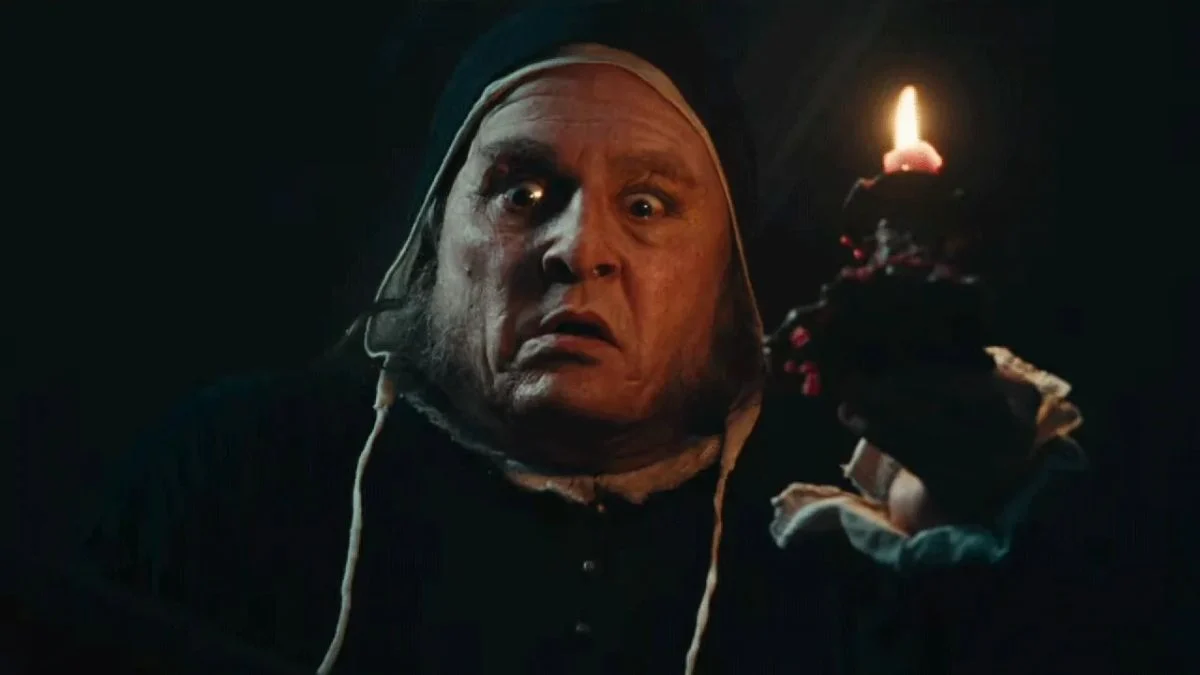
The author drew principal behavioral traits from John Elwes, an eccentric 18th-century Member of Parliament notorious across Great Britain for extreme frugality. Despite inheriting a personal fortune equivalent to tens of millions of dollars today, Elwes chose to live in perpetual squalor.
Elwes routinely wore tattered clothing discarded by others, slept in unheated properties, and ate rotting meat to save coins. Paradoxically, he would lend large sums of money to peers without charging interest, creating a perplexing psychological portrait that Dickens studied carefully.
Another key historical model was James “Jemmy” Wood, a Gloucester banker widely considered Britain’s first millionaire. Wood gained notoriety for walking miles through rain to save carriage fare, wearing the same frayed coat for decades, and gathering loose coal scraps along commercial docks.
A Gravestone Blunder in an Edinburgh Kirkyard
While real historical skinflints provided the psychological habits of the character, the famous name of Ebenezer Scrooge arose from a comical misunderstanding. In June 1841, two years before publishing ‘A Christmas Carol’, Dickens took an afternoon walk through the Canongate kirkyard in Edinburgh.
While examining grave markers near economist Adam Smith’s resting place, the author paused before the tombstone of a man named Ebenezer Lennox Scroggie. The carved inscription identified the deceased merchant by his trade as a “meal man,” indicating that he traded corn and grain.
Dickens, reading the weathered Scottish stone in dim lighting, mistakenly interpreted the words as “mean man.” The chilling thought that an individual could be commemorated through eternity only for being cruel and miserly haunted the novelist for months afterward.
Ironically, the actual historical Scroggie was completely opposite to the fictional skinflint he inadvertently inspired. Historical records show that Scroggie was an exuberant, popular wine merchant and city councilor famous for throwing lavish banquets and possessing a generous spirit.
The Enduring Cultural Power of Charles Dickens’ Tale
By merging the eccentric parsimony of John Elwes and Jemmy Wood with the accidental name of Ebenezer Scroggie, Dickens created a character that has endured for nearly two centuries. The narrative has transitioned across stage plays, radio broadcasts, and modern films without losing its emotional resonance.
With Ti West’s ‘Ebenezer’ bringing the ghostly fable back to cinemas, audiences are reminded that the story’s underlying themes remain urgent. Whether on the page or the screen, the transformation of an isolated miser stands as a timeless testament to empathy and redemption.
Are you planning to watch ‘Ebenezer’ in theaters, and what do you think of the real-life historical inspirations behind Scrooge’s story?