Is Netflix’s ‘The Empress’ Based on a True Story? Separating Fact From Fiction

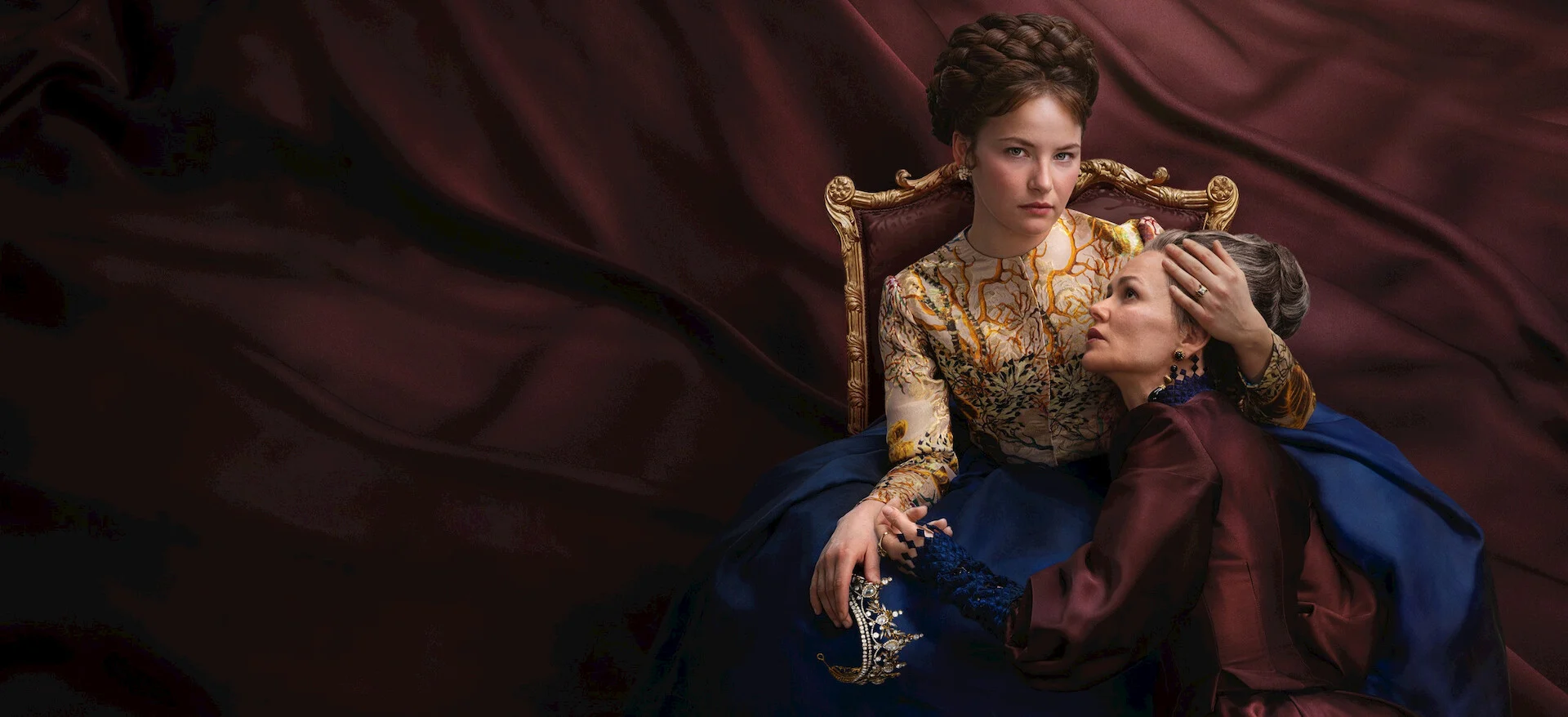
Lavish historical dramas have become a staple of modern streaming television, proving non-English productions can captivate audiences worldwide. Netflix’s German-language series ‘The Empress‘, originally titled ‘Die Kaiserin’, stands among the biggest successes of this wave. As viewers revisit its sweeping romance, many wonder whether Netflix’s ‘The Empress’ is based on a true story or polished palace fiction.
Created by showrunner Katharina Eyssen, the series debuted in September 2022 and reached Netflix’s Top 10 across more than 85 countries. Its first run won Best Drama Series at the 51st International Emmy Awards in 2023 before concluding with a six-episode third season on November 12, 2026. Across 18 episodes starring Devrim Lingnau Islamoğlu and Philip Froissant, the drama blends spectacle with courtly conflict.
The Real History Behind Netflix’s ‘The Empress’
Yes, ‘The Empress’ is rooted in a true story, chronicling the tumultuous life of 19th-century monarch Empress Elisabeth of Austria, nicknamed “Sisi.” Born into Bavaria’s House of Wittelsbach on December 24, 1837, Elisabeth grew up in the countryside with her eccentric father, Duke Maximilian Joseph, and Princess Ludovika. Her carefree youth ended abruptly in 1853 during a trip to Bad Ischl.
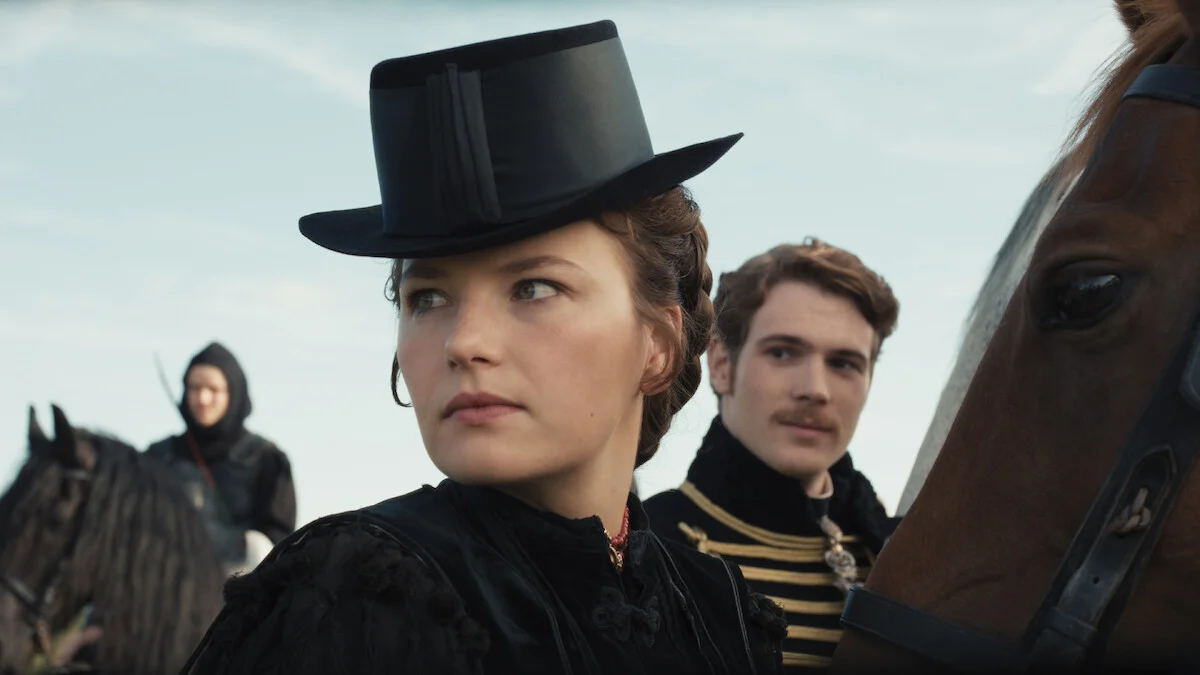
Elisabeth’s mother and aunt arranged for 23-year-old Emperor Franz Joseph I to propose to her older sister, Helene. Instead, Franz Joseph fell for Elisabeth, declaring he would marry her or no one at all and announcing their engagement five days later. Their April 24, 1854 wedding thrust the 16-year-old bride into Vienna’s rigid Habsburg court beside her formidable mother-in-law, Archduchess Sophie.
In reality, the couple had four children: Sophie, who died in 1857 at age two, Gisela, Crown Prince Rudolf, and Marie Valerie. After Archduchess Sophie took control over raising the older children, Elisabeth felt alienated in Vienna and championed Hungarian autonomy alongside statesman Count Gyula Andrássy, aiding the 1867 Austro-Hungarian Compromise. Following Rudolf’s 1889 death at Mayerling, she remained in mourning until her 1898 assassination in Geneva.
How ‘The Empress’ Balances Historical Truth With Modern Drama
Although those milestones are factual, the series reimagines events for modern viewers rather than acting as a strict history lesson. Eyssen explained in an interview with TV Movie that “it was our declared goal from the very beginning to make a feminist series,” valuing emotional connection over textbook fidelity. That philosophy shaped everything from dialogue to wardrobe, giving the 19th-century characters distinctly contemporary voices.
Several memorable storylines from the first season were invented or heightened for suspense. Historians note Franz Joseph first saw Elisabeth in a drawing room rather than the Bavarian woods, and she grew to love him gradually instead of instantly. Likewise, the spy subplot featuring Ava posing as Countess Leontine von Apafi is fictional, and Archduke Maximilian never conspired to overthrow Franz Joseph as depicted in the drama.
Later chapters take similar creative liberties with the imperial marriage. After losing her eldest daughter, the real Elisabeth grew lethargic and retreated from court on voyages like her 1860 trip to Madeira, whereas the show depicts her fighting assertively for political influence. While the final season explores Franz Joseph’s wartime trauma, a fictionalized affair with Terese, and Maximilian’s Mexican downfall, historians note it remains unclear whether Elisabeth and Andrássy were ever more than close friends.
Why Empress Elisabeth’s Story Still Captivates Audiences Today
Visually, ‘The Empress’ sets itself apart from earlier depictions like the sanitized 1950s ‘Sissi’ trilogy starring Romy Schneider and Vicky Krieps’s 2022 film ‘Corsage’. Because Austria’s original palaces are now museums, filming relied on Bavarian castles alongside locations in the Czech Republic, Italy, and Spain. Costume designer Gabriela Reumer blended historical cuts with modern design elements to highlight Elisabeth’s inner conflict at court.
Despite departing from historical archives, the show’s portrait of a woman defying rigid tradition resonated far beyond Europe. Discussing the global reaction ahead of the finale, Eyssen told the Associated Press that viewers from Ukraine, Iran, and African countries reached out “saying that it meant so much to them to see this character and it gave them hope or a moment of relief or just a moment of joy.”
Share your thoughts in the comments below on which true historical moments or creative liberties in ‘The Empress’ surprised you the most across its three-season run.