‘Daayra’ Ending Explained: What Happens to Raman and Ajooni in Meghna Gulzar’s Thriller?

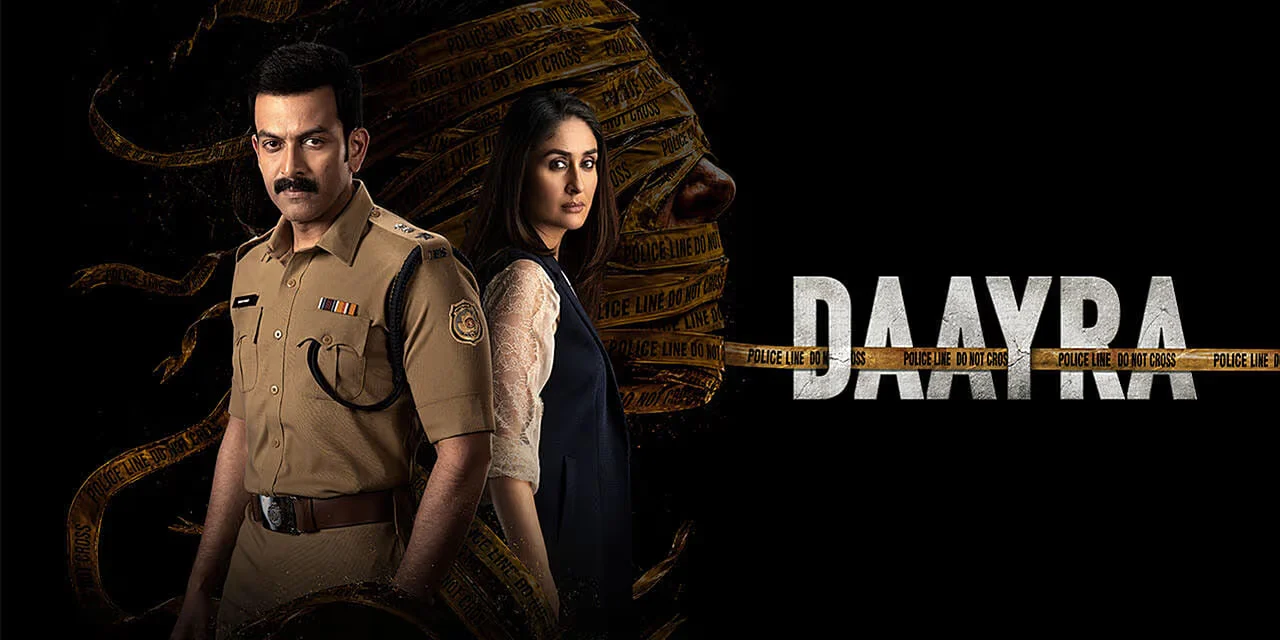
Few Indian filmmakers dissect the uneasy space between institutional failure and public outrage as relentlessly as Meghna Gulzar. Following acclaimed dramas such as ‘Talvar’, ‘Raazi’, ‘Chhapaak’, and ‘Sam Bahadur’, her 2026 crime thriller ‘Daayra’ turns its gaze toward modern policing’s most divisive ethical fault lines. Co-written by Gulzar alongside Sima Agarwal and Yash Keswani, the 143-minute feature from Junglee Pictures and Pen Studios pairs Kareena Kapoor Khan and Prithviraj Sukumaran on screen for the first time.
Rather than crafting a traditional whodunit, the film sets up an ideological clash inside the same justice system. Drawing on real-world debates around stalled trials and public hunger for instant punishment, the story avoids simple hero-versus-villain binaries. After opening in cinemas on September 18, 2026, in Hindi and Malayalam, the thriller reached wider audiences through its November 13, 2026 streaming debut on Netflix.
Two Parallel Investigations and the Truth Behind the Encounter
‘Daayra’ flips conventional crime storytelling by opening with a street celebration rather than an arrest. Fireworks, sweets, and colored powder greet DCP Raman Kumar (Sukumaran) after his squad shoots dead four men accused of gang-raping and burning 24-year-old Ragini Pujari (Pragati Mishra). When Raman claims the suspects snatched weapons and tried to flee during a reconstruction, Internal Vigilance officer DCP Ajooni Kohli (Kapoor Khan), daughter of a judge (Kanwaljit Singh) who survived a courthouse shooting, leads a Special Investigation Team probing the deaths.
Following a quiet two-week theatrical run, Hindustan Times confirmed the film’s bilingual Netflix debut, bringing a project Kapoor Khan described as “grounded, realistic, and complex” to global streaming viewers. Moving across two timelines, Ajooni traces how police stations brushed off Ragini’s mother, Parvati (Kshitee Jog), and brother, Kabir (Bhavesh Babbani), amid missing surveillance footage. Her shooting reconstruction further exposes rehearsed officer statements, ballistic discrepancies, and altered age records surrounding one accused.
Meanwhile, flashbacks illuminate the frustration behind Raman’s rapid manhunt. Watching Parvati’s despair over trials that drag on for years convinces him that courts routinely fail grieving families through procedural loopholes. In the climactic stretch, Gulzar cross-cuts the harrowing recreation of Ragini’s assault with the rain-soaked encounter itself, drawing on the 2019 Hyderabad case while confronting viewers with the fury behind both Raman’s actions and Ajooni’s resolve.
What Happens in the Final Scene Outside the Airport?
For nearly the entire runtime, Ajooni and Raman never share a physical frame, communicating only through press statements and conflicting case files. That separation makes their lone face-to-face meeting outside an airport near the end land with quiet tension rather than theatrical fireworks. Such precision mirrored Gulzar’s meticulous direction on set, where Sukumaran admitted to challenging her blocking choices and told The Hollywood Reporter India, “And then she has an answer for it. I’m like, damn, how do you have an answer for everything?”.
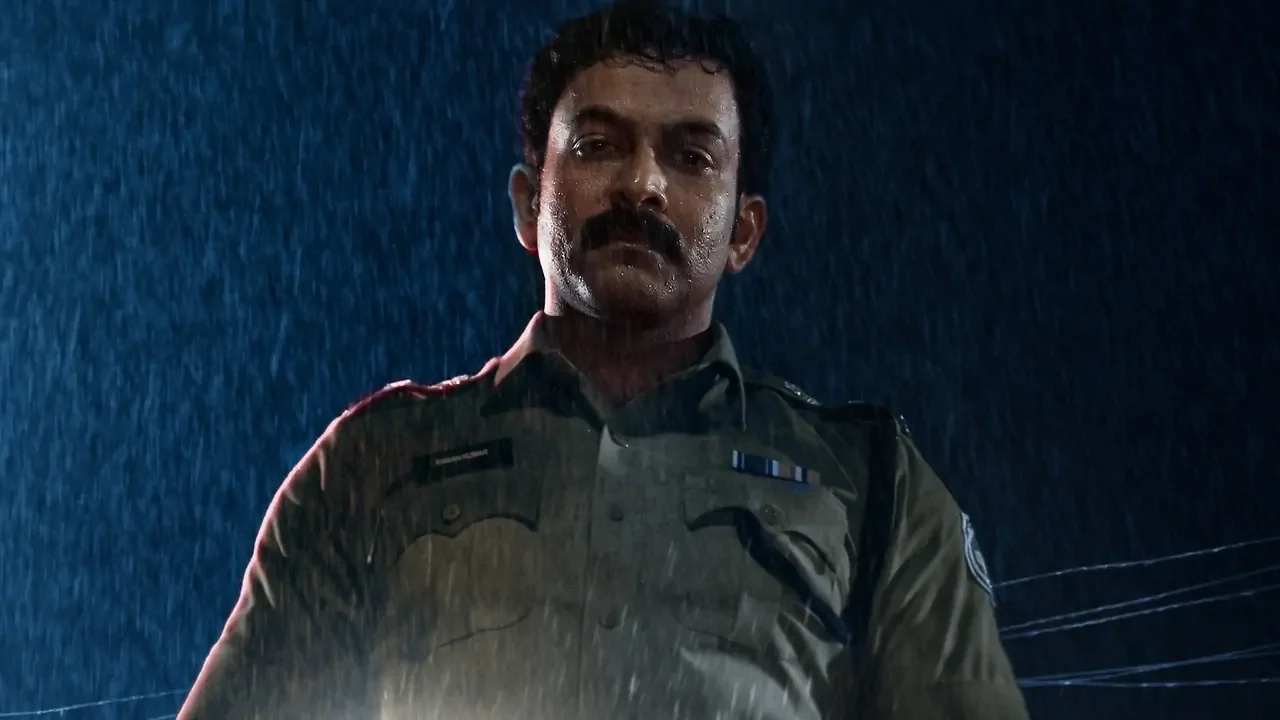
Outside the terminal, neither officer backs down as they lay out incompatible philosophies. Ajooni insists police must operate strictly within the boundaries, or daayra, of the law, warning that public faith collapses once enforcers abandon it. Raman counters that delayed justice offers no solace when legal loopholes protect violent offenders, leaving their ideological standoff deadlocked.
Crucially, the film never reveals whether Ajooni’s report leads to prosecution, gets buried, or leaves Raman shielded by the institution. Instead, as they walk their separate ways, the final frames highlight wet and dry waste bins beside a brief glimpse of a stall run by the freed former juvenile offender from the 2012 Delhi case. Paired with Gulzar and Amit Trivedi’s closing song “Sach Ka Daayra,” sung by B Praak, the imagery suggests that even society’s ugliest realities demand proper handling, though no clean answer exists.
Why Meghna Gulzar Refuses to Offer an Easy Verdict
While some viewers felt the climax leaned toward Raman’s disillusionment, the open ending deliberately places the moral burden on the audience, mirroring real-world debates where public applause and legal accountability rarely align.
Reflecting on her leads’ restrained performances, Gulzar shared with The Indian Express, “The interpretation they have given for their characters has elevated them more than I had imagined on paper, or between the lines. That’s the very gratifying part.” That quiet restraint allows both stars to embody fierce conviction without slipping into caricature.
Share your thoughts in the comments on whether Ajooni’s strict defense of due process or Raman’s disillusioned brand of instant justice resonated more with you after the final scene of ‘Daayra’.