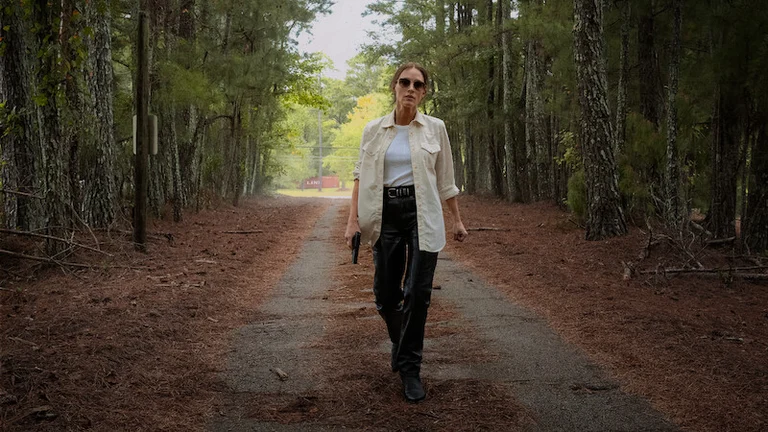
‘Murder in Galicia’ Ending Explained: How the System Fails Irene Freire and Seals Elías Lago’s Fate

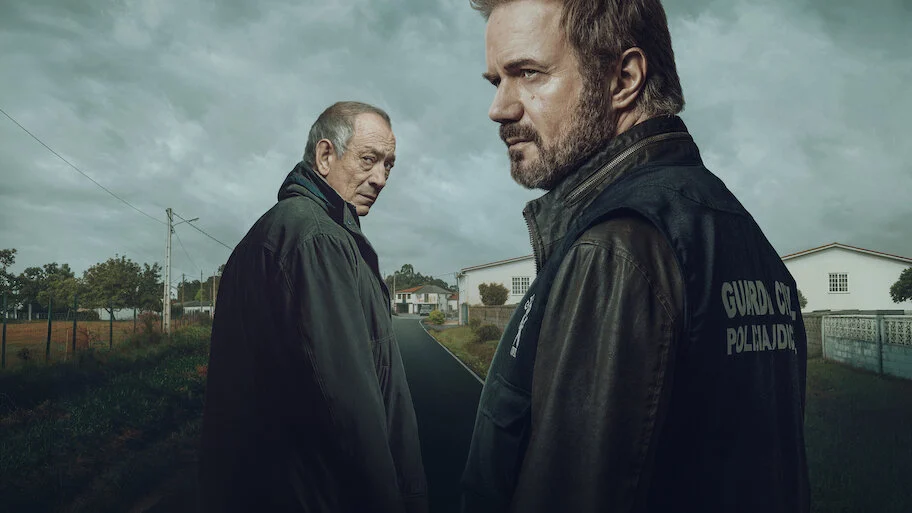
Netflix expands its Spanish true-crime slate from Bambú Producciones, the studio behind ‘The Asunta Case’ and ‘A Widow’s Game’, with ‘Murder in Galicia’. Released on November 13, 2026, as ‘El crimen de Pazos’ in Spain, the three-part drama trades thriller twists for procedural realism. Directed by Carlos Sedes, the story unfolds in Pazos after a violent assault staged as a burglary shatters an idyllic marriage.
Arriving one week after Netflix’s companion documentary ‘Unprotected: Murder in Galicia’, which premiered on November 6, 2026, the miniseries dramatizes the 2015 attack on Isabel Fuentes. Tristán Ulloa stars as Civil Guard Sergeant Elías Lago, who investigates after Irene Freire (Luisa Merelas) survives the initial assault. While her husband Aniceto (Miguel Borines) blames masked robbers, Elías doubts his account and races against growing institutional inertia.
Why Institutional Failures Drive the ‘Murder in Galicia’ Story
Rather than building a conventional mystery, the series exposes how bureaucratic caution leaves a vulnerable woman unprotected in plain sight. That focus echoes the central premise of ‘Unprotected: Murder in Galicia’, as director and writer Jorge Laplace explained to Netflix: “When I first learned about Isabel Fuentes’ story, what struck me most was not only the crime itself, but an uncomfortable question I could not explain: How was it possible for her to be murdered in a hospital when it was known that she was in danger?”
Across the first two episodes, Elías and fellow officers Turrientes (Carlos Blanco) and Barreiro (Fer Fraga) uncover glaring contradictions at the house, including an untouched bed, blood on a wiped hammer, 12,000 euros left behind, and forensic proof that Irene was struck while sleeping. Elías also learns the couple married only two years earlier, yet overwhelmed lab backlogs stall DNA testing. Citing insufficient proof, Judge Begoña (Verónica Sánchez) denies Elías’s request to restrict Aniceto’s visits, allowing him into Irene’s ward after intensive care, where he sends her neighbor home and fatally stabs his wife.
What Happens in the ‘Murder in Galicia’ Finale
The third episode opens amid the immediate aftermath, as Aniceto stabs himself with the same knife and enters intensive care in critical condition. Furious, Elías confronts Judge Begoña by phone, and the sealed case file leaks to the press shortly afterward. Suspicion initially lands on the sergeant, though internal scrutiny points toward Barreiro because of his romance with the persistent journalist who refuses to reveal her source.
Fearing legal blowback from the judge, the Civil Guard sidelines Elías after a psychological evaluation forces him onto leave for depression and post-traumatic stress. Once an inquiry clears the magistrate, Elías hands his file copies to the family’s lawyer and testifies two years later at Aniceto’s trial. Looking straight at the camera as street protests against gender-based violence intercut the scene, Elías warns that forgetting Irene Freire’s name would kill her a second time before closing captions confirm nobody in the judiciary answered for the tragedy and Elías took early retirement.
Why Elías Takes the Fall and What Changed From Real Life
Ending with Elías’s quiet departure instead of courtroom triumph, ‘Murder in Galicia’ shows how institutions isolate whistleblowers rather than confront systemic flaws. Ulloa addressed that dynamic in an interview with ABC, explaining, “Here, nothing at all is resolved; instead, questions are raised for us to think about: Can a human error make a single link in a large chain solely responsible? And should we sacrifice that link because it made a mistake?”
Executive producer and co-writer Ramón Campos modeled Elías on real Civil Guard Sergeant Eduardo Novoa, whose grief still lingers years later. Campos told Mujerhoy, “Eduardo came to Bambú two or three years ago, and I recorded a camera interview with him so everyone involved in the series could watch it. The question was what had happened for a man to still cry today when he remembers the case. He feels he failed, but everyone failed.”
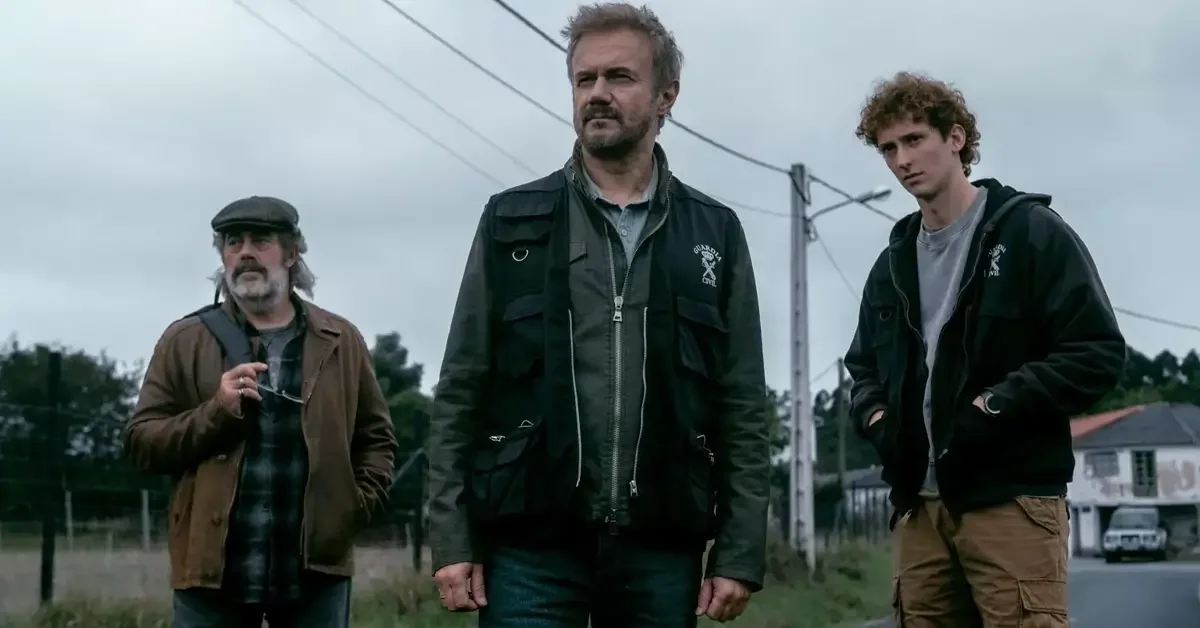
While the show alters names, introduces pension and jealousy motives never proven in court, and invents Barreiro’s leak subplot, its ending mirrors history. On May 8, 2015, Aniceto Rodríguez Caneiro stabbed his 66-year-old wife Isabel Fuentes inside an Ourense hospital 37 days after attacking her at home. In 2017, he received a 31-year sentence before dying in prison in 2018, while no judicial authority faced sanctions.
Leave your thoughts in the comments below on the heartbreaking ending of ‘Murder in Galicia’ and how the series portrays the institutional failures surrounding Irene Freire’s case.