‘Murder in Galicia’ Review: A Crime Story That Already Knows Its Ending

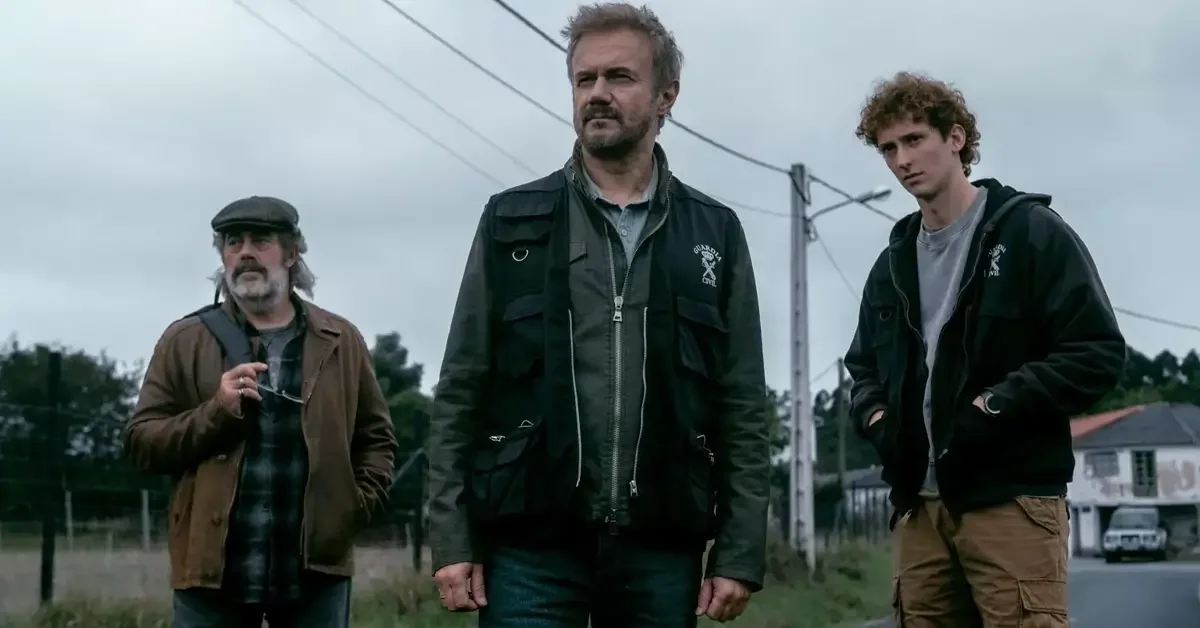
‘Murder in Galicia’ arrives on Netflix on 13 November as a three part Spanish miniseries, and it lands with a heavy weight attached. It is based on a real 2015 case in the village of Pazos, and it follows closely behind a documentary on the same events that streamed only a week earlier. That timing shapes how you walk into the series, because you may already know exactly where this is headed.
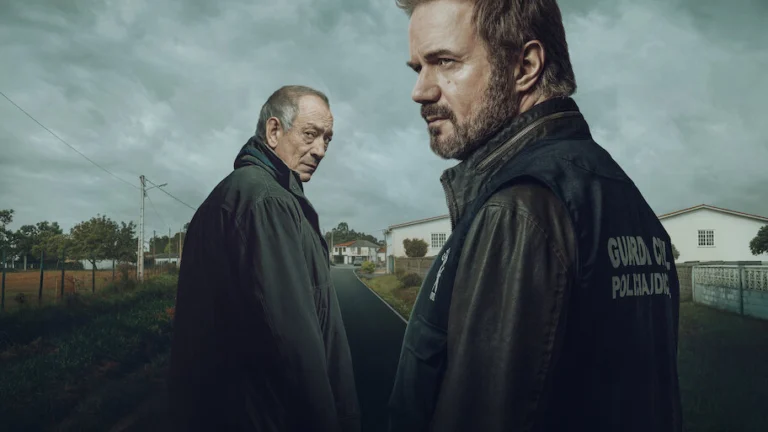
The story begins with Aniceto and his wife Irene, who seem like the perfect couple until she is brutally attacked during an apparent robbery. While she fights for her life in hospital, Civil Guard sergeant Elías Lago, played by Tristán Ulloa, becomes convinced that the husband is responsible. The trouble is that nobody around him seems willing to act on that belief.
So this is not a whodunit, and the series makes no real effort to pretend otherwise. Aniceto’s lies are plain from early on, and the tension comes from watching a decent man push against a system that keeps shrugging. For me, that choice is both the show’s best idea and its most limiting one.
Director Carlos Sedes keeps everything cold and restrained. There is almost no music pushing you toward a feeling, and the camera, with Carlos Garcés behind it as director of photography, lets ordinary rooms and quiet bars do the unsettling. The mistakes pile up in small, believable ways, such as delayed evidence, unanswered calls and a judge who will not sign the orders that could keep a victim safe.
Ulloa is the reason it works. He plays Elías as a man whose conviction curdles into helpless frustration, and he never reaches for big speeches when a tired stare will do. Miguel Borines is chillingly ordinary as Aniceto, which is exactly the point, and Verónica Sánchez makes the judge’s inertia feel infuriatingly reasonable.
Where I wavered is in the pacing and the focus. With only three episodes, the series spends a lot of its time on paperwork, waiting and procedural dead ends, and the cat and mouse energy you might expect never quite arrives. The institutional anger is clear, yet some of it is delivered in broad strokes that tell you the system failed without digging into why.
I also wished the show gave Irene more room to be a person rather than a source of dread. Because the story orbits the sergeant so tightly, the woman at the center of the case sometimes slips into the background of her own tragedy. That feels like a missed opportunity in a story that is clearly meant to honor her.
Still, there is real craft here, and I found myself affected by the quiet cruelty of watching a preventable outcome approach. It is slow, it is sombre, and it refuses cheap twists, which I respect even when I wanted a bit more bite. This is a sincere, well acted piece of television that earns its seriousness more often than it stumbles.
My verdict is that ‘Murder in Galicia’ is a worthwhile watch if you want a grave, patient drama rather than a thriller, and Ulloa’s performance alone justifies the three hours. I would give it 7 out of 10. Go in expecting a slow burn about failure and frustration, and it will leave a mark.
How did you like 'Murder in Galicia'?
Did ‘Murder in Galicia’ hold your attention through all three episodes, or do you think it should have dug deeper, so tell us in the comments whether you agree with this verdict?