TV Shows That Actually Got Better After a Major Cast Change


Losing a key actor can feel like a death knell for a TV show, but sometimes a cast shake-up breathes new life into the story. Fresh faces can shift dynamics, deepen plots, and keep us hooked in unexpected ways.
These series not only survived major cast changes but thrived, proving that change can spark brilliance. Let’s explore how they leveled up after saying goodbye to big stars.
Parks and Recreation
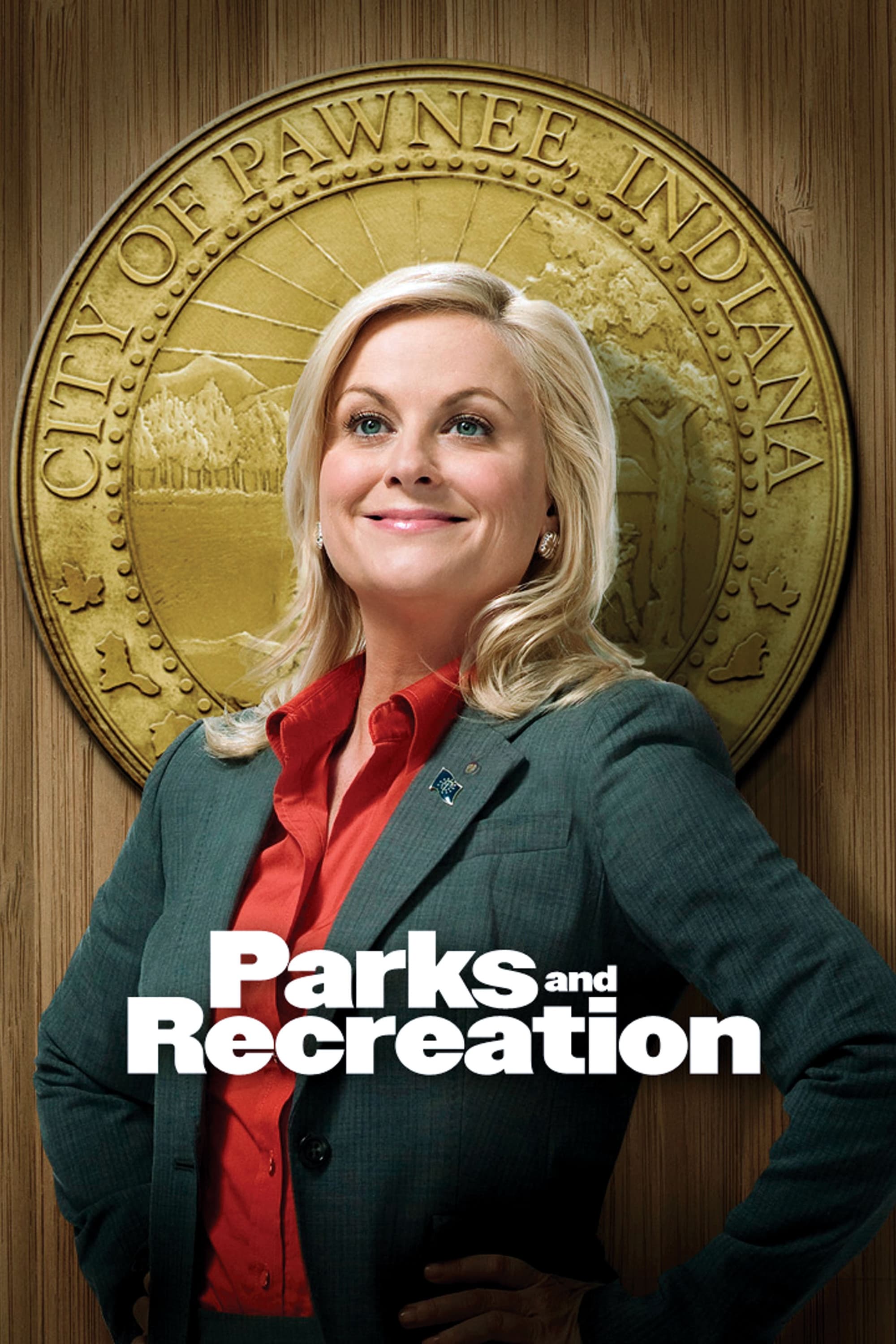
After a rocky first season, the series retooled at the end of Season 2 by introducing state auditors Ben Wyatt (Adam Scott) and Chris Traeger (Rob Lowe) in “The Master Plan,” with both becoming regulars in Season 3. The core ensemble stayed intact, but these two additions shifted storylines toward Pawnee’s budget crisis and gave Leslie Knope sharper comedic foils.
Season 3 launched with tighter arcs (Harvest Festival) and drew a wave of critical praise, with top-tier reviews and season-long “best of” notices that cemented the show’s turnaround. The Scott/Lowe dynamic is widely cited as the inflection point where Parks & Rec found its voice.
Homeland
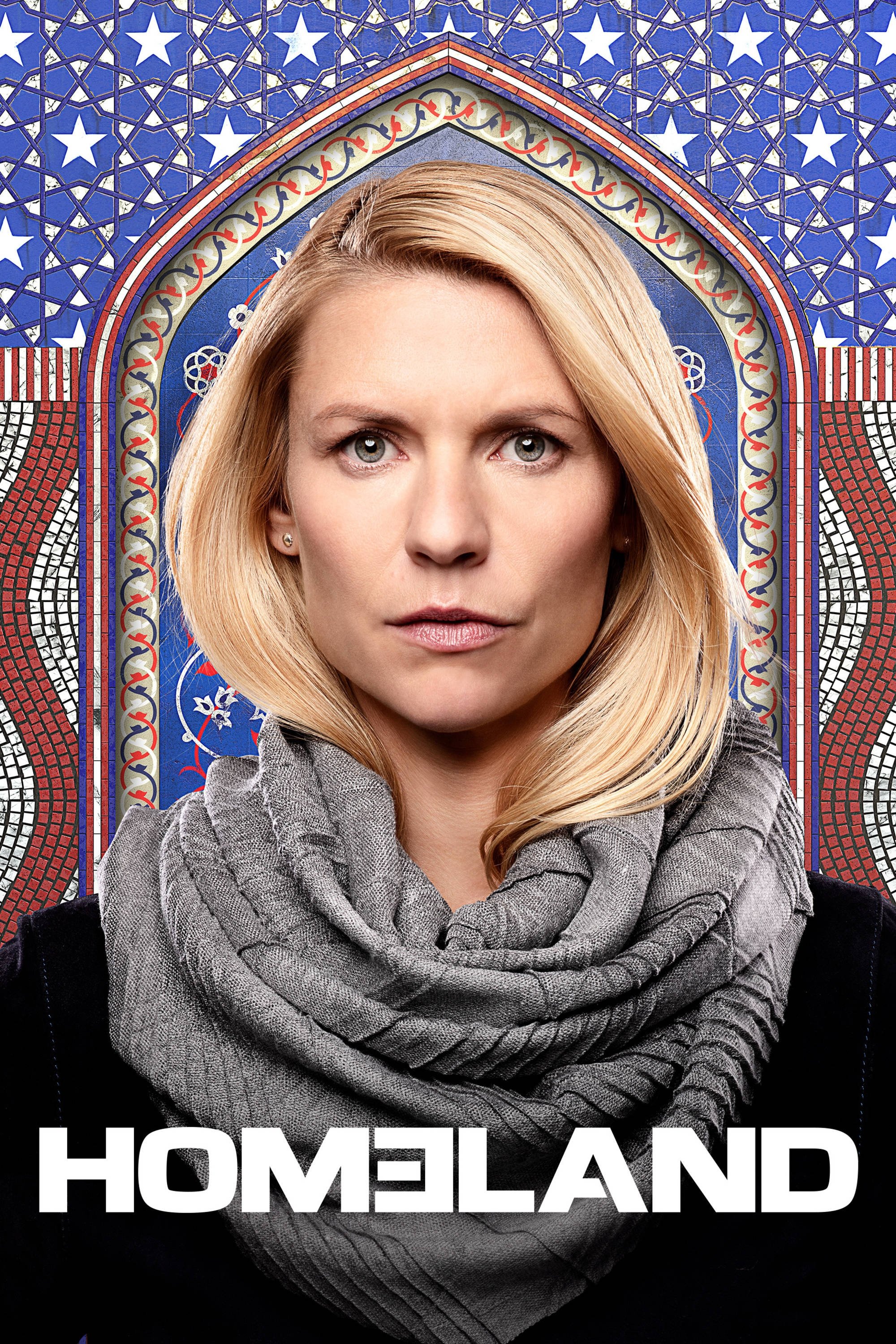
The show executed a major pivot after Nicholas Brody’s death in the Season 3 finale, centering Season 4 on Carrie Mathison’s frontline CIA work abroad. Key cast focus shifted, and the series effectively “rebooted” without its original male lead.
Critics marked Season 4 as a creative resurgence—leaner, more topical, and closer in quality to Season 1—highlighting the Islamabad arc and episodes like “13 Hours in Islamabad.” Review aggregators and contemporaneous reviews noted the renewed energy and clarity.
Star Trek: Deep Space Nine
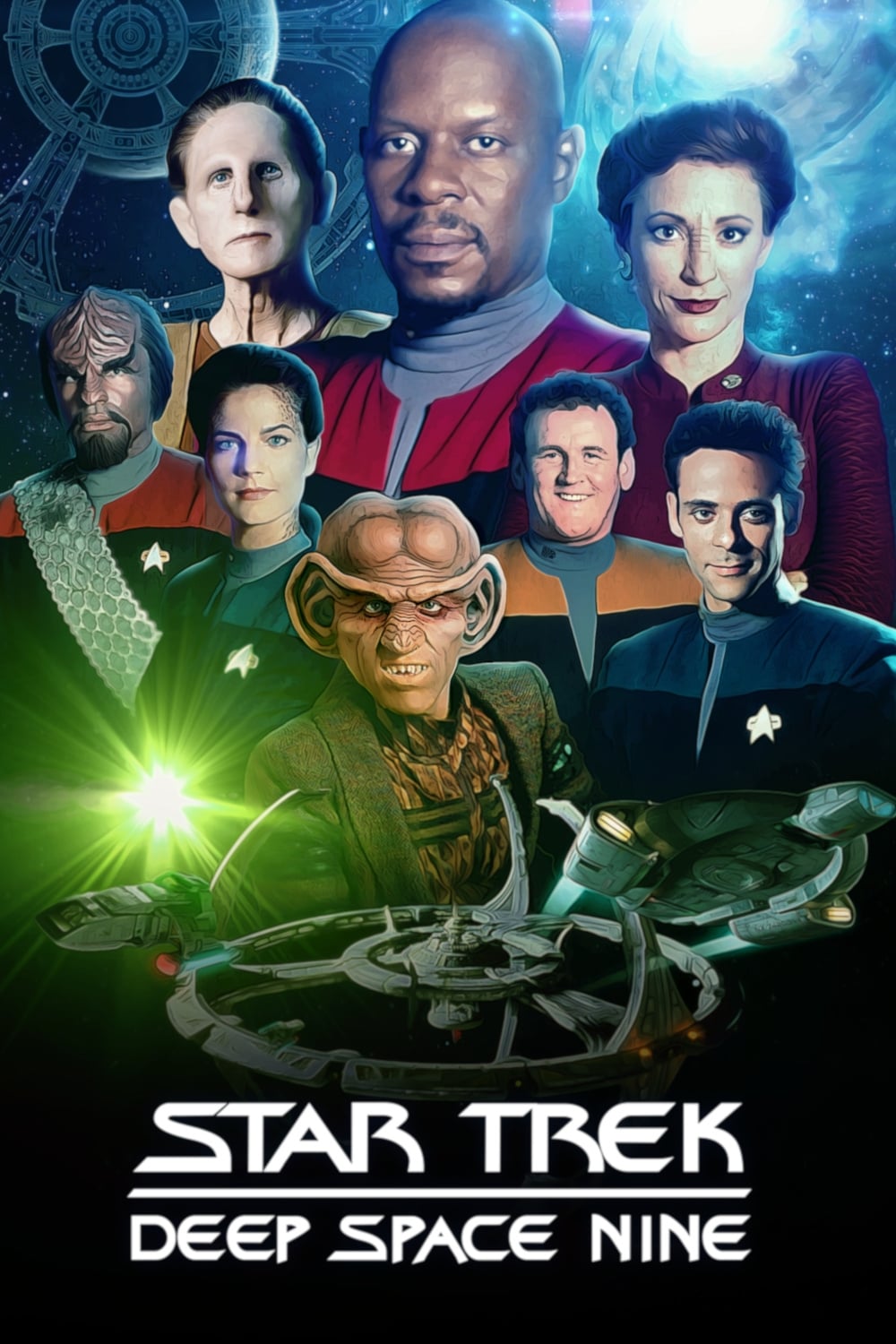
Season 4 opened by adding Worf (Michael Dorn) to the main cast in the two-hour premiere “The Way of the Warrior,” aligning the series more tightly with Klingon politics and the escalating Dominion conflict. This was a deliberate, high-profile cast move that also refreshed the show’s action profile.
The Worf addition is widely regarded as a turning point: Season 4’s opener drew strong critical notices, and the show’s later, serialized Dominion War storytelling benefitted from the expanded Klingon throughline and Worf’s character arcs.
It’s Always Sunny in Philadelphia
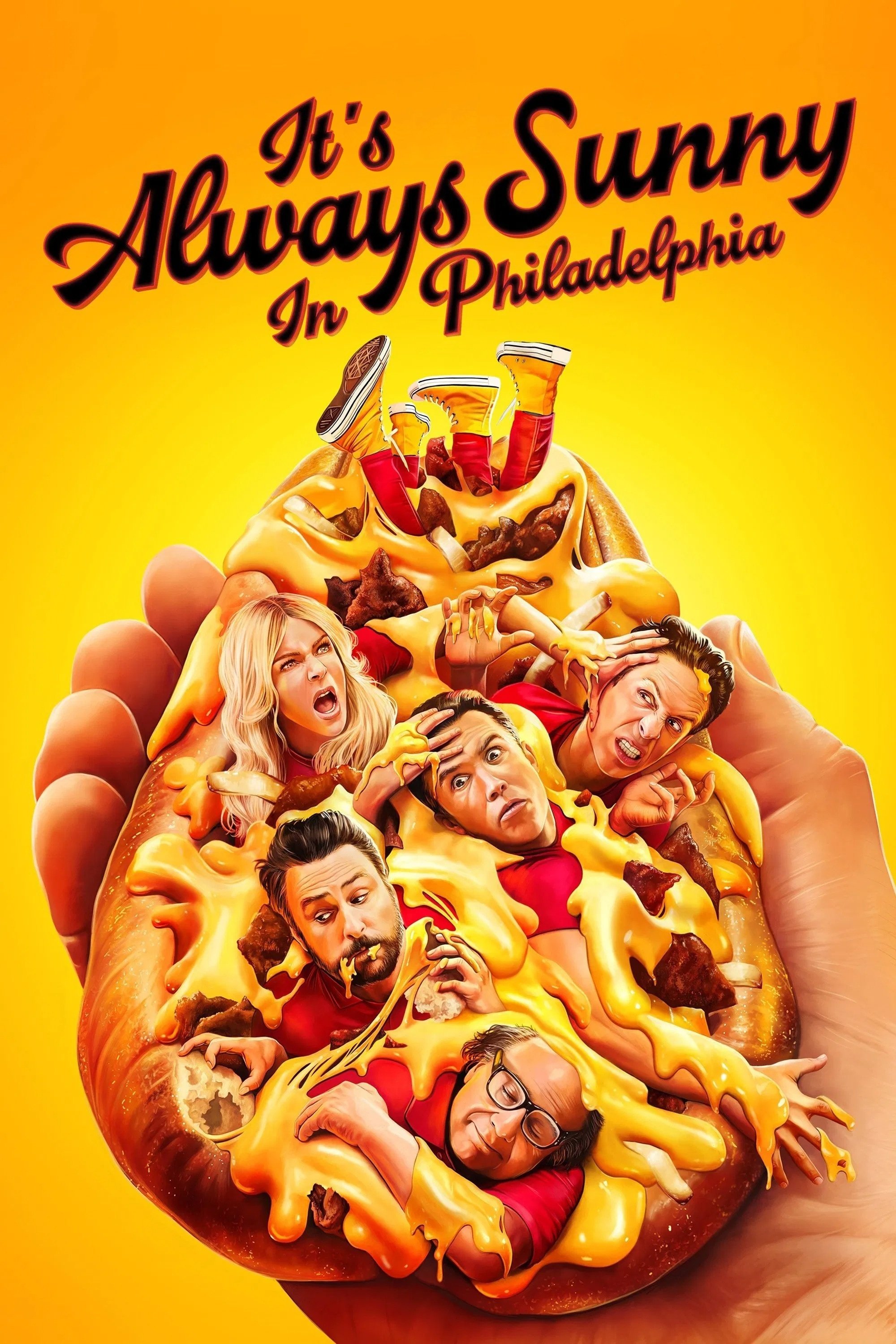
FX insisted on a recognizable name after Season 1; Danny DeVito joined in Season 2 as Frank Reynolds. The original quartet remained, but DeVito’s arrival materially changed the ensemble dynamics and episode premises the show could attempt.
The result was immediate: the series’ tone sharpened, plots grew bolder, and Sunny developed into a long-running, critically acclaimed sitcom—with DeVito quickly becoming a fan-favorite linchpin who helped secure the show’s longevity.
House
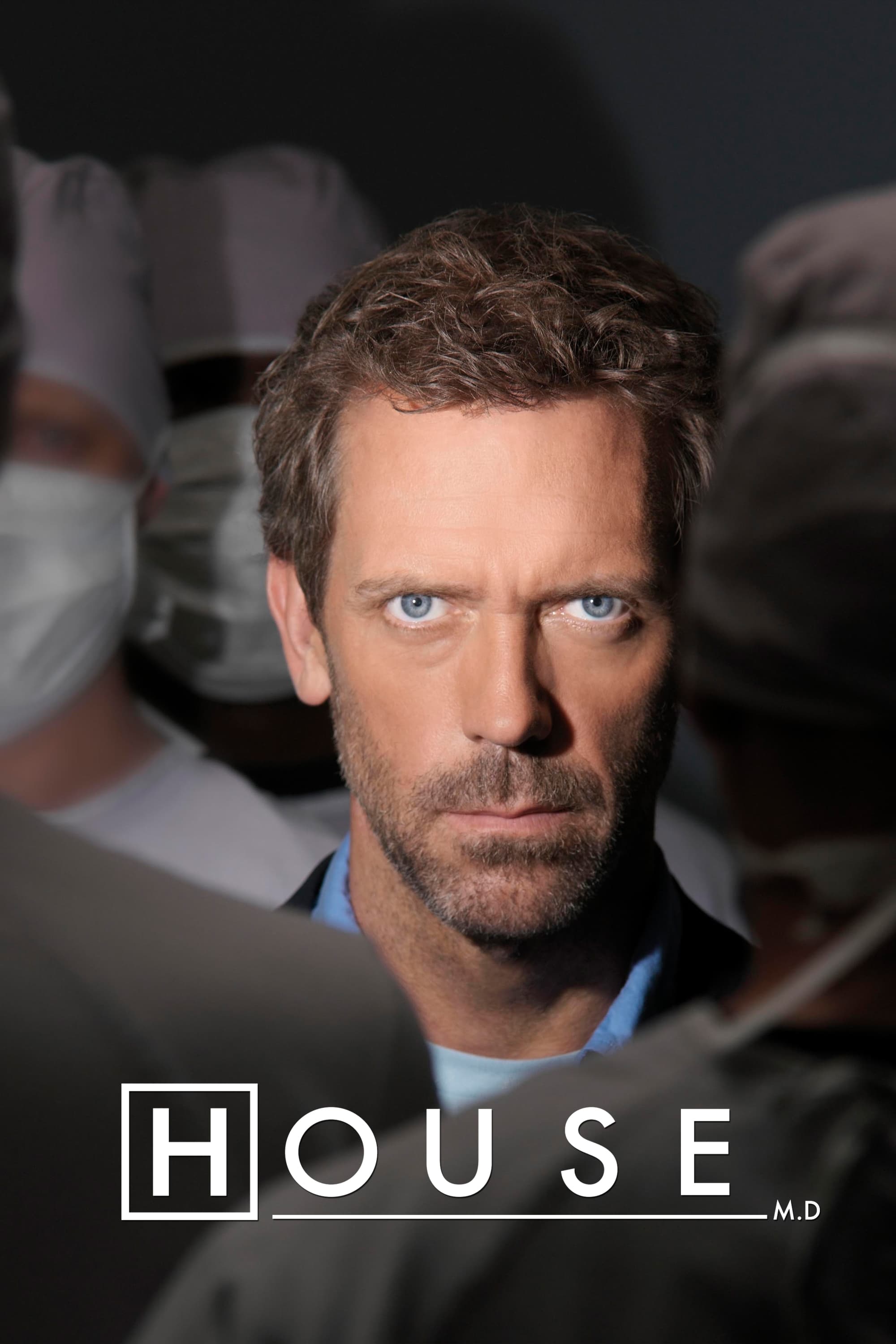
At the end of Season 3, House’s original fellows (Chase fired; Cameron and Foreman gone) were replaced via a Season 4 “competition,” yielding a new team: Thirteen (Olivia Wilde), Taub (Peter Jacobson), and Kutner (Kal Penn). The structural reset altered case dynamics and character interplay.
Season 4 is frequently singled out for standout episodes and craftsmanship—especially the two-part finale “House’s Head/Wilson’s Heart,” which earned industry accolades and is often cited among the series’ best, validating the risky cast overhaul.
NCIS
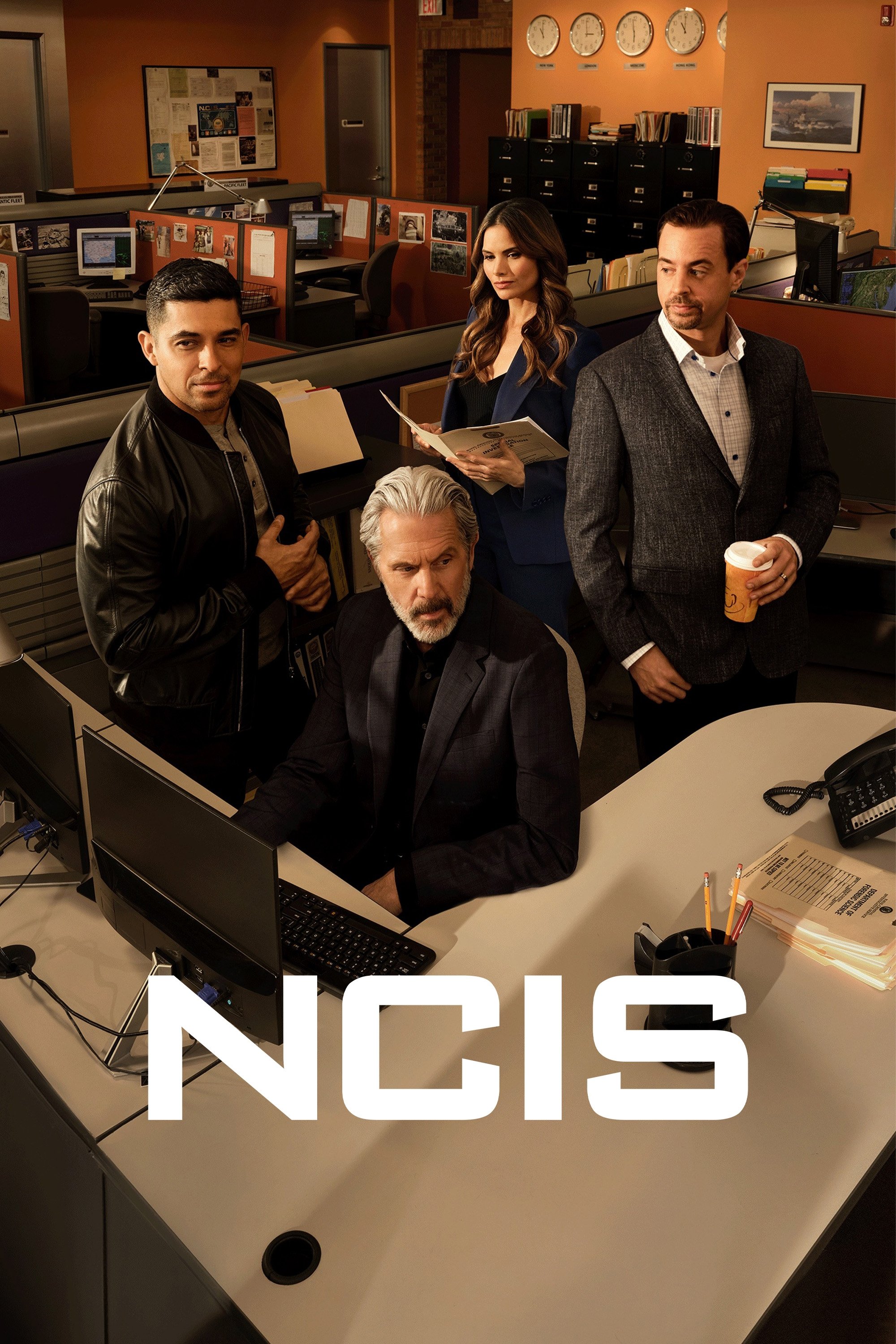
Following the Season 2 death of Kate Todd (Sasha Alexander), Ziva David (Cote de Pablo) joined in Season 3, initially as a Mossad liaison before becoming an NCIS agent. The core Gibbs/DiNozzo/McGee team persisted, but Ziva’s arrival materially changed the team’s chemistry and story palette.
The shift coincided with a clear ratings climb into the top 20 during the 2005–06 season, and Ziva quickly became one of the franchise’s most popular characters, earning awards and strengthening the show’s long-term appeal.
NYPD Blue
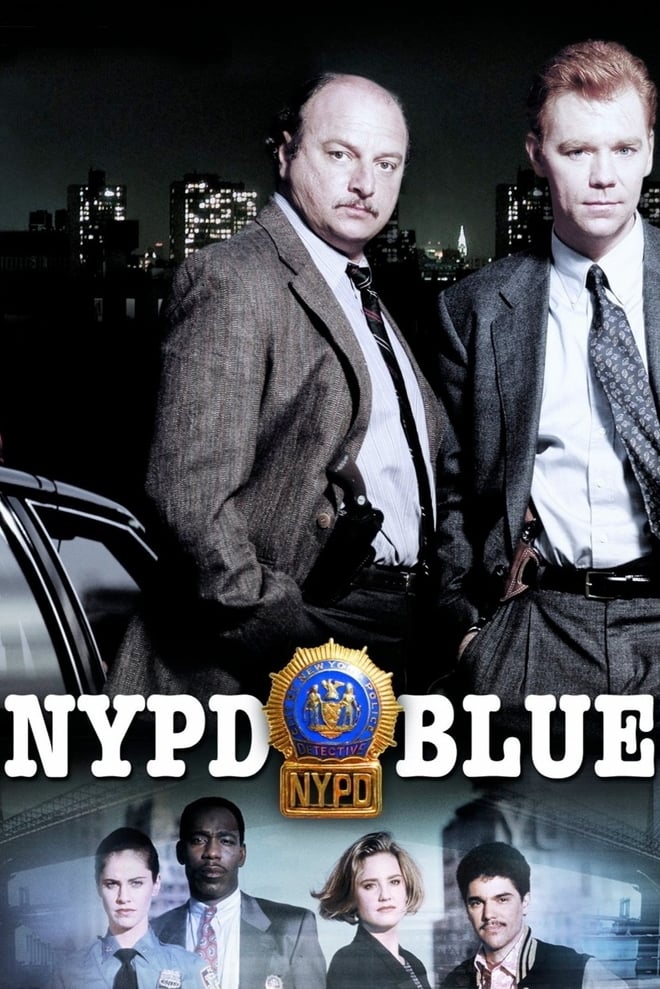
David Caruso exited four episodes into Season 2; Jimmy Smits stepped in as Det. Bobby Simone opposite Dennis Franz. The partnership at the heart of the show was effectively recast, with Simone/Sipowicz replacing Kelly/Sipowicz as the core duo.
The change worked: Season 2 won Outstanding Drama Series at the Emmys, Smits garnered major awards recognition, and critics credited the Smits era with sustaining—and in many respects elevating—the show’s creative momentum.
The Crown

By design, the series recasts its leads every two seasons; Seasons 3–4 swapped in Olivia Colman (Elizabeth), Tobias Menzies (Philip), and Helena Bonham Carter (Margaret), then introduced Emma Corrin (Diana) and Gillian Anderson (Thatcher) in Season 4.
The new ensemble drew extensive acclaim, with Season 4 in particular broadly labeled the series’ best to that point. The recasting model didn’t just maintain quality—it enabled sharper, era-specific storytelling and award-winning performances.
Supernatural
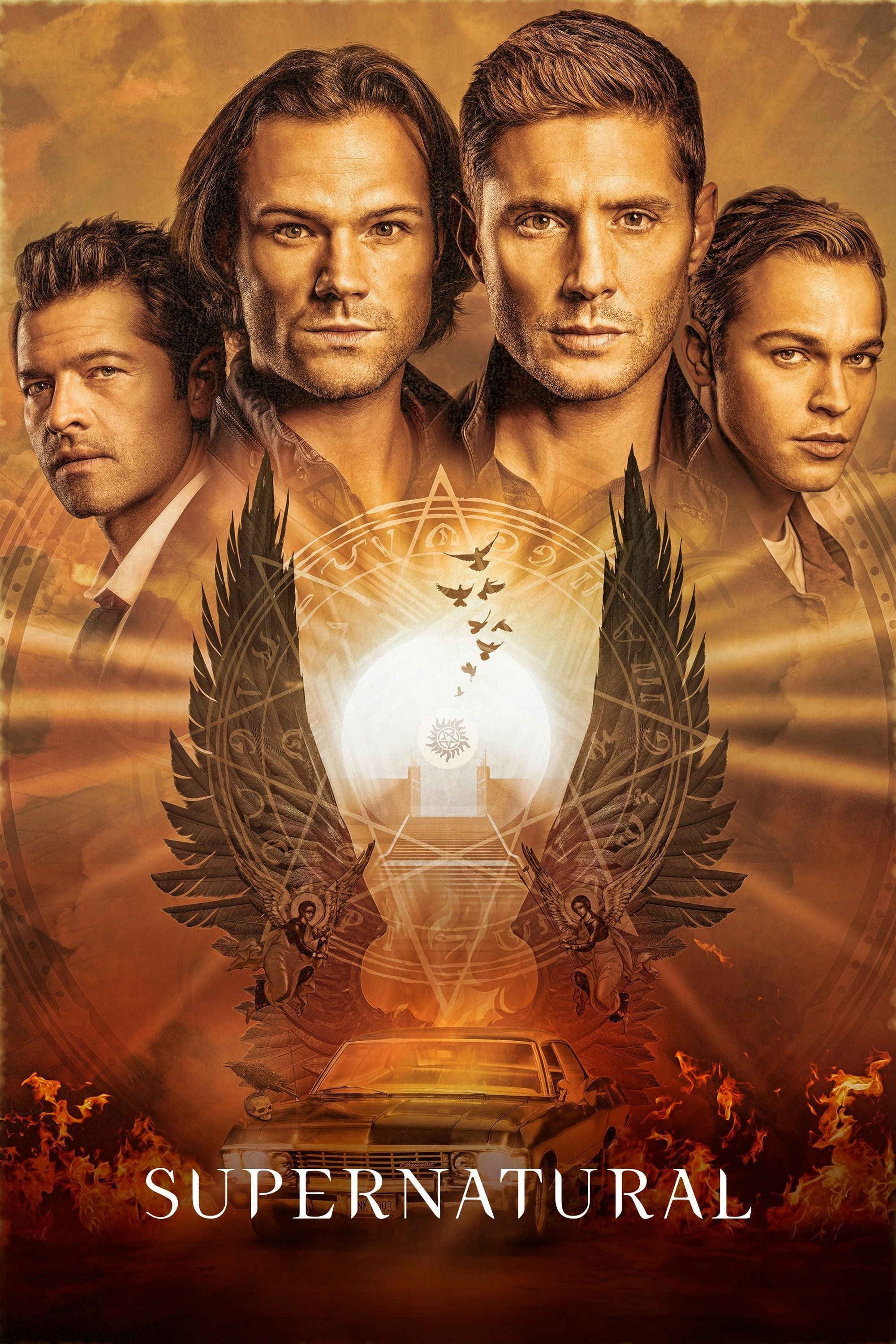
Season 4 introduced Castiel (Misha Collins), expanding the mythology to angels and Heaven and reframing the stakes around Dean’s resurrection and the Apocalypse arc. The brothers remained central, but the cast addition changed the show’s scope.
Critically, Season 4 is regarded as a peak, with strong aggregator scores and lasting fan consensus that the Castiel addition and the angel mythology re-energized the series and set up its celebrated Season 5.
Angel
After Buffy ended, Season 5 of Angel brought Spike (James Marsters) into the regular cast and moved the team into running Wolfram & Hart’s L.A. branch—both a cast and premise overhaul. The core Angel Investigations lineup remained but with a new dynamic and rival “champion.”
Critics and fans often view Season 5 as a creative resurgence: a more playful yet still dark run capped by the acclaimed finale “Not Fade Away,” plus inventive one-offs like “Smile Time.” Spike’s presence and the retooled setting are central to that upswing.
‘Community’ (2009-2015)

This quirky comedy about a community college study group lost Chevy Chase’s Pierce after season 4. His exit made room for tighter ensemble focus.
New additions like Jonathan Banks as a gruff professor added fresh humor. We loved the sharper wit and wilder experiments in later seasons.
‘The Office’ (2005-2013)
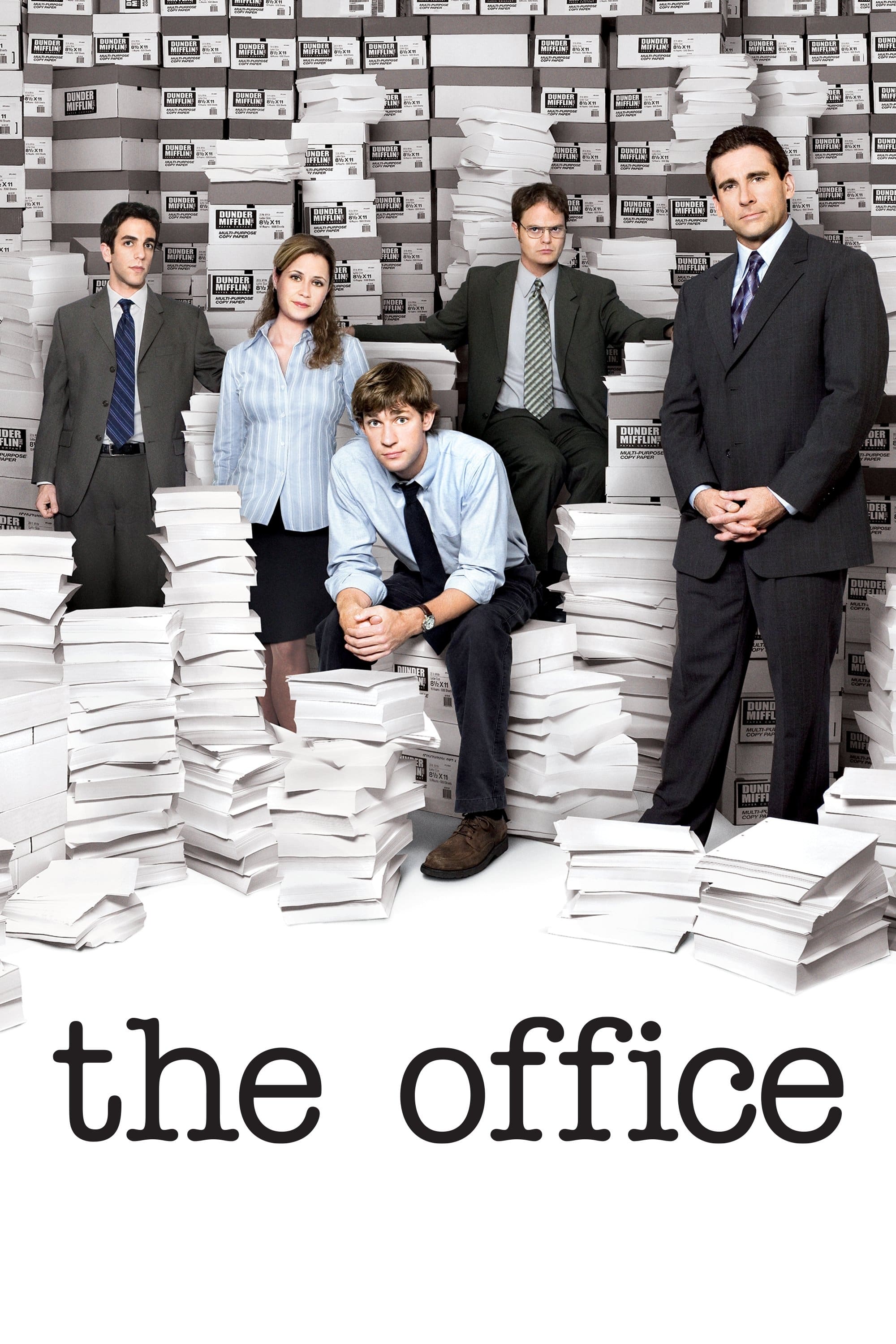
Steve Carell’s Michael Scott left after season 7, leaving a void in the Scranton branch. The show leaned into its ensemble, giving others room to shine.
Andy and Erin’s arcs, plus guest stars like James Spader, brought new energy. We found the final seasons surprisingly heartfelt.
‘ER’ (1994-2009)
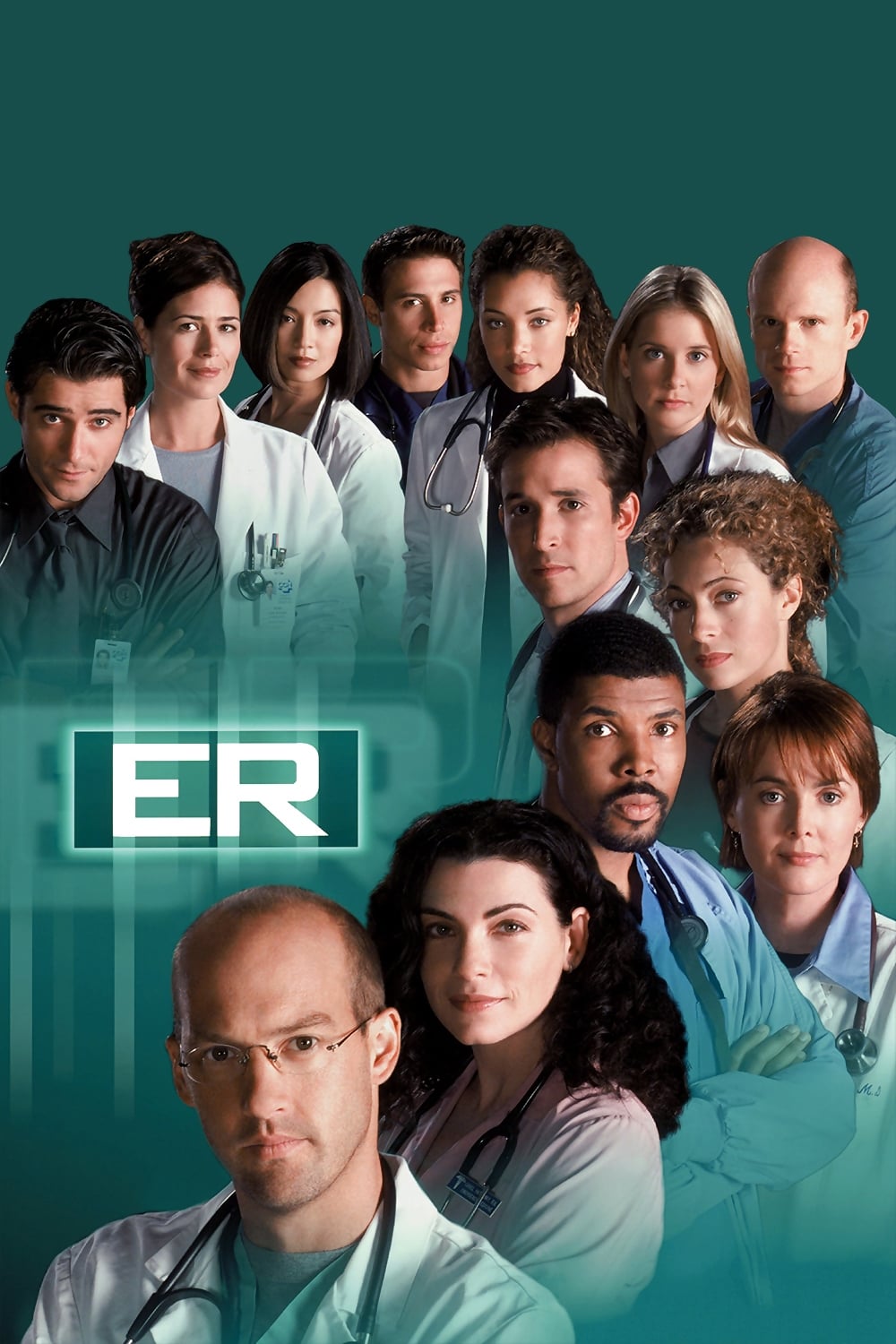
George Clooney’s Dr. Doug Ross departed after season 5, a blow to the hospital drama. New faces like Goran Višnjić as Luka Kovač added depth.
The focus shifted to grittier cases and complex relationships. We were gripped by the fresh emotional stakes.
‘Buffy the Vampire Slayer’ (1997-2003)
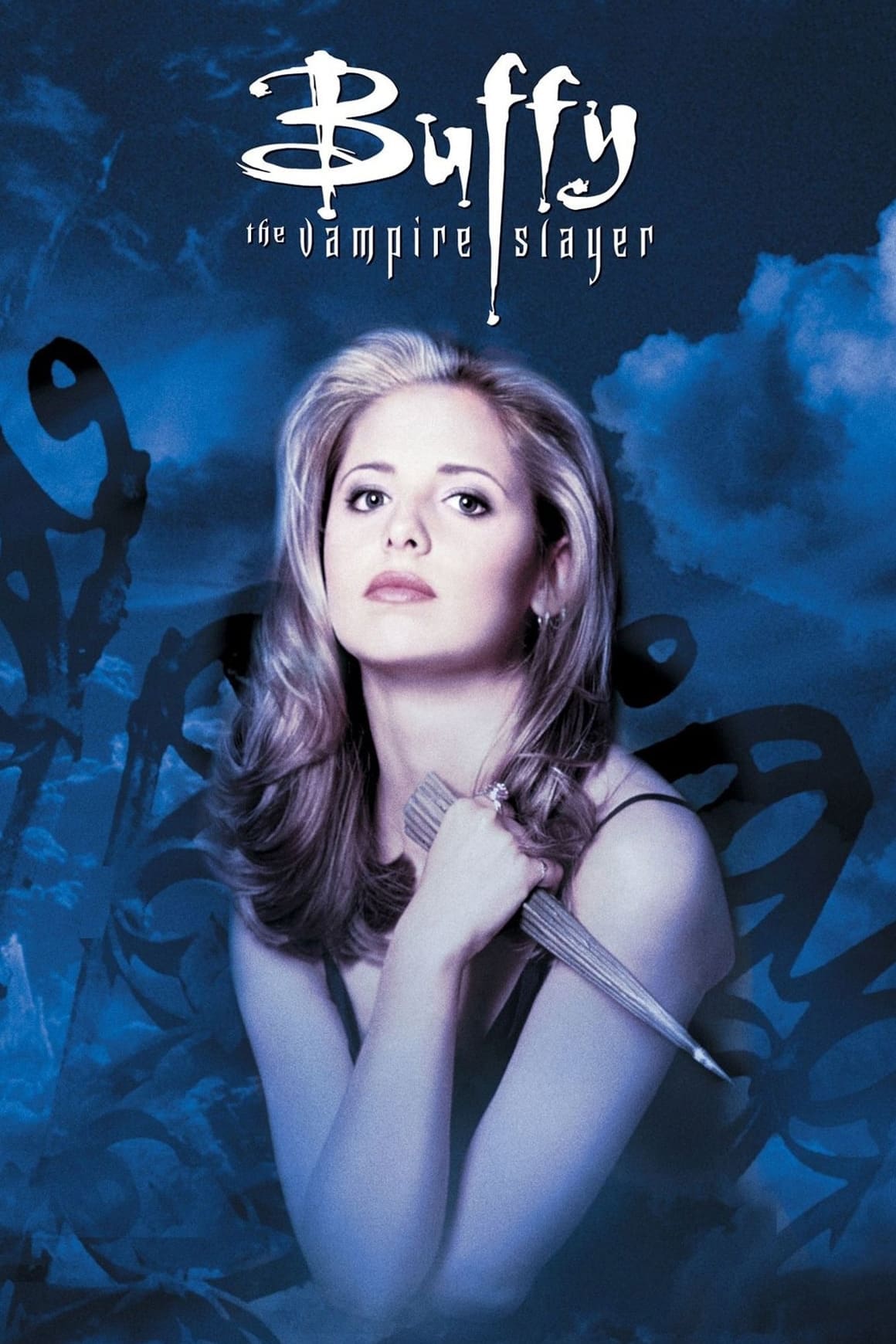
David Boreanaz’s Angel left after season 3 for his own spin-off. Spike’s expanded role and new slayers like Faith filled the gap.
The darker tone and richer mythology hooked us. We cheered Buffy’s growth without her first love.
‘Law & Order: Special Victims Unit’ (1999-present)
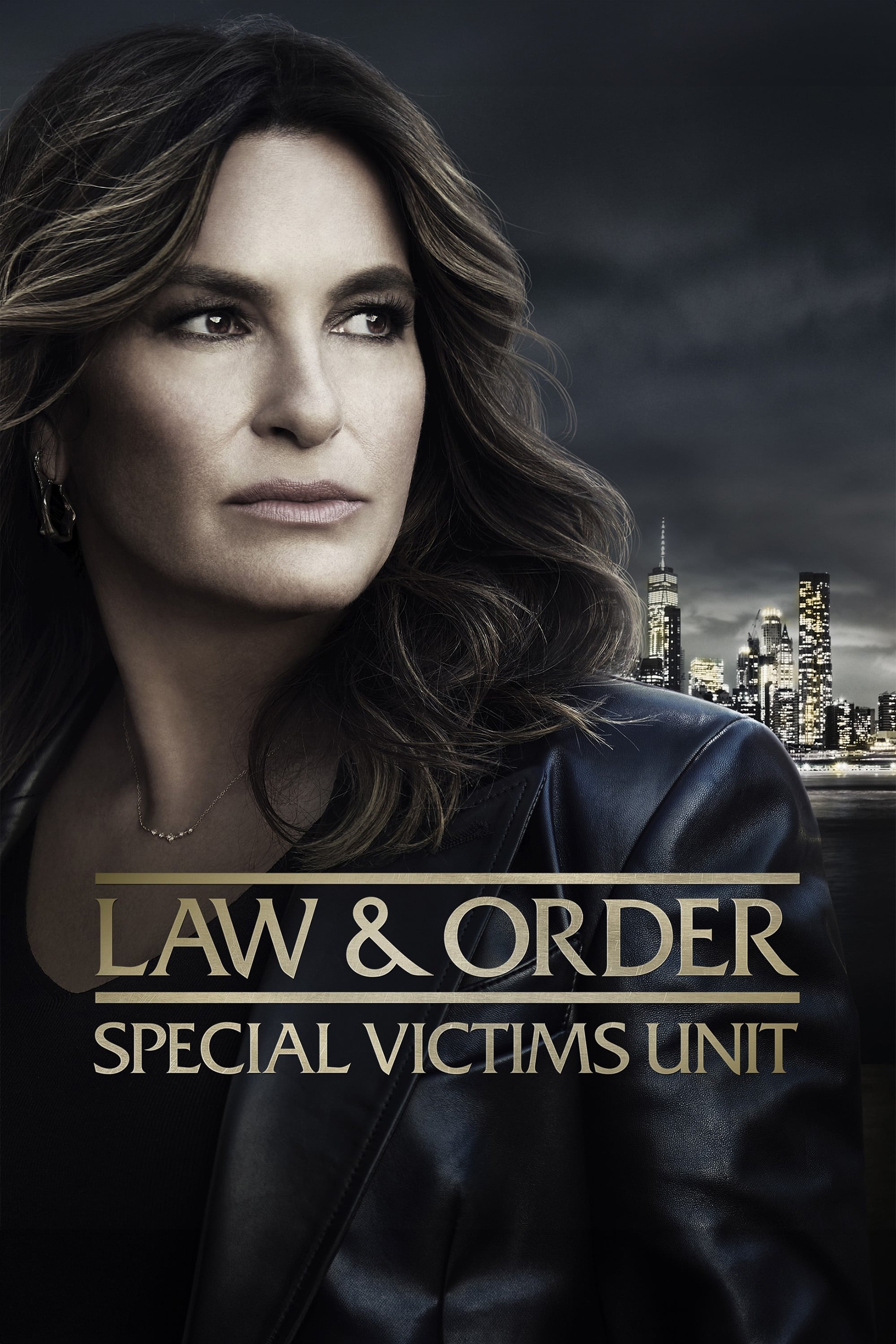
Christopher Meloni’s Elliot Stabler exited after season 12, shaking the SVU team. Mariska Hargitay’s Olivia Benson stepped up, with new detectives like Amaro.
The cases grew more topical, and Benson’s leadership shone. We stayed riveted by the evolving squad.
‘Doctor Who’ (2005-present)
David Tennant’s Tenth Doctor regenerated after 2008, with Matt Smith taking over. Smith’s quirky Eleventh Doctor brought a fairy-tale vibe.
New companions like Amy Pond and bold stories refreshed the sci-fi classic. We adored the vibrant, emotional arcs.
‘MAS*H’ (1972-1983)
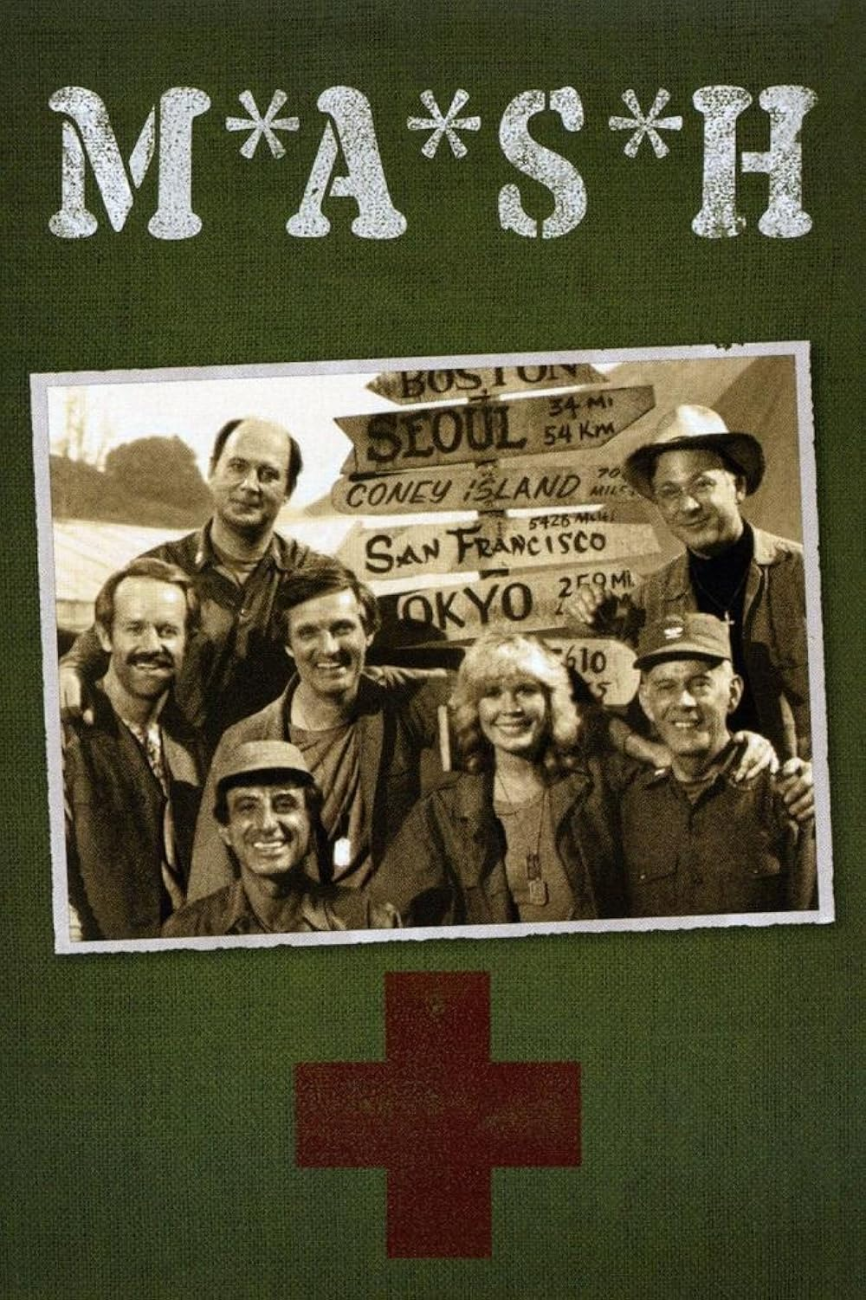
Wayne Rogers’ Trapper John left after season 3, replaced by Mike Farrell’s B.J. Hunnicutt. B.J.’s warmth added new depth to Hawkeye’s friendships.
The blend of humor and war’s toll grew sharper. We found the later seasons more poignant.
‘Cheers’ (1982-1993)
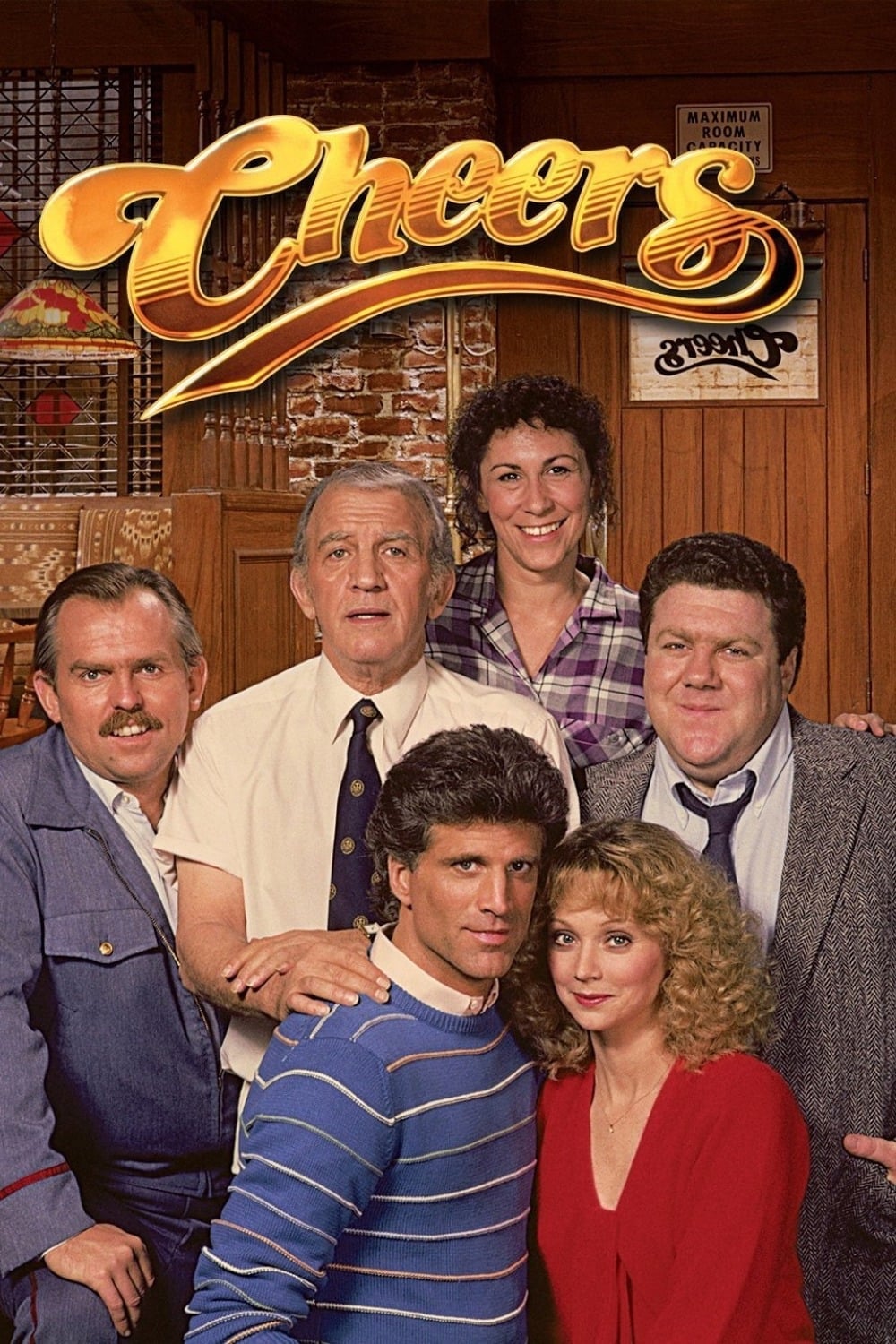
Shelley Long’s Diane Chambers left after season 5, replaced by Kirstie Alley as Rebecca Howe. Rebecca’s sass shifted the bar’s dynamic.
The comedy leaned into zanier gags and richer romances. We laughed harder with the new vibe.
‘Scrubs’ (2001-2010)
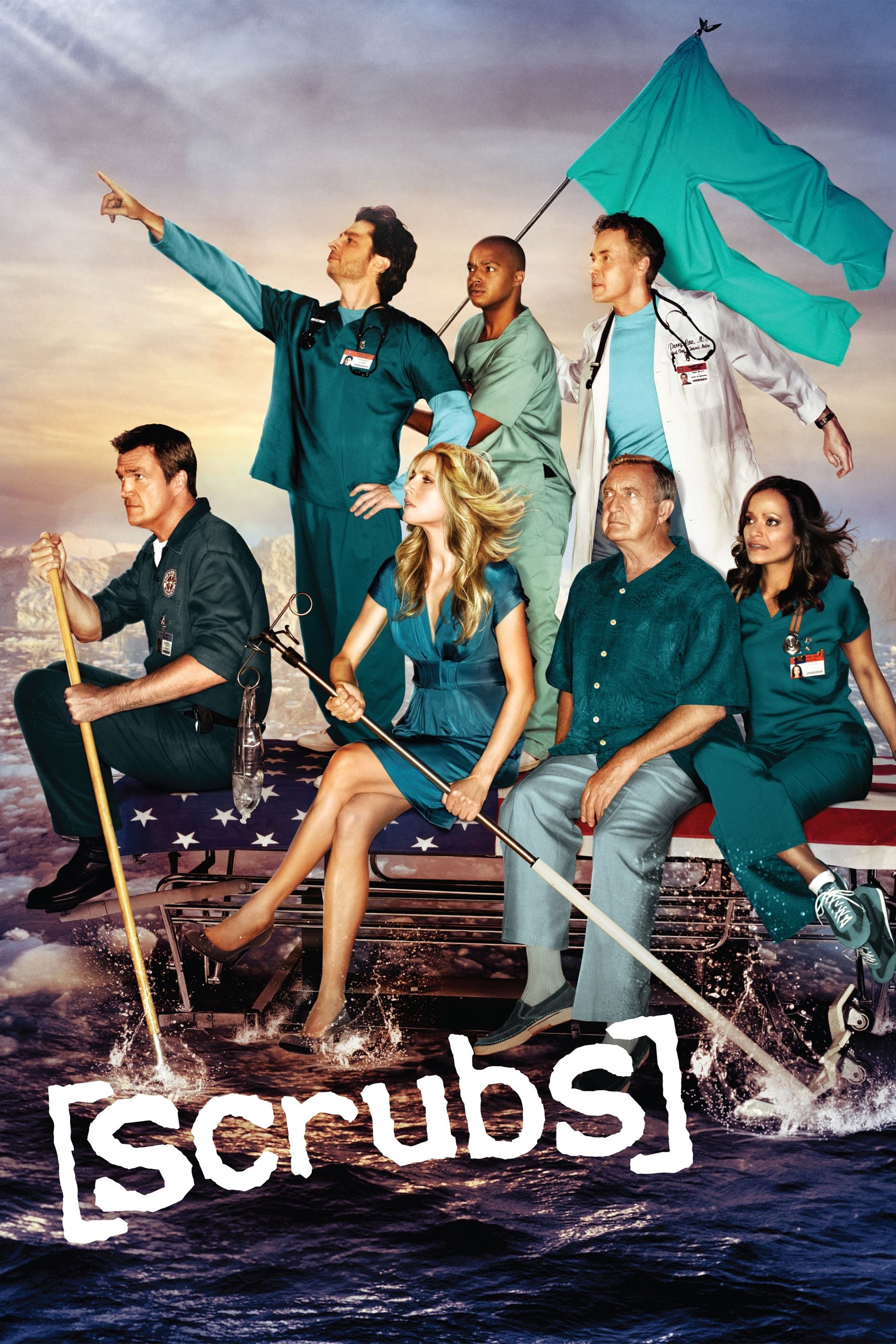
Zach Braff’s J.D. scaled back in season 9, with new interns like Lucy leading. The medical comedy embraced a teaching-hospital focus.
Fresh faces and heartfelt cases kept the humor alive. We warmed to the bold, emotional shift.
‘The Walking Dead’ (2010-2022)

Andrew Lincoln’s Rick Grimes left in season 9, a massive loss. Characters like Daryl and Michonne stepped up, with new threats emerging.
The story leaned into community-building and survival stakes. We were hooked by the gritty, ensemble-driven arcs.
Which show surprised you by improving after a cast change, or did we miss a bold turnaround? Share your thoughts in the comments!