
Great Movies Ruined by Their Final 10 Minutes

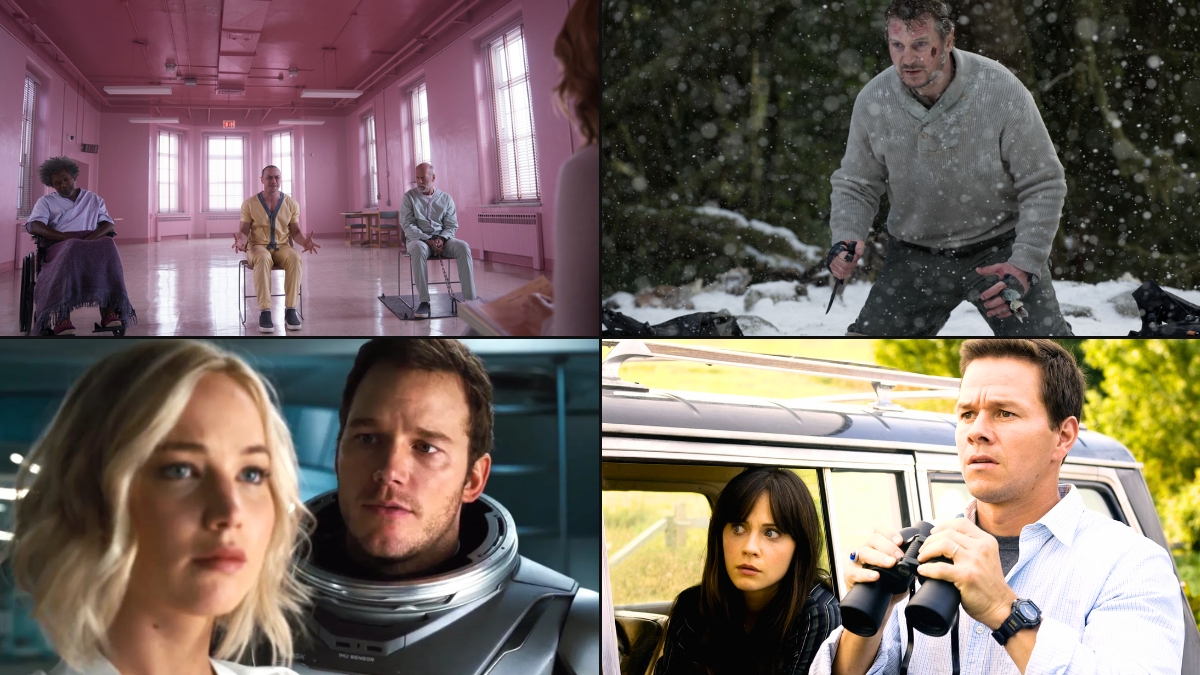

Some movies hook us with gripping stories, stunning visuals, or stellar performances, only to stumble in their final moments. A rushed ending, tonal shift, or baffling twist can undo hours of brilliance, leaving audiences frustrated or confused.
We’re drawn to these films for their potential, despite their flawed finales. From thrillers to sci-fi epics, this list of great movies, ranked from least to most disappointing, showcases those that were nearly perfect until the last 10 minutes.
The Descent (2005)
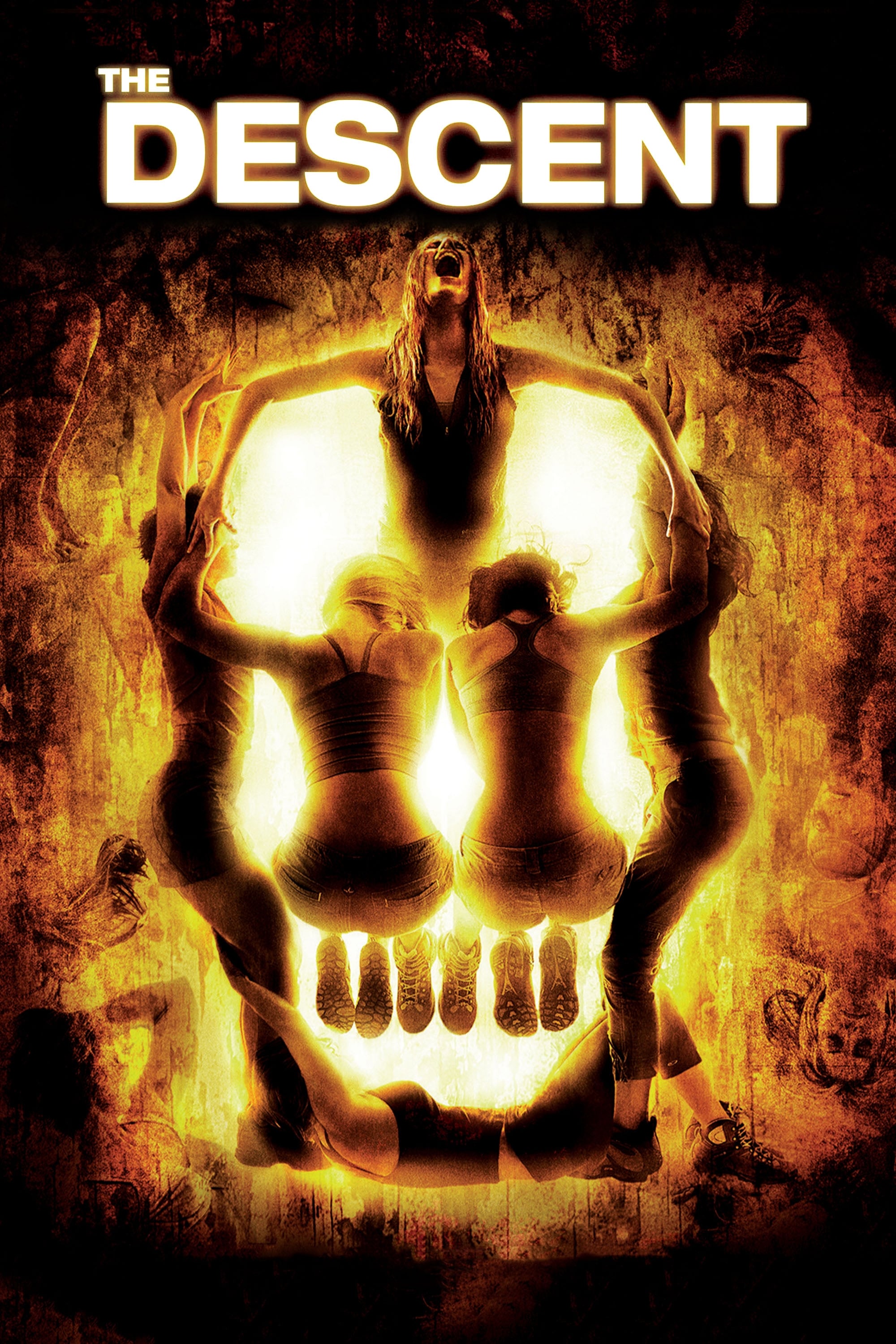
A group of women face horrors in a cave system in this claustrophobic horror. The UK ending, where Sarah escapes only to realize she’s still trapped, is haunting, but the U.S. theatrical cut adds a cheap jump-scare escape, diluting the dread.
The tense survival tale grips until the tacked-on shock. The original’s bleakness fits better, making the U.S. ending a letdown.
The Butterfly Effect (2004)
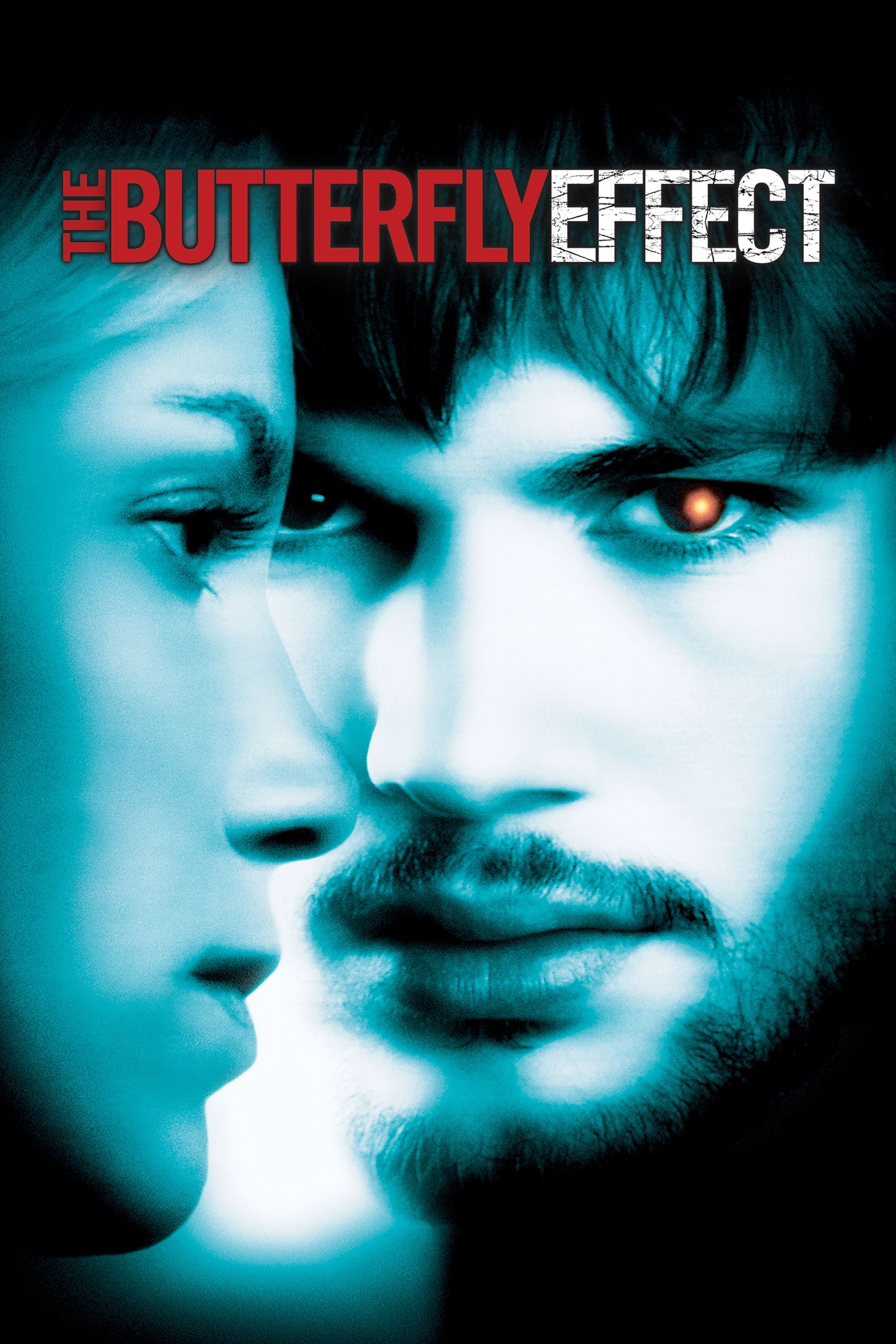
Ashton Kutcher’s Evan time-travels to fix his past, creating gripping, dark consequences. The theatrical ending, where he moves on after a bittersweet encounter, is fine, but the director’s cut (self-sacrifice in the womb) feels overly grim and absurd.
The film’s emotional weight carries it, but the director’s cut ending sours the journey. The theatrical version’s restraint is less jarring.
Barbarian (2022)

A woman discovers a sinister secret in an Airbnb, blending horror and dark humor. The first half builds dread, but the final 10 minutes devolve into a generic monster chase, undermining the clever setup.
The film’s bold twists and Justin Long’s role shine, but the ending feels flat. It could’ve been a horror classic with a sharper close.
The Happening (2008)
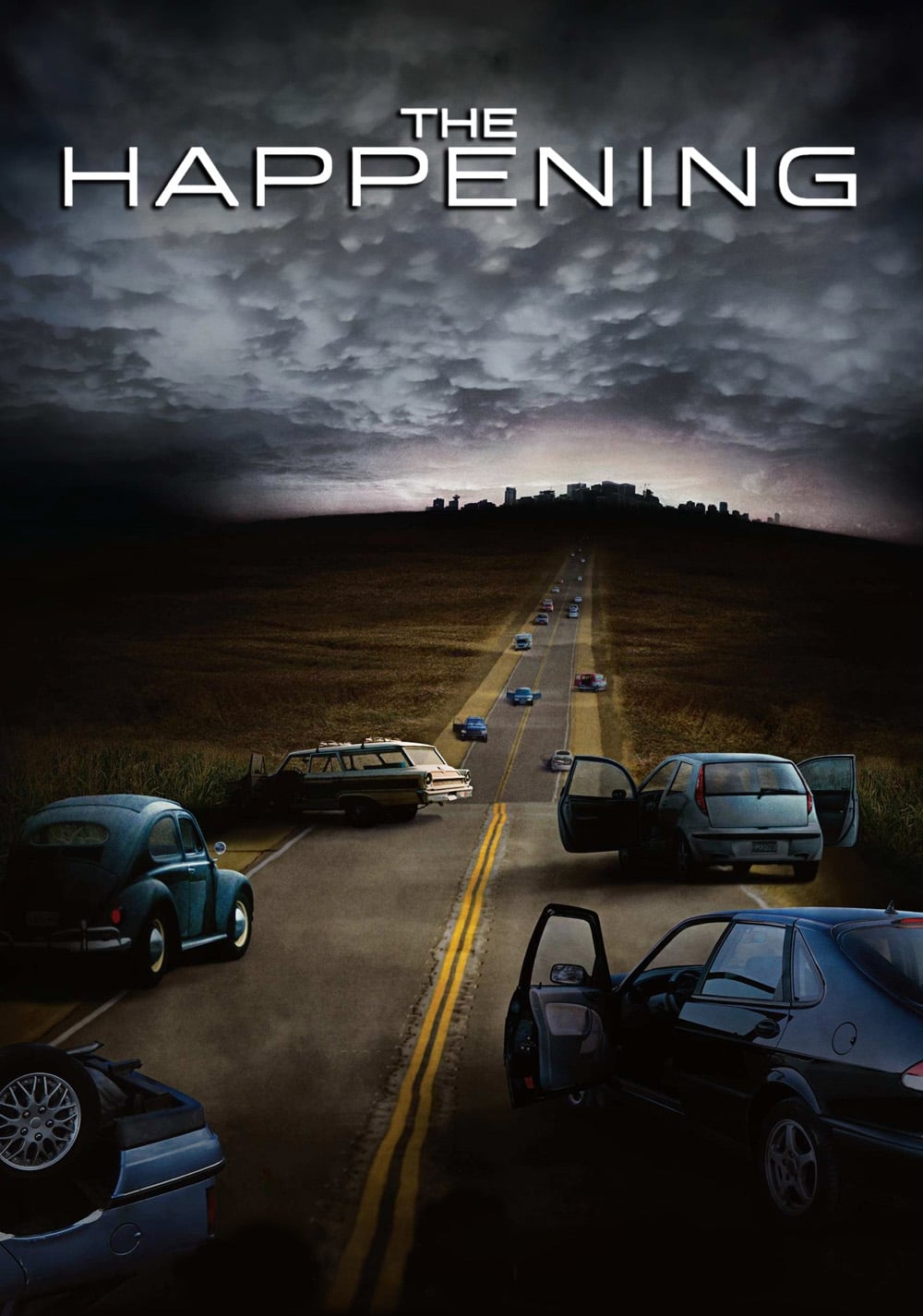
M. Night Shyamalan’s eco-thriller sees plants causing mass suicides. The eerie premise and Mark Wahlberg’s odd charm hook, but the reveal that plants are behind it, explained bluntly, feels silly and deflates the mystery.
The tense buildup captivates, but the explicit ending lacks subtlety. It’s a bold concept undone by a laughable resolution.
Spectre (2015)
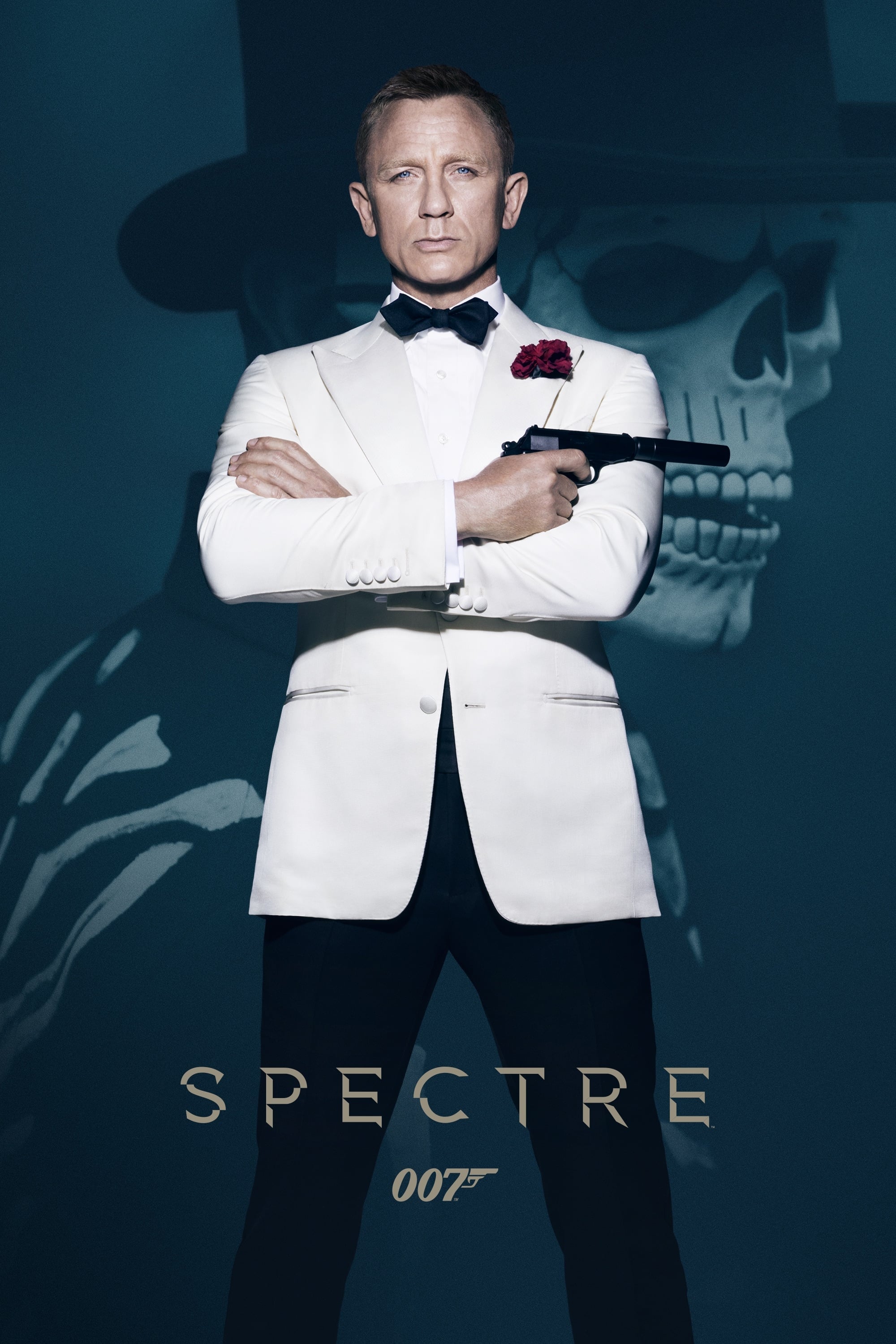
James Bond (Daniel Craig) faces Blofeld in this stylish 007 adventure. The film’s action and intrigue thrill, but the finale, where Bond easily downs Blofeld’s helicopter and walks away, feels rushed and anticlimactic.
The buildup of Blofeld as Bond’s nemesis flops with a weak close. It’s a sleek spy flick betrayed by a flat ending.
Happiest Season (2020)
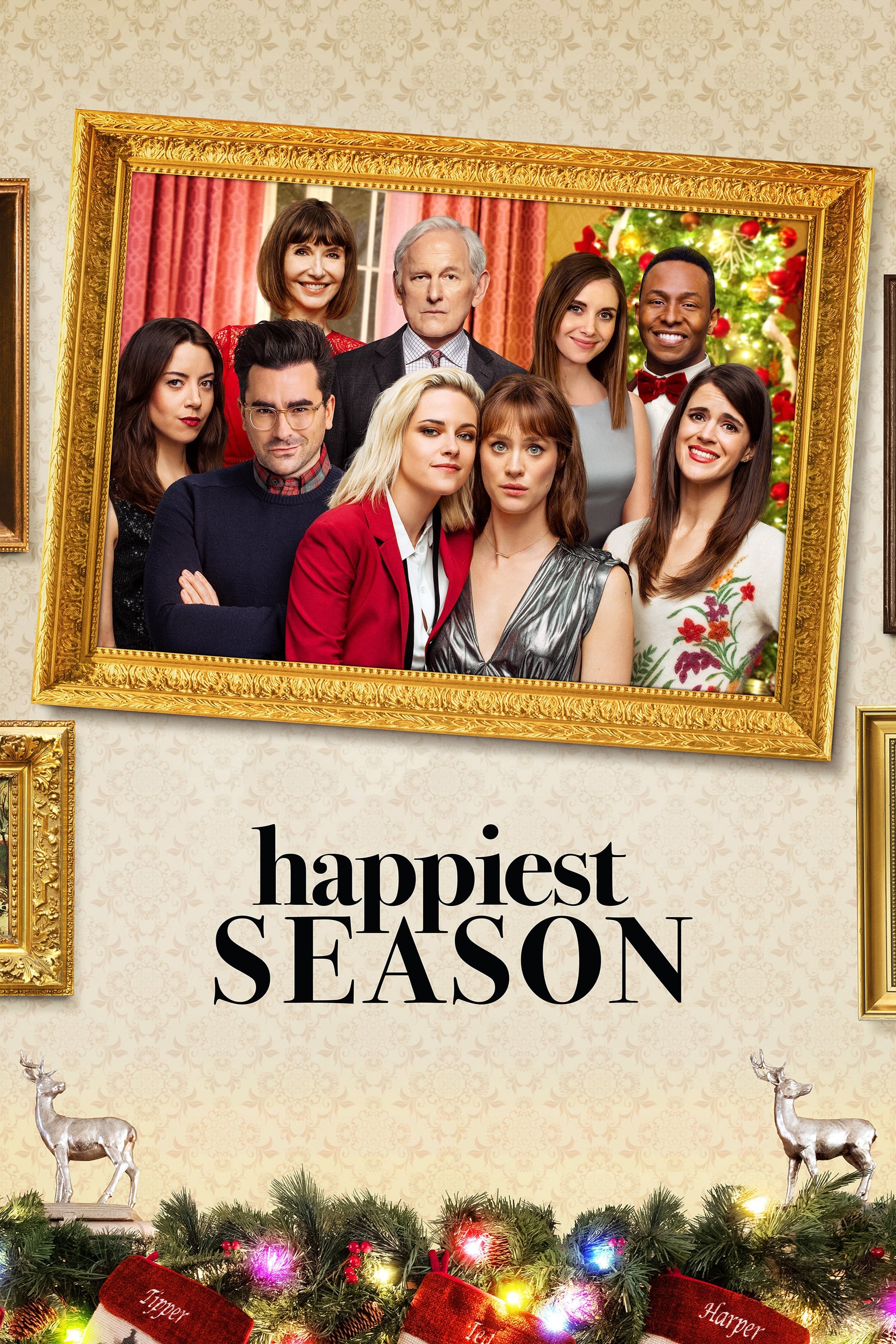
Kristen Stewart’s Abby navigates a holiday rom-com with her girlfriend’s conservative family. Aubrey Plaza’s Riley sparks chemistry, but the ending pairs Abby with the less compelling Harper, feeling forced and unsatisfying.
The queer love story charms until the mismatched resolution. Plaza’s magnetism makes the finale a frustrating misstep.
The Grey (2011)

Liam Neeson’s survivor battles wolves after a plane crash in this stark thriller. It builds to a climactic fight, but cuts to black before the showdown, leaving viewers hanging without resolution.
The raw survival tale and Neeson’s grit grip, but the abrupt non-ending feels like a cop-out. It needed a bolder close.
10 Cloverfield Lane (2016)
Mary Elizabeth Winstead’s Michelle is trapped in a bunker with a paranoid John Goodman. The tense psychological thriller shines until the final alien invasion reveal, which clashes with the grounded tone.
The claustrophobic drama enthralls, but the sci-fi pivot feels tacked-on. It’s a near-masterpiece derailed by a jarring shift.
La La Land (2016)
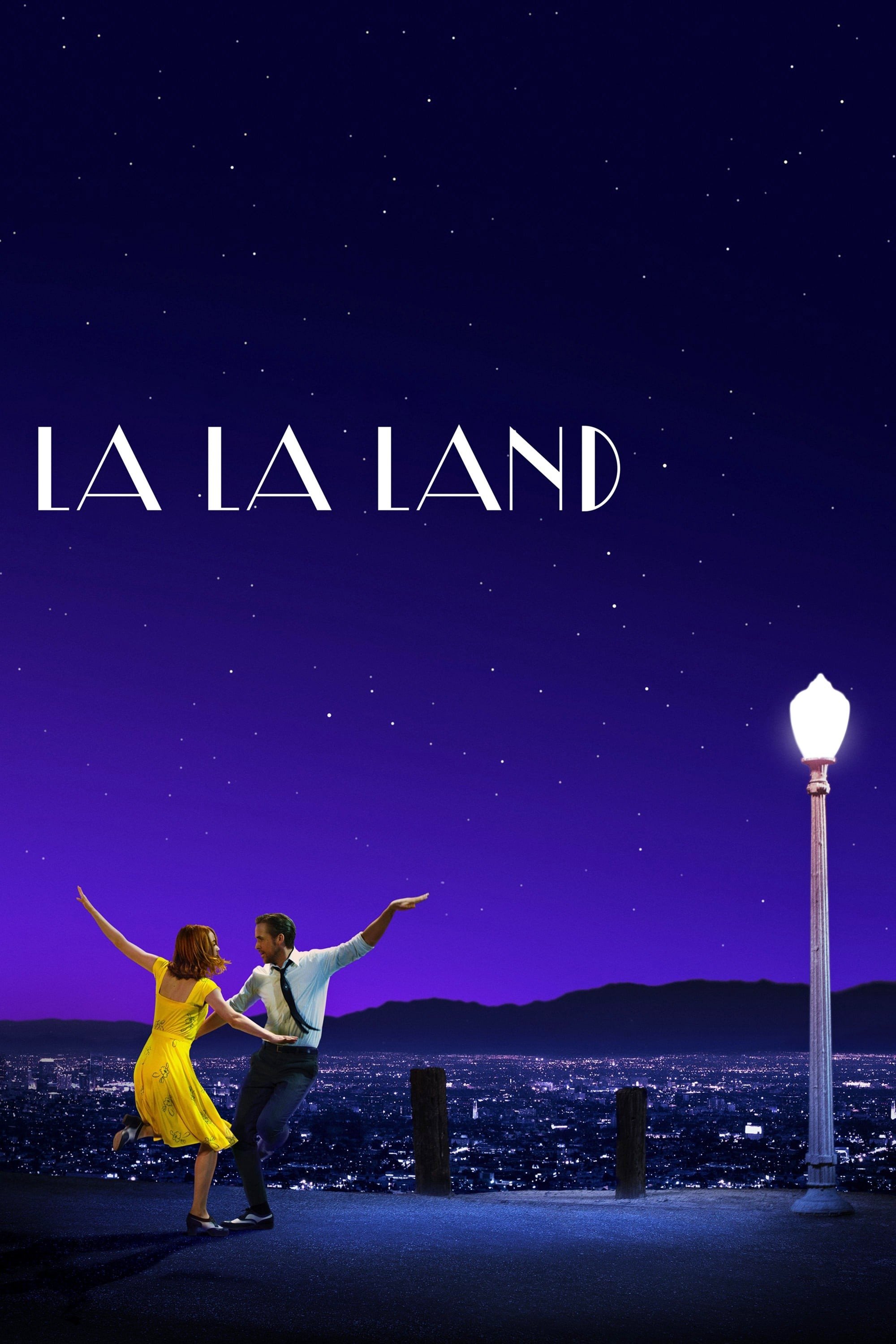
Ryan Gosling and Emma Stone’s dreamy romance follows dreamers in L.A. The bittersweet montage of their imagined life together is poignant, but the abrupt, overly tidy resolution feels misaligned with the film’s emotional depth.
The music and chemistry soar, but the ending’s bittersweet tone falters. It’s a modern classic that misses a perfect close.
Passengers (2016)
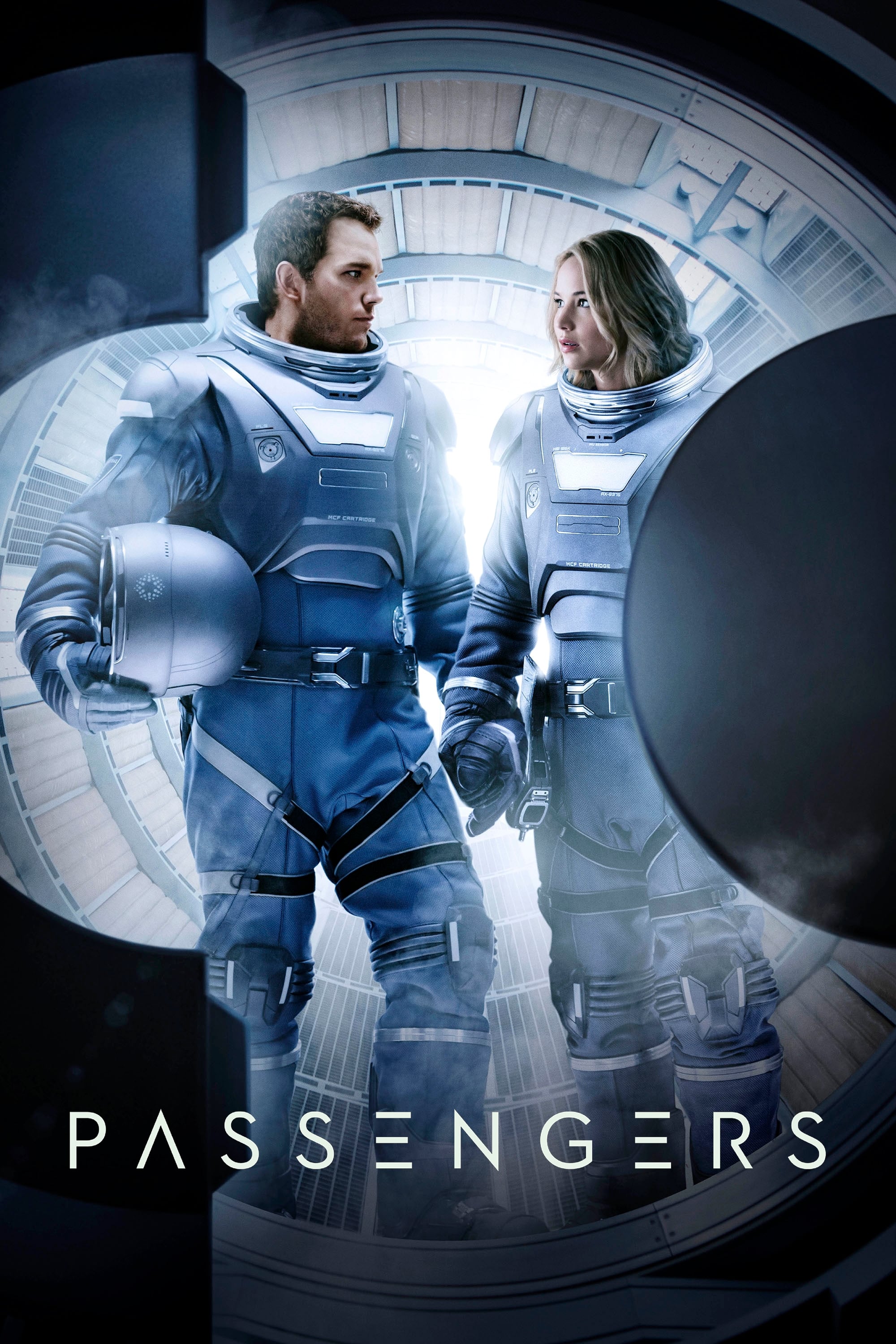
Chris Pratt and Jennifer Lawrence awaken early on a spaceship, facing a moral dilemma. The romantic sci-fi builds intrigue, but the rushed, overly neat resolution ignores the ethical weight of Pratt’s actions.
The visuals and chemistry captivate, but the simplistic ending disappoints. A deeper close could’ve elevated it further.
Baby Driver (2017)

Edgar Wright’s stylish heist film follows Ansel Elgort’s getaway driver with slick action and music. The final minutes, rushing to a happy ending with forced tie-ups, clash with the film’s edgy tone.
The kinetic pacing and Jon Hamm’s intensity shine, but the sappy close undermines it. A darker finish would’ve fit better.
Glass (2019)
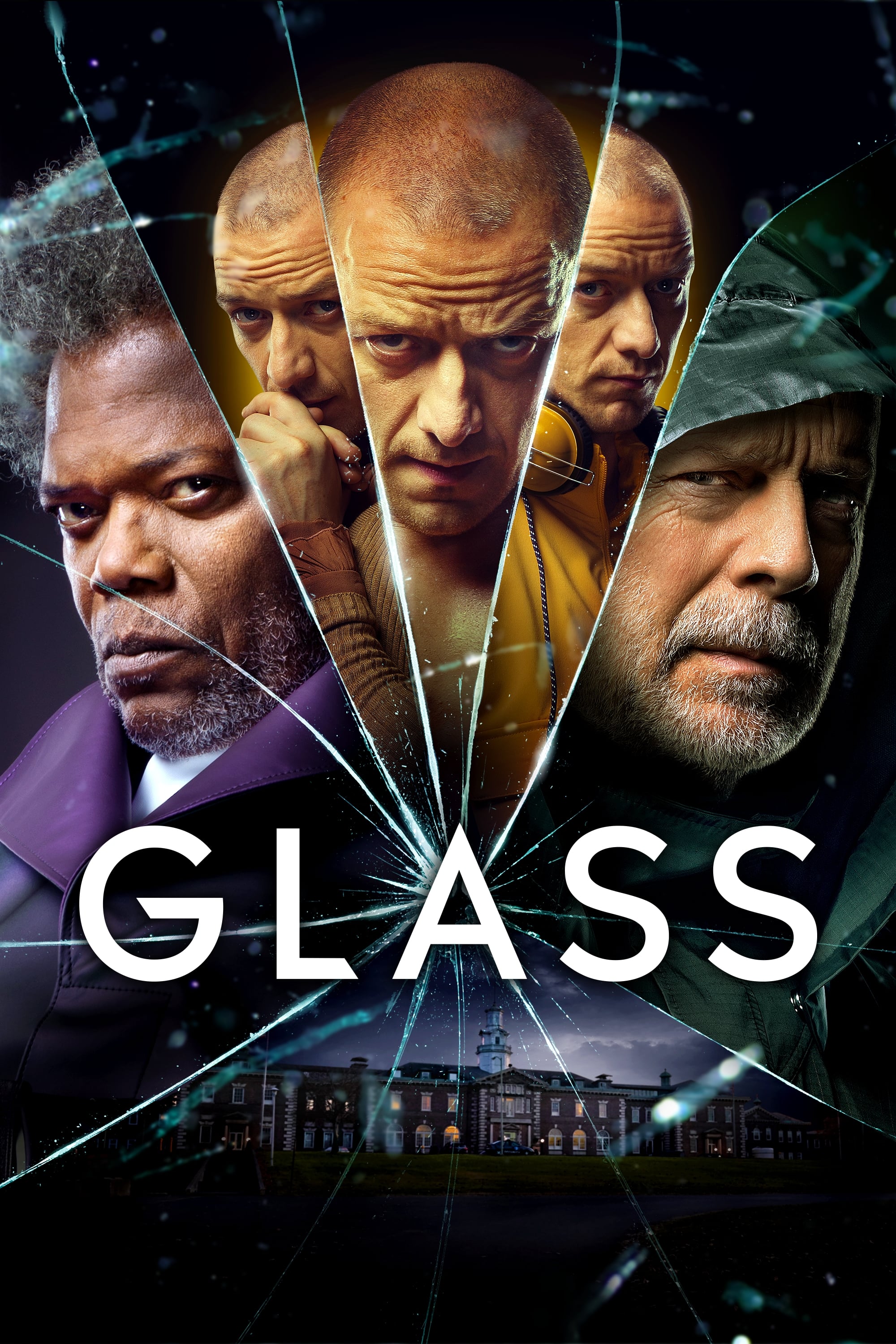
M. Night Shyamalan’s Unbreakable and Split crossover builds a grounded superhero saga. The final twist, killing off key characters in a rushed, bleak way, betrays the trilogy’s buildup and feels pointlessly cruel.
James McAvoy and Bruce Willis dazzle, but the ending sinks the stakes. It’s a bold vision crushed by a sour finale.
I Am Legend (2007)
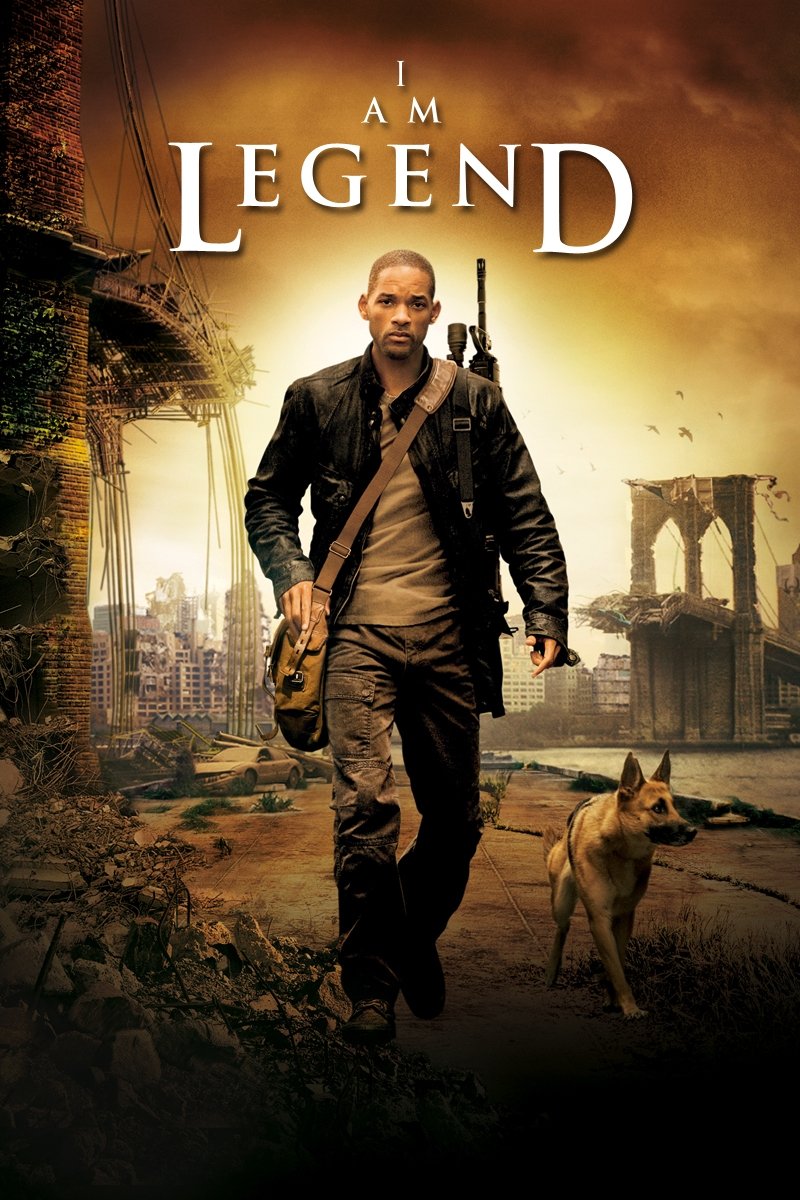
Based on the classic novel, this film follows Robert Neville, who is seemingly the last human survivor of a plague that has turned humanity into vampire-like creatures. For much of the movie, we see Neville’s lonely existence in New York City, as he forages for supplies, searches for other survivors, and defends himself against the infected. The film builds a powerful sense of isolation and suspense.
The theatrical ending, however, departs from the source material for a more conventional Hollywood conclusion. Neville discovers a cure and sacrifices himself to save two other survivors who take the cure to a settlement. This ending undermines the novel’s powerful and ironic twist where Neville realizes that in the eyes of the new society of infected, he is the monster.
Sunshine (2007)
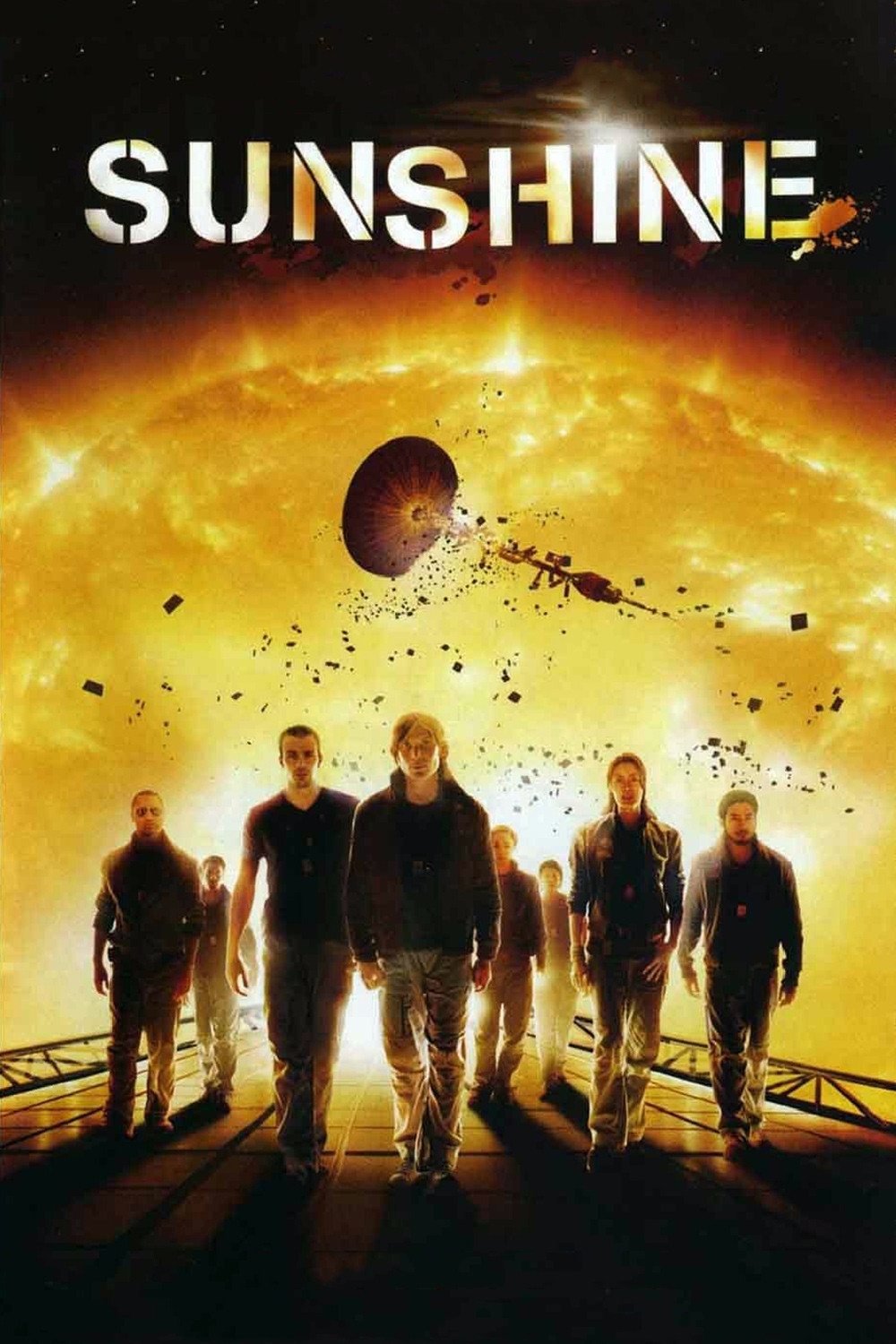
This sci-fi thriller follows the crew of a spaceship on a mission to reignite the dying sun and save humanity. The film is a visually stunning and philosophically engaging story about the immense pressures and sacrifices of their task. The first two-thirds of the movie are a masterpiece of suspense and psychological drama as the crew deals with technical malfunctions and moral dilemmas.
The final act takes a sharp turn into a generic slasher film. The captain of a previously lost ship appears as a horribly burned, monstrous villain who starts picking off the crew members one by one. This shift in tone from cerebral science fiction to a simple monster-in-the-house movie felt out of place and ruined the thoughtful atmosphere the film had built.
The Wolverine (2013)
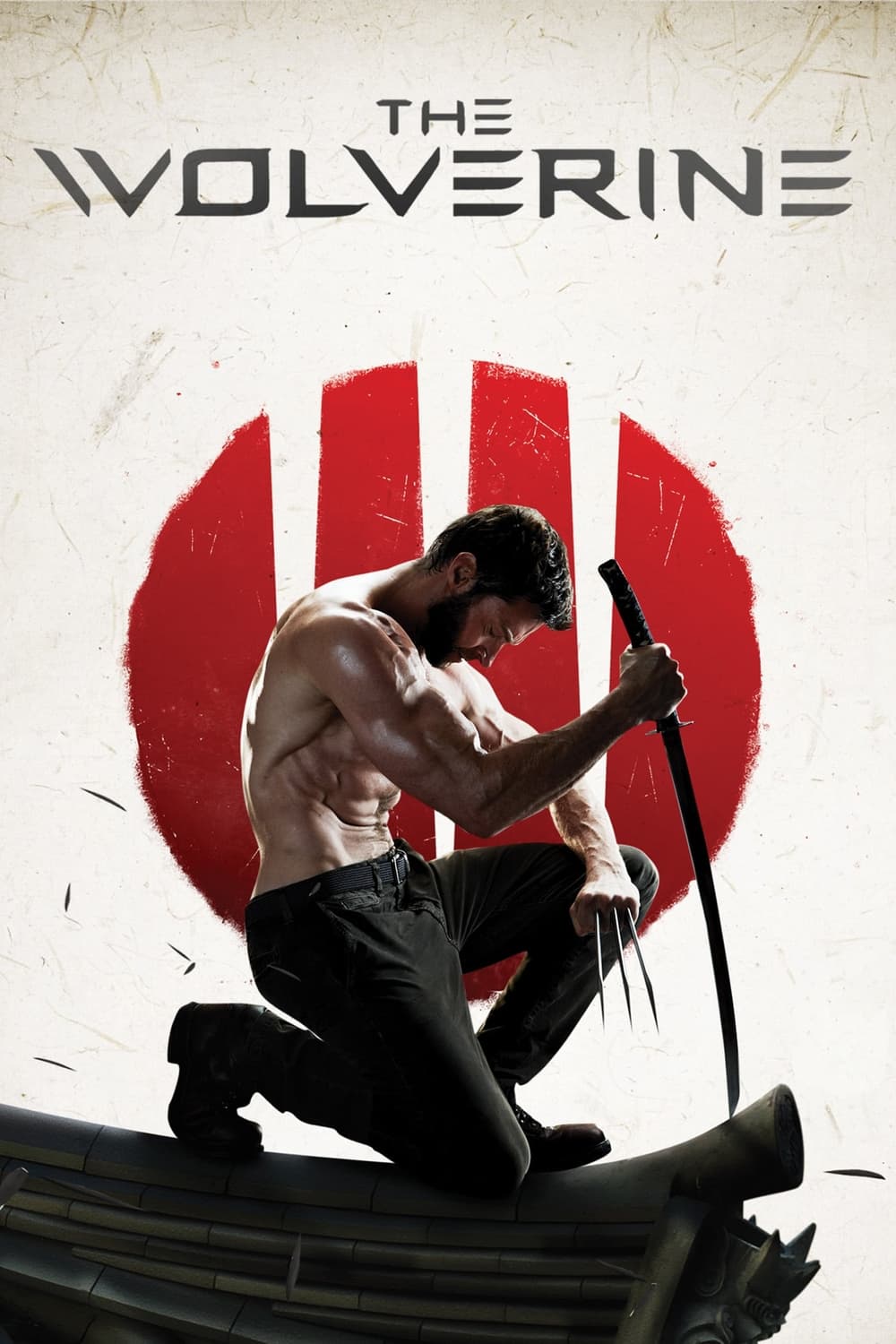
This film offers a more grounded and personal story for Logan, who is in Japan dealing with the trauma of his past. The movie focuses on his relationships and his struggle with his own immortality, which provides a refreshing change of pace from typical superhero action. It delves into themes of honor, loss, and redemption.
The final act abandons this character-driven approach in favor of a bombastic and generic superhero climax. Logan faces off against a giant CGI robot samurai, a plot point that felt shoehorned in and at odds with the more serious tone of the rest of the film. This over-the-top finale felt like a studio-mandated action sequence that undermined the more compelling personal story.
Law Abiding Citizen (2009)
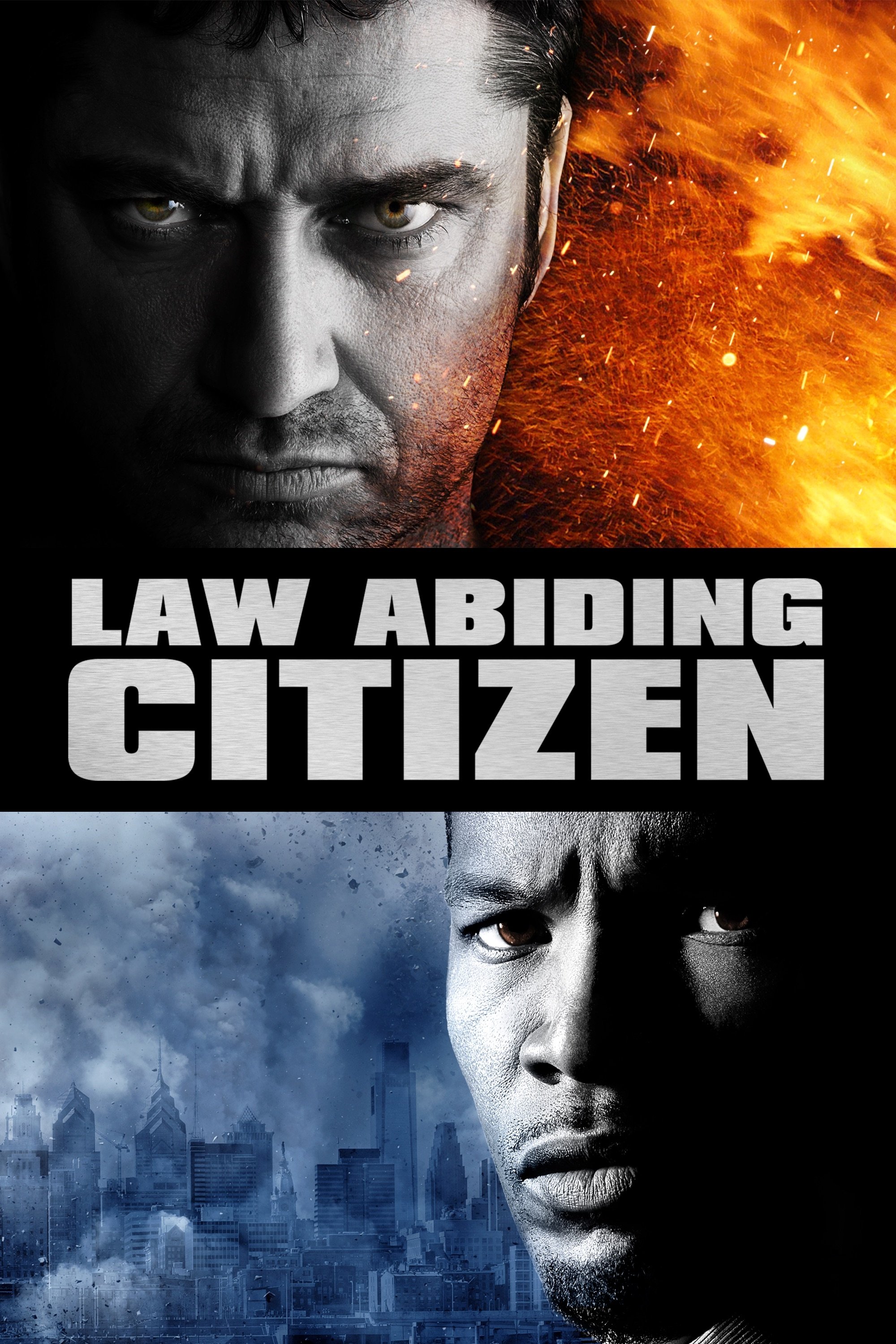
The film presents a morally complex story about a man named Clyde Shelton who seeks revenge on the criminals who murdered his family and the flawed justice system that let one of them go free. The movie poses interesting questions about justice and vigilantism, as Shelton orchestrates a series of elaborate and brutal attacks from his prison cell.
The ending, however, abandons these complex themes for a simplistic and unsatisfying resolution. The prosecutor, who had been outsmarted by Shelton throughout the film, suddenly manages to trick him and blow him up with his own bomb. This abrupt turn of events felt like a cop-out, providing a tidy ending at the expense of the film’s challenging ethical questions.
Hancock (2008)
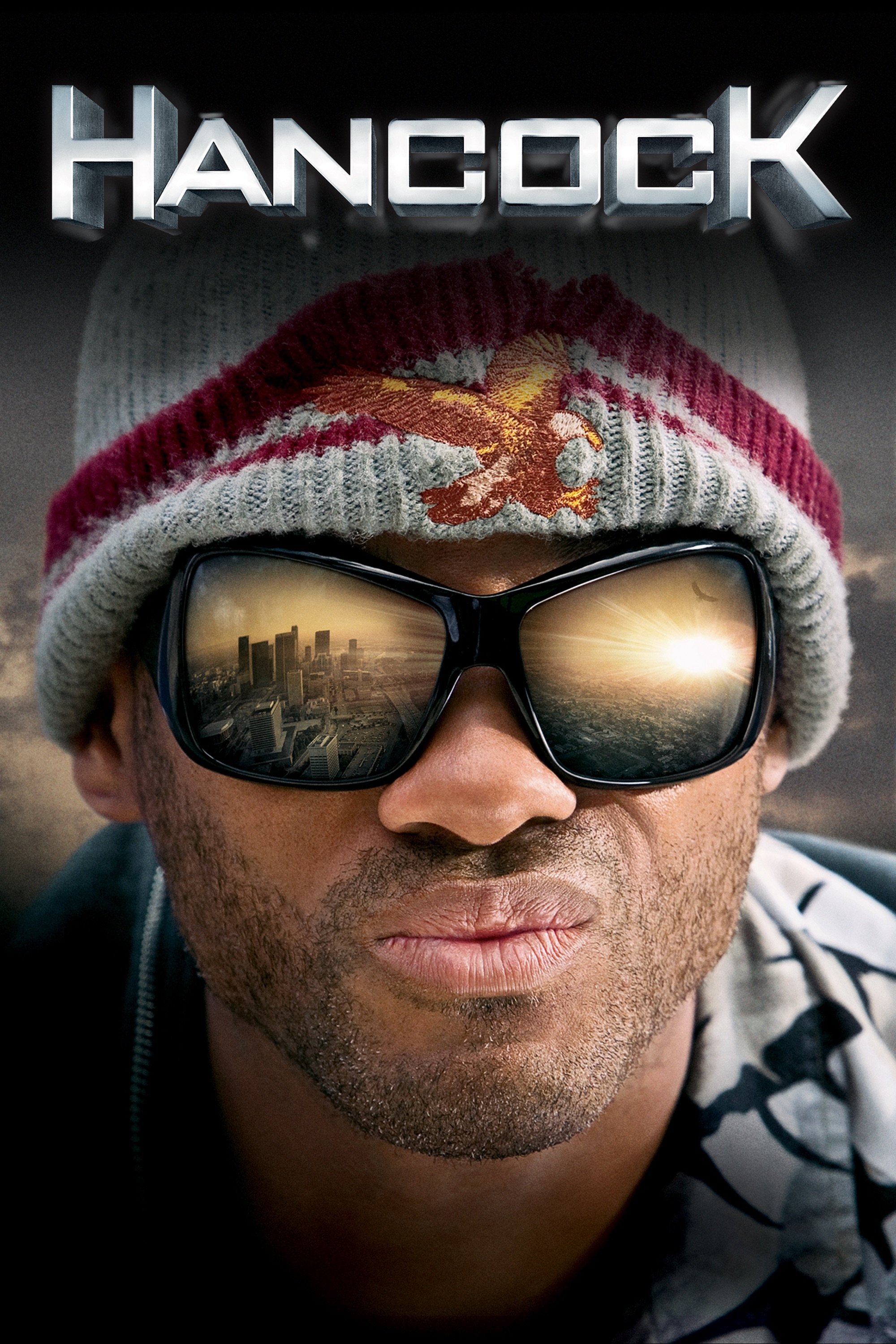
This movie starts as a clever and satirical take on the superhero genre, with a powerful but self-destructive and alcoholic hero who causes as much damage as he prevents. The first half of the film is a humorous and intriguing exploration of what a modern-day superhero might actually be like, with all the public relations problems that would entail.
The second half of the film introduces a convoluted and unnecessary backstory about Hancock and his kind being ancient, god-like beings who lose their powers when they are near their soulmates. This high-concept twist felt out of place and bogged the movie down in exposition, abandoning the gritty, comedic tone that made the first half so enjoyable.
Lucy (2014)
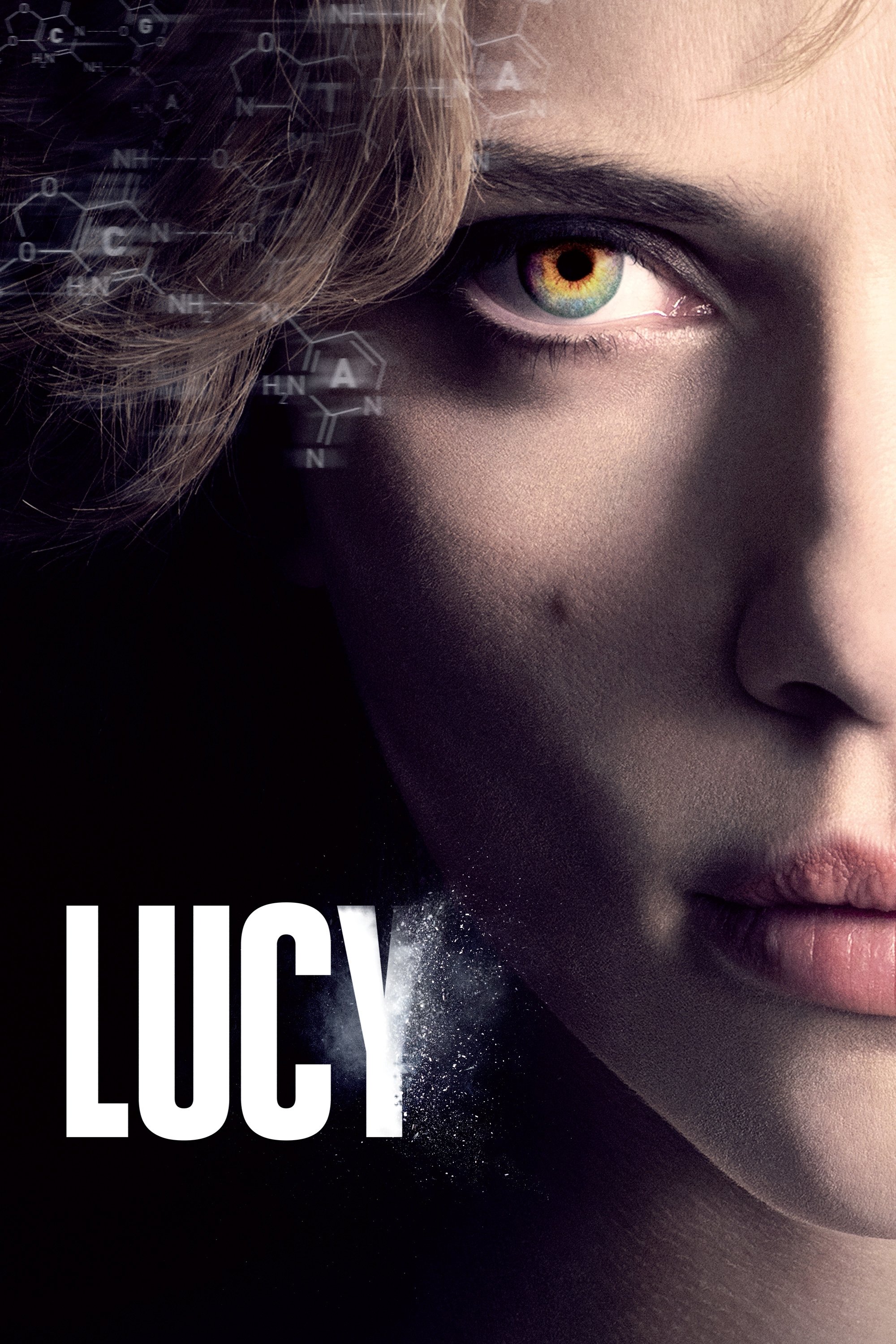
The film begins as a stylish and fast-paced action thriller about a woman who is forced to be a drug mule and gains superhuman mental abilities when the drug leaks into her system. The initial stages of her transformation are visually inventive and the action sequences are thrilling, creating an engaging and high-concept sci-fi story.
As Lucy’s abilities grow, the film becomes increasingly abstract and nonsensical. The climax has her transform into a living supercomputer that then becomes a black flash drive, a resolution that is both bizarre and anticlimactic. The film’s attempt at a philosophical statement on human potential gets lost in a goofy and ultimately meaningless ending.
Now You See Me (2013)
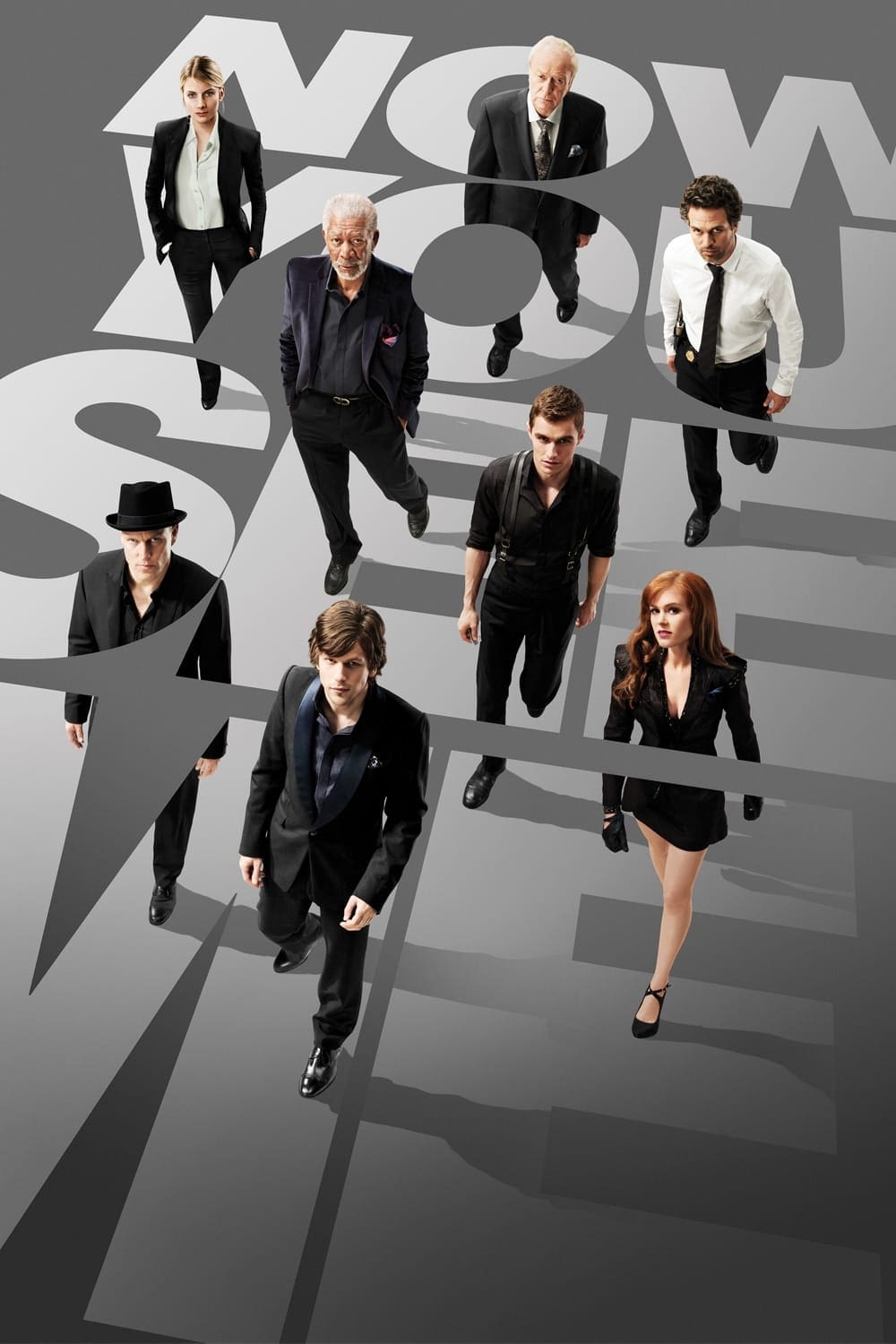
This heist film follows a team of magicians who pull off a series of elaborate heists against corrupt business leaders, all while being pursued by an FBI agent and an Interpol detective. The movie is full of flashy magic tricks and clever misdirection, creating a fun and engaging cat-and-mouse game.
The final twist reveals that the FBI agent pursuing them was the mastermind behind the whole plot, a member of a secret society of magicians seeking revenge. This revelation comes out of nowhere and creates numerous plot holes, making the entire preceding story feel like a cheat.
The Village (2004)
M. Night Shyamalan’s film builds a tense and atmospheric story about an isolated 19th-century village living in fear of mysterious creatures in the surrounding woods. The film is beautifully shot and creates a powerful sense of dread and mystery, with strong performances from the cast.
The infamous twist ending reveals that the story is actually set in the present day, and the “village” is a social experiment created by people who wanted to escape the horrors of the modern world. The “monsters” are just elders in costumes trying to keep the younger generation from leaving. This twist was widely seen as a letdown that deflated the film’s tension.
Prometheus (2012)
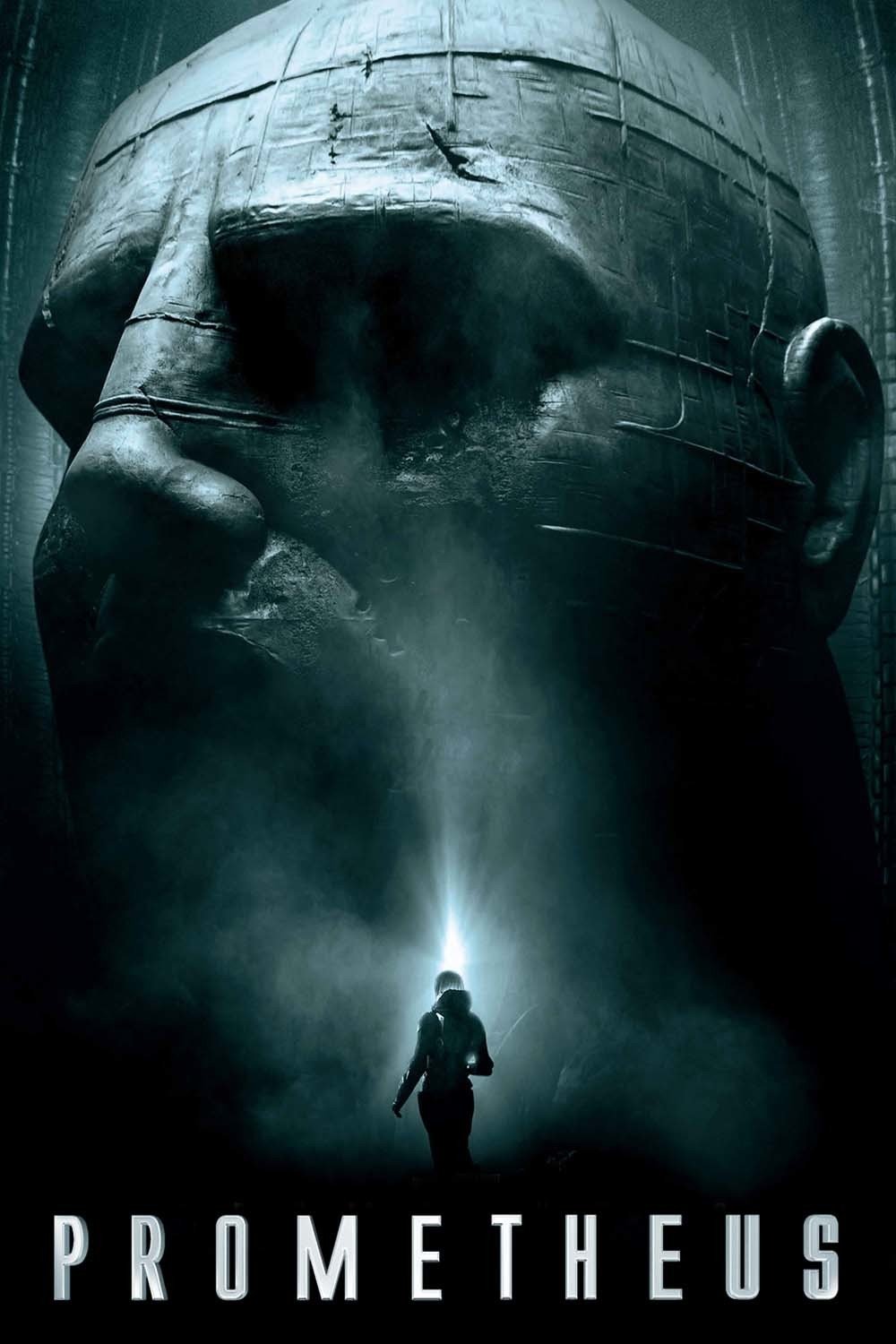
Ridley Scott’s return to the “Alien” universe is a visually stunning sci-fi epic that explores the origins of humanity. The film raises profound questions about creation, faith, and our place in the cosmos. The first part of the movie is filled with a sense of wonder and dread as a team of explorers investigates a distant moon.
The film’s ending, however, is a messy and unsatisfying jumble of action and half-answered questions. Characters make illogical decisions, and the philosophical themes are largely abandoned in favor of a standard monster chase. The film ends on a cliffhanger that feels unearned, leaving audiences with more frustration than satisfaction.
Remember Me (2010)
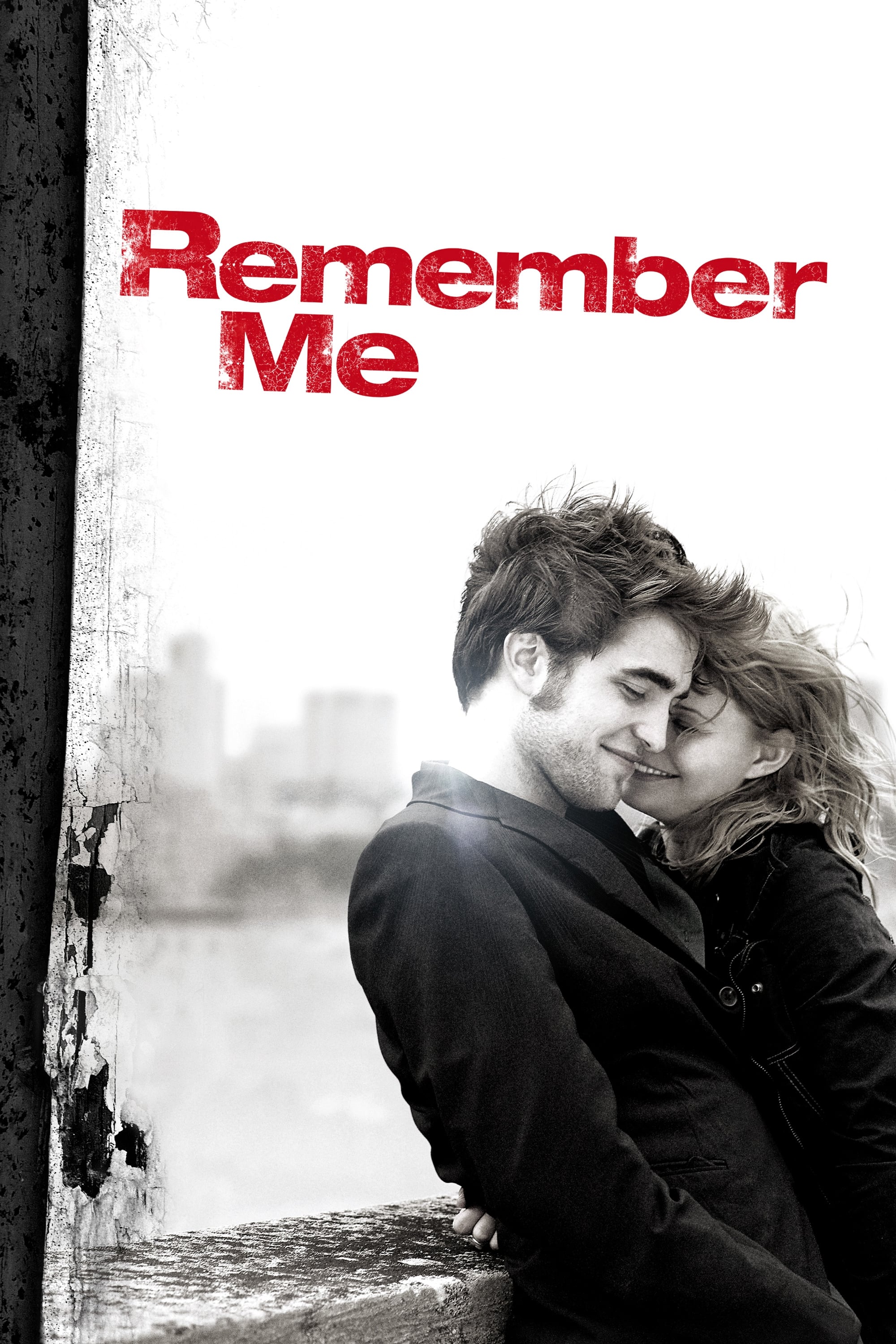
This romantic drama features a strong performance from Robert Pattinson as a troubled young man who finds love while dealing with family tragedy. The film is a heartfelt and moving story about love, loss, and the importance of living in the moment.
The ending throws all of that away with a shocking and tasteless twist. In the final moments, it’s revealed that the main character is in one of the World Trade Center towers on the morning of September 11, 2001. Using a real-life national tragedy as a last-minute plot device felt exploitative and emotionally manipulative.
Planet of the Apes (2001)
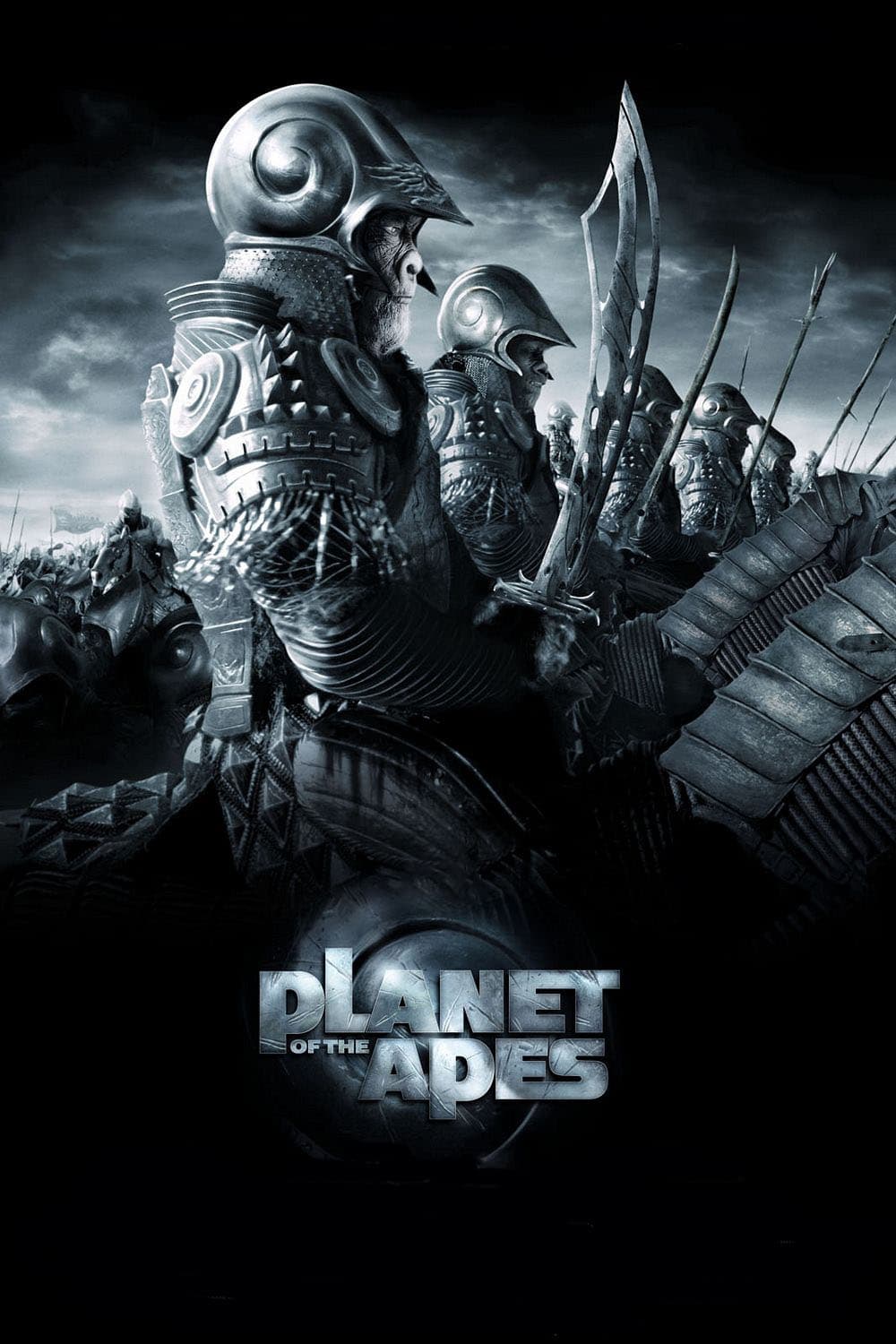
Tim Burton’s remake of the sci-fi classic is a visually impressive film with some interesting ideas. The movie follows an astronaut who crash-lands on a planet ruled by intelligent apes. The action sequences and practical effects are well-executed, creating an engaging, if not particularly deep, sci-fi adventure.
The film’s ending is notoriously confusing and nonsensical. The astronaut manages to escape the planet and travel back to his own time, only to find that Earth is now also ruled by apes, with a monument to the film’s ape villain in place of the Lincoln Memorial. The ending is an attempt to one-up the original’s classic twist, but it makes no logical sense and leaves the audience baffled.
The Devil Inside (2012)
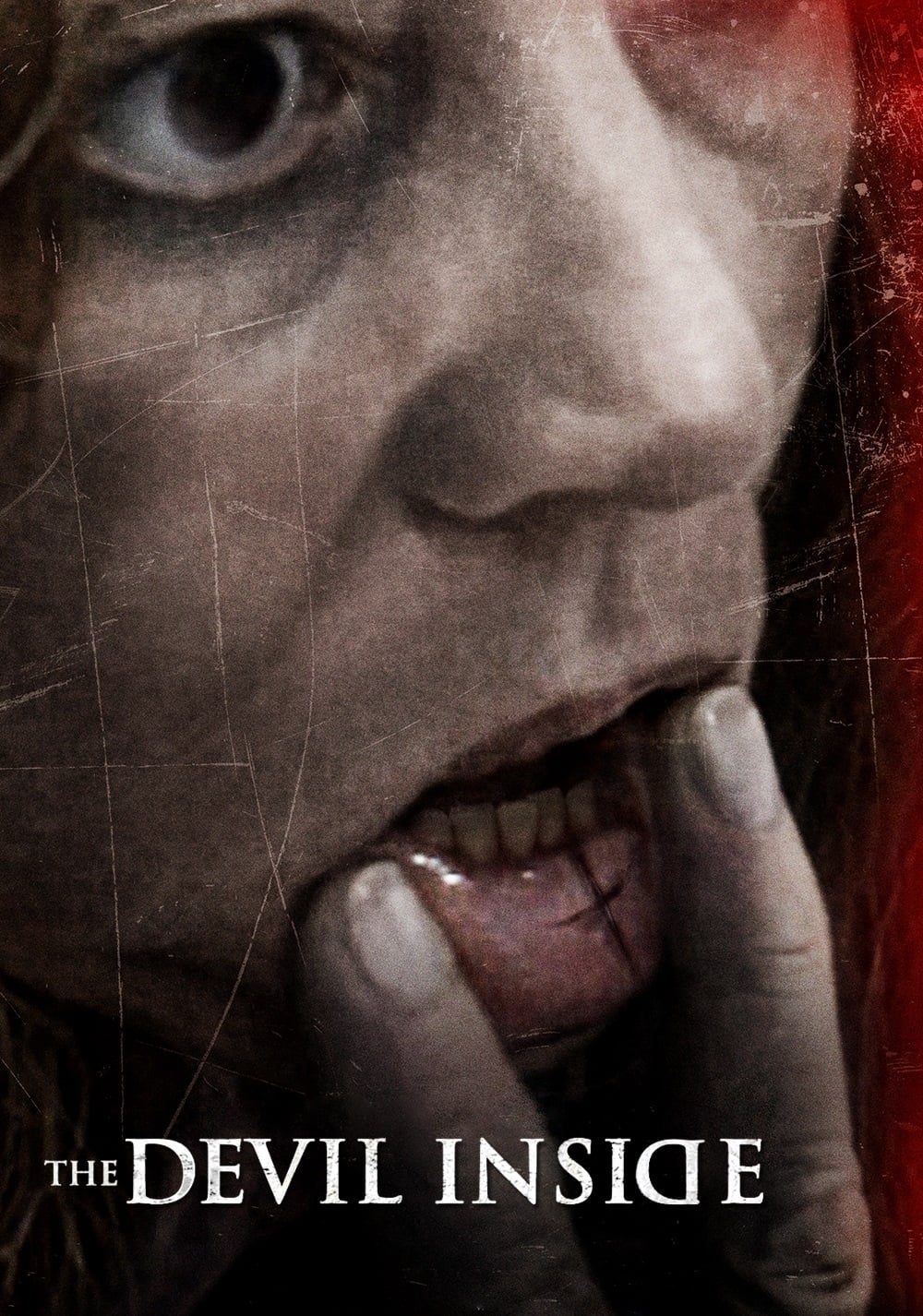
This found-footage horror film follows a woman who travels to Italy to investigate her mother, who has been confined to a psychiatric hospital after committing a triple murder during an exorcism. The film builds a decent amount of suspense and features some unsettling exorcism scenes.
The movie ends abruptly with the main characters in a car crash, followed by text on the screen telling the audience to visit a website to find out what happened next. This was a transparent and infuriating gimmick that served as a non-ending to the film. To make matters worse, the website was taken down not long after the film’s release.
Pay It Forward (2000)
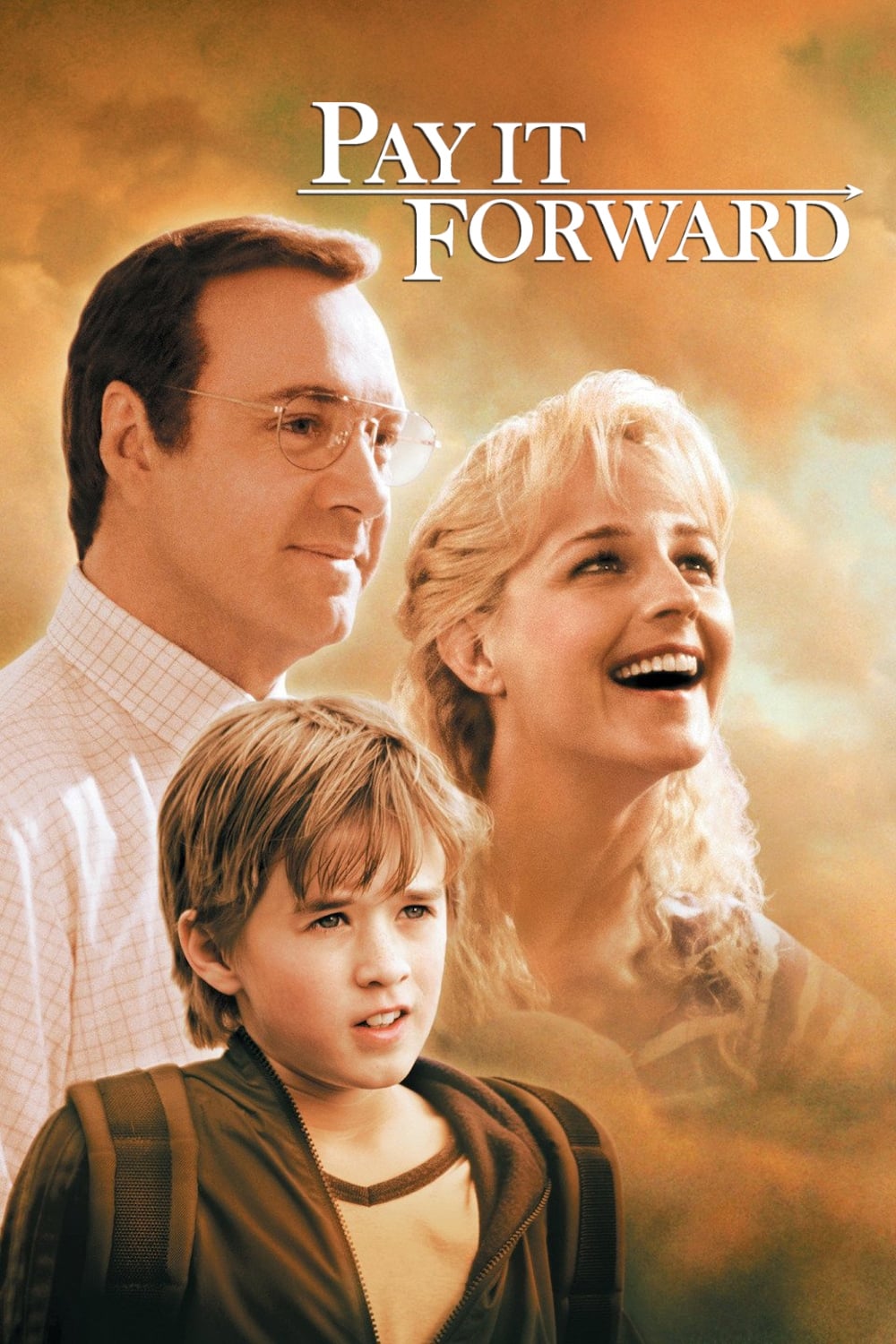
This uplifting drama tells the story of a young boy who starts a movement of goodwill called “pay it forward,” where instead of paying a favor back, you do a good deed for three other people. The film is a sweet and sentimental story about the power of kindness and one person’s ability to make a difference.
The film takes an incredibly dark and unnecessary turn in its final moments. The young boy, who has inspired a national movement, is stabbed to death while trying to defend a friend from bullies. This tragic and shocking ending felt completely out of place with the film’s optimistic tone, leaving audiences feeling sucker-punched rather than inspired.
Bad Times at the El Royale (2018)

This stylish and suspenseful thriller brings together a group of strangers at a mysterious hotel on the border of California and Nevada. The film is full of twists and turns, with a sharp script and a fantastic ensemble cast. It starts as a clever and unpredictable neo-noir mystery.
The final act loses its way with the introduction of a charismatic but cartoonish cult leader played by Chris Hemsworth. The film devolves into a tedious and overblown hostage situation that abandons the cleverness and subtlety of the first two acts. The witty, unpredictable thriller becomes a generic and much less interesting movie.
Indiana Jones and the Kingdom of the Crystal Skull (2008)
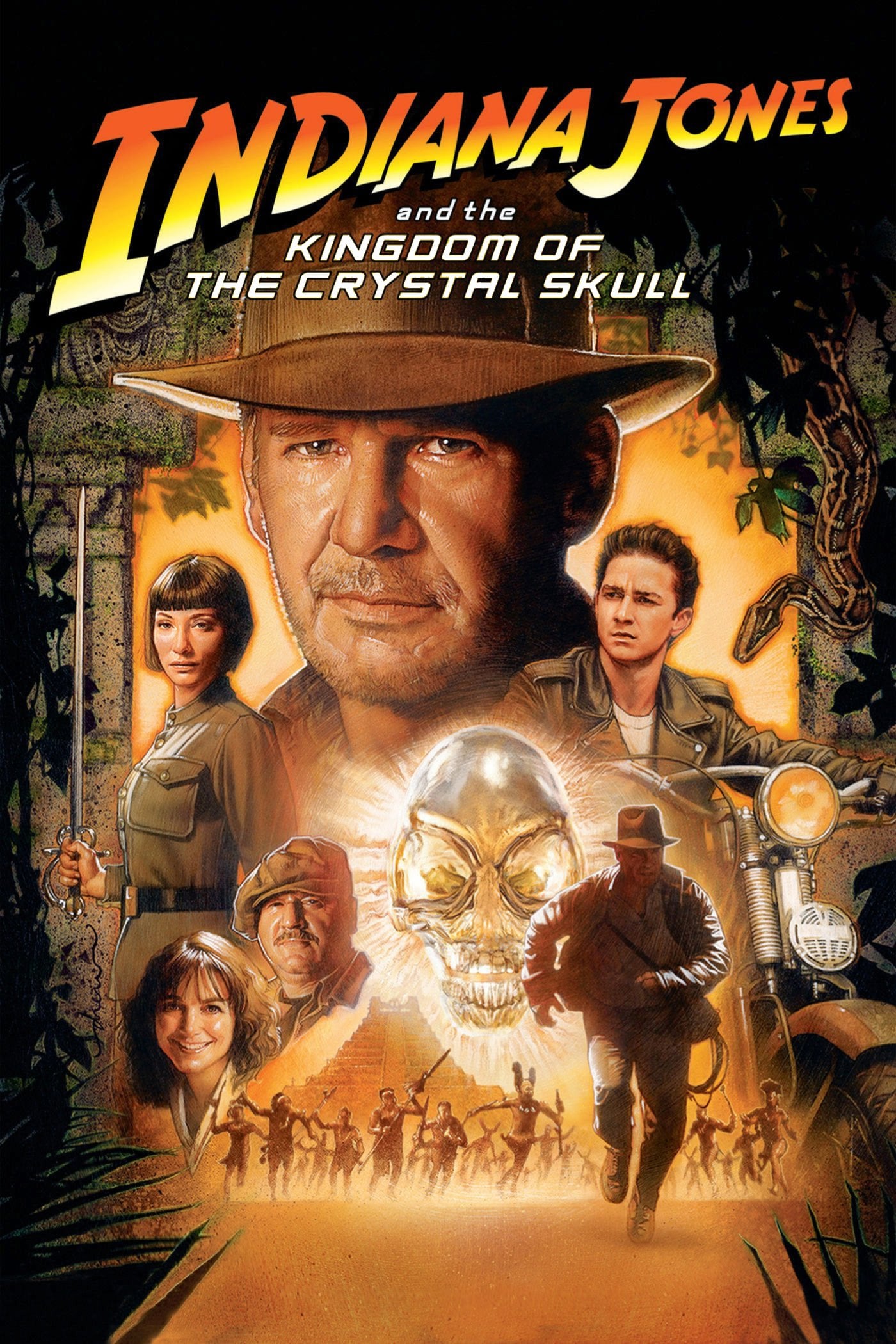
The long-awaited fourth installment in the Indiana Jones series starts off with some of the classic adventure and charm that fans love. Seeing Harrison Ford back in the fedora is a treat, and the film has some fun action sequences that harken back to the original trilogy.
The final act, however, goes completely off the rails. The mystery of the crystal skull leads to a reveal of interdimensional beings and a flying saucer. The climax involves aliens, CGI gophers, and a famously ridiculous scene where a character survives a nuclear blast by hiding in a refrigerator. The sci-fi elements felt out of place in a series that had previously dealt with religious artifacts.
Superman (1978)
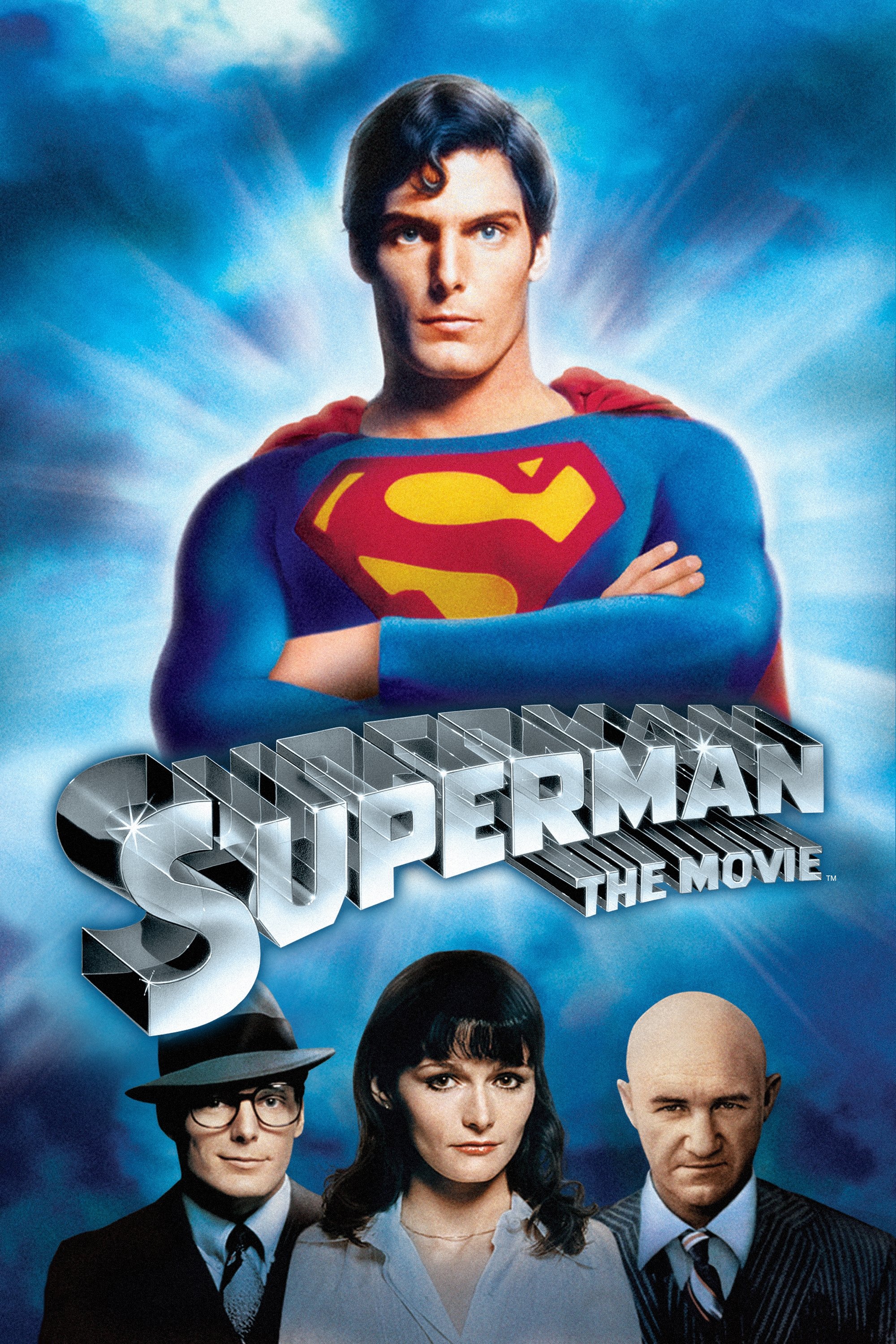
The original “Superman” is a classic superhero film that perfectly captures the charm and optimism of the character. It establishes the iconic origin story and features a legendary performance from Christopher Reeve. For most of its runtime, it’s a nearly perfect comic book movie.
The ending, however, features a famously silly plot device. After Lois Lane is killed in an earthquake, a devastated Superman flies around the Earth so fast that he reverses time itself, allowing him to save her. This power is never mentioned before or since, and it creates a massive plot hole that undermines the stakes of the story.
The Twilight Saga: Breaking Dawn – Part 2 (2012)
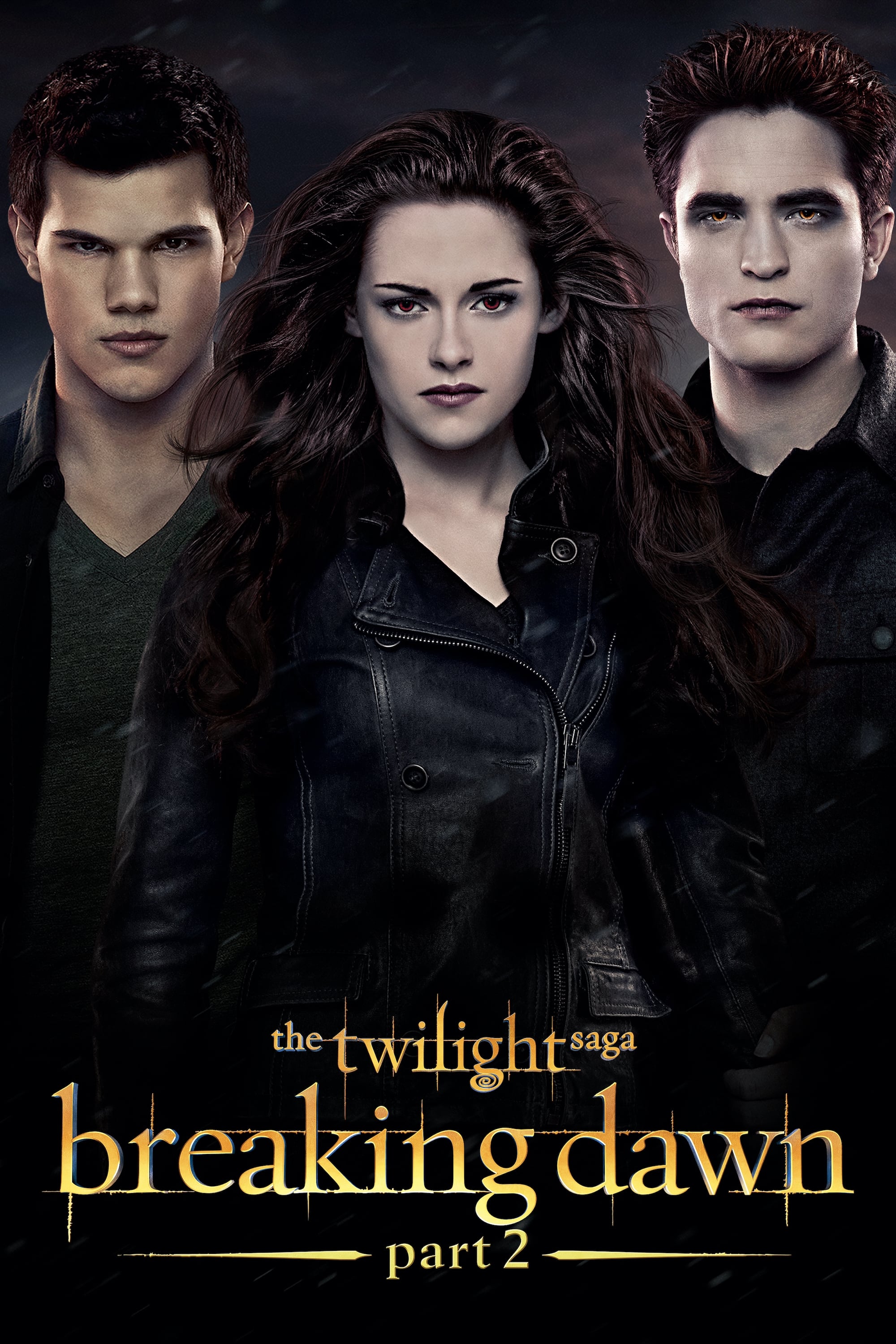
The final film in the “Twilight” saga builds up to a massive battle between the Cullen vampire family and their allies, and the powerful Volturi clan. The entire movie and much of the previous installment are focused on the impending conflict, promising an epic conclusion to the series.
The film delivers a long, brutal, and action-packed battle where many beloved characters are killed, only to reveal that the entire fight was just a vision that one of the characters was showing to the enemy leader. The actual conflict is then resolved peacefully. This “it was all a dream” style ending made the entire climax feel like a pointless and manipulative fake-out.
Transformers: Revenge of the Fallen (2009)
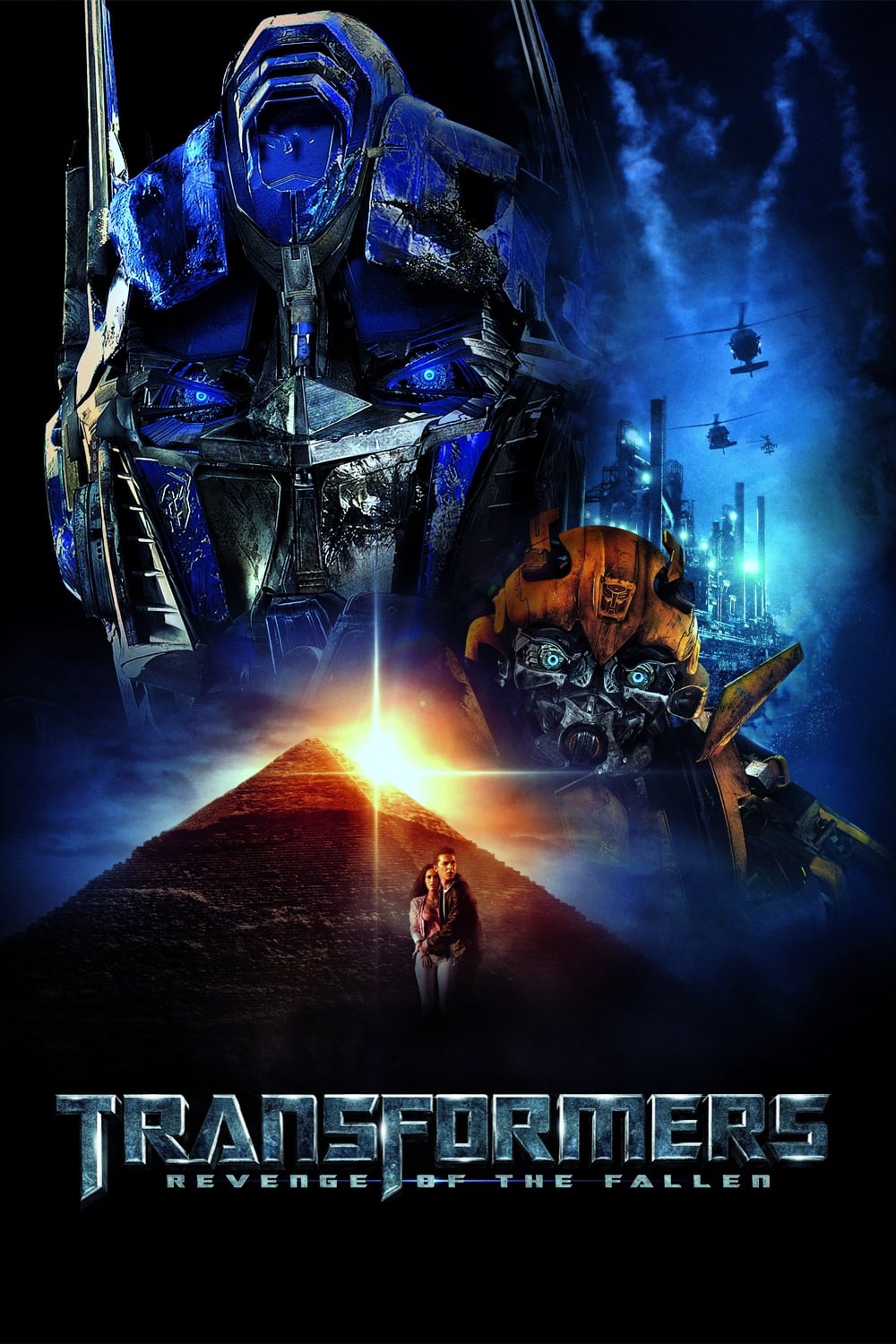
The second film in the “Transformers” series is a loud and action-packed blockbuster. It features the signature Michael Bay spectacle, with giant robots fighting each other in explosive battles. The movie delivers on the promise of robot carnage.
The ending, however, is a mess of lazy and nonsensical plot developments. The main human character, Sam Witwicky, is killed and then inexplicably brought back to life in a robot afterlife where he is told he is a hero. Optimus Prime is also killed and then conveniently revived with spare parts. These fake-out deaths remove any sense of real stakes or consequence.
Grease (1978)
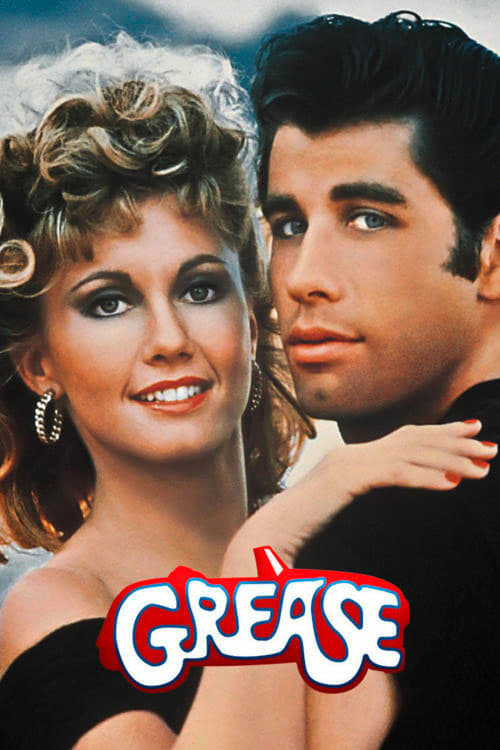
This classic musical is a fun and nostalgic look at high school life in the 1950s. It’s filled with iconic songs and memorable characters. The story of the wholesome Sandy and the greaser Danny falling in love is a timeless tale that has charmed audiences for decades.
The movie ends with a bizarre and completely unexplained final scene where Danny and Sandy get into a car that promptly flies into the sky. None of the other characters seem particularly surprised by this, and it is never explained or mentioned. This surreal moment is a strange and nonsensical ending to an otherwise grounded high school musical.
The Flash (2023)
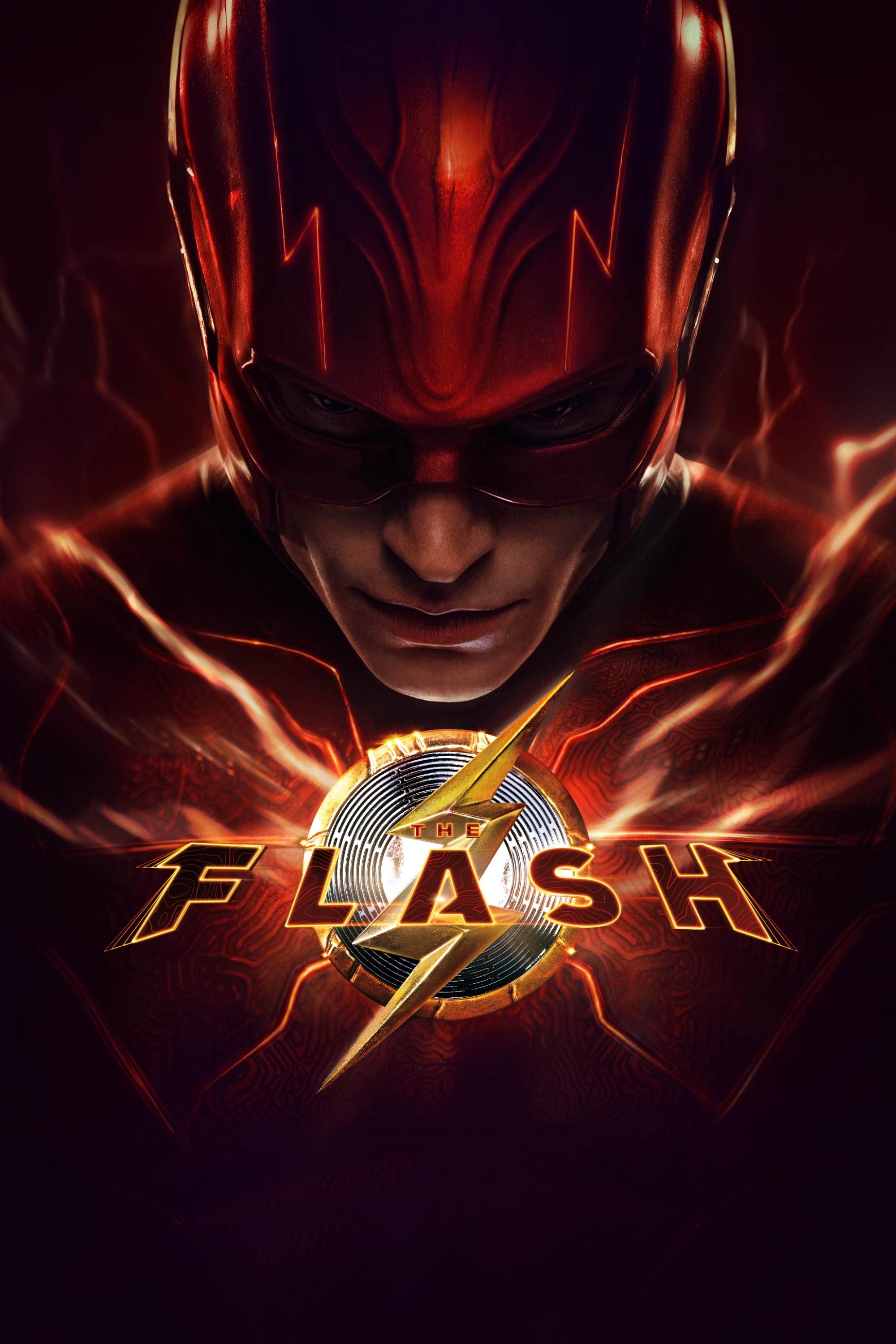
This DC superhero film starts with a fun and interesting premise, with Barry Allen traveling back in time to save his mother’s life. This creates an alternate timeline with some interesting changes to the DC universe. The film has a lot of humor and heart in its exploration of the multiverse.
The climax of the film, however, devolves into a messy and confusing CGI-heavy battle. Barry repeatedly tries and fails to save his comrades, leading to a tedious and repetitive sequence. The ending is a jumble of half-baked ideas and cheap cameos that feel more like fan service than a satisfying conclusion to the story.
Jigsaw (2017)
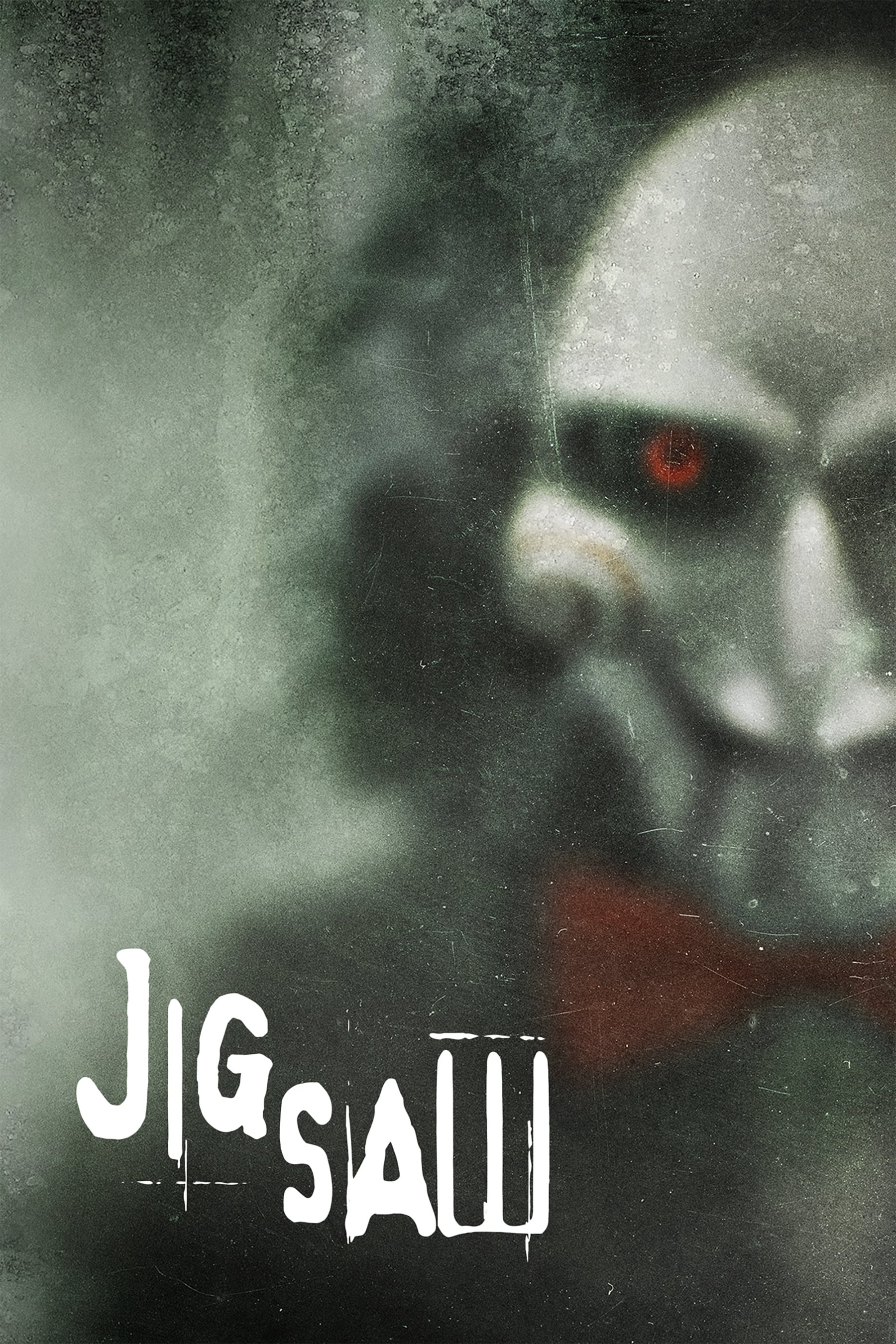
This eighth installment in the “Saw” franchise attempts to reboot the series with a new game and a new mystery. The film follows two parallel storylines: a group of people forced to play a deadly game, and the police investigation into the new Jigsaw-style killings. The movie has some of the series’ signature gruesome traps and a compelling mystery.
The ending reveals a convoluted double-twist: not only is one of the investigators secretly a Jigsaw apprentice, but the game we’ve been watching took place ten years in the past. This twist is not only a rehash of a similar reveal from “Saw II,” but it also creates several plot inconsistencies and feels like a cheap way to shock the audience.
Downsizing (2017)
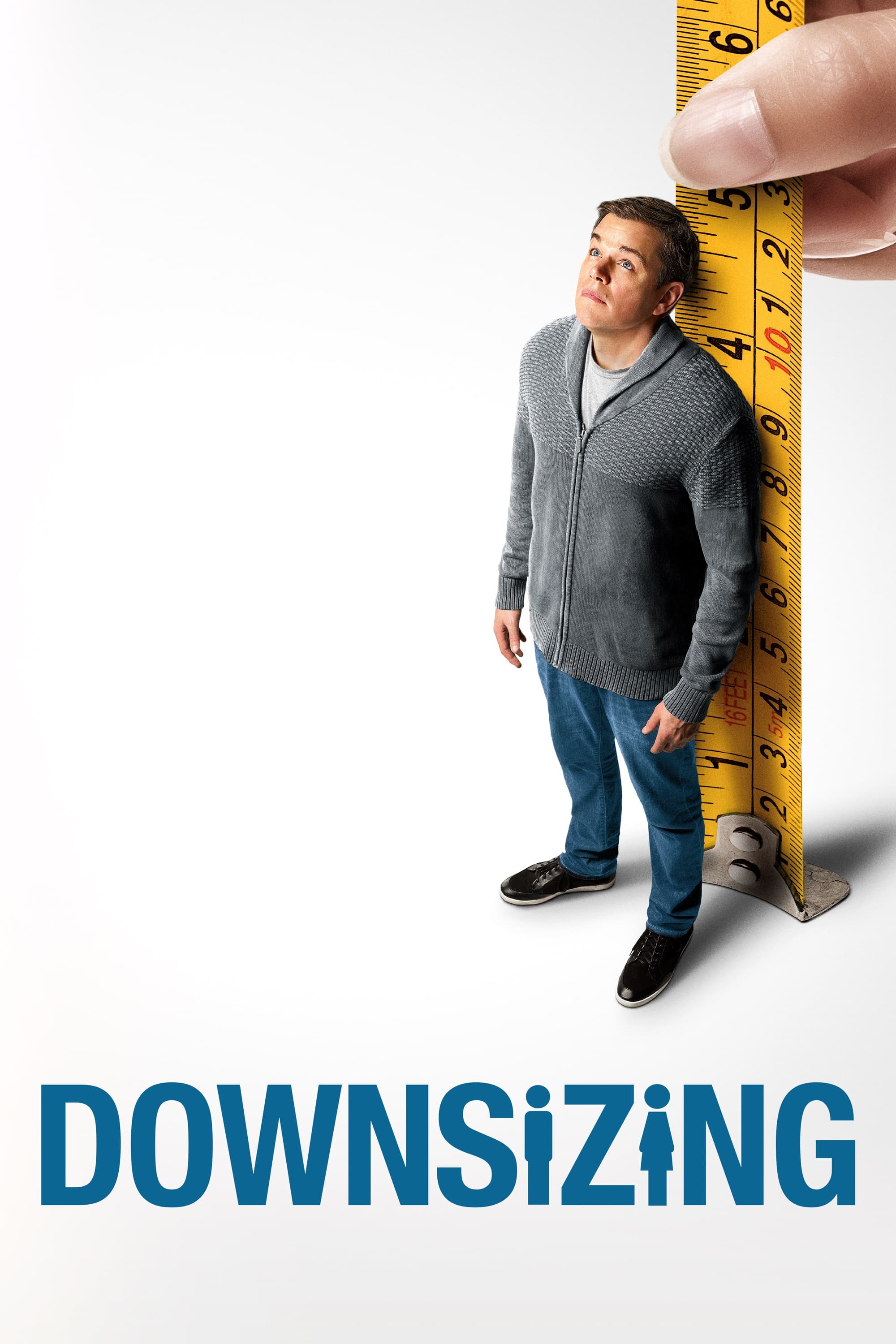
This film has a fascinating and original premise: in the near future, scientists discover a way to shrink humans to five inches tall as a solution to overpopulation and climate change. The first half of the movie is a clever and thought-provoking exploration of this concept and its social and economic implications.
The movie loses its focus in the second half, abandoning its sharp satire for a meandering and preachy story about a doomsday cult. The main character’s journey becomes less about the fascinating concept of downsizing and more about a generic and uninspired apocalyptic plot. The film’s promising premise is wasted on a dull and unfocused ending.
The Mist (2007)
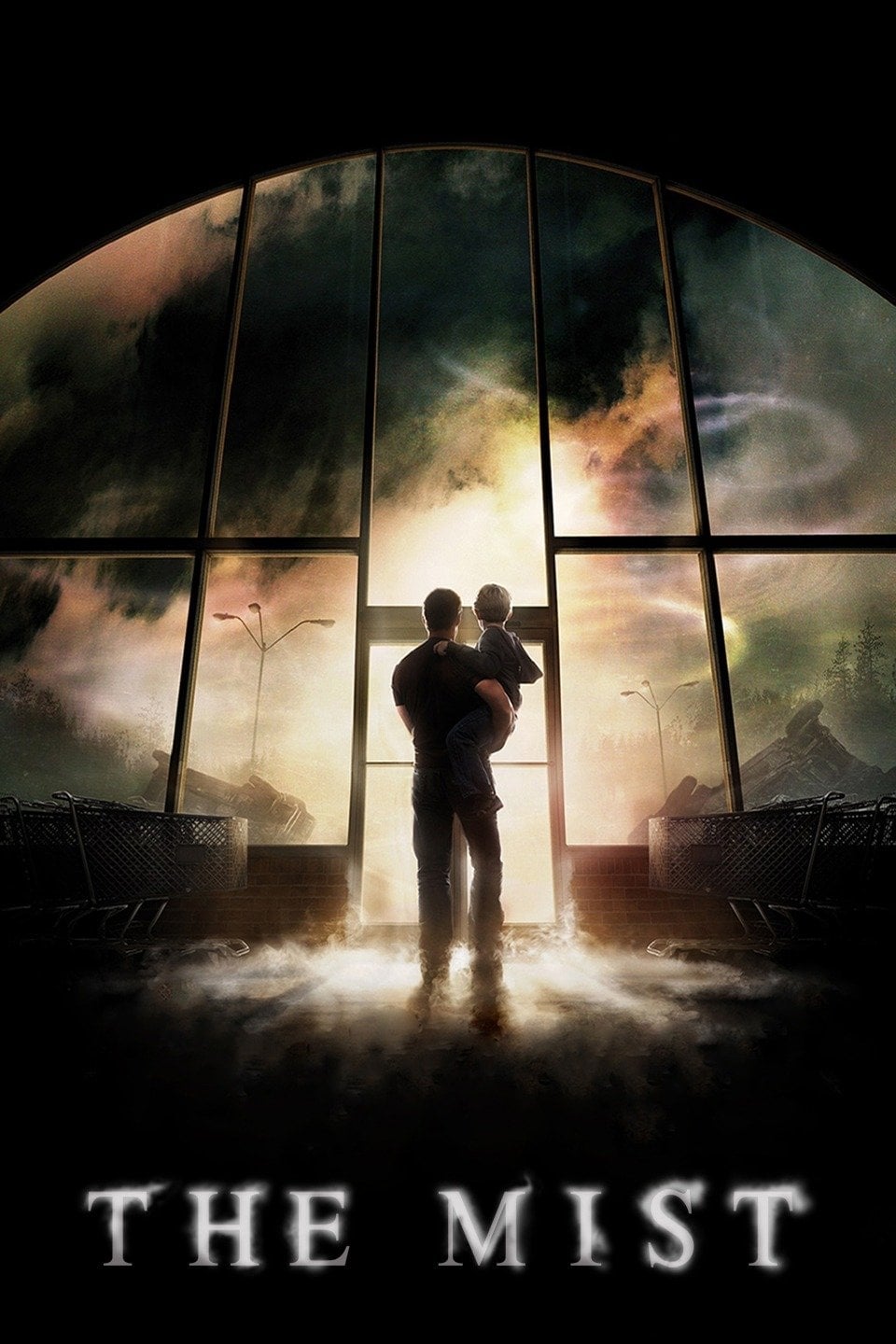
Based on a Stephen King novella, this horror film is a bleak and intense story about a group of people trapped in a supermarket by a mysterious mist filled with deadly creatures. The film is a masterful exercise in tension and a brutal look at how fear can turn ordinary people against each other.
The film’s ending is famously dark and controversial. The main character and a small group of survivors escape the store, only to run out of gas in the mist. Believing all hope is lost, the main character shoots everyone, including his own young son, to spare them a gruesome death. Seconds later, the mist clears, and the army arrives, revealing that they were on the verge of rescue. While a powerful and gut-wrenching ending, many found it to be so relentlessly grim that it soured the entire experience.
The Matrix (1999)
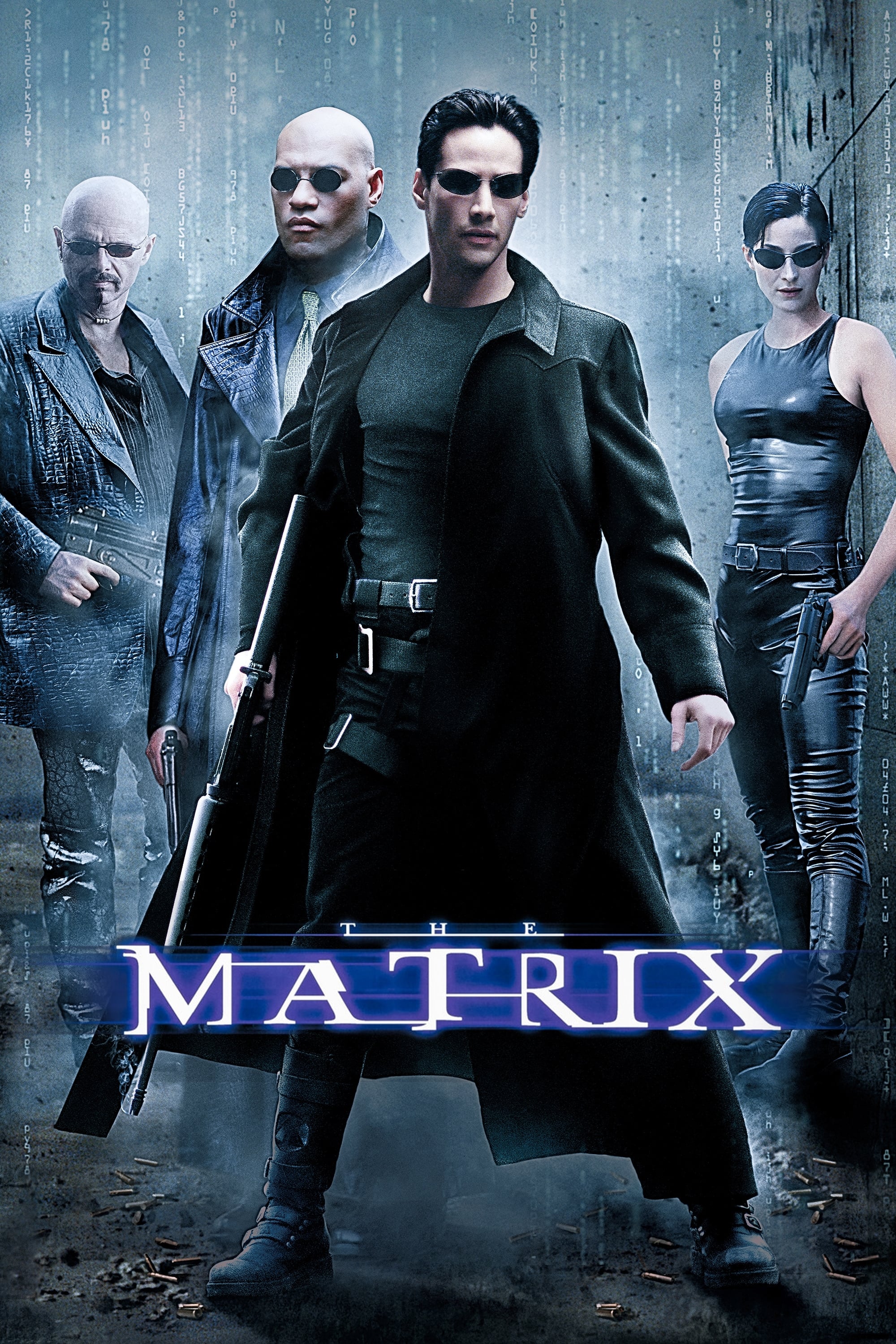
For most of its runtime, The Matrix is a razor-sharp fusion of cyberpunk mood, bullet-time action, and heady philosophy. The world-building is tight, the stakes feel personal, and Neo’s awakening lands like a thunderclap.
Then the finale pivots from grounded rebellion to superhero certainty: Neo becomes literally untouchable, delivers a phone-booth manifesto, and blasts into the sky. For some, that swaggering “I’m the One” send-off undercuts the film’s eerie mystery and closes a story that thrived on doubt with a too-neat, comic-book exclamation point.
Knowing (2009)
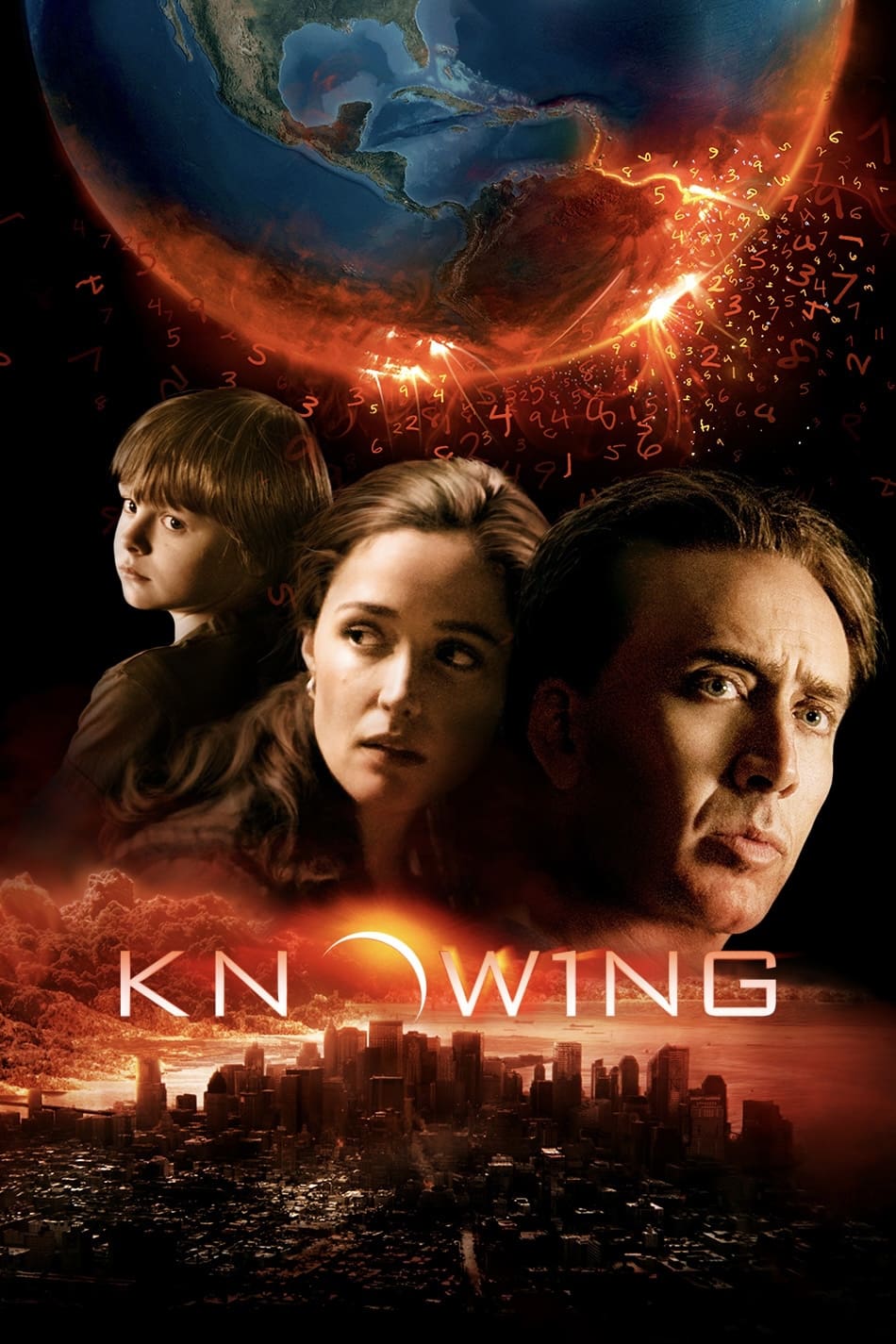
For a while, Knowing is a surprisingly gripping mystery—eerie numbers, creeping dread, and a Nicolas Cage performance that leans into obsession. The film’s first two disaster set pieces are jaw-dropping and promise a puzzle worth solving.
But the last stretch swerves into metaphysical, quasi-religious territory with glowing beings and an extinction-level event that whisks selected children away to a new Eden. The abrupt cosmic rescue drains the paranoid momentum, turning a riveting thriller into a sentimental, deus-ex-aliens epilogue.
Signs (2002)
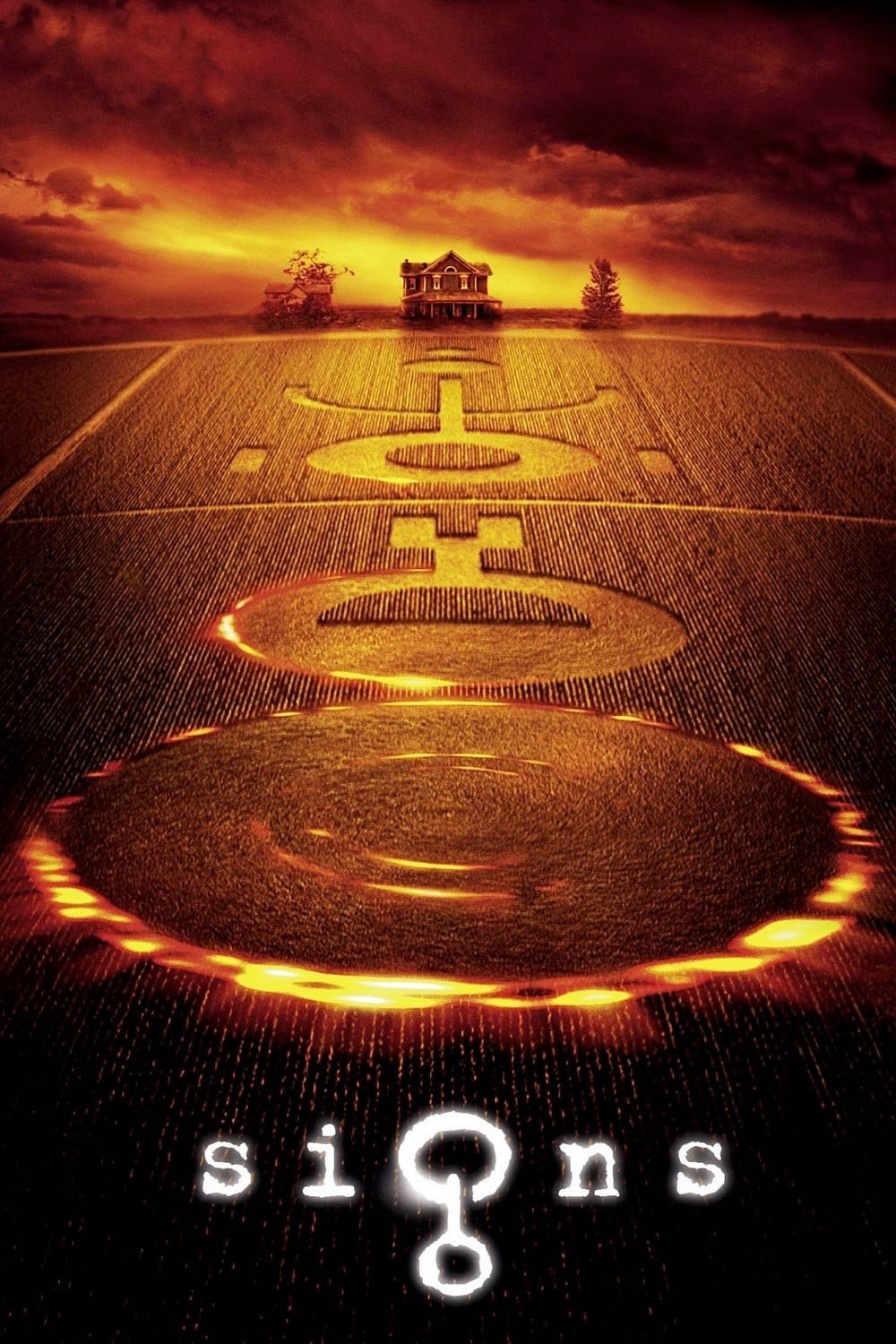
Signs excels at intimate suspense: creaking floorboards, half-seen silhouettes, and a family’s grief folded into global panic. M. Night Shyamalan builds tension with restraint, letting imagination do the scaring.
The payoff, however, collapses under its own logic—invaders fatally vulnerable to water choose a planet that’s mostly… water. The climactic living-room showdown, coupled with a tidy miracle-mosaic reveal, trades the film’s unnerving ambiguity for a contrived, meme-ready twist.
Split (2016)
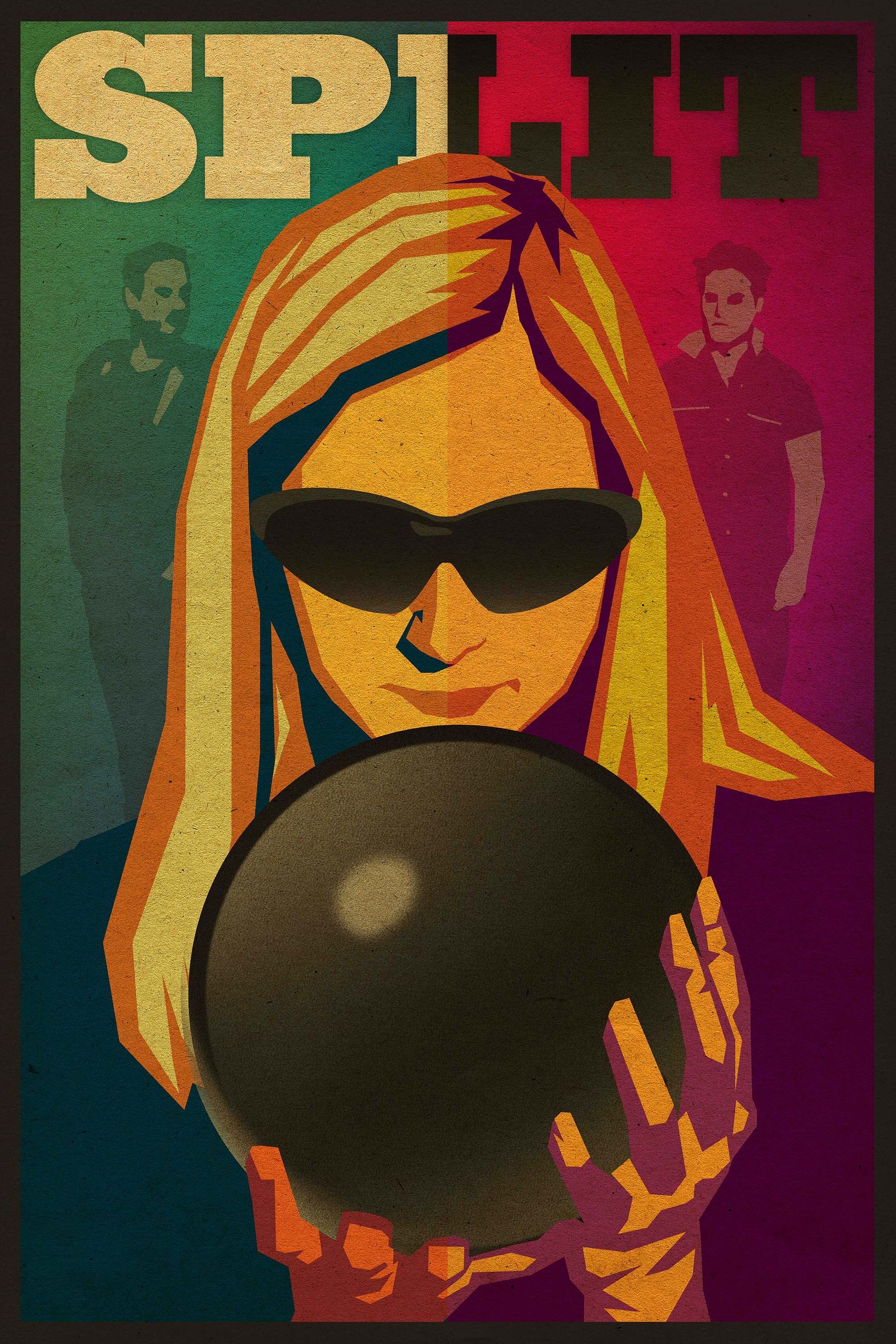
For most of its runtime, Split is a taut, claustrophobic character piece powered by James McAvoy’s shape-shifting performance. It’s lean, mean, and brimming with uneasy momentum as it explores trauma and survival.
Then the stinger reframes the entire film as a stealth franchise move, name-dropping an older property and redirecting attention to a shared universe. Instead of the story closing on its own hard-won terms, it feels like a backdoor trailer that retroactively changes the movie’s identity.
Contact (1997)
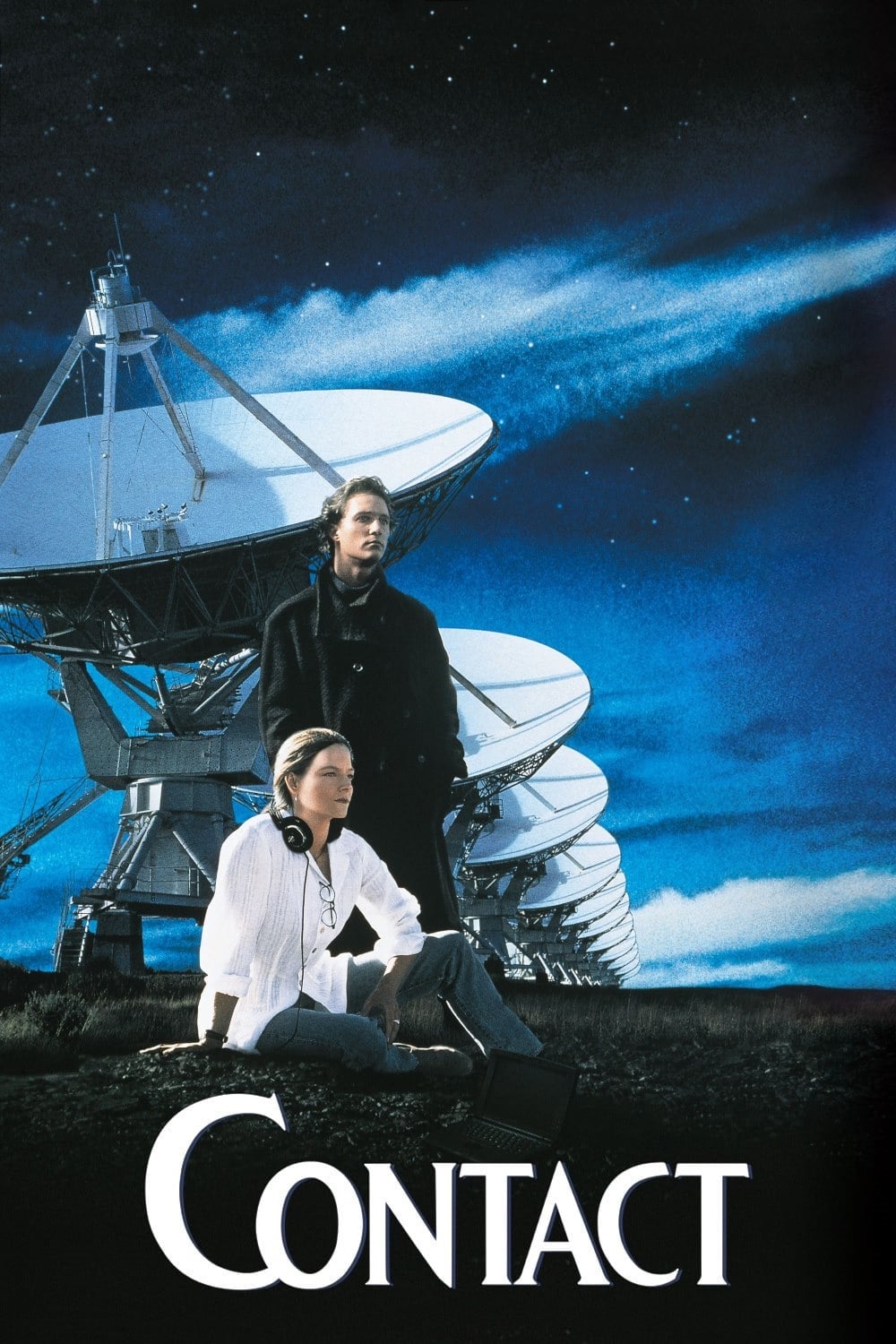
Contact is a rare, thoughtful sci-fi drama that treats curiosity and skepticism with equal respect. The build-up—politics, science, faith, and Jodie Foster’s fervent pursuit of the unknown—is meticulous and deeply human.
But the beach-side encounter with a familiar face rendered by aliens, followed by an evidence-free aftermath, lands softly where the film seemed to be aiming for awe. The ending’s ambiguity is thematically defensible, yet the execution plays anticlimactic—like a handshake when we were primed for transcendence.
You Don’t Mess with the Zohan (2008)
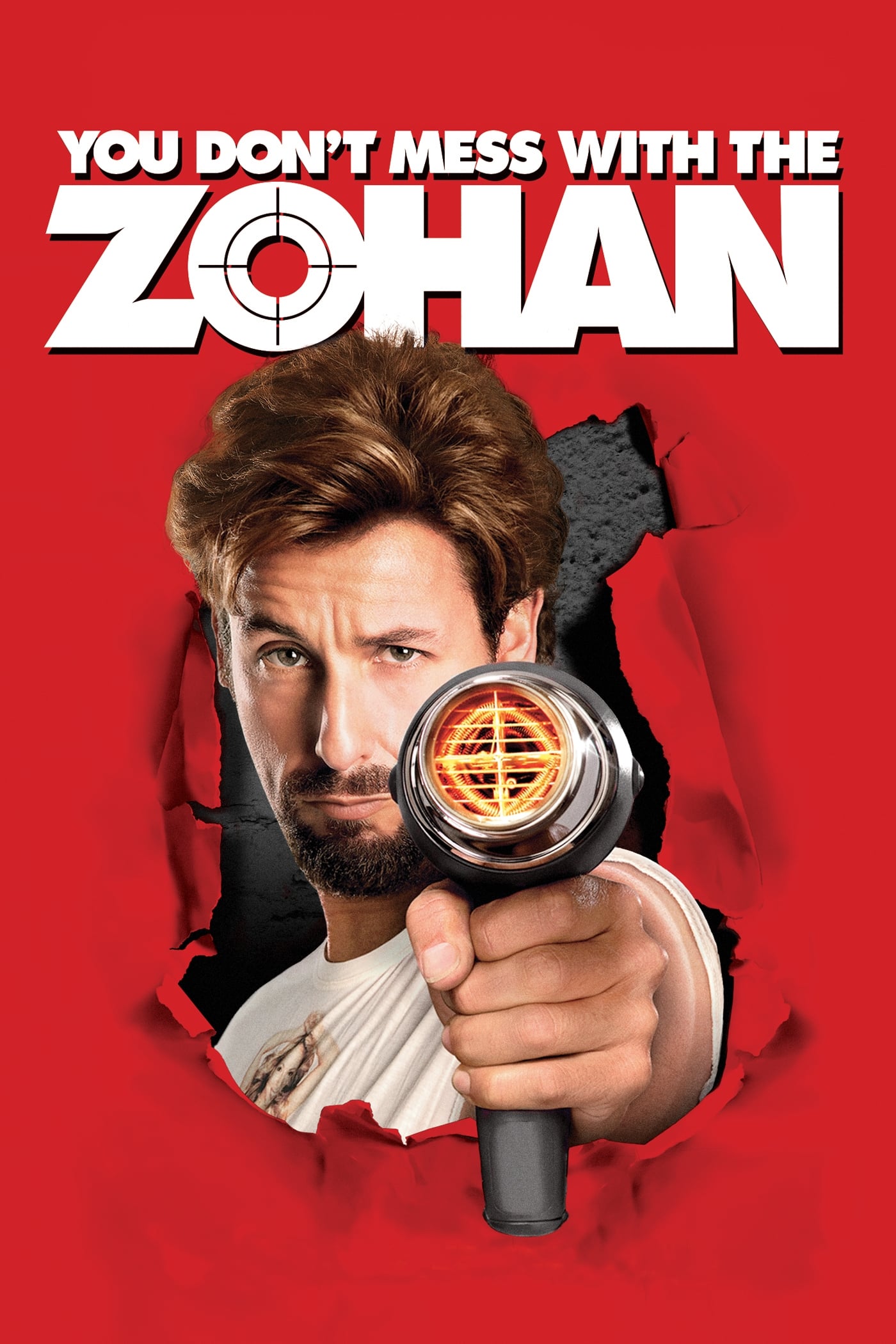
Beneath the cartoonish gags, the film occasionally hints at sharper satire about image, identity, and Middle-East politics. Adam Sandler’s fearless commitment gives the early sections a goofy, anything-goes propulsion.
As it heads into the finale, though, the movie doubles down on lowest-common-denominator chaos—overextended product jokes, a paper-thin villain payoff, and a syrupy bow on the central conflict. The last ten minutes flatten what little edge it had, ending in noise instead of wit.
The Abyss (1989)
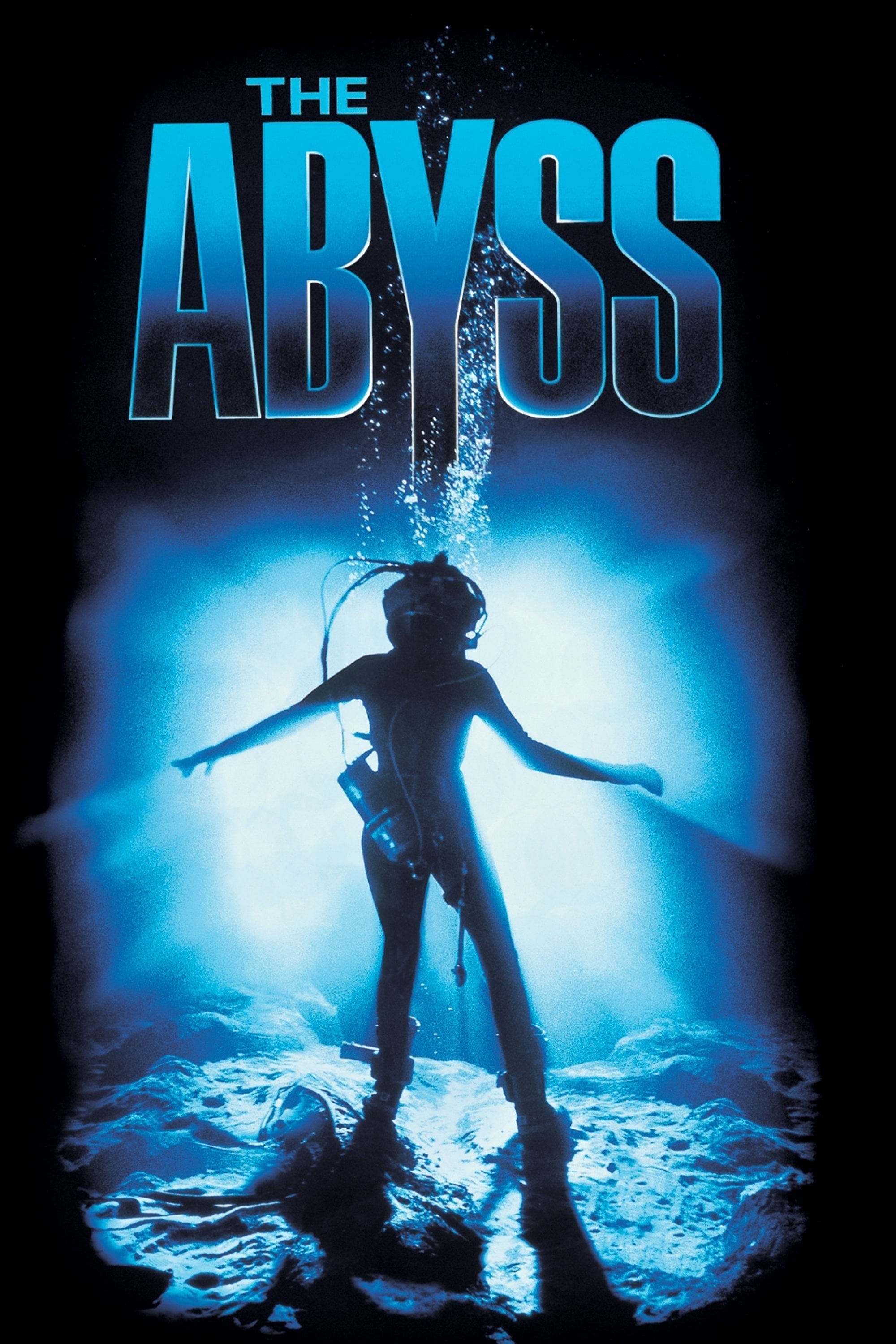
Few filmmakers stage underwater wonder like James Cameron. The descent into the deep, the blue-lit suspense, and Ed Harris’s raw determination make The Abyss a singular, tactile experience.
Then the ending shifts from intimate survival tale to message-movie sermon, with benevolent beings doling out a sweeping moral (and, depending on the cut, a world-threatening tidal lesson). The tonal leap turns delicate awe into didactic spectacle, diluting the film’s earlier, hard-earned sense of discovery.
Which movie’s ending disappointed you most, or did we miss a great film with a terrible finish? Share your picks in the comments!