10 Survival Movies That Feel Incredibly Realistic

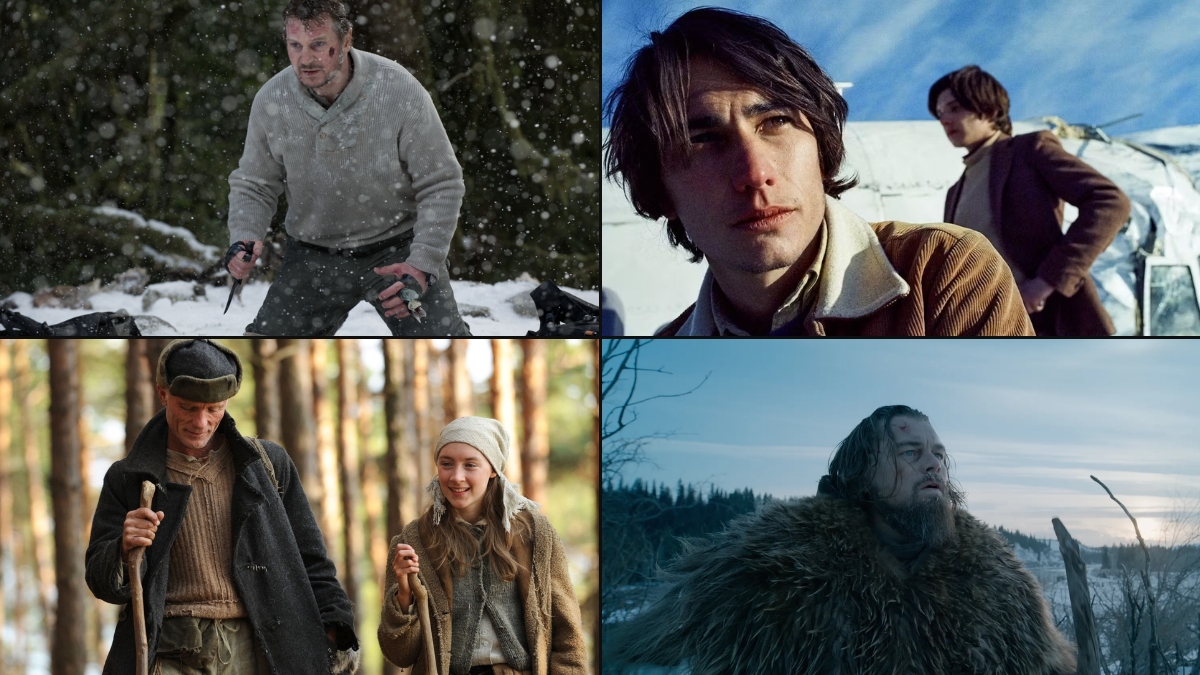

Survival movies pull us into raw, life-or-death struggles that test human grit and resourcefulness. They drop characters into brutal settings—whether it’s a frozen mountain, a deserted island, or a wrecked ship—and show us what it takes to keep going when hope seems lost. These films captivate because they mirror real challenges, making us wonder how we’d fare in such dire situations.
What sets some survival movies apart is their grounding in truth, either drawn from actual events or crafted with such detail that they feel authentic. The best ones don’t just thrill—they make us feel the cold, the hunger, or the despair. Below, we explore ten survival films that stand out for their realism, each bringing unique stories of endurance that linger long after the credits roll.
127 Hours (2010)
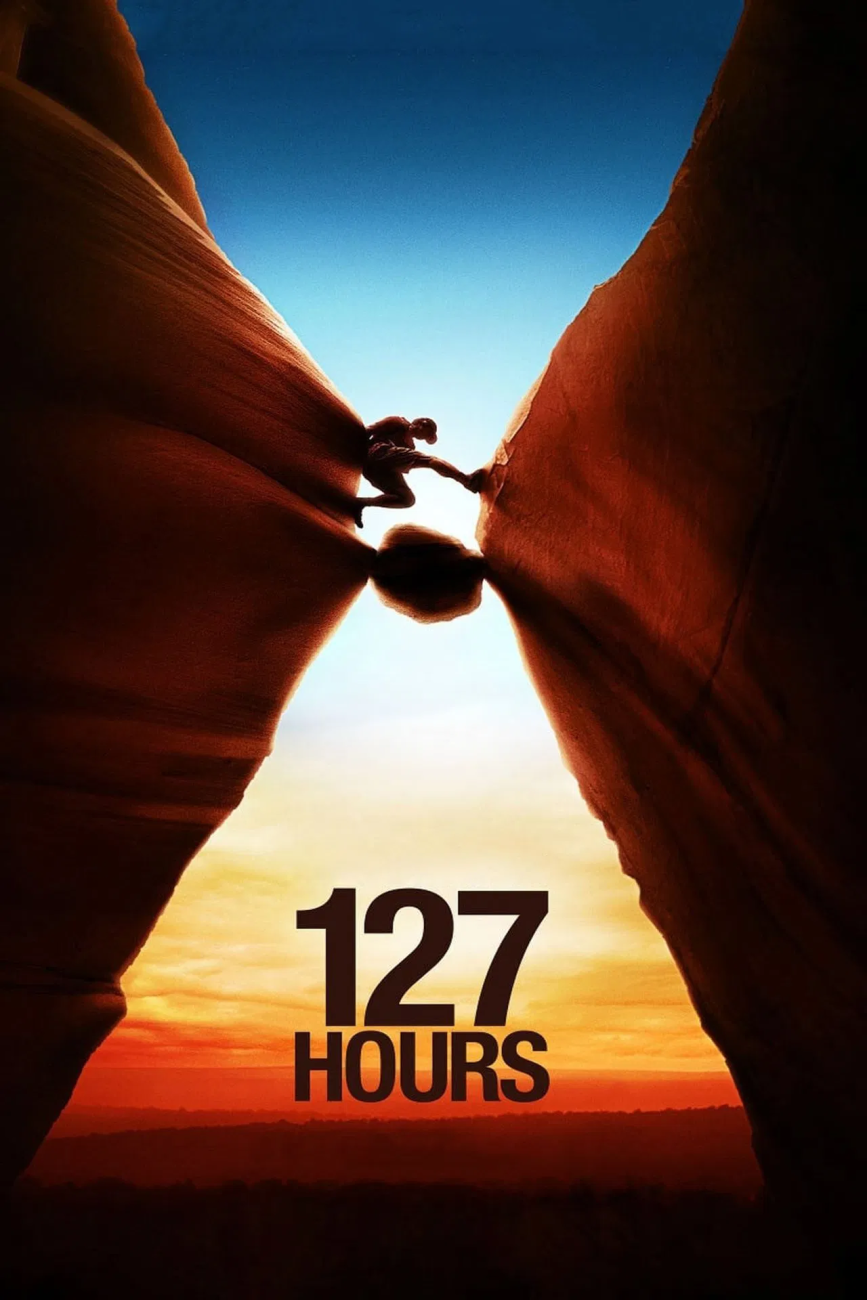
This gripping film follows Aron Ralston, played by James Franco, a climber trapped by a boulder in a Utah canyon. Based on Ralston’s real-life ordeal, it captures his five-day struggle with limited supplies and a crushing sense of isolation. The movie’s strength lies in its unflinching detail—every moment of pain, desperation, and ingenuity feels raw. Franco’s performance, paired with Danny Boyle’s tight direction, makes you feel trapped alongside him.
The story doesn’t shy away from the gruesome choice Ralston faced to survive. Shot in the actual Bluejohn Canyon, the film uses real landscapes to heighten its authenticity. It’s a stark reminder of how quickly a routine adventure can turn deadly, and how far human will can stretch to defy the odds.
The Grey (2011)

Liam Neeson stars as John Ottway, a sharpshooter leading oil workers through the Alaskan wilderness after a plane crash in ‘The Grey’. They face not only freezing cold but also a pack of relentless wolves. The film’s realism comes from its brutal depiction of nature’s indifference, with no Hollywood heroics to soften the blow. Neeson’s quiet, haunted performance grounds the story in raw emotion.
The movie was filmed in sub-zero temperatures in British Columbia, adding a chilling authenticity to every frostbitten step. It explores survival through teamwork and sheer stubbornness, while the wolves feel like a real threat, not cartoonish monsters. This is a story that respects the wild’s unforgiving power.
Alive (1993)
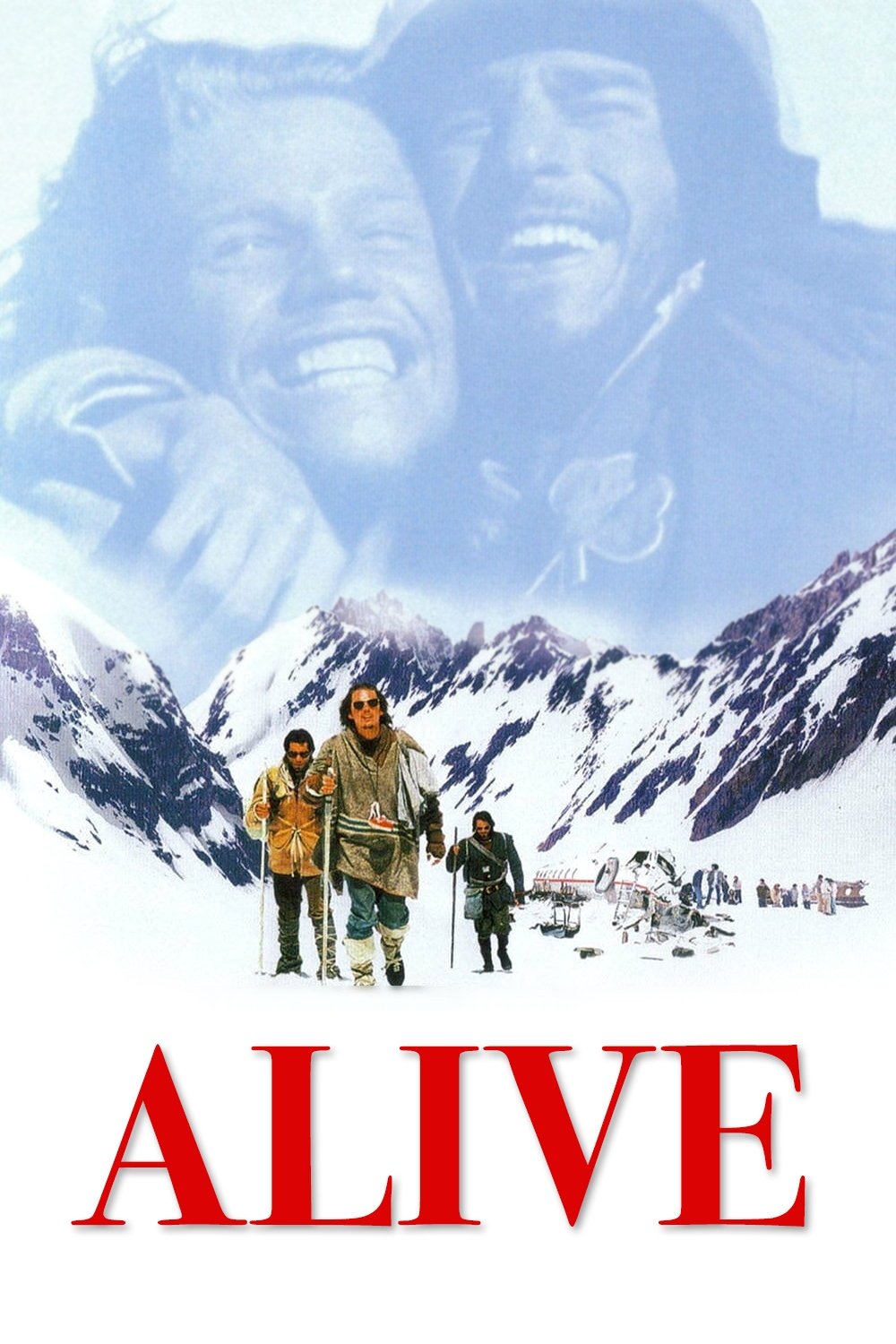
‘Alive’ recounts the true story of a Uruguayan rugby team’s plane crash in the Andes in 1972, directed by Frank Marshall. Stranded in snow and ice, the survivors, led by Ethan Hawke’s Nando Parrado, face starvation and brutal conditions. The film doesn’t flinch from their desperate measures, like eating the dead, to stay alive. Its focus on group dynamics and moral dilemmas feels painfully real.
Shot in the Purcell Mountains, the harsh setting mirrors the Andes’ deadly terrain. The actors underwent physical transformations to reflect the survivors’ starvation, adding to the film’s stark realism. It’s a haunting look at how far humans will go when pushed to the brink.
Rescue Dawn (2006)
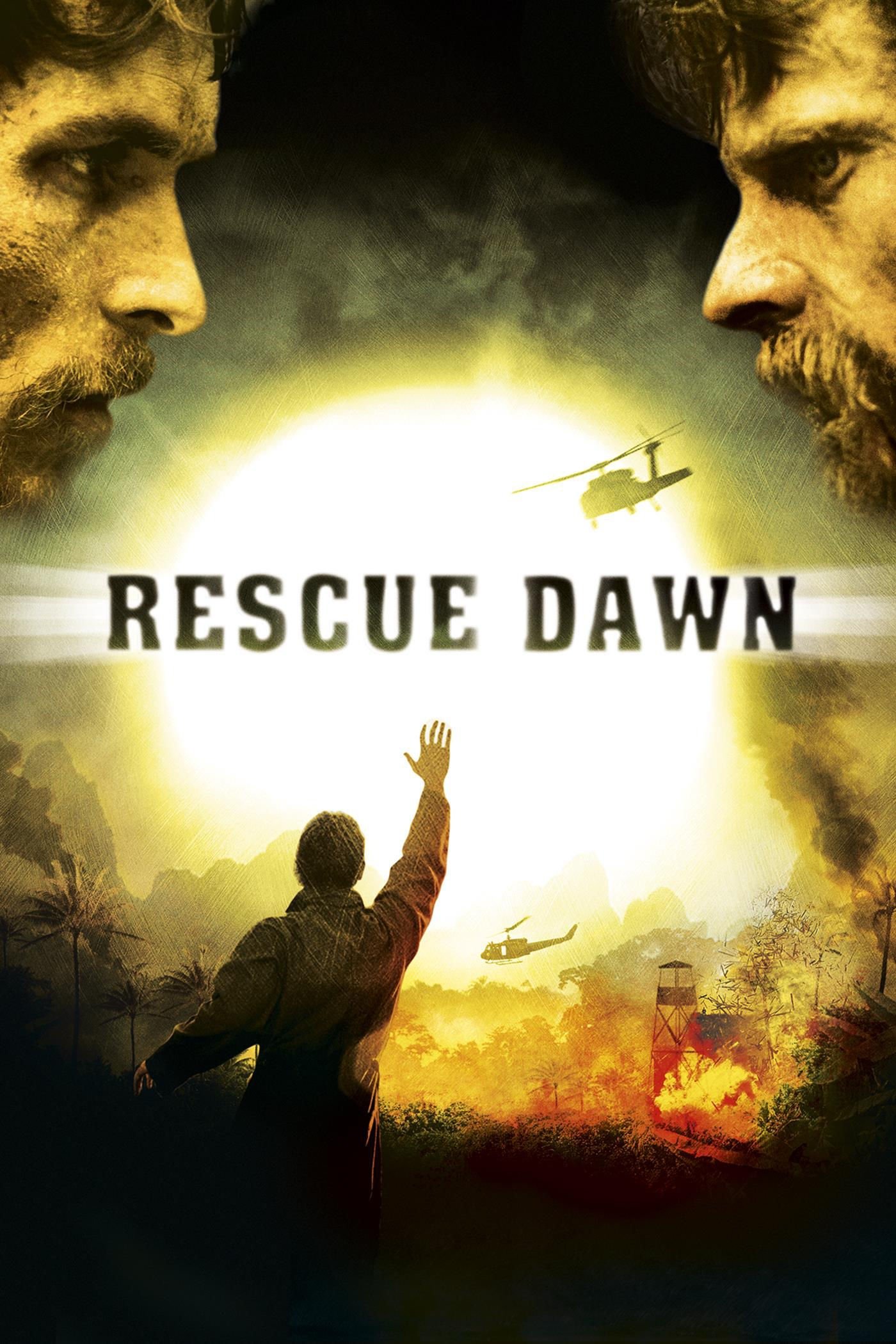
Directed by Werner Herzog, ‘Rescue Dawn’ tells the true story of Dieter Dengler, a U.S. Navy pilot shot down over Laos during the Vietnam War. Christian Bale’s portrayal captures Dengler’s grit as he endures torture in a POW camp and a grueling jungle escape. The film’s strength is its focus on practical survival—finding food, evading capture, and navigating dense terrain. Bale’s physical commitment, losing weight for the role, makes every hardship visceral.
Filmed in Thailand’s jungles, the movie immerses you in Dengler’s struggle. Herzog’s no-nonsense style avoids exaggeration, letting the real-life stakes speak for themselves. It’s a testament to human endurance in the face of relentless danger.
The Way Back (2010)
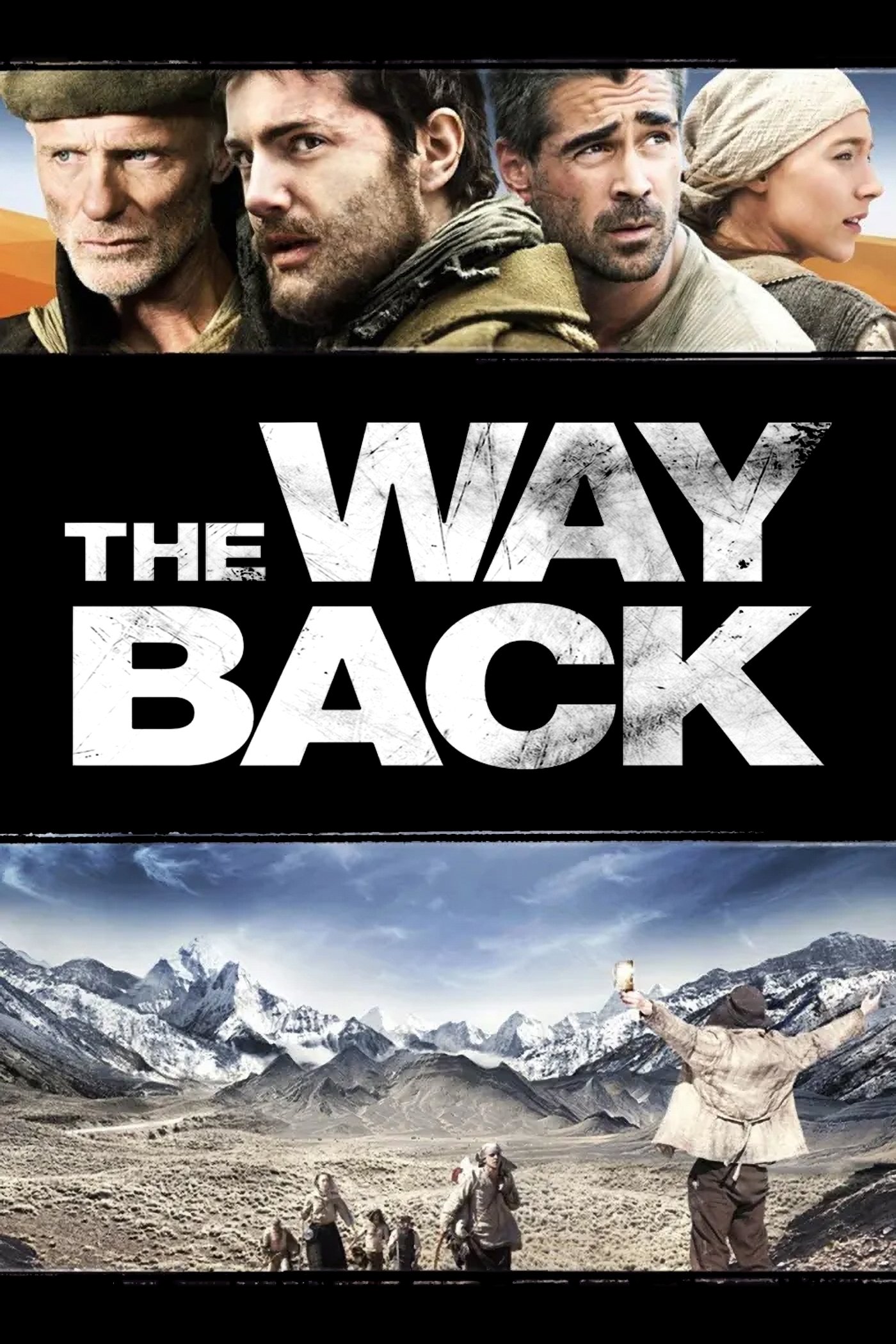
‘The Way Back’, directed by Peter Weir, follows a group of prisoners, including Jim Sturgess and Ed Harris, escaping a Siberian gulag in 1940. Inspired by a contested true story, they trek thousands of miles through forests, deserts, and mountains. The film’s realism shines in its depiction of exhaustion, hunger, and the group’s fraying bonds. Each step feels like a battle against nature and human limits.
Shot across Bulgaria, Morocco, and India, the diverse landscapes mirror the epic journey. The actors’ weathered appearances and the film’s focus on practical survival—like finding water in a desert—ground it in reality. It’s a slow-burn story of resilience that feels earned.
Cast Away (2000)
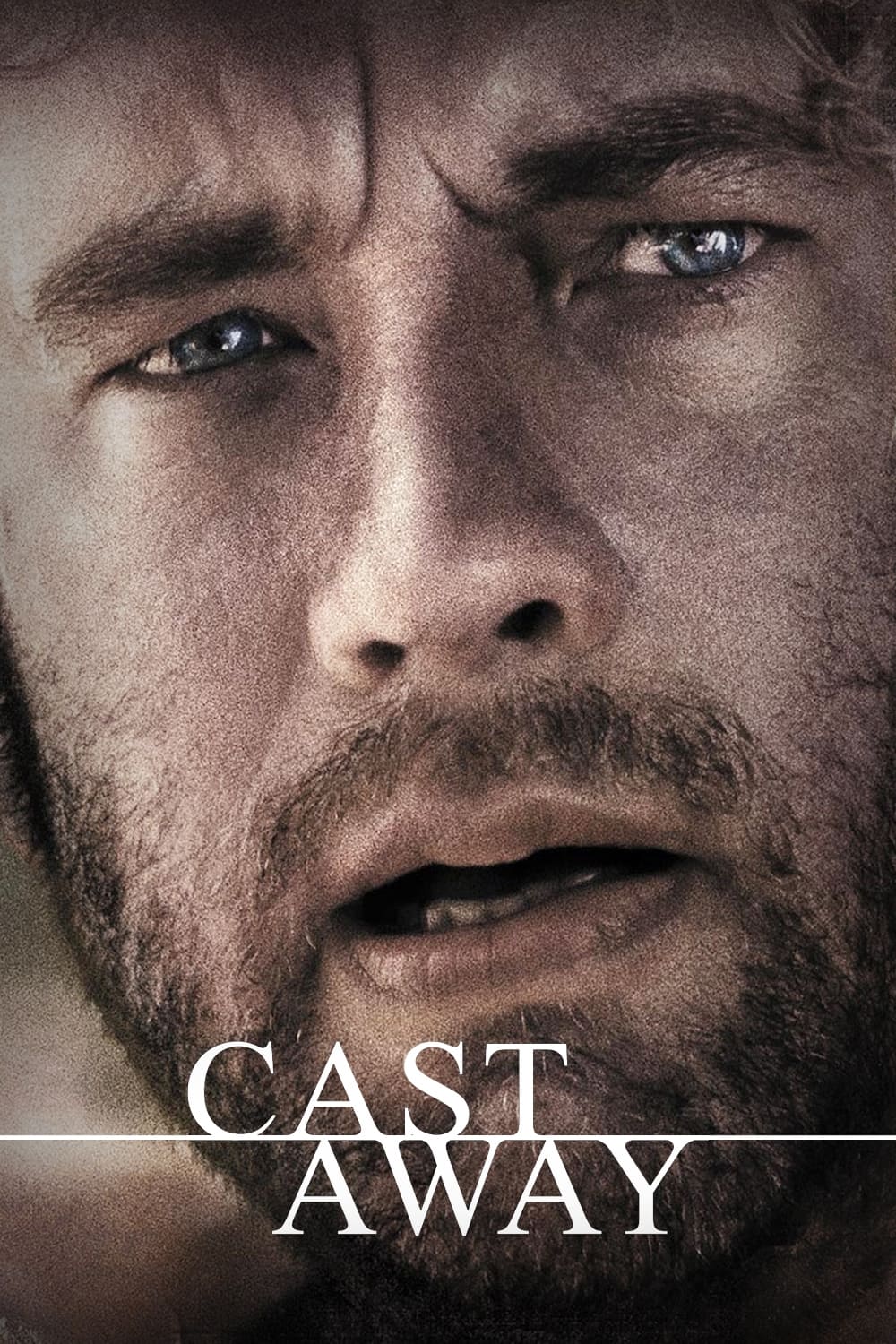
Tom Hanks delivers a career-defining performance as Chuck Noland in ‘Cast Away’, a FedEx executive stranded on a Pacific island after a plane crash. Directed by Robert Zemeckis, the film tracks his four-year struggle to survive with minimal resources. The realism comes from Hanks’ transformation—losing 50 pounds to show starvation—and the film’s focus on practical skills like fire-making and fishing. The silence of the island adds to the emotional weight.
Filmed on Fiji’s Monuriki Island, the setting feels untamed and isolating. The script drew from real survival techniques, with consultants ensuring accuracy. It’s a powerful look at how solitude and resourcefulness shape survival.
Jungle (2017)

‘Jungle’ follows Yossi Ghinsberg, played by Daniel Radcliffe, a backpacker lost in the Bolivian Amazon after a disastrous trek. Based on Ghinsberg’s memoir, the film captures the jungle’s suffocating danger—mud, rivers, and starvation. Radcliffe’s gaunt appearance and the film’s focus on real survival tactics, like building rafts, make it feel authentic. The psychological toll of isolation is palpable.
Shot in Colombia and Australia, the lush, chaotic jungle setting immerses you in Yossi’s nightmare. Ghinsberg himself advised on the film, ensuring details like his makeshift tools stayed true to life. It’s a raw depiction of nature’s beauty and brutality.
Everest (2015)
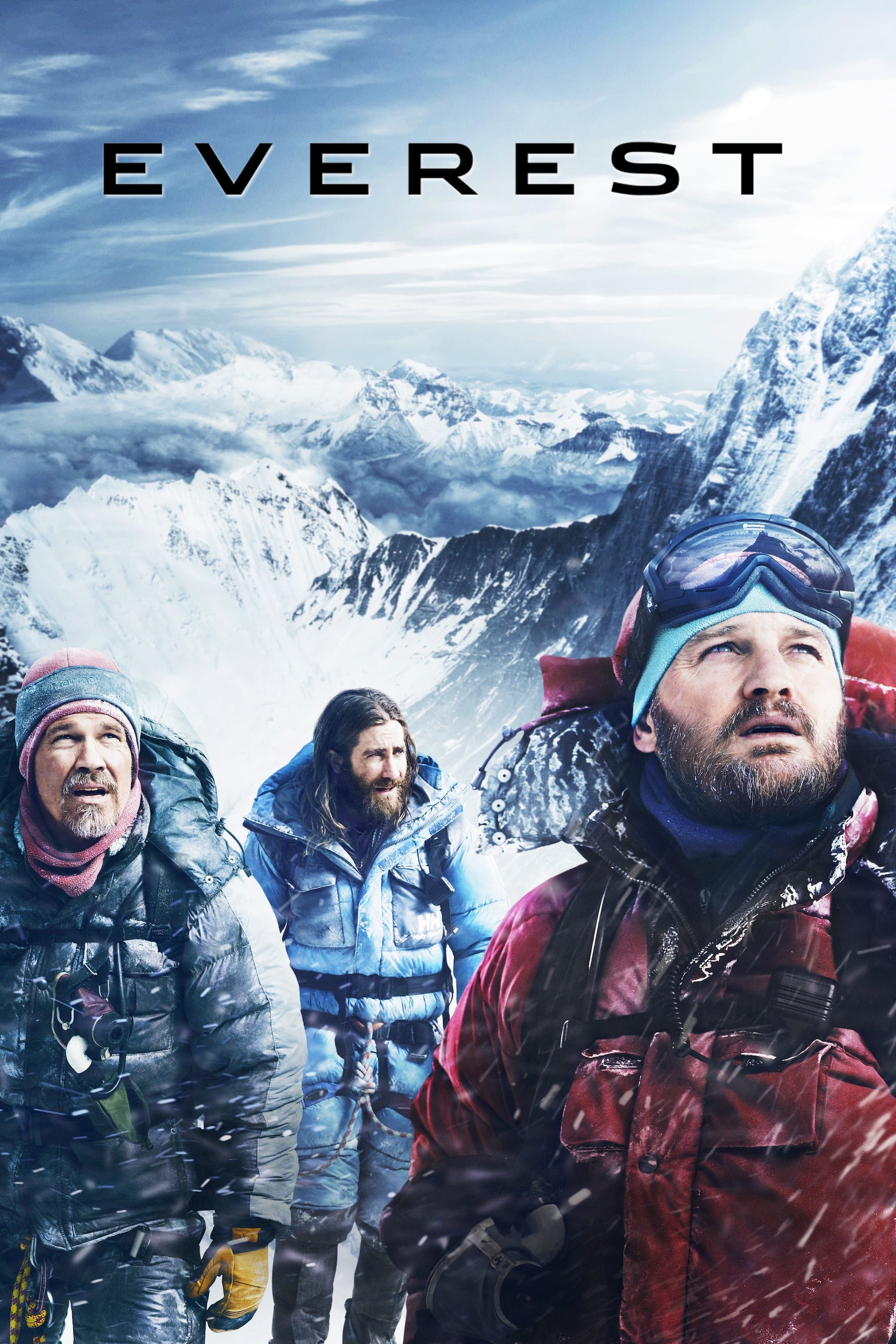
Directed by Baltasar Kormákur, ‘Everest’ recreates the 1996 Mount Everest disaster that claimed eight lives. Starring Jason Clarke and Josh Brolin, it follows climbers caught in a deadly blizzard. The film’s realism stems from its detailed portrayal of high-altitude dangers—frostbite, oxygen depletion, and avalanches. The ensemble cast brings human stakes to the technical challenges, making every loss hit hard.
Filmed in Nepal and the Alps, the movie captures the mountain’s terrifying scale. Real mountaineers advised on climbing gear and techniques, grounding the story in authenticity. It’s a chilling reminder of nature’s power over even the best-prepared.
The Revenant (2015)
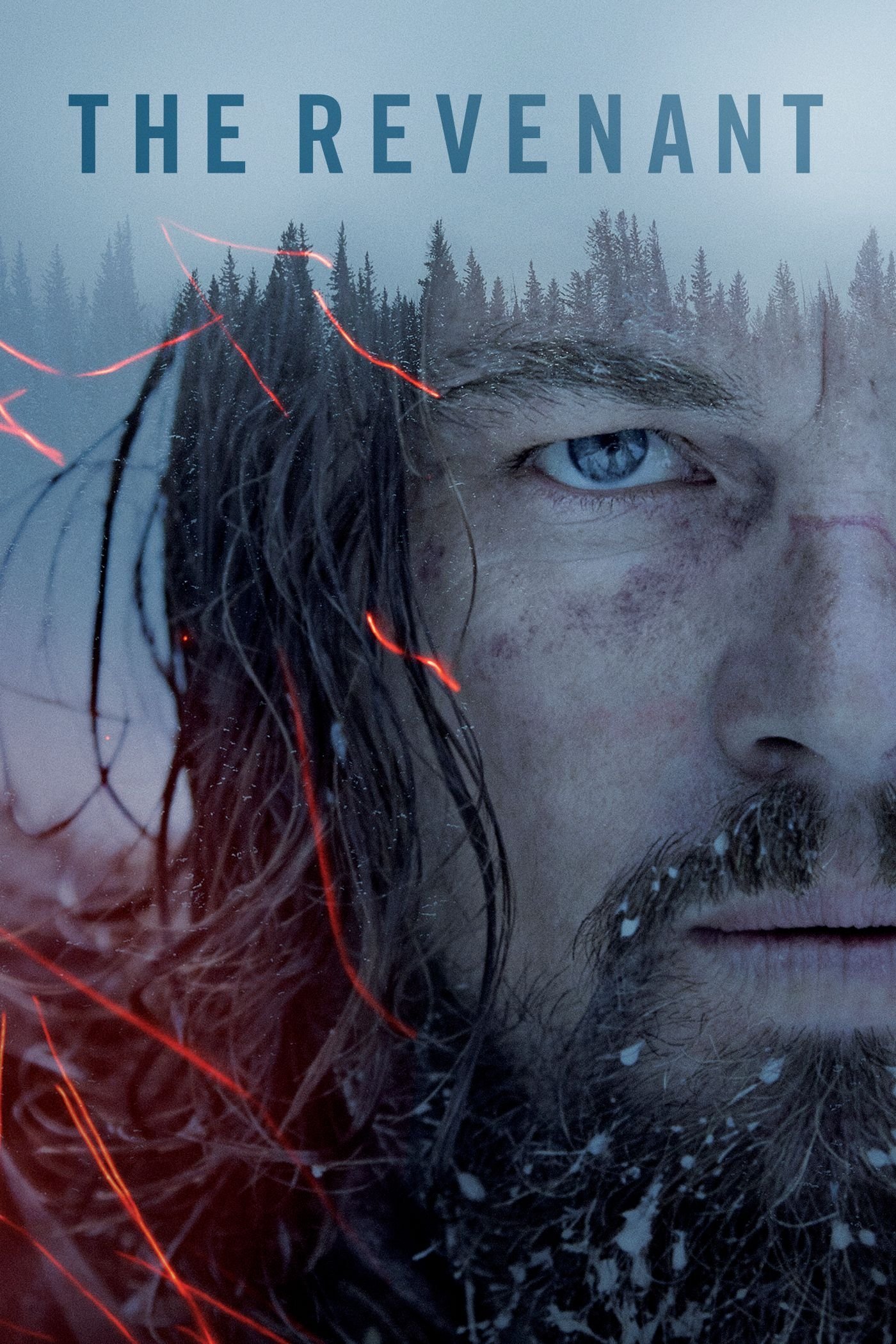
Leonardo DiCaprio’s Oscar-winning role as Hugh Glass in ‘The Revenant’ brings a brutal true story to life. Directed by Alejandro González Iñárritu, it follows the 1820s frontiersman surviving a bear attack and abandonment in the wilderness. The film’s realism is in its visceral details—Glass crawling through snow, eating raw meat, and fighting infection. DiCaprio’s intense performance anchors the grueling journey.
Shot in Canada and Argentina’s harsh winters, the film uses natural light and real locations to heighten its raw feel. Survival experts ensured accurate depictions of 19th-century techniques. It’s a stark, unflinching look at vengeance and endurance.
Society of the Snow (2023)
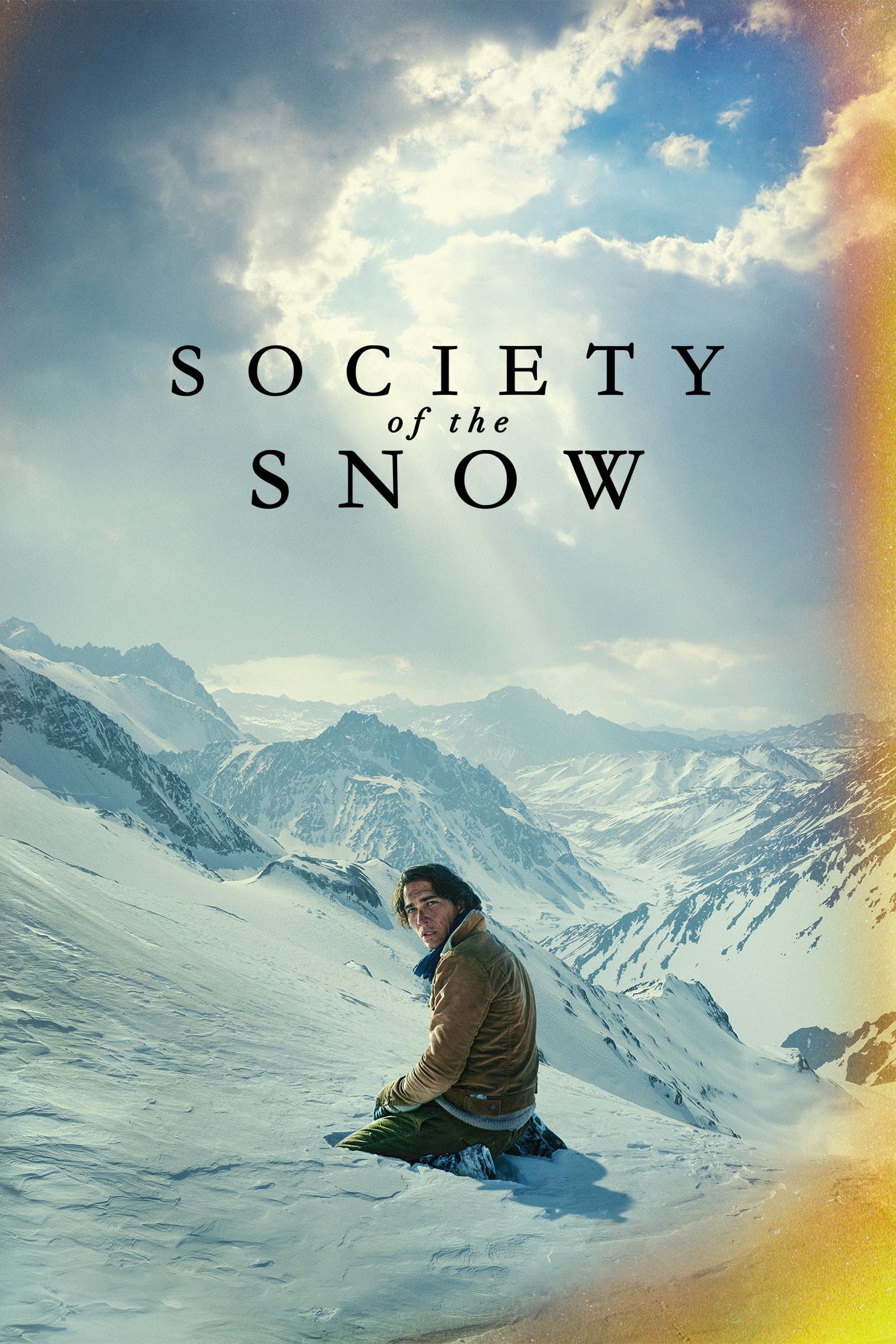
‘Society of the Snow’, directed by J.A. Bayona, revisits the 1972 Andes plane crash, focusing on the Uruguayan rugby team’s 72-day ordeal. Unlike ‘Alive’, it emphasizes the survivors’ personal bonds and moral struggles, drawn from Pablo Vierci’s book. The film’s realism shines in its depiction of starvation, cold, and the group’s unthinkable choices. The Spanish-language cast adds cultural authenticity.
Filmed in the Andes and Spain’s Sierra Nevada, the movie recreates the crash’s brutal aftermath with stunning visuals and practical effects. Survivors consulted on the film, ensuring emotional and factual accuracy. It’s a heart-wrenching, grounded take on a legendary survival story.
Which survival movie left you feeling the raw struggle the most, or is there another gem we missed? Drop your thoughts in the comments!