10 Video Games That Ignited Real-World Controversies


Video games are more than just fun—they can stir up heated debates that spill into the real world. From violence to cultural sensitivity, some titles have sparked conversations that shaped laws, influenced public opinion, or challenged societal norms.
I’ve picked ten games that didn’t just entertain but caused waves far beyond the screen. Each one, listed under its own subheading, triggered discussions that ranged from ethical concerns to political firestorms, showing how powerful gaming can be.
‘Grand Theft Auto V’ (2013)
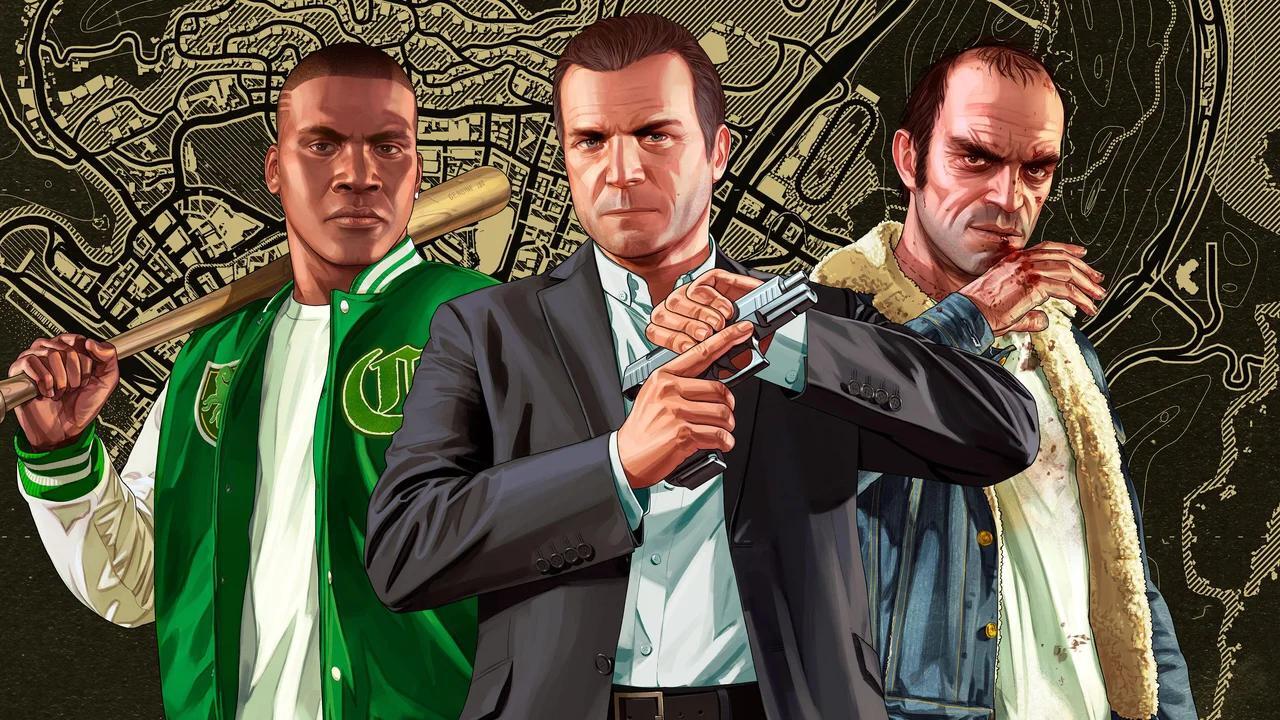
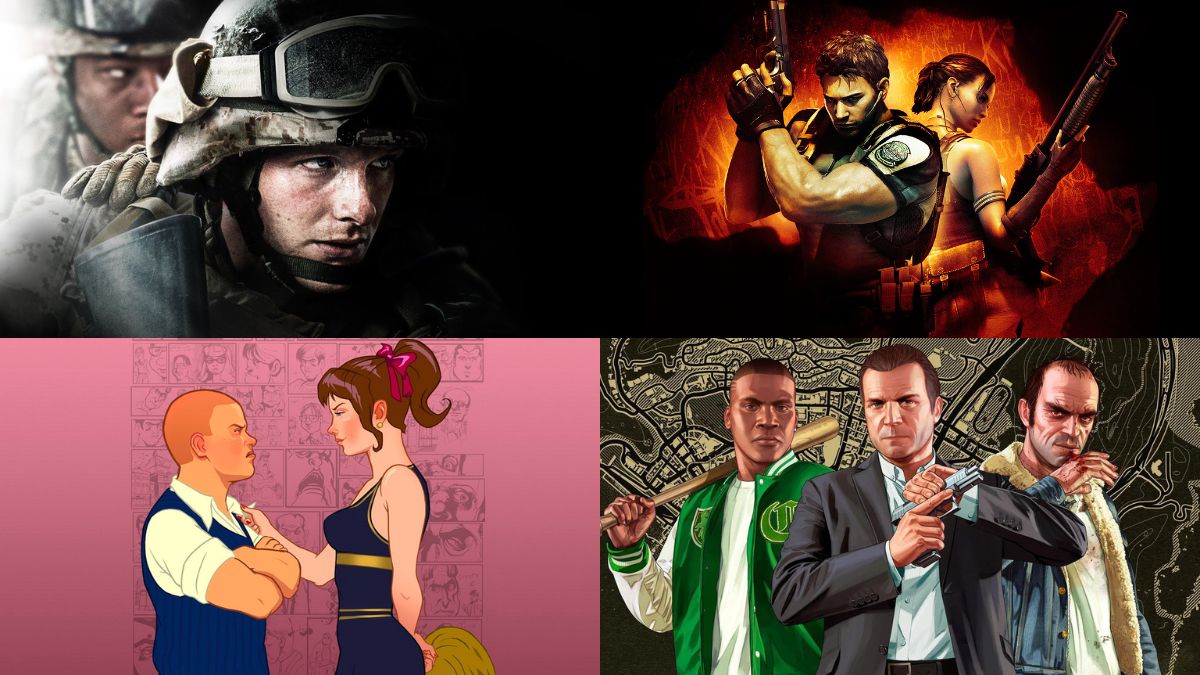
This open-world blockbuster lets players dive into a gritty crime-filled world, but its raw depiction of violence, drugs, and sex stirred up trouble. Critics argued it glorified criminal behavior, especially for younger players, leading to bans in some countries and calls for stricter game ratings.
The game’s realistic world and freedom to cause chaos fueled debates about whether games desensitize people to real-world violence. Politicians and parent groups pushed back hard, while gamers defended its satirical take on society. It’s a debate that still lingers with every new release in the series.
‘Manhunt’ (2003)

‘Manhunt’ threw players into a brutal world where they played a convict forced to kill for a twisted film director. Its graphic violence and stealth executions were so intense that it got banned in places like New Zealand and Germany.
The game’s raw brutality sparked arguments about whether violent games could push players toward aggression. Critics called it a step too far, while others saw it as a bold take on survival horror. It became a lightning rod for discussions about gaming’s limits.
‘Hatred’ (2015)
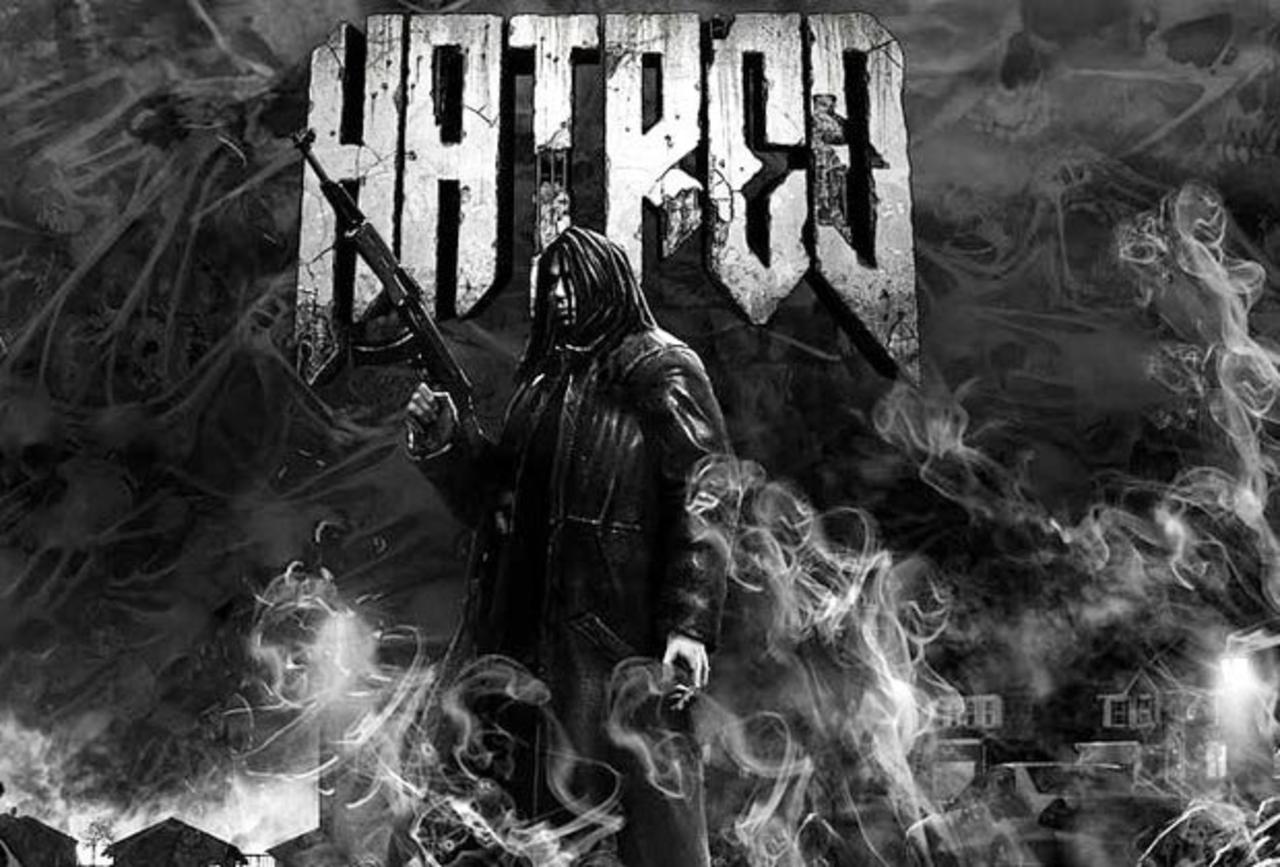
‘Hatred’ put players in the shoes of a genocidal character bent on killing everyone in sight, with no moral or narrative justification. Its sheer violence caused a massive backlash, with critics saying it trivialized real-world mass shootings.
The game was briefly pulled from Steam’s Greenlight service before being reinstated, igniting debates about free expression in gaming. Some defended its right to exist, while others argued it crossed an ethical line. It forced tough questions about where art ends and harm begins.
‘Six Days in Fallujah’ (2023)
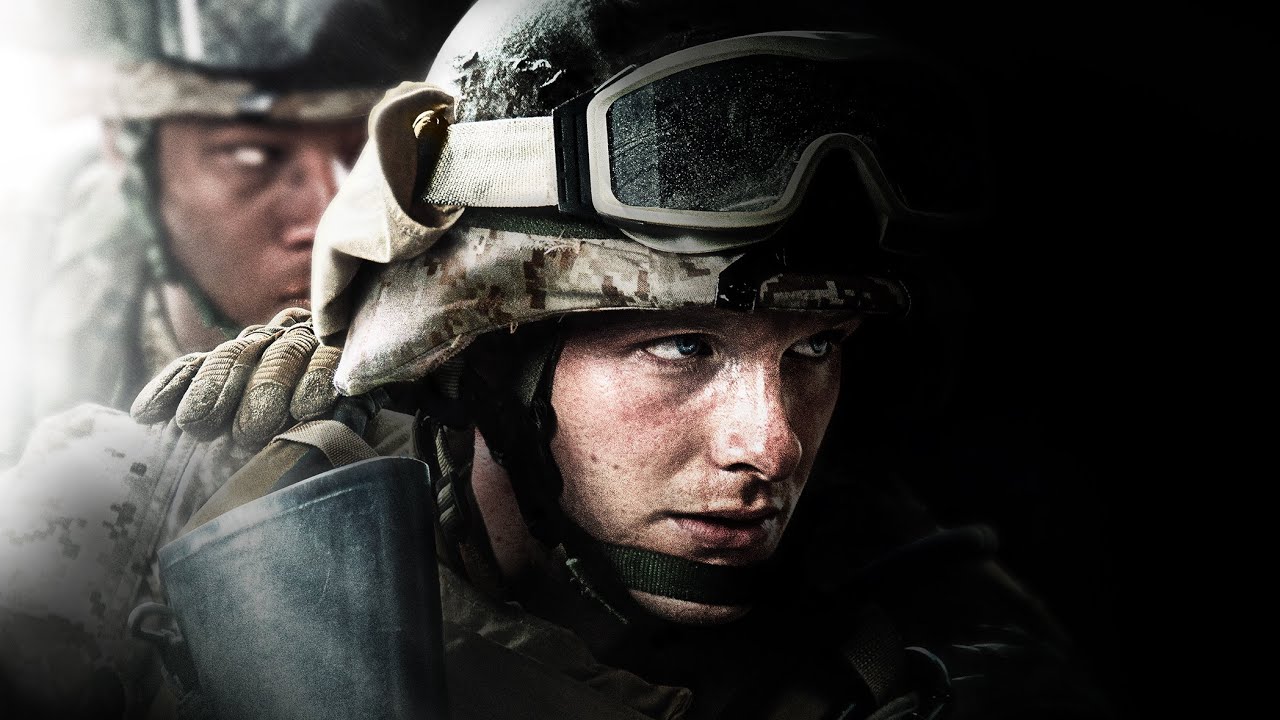
This tactical shooter aimed to recreate the Second Battle of Fallujah, but its depiction of a real Iraq War event drew fire. Critics, including veterans and victims’ families, called it insensitive for turning a tragic conflict into entertainment.
The game’s 2010 cancellation and 2023 revival kept the controversy alive, with debates about whether games should tackle recent wars. Supporters argued it honored soldiers’ experiences, but the backlash highlighted how games can stumble into painful real-world wounds.
‘Resident Evil 5’ (2009)
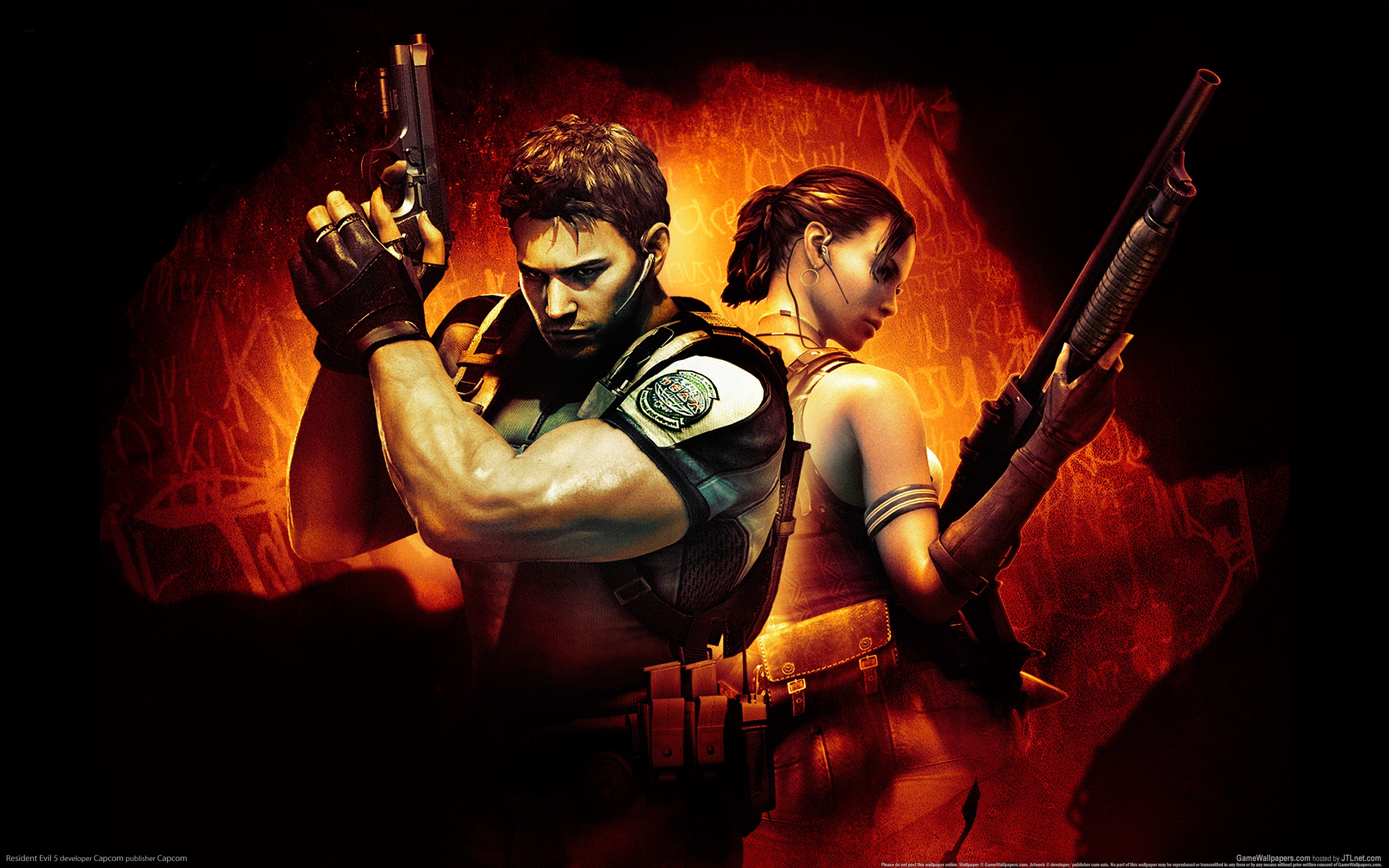
Set in Africa, ‘Resident Evil 5’ faced accusations of racial insensitivity for its portrayal of African zombies and white protagonists. Critics pointed out stereotypical imagery, sparking debates about racism in gaming.
The controversy forced developers to confront how cultural settings are handled. Some defended the game as a product of its fictional universe, but it became a wake-up call for the industry to think harder about representation and avoid harmful tropes.
‘RapeLay’ (2006)

This Japan-exclusive game caused global outrage when Western media discovered its premise, which involved stalking and sexually assaulting characters. It was condemned for normalizing sexual violence, leading to bans in several countries.
The uproar fueled discussions about gaming’s moral boundaries and cultural differences in content regulation. While a niche title, its infamy pushed developers and platforms to rethink what’s acceptable, even in less regulated markets.
‘Bully’ (2006)
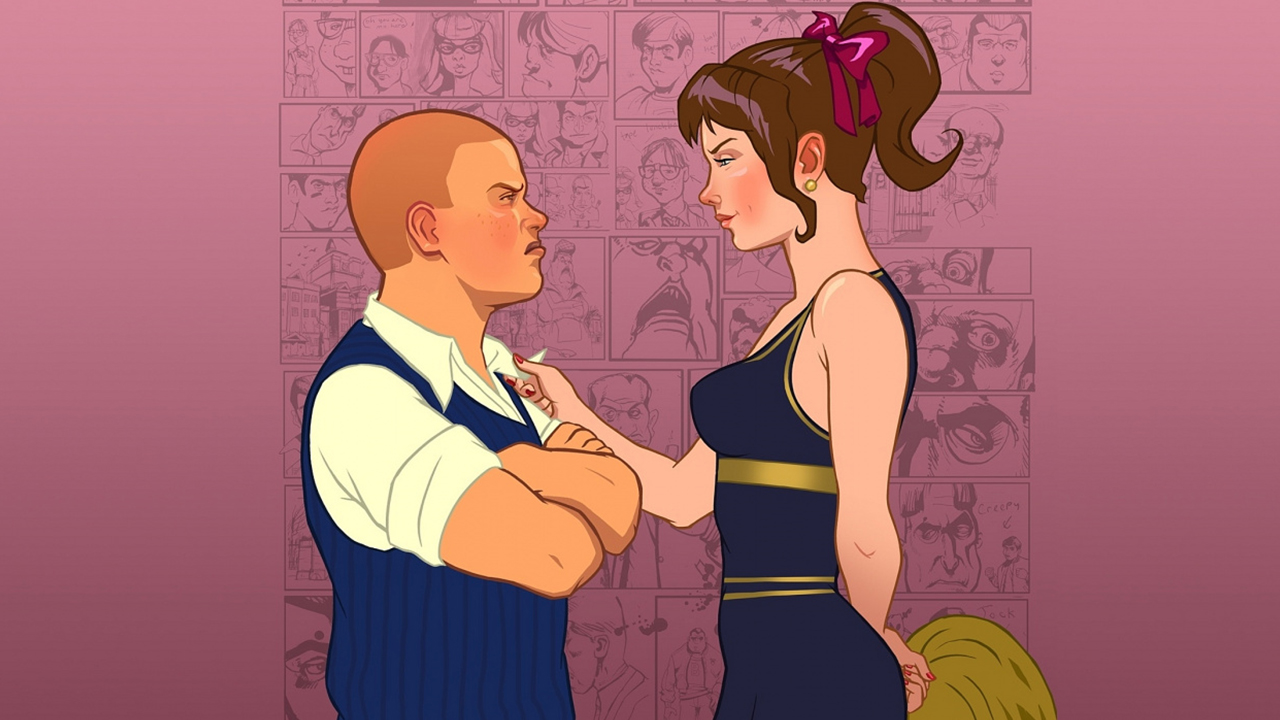
‘Bully’ let players navigate life as a rebellious teen at a boarding school, but its title and themes raised alarms about glorifying school violence. Parent groups feared it encouraged bullying, despite its story of fighting back against it.
The game sparked debates about whether games could tackle sensitive topics like school dynamics responsibly. It was banned in some regions, but fans argued it shed light on real teen struggles, showing gaming’s power to tell complex stories.
‘Night Trap’ (1992)
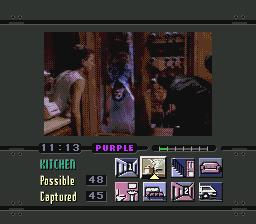
This early interactive game had players protect a house of teens from vampire-like invaders using security cameras. Though tame by today’s standards, its mild violence and suggestive tone led to a U.S. Senate hearing on game violence.
The controversy helped create the ESRB rating system, a landmark for the industry. ‘Night Trap’ showed how even a cheesy game could push regulators to rethink how games are classified and sold.
‘EverQuest’ (1999)
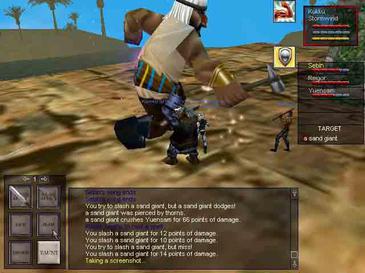
‘EverQuest’ was an early online RPG that hooked millions, but it gained notoriety after a player’s suicide was linked to addiction to the game. The tragedy sparked debates about whether games could be dangerously immersive.
Critics called for warnings about gaming addiction, while players argued it was about personal responsibility. The case put a spotlight on how games can affect mental health, a topic still relevant today.
‘Hitman 2: Silent Assassin’ (2002)
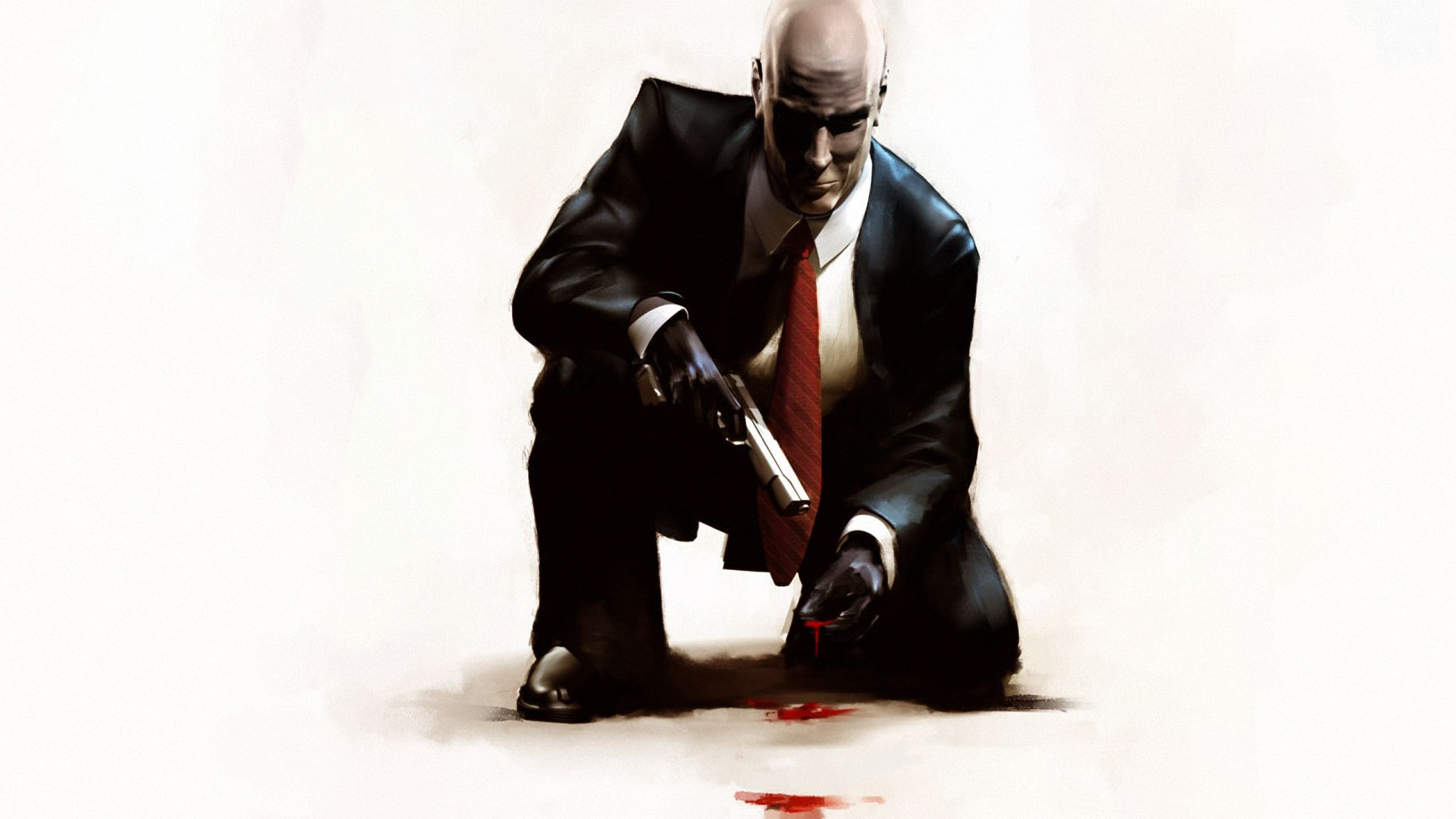
This stealth game stirred controversy with a level set in a Sikh temple where players could kill Sikh characters. The depiction was seen as disrespectful, leading to protests and calls for the level’s removal.
The backlash highlighted how games can offend cultural and religious sensitivities. Developers pulled the level in later versions, but it sparked ongoing discussions about respecting diverse beliefs in gaming narratives.
Which game’s controversy surprised you most, or did I miss one that sparked a big debate? Drop your thoughts in the comments!