The Top 10 Best Asian Filmmakers of All Time


Asian cinema has long been a treasure chest of storytelling magic, bursting with bold visuals and heartfelt narratives that captivate audiences worldwide. From Japan’s poetic classics to South Korea’s gripping thrillers, the region’s directors have shaped global film culture in unforgettable ways.
We’re diving into the top 10 Asian filmmakers who have left an indelible mark on the art of movies. These visionaries have crafted stories that resonate across borders, blending tradition with innovation to create timeless works.
Hayao Miyazaki
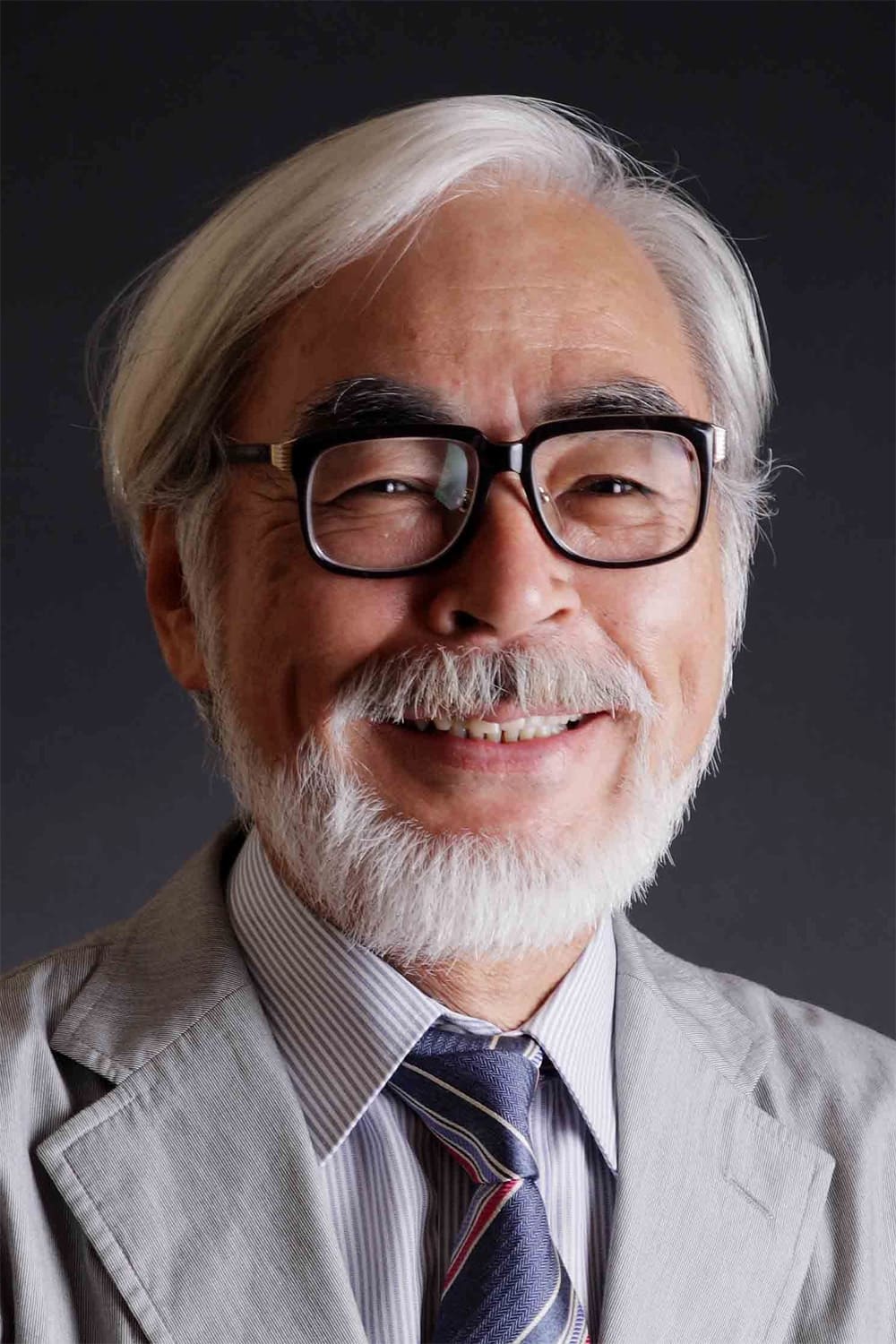
Hayao Miyazaki, Japan’s animation legend, co-founded Studio Ghibli and redefined what animated films can achieve. His stories often weave environmental themes, strong female leads, and dreamlike worlds, earning him global adoration.
Miyazaki’s ‘Spirited Away’ (2001) became Japan’s highest-grossing film until 2020, winning an Oscar for Best Animated Feature. Other gems like ‘My Neighbor Totoro’ (1988) and ‘Princess Mononoke’ (1997) showcase his knack for blending whimsy with profound messages.
Akira Kurosawa
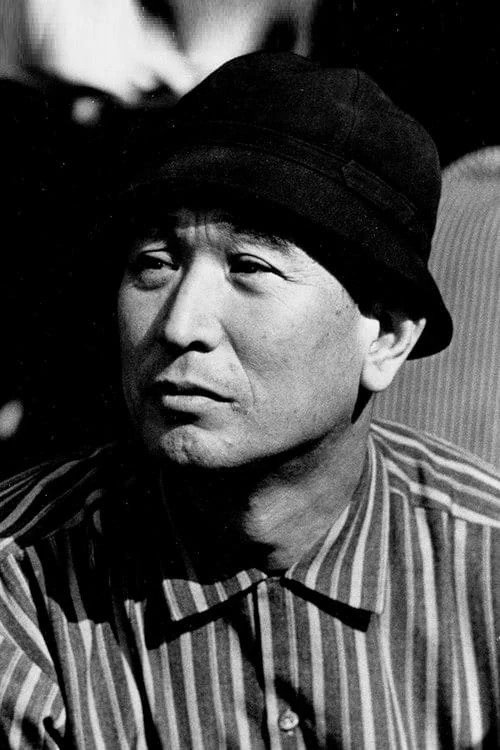
Akira Kurosawa brought Japanese cinema to the world stage with his masterful storytelling and dynamic visuals. His samurai epics and human dramas influenced filmmakers like George Lucas and Sergio Leone.
‘Seven Samurai’ (1954) is a cornerstone of cinema, inspiring Western remakes like ‘The Magnificent Seven’. Kurosawa’s ‘Rashomon’ (1950), with its innovative narrative structure, won top honors at Venice and introduced Japanese films to Western audiences.
Wong Kar-wai
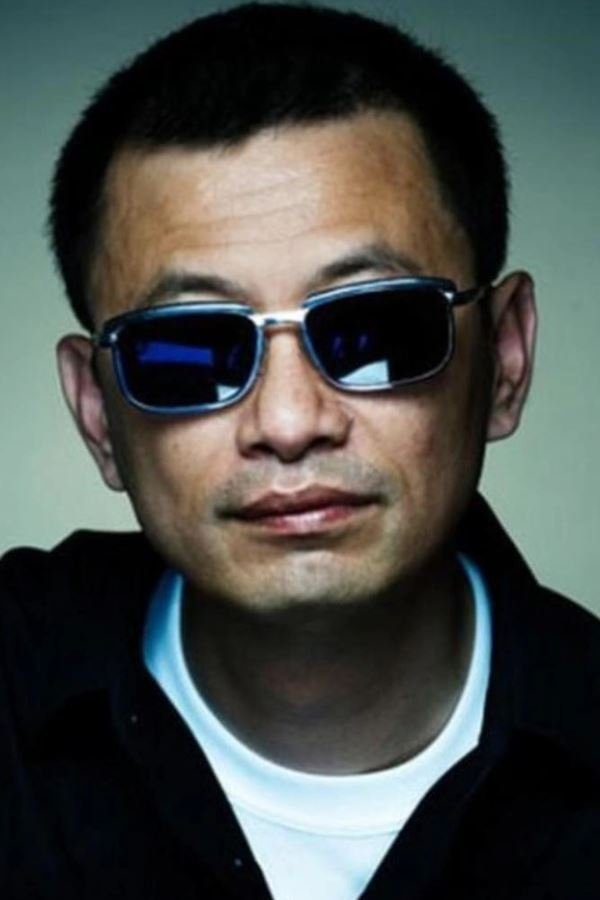
Hong Kong’s Wong Kar-wai is celebrated for his lush, emotional films that capture fleeting moments of love and longing. His distinctive style, marked by vibrant colors and haunting scores, feels like a cinematic dream.
‘In the Mood for Love’ (2000) is often hailed as one of the greatest films ever, starring Maggie Cheung and Tony Leung in a tale of unspoken desire. ‘Chungking Express’ (1994) and ‘Happy Together’ (1997) further showcase his ability to blend style with raw emotion.
Park Chan-wook
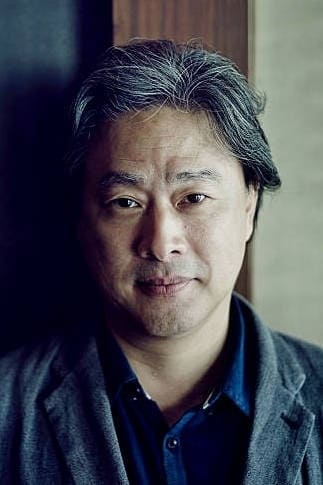
South Korea’s Park Chan-wook is a master of intense, stylish thrillers that keep viewers on edge. His bold exploration of revenge and human nature has made him a standout in the Korean New Wave.
‘Oldboy’ (2003), with its shocking twist and iconic hallway fight, is a cult classic that won the Grand Prix at Cannes. Park’s ‘The Handmaiden’ (2016) and ‘Sympathy for Mr. Vengeance’ (2002) highlight his knack for intricate plots and striking visuals.
Satyajit Ray
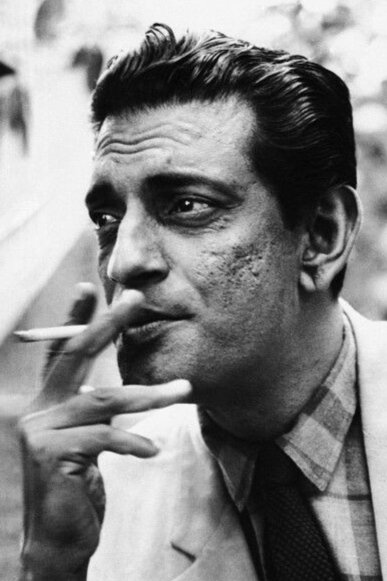
India’s Satyajit Ray brought Bengali cinema to global acclaim with his deeply human stories. His films, often rooted in Indian life, explore family, poverty, and dreams with unmatched sensitivity.
Ray’s ‘Pather Panchali’ (1955), the first of the Apu Trilogy, won awards worldwide and established him as a world-class director. ‘Pratidwandi’ (1970) and ‘Charulata’ (1964) further cement his legacy as a storyteller of universal truths.
Yasujirō Ozu
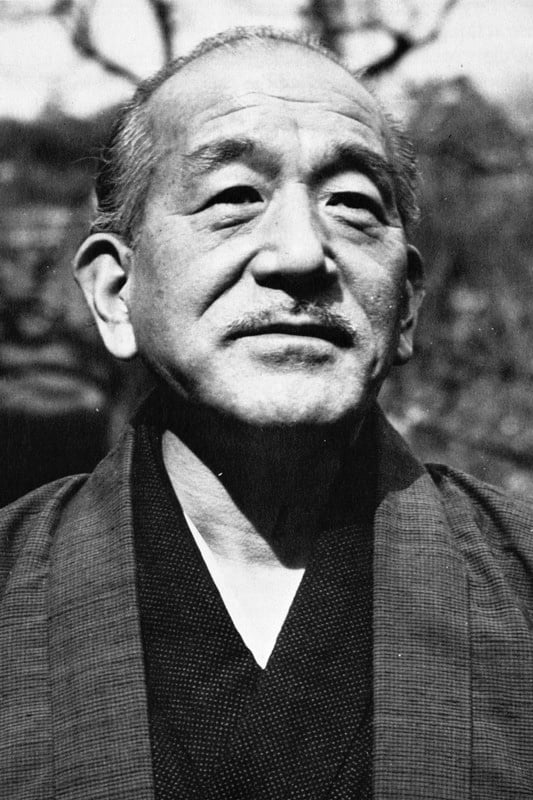
Yasujiro Ozu crafted quiet, profound films about family and change in post-war Japan. His minimalist style and focus on everyday life make his work feel timeless and deeply moving.
‘Tokyo Story’ (1953) is often called one of the greatest films ever, capturing the heartache of aging parents and distant children. Ozu’s ‘Late Spring’ (1949) and ‘Floating Weeds’ (1959) showcase his delicate touch with human relationships.
Bong Joon-ho
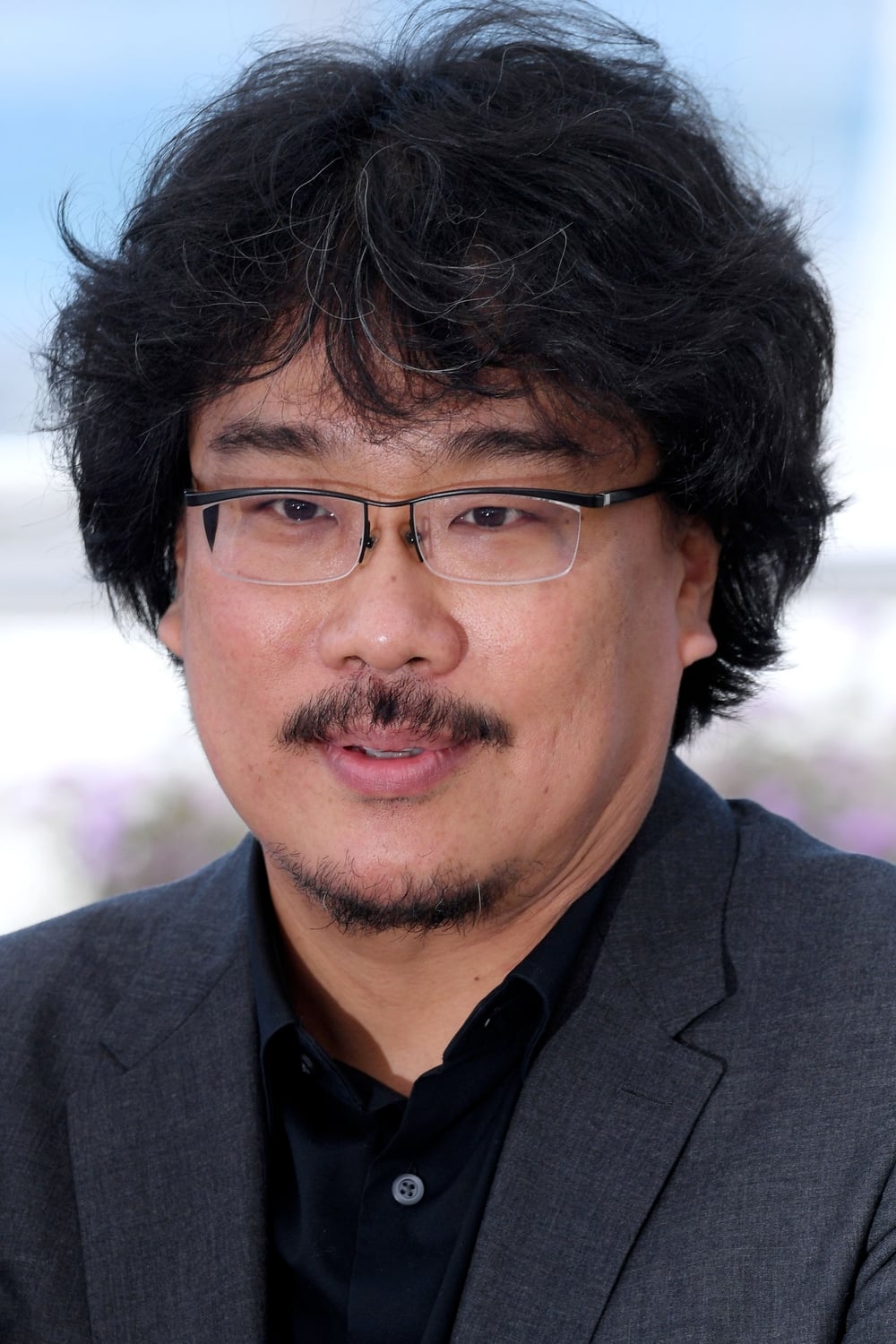
Bong Joon-ho put South Korean cinema on the global map with his genre-blending films that tackle class, society, and human flaws. His sharp wit and bold storytelling have earned him universal praise.
‘Parasite’ (2019) made history as the first non-English film to win Best Picture at the Oscars, blending dark comedy and thriller elements. ‘Memories of Murder’ (2003) and ‘The Host’ (2006) show Bong’s range and storytelling prowess.
Ang Lee
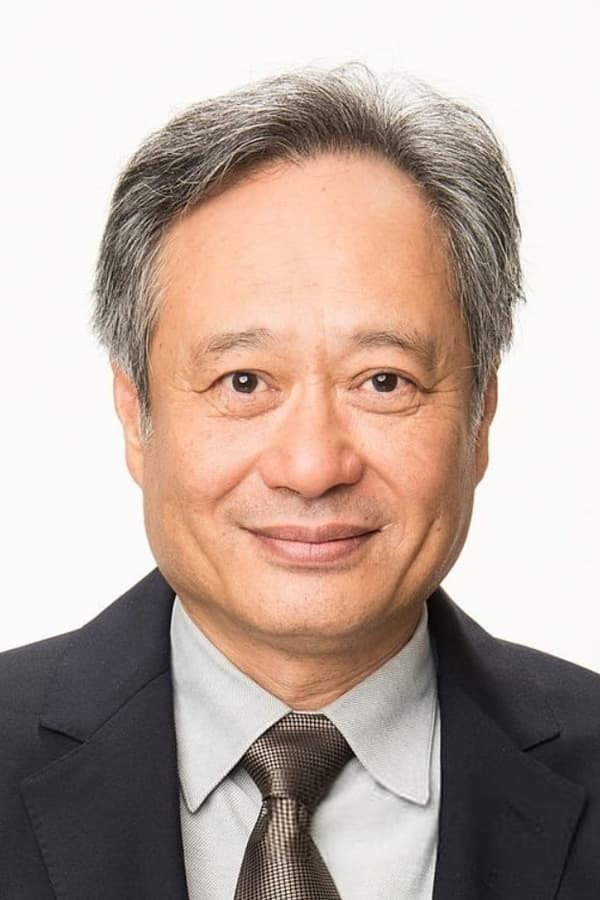
Taiwan-born Ang Lee is a versatile filmmaker who seamlessly bridges Eastern and Western cinema. His ability to tackle diverse genres with emotional depth has made him a global icon.
‘Crouching Tiger, Hidden Dragon’ (2000) redefined martial arts films, earning four Oscars and global acclaim. Lee’s ‘Brokeback Mountain’ (2005) and ‘The Wedding Banquet’ (1993) highlight his skill in crafting intimate, universal stories.
Ann Hui

Hong Kong’s Ann Hui is a trailblazer whose films shine a light on social issues and women’s lives. Her straightforward yet powerful storytelling has made her one of Asia’s most respected directors.
‘A Simple Life’ (2011) is a heartfelt drama that swept Hong Kong Film Awards, telling the story of a maid and her employer. ‘Summer Snow’ (1995) and ‘The Way We Are’ (2008) further showcase Hui’s focus on human connection.
Zhang Yimou
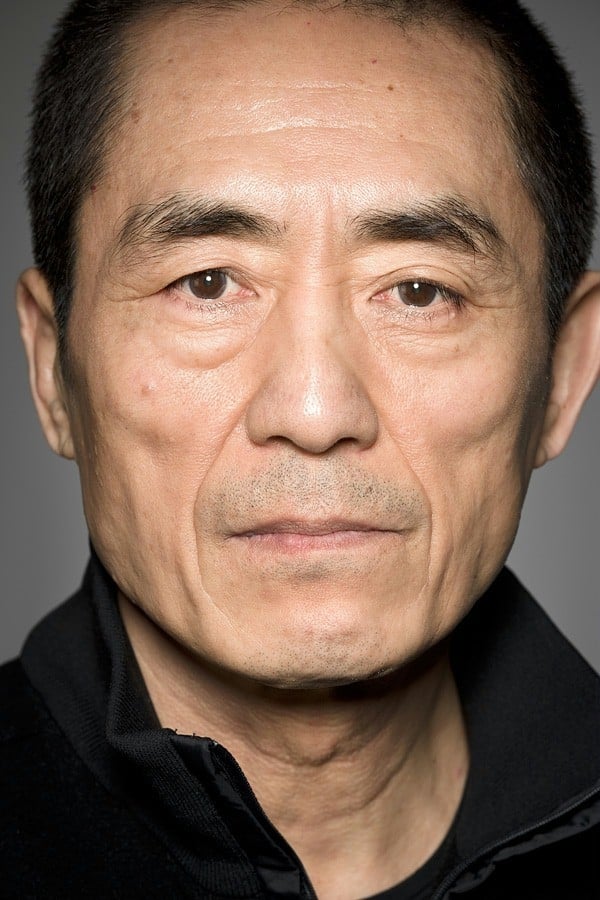
China’s Zhang Yimou is known for his visually stunning films that blend history, culture, and human struggle. His bold use of color and epic storytelling has left a lasting mark on world cinema.
‘Raise the Red Lantern’ (1991) is a haunting tale of power and betrayal, earning an Oscar nomination. Yimou’s ‘Hero’ (2002) and ‘House of Flying Daggers’ (2004) dazzle with their breathtaking visuals and wuxia flair.
Asian cinema continues to inspire with its rich diversity and bold voices. Which filmmaker or film is your favorite, or did we miss a masterpiece? Share your thoughts in the comments!