The 12 Most Important Actors of the Silent Film Era


The silent film era, spanning from the late 1800s to the late 1920s, was a groundbreaking time for cinema. Actors used expressive gestures and vivid facial expressions to tell stories without spoken words, captivating audiences with their raw talent.
These performers became icons, shaping the early days of Hollywood and leaving a lasting mark. Let’s explore the 12 most important actors who defined this era with their unforgettable performances.
William S. Hart (1864–1946)
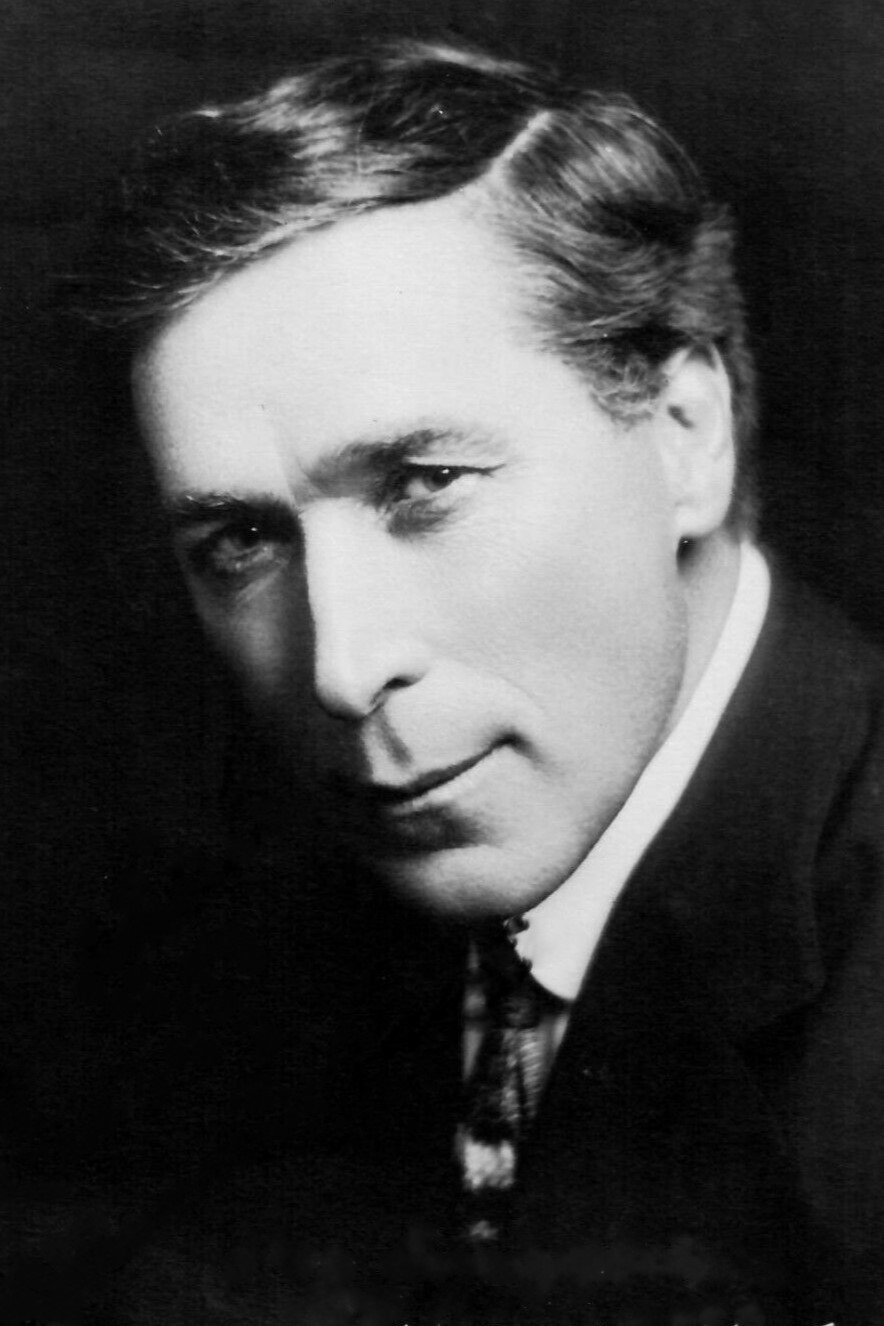
William S. Hart brought authenticity to the Western genre. Known for his rugged roles, he starred in films like ‘Hell’s Hinges’ (1916) and ‘Tumbleweeds’ (1925), portraying morally complex characters seeking redemption.
His background in stage acting and knowledge of the Old West gave his performances unmatched realism. Hart’s stoic presence made him a pioneer of the cowboy archetype, influencing future Western stars.
Theda Bara (1885–1955)
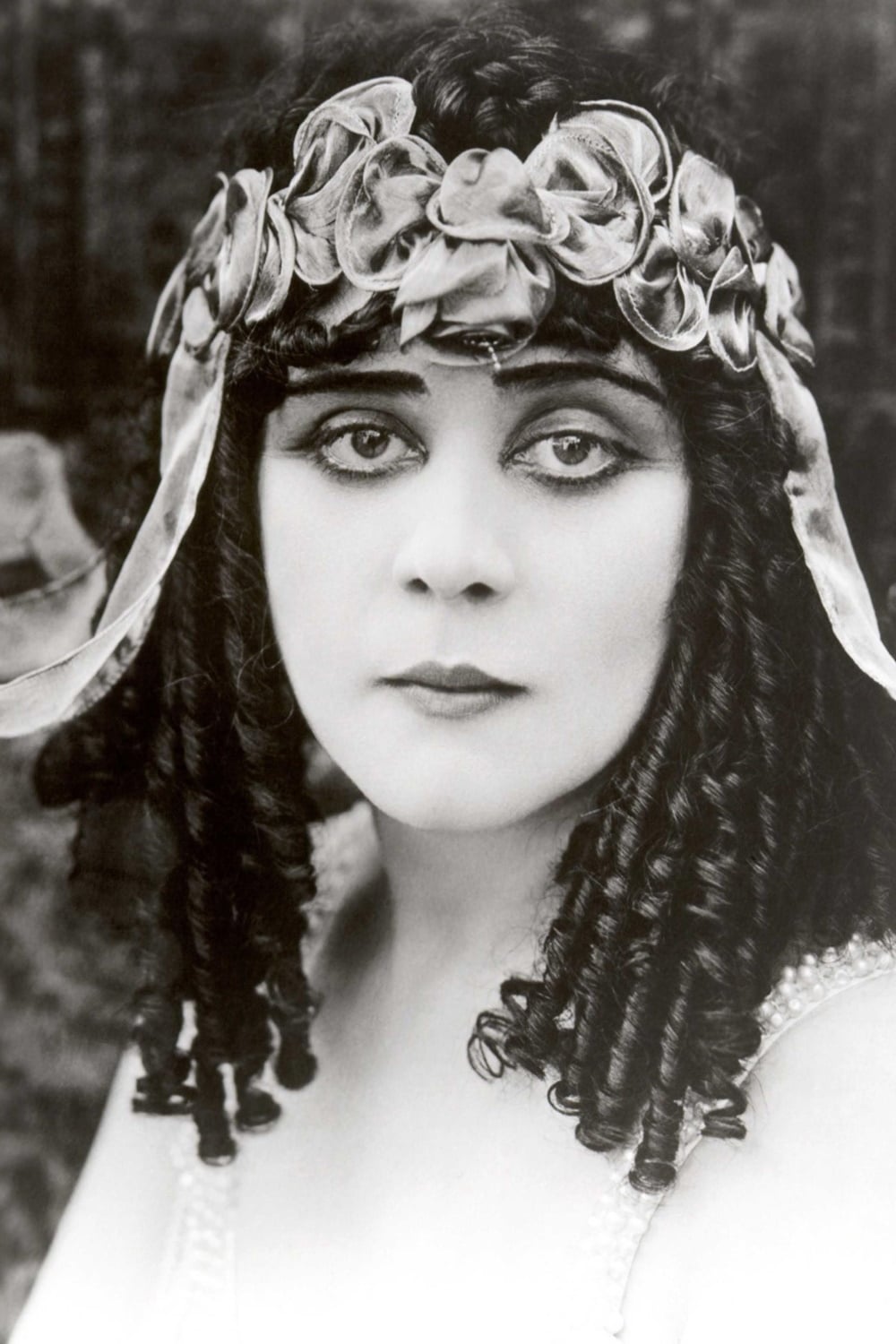
Theda Bara was one of cinema’s first sex symbols, nicknamed ‘The Vamp’ for her femme fatale roles. She shone in films like ‘Cleopatra’ (1917) and ‘Salomé’ (1918), but many of her works were lost in a 1937 fire.
Her exotic allure and bold performances captivated audiences. Bara’s ability to embody seductive characters defined early Hollywood’s fascination with provocative roles.
Harold Lloyd (1893–1971)
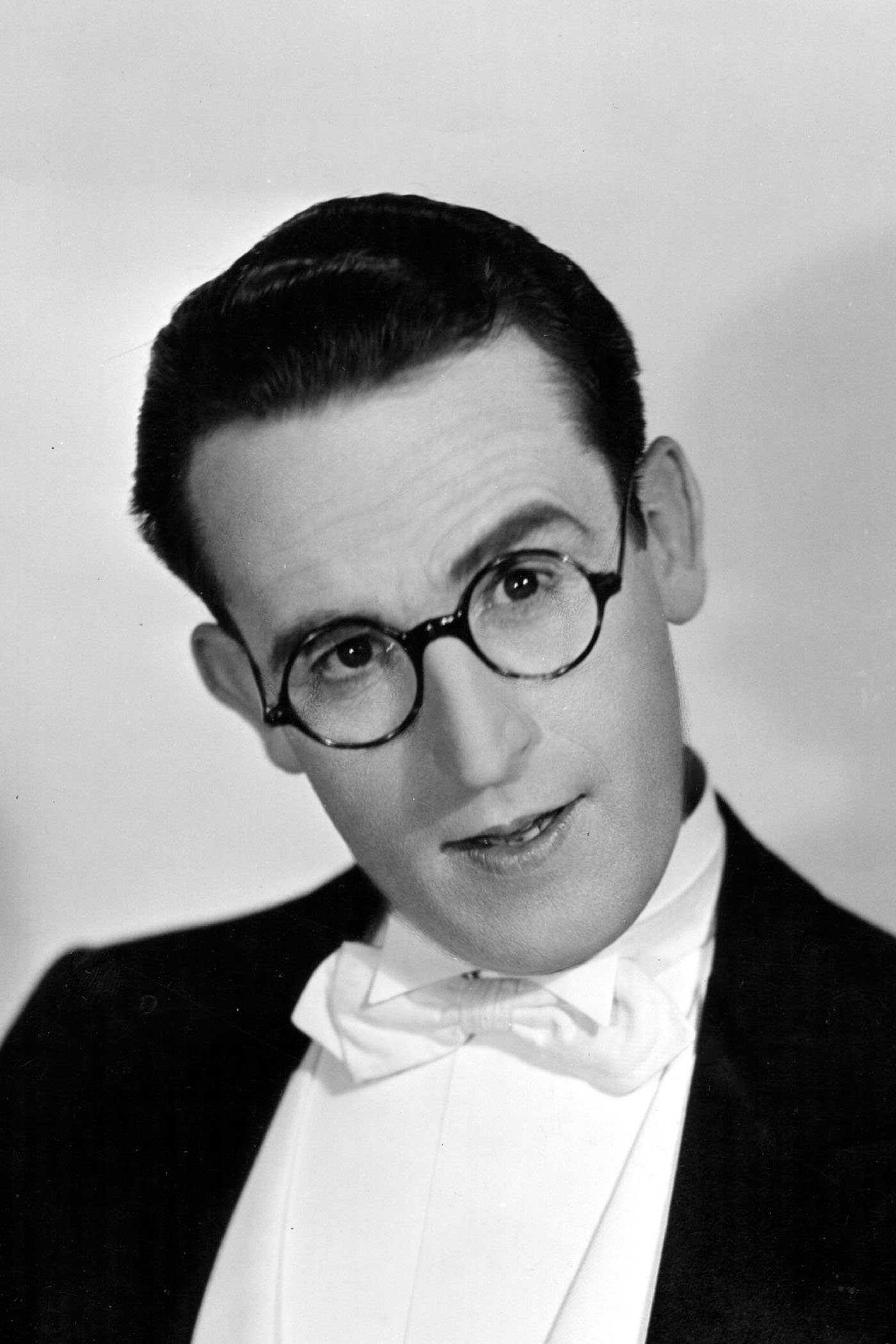
Harold Lloyd’s bespectacled ‘Glasses’ character was a silent comedy staple. His daring stunts in ‘Safety Last!’ (1923), including the iconic clock-hanging scene, thrilled audiences with humor and suspense.
Lloyd’s everyman charm and physical comedy made him a rival to Chaplin and Keaton. His nearly 200 films showcased his knack for blending heart and hilarity.
John Gilbert (1899–1936)
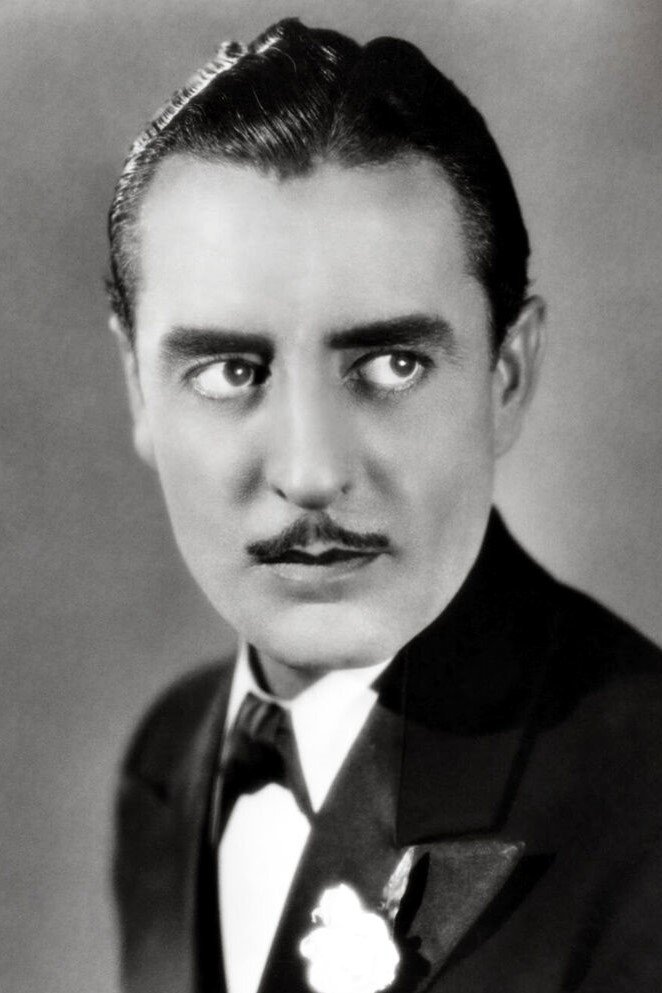
John Gilbert, dubbed ‘The Great Lover,’ was a romantic leading man in films like ‘The Big Parade’ (1925) and ‘Flesh and the Devil’ (1926). His chemistry with Greta Garbo was electric.
Despite a successful start, his career struggled during the shift to talkies due to studio politics. Gilbert’s passionate performances remain a highlight of the silent era.
Mabel Normand (1892–1930)
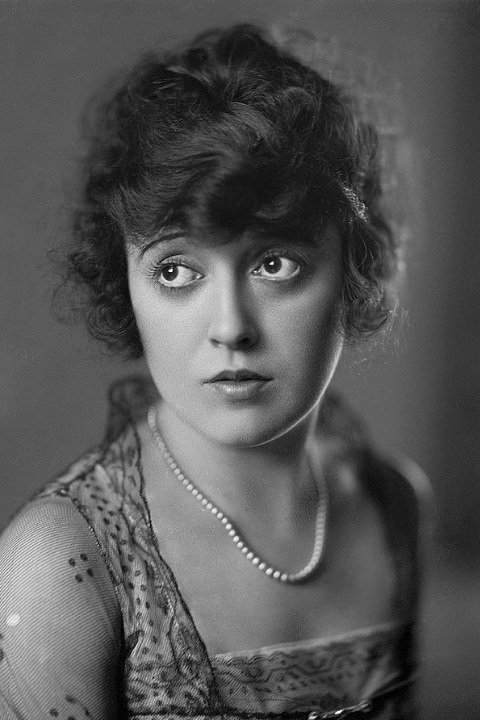
Mabel Normand was a comedy powerhouse, starring in ‘Getting Acquainted’ (1914) alongside Charlie Chaplin. She also wrote and directed, showcasing her creative control at Keystone Studios.
Her vibrant energy and charm made her a fan favorite. Despite personal scandals, Normand’s contributions as a multi-talented star endure.
Oliver Hardy (1892–1957)
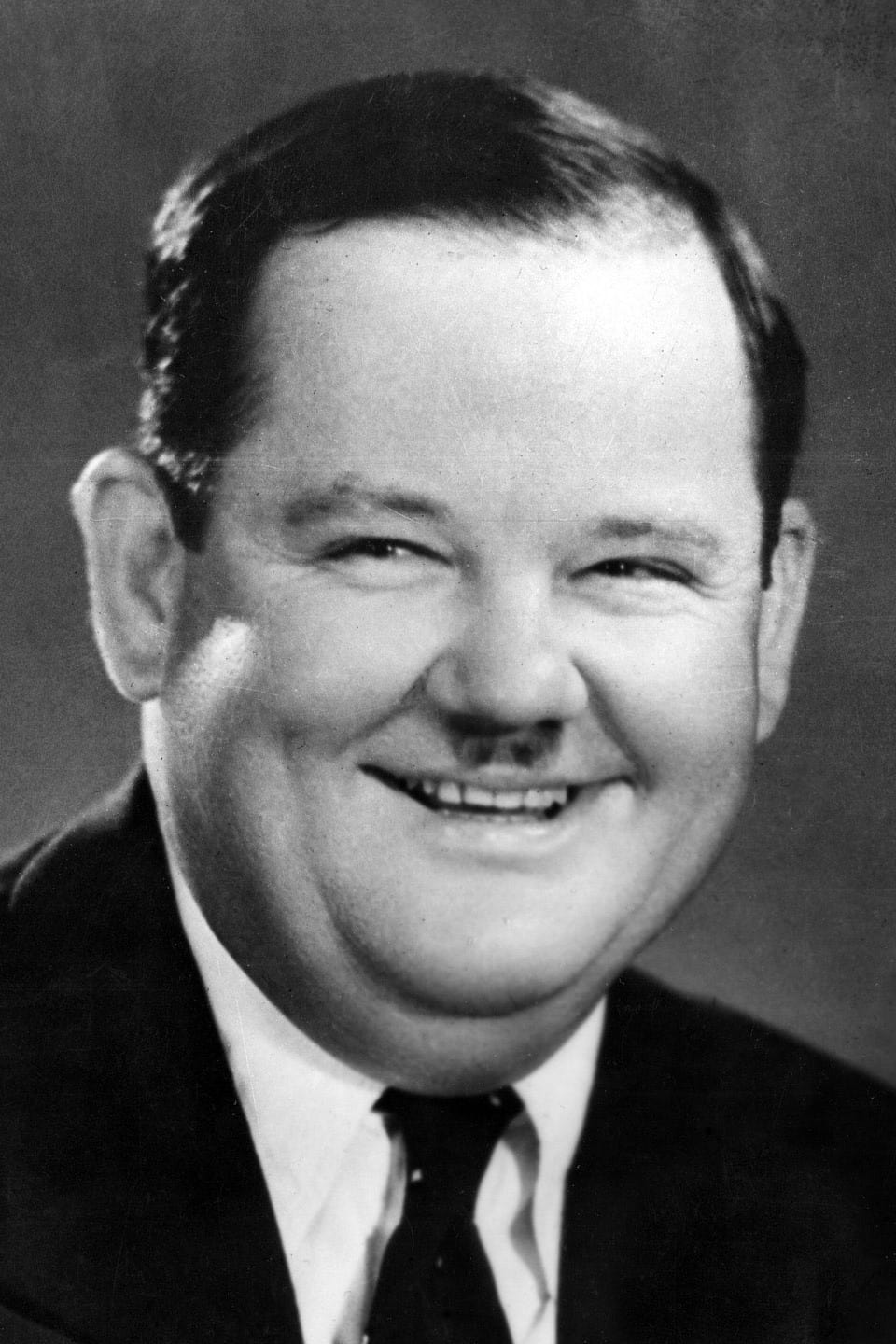
Oliver Hardy, half of the iconic Laurel and Hardy duo, debuted in ‘Outwitting Dad’ (1914). His comedic chemistry with Stan Laurel shone in early silent films like ‘The Lucky Dog’ (1921).
Hardy’s grumpy yet lovable persona carried into talkies, cementing his legacy. His physical comedy and expressive reactions made him a silent-era standout.
Stan Laurel (1890–1965)
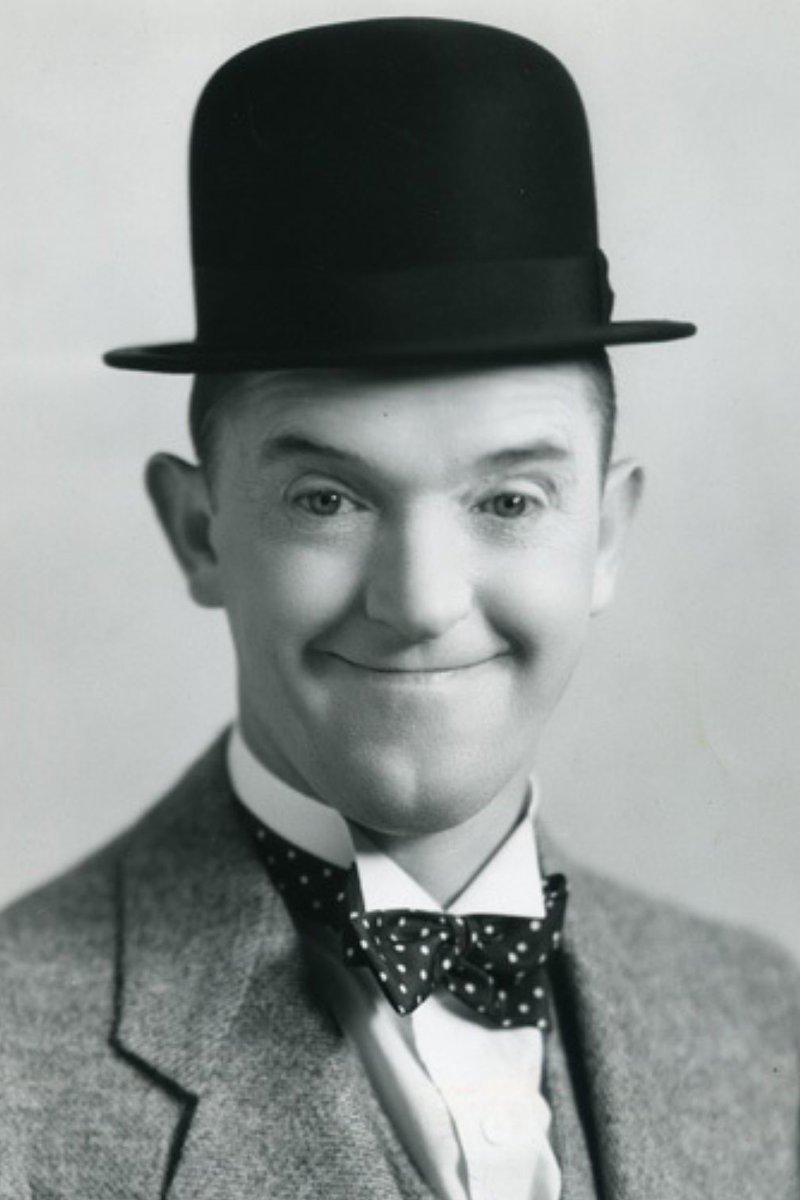
Stan Laurel’s bumbling charm paired perfectly with Oliver Hardy. Starting in films like ‘A Mandarin Mixup’ (1924), he brought slapstick brilliance to their early work together.
Laurel’s knack for visual gags and heartfelt comedy made him a beloved figure. His influence on comedy duos is still felt today.
Rudolph Valentino (1895–1926)
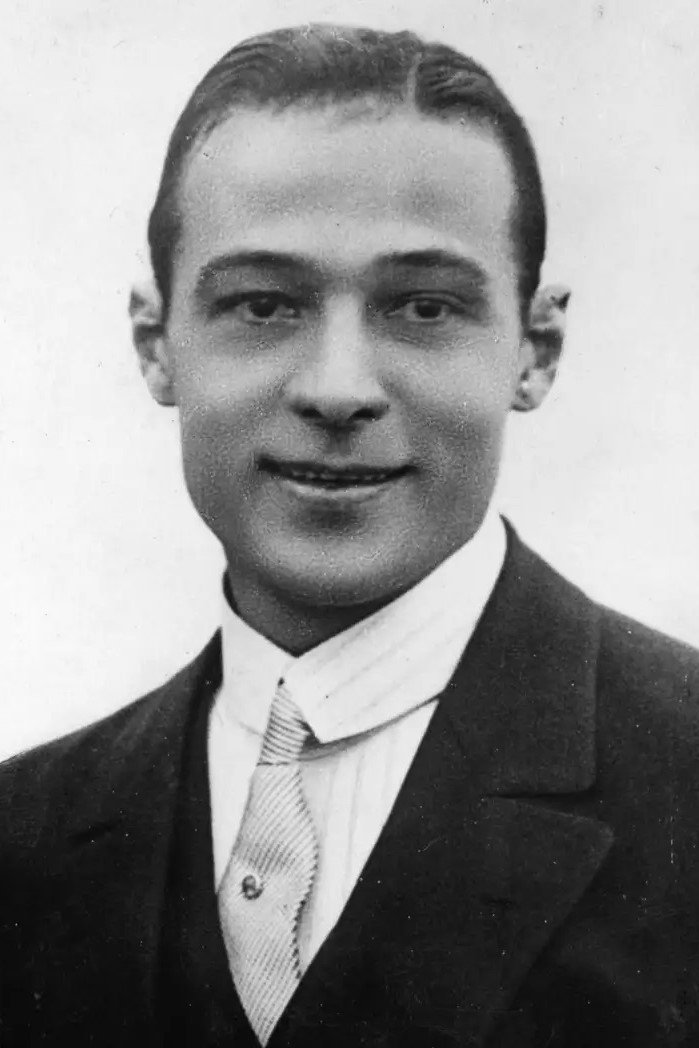
Rudolph Valentino was the ultimate heartthrob, starring in ‘The Sheik’ (1921) and ‘The Four Horsemen of the Apocalypse’ (1921). His exotic charm drove fans wild, sparking hysteria at his untimely death.
Valentino’s smoldering presence defined the ‘Latin lover’ archetype. His films remain classics for their romantic intensity and cultural impact.
Lon Chaney (1883–1930)
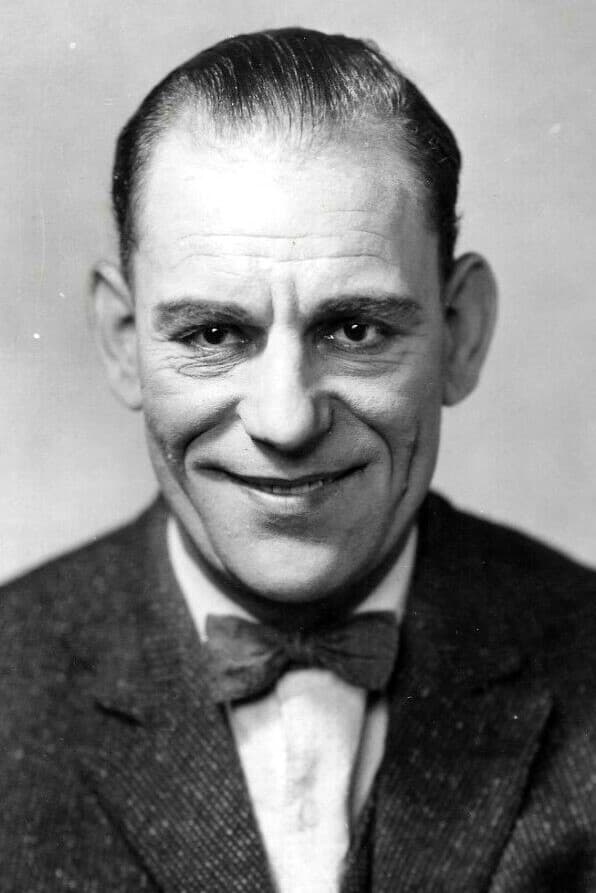
Known as ‘The Man of a Thousand Faces,’ Lon Chaney transformed himself for roles in ‘The Hunchback of Notre Dame’ (1923) and ‘The Phantom of the Opera’ (1925). His makeup skills were revolutionary.
Chaney’s ability to portray tortured, complex characters made him a horror icon. His versatility left a lasting mark on early cinema.
Lillian Gish (1893–1993)
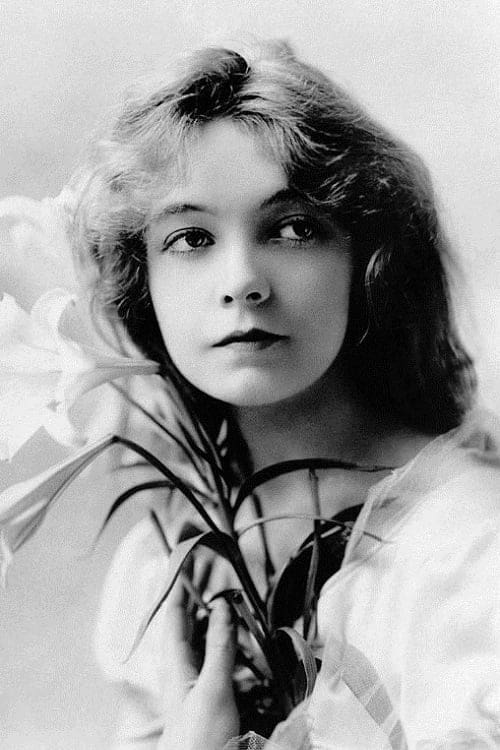
Lillian Gish, called ‘The First Lady of American Cinema,’ starred in ‘The Birth of a Nation’ (1915) and ‘The Wind’ (1928). Her delicate yet powerful performances elevated silent film acting.
Working closely with director D.W. Griffith, Gish brought emotional depth to her roles. Her career spanned decades, bridging silent and sound eras.
Buster Keaton (1895–1966)
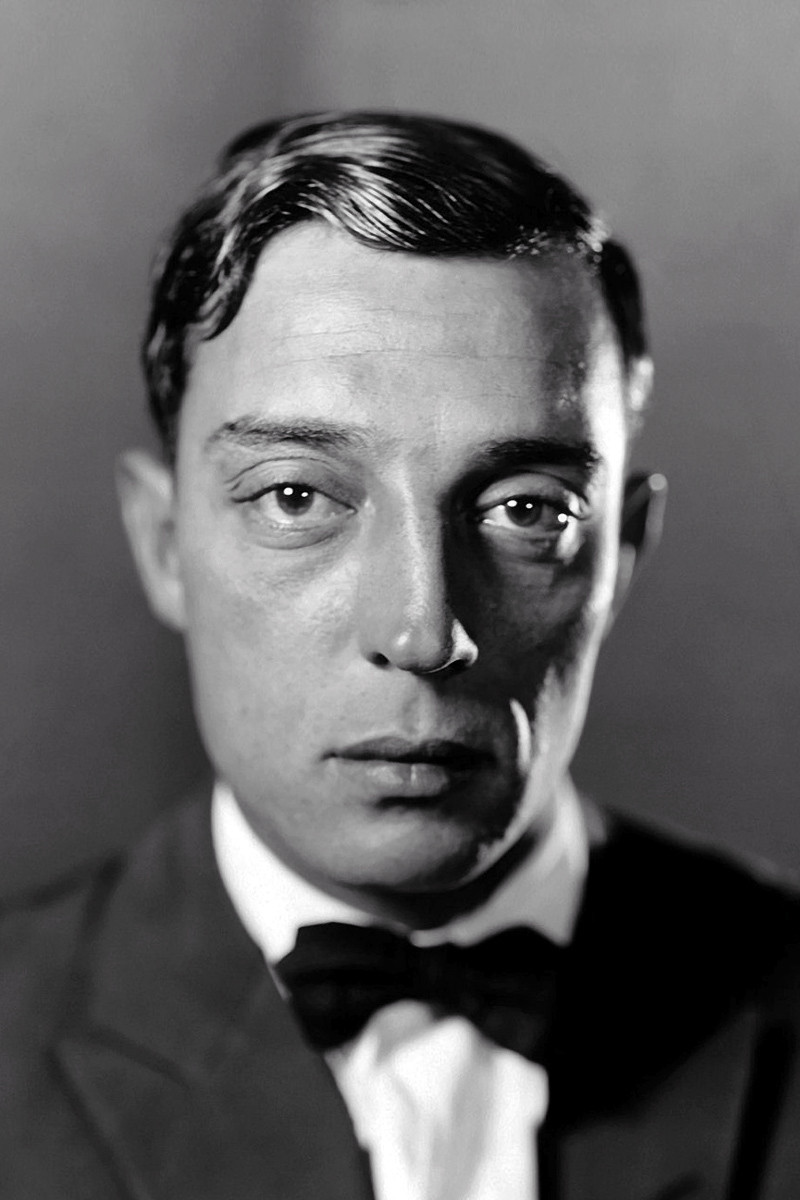
Buster Keaton’s deadpan humor and daring stunts defined films like ‘The General’ (1926), a comedy masterpiece. His physical comedy, honed in vaudeville, was unmatched.
Keaton’s innovative storytelling and resilience made him a silent-era legend. His films still inspire filmmakers for their creativity and precision.
Charlie Chaplin (1889–1977)
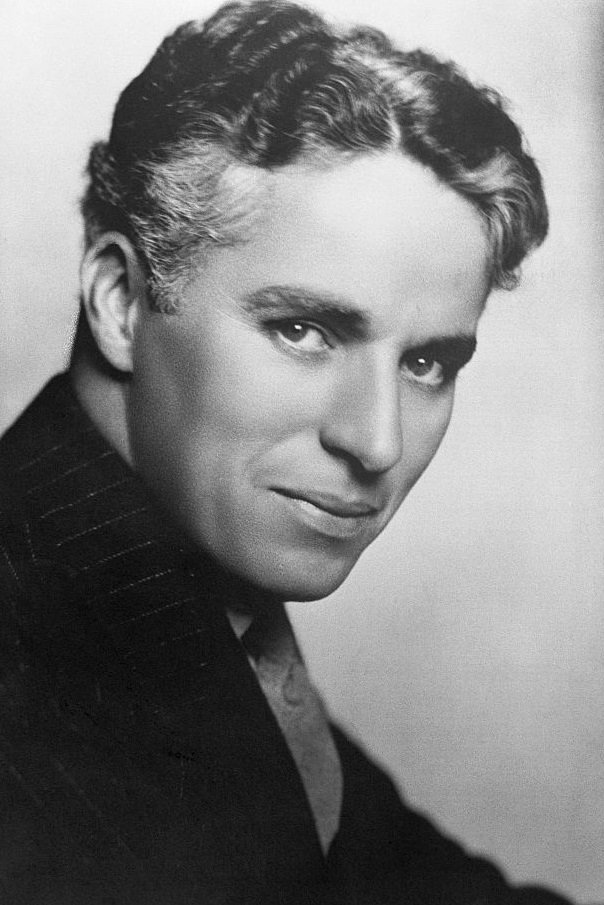
Charlie Chaplin’s ‘Little Tramp’ character became a global icon in films like ‘The Kid’ (1921) and ‘The Gold Rush’ (1925). His blend of comedy and pathos resonated with audiences worldwide.
Chaplin’s control as an actor, director, and composer set him apart. His timeless work continues to charm and move viewers today.
Which silent film star’s performance captivates you the most, or is there another icon we should know about? Share your thoughts in the comments!