The Most Beloved Indie Actresses of All Time

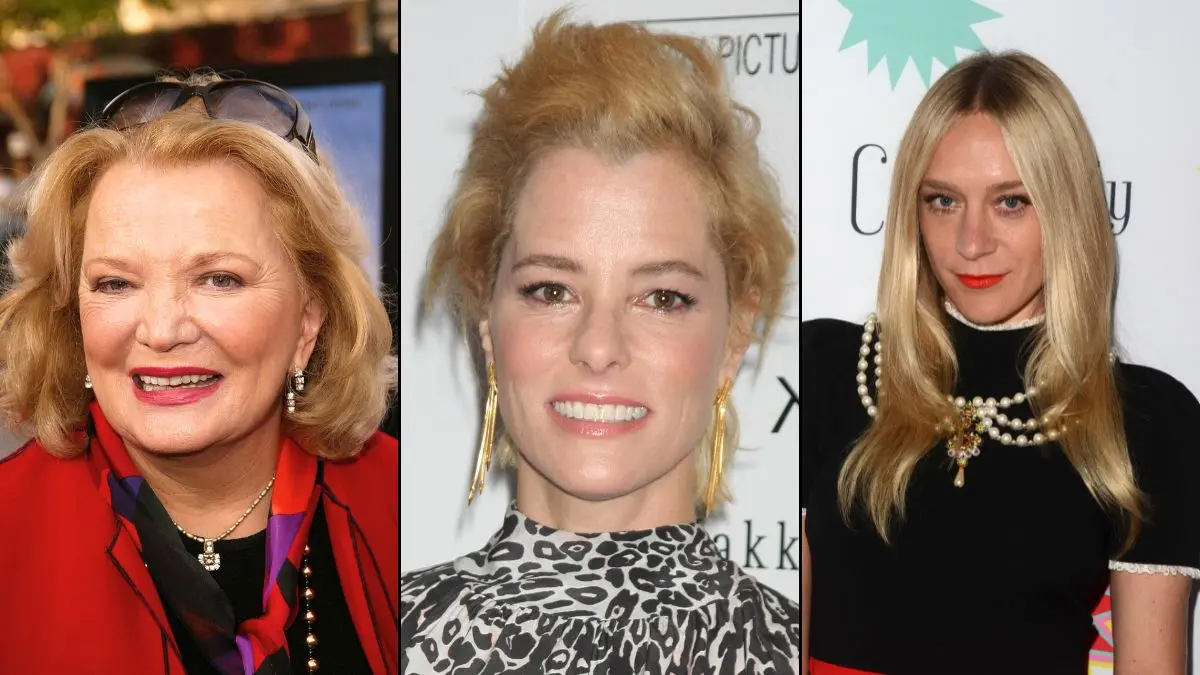

Independent cinema has always been a haven for bold voices and intimate, character-forward storytelling. Away from franchise glare and opening-weekend hype, it’s where performers can take risk after risk—building careers on audacity, nuance, and the kind of lived-in authenticity that lingers long after the credits roll. The actresses below didn’t just appear in indie films; they defined them, helping to shape the aesthetics and emotional textures of the last half-century of art-house and independent storytelling.
From downtown microbudgets and festival darlings to international auteur collaborations, these icons—spanning generations and continents—have carried unforgettable roles with fearless precision. They remind us why indies matter: because the quietest stories, told with care, can move the earth beneath our feet.
Gena Rowlands
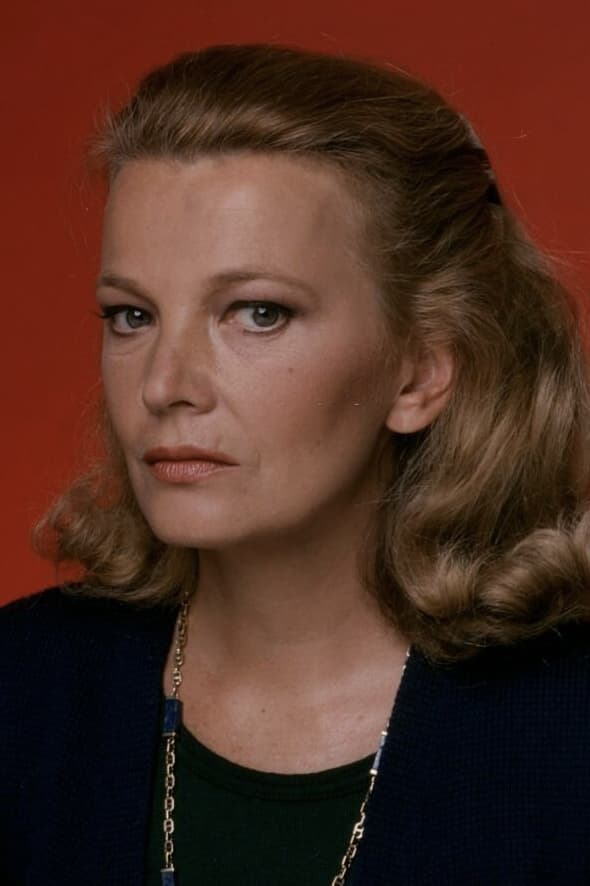
A lodestar of American independent film, Gena Rowlands’ collaborations with John Cassavetes set the template for raw, unvarnished performance. In ‘A Woman Under the Influence’ and ‘Faces’, she captured domestic turbulence and fragile grace with a nerve and spontaneity that still feels radical.
Her turn in ‘Gloria’ distilled Rowlands’ toughness into something mythic—streetwise, wounded, protective. For generations of actors, she is proof that independence isn’t a budget line; it’s a way of being on screen.
Parker Posey
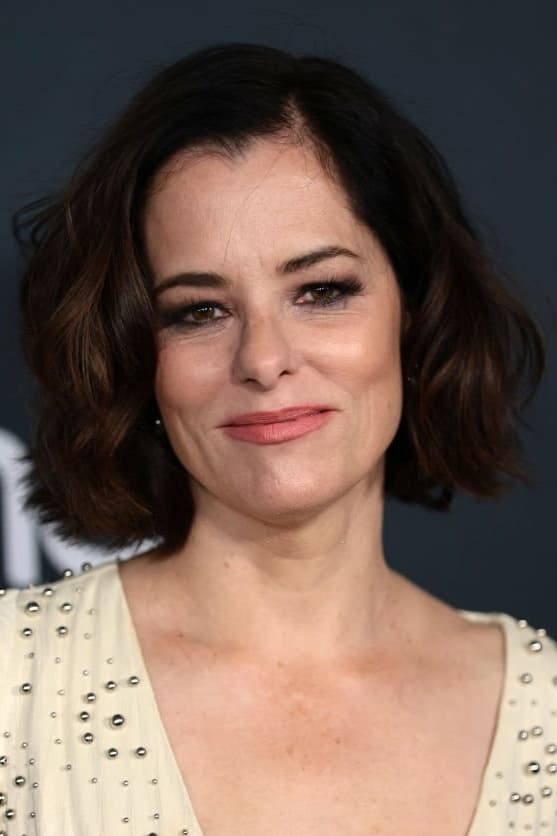
Dubbed the “Queen of the Indies,” Parker Posey turned 1990s downtown cool into a full-bodied comic-sardonic art. ‘Party Girl’ made her a cult star, while collaborations with Christopher Guest like ‘Waiting for Guffman’ and ‘Best in Show’ showcased a surgically precise improvisational wit.
Posey’s gift is specificity: each character is a complete ecosystem of quirks, insecurities, and unexpected tenderness, from ‘The House of Yes’ to her scene-stealing bits in ‘Dazed and Confused’.
Chloë Sevigny
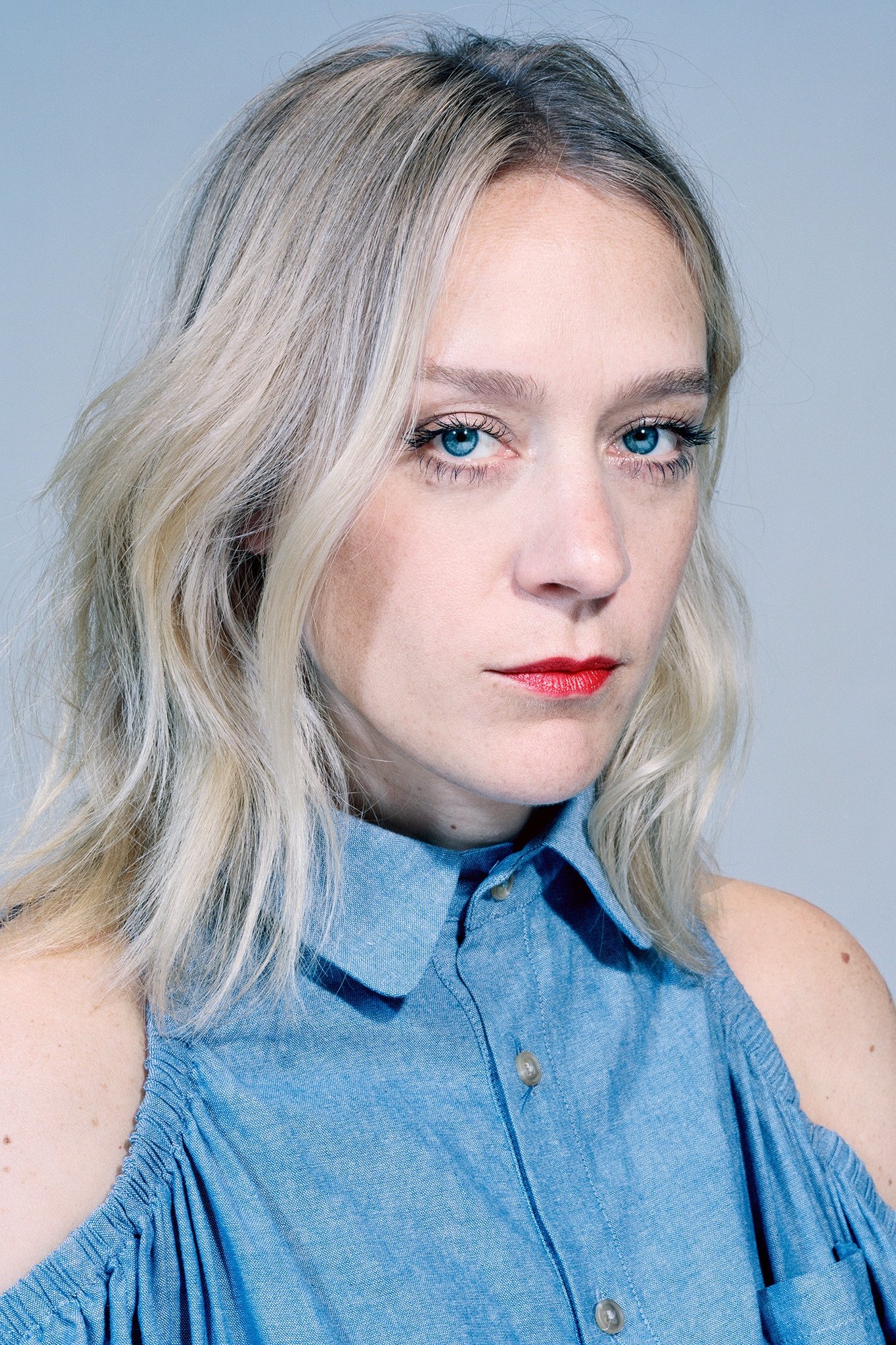
Chloë Sevigny’s debut in ‘Kids’ announced a performer unafraid of discomfort and ambiguity. She threaded art-house and independent landscapes with chameleon poise through ‘Boys Don’t Cry’, ‘The Last Days of Disco’, and ‘The Brown Bunny’.
On television, ‘Big Love’ deepened her reputation for fearless choices. Sevigny’s indie legacy is one of risk embraced—fashion-forward, boundary-pushing, and emotionally exact.
Greta Gerwig
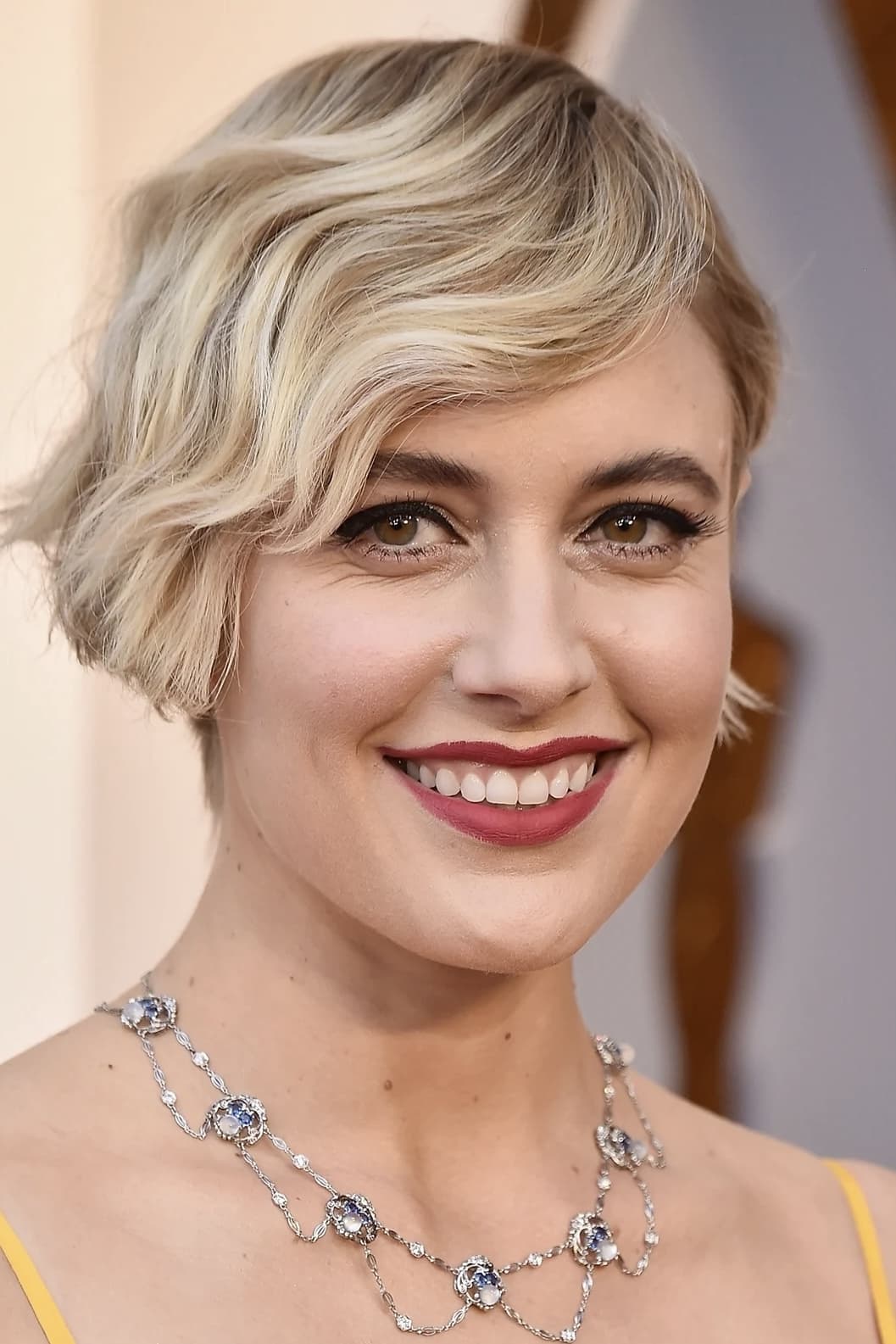
Before becoming a celebrated filmmaker, Greta Gerwig embodied mumblecore’s beating heart. Performances in ‘Frances Ha’, ‘Greenberg’, and ‘Mistress America’ summoned the awkward poetry of becoming, all jittery rhythms and graceful self-discovery.
As a writer-actor, she brought a diaristic honesty to modern indie dialogue. Even as her directorial work like ‘Lady Bird’ broadened her canvas, the indie actor’s spirit remains central to her appeal.
Michelle Williams
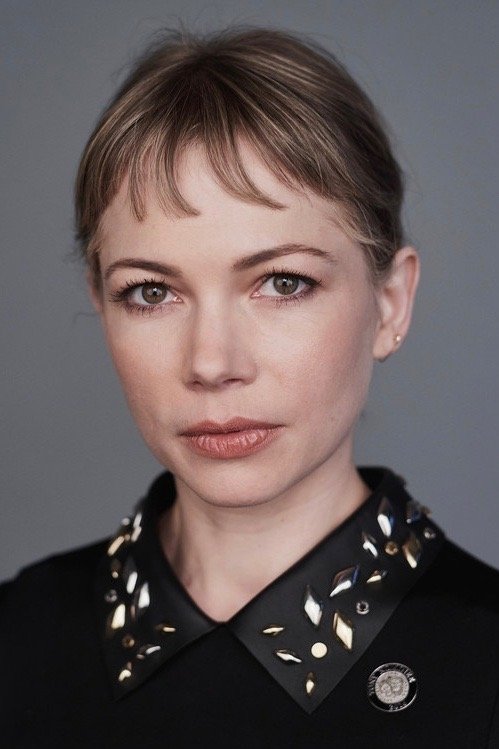
Michelle Williams carries quiet devastation like a secret she lets us in on—carefully, generously. Her work in ‘Wendy and Lucy’, ‘Blue Valentine’, ‘Certain Women’, and ‘Meek’s Cutoff’ is a masterclass in micro-expression and moral weather.
She makes ordinary lives feel operatic without raising her voice, turning small-scale stories into soul-deep experiences.
Frances McDormand
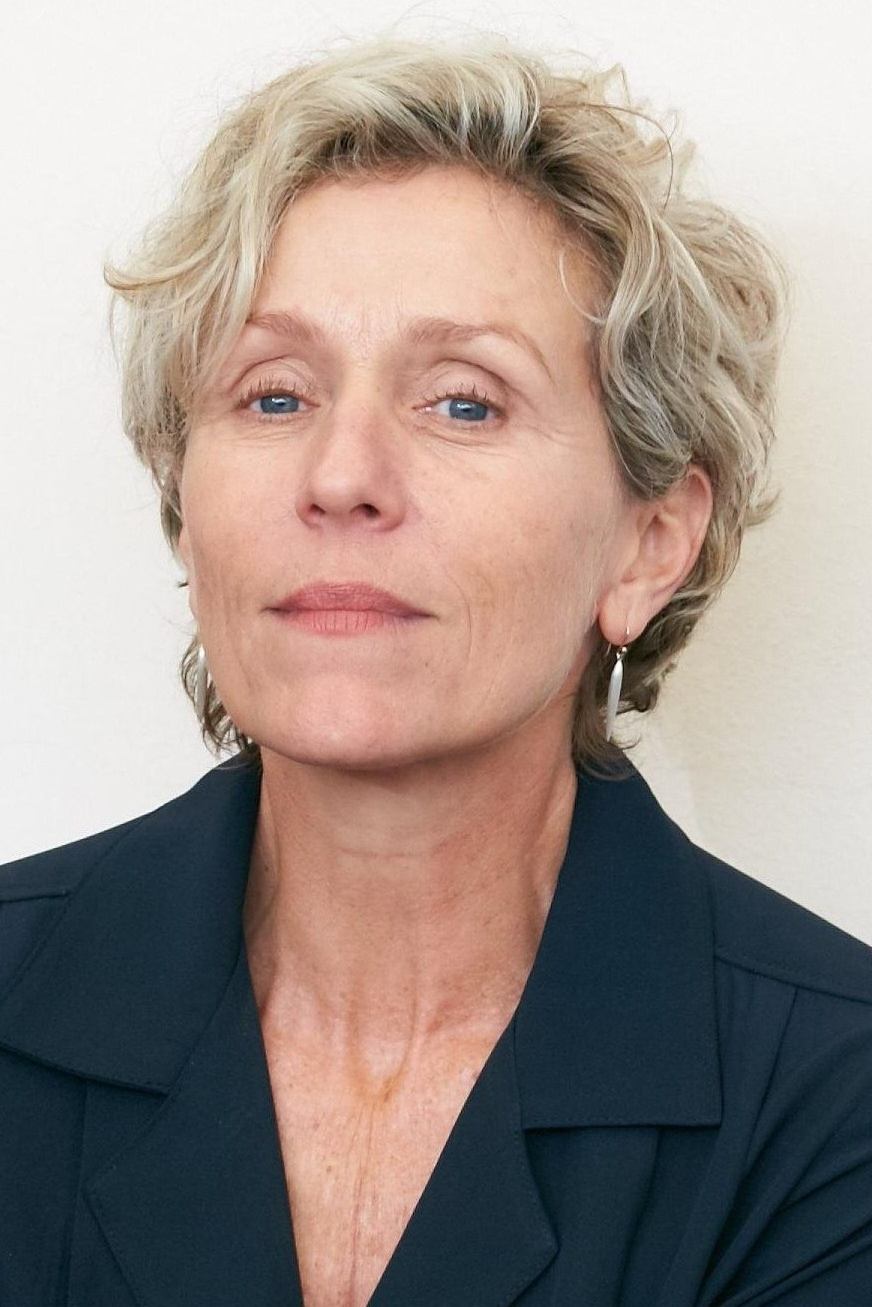
From ‘Blood Simple’ to ‘Fargo’ and beyond, Frances McDormand has been a North Star for uncompromising craft. She dissolves into working-class textures and existential grit, embodying characters with humor and no-nonsense empathy.
Films like ‘Three Billboards Outside Ebbing, Missouri’ and ‘Nomadland’ remind us how an indie ethos can transform into cultural lightning—intimate performances felt by millions. On TV, ‘Olive Kitteridge’ further broadened her tender ferocity.
Tilda Swinton

Tilda Swinton’s career is a museum of daring—each role a new wing of the uncanny. She remade identity in ‘Orlando’, carved maternal dread in ‘We Need to Talk About Kevin’, and alchemized desire in ‘I Am Love’.
A patron saint of filmic curiosity, she moves seamlessly between art installations and indies like ‘Only Lovers Left Alive’, always chasing the edge of possibility.
Samantha Morton
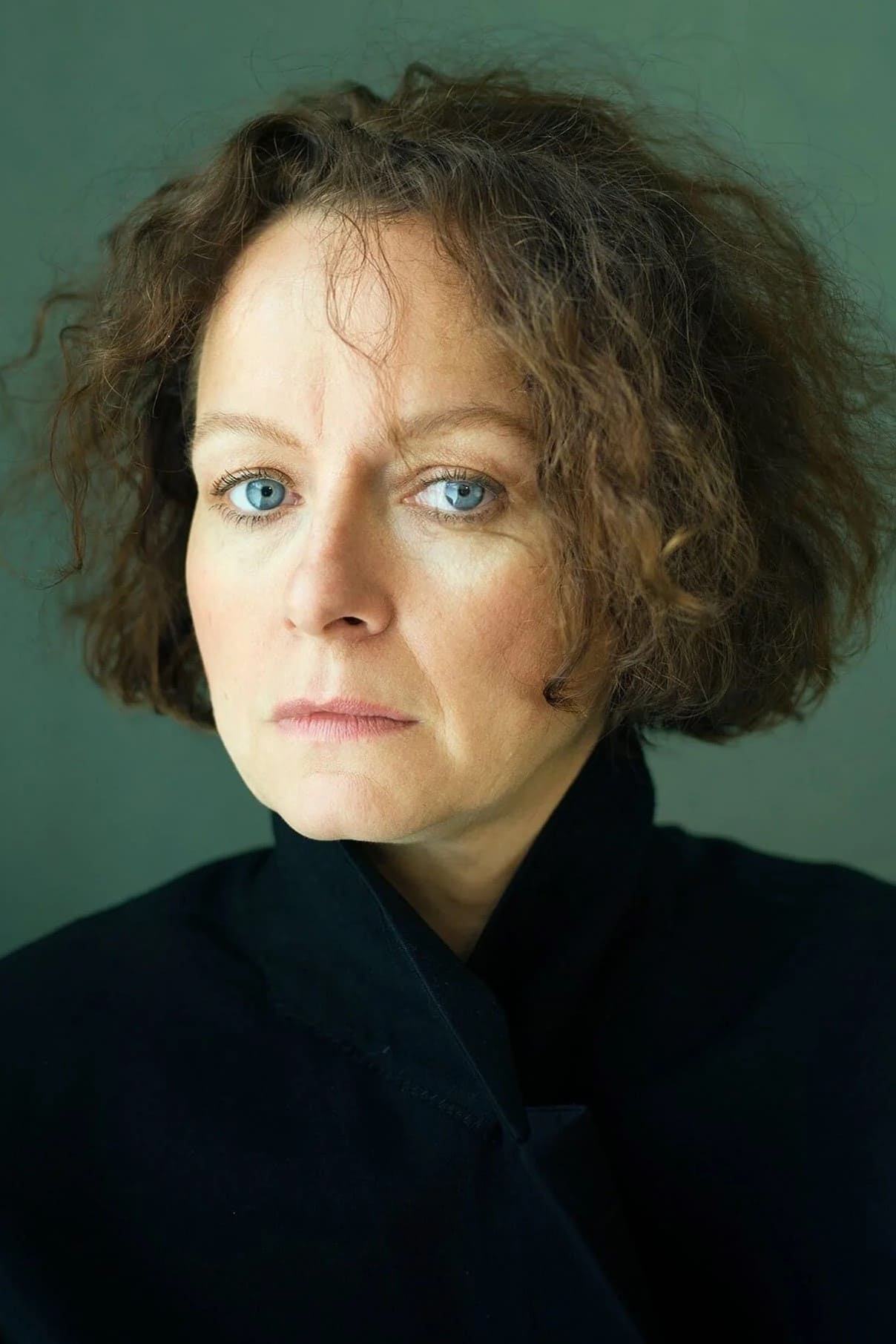
Samantha Morton blends fierce vulnerability with volcanic intensity. In ‘Morvern Callar’ and ‘In America’, she turns interiority into an epic landscape, while ‘Sweet and Lowdown’ and ‘Synecdoche, New York’ show her wry, cerebral side.
Morton’s characters feel lived-in and unguarded; she makes silence thunder and small gestures resound.
Isabelle Huppert
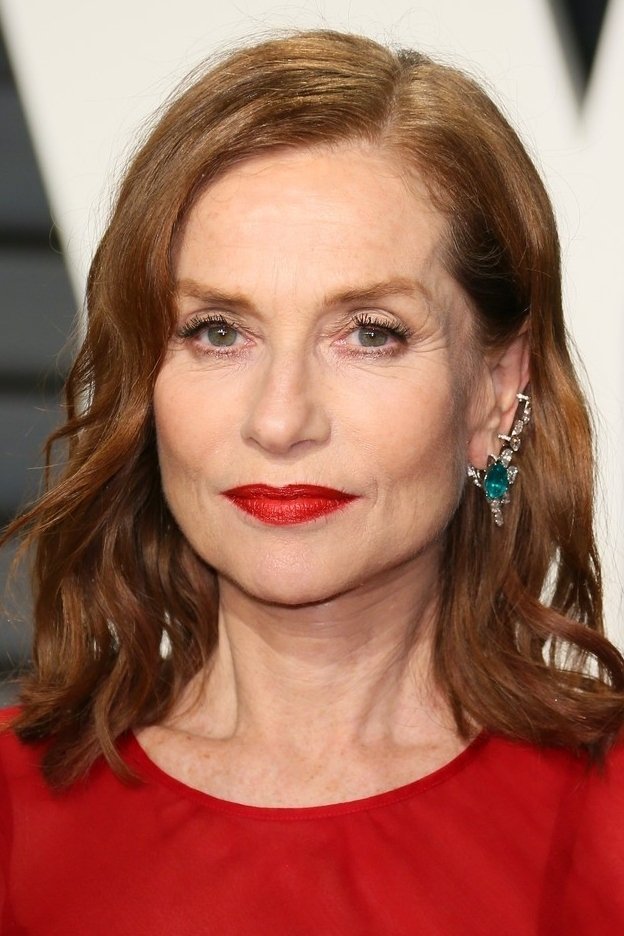
Isabelle Huppert’s collaborations across European art cinema—‘The Piano Teacher’, ‘Elle’, ‘La Cérémonie’, ‘White Material’—are studies in psychological brinksmanship. She plays contradictions like a concerto, never pandering, never simplifying.
For indie lovers, Huppert embodies cinema’s purest provocations: characters who disturb, seduce, and refuse to be decoded.
Juliette Binoche
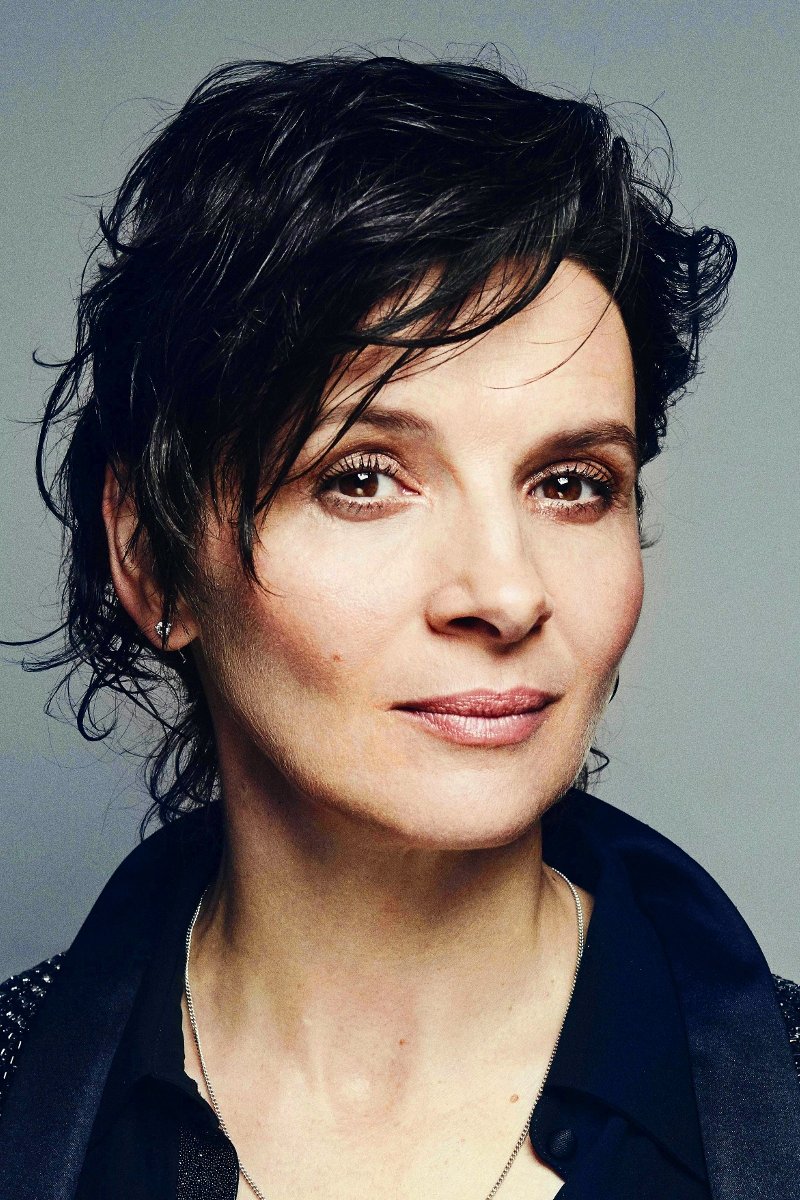
With ‘Three Colors: Blue’ and ‘Certified Copy’, Juliette Binoche perfected a translucent style of acting—intense yet air-light. She can glow with romantic longing or fracture with existential doubt, often in the span of a scene.
Whether in ‘High Life’ or ‘The Lovers on the Bridge’, her presence elevates art-house storytelling into something lushly human.
Andrea Riseborough
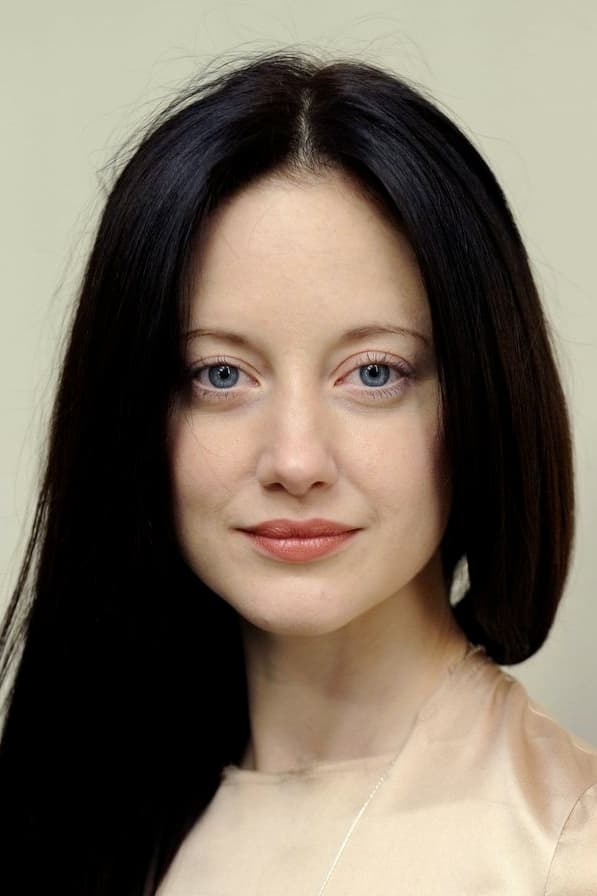
Andrea Riseborough is a shape-shifter whose indie turns vibrate with risk. From the grief-soaked ‘To Leslie’ to the fever-dream rampage of ‘Mandy’ and the body-horror cool of ‘Possessor’, she specializes in characters on the brink.
Her elastic craft lets her vanish into any milieu, proving that “range” can be a radical act of empathy.
Patricia Clarkson
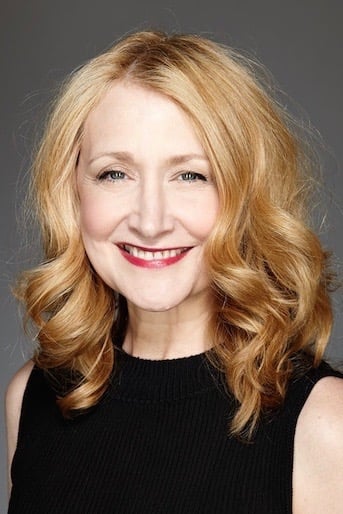
Patricia Clarkson is the definition of unshowy brilliance. In ‘The Station Agent’, ‘Pieces of April’, and ‘Far from Heaven’, she finds whole biographies in a glance, revealing deep wells of humor, regret, and grace.
She’s a beacon for indie ensembles—an actor who makes everyone around her better by listening with her whole body.
Catherine Keener
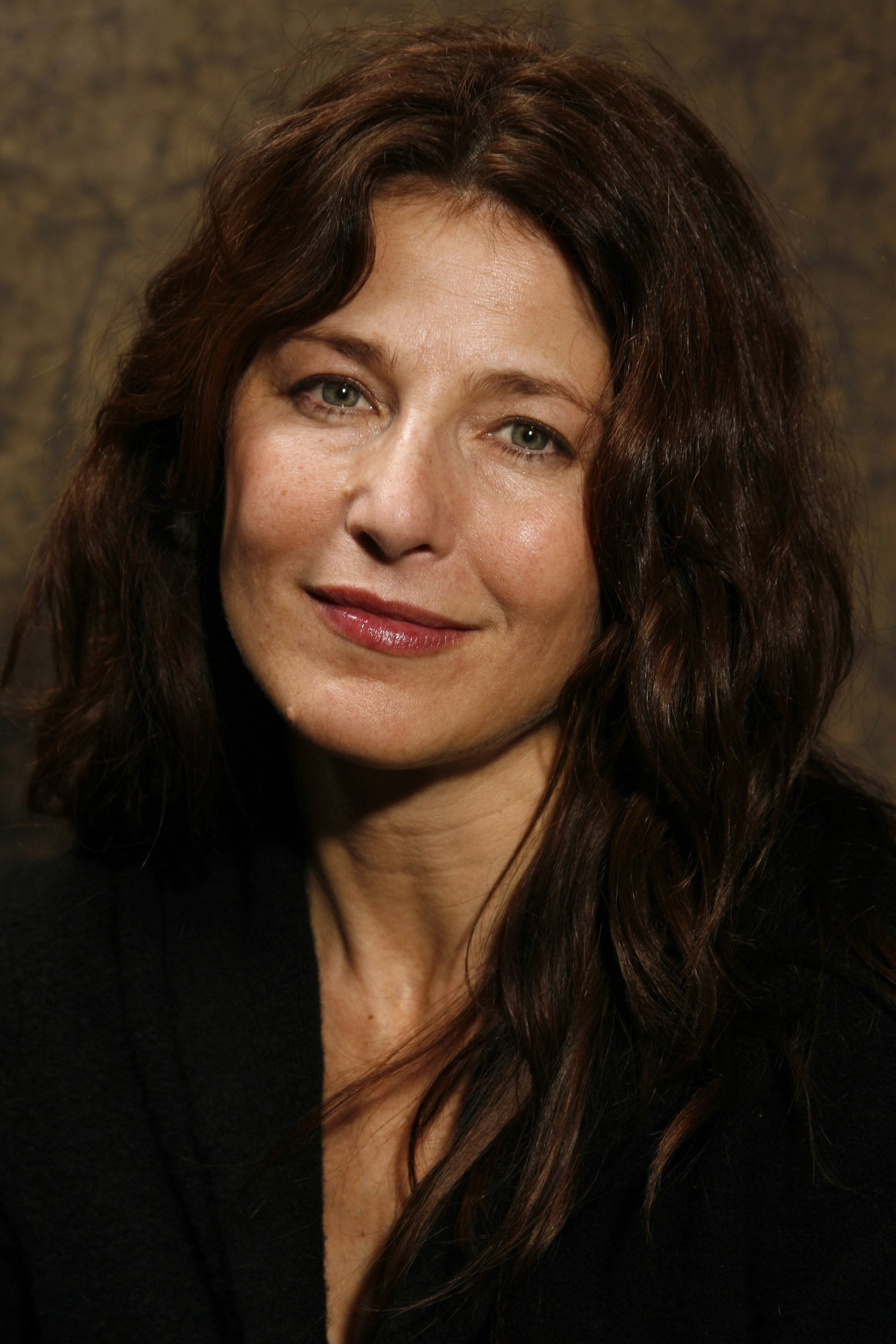
Catherine Keener’s sly intelligence and wry warmth gave 1990s–2000s indies their pulse. ‘Being John Malkovich’, ‘Lovely & Amazing’, and ‘Capote’ revealed a performer equally at home with surreal satire and kitchen-sink heartbreak.
Keener’s characters often carry the story’s moral barometer, charting the messy terrain between irony and tenderness.
Maggie Gyllenhaal
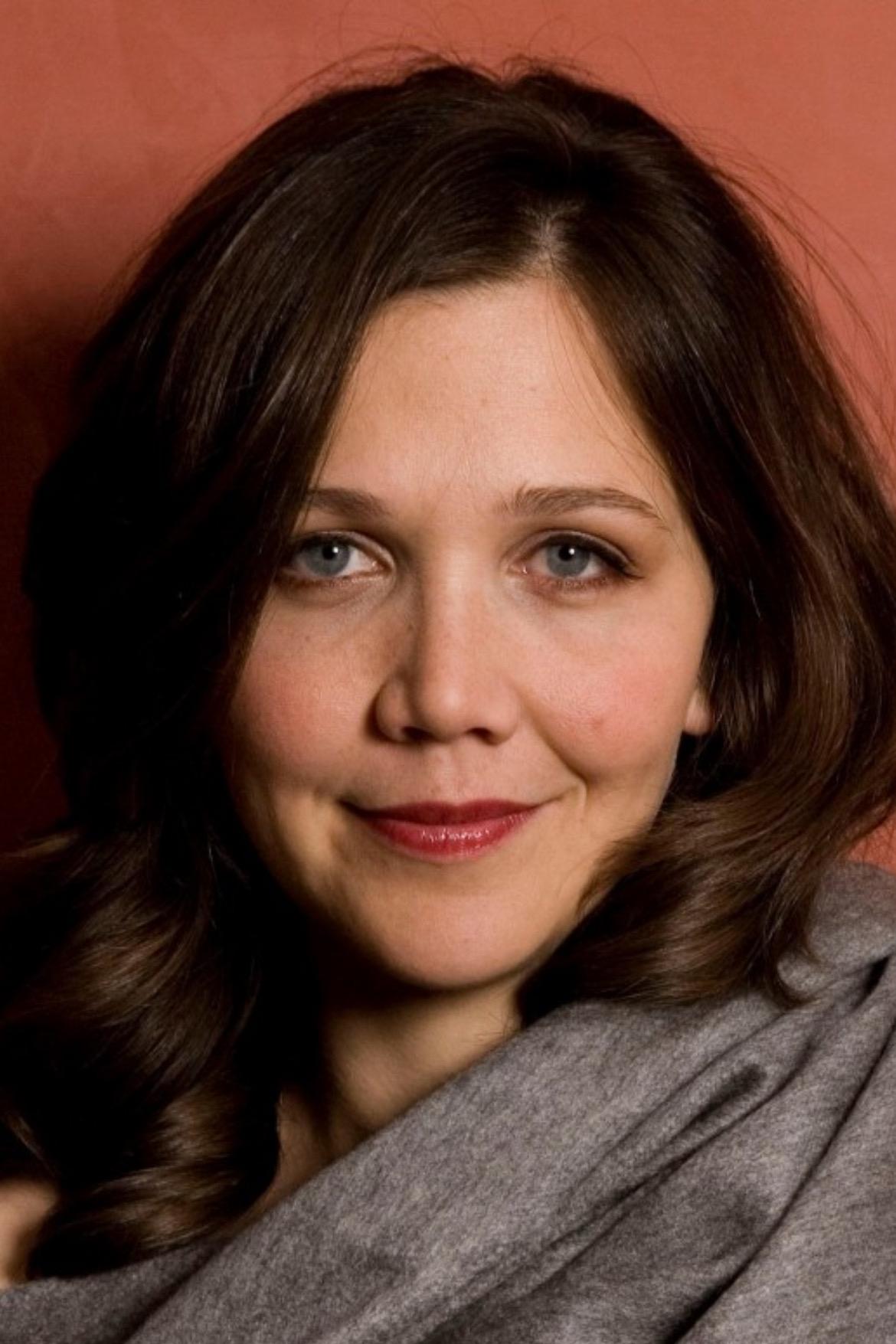
Maggie Gyllenhaal has made a career out of empathizing with complicated women. ‘Secretary’ and ‘Sherrybaby’ are milestones in portraying desire, addiction, and self-definition with bracing clarity.
Her later indie work, like ‘The Kindergarten Teacher’, channels quiet obsession into luminous, unsettling drama.
Rooney Mara
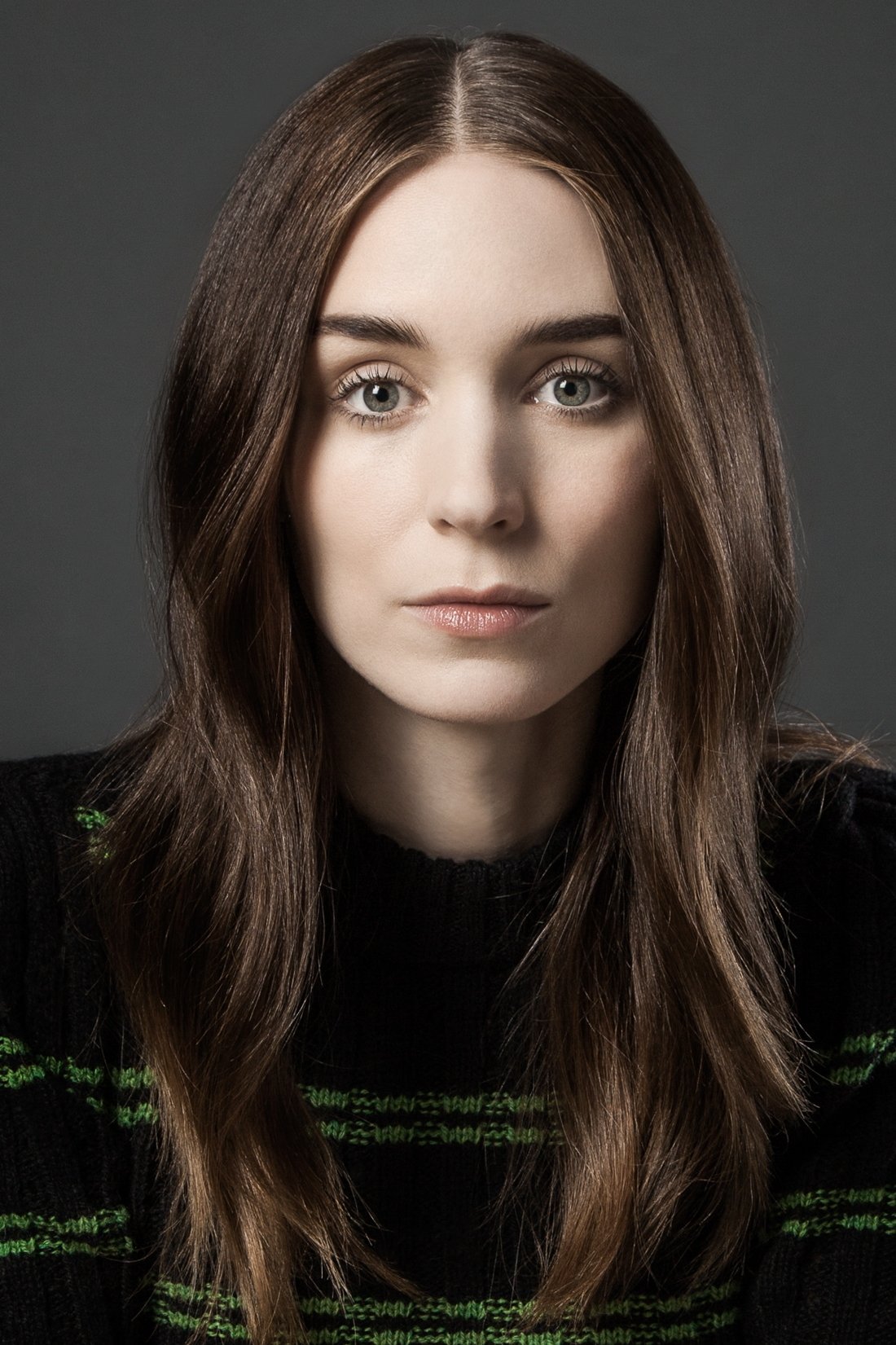
With porcelain calm and fierce interiority, Rooney Mara turns minimalism into a roar. ‘Carol’ is her signature—a performance of aching restraint—while ‘Ain’t Them Bodies Saints’ and ‘Song to Song’ showcase her elliptical, musical instincts.
She thrives in collaborations with formalist auteurs, where glances and silences speak volumes.
Saoirse Ronan
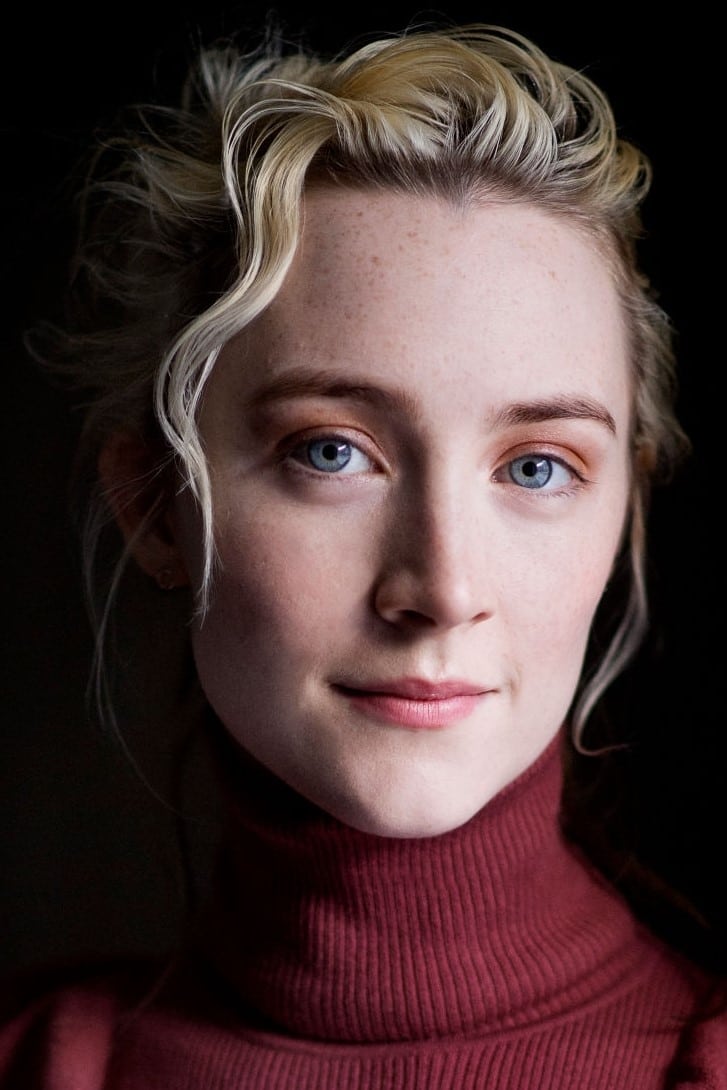
Saoirse Ronan carries an old soul through modern frames. ‘Brooklyn’ and ‘Lady Bird’ captured different shades of becoming—tender, rebellious, bittersweet—while ‘The Grand Budapest Hotel’ let her play in stylized whimsy.
She toggles between indie intimacy and prestige scale without losing the heartbeat of a scene.
Aubrey Plaza

Aubrey Plaza’s deadpan has evolved into a broader, daring palette. ‘Safety Not Guaranteed’ introduced a singular comic sensibility, then ‘Ingrid Goes West’ and ‘Black Bear’ pushed toward psychological and meta-cinematic extremes.
Though many met her via ‘Parks and Recreation’, Plaza’s indie work proves she’s a trickster spirit—always ready to subvert expectations.
Elisabeth Moss
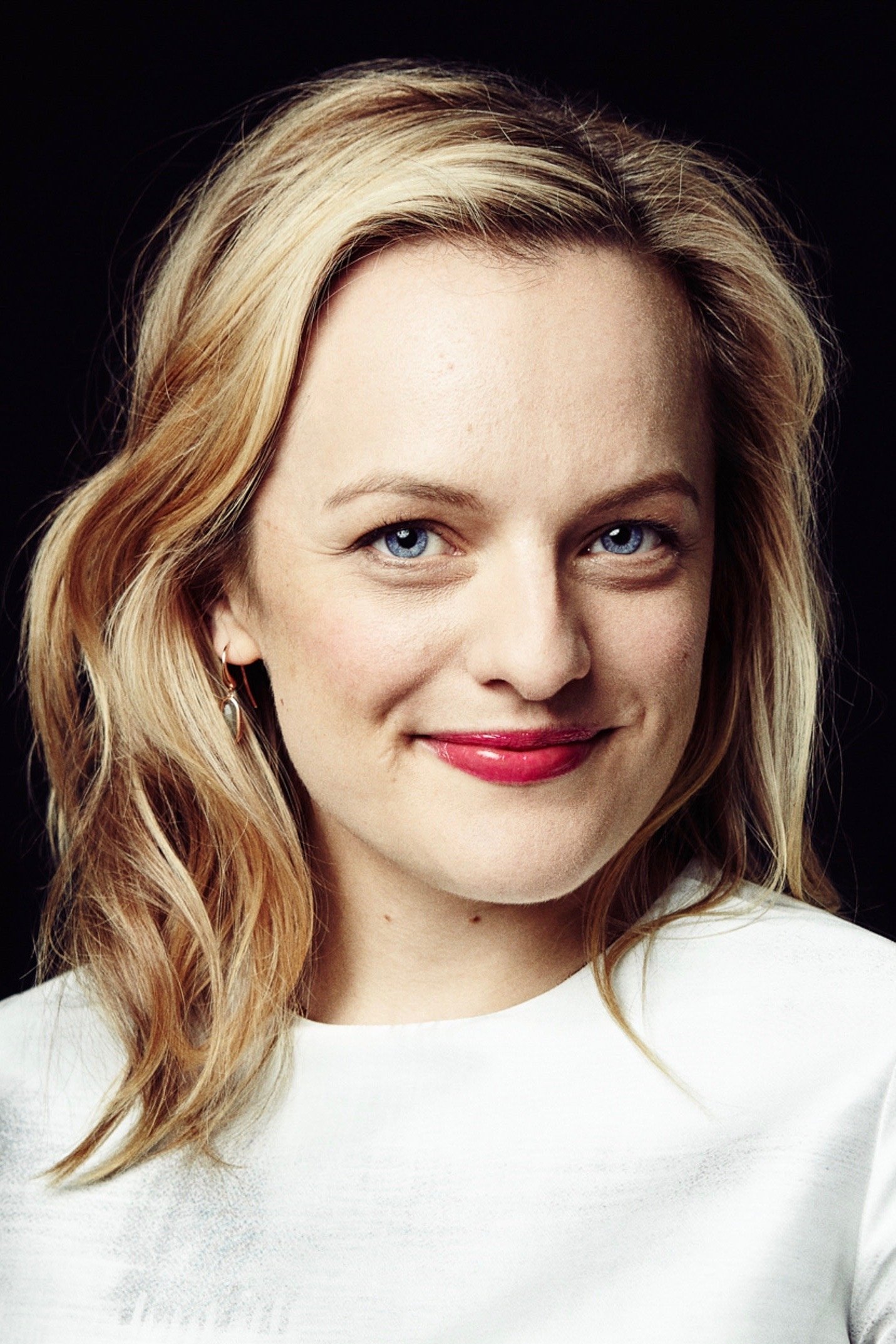
Elisabeth Moss is a high-wire act of volatility and control. In ‘The One I Love’, ‘Her Smell’, and ‘Shirley’, she navigates fractured psyches with explosive precision.
Her television landmarks—‘Mad Men’ and ‘The Handmaid’s Tale’—mirror the same indie courage: characters whose transformations feel perilously, thrillingly alive.
Rachel Weisz
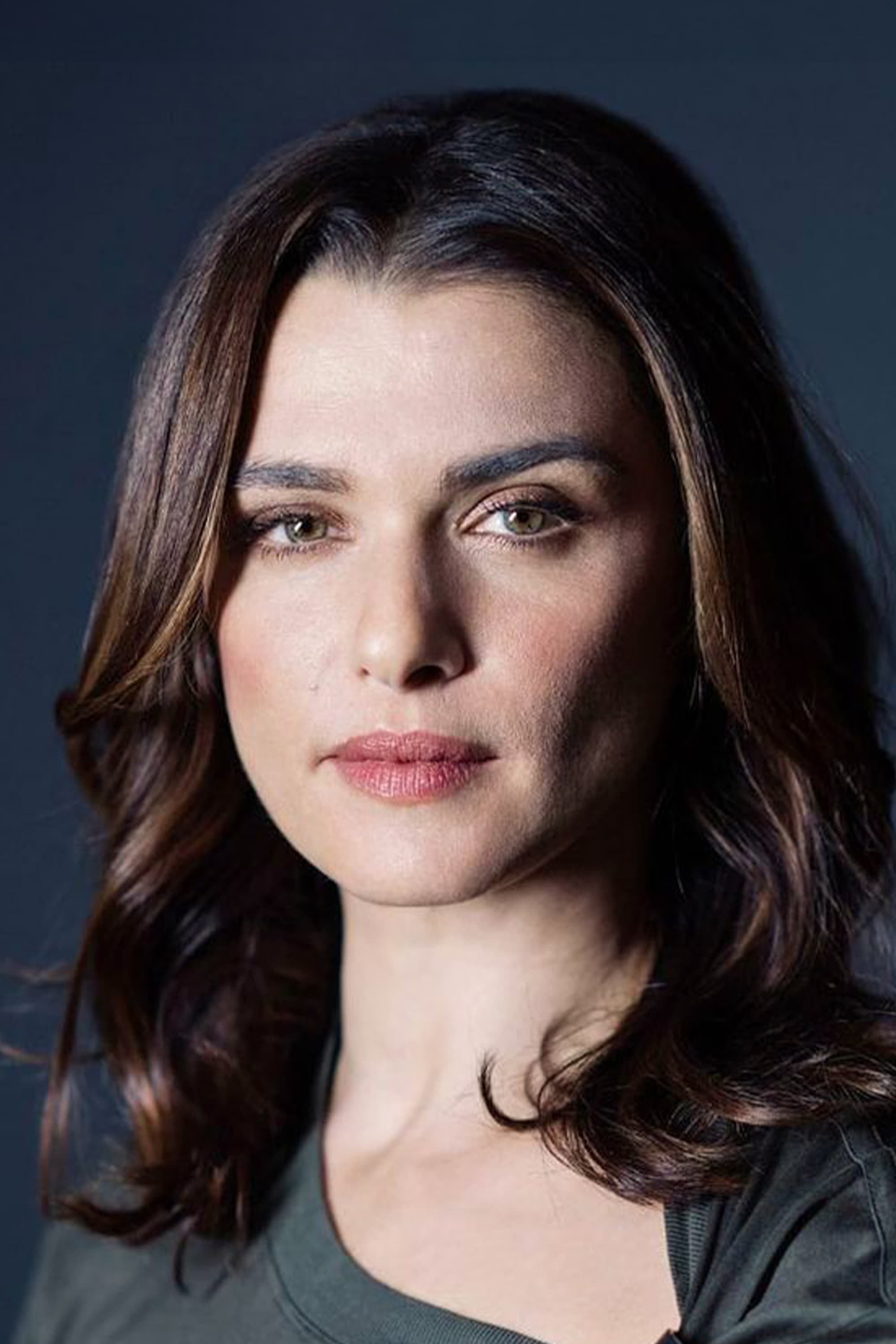
Rachel Weisz brings cerebral elegance to morally thorny terrain. ‘The Lobster’ and ‘The Favourite’ showcase her appetite for tonal tightropes, while ‘Disobedience’ distills longing into delicate tremors.
She’s a master of the unsaid—letting subtext bloom until the air practically hums.
Lily Gladstone
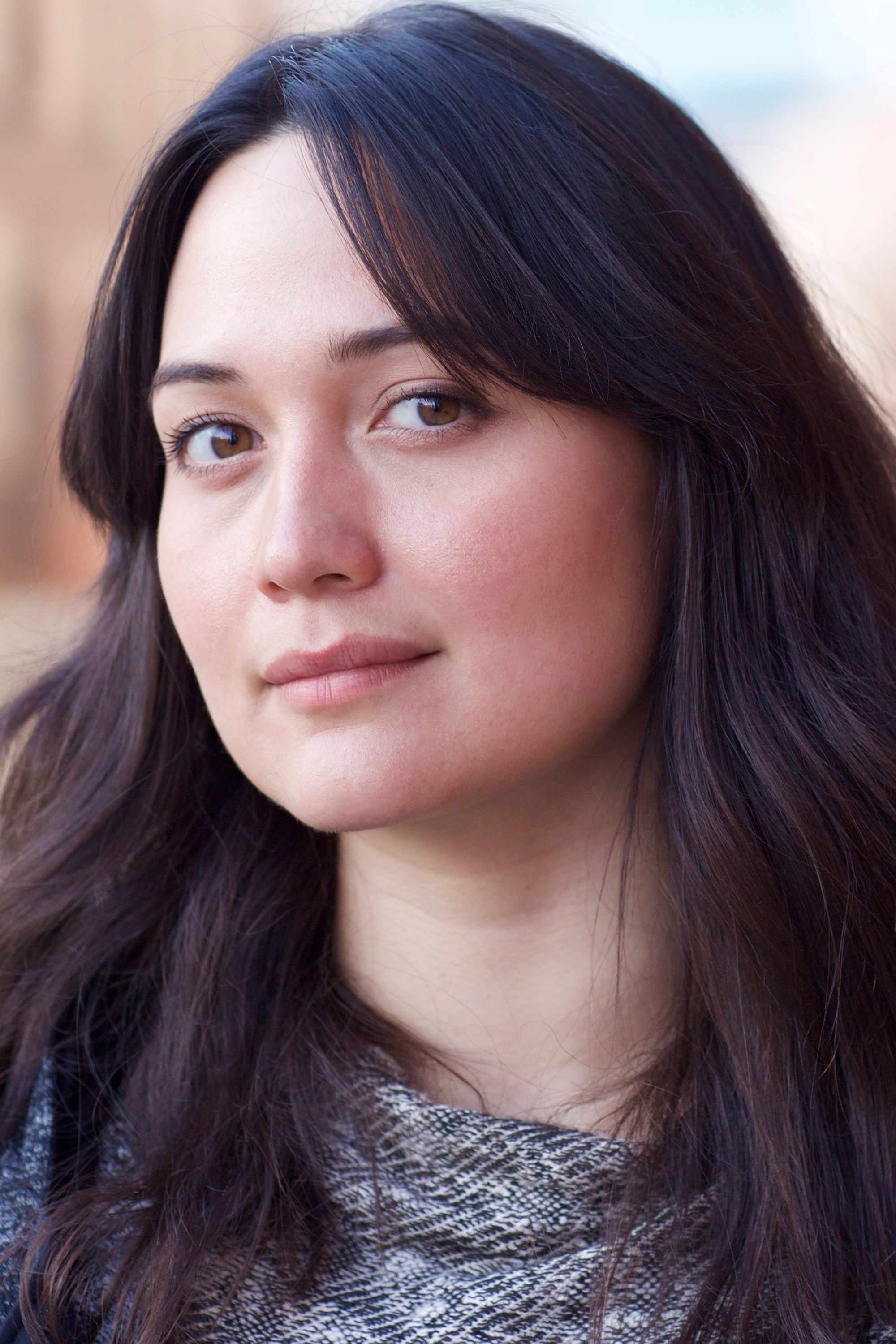
Lily Gladstone’s presence is quiet lightning. In ‘Certain Women’ and ‘The Unknown Country’, she renders empathy and solitude with devastating economy.
While larger canvases have found her, her indie work remains a touchstone for the power of stillness and listening.
Marion Cotillard
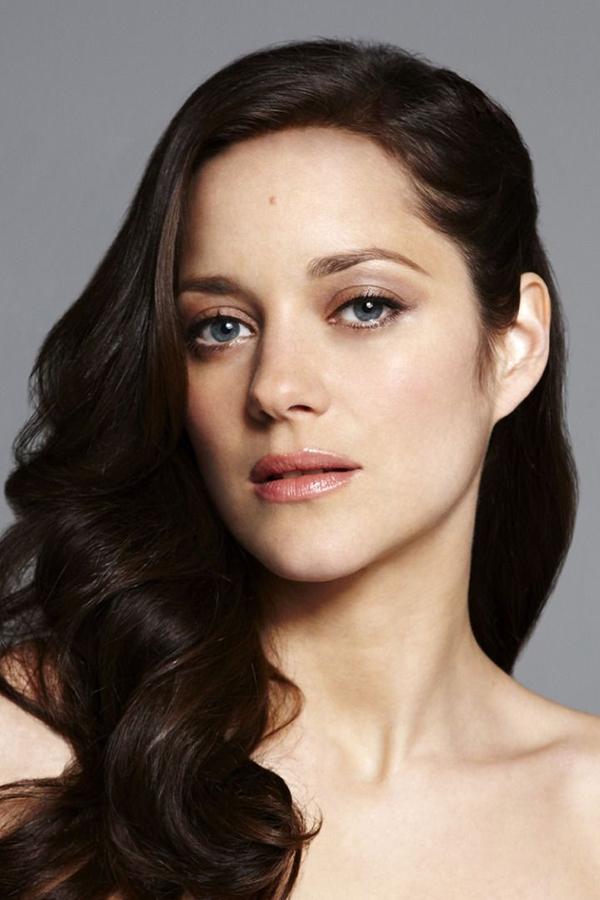
Marion Cotillard’s art-house turns reveal an actor fearless about vulnerability. ‘Two Days, One Night’ is a triumph of everyday heroism, while ‘Rust and Bone’ and ‘The Immigrant’ test the limits of body and spirit.
She has a gift for making hardship luminous, never ornamental—always human.
Jessie Buckley
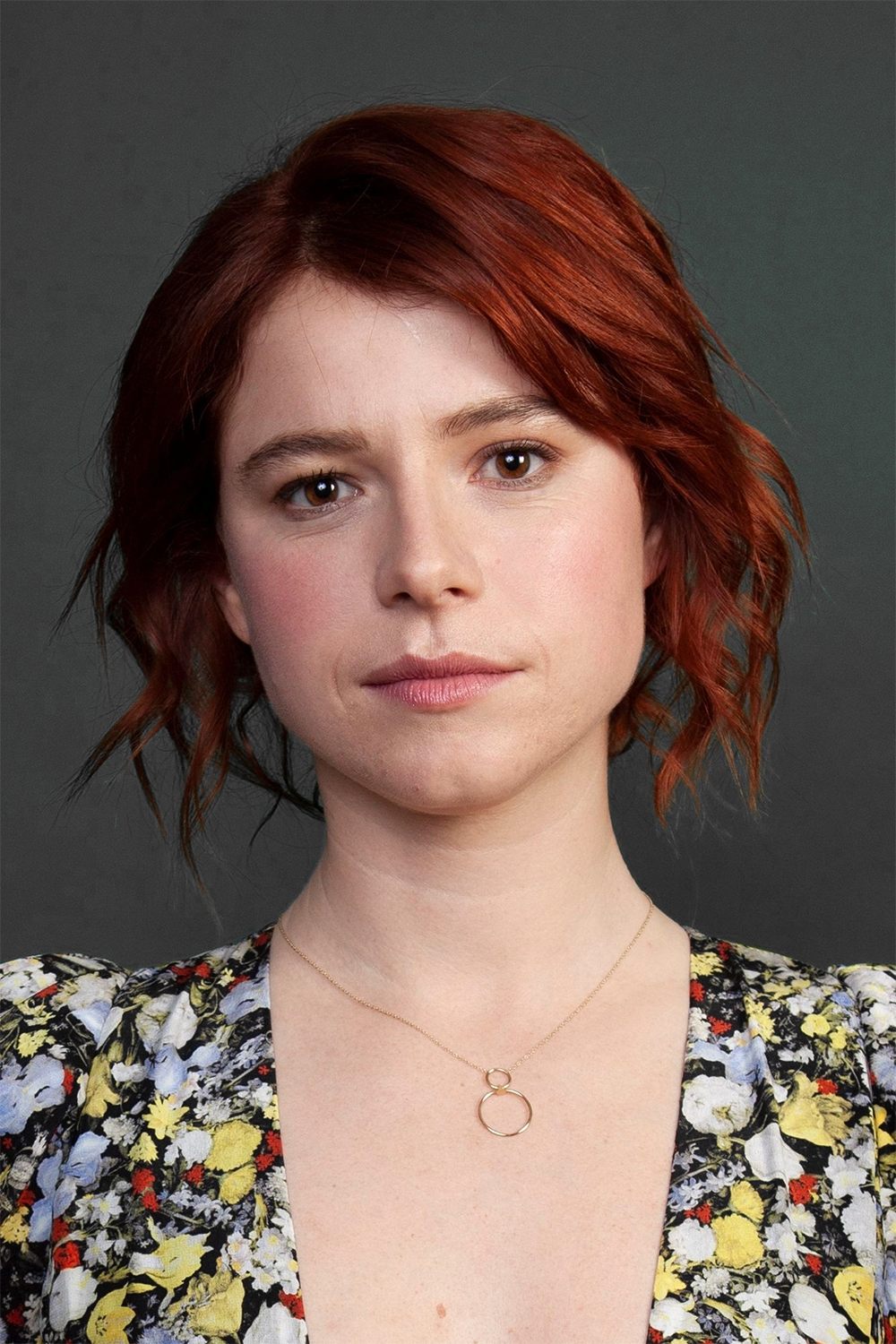
Jessie Buckley’s voice—literal and metaphorical—rings through ‘Wild Rose’, while ‘Men’ spotlights her nerve in surreal horror. She brings a raspy immediacy to characters who are messy, funny, and fighting to breathe.
Across indies and ensembles, Buckley’s spontaneity feels like jazz: alive to the moment, impossible to pin down.
Olivia Colman

Olivia Colman’s range is a marvel, grounded by inexhaustible empathy. ‘Tyrannosaur’ remains a shattering portrait of survival, and her work in ‘The Favourite’ is wickedly agile.
On television, ‘Broadchurch’ and ‘The Crown’ broadened her reach, but she never lost the indie actor’s commitment to truth over polish.
Brit Marling
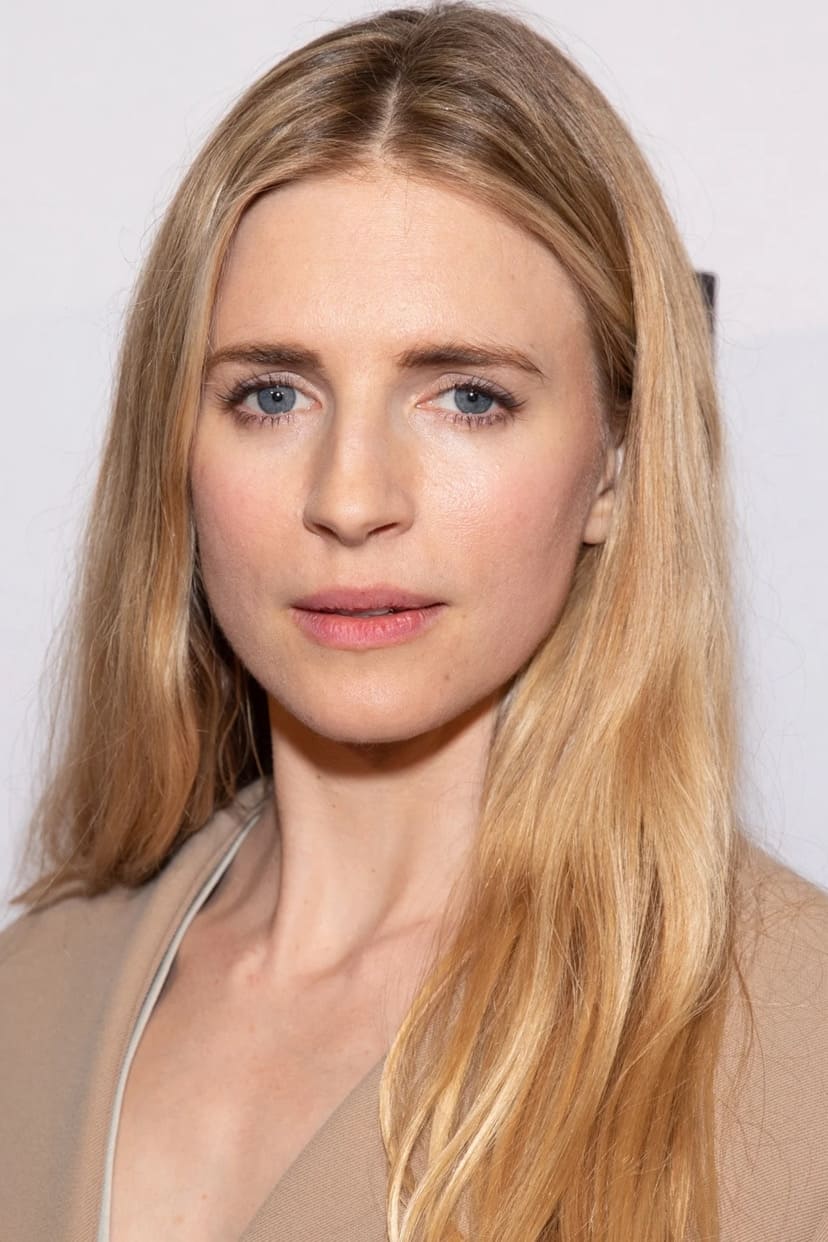
As an actor-writer-producer, Brit Marling helped map a new indie sci-fi terrain. ‘Another Earth’ and ‘Sound of My Voice’ fuse intimate emotion with cosmic ideas, while ‘The East’ explores ethics with thriller propulsion.
Her series ‘The OA’ extended that curiosity, proving that independent spirit is a mode of storytelling, not a market category.
Riley Keough
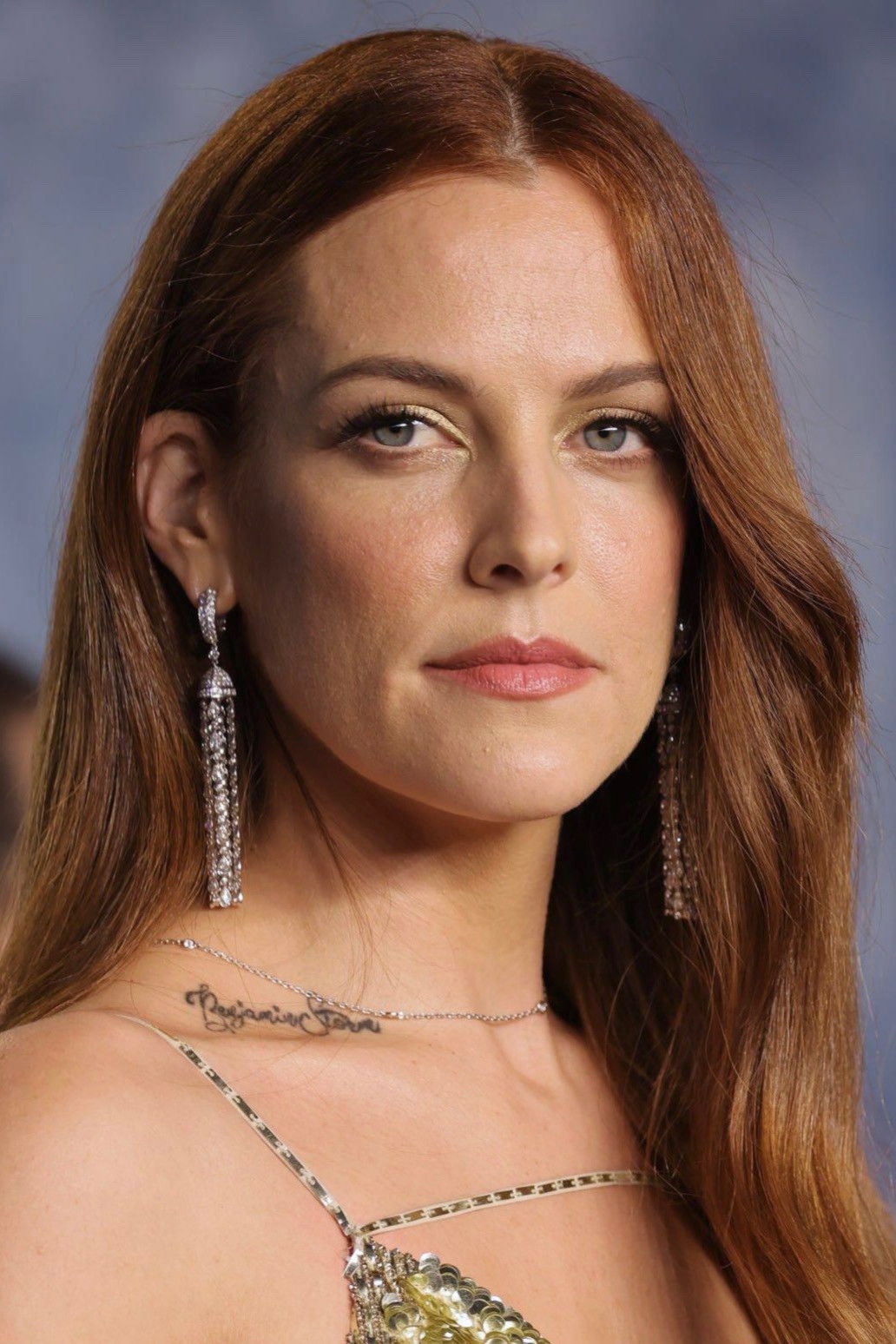
Riley Keough gravitates toward bold, off-center visions. ‘American Honey’ is a sunburnt odyssey anchored by her flinty charisma; ‘Zola’ and ‘The Lodge’ underline her taste for tonal risk.
On television, ‘Daisy Jones & The Six’ showcased star wattage, but her indie choices keep her orbit thrillingly unpredictable.
Independent cinema owes much of its magic to performers like these—artists who jump first and build the parachute on the way down. Who did we miss, and which performances moved you most? Share your favorites in the comments and keep the conversation—and the spirit of indie film—alive.