
Every David Lynch Movie Ranked by IMDb Score

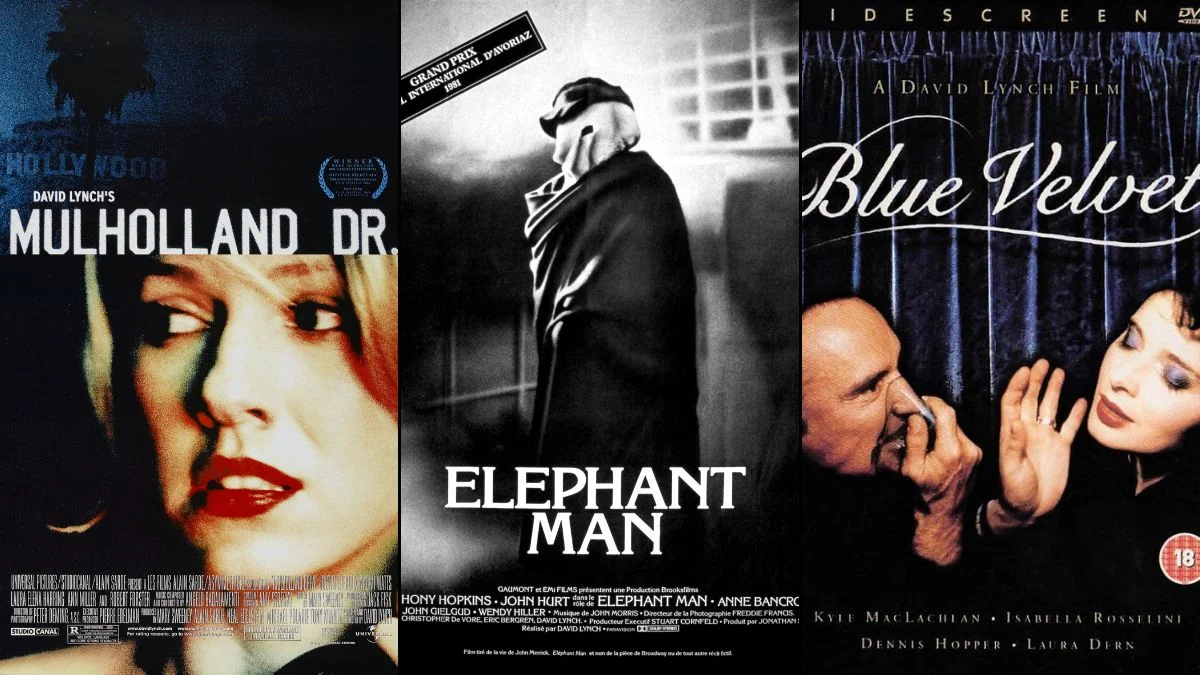

David Lynch is a filmmaker known for his unique style. His movies often explore the darker side of American life, hidden beneath a normal-looking surface. Lynch’s films are famous for their dream-like and sometimes disturbing images, unusual characters, and sound design that adds to the mysterious atmosphere. He has directed a range of films, from biographical dramas to complex psychological thrillers, and has gained a dedicated following for his unconventional approach to storytelling.
Over his career, Lynch has created a body of work that challenges viewers to look beyond the obvious. His films often blend genres like noir and horror with surrealism, creating a style that is distinctly his own. While some of his movies are straightforward narratives, others have complex plots that can be interpreted in many ways. This has led to his work being called “Lynchian,” a term used to describe films that share this surreal and unsettling quality.
Dune (1984)

Holding an IMDb score of 6.4, “Dune” was David Lynch’s first and only attempt at a big-budget science fiction epic. Based on Frank Herbert’s classic novel, the film tells the story of Paul Atreides, a young nobleman who leads a rebellion on the desert planet of Arrakis. The movie features a large ensemble cast, including Kyle MacLachlan in his first film role.
The production of “Dune” was difficult, and Lynch did not have final cut, leading to a version of the film that he has since disowned. Upon its release, the movie was a critical and commercial failure, with many finding its complex story confusing. However, in recent years, “Dune” has gained a cult following for its ambitious visuals and unique production design.
Inland Empire (2006)

“Inland Empire” is an experimental film with an IMDb score of 6.9, and it stands as Lynch’s most recent feature film to date. The movie tells the story of an actress who begins to lose her grip on reality after taking on a role in a cursed film production. As she embodies her character, her world becomes increasingly surreal and nightmarish.
Shot entirely on standard-definition digital video, the film has a distinctive and unsettling look. “Inland Empire” is one of Lynch’s most challenging films, with a long runtime and a fragmented narrative that is open to many interpretations. It polarized critics upon its release but has been praised by some as a bold and innovative work of cinema.
Wild at Heart (1990)
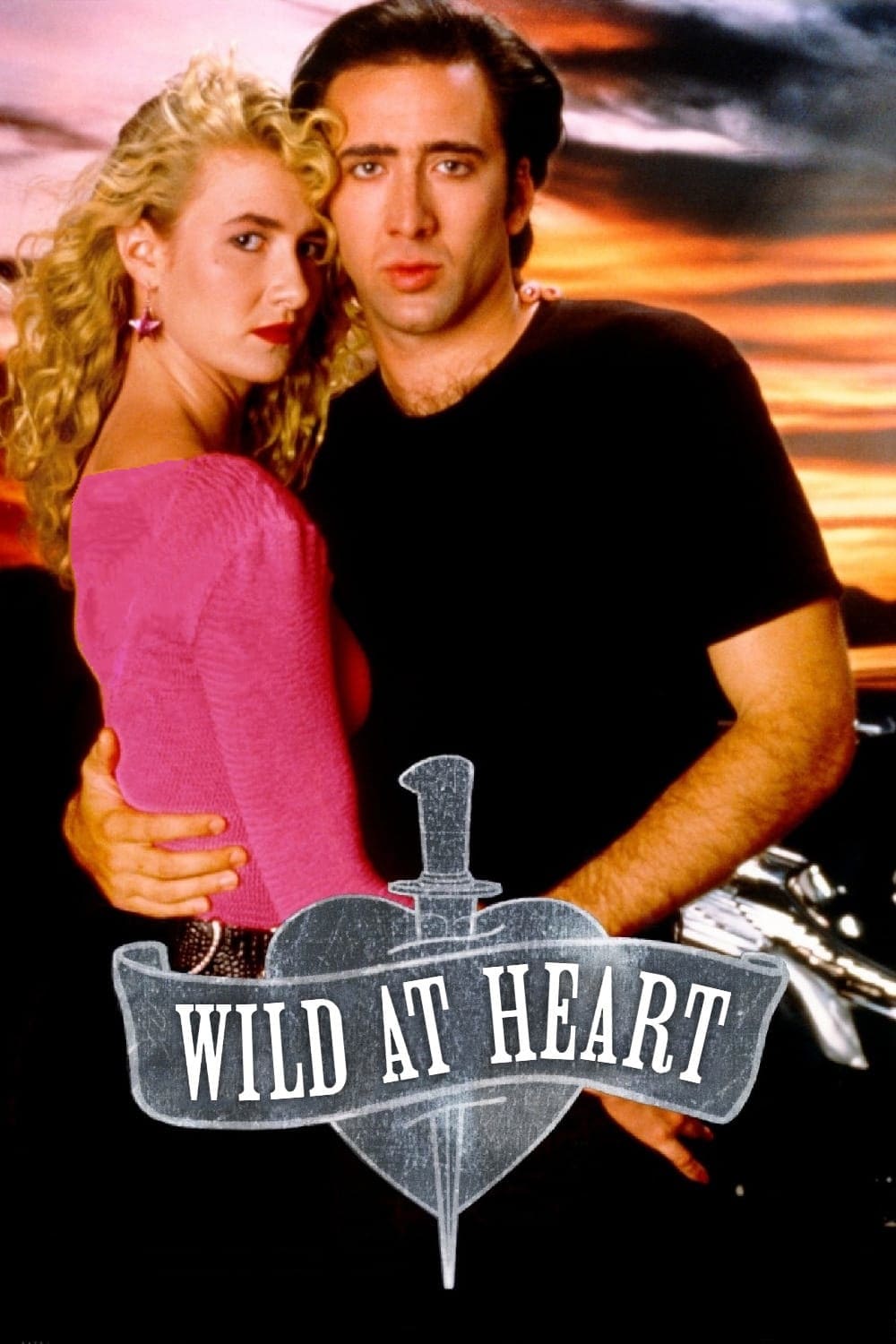
With an IMDb score of 7.2, “Wild at Heart” is a romantic crime film with a dark and violent edge. The story follows two young lovers, Sailor and Lula, who go on the run from Lula’s mother, who hires a series of hitmen to kill Sailor. The film is known for its mix of romance, violence, and bizarre comedy, as well as its many references to “The Wizard of Oz.”
Starring Nicolas Cage and Laura Dern, the movie won the prestigious Palme d’Or at the 1990 Cannes Film Festival. It is a fast-paced road movie that showcases Lynch’s distinctive visual style and his interest in the extremes of human emotion. The film’s blend of genres and surreal moments makes it a memorable and often-discussed part of Lynch’s filmography.
Twin Peaks: Fire Walk with Me (1992)
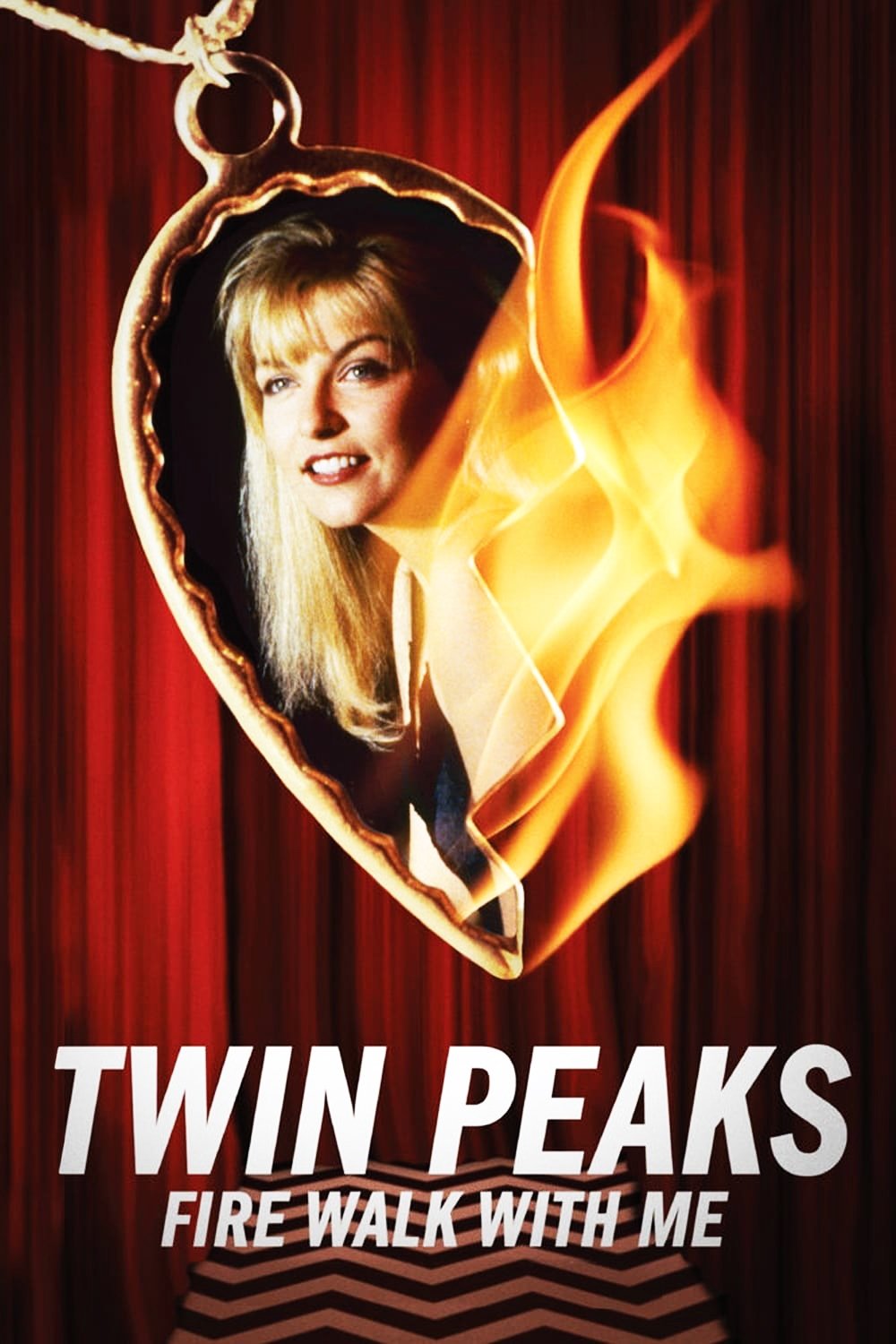
This psychological horror film, with an IMDb score of 7.3, is a prequel to Lynch’s popular television series “Twin Peaks.” The movie focuses on the last seven days in the life of Laura Palmer, the teenage girl whose murder is the central mystery of the TV show. It also investigates the murder of another young woman, Teresa Banks, which occurred a year earlier.
When it was first released, the film received a mixed response from critics and audiences, who were perhaps expecting a resolution to the TV series’ cliffhanger. However, “Twin Peaks: Fire Walk with Me” has been re-evaluated over the years and is now seen by many as a powerful and tragic exploration of trauma and abuse. The film features many cast members from the original series.
Eraserhead (1977)
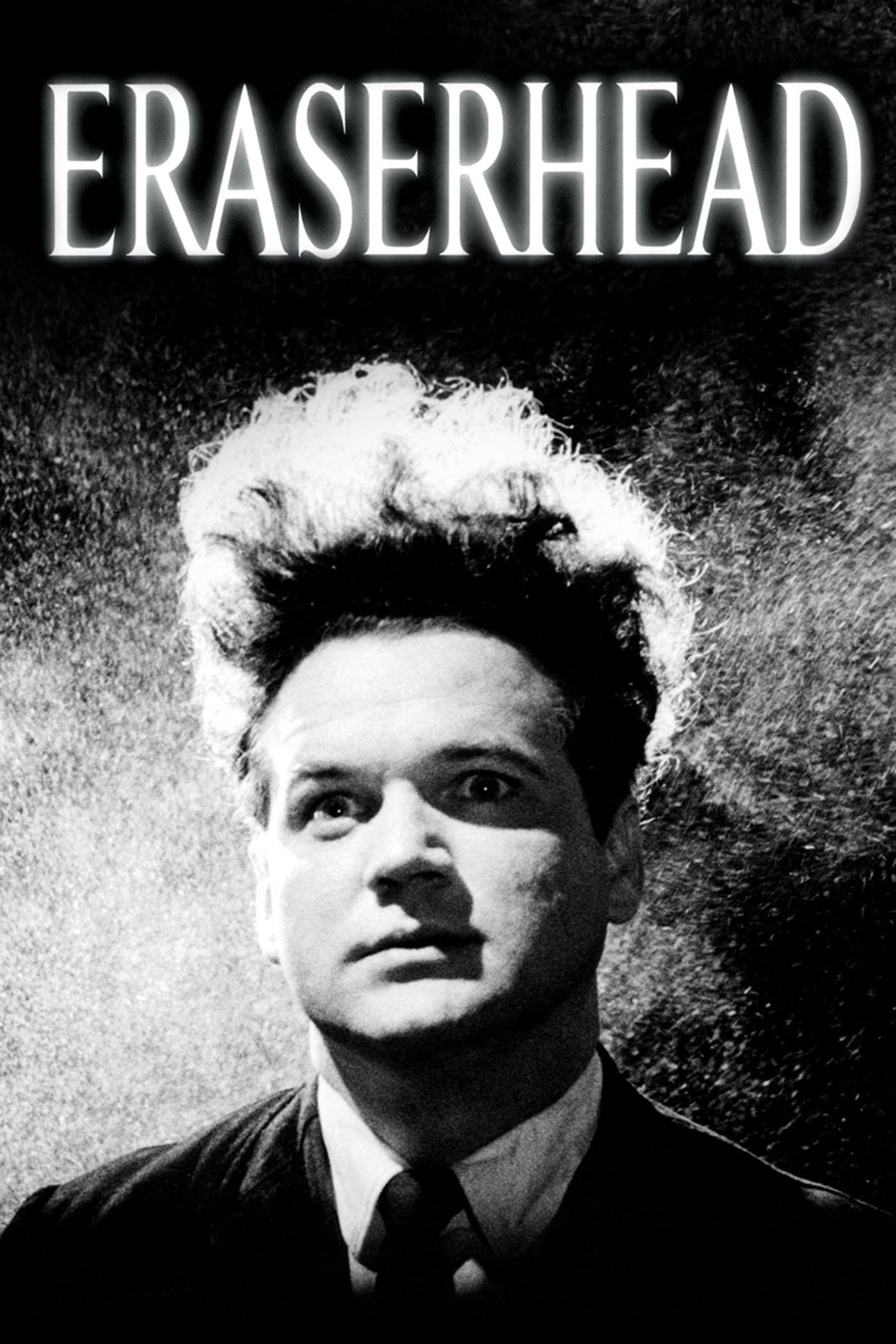
David Lynch’s debut feature film, “Eraserhead,” has an IMDb score of 7.4. Shot in black and white, this experimental body horror film follows a man named Henry Spencer who lives in a bleak industrial landscape. He is left to care for his monstrously deformed child, an experience that leads him through a series of bizarre and nightmarish events.
Made over several years on a small budget while Lynch was a student at the American Film Institute, “Eraserhead” became a popular midnight movie and established him as a unique voice in cinema. The film is known for its disturbing imagery, sound design, and surreal atmosphere. It is considered a landmark of cult cinema and has been influential in the horror and experimental film genres.
Lost Highway (1997)
“Lost Highway” is a neo-noir film with an IMDb score of 7.6. The movie tells a complex, non-linear story about a jazz musician who receives mysterious videotapes of himself and his wife inside their home. After being convicted of a crime he doesn’t remember committing, his identity inexplicably changes, leading to another intertwined story involving a young mechanic and a gangster’s girlfriend.
The film’s challenging narrative, which features two parallel storylines that eventually connect, has made it a subject of much analysis and debate. “Lost Highway” is noted for its distinctive visual style and use of music, creating a haunting and suspenseful atmosphere. Over time, it has gained a cult following and is appreciated for its experimental approach to storytelling.
Blue Velvet (1986)

With an IMDb score of 7.7, “Blue Velvet” is a mystery film that explores the dark side of a seemingly perfect suburban town. A young college student, played by Kyle MacLachlan, discovers a severed human ear in a field. His investigation pulls him into the violent and dangerous world of a lounge singer and a disturbed criminal played by Dennis Hopper.
The film was a significant comeback for Dennis Hopper and earned David Lynch his second Oscar nomination for Best Director. “Blue Velvet” combines elements of film noir and psychological horror and is a key example of Lynch’s unique cinematic style. It became a cult classic and is considered one of his most important and influential works.
Mulholland Drive (2001)
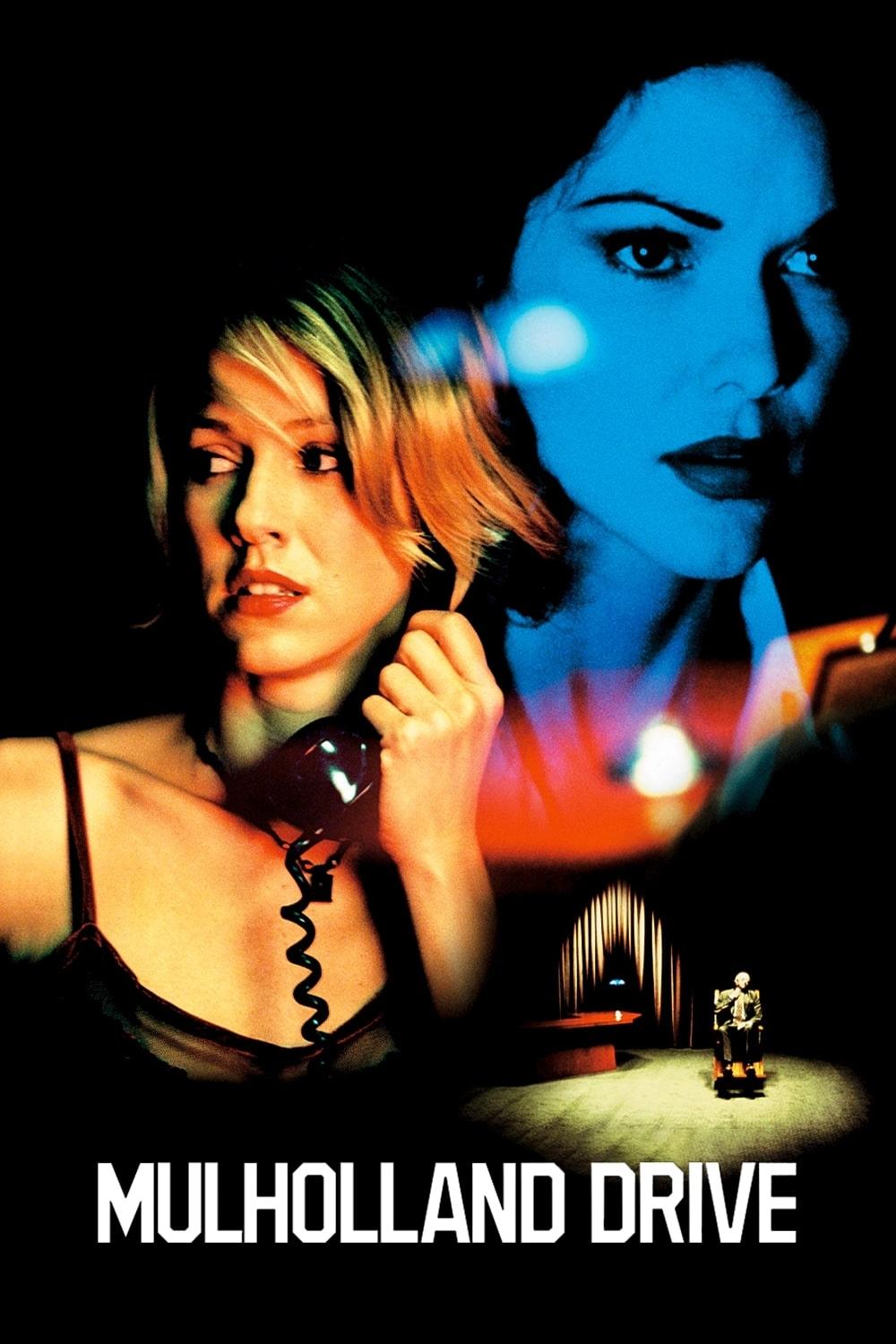
Holding an IMDb score of 7.9, “Mulholland Drive” is a complex neo-noir thriller. The story follows an aspiring actress named Betty who comes to Hollywood and befriends an amnesiac woman who calls herself Rita. Together, they try to uncover Rita’s true identity, a journey that leads them into a dark and mysterious world. The film is known for its dream-like narrative that blurs the line between reality and illusion.
Originally planned as a television series, the project was turned into a feature film after the TV pilot was rejected. “Mulholland Drive” earned Lynch his third Academy Award nomination for Best Director and is widely regarded as one of the best films of the 21st century. Its ambiguous plot and striking imagery have led to many different interpretations and discussions among film fans.
The Straight Story (1999)
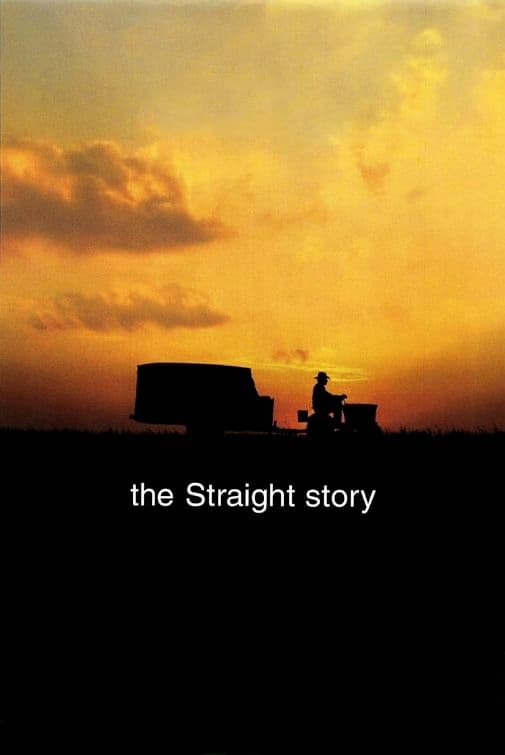
This film, with an IMDb score of 8.0, is considered one of Lynch’s most unusual movies because of its simple, heartwarming story. It is based on the true story of Alvin Straight, an elderly man who travels across Iowa and Wisconsin on a lawnmower. He undertakes this long journey to mend his relationship with his sick, estranged brother. Richard Farnsworth’s performance in the lead role earned him an Academy Award nomination for Best Actor.
Unlike Lynch’s other films, “The Straight Story” is a G-rated family film produced by Disney. It lacks the surreal and dark elements that are trademarks of his style. Instead, it focuses on themes of family, aging, and reconciliation, presented in a straightforward and gentle manner. The film was praised for its sincerity and emotional depth.
The Elephant Man (1980)
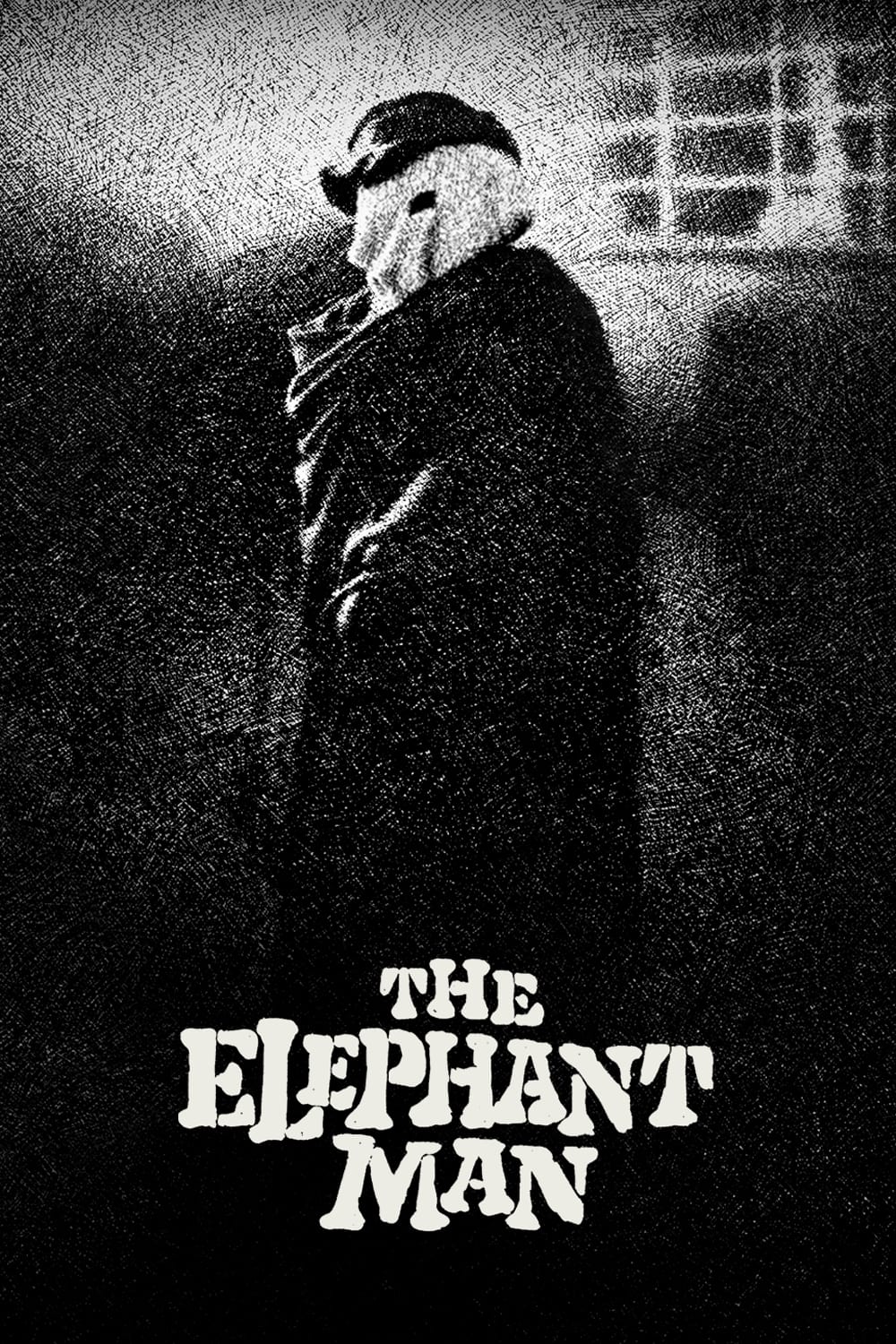
With an IMDb score of 8.1, this biographical drama is one of Lynch’s most acclaimed films. It tells the true story of Joseph Merrick, a severely deformed man in late 19th-century London. A kind surgeon rescues Merrick from a freak show and brings him to a hospital, where he is treated with dignity for the first time. The film stars John Hurt as Merrick and Anthony Hopkins as the surgeon.
The movie was a critical and commercial success, earning eight Academy Award nominations, including Best Picture and Best Director for Lynch. It showed that Lynch could direct a more traditional and emotional story, different from the surrealism of his first feature film. “The Elephant Man” is shot in black and white, which adds to its historical feel and emotional impact.