30 Must-Watch Movies from the 1970s

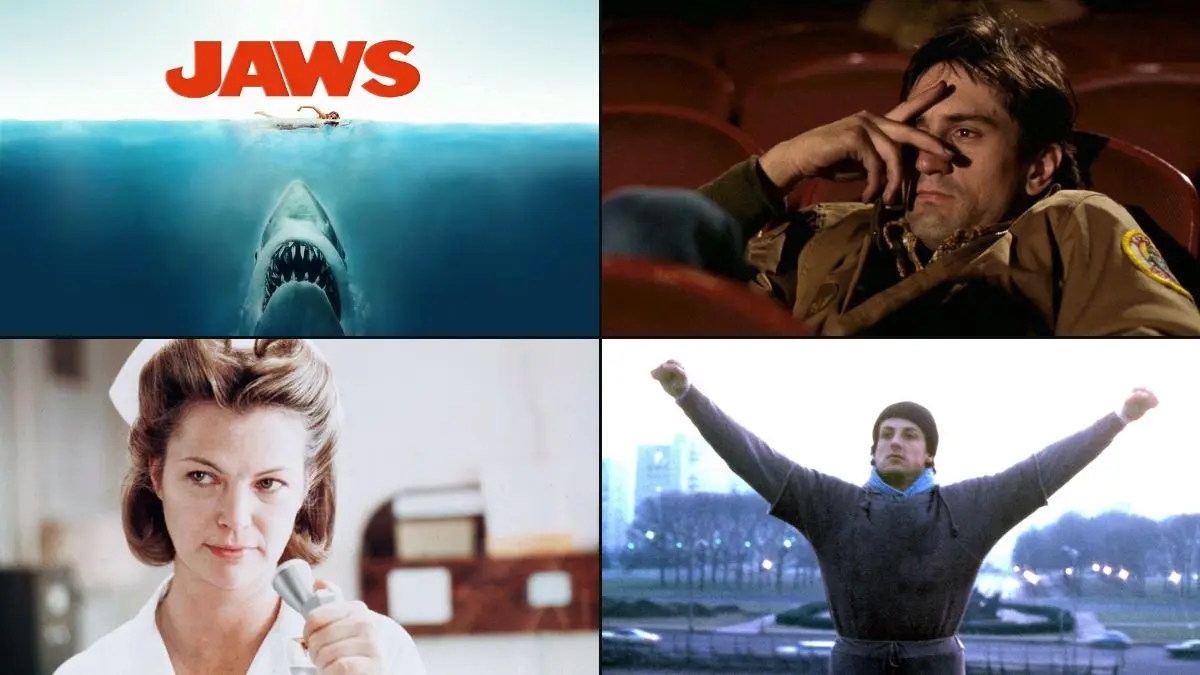

The 1970s was a pivotal time for movies. This decade saw the rise of a new generation of filmmakers who challenged old ways of storytelling. They brought fresh ideas and a more personal style to their work. This era, often called “New Hollywood,” produced films that were gritty, realistic, and complex. Directors had more creative control, leading to some of the most iconic and influential movies ever made.
This list explores 30 must-watch films from that transformative decade. It covers a wide range of genres, from groundbreaking science fiction to intense crime dramas. These movies not only entertained audiences but also reflected the social and cultural changes of the time. They continue to be celebrated for their powerful stories, memorable characters, and lasting impact on cinema.
The Godfather (1972)
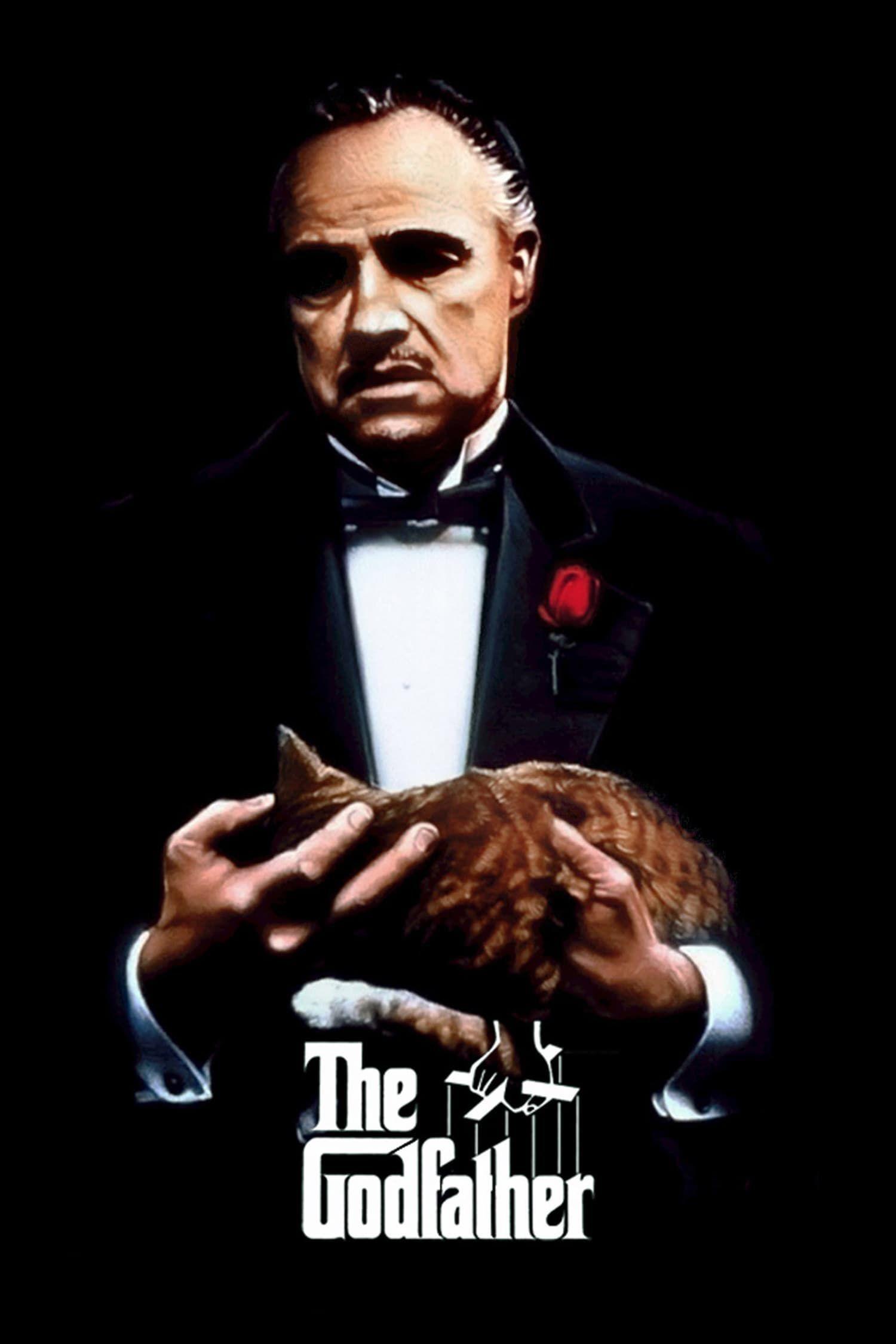
Francis Ford Coppola’s epic crime film tells the story of the Corleone family, a powerful Mafia dynasty in New York. The film focuses on the transformation of Michael Corleone, the youngest son, from a reluctant family outsider into a ruthless mob boss. It is a powerful and complex look at family, power, and the dark side of the American dream.
“The Godfather” was a massive critical and commercial success. It won the Academy Award for Best Picture and is widely regarded as one of the greatest films of all time. Its influence on the gangster genre and on cinema in general is immeasurable, with its iconic performances and masterful storytelling.
A Clockwork Orange (1971)
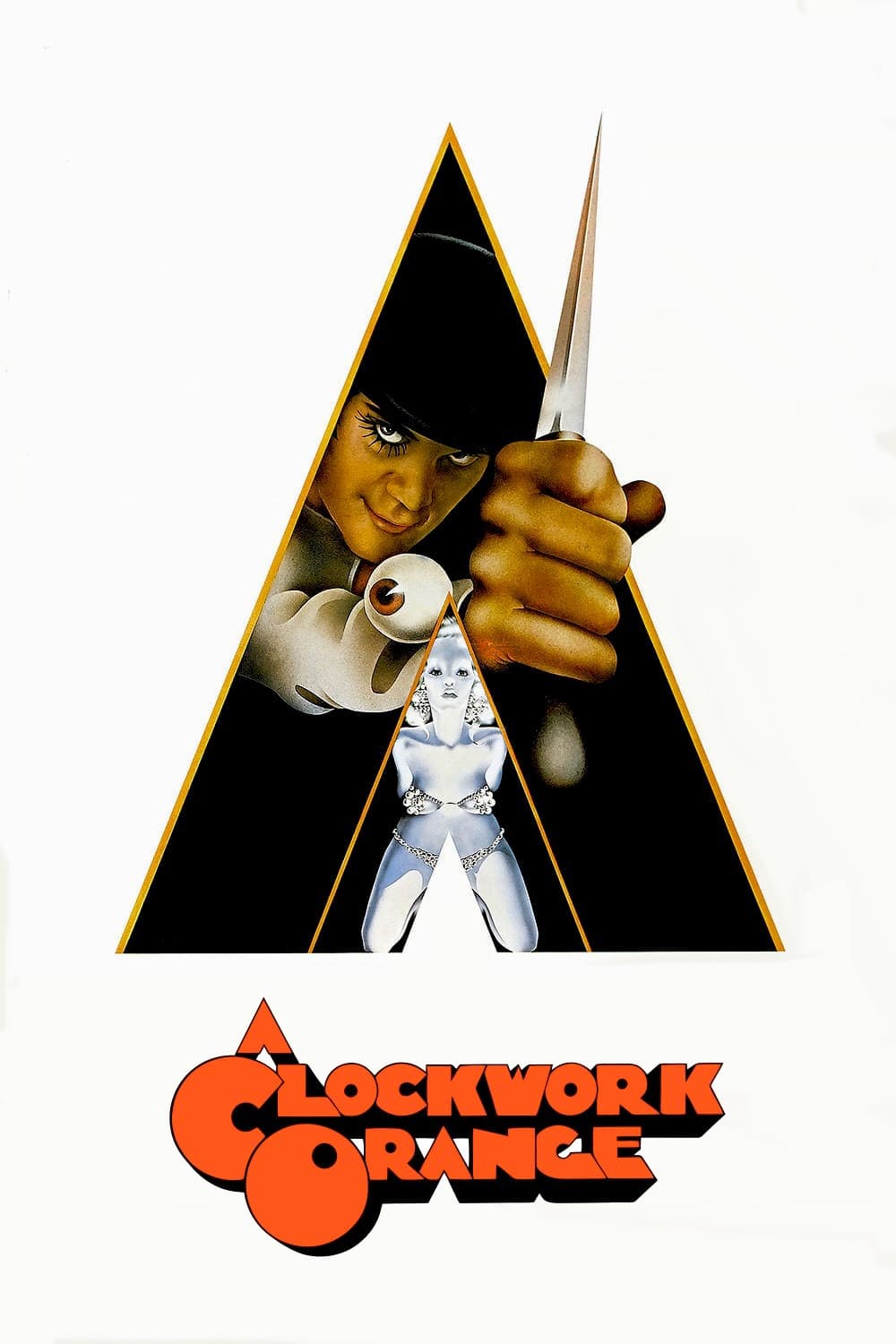
Stanley Kubrick’s controversial and thought-provoking film is set in a futuristic Britain. It follows Alex DeLarge, a charismatic and violent youth who leads his gang on a spree of “ultra-violence.” After being arrested, he undergoes an experimental aversion therapy to “cure” him of his violent tendencies, raising questions about free will and morality.
The film’s striking visuals, use of classical music, and disturbing subject matter made it a subject of intense debate. Despite being withdrawn from circulation in the UK for many years, its impact on popular culture and filmmaking has been profound. It remains a powerful and unsettling examination of society’s response to crime.
Taxi Driver (1976)
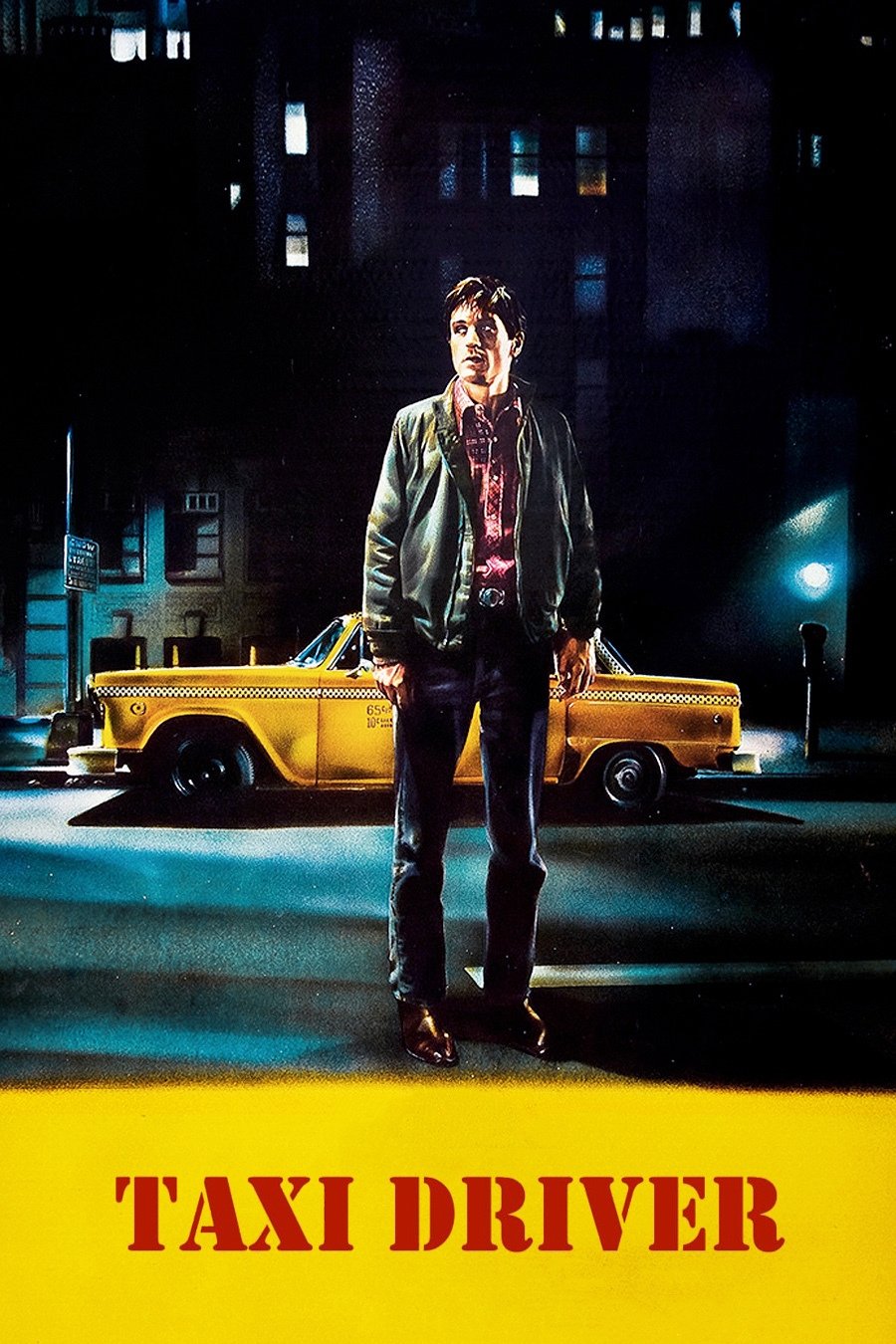
This dark and gritty film directed by Martin Scorsese stars Robert De Niro as Travis Bickle, a lonely and disturbed Vietnam veteran working as a taxi driver in New York City. The film follows his descent into madness as he becomes increasingly disgusted by the crime and decay he witnesses on the city’s streets. His growing obsession with a presidential candidate’s campaign worker and a child prostitute leads to a violent and explosive climax.
“Taxi Driver” is a powerful character study and a haunting portrait of urban alienation. De Niro’s performance is iconic, and the film’s raw and unflinching style was groundbreaking for its time. It captured the sense of unease and disillusionment of the post-Vietnam era and remains a landmark of American cinema.
Apocalypse Now (1979)
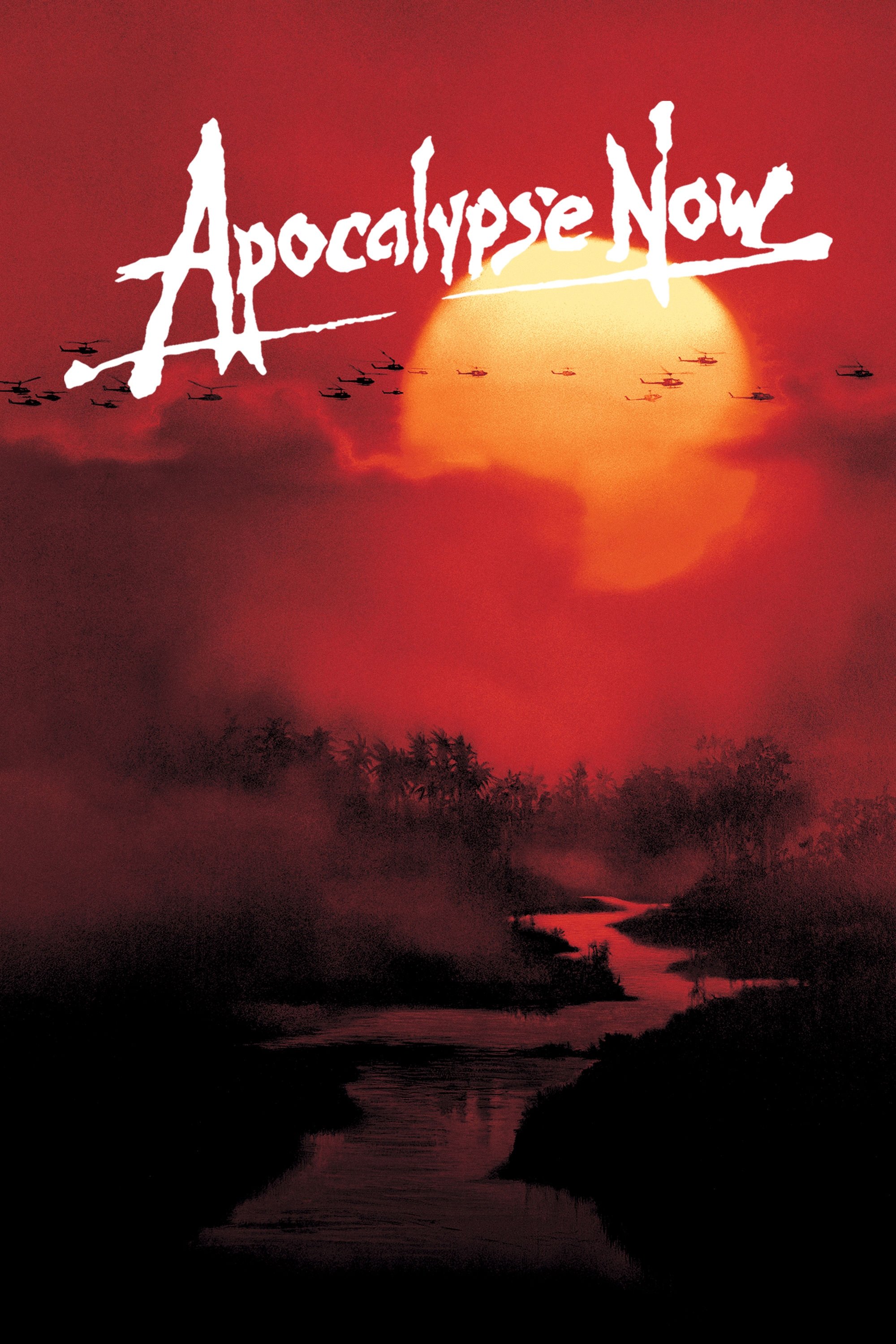
Francis Ford Coppola’s ambitious and epic war film transports the viewer to the heart of the Vietnam War. The story follows Captain Benjamin Willard on a secret mission to assassinate Colonel Walter E. Kurtz, a renegade Special Forces officer who has gone insane. Willard’s journey upriver into Cambodia becomes a descent into madness and a surreal exploration of the horrors of war.
The production of “Apocalypse Now” was famously troubled, but the resulting film is a cinematic masterpiece. Its stunning visuals, haunting sound design, and powerful performances create an unforgettable and immersive experience. It is a profound and philosophical look at the nature of war and the darkness of the human soul.
Star Wars (1977)
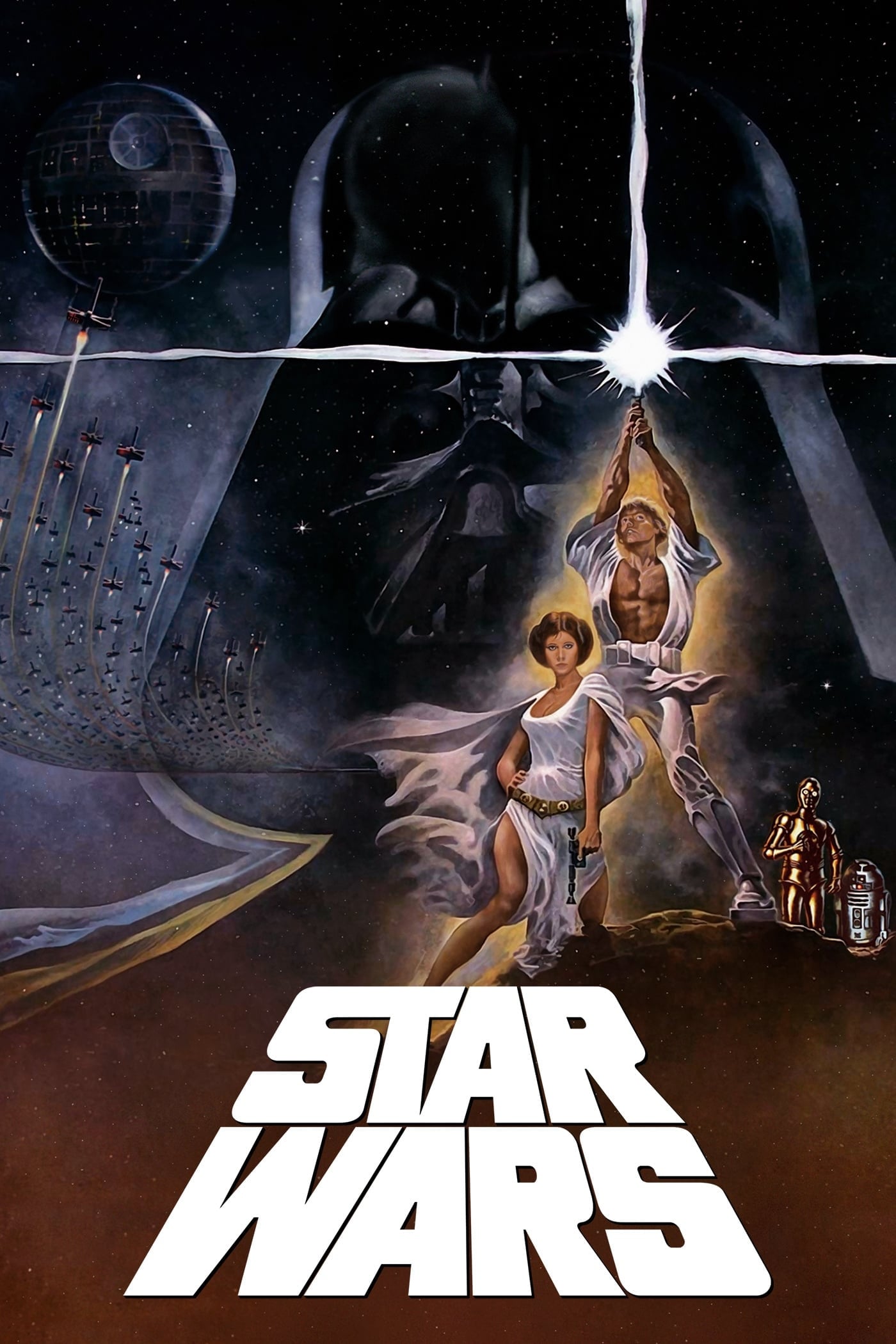
George Lucas’s space opera revolutionized the film industry and became a worldwide cultural phenomenon. The story follows young farm boy Luke Skywalker as he joins the Rebel Alliance to fight against the evil Galactic Empire. Along with a charming smuggler, a princess, and two droids, he embarks on a quest to destroy the Empire’s ultimate weapon, the Death Star.
“Star Wars” was a groundbreaking film for its special effects, sound design, and imaginative world-building. It captured the imaginations of audiences of all ages and introduced a new era of blockbuster filmmaking. Its classic story of good versus evil and its iconic characters have made it one of the most beloved and enduring films of all time.
Alien (1979)
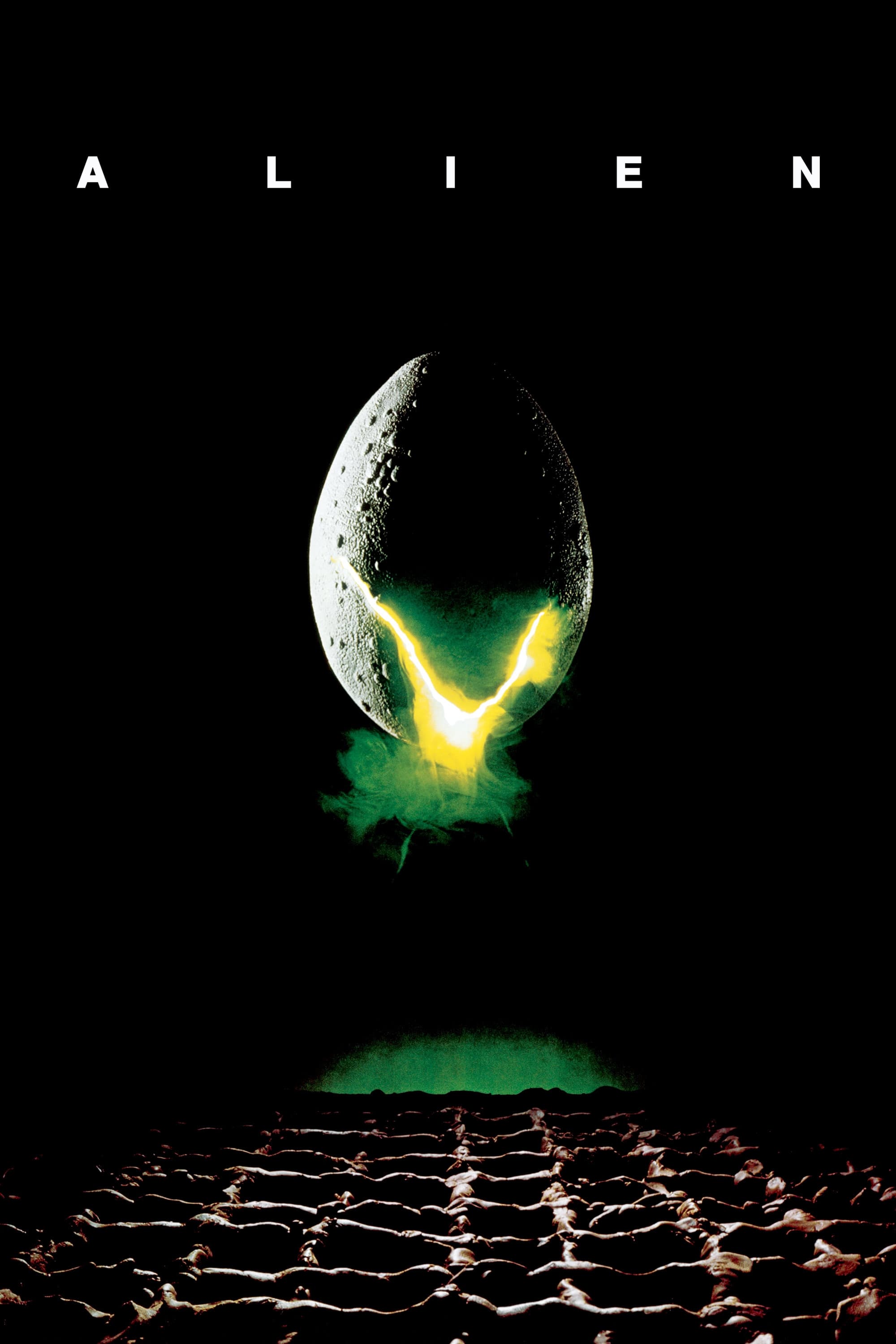
Ridley Scott’s science fiction horror film follows the crew of the commercial spaceship Nostromo. After responding to a distress signal from a desolate moon, they unwittingly bring a deadly alien creature on board. The crew must then fight for their lives as the alien stalks them through the claustrophobic corridors of their ship.
“Alien” is a masterclass in suspense and atmospheric horror. Its innovative visual design, including the iconic creature created by H.R. Giger, set a new standard for science fiction films. The film also introduced audiences to Sigourney Weaver’s tough and resourceful heroine, Ellen Ripley, a groundbreaking character in the genre.
Jaws (1975)
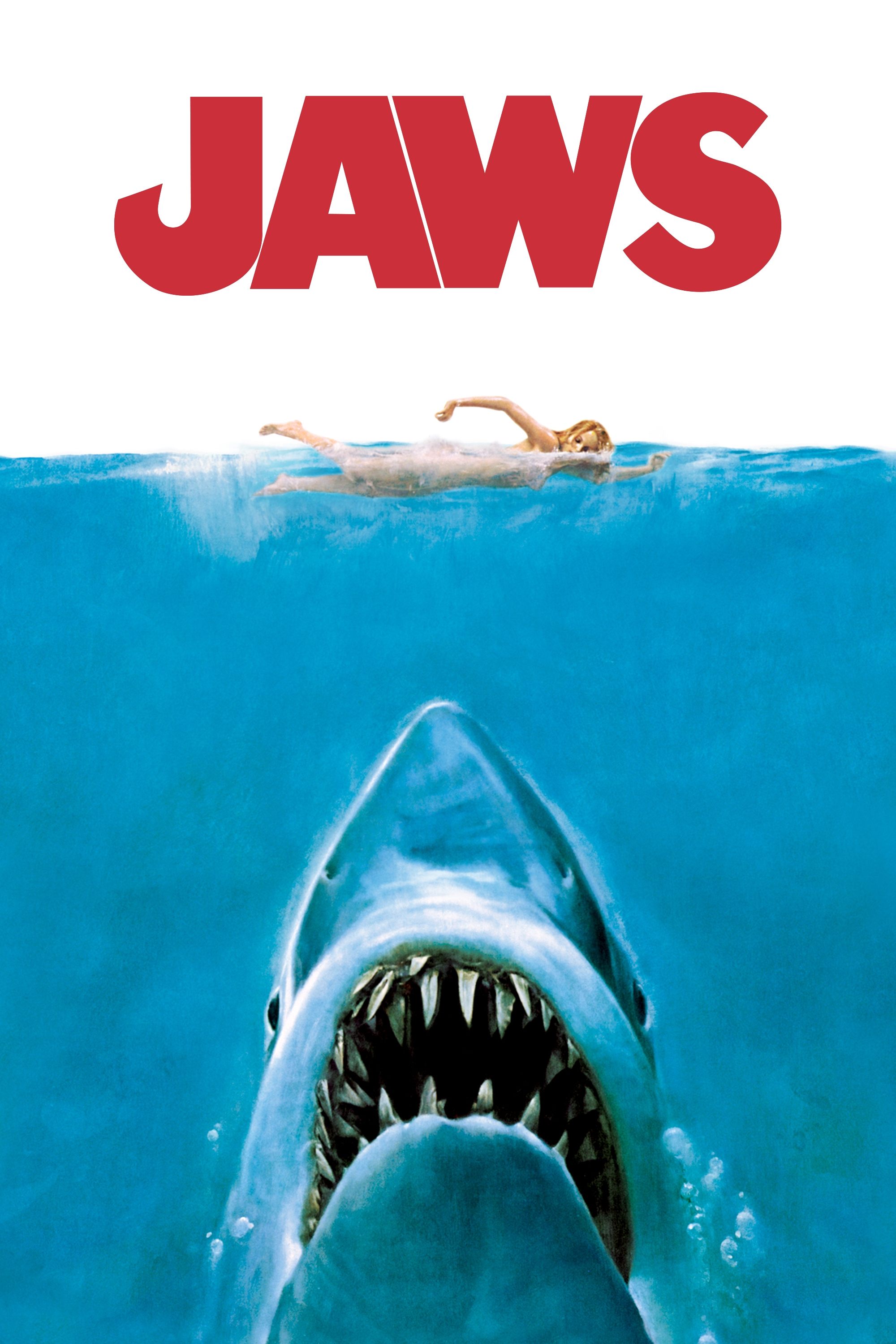
Steven Spielberg’s thrilling blockbuster tells the story of a New England beach town terrorized by a giant man-eating shark. The local police chief, a marine biologist, and a grizzled shark hunter team up to hunt the creature down. The film is a masterclass in suspense, building tension through its iconic musical score and a less-is-more approach to showing the shark.
“Jaws” is widely considered the first summer blockbuster, and it changed the way Hollywood markets and releases films. Its success proved that high-concept, high-stakes thrillers could be massive box office hits. The film remains a terrifying and expertly crafted adventure that continues to thrill audiences today.
One Flew Over the Cuckoo’s Nest (1975)

This powerful drama stars Jack Nicholson as Randle McMurphy, a rebellious criminal who fakes insanity to avoid a prison sentence and is sent to a mental institution. There, he clashes with the strict and oppressive Nurse Ratched, inspiring the other patients to stand up against her authority. The film is a moving and often humorous story about conformity, rebellion, and the human spirit.
“One Flew Over the Cuckoo’s Nest” was a critical and commercial success, becoming only the second film in history to win all five major Academy Awards: Best Picture, Best Director, Best Actor, Best Actress, and Best Adapted Screenplay. Its powerful performances and an unforgettable story have made it a timeless classic.
Chinatown (1974)
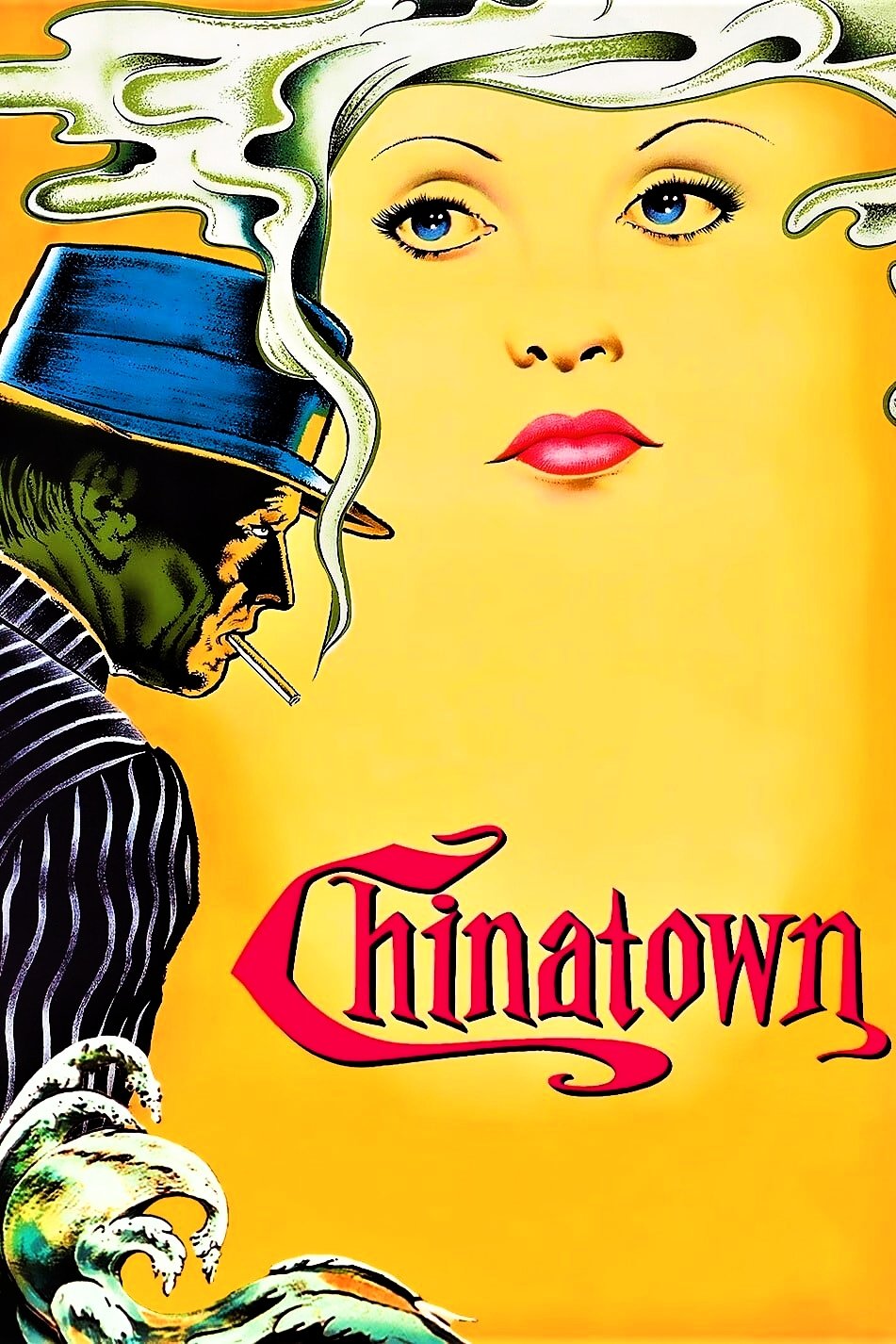
This neo-noir mystery film directed by Roman Polanski stars Jack Nicholson as J.J. Gittes, a private detective in 1930s Los Angeles. What begins as a routine infidelity case soon spirals into a complex web of corruption, deceit, and murder involving the city’s water supply. The film is a dark and cynical look at the hidden corruption beneath the surface of a seemingly glamorous city.
“Chinatown” is widely regarded as one of the greatest screenplays ever written, winning the Academy Award for Best Original Screenplay. Its intricate plot, stylish direction, and powerful performances have made it a landmark of the neo-noir genre. The film’s bleak and unforgettable ending is one of the most famous in cinema history.
The French Connection (1971)
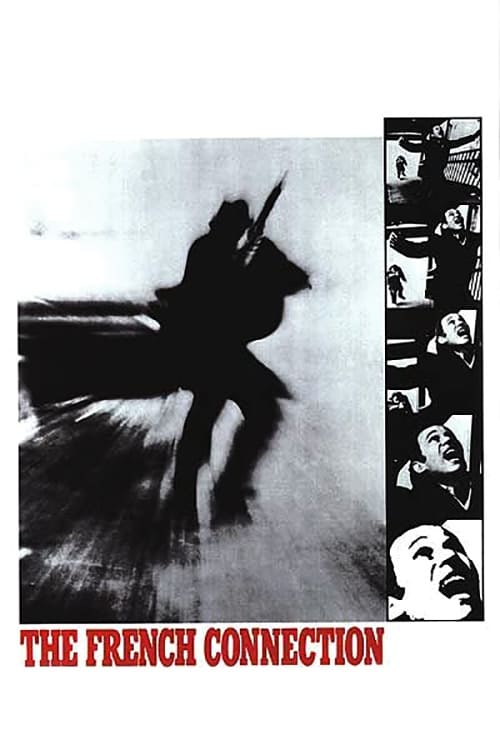
This gritty and realistic crime thriller stars Gene Hackman as “Popeye” Doyle, a tough and unorthodox New York City police detective. Doyle and his partner, “Cloudy” Russo, stumble upon a massive heroin-smuggling operation with a French connection. The film is a tense and fast-paced procedural that follows their relentless pursuit of the criminals.
“The French Connection” is famous for its groundbreaking car chase sequence, which is still considered one of the best ever filmed. The film’s documentary-style cinematography and its morally ambiguous hero were revolutionary for the crime genre. It won five Academy Awards, including Best Picture, Best Director, and Best Actor for Hackman.
The Exorcist (1973)

This supernatural horror film directed by William Friedkin tells the terrifying story of a 12-year-old girl who becomes possessed by a mysterious demonic entity. When modern medicine fails to help her, her desperate mother turns to two priests to perform an exorcism. The film is a shocking and intense exploration of faith, doubt, and the nature of evil.
“The Exorcist” was a cultural phenomenon, terrifying audiences and becoming one of the highest-grossing films of all time. Its graphic and disturbing content was highly controversial, but its masterful direction and powerful performances made it a critical success. It was the first horror film to be nominated for the Academy Award for Best Picture and remains a landmark of the genre.
Network (1976)
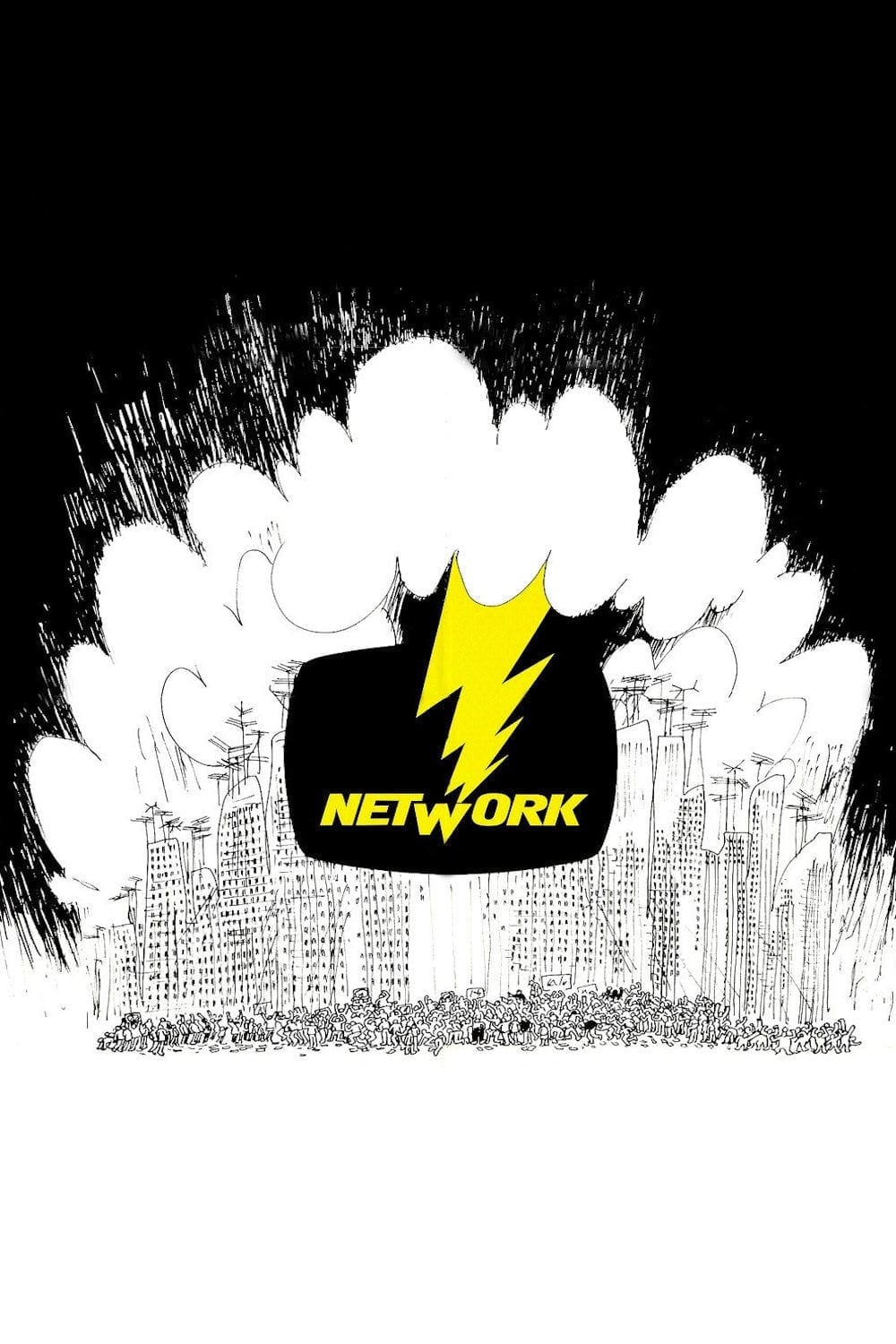
This satirical black comedy takes a sharp and cynical look at the world of television news. The film follows a fictional television network that will do anything for high ratings, including exploiting a news anchor’s on-air mental breakdown. The film’s famous line, “I’m as mad as hell, and I’m not going to take this anymore!,” became a cultural catchphrase.
“Network” was praised for its sharp writing and its prophetic commentary on the sensationalism of broadcast news. It won four Academy Awards for acting, including a posthumous Best Actor award for Peter Finch. The film’s themes are even more relevant today in the age of 24-hour news cycles and reality television.
Annie Hall (1977)
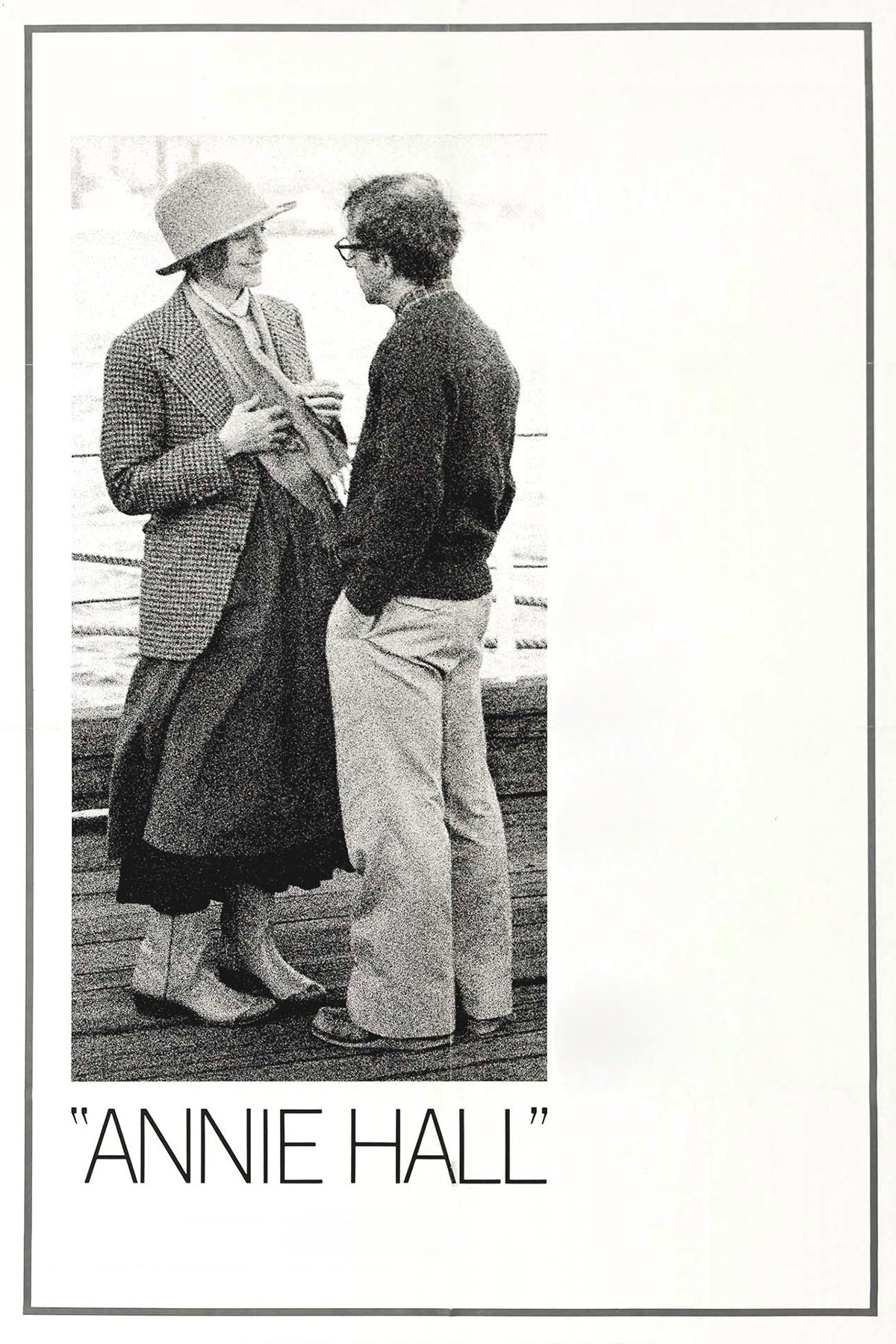
Woody Allen’s romantic comedy tells the story of the up-and-down relationship between a neurotic New York comedian, Alvy Singer, and his quirky, free-spirited girlfriend, Annie Hall. The film is known for its unconventional narrative structure, which includes flashbacks, direct addresses to the audience, and animated sequences. It is a funny, moving, and realistic look at modern love.
“Annie Hall” was a critical and commercial success, winning the Academy Award for Best Picture over “Star Wars.” Its witty dialogue, relatable characters, and innovative storytelling techniques had a major influence on the romantic comedy genre. The film’s fashion, particularly Diane Keaton’s iconic style, also had a lasting impact.
Grease (1978)
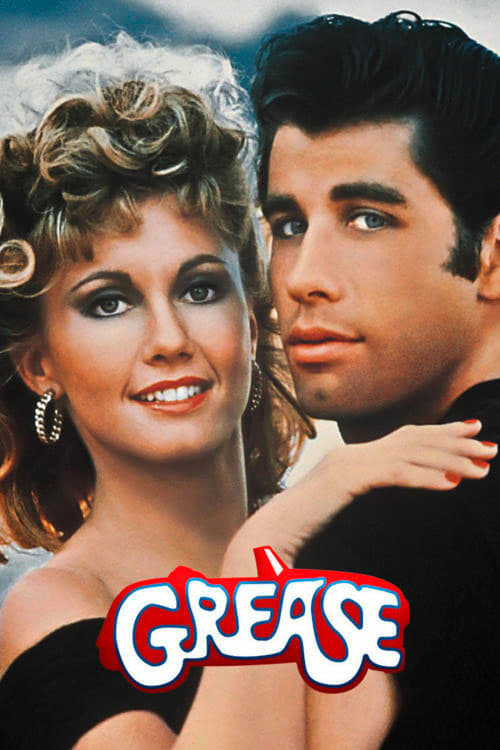
This energetic and fun-loving musical is set in the 1950s and tells the story of the romance between a wholesome exchange student, Sandy Olsson, and a leather-clad greaser, Danny Zuko. The film is filled with catchy songs, memorable dance numbers, and a nostalgic look at teenage life in the ’50s. It is a celebration of first love, friendship, and the joy of rock and roll.
“Grease” was a massive box office hit, and its soundtrack became one of the best-selling albums of all time. The film’s infectious energy and its iconic songs have made it a beloved classic that continues to be enjoyed by audiences of all ages. It remains a feel-good musical that captures the spirit of youthful rebellion and romance.
Rocky (1976)
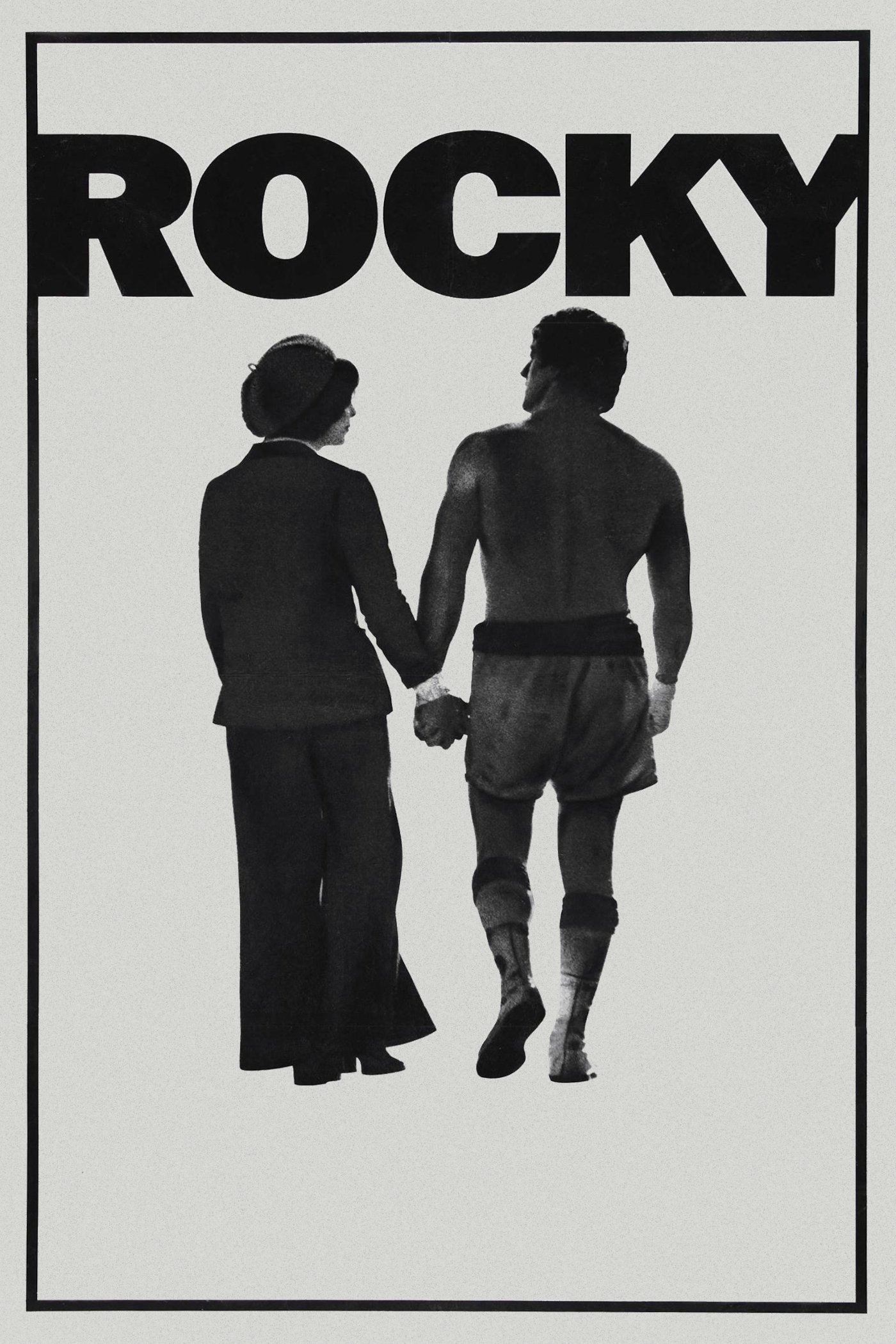
This underdog story stars Sylvester Stallone as Rocky Balboa, a small-time boxer from Philadelphia who gets a once-in-a-lifetime shot at the heavyweight championship. The film is a powerful and inspiring story about determination, self-respect, and the pursuit of the American dream. It is a classic tale of a nobody who becomes a somebody through sheer grit and heart.
“Rocky” was a surprise hit, becoming the highest-grossing film of 1976 and winning the Academy Award for Best Picture. Sylvester Stallone, who also wrote the screenplay, became a major star overnight. The film’s iconic training montage and its triumphant musical score have made it an enduring and beloved classic that has inspired several sequels.
The Deer Hunter (1978)
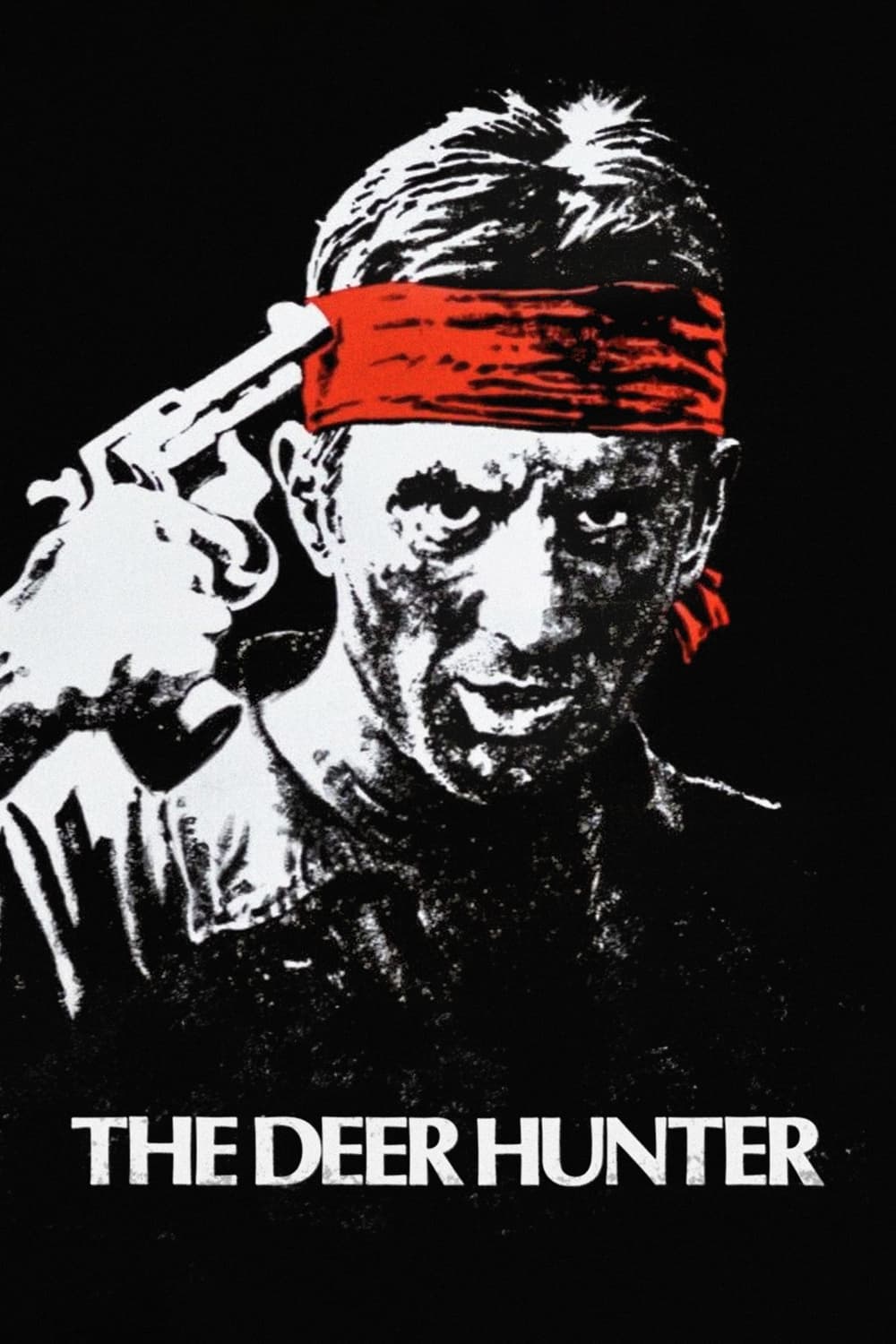
This powerful and emotionally devastating war drama tells the story of a group of friends from a small steel town in Pennsylvania whose lives are forever changed by their experiences in the Vietnam War. The film is a deeply moving look at the physical and psychological toll of war on soldiers and their communities. It is a powerful and unflinching portrait of friendship, loss, and the struggle to find meaning in the aftermath of trauma.
“The Deer Hunter” was both praised and criticized for its controversial depiction of the war, particularly its famous Russian roulette scenes. The film won five Academy Awards, including Best Picture and Best Director for Michael Cimino. Its powerful performances, particularly from Robert De Niro, Christopher Walken, and Meryl Streep, are among the most acclaimed of the decade.
Close Encounters of the Third Kind (1977)
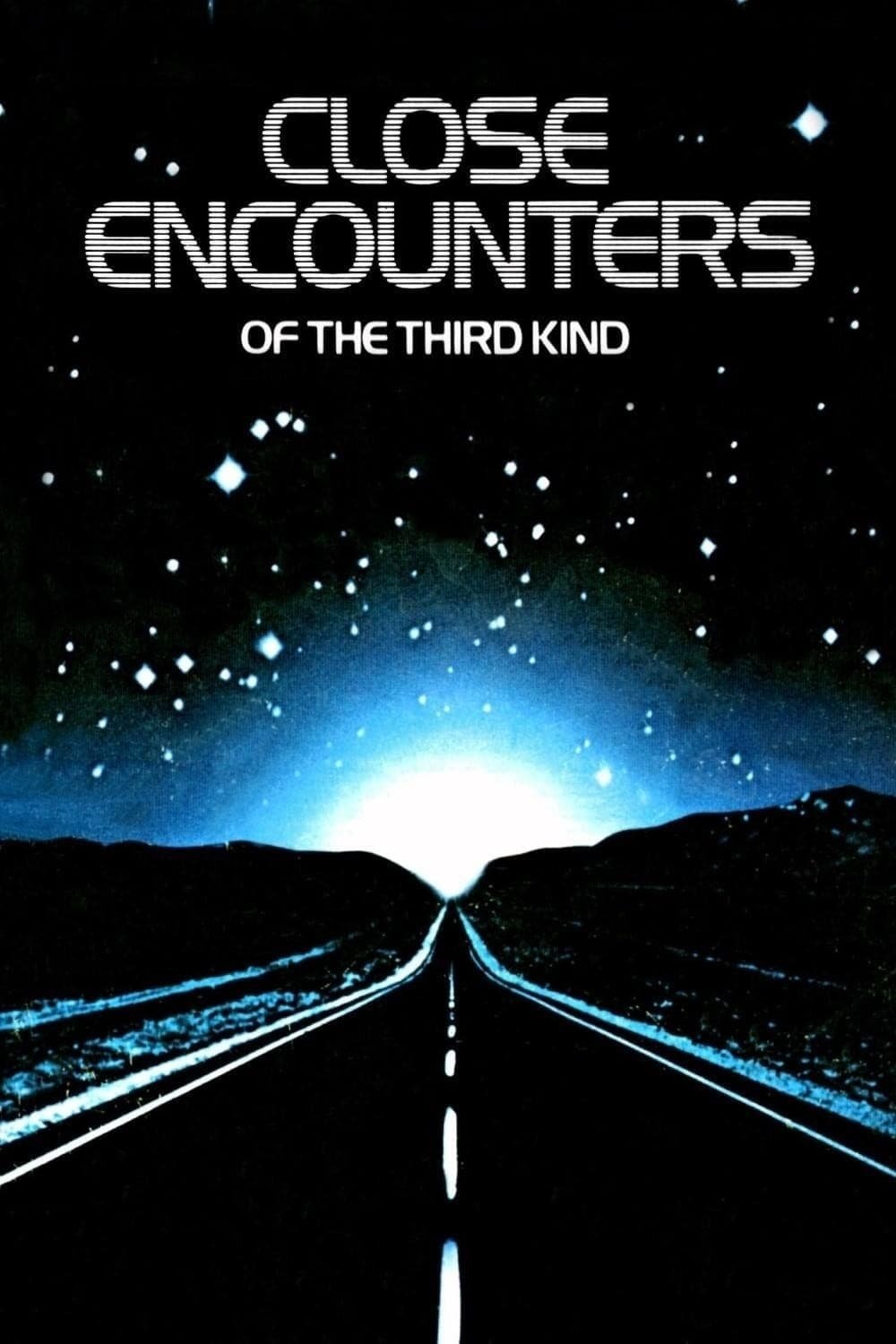
Steven Spielberg’s science fiction adventure tells the story of an ordinary man, Roy Neary, whose life is changed after he has a close encounter with a UFO. As his obsession with the experience grows, he is drawn to a remote location where he believes a historic meeting between humans and aliens will take place. The film is a hopeful and wondrous look at the possibility of life beyond our world.
“Close Encounters of the Third Kind” was a massive box office success and was praised for its stunning visual effects and its sense of awe and wonder. John Williams’ iconic five-note musical theme is instantly recognizable. The film is a classic of the science fiction genre that celebrates human curiosity and the desire to connect with the unknown.
Blazing Saddles (1974)
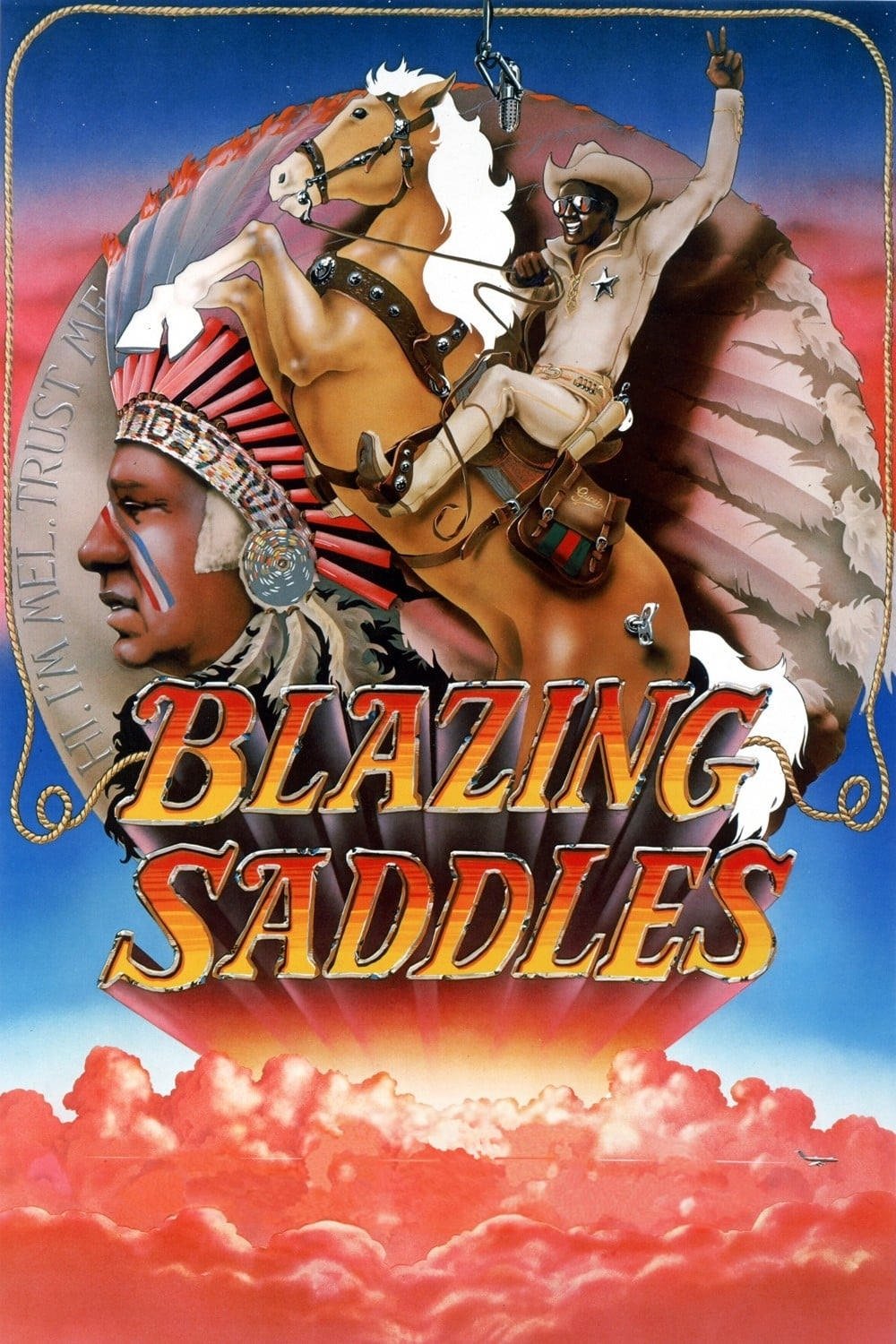
Mel Brooks’ outrageous and hilarious parody of the Western genre tells the story of a corrupt politician who appoints a black sheriff to a racist town in the hopes that he will be run out of town, allowing him to take over the land. The film is a non-stop barrage of slapstick humor, witty one-liners, and a satirical takedown of racism and Hollywood clichés.
“Blazing Saddles” pushed the boundaries of comedy with its risqué humor and its direct confrontation of social issues. It has since become a beloved classic and is widely regarded as one of the funniest movies ever made. Its fearless and irreverent style has influenced countless comedies in the years since its release.
Dirty Harry (1971)

This gritty and influential crime thriller stars Clint Eastwood in his iconic role as Harry Callahan, a tough and uncompromising San Francisco police inspector. When a sadistic killer known as “Scorpio” terrorizes the city, Harry is determined to stop him by any means necessary, even if it means bending the rules. The film is a dark and violent look at crime and justice in a modern city.
“Dirty Harry” was a huge box office success and spawned four sequels. It sparked a debate about police brutality and vigilantism, and the character of Harry Callahan became a cultural icon. The film’s famous line, “Do I feel lucky? Well, do ya, punk?,” is one of the most quoted in movie history.
The Sting (1973)
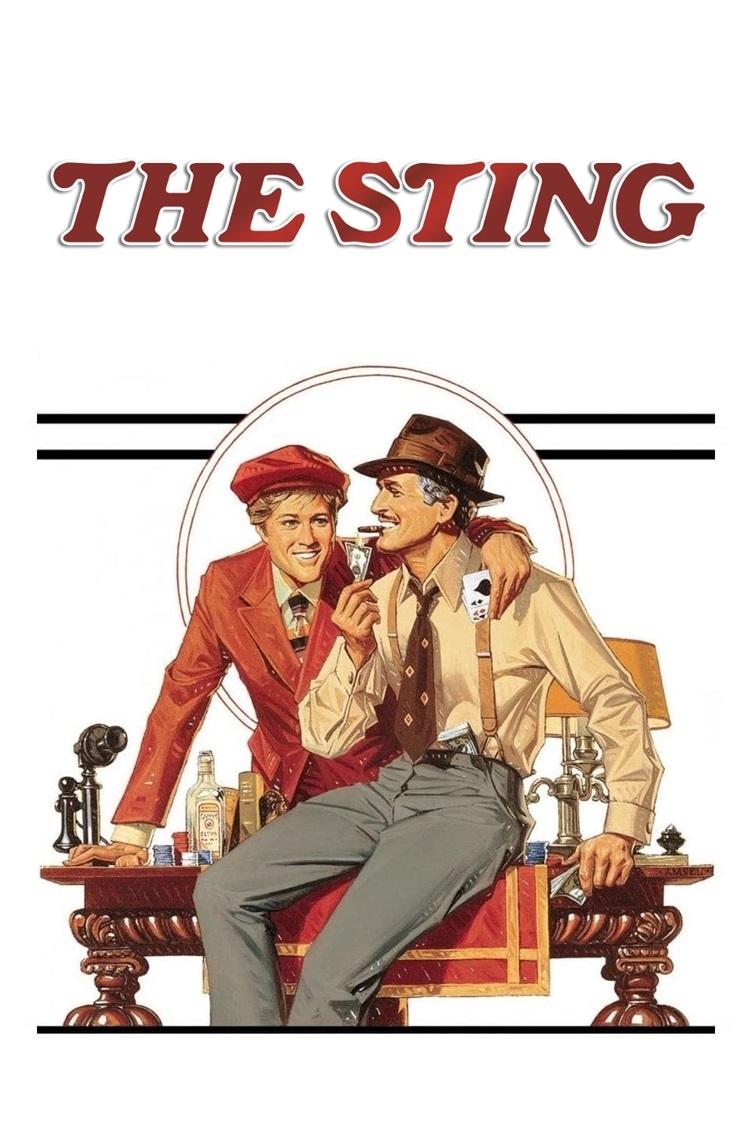
This stylish and entertaining crime caper reunites “Butch Cassidy and the Sundance Kid” stars Paul Newman and Robert Redford. Set in the 1930s, the film follows two con artists who team up to pull off an elaborate sting on a ruthless crime boss. The film is a clever and witty story of revenge, with a complex plot full of twists and turns.
“The Sting” was a massive critical and commercial success, winning seven Academy Awards, including Best Picture. Its charming performances, clever screenplay, and nostalgic feel made it a crowd-pleasing hit. The film’s use of ragtime music, particularly Scott Joplin’s “The Entertainer,” helped to spark a revival of the genre.
All the President’s Men (1976)
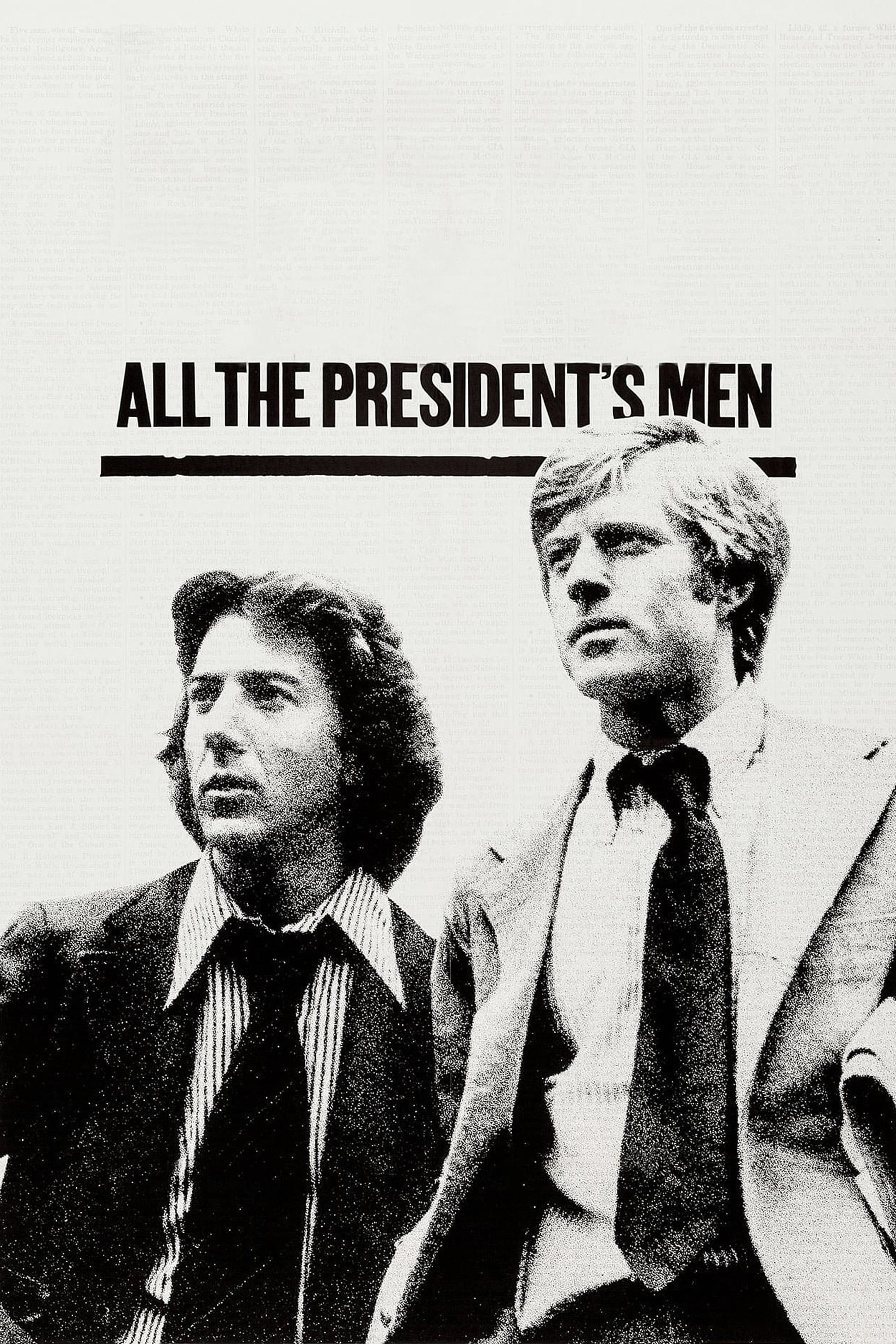
This gripping political thriller tells the true story of Washington Post reporters Bob Woodward and Carl Bernstein, who uncovered the Watergate scandal that led to the resignation of President Richard Nixon. The film is a tense and detailed look at the world of investigative journalism, as the two reporters follow a trail of clues that leads them to the highest levels of government.
“All the President’s Men” was praised for its accuracy and its suspenseful storytelling. It is a powerful tribute to the importance of a free press and the pursuit of truth. The film won four Academy Awards and is considered a classic of the political thriller genre.
Patton (1970)
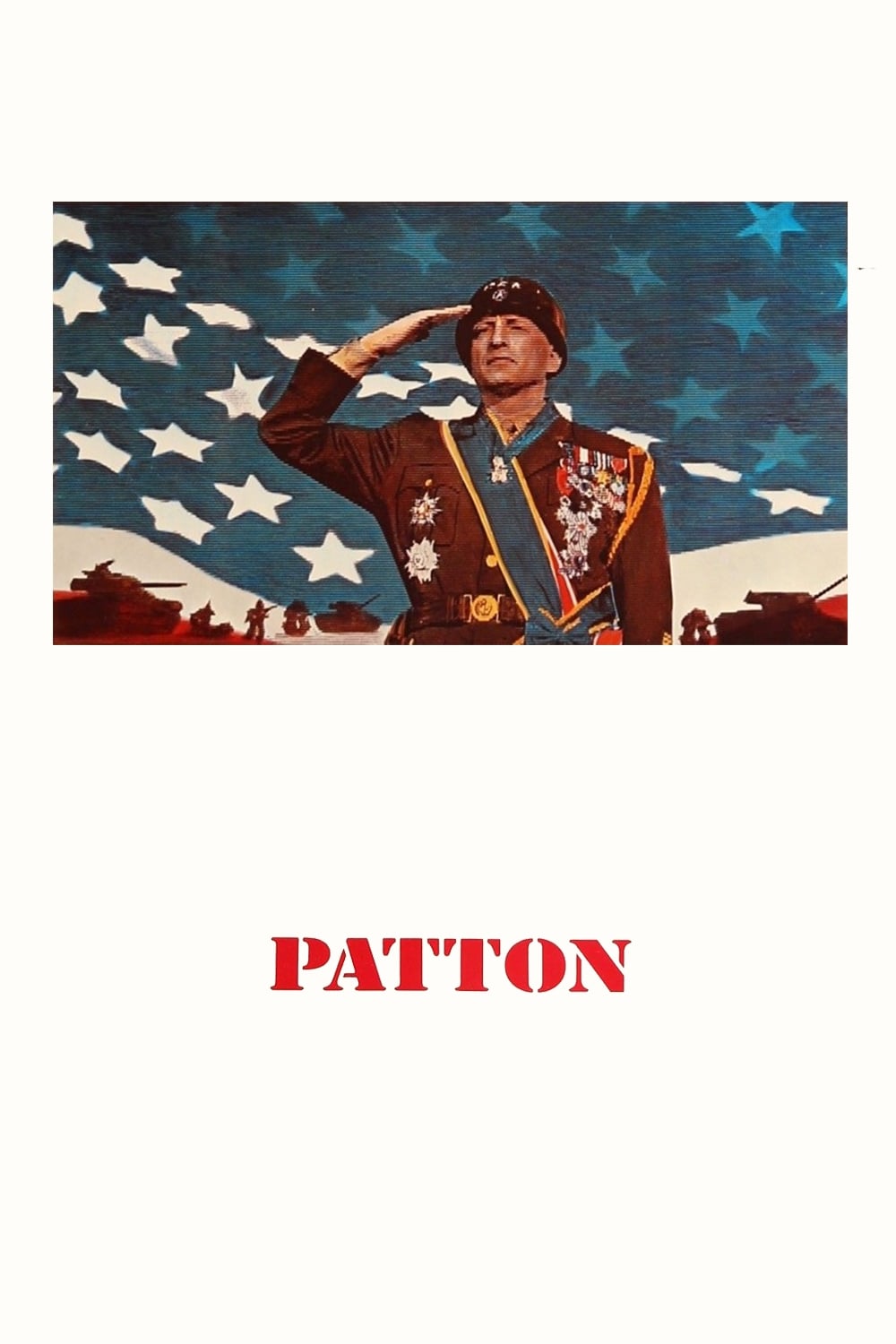
This epic biographical war film tells the story of General George S. Patton, the controversial and brilliant American general during World War II. The film follows his career from his command in North Africa to the end of the war in Europe, showcasing his military genius, his flamboyant personality, and his often-difficult relationships with his superiors.
“Patton” was a critical and commercial success, winning seven Academy Awards, including Best Picture and Best Actor for George C. Scott’s iconic performance in the title role. The film’s opening monologue, delivered in front of a giant American flag, is one of the most famous scenes in movie history.
Cabaret (1972)
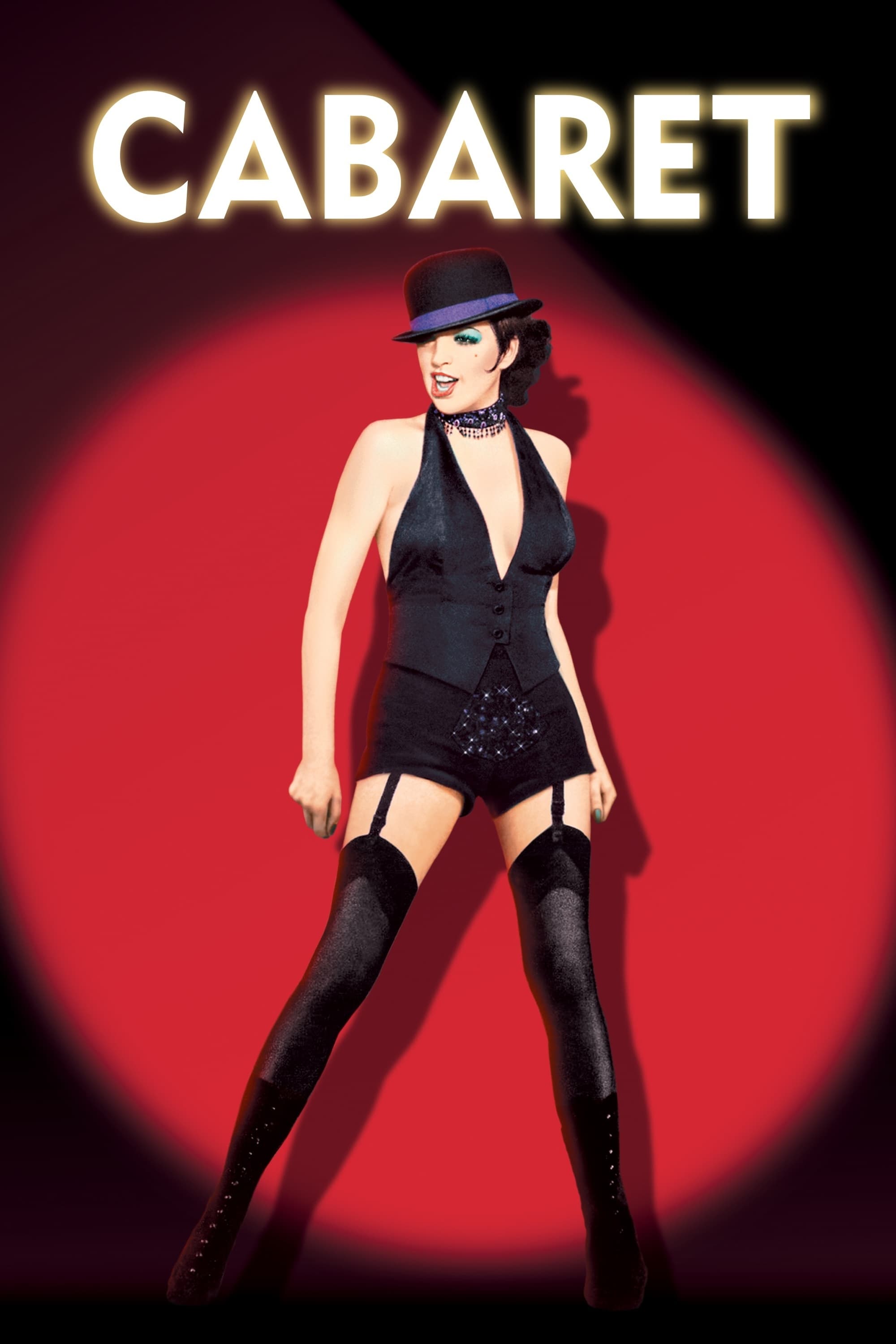
This stylish and provocative musical is set in 1930s Berlin during the rise of the Nazi Party. The film follows a young American writer who becomes involved with a flamboyant cabaret singer and a wealthy German aristocrat. The musical numbers in the seedy Kit Kat Klub serve as a commentary on the political and social turmoil of the time.
“Cabaret” was a groundbreaking musical for its dark and adult themes. It won eight Academy Awards, including Best Director for Bob Fosse and Best Actress for Liza Minnelli’s iconic performance. The film is a powerful and chilling look at a society on the brink of disaster.
MAS*H (1970)

Robert Altman’s irreverent anti-war comedy follows the staff of a Mobile Army Surgical Hospital during the Korean War. The film is a hilarious and chaotic look at the absurdity of war, as the surgeons use humor and hijinks to cope with the daily horrors they face. It is a cynical and satirical take on the military and authority.
“MAS*H” was a huge success and became a cultural phenomenon, inspiring a long-running and beloved television series. Its overlapping dialogue, improvisational style, and dark humor were revolutionary for their time. The film won the Palme d’Or at the Cannes Film Festival and is considered a classic of American comedy.
Deliverance (1972)
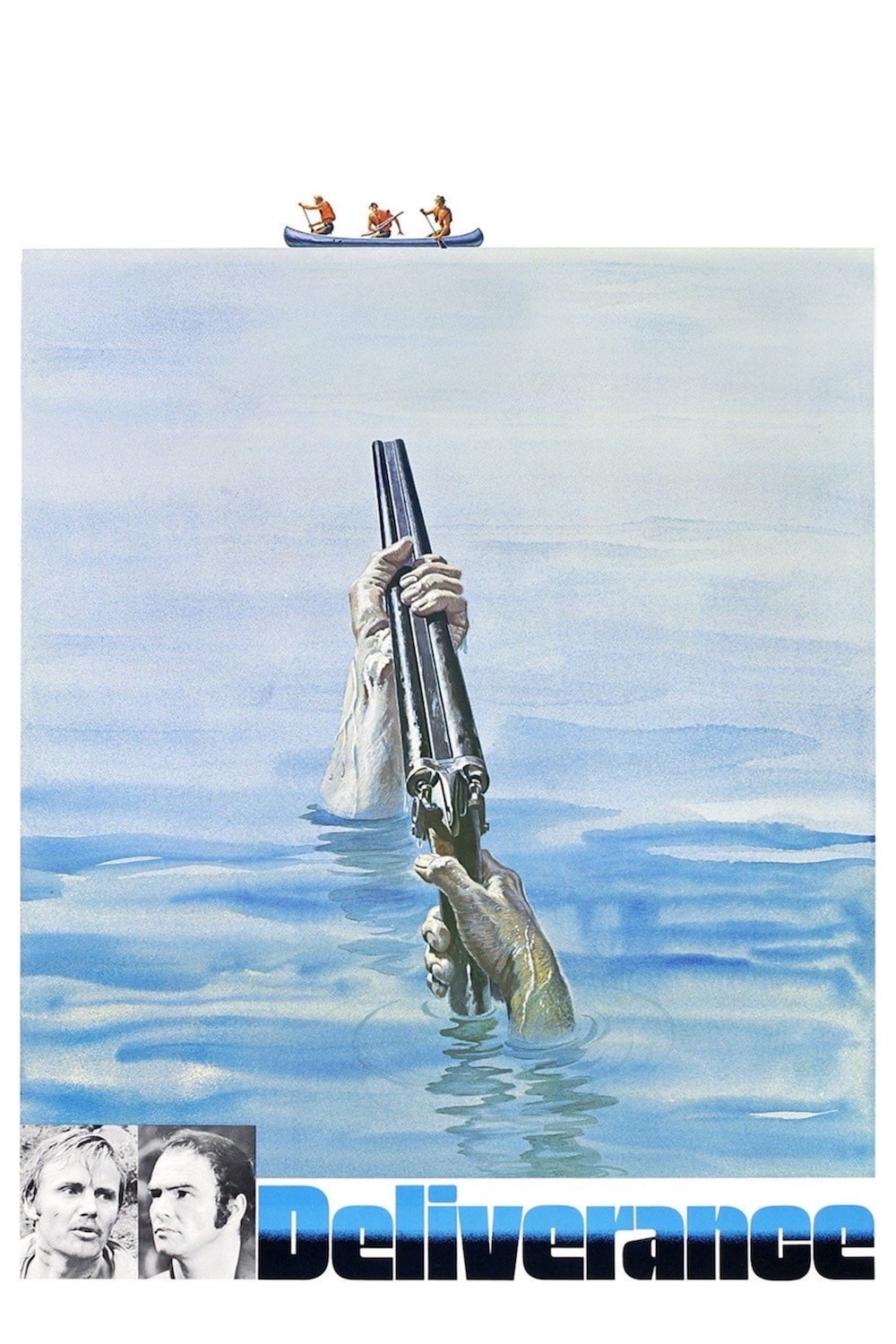
This intense and suspenseful thriller tells the story of four city-dwelling friends who embark on a canoeing trip down a remote river in the Georgia wilderness. Their idyllic adventure turns into a nightmare when they encounter a group of hostile locals, and they are forced to fight for their survival. The film is a harrowing look at the clash between civilization and the primal forces of nature.
“Deliverance” is famous for its “Dueling Banjos” scene and its unflinching depiction of violence. It was a critical and commercial success, earning three Academy Award nominations, including Best Picture. The film is a powerful and disturbing survival story that has lost none of its impact over the years.
The Conversation (1974)
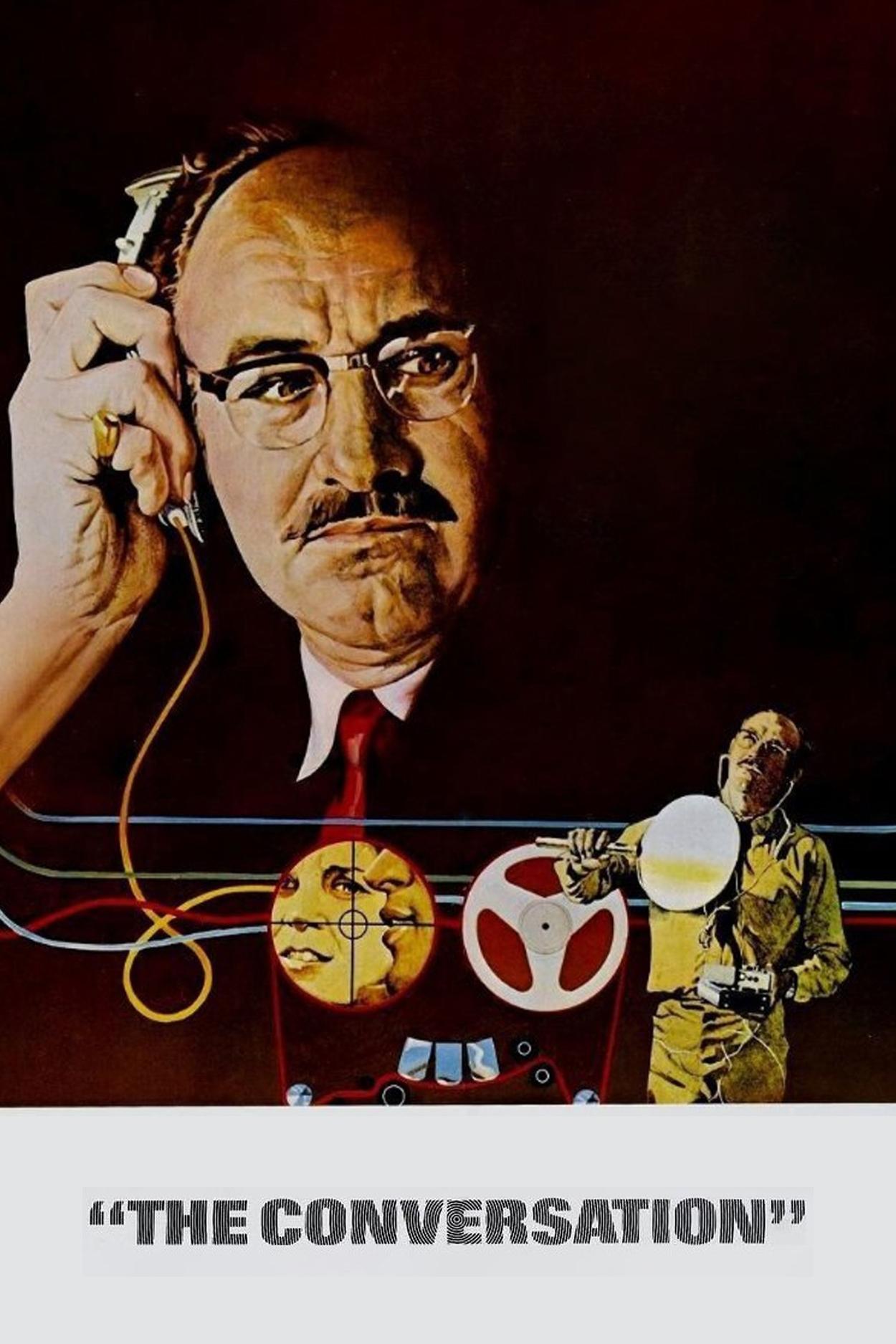
Francis Ford Coppola’s psychological thriller stars Gene Hackman as Harry Caul, a paranoid and secretive surveillance expert. After he records a cryptic conversation between a young couple, he becomes obsessed with the idea that they are in danger. As he tries to piece together the meaning of the conversation, he is drawn into a world of paranoia and moral ambiguity.
“The Conversation” is a masterfully crafted and suspenseful film that explores themes of privacy, guilt, and the responsibility of the observer. Released in the midst of the Watergate scandal, it tapped into the anxieties of the time. It won the Palme d’Or at the Cannes Film Festival and is considered one of Coppola’s finest films.
Harold and Maude (1971)
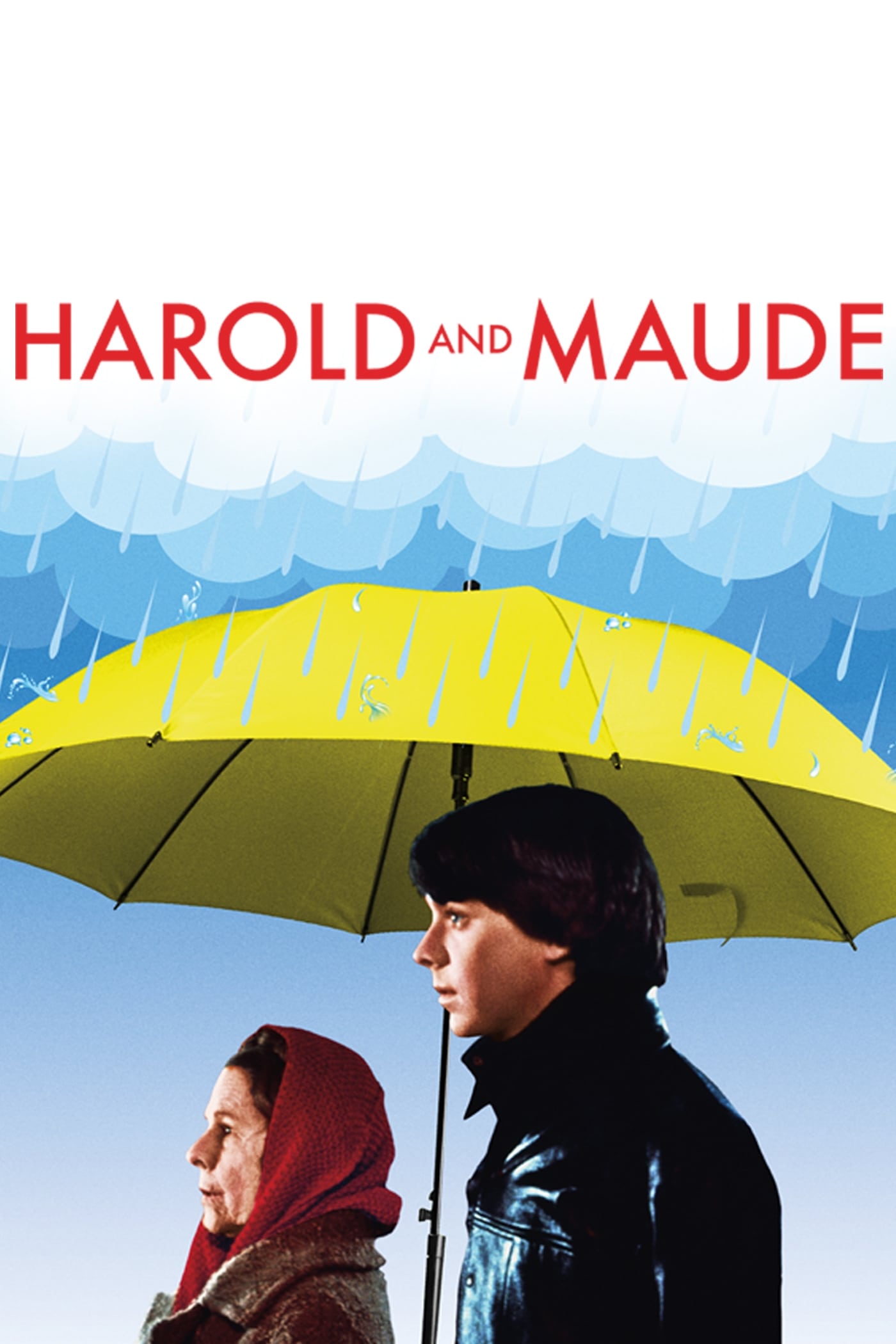
This dark comedy tells the story of a death-obsessed young man in his 20s who befriends a life-affirming 80-year-old woman. Their unlikely friendship blossoms into a romance that challenges social conventions and celebrates the joy of living life to the fullest. The film is a quirky and heartwarming story about finding happiness in unexpected places.
“Harold and Maude” was not a commercial success upon its initial release, but it has since become a beloved cult classic. Its offbeat humor, charming performances, and a Cat Stevens soundtrack have made it a favorite of audiences for generations. It is a unique and uplifting film that encourages people to embrace their individuality.
Nashville (1975)
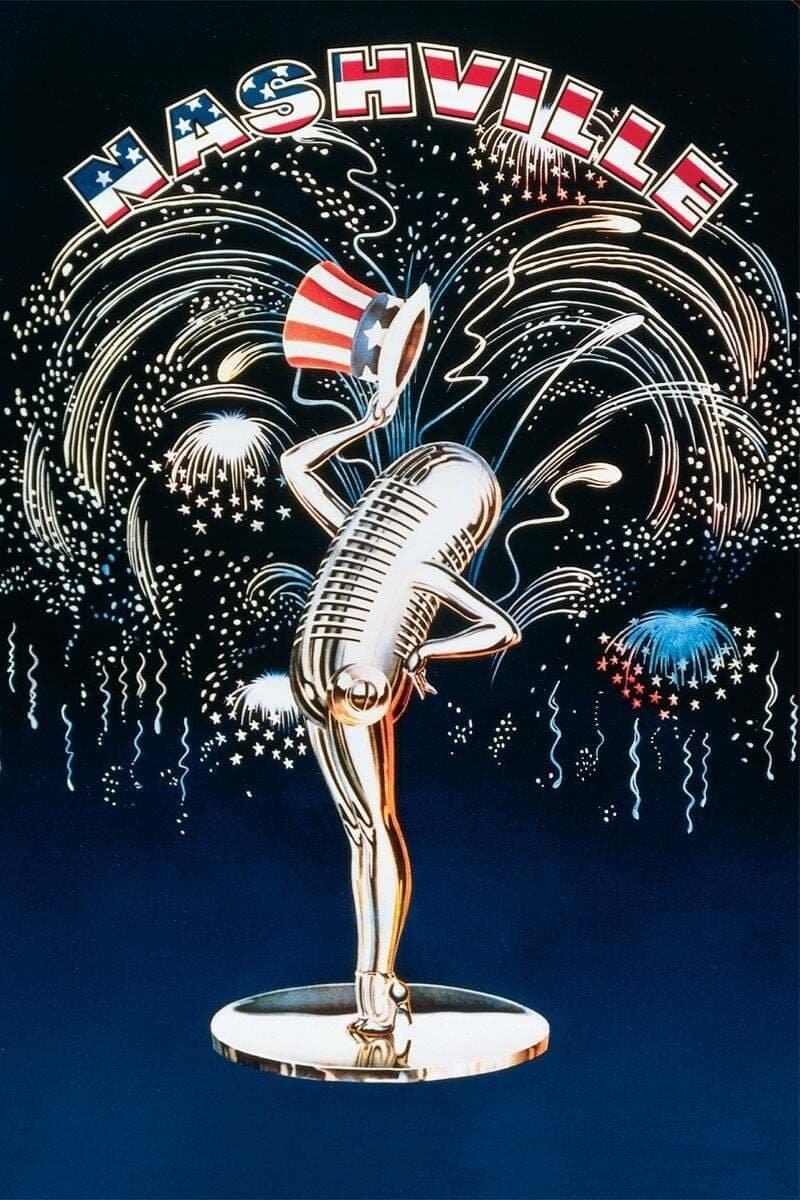
Robert Altman’s sprawling ensemble film is set over a few days in the country music capital of Nashville, Tennessee. The film follows the interconnected lives of 24 characters, including country music stars, aspiring singers, and political operatives. It is a satirical and panoramic look at American society, politics, and celebrity culture.
“Nashville” is a landmark of American cinema, known for its large cast, overlapping dialogue, and improvisational style. It was a critical success, earning five Academy Award nominations, including Best Picture and Best Director. The film’s ambitious and multi-layered narrative offers a rich and complex portrait of a specific time and place in American history.
The Last Picture Show (1971)
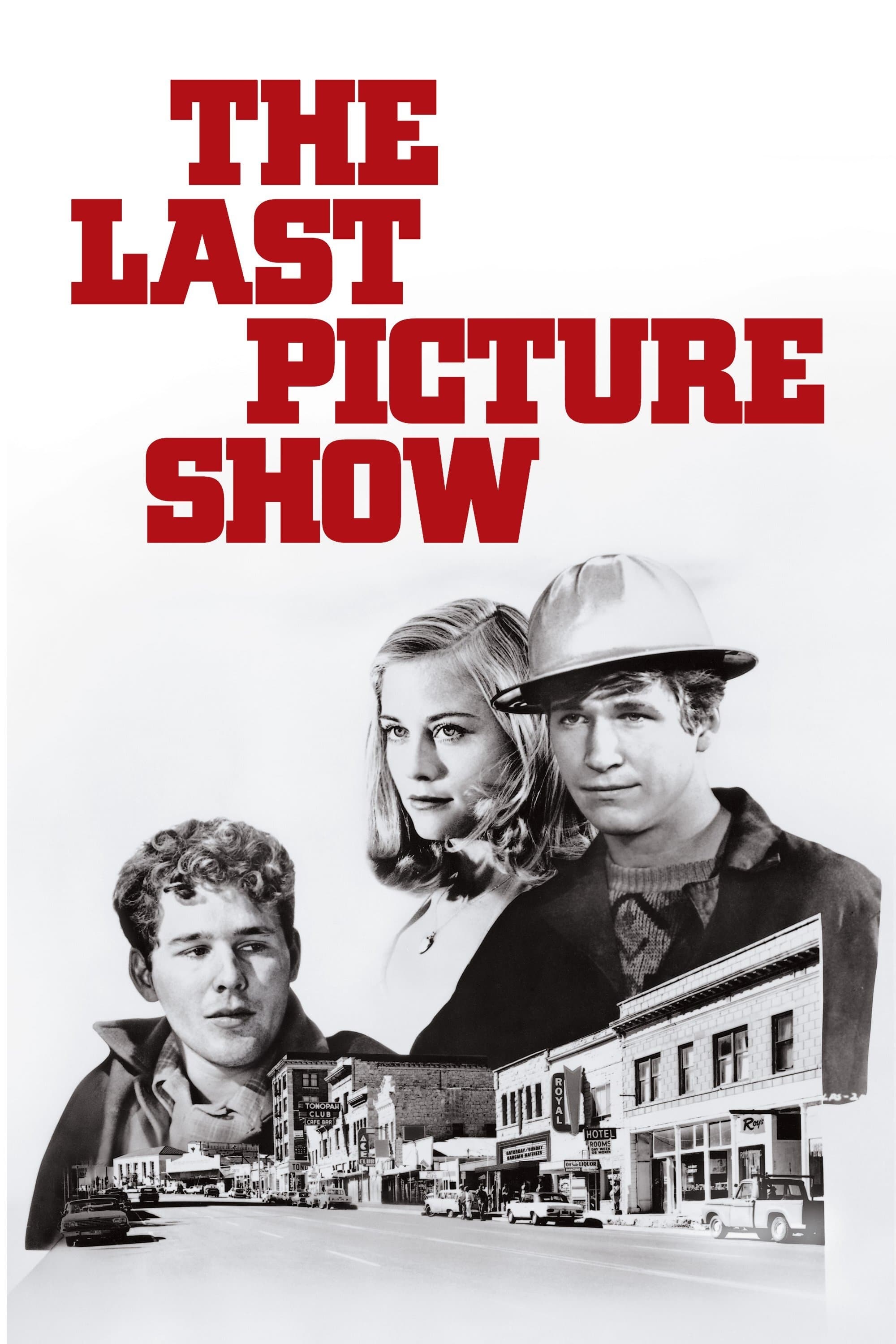
Peter Bogdanovich’s coming-of-age drama is set in a small, dying town in Texas in the early 1950s. The film follows a group of high school seniors as they navigate love, loss, and the uncertain future that awaits them after graduation. It is a poignant and elegiac look at the end of an era and the loss of innocence.
Shot in black and white, “The Last Picture Show” has a timeless and nostalgic quality. It was a critical success, earning eight Academy Award nominations and winning two for its supporting actors. The film is a beautifully crafted and deeply moving portrait of small-town life and the universal experience of growing up.
Kramer vs. Kramer (1979)
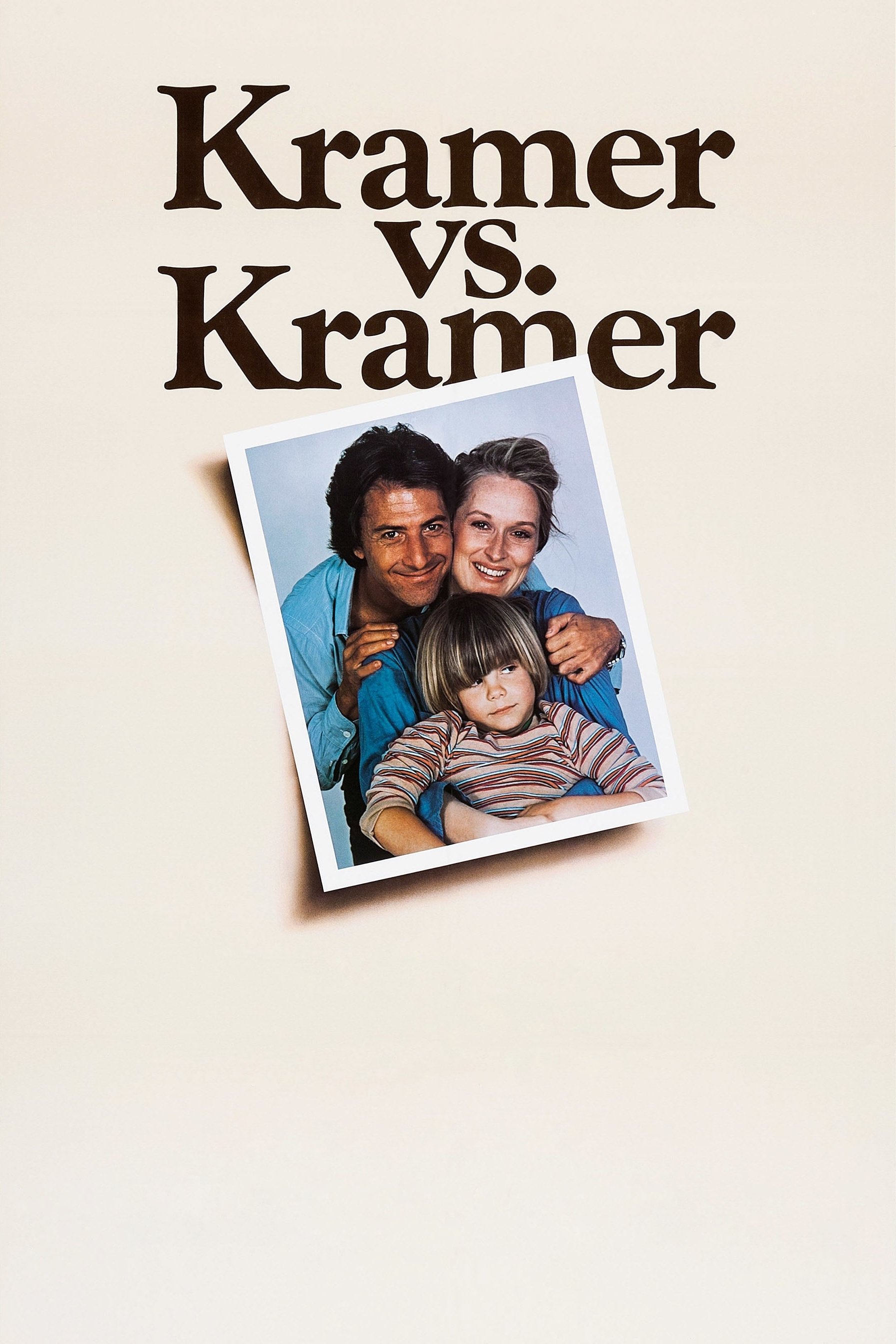
This powerful and emotional drama tells the story of a workaholic advertising executive whose wife suddenly leaves him and their young son. He is forced to learn how to be a single parent, and just as he begins to build a strong bond with his son, his wife returns to fight for custody. The film is a realistic and moving look at the complexities of divorce and its impact on a family.
“Kramer vs. Kramer” was a major critical and commercial success, winning five Academy Awards, including Best Picture, Best Actor for Dustin Hoffman, and Best Supporting Actress for Meryl Streep. It was praised for its sensitive and nuanced portrayal of a difficult subject and for its powerful performances. The film sparked a national conversation about fatherhood, gender roles, and the changing nature of the family.