The 25 Most Expensive Netflix TV Shows Ever Made

Netflix has become a giant in the world of entertainment, pouring billions of dollars into creating original content. This investment has led to a wide variety of shows, from compelling dramas to expansive fantasy series. To bring these ambitious stories to life, the streaming service has not been shy about spending large amounts of money, with some production budgets rivaling those of major blockbuster movies.
The reasons for these high costs are diverse. Lavish costume design, extensive special effects, and filming in multiple locations around the world all contribute to the ballooning budgets. Additionally, attracting top-tier actors and creators comes with a hefty price tag. This list explores some of the most expensive television shows ever produced by Netflix, offering a glimpse into the massive financial commitments behind these popular series.
Stranger Things (2016)
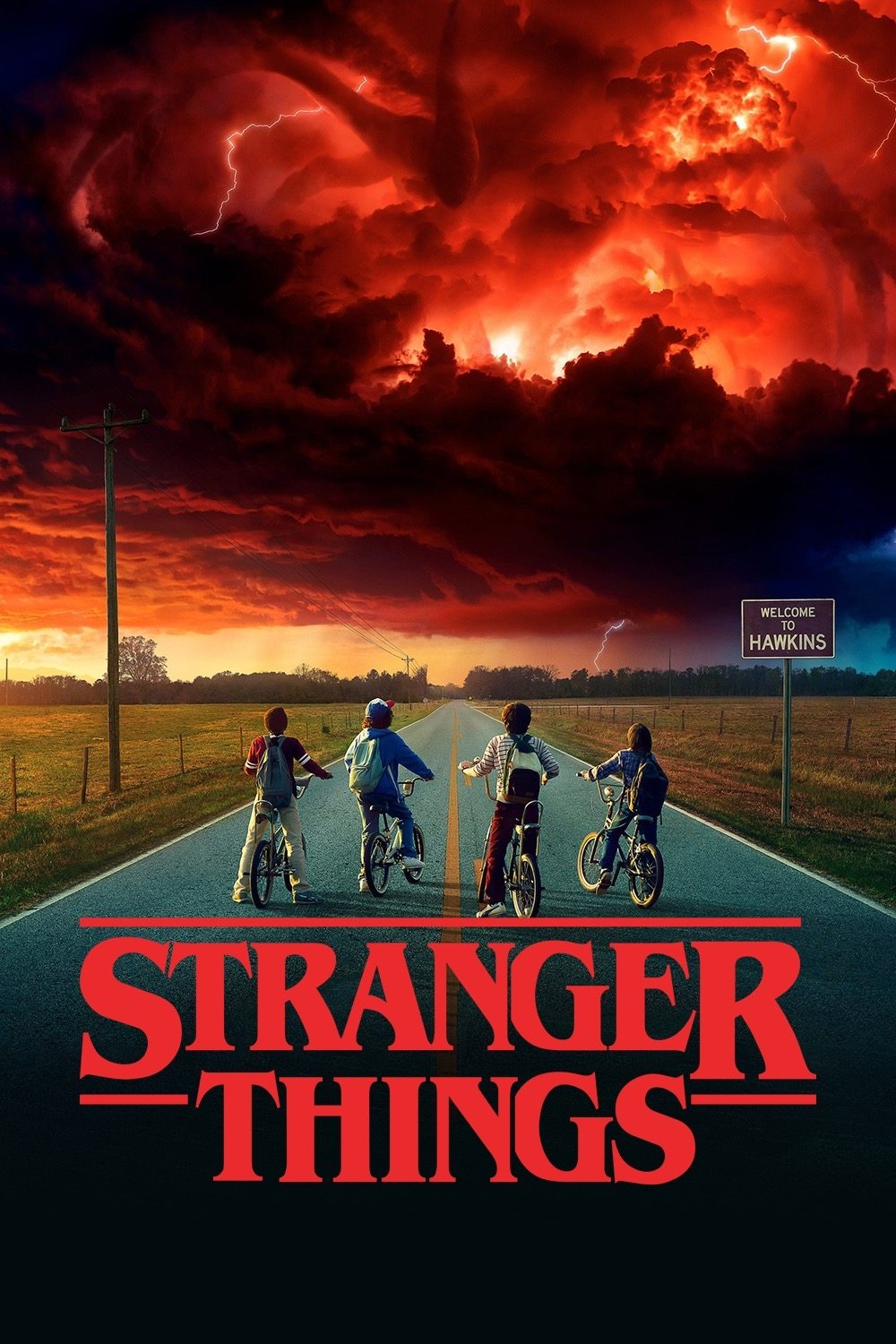
As one of Netflix’s flagship series, it’s no surprise that Stranger Things comes with a massive budget. The fourth season, in particular, saw costs soar to a reported $30 million per episode. This significant investment is evident in the show’s impressive visual effects, which are crucial for creating the eerie atmosphere of the Upside Down and bringing its monstrous inhabitants to life.
The series, set in the 1980s, follows a group of friends in the fictional town of Hawkins, Indiana, as they encounter supernatural events and secret government experiments. The budget has steadily increased with each season, reflecting the growing scale and ambition of the story. The lengthy runtimes of the episodes in later seasons also contribute to the high overall cost of production.
3 Body Problem (2024)
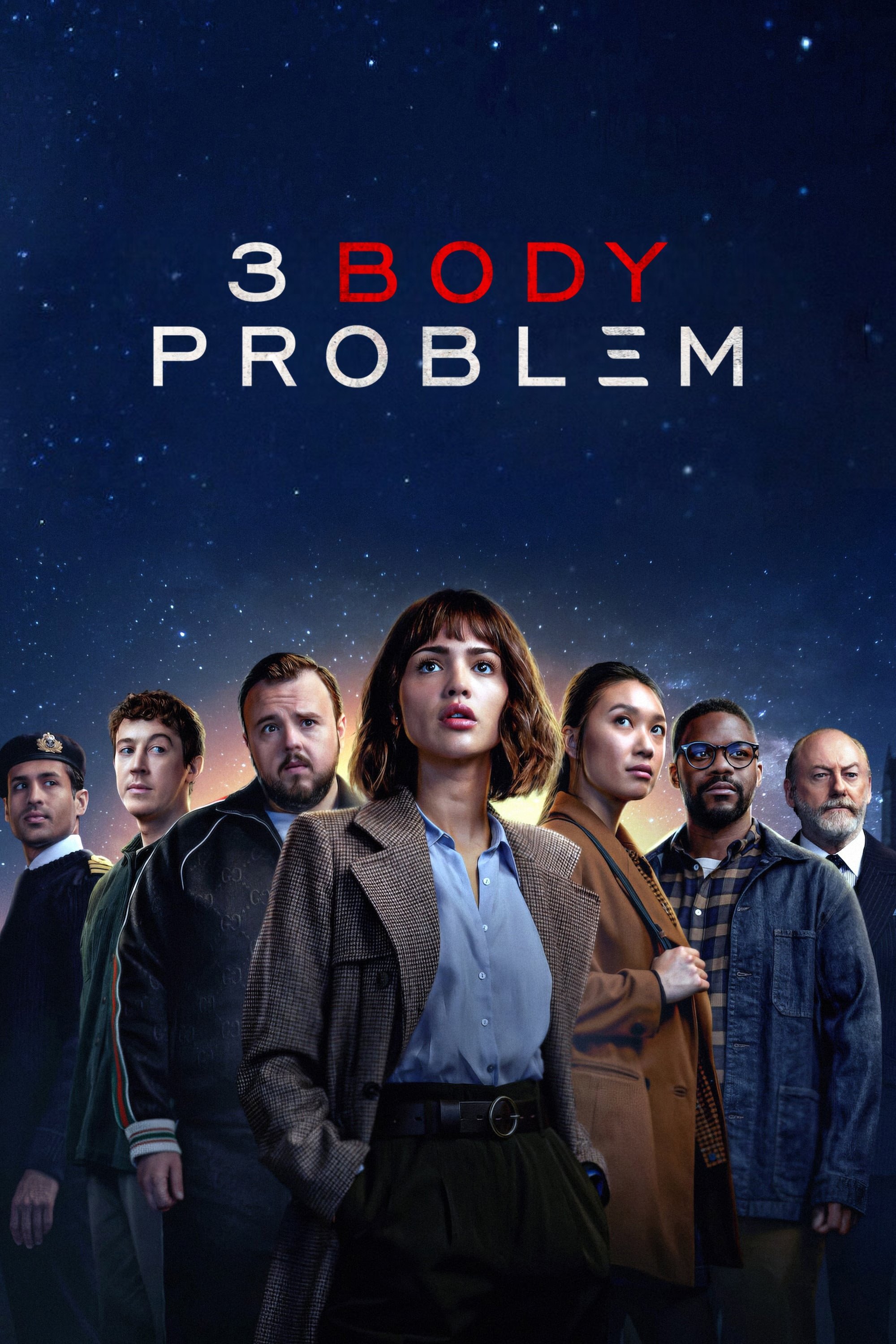
With a reported budget of around $20 million per episode, 3 Body Problem is one of Netflix’s most expensive new series. The high cost is largely due to the show’s complex visual effects needed to portray the story’s advanced scientific and alien concepts. The series, based on the acclaimed novel by Liu Cixin, spans multiple continents and timelines, adding to the production expenses.
The show tells the story of humanity’s first contact with an alien civilization. To do justice to the source material’s intricate plot and theoretical physics, the production required a significant financial commitment. The series is a major gamble for Netflix, aiming to attract a global audience with its high-concept science fiction narrative.
One Piece (2023)

Adapting a beloved and long-running manga and anime series into a live-action show is a massive undertaking, and the budget for One Piece reflects that challenge. The series reportedly cost around $18 million per episode. A significant portion of this budget went into creating the elaborate sets, practical effects for the characters’ unique abilities, and the massive ships that are central to the story.
One Piece is a fantasy adventure that follows Monkey D. Luffy and his pirate crew as they search for the ultimate treasure. The show’s creators aimed for a high level of quality to satisfy the dedicated fanbase, which meant investing heavily in the visual elements to bring the vibrant and fantastical world of the manga to life.
The Sandman (2022)
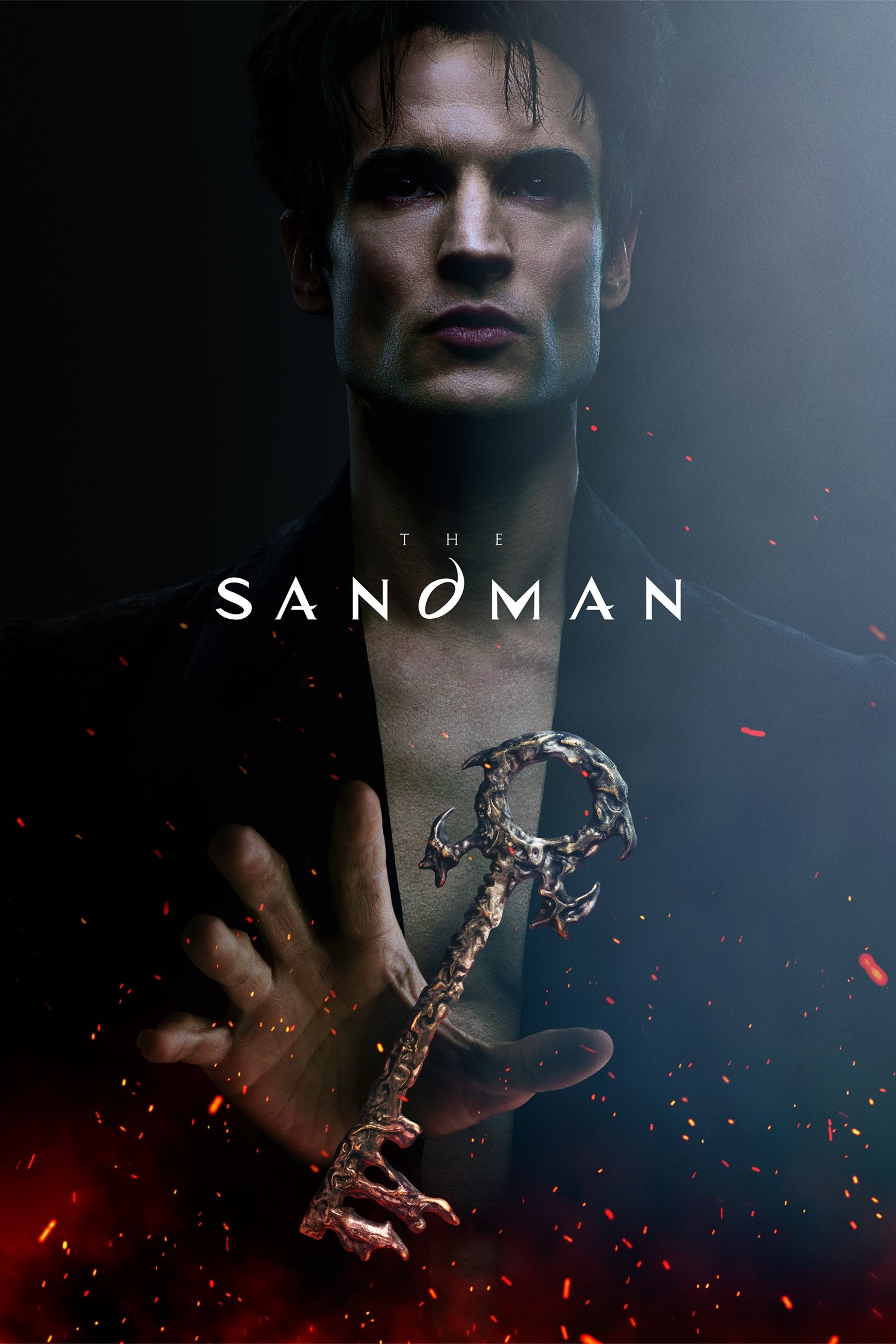
The long-awaited adaptation of Neil Gaiman’s iconic comic book series, The Sandman, came with a hefty price tag of approximately $15 million per episode. The budget was necessary to create the show’s vast and imaginative worlds, from the realm of Dreaming to the depths of Hell. The extensive use of CGI and detailed set pieces were crucial in capturing the surreal and epic nature of the source material.
The series follows Dream, the personification of dreams, as he escapes captivity and sets out to restore his crumbling realm. The high production values were a key part of Netflix’s strategy to create a faithful and visually stunning adaptation that would appeal to both new viewers and longtime fans of the comics.
Avatar: The Last Airbender (2024)

The live-action adaptation of the beloved animated series Avatar: The Last Airbender required a substantial budget, estimated to be over $15 million per episode. This cost was driven by the extensive visual effects needed to bring the world of bending—the ability to manipulate elements—to life. Creating realistic fire, water, earth, and air effects, along with fantastical creatures, accounted for a large portion of the expenses.
The series follows Aang, the last Airbender and the Avatar, as he masters the four elements to save the world from the tyrannical Fire Nation. The production aimed to create a visually rich world that would honor the source material and appeal to its large, dedicated fanbase.
The Crown (2016)
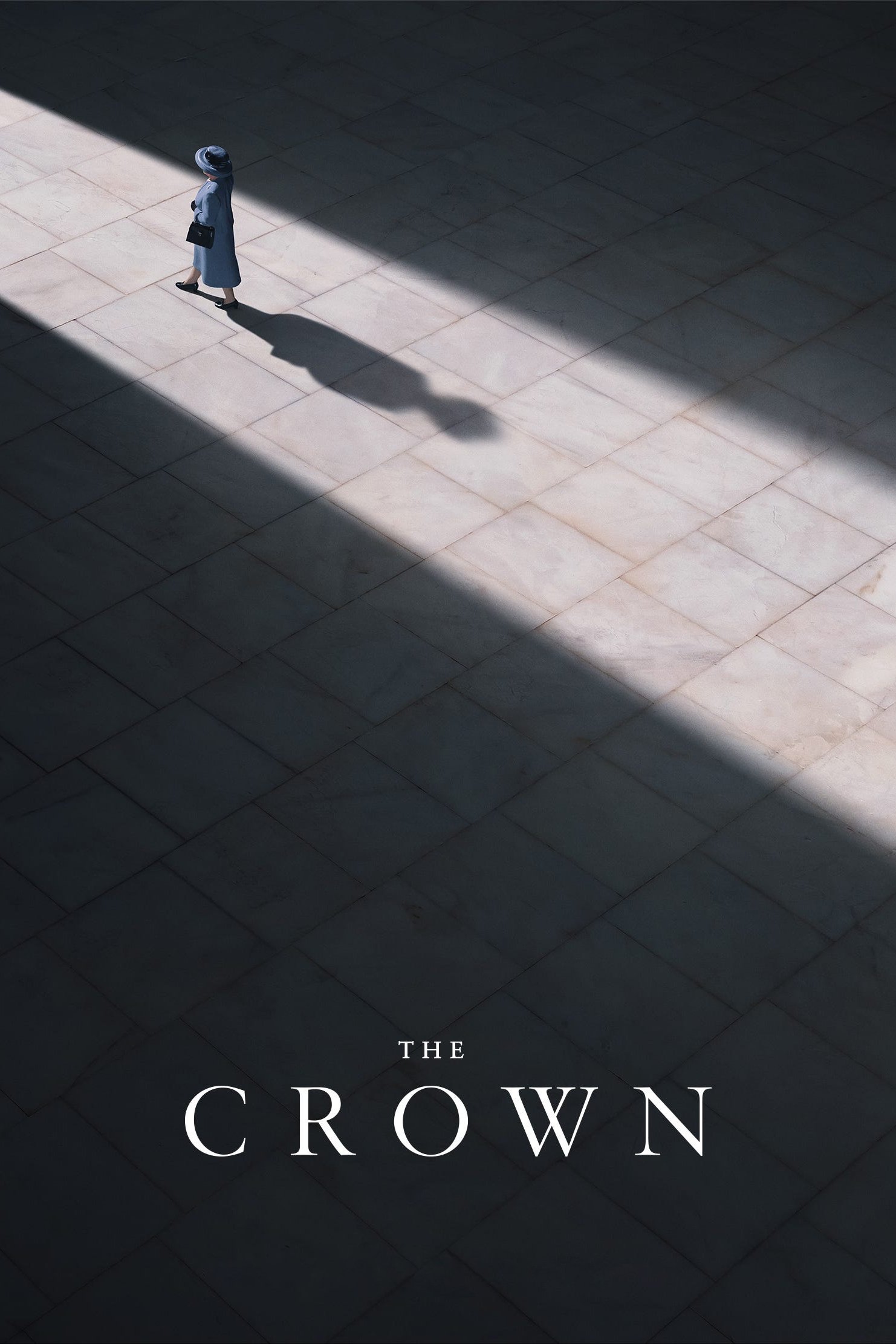
The Crown is renowned for its lavish production, with an estimated budget of around $13 million per episode. The high cost is attributed to its meticulous recreation of historical events, featuring opulent costumes, detailed replicas of royal palaces, and filming in grand locations. The show’s commitment to historical accuracy extends to every detail.
The series chronicles the reign of Queen Elizabeth II, from her accession to the throne in the 1950s through to the 21st century. Each season covers a specific period, with the cast changing every two seasons to reflect the aging of the characters, which also adds to the cost.
The Get Down (2016)
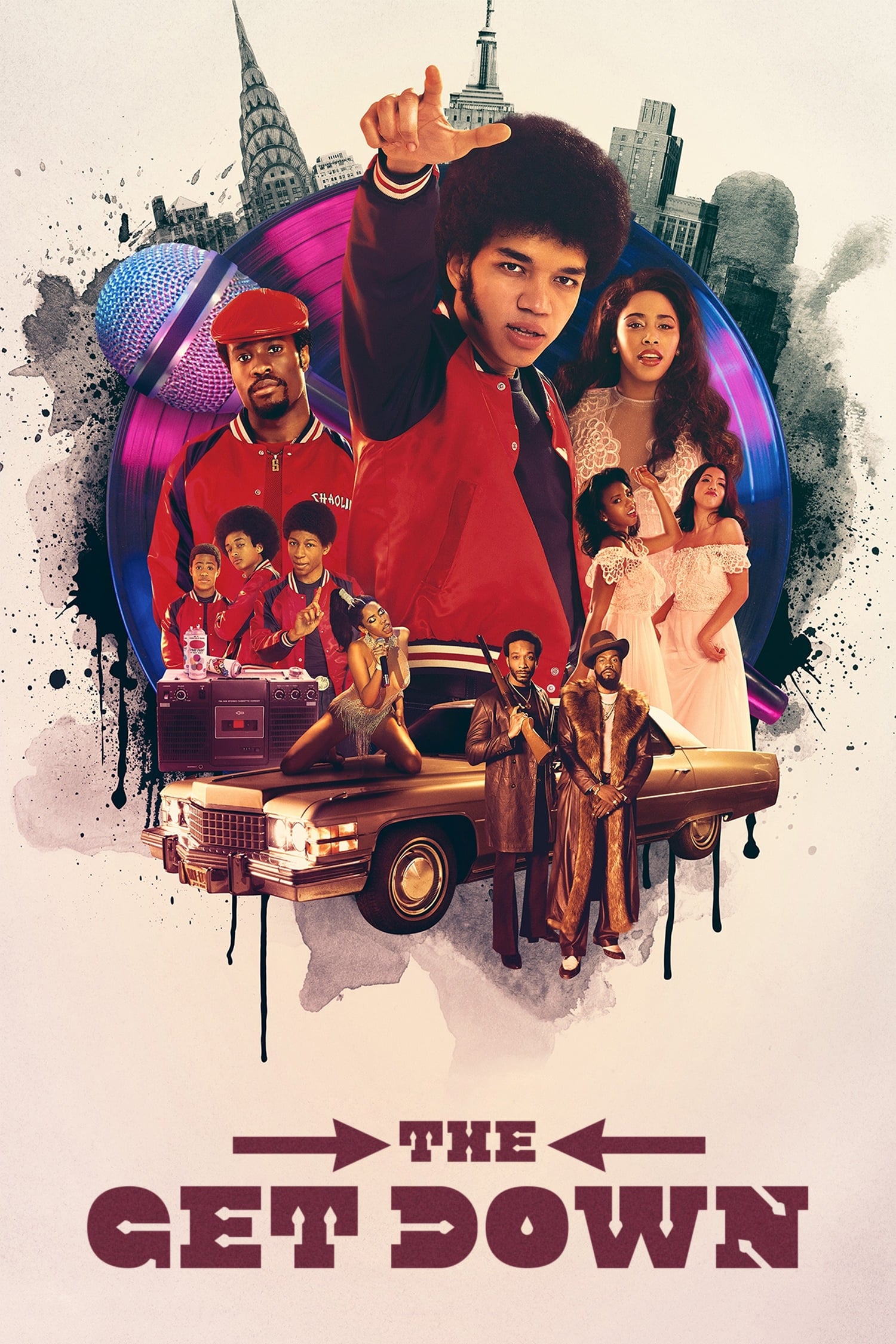
This musical drama, set in the Bronx in the late 1970s, was a famously expensive production, with costs reaching an estimated $11 million per episode. The high budget was a result of several factors, including elaborate musical numbers, period-specific costumes and sets, and music licensing fees. The show’s co-creator, Baz Luhrmann, is known for his visually extravagant style, which also contributed to the high production costs.
The Get Down tells the story of the rise of hip-hop and disco music through the eyes of a group of teenagers. Despite its critical acclaim for its music and visuals, the show’s high cost and production difficulties led to its cancellation after just one season.
The Witcher (2019)
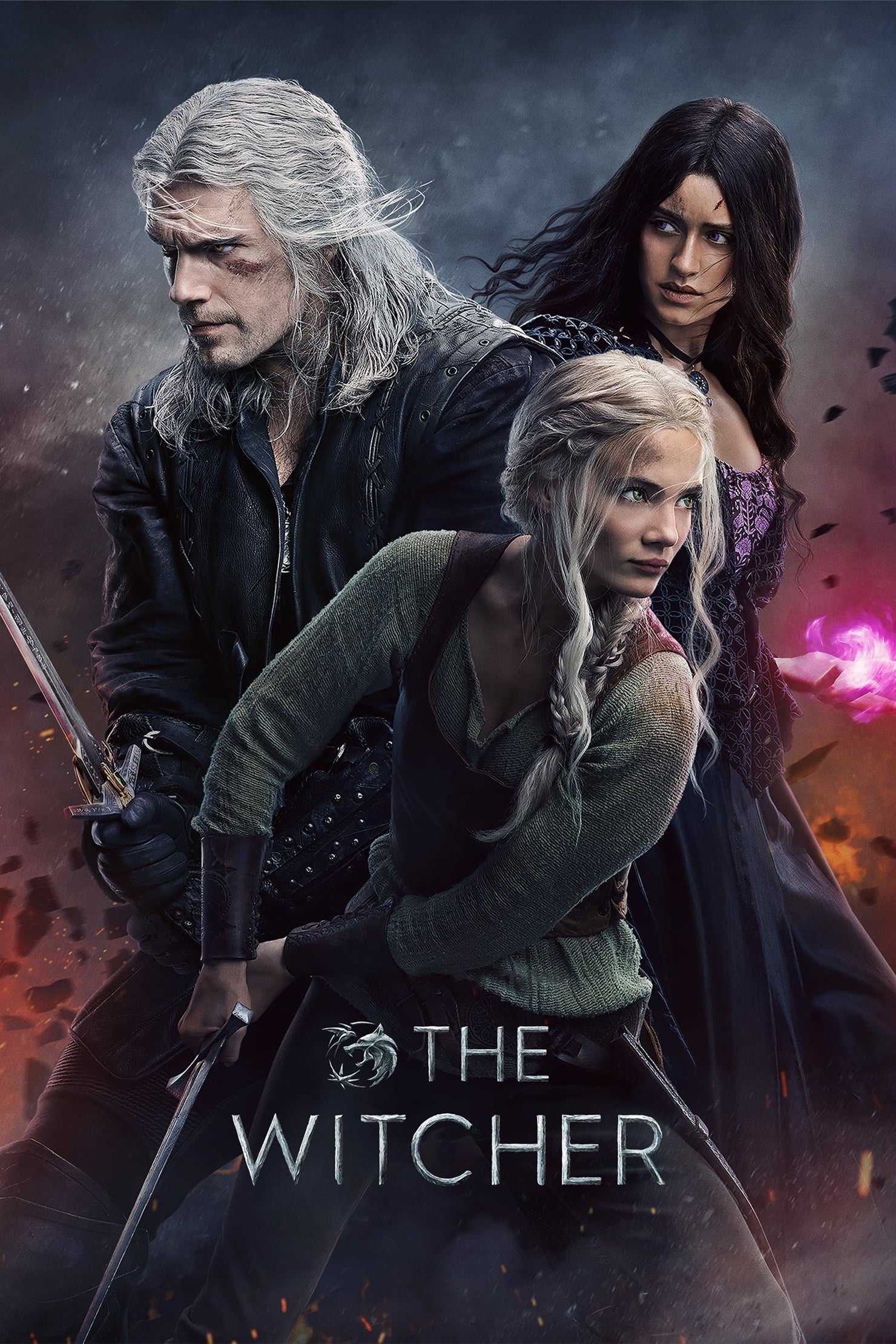
The Witcher is another of Netflix’s major fantasy series, with a budget reportedly starting around $10 million per episode. The costs are driven by a combination of factors, including the salary for its star, Henry Cavill, extensive special effects for monsters and magic, and filming in various European locations to create its medieval-inspired world.
Based on the book series by Andrzej Sapkowski, the show follows the story of Geralt of Rivia, a solitary monster hunter. He struggles to find his place in a world where people often prove more wicked than beasts. The show’s epic scope and action sequences necessitate a high level of investment.
Marco Polo (2014)
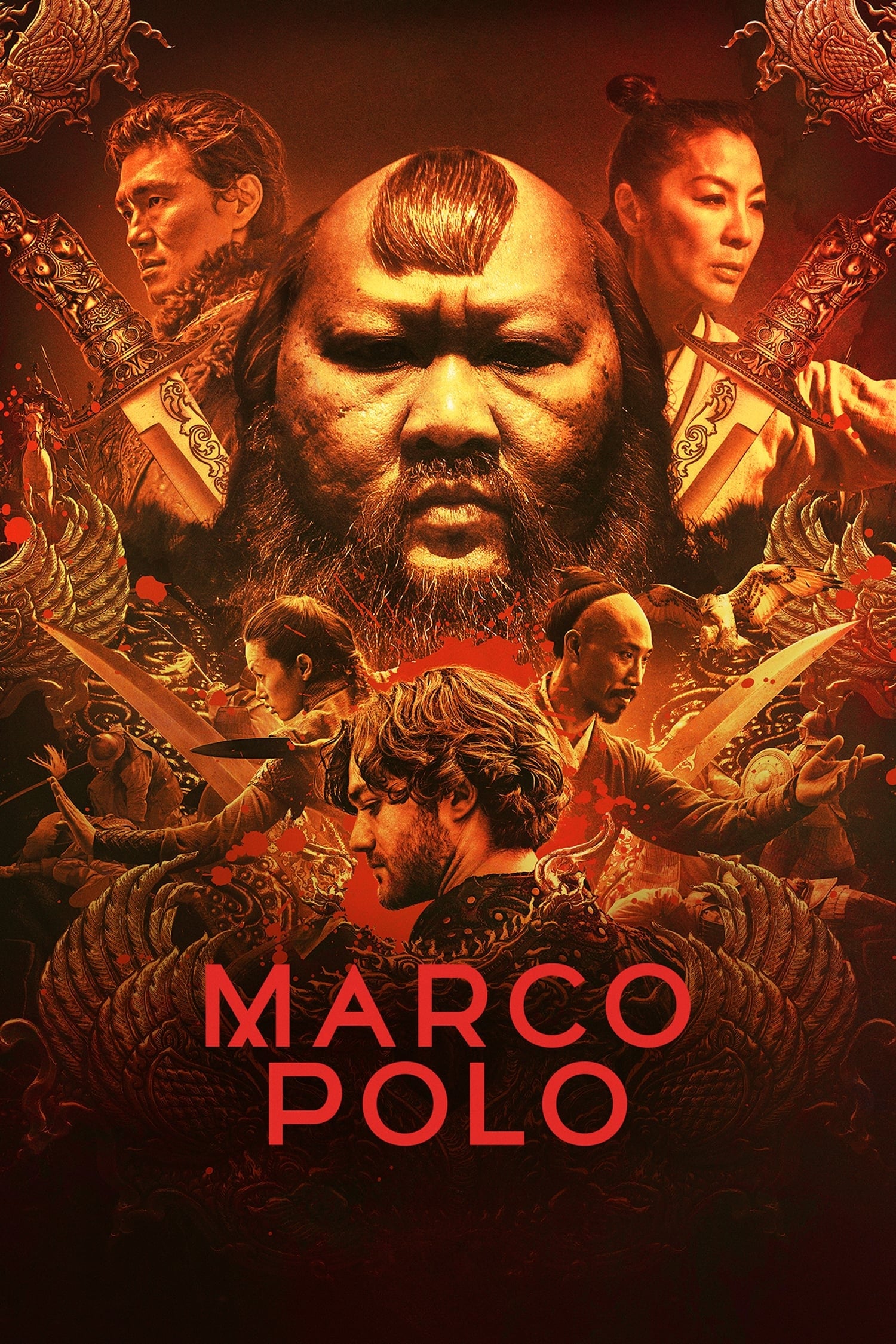
One of Netflix’s early big-budget productions, Marco Polo, had a reported cost of around $9 million per episode. The show’s first season alone cost approximately $90 million, making it one of the most expensive shows in the world at the time. The high costs came from its large international cast, detailed period costumes, and massive, intricate sets built to recreate the 13th-century court of Kublai Khan.
The historical drama is based on the early years of the famous explorer Marco Polo in the court of the Mongol emperor. Despite the grand scale and cinematic quality of the production, the series was canceled after two seasons, reportedly due to its massive price tag and a viewership that didn’t justify the cost.
Sense8 (2015)
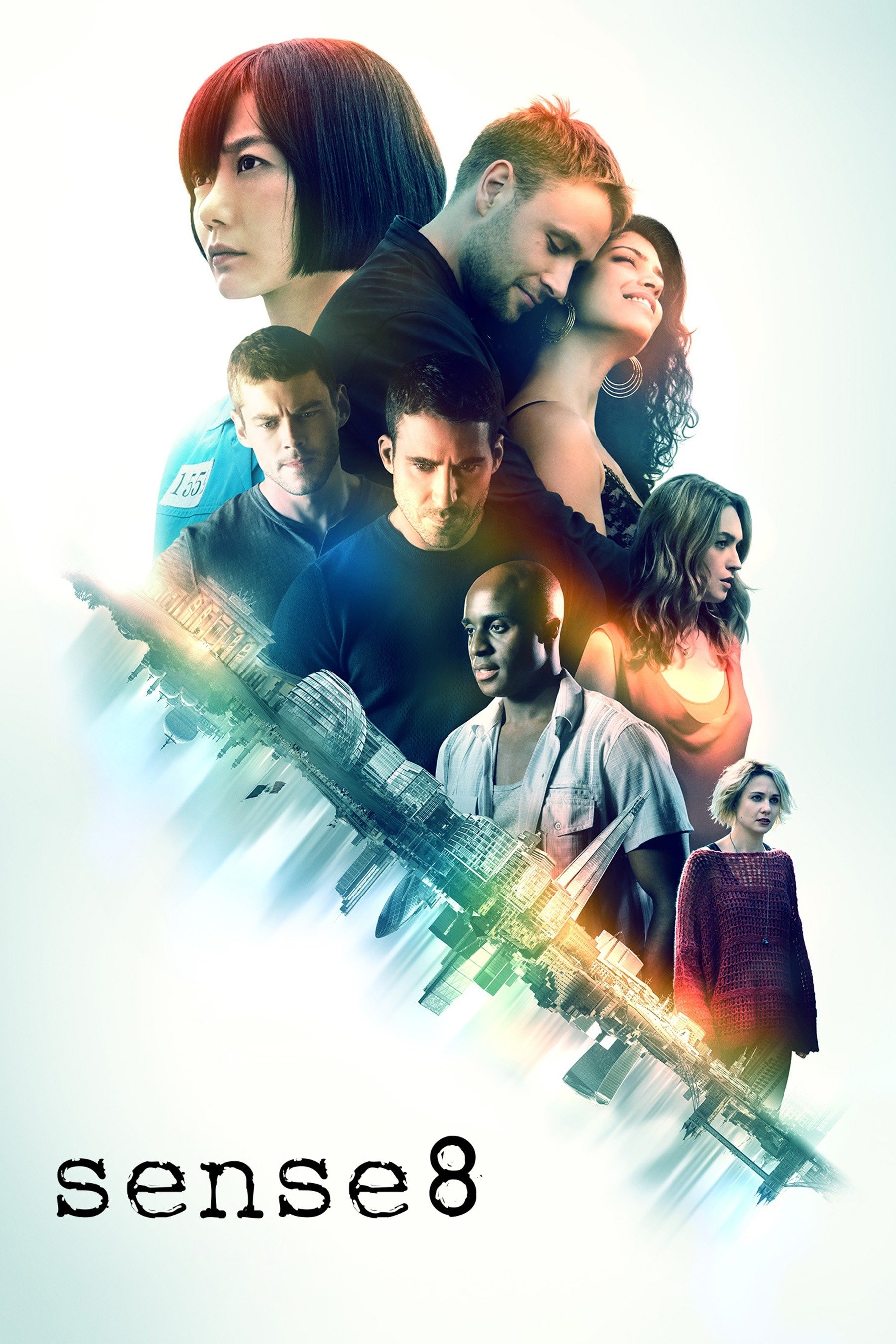
Created by the Wachowskis, Sense8 was a globe-trotting science fiction series with a budget to match. Each episode cost around $9 million to produce. The show’s high expenses were largely due to its ambitious premise, which involved filming in multiple cities across the world, including Berlin, Seoul, Mumbai, and Mexico City.
The series follows eight strangers from different parts of the world who suddenly become mentally and emotionally linked. The need to shoot on location with a large international cast was a major driver of the show’s significant budget. Despite a passionate fanbase, the high cost of production was a major factor in its initial cancellation, though a concluding special was later produced.
The Defenders (2017)
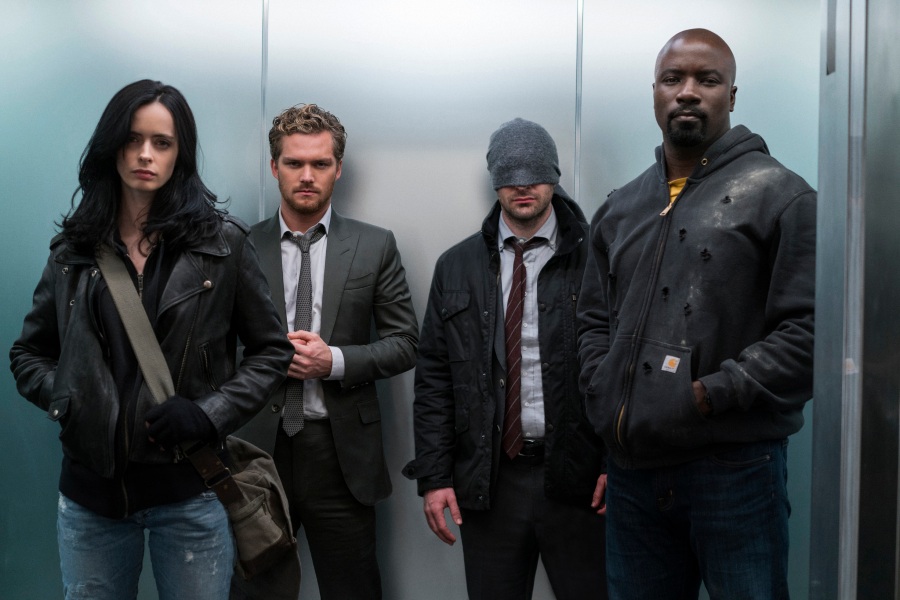
This crossover miniseries brought together the heroes from four of Netflix’s other Marvel shows: Daredevil, Jessica Jones, Luke Cage, and Iron Fist. The eight-episode series had a reported budget of around $8 million per episode. This was a higher per-episode cost than the individual hero shows, reflecting the expense of bringing together the main cast from four different series.
The Defenders saw the street-level heroes team up to fight a common enemy in New York City. The budget was allocated to action sequences and the logistics of coordinating the production and schedules of the various lead actors.
Jupiter’s Legacy (2021)

Netflix’s adaptation of Mark Millar’s comic book series, Jupiter’s Legacy, was a costly project. Reports suggest a total budget that swelled to around $200 million for the single season that was produced. The show’s expenses were driven by the need for extensive visual effects to portray the superheroes’ powers and epic action sequences.
The series explores the generational conflict between the first generation of superheroes, who received their powers in the 1930s, and their children who struggle to live up to their parents’ legacy. Despite the significant investment, which also included the acquisition of Millar’s comic book company, the show was not renewed for a second season.
Altered Carbon (2018)

Netflix’s cyberpunk series, Altered Carbon, was a visually ambitious project with a reported budget of around $7 million per episode for its first season. The show is set in a future where consciousness can be digitized and transferred between bodies, and the high cost was necessary to create its detailed and futuristic world. The series featured extensive special effects and elaborate, neon-drenched cityscapes.
Based on the novel by Richard K. Morgan, the show follows a soldier who is brought back to life in a new body to solve a murder. The production’s significant investment in world-building and visual effects was a key element in bringing the complex sci-fi narrative to the screen.
Bridgerton (2020)

This popular period drama, set in Regency-era London, comes with a reported cost of about $7 million per episode. The high budget is evident in the show’s lavish and detailed production design. This includes the intricate and beautiful costumes worn by the cast, as well as the grand sets and on-location filming at historic English estates.
Bridgerton follows the siblings of the powerful Bridgerton family as they navigate London’s high society in search of love. The show’s lush visuals and historical accuracy in its presentation are a major part of its appeal and a key reason for its significant production budget.
Lost in Space (2018)
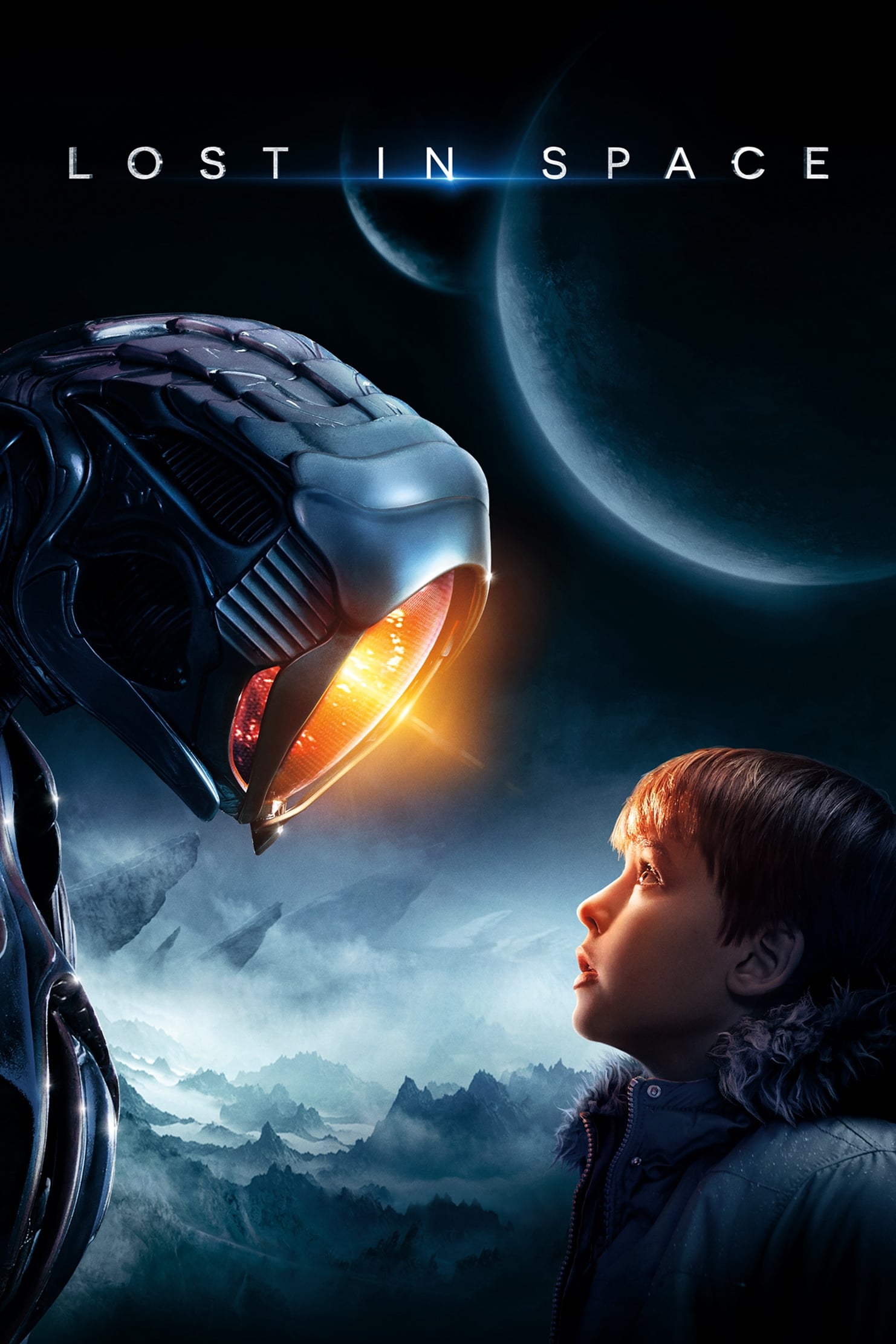
Netflix’s reboot of the classic 1960s science fiction series Lost in Space came with a significant budget, estimated at around $6.5 million per episode. The show’s high cost is evident in its impressive production values, particularly the detailed visual effects used to create alien planets, the Robinson family’s Jupiter 2 spaceship, and the iconic Robot.
The series follows the adventures of the Robinson family, a group of space colonists whose ship veers off course and crashes on an unknown planet. They must struggle to survive and escape, encountering strange new environments and lifeforms along the way.
Wednesday (2022)
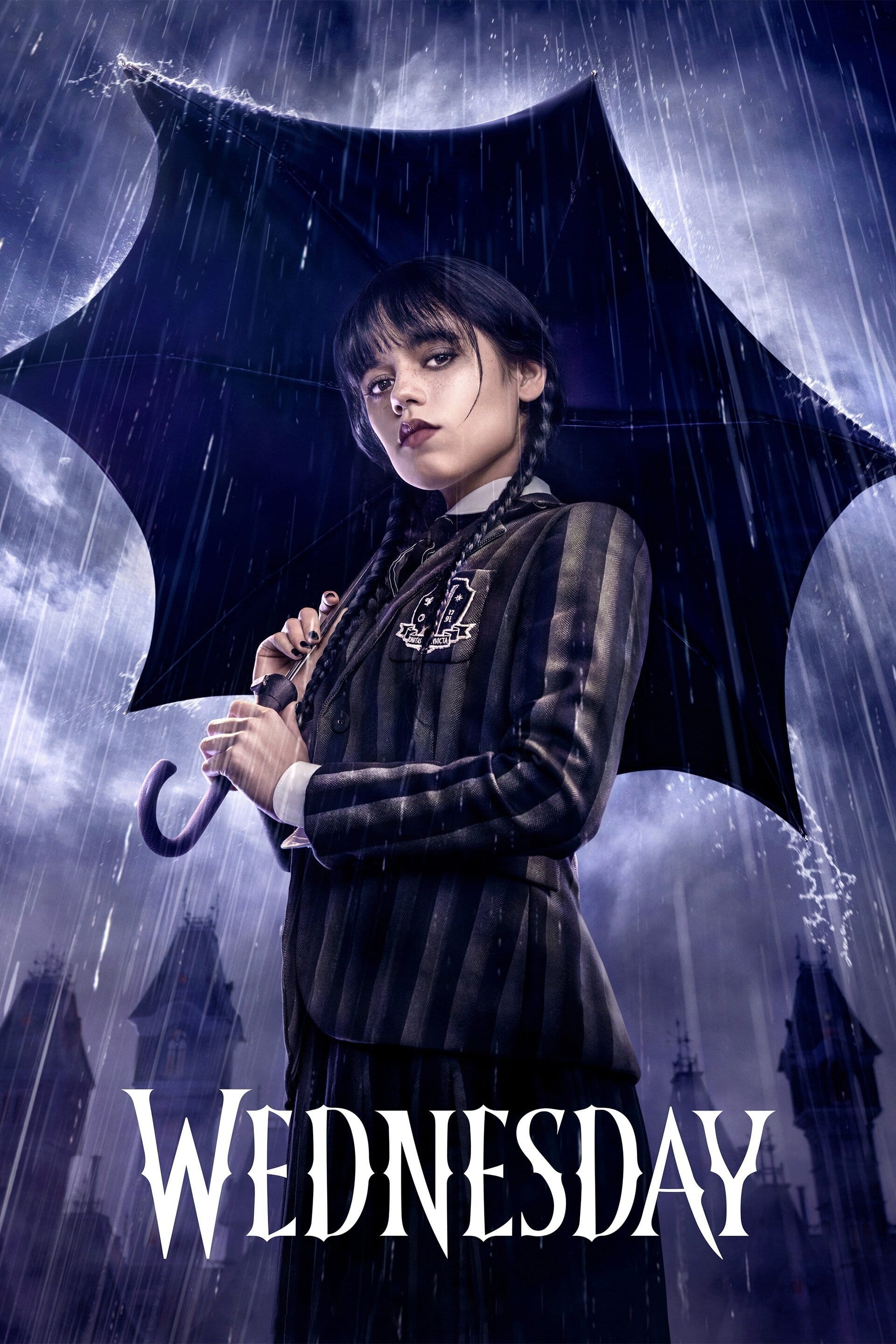
This spin-off from The Addams Family was a huge hit for Netflix, and its production values reflect a significant investment. While exact figures are not public, the show’s detailed gothic sets, special effects for creatures and supernatural events, and high-profile director Tim Burton all point to a budget of several million dollars per episode.
The series follows Wednesday Addams as she attends Nevermore Academy, a school for monstrous outcasts. She attempts to master her emerging psychic ability while solving a supernatural mystery that embroiled her parents 25 years earlier. The show’s unique aesthetic and cinematic quality required a substantial financial commitment.
Cursed (2020)
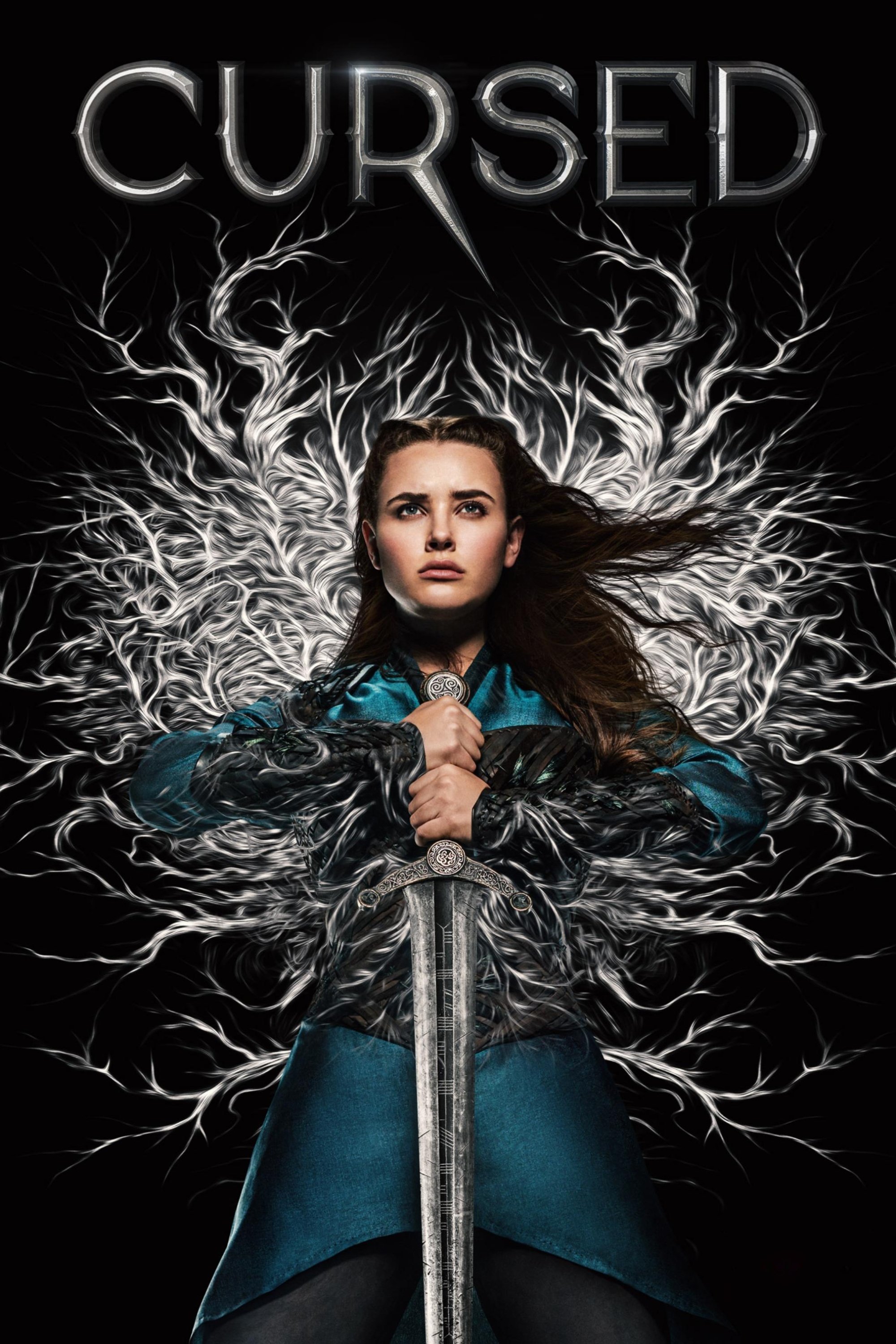
This fantasy series, a reimagining of the Arthurian legend, had a substantial budget, estimated to be in the range of $5-6 million per episode. The costs were driven by the need for extensive visual effects to create its magical elements, fantasy creatures, and large-scale battle sequences. Period costumes and detailed set design also added to the expenses.
The series tells the story of King Arthur from the perspective of Nimue, a young woman with a mysterious gift who is destined to become the powerful Lady of the Lake. The show was canceled after one season.
House of Cards (2013)
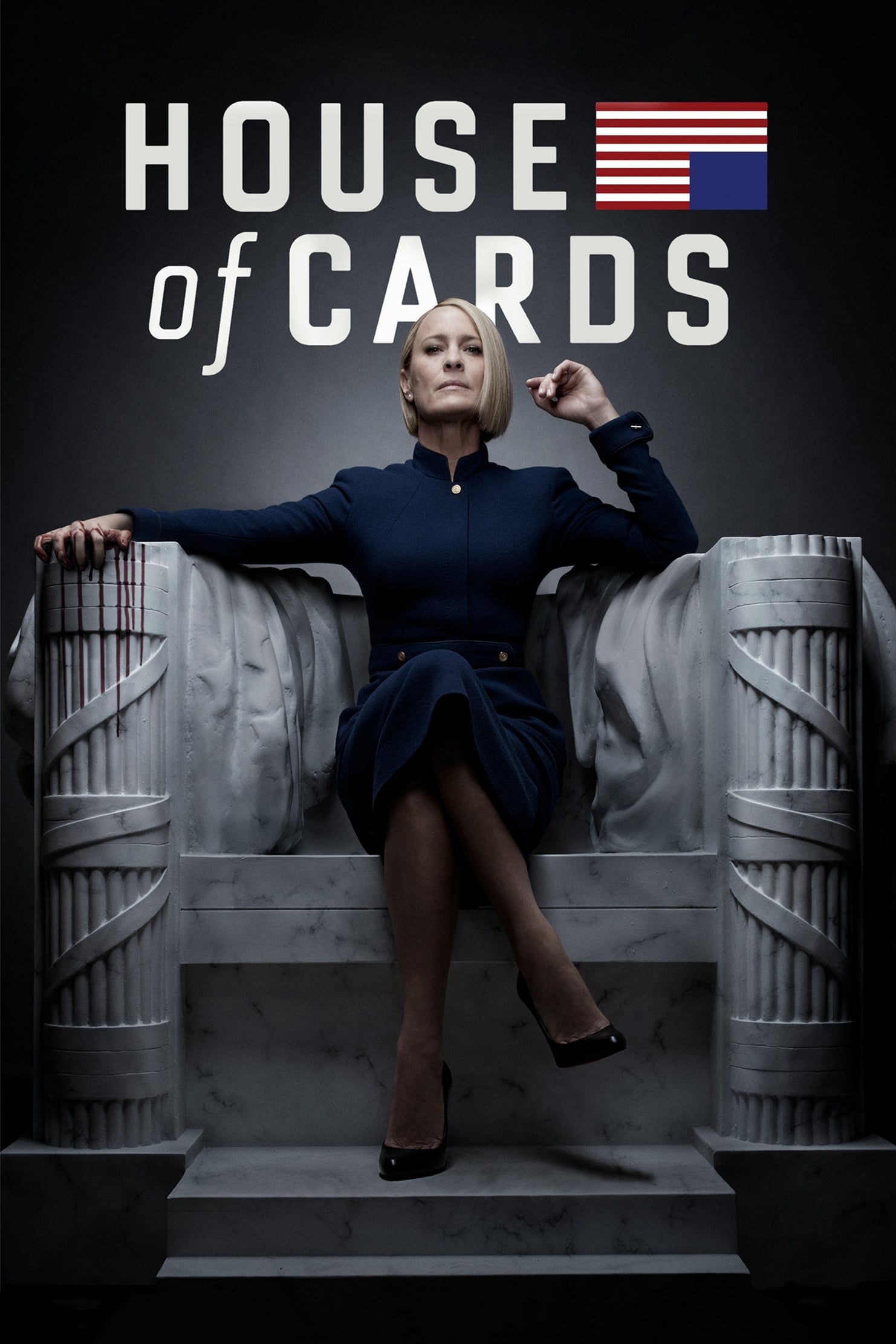
Netflix’s first major original series, House of Cards, started with a budget of around $4.5 million per episode. As the show’s popularity grew, so did its budget, particularly the salaries for its high-profile stars. The show’s polished, cinematic quality and its Washington D.C. setting also contributed to the costs.
The political drama follows a ruthless and ambitious politician and his wife as they manipulate their way to the top of the American political system. The series was a critical and commercial success that established Netflix as a major player in original content.
Cowboy Bebop (2021)
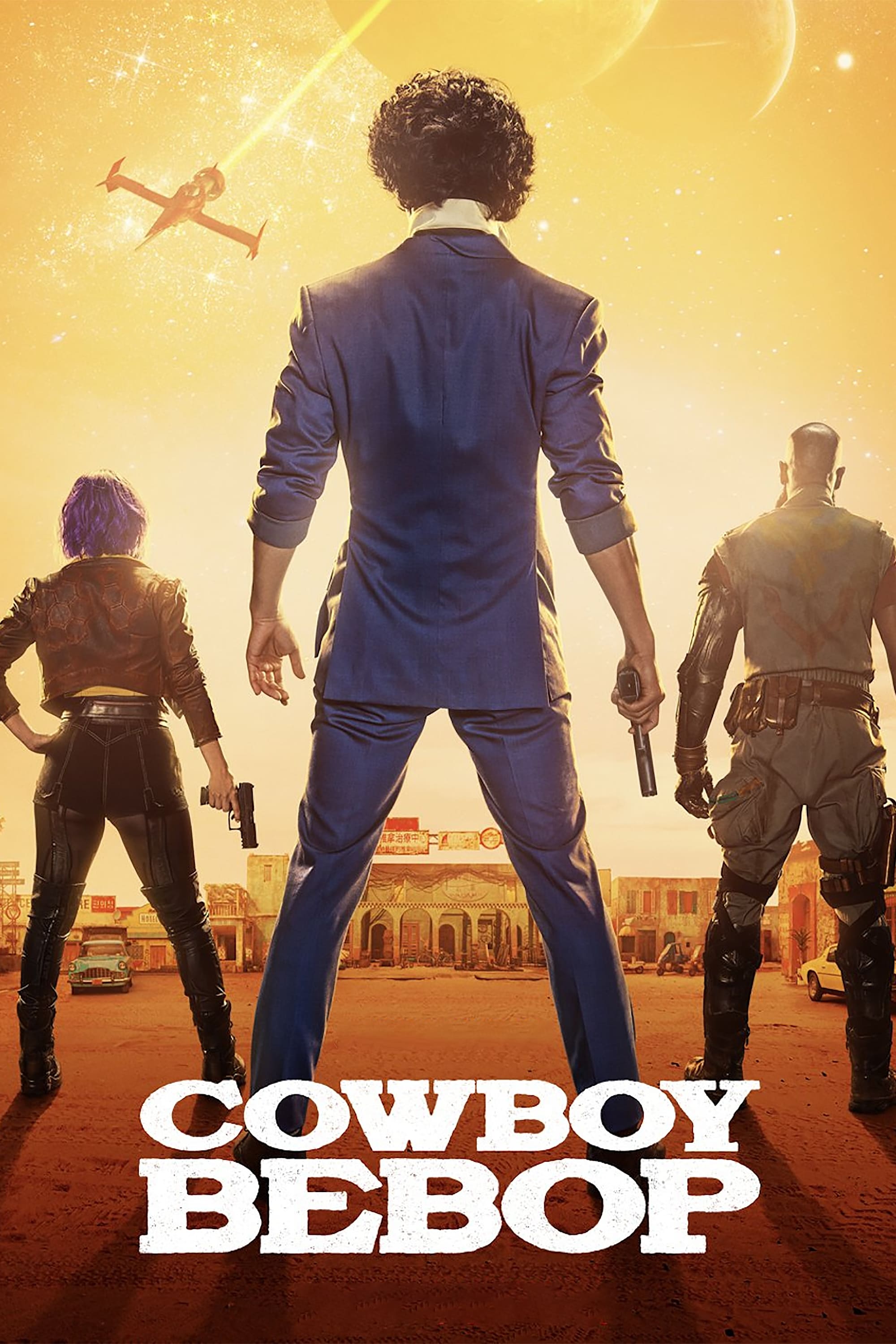
The live-action adaptation of the classic anime Cowboy Bebop was a costly endeavor for Netflix, with estimates placing the budget around $6-7 million per episode. The high cost was due to the need for extensive visual effects to create the futuristic, space-western setting. Building detailed sets for various planets and spaceships, along with choreographing stylized action sequences, contributed significantly to the budget.
The series follows a group of bounty hunters as they travel the solar system in their spaceship, the Bebop, chasing down criminals. The show aimed to capture the unique visual style and tone of the original anime, but it was canceled after its first season.
Shadow and Bone (2021)

This fantasy series, based on Leigh Bardugo’s Grishaverse novels, required a significant budget to bring its unique world to life. It is estimated to be in the range of several million dollars per episode. The high costs are associated with the extensive visual effects needed to portray the characters’ magical abilities and to create the Shadow Fold, a vast region of darkness filled with monsters.
The show follows a young mapmaker who discovers she has a rare power that could save her country. The series combines two of the author’s book series, requiring a large ensemble cast and multiple, complex storylines running in parallel.
Daredevil (2015)

As the first of Netflix’s Marvel series, Daredevil set a high bar for quality with a budget estimated at around $3 million per episode, putting its season budget around $40 million. The production costs were allocated to its well-choreographed and gritty fight scenes, its dark and atmospheric cinematography, and shooting on location in New York City to create its grounded version of Hell’s Kitchen.
The show follows Matt Murdock, a lawyer who was blinded as a child but gained extraordinary senses. He fights for justice in the courtroom by day and as the vigilante Daredevil by night.
Jessica Jones (2015)
Part of Netflix’s original slate of Marvel shows, Jessica Jones had a production budget estimated to be around $40 million per season. This breaks down to over $3 million per episode. While not as effects-heavy as other superhero shows, the costs were associated with its high-quality production, on-location shooting in New York City, and talented cast.
The series is a noir-style psychological thriller that follows a former superhero who opens her own detective agency. Jessica Jones uses her abilities to help those in need while battling her own past traumas.
Luke Cage (2016)

Another of the Marvel series, Luke Cage had a budget similar to its counterparts, estimated at around $3 million per episode. The show’s costs were driven by its high-quality production, music licensing for its distinctive soundtrack, and action sequences that showcased the main character’s superhuman strength and unbreakable skin.
The series follows Luke Cage, a man with incredible strength and durable skin, who becomes a hero and protector of his neighborhood of Harlem, New York. The show was praised for its strong sense of place and its unique cultural perspective within the superhero genre.
Iron Fist (2017)
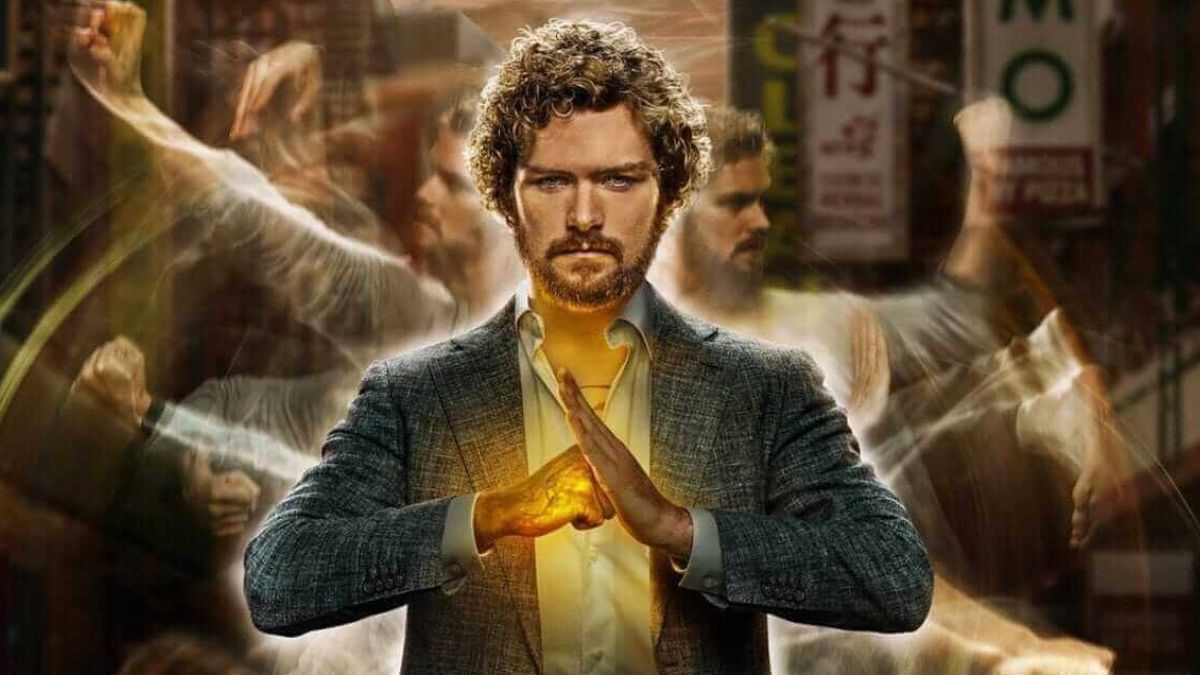
The fourth of the initial Marvel series leading up to The Defenders, Iron Fist, also had a budget in the range of $3 million per episode. Much of this budget went towards the show’s extensive and intricate martial arts fight sequences and the visual effects needed to portray the mystical power of the Iron Fist itself.
The series follows Danny Rand, a billionaire who returns to New York City after being presumed dead for 15 years. He fights against the criminal element corrupting his city using his incredible martial arts skills and the ability to summon the power of the Iron Fist.
Our Planet (2019)

This ambitious nature documentary series came with a very high price tag, though specific per-episode figures are not widely publicized. The cost comes from the incredibly difficult and time-consuming process of filming wildlife in remote and often dangerous locations across the globe over several years. Utilizing cutting-edge camera technology to capture stunning, high-definition footage also adds significantly to the budget.
Narrated by David Attenborough, the series showcases the planet’s natural beauty and examines how climate change impacts all living creatures. The logistical challenges and sheer scale of a global production like this make it one of Netflix’s most expensive non-fiction projects.