Movies That Best Define Generation X

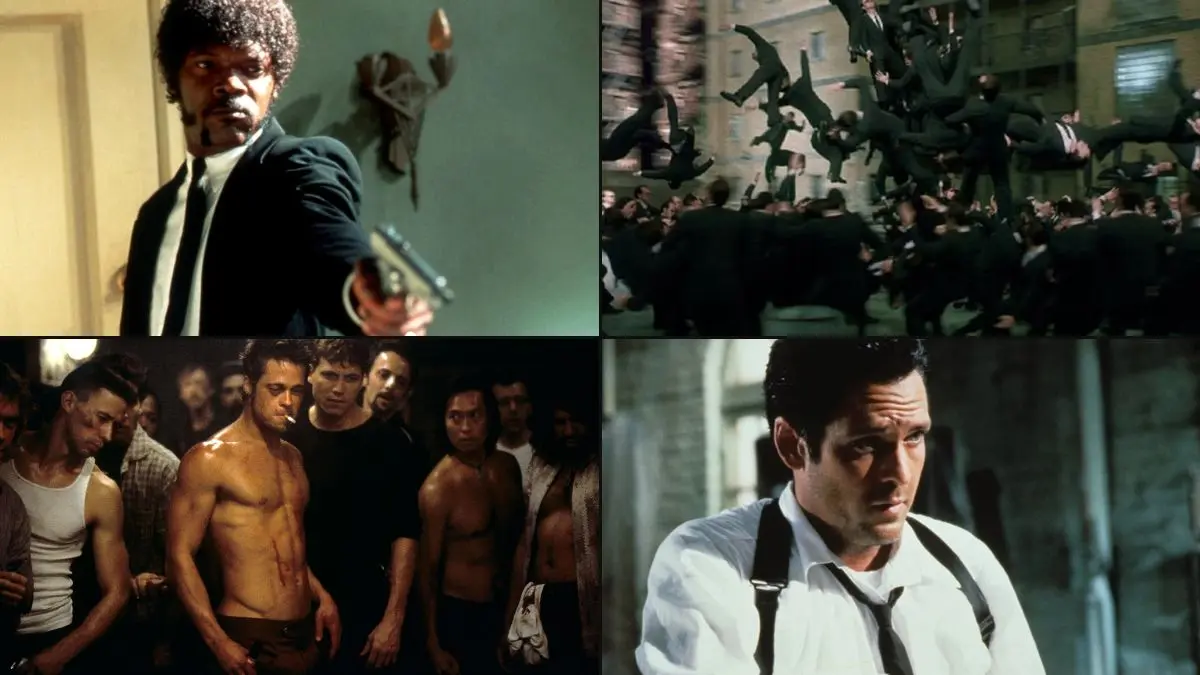

An entire generation, born between the mid-1960s and the early 1980s, found its identity reflected on the silver screen. Generation X, as it came to be known, navigated a world of shifting cultural and economic landscapes. The movies they watched became a defining part of their experience, capturing their unique blend of cynicism, independence, and quiet yearning. These films moved away from the idealism of the previous generation, offering a more grounded and often ironic look at life.
From stories of suburban angst to tales of disillusioned youth, the cinema of this era created a powerful and lasting legacy. It introduced new voices in filmmaking and launched the careers of actors who would become icons for a generation. These movies explored themes of anti-establishment sentiment, the search for authentic connection in a commercialized world, and the challenges of adulthood in uncertain times. They remain a vital snapshot of what it meant to be young during the final decades of the 20th century.
Fast Times at Ridgemont High (1982)
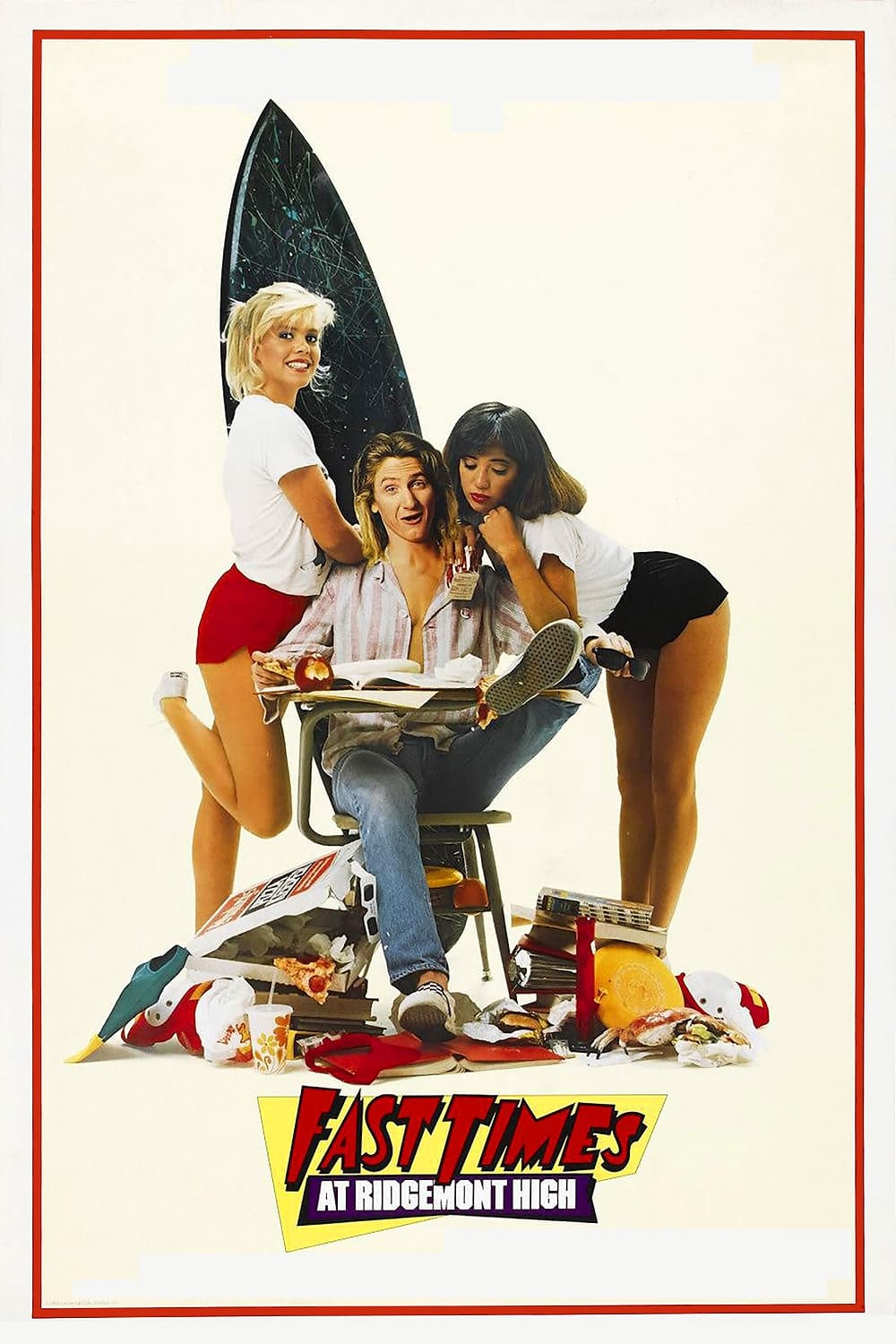
This comedy follows a group of high school students in Southern California as they navigate classes, part-time jobs, and their first romantic experiences. The film is a frank and funny look at teenage life, dealing with topics that were often considered taboo at the time. Its ensemble cast included several future stars, like Sean Penn and Jennifer Jason Leigh.
While released early for a Gen X film, its realistic and non-judgmental portrayal of teen culture set a new standard. The characters, especially the iconic surfer-slacker Jeff Spicoli, represented a shift away from the more innocent teen portrayals of the past. It captured the casual, mall-centric lifestyle that would become a hallmark of the 80s.
Risky Business (1983)
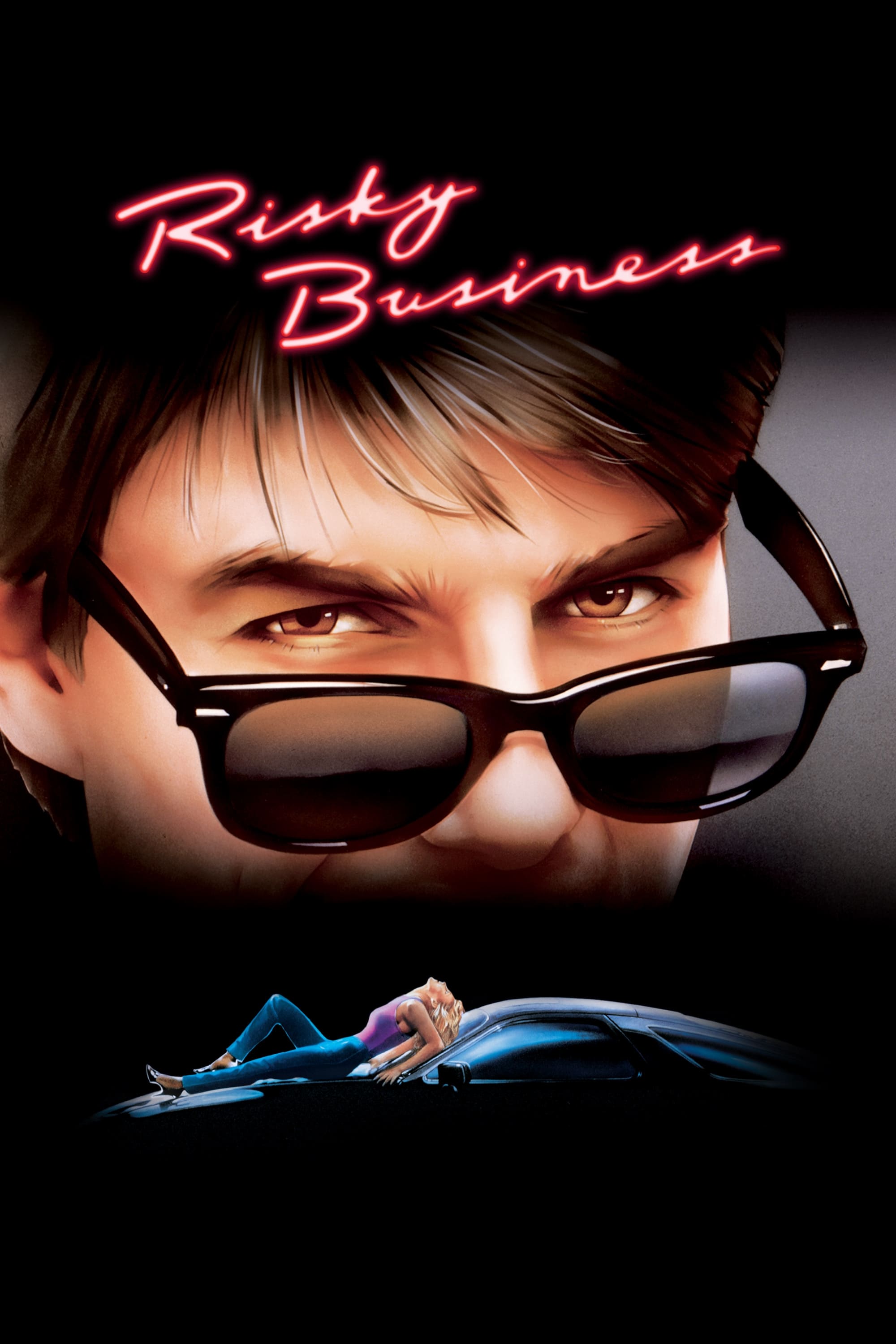
A responsible high school student, Joel Goodson, is looking for some fun when his parents go out of town. His search for adventure leads him to a memorable night of trouble that involves a stolen crystal egg and turning his house into a brothel for a night. The film is a stylish and clever satire of ambition and capitalism.
Risky Business launched Tom Cruise into stardom and captured the entrepreneurial spirit of the 1980s. Its sleek look and cool synthesizer soundtrack defined the style of the era. The film’s theme of a young person cleverly navigating a dangerous situation to achieve success resonated with a generation entering a competitive and materialistic world.
Repo Man (1984)
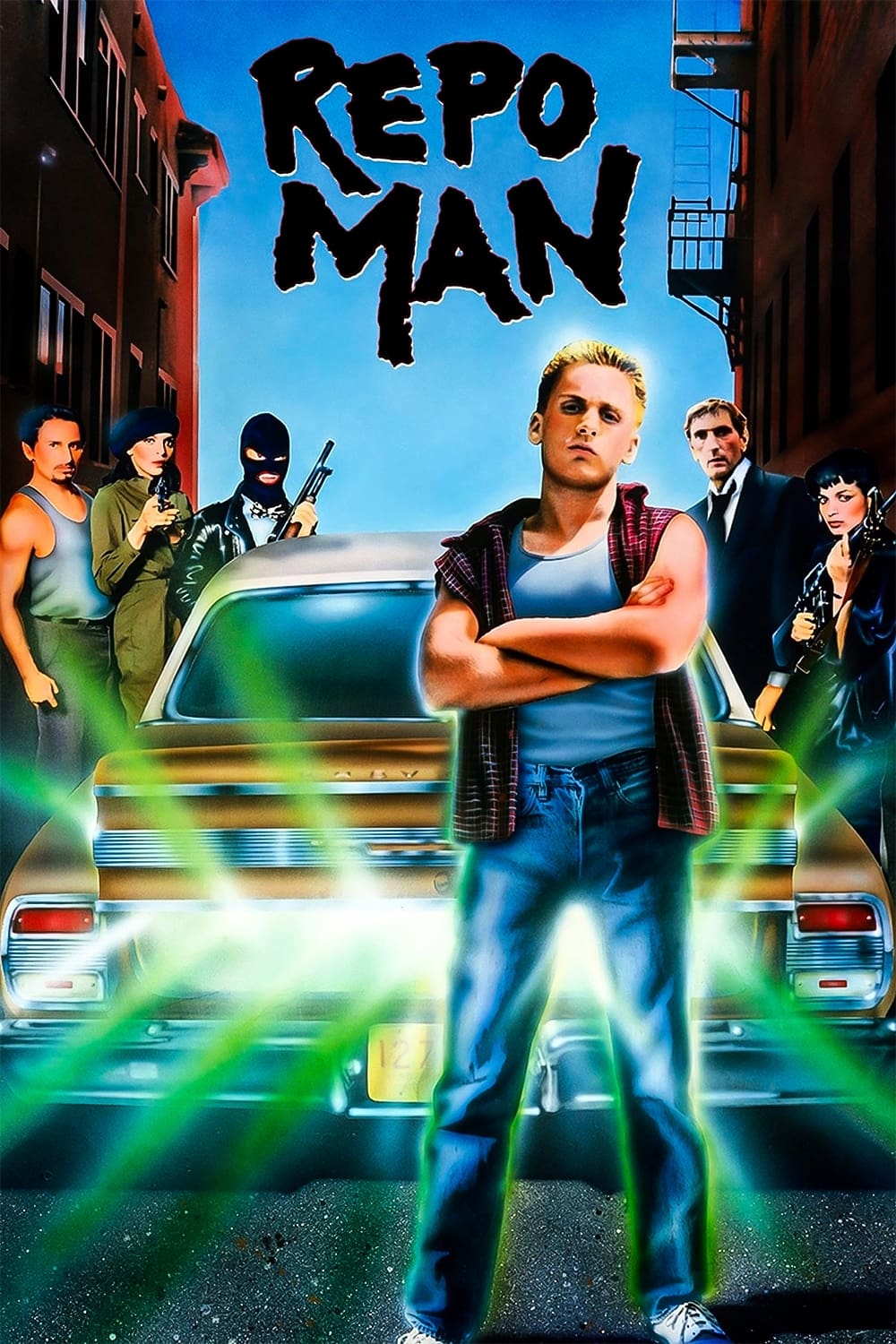
A young punk rocker in L.A. gets fired from his job and then finds new, strange employment as a repossession agent. He is mentored by a veteran repo man and quickly gets drawn into a bizarre world involving government agents, UFO cultists, and a mysterious Chevy Malibu with something glowing in the trunk. The film is a unique blend of science fiction, comedy, and punk rock attitude.
Repo Man is a cult classic that perfectly captures the cynical and anti-authoritarian spirit of early Gen X. Its strange plot and deadpan humor satirized consumer culture and conspiracy theories. The film’s embrace of punk rock culture and its alienated hero made it a key movie for the generation’s counter-culture wing.
This Is Spinal Tap (1984)
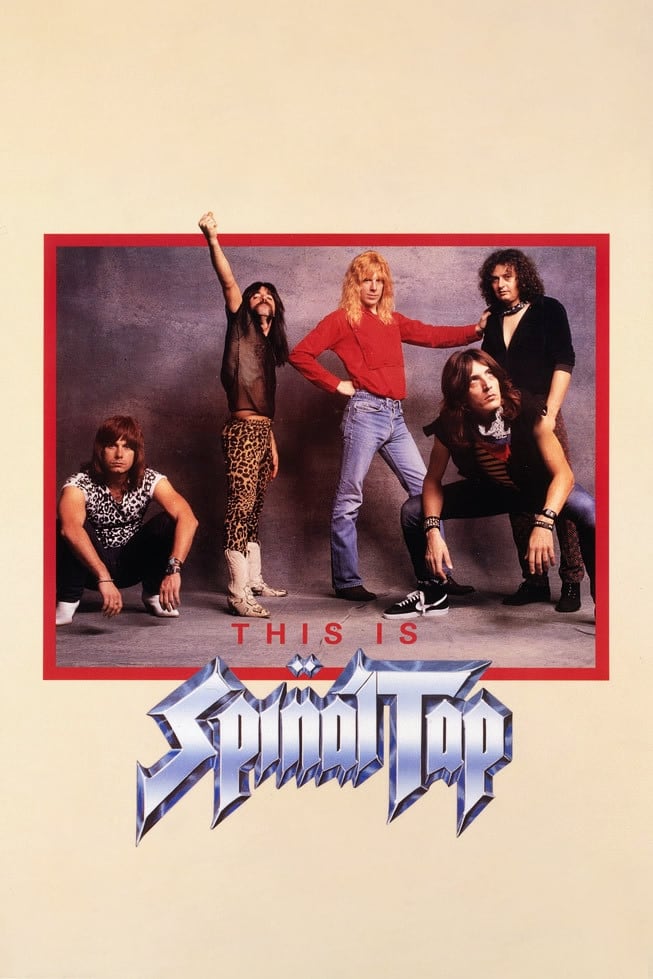
This film presents itself as a documentary, or “rockumentary,” about a fictional British heavy metal band called Spinal Tap during their tour of America. The movie follows the band members as they deal with artistic differences, clueless management, and a series of bizarre on-stage mishaps, including amplifiers that go to eleven. It is a sharp and hilarious satire of rock and roll excess.
This Is Spinal Tap was so convincing that many people initially thought it was a real documentary. Its subtle, ironic humor and quotable lines had a massive influence on comedy. For Generation X, a group that grew up with classic rock but was developing its own sense of irony, this film was a perfect parody of the musical clichés they knew so well.
The Breakfast Club (1985)

John Hughes’s film brought together five high school students in Saturday detention. A brain, an athlete, a basket case, a princess, and a criminal discover they have more in common than they thought. The movie explores the pressures of teenage life and the struggle to break free from stereotypes. It shows how different people can find common ground when they are honest with each other.
The film became an anthem for many young people who felt misunderstood. Its characters openly discuss their fears, family problems, and the expectations placed upon them. The Breakfast Club is a classic Gen X movie because it values authenticity over conformity. It suggests that looking past social labels is the key to understanding one another.
St. Elmo’s Fire (1985)
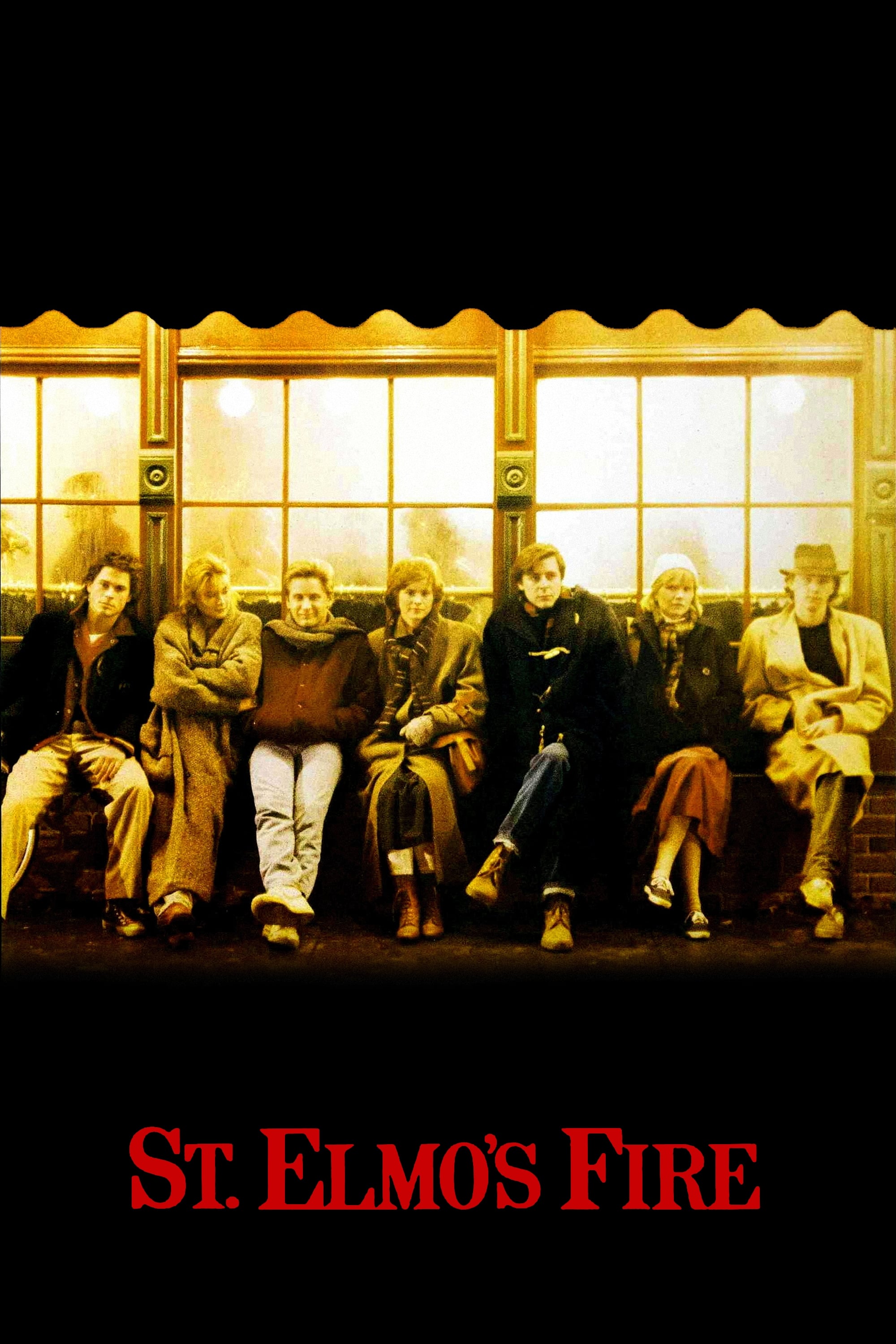
This film follows a group of recent college graduates as they struggle with the challenges of adulthood. The friends deal with careers, relationships, and addiction while trying to hold on to the bonds they formed in school. The movie features a “Brat Pack” ensemble cast, including Emilio Estevez, Demi Moore, and Rob Lowe.
St. Elmo’s Fire was a key film for showing the anxieties of post-college life for Gen X. It explored the difficult transition from the structured world of university to the uncertainties of the real world. The film’s characters grapple with questions of identity and purpose, a central theme for the generation.
Blue Velvet (1986)
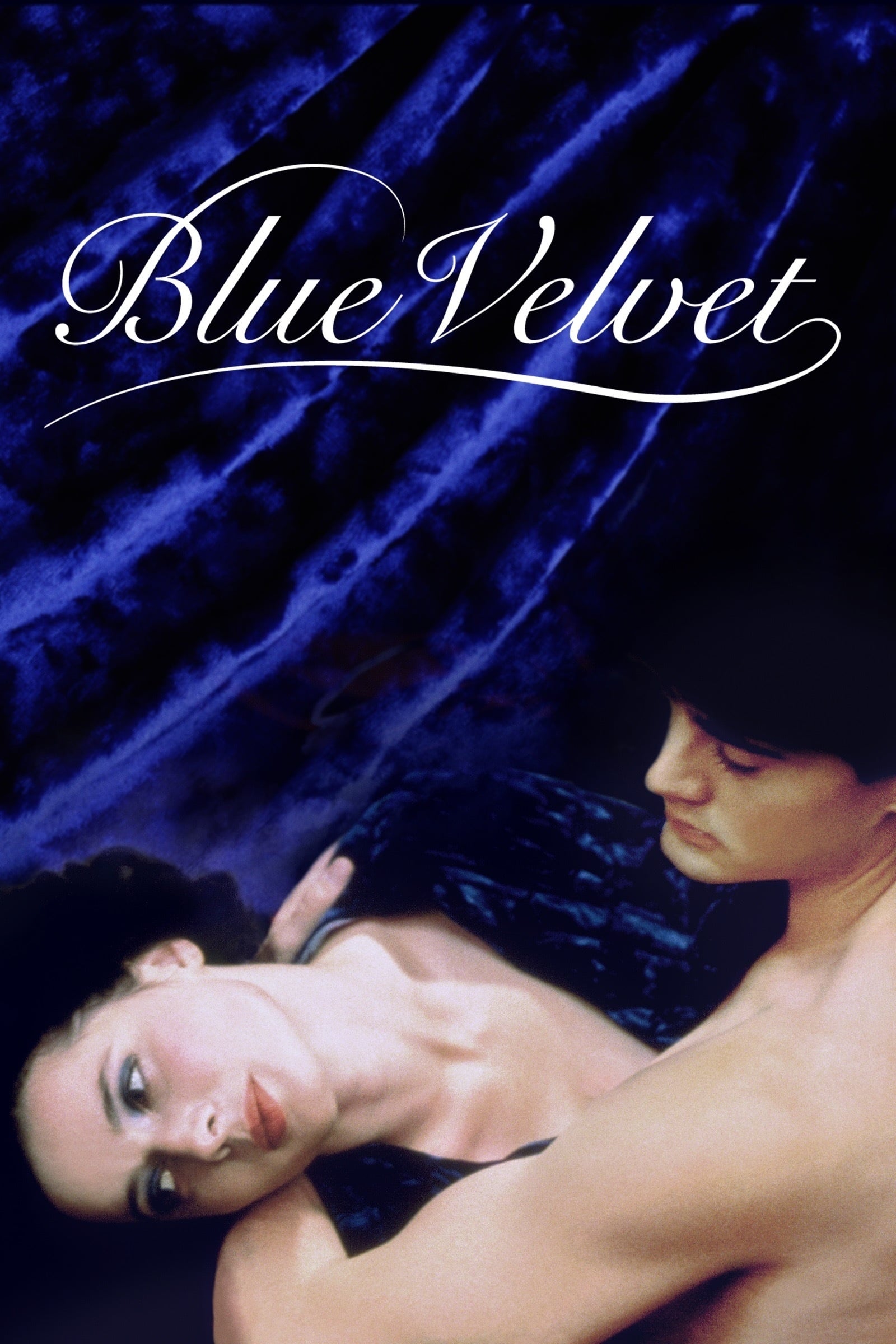
A young man named Jeffrey Beaumont returns to his idyllic hometown and discovers a severed human ear in a field. His curiosity draws him into a dark and dangerous mystery involving a beautiful nightclub singer and a terrifyingly violent criminal. The film explores the disturbing reality hidden just beneath the surface of a seemingly perfect suburban town.
David Lynch’s film was controversial and deeply unsettling for audiences at the time. Its mix of innocence and shocking depravity became a hallmark of Lynch’s style. For a generation that was beginning to question the picture-perfect image of the Reagan era, Blue Velvet‘s theme of suburban darkness was powerful and resonant.
Ferris Bueller’s Day Off (1986)

A charming and clever high school senior decides to skip school for a day in Chicago. Ferris Bueller, along with his girlfriend and best friend, embarks on an adventure through the city. He is determined to live life to the fullest, breaking rules and challenging authority along the way. The film is a celebration of youth and seizing the moment.
This movie connected with a generation that often felt constrained by rules and expectations. Ferris represents a desire for freedom and the belief that life is too short to be spent following a predictable path. His direct addresses to the audience create a personal connection, making viewers feel like they are part of his day off.
Pretty in Pink (1986)
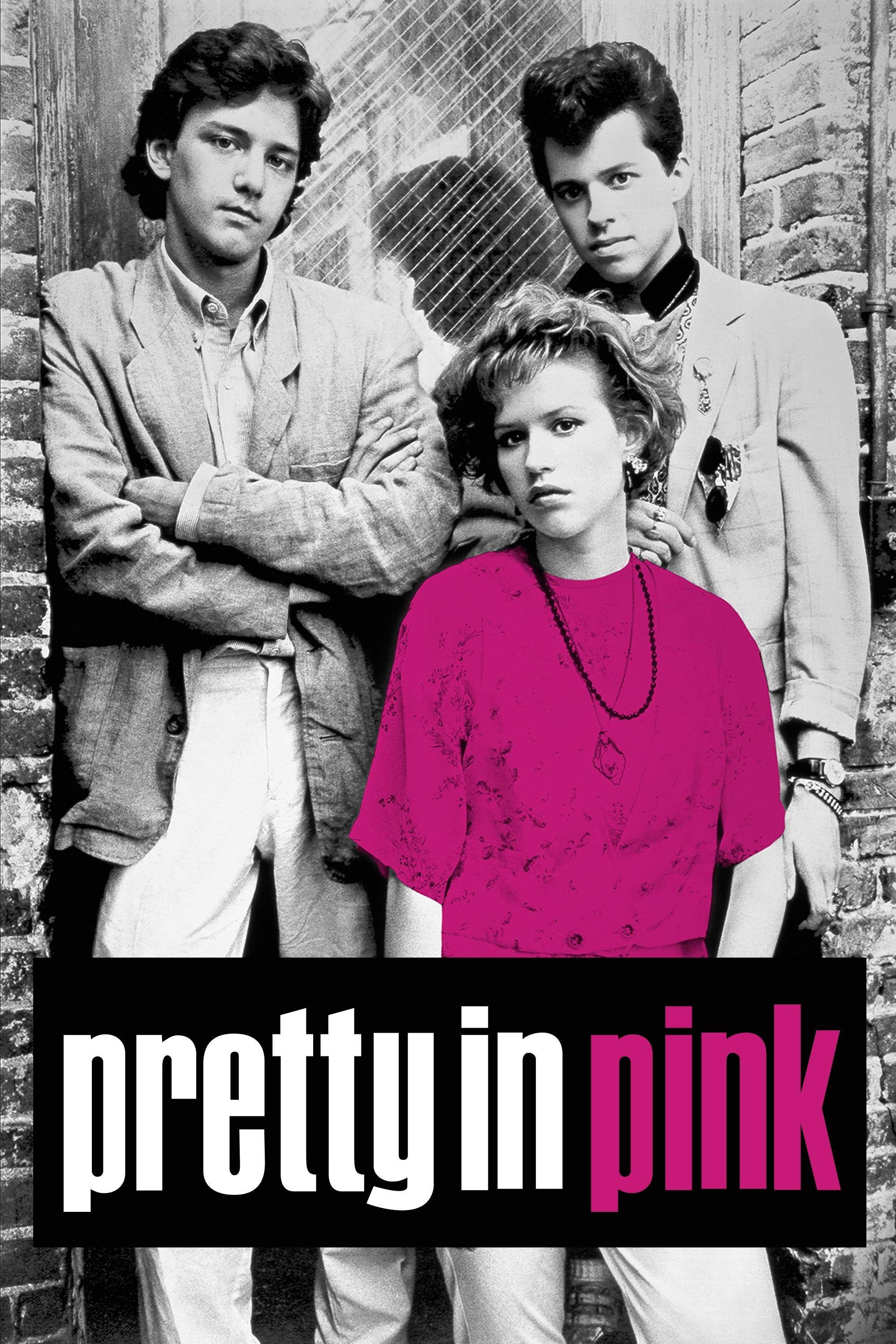
Another classic from writer John Hughes, this film tells the story of Andie, a high school girl from a working-class background. She falls for a wealthy and popular boy named Blane, and they must navigate the social pressures that threaten to keep them apart. The movie explores themes of class, friendship, and staying true to yourself.
Pretty in Pink is an iconic 80s teen romance that resonated with many young viewers. Its focus on social cliques and the challenges of dating someone from a different background was very relatable. Andie’s unique, self-made fashion sense also made her a style icon for a generation that valued individuality.
Less Than Zero (1987)
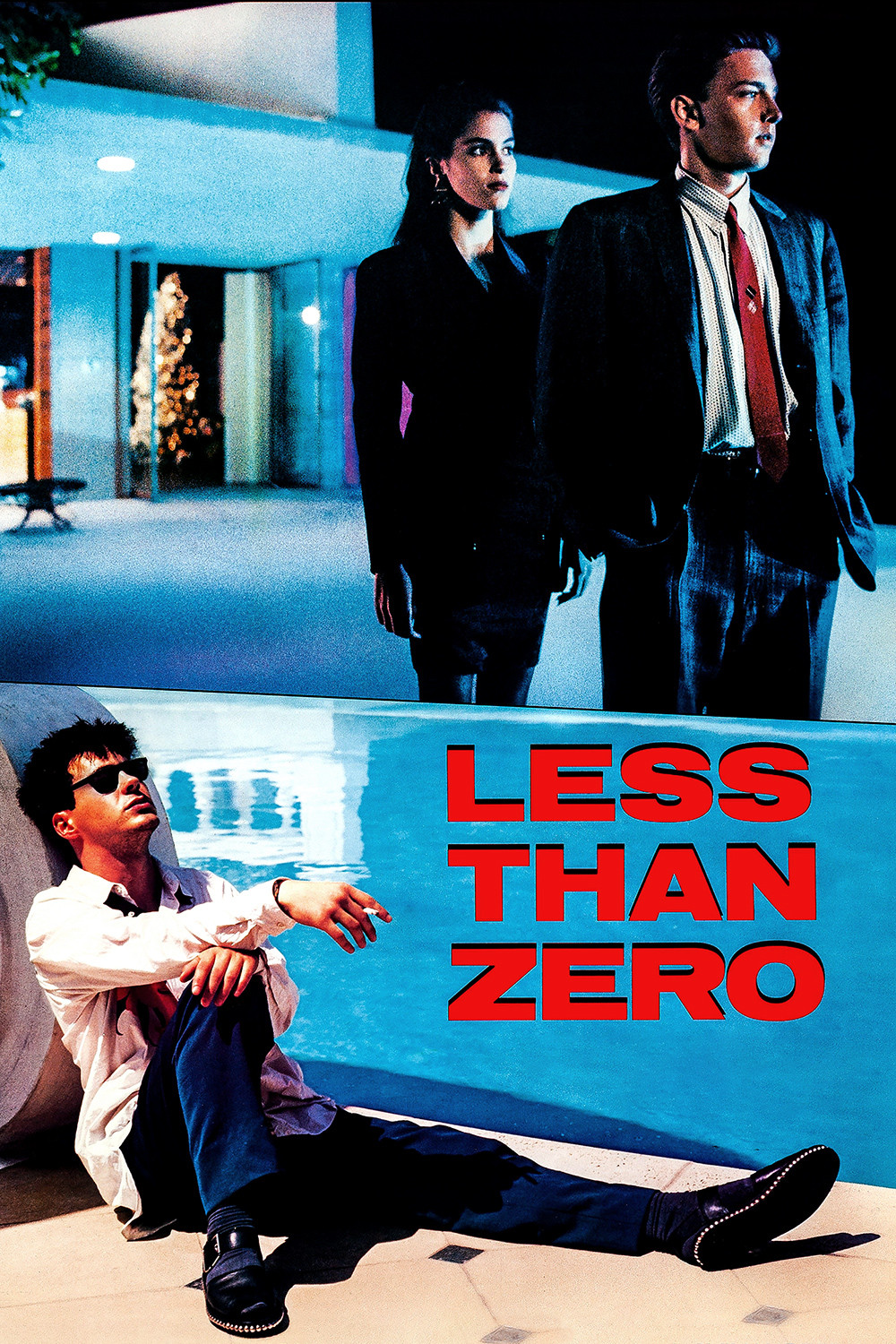
Based on the novel by Bret Easton Ellis, this drama follows a college freshman who returns home to Los Angeles for Christmas break. He finds that his two best friends have fallen into a world of drug addiction and despair. The film is a dark and cautionary tale about the excesses of wealthy youth in the 1980s.
Less Than Zero presented a stark and disturbing look at the dark side of 80s materialism. It stood in contrast to the more upbeat teen movies of the era. The film’s themes of alienation and moral decay were a powerful commentary on the emptiness that could lie beneath a glamorous surface.
Heathers (1989)
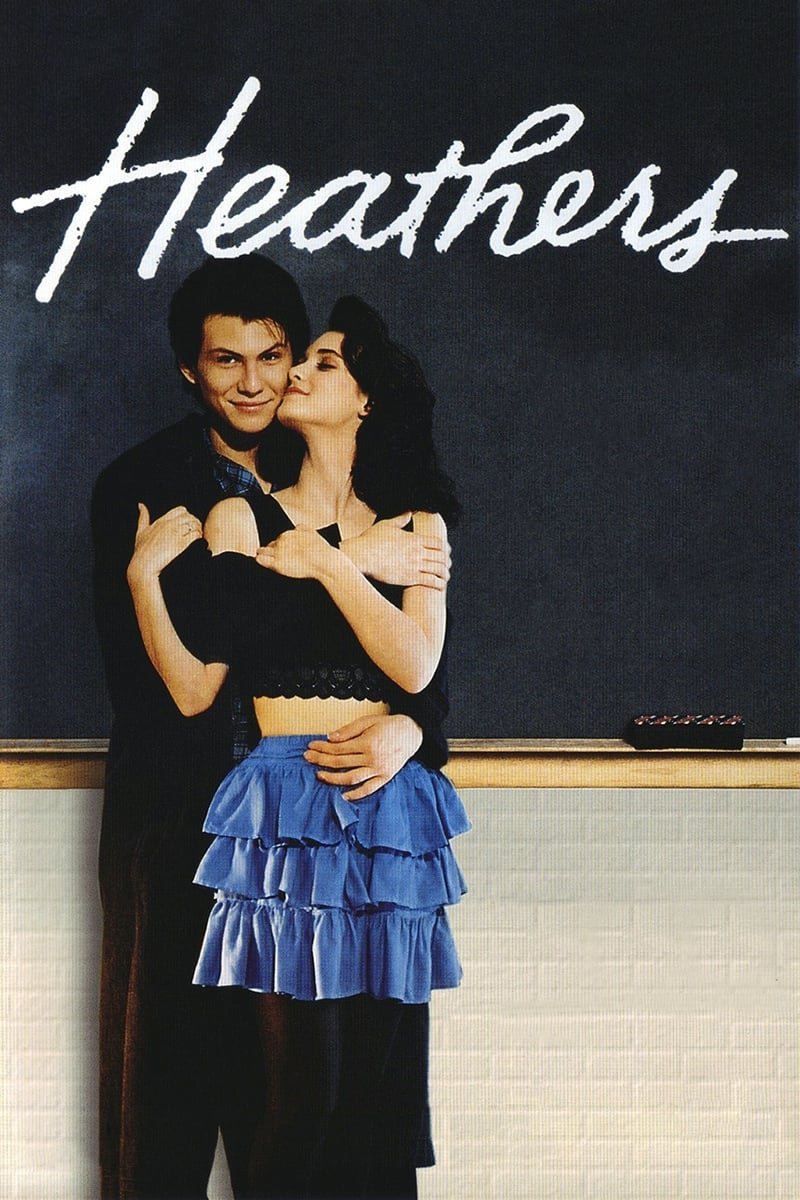
This dark comedy offers a cynical take on high school social hierarchies. Veronica is part of a popular but cruel clique, all named Heather. She teams up with a rebellious newcomer, J.D., to get back at the popular kids, but their pranks soon turn deadly. The film uses sharp wit and satire to critique the cruelty of teen social life.
Heathers stood out for its dark and unapologetic humor. It rejected the sweeter, more optimistic tone of many teen movies from the same period. The film’s exploration of teen angst, alienation, and violence resonated with a generation skeptical of authority and social structures. It became a cult classic for its smart and subversive script.
Say Anything… (1989)

Recent high school graduate Lloyd Dobler, an eternal optimist, falls for the smart and beautiful valedictorian, Diane Court. Against all odds, they fall in love over the summer before she is due to leave for a scholarship in England. The film follows their heartfelt and complicated romance.
The movie is famous for the iconic scene where Lloyd holds a boombox over his head outside Diane’s window. This gesture became a powerful symbol of romantic devotion for a generation. Say Anything… is a smart, funny, and sincere film that avoids easy answers, capturing the uncertainty and hope of being on the cusp of adulthood.
Do the Right Thing (1989)
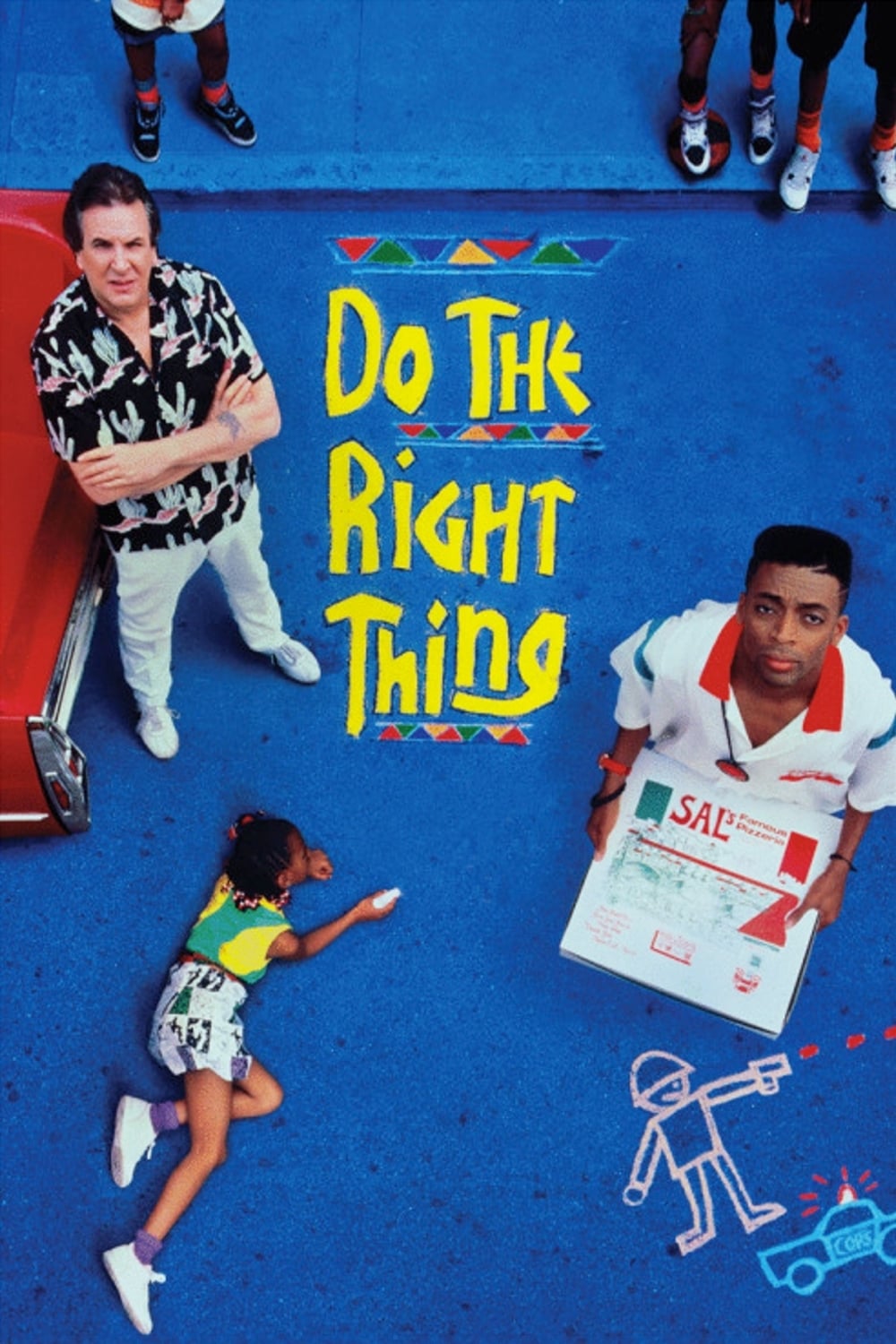
Director Spike Lee’s landmark film depicts rising racial tensions in a Brooklyn neighborhood on the hottest day of the summer. The story centers on Mookie, a pizza delivery guy, and the local residents as small conflicts escalate into a violent tragedy. The film confronts issues of race, gentrification, and police brutality with unflinching honesty.
Do the Right Thing was a powerful and controversial cultural event. It sparked a national conversation about race in America and established Spike Lee as a major filmmaking voice. For Gen X, it was a vital piece of political art that challenged them to think critically about the social issues defining their country.
Slacker (1990)
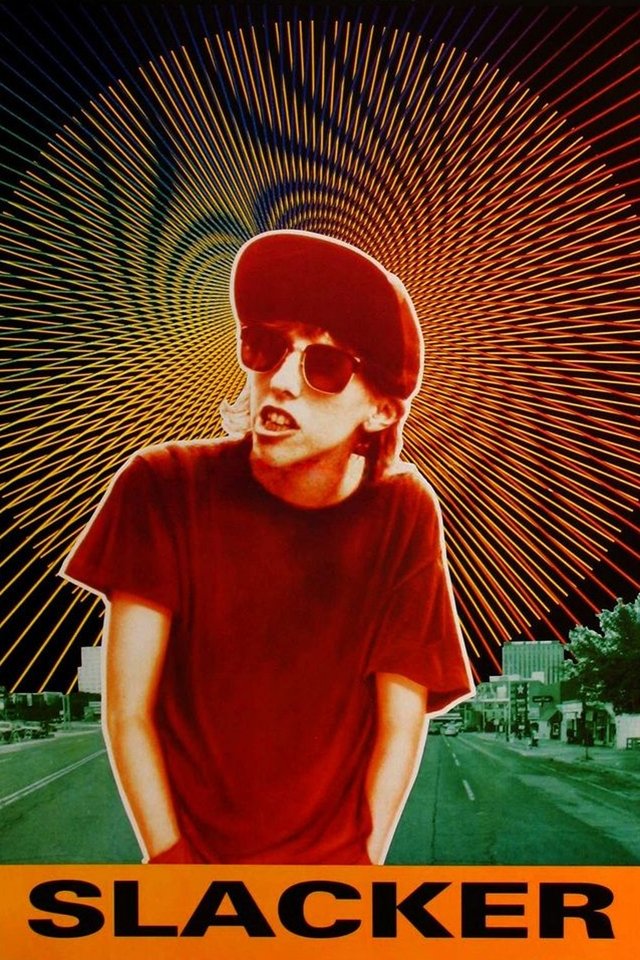
Richard Linklater’s independent film follows a series of eccentric and often aimless characters in Austin, Texas, over a single day. The camera drifts from one conversation to the next, creating a portrait of a community on the fringes of society. There is no central plot, but rather a collection of moments and philosophical musings from its subjects.
The movie’s title came to define a whole generation, even if it was often used as a negative label. Slacker captures a sense of intellectual curiosity and a rejection of traditional career paths. It celebrates people who are more interested in ideas and personal projects than in climbing the corporate ladder. The film’s loose, wandering style was influential in independent cinema.
Pump Up the Volume (1990)
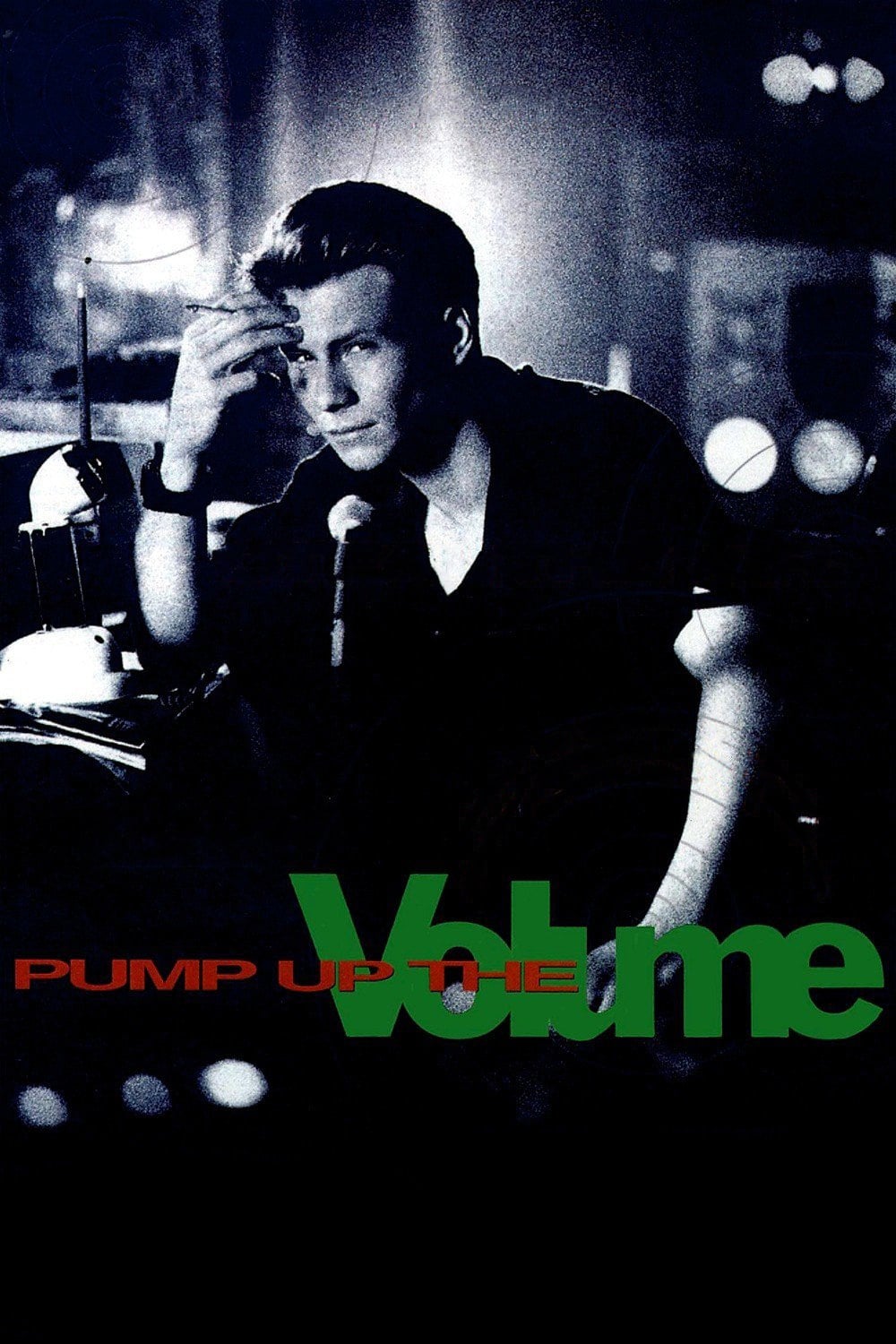
A shy high school student by day becomes a popular and rebellious pirate radio DJ named “Hard Harry” by night. Using his anonymous radio show, he speaks out against the hypocrisy and corruption at his school, inspiring his fellow students to question authority. The film follows his journey as he tries to keep his identity a secret.
This film was a powerful anthem for teenage rebellion and free speech. It perfectly captured the feeling of being an outsider and the desire to have a voice. For a generation that often felt overlooked, the story of one person using technology to start a movement was incredibly inspiring.
My Own Private Idaho (1991)
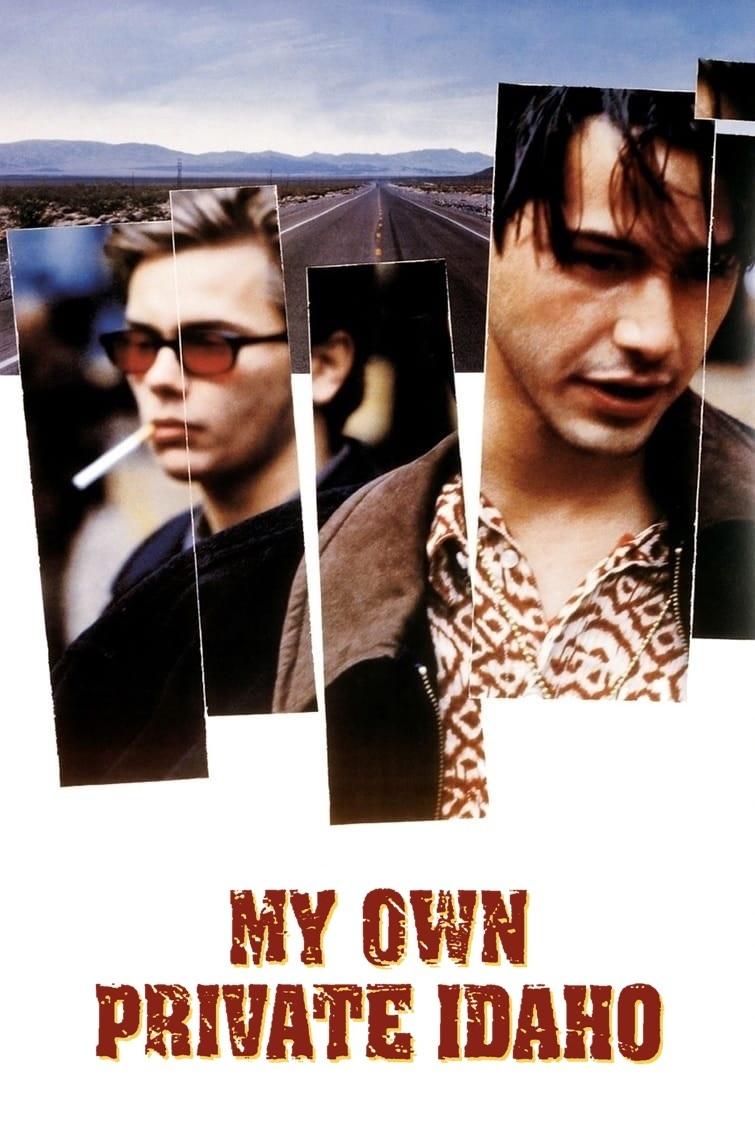
This independent film tells the story of two young street hustlers in Portland, Oregon. Mike, who suffers from narcolepsy, is on a quest to find his estranged mother. His best friend, Scott, comes from a wealthy family and lives on the streets as an act of rebellion. The film is a dreamlike and poetic look at life on the margins.
My Own Private Idaho was a landmark film in the New Queer Cinema movement. Its artistic and unconventional style, along with its sensitive portrayal of its characters, made it a critical success. The film’s themes of chosen family and the search for a sense of home and identity were deeply resonant for Gen X audiences.
Boyz n the Hood (1991)
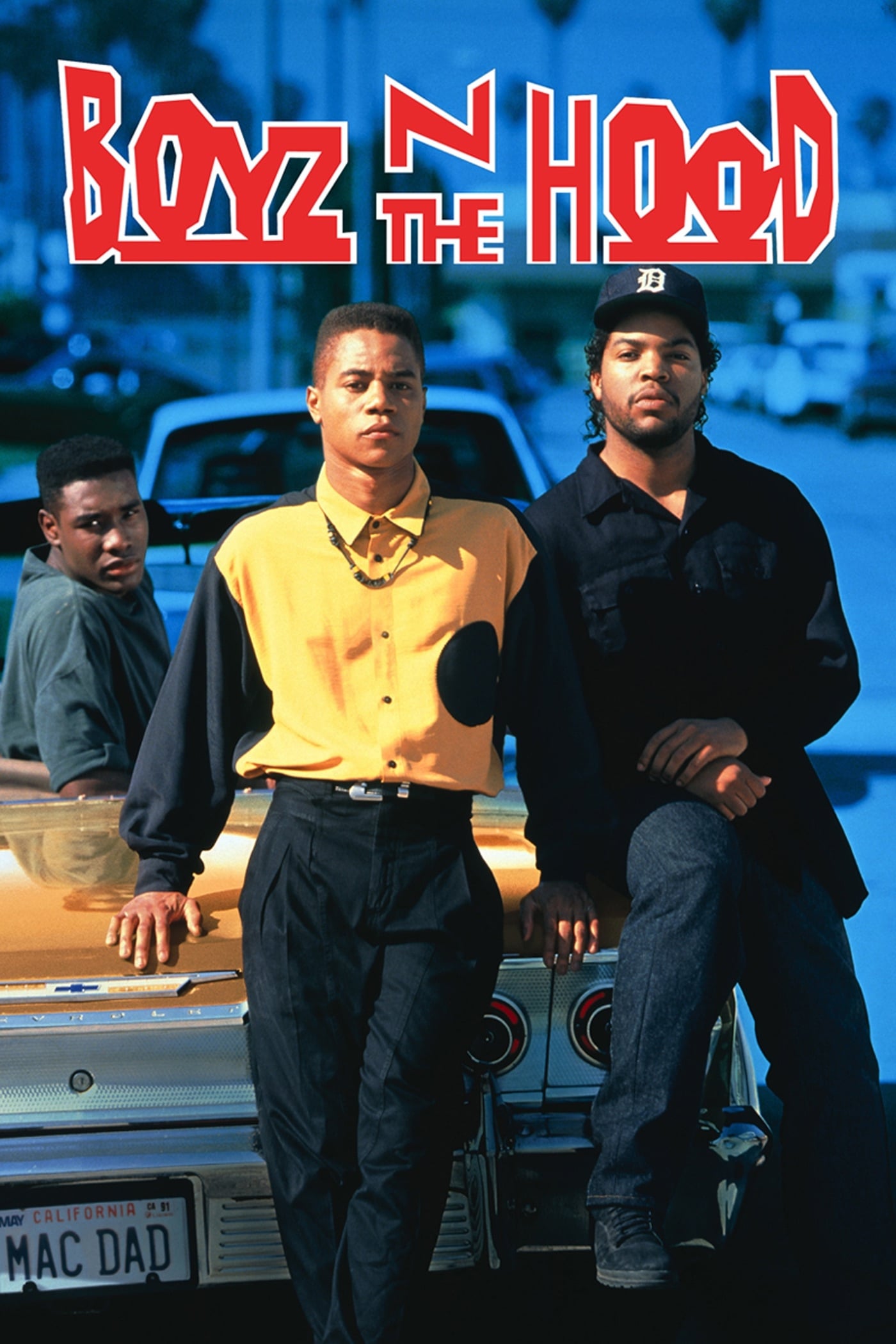
This powerful drama follows the lives of three young men growing up in a tough neighborhood in South Central Los Angeles. The film explores the challenges they face with gangs, violence, and limited opportunities. It is a story about friendship, family, and the struggle to make a better life.
John Singleton’s debut film was a groundbreaking and unflinching look at a side of American life that was rarely seen in mainstream movies. It was a deeply personal and socially important film that gave a voice to a community. For Generation X, it was a crucial film that brought important issues of race and class to the forefront of popular culture.
Singles (1992)

Set against the backdrop of Seattle’s booming grunge music scene, this film follows the romantic lives of a group of young people living in the same apartment building. The characters, in their twenties, navigate the ups and downs of dating, relationships, and finding their place in the world. The movie features a soundtrack and cameos from famous Seattle bands like Pearl Jam and Soundgarden.
Singles accurately captured the feeling of being young and searching for connection in the early 1990s. It portrayed a generation that was both hopeful and anxious about love and commitment. The film spoke to Gen X’s desire for authentic relationships in a world that often felt impersonal.
Wayne’s World (1992)
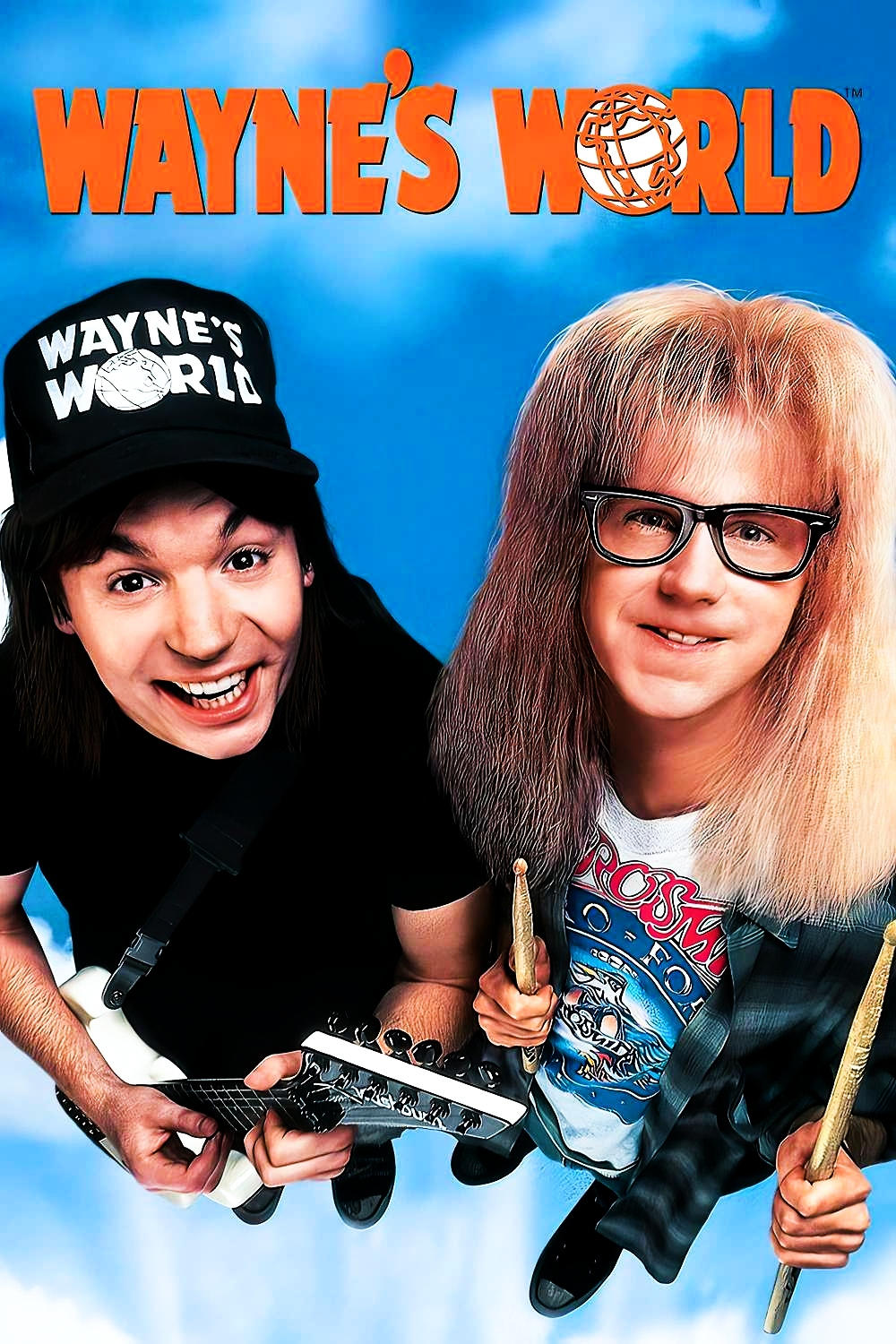
Based on a popular Saturday Night Live sketch, this comedy follows two rock music fans, Wayne and Garth, who host a public-access TV show from their basement. When a slick television executive wants to buy their show, they have to fight to avoid selling out and losing creative control.
Wayne’s World was a massive hit that captured the slacker-culture humor of the early 90s. Its characters, with their unique slang and love of pop culture, were incredibly endearing. The film’s story of resisting corporate greed and staying true to your friends resonated with a generation skeptical of mainstream media.
Reservoir Dogs (1992)
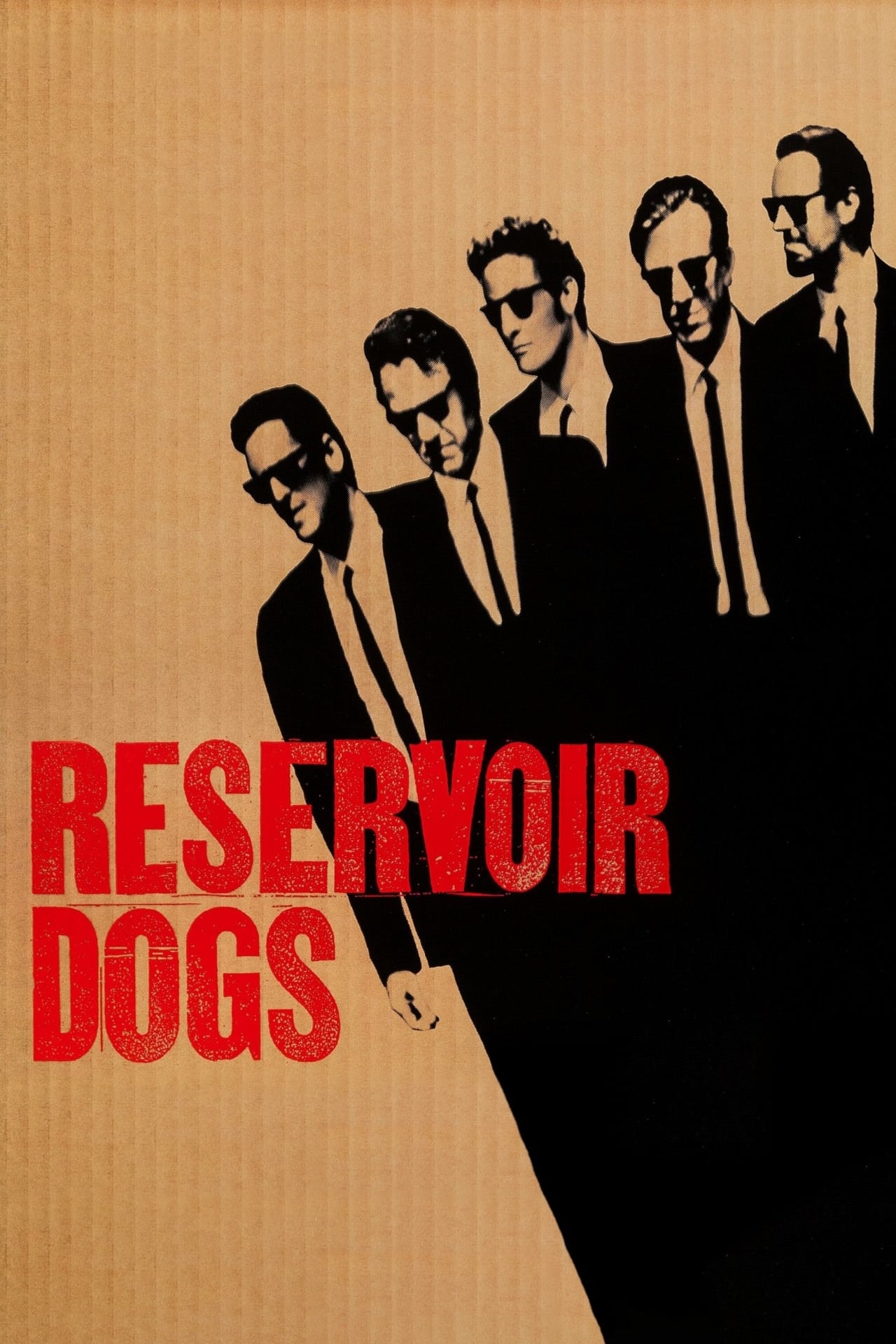
Quentin Tarantino’s debut film is a gritty and violent story about a jewelry heist gone wrong. The surviving criminals, all using color-coded aliases, meet at a warehouse and try to figure out which one of them is a police informant. The movie is known for its sharp dialogue, nonlinear timeline, and intense performances.
This film was a shot of adrenaline for independent cinema. Its cool, stylized violence and pop-culture-filled conversations changed the game for many aspiring filmmakers. For Gen X audiences, it represented a new, edgier kind of filmmaking that was smart, tough, and unapologetically cool.
The Crying Game (1992)
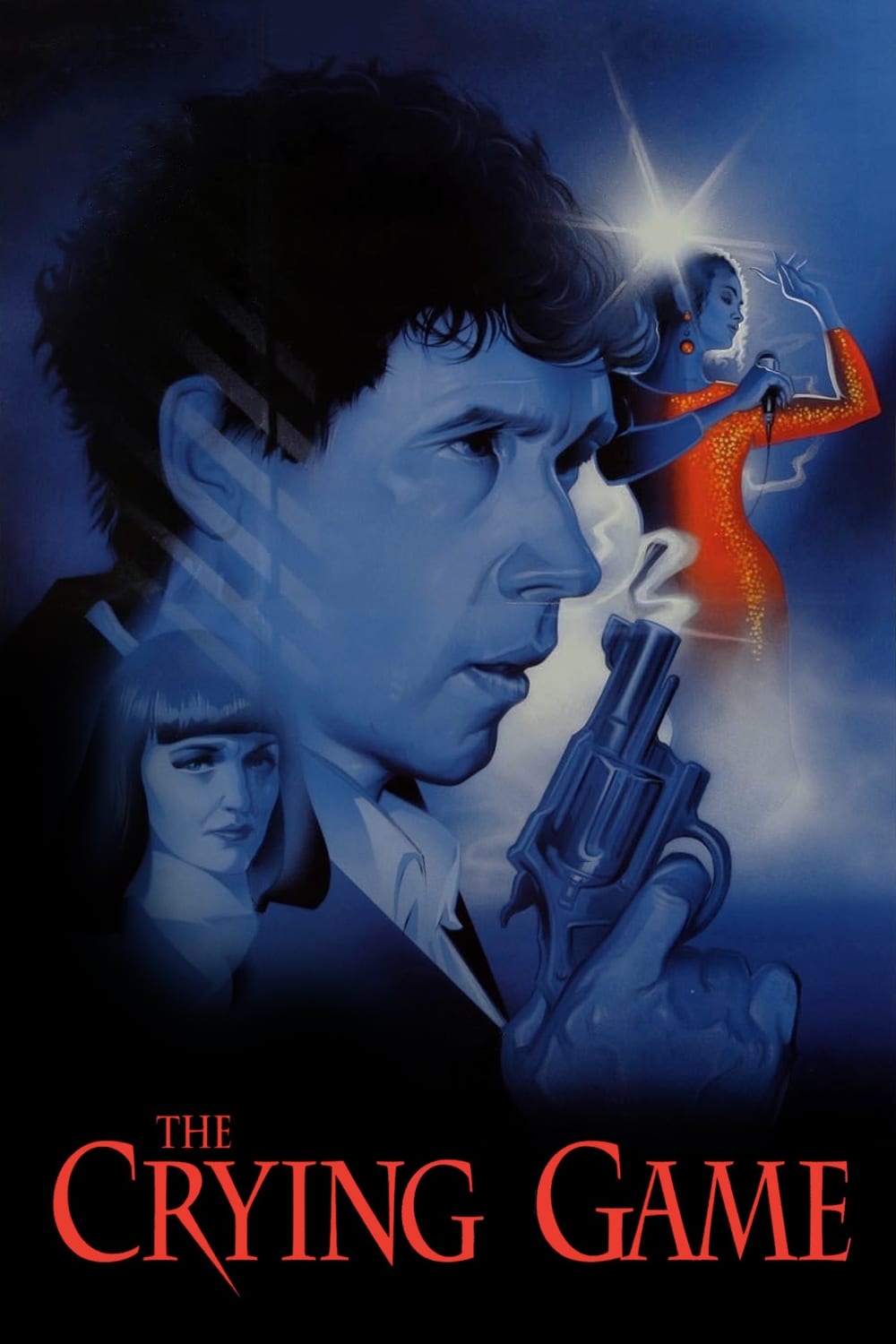
An IRA volunteer named Fergus develops an unlikely bond with a British soldier he is holding hostage. After the soldier’s death, Fergus flees to London to find the soldier’s girlfriend, Dil, to fulfill a promise. The film is a complex thriller that explores themes of love, loyalty, identity, and features a now-famous plot twist.
The Crying Game was a surprise international hit that challenged audiences with its complex characters and themes. It was a sophisticated thriller that asked deep questions about politics and human connection. Its success showed that audiences were ready for movies that didn’t fit into easy categories.
Dazed and Confused (1993)
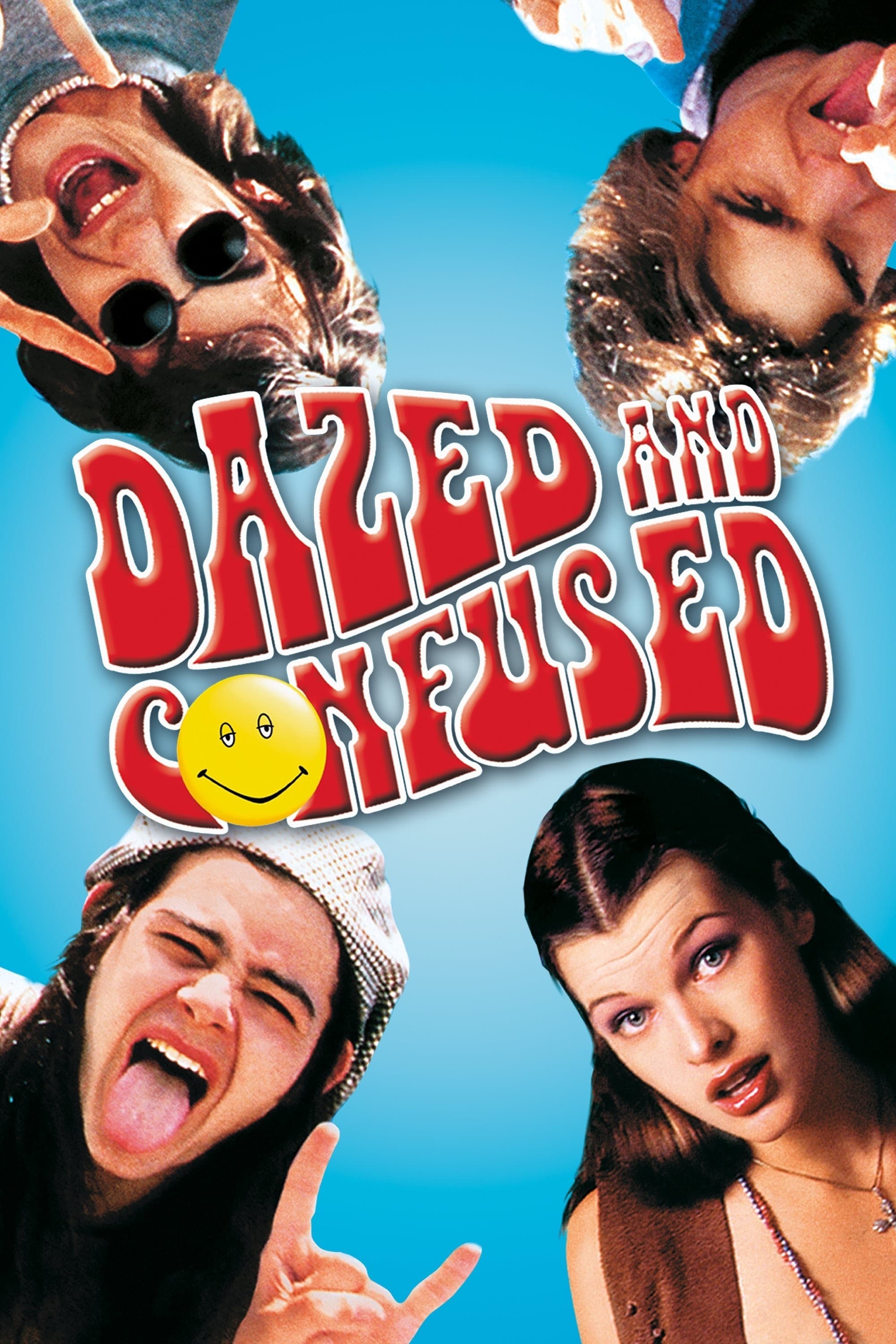
Set on the last day of school in 1976, this film follows the adventures of a group of Texas high school students. The characters drift through the day and night, smoking pot, listening to rock music, and figuring out what comes next. The movie doesn’t have a strong plot, instead capturing the feeling of a specific time and place.
Though set in the 1970s, Dazed and Confused became a beloved film for Generation X. Its laid-back vibe and focus on aimless youth connected with the “slacker” image of the 90s. The film is a nostalgic look at the freedom and uncertainty of being young, with a classic rock soundtrack that became iconic.
Menace II Society (1993)

This gritty and violent film tells the story of Caine, a young man growing up in the projects of Watts, Los Angeles. After his high school graduation, he gets drawn deeper into a life of crime and violence, despite opportunities to escape. The film is a dark and uncompromising look at the cycle of violence in inner-city communities.
Directed by the Hughes Brothers, Menace II Society was another powerful and influential film from the new wave of Black filmmakers in the early 90s. It was praised for its raw honesty and its refusal to glamorize the violent lifestyle it portrayed. The film was a stark and sobering companion piece to Boyz n the Hood.
What’s Eating Gilbert Grape (1993)
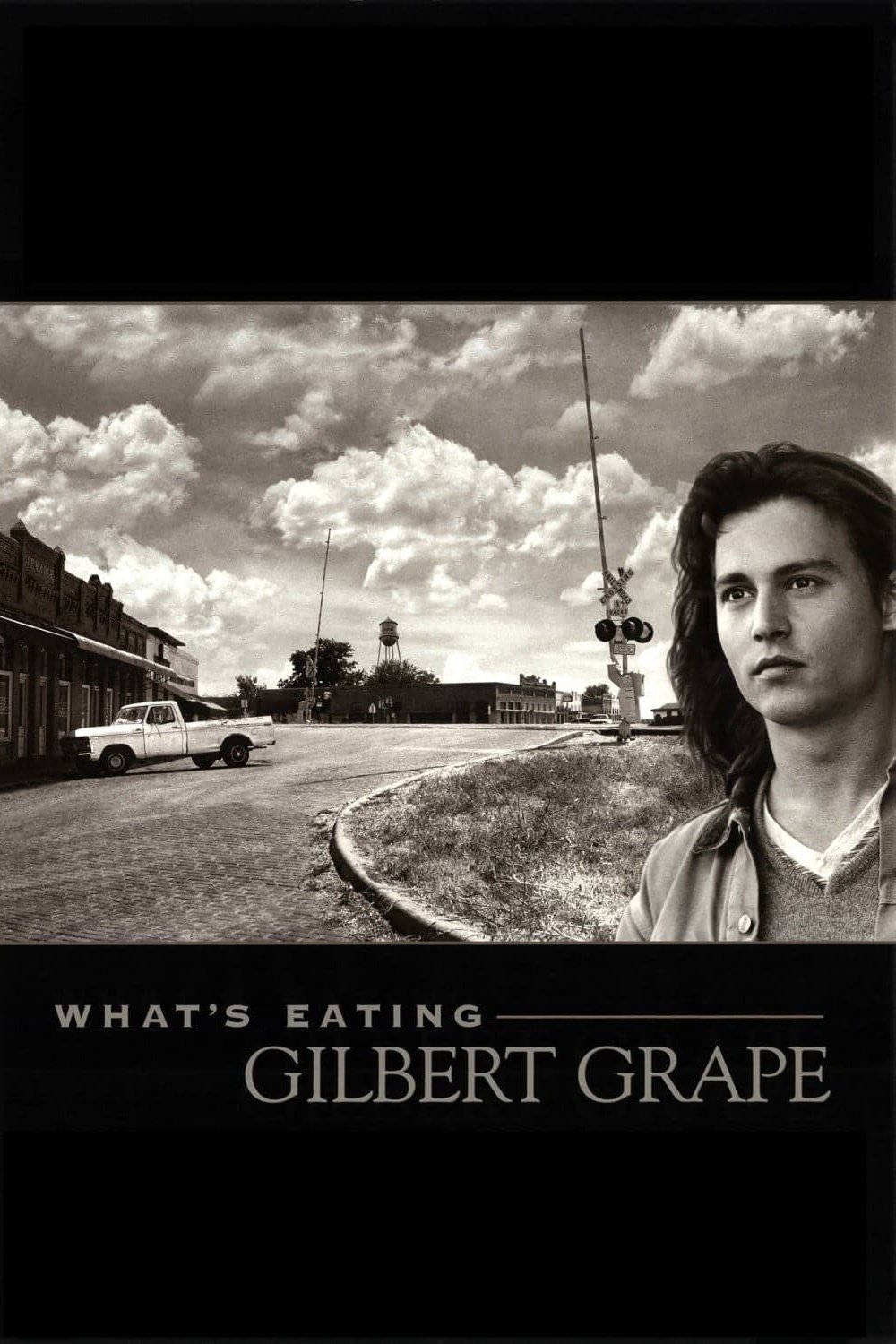
Gilbert Grape lives in a small, sleepy town, where he feels trapped by his responsibility to care for his morbidly obese mother and his mentally challenged younger brother. His life begins to change when he meets a free-spirited young woman who is passing through town. The film is a gentle and moving story about family, duty, and finding hope.
This film was praised for its heartfelt story and its incredible performances, including an early, Oscar-nominated role for Leonardo DiCaprio. It captured the feeling of being stuck in a small town and yearning for something more, a common theme for Gen X. It is a story about finding beauty and love in difficult circumstances.
Clerks (1994)
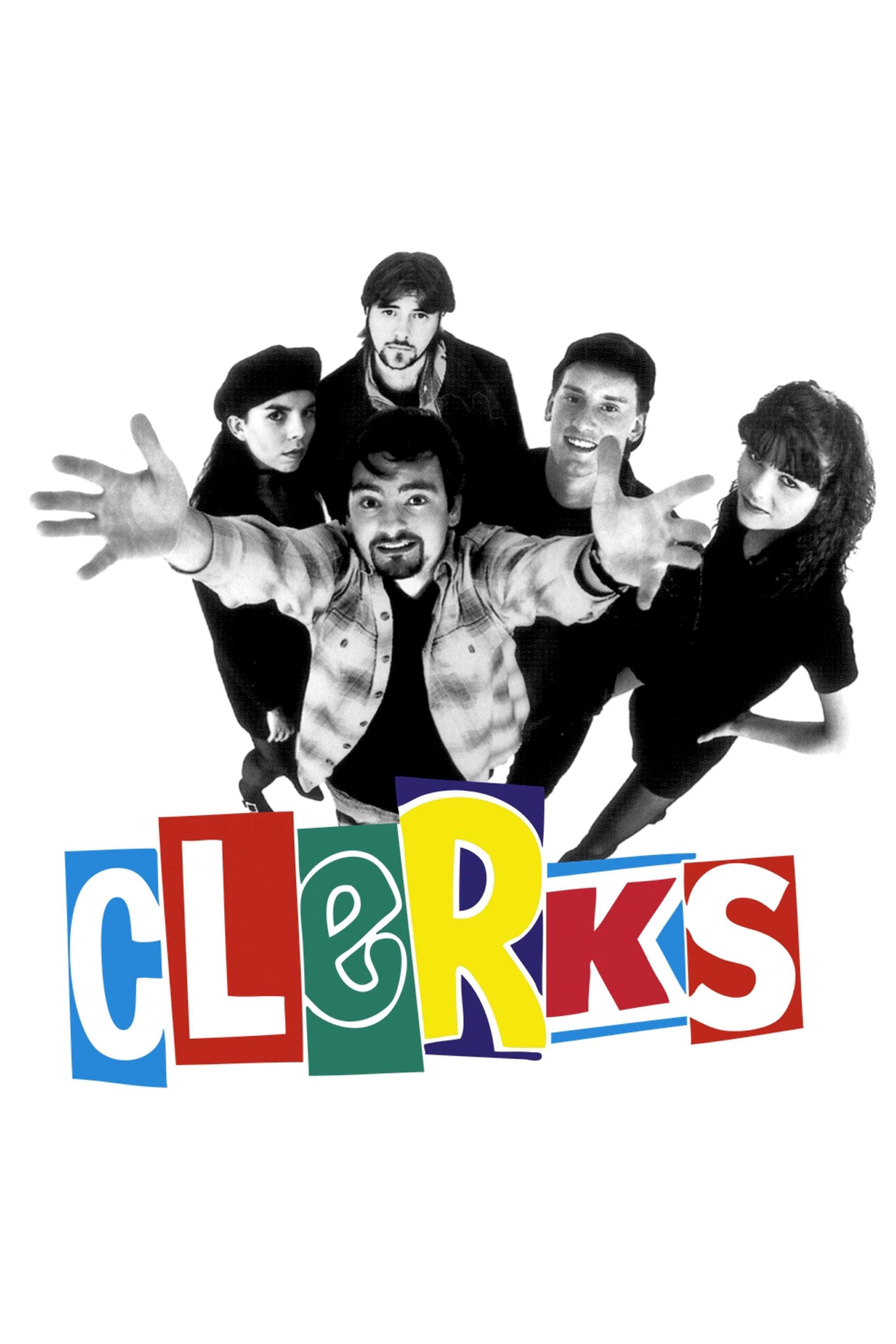
Filmed in black and white on a tiny budget, this independent comedy tells the story of a day in the life of two convenience store clerks. Dante and Randal spend their shifts talking about movies, relationships, and annoying customers. The film finds humor in the mundane and celebrates the clever dialogue of its characters.
Clerks became a landmark of 1990s independent filmmaking. Its success showed that a movie could be made with very little money if the script was smart and funny. The film’s focus on service industry jobs and the feeling of being stuck in a dead-end position was something many Gen X viewers could relate to.
Pulp Fiction (1994)
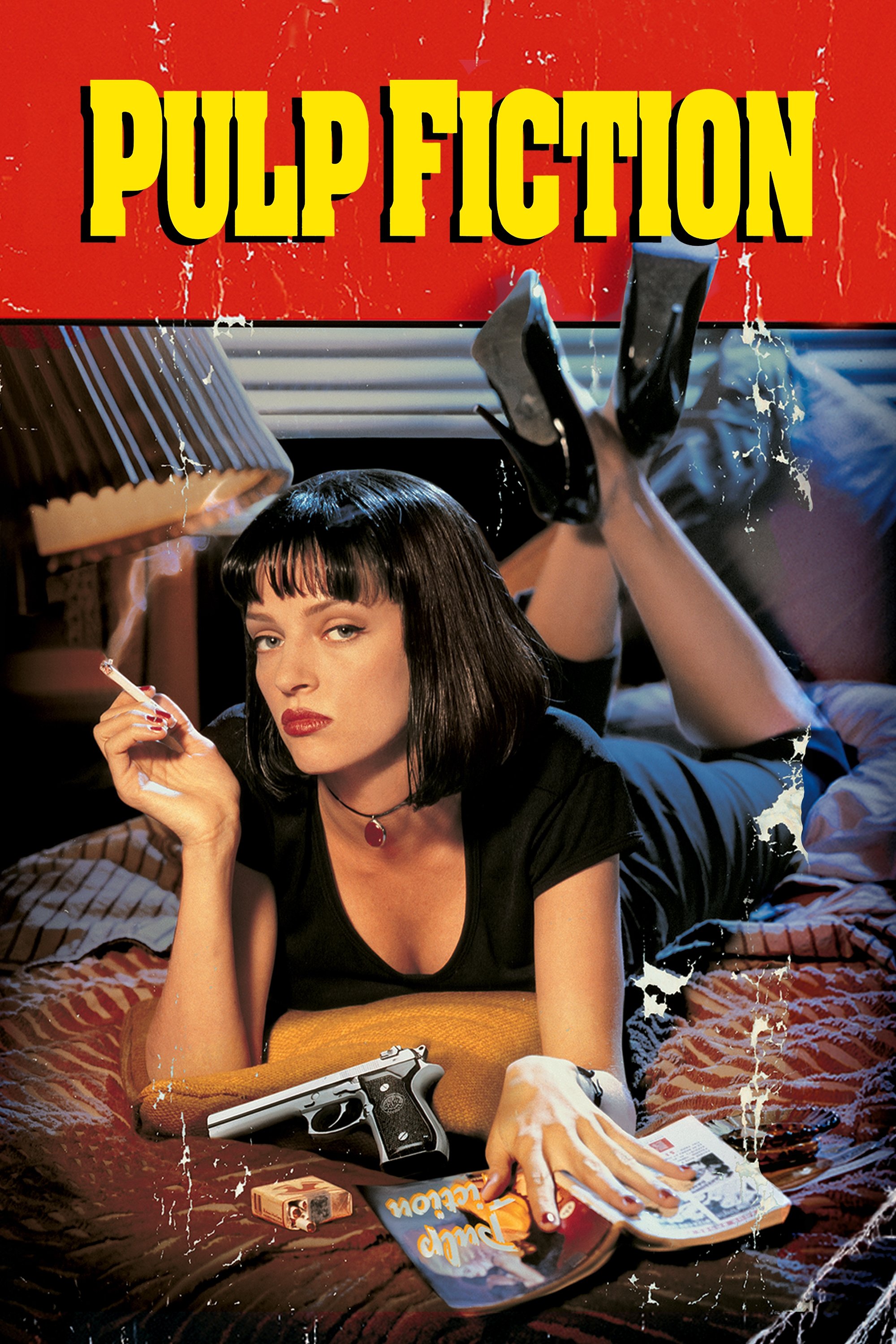
Quentin Tarantino’s film weaves together several stories of crime and redemption in Los Angeles. Its nonlinear narrative, sharp dialogue, and blend of humor and violence made it a groundbreaking movie. The film follows hitmen, a boxer, a gangster’s wife, and armed robbers whose lives intersect in unexpected ways.
Pulp Fiction had a massive impact on filmmaking in the 1990s and became a cultural phenomenon. It revived the career of John Travolta and made stars of Samuel L. Jackson and Uma Thurman. For Generation X, the film’s cool, ironic style and pop culture references were a perfect match for their sensibilities.
Reality Bites (1994)
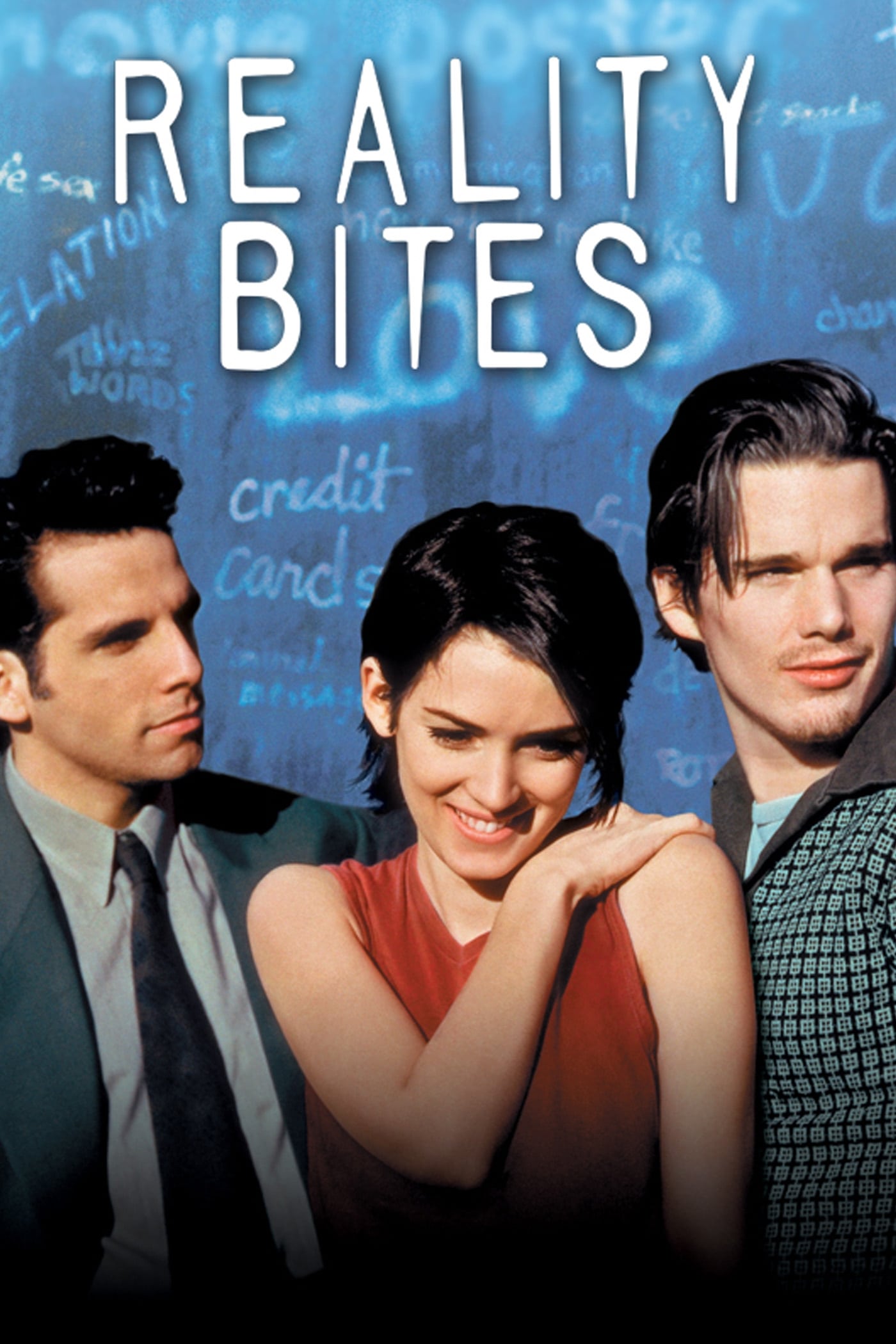
This film follows a group of recent college graduates as they struggle to find work and meaning in their lives. Lelaina, an aspiring filmmaker, documents the experiences of her friends, capturing their anxieties about careers, relationships, and selling out. The movie addresses the economic uncertainty and disillusionment faced by many young people during this time.
Reality Bites is a key Gen X film because it deals directly with the challenges of transitioning from college to the “real world.” It highlights the generation’s skepticism toward corporate culture and the difficulty of holding onto artistic ideals. The film’s blend of humor, romance, and social commentary resonated with viewers who saw their own lives reflected on screen.
Natural Born Killers (1994)
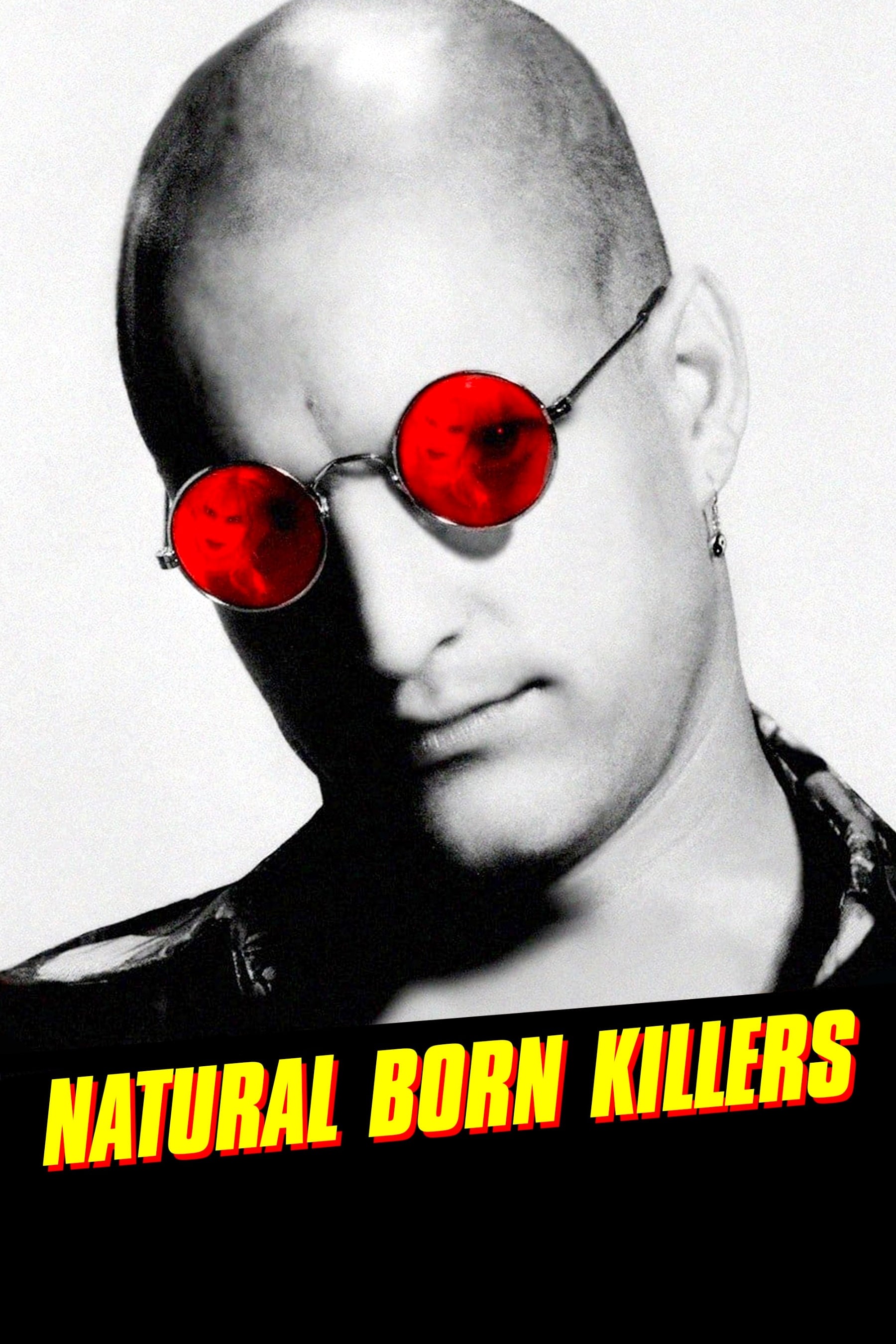
This controversial film from director Oliver Stone follows Mickey and Mallory Knox, a pair of lovers who go on a violent killing spree across the country. The media turns them into celebrities, and the public becomes fascinated by their crimes. The movie is a satire of how violence is portrayed in the media and how it can be sensationalized.
Natural Born Killers was a shocking and visually aggressive film that forced audiences to confront uncomfortable ideas about media consumption. It used a chaotic, channel-surfing visual style to critique the very culture it was a part of. For Gen X, a generation raised on television, it was a powerful and disturbing commentary on the nature of fame and violence in America.
The Adventures of Priscilla, Queen of the Desert (1994)
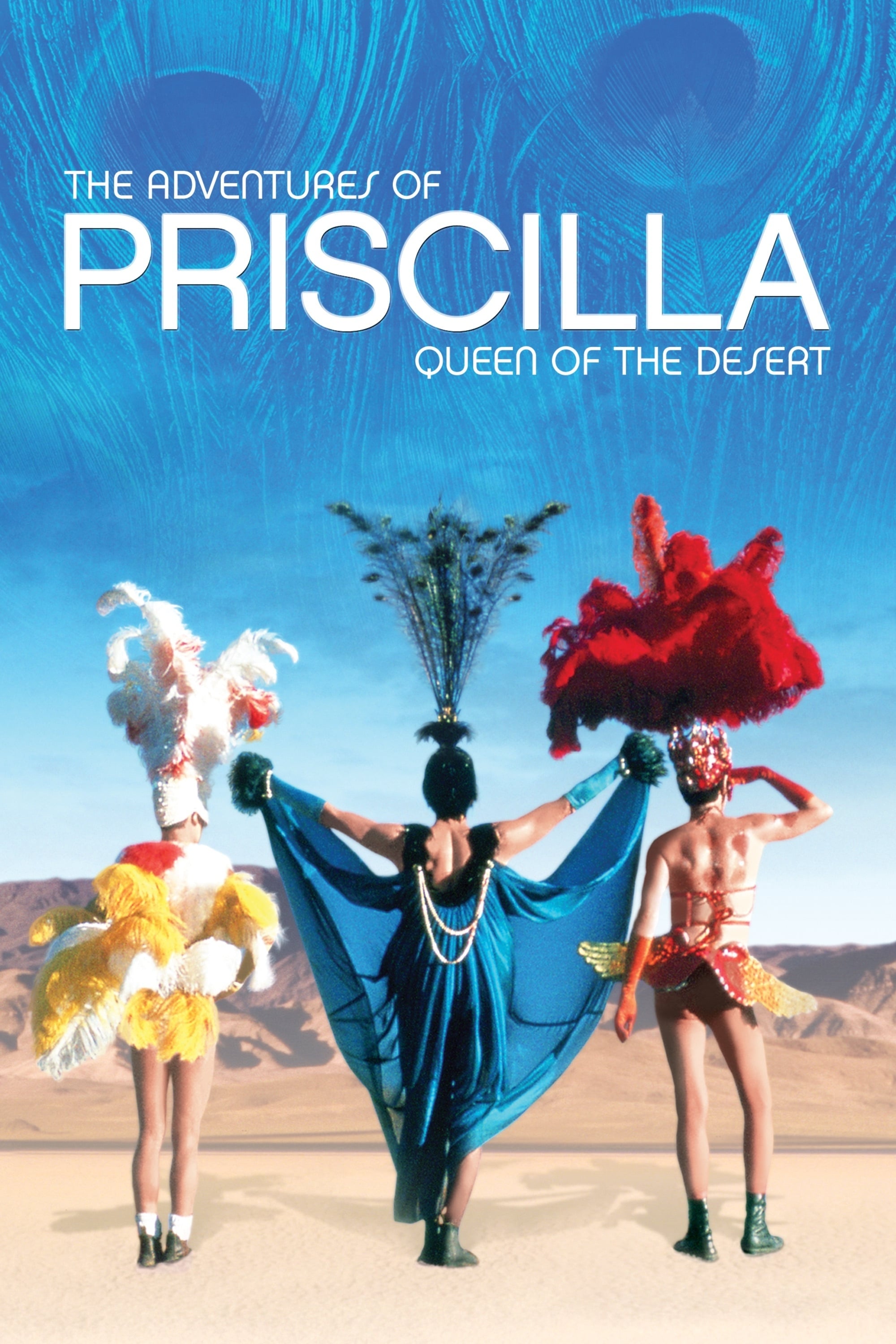
Two drag queens and a transgender woman buy a tour bus, which they name Priscilla, and travel across the Australian Outback. They are heading to a remote town to perform their unique drag show. Along the way, they encounter a variety of characters and challenges in the vast, empty landscape.
This film was a joyful and flamboyant celebration of individuality and friendship. Its fantastic costumes and classic disco soundtrack made it a global hit. The movie was important for its positive and funny portrayal of LGBTQ+ characters, helping to bring their stories into the mainstream.
Heavenly Creatures (1994)

Based on a true story, this film from director Peter Jackson tells the story of two imaginative teenage girls in 1950s New Zealand. Their intense friendship leads them to create a fantasy world to escape their mundane lives. When their parents threaten to separate them, their fantasy world spills over into a tragic act of real-world violence.
Heavenly Creatures was a visually stunning and psychologically complex film that launched the career of Kate Winslet. It explored the power of imagination and the dark side of an obsessive friendship. The film’s unique style and challenging subject matter made it a critical success.
Before Sunrise (1995)

An American man and a French woman meet on a train and decide to spend one night together in Vienna. Jesse and Céline walk through the city, talking about life, love, and their dreams. The film is almost entirely conversation, focusing on the deep connection that forms between two people in a short amount of time.
This movie appealed to the romantic and intellectual side of Generation X. It valued intelligent conversation and emotional honesty over big dramatic events. Before Sunrise captured a desire for genuine human connection in a fast-paced world. Its simple premise and natural dialogue made it feel real and relatable.
Clueless (1995)
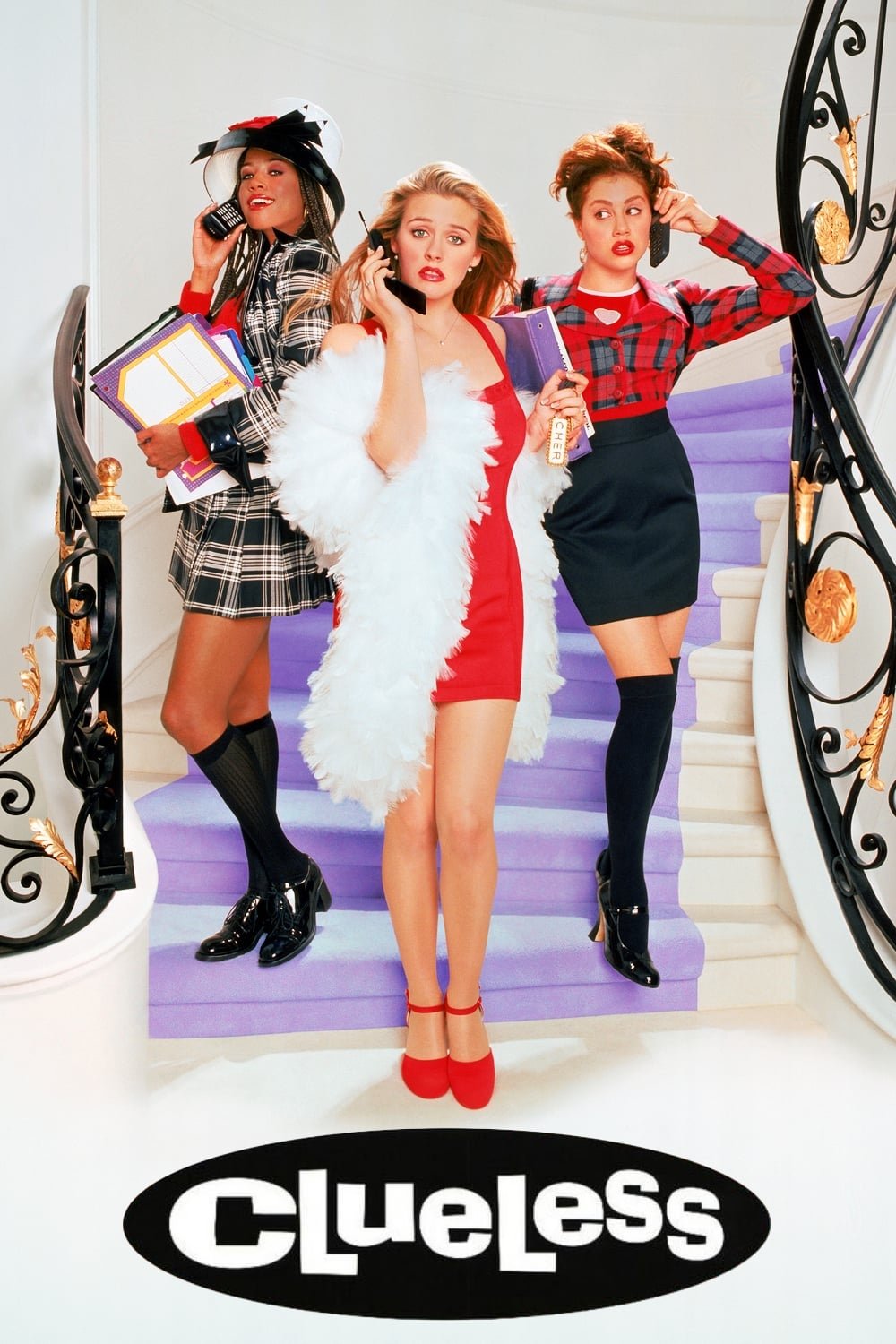
This smart and stylish comedy updates Jane Austen’s novel Emma to 1990s Beverly Hills. Cher Horowitz is a wealthy and popular high school student who enjoys playing matchmaker for her friends and teachers. The film is a funny and good-natured satire of teen life, fashion, and social status.
Clueless is celebrated for its witty script, memorable slang, and iconic fashion. While it pokes fun at the superficiality of its characters’ lives, it also has a warm heart. The film captured the upbeat and materialistic side of the 1990s, becoming a beloved classic for its humor and charm.
Empire Records (1995)
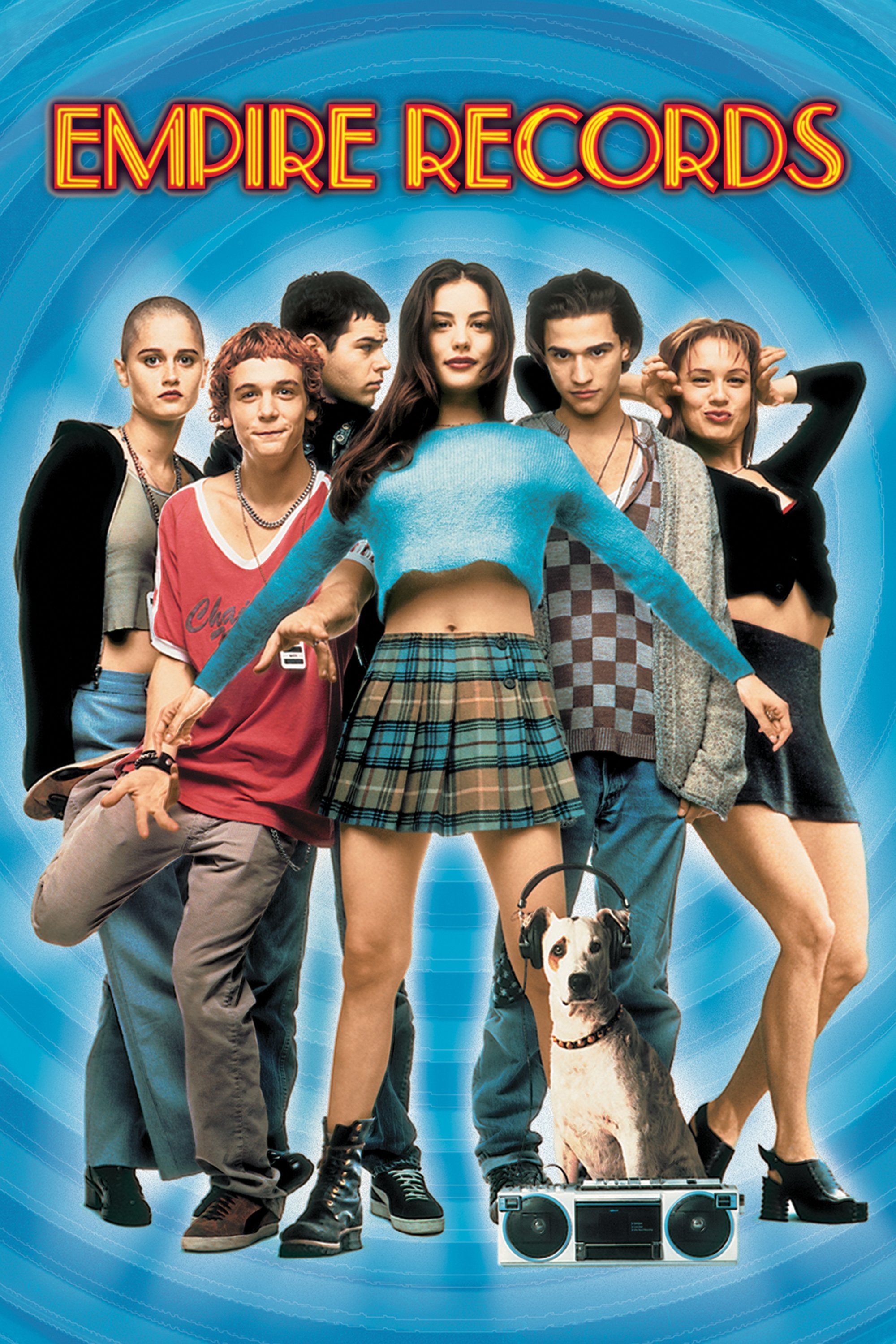
The employees of an independent record store have one chaotic day to try and stop their shop from being sold to a corporate chain. The diverse group of young workers deals with personal crises, relationship drama, and their love for music. The film is a celebration of alternative culture and the importance of community.
Empire Records became a cult classic for its quirky characters and killer 90s soundtrack. It spoke directly to a generation that valued independent music and art over mainstream commercialism. The movie’s theme of fighting against corporate takeover was a common Gen X concern.
Kids (1995)
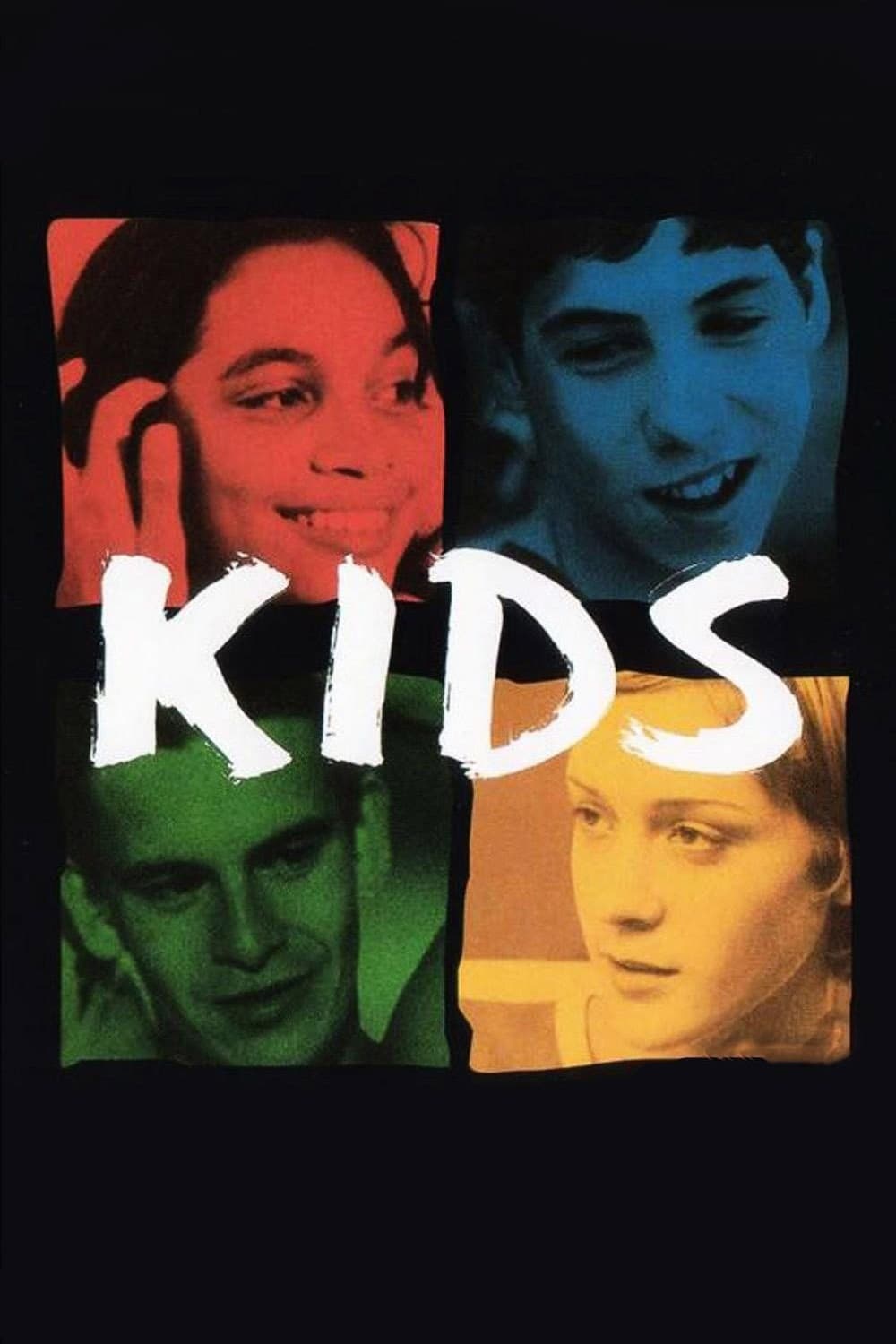
This raw and controversial film depicts a single day in the life of a group of teenagers in New York City. The characters engage in substance abuse and unsafe sex, seemingly without any parental supervision. The film was shot in a documentary style, which made its difficult subject matter feel even more immediate and real.
Kids was a wake-up call for many viewers. It presented a shocking and unfiltered look at a troubled segment of urban youth culture. The film sparked a lot of debate, but it was also praised for its unflinching honesty. It captured a sense of alienation and recklessness that was a darker side of the Gen X experience.
Welcome to the Dollhouse (1995)
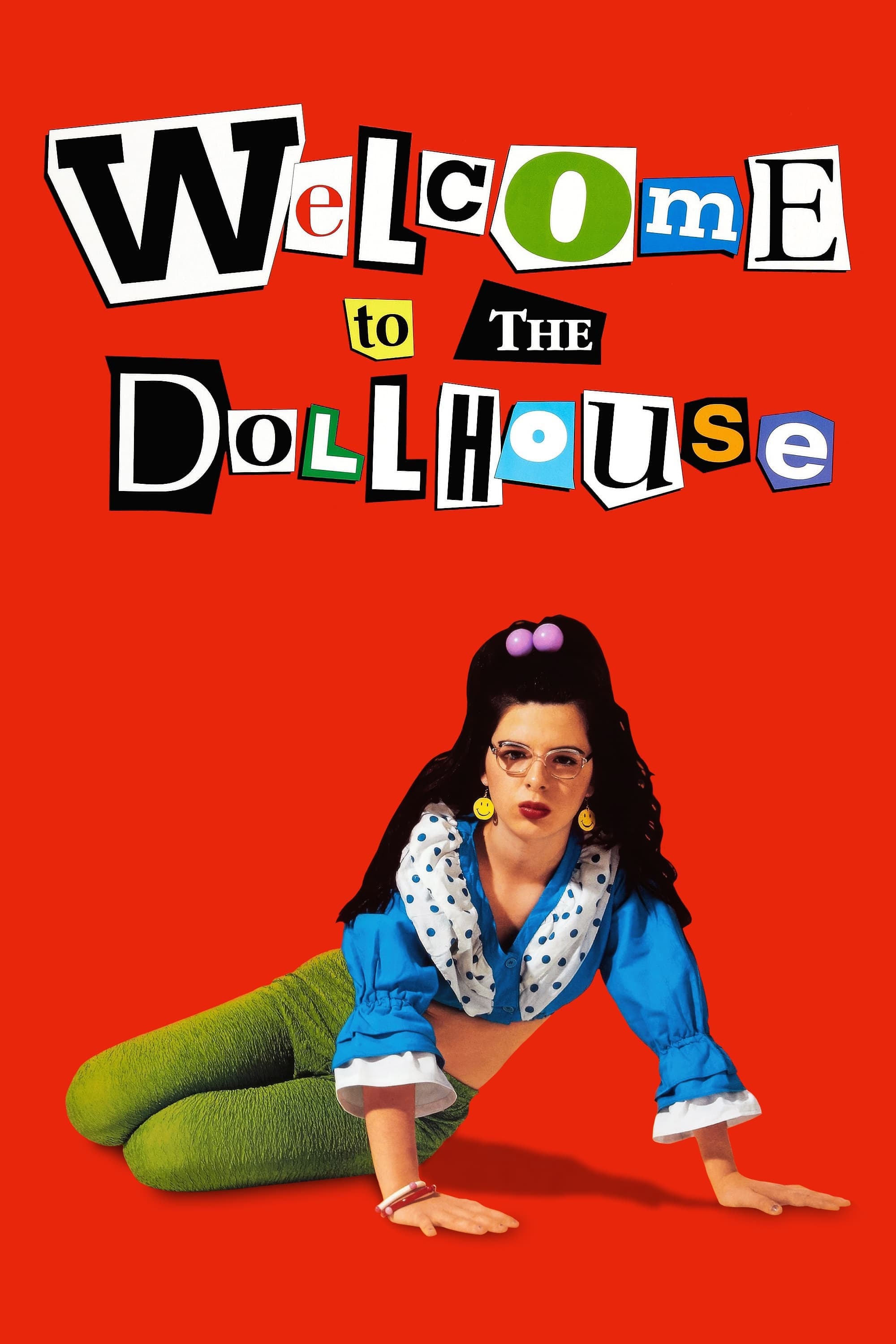
This dark comedy tells the story of Dawn Wiener, an awkward and unpopular middle school girl. She is constantly bullied at school and ignored or insulted by her family. The film follows her painful and often hilarious attempts to navigate the cruel world of junior high.
Welcome to the Dollhouse is an uncomfortably funny movie that finds humor in the darkest corners of suburban adolescence. It resonated with anyone who ever felt like an outsider. The film was praised for its brutally honest portrayal of the awkwardness and cruelty of childhood, a theme that many Gen X viewers could appreciate.
Mallrats (1995)
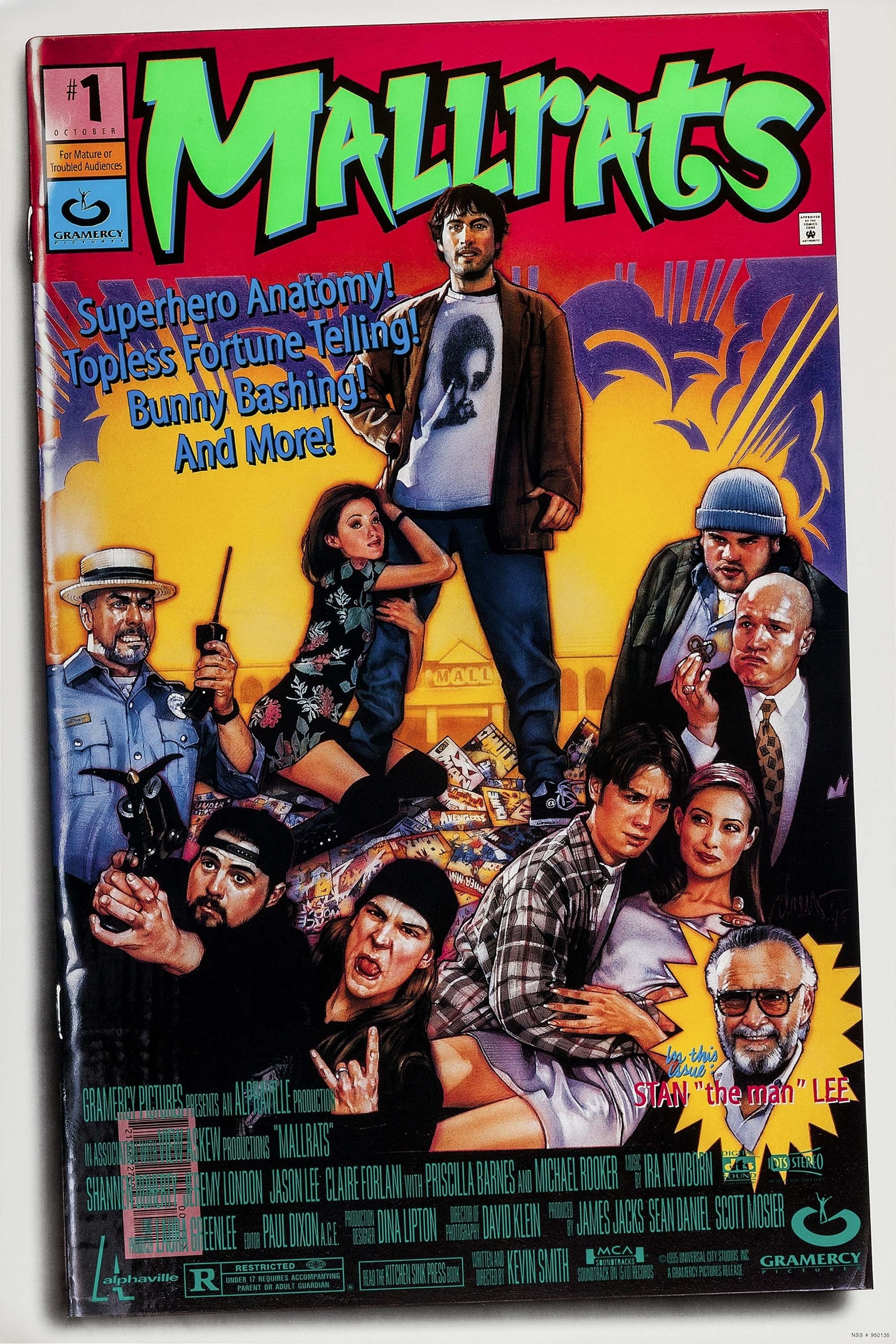
From director Kevin Smith, this comedy follows two best friends who, after being dumped by their girlfriends, decide to hang out at the local mall. They spend the day trying to win back their exes, getting into trouble, and crossing paths with a cast of bizarre characters, including the iconic duo Jay and Silent Bob.
While not a huge hit when it was first released, Mallrats became a cult classic. It’s filled with the same kind of pop culture references and clever dialogue that made Clerks popular. The mall setting was a perfect backdrop for a story about aimless young people, as malls were a central hangout spot for much of Generation X.
Kicking and Screaming (1995)
This film follows a group of clever but aimless college graduates who refuse to move on with their lives. Instead of getting jobs, they continue to hang out on campus, engaging in witty, intellectual conversations and avoiding any real responsibility. The story focuses on their inability to let go of the past and face the future.
Directed by Noah Baumbach, this movie is a perfect example of 90s indie-film angst. It captured the specific paralysis felt by some educated members of Gen X who were overqualified for the jobs available to them. The film’s sharp, verbose dialogue and themes of intellectual stagnation resonated with the “slacker” archetype.
Trainspotting (1996)
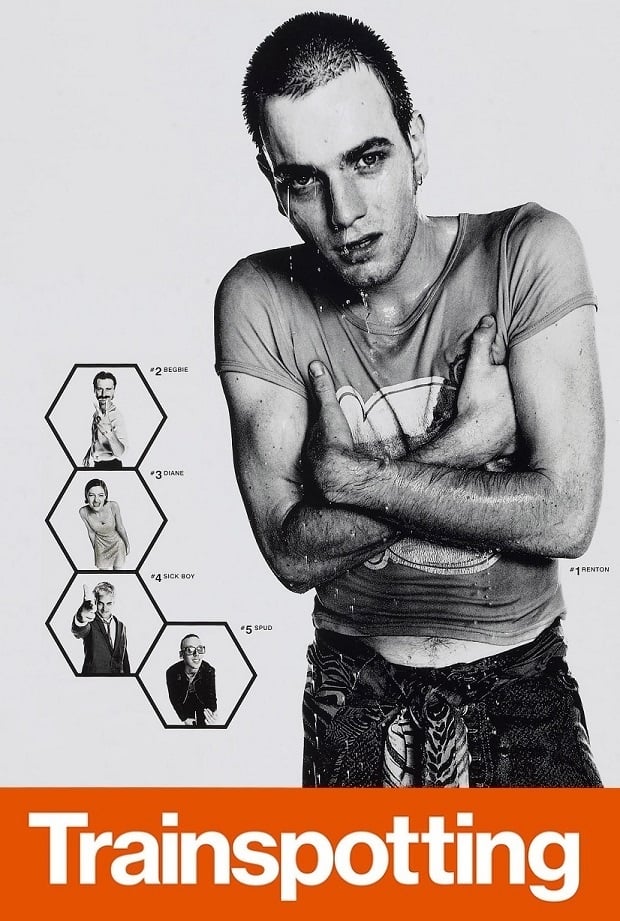
This film offers a raw and energetic look at a group of heroin addicts in Edinburgh, Scotland. The story follows Mark Renton as he tries to get clean and escape the destructive cycle of his friends. The movie is known for its dark humor, fast-paced editing, and memorable soundtrack.
Trainspotting was a shocking and powerful film that did not shy away from the harsh realities of addiction. At the same time, its style and energy captured a sense of rebellion and a desire to live outside of mainstream society. The film’s “Choose Life” monologue became an iconic expression of Gen X’s rejection of consumerism and conventional lifestyles.
Swingers (1996)
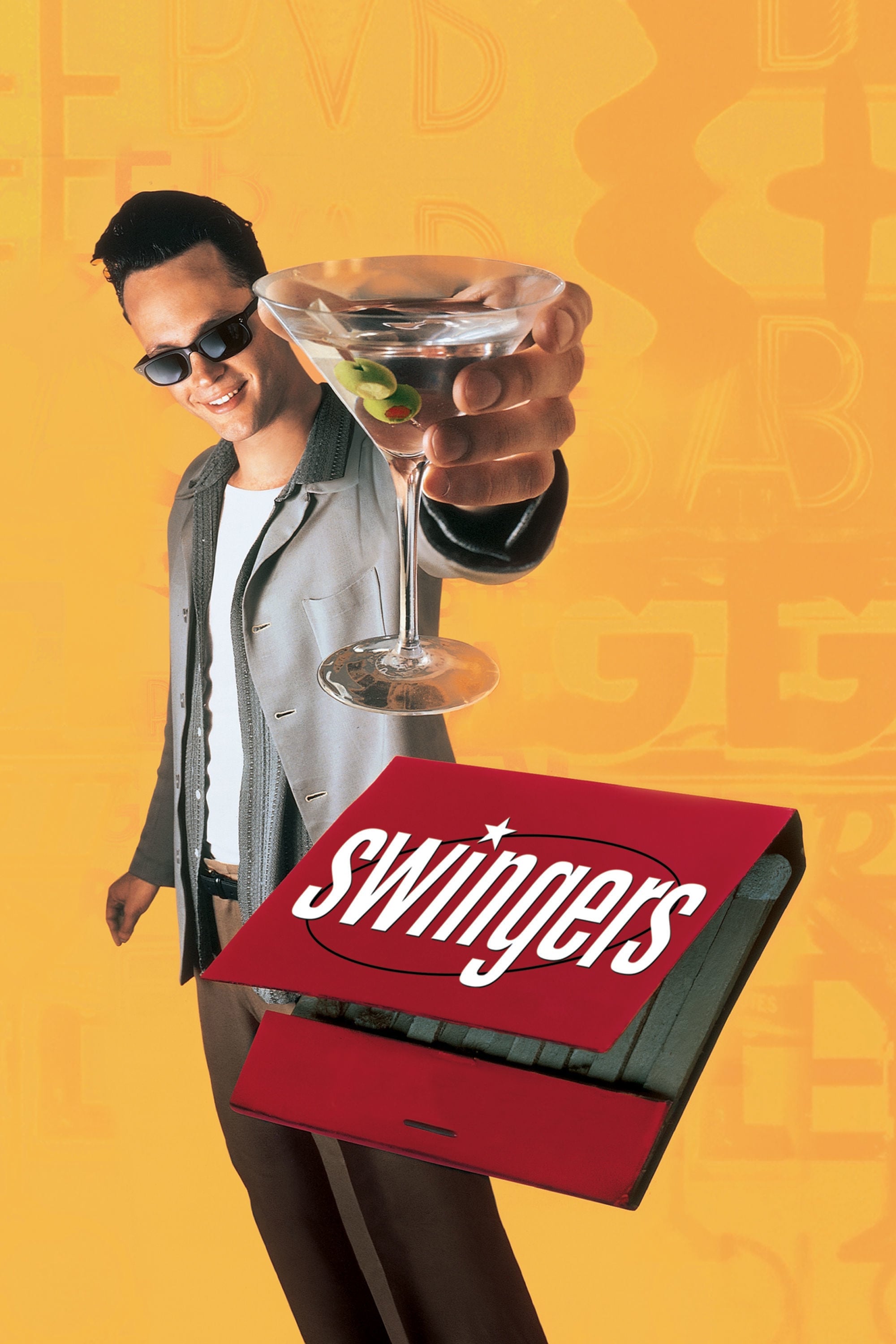
A group of aspiring actors navigate the dating scene and nightlife in 1990s Los Angeles. The story centers on Mike, who is struggling to get over a breakup, and his confident friend Trent, who tries to teach him the rules of being cool. The film is a funny and heartfelt look at male friendship and the search for love.
Swingers became a word-of-mouth hit and helped launch the careers of Jon Favreau and Vince Vaughn. It captured the retro-cool of the 1990s swing revival and featured snappy, quotable dialogue. The film resonated with audiences for its honest portrayal of vulnerability and the importance of friends who support you.
Good Will Hunting (1997)
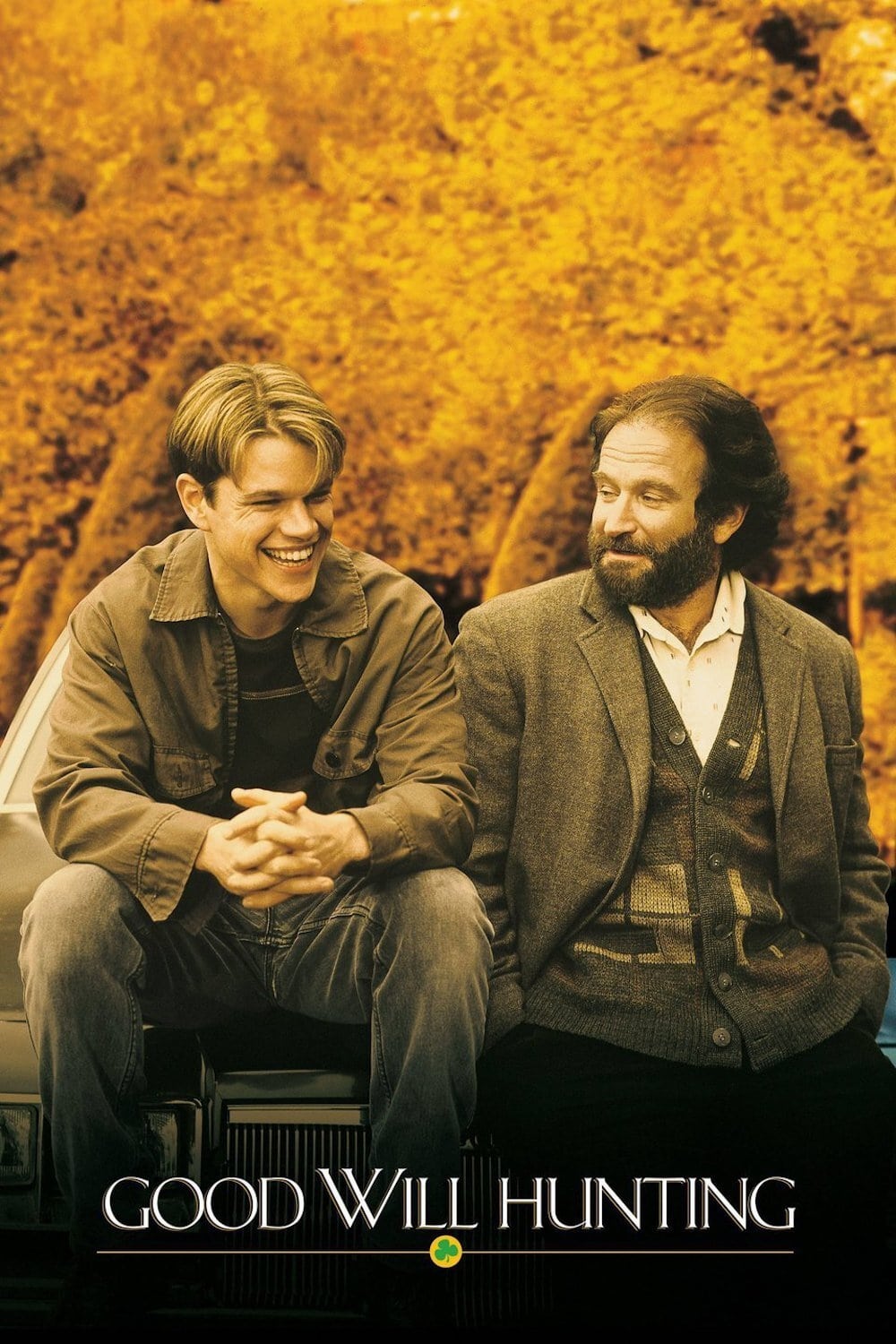
A young man named Will Hunting works as a janitor at a prestigious university and happens to be a genius in mathematics. After he gets in trouble with the law, a professor arranges for him to get therapy. Through his sessions with a compassionate psychologist, Will confronts his past trauma and learns to embrace his potential.
Good Will Hunting was an inspiring story about overcoming personal demons and finding your place in the world. It resonated with Gen X themes of mistrusting authority and the struggle to find meaning outside of traditional institutions. The film was praised for its heartfelt script and powerful performances.
Grosse Pointe Blank (1997)
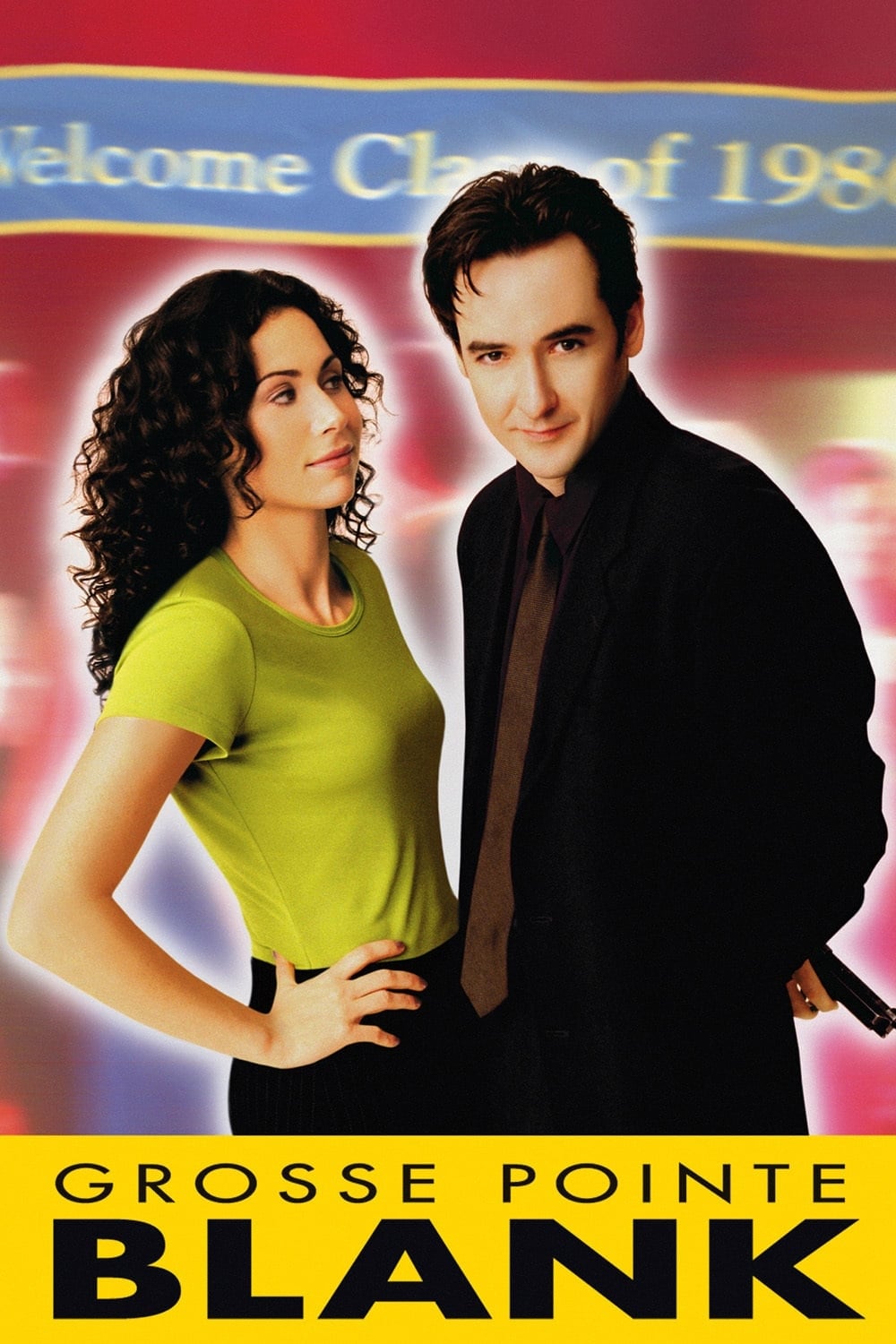
A professional hitman named Martin Blank is sent on a job in his hometown on the same weekend as his 10-year high school reunion. While trying to complete his assignment, he reconnects with his old girlfriend and is forced to confront the life he left behind. The film blends dark humor, action, and romance.
This movie’s mix of cynicism and sentimentality was a perfect fit for the Gen X audience. It features a killer 80s and 90s soundtrack and witty dialogue. The story of an assassin having a mid-life crisis and questioning his career choices was a unique and funny take on the theme of youthful disillusionment.
The Truman Show (1998)

Truman Burbank lives a seemingly perfect life, but he is unaware that he is the star of a 24/7 reality TV show. His entire world is a giant television set, and everyone he knows is an actor. As he starts to notice strange occurrences, he becomes determined to discover the truth and escape his artificial reality.
This film was ahead of its time in its critique of media and reality television. It explored themes of authenticity, control, and the human desire for freedom. For a generation raised on television and growing wary of its influence, The Truman Show was a powerful and resonant story.
Rushmore (1998)
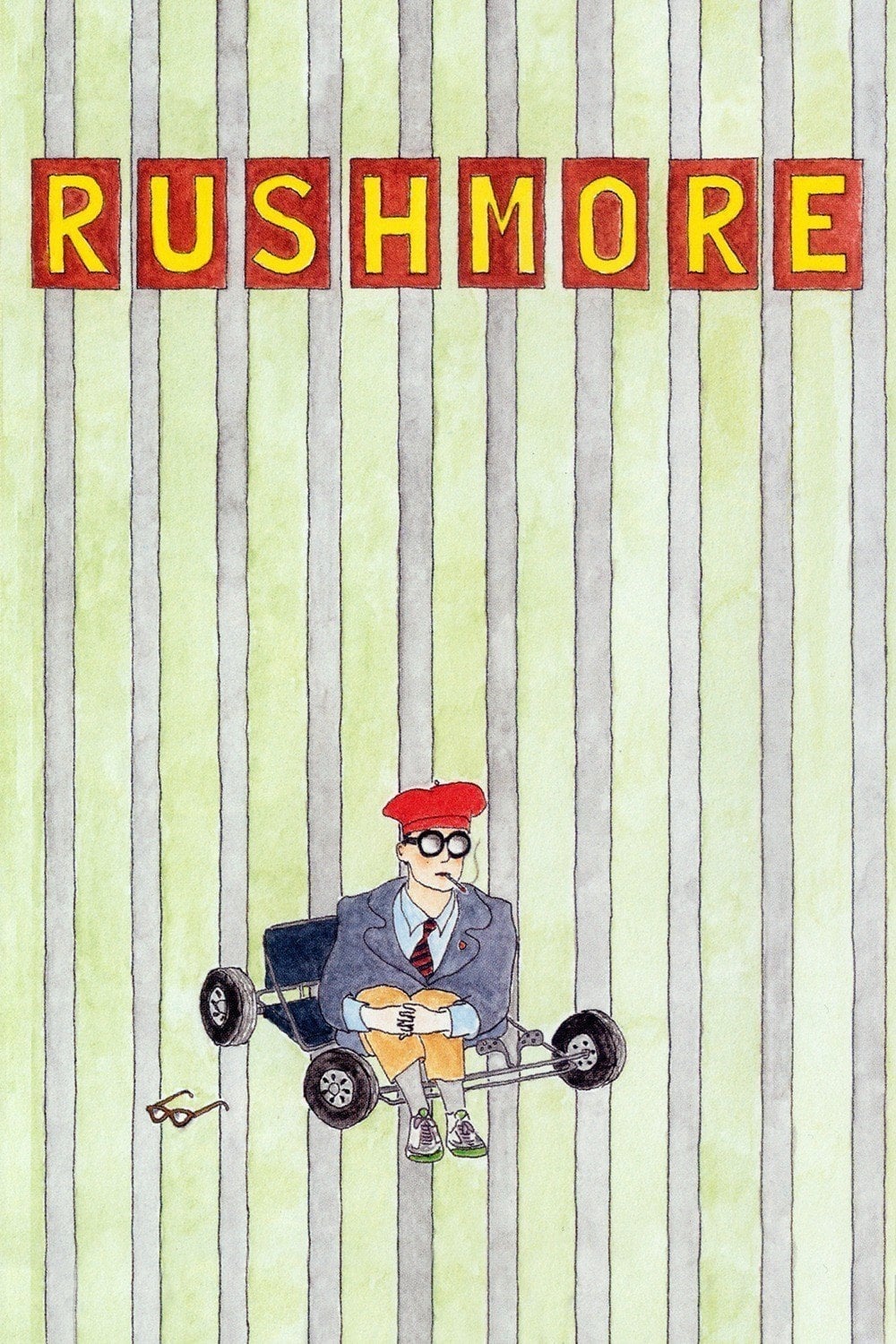
This film tells the story of Max Fischer, an eccentric and ambitious 15-year-old who is the king of extracurricular activities at his prestigious prep school, Rushmore Academy. When he falls for a teacher, he finds himself in a bizarre rivalry with a disillusioned local tycoon. The film is a quirky and heartfelt comedy about love, ambition, and finding where you belong.
Rushmore established Wes Anderson’s unique, highly stylized filmmaking voice. Its story of a precocious but lonely teenager who creates his own world resonated with the Gen X appreciation for outsiders and individualists. The film’s dry humor, visual style, and indie-rock soundtrack made it a beloved classic of the late 90s.
Fight Club (1999)

An unhappy office worker suffering from insomnia meets a mysterious soap salesman named Tyler Durden. Together they form an underground fight club where men can vent their frustrations with modern life. The club soon evolves into a much larger and more dangerous anti-corporate movement.
Fight Club was a controversial and thought-provoking film that tapped into a deep sense of male anxiety and dissatisfaction with consumer culture. It questioned the nature of identity and the emptiness of a life spent chasing material possessions. The film’s dark themes and surprise ending made it one of the most talked-about movies of the late 90s.
Office Space (1999)

This satirical comedy follows Peter Gibbons, a software programmer who is completely miserable in his corporate cubicle job. After a hypnotherapy session goes wrong, he adopts a carefree, rebellious attitude and decides to stop working. Along with his friends, he plots a scheme to get back at their soulless company.
Office Space perfectly captured the frustration and absurdity of modern corporate life. It spoke to anyone who has ever felt like a cog in a machine or dealt with pointless rules and annoying bosses. The film became a cult classic for its relatable characters and its critique of workplace culture.
The Matrix (1999)
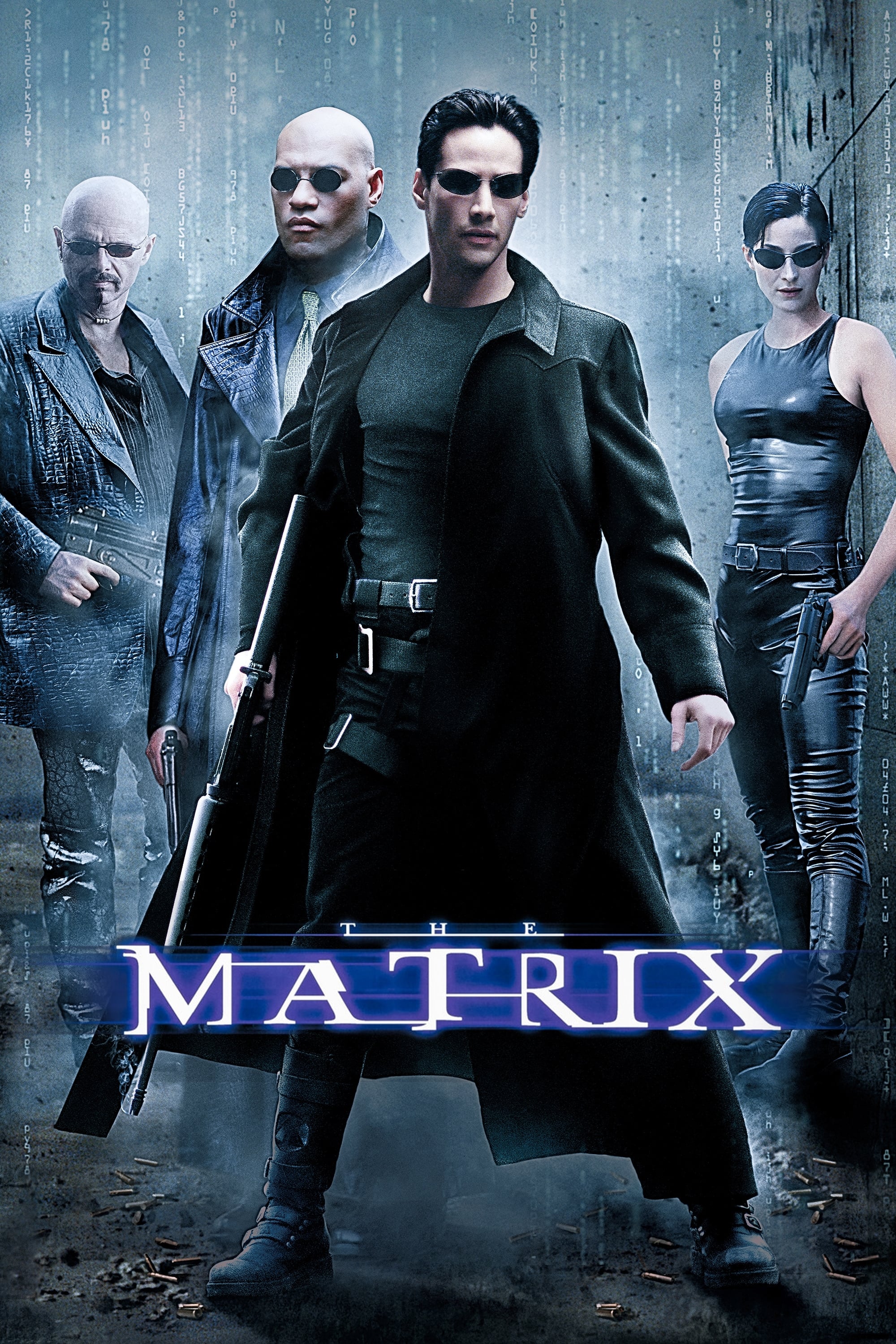
A computer hacker named Neo discovers that the world he knows is actually a simulated reality created by intelligent machines. He is recruited by a group of freedom fighters to help them overthrow their machine overlords. The film is known for its groundbreaking visual effects, intense action sequences, and philosophical ideas.
The Matrix was a landmark film that blended science fiction, martial arts, and cyberpunk style. It arrived at the end of the millennium and captured a growing anxiety about technology and the nature of reality. For a generation that grew up with the rise of the internet, its questions about the digital world were incredibly relevant.
American Beauty (1999)

Lester Burnham is a suburban father going through a mid-life crisis. He hates his job, his marriage is falling apart, and he feels completely disconnected from his life. He decides to make a series of radical changes, leading to unexpected and tragic consequences for himself and his family.
American Beauty was a critically acclaimed film that won the Oscar for Best Picture. It was a powerful and often funny critique of the emptiness of suburban, middle-class life. Its themes of alienation, rebellion, and the search for beauty in unexpected places resonated deeply with a generation that often questioned the value of traditional American dreams.
Go (1999)
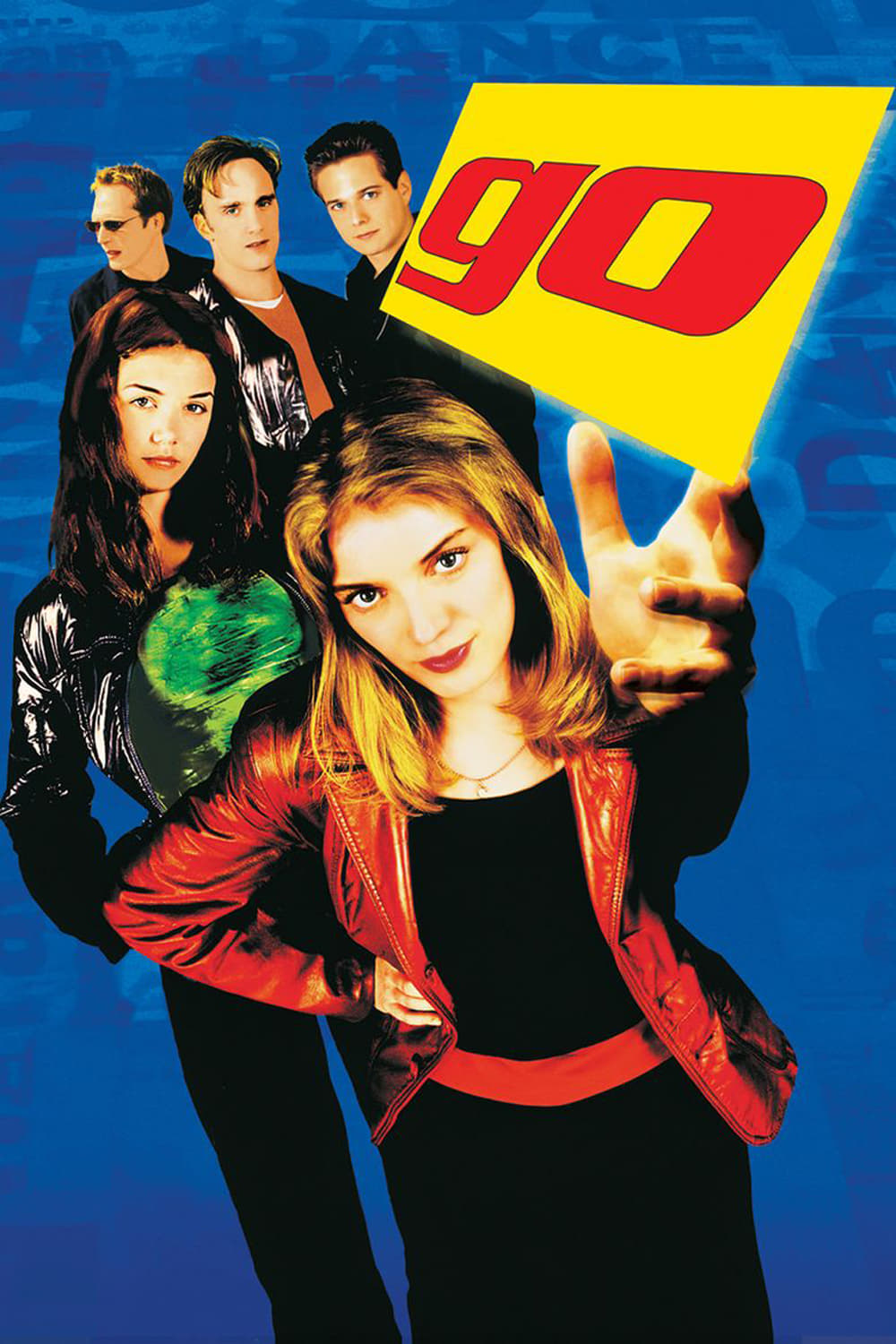
This energetic, darkly comic thriller tells the story of a single drug deal from three different points of view. The film follows a grocery store clerk trying to make some extra money, two actors caught up in a police sting, and the drug dealer himself. Their stories intersect in clever and unexpected ways over one wild night in Los Angeles.
Go was often compared to Pulp Fiction for its nonlinear structure and witty dialogue. It captured the high-energy rave culture of the late 90s and was full of youthful recklessness. The film was a fun, stylish, and clever look at the consequences of one impulsive decision.
Being John Malkovich (1999)
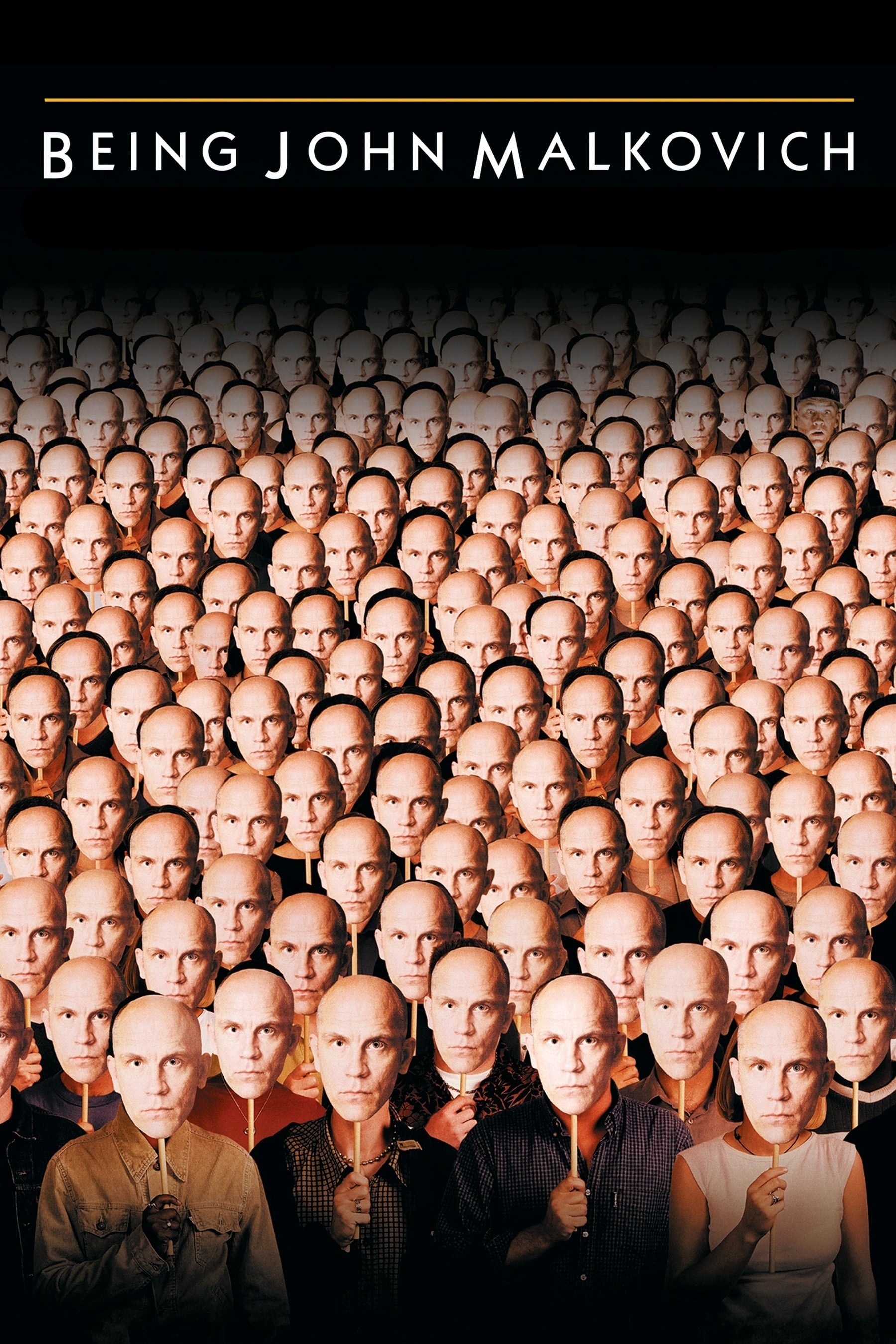
A struggling puppeteer named Craig discovers a hidden portal that leads directly into the mind of the actor John Malkovich. For 15 minutes, he can see and experience everything the actor does. He and his coworker decide to turn this bizarre discovery into a business, with strange and complicated results.
This film was one of the most original and surreal comedies of the 1990s. Its bizarre premise and clever script, written by Charlie Kaufman, made it a critical darling. The movie explored themes of identity, celebrity, and control in a way that was completely unique and perfectly suited to the offbeat sensibilities of the Gen X era.
The Blair Witch Project (1999)

Three student filmmakers hike into the woods in Maryland to shoot a documentary about a local legend known as the Blair Witch. They disappear, but their footage is found a year later. The film is presented as this “found footage,” documenting the students’ terrifying journey as they become lost and hunted by an unseen force.
This movie changed horror and film marketing forever. Its low-budget, DIY aesthetic and pioneering internet marketing campaign made it a massive, unexpected blockbuster. For a generation that valued authenticity and was coming of age with the internet, The Blair Witch Project was a landmark cultural event that blurred the lines between reality and fiction.