The Greatest Cult Classics of the 1970s

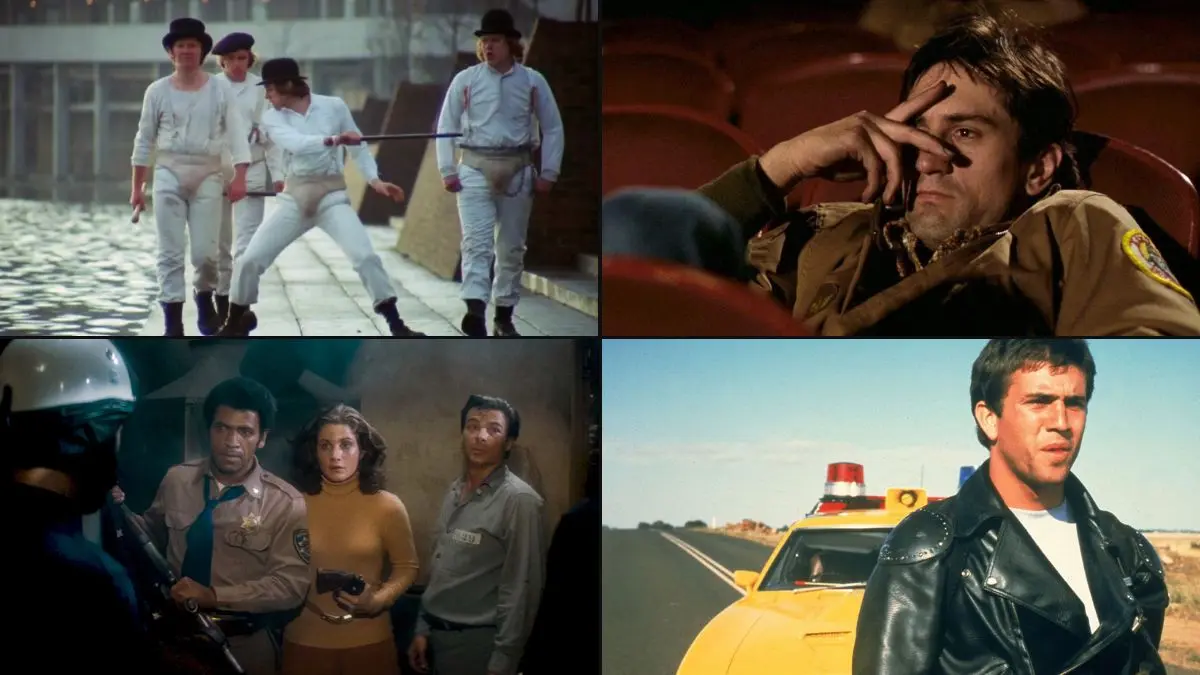

A cult classic is a film that finds its audience over time. These movies often fail at the box office when they first come out. They might be too strange or different for mainstream viewers. But a small, dedicated group of fans keeps the movie alive. Through word-of-mouth, home video, or midnight screenings, these films build a loyal following. This following grows until the movie becomes a celebrated part of film history. The fans often interact with the film in unique ways, quoting dialogue or dressing up as characters.
The 1970s was a golden age for this kind of movie. Filmmakers had more freedom, and they made some very personal and unusual films. This decade saw the end of the old Hollywood studio system, allowing new and daring voices to emerge. At the same time, audiences were changing and were open to more challenging stories. Many of these films pushed boundaries with their style and subject matter. They were not always understood at first, but they found their place in cinema history as beloved cult classics.
The Rocky Horror Picture Show (1975)
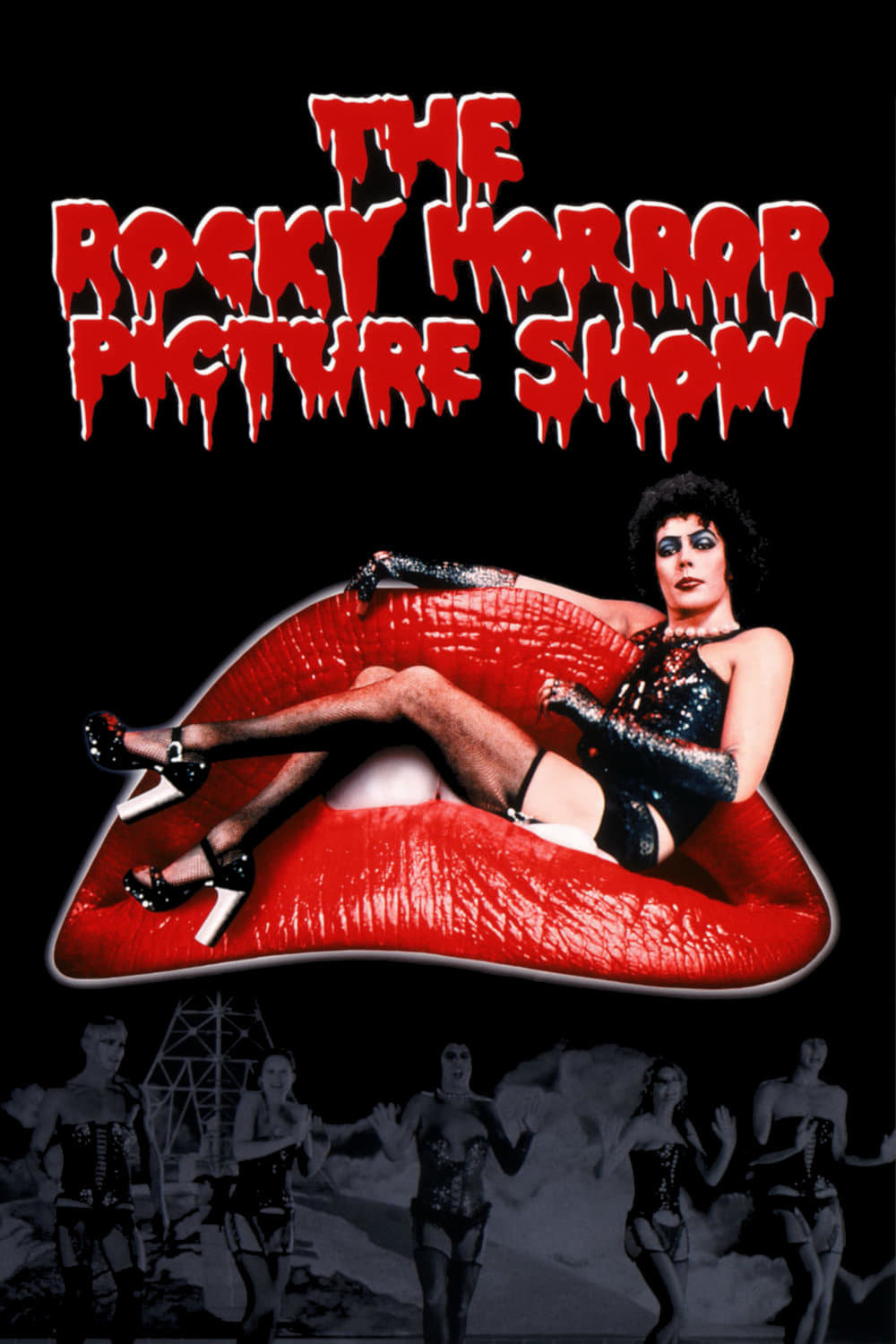
A newly engaged couple, Brad and Janet, get a flat tire on a rainy night. They walk to a nearby castle to look for a phone. Inside, they find a group of strange people having a party. The master of the castle is Dr. Frank-N-Furter, a scientist from another planet who has created a man named Rocky. Brad and Janet are pulled into the wild events of the castle, changing their lives forever.
The movie was not a hit when it was first released. It was saved by midnight screenings that started in New York City in 1976. Audiences began shouting lines at the screen and dressing up as the characters. This audience participation turned the movie into a global phenomenon. It has been playing in some theaters for decades, making it one of the most famous cult films of all time.
Harold and Maude (1971)
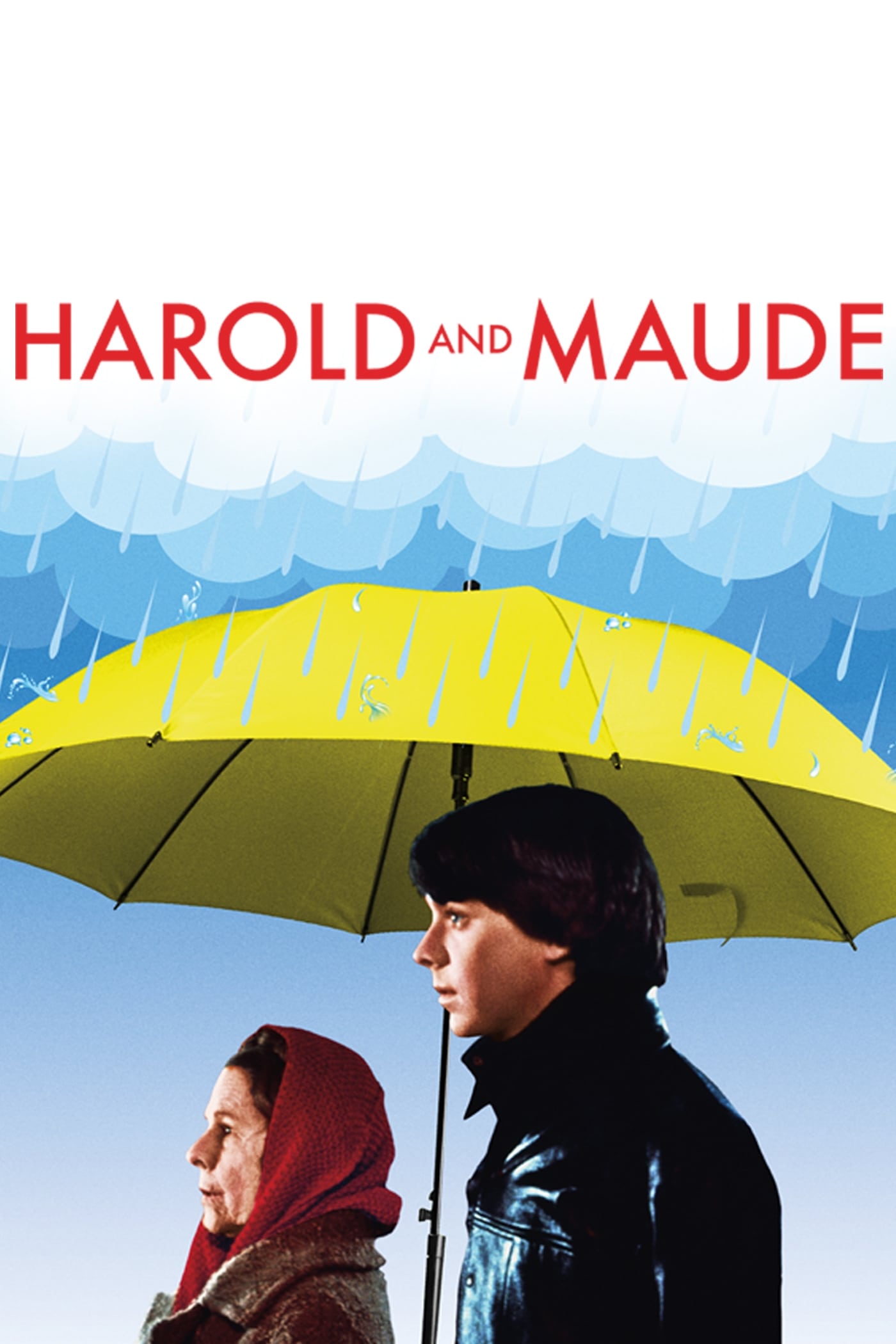
Harold is a young, wealthy man who is obsessed with death. He stages fake suicides to get attention from his mother and spends his free time going to funerals. At one of these funerals, he meets Maude, a woman who is almost 80 years old. Maude lives life to the fullest and teaches Harold how to find joy and meaning in the world. They form a deep and unusual friendship that turns into a romance.
Harold and Maude confused critics and failed to find an audience when it first came out. The dark humor and the relationship between a young man and an elderly woman were considered strange. However, the film gained a following on college campuses and in repertory theaters. Young audiences connected with its message of living authentically and challenging society’s rules. Over the years, it has become a beloved classic celebrated for its humor and heart.
A Clockwork Orange (1971)
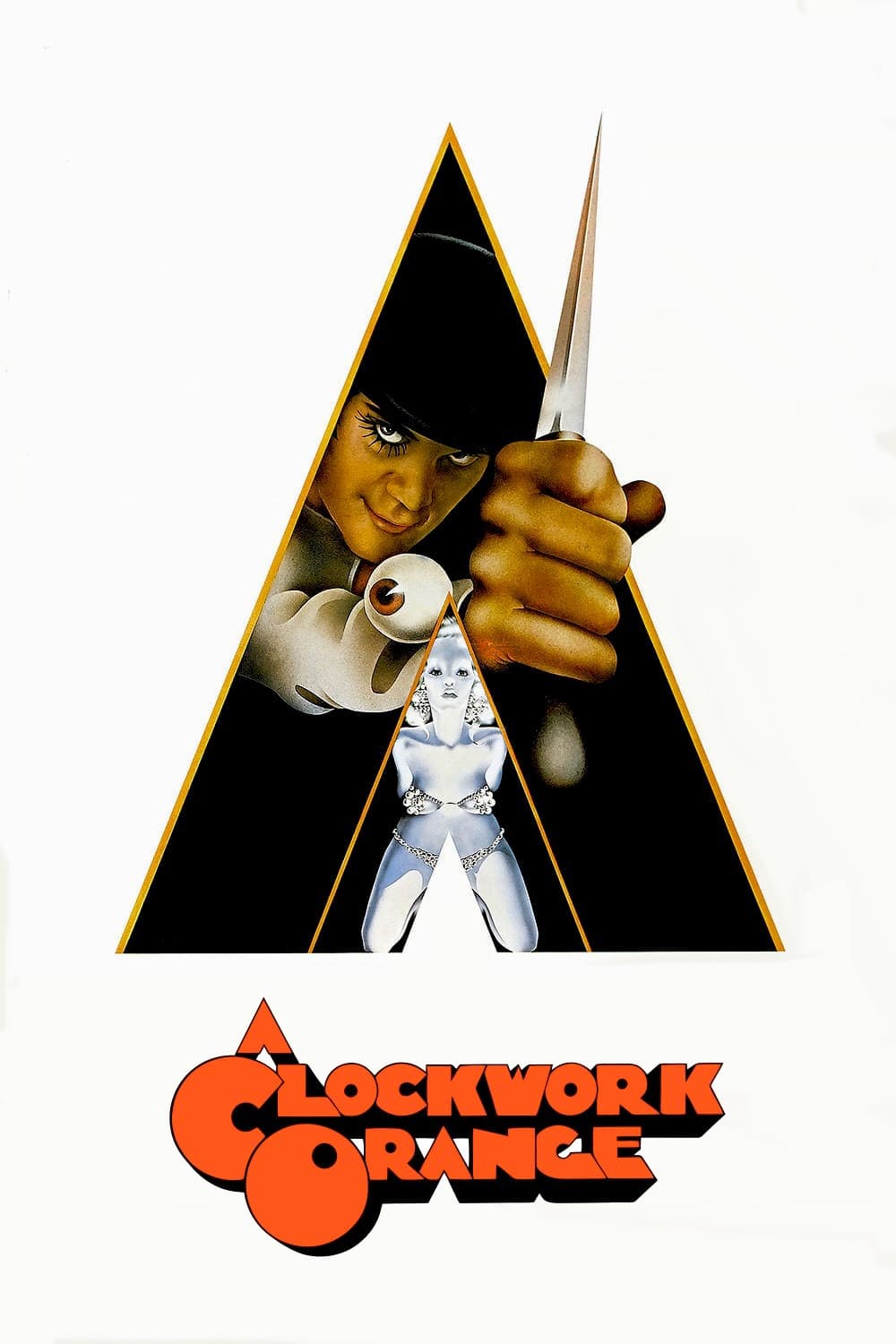
In a futuristic Britain, Alex DeLarge is the leader of a small gang of thugs. They enjoy committing acts of “ultra-violence,” including assault and robbery. After being caught by the police, Alex agrees to take part in an experimental treatment. The treatment is designed to make him feel sick whenever he has violent thoughts. The government sees it as a cure for crime, but it raises questions about free will and morality.
The film was very controversial for its violent scenes and was even withdrawn from circulation in the UK by its own director, Stanley Kubrick. Despite the controversy, or perhaps because of it, the film was a financial success. Its striking visual style, use of classical music, and disturbing themes have made a lasting impact. The movie is studied and debated for its comments on society and human nature, securing its place as a powerful cult film.
Eraserhead (1977)
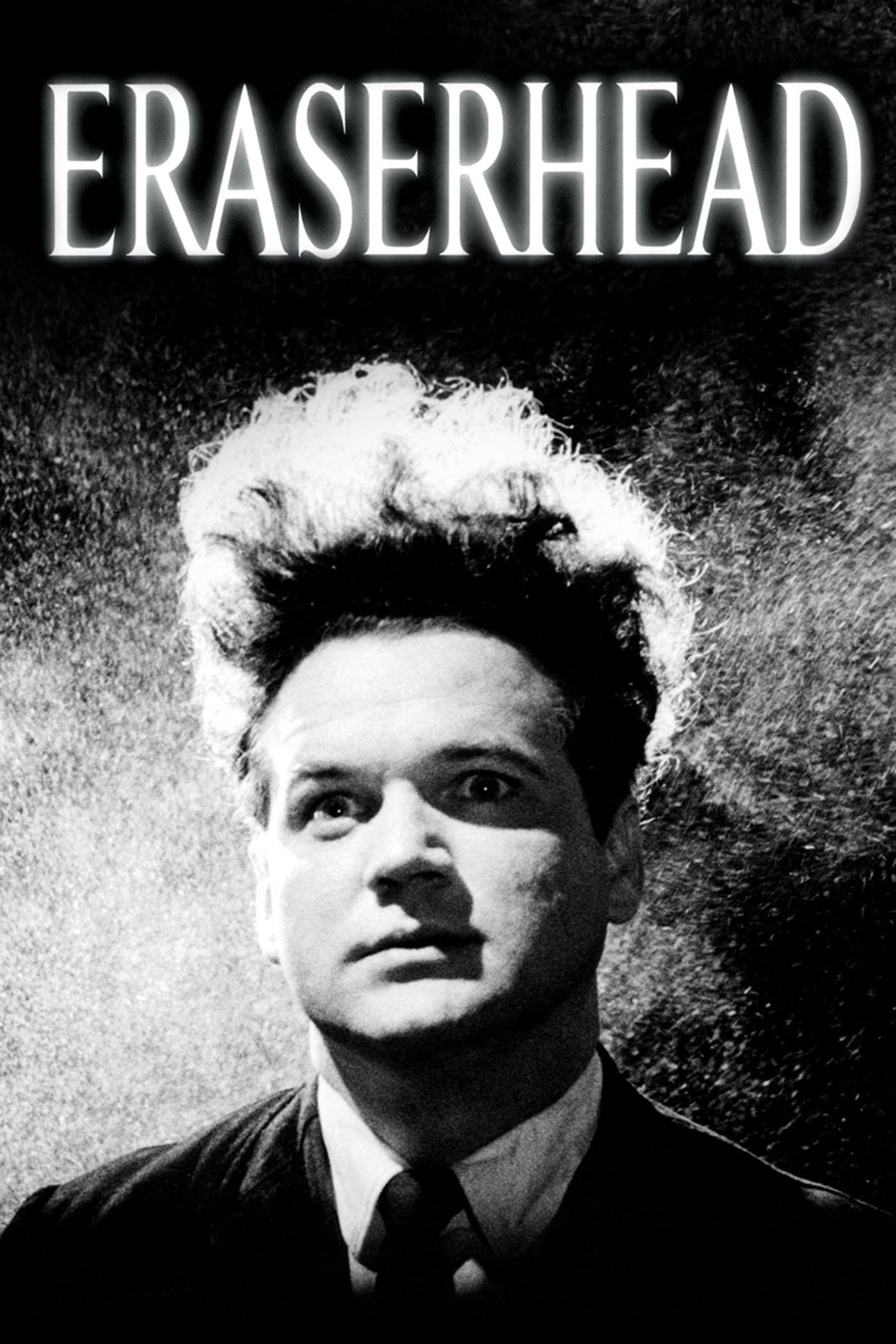
Henry Spencer lives in a bleak, industrial world. He finds out his girlfriend, Mary X, has given birth to a strange, non-human baby. Mary leaves, and Henry is left to care for the creature, which never stops crying. The film follows Henry’s surreal and nightmarish experiences. He has strange visions, including one of a “Lady in the Radiator” who sings to him.
David Lynch’s first feature film took over five years to make and was funded mostly by the director himself. When it was released, many viewers did not know what to make of its bizarre and disturbing images. The film found a home on the midnight movie circuit, where audiences were drawn to its unique and unsettling atmosphere. It established Lynch as a major new voice in filmmaking and remains a key work of surrealist cinema.
The Wicker Man (1973)
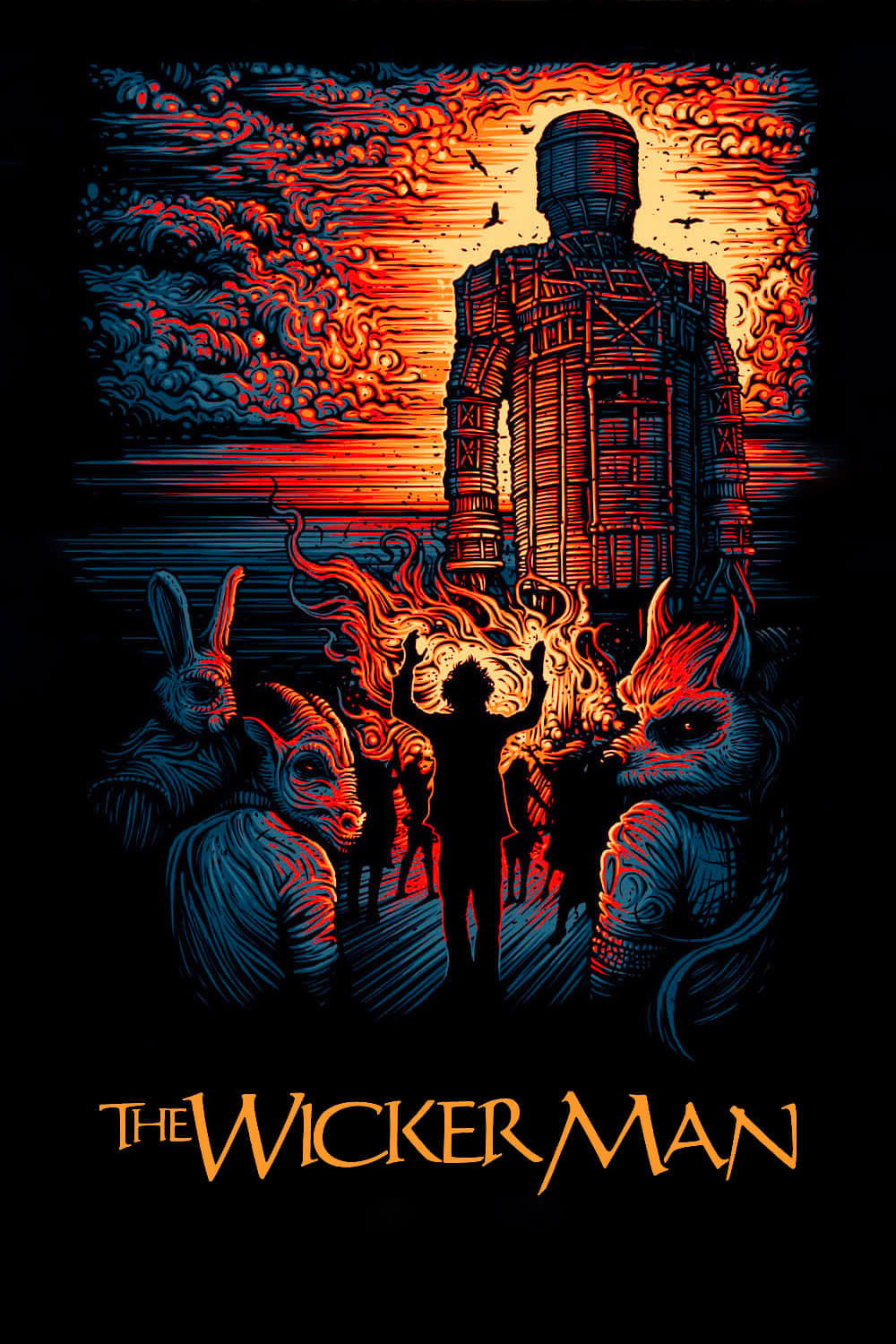
Police Sergeant Neil Howie travels to a remote Scottish island called Summerisle. He is there to investigate the disappearance of a young girl. The island’s residents are pagans who worship nature gods. They at first deny the girl ever existed. As Howie continues his investigation, he discovers more about the island’s strange customs and fertility rituals, leading to a terrifying final discovery.
The Wicker Man had a troubled release. The film was cut down by the studio and released as the second half of a double feature. It was a commercial failure and was largely ignored. Over time, however, critics and horror fans rediscovered the film and praised its suspenseful story and folk-horror atmosphere. It is now considered one of the greatest British horror films ever made, known for its chilling and unforgettable ending.
Pink Flamingos (1972)
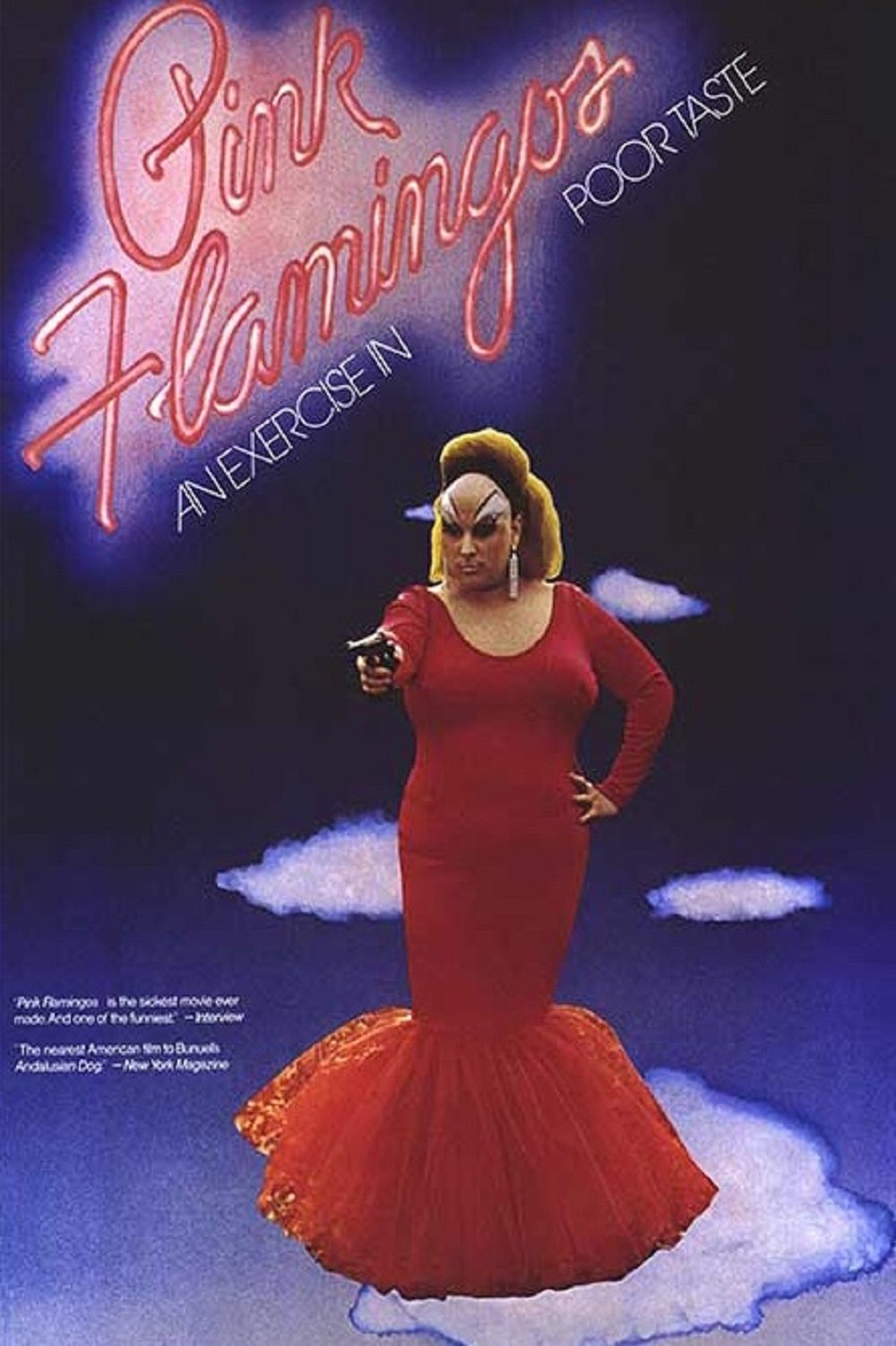
The film follows a notorious criminal named Divine, who lives in a trailer with her family. Divine proudly holds the title of “the filthiest person alive.” This title is challenged by a rival couple, the Marbles, who try to outdo Divine with their own disgusting acts. The movie shows a series of shocking and bizarre scenes as the two sides compete for the title.
Directed by John Waters, Pink Flamingos was made on a very low budget with a cast of his friends. It was designed to shock and offend mainstream tastes. The film was shown at midnight screenings and quickly became a sensation in underground film circles. Its reputation grew by word-of-mouth, with audiences daring each other to watch its most infamous scenes. It remains a landmark of bad-taste cinema and a testament to independent, rule-breaking filmmaking.
The Warriors (1979)
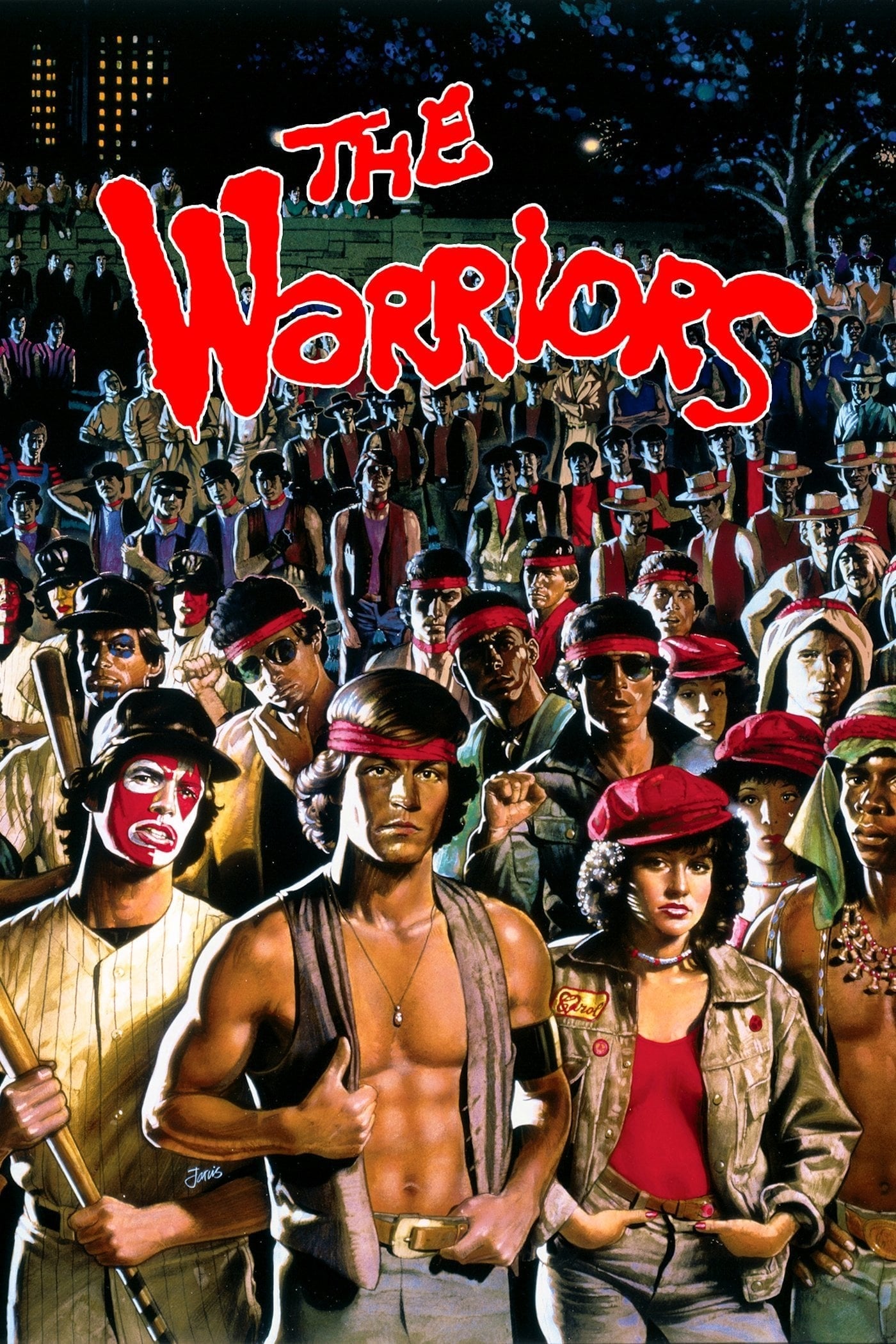
A charismatic leader calls a meeting of all New York City street gangs in the Bronx. He proposes a city-wide truce and a united front against the police. During the meeting, he is assassinated, and a gang from Coney Island called The Warriors is framed for the crime. With every other gang in the city now hunting them, The Warriors must travel from the top of the Bronx all the way back to their home turf in Brooklyn.
The Warriors caused some controversy upon release, with reports of violence at some screenings. This led the studio to scale back the promotion. Despite this, the film was a box office success. Its stylized look, memorable characters, and iconic lines helped it gain a massive cult following over the years. It is seen as a classic action film that captures the gritty feel of 1970s New York City.
Taxi Driver (1976)
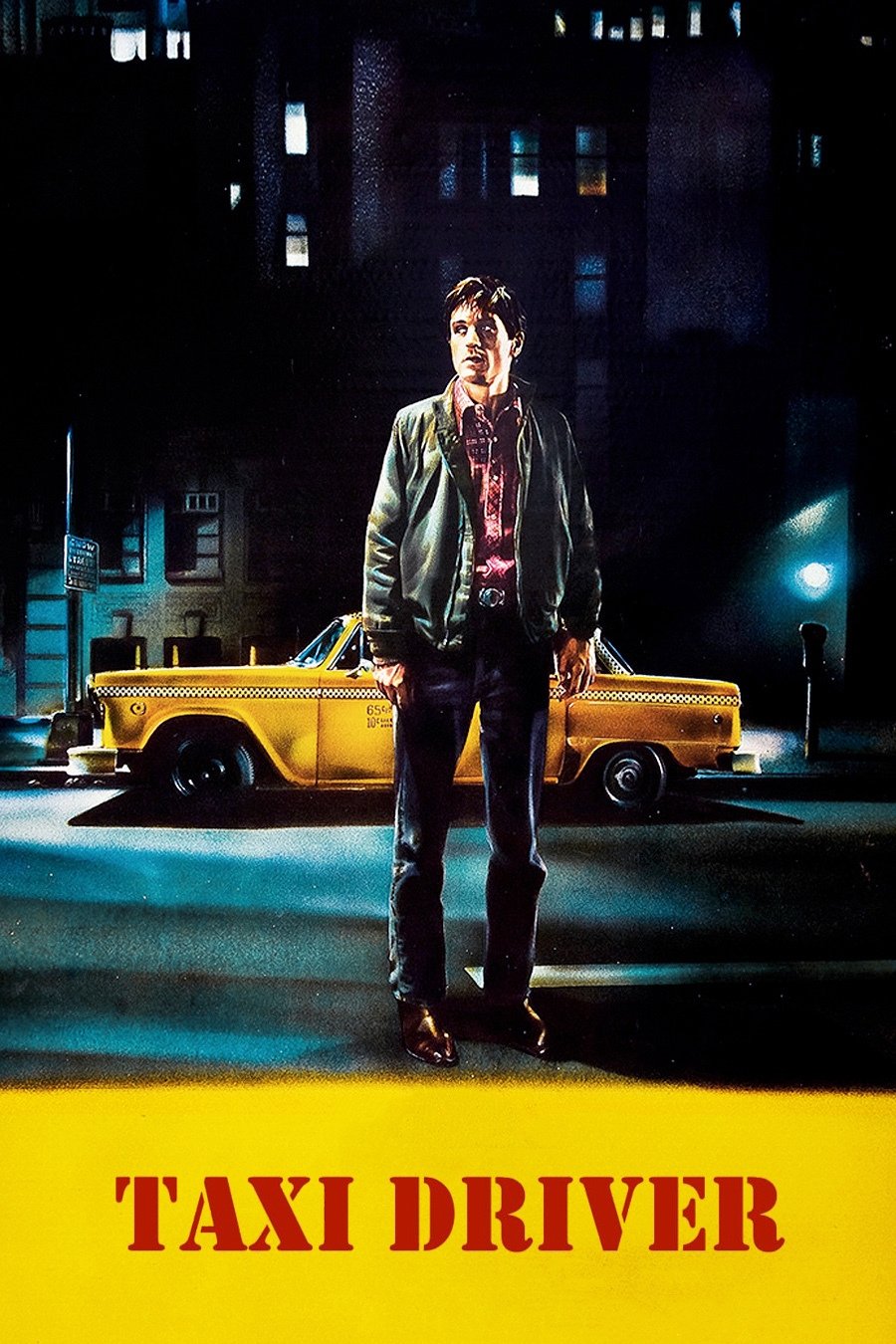
Travis Bickle is a lonely and disturbed Vietnam veteran living in New York City. He works as a nighttime taxi driver to deal with his insomnia. Driving through the city’s worst neighborhoods, he becomes disgusted by the crime and decay he sees. His growing anger and fragile mental state push him toward a violent outburst. He becomes obsessed with saving a young prostitute named Iris.
The film was a critical and commercial success from the beginning, but its dark themes and violent ending made it controversial. It has since become a major cult classic. Film lovers and scholars praise its powerful performances, stunning direction, and complex portrayal of a troubled mind. The character of Travis Bickle and his famous line, “You talkin’ to me?” have become iconic parts of movie history.
Vanishing Point (1971)
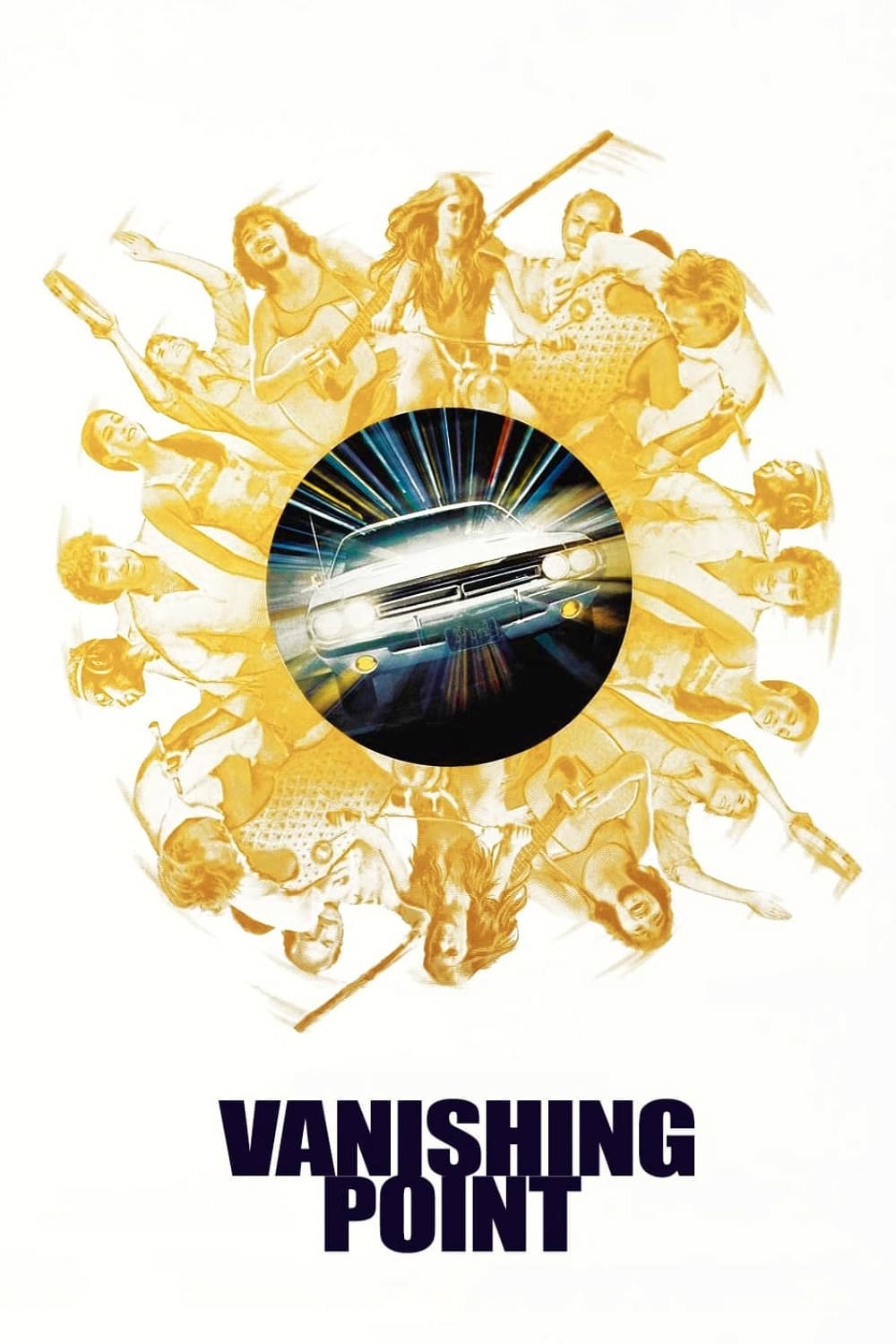
A car delivery driver named Kowalski bets that he can drive a 1970 Dodge Challenger from Denver to San Francisco in under two days. Fueled by amphetamines, he speeds across the American Southwest. His journey attracts the attention of the police, who begin a multi-state chase. He also captures the imagination of a blind radio DJ named Super Soul, who calls Kowalski “the last American hero” on the air.
The film tapped into the counter-culture feelings of the time, with its themes of rebellion and anti-authoritarianism. It was not a huge hit at first in the U.S., but it was very successful in Europe, which led the studio to re-release it. Paired with other popular films, it found its audience and became a classic car chase movie with a devoted cult following.
Two-Lane Blacktop (1971)
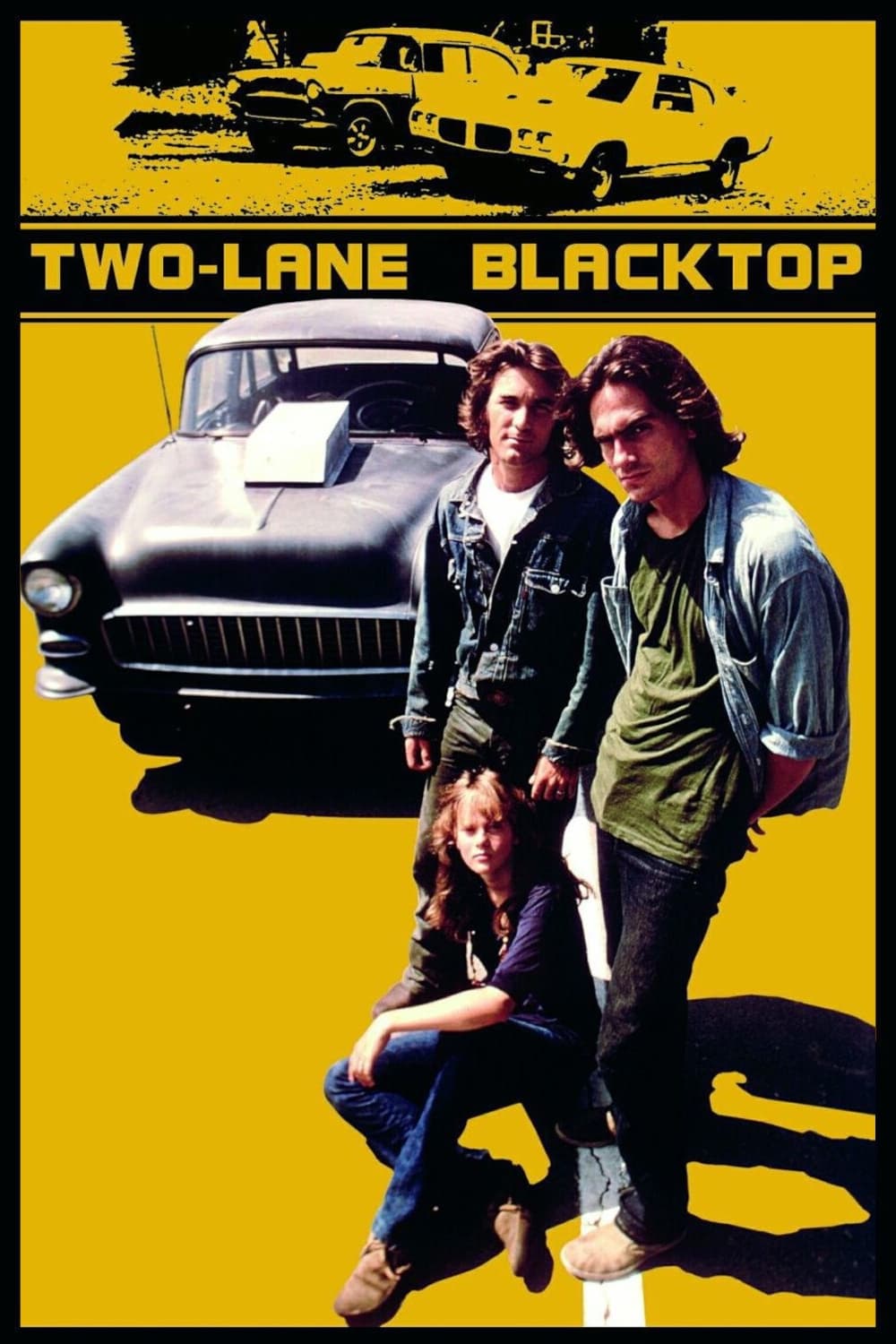
Two men, known only as “The Driver” and “The Mechanic,” travel across the country in a souped-up 1955 Chevy. They make a living by challenging other drivers to street races. They pick up a female hitchhiker, “The Girl,” and later get into a cross-country race with a man driving a new Pontiac GTO. The story is less about the race and more about the journey and the people they meet.
With very little dialogue and a slow, meditative pace, the film was not a commercial success. Universal Studios had hoped for another hit like Easy Rider, but Two-Lane Blacktop was a more bleak and existential road movie. Over time, it gained a strong cult following for its minimalist style and its realistic portrayal of car culture and life on the road, becoming a classic of the New Hollywood era.
El Topo (1970)
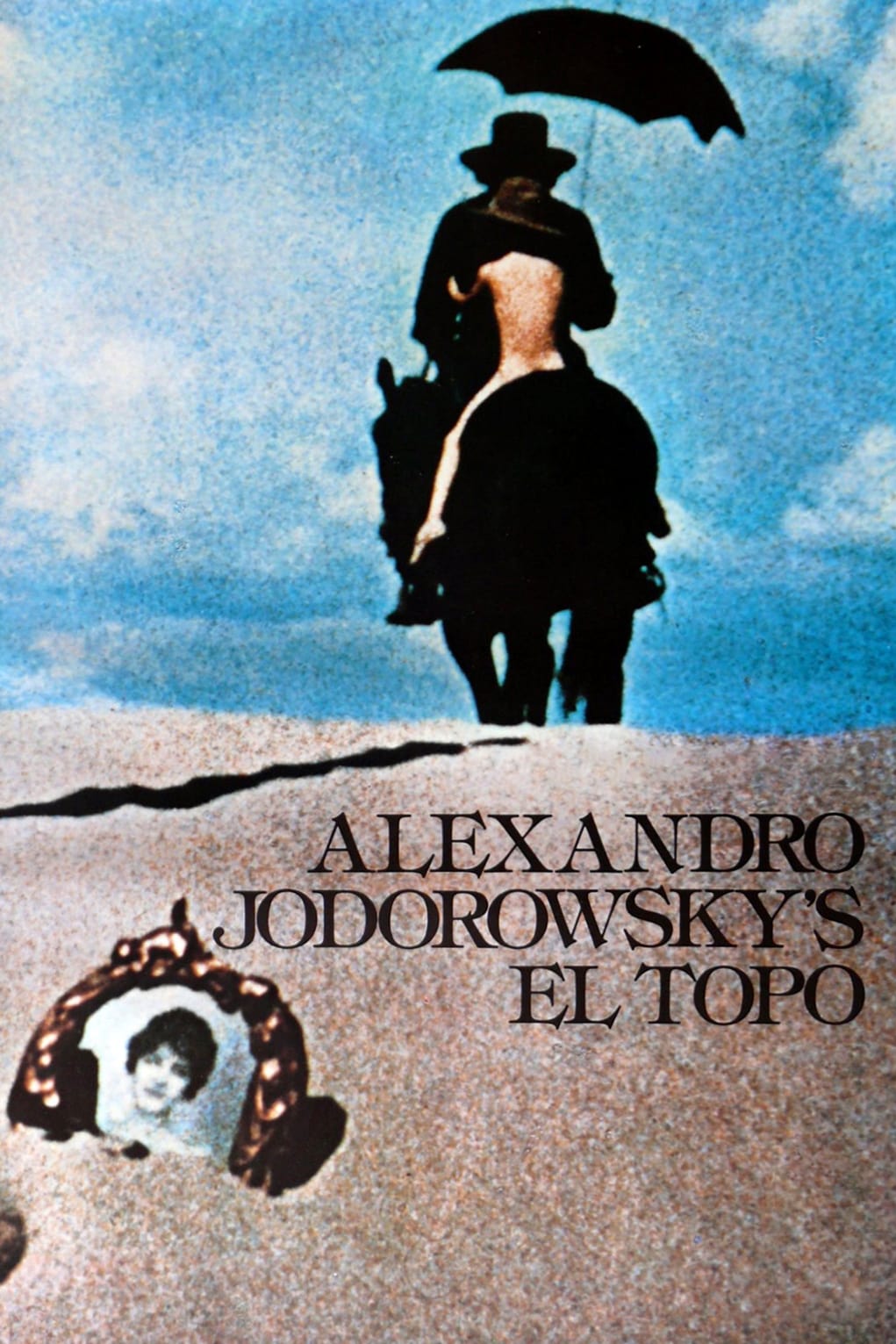
A black-clad gunslinger named El Topo (“The Mole”) travels across a surreal desert landscape with his young son. He challenges and defeats four master gunfighters to prove he is the best. After being betrayed and left for dead, he is rescued by a group of outcasts who live in a cave. He awakens years later and attempts to free them by digging a tunnel to the outside world.
Directed by and starring Alejandro Jodorowsky, El Topo is considered the first “midnight movie.” It played in a New York theater for months at midnight, attracting a dedicated audience that treated the screenings like a ritual. The film is filled with bizarre, violent, and symbolic imagery that mixes Western tropes with spiritual allegory. Its success on the midnight circuit proved that there was an audience for strange, non-commercial films.
The Holy Mountain (1973)
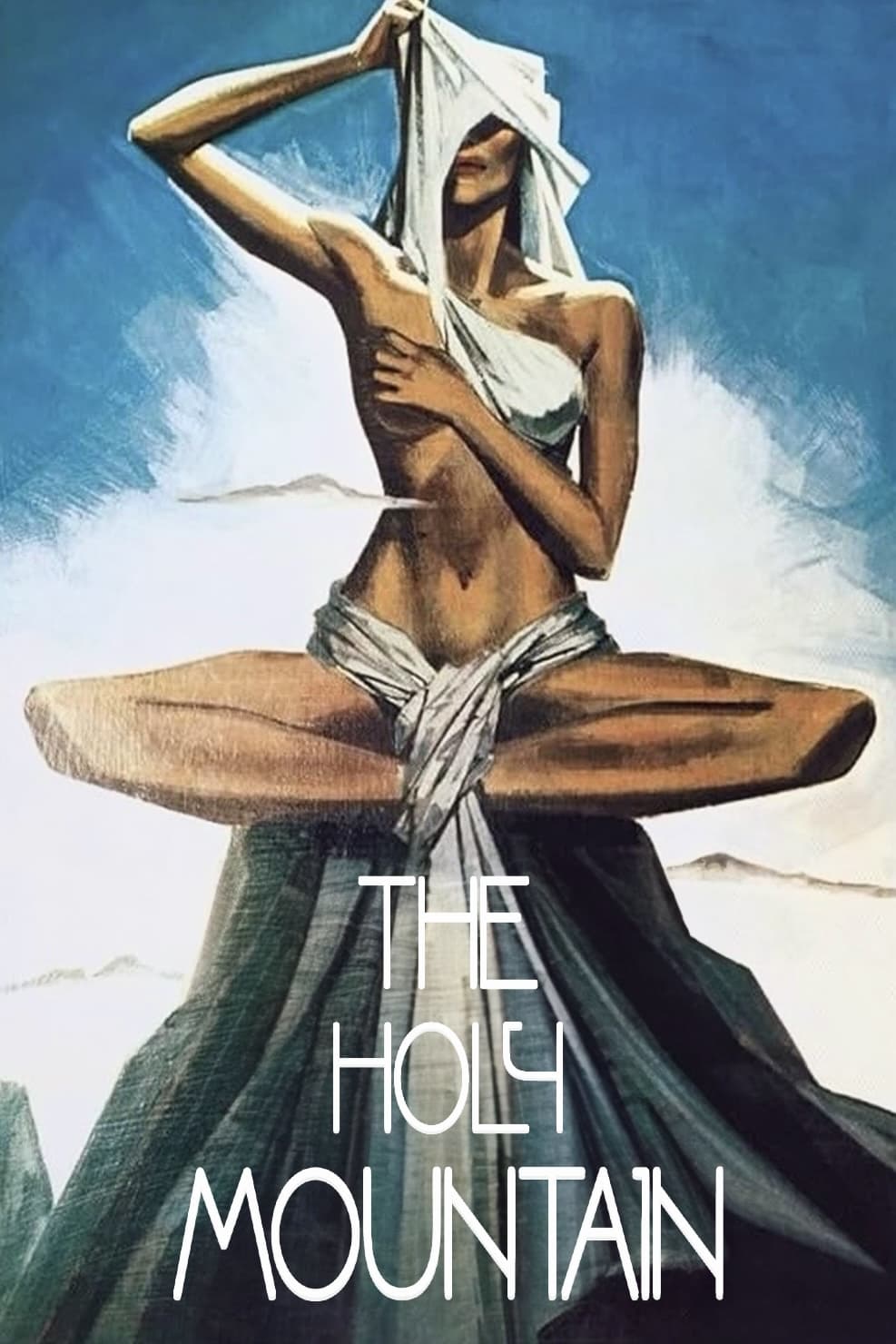
A man who resembles Jesus Christ wanders through a city filled with grotesque and satirical scenes of greed and corruption. He is taken in by a powerful alchemist who gathers a group of seven wealthy and powerful people, each representing a planet. The alchemist plans to lead this group on a journey to the Holy Mountain, where they hope to find the secret to immortality.
Also directed by Alejandro Jodorowsky, this film is even more visually ambitious and surreal than El Topo. It was funded in part by John Lennon and Yoko Ono. Its shocking and beautiful imagery critiques consumerism, religion, and politics. The Holy Mountain was a staple of midnight movie screenings and arthouse theaters, and it remains a deeply influential work of visionary cinema, celebrated by those who appreciate its unique and challenging artistry.
Phantom of the Paradise (1974)
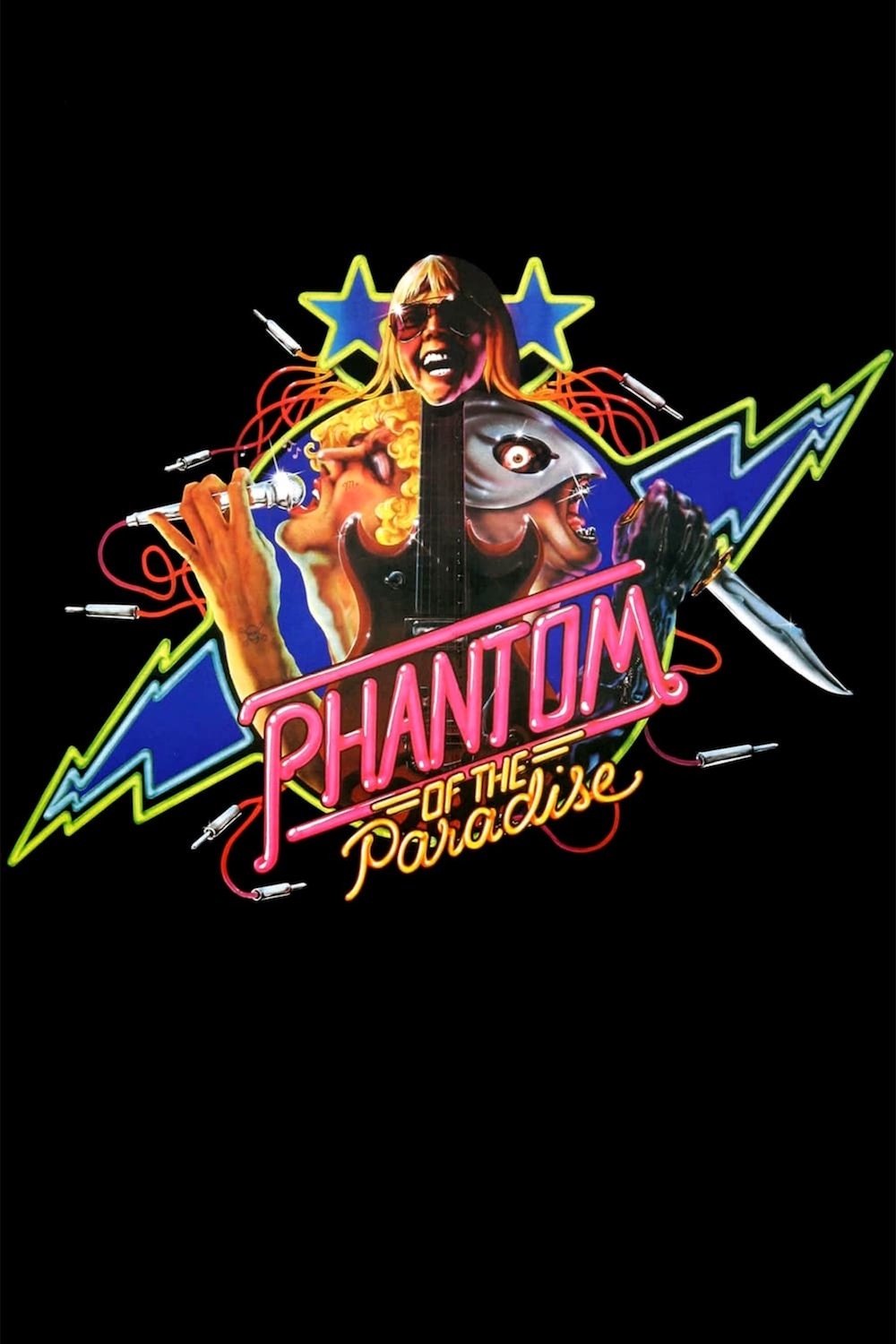
A talented but naive composer named Winslow Leach has his music stolen by a legendary rock producer called Swan. Swan wants to use the music to open his new rock palace, The Paradise. After being framed and disfigured, Winslow becomes a masked phantom who haunts The Paradise, seeking revenge on Swan and trying to save a young singer named Phoenix from a terrible fate.
Brian De Palma’s rock opera musical combines elements of The Phantom of the Opera, Faust, and The Picture of Dorian Gray. It was a commercial failure in most of the world upon its release. However, the film became a massive phenomenon in the city of Winnipeg, Canada, where it played for months and sold tens of thousands of tickets. Its fantastic music, dark humor, and wild visual style eventually earned it a passionate international cult following.
Suspiria (1977)
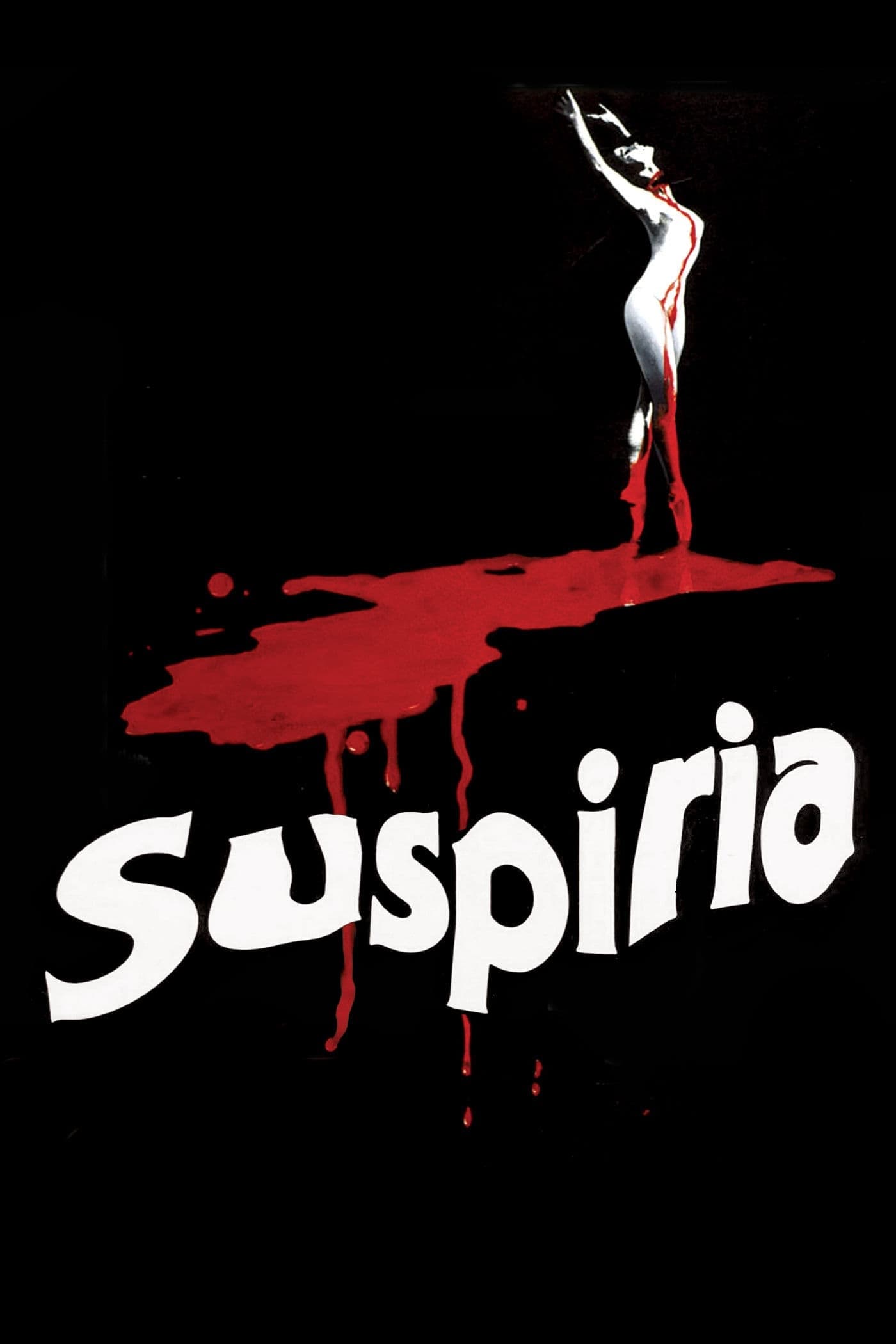
An American ballet student named Suzy Bannion arrives at a prestigious dance academy in Germany on a stormy night. She soon discovers that the school is a front for something much more sinister. Students are being terrorized and murdered, and Suzy realizes that the school is run by a coven of witches. She must uncover the academy’s dark secret to survive.
Directed by Dario Argento, Suspiria is famous for its stunning visual style. The film uses vibrant, surreal colors, especially bright reds and blues, to create a nightmarish atmosphere. The unsettling, loud score by the band Goblin adds to the sense of dread. While confusing to some on its initial release, its unique look and terrifying feel have made it a masterpiece of horror and a hugely influential cult film.
Dawn of the Dead (1978)

A mysterious plague has caused the dead to rise and feast on the living. Four survivors—two SWAT team members and two television station employees—escape the chaos in a helicopter. They find refuge in a large, abandoned shopping mall. They secure the mall and enjoy a temporary paradise, but their sanctuary is threatened by both the zombies outside and conflicts within the group.
George A. Romero’s sequel to Night of the Living Dead was a major box office success but also deeply controversial for its graphic gore. The film is more than just a zombie movie; it’s a sharp satire of consumer culture, with the zombies mindlessly wandering the mall just as shoppers once did. Its mix of horror, action, and social commentary has made it a beloved classic among horror fans and a landmark of independent filmmaking.
Assault on Precinct 13 (1976)
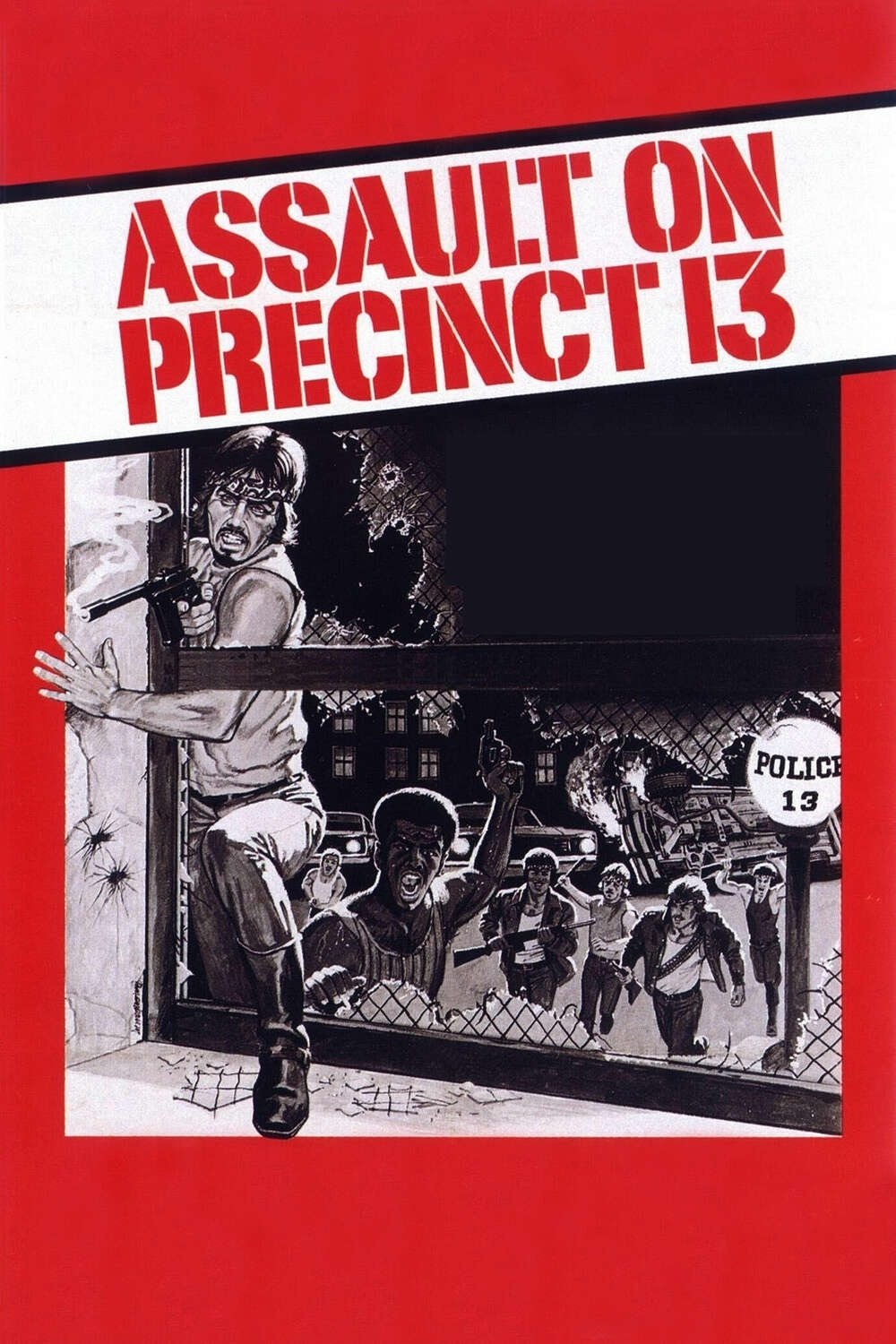
A nearly-abandoned police station in a bad part of Los Angeles is about to be closed. A small crew of police officers and secretaries is left to manage the last night. A bus transporting dangerous prisoners, including the notorious Napoleon Wilson, stops at the station for the night. Soon, the station is besieged by a heavily armed and silent street gang, forcing the cops and criminals to team up to survive.
John Carpenter’s low-budget thriller was inspired by the classic Western Rio Bravo. The film did poorly at the box office in the United States at first. However, it was a huge hit at the London Film Festival, where European critics praised it as one of the best films of the year. This acclaim led to its rediscovery in America, where it is now considered a masterclass in suspense and a classic action film.
Mad Max (1979)
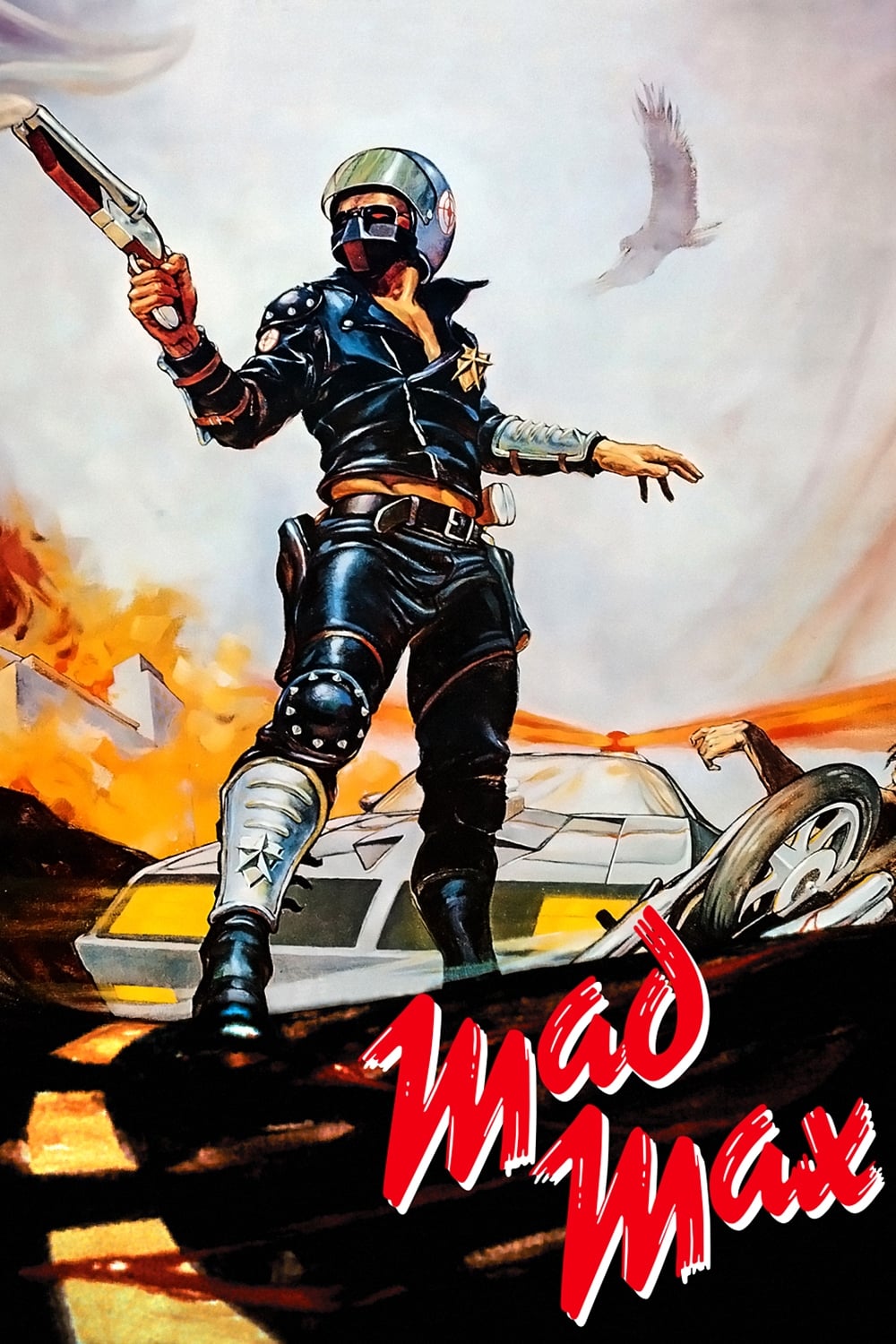
In a near-future Australia, society is collapsing. Violent biker gangs rule the highways. A police officer named Max Rockatansky is the best pursuit driver on the force. After his partner is badly injured and his family is targeted by a ruthless gang, Max quits the force. He gets a supercharged black Pursuit Special car and sets out on a brutal quest for revenge.
Made on a tiny budget in Australia, Mad Max was a massive international hit. Its raw energy, incredible stunt work, and gritty, dystopian world created a new standard for action films. The film launched Mel Gibson to global stardom and started a long-running and beloved franchise. Its influence can be seen in countless action movies and post-apocalyptic stories that followed.
Enter the Dragon (1973)
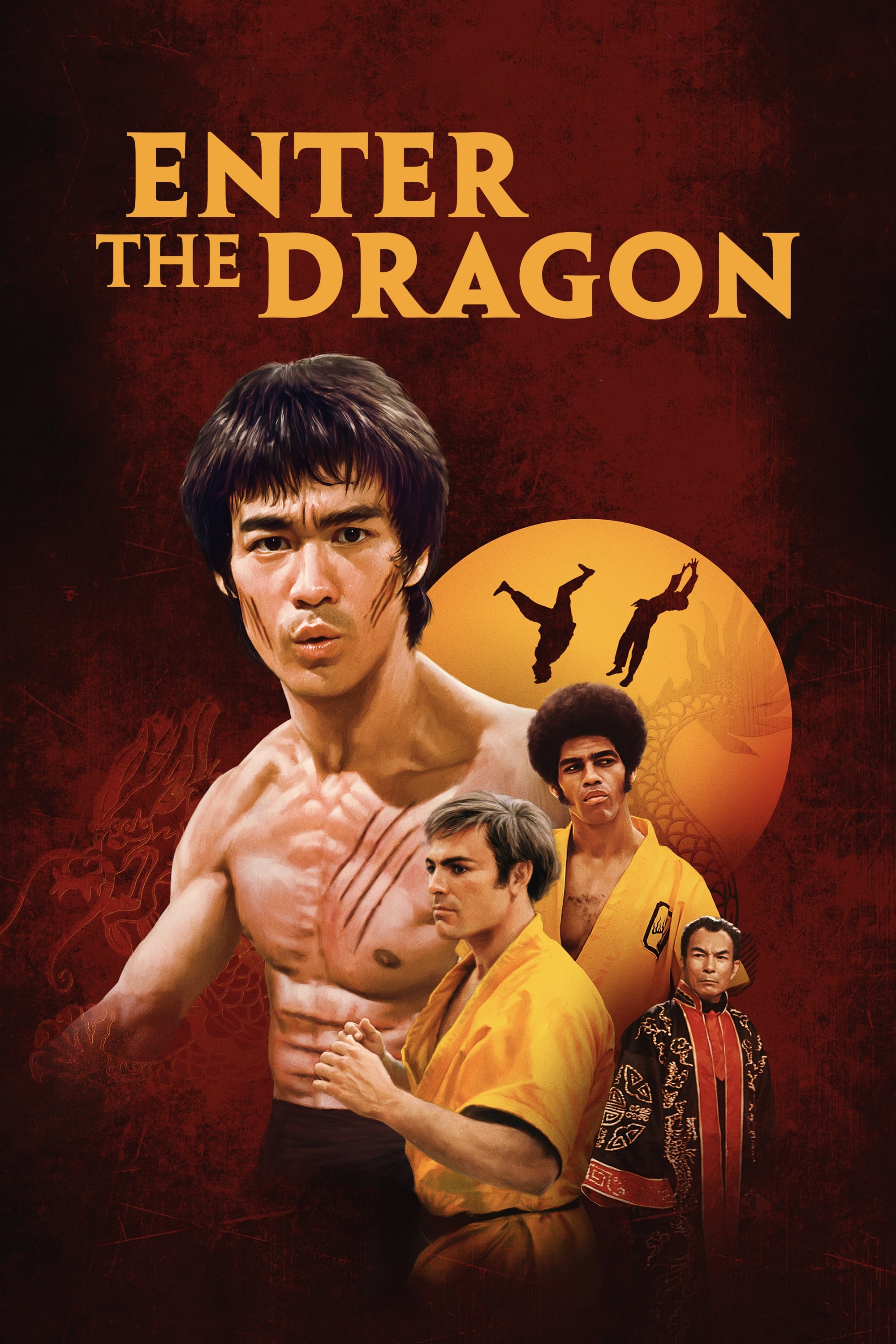
A martial arts expert named Lee is recruited by a British intelligence agent. He is asked to enter a martial arts tournament on a private island owned by a suspicious man named Han. Han is a former student from Lee’s temple and is believed to be involved in drug trafficking and prostitution. Lee agrees to go, as he also seeks revenge for his sister’s death, for which Han is responsible.
This was the first major Hollywood martial arts film and the final completed movie of its star, Bruce Lee, who died just before its release. The film became a massive worldwide hit, making Bruce Lee an international icon. Its incredible fight choreography and Lee’s magnetic presence have made it a timeless classic. It has a huge cult following and is considered one of the most influential action films ever made.
Death Race 2000 (1975)
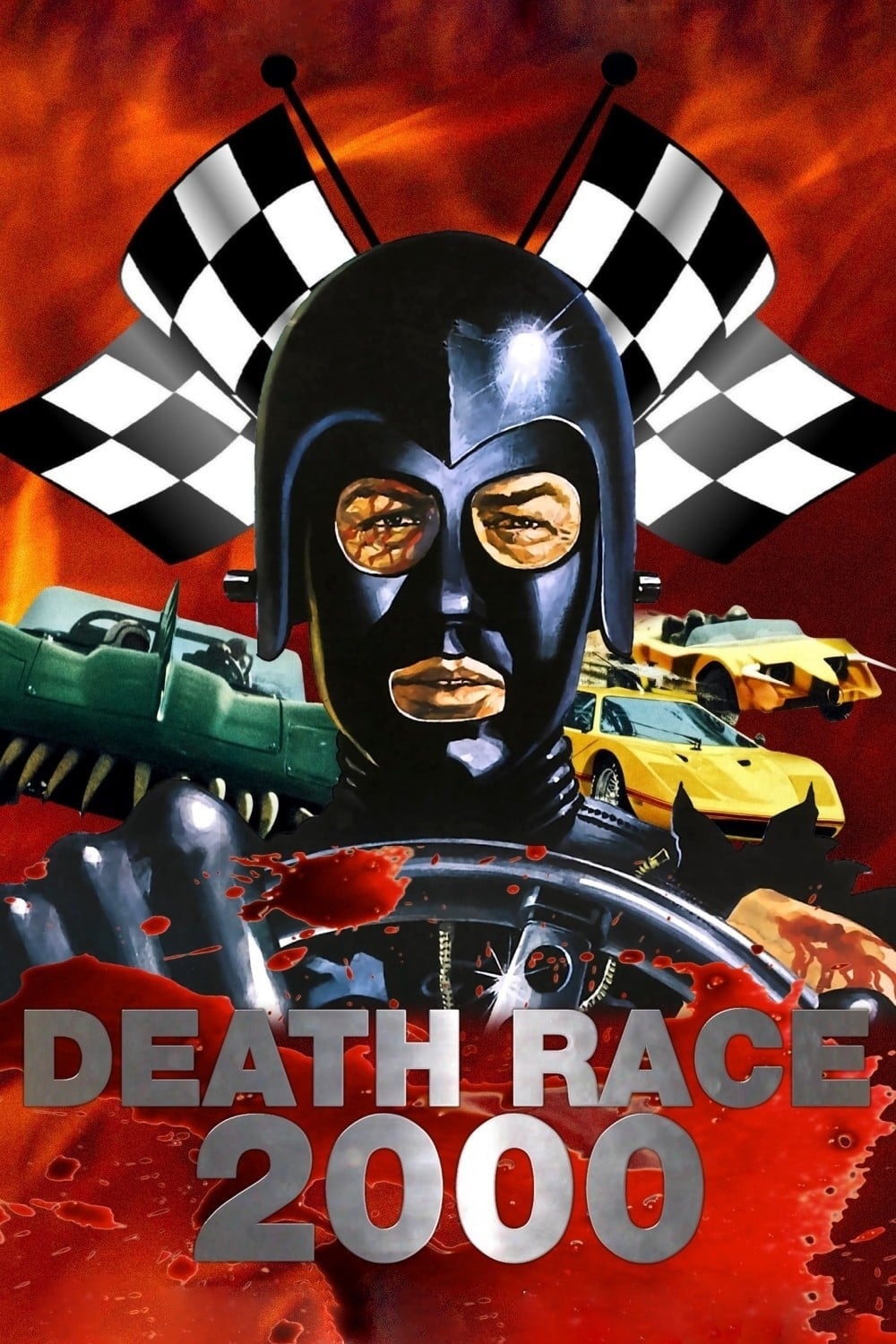
In a dystopian future, the most popular sport is the Transcontinental Road Race. The event is a violent, cross-country race where drivers earn points for killing pedestrians. The race’s most famous driver is the masked champion, Frankenstein. However, a resistance group is trying to sabotage the race and overthrow the country’s oppressive government.
This low-budget, darkly comedic film was made to cash in on the popularity of violent action movies. With its over-the-top violence and satirical social commentary, the film was a hit at drive-in theaters. It has since become a cult classic, celebrated for its campy style, black humor, and critique of violence in entertainment and politics.
Performance (1970)
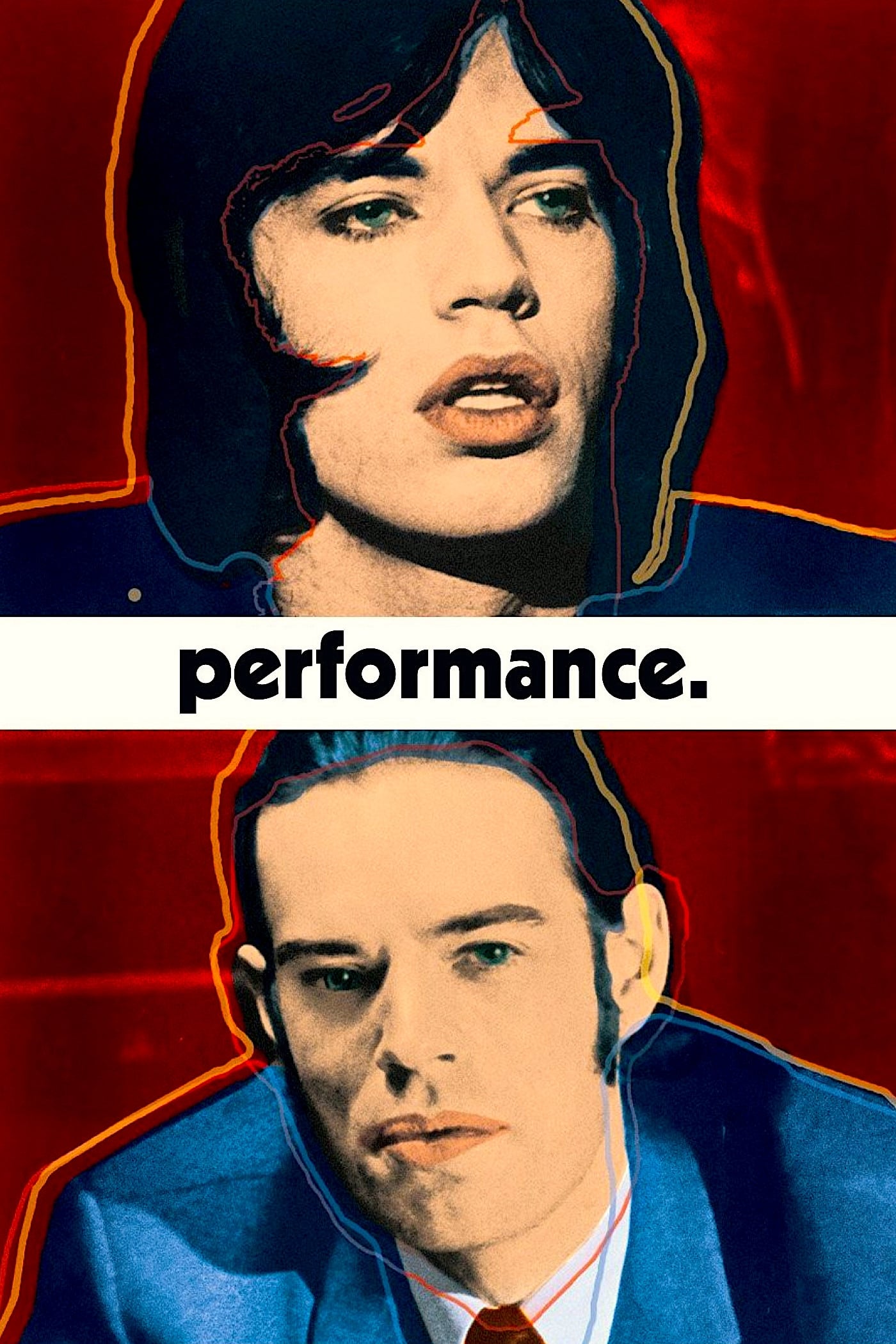
Chas is a violent gangster in London who has to go on the run after a job goes wrong. He finds a place to hide in the bohemian home of a reclusive former rock star named Turner. Chas’s aggressive and macho world clashes with Turner’s decadent and fluid lifestyle. The two men’s identities begin to merge in strange and disturbing ways.
The film’s experimental style, along with its themes of sex, drugs, and identity, shocked both the studio and audiences in 1970. The movie was a commercial failure and received poor reviews from many critics who found it confusing. However, its reputation has grown enormously over the years. It is now seen as a complex and groundbreaking film that perfectly captured the end of the 1960s counter-culture.
Get Carter (1971)
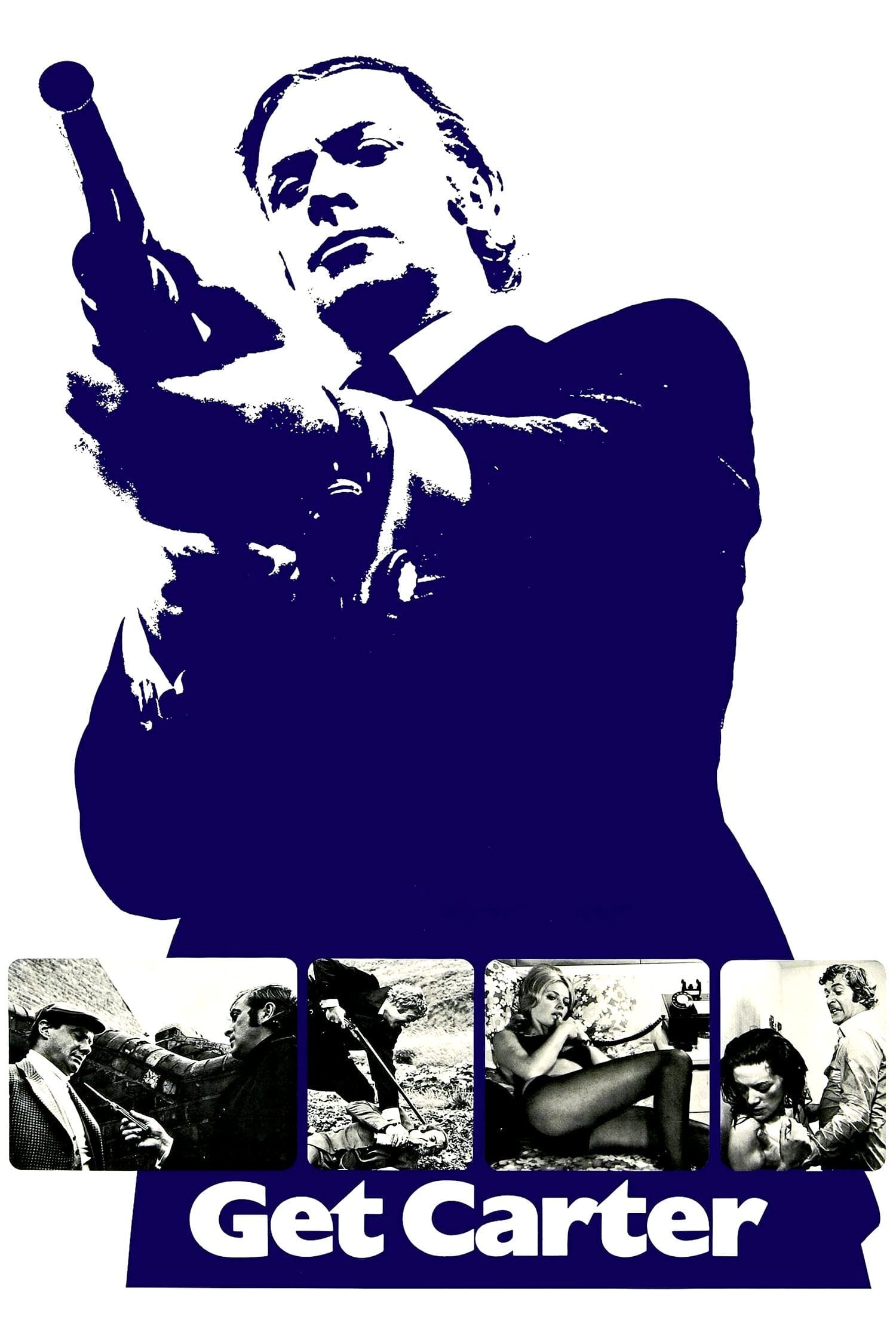
A cold-hearted London gangster named Jack Carter travels to the industrial city of Newcastle to investigate the death of his brother. The police say the death was an accident, but Carter suspects murder. He brutally makes his way through the local criminal underworld, seeking information and leaving a trail of bodies as he gets closer to the truth and his own violent revenge.
Upon its release, the film was criticized by some for its extreme violence and grim tone. However, it was a box office success in the UK. Over time, it gained a powerful cult following and is now considered one of the greatest British gangster films ever made. Its gritty realism and Michael Caine’s iconic, ruthless performance have influenced many later crime films.
Badlands (1973)
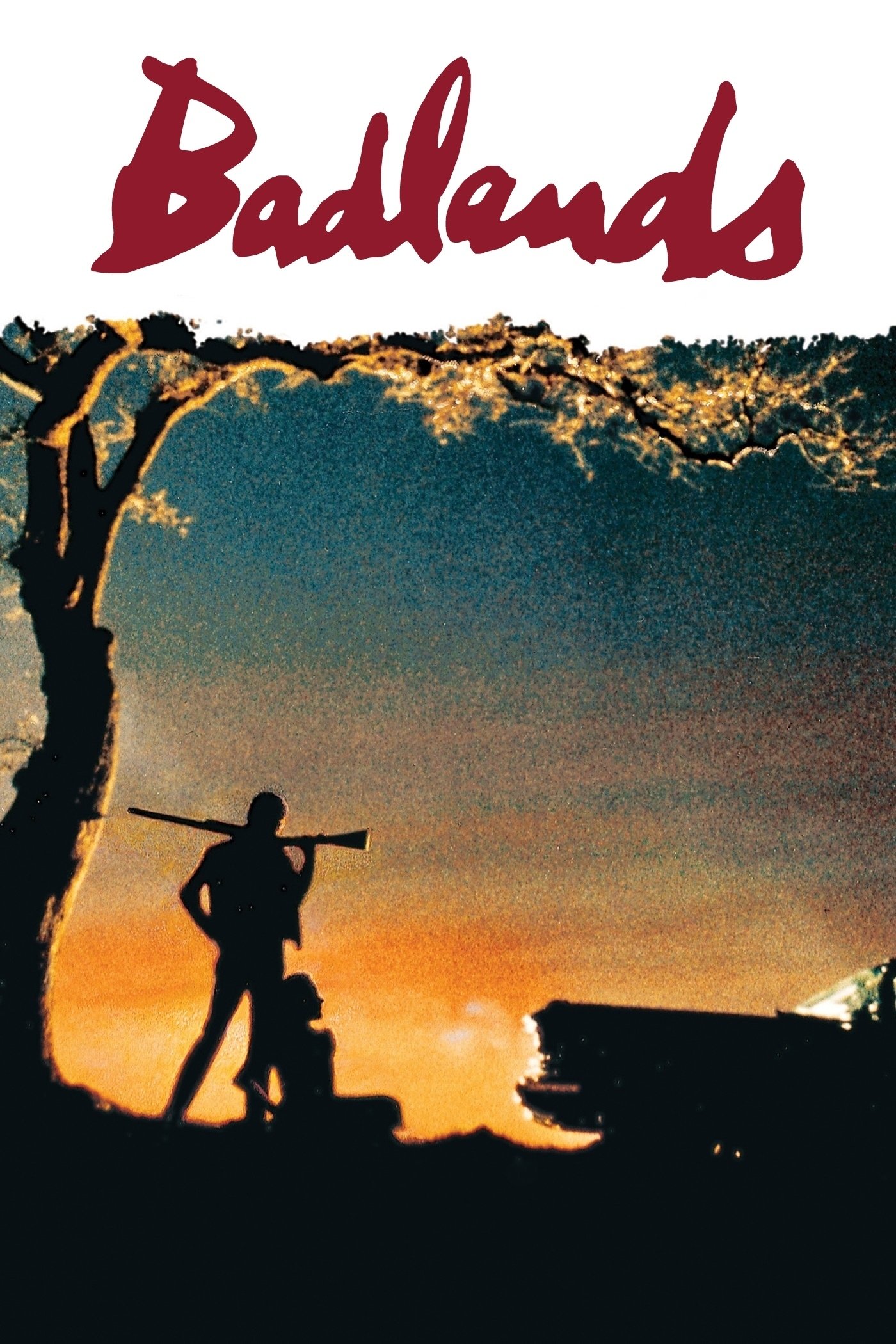
In the late 1950s, a 15-year-old girl named Holly falls for a 25-year-old garbage collector named Kit, who looks like James Dean. After Kit kills Holly’s father, who disapproves of their relationship, the two go on the run. They travel across the badlands of the American Midwest, committing a series of murders along the way. Holly narrates their story in a detached, storybook style.
This was the debut film from director Terrence Malick. While it received excellent reviews, its dark subject matter and artistic style did not lead to big box office numbers. The film’s beautiful cinematography, haunting music, and strange, poetic tone set it apart from other crime films. It has since become a highly influential cult favorite, praised for its unique and lyrical approach to a dark story.
Walkabout (1971)
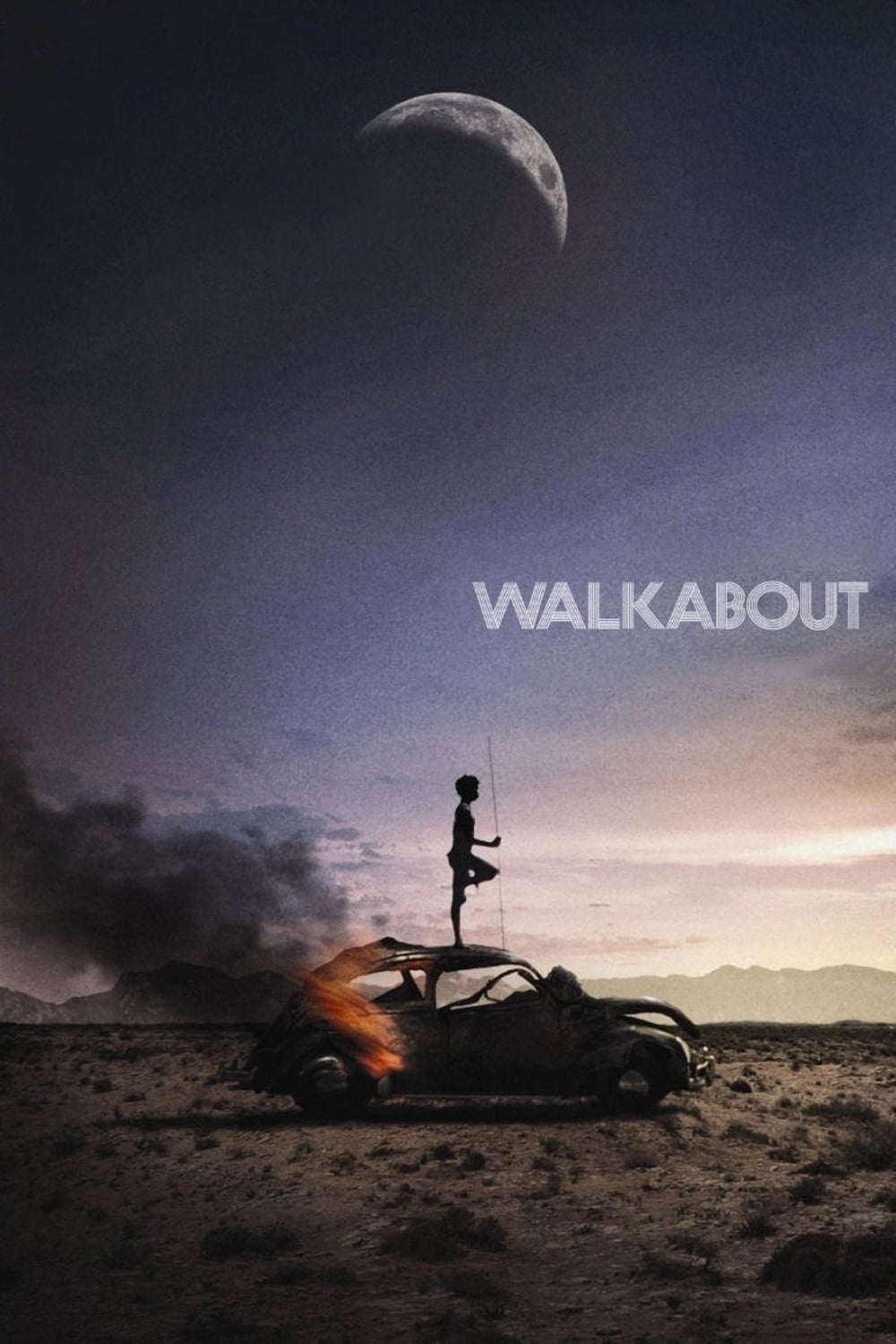
A teenage girl and her younger brother are abandoned in the Australian outback by their father. Lost and struggling to survive, they are found by a young Aboriginal boy who is on his “walkabout,” a traditional journey into the wilderness. He helps them find food and water and guides them through the harsh landscape, while the three of them struggle to communicate across their cultural divide.
Director Nicolas Roeg’s film was praised by critics for its stunning visuals but was a commercial failure. The movie’s non-linear narrative and powerful themes of nature versus civilization and communication were not typical of mainstream cinema. It has since been recognized as a cinematic masterpiece and a key film of the Australian New Wave, with a strong following among cinephiles.
Don’t Look Now (1973)
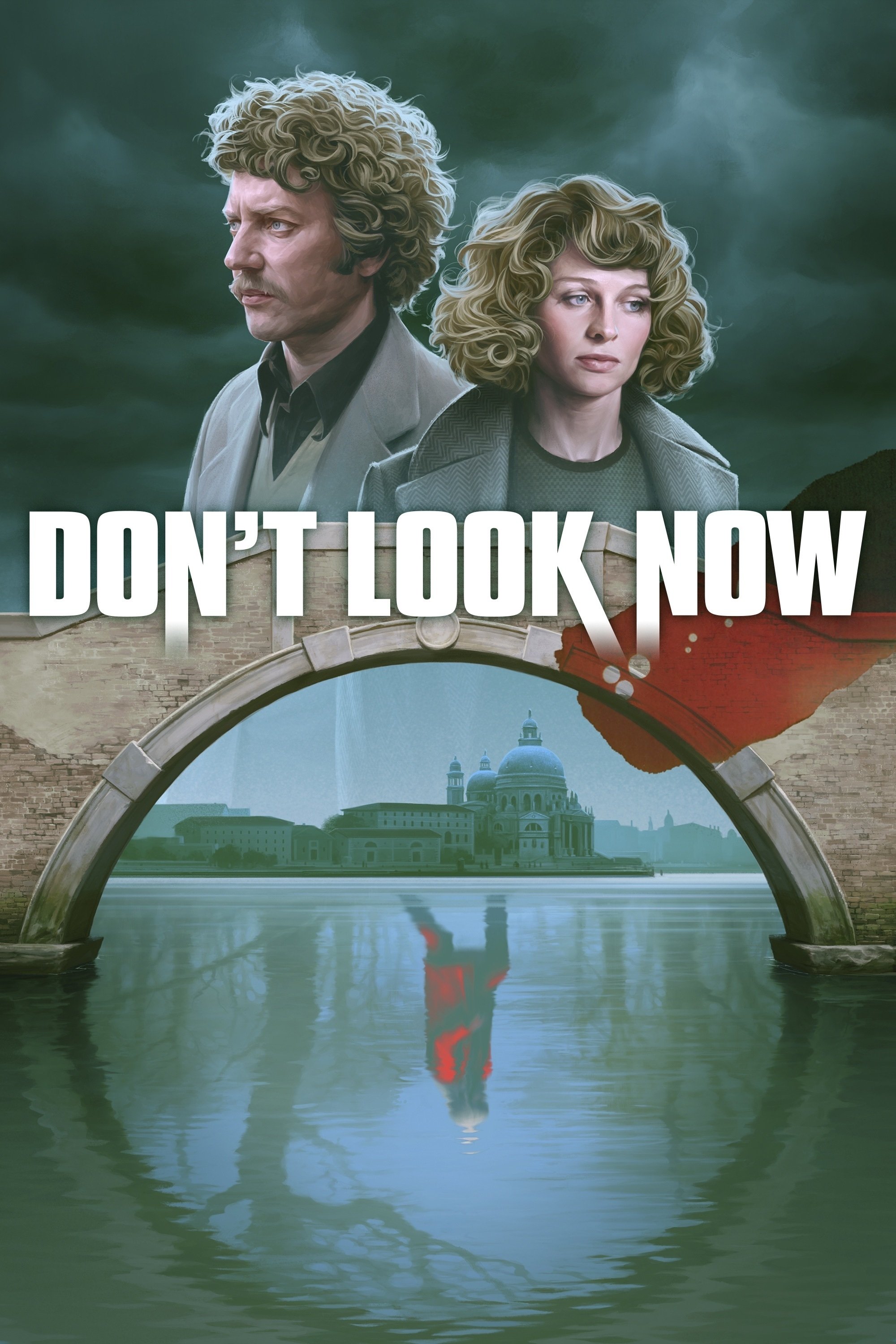
An English couple, Laura and John, travel to Venice after the tragic death of their young daughter. John is there to restore an old church. In Venice, they meet two elderly sisters, one of whom is a blind psychic who claims to be in contact with their dead daughter. John is skeptical, but he begins to have his own strange visions, including glimpses of a small figure in a red coat, similar to the one his daughter wore when she died.
This psychological horror film from director Nicolas Roeg is famous for its masterful editing and unsettling atmosphere. At the time of its release, some audiences were puzzled by its fractured timeline and a controversial love scene. Over the years, it has become regarded as one of the most stylish and terrifying horror films ever made, and its shocking ending is still considered one of the most powerful in cinema history.
The Long Goodbye (1973)
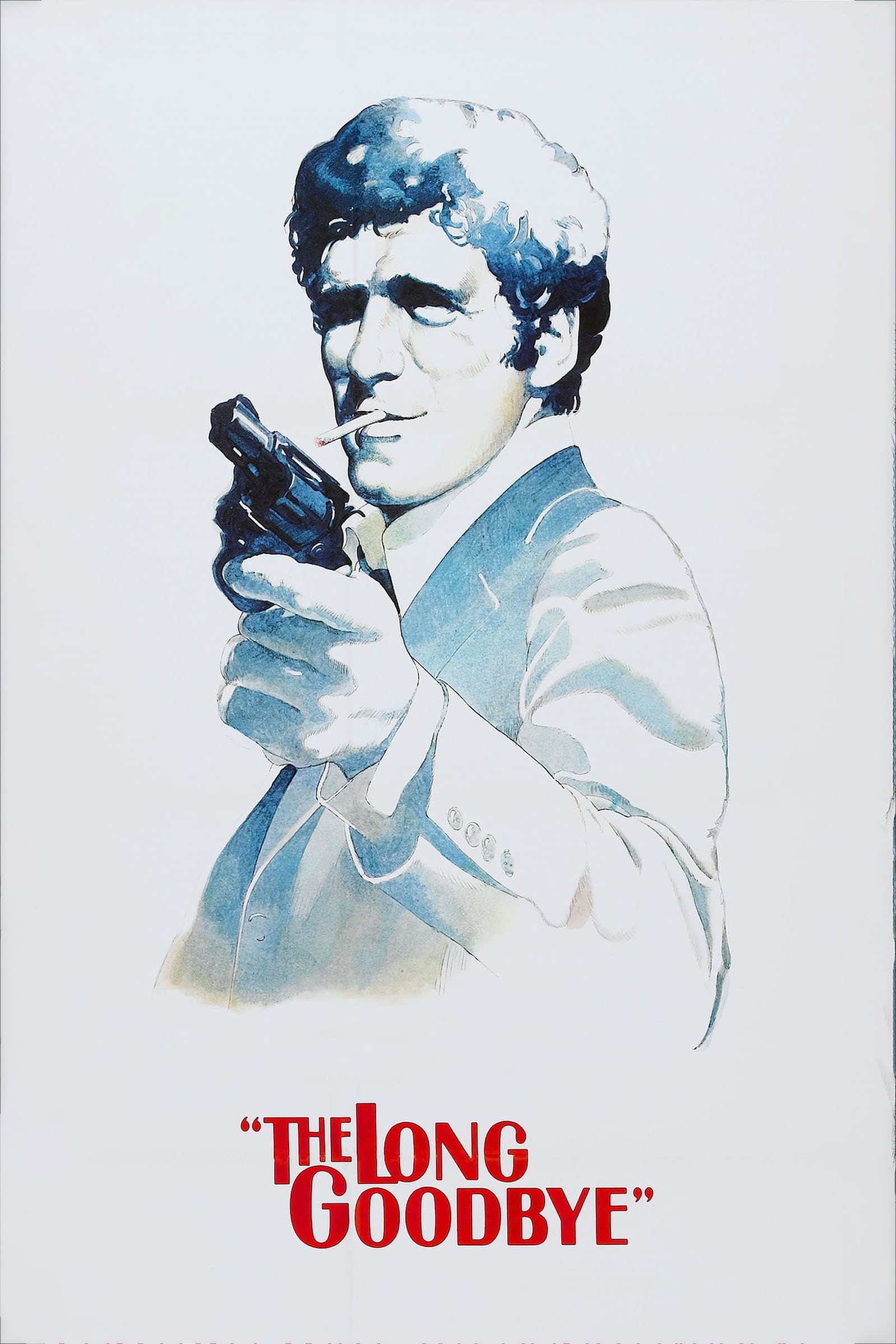
In 1970s Los Angeles, private detective Philip Marlowe tries to help a friend who is accused of murdering his wife. His simple act of kindness pulls him into a complex web of crime involving a missing novelist, a dangerous gangster, and a beautiful woman. This version of Marlowe is a man out of time, a 1950s character with a moral code that doesn’t fit the selfish, modern world around him.
Director Robert Altman’s take on the classic detective character was a radical departure from previous versions. The film’s lazy, rambling style and its deconstruction of the film noir genre were not what audiences expected, and the movie was a box office flop. However, it has since been re-evaluated as a masterpiece of 1970s filmmaking. Its wit, style, and unique tone have earned it a loyal cult following.
Bring Me the Head of Alfredo Garcia (1974)
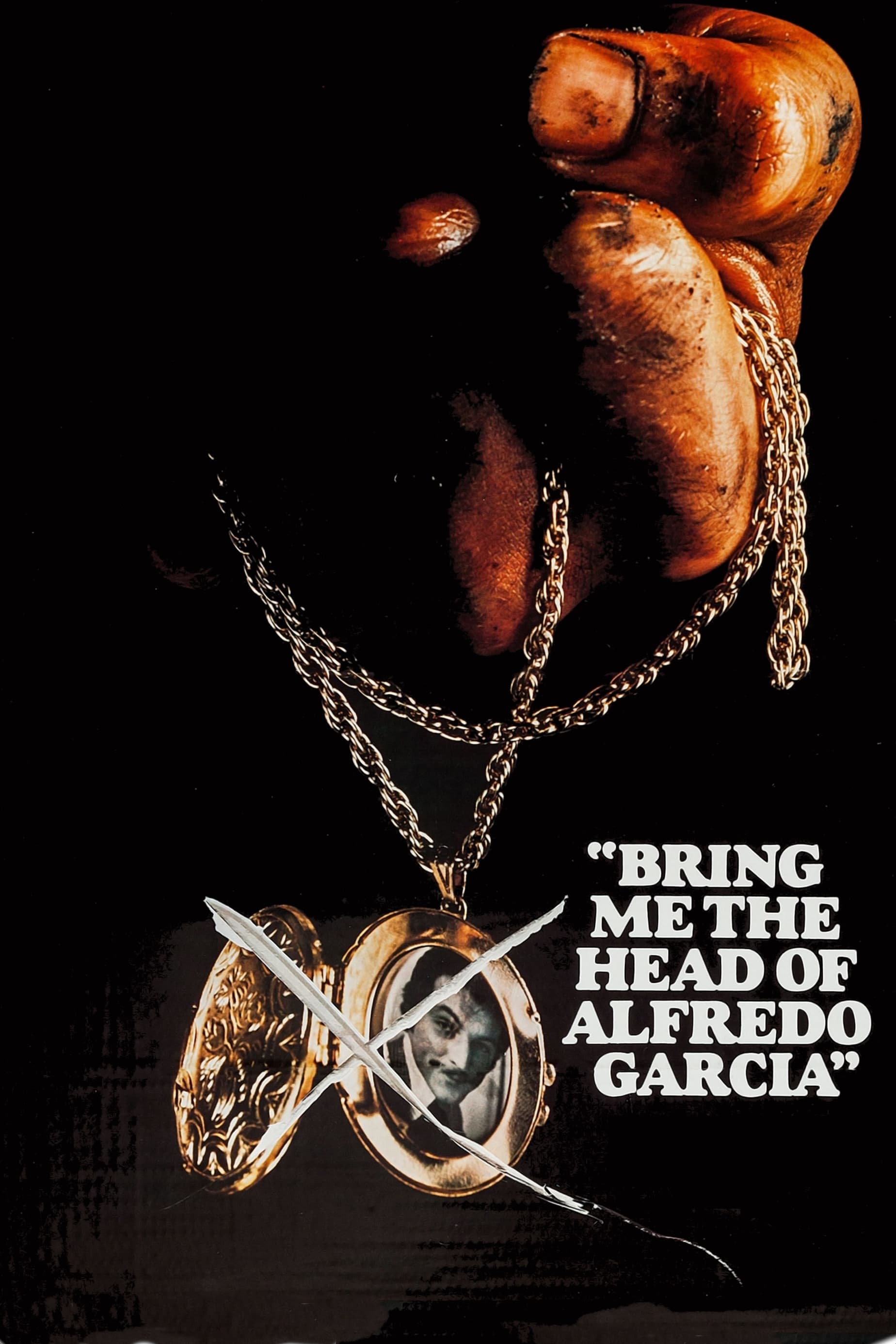
A wealthy Mexican crime boss offers a million-dollar bounty for the head of the man who got his daughter pregnant. A down-on-his-luck American bar-pianist named Bennie learns that the man, Alfredo Garcia, is already dead. He decides to dig up the grave and claim the reward. With his girlfriend Elita, Bennie sets off on a violent and desperate journey through rural Mexico to retrieve the head.
Director Sam Peckinpah’s film was hated by most critics and ignored by audiences when it came out. It was seen as incredibly violent, ugly, and nihilistic. Peckinpah himself, however, believed it was his most personal film and the only one that was released exactly as he made it. Over the decades, a cult has formed around the film, with many now seeing it as a brutal and uncompromising masterpiece.
Female Trouble (1974)
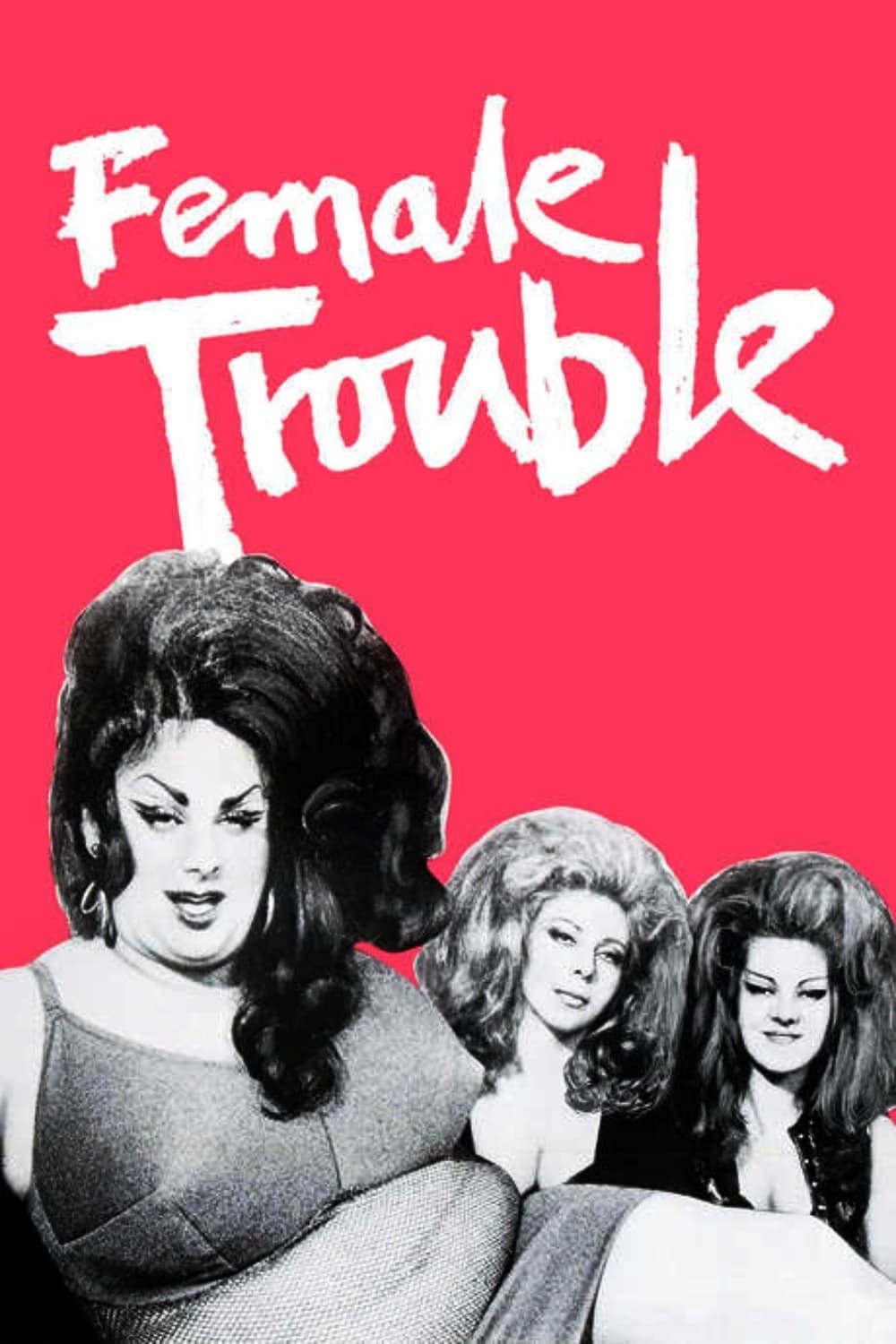
The film follows the life of Dawn Davenport, from her time as a troubled schoolgirl to her rise as a cha-cha heel-wearing criminal celebrity. Dawn’s belief is that crime and beauty are the same thing. Her life of crime escalates from petty theft to murder, and she becomes famous for her outrageous behavior, eventually facing the electric chair.
The second film in John Waters’ “Trash Trilogy” (along with Pink Flamingos and Desperate Living), Female Trouble is a deliberate attack on good taste. Starring the iconic Divine, the film is a satirical look at fame and the American obsession with celebrity. Like Waters’ other films, it was a hit on the midnight movie circuit and is beloved by fans of underground and transgressive cinema.
Grey Gardens (1975)
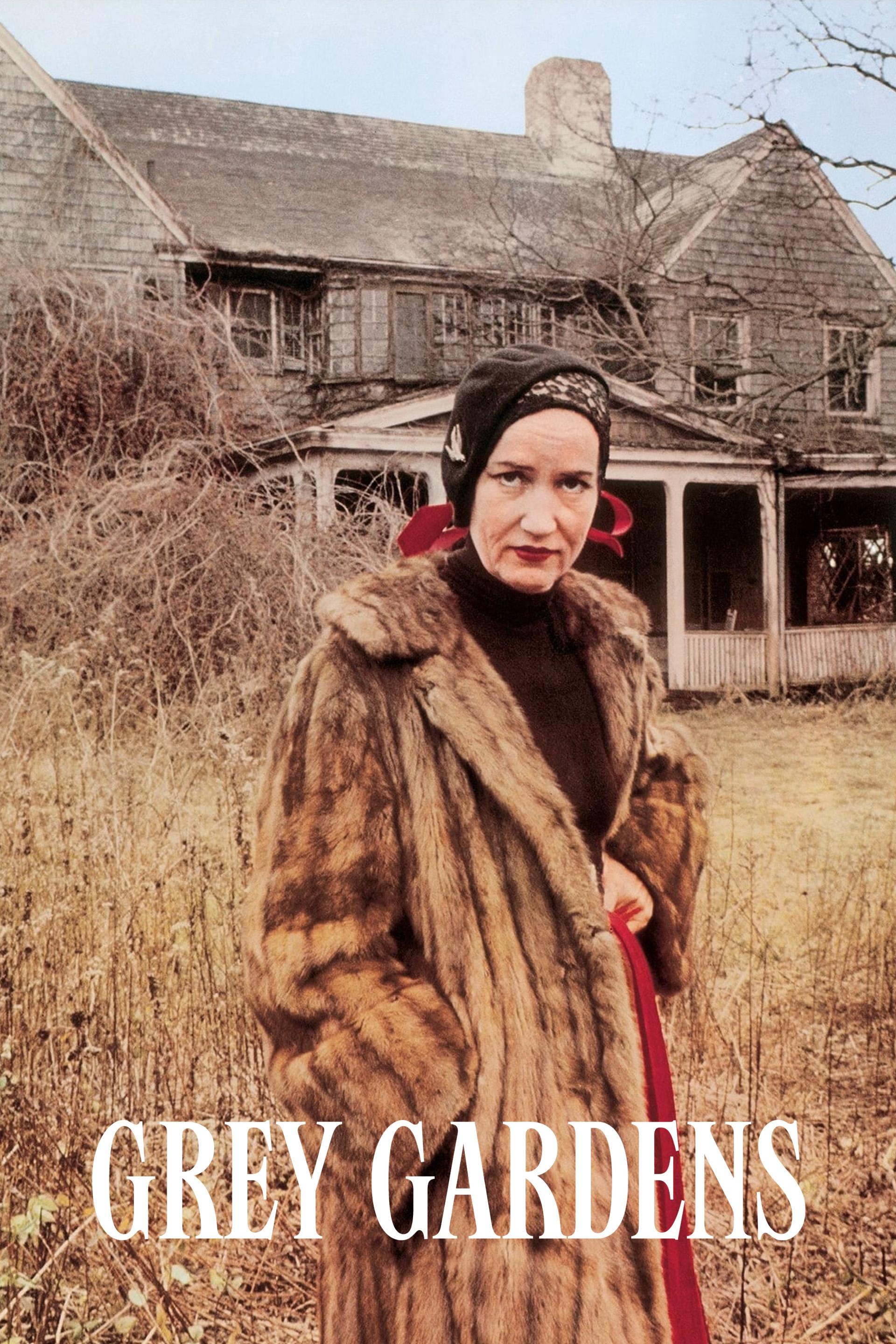
This documentary follows the daily lives of Edith “Big Edie” Beale and her adult daughter, Edith “Little Edie” Beale. They are the aunt and first cousin of former U.S. First Lady Jacqueline Kennedy Onassis. The two women live in extreme poverty and isolation in a decaying, 28-room mansion called Grey Gardens in East Hampton, New York, surrounded by cats and raccoons.
The film is a famous example of “direct cinema,” where the filmmakers simply observe their subjects without trying to interfere. It quickly became a legendary cult classic, showing a bizarre and intimate portrait of two high-society dropouts. Little Edie, in particular, became a fashion icon and a hero to non-conformists, and the film’s influence has led to a Broadway musical and an HBO movie.
The Man Who Fell to Earth (1976)
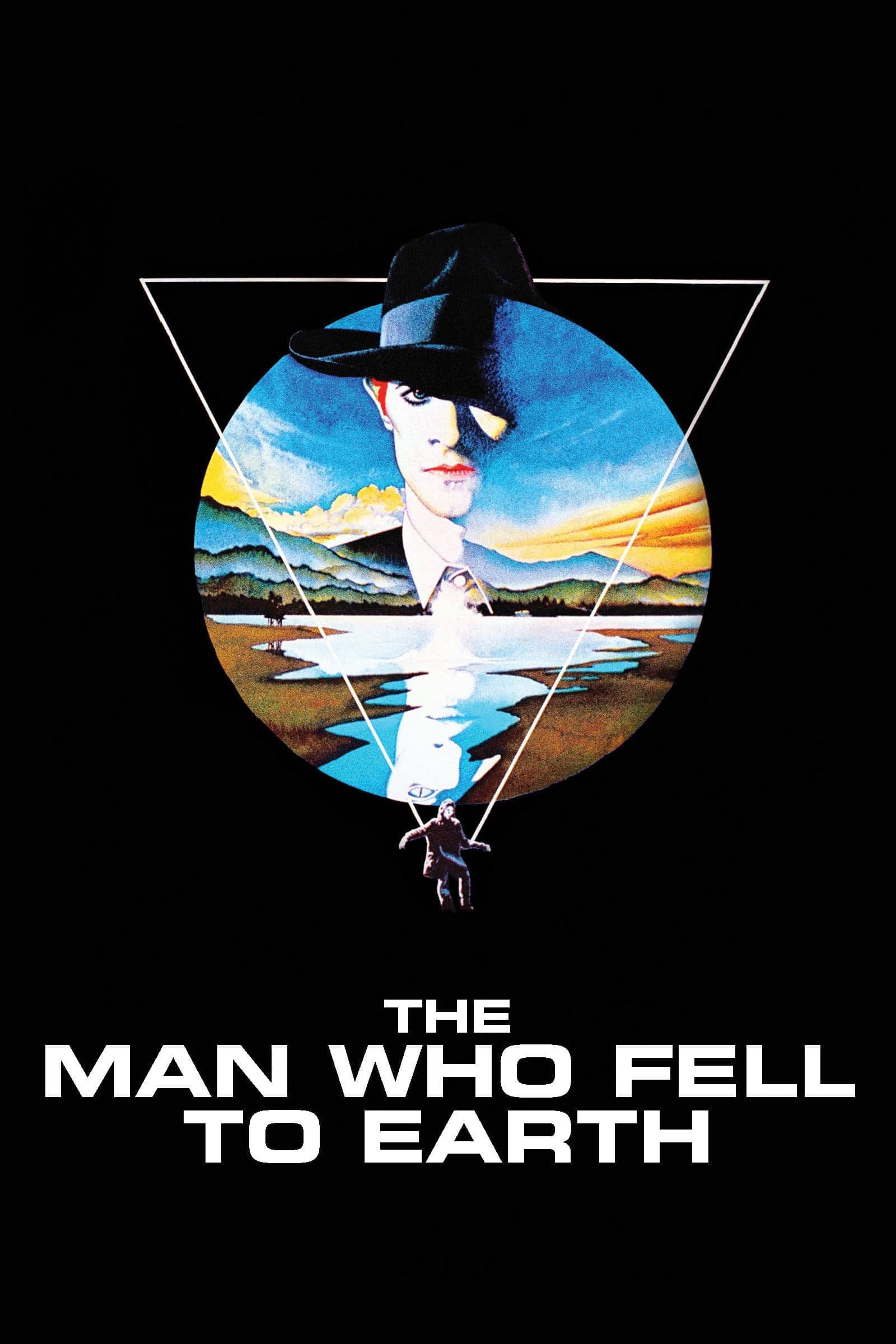
An alien named Thomas Jerome Newton lands on Earth. His home planet is dying from a terrible drought, and his mission is to find a way to transport water back home. Using his advanced knowledge, he patents several inventions and becomes incredibly wealthy. However, he becomes seduced by earthly vices like alcohol and television, and is targeted by a shadowy corporation, putting his mission and his life in jeopardy.
Starring David Bowie in his first major film role, the movie’s surreal imagery and non-linear story confused many viewers. The film was not a huge box office success but has since become a significant cult classic, especially popular with midnight movie audiences. Bowie’s performance as the frail and remote alien is considered iconic, and the film is praised as a strange and beautiful work of science fiction.
The Hills Have Eyes (1977)
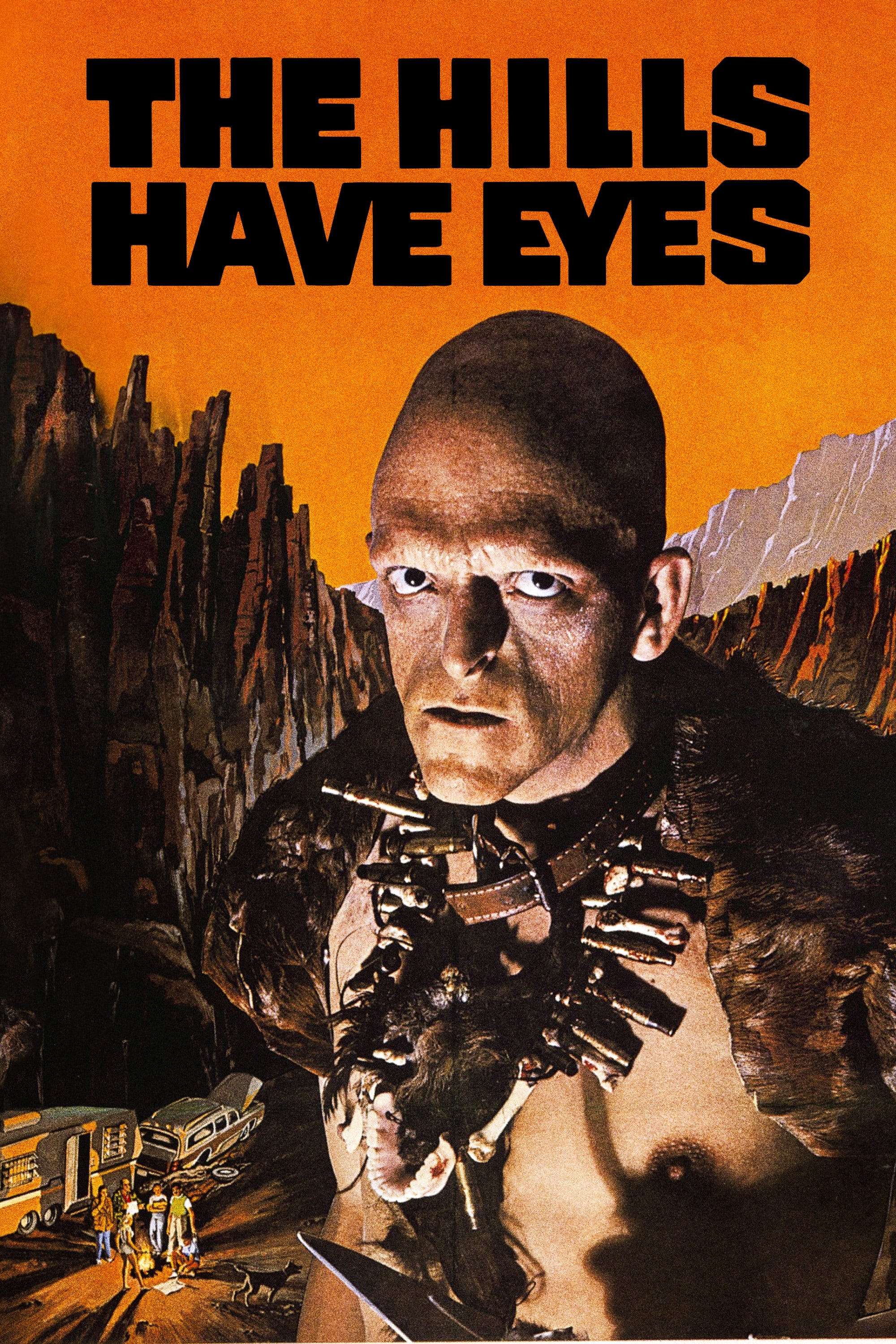
A suburban family, the Carters, are driving their trailer through the Nevada desert on their way to California. They take a shortcut through a former military bombing range and crash their vehicle. Stranded in the desert, they soon find themselves being stalked by a family of savage, inbred cannibals who live in the surrounding hills. The two families are forced into a brutal fight for survival.
Written and directed by Wes Craven, this low-budget horror film was inspired by the legend of Sawney Bean, a 16th-century Scottish clan leader who was executed for mass murder and cannibalism. The film’s raw, gritty feel and intense violence were shocking to audiences. It became a hit on the drive-in and midnight movie circuits and is now considered a classic of 1970s horror.
Stalker (1979)
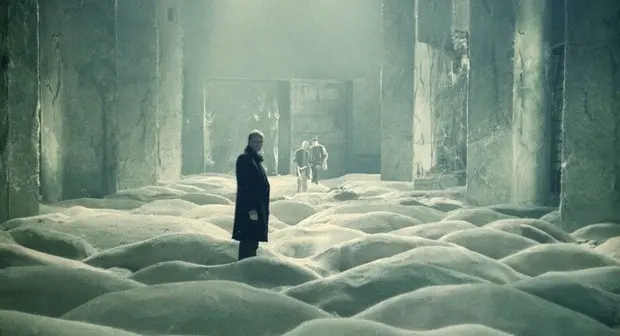
In a bleak, post-apocalyptic world, there is a mysterious and forbidden area known as “The Zone.” Within The Zone is a Room that is said to grant the innermost wishes of anyone who enters it. The film follows three men—the “Stalker,” who guides people through The Zone, and his two clients, a “Writer” and a “Professor”—as they make the dangerous journey to the Room, debating philosophy and faith along the way.
This slow, philosophical, and visually stunning film by Russian director Andrei Tarkovsky was not made for mainstream audiences. Its long takes, complex dialogue, and ambiguous meaning require patience and thought from the viewer. The film has been embraced by cinephiles and art-house audiences around the world, who consider it a profound and hypnotic masterpiece. Its reputation as one of the greatest science fiction films ever made has secured its cult status.
Monty Python and the Holy Grail (1975)
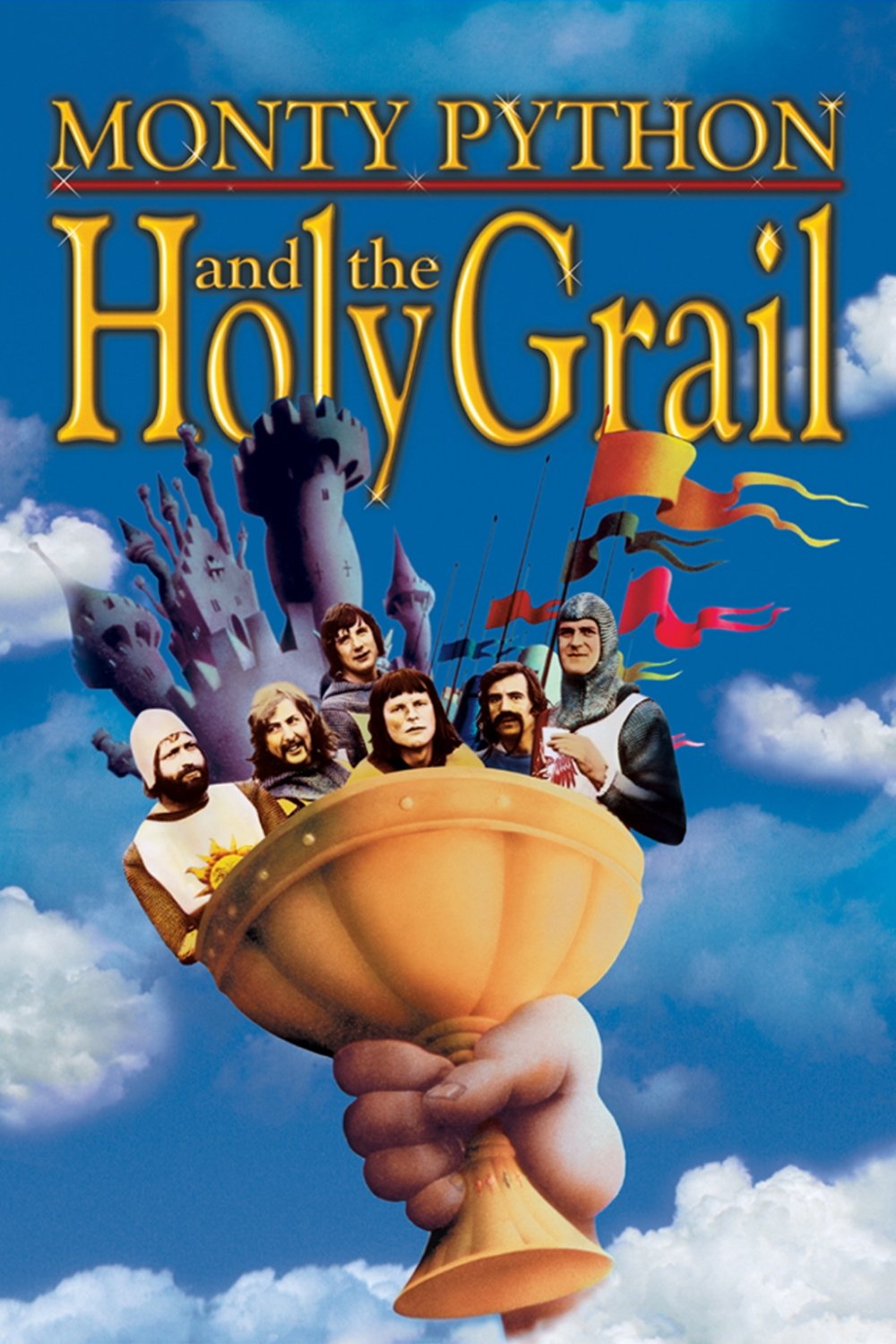
King Arthur and his Knights of the Round Table are given a quest by God to find the Holy Grail. Their search leads them on a series of completely absurd adventures. They face challenges such as a taunting French knight, a three-headed giant, a rabbit with a vicious streak, and the Knights Who Say “Ni!”.
Made by the British comedy group Monty Python on a small budget, the film is a collection of hilarious and silly sketches loosely tied together by the Grail quest. It was a modest success upon release but its popularity grew immensely over time, especially on college campuses and through home video. The film is now considered one of the greatest comedies ever made, with nearly every line being quotable by its massive and dedicated fanbase.
Rock ‘n’ Roll High School (1979)
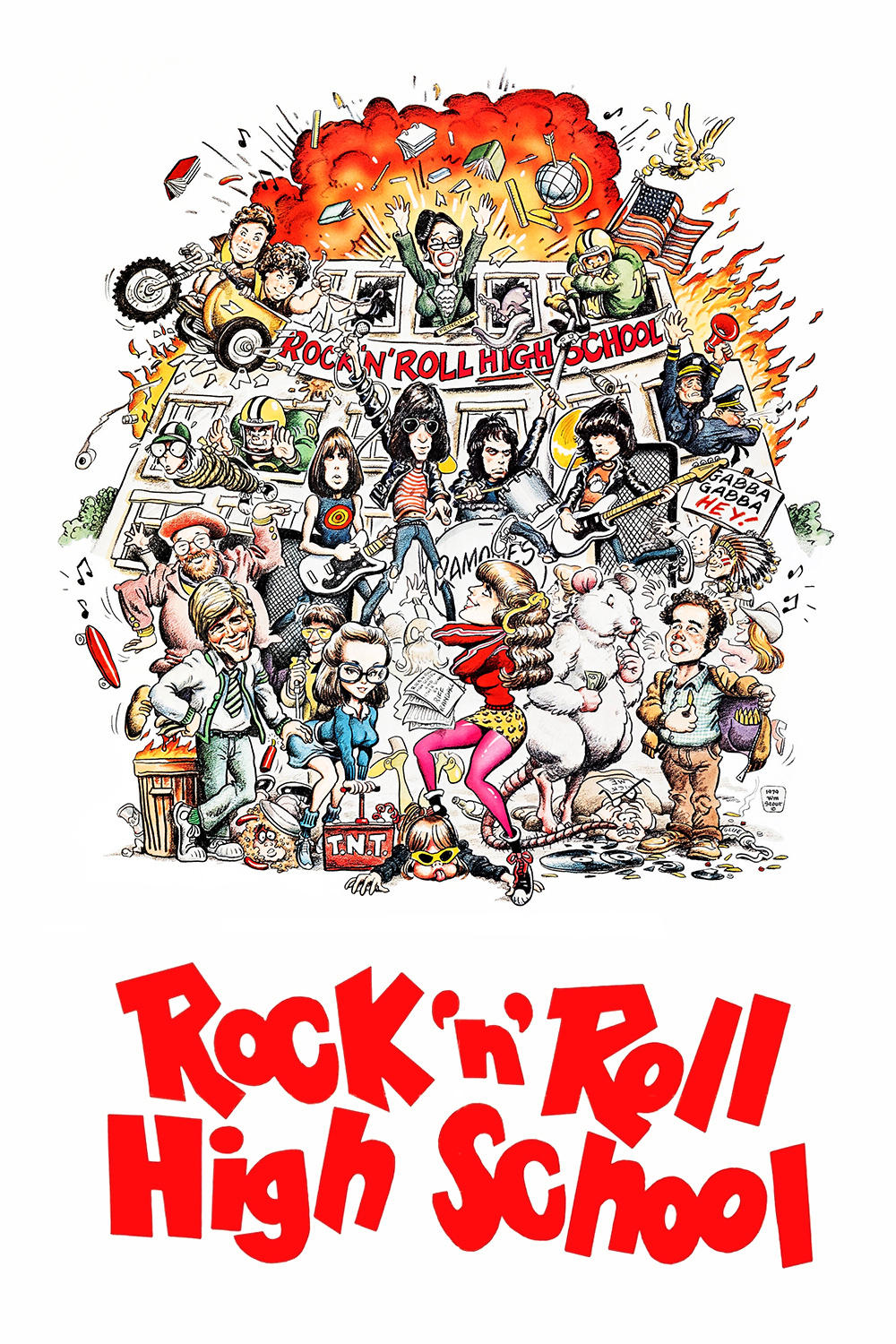
The students of Vince Lombardi High School just want to rock out, but they are oppressed by their tyrannical new principal, Miss Togar, who believes rock and roll is a disease. A group of students, led by super-fan Riff Randell, team up with their favorite band, the Ramones, to take back their school. Their rebellion leads to an explosive final confrontation with the authorities.
This low-budget musical comedy was designed to be a fun, anti-authority teen movie. It features a classic punk rock soundtrack and a legendary performance by the Ramones, who were at the height of their powers. The film was a minor hit but became a cult favorite through midnight screenings and television broadcasts. It is celebrated for its goofy energy and its perfect capture of the punk rock spirit.
Over the Edge (1979)
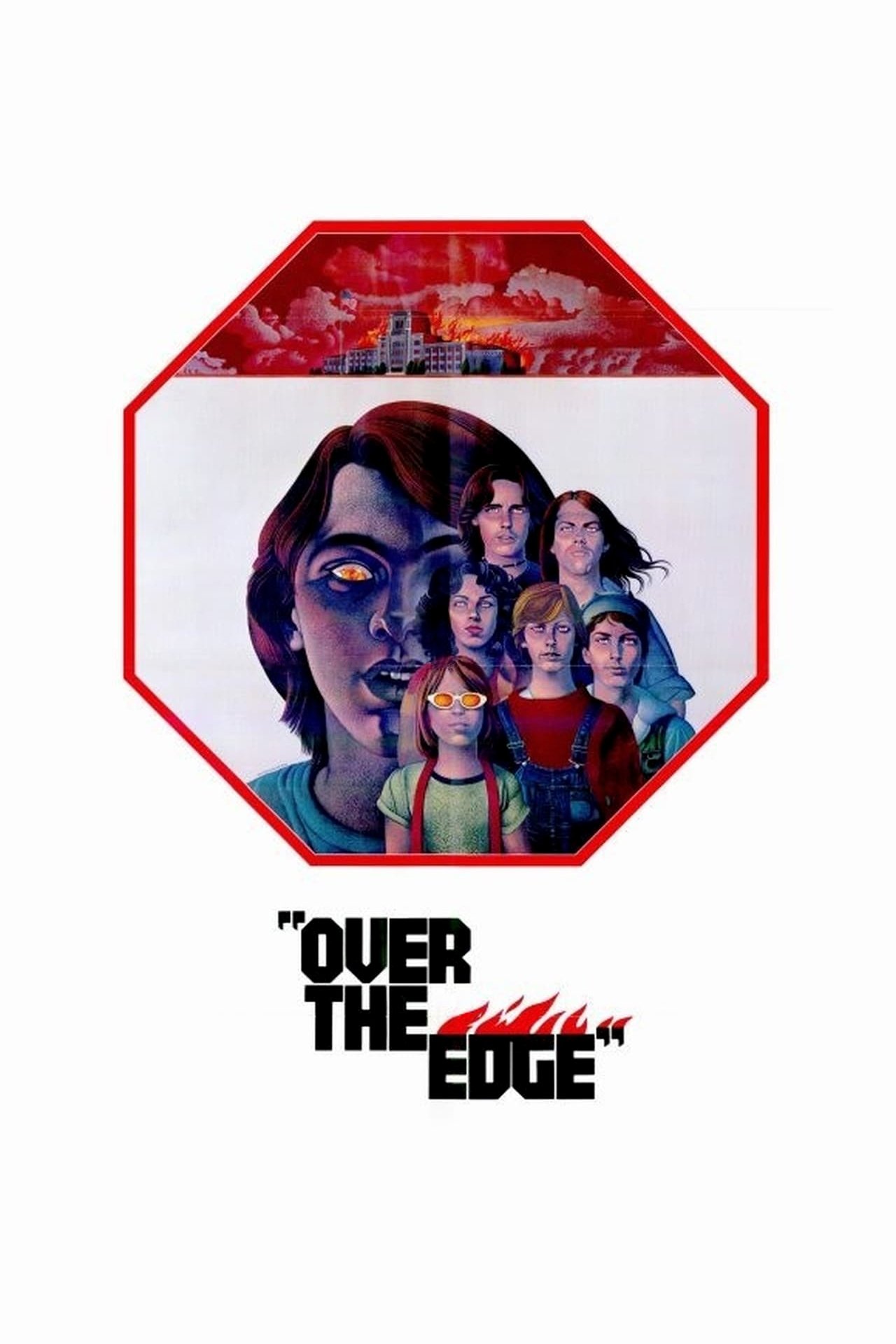
In the planned suburban community of New Granada, a group of bored and neglected teenagers have nothing to do and nowhere to go. Their frustration leads to vandalism, drug use, and conflict with the local police. When a police sergeant shoots and kills one of the teens, the situation explodes. The kids lock all the adults in the school during a town meeting and go on a destructive rampage.
The film was based on real events that happened in a California suburb in the early 1970s. Fearing it would inspire copycat violence, the studio gave the film a very limited release, and it was mostly unseen. However, it developed a strong cult following through cable TV and home video, praised for its authentic portrayal of teenage angst and rebellion. It also features the film debut of Matt Dillon.
Phantasm (1979)
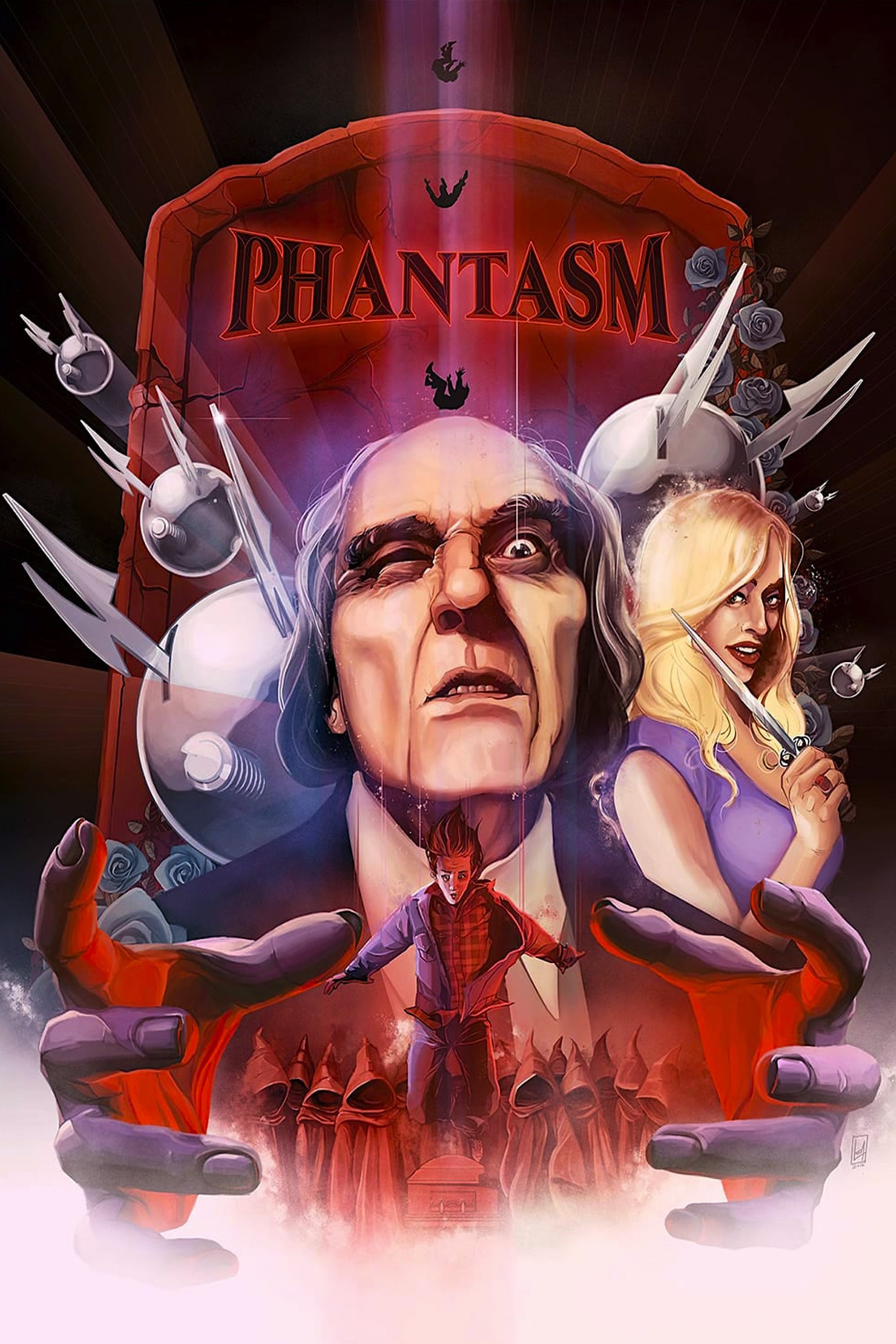
A young boy named Mike spies on a funeral and discovers that the town’s tall, menacing mortician, known only as “The Tall Man,” is not what he seems. He is stealing bodies from their graves and shrinking them down into hooded dwarf-like creatures to be used as slaves on another dimension. Mike, along with his older brother Jody and their ice-cream man friend Reggie, must fight The Tall Man and his strange weapons, including a flying metal sphere that drills into people’s heads.
Don Coscarelli’s independent horror film is a surreal and dream-like nightmare. Its bizarre plot, strange logic, and memorable villain made it stand out from other horror films of the time. The film was a commercial success and has spawned several sequels, becoming a beloved franchise among horror fans. Its unique blend of sci-fi and horror has made it an enduring cult classic.
Zardoz (1974)
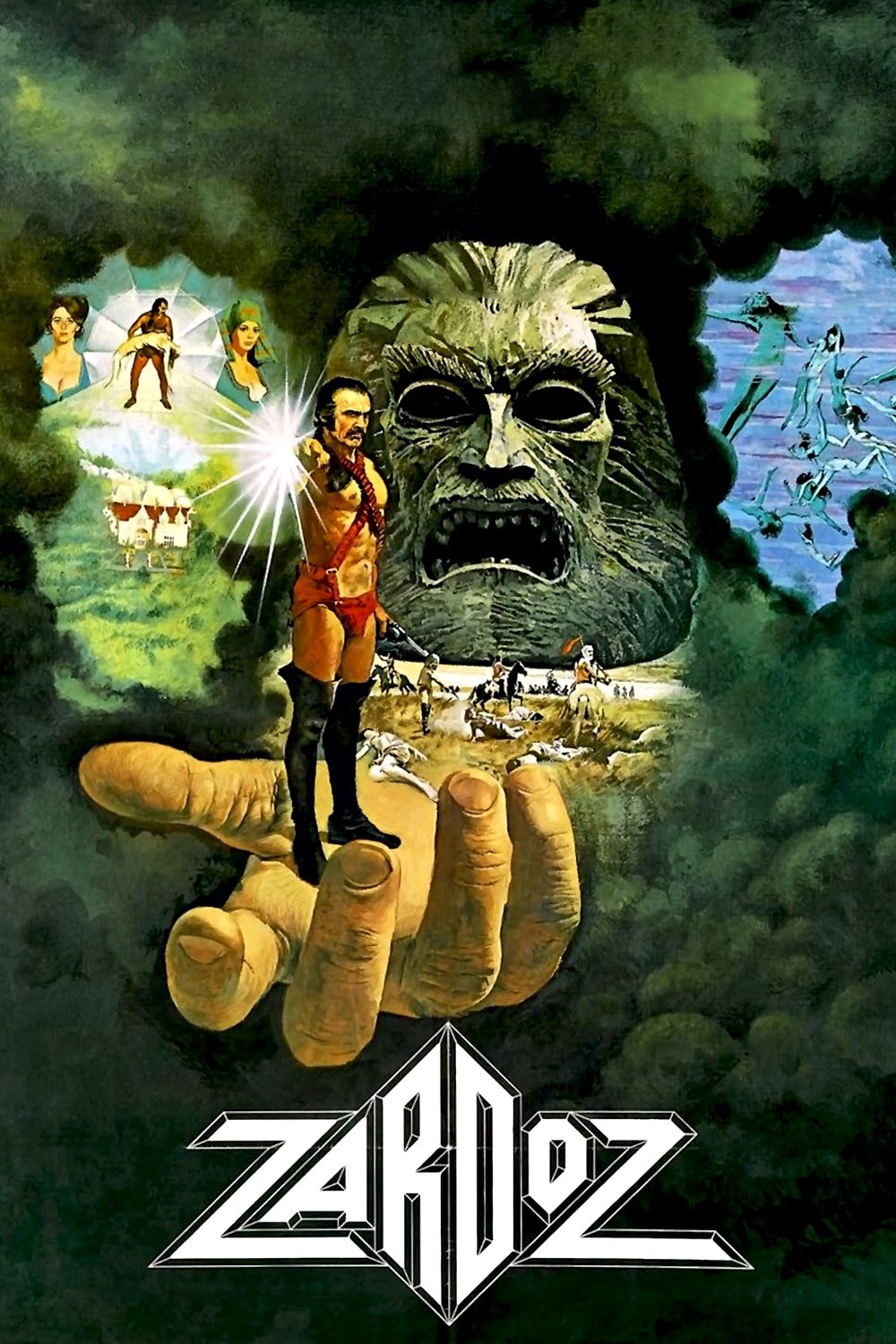
In a post-apocalyptic future, the human population is divided into two groups: the “Eternals,” who are immortal and live in a paradise called the Vortex, and the “Brutals,” who are savage mortals living in a harsh wasteland. The Brutals worship a giant floating stone head called Zardoz, which gives them weapons and orders them to kill. One Brutal, named Zed, manages to get inside Zardoz and travels to the Vortex, where his presence disrupts the Eternals’ stagnant society.
Directed by John Boorman and starring Sean Connery, Zardoz is one of the strangest and most ambitious science fiction films ever made. Its bizarre costumes (including Connery’s infamous red loincloth), philosophical ideas, and weird visuals confused and alienated most critics and audiences. It was a box office failure but has since become a major cult favorite, beloved for its wild imagination and its complete and utter strangeness.
The Texas Chain Saw Massacre (1974)
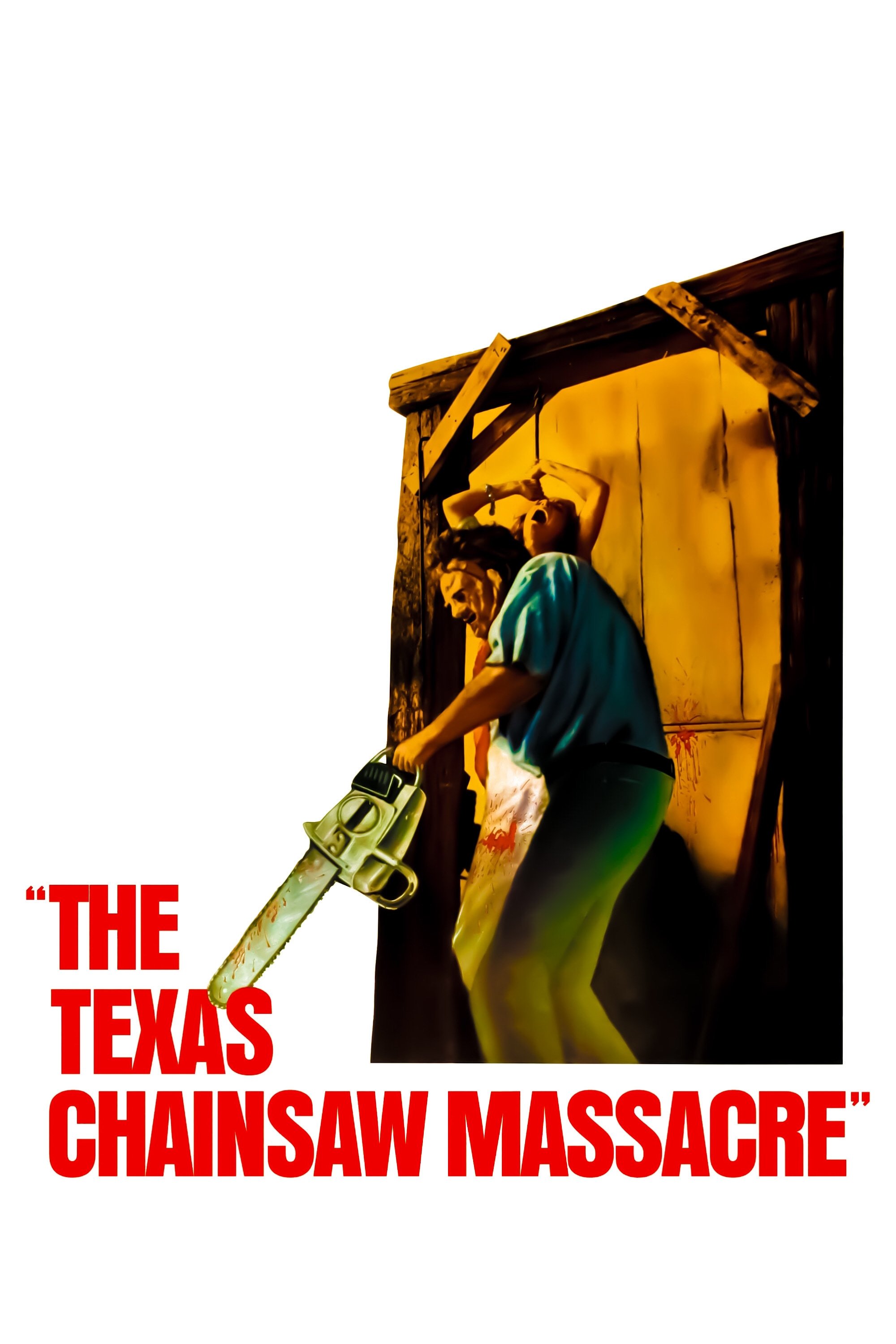
A group of five friends driving through rural Texas to visit an old family gravesite runs out of gas. While looking for help, they stumble upon a remote farmhouse. One by one, they fall victim to a family of deranged cannibals, including the iconic, chainsaw-wielding killer known as Leatherface, who wears a mask made of human skin.
Despite its title, the film shows very little explicit gore, creating its terror through atmosphere, sound design, and pure dread. Made on a very low budget, it was a massive commercial success but was banned in several countries for its violent content. The film is now regarded as one of the most influential horror movies ever made, establishing a huge cult following and setting the template for the slasher genre.
Black Christmas (1974)
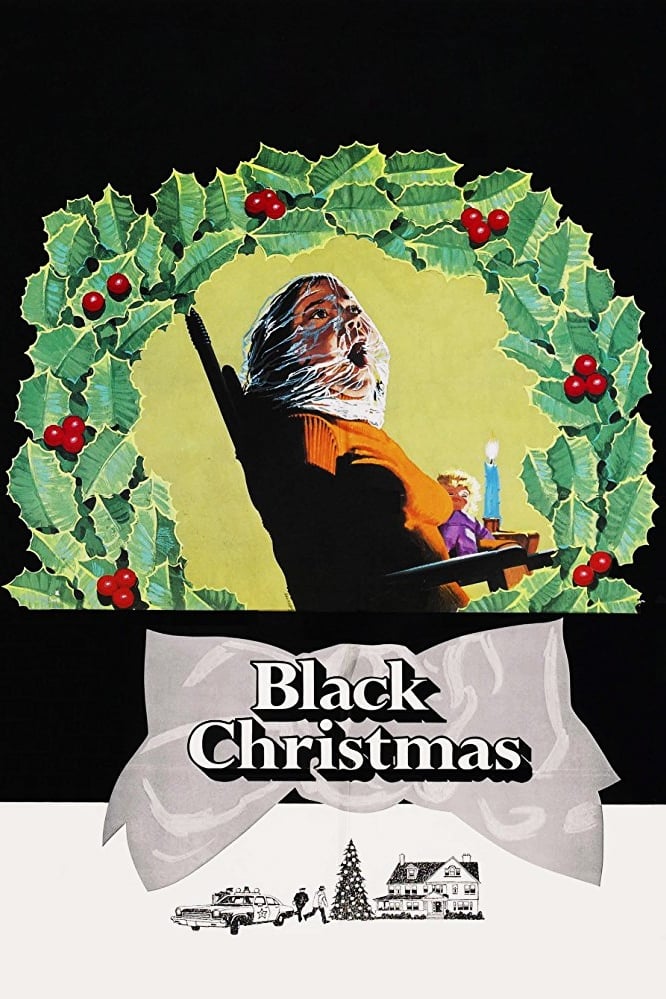
During Christmas break, the few remaining residents of a sorority house begin to receive a series of disturbing and obscene phone calls from a mysterious stalker. Soon after, the girls start to disappear one by one. They are being murdered by an unseen killer who is hiding inside the house. The remaining girls must fight for their lives as the calls—and the killer—keep coming from inside the house.
This Canadian horror film was released a few years before John Carpenter’s Halloween and is now considered one of the very first slasher films. It was a moderate success at the time but its influence grew over the years. Horror fans and critics have since recognized it as a groundbreaking film for its use of point-of-view shots from the killer’s perspective and its “the calls are coming from inside the house” trope. It is now a celebrated cult classic of the genre.
Beyond the Valley of the Dolls (1970)
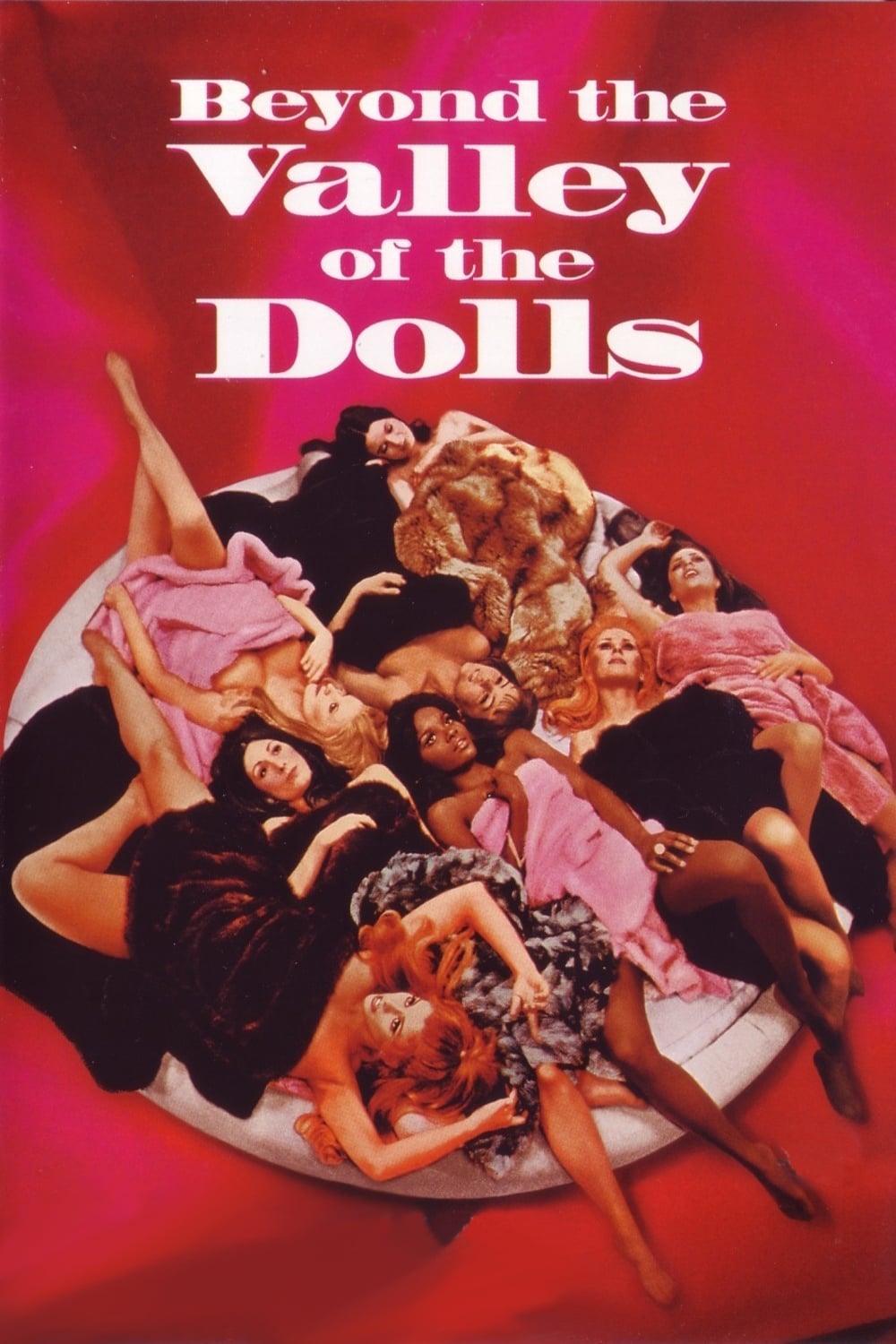
An all-girl rock band called The Kelly Affair moves to Hollywood to find fame and fortune. They are taken under the wing of a flamboyant record producer named Z-Man. The girls are thrown into a wild world of parties, sex, and drugs. Their innocent search for success quickly turns into a decadent and dangerous journey that ends in a night of shocking violence.
This film was written by famous film critic Roger Ebert and directed by B-movie legend Russ Meyer. It was intended to be a sequel to the 1967 film Valley of the Dolls, but instead became a parody of it. Its campy style, over-the-top melodrama, and wild energy were too much for many critics at the time. The film has since become a huge cult hit, loved for its humor, music, and its status as one of the most wonderfully excessive movies ever made.
Foxy Brown (1974)
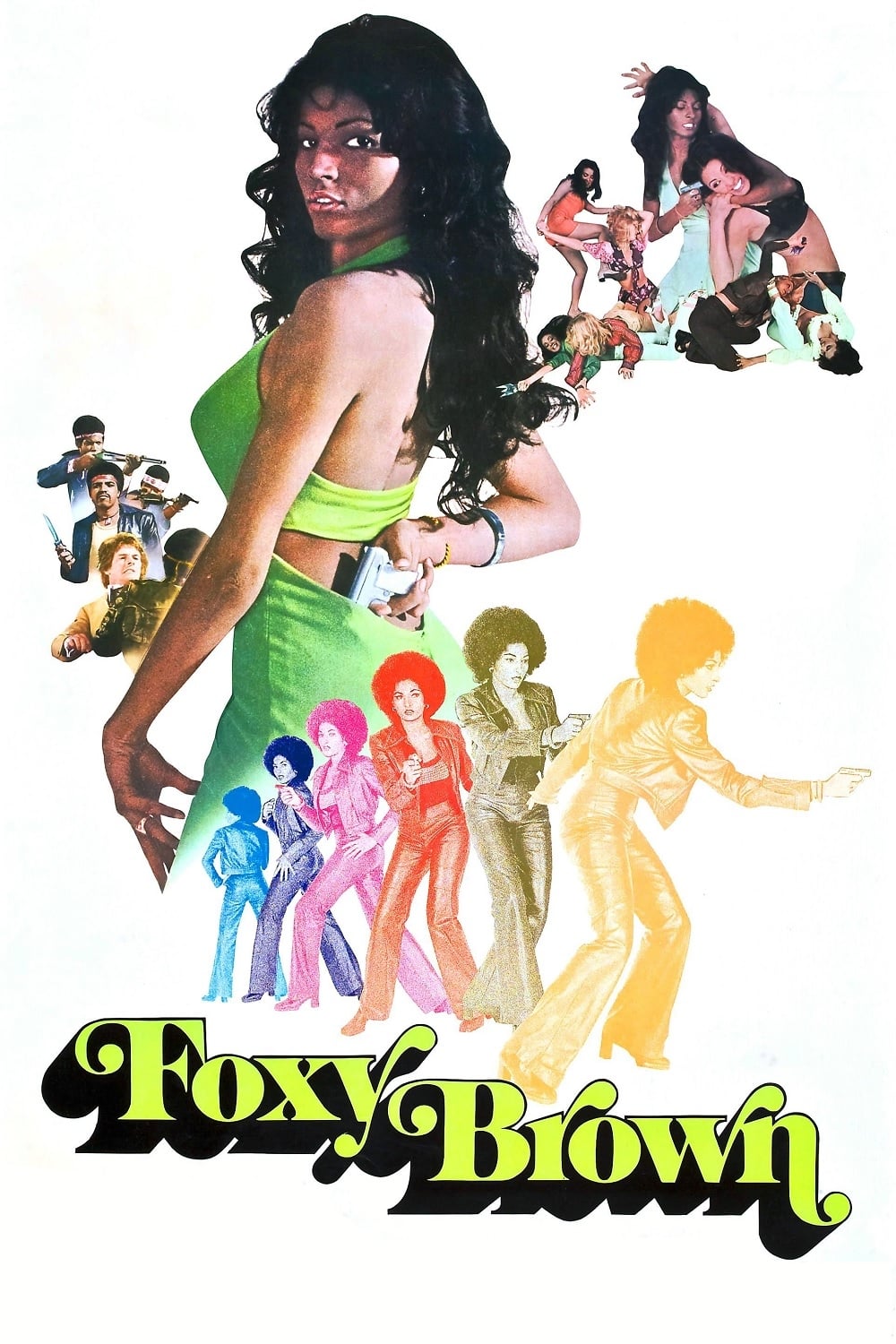
When Foxy Brown’s boyfriend, an undercover government agent, is murdered by a drug syndicate, she seeks revenge. To get to the people at the top, she poses as a high-class prostitute to infiltrate their operation. Foxy uses her intelligence, beauty, and martial arts skills to take down the criminals responsible for her boyfriend’s death.
Starring the iconic Pam Grier, Foxy Brown is one of the most famous films of the “blaxploitation” genre that was popular in the 1970s. These films were made with Black actors in leading roles and were often action-packed and set in urban environments. Foxy Brown became a cult classic for Grier’s powerful performance as a strong, independent female hero, and for its exciting action and style.
Shaft (1971)
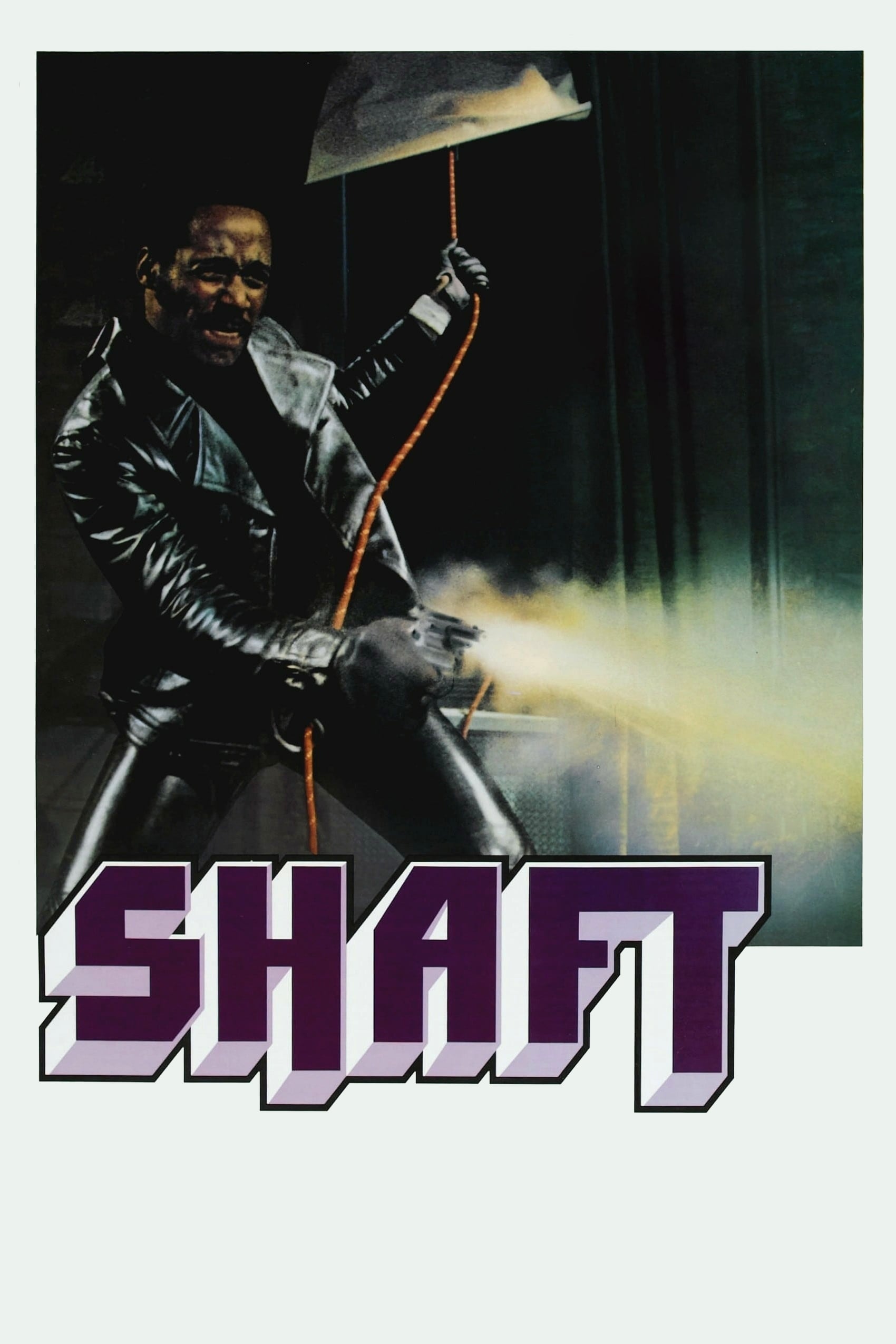
John Shaft is a smooth and tough private detective in New York City. He is hired by a Harlem crime lord whose daughter has been kidnapped. To find her, Shaft must navigate the dangerous worlds of the Harlem mob, the Black militants, and the Italian mafia.
Shaft was a huge commercial and critical success, and it helped to launch the blaxploitation genre. The film made its star, Richard Roundtree, a household name, and Isaac Hayes’s theme song won an Academy Award. Beyond its initial success, the film has had a lasting cultural impact and a strong cult following. The character of John Shaft is considered one of the coolest and most iconic heroes in film history.
Dirty Mary, Crazy Larry (1974)
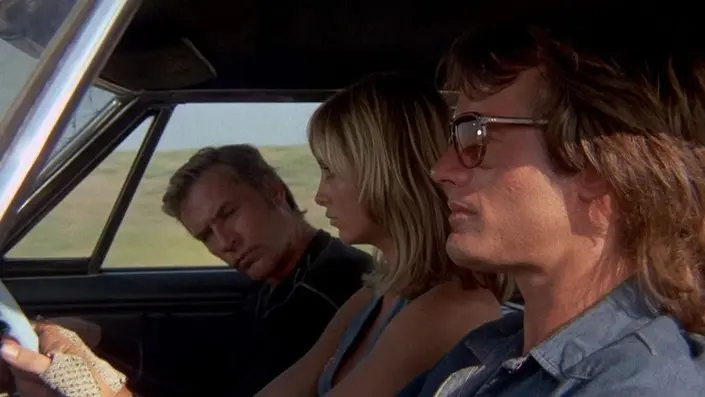
Two aspiring race car drivers, Larry and Deke, rob a grocery store to get enough money to buy a new race car. They successfully escape with the money and pick up a one-night-stand of Larry’s named Mary along the way. The trio then leads the police on a long, high-speed chase across the countryside in their powerful Dodge Charger.
This action-packed car chase movie was a big hit at drive-in theaters. Its appeal was simple: fast cars, exciting stunts, and a rebellious, anti-authority attitude. The film’s surprising and abrupt ending has made it a memorable entry in the car movie genre. It remains a cult favorite among fans of 1970s action films and muscle cars.
Willy Wonka & the Chocolate Factory (1971)
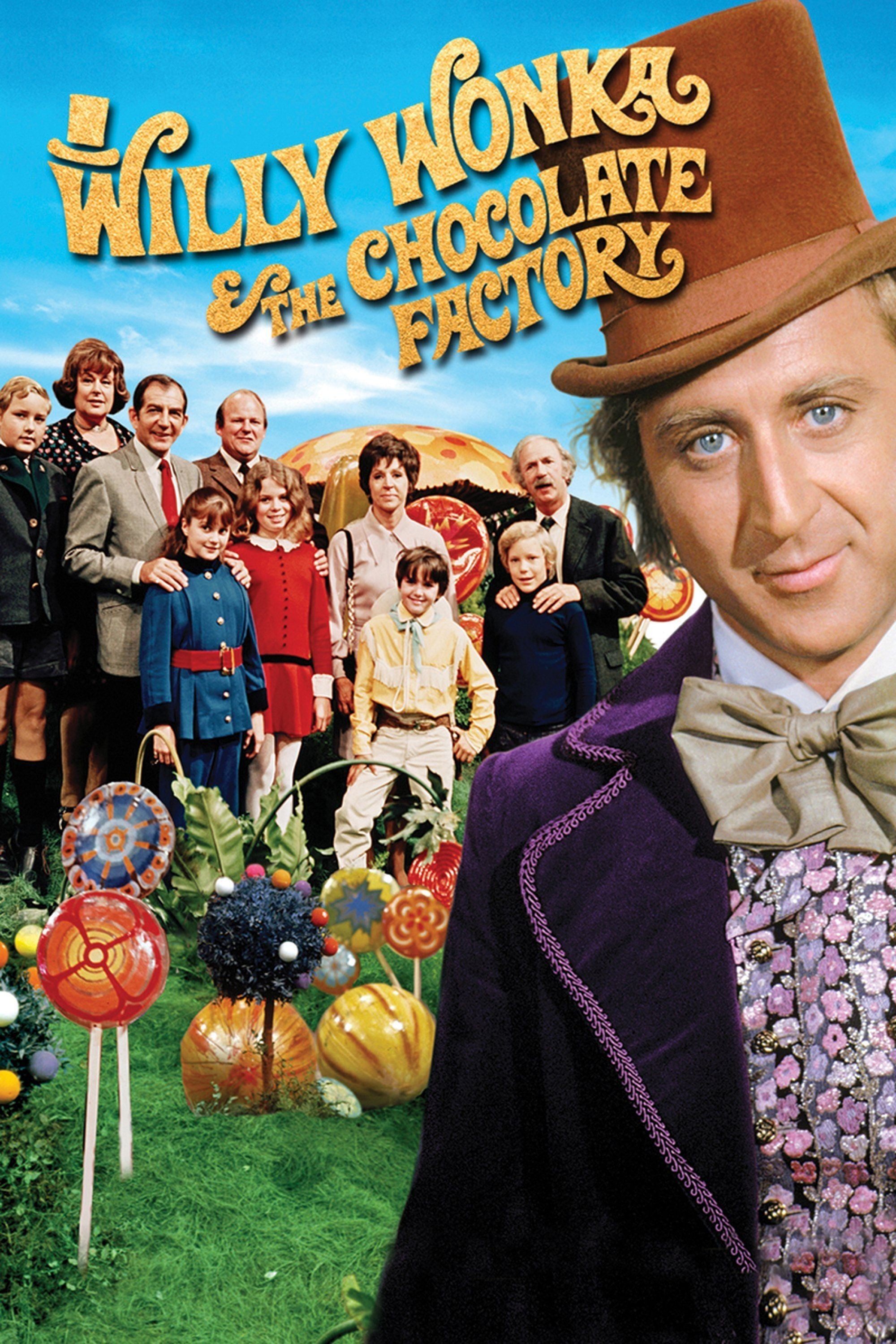
A poor but kind-hearted boy named Charlie Bucket finds one of five golden tickets hidden inside chocolate bars. The ticket grants him a tour of the magical and mysterious chocolate factory owned by the eccentric candy maker Willy Wonka. Along with four other children, who are all spoiled and ill-behaved, Charlie enters the factory for an adventure that is both wonderful and dangerous.
The film was not a big box office success when it was first released. However, it gained a massive following through repeated television broadcasts and home video sales, becoming a beloved family classic. Gene Wilder’s iconic performance as Willy Wonka, the memorable songs, and the film’s mix of whimsy and dark humor have cemented its status as a cultural touchstone and a cherished cult film.
The Crazies (1973)
A military plane carrying a new, experimental virus crashes near a small town in Pennsylvania. The virus, called “Trixie,” is accidentally released into the town’s water supply, causing the residents to either die or become incurable, homicidal maniacs. The military quarantines the town and sends in soldiers in biohazard suits to contain the outbreak, but their ruthless methods cause as much chaos as the virus itself.
George A. Romero directed this film between Night of the Living Dead and Dawn of the Dead. It was not a commercial success at the time of its release. The film’s low budget and grim, chaotic tone did not appeal to a wide audience. However, it has since gained a cult following among horror fans, who appreciate its political commentary, its critique of government and military response, and its unrelenting suspense.
House (1977)
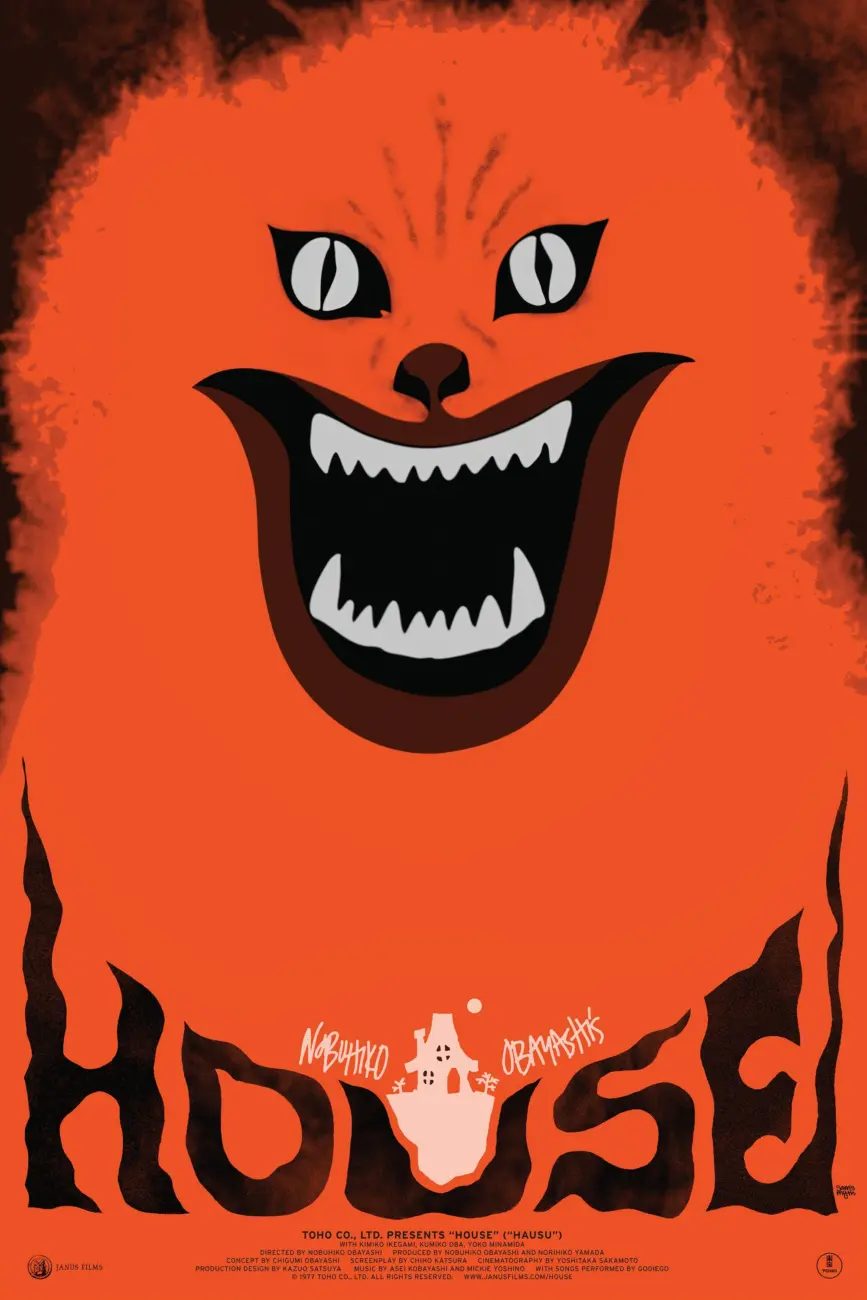
A Japanese schoolgirl nicknamed Gorgeous plans a summer trip with her six friends. Instead of going with her father and his new stepmother, she decides they will all visit her aunt’s remote country mansion. When they arrive, they discover that the house is haunted and alive. The house begins to devour the girls one by one in the most surreal and imaginative ways possible, including a killer piano and a blood-coughing cat painting.
This Japanese horror-comedy is one of the strangest and most visually inventive films ever made. The director, Nobuhiko Obayashi, used his daughter’s childhood fears to create the film’s bizarre scenarios. It was a hit in Japan but was mostly unknown in the West for decades. When it was finally released in North America in 2009, it was instantly hailed as a masterpiece of weird cinema and became an immediate cult classic.
The Last House on the Left (1972)
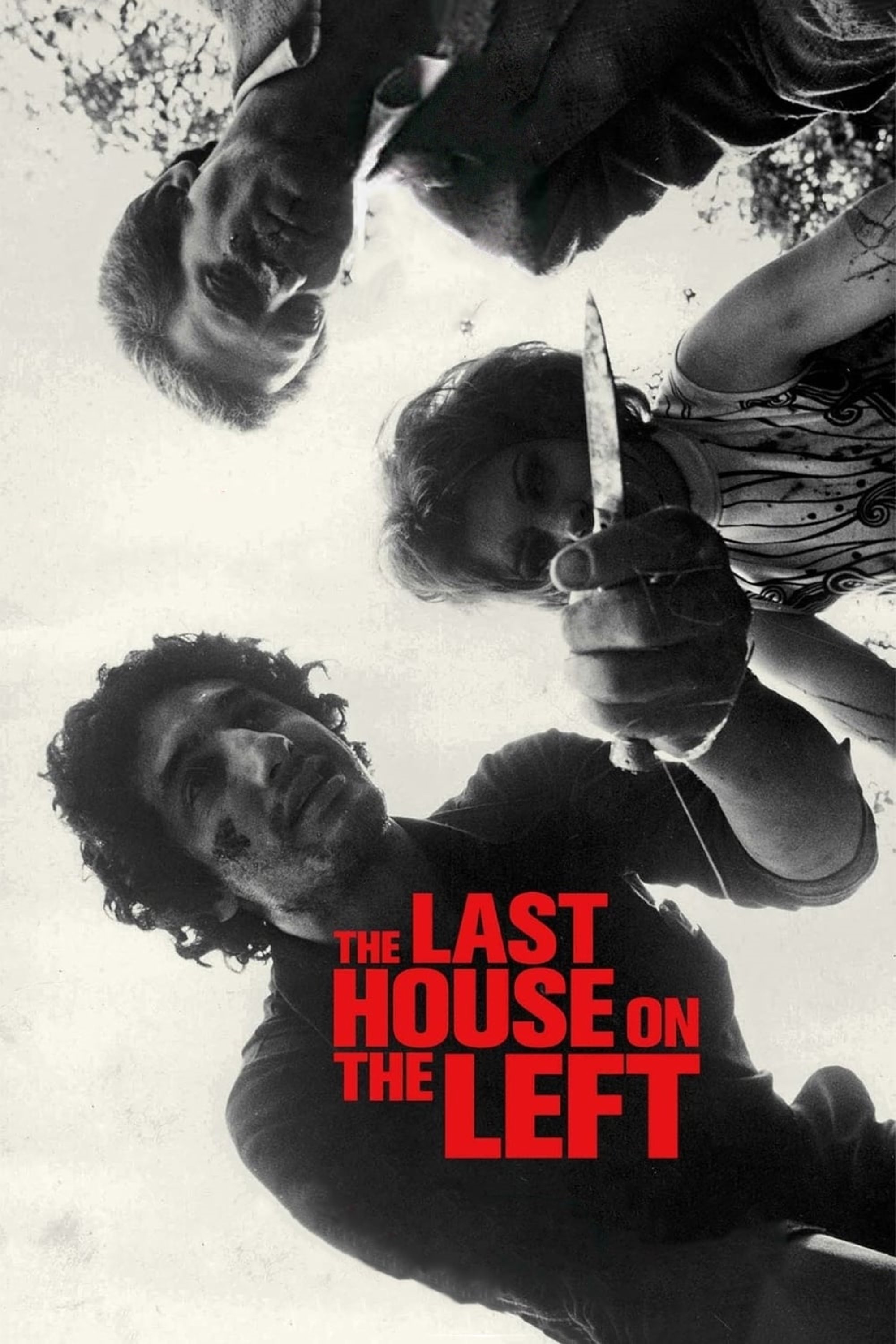
Two teenage girls on their way to a rock concert are kidnapped and brutally tortured by a gang of escaped convicts. After leaving the girls for dead, the gang unknowingly seeks refuge at the home of one of the victim’s parents. When the parents discover what the criminals have done to their daughter, they exact a gruesome and violent revenge on them.
This was the first film directed by Wes Craven, and it was made on a very low budget. Its raw, documentary-like style and shocking violence were extremely controversial, and the film was banned in several countries. It was advertised with the tagline, “To avoid fainting, keep repeating: It’s only a movie… only a movie…” Its brutal realism and difficult subject matter have made it one of the most infamous and debated cult films in horror history.
Coffy (1973)
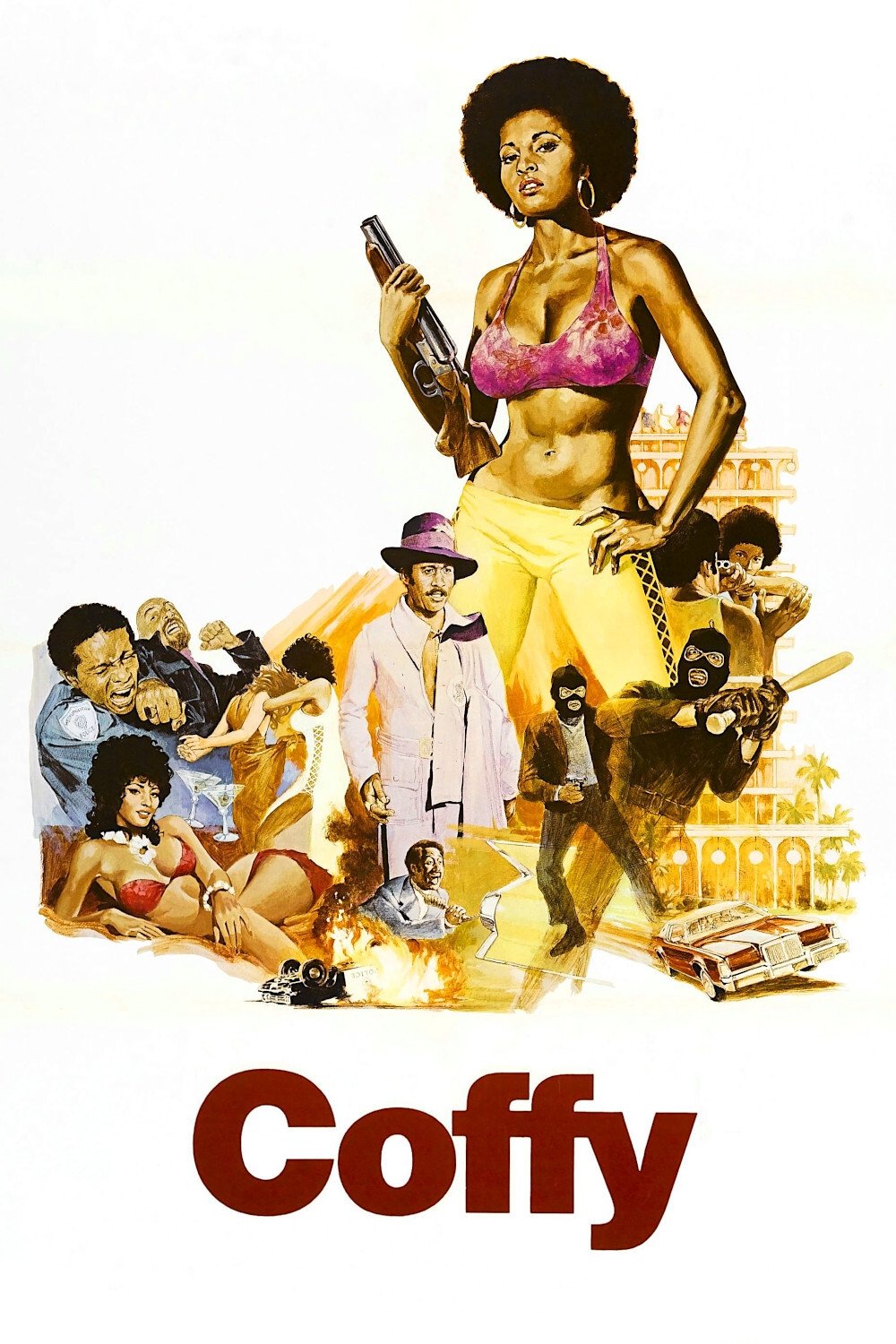
A nurse named Coffy is fed up with the drug problem that has ruined her city and hurt her family. When her younger sister becomes addicted to heroin, Coffy decides to take the law into her own hands. She becomes a one-woman army, seeking violent revenge on the drug dealers, pimps, and mobsters responsible.
Starring Pam Grier, Coffy was a huge box office success and one of the most important films of the blaxploitation era. It was notable for featuring a strong, take-charge female protagonist in an action role, which was rare at the time. The film’s combination of thrilling action, social commentary, and Grier’s powerful performance made it an instant classic that continues to have a loyal cult following.
The Abominable Dr. Phibes (1971)
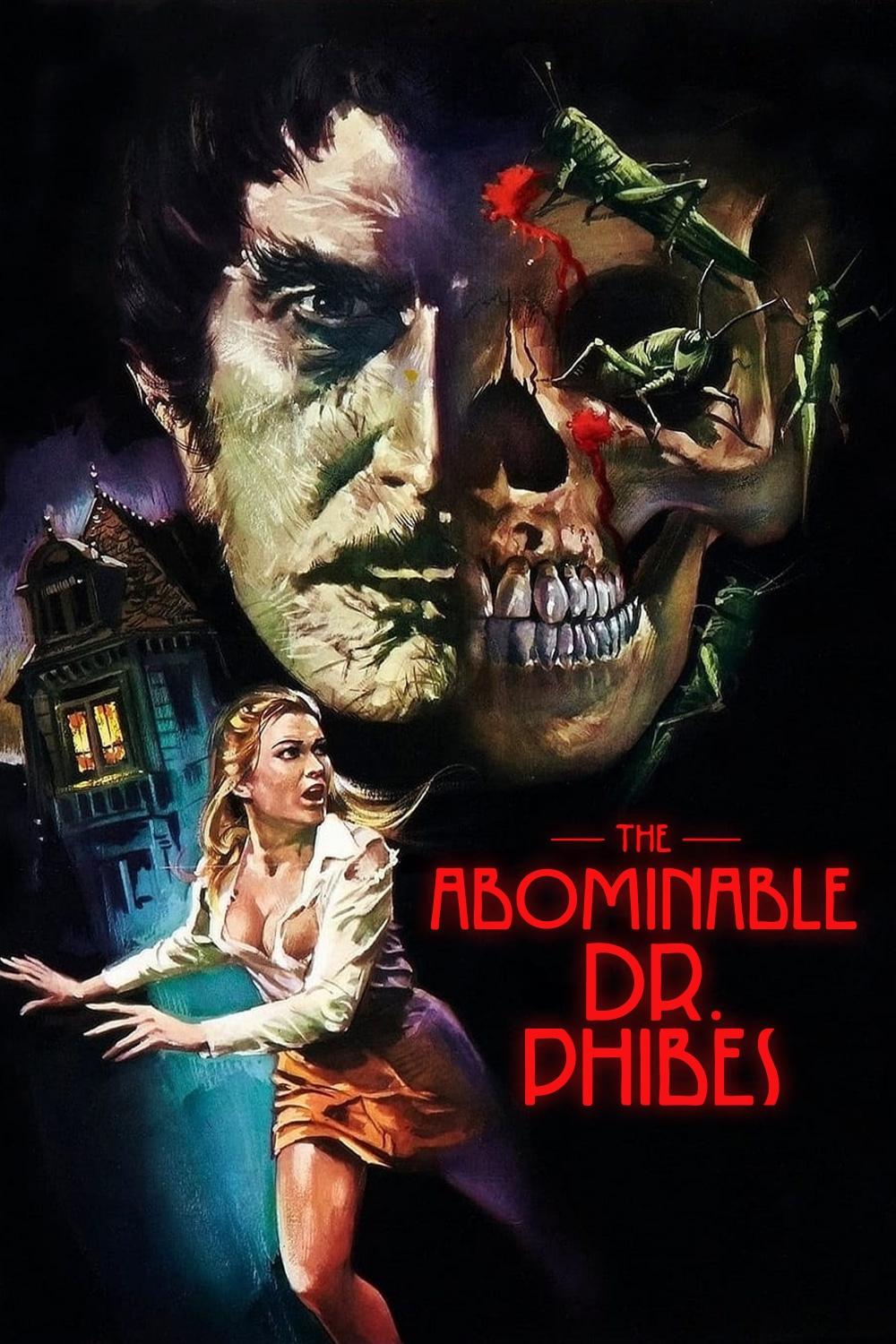
Dr. Anton Phibes, a brilliant organist and theologian, is horribly disfigured in a car crash while rushing to his wife’s side. His wife dies on the operating table, and Phibes, who was presumed dead, believes the surgeons are to blame. He resurfaces years later to seek revenge, murdering the nine doctors responsible using methods inspired by the biblical Ten Plagues of Egypt.
This British horror-comedy is famous for its creative and bizarre murder scenes, its dark humor, and its unique Art Deco set design. Vincent Price gives a memorable and campy performance as the title character, who does not speak except through a machine. The film was a modest success but has since become a major cult classic, praised for its style and imagination.
Logan’s Run (1976)
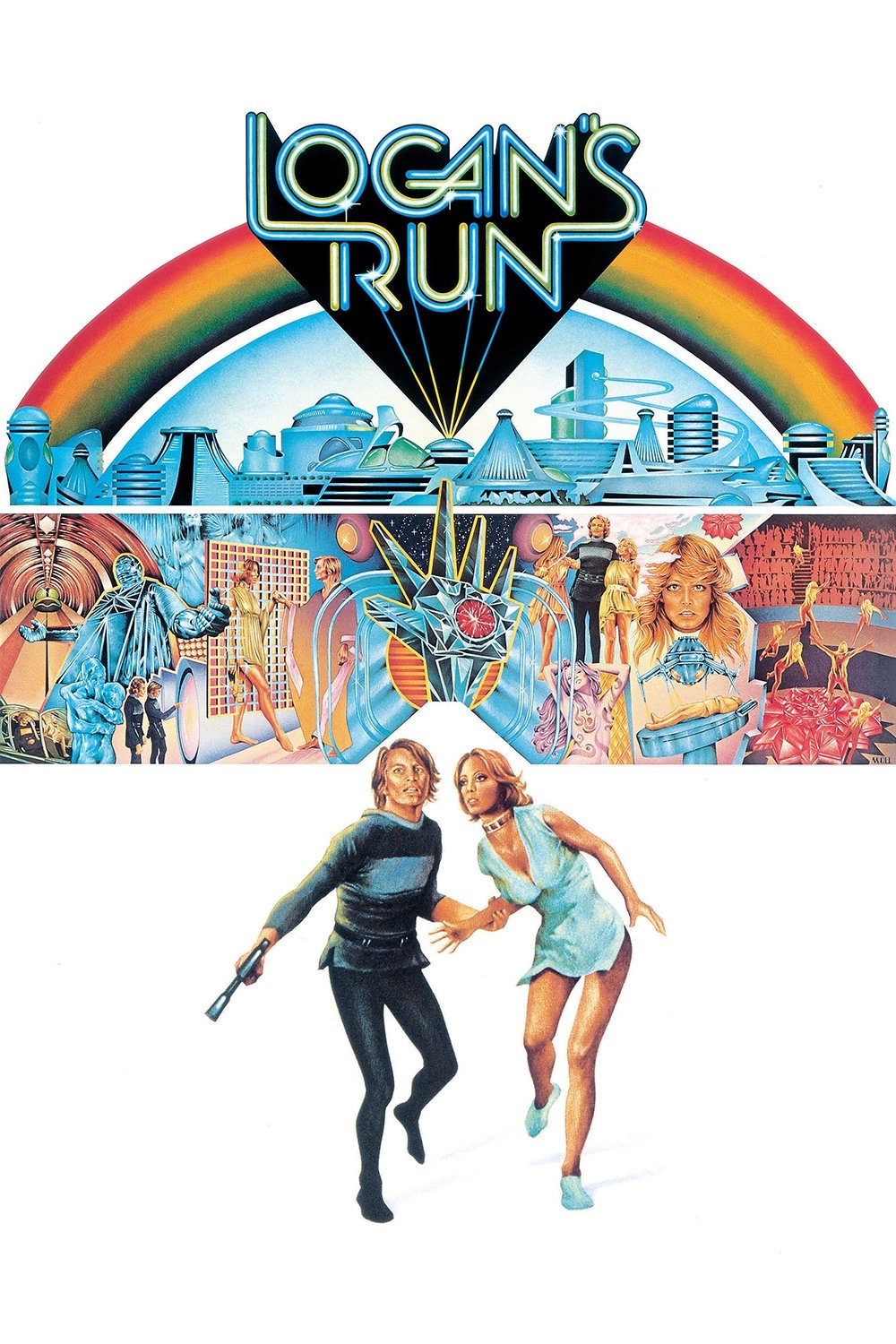
In the year 2274, humanity lives in a utopian city sealed off from the outside world. To control the population, life is terminated for everyone at the age of 30 in a ritual called “Carrousel.” Logan 5 is a “Sandman,” a policeman whose job is to hunt down and kill “Runners”—people who try to escape their fate. He is given a secret mission to pretend to be a Runner and find a mythical place called “Sanctuary,” where Runners are said to be safe.
With its impressive special effects for the time and its interesting premise, Logan’s Run was a box office success. However, its lasting appeal has been as a cult favorite. Fans are drawn to its 1970s sci-fi aesthetic, its social commentary on youth culture and hedonism, and its sense of adventure. It has spawned a short-lived TV series and remains a beloved classic of the genre.
The Brood (1979)
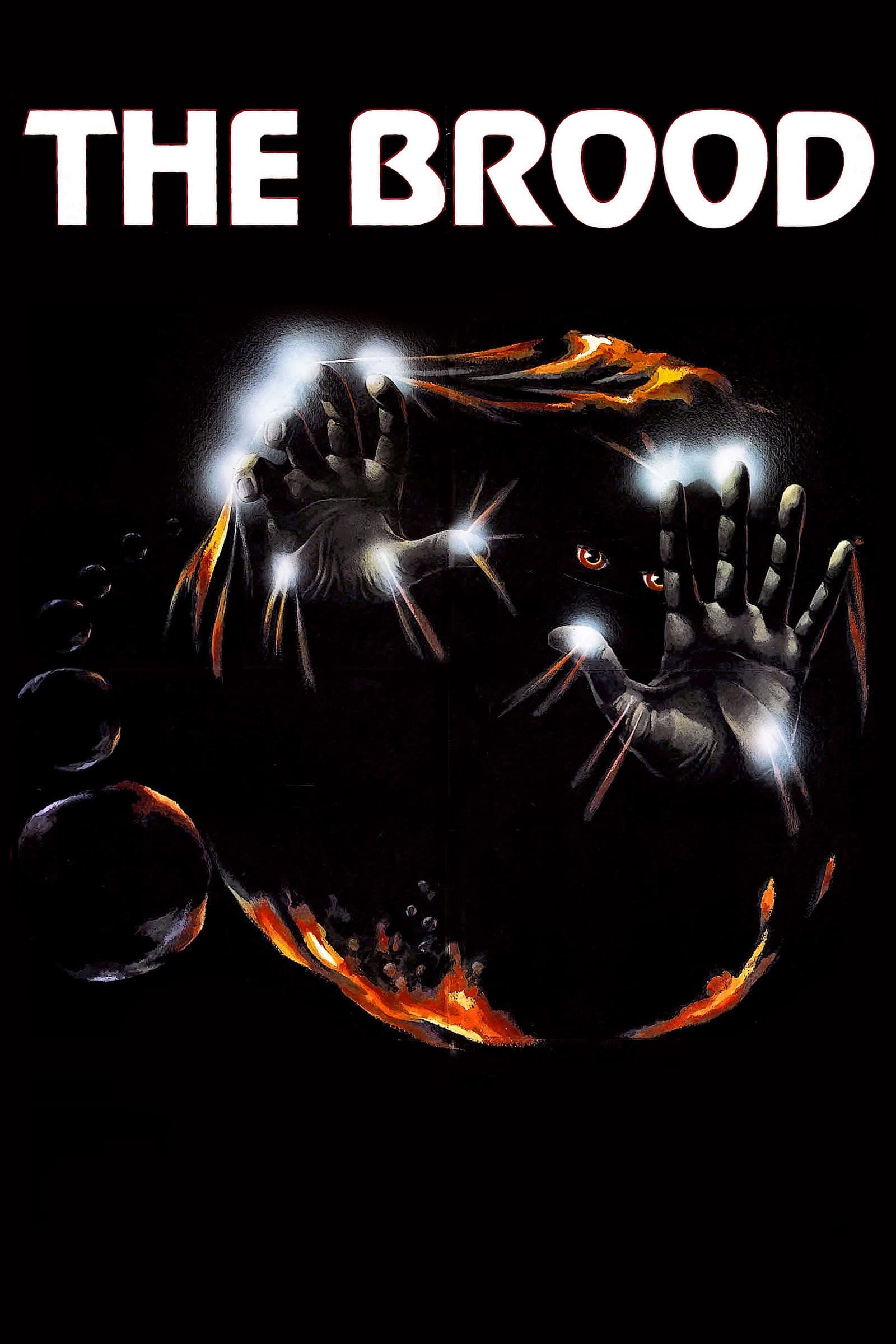
A man named Frank Carveth is concerned about the controversial psychiatric treatment his estranged wife Nola is receiving. Her therapist, Dr. Raglan, practices something called “psychoplasmics,” where patients manifest their psychological rage in physical ways. Soon, a series of brutal murders begins, committed by strange, dwarf-like children. Frank discovers that these creatures are the physical offspring of Nola’s anger, and they are sent to attack the people she is angry at.
Director David Cronenberg wrote the film after a difficult divorce, and it is considered one of his most personal works. The film’s bizarre and disturbing concept of “body horror” was unsettling for many. Though it received mixed reviews initially, it has since become a highly regarded cult film. It is now seen as a powerful and terrifying exploration of rage, trauma, and motherhood.