Movies That Had To Change Titles Because of the Fans


Sometimes a movie’s title is the first thing an audience learns about it. A good title can grab your attention and tell you what the movie is about. But sometimes, the first choice for a title doesn’t work. Studios might find that people are confused by a title or just don’t like it. When this happens, they often decide to change it.
The internet has made it easier for movie fans to share their opinions. A bad movie title can lead to a lot of negative comments online. Studios pay attention to this feedback. If enough people dislike a title, the studio might switch to a new one to make sure the movie has the best start. This list looks at some movies that changed their titles, with fan reactions being a big reason for the change.
Edge of Tomorrow (2014)
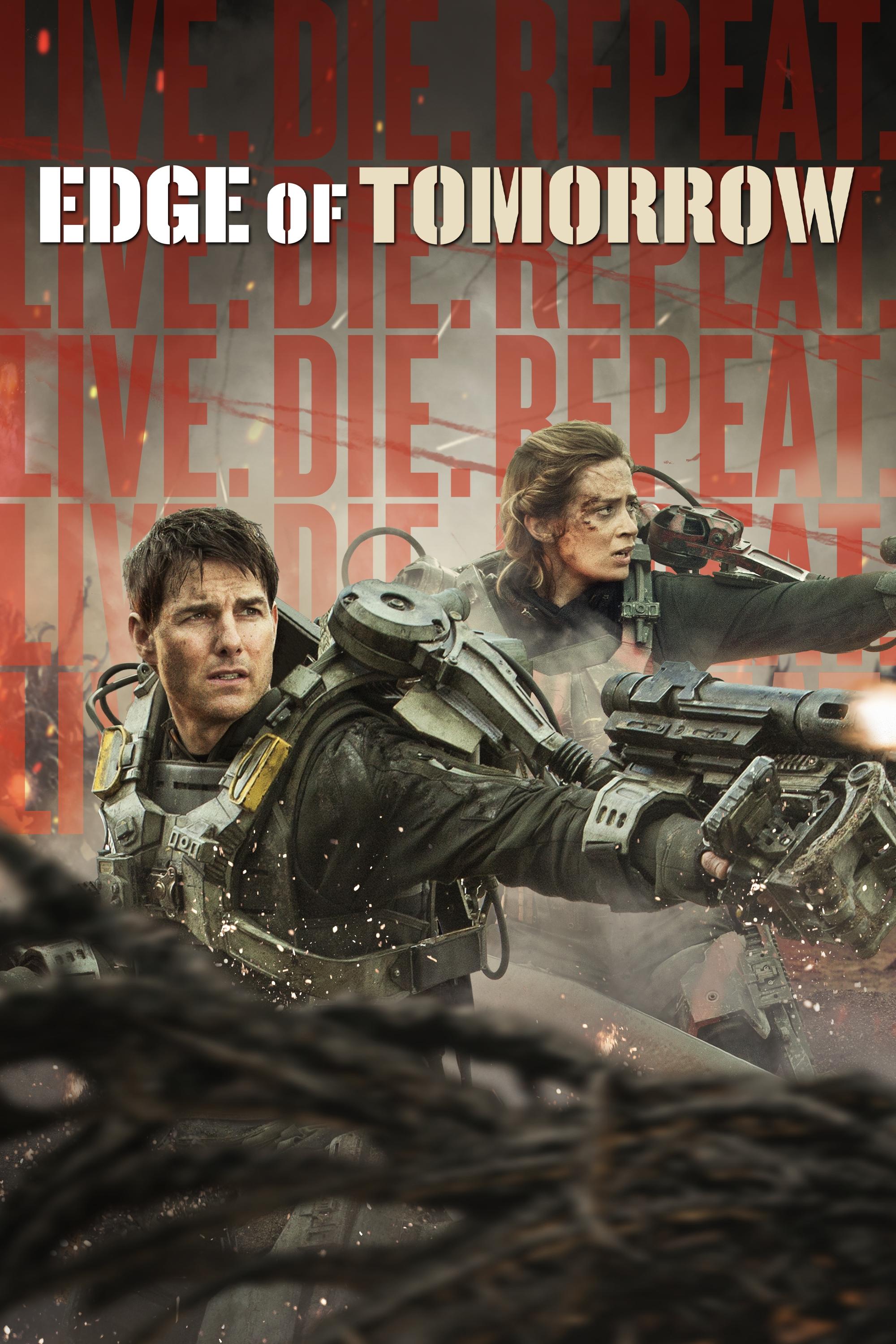
This Tom Cruise science-fiction movie was originally called “All You Need Is Kill.” The title comes from the Japanese novel the movie is based on. While the title was striking, it was also seen as harsh and a little strange by many potential viewers. The studio worried that it might turn people away from seeing the movie. The marketing for the film was also a challenge with this title.
When the movie was released on home video, the title was changed to “Live Die Repeat: Edge of Tomorrow.” The new title was much clearer about the movie’s plot, where the main character lives the same day over and over. The phrase “Live Die Repeat” was used heavily in the movie’s advertising and was very popular with fans. They felt it was a much better description of the film, and the studio listened to that feedback for the home release.
Birds of Prey (2020)

The full original title for this DC movie was “Birds of Prey (and the Fantabulous Emancipation of One Harley Quinn).” The long and unusual title was meant to be playful and reflect the personality of its main character, Harley Quinn. However, the title was very long and not easy to remember. Many people found it confusing.
Shortly after the movie came out, the title was officially shortened to “Harley Quinn: Birds of Prey.” This change was made because audiences were searching for the movie online using “Harley Quinn.” The studio realized that a simpler, more direct title would make it easier for people to find the film. The new title put the most popular character first, which helped with marketing.
John Carter (2012)
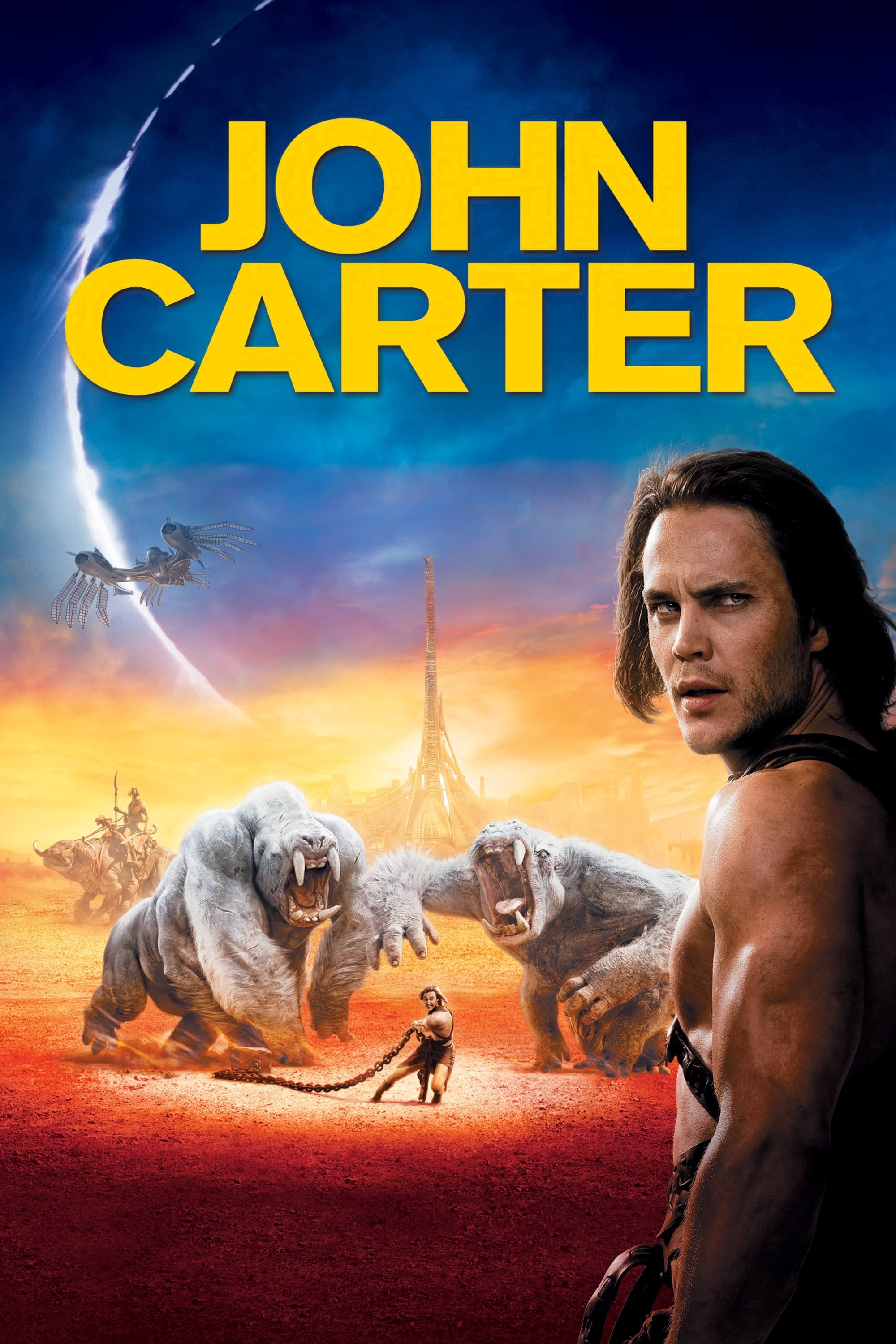
This Disney science-fiction movie was based on the book “A Princess of Mars” by Edgar Rice Burroughs. The movie was originally going to be called “John Carter of Mars” to connect it to the book series. However, the studio decided to shorten the title to just “John Carter.” They believed this would make the movie appeal to a wider audience.
Unfortunately, the simple title “John Carter” didn’t give people much information. Many viewers didn’t know the movie was a science-fiction adventure set on another planet. The title was seen as too generic and didn’t create much excitement. After the movie’s release, many fans and critics said that a more descriptive title like “John Carter of Mars” would have been better.
The Good Dinosaur (2015)
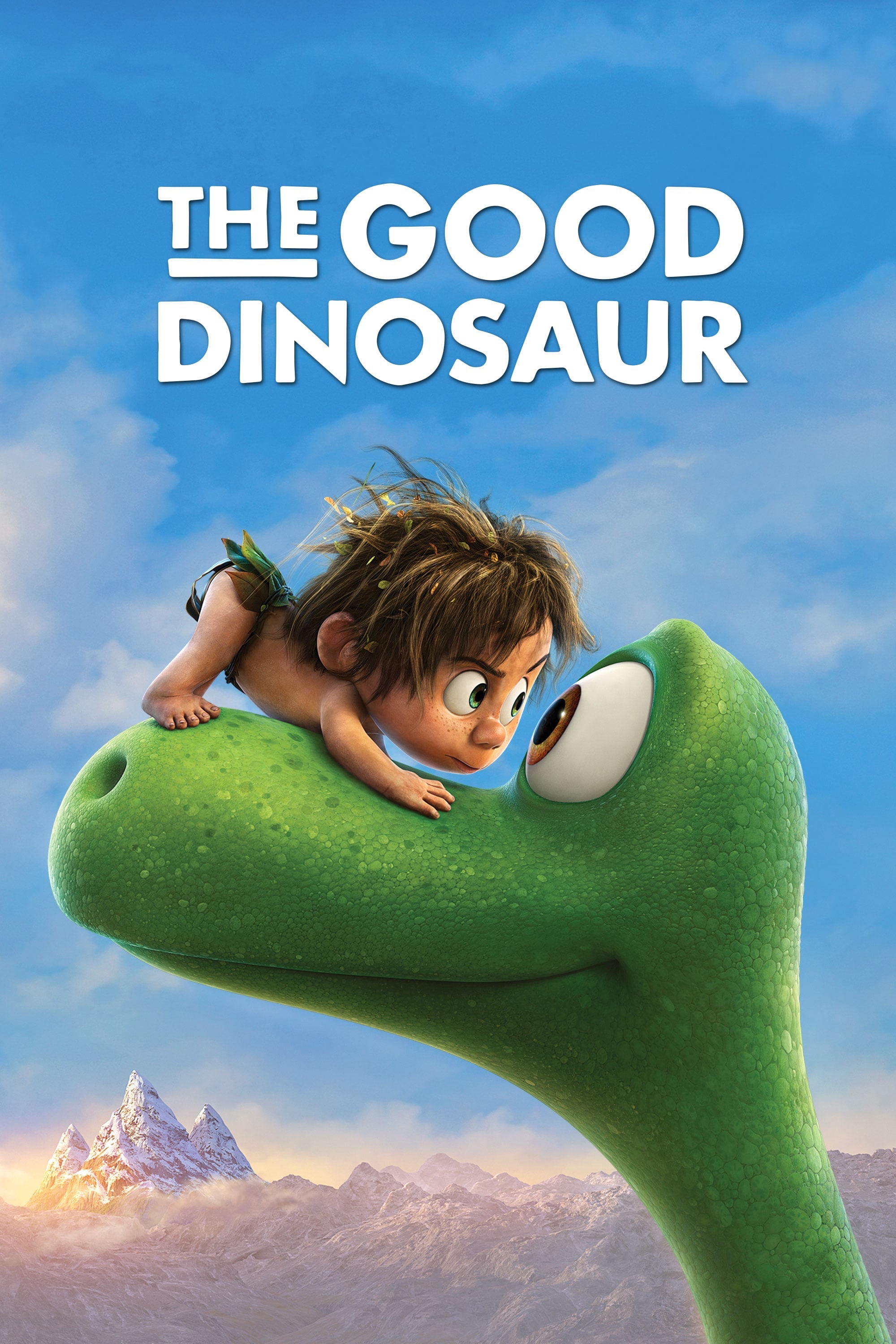
This Pixar movie went through many changes during its production. For a long time, it didn’t have an official title. At one point, the movie was going to be called “The Untitled Pixar Movie About Dinosaurs.” While this was just a working title, it shows that the studio was having a hard time coming up with the right name.
When the final title, “The Good Dinosaur,” was announced, the reaction was mixed. Some fans felt that the title was too simple and didn’t sound very exciting. They thought it sounded more like a children’s book than a big Pixar movie. While the title was not changed, the discussion around it showed that fans have high expectations for Pixar’s creativity, even with titles.
Pretty Woman (1990)
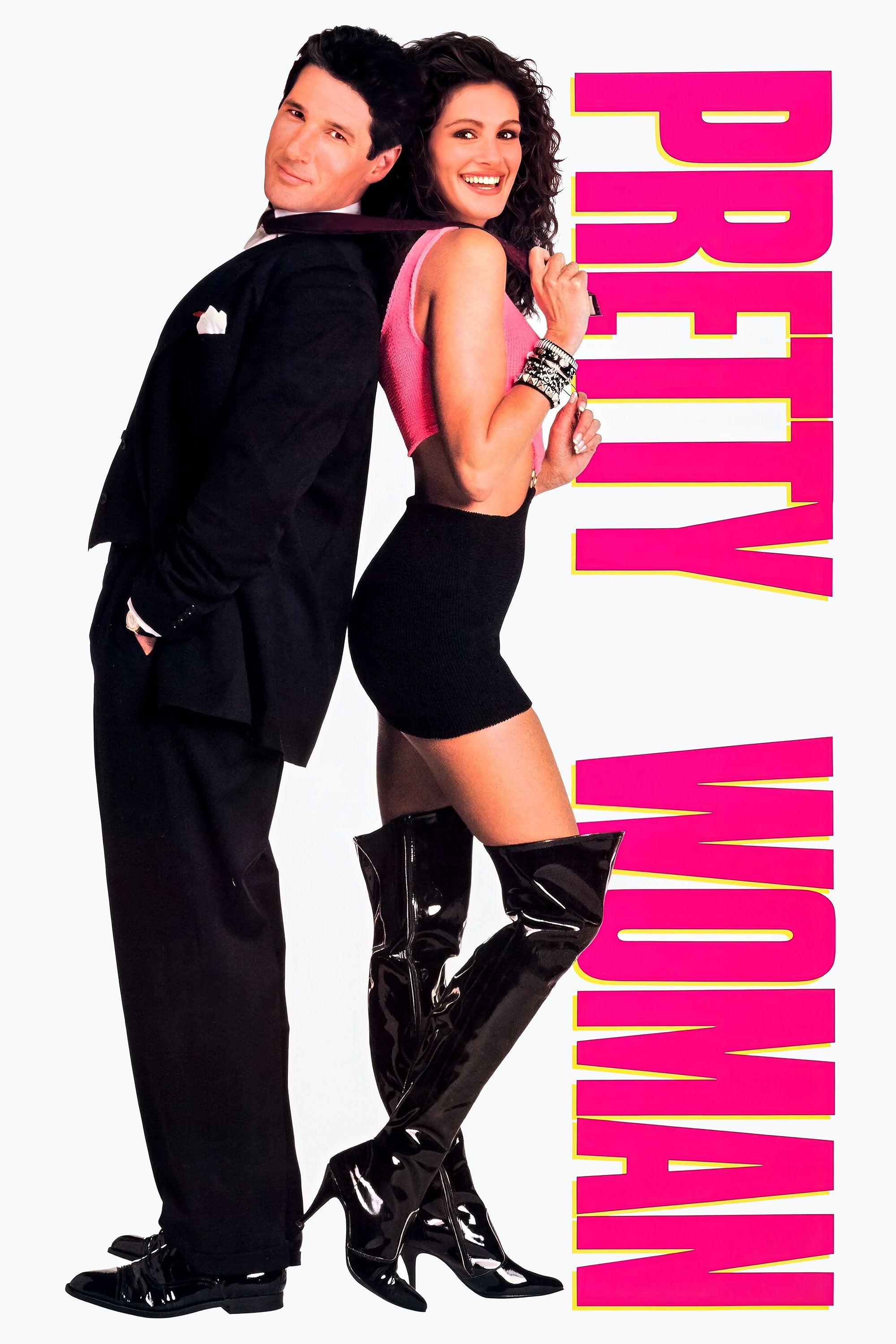
The classic romantic comedy starring Julia Roberts and Richard Gere was not originally called “Pretty Woman.” The first title for the movie was “3,000,” which referred to the amount of money the two main characters agree on for a week of companionship. The original script was also much darker and had a less happy ending.
The title was changed to “Pretty Woman” after the famous Roy Orbison song was used in the movie. Test audiences had a very positive reaction to the movie’s lighter, more romantic tone. The new title fit the final version of the film much better. It was more appealing and less harsh than the original title, which helped make the movie a huge success.
Tomorrowland (2015)
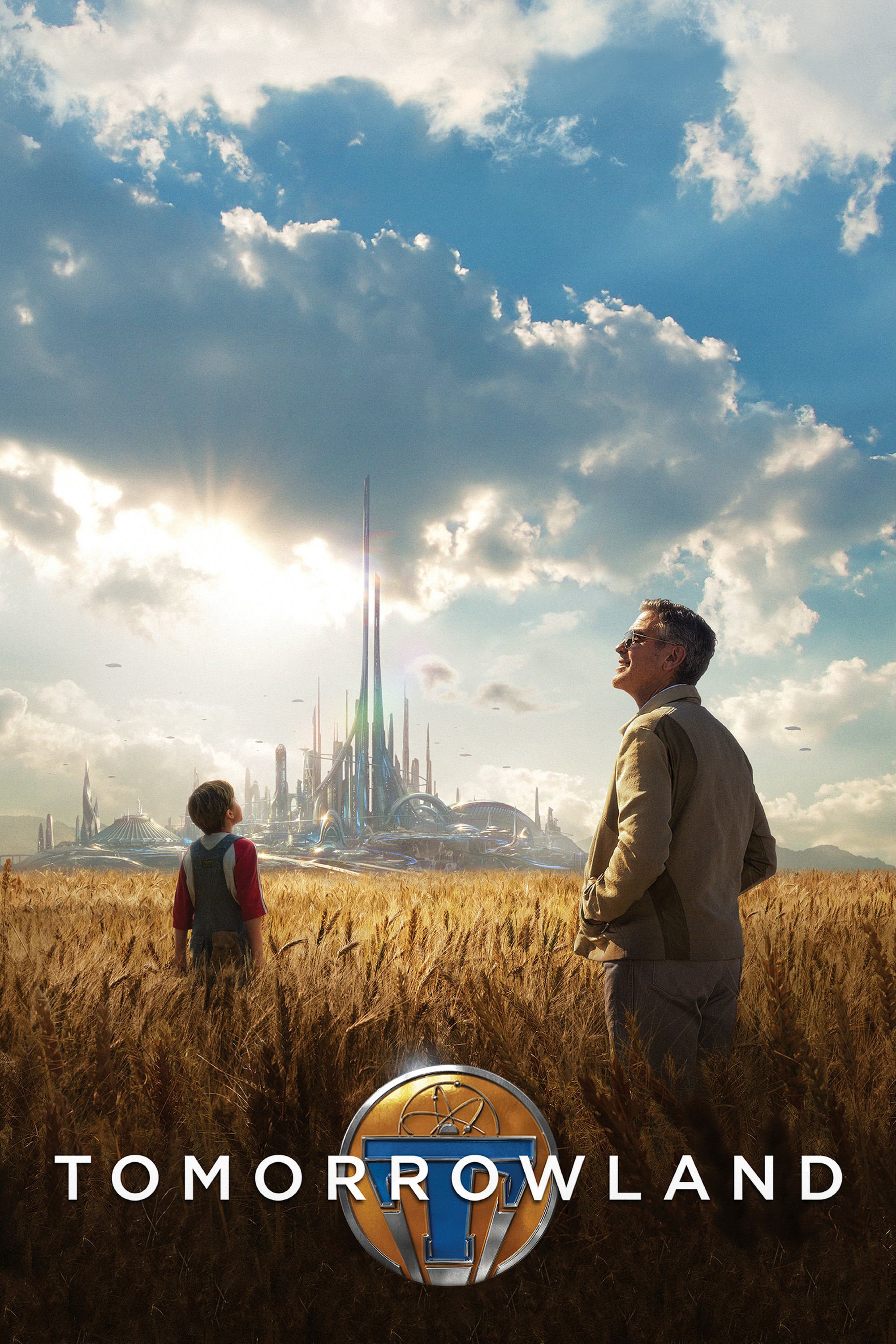
This Disney science-fiction movie was originally known by the title “1952.” This was the year that the movie’s story begins. However, the title was very mysterious and didn’t tell audiences anything about the film. It was meant to create curiosity, but it also created confusion.
The title was later changed to “Tomorrowland,” which connected the movie to the futuristic-themed land in Disney’s theme parks. This change gave audiences a better idea of what to expect from the film’s hopeful and forward-looking story. The new title was more descriptive and had a stronger connection to the Disney brand, which was helpful for marketing the movie to families.
Cowboys & Aliens (2011)
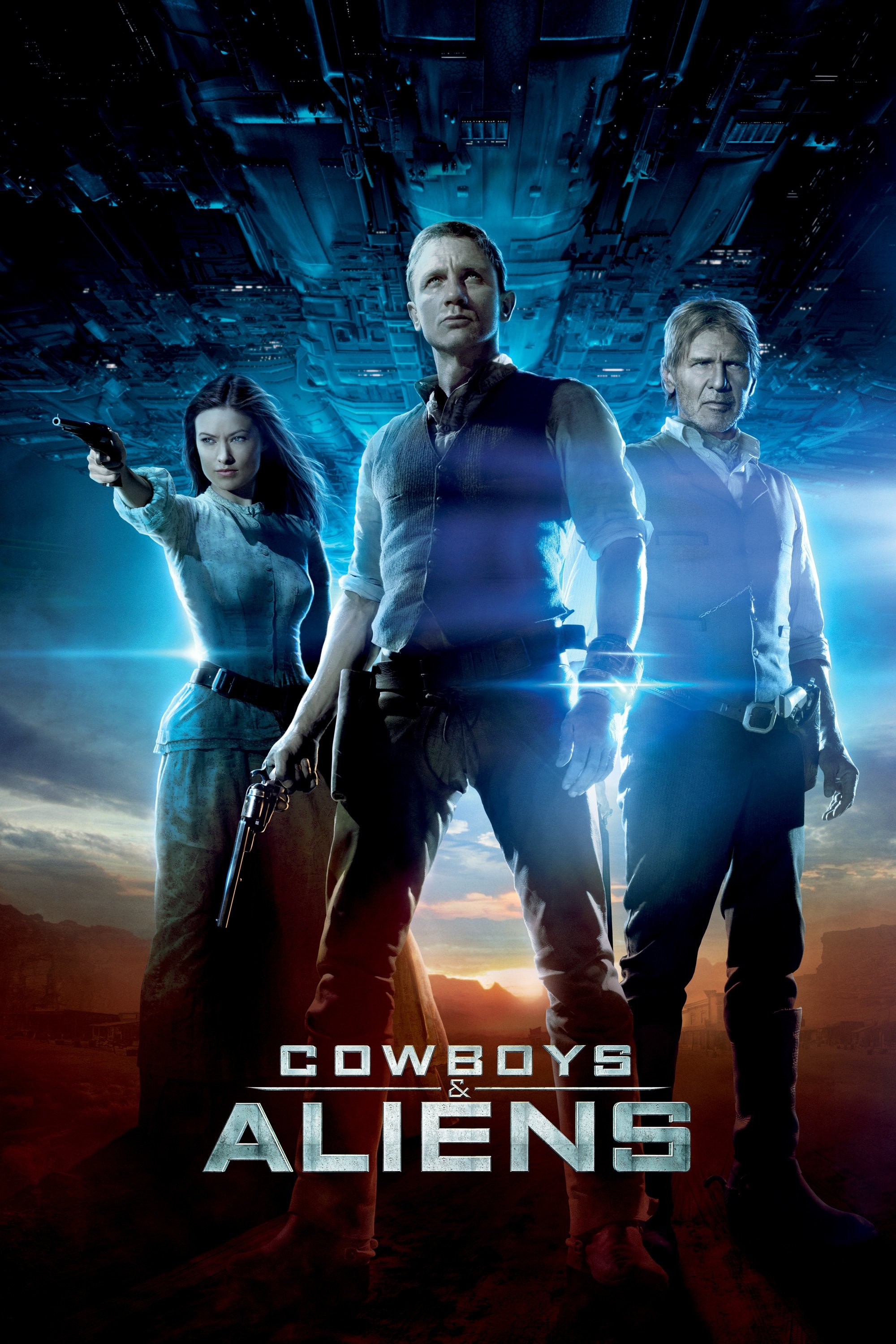
The title “Cowboys & Aliens” is very direct and tells you exactly what the movie is about. It is based on a graphic novel of the same name. Despite the title’s clarity, there was some discussion about whether it was too silly. The studio was worried that people wouldn’t take the movie seriously.
They considered changing the title to something more serious to reflect the movie’s tone. However, director Jon Favreau and others involved in the film argued to keep the original title. They felt it was bold and memorable. Fan reaction online was also in favor of keeping the straightforward title, as it perfectly captured the fun, high-concept premise of the film.
Snakes on a Plane (2006)
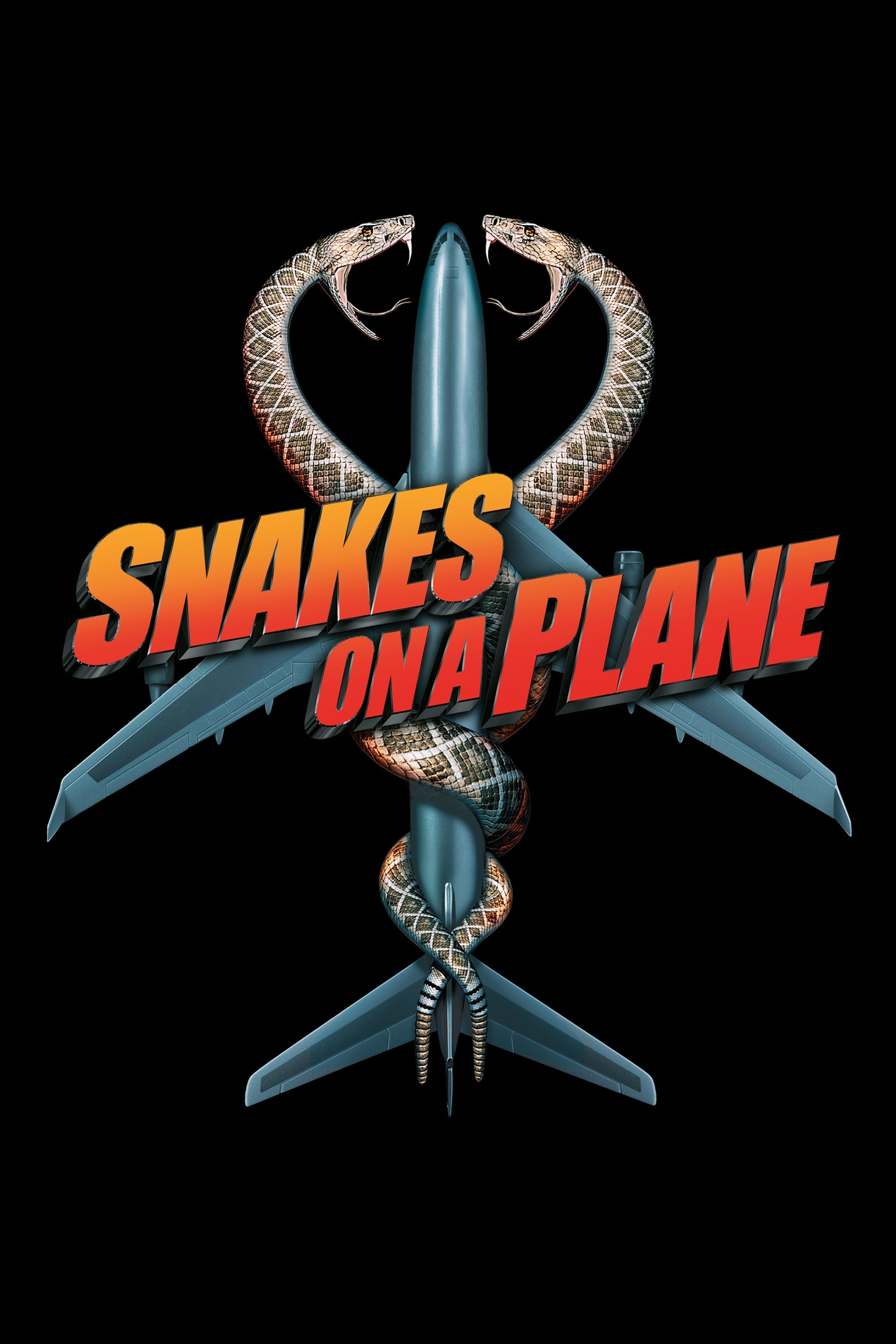
This action-thriller became famous for its very direct title. The movie is, as the title suggests, about snakes on a plane. The studio had considered changing the name to something more generic, like “Pacific Air Flight 121.” They thought a more serious title would be better for marketing the film.
However, star Samuel L. Jackson and many online fans strongly supported the original title. Jackson said he agreed to be in the movie largely because of the wonderfully simple title. The internet buzz around “Snakes on a Plane” was huge, and a lot of that excitement was tied to the title itself. The studio decided to stick with the original name, which helped turn the movie into a pop culture event.
Harold & Kumar Go to White Castle (2004)
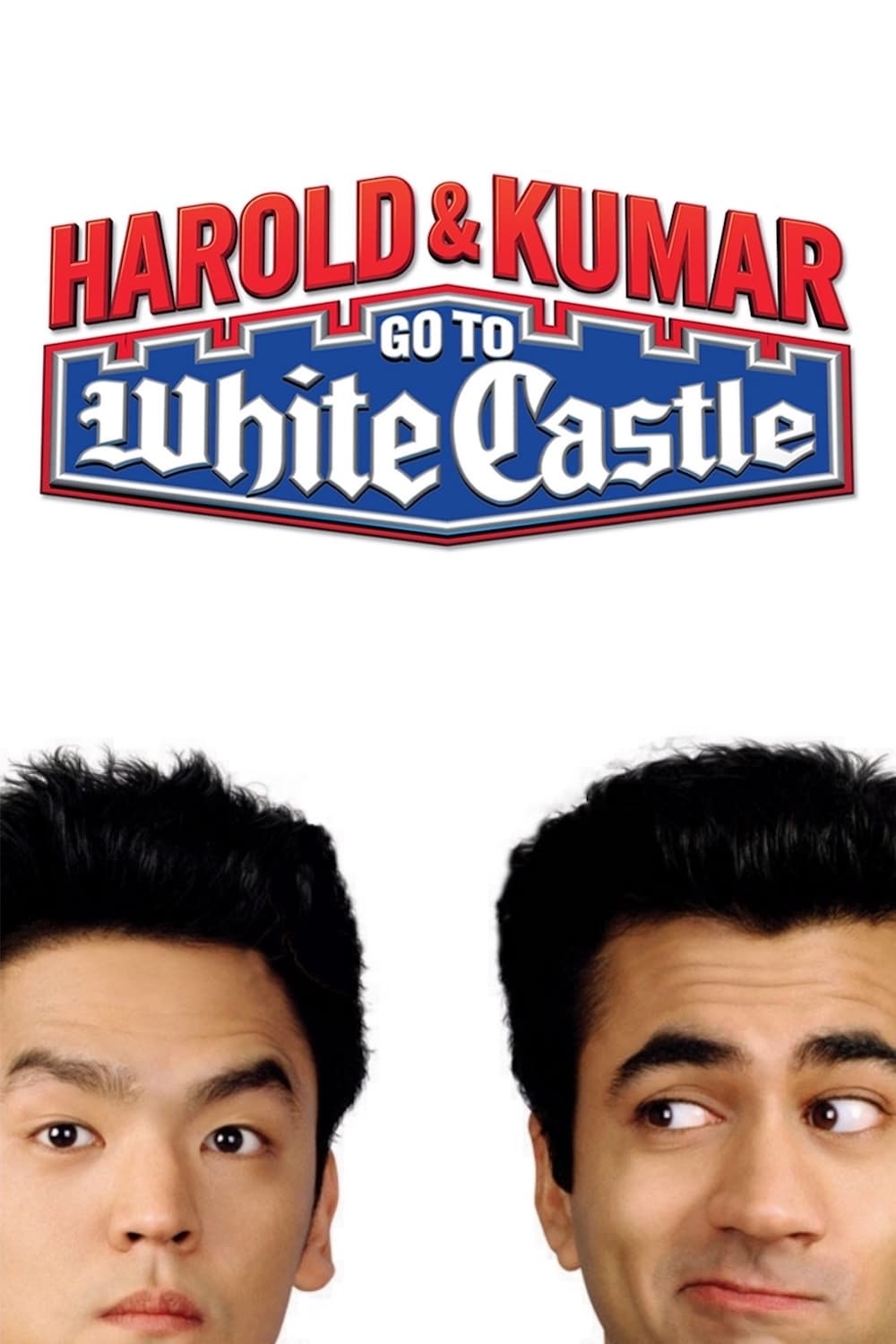
The title of this comedy is very specific, mentioning the fast-food chain White Castle by name. This was not the original plan. The movie was first titled “Harold & Kumar Go to Burger Shack” because the writers made up a fictional restaurant. The change was made when White Castle agreed to let their name and restaurants be used in the film.
While not a change driven by fan backlash, the original title shows how a small detail can change a movie. “Burger Shack” is a generic name, but “White Castle” is a real place with a loyal following. The use of a real brand made the characters’ journey feel more authentic and relatable to people who were familiar with the restaurant chain.
Captain America: The First Avenger (2011)
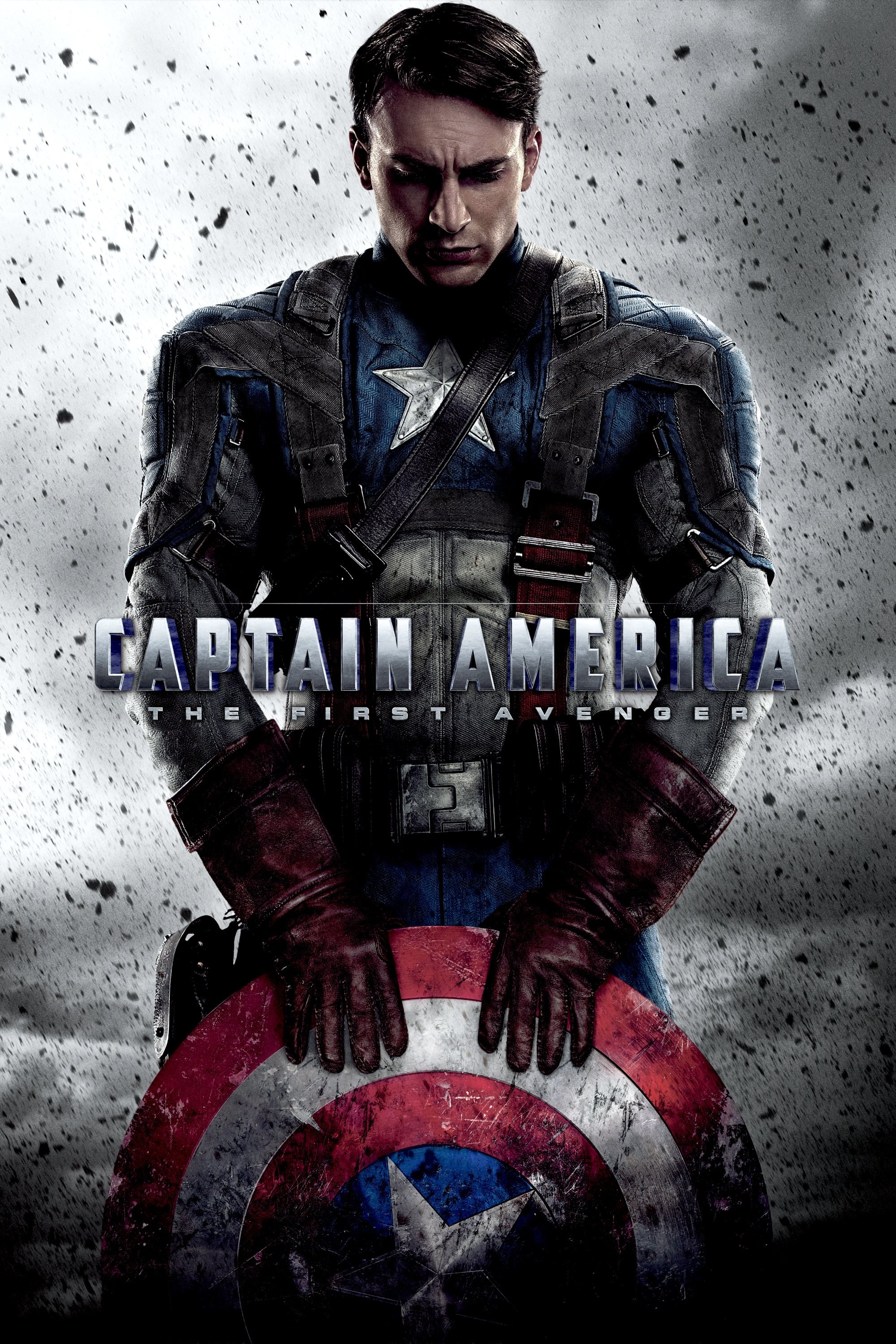
For its release in the United States, this Marvel movie was called “Captain America: The First Avenger.” However, in some international markets like Russia and South Korea, the title was shortened to just “The First Avenger.” The studio was concerned that the name “Captain America” might not be as appealing to audiences in some parts of the world.
This decision was based on marketing research and not direct fan demands. The studio believed that a more neutral title would help the movie perform better in certain countries. This shows how audience perception, or at least the studio’s idea of it, can lead to different titles for the same movie in different places.
Scream (1996)
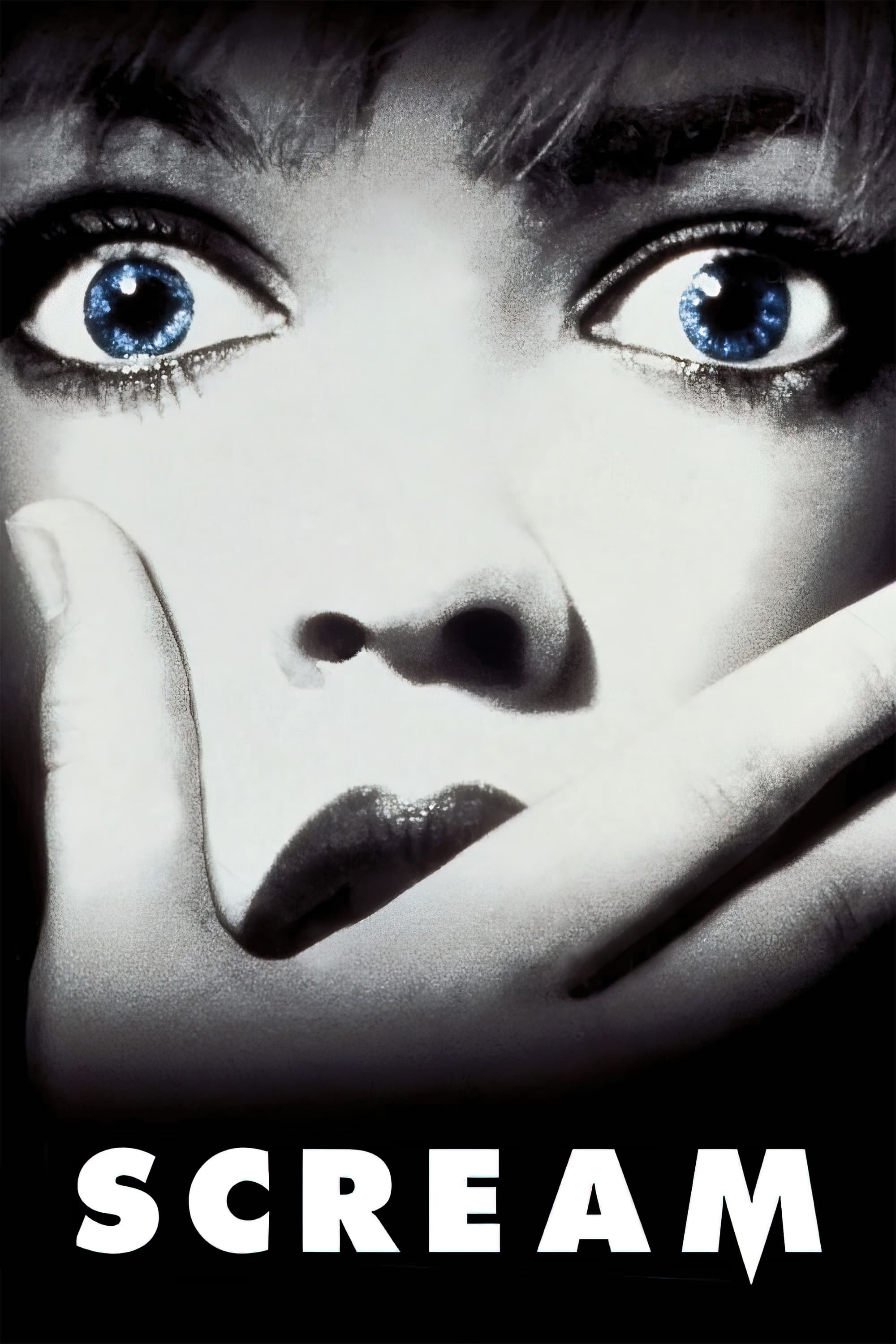
This classic horror movie was originally called “Scary Movie.” The title was meant to be simple and reflect the film’s self-aware humor about the horror genre. The script was bought under this name, and it was used during most of the production. The studio, however, started to have second thoughts as the release date got closer.
The Weinstein Company, which produced the film, decided to change the title to “Scream” very late in the process. They felt that “Scary Movie” didn’t sound serious enough and might make audiences think it was a straight comedy. “Scream” was seen as more intense and memorable. The change was a surprise to the cast and director, but it ultimately helped define the film as a smart and scary thriller.
Tangled (2010)
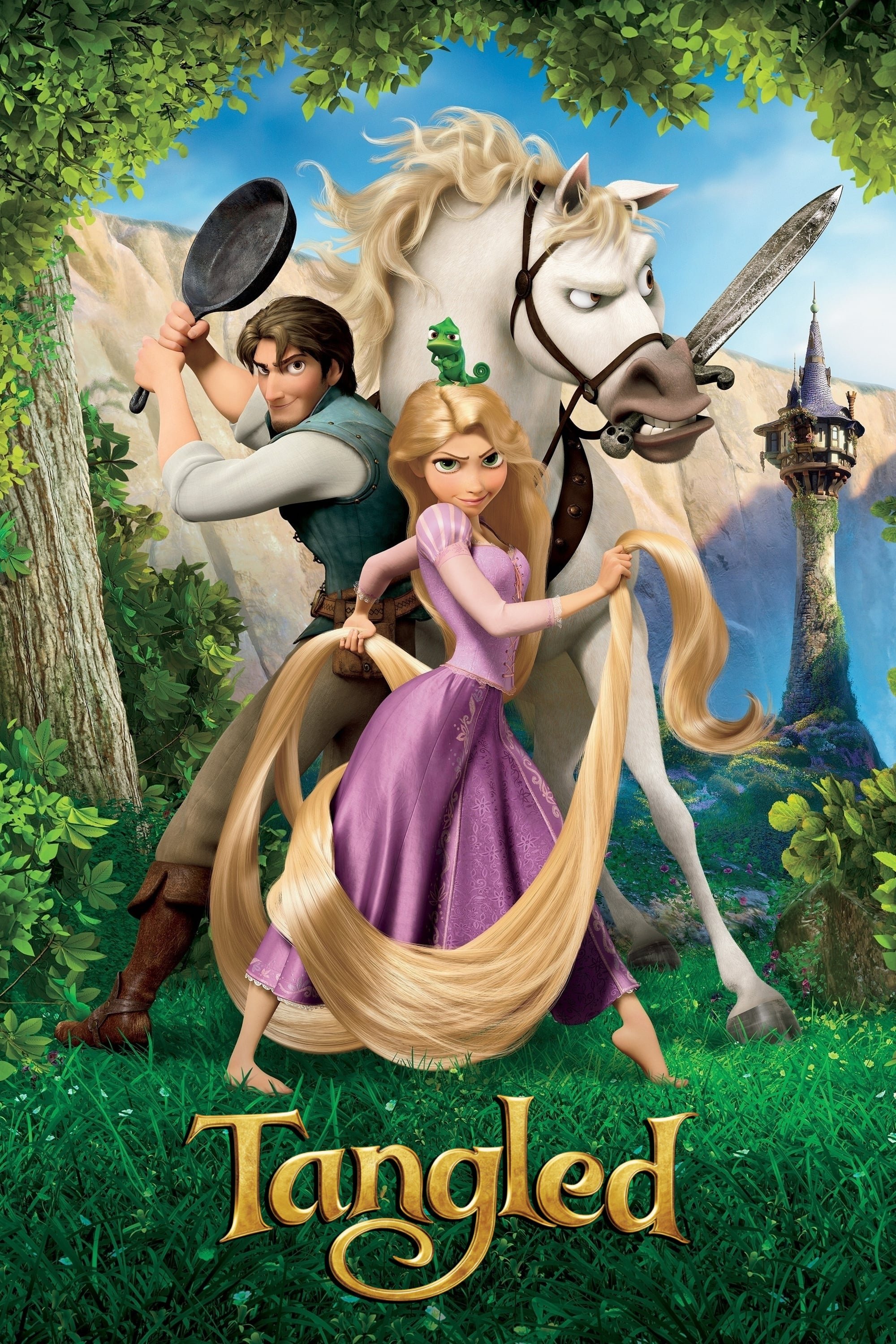
This animated Disney movie was originally titled “Rapunzel,” after its main character. The title was a straightforward choice based on the classic fairy tale. However, Disney’s previous princess movie, “The Princess and the Frog,” had not performed as well as expected at the box office. The studio believed that the “princess” title was discouraging boys from seeing the film.
To attract a wider audience, Disney changed the title to “Tangled.” They also marketed the movie by focusing on both Rapunzel and the male lead, Flynn Rider. The new title was more gender-neutral and hinted at the adventure aspect of the story. This marketing shift was a direct response to perceived audience habits.
Hancock (2008)
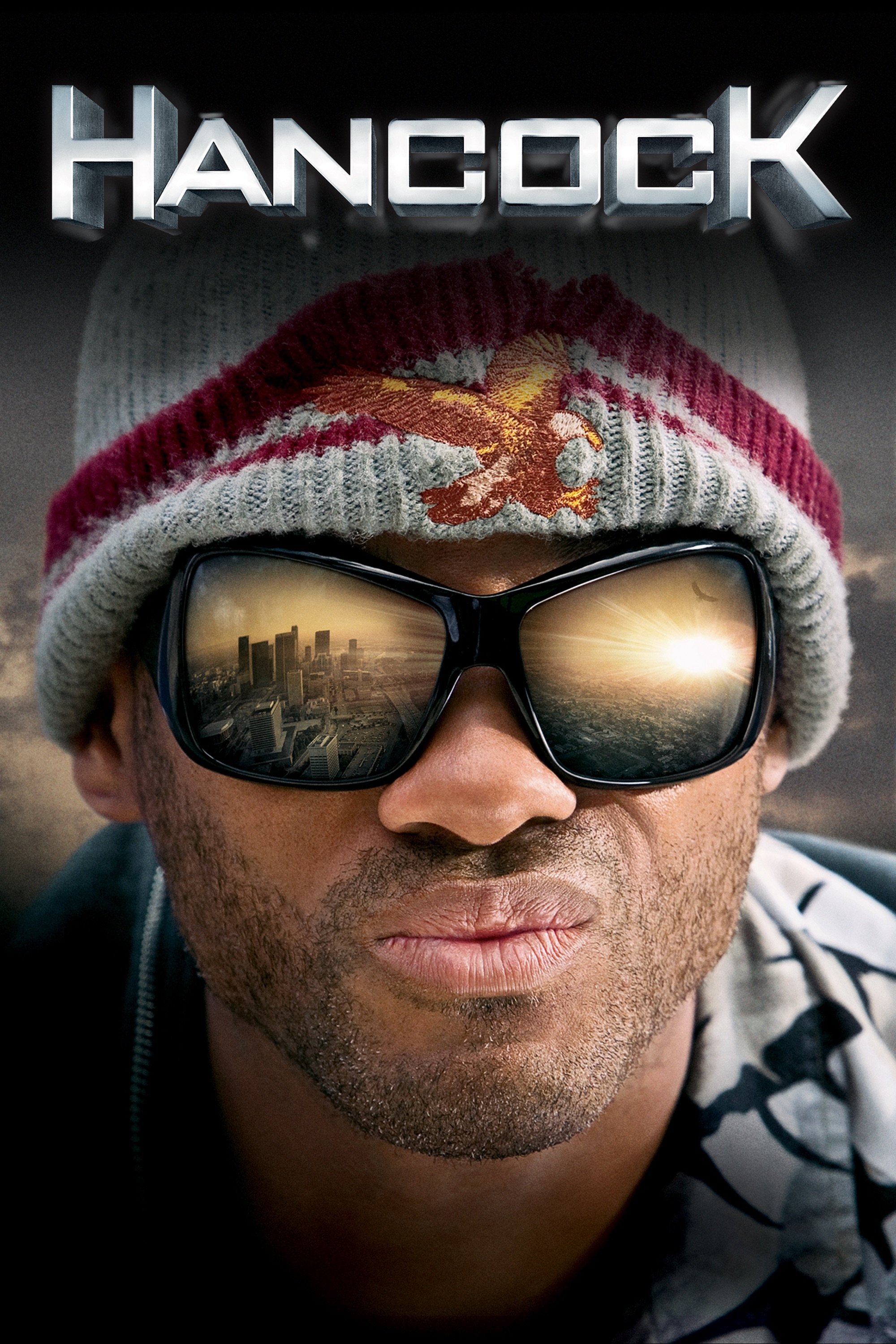
The Will Smith superhero film was originally working with a very different title: “Tonight, He Comes.” This title was on the script that was very popular in Hollywood before it was made. While it was intended to sound dramatic and signal the arrival of a hero, it also had a different meaning that many people found awkward or funny.
During test screenings, audiences were reportedly confused or amused by the suggestive nature of the title “Tonight, He Comes.” The studio realized the title was creating the wrong impression for a big summer blockbuster. It was changed to the much simpler and stronger “Hancock,” which is the main character’s name.
Live Free or Die Hard (2007)
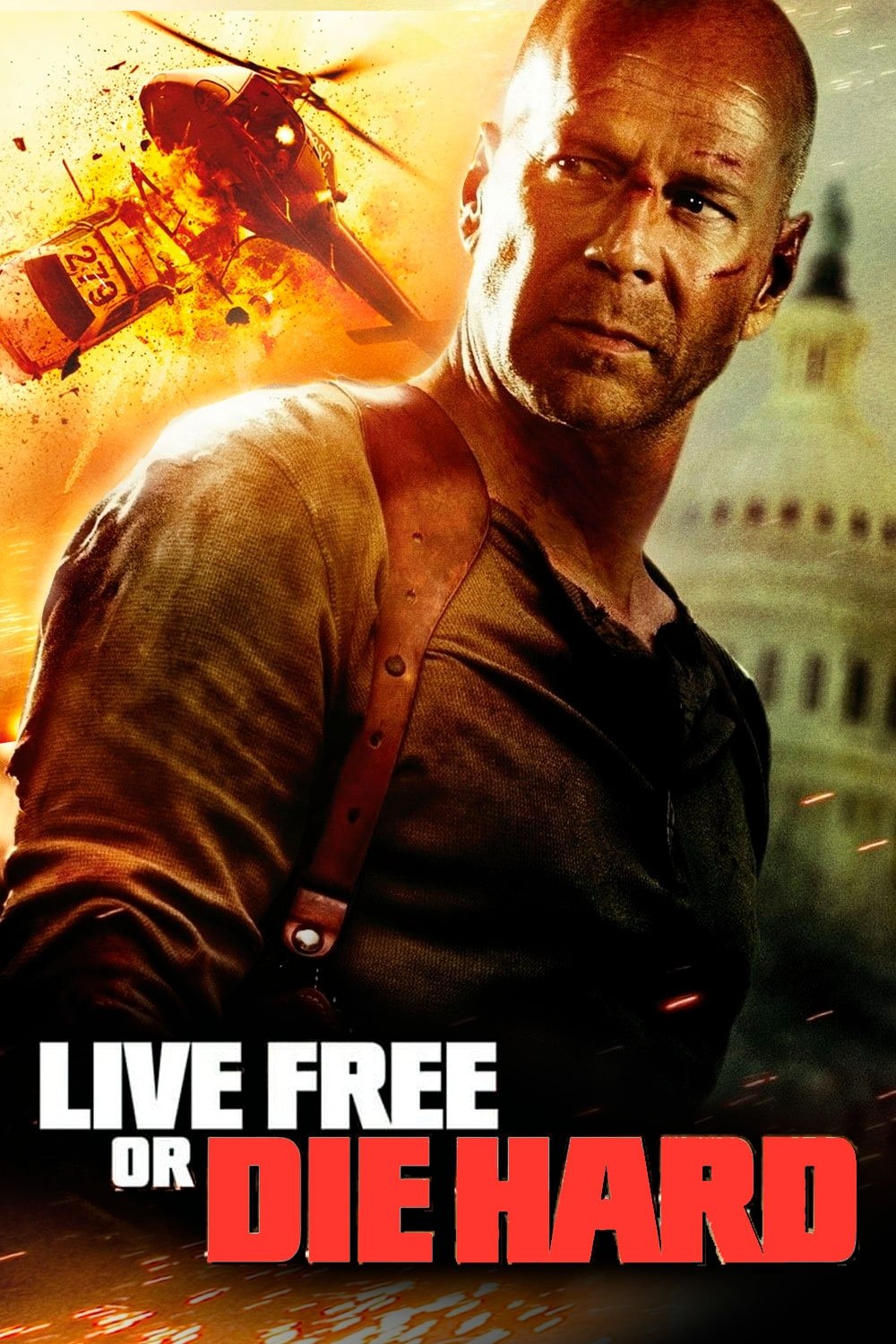
The fourth film in the Die Hard series came with a title that was a play on the state motto of New Hampshire. The original title was simply “Die Hard 4.0,” and this title was used for the film’s release in international markets. The studio wanted a different title for its American release that sounded patriotic and exciting.
However, the title “Live Free or Die Hard” was divisive among fans. Some thought it was a clever and fun title for the action series, while others felt it was silly compared to the simpler titles of the previous films. The online debate about the title was significant, showing how much fans cared about the identity of the franchise.
Army of Darkness (1992)
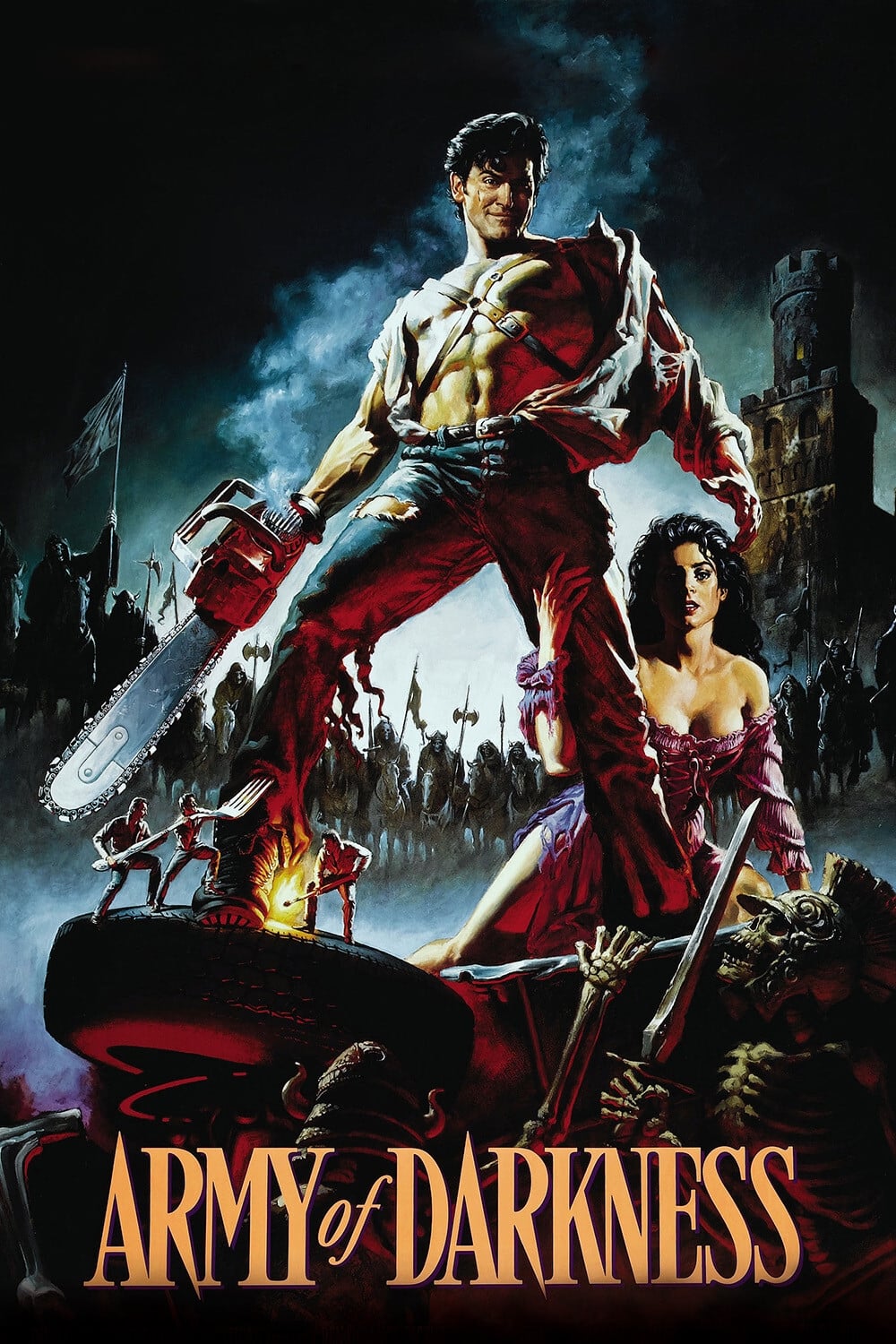
The third movie in the “Evil Dead” series was originally going to be called “The Medieval Dead.” This title would have clearly connected it to the first two films, “The Evil Dead” and “Evil Dead II.” It also perfectly described the movie’s plot, which sends the hero, Ash Williams, back to the Middle Ages.
The studio, Universal Pictures, decided to change the title to “Army of Darkness.” They wanted the film to stand on its own as a fantasy-action movie, separate from the horror reputation of the earlier films. They believed the new title sounded bigger and more appealing to a mainstream audience that might not have seen the first two movies.
Blade Runner (1982)
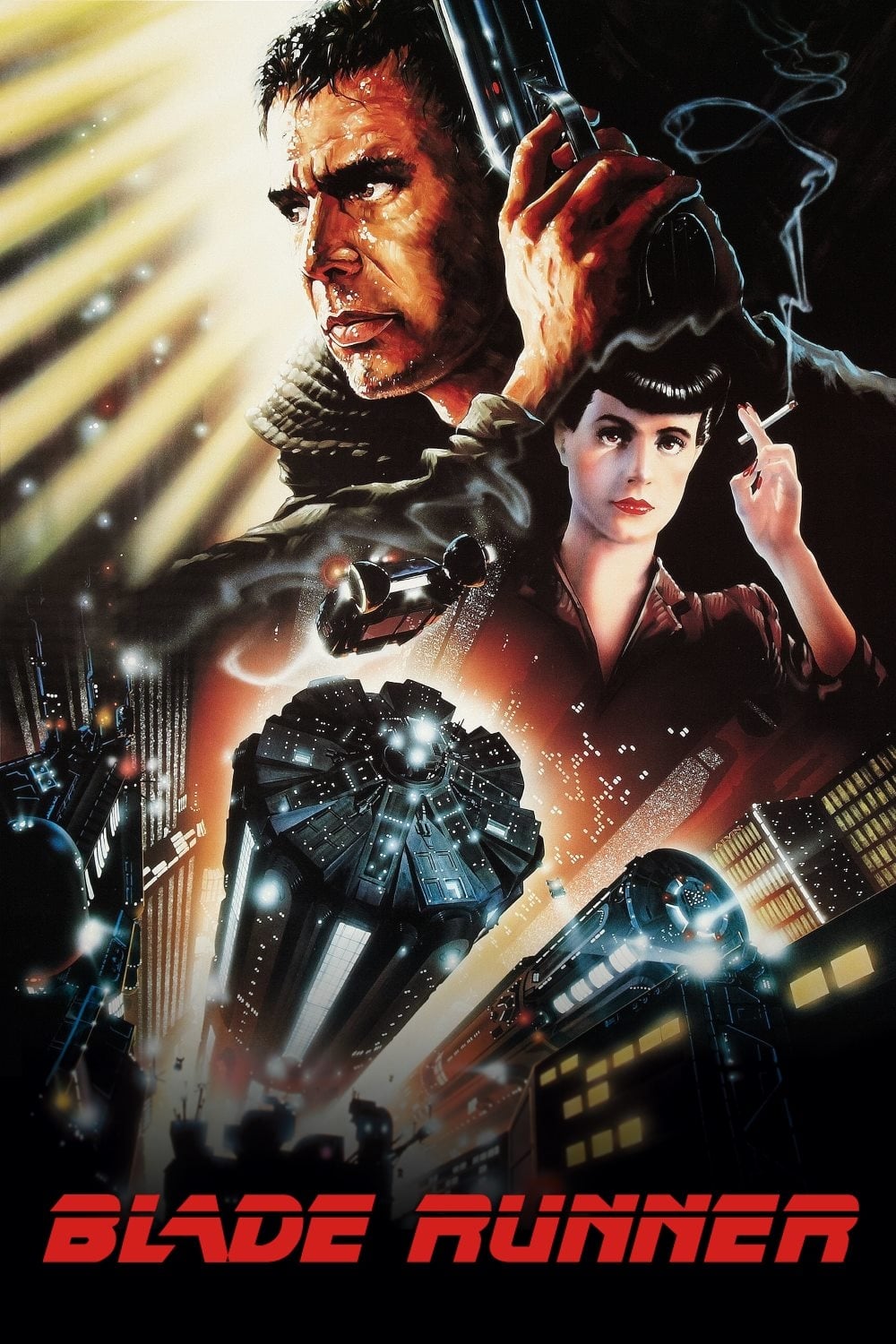
This iconic science-fiction film is based on a novel by Philip K. Dick called “Do Androids Dream of Electric Sheep?”. This long and unusual title was never seriously considered for the movie. The filmmakers knew they needed something shorter and more powerful that would grab the audience’s attention.
The director, Ridley Scott, found the name “Blade Runner” in the script for another project and loved how it sounded. The term isn’t actually in the original book, but it was adopted for the movie because it sounded cool and mysterious. The title perfectly captured the dark, futuristic world of the film and has since become legendary.
While You Were Sleeping (1995)
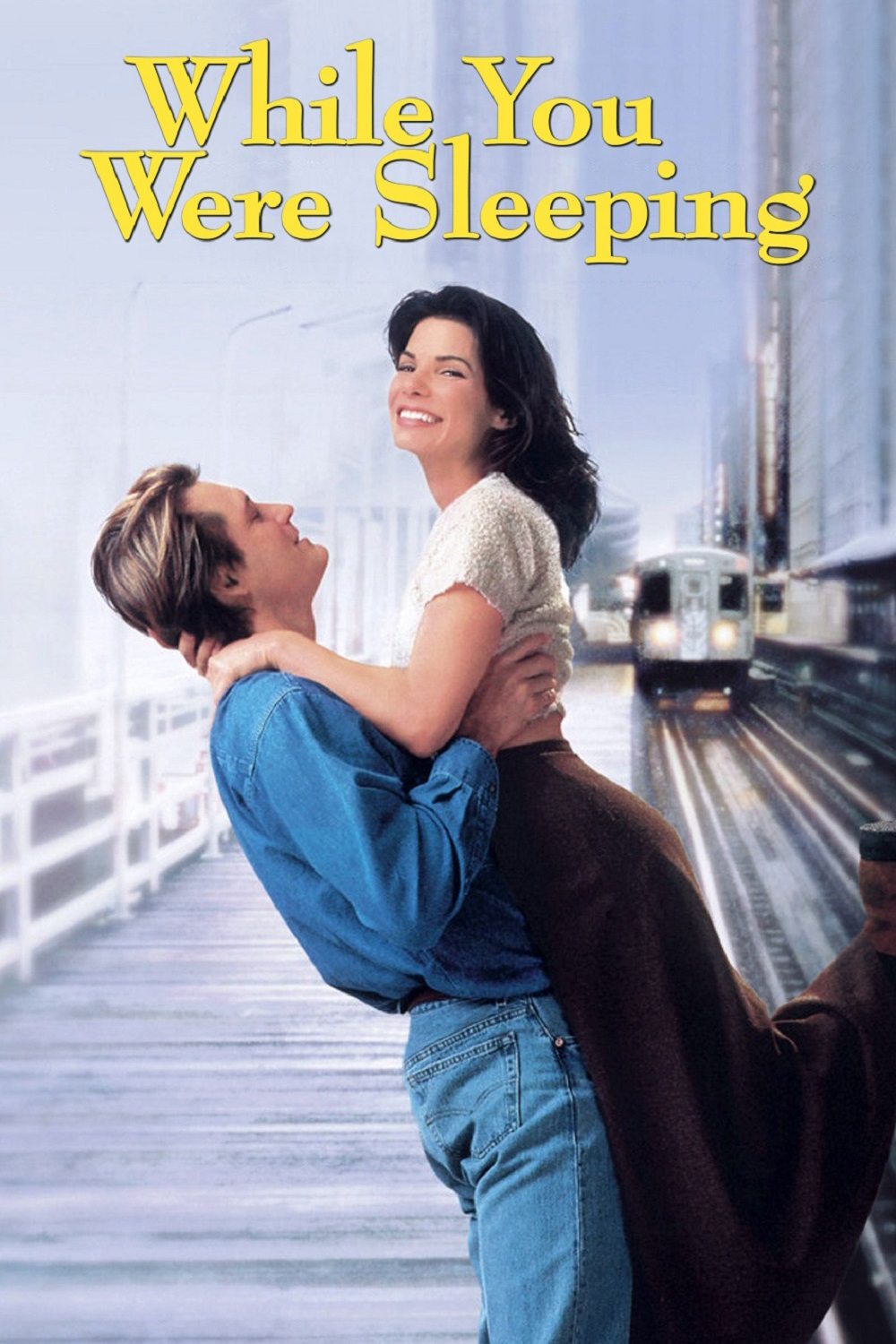
This popular romantic comedy starring Sandra Bullock had a much less charming working title. During production, the film was known as “Coma Guy.” This title was very literal, as the plot involves a man who is in a coma. However, it was not a very romantic or appealing name for a movie.
Test audiences responded well to the film’s heart and humor, but the title was a problem. “While You Were Sleeping” was chosen as the new title because it sounded more romantic and intriguing. It hinted at the story without being as blunt as “Coma Guy,” and it helped sell the movie as the feel-good hit it became.
The Avengers (2012)
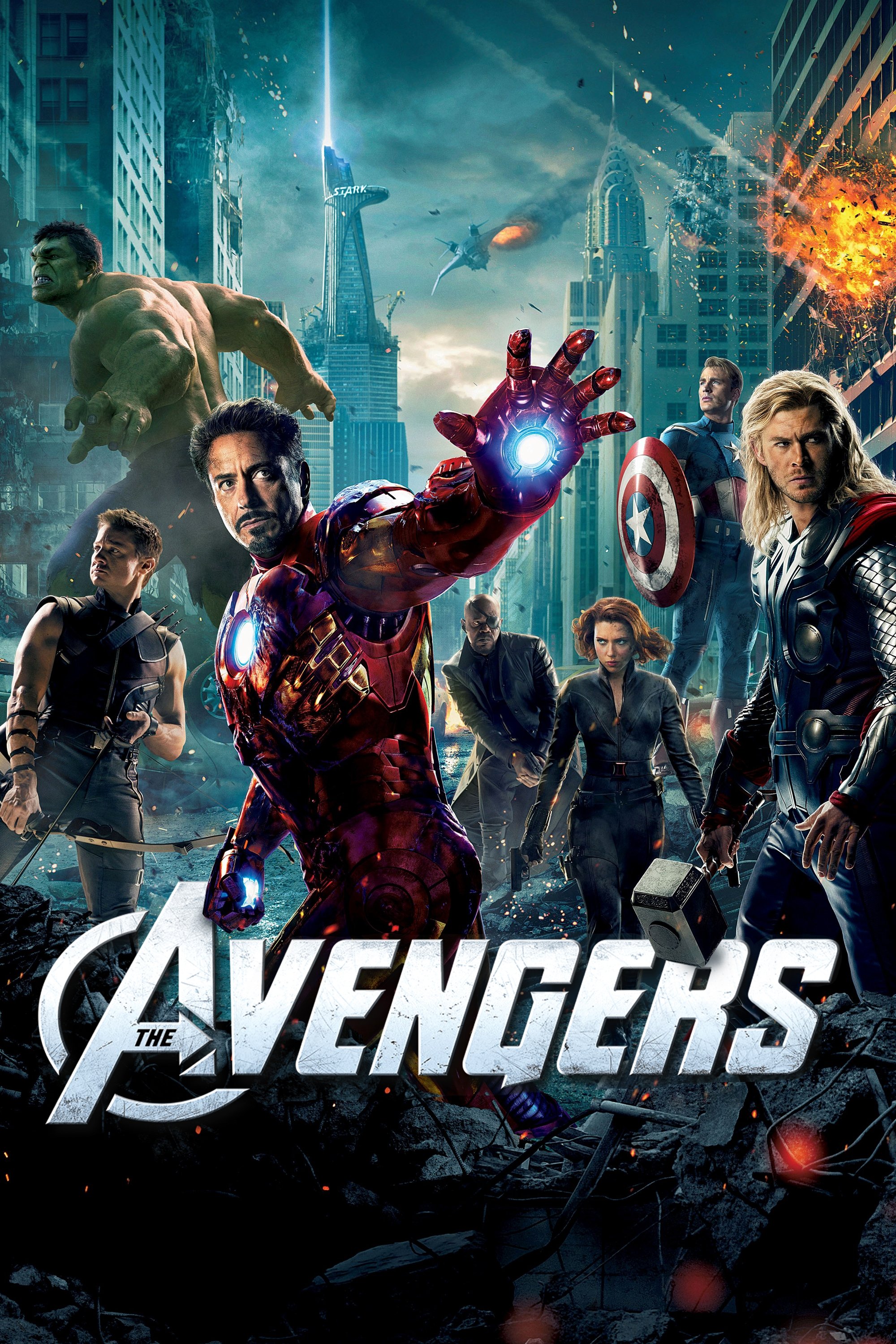
In most of the world, this Marvel superhero team-up was released as “The Avengers.” In the United Kingdom, however, the movie was retitled “Avengers Assemble.” This change was made to avoid confusion with a classic British spy TV show from the 1960s that was also called “The Avengers.”
The British show was very popular and well-known in the UK. The studio worried that using the same title would confuse audiences, who might not realize the movie was a big-budget superhero film. “Avengers Assemble” was a clear and effective alternative, using a famous catchphrase from the comics to attract the right audience.
Pirates of the Caribbean: The Curse of the Black Pearl (2003)
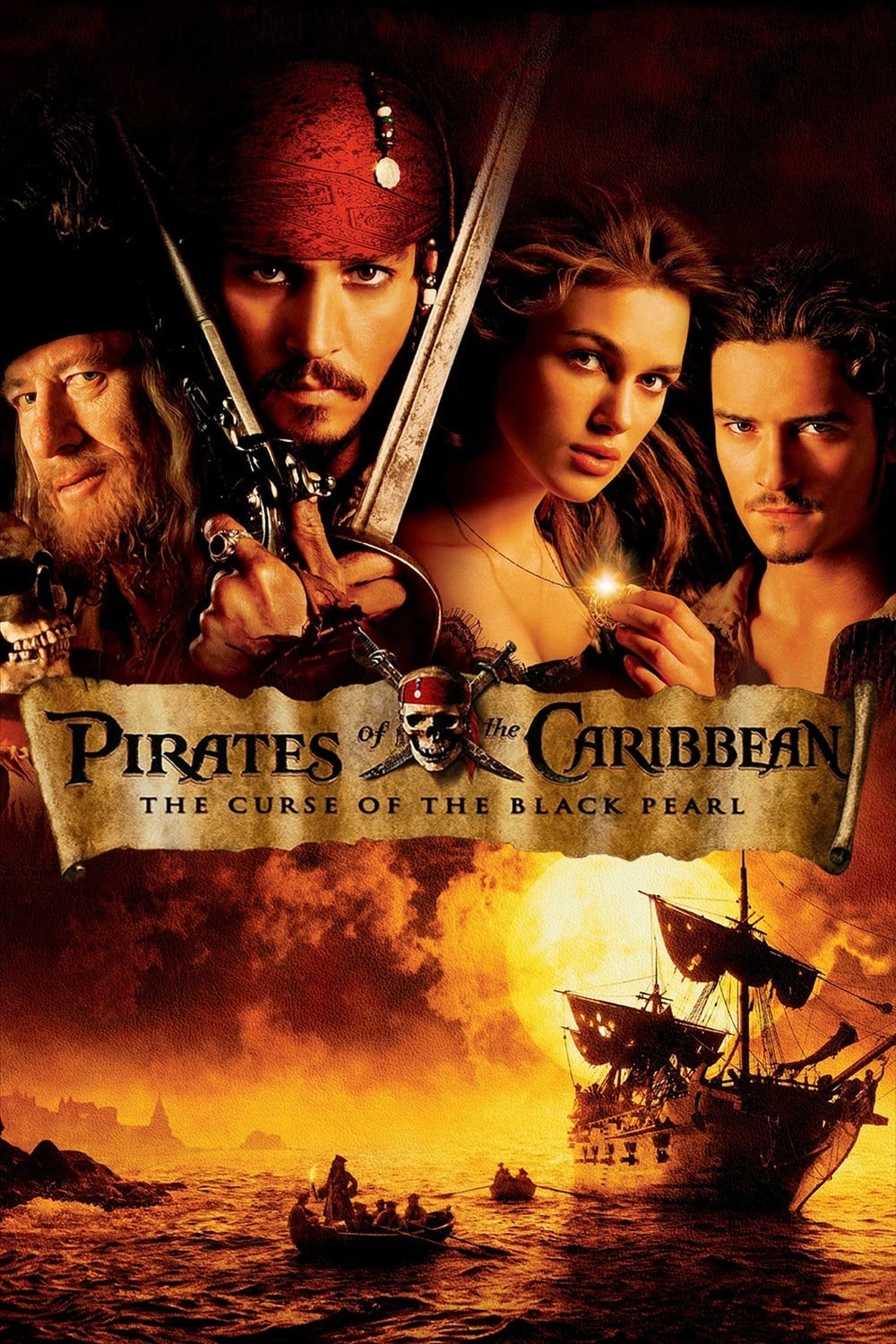
When the first “Pirates of the Caribbean” movie was in production, it was simply called “Pirates of the Caribbean.” The title was based on the famous Disney theme park ride. There was no subtitle attached to it initially, as the studio was not sure if the movie would be successful enough to start a franchise.
After positive reactions from early screenings, the studio decided to add “The Curse of the Black Pearl” to the title. This was done to make the movie sound more like the first chapter in a bigger story. They were preparing for the possibility of sequels, and the new title helped set the stage for a film series.
Licence to Kill (1989)
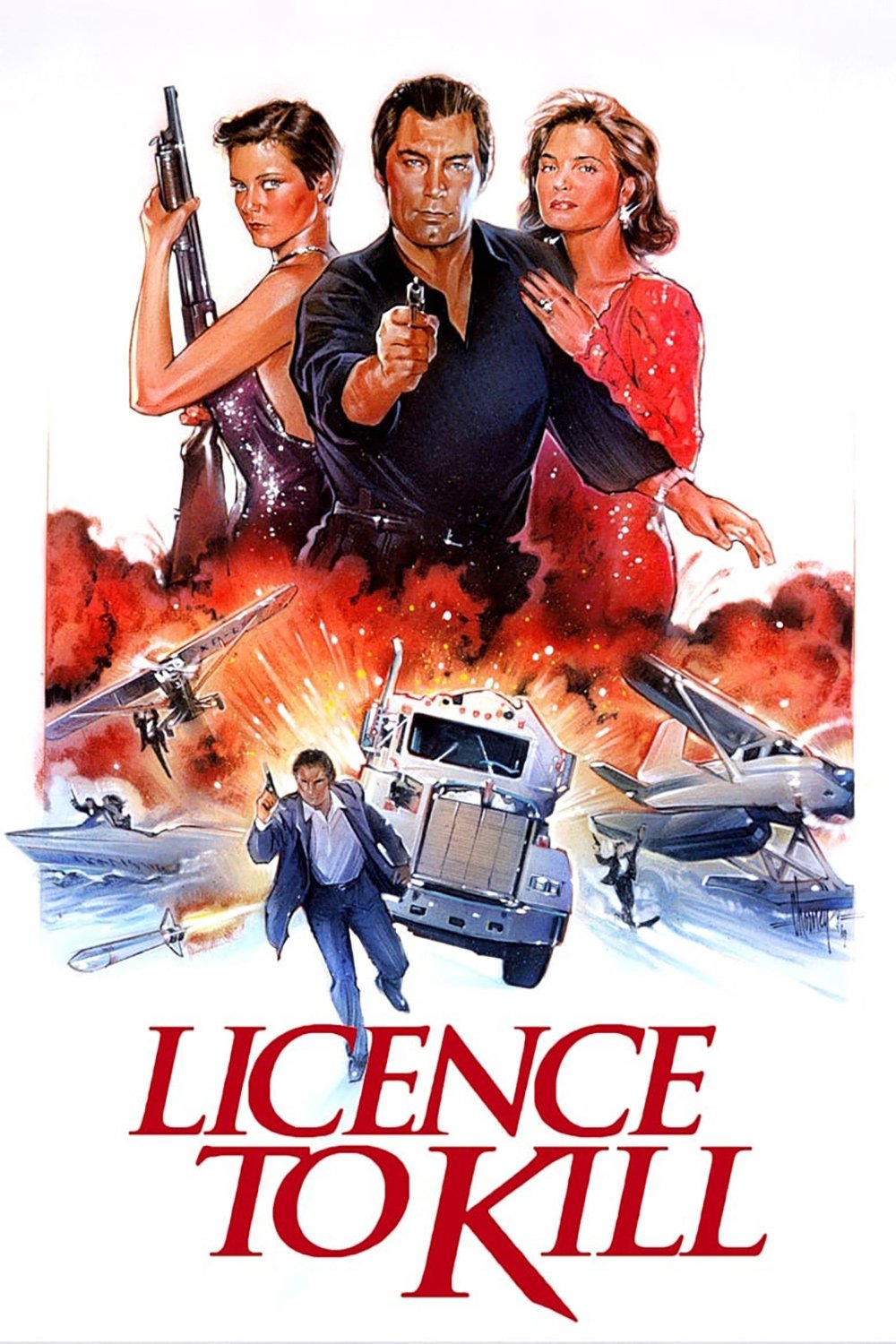
This James Bond film starring Timothy Dalton was originally given the title “Licence Revoked.” This title is a key plot point in the movie, as Bond has his official license to kill taken away by MI6. The title was used in all the early promotional materials for the film.
However, the studio decided to change it after getting feedback from American test audiences. They found that many people in the U.S. did not understand the meaning of the word “revoked.” To avoid confusion, the title was changed to the more direct and aggressive “Licence to Kill,” which was easier for everyone to understand.
Final Destination (2000)
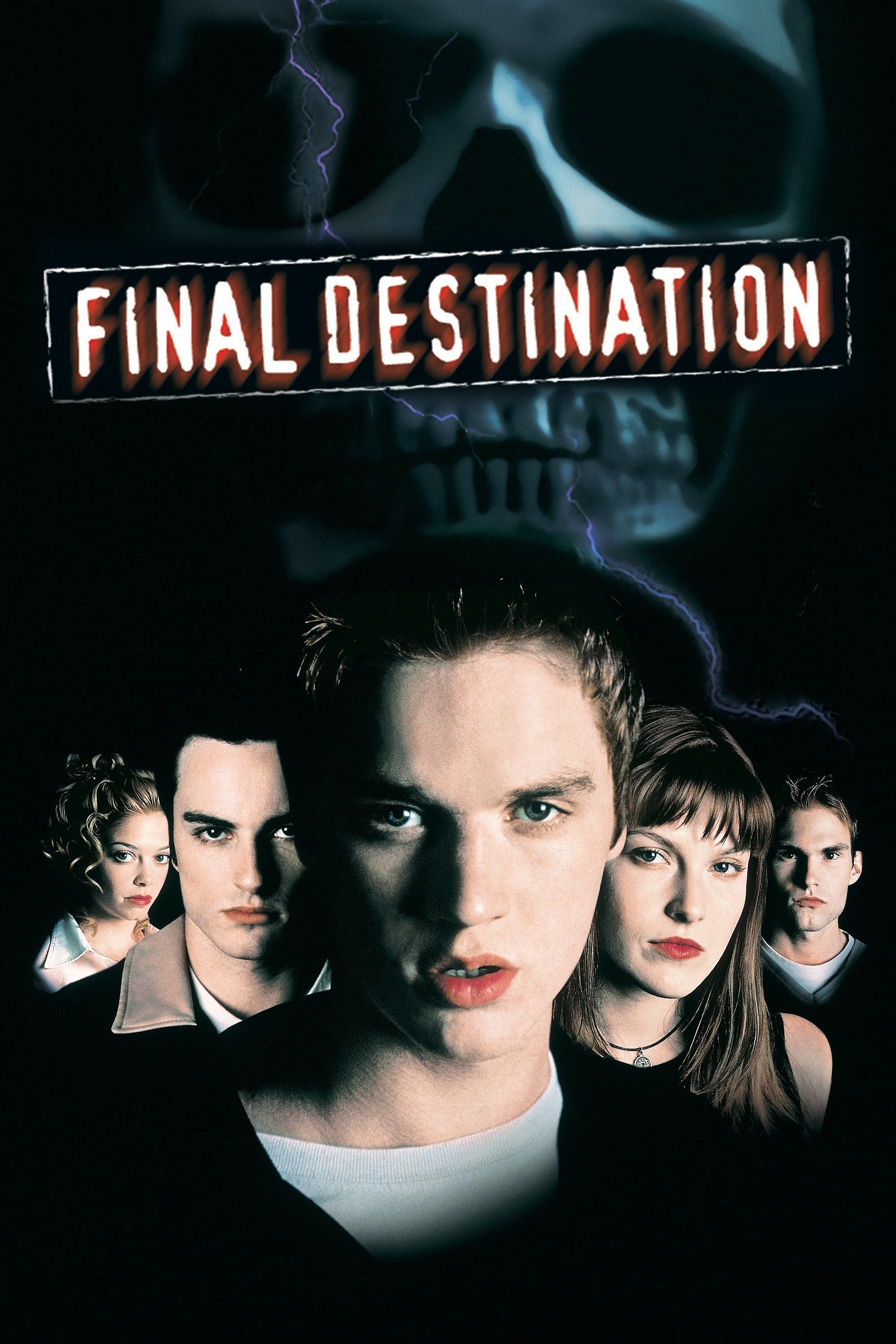
This hit horror film began its life with the title “Flight 180.” The script was originally written as an episode for the TV show “The X-Files.” The title referred to the airplane flight that the main characters avoid at the beginning of the movie. It was a simple and descriptive title for the story’s setup.
When the script was turned into a movie, the title was changed to “Final Destination.” The new title was much more effective for a horror movie. Instead of just referring to the first event, it hinted at the larger, more terrifying theme of the film: that you can’t escape death. The new title was broader and more ominous.
Hitch (2005)
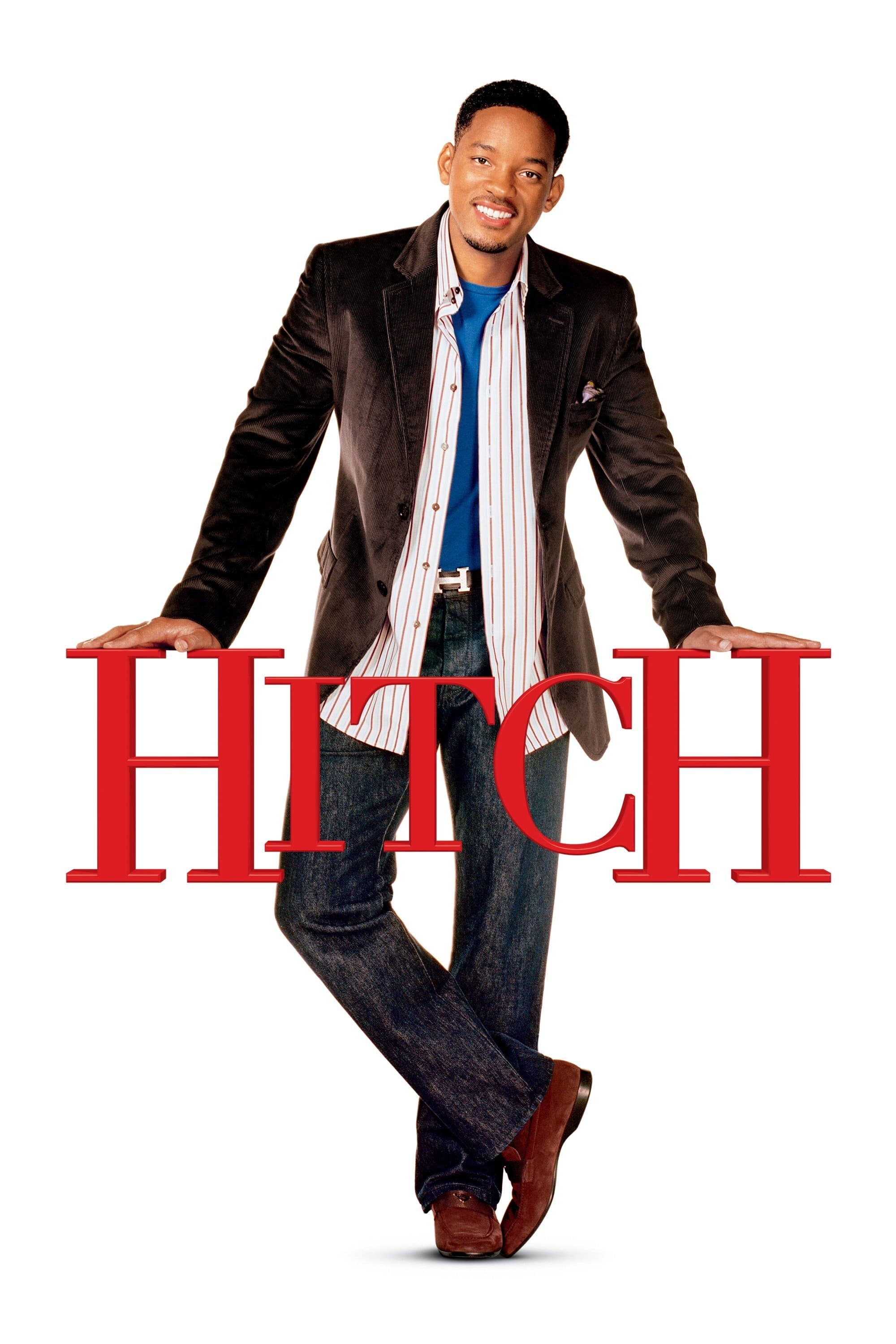
The romantic comedy starring Will Smith as a professional “date doctor” was not always called “Hitch.” For much of its development, the movie’s title was “The Last First Kiss.” This title was meant to sound romantic, suggesting that the main character helps people find true love.
However, the studio and filmmakers eventually decided that “The Last First Kiss” was a bit forgettable and didn’t stand out. They changed the title to “Hitch,” the main character’s nickname. The new title was shorter, catchier, and put the focus directly on Will Smith’s charming character, which was the movie’s biggest selling point.
Cloverfield (2008)
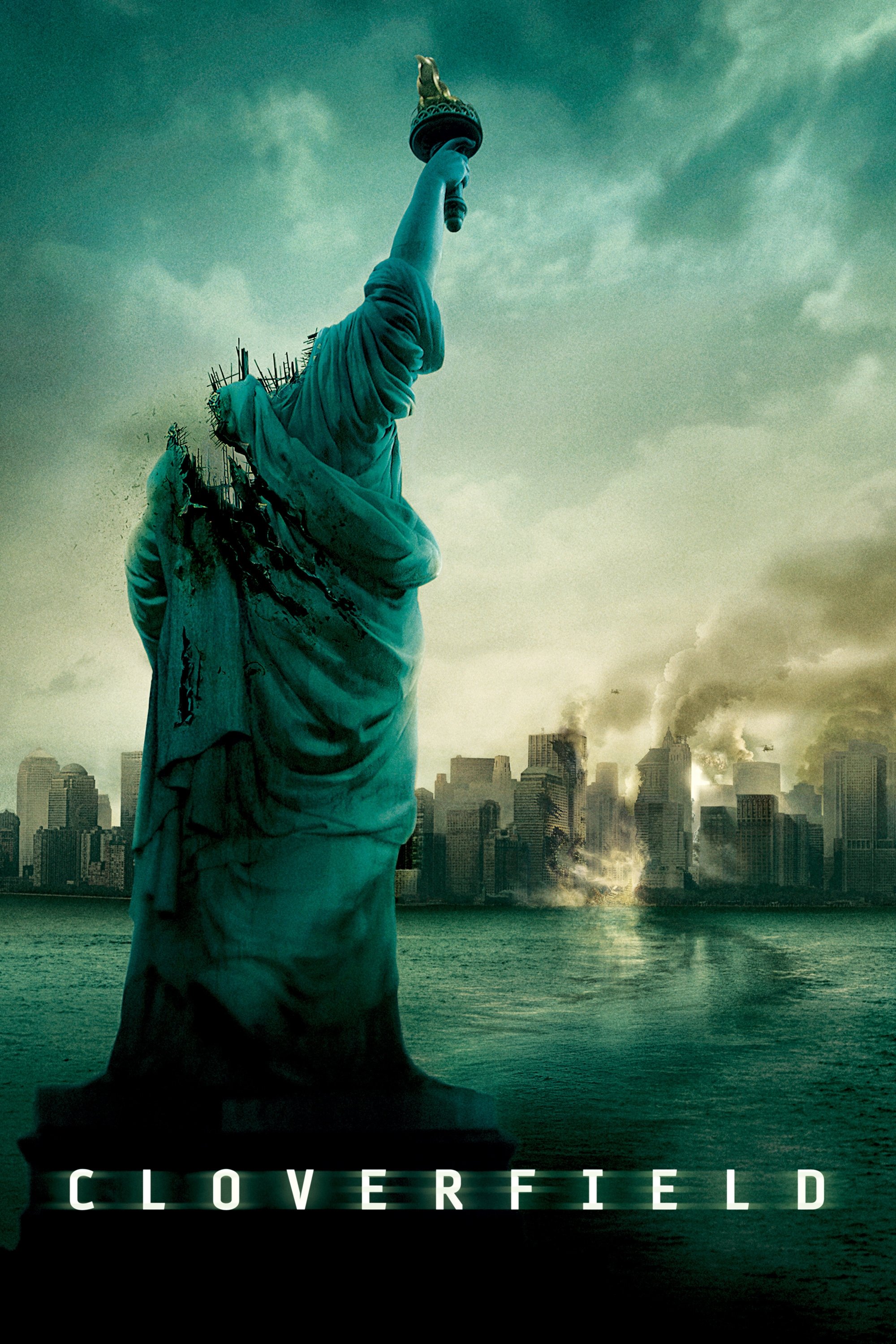
This found-footage monster movie was famous for its secretive marketing. To keep the plot a secret, the production used several different working titles. For a long time, fans following the movie’s development knew it only by the release date, “1-18-08,” or by strange code names like “Slusho.”
The final title, “Cloverfield,” was the name of the street where the producer, J.J. Abrams, used to have an office. The mysterious titles were part of a viral marketing campaign designed to get fans talking and speculating online. This strategy worked perfectly, building huge amounts of buzz before anyone even knew what the movie was really about.
Yesterday (2019)
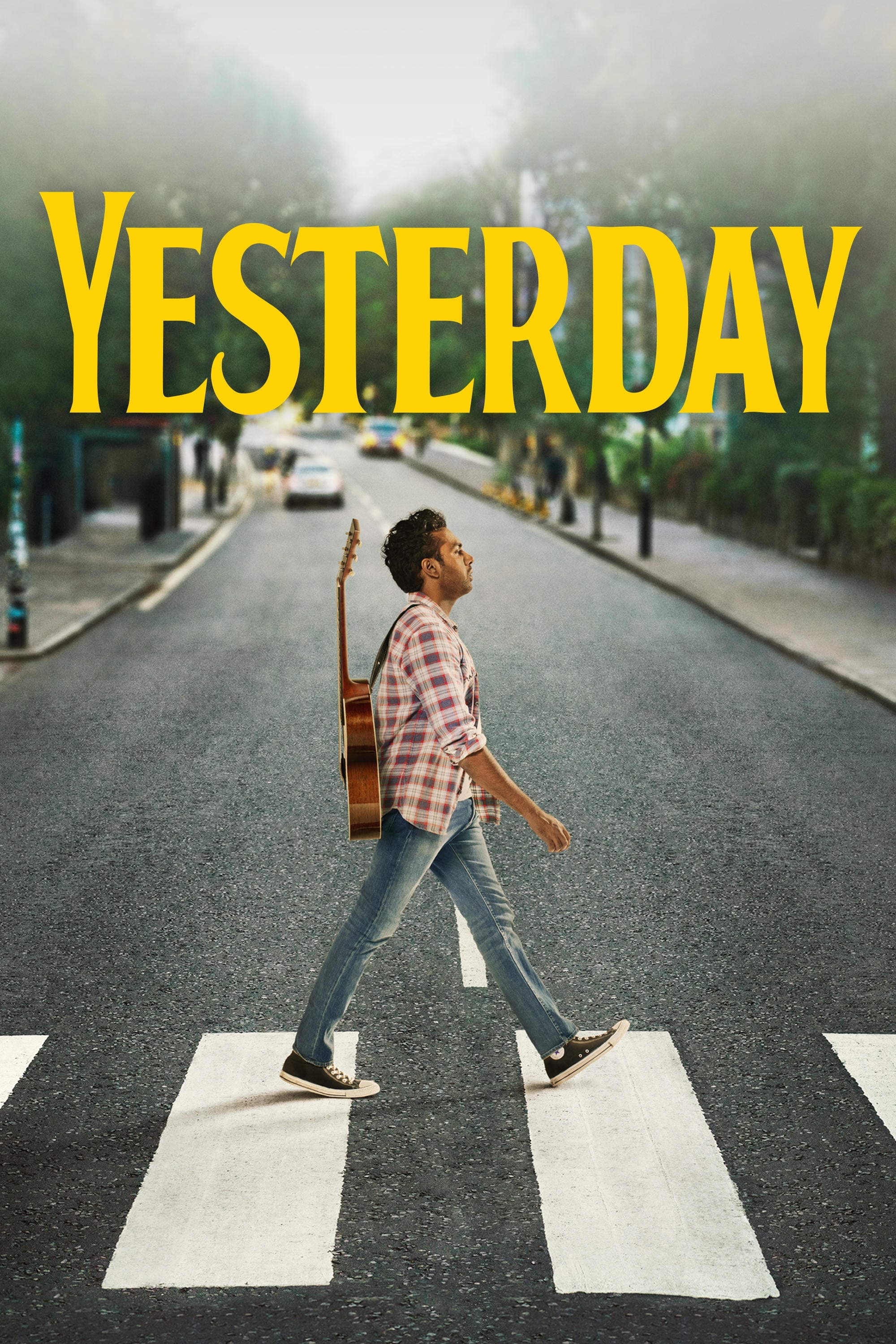
This fantasy-comedy is about a musician who wakes up in a world where no one else remembers The Beatles. The original title for the film was “Cover Version,” which referred to the main character performing Beatles songs as if they were his own. The title was clever, but the studio was worried it was too obscure.
The title was changed to “Yesterday,” after one of the most famous Beatles songs in the world. This new title was instantly recognizable and made the connection to the band’s music very clear to a mass audience. It was a much safer and more effective title for marketing the movie globally.
Furious 7 (2015)
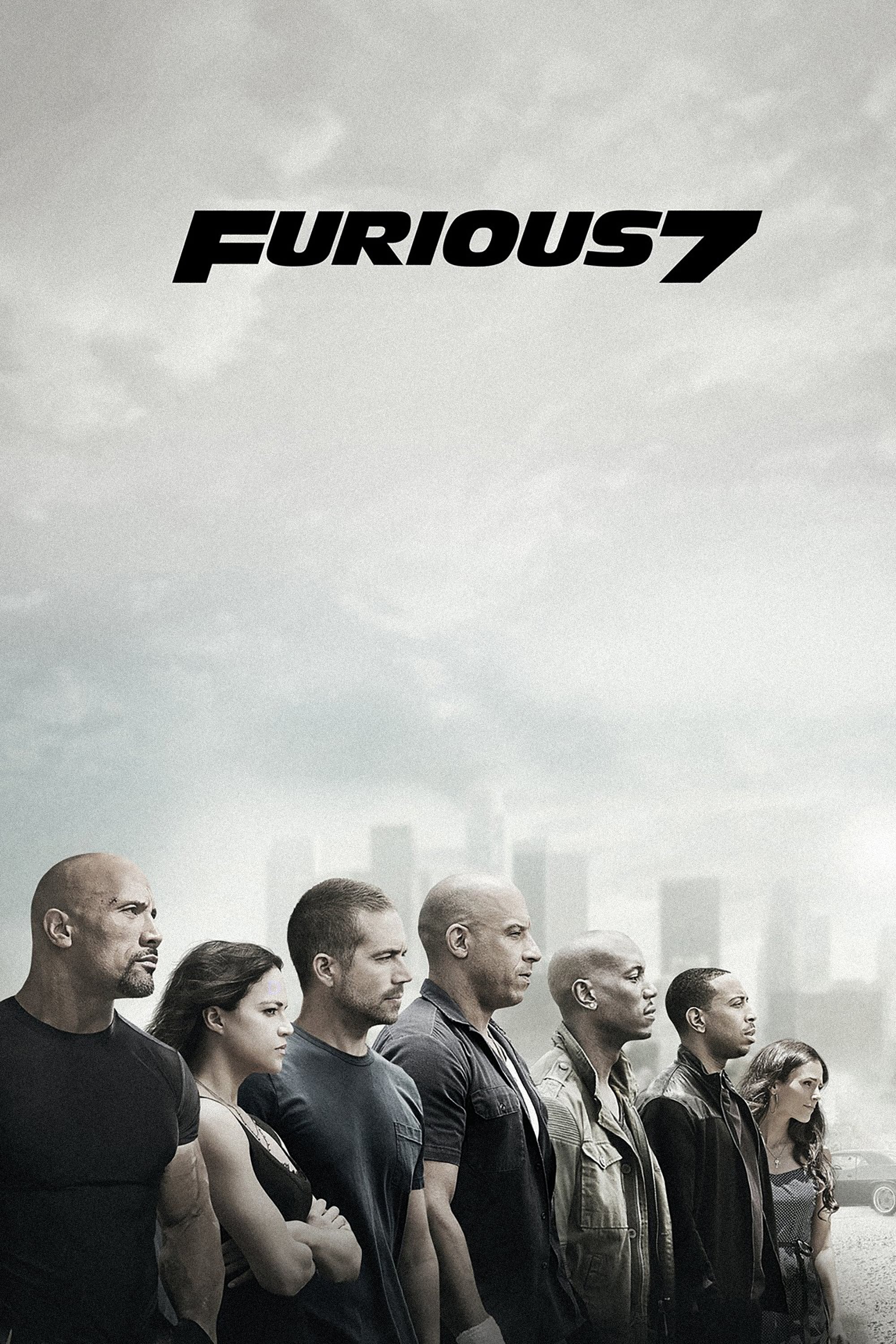
The “Fast & Furious” movie series is known for changing its title style with almost every new film. After “Fast Five” and “Fast & Furious 6,” fans were expecting the seventh movie to be called “Fast & Furious 7.” Instead, the studio announced the title would be the much simpler “Furious 7.”
The change was a small one, but it showed that the studio was trying to keep the brand fresh and exciting. The shorter, punchier title reflected the franchise’s move into pure, large-scale action. The constant title variations for the series have become a talking point for fans with each new installment.
Gravity (2013)
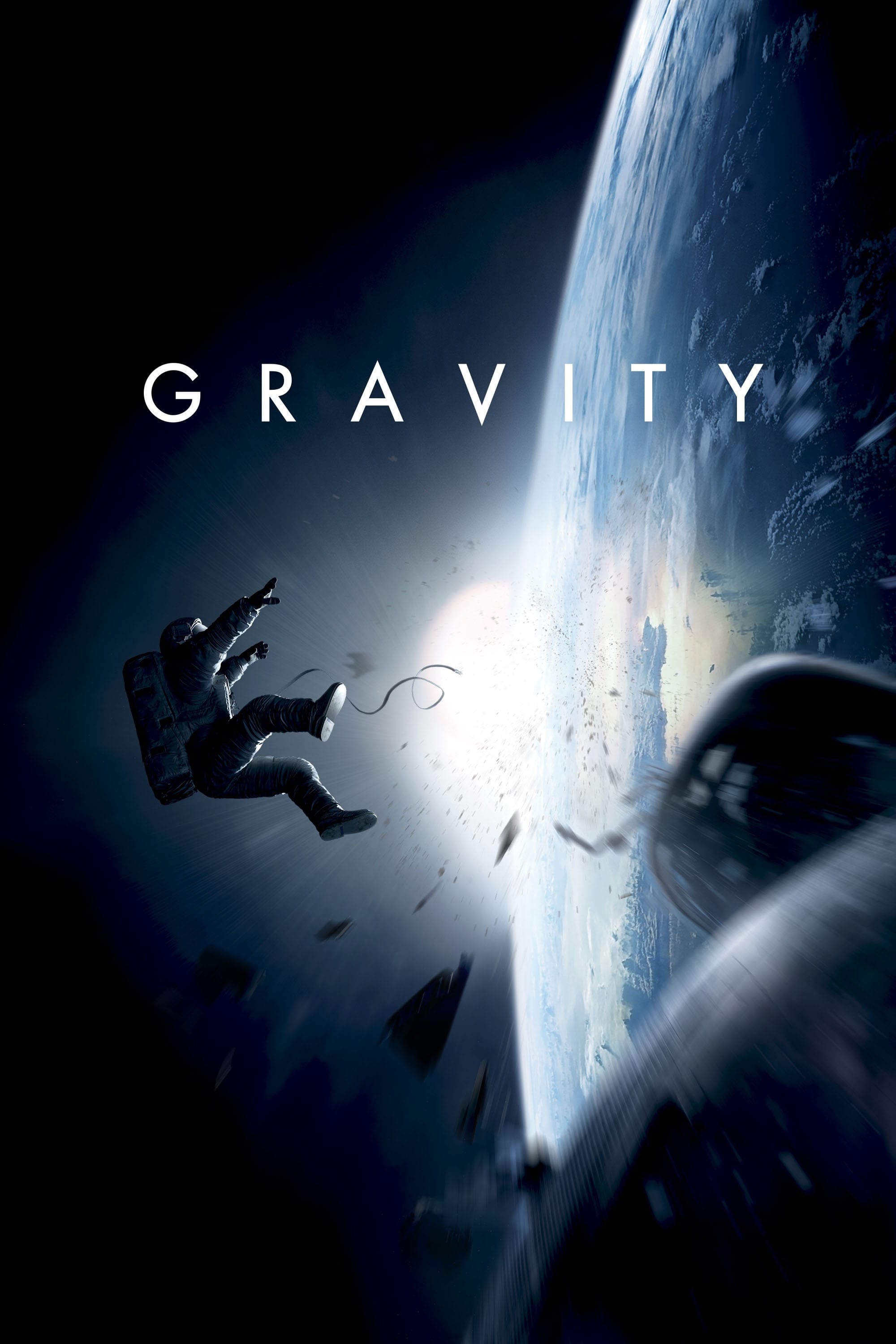
Alfonso Cuarón’s space thriller was a huge success, but it started with a very different title. The original script was called “Ground Control.” This title referenced the communication between astronauts and the mission controllers on Earth. It was a functional title but lacked a strong emotional impact.
The title was changed to “Gravity,” which is a much more powerful and meaningful choice. “Gravity” refers not only to the physical force that the astronauts are trying to escape but also to the emotional and psychological weight of their situation. The new title was more poetic and captured the deeper themes of the film.
Zootopia (2016)
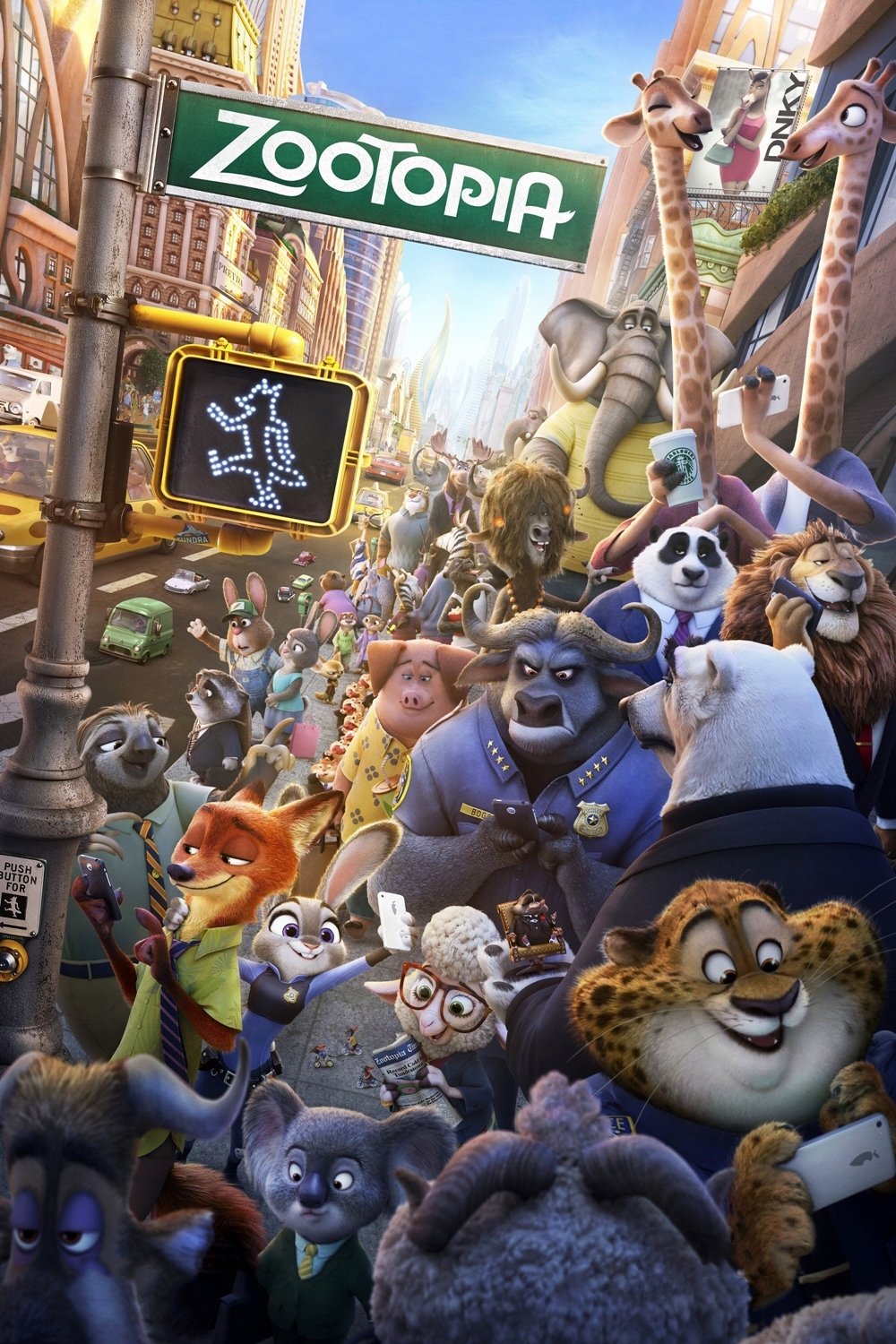
The animated Disney hit about a city of animals was released in the United States as “Zootopia.” This title is a combination of the words “zoo” and “utopia.” However, in many other countries, including the United Kingdom, Ireland, and Spain, the movie was titled “Zootropolis.” The new title combines “zoo” with “metropolis.”
The reason for the change was never officially confirmed by Disney. The most common theory is that there was a copyright or trademark issue with the name “Zootopia” in certain European countries. To avoid any legal problems, the studio simply created a new title that was very similar for use in those regions.
Casablanca (1942)
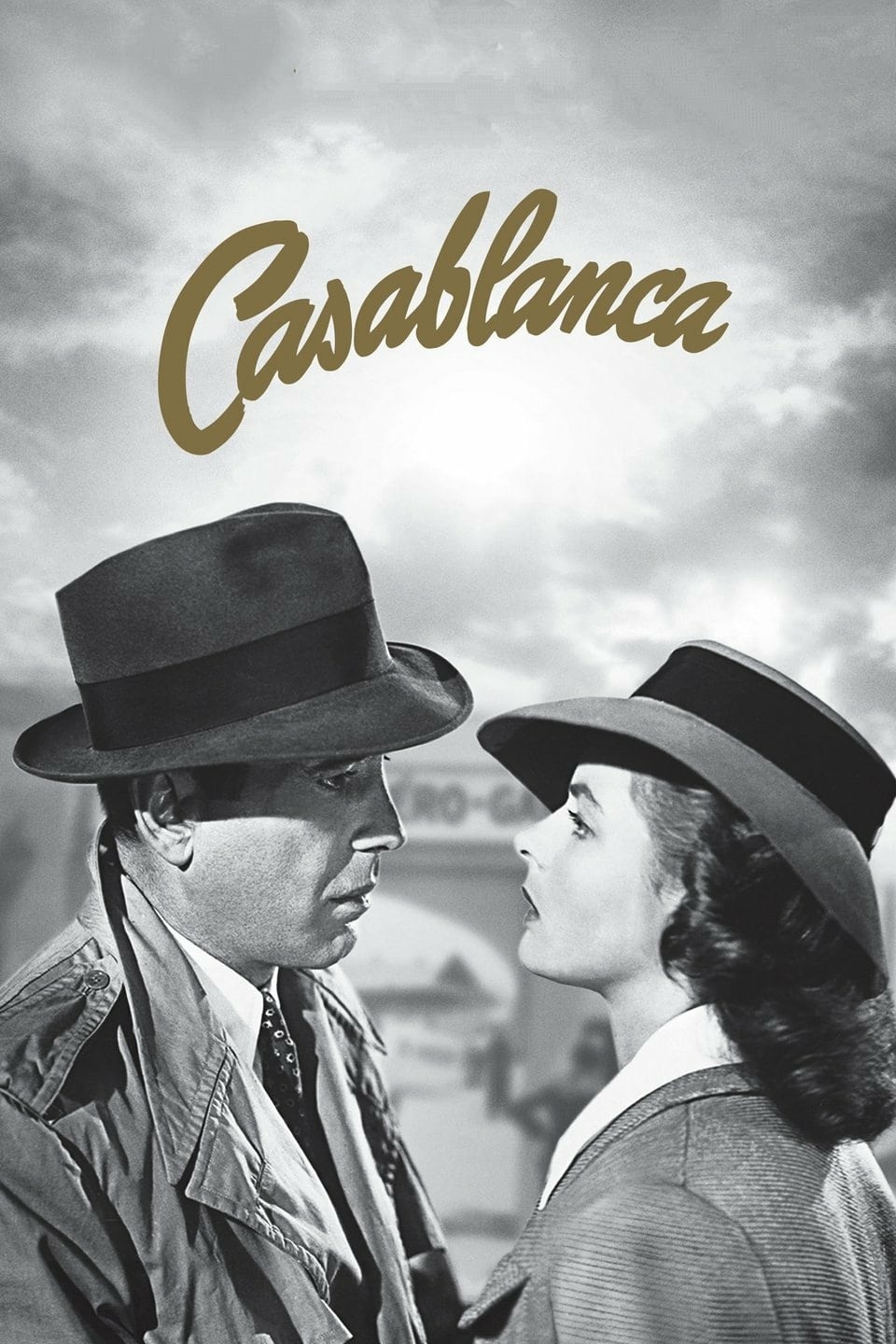
One of the most famous movies of all time was based on a play that had a much less memorable title. The play was called “Everybody Comes to Rick’s.” The title referred to the name of the main character, Rick Blaine, and the cafe that he owns in the film.
The studio changed the title to “Casablanca,” the name of the city where the story takes place. This new title sounded more exotic, romantic, and mysterious. It gave the film a sense of classic Hollywood glamour that the original title lacked. The change proved to be a brilliant decision, contributing to the movie’s legendary status.
The Huntsman: Winter’s War (2016)
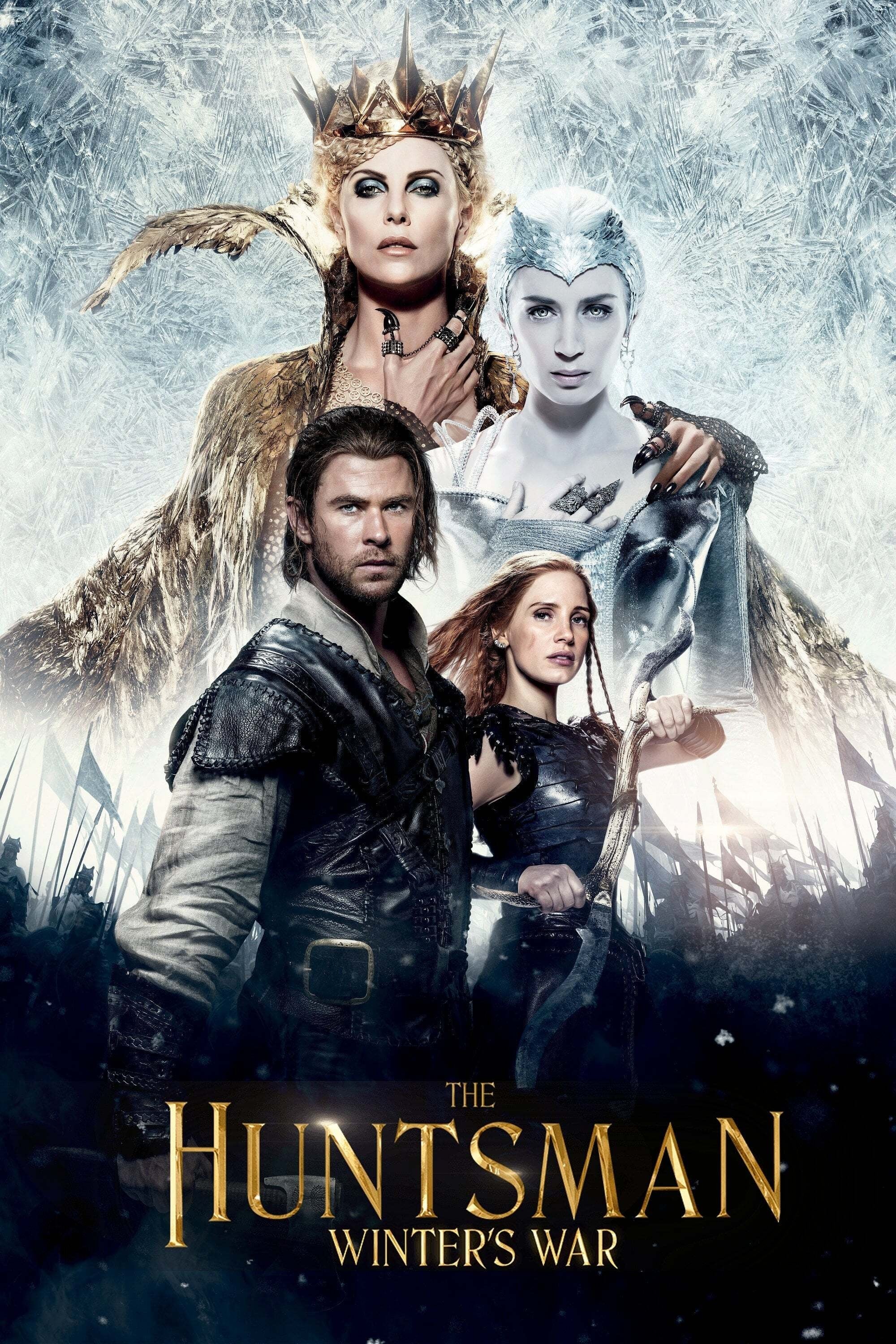
This film was a sequel to “Snow White and the Huntsman,” but it focused on Chris Hemsworth’s character, the Huntsman. The title was an attempt to continue the franchise without its original main star, Kristen Stewart. However, the title was seen as long and confusing by many fans.
Viewers were not sure if the movie was a prequel or a sequel, and the title didn’t make it clear. Critics and audiences felt the title was awkward and a sign that the studio was not sure how to market the film. The confusing title likely contributed to the movie’s disappointing performance at the box office.
American Sniper (2014)
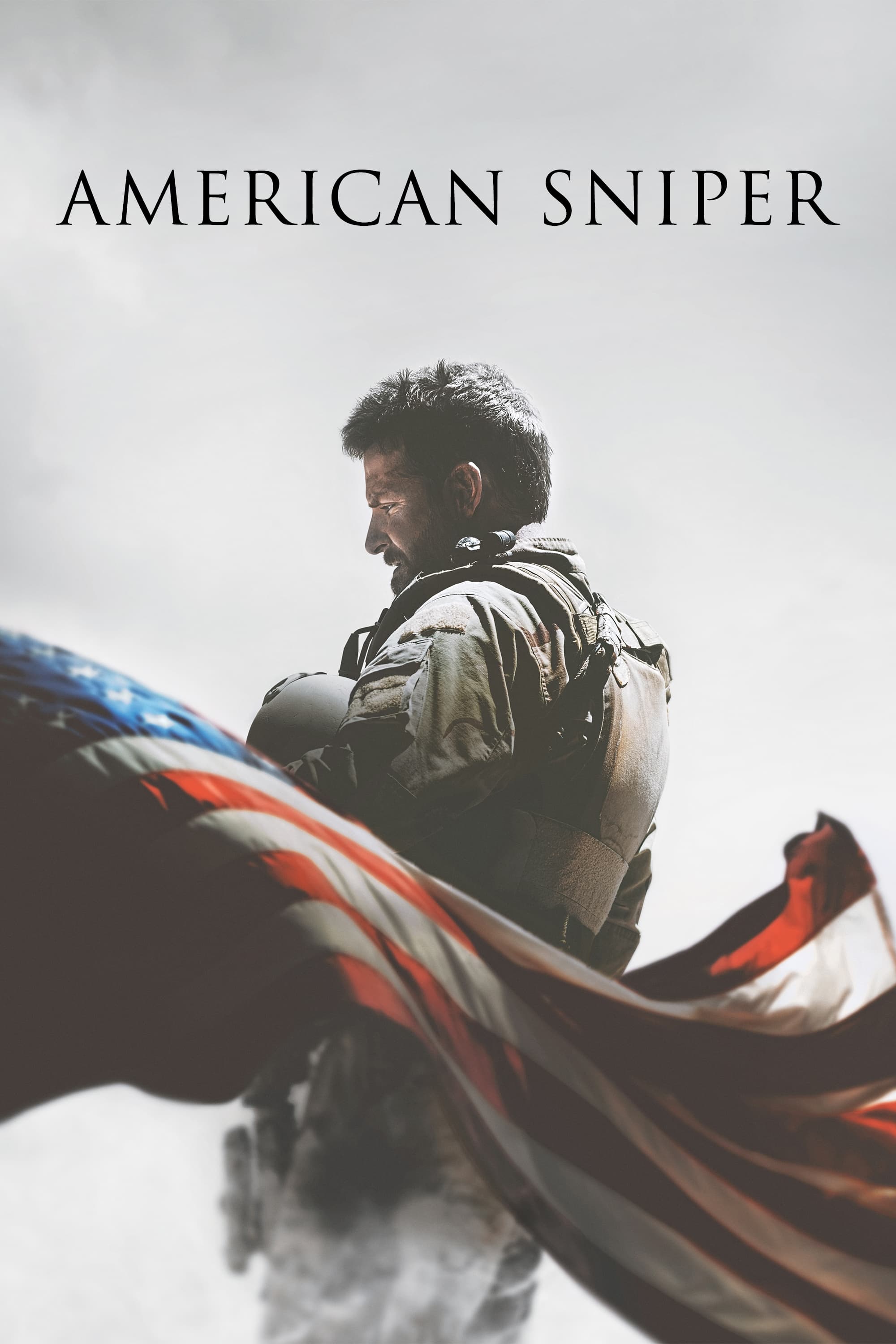
This biographical war film directed by Clint Eastwood was based on the life of Navy SEAL Chris Kyle. During its development, the movie could have ended up with a more generic title, like “Sniper” or “The Legend.” However, the studio decided to stick closely to the source material.
The film was named “American Sniper,” the same title as Chris Kyle’s autobiography. This decision connected the movie directly to the best-selling book, which already had a large and dedicated audience. It was a smart move that used the book’s popularity to attract viewers and gave the film a strong, clear identity.