Movies from 1974 That Are Now Considered Classics


The year 1974 was a significant time in filmmaking. The “New Hollywood” era was in full swing, a time when directors had more creative control. This led to a wave of movies that were personal, daring, and often broke with old traditions. The result was a collection of films that not only captured the attention of audiences and critics at the time but have also endured to become timeless classics. These movies explored complex themes and pushed the boundaries of storytelling, leaving a lasting impact on cinema.
From gritty crime dramas to groundbreaking comedies and chilling horror films, 1974 offered a diverse range of cinematic experiences. It was a year that saw established directors solidify their legacies and new talents emerge on the scene. Many of these films are still celebrated today for their innovative techniques, powerful performances, and compelling narratives. They continue to influence filmmakers and entertain audiences, proving that great filmmaking is truly timeless.
The Godfather Part II (1974)
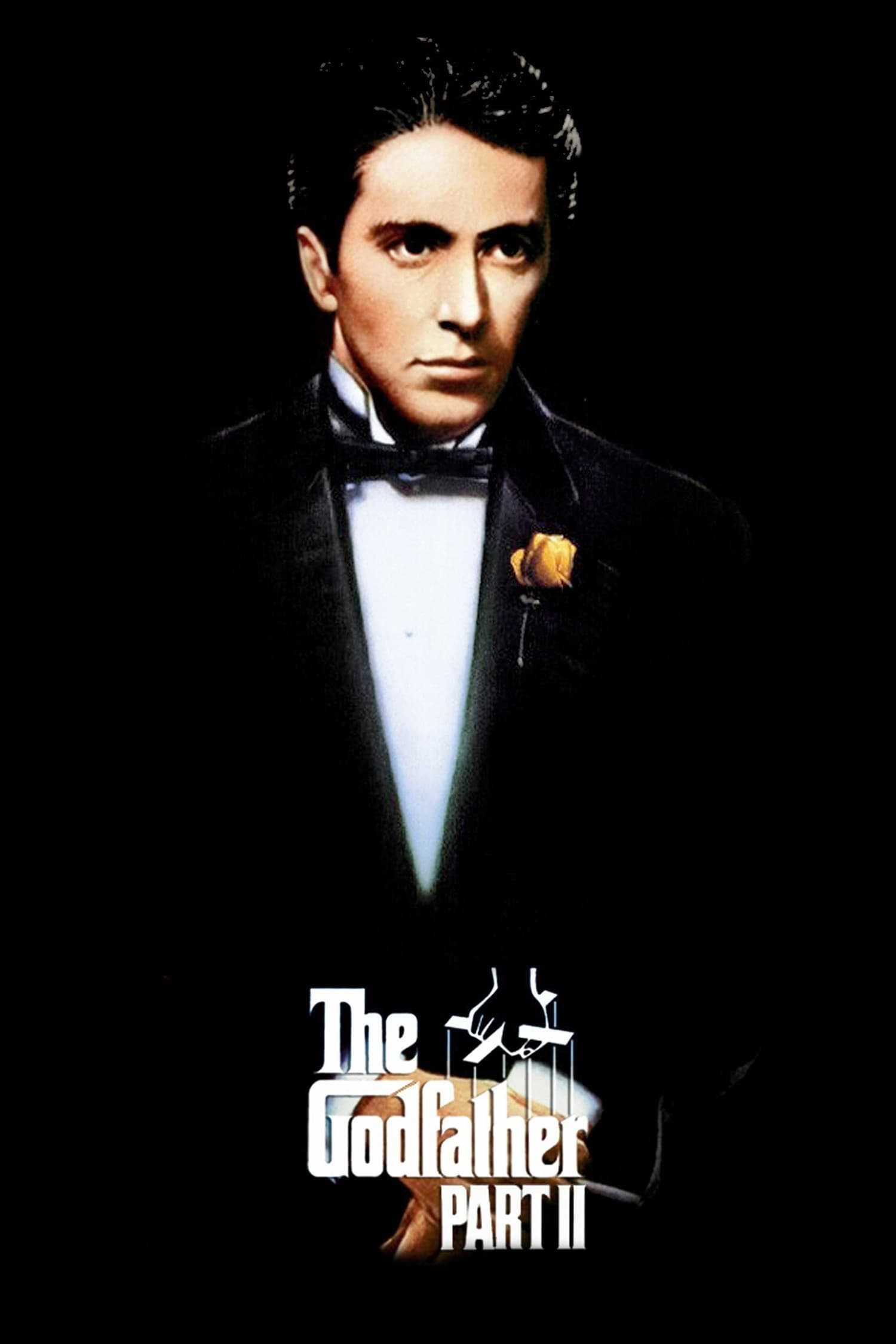
Francis Ford Coppola’s sequel to his epic crime film is a rare case of a second installment that many consider equal to, or even better than, the original. The film brilliantly continues the story of Michael Corleone as he expands his family’s criminal empire. At the same time, it tells the backstory of his father, Vito Corleone, showing his rise from a young immigrant to a powerful mob boss. This dual narrative provides a rich and complex look at the Corleone family.
The movie was a major success, winning six Academy Awards, including Best Picture—the first sequel ever to do so. The performances by Al Pacino as Michael and Robert De Niro as the young Vito are iconic. The film’s exploration of power, family, and betrayal has made it a benchmark in cinematic history. Its influence can be seen in countless crime dramas that have followed.
Chinatown (1974)
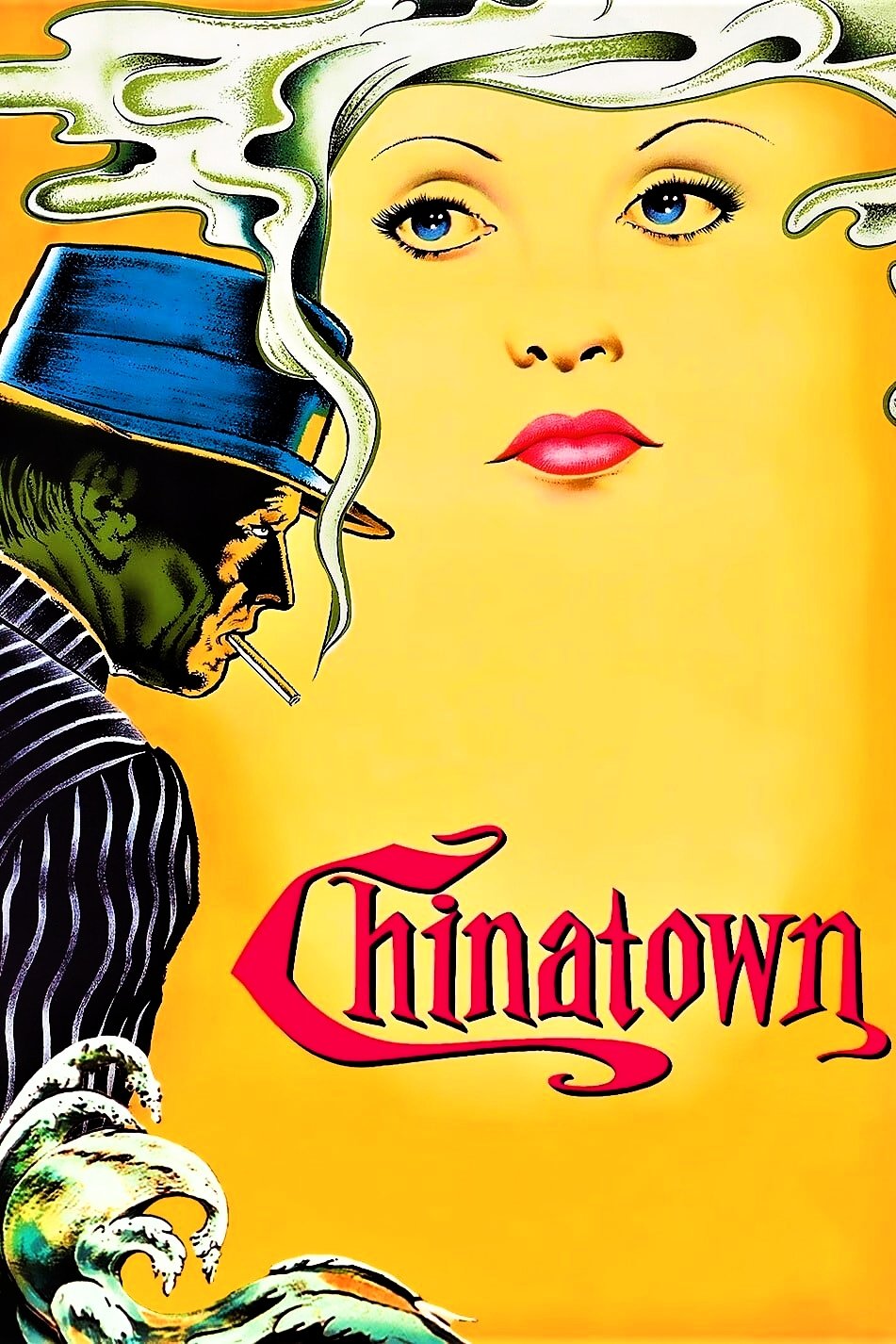
This neo-noir mystery directed by Roman Polanski is a masterclass in storytelling and atmosphere. Set in 1930s Los Angeles, the film follows private investigator J.J. “Jake” Gittes, played by Jack Nicholson, as he is hired to investigate an affair. What starts as a simple case quickly spirals into a complex web of deceit, corruption, and murder. The story is known for its intricate plot and its now-famous, deeply cynical ending.
Chinatown is often praised for its brilliant screenplay, which is considered one of the best ever written. The film captures the look and feel of classic film noir while adding a modern, more pessimistic twist. Jack Nicholson’s performance is a career highlight, and the film’s themes of corruption and the dark side of power still resonate with audiences today.
The Conversation (1974)
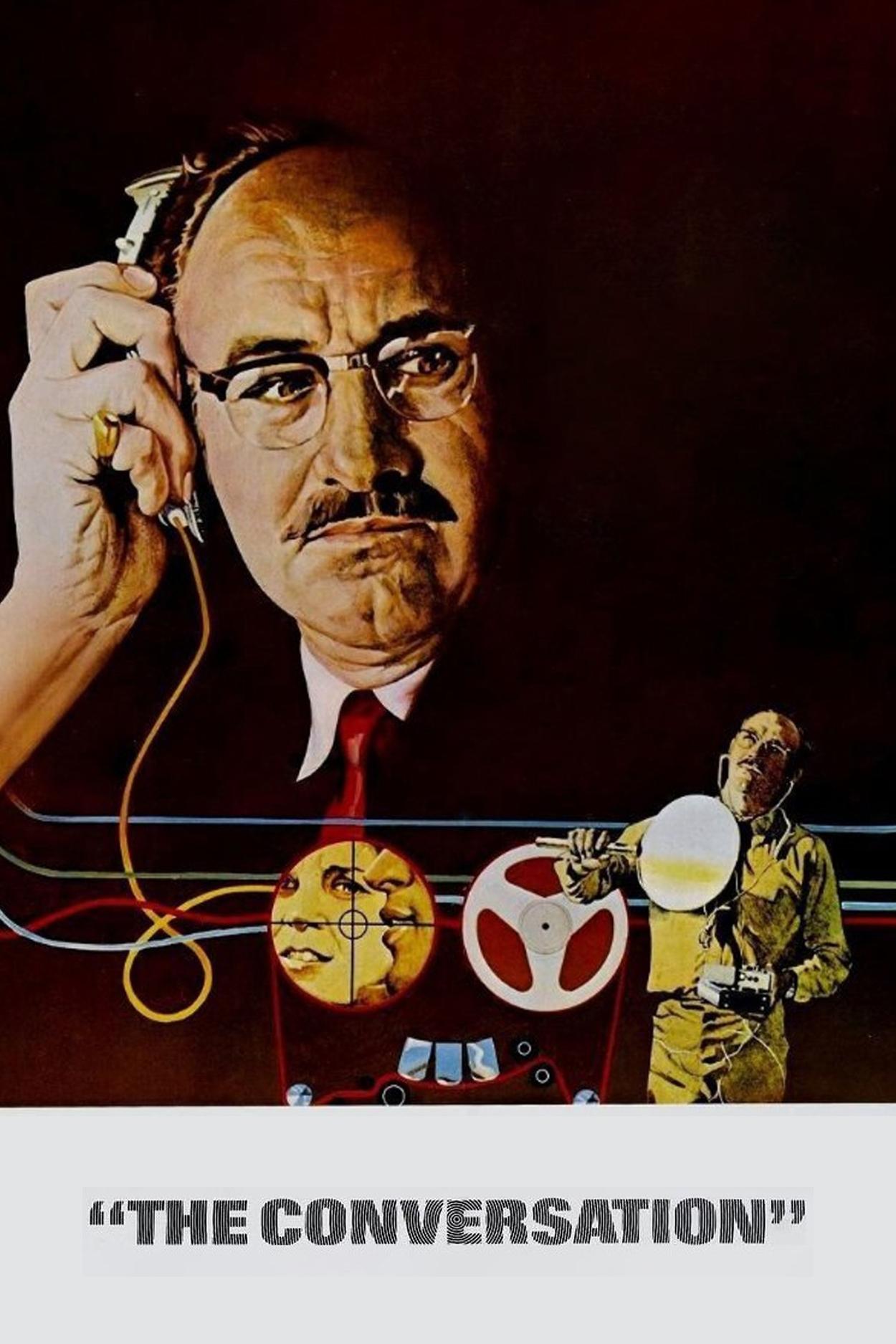
Another masterpiece from Francis Ford Coppola in the same year, The Conversation is a gripping psychological thriller. The film stars Gene Hackman as Harry Caul, a paranoid and secretive surveillance expert who becomes obsessed with a recording he made of a young couple. As he listens to their conversation over and over, he begins to believe he has uncovered a murder plot and becomes entangled in the mystery.
Made during the Watergate era, the film tapped into a growing public anxiety about surveillance and privacy. Gene Hackman’s performance as the isolated and guilt-ridden Caul is incredibly powerful. The Conversation is a taut and suspenseful film that relies on sound design and subtle details to build tension, making it a standout thriller of the 1970s.
Blazing Saddles (1974)
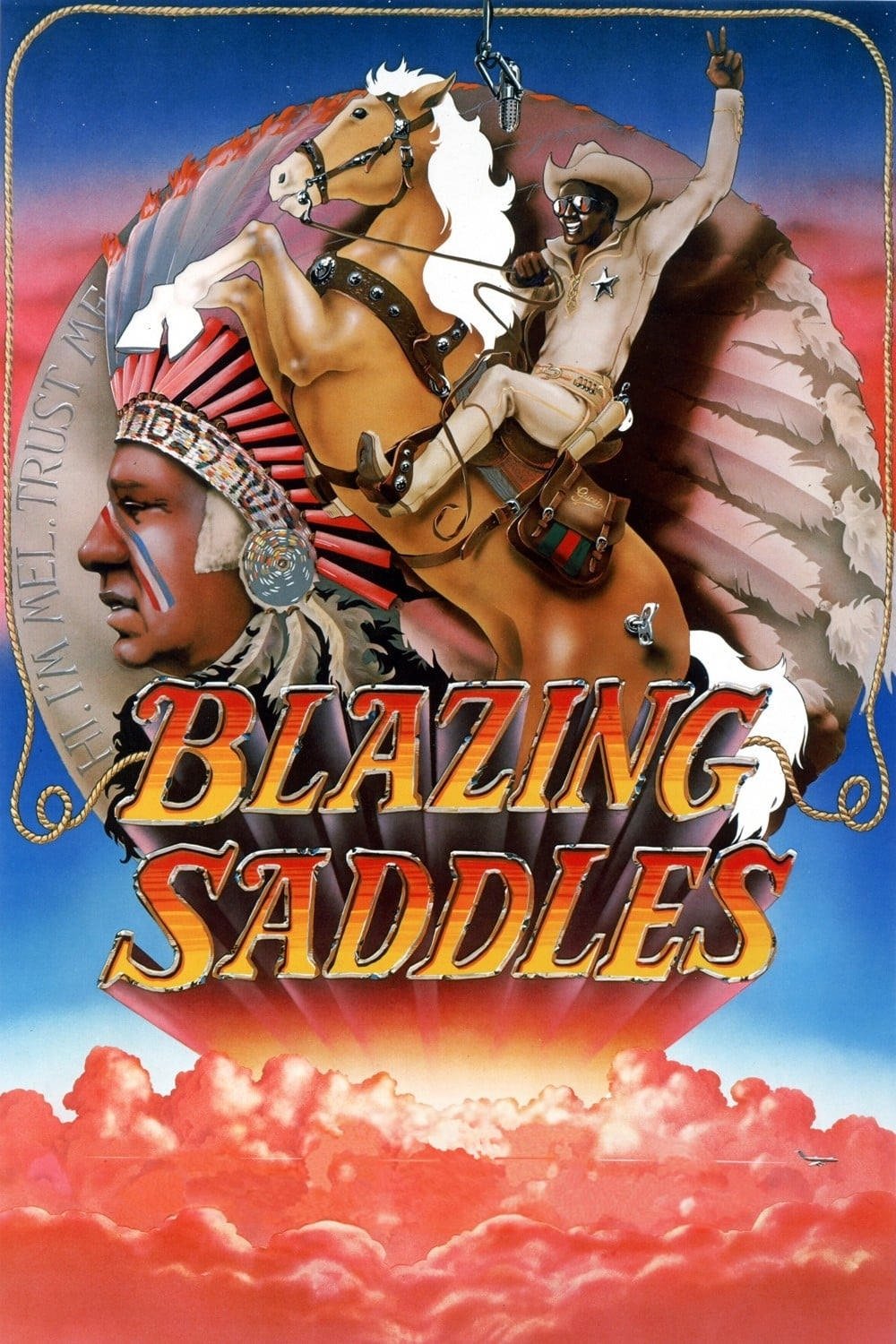
Mel Brooks delivered one of the most audacious and hilarious comedies of all time with Blazing Saddles. The film is a satirical take on the classic Western, following the story of a Black sheriff appointed to a racist town in the Old West. The movie is filled with rapid-fire jokes, breaking the fourth wall, and social commentary that was bold for its time.
Blazing Saddles pushed the boundaries of comedy and is celebrated for its fearless take on racism and Hollywood stereotypes. The cast, including Cleavon Little, Gene Wilder, and Harvey Korman, delivers unforgettable performances. Despite its controversial humor, or perhaps because of it, the film has become a beloved classic, frequently cited as one of the funniest movies ever made.
Young Frankenstein (1974)
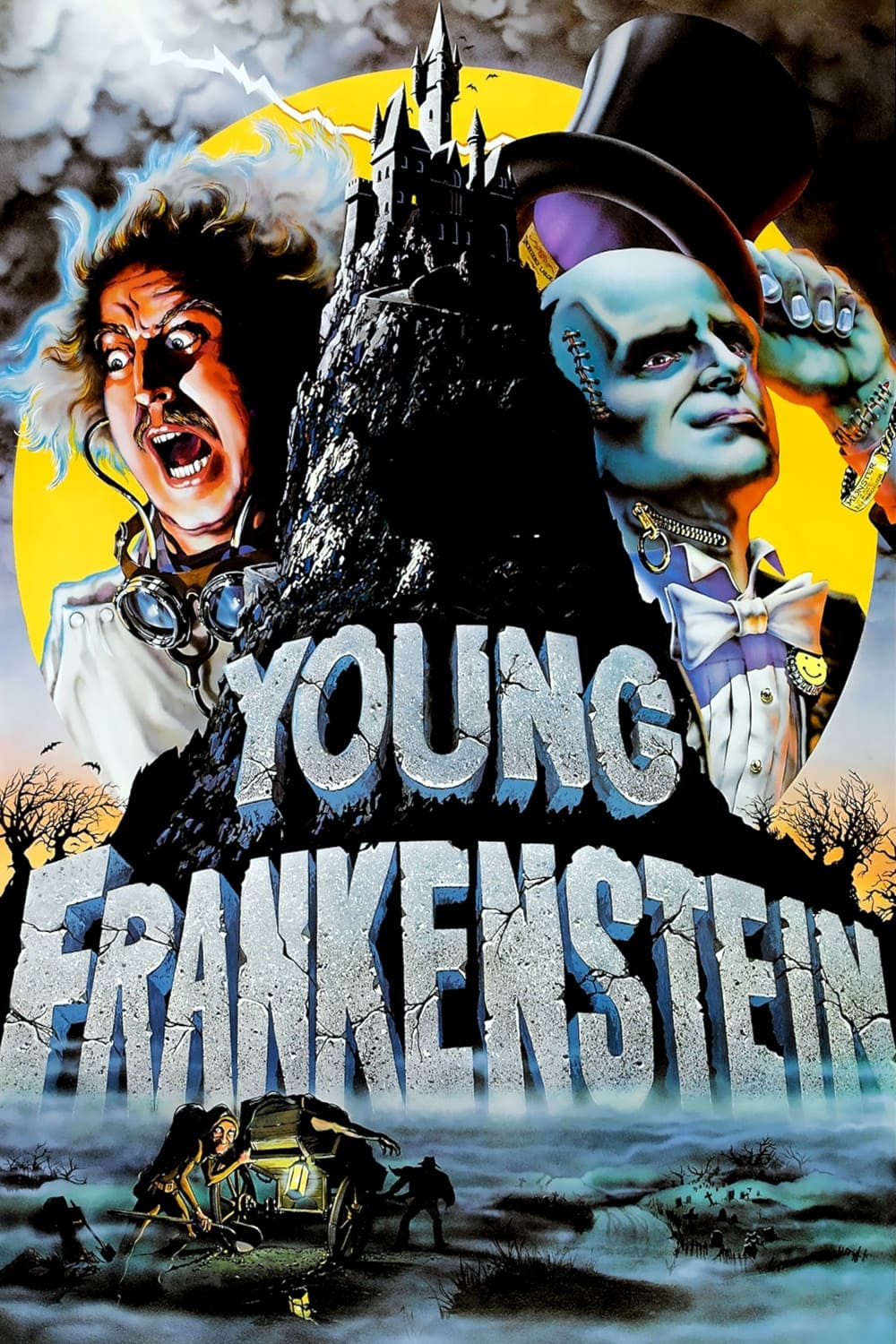
In the same year as Blazing Saddles, Mel Brooks also released this loving parody of classic horror films. Young Frankenstein stars Gene Wilder as the grandson of the infamous Dr. Frankenstein, who inherits his family’s castle and is drawn into his ancestor’s experiments. The film is a masterful tribute to the Universal horror movies of the 1930s, even using some of the original props from the 1931 Frankenstein.
Shot in black and white to perfectly mimic the style of the old horror classics, the film is both a hilarious comedy and a heartfelt homage. The chemistry between Gene Wilder, Marty Feldman as Igor, and Peter Boyle as the Monster is a highlight. Young Frankenstein is celebrated for its clever writing, visual gags, and its ability to be both funny and genuinely cinematic.
The Texas Chain Saw Massacre (1974)
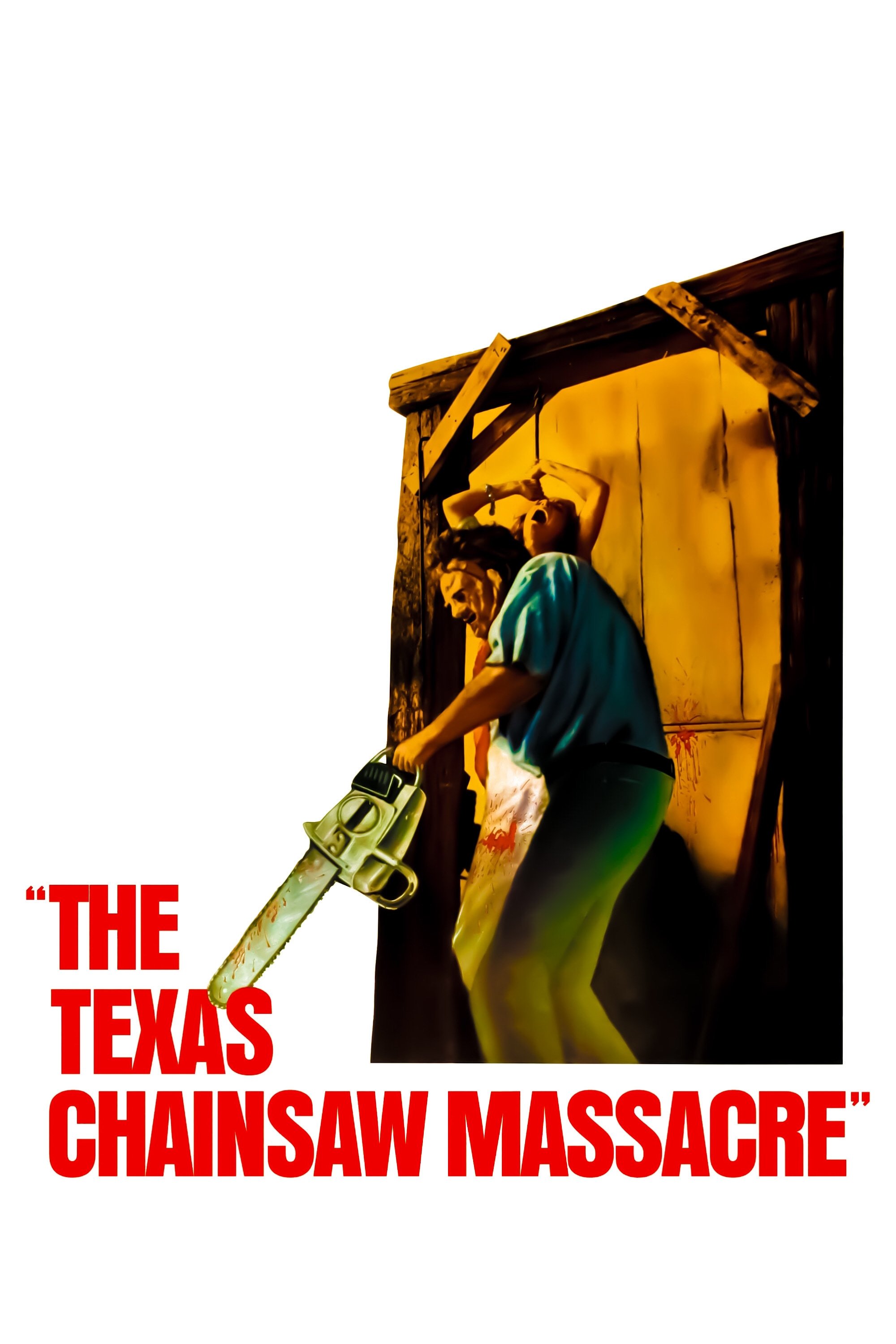
Tobe Hooper’s low-budget horror film changed the genre forever. The Texas Chain Saw Massacre follows a group of friends who fall victim to a family of cannibals in rural Texas. The film’s raw, documentary-like style and relentless terror created an experience that was unlike anything audiences had seen before. The introduction of the chainsaw-wielding Leatherface gave birth to one of horror’s most enduring icons.
Despite its title, the film features very little on-screen gore, instead relying on suggestion and atmosphere to create its terrifying effect. It has been hugely influential on the horror genre, particularly in the development of the slasher film. Its gritty realism and unsettling tone have made it a classic that continues to shock and disturb audiences.
A Woman Under the Influence (1974)
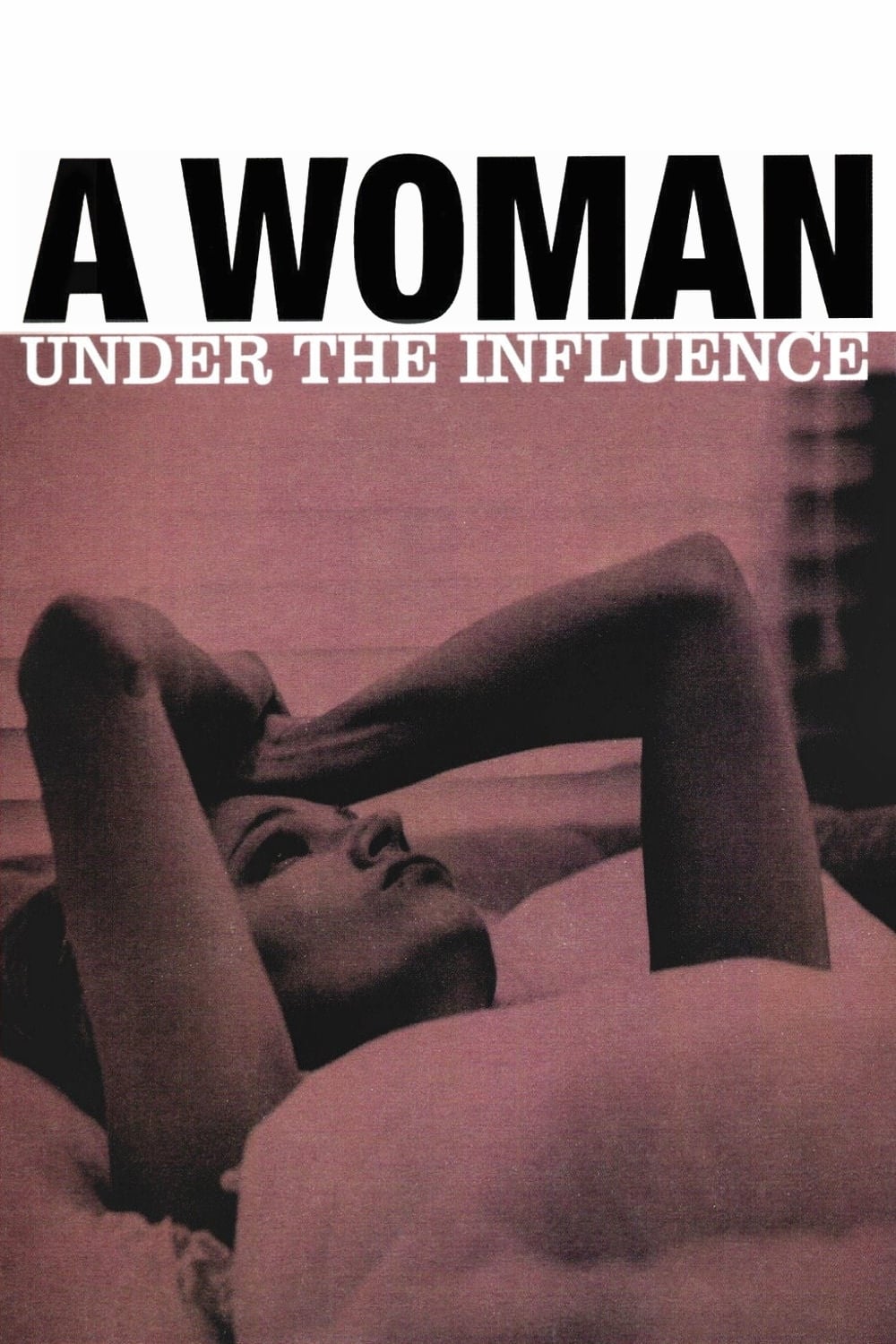
Directed by the pioneer of American independent film, John Cassavetes, A Woman Under the Influence is a powerful and unflinching look at a family in crisis. The film features a stunning performance by Gena Rowlands as Mabel, a woman whose increasingly erratic behavior puts a strain on her marriage and family. Peter Falk co-stars as her loving but overwhelmed husband, Nick.
The film is known for its raw, emotional honesty and its focus on character. Cassavetes’ improvisational style gives the performances a sense of realism that is both uncomfortable and deeply moving. Gena Rowlands’ portrayal of Mabel is considered one of the greatest acting performances in film history, and the movie remains a landmark of independent cinema.
Alice Doesn’t Live Here Anymore (1974)
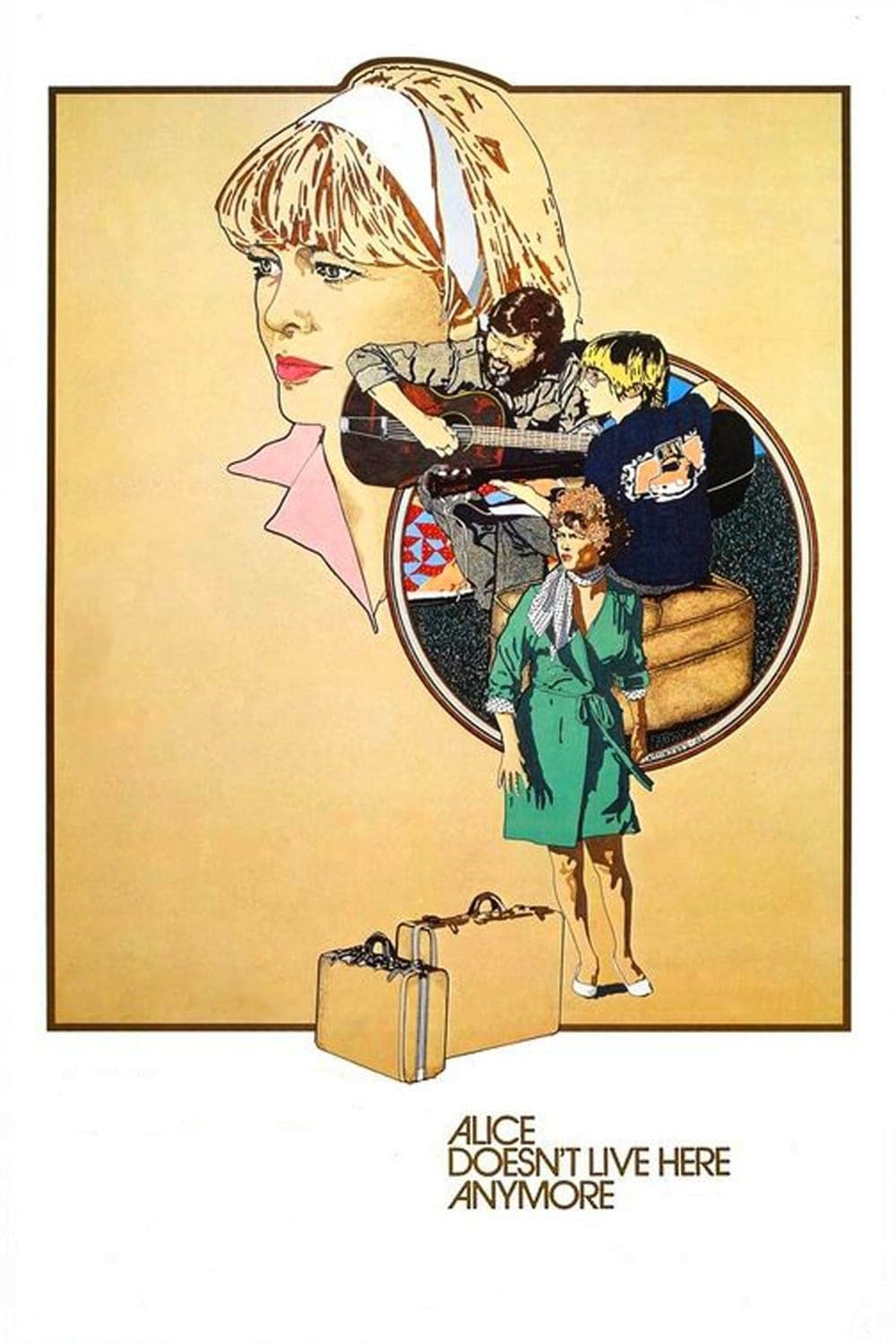
Martin Scorsese directed this poignant and often funny drama about a recently widowed woman who sets out on a cross-country journey with her young son to pursue her dream of becoming a singer. Ellen Burstyn gives an Oscar-winning performance as Alice, a woman trying to build a new life for herself and her son while dealing with the challenges of being a single parent.
The film is a heartfelt and realistic portrayal of a woman’s struggle for independence and self-discovery. It was a departure for Scorsese, who was better known for his gritty crime films, but it showcased his versatility as a director. The movie’s success also inspired the popular television sitcom Alice.
Murder on the Orient Express (1974)
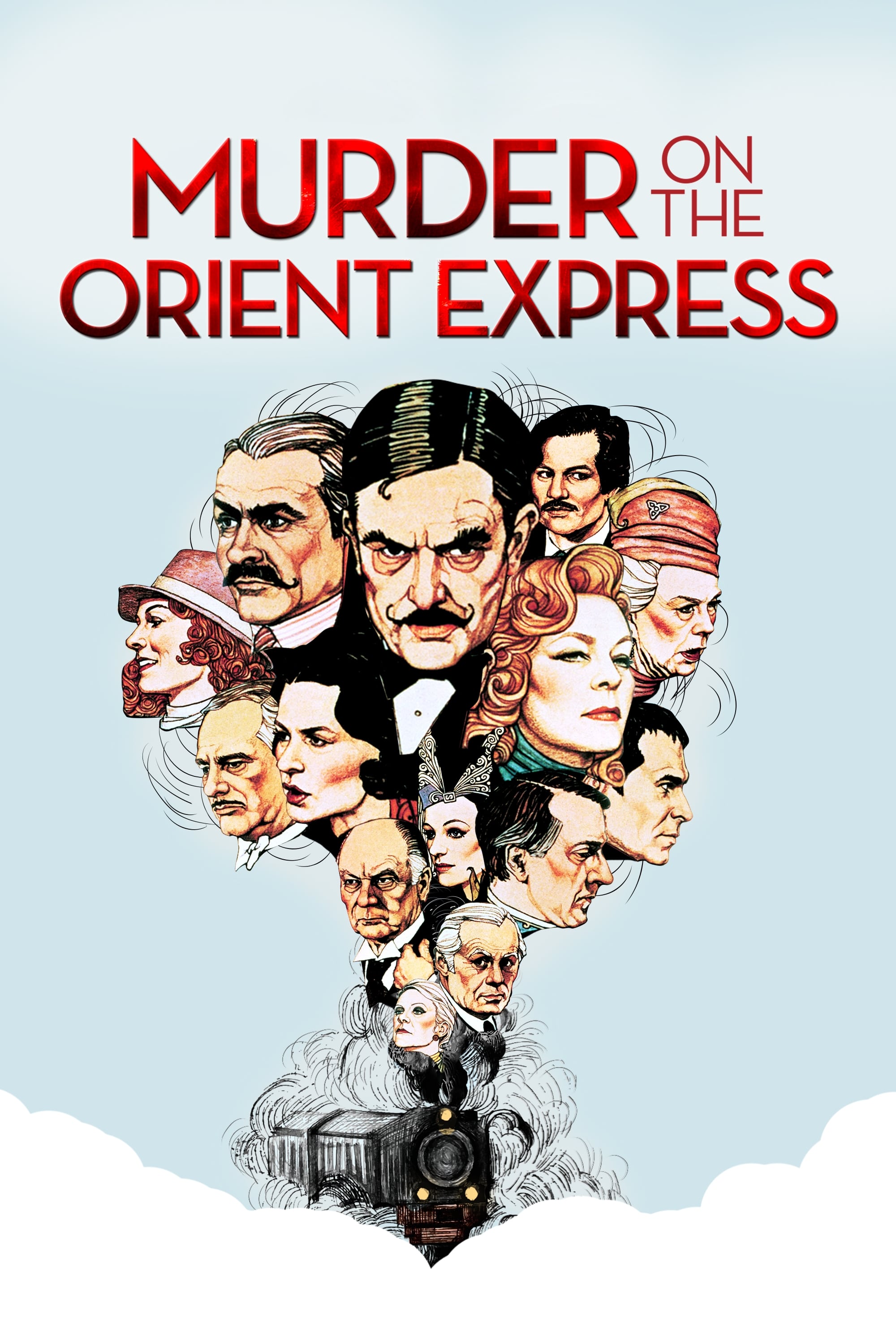
This star-studded adaptation of Agatha Christie’s famous mystery novel was a huge commercial and critical success. The film features an all-star cast, including Albert Finney as the brilliant detective Hercule Poirot, who must solve a murder that takes place on a snowbound train. The list of suspects is long, and everyone has a secret.
Directed by Sidney Lumet, the film is a lavish and entertaining whodunit that captures the glamour and intrigue of the classic detective story. The ensemble cast, which includes Lauren Bacall, Ingrid Bergman, and Sean Connery, delivers delightful performances. Ingrid Bergman won an Academy Award for her role, and the film remains a definitive version of Christie’s classic tale.
The Taking of Pelham One Two Three (1974)
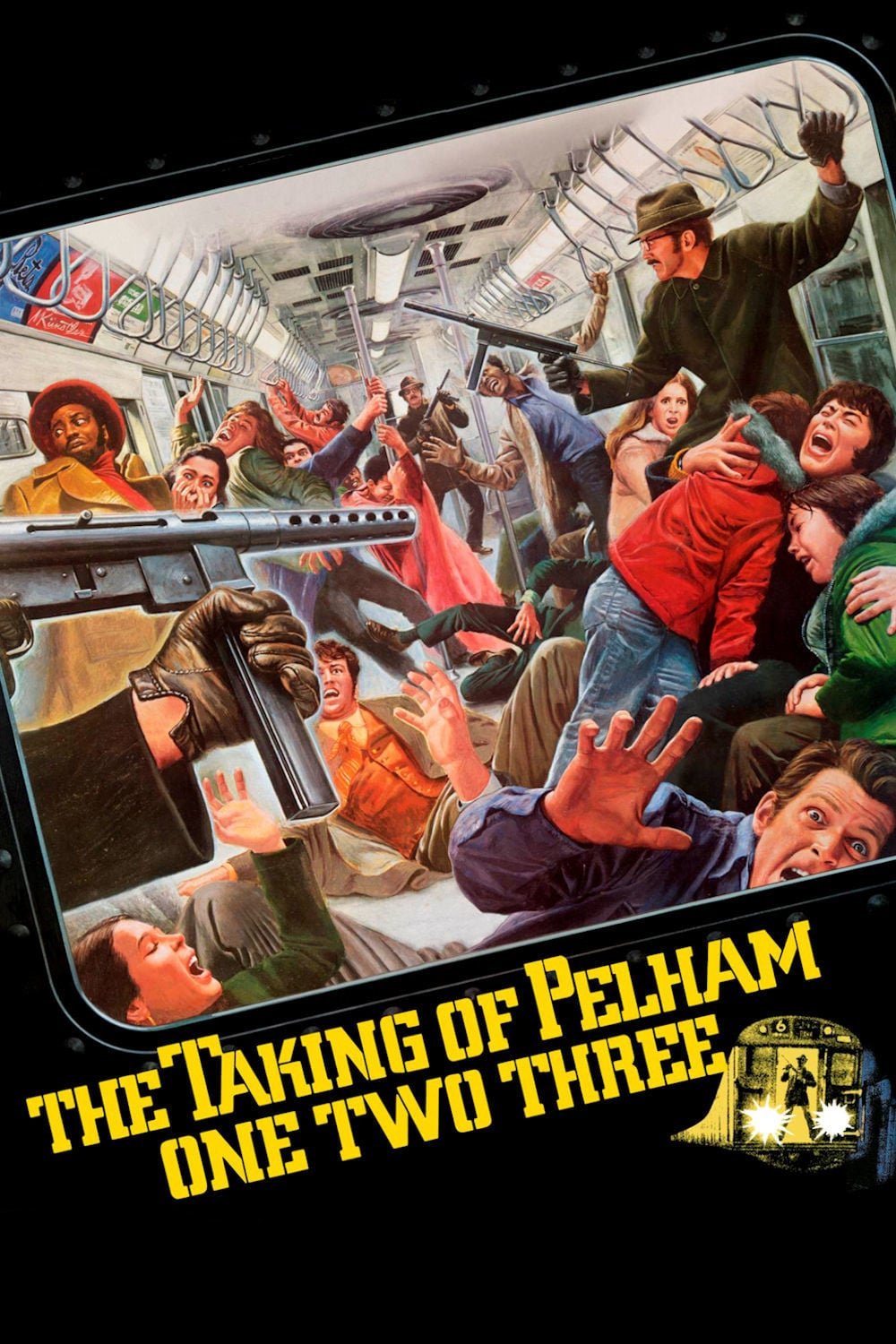
This gripping thriller tells the story of four armed men who hijack a New York City subway train and hold the passengers for ransom. The film is a tense and realistic portrayal of the cat-and-mouse game between the hijackers, led by a ruthless Robert Shaw, and a cynical transit cop, played by Walter Matthau. The race against time to save the hostages creates a suspenseful and exciting narrative.
The film is celebrated for its sharp dialogue, gritty 1970s New York atmosphere, and its suspenseful plot. It has been praised for its influence on the thriller genre and has been remade twice. The original, however, is still considered a classic for its tight direction and excellent performances.
Lenny (1974)
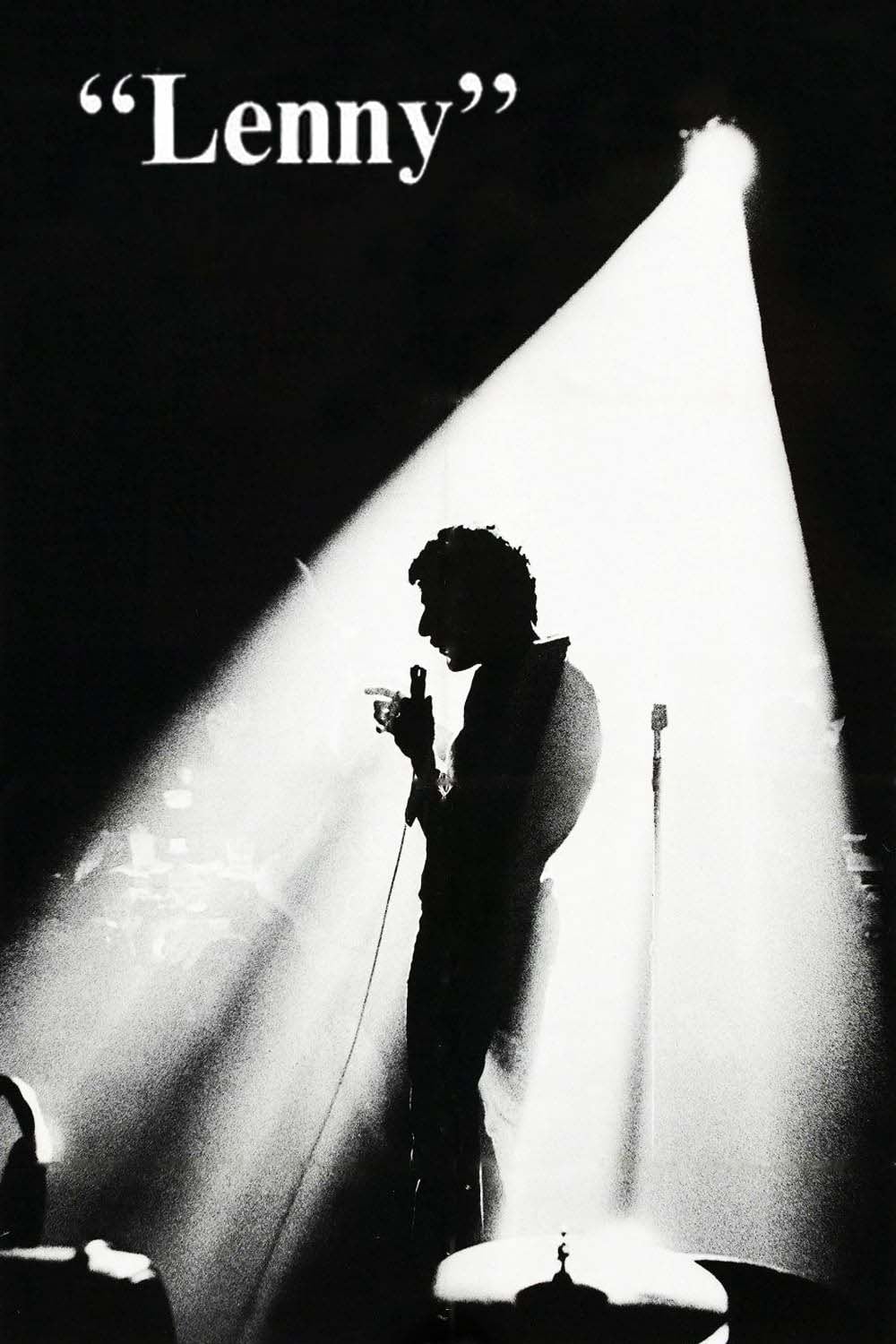
Directed by Bob Fosse, this biographical film tells the story of the controversial and influential stand-up comedian Lenny Bruce. Dustin Hoffman gives a powerful performance as Bruce, capturing his wit, his anger, and his struggles with censorship and the law. The film is shot in a black-and-white, documentary-style that adds to its raw and honest portrayal of the comedian’s life.
Lenny is a compelling look at the life of a man who pushed the boundaries of free speech. The film was nominated for six Academy Awards, including Best Picture and Best Actor for Hoffman. It remains a powerful tribute to a comedian who was ahead of his time.
The Parallax View (1974)

This political thriller, directed by Alan J. Pakula, is a prime example of the paranoid cinema of the 1970s. Warren Beatty stars as a reporter who uncovers a vast conspiracy behind a political assassination. As he gets closer to the truth, he finds himself in increasing danger from a mysterious organization known as the Parallax Corporation.
The film is a chilling and suspenseful exploration of conspiracy and paranoia, reflecting the political anxieties of the era. Its themes of distrust in authority and the hidden forces that shape events were particularly resonant in the post-Watergate years. The Parallax View is a stylish and intelligent thriller that keeps viewers on the edge of their seats.
Ali: Fear Eats the Soul (1974)
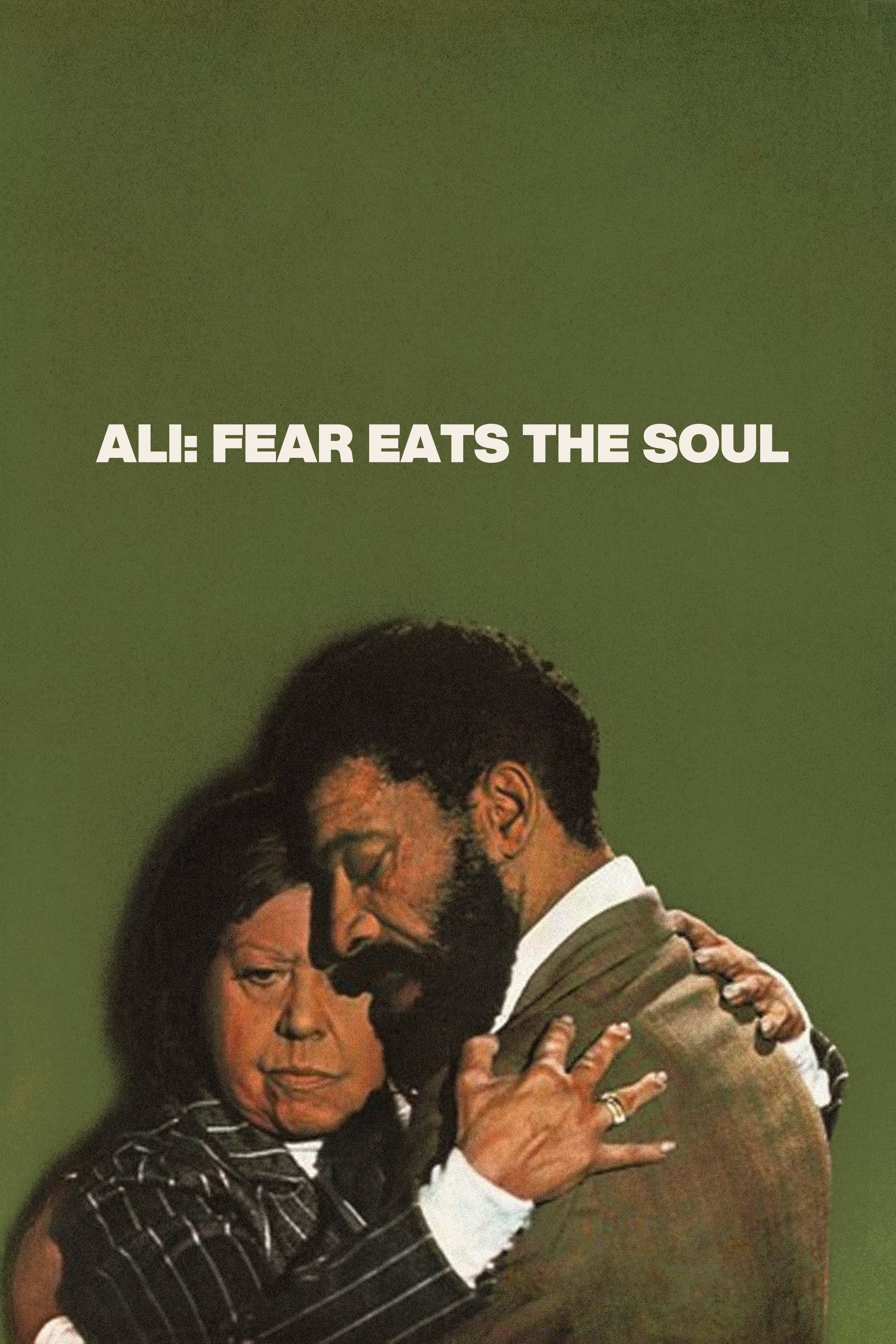
This West German film by director Rainer Werner Fassbinder is a powerful and moving story about an unlikely romance. The film tells the story of a lonely, elderly German cleaning woman who falls in love with a much younger Moroccan immigrant worker. Their relationship is met with prejudice and hostility from their friends, family, and neighbors.
The film is a poignant and critical look at racism and social intolerance. Fassbinder’s simple yet direct style gives the story an emotional depth that is both heartbreaking and hopeful. Ali: Fear Eats the Soul is considered a masterpiece of the New German Cinema and a timeless statement on love and prejudice.
Phantom of the Paradise (1974)
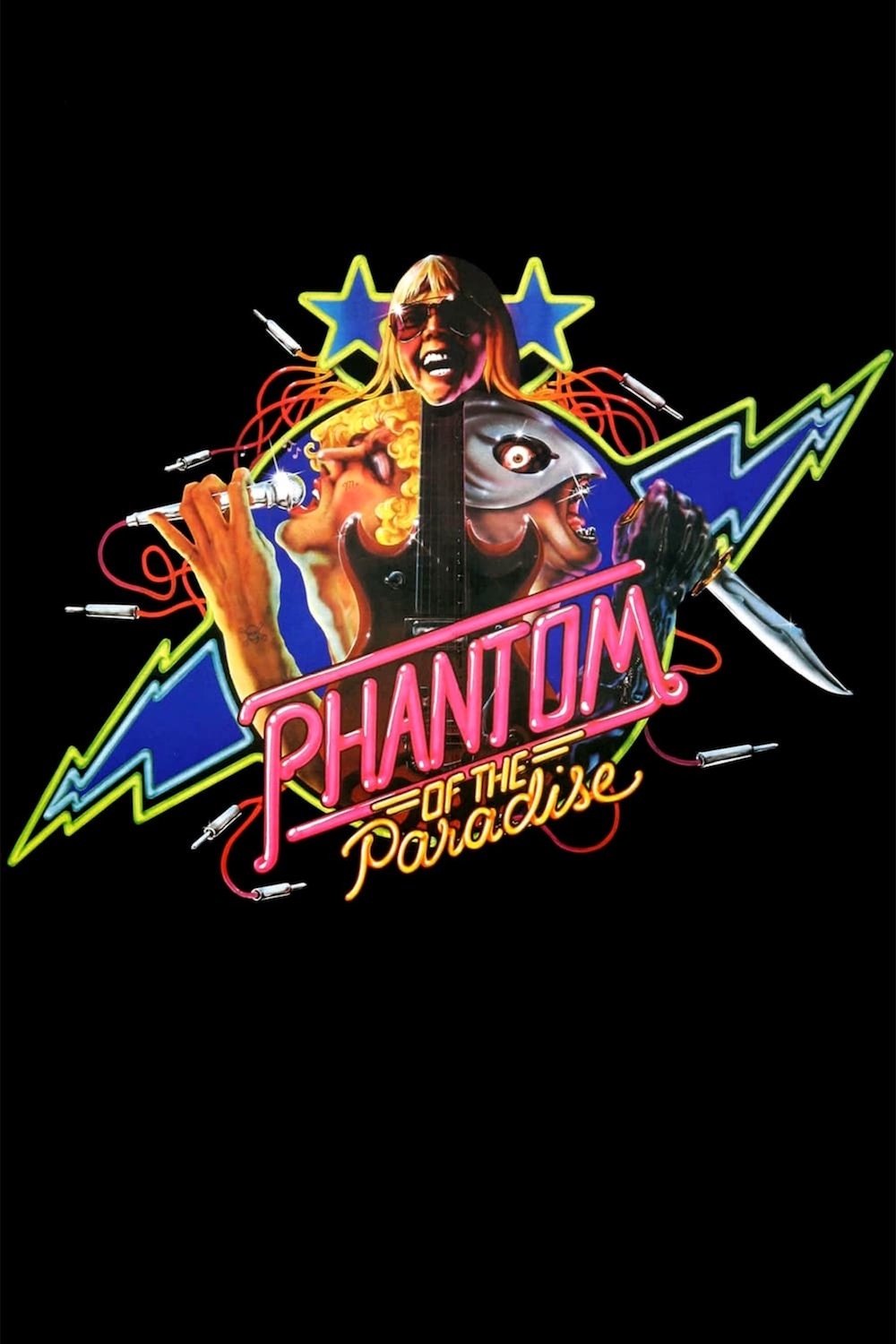
Brian De Palma’s rock and roll horror-comedy is a wild and flamboyant take on classic stories like The Phantom of the Opera and Faust. The film follows a talented but naive composer who is betrayed by a sinister record producer and left disfigured. He then becomes the phantom of the producer’s new rock palace, seeking revenge and trying to save the woman he loves.
The movie is a visually stunning and musically vibrant cult classic. It satirizes the music industry and features a memorable soundtrack. Though not a major hit on its initial release, Phantom of the Paradise has gained a dedicated following over the years for its unique style and energy.
Death Wish (1974)
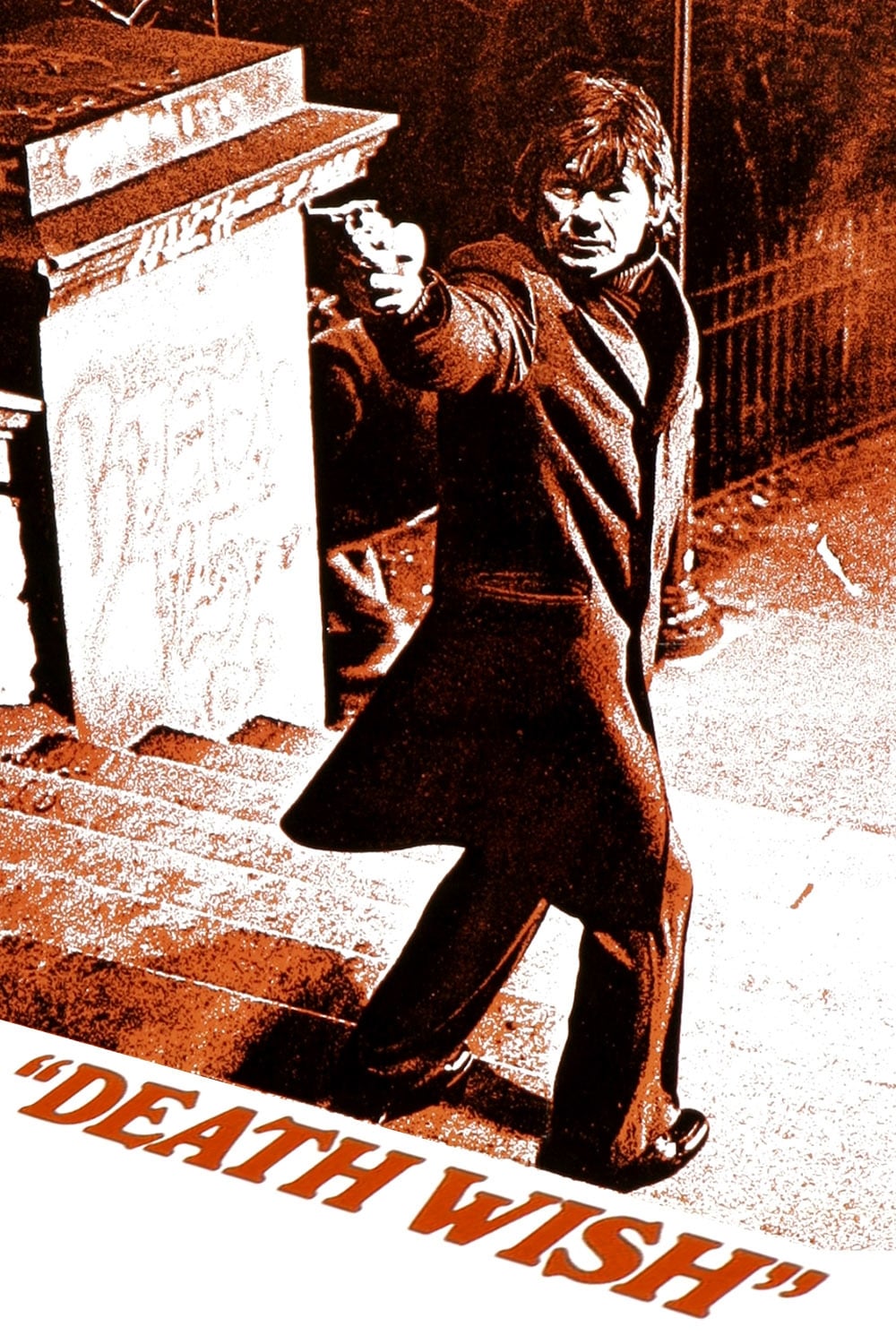
This controversial thriller stars Charles Bronson as Paul Kersey, a mild-mannered architect who becomes a vigilante after his wife is murdered and his daughter is brutally attacked. Taking the law into his own hands, he begins to hunt down and kill street criminals in New York City. The film was a huge commercial success and tapped into public fears about rising crime rates.
Death Wish sparked a national debate about vigilantism and the justice system. While some critics condemned its message, audiences flocked to see it, making Charles Bronson a major international star. The film’s impact was undeniable, and it spawned four sequels, becoming a significant cultural phenomenon of the 1970s.