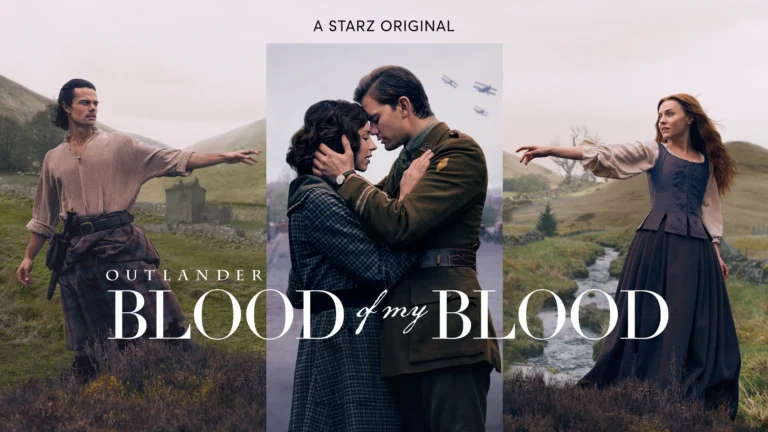
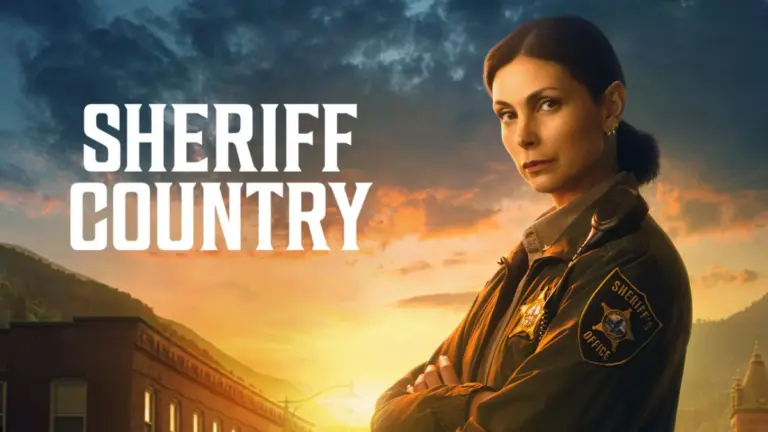
Top 30 Indie Films That Defined the 1980s

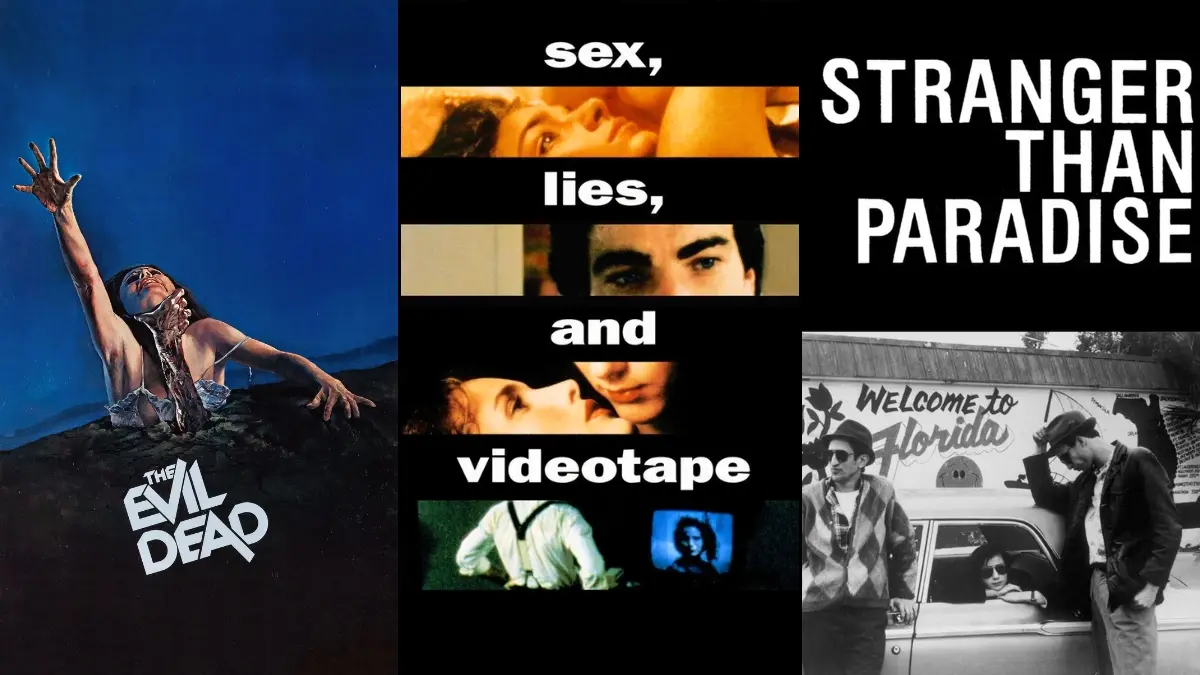

The 1980s were a wild time for movies, with big-budget blockbusters dominating the box office. But beneath the glitz, a quieter revolution was happening in independent cinema, where bold voices told raw, unconventional stories.
Indie films of this era captured the grit, rebellion, and creativity of a decade marked by excess and change. From punk-fueled dramas to quirky comedies, these movies broke rules and shaped the future of filmmaking. Here, we count down 30 of the best indie gems from the 1980s, starting from number 30 and working up to the top spot.
Out of the Blue (1980)

This raw drama follows Cebe, a troubled teen obsessed with punk culture, grappling with a broken family. Directed by Dennis Hopper, it’s a gritty look at youth alienation.
The film’s unflinching take on addiction and abuse feels like a punch to the gut. Linda Manz’s performance as Cebe carries a fierce, heartbreaking energy that lingers long after the credits roll.
The Decline of Western Civilization (1981)
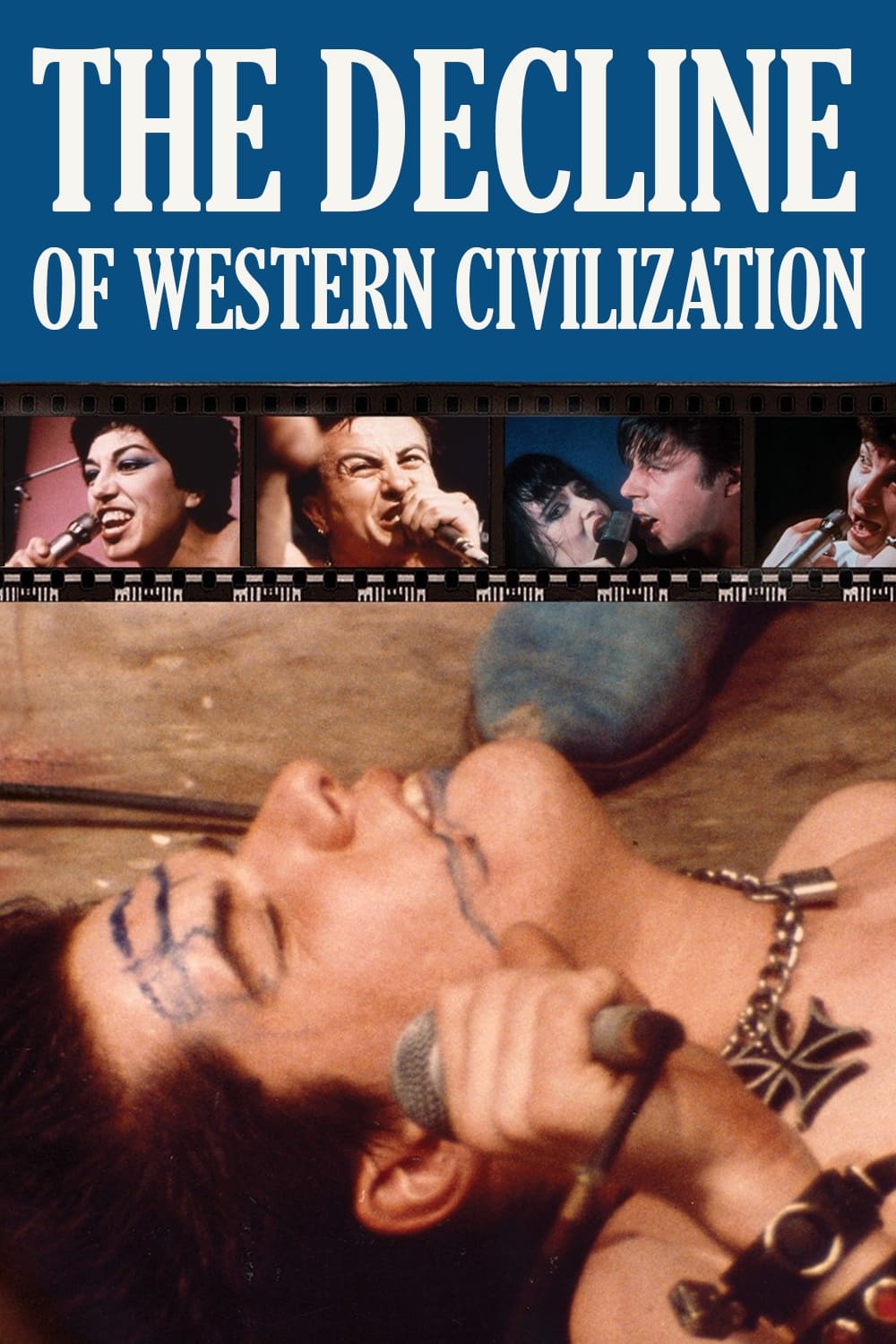
Penelope Spheeris dives into the chaotic Los Angeles punk scene in this documentary. It captures raw performances and candid interviews with bands like Black Flag and X.
The film’s unpolished style mirrors the rebellious spirit of its subjects. It’s a time capsule of a subculture that thrived on the edges of society.
Smithereens (1982)
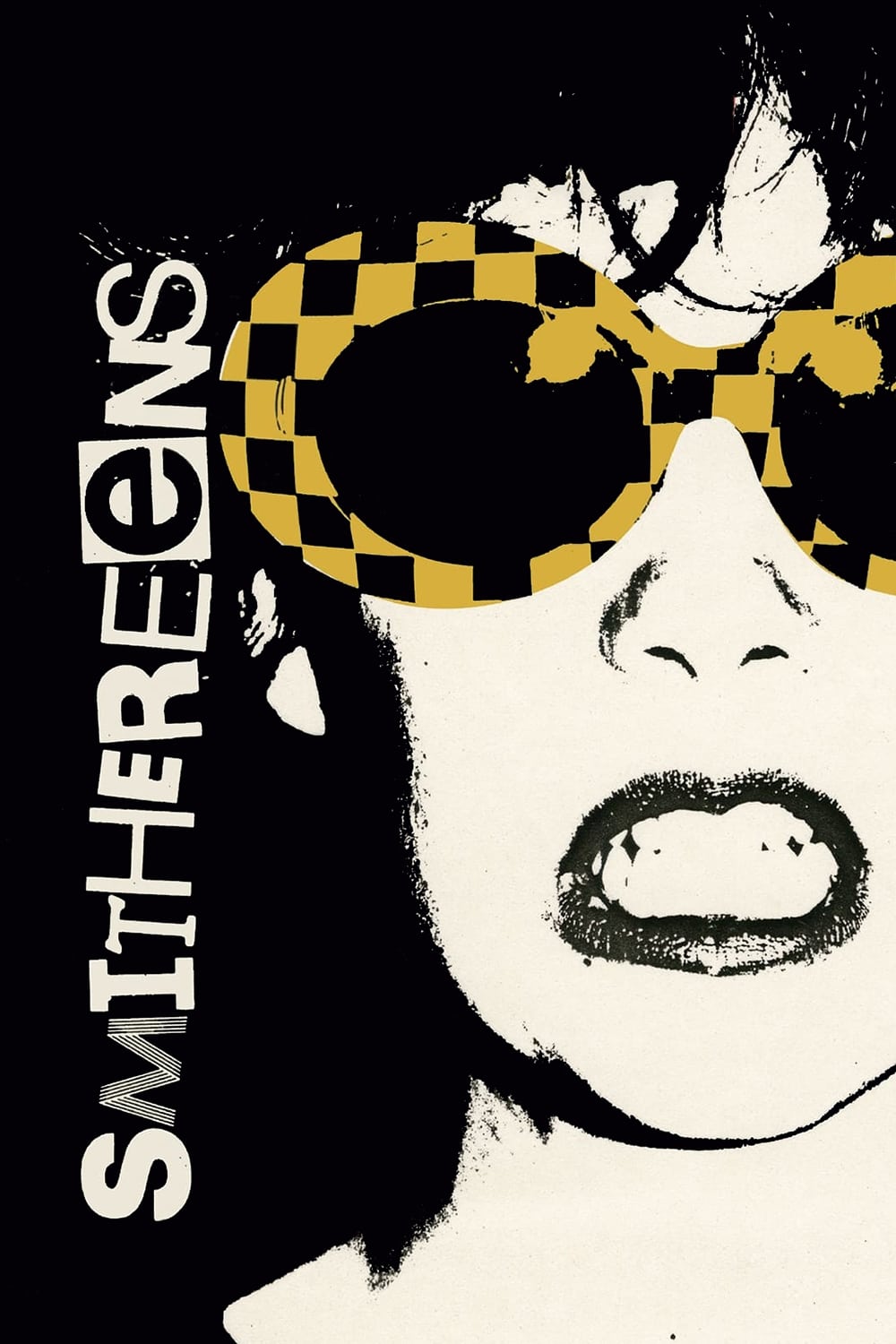
Susan Seidelman’s debut follows Wren, a brash young woman chasing fame in New York’s punk scene. The film’s low-budget vibe adds to its scrappy charm.
Wren’s desperate hustle and the city’s gritty backdrop make this a sharp portrait of ambition and disillusionment. It’s a bold snapshot of early 1980s counterculture.
Liquid Sky (1982)
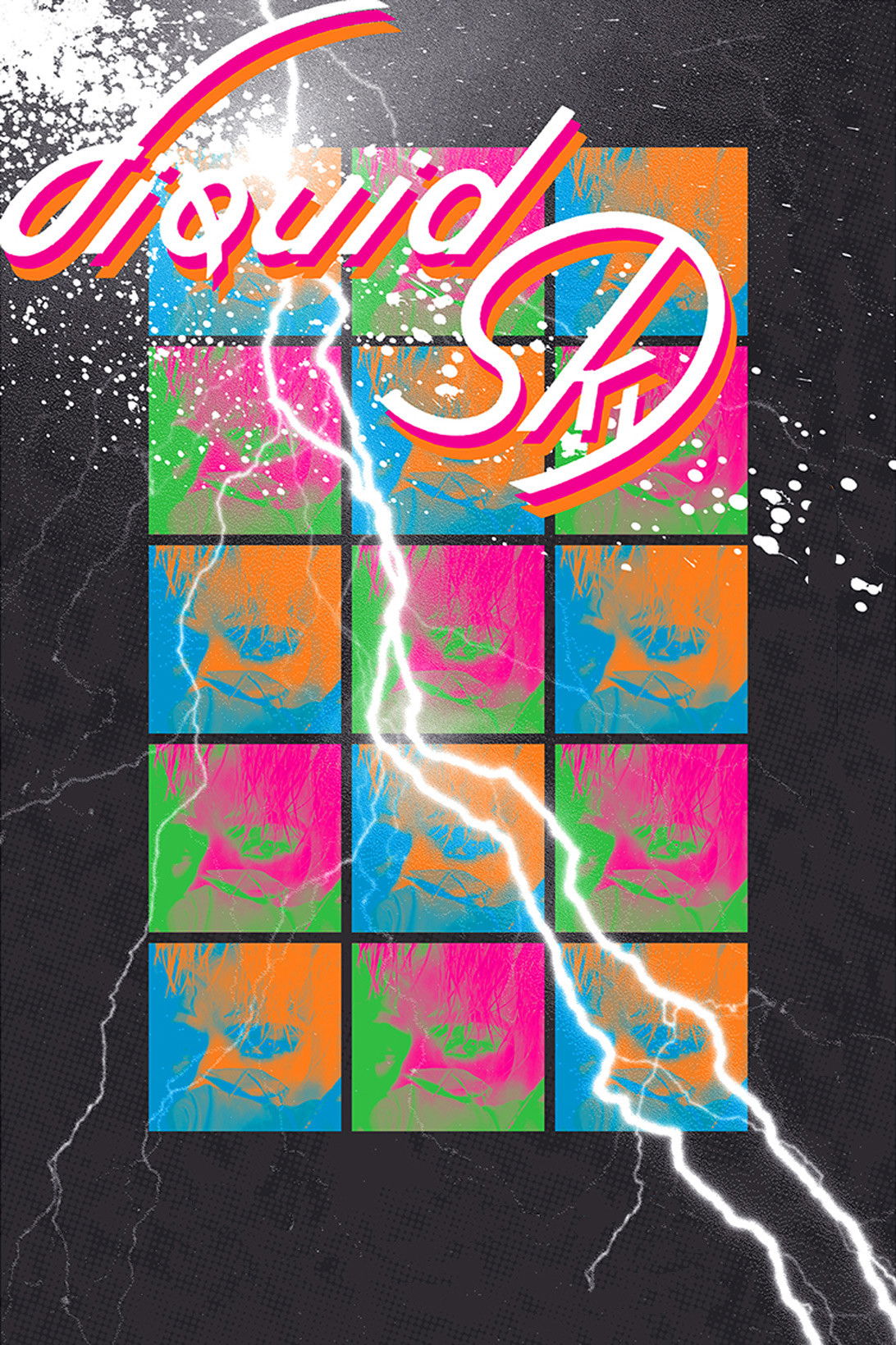
This sci-fi oddity centers on a fashion model whose sexual encounters attract a tiny UFO feeding on endorphins. It’s weird, colorful, and unapologetically bizarre.
The film’s neon-drenched visuals and avant-garde style capture the 1980s underground art scene. Anne Carlisle’s dual role as model and alien is hauntingly memorable.
Suburbia (1984)
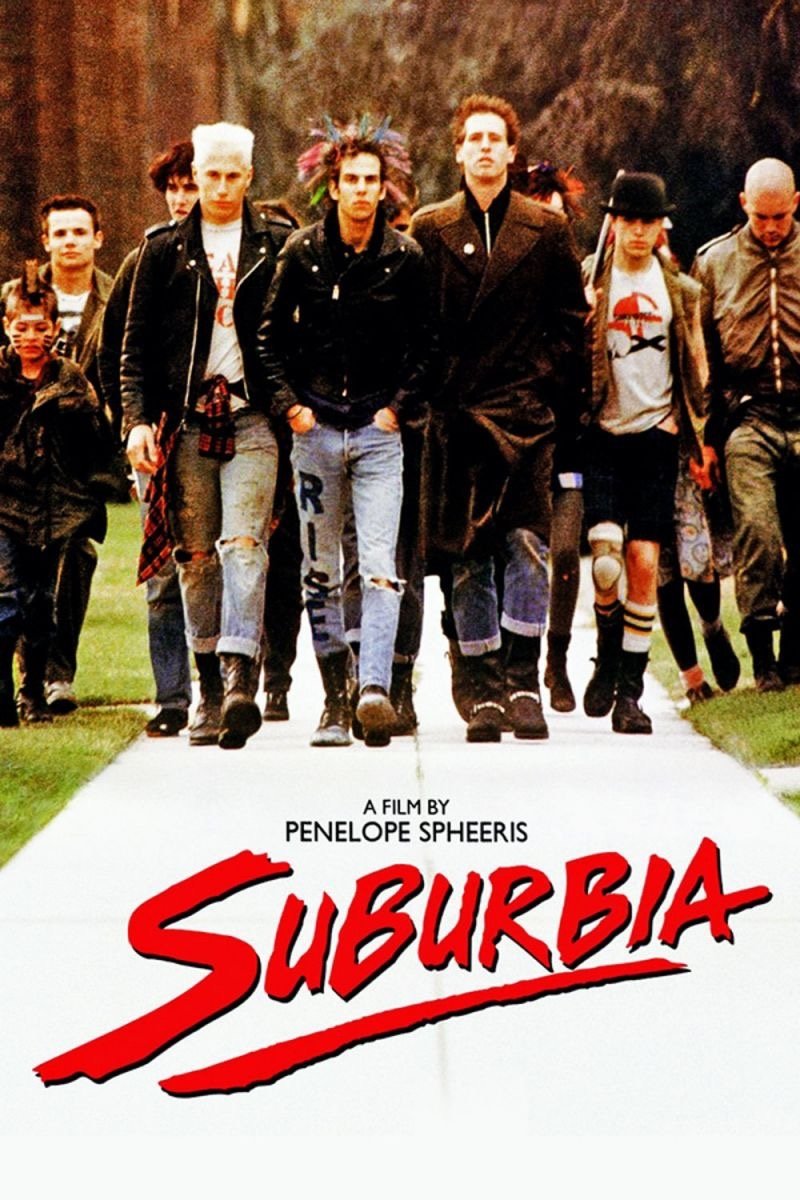
Penelope Spheeris returns with a scripted drama about runaway teens squatting in an abandoned house. It’s a raw look at punk kids rejecting a broken system.
The film mixes humor and tragedy, showing the makeshift family these outcasts build. Its gritty realism makes it a standout in 1980s indie cinema.
Streetwise (1984)

This documentary follows homeless teens in Seattle, focusing on Tiny, a young prostitute. Martin Bell’s lens is both compassionate and unflinching.
The film’s stark portrayal of survival on the streets hits hard. It’s a powerful reminder of the era’s hidden struggles, far from Hollywood’s gloss.
Repo Man (1984)
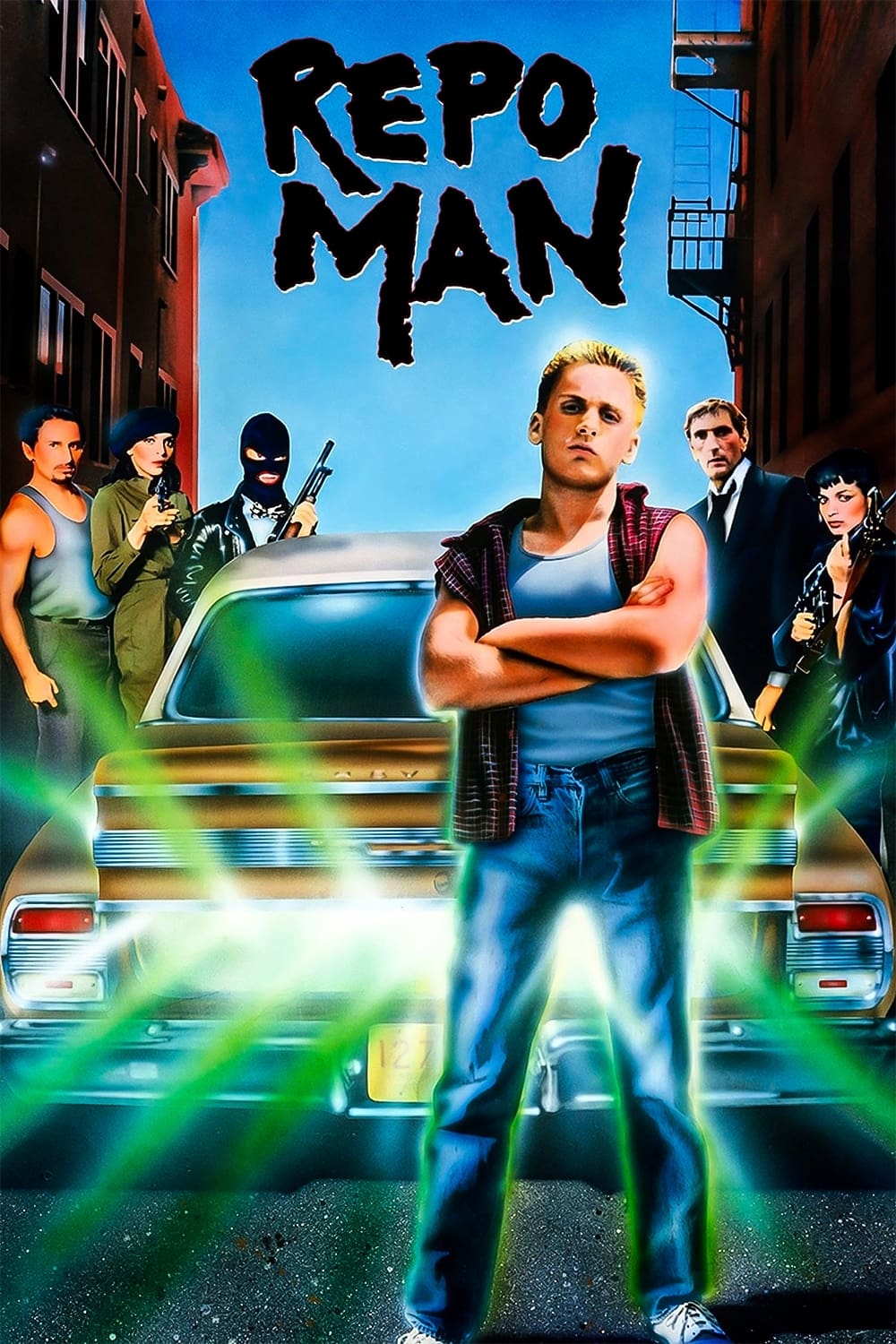
Alex Cox’s punk-infused sci-fi comedy tracks a young repo man chasing a mysterious Chevy Malibu. It’s chaotic, funny, and packed with 1980s attitude.
Harry Dean Stanton and Emilio Estevez shine in this offbeat tale of aliens and rebellion. The film’s wild energy makes it a cult favorite.
Stranger Than Paradise (1984)
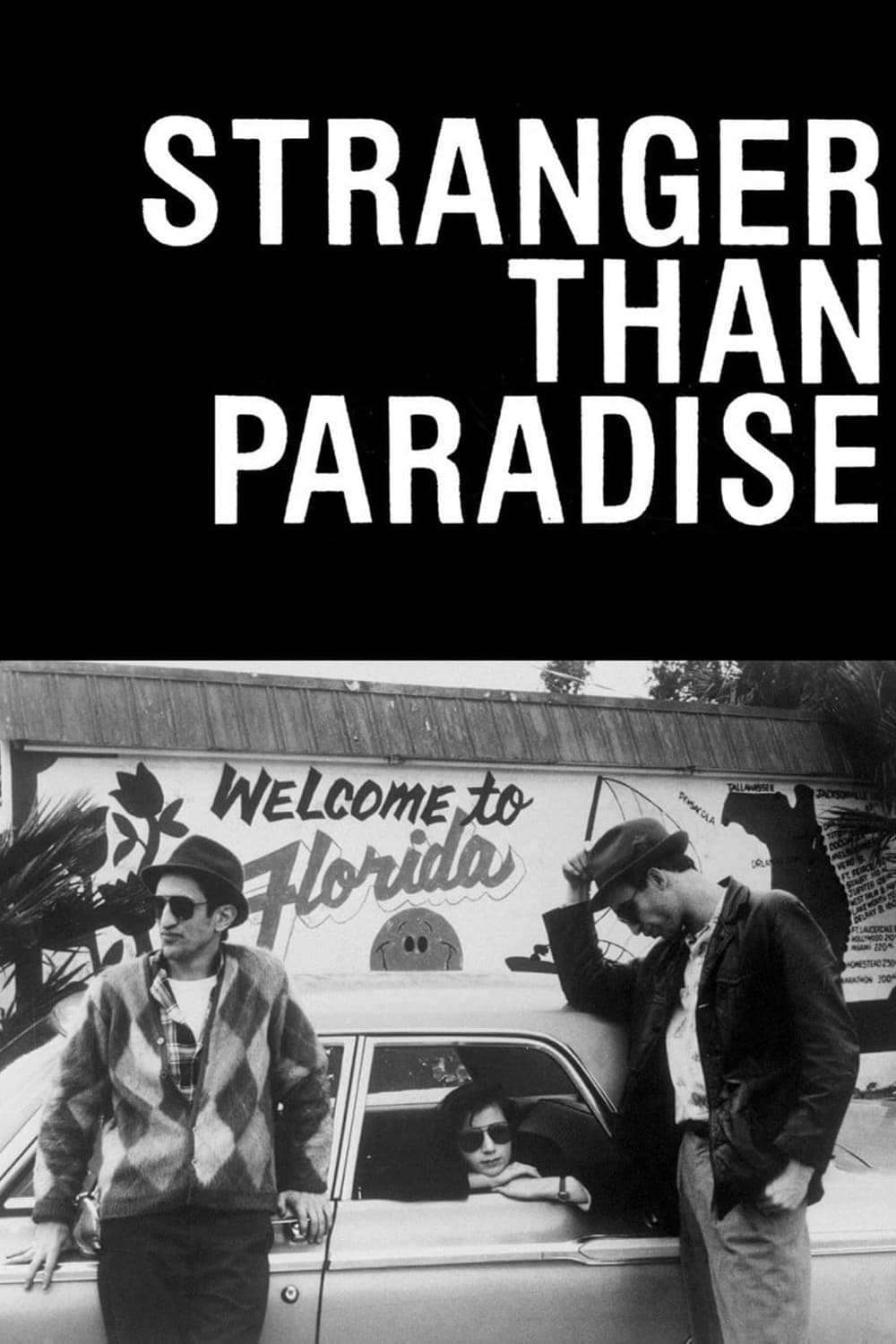
Jim Jarmusch’s minimalist gem follows three aimless drifters on a quirky road trip. Shot in black and white, it’s cool and effortlessly stylish.
The deadpan humor and sparse dialogue create a unique vibe. This film helped define the indie aesthetic that exploded in the 1990s.
The Toxic Avenger (1984)
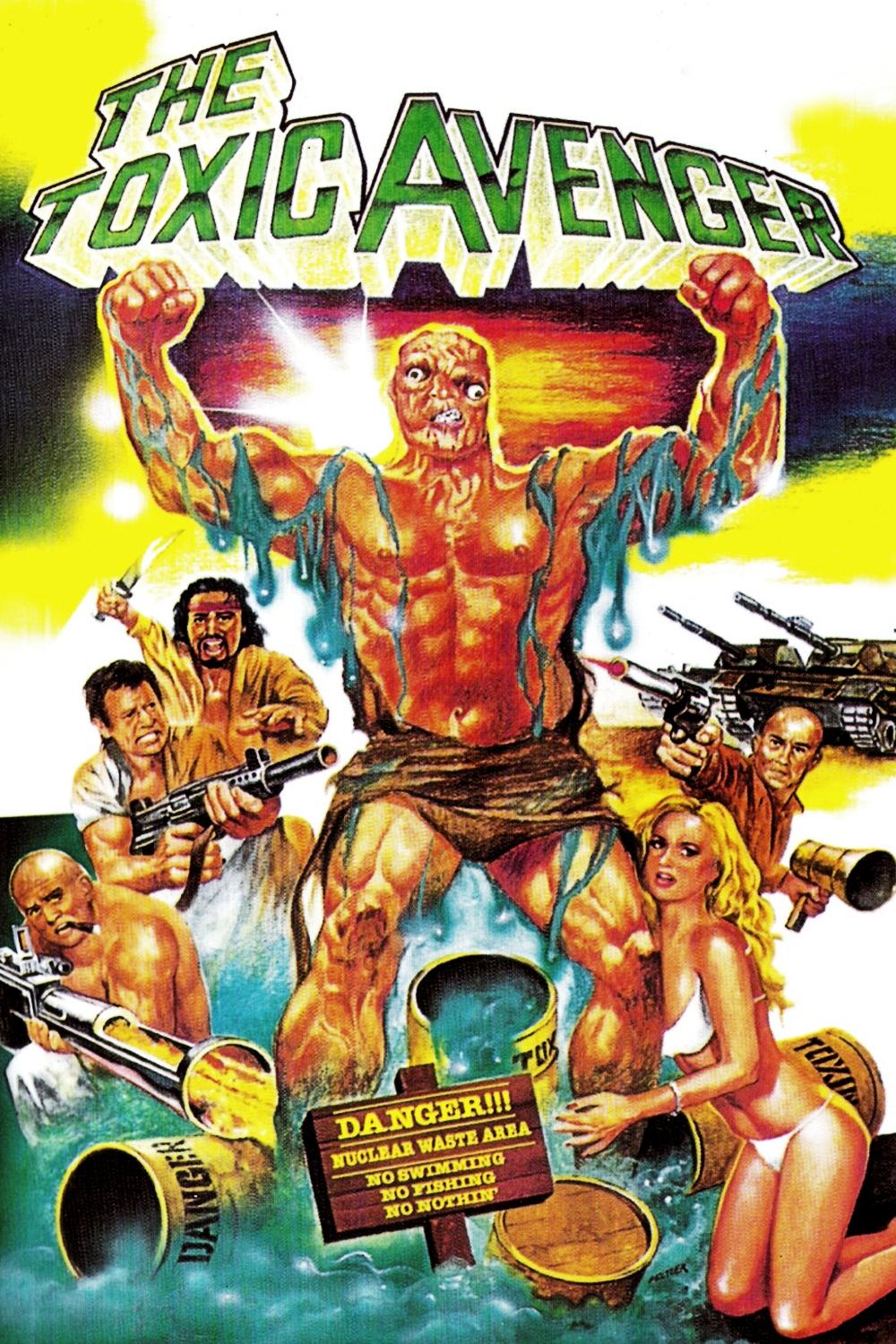
Lloyd Kaufman’s Troma classic is a gory, campy superhero parody. A nerdy janitor transforms into a monstrous crime-fighter after a toxic waste mishap.
It’s over-the-top and proudly low-budget, embracing its B-movie roots. The film’s wild humor and heart make it a beloved cult hit.
The Evil Dead (1981)
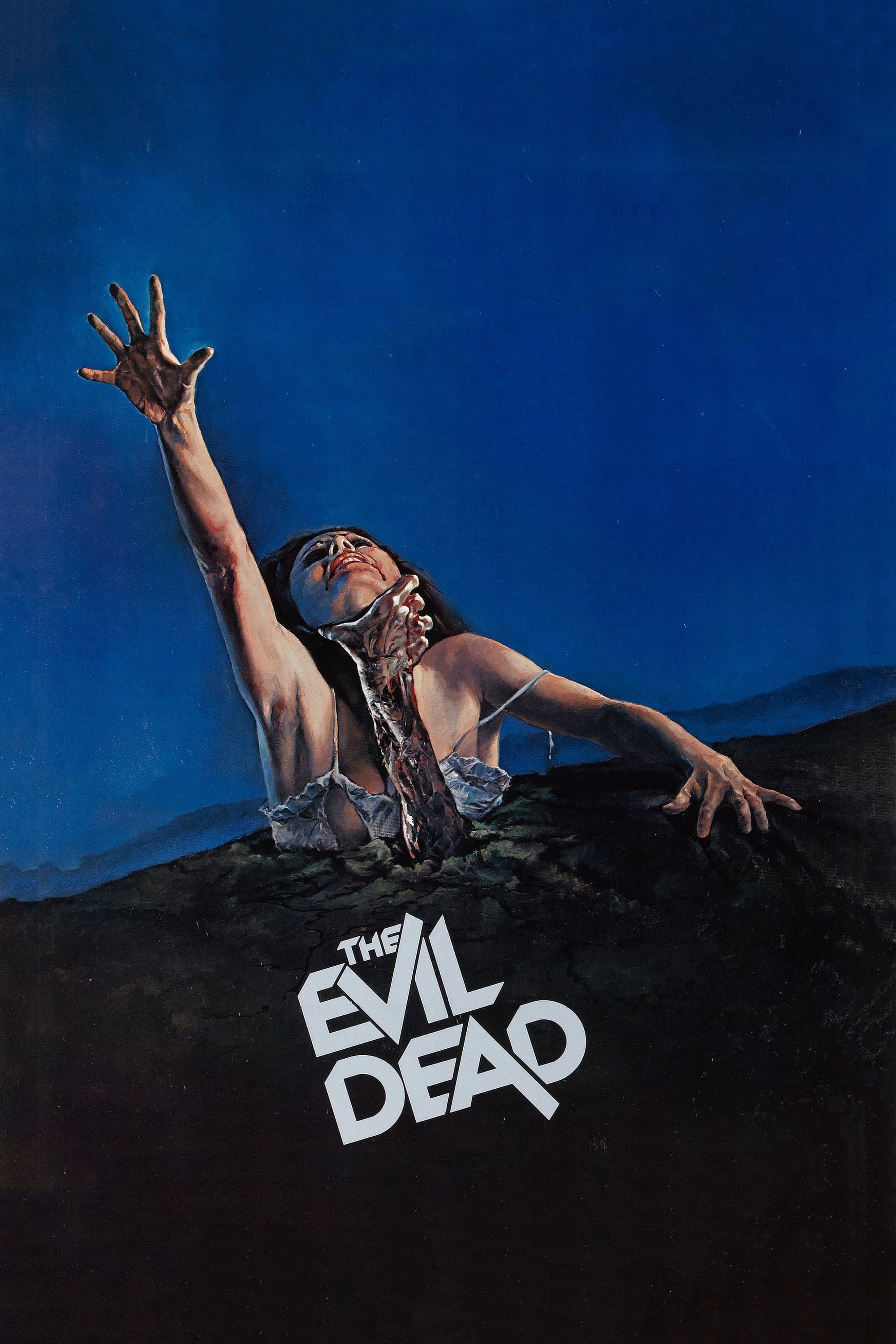
Sam Raimi’s horror masterpiece follows friends battling demonic forces in a creepy cabin. Made on a shoestring budget, it’s relentless and inventive.
Bruce Campbell’s Ash became a cult icon, and Raimi’s clever camera work keeps the scares fresh. This indie horror redefined the genre.
Forbidden Zone (1980)
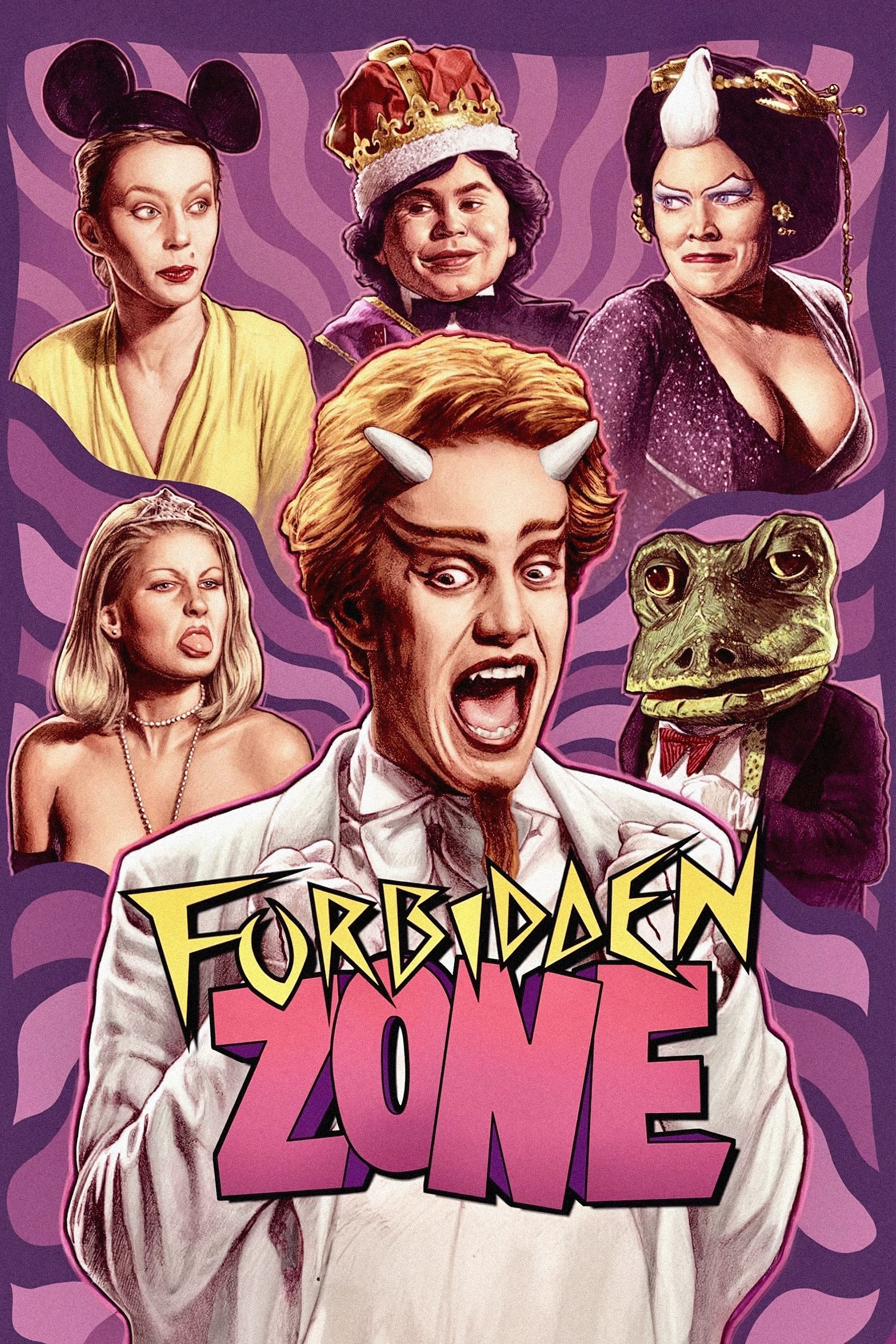
Richard Elfman’s surreal musical follows a girl entering a bizarre dimension through her basement. It’s a chaotic blend of comedy, fantasy, and music.
The film’s wild visuals and eccentric characters feel like a fever dream. It’s a quirky gem that captures the 1980s indie spirit.
Permanent Vacation (1980)
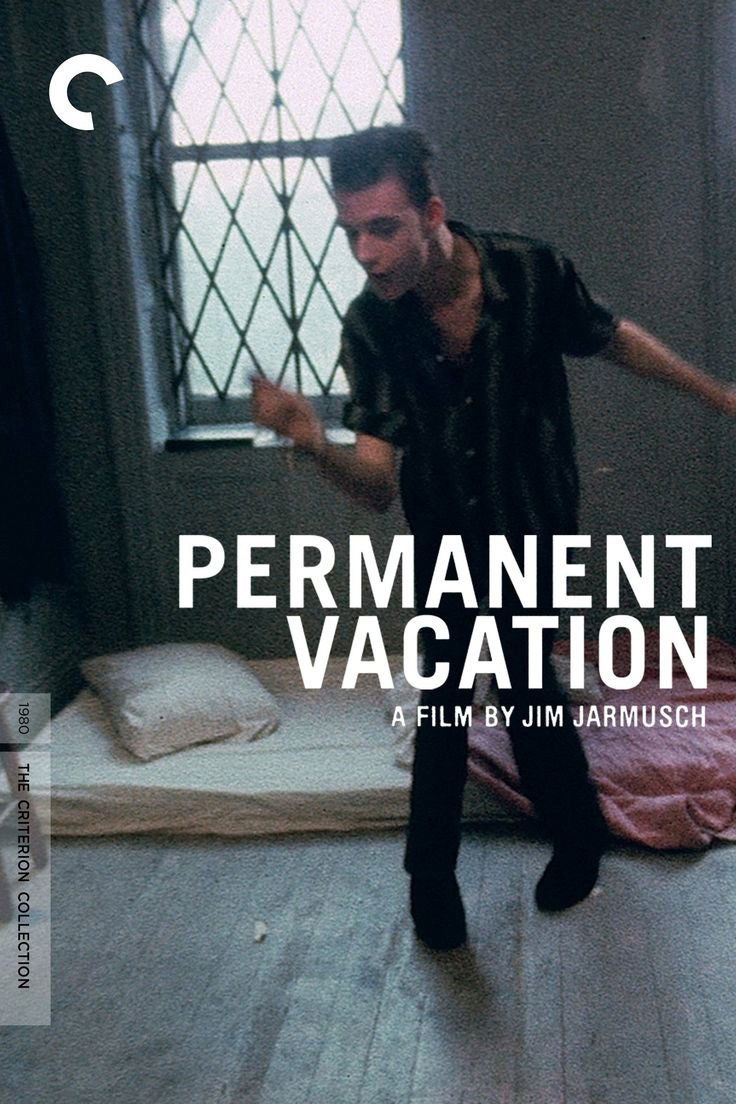
Jim Jarmusch’s debut follows a young drifter wandering New York’s gritty streets. It’s a quiet, poetic look at alienation and youth.
Shot on a tiny budget, the film’s raw energy and moody visuals set the stage for Jarmusch’s influential career. It’s a must-see for indie fans.
American Gigolo (1980)
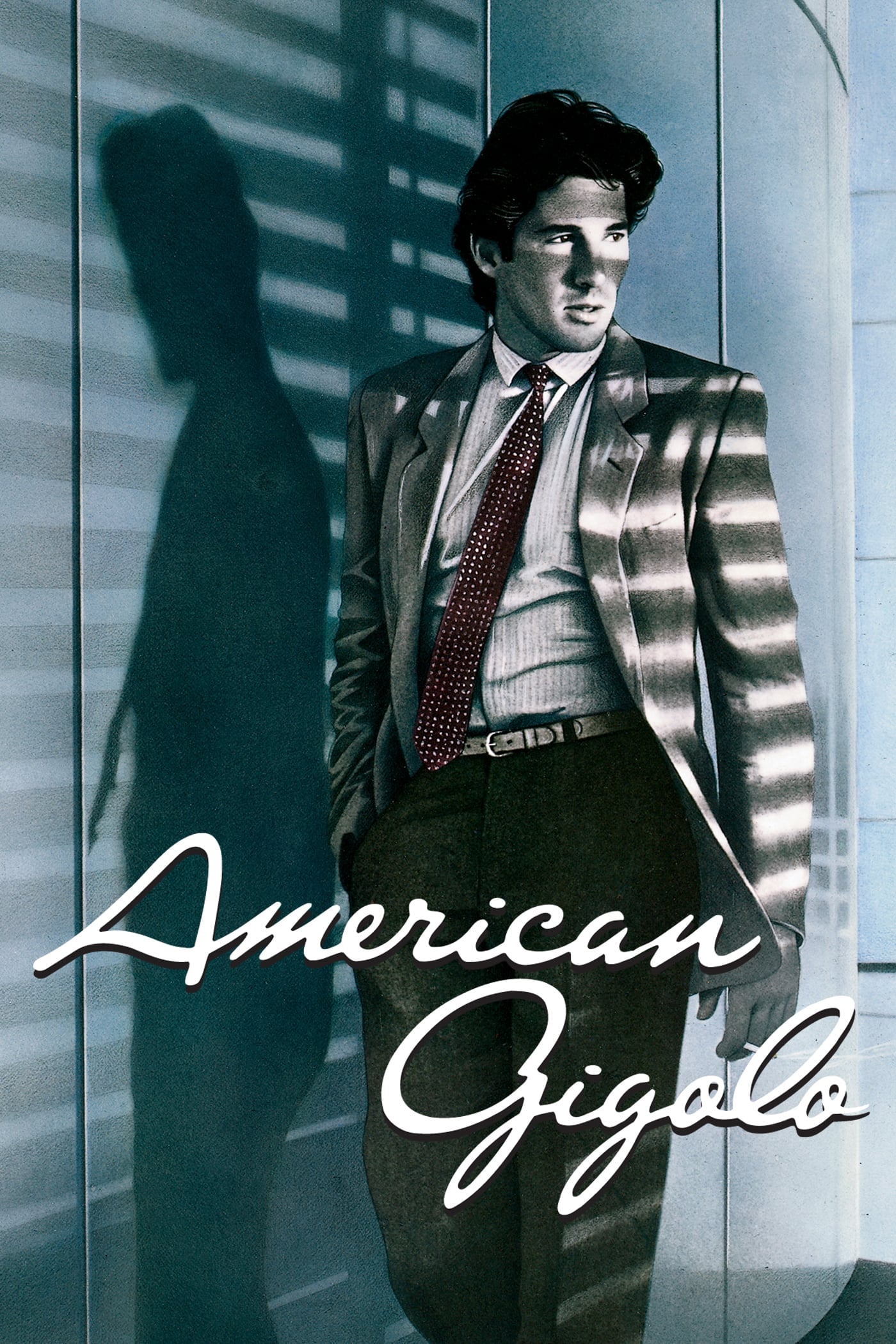
Paul Schrader’s neon-soaked noir follows a high-end escort caught in a murder mystery. Richard Gere’s charismatic lead role electrifies the screen.
The film’s sleek style and moody atmosphere capture the 1980s urban underbelly. It’s a gripping blend of crime and character study.
The Long Good Friday (1980)
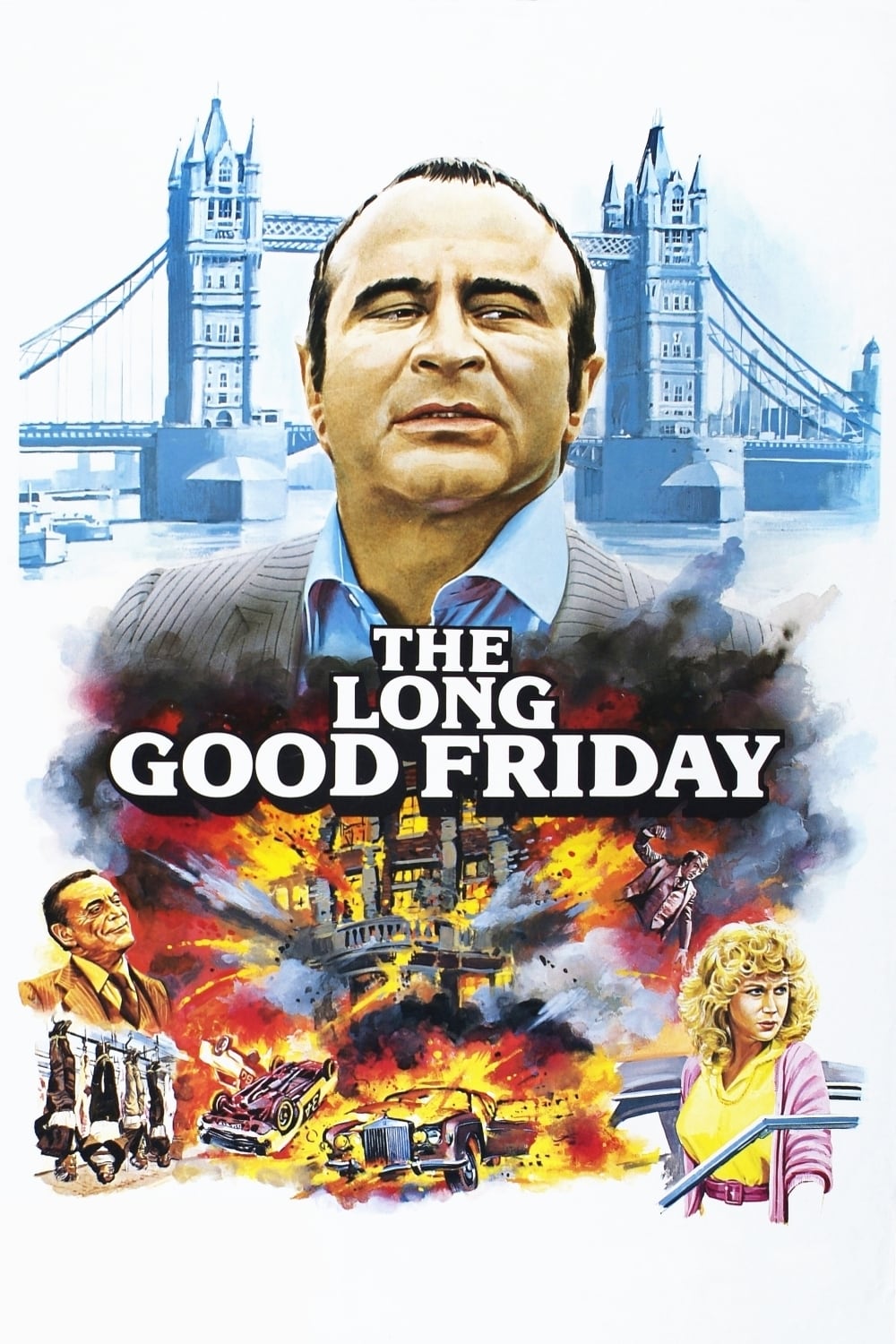
John Mackenzie’s British gangster flick follows a mob boss facing a turf war. Bob Hoskins delivers a powerhouse performance as the ruthless Harold Shand.
The film’s sharp dialogue and tense pacing make it a standout. It blends indie grit with crime drama flair, leaving a lasting impact.
Mad Max 2 (1981)
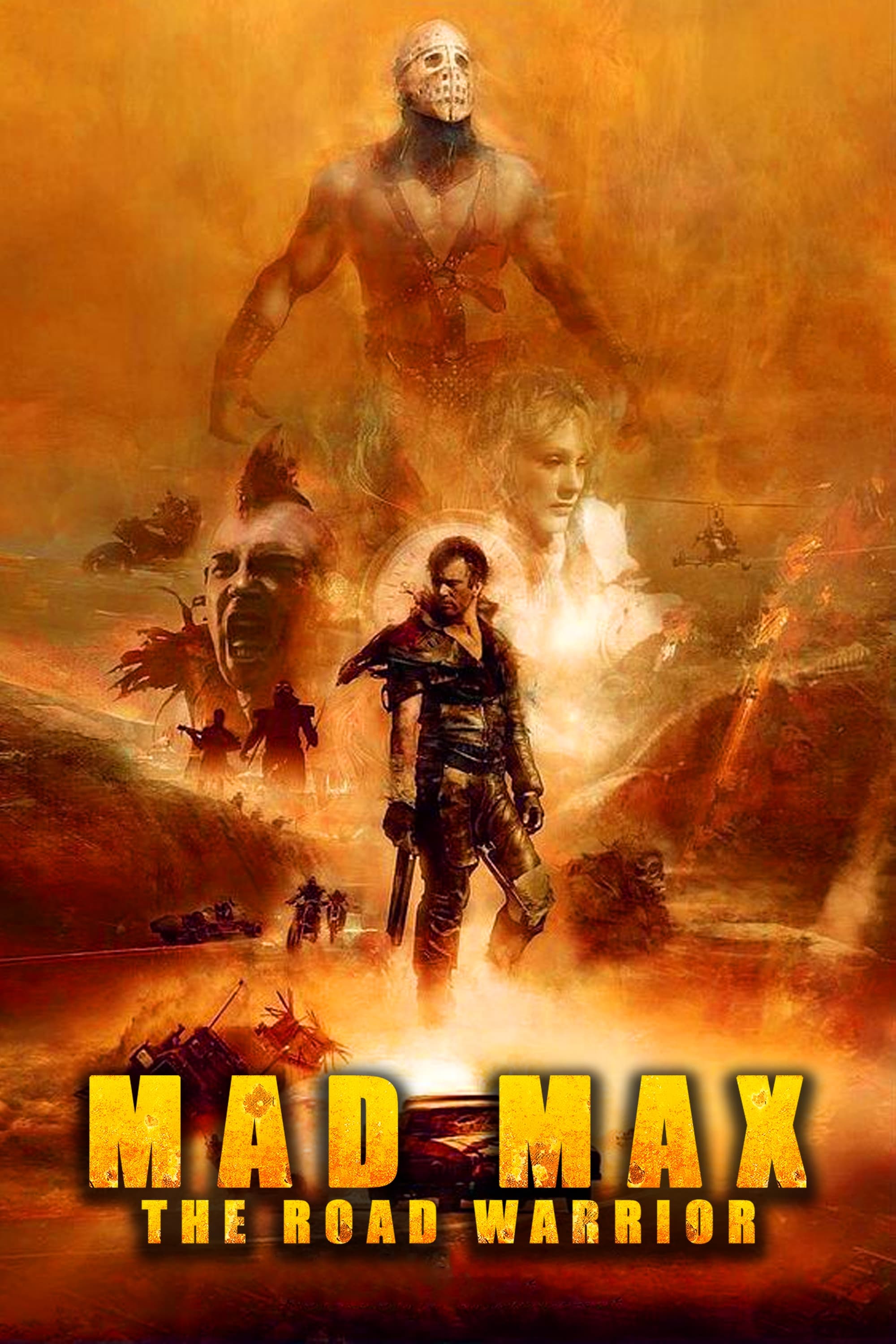
George Miller’s post-apocalyptic sequel follows Max, a lone wanderer in a wasteland. The high-octane action and practical effects are jaw-dropping.
Mel Gibson’s gritty performance anchors the chaos. This indie epic redefined action cinema with its raw intensity and vision.
Body Double (1984)
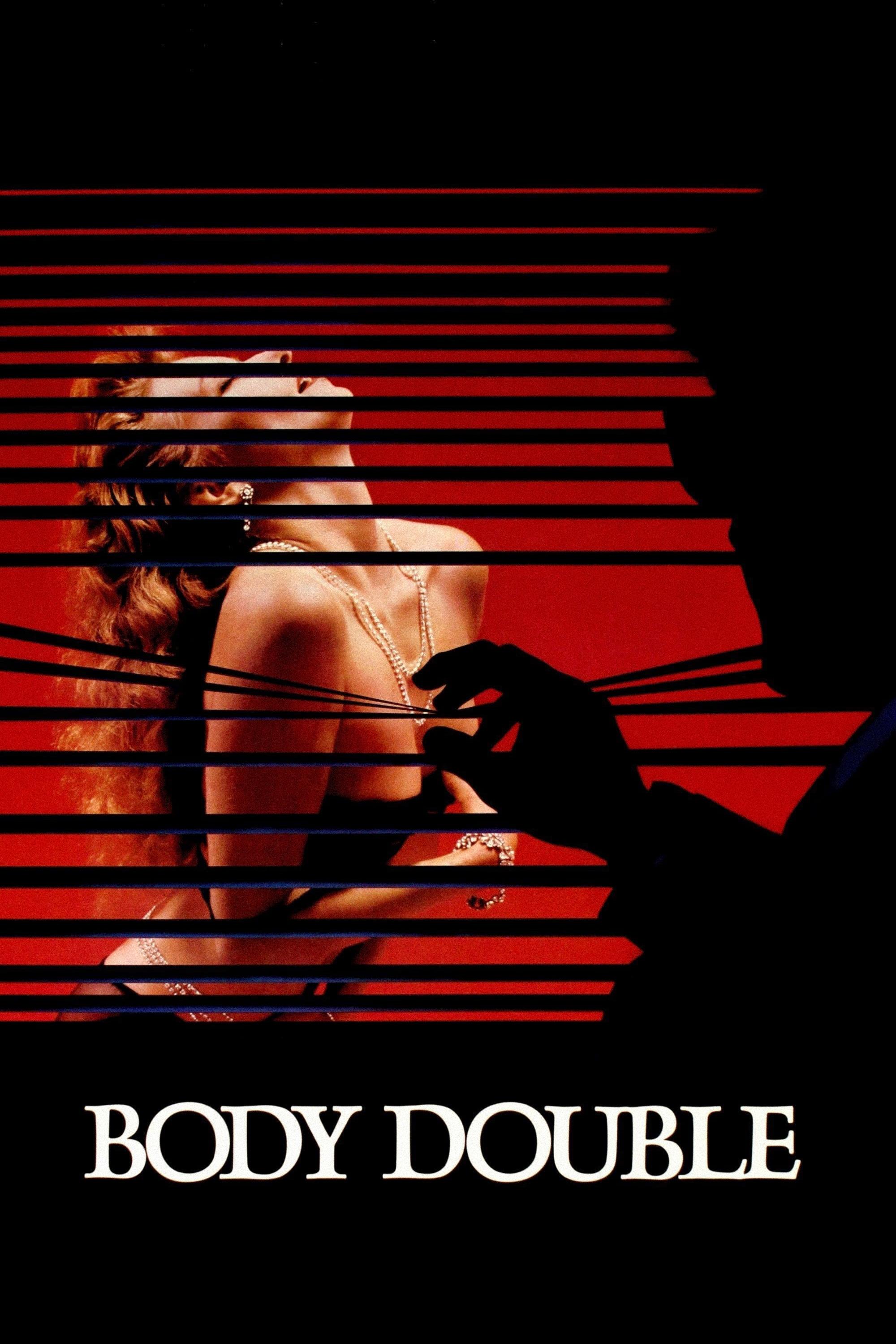
Brian De Palma’s sleazy thriller follows an actor spying on a neighbor, only to uncover a dark plot. It’s a bold, Hitchcock-inspired ride.
The film’s provocative style and 1980s Los Angeles setting ooze atmosphere. Craig Wasson and Melanie Griffith keep the tension high.
My Degeneration (1989)
Jon Moritsugu’s punk-fueled film explores selling out through a rock band’s chaotic journey. It’s raw, rebellious, and fiercely independent.
The lo-fi aesthetic and edgy humor capture the 1980s underground scene. It’s a lesser-known gem that deserves more love.
White Dog (1982)
Sam Fuller’s controversial drama follows a trainer trying to reform a dog trained to attack Black people. It’s a bold allegory for racism.
The film’s simple premise builds into a powerful social commentary. Its quiet intensity makes it a standout in indie cinema.
Choose Me (1984)
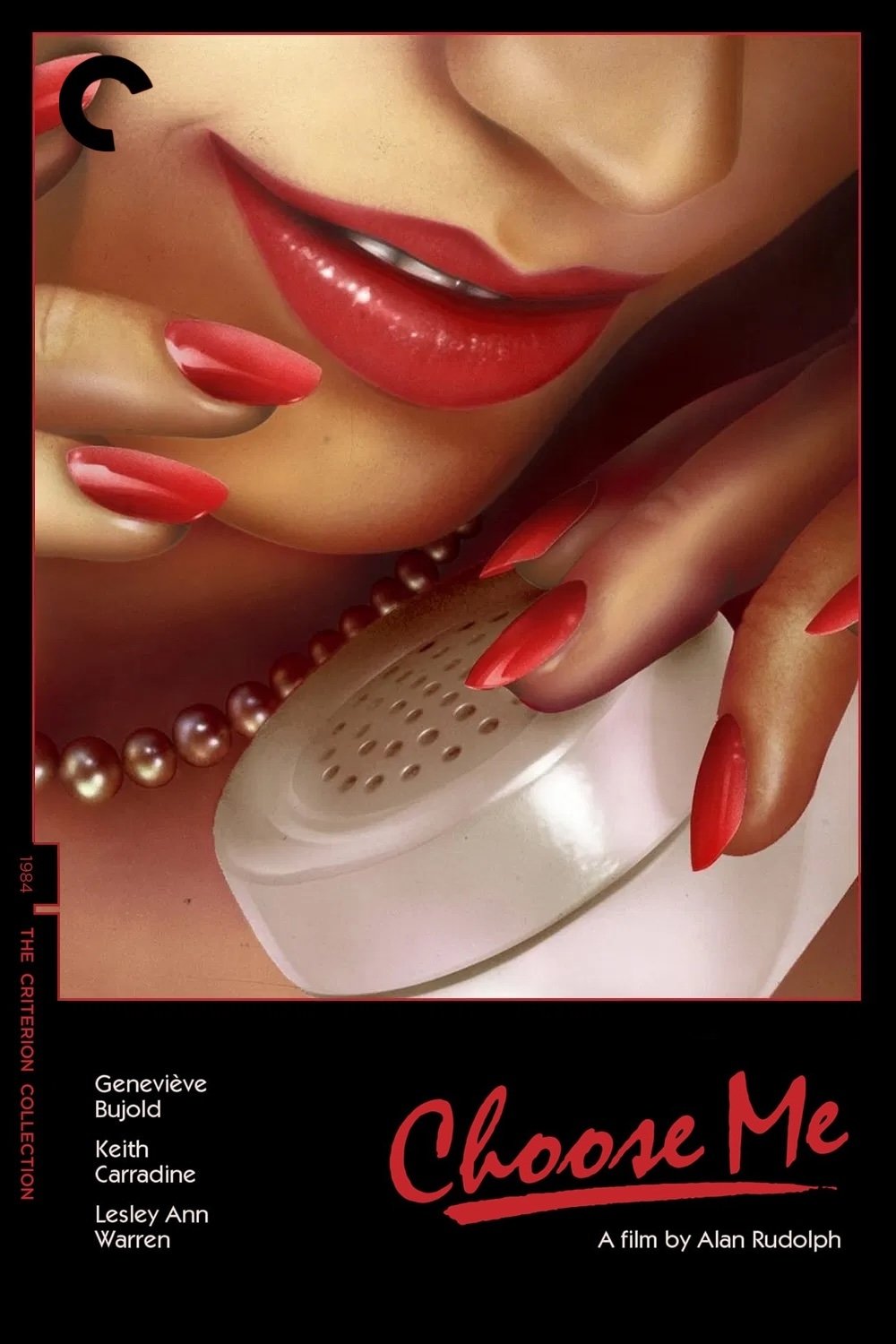
Alan Rudolph’s romantic comedy blends fantasy and realism, following a group of lonely souls in Los Angeles. It’s quirky and heartfelt.
With a killer soundtrack and neon-lit visuals, the film feels alive. Geneviève Bujold and Keith Carradine shine in this hidden gem.
Down by Law (1986)
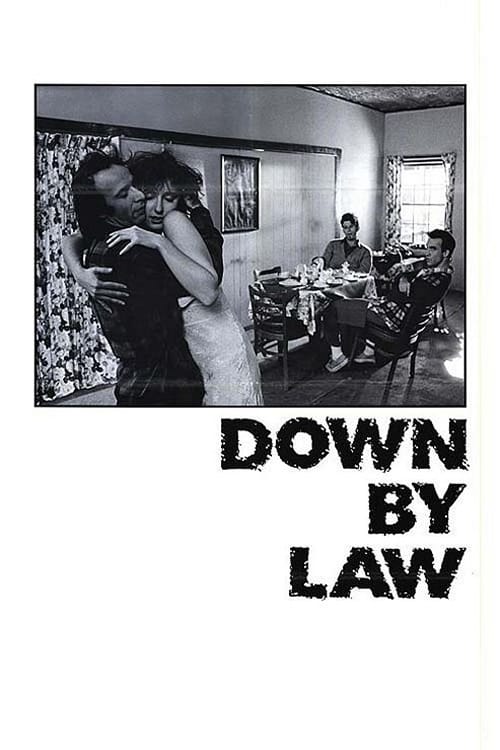
Jim Jarmusch’s quirky drama follows three misfits escaping a Louisiana jail. The black-and-white cinematography adds a timeless feel.
Tom Waits, John Lurie, and Roberto Benigni bring humor and heart. The film’s oddball charm makes it a fan favorite.
Matewan (1987)
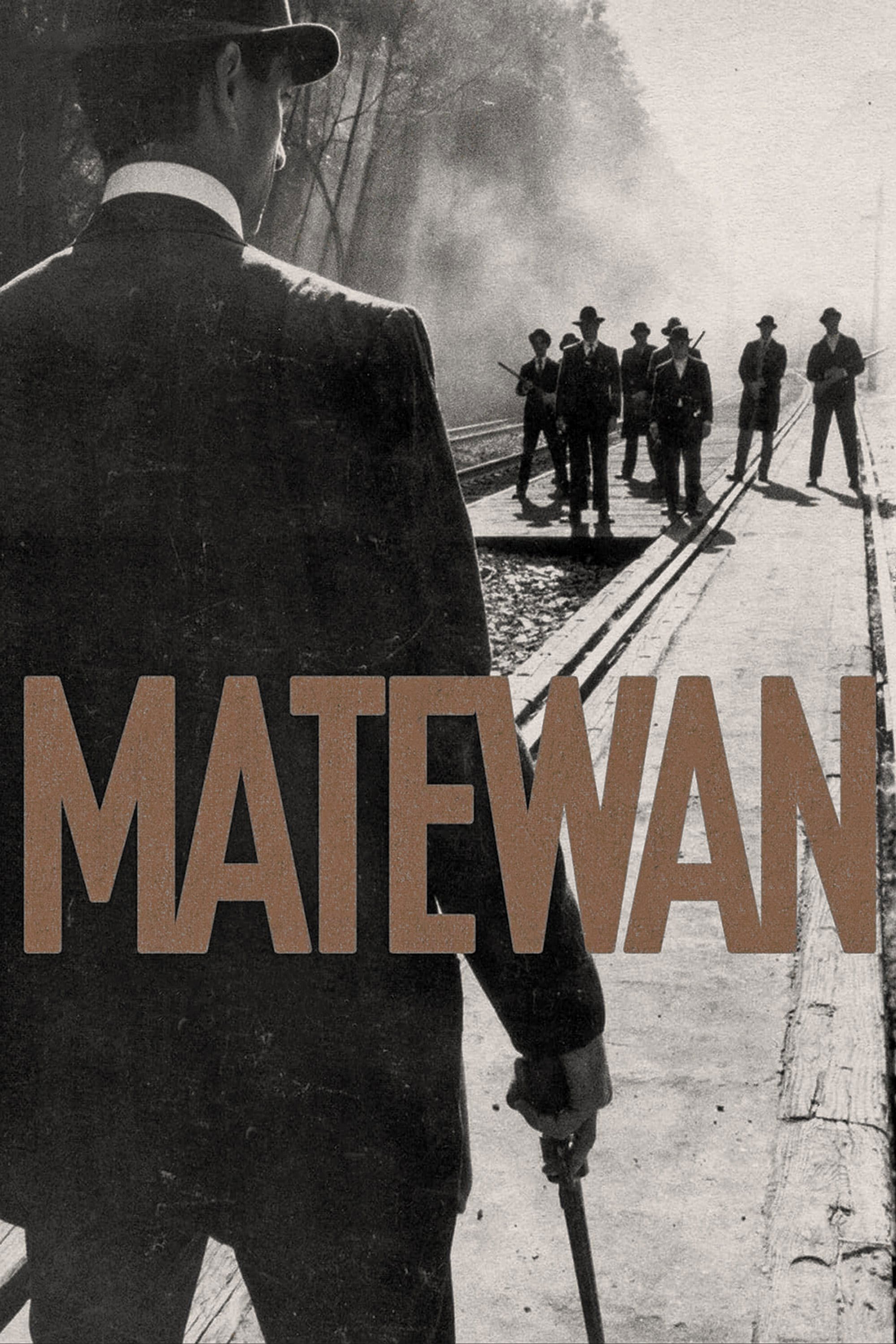
John Sayles’ historical drama depicts a 1920s coal miners’ strike in West Virginia. It’s a gripping look at labor and community.
Chris Cooper and James Earl Jones lead a stellar cast. The film’s authentic setting and storytelling make it a powerful indie achievement.
Less Than Zero (1987)
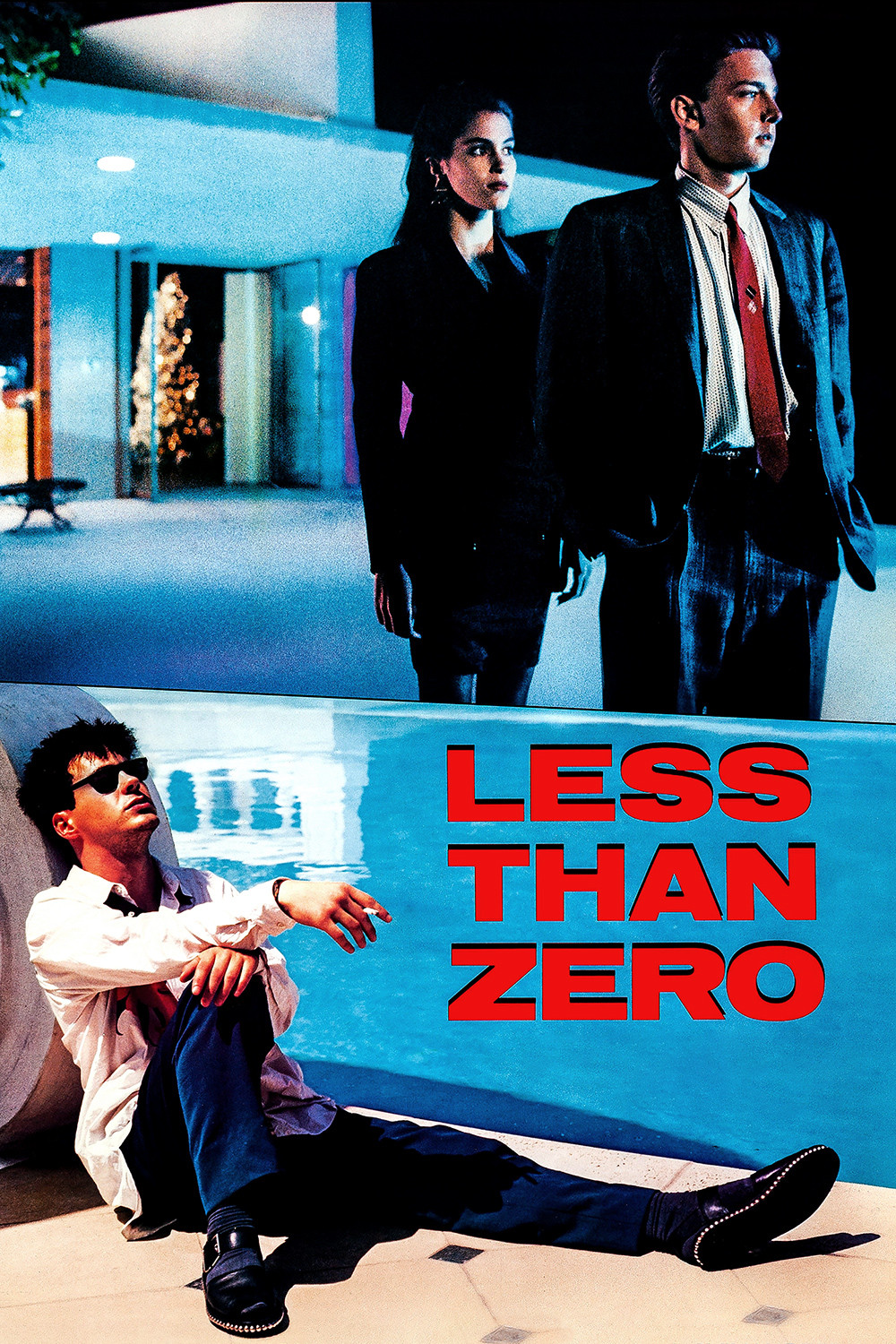
Marek Kanievska’s adaptation of Bret Easton Ellis’ novel follows a college student facing addiction and excess in Los Angeles. It’s dark and stylish.
Andrew McCarthy and Robert Downey Jr. deliver raw performances. The film captures the 1980s’ hedonistic underbelly with unflinching honesty.
Drugstore Cowboy (1989)
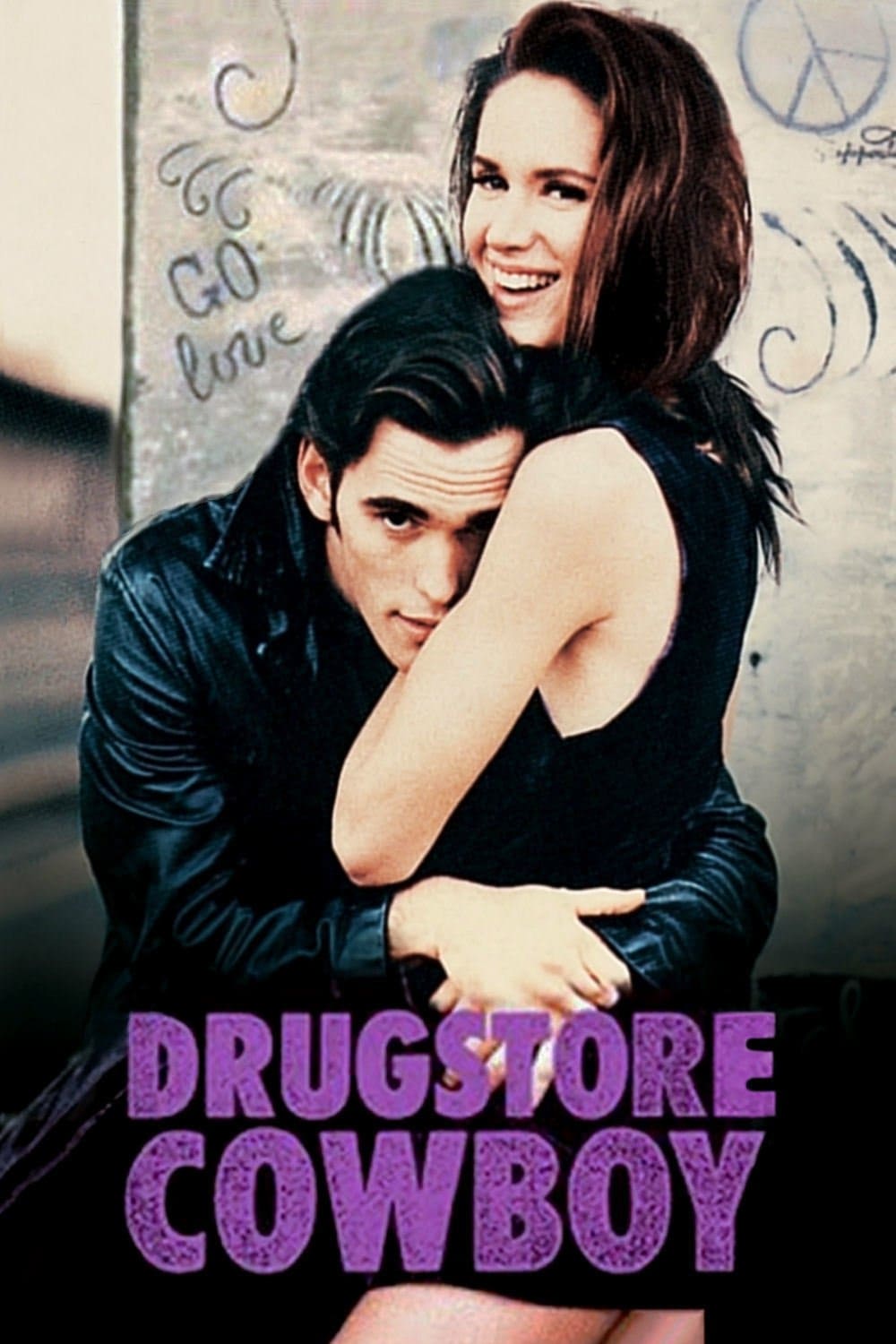
Gus Van Sant’s drama follows a group of addicts robbing pharmacies in the 1970s. Matt Dillon’s performance is raw and captivating.
The film’s empathetic look at addiction avoids glamorization. Its poetic style and strong cast make it a landmark indie film.
Running on Empty (1988)
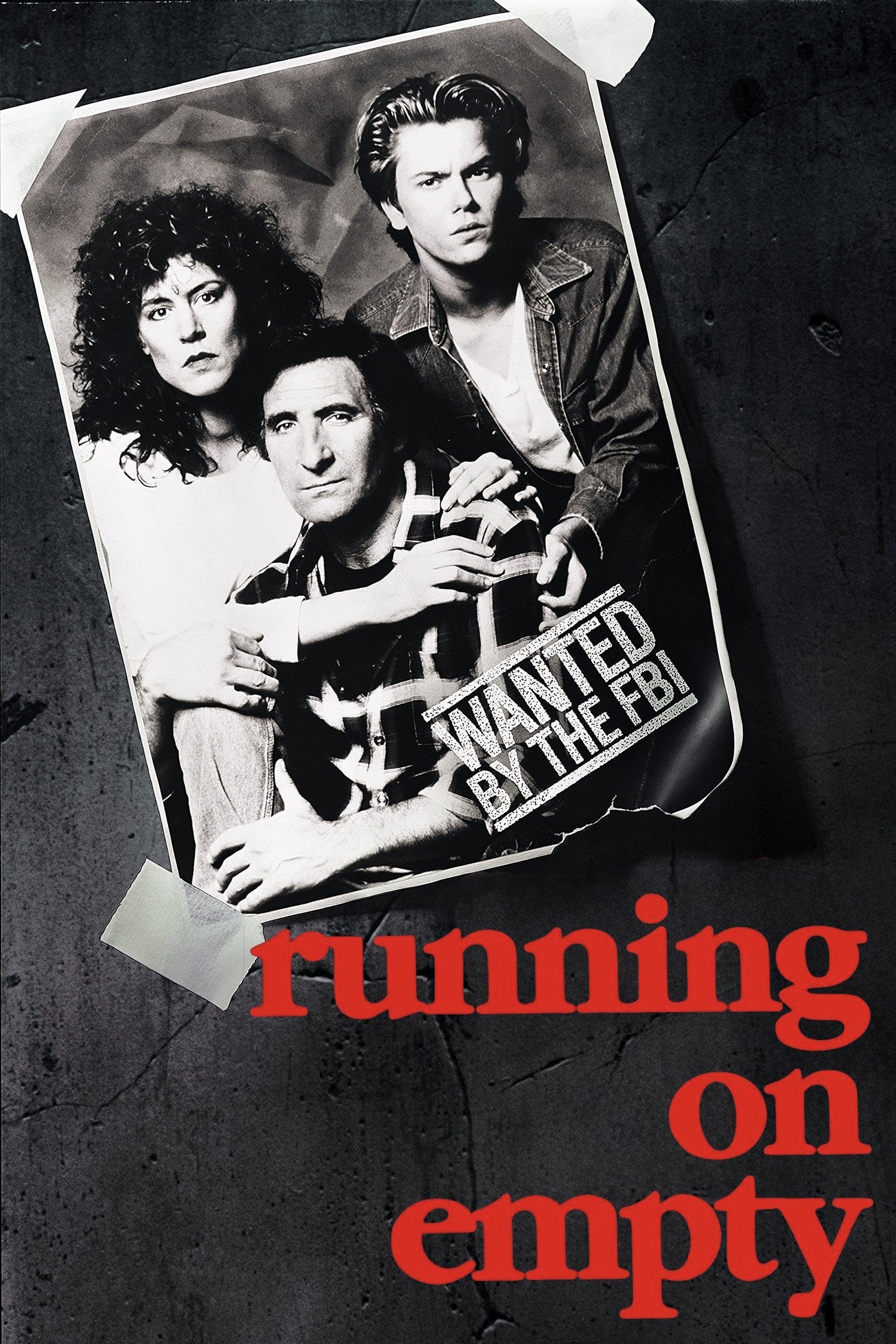
Sidney Lumet’s heartfelt drama follows a teen whose parents are fugitive radicals. River Phoenix shines as a young man torn between family and freedom.
The film balances personal and political struggles with emotional depth. It’s a moving portrait of loyalty and sacrifice.
Border Radio (1987)
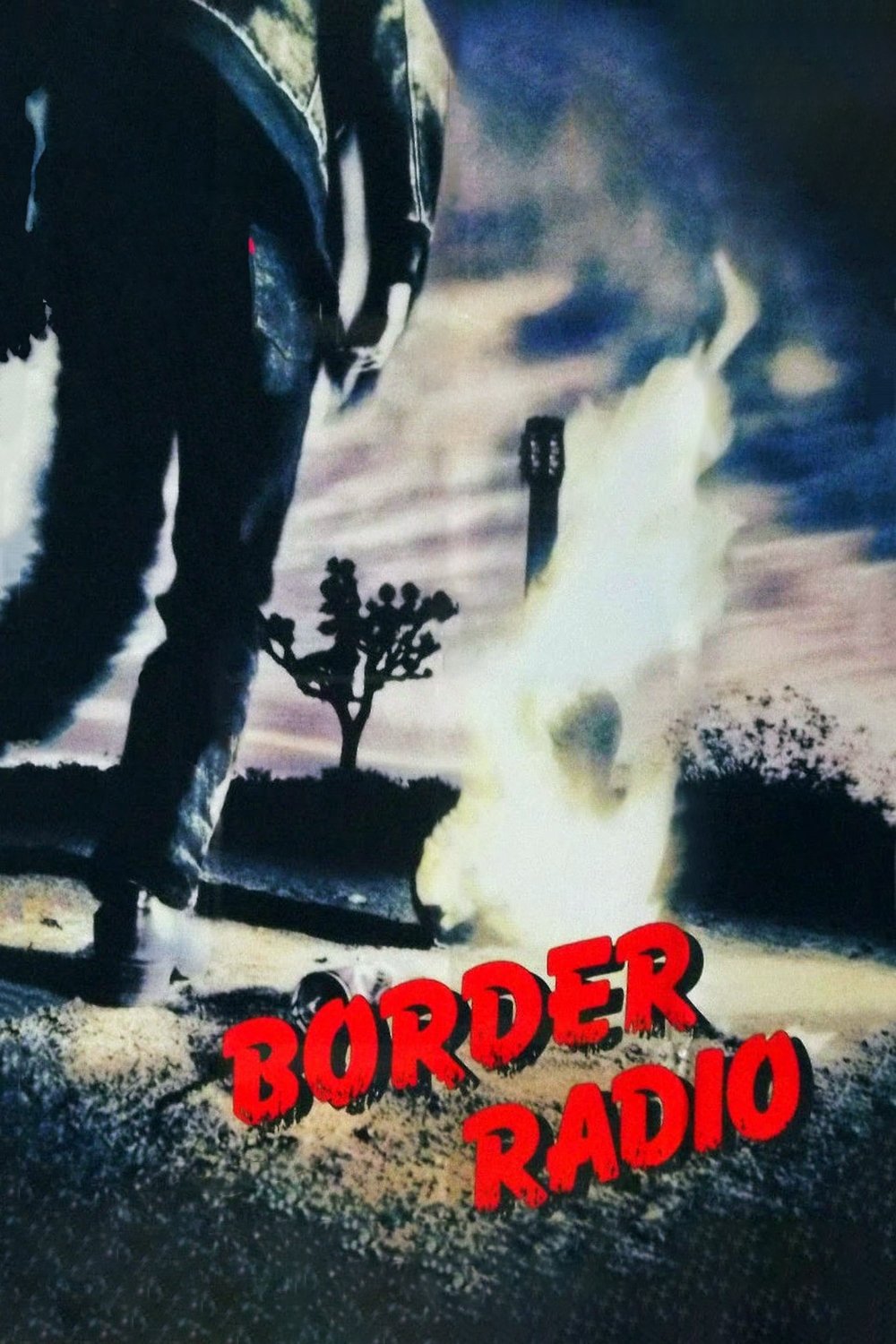
This post-punk road movie follows a musician fleeing to Mexico after stealing cash. Directed by Allison Anders, Dean Lent, and Kurt Voss, it’s raw and real.
Shot over four years, the film’s gritty aesthetic and road-trip vibe capture the 1980s indie ethos. It’s a hidden gem worth seeking out.
Mystery Train (1989)
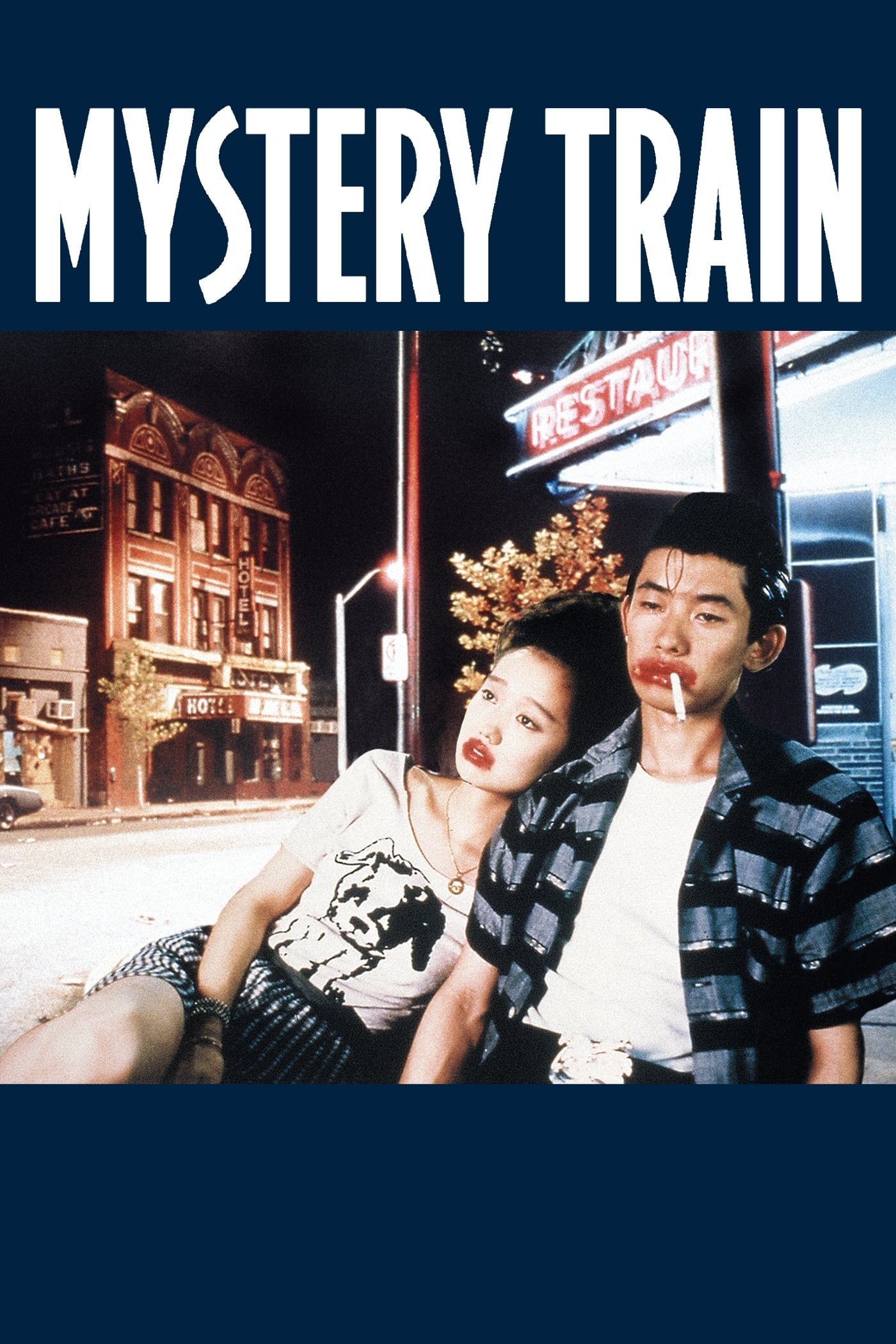
Jim Jarmusch’s anthology weaves three stories in a Memphis hotel, blending humor and melancholy. It’s quirky and beautifully shot.
The ensemble cast, including Joe Strummer and Screamin’ Jay Hawkins, adds soul. The film’s laid-back vibe is pure indie magic.
Near Dark (1987)
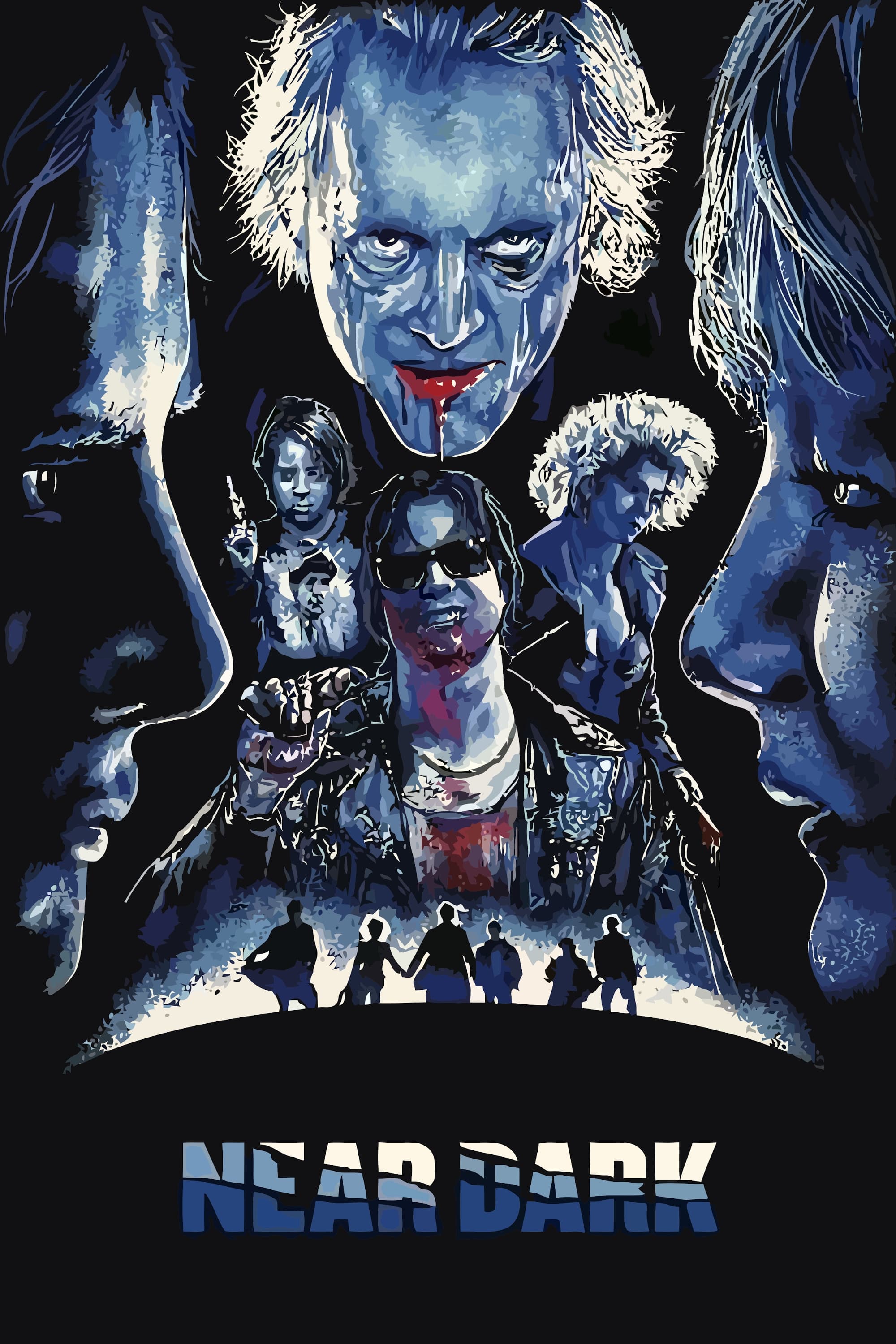
Kathryn Bigelow’s vampire western follows a cowboy drawn into a nomadic undead clan. It’s gritty, stylish, and genre-bending.
The film’s desert setting and intense performances from Adrian Pasdar and Lance Henriksen create a haunting vibe. It’s a cult classic with bite.
Desert Hearts (1985)
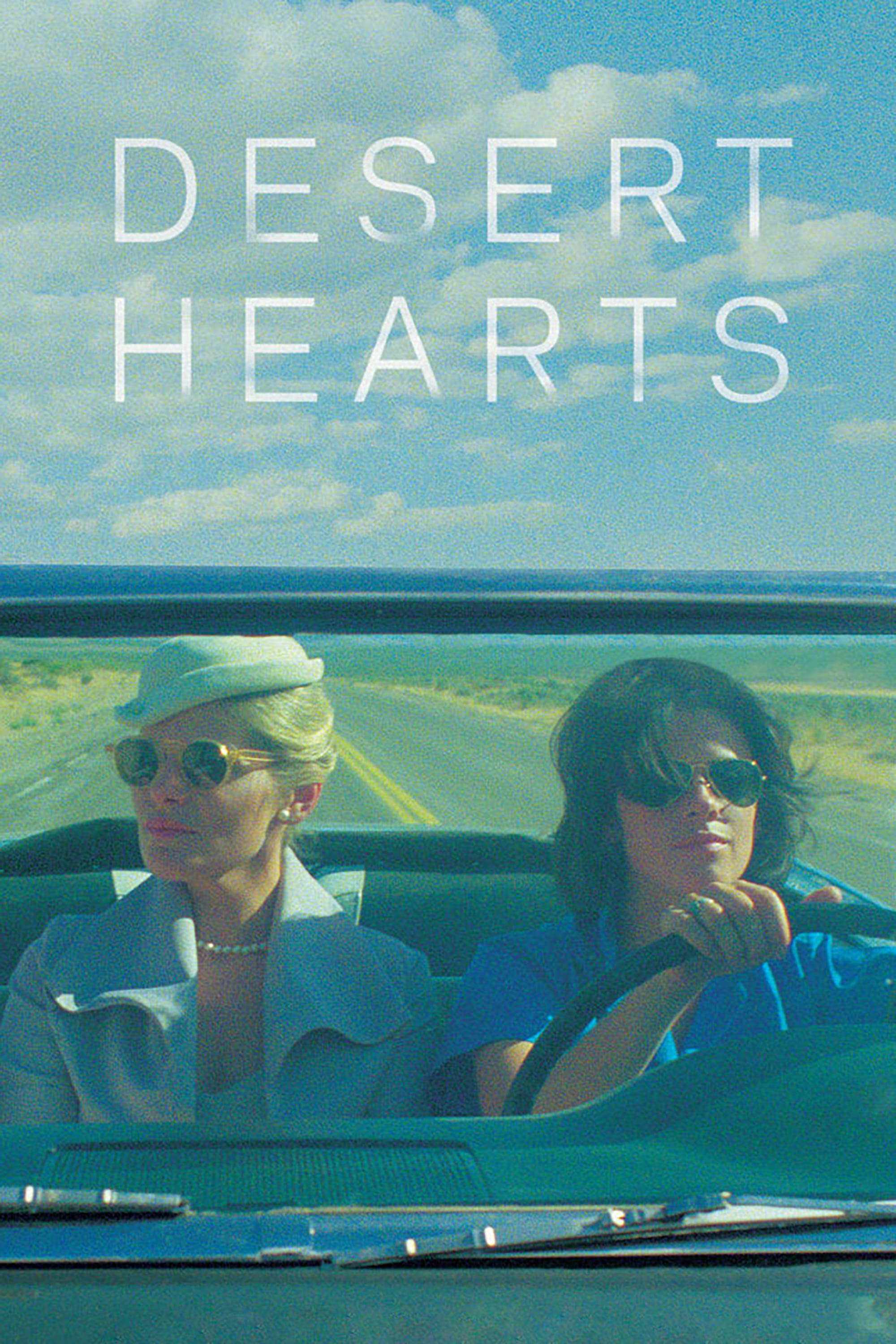
Donna Deitch’s romantic drama follows a professor finding love with a free-spirited woman in 1950s Nevada. It’s tender and groundbreaking.
Helen Shaver and Patricia Charbonneau’s chemistry anchors the film. Its authentic portrayal of a same-sex relationship was rare for its time.
Blue Velvet (1986)

David Lynch’s dark masterpiece follows a college student uncovering a sinister underworld. Kyle MacLachlan and Isabella Rossellini deliver unforgettable performances.
The film’s blend of innocence and menace is pure Lynch. Its surreal visuals and haunting tone make it a defining indie work.
Sex, Lies, and Videotape (1989)
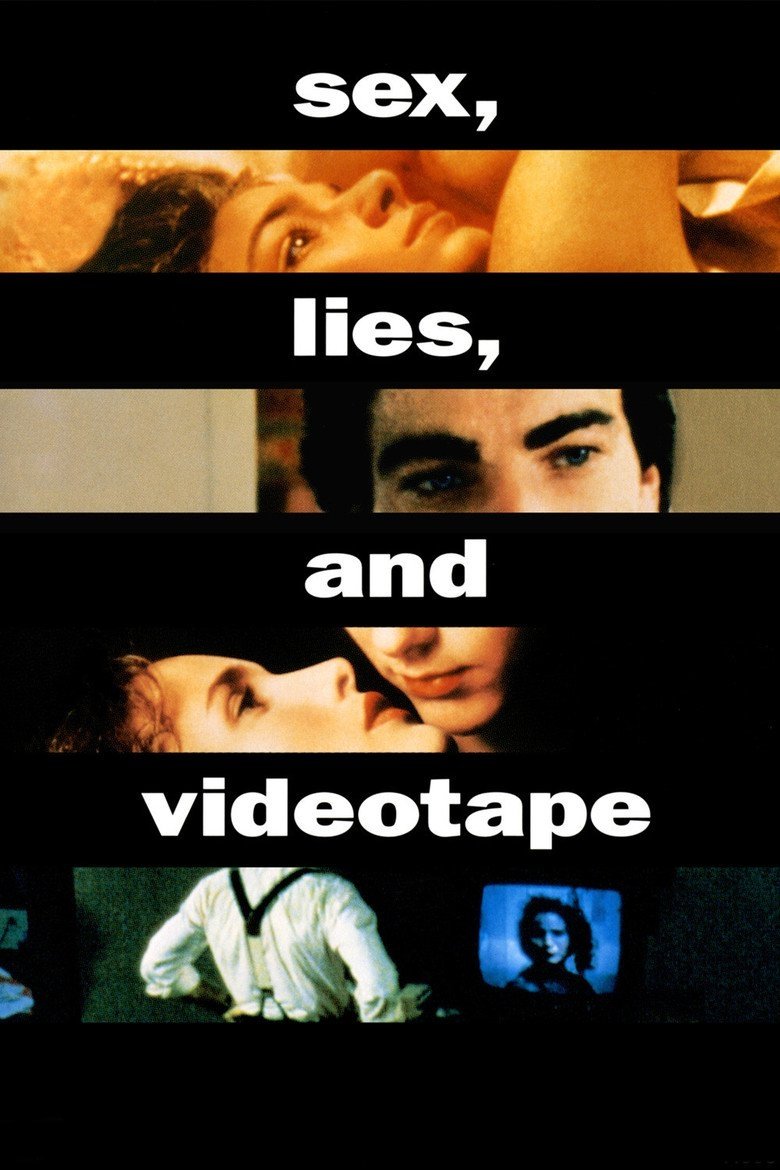
Steven Soderbergh’s debut explores desire and secrets through a man recording women’s confessions. James Spader and Andie MacDowell star in this intimate drama.
Shot on a tight budget, the film’s raw honesty and sharp script sparked an indie revolution. It’s a timeless look at trust and intimacy.
Which of these 1980s indie films is your favorite, or did we miss a hidden gem you love? Drop your thoughts in the comments!