The Insane Amount RDJ Was Paid for 8 Minutes in ‘Spider-Man: Homecoming’: They Knew They Had To Kill Him Off at That Point


Hollywood salaries are often a topic of fascination, with top-tier actors commanding sums that can rival the budgets of smaller films. The intricate system of negotiations, star power, and perceived value to a project creates a wide spectrum of paychecks across the industry.
For major blockbuster franchises, in particular, the presence of a beloved actor can be seen as a crucial ingredient for success, a factor that studios are often willing to pay a premium for. This was certainly the case within the sprawling Marvel Cinematic Universe, which built its foundation on the charisma of its core cast.
The interconnected nature of this cinematic world meant that characters frequently appeared in each other’s standalone films. These crossovers became a hallmark of the franchise, delighting fans and reinforcing the idea of a shared universe. The inclusion of an established and popular character in a newer hero’s story could serve as a powerful endorsement, helping to launch a new chapter of the saga.
It was a strategy that proved immensely successful, but it also came with a significant price tag, especially when involving the actor who was arguably the face of the entire universe. The financial arrangements behind these brief but pivotal appearances speak volumes about the business of modern moviemaking.
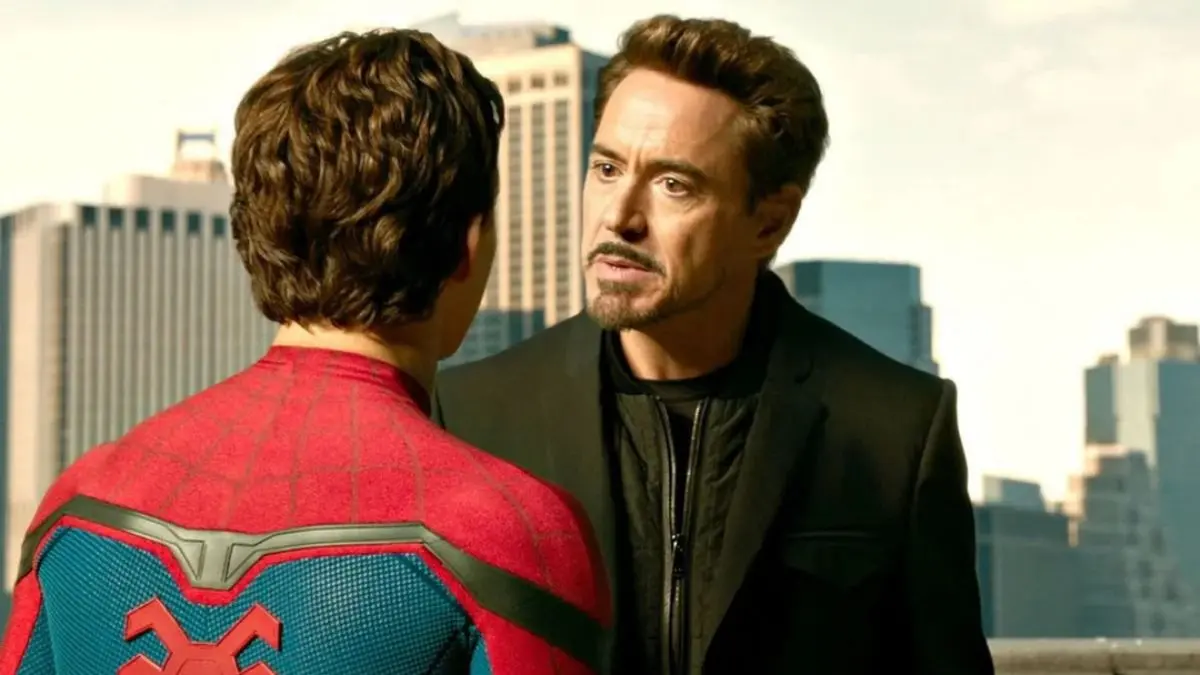
For his role in Spider-Man: Homecoming, Robert Downey Jr. was paid a staggering $10 million. What makes this figure particularly noteworthy is that his total screen time in the film amounted to just about eight minutes. This calculation means the actor earned approximately $1.25 million for every minute he appeared on screen.
The film itself, which runs for a total of 133 minutes, centered on Tom Holland’s Peter Parker as he navigated life as a high school student and a burgeoning superhero. Downey’s character, Tony Stark, served as a mentor figure, appearing in a handful of key scenes.
The decision by the studio to invest so heavily in such a limited appearance highlights the immense value placed on Downey Jr.’s portrayal of Iron Man. By the time Spider-Man: Homecoming was released, he was the anchor of the Marvel Cinematic Universe. His presence was considered a vital link for integrating this new version of Spider-Man into the established world of The Avengers.
The marketing for the film heavily featured Tony Stark, leveraging his popularity to attract a massive audience and ensure the reboot’s success. The movie went on to gross over $880 million worldwide, a result that, in the eyes of the studio, likely justified the hefty expenditure on its most famous star. To put his salary into perspective, Tom Holland, the lead actor of the film, reportedly earned $1.5 million for the entire project.
This kind of per-minute earning is not unheard of for actors at the very top of the industry, but it remains an eye-popping figure. It reflects a business model where star power is a quantifiable asset, capable of generating massive returns at the box office.
Downey Jr.’s deal often included not just a base salary but also a percentage of the film’s profits, which in the case of other Marvel films, sent his total earnings soaring even higher. His compensation for Homecoming was a clear and calculated move to bolster a new franchise entry by tying it directly to the most successful element of the existing universe.
While audiences reflect on the economics of past blockbusters, the superhero movie landscape continues to evolve. Currently playing in theaters is Marvel’s latest offering, The Fantastic Four: First Steps. This film introduces audiences to a new team of heroes, set against the backdrop of a retro-futuristic world inspired by the 1960s.
The movie stars Pedro Pascal as Reed Richards, Vanessa Kirby as Sue Storm, Joseph Quinn as Johnny Storm, and Ebon Moss-Bachrach as Ben Grimm. The team must confront the planet-devouring entity known as Galactus, whose arrival is heralded by the enigmatic Silver Surfer.
The film aims to establish a new cornerstone for the ongoing cinematic saga, introducing Marvel’s “First Family” to a new generation of moviegoers. As the industry continues to navigate the balance between storytelling and star power, the financial decisions behind these massive productions remain as compelling as the on-screen action itself.
What are your thoughts on actor salaries in major Hollywood productions? Do you think such high pay for limited screen time is justified by box office results? Share your opinions in the comments below.