Biggest Hollywood Movie Franchises Destroyed by Greed for Money


Hollywood loves a good franchise. A successful movie can spawn sequels, spin-offs, and merchandise, raking in billions for studios. But when greed takes over, studios often prioritize profits over quality, pumping out sequels or reboots that dilute the original magic. Fans feel cheated, and once-beloved franchises lose their shine, leaving behind bloated budgets and disappointed audiences.
This list dives into 15 major Hollywood franchises that fell apart due to money-driven decisions. From endless sequels to soulless reboots, these series show how chasing cash can ruin even the most iconic stories. Each entry explores what went wrong and how greed turned cinematic gems into cautionary tales.
‘Terminator’ (1984)
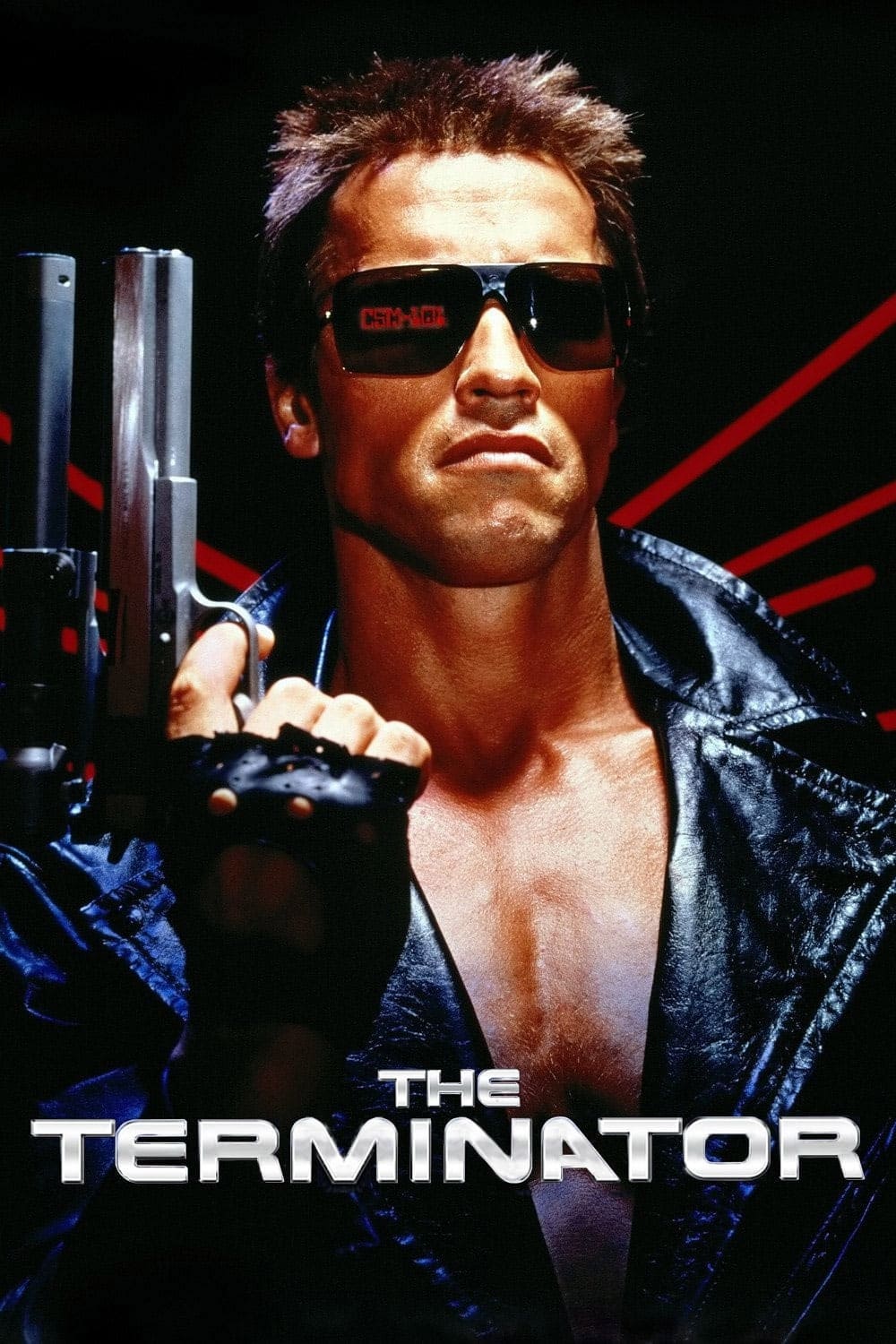
The ‘Terminator’ franchise started with two iconic films that defined sci-fi action. James Cameron’s gritty vision and Arnold Schwarzenegger’s star power made the first two entries timeless. But studios saw dollar signs and kept pushing for more, even when the story felt complete. Greed led to a string of sequels that lost the original’s heart.
After ‘Terminator 2: Judgment Day’, the series churned out ‘Terminator 3’, ‘Salvation’, ‘Genisys’, and ‘Dark Fate’. Each tried to milk the brand with bigger budgets and convoluted plots, but fans grew tired of recycled ideas and inconsistent timelines. By prioritizing profit over storytelling, the franchise became a shadow of itself, with ‘Dark Fate’ bombing at the box office, barely scraping $260 million against a $185 million budget.
‘Jaws’ (1975)
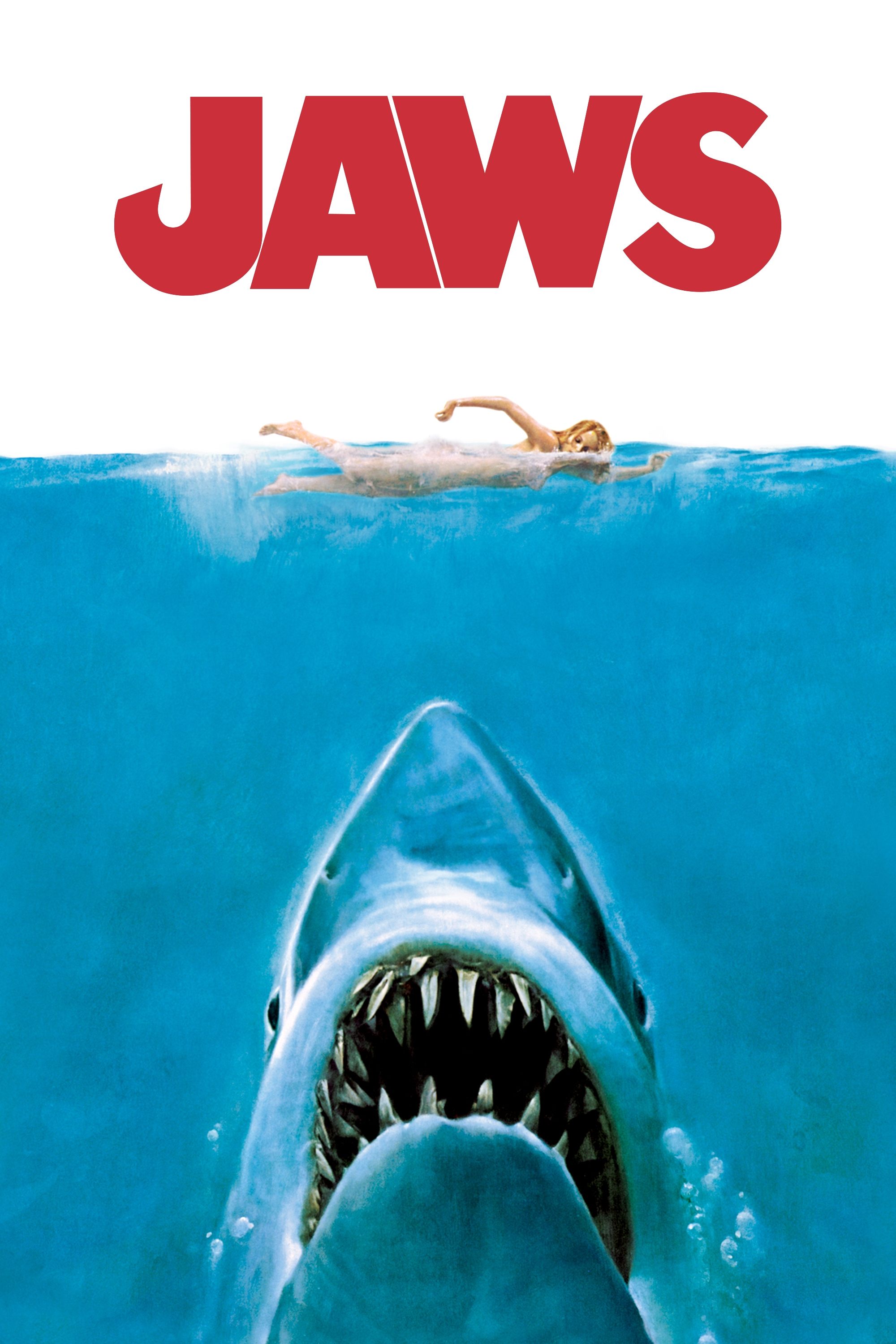
Steven Spielberg’s ‘Jaws’ was a cultural phenomenon, setting the standard for summer blockbusters. Its suspense and groundbreaking effects hooked audiences worldwide. Universal, smelling money, rushed to capitalize with sequels that ignored the original’s tight storytelling. The pursuit of profit turned a masterpiece into a punchline.
‘Jaws 2’ was decent but unnecessary, while ‘Jaws 3-D’ and ‘Jaws: The Revenge’ were critical and commercial disasters. The latter, costing $23 million, grossed just $51 million and earned a 0% Rotten Tomatoes score. Greedy attempts to stretch the shark saga with gimmicks like 3D and absurd plots alienated fans, sinking the franchise’s legacy.
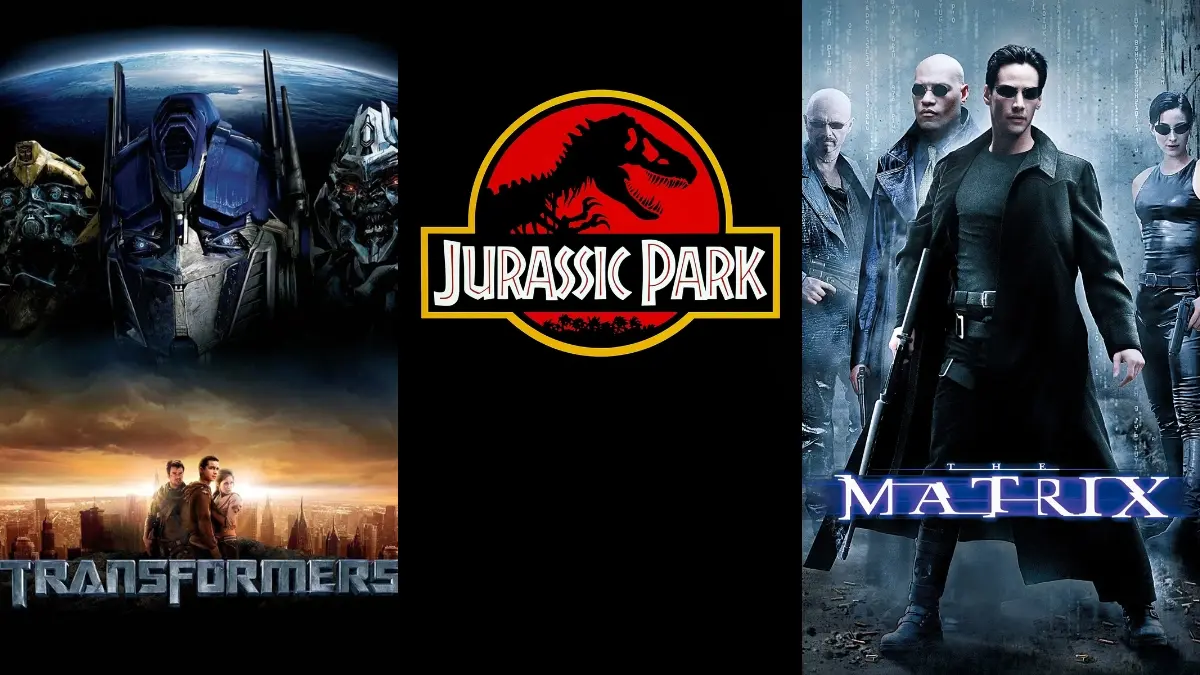
‘Jurassic Park’ (1993)
Spielberg struck gold again with ‘Jurassic Park’, a thrilling blend of science and spectacle. The original and its first sequel were massive hits, grossing over $1 billion combined. But Universal’s hunger for more led to a new trilogy that prioritized flashy visuals over substance. Greed diluted the awe that made the series special.
‘Jurassic World’ revived the franchise, but ‘Fallen Kingdom’ and ‘Dominion’ leaned on tired tropes and weak scripts. ‘Dominion’, with a $165 million budget, grossed $1 billion but faced harsh reviews for its convoluted plot. Fans felt the series became a cash grab, losing the wonder of dinosaurs in favor of overblown action.
‘A Nightmare on Elm Street’ (1984)
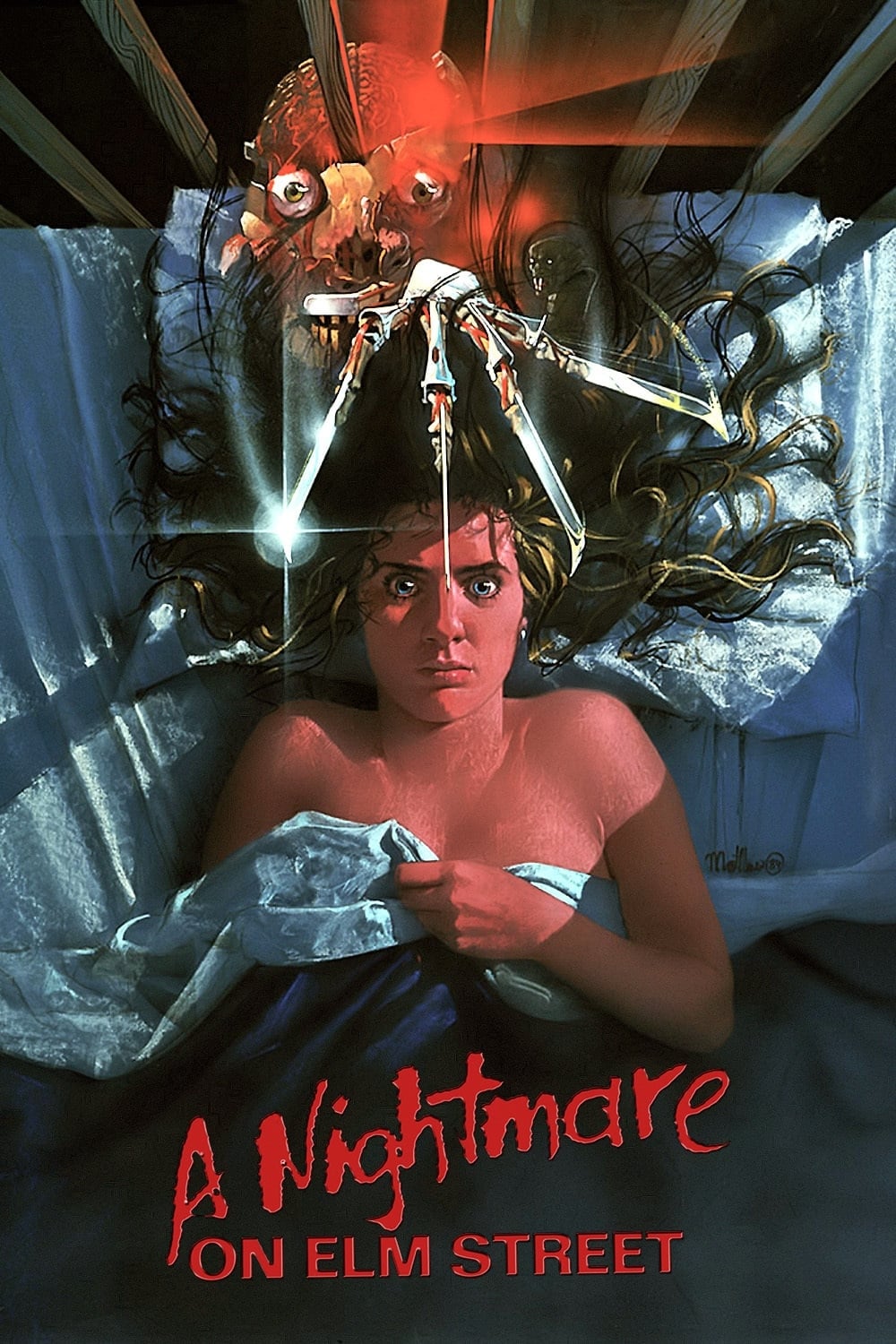
Wes Craven’s ‘A Nightmare on Elm Street’ introduced Freddy Krueger, a horror icon who terrified audiences. The first film’s success led New Line Cinema to churn out sequels at a relentless pace. Greed turned a creative horror gem into a formulaic money machine, draining its scare factor.
By the late 1980s, Freddy became a campy caricature, with sequels like ‘Freddy’s Dead’ prioritizing merchandise and gimmicks over horror. The 2010 remake, costing $35 million, grossed $115 million but was panned for lacking Craven’s vision. Fans abandoned the series as studios milked the brand without respect for its roots.
‘Fast & Furious’ (2001)
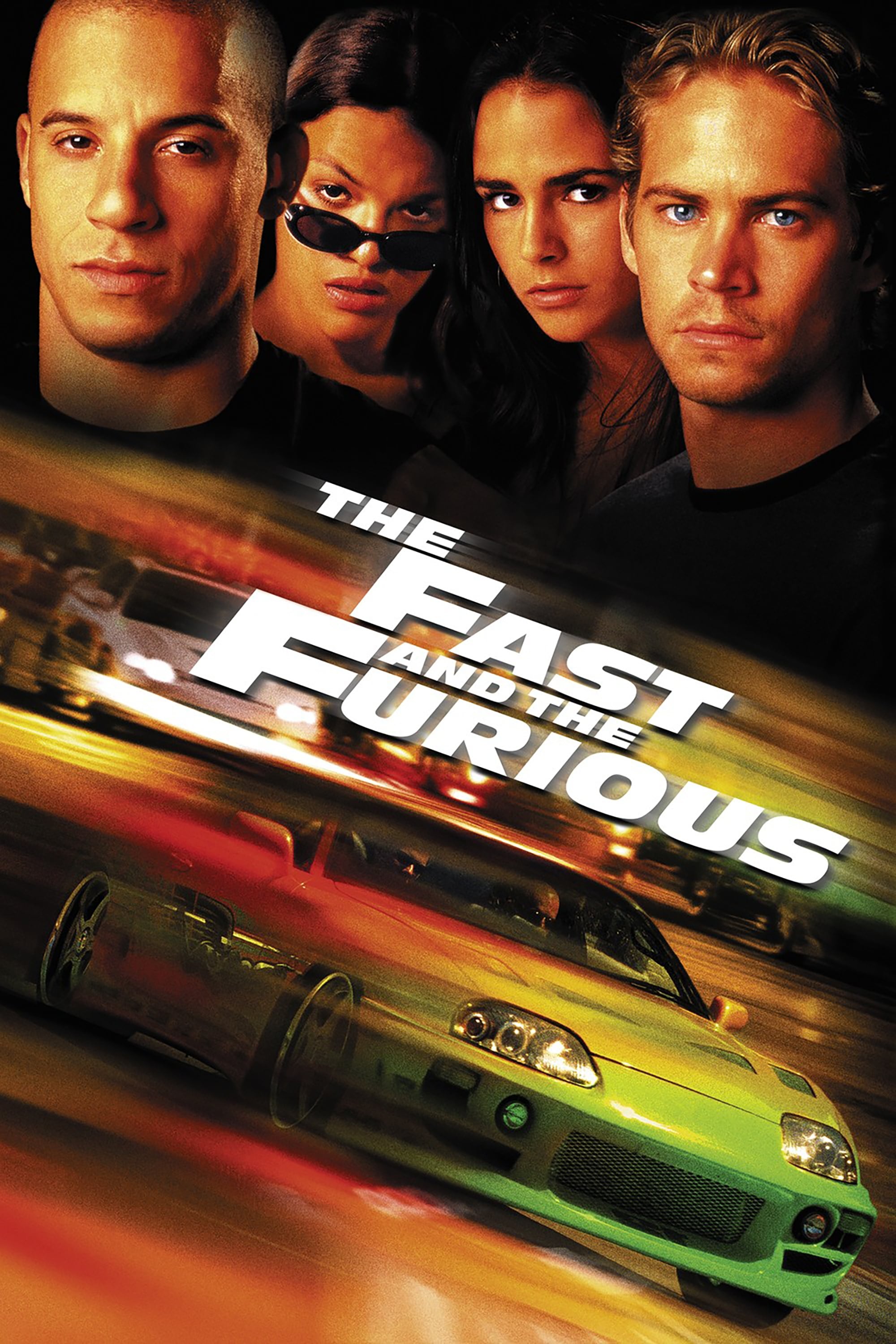
The ‘Fast & Furious’ saga started as a gritty street-racing thriller. Its focus on family and practical stunts built a loyal fanbase. Universal, seeing a cash cow, pushed the series into absurd territory with over-the-top action and endless sequels. Greed stretched the franchise beyond its breaking point.
After ‘Furious 7’ grossed $1.5 billion, the series leaned into cartoonish spectacles, alienating fans. ‘Fast X’, with a $340 million budget, underperformed at $704 million and drew lukewarm reviews. The constant push for bigger, pricier films made the series feel hollow, losing the charm that defined its early days.
‘Die Hard’ (1988)
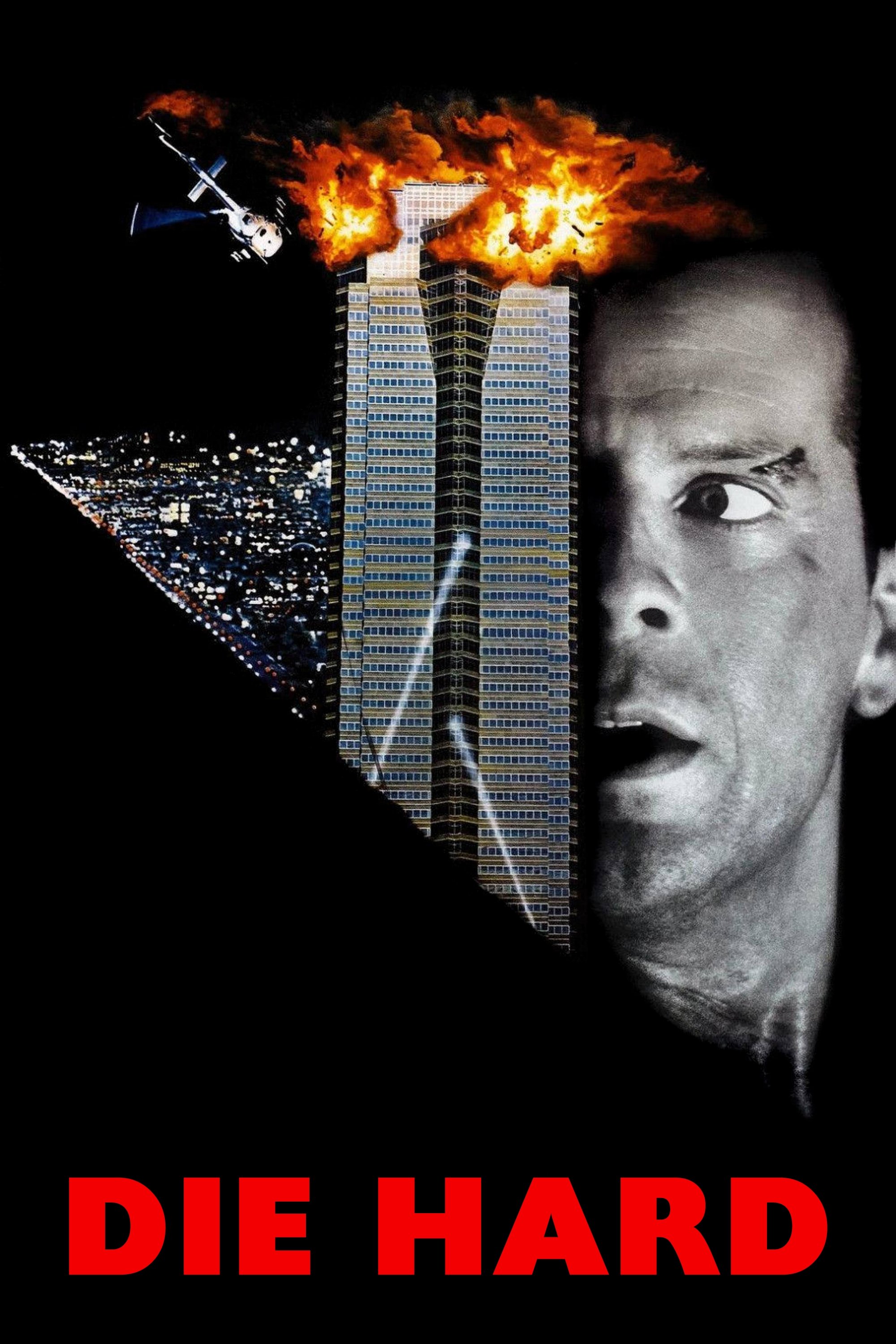
‘Die Hard’ redefined action movies with Bruce Willis as the everyman hero John McClane. The first three films were hits, blending tight plots with charisma. But 20th Century Fox’s greed led to unnecessary sequels that diluted the franchise’s grit. Profit trumped quality, and fans noticed.
‘Live Free or Die Hard’ and ‘A Good Day to Die Hard’ leaned on bloated budgets and generic action. The latter, costing $92 million, grossed $304 million but was slammed for weak writing and an unlikeable McClane. The push for more sequels, despite declining returns, turned a classic into a tired cash grab.
‘Pirates of the Caribbean’ (2003)
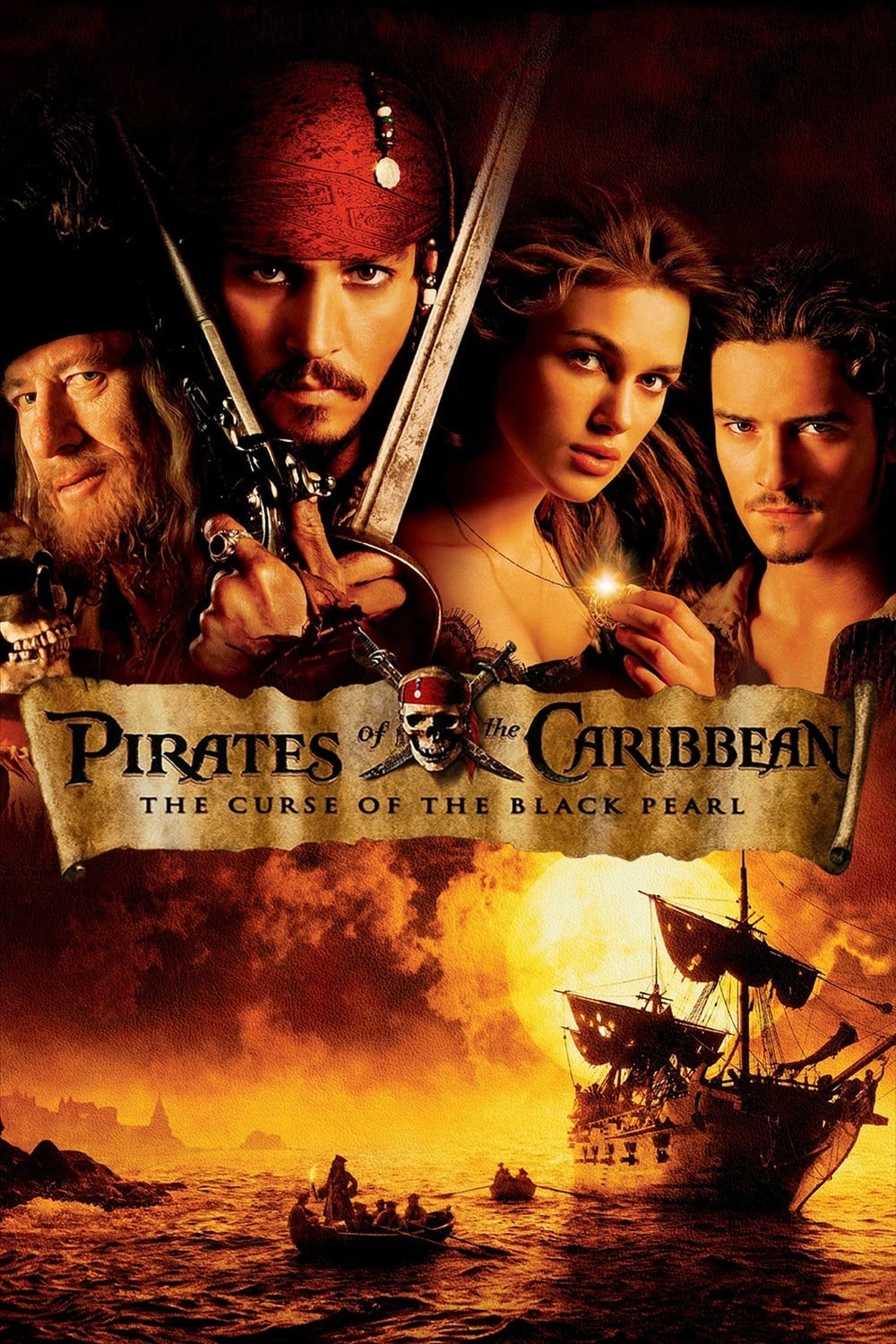
‘Pirates of the Caribbean’ began with a swashbuckling hit, driven by Johnny Depp’s iconic Jack Sparrow. The first three films grossed over $2.6 billion combined. Disney’s greed for more led to overstretched sequels that lost the original’s charm. The franchise became a bloated, costly mess.
‘On Stranger Tides’ and ‘Dead Men Tell No Tales’ had budgets exceeding $250 million each but faced diminishing returns and critical backlash. ‘Dead Men’ grossed $794 million but felt formulaic, with fans tiring of recycled plots. Disney’s focus on milking the brand over storytelling sank the series’ magic.
‘Transformers’ (2007)
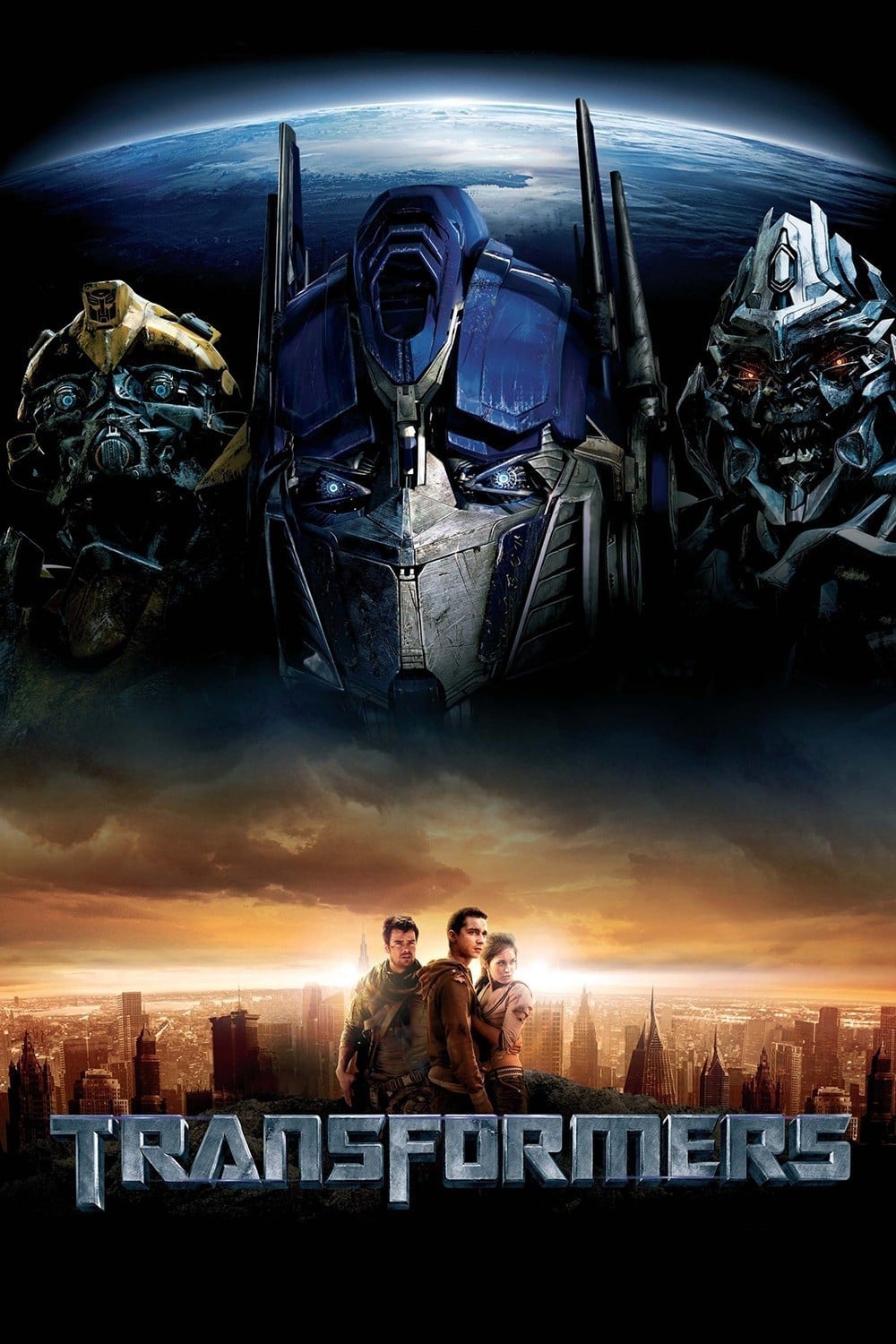
Michael Bay’s ‘Transformers’ brought giant robots to life, grossing $709 million with its first film. The blend of spectacle and nostalgia hooked audiences. But Paramount’s relentless push for sequels prioritized explosions over coherence. Greed turned a fun franchise into a bloated caricature.
After ‘Revenge of the Fallen’, the series leaned on chaotic plots and excessive runtimes. ‘Age of Extinction’ and ‘The Last Knight’ cost over $200 million each but saw declining box office and fan interest. ‘The Last Knight’ grossed just $605 million, with critics slamming its messy story. The cash-driven approach alienated fans.
‘Alien’ (1979)
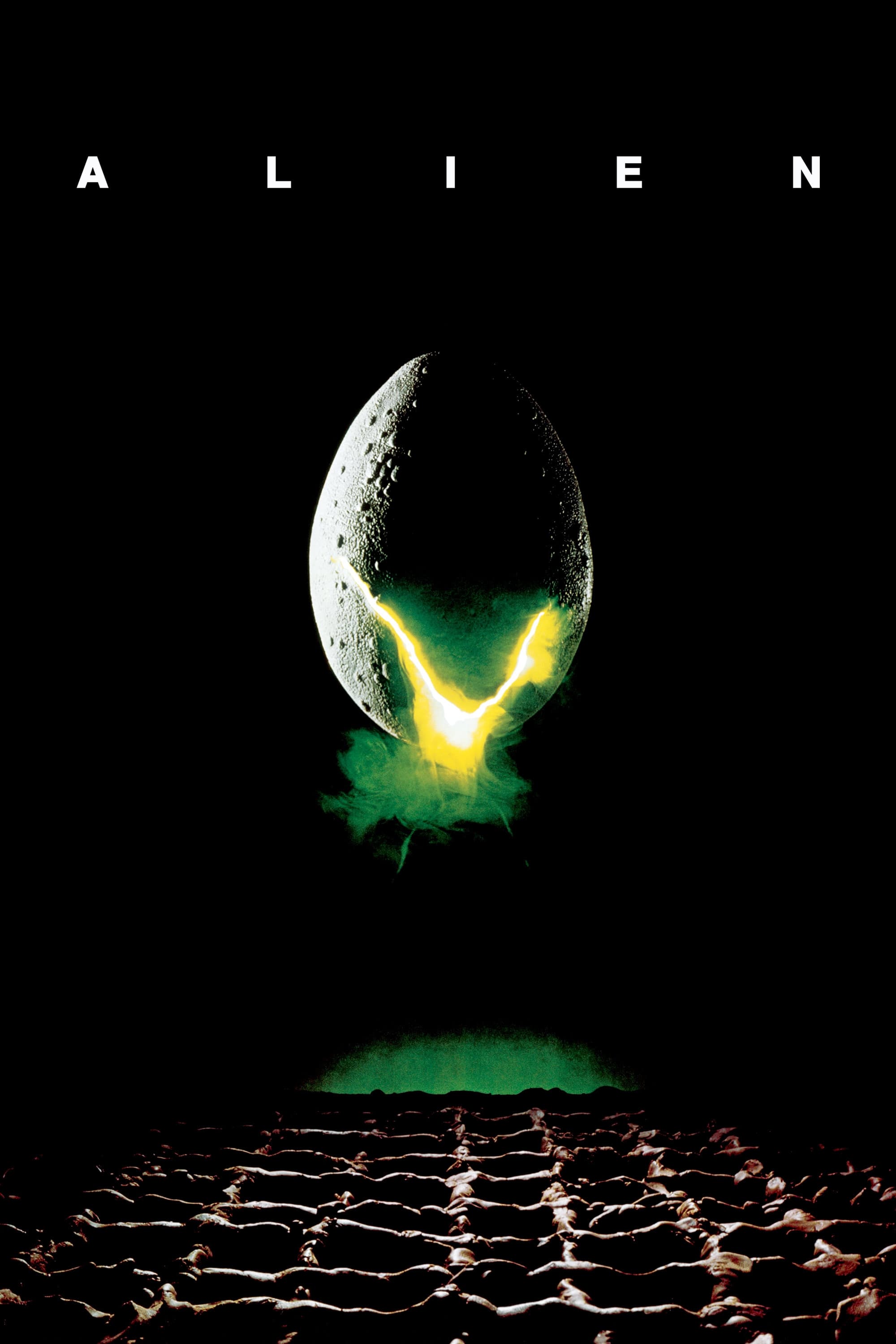
Ridley Scott’s ‘Alien’ was a sci-fi horror masterpiece, blending tension and groundbreaking visuals. Its sequel, ‘Aliens’, was equally acclaimed. But 20th Century Fox’s greed led to a string of sequels and spin-offs that lost the original’s edge. Profit motives dulled the franchise’s terror.
‘Alien 3’, ‘Resurrection’, and the ‘Prometheus’ prequels confused fans with inconsistent tones and convoluted lore. ‘Alien: Covenant’, costing $97 million, grossed $240 million but was criticized for straying from the xenomorph’s roots. The push for more films, despite fan backlash, left the series struggling to recapture its former glory.
‘The Matrix’ (1999)
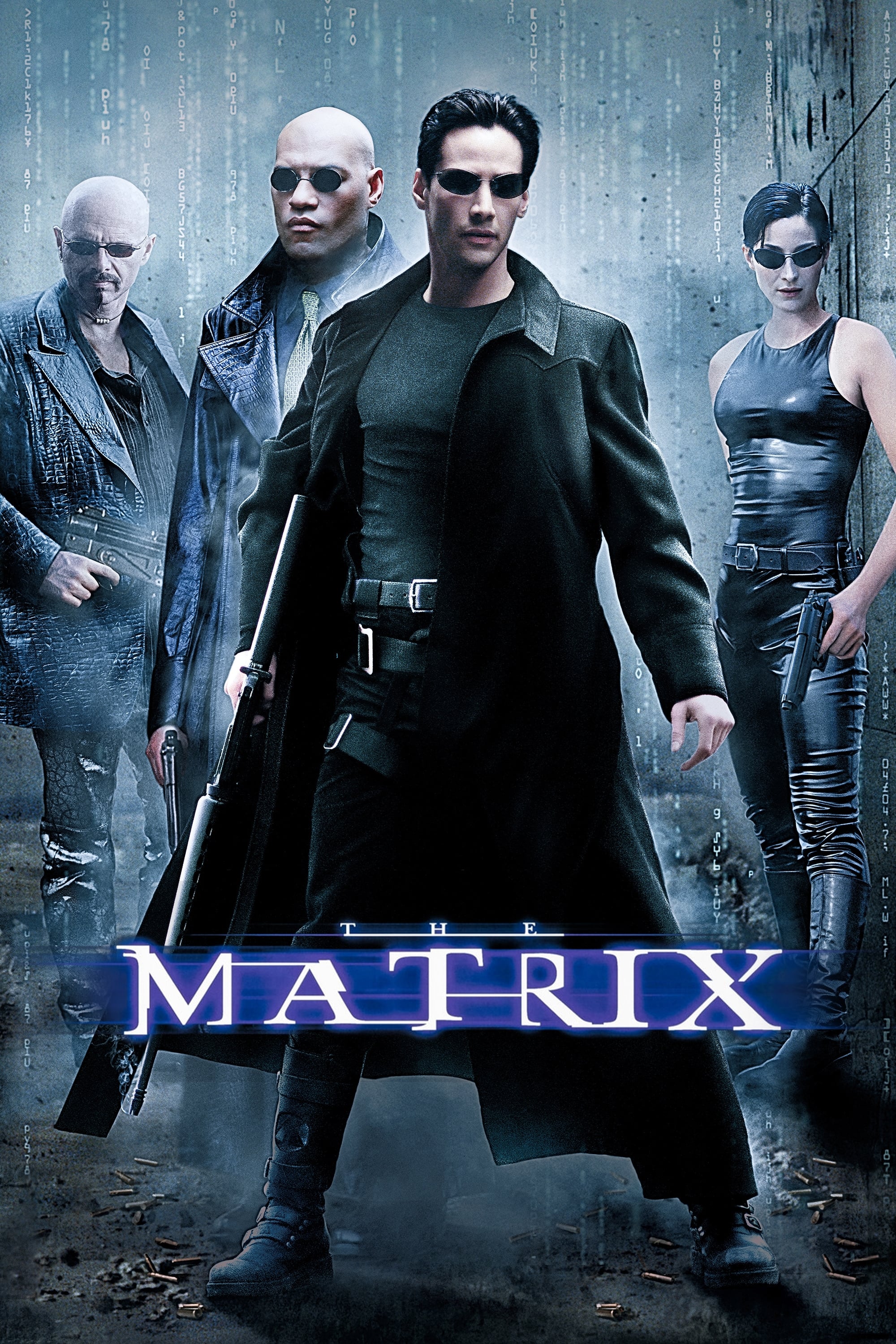
‘The Matrix’ revolutionized sci-fi with its bold visuals and philosophy. The first film grossed $465 million and became a cultural phenomenon. Warner Bros.’ greed for more led to rushed sequels and a reboot that lost the original’s spark. Money overshadowed creativity.
‘The Matrix Reloaded’ and ‘Revolutions’ were profitable but criticized for bloated plots. The 2021 reboot, ‘The Matrix Resurrections’, cost $190 million but grossed only $157 million, with fans rejecting its meta approach. Warner Bros.’ push to milk the brand without recapturing its depth tanked the franchise’s legacy.
‘Independence Day’ (1996)
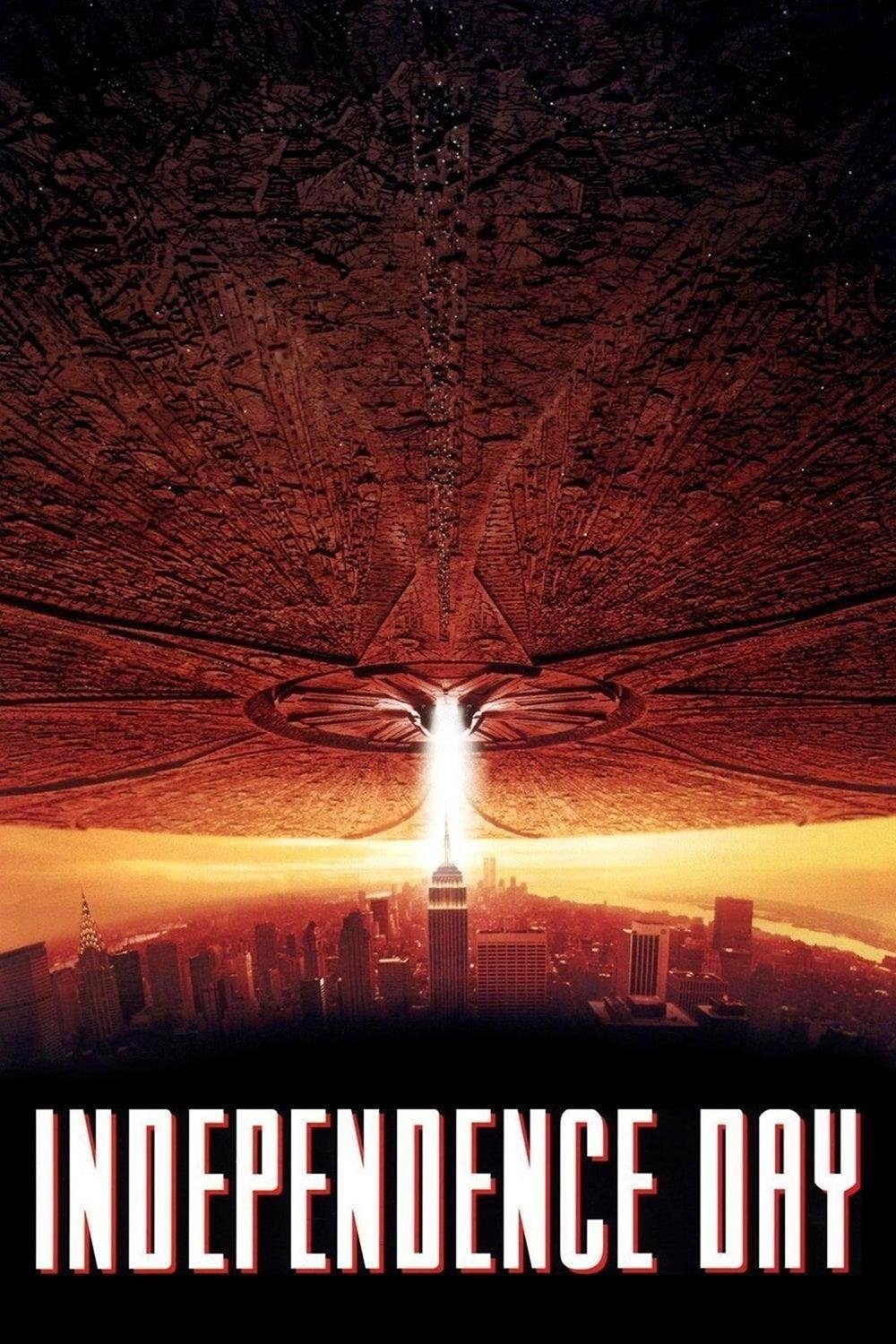
‘Independence Day’ was a 1990s blockbuster, grossing $817 million with its epic alien invasion. Its spectacle and charm made it a classic. 20th Century Fox’s greed led to a belated sequel that felt forced and uninspired. The pursuit of profit killed the franchise’s potential.
‘Independence Day: Resurgence’, released 20 years later, cost $165 million but grossed only $389 million. Critics slammed its lackluster story and absence of Will Smith’s star power. The studio’s attempt to cash in on nostalgia without a compelling vision ended any hope for future films.
‘Men in Black’ (1997)
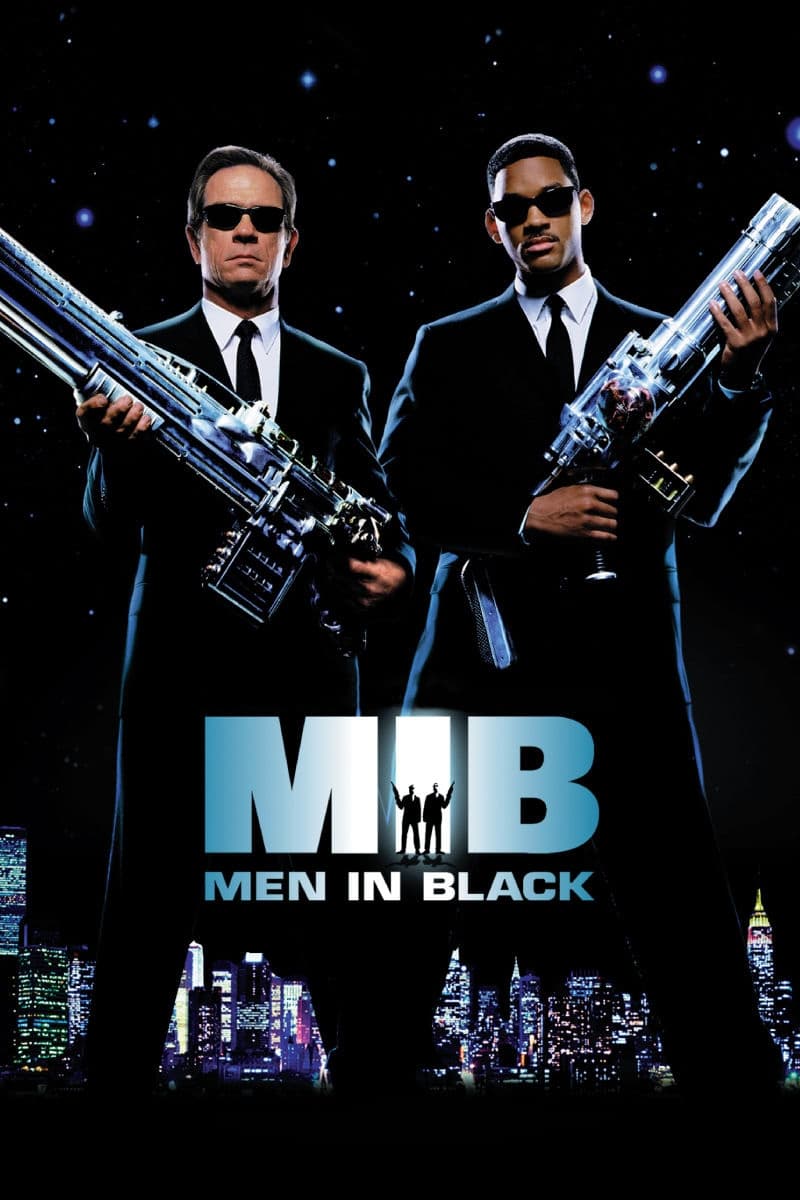
‘Men in Black’ mixed sci-fi and comedy, with Will Smith and Tommy Lee Jones delivering a $589 million hit. The first two films were beloved for their wit. Sony’s greed for more led to sequels that felt unnecessary and lacked the original’s charm.
‘Men in Black 3’ was decent but costly at $225 million, while ‘Men in Black: International’ bombed with $253 million against a $110 million budget. Critics panned the latter for its weak script and lack of chemistry. Sony’s push for more films without fresh ideas grounded the franchise.
‘Highlander’ (1986)
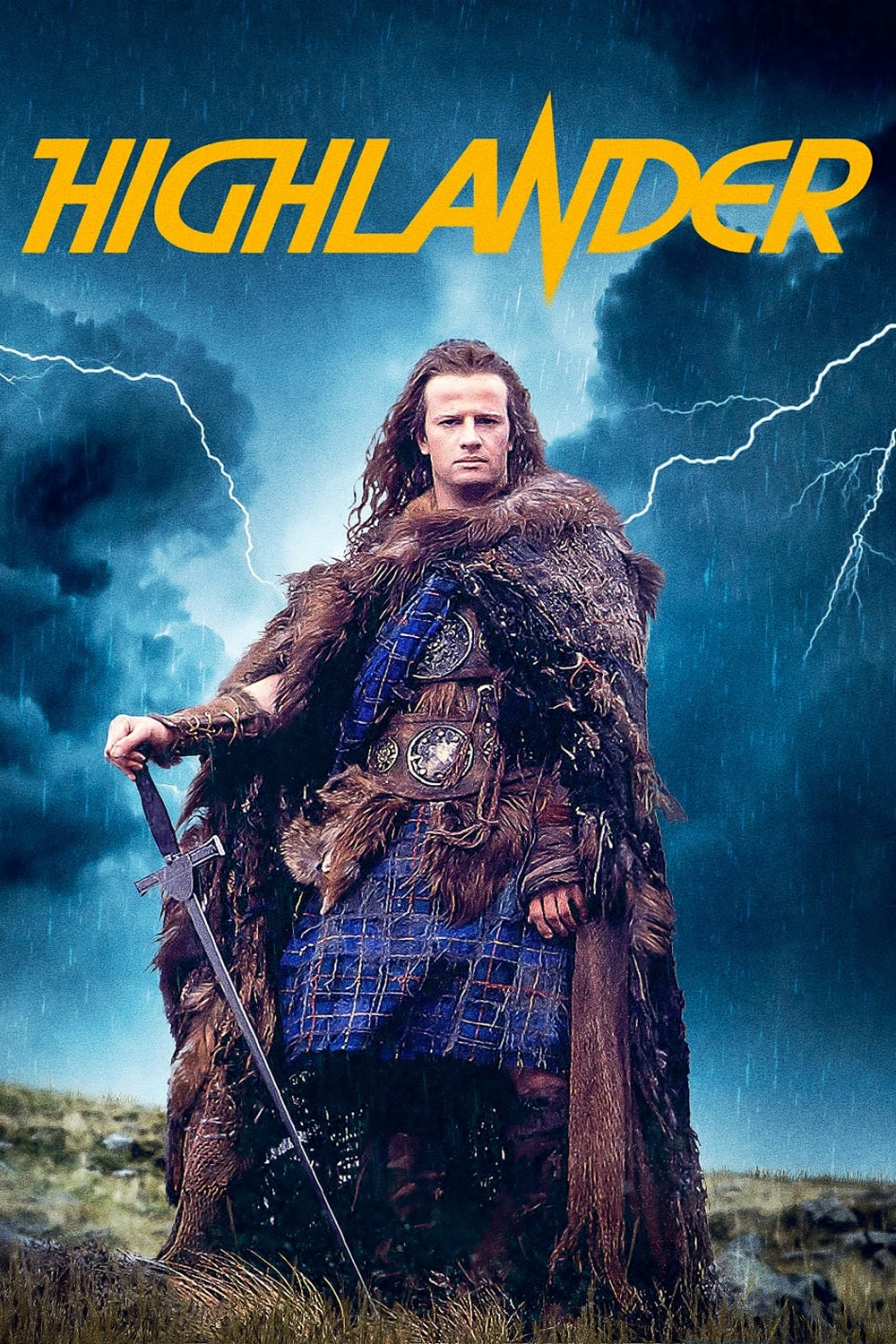
‘Highlander’ was a cult classic, blending fantasy and action with a unique immortal warrior premise. Its $25 million gross was modest but built a loyal fanbase. Greed led to a flood of low-quality sequels and spin-offs that betrayed the original’s vision.
‘Highlander II: The Quickening’ and subsequent films were panned for incoherent plots and cheap production. The franchise churned out TV shows and direct-to-video entries, diluting its mystique. The studio’s focus on milking the brand for quick cash left fans disillusioned and the series dead.
‘RoboCop’ (1987)

‘RoboCop’ was a sharp sci-fi satire, grossing $53 million and earning critical praise. Its blend of action and social commentary resonated deeply. MGM’s greed led to sequels and reboots that lost the original’s edge, chasing profits over substance.
‘RoboCop 2’ and ‘3’ suffered from weak scripts, while the 2014 reboot, costing $100 million, grossed $242 million but was criticized for generic action. The studio’s push for more films without Paul Verhoeven’s vision turned a bold franchise into a forgettable cash grab.
‘The Mummy’ (1999)
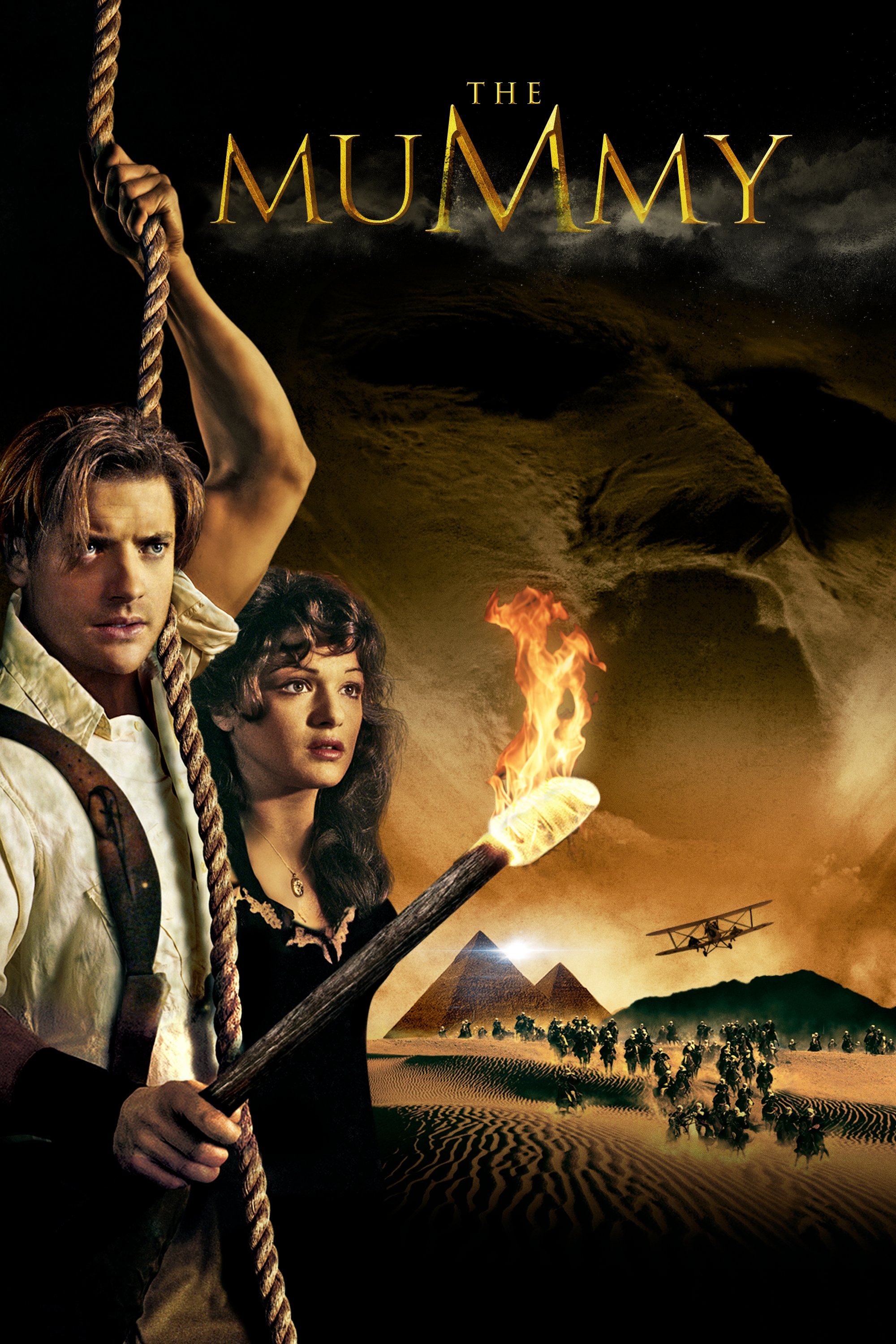
‘The Mummy’ was a fun adventure, grossing $416 million with Brendan Fraser’s charm. The first two films were hits, blending horror and humor. Universal’s greed led to a third film and a reboot that prioritized spectacle over storytelling, killing the franchise’s momentum.
‘The Mummy: Tomb of the Dragon Emperor’ was panned for weak writing, and the 2017 reboot, costing $125 million, grossed $410 million but was slammed for its generic plot and lack of heart. Universal’s attempt to launch a cinematic universe fizzled, leaving the series buried.
What’s your take on these franchises—did greed ruin your favorite, or is there hope for a comeback? Share your thoughts in the comments!