10 Things You Probably Didn’t Know About ‘X-Men’

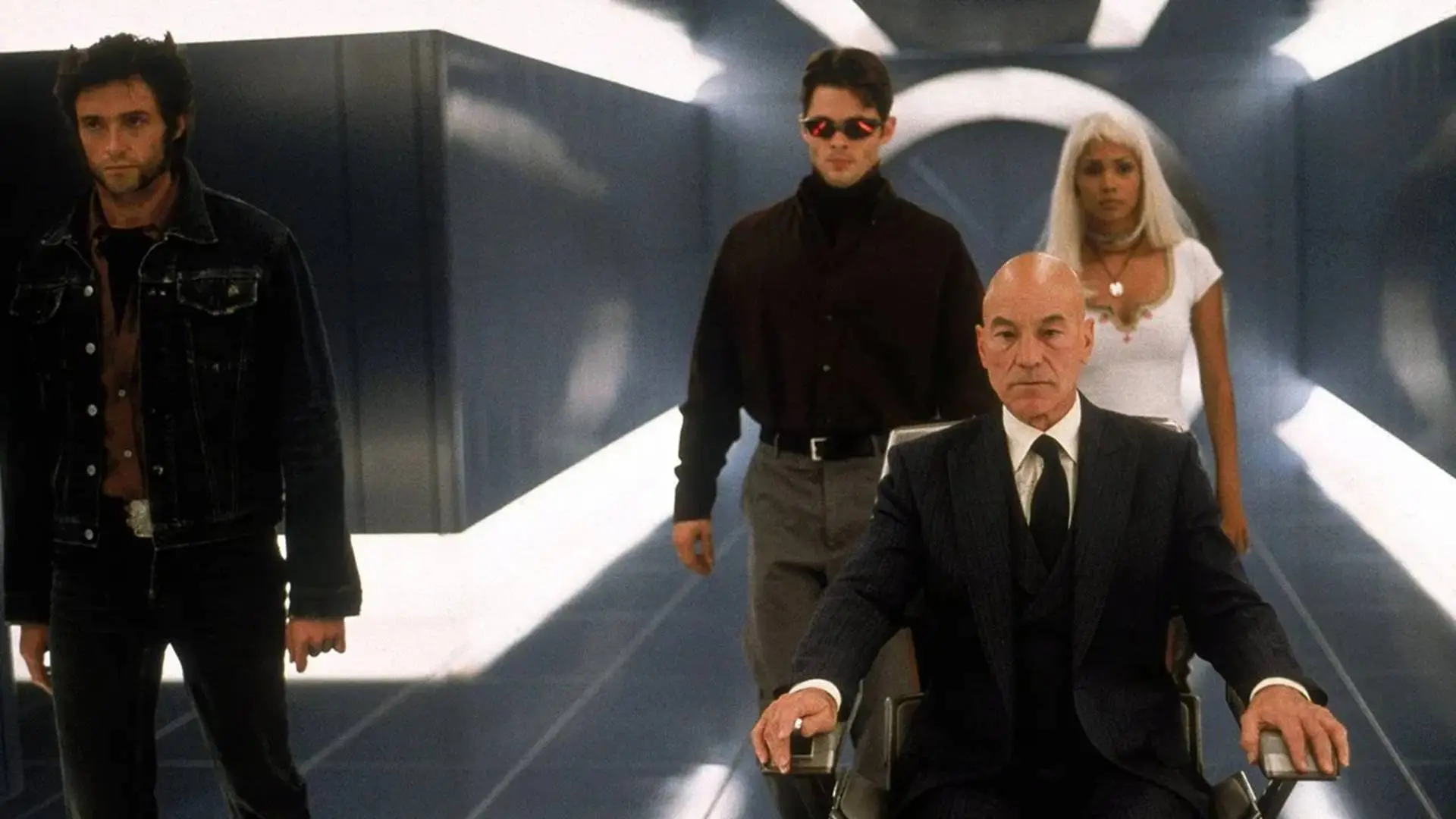

‘X-Men’ is the film that kicked off a new era for superhero movies. It brought Marvel’s mutant heroes to the big screen, introducing characters like Wolverine, Professor X, and Magneto to a wide audience. With a mix of action, drama, and themes of acceptance, it became a hit, grossing over $296 million worldwide. Its success paved the way for the modern superhero boom.
The making of ‘X-Men’ was filled with challenges and surprises. From last-minute casting changes to creative risks, the production had its share of drama. Here are 10 things you probably didn’t know about ‘X-Men’.
Last-Minute Wolverine Casting
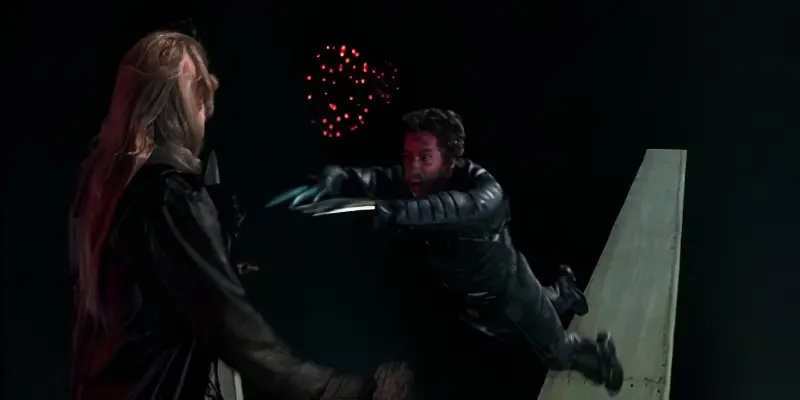
Hugh Jackman wasn’t the first choice for Wolverine. Dougray Scott was cast but had to drop out when ‘Mission: Impossible 2’ ran over schedule. Jackman, then an unknown Australian actor, was hired just three weeks into filming after Russell Crowe recommended him. His casting was a gamble that changed his career.
Jackman’s height was a concern since Wolverine is 5’3” in the comics, while Jackman is 6’2”. The crew used camera tricks and lifts for other actors, like James Marsden, to make him appear shorter. Jackman’s raw intensity won fans over. He became the face of the franchise for nearly two decades.
Michael Jackson Wanted to Play Professor X
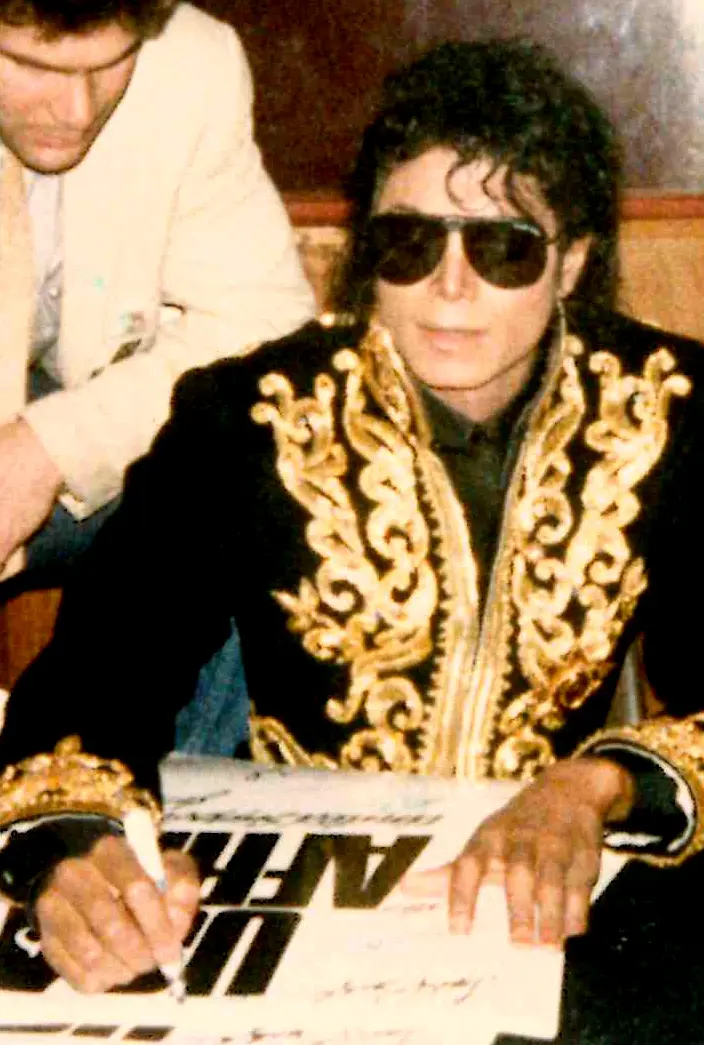
Michael Jackson campaigned hard to play Charles Xavier. He met with producers to pitch himself for the role, believing he could bring star power. The studio never seriously considered him, opting for Patrick Stewart, whose commanding presence fit the wise leader perfectly.
Jackson wasn’t the only big name passed over. Russell Crowe and Viggo Mortensen both turned down Wolverine, and Charlize Theron declined Jean Grey. The final cast, including Stewart and Ian McKellen as Magneto, was praised for its strength. These choices shaped the film’s grounded tone.
Rushed Production Schedule
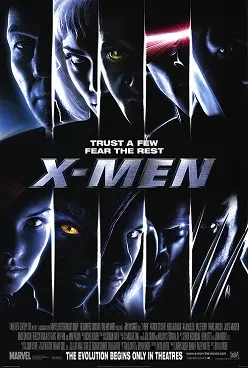
The film was originally set for a Christmas release but was moved to July, cutting production time by six months. This left only nine months for shooting and complex post-production, including CGI for mutant powers. The tight schedule put pressure on director Bryan Singer and the crew.
Despite the rush, the film came together successfully. Its $75 million budget was modest for a superhero movie, yet it delivered impressive visuals and action. The accelerated timeline forced creative solutions, like focusing on practical effects for some scenes. This hustle added to the film’s raw energy.
Comic Books Banned on Set
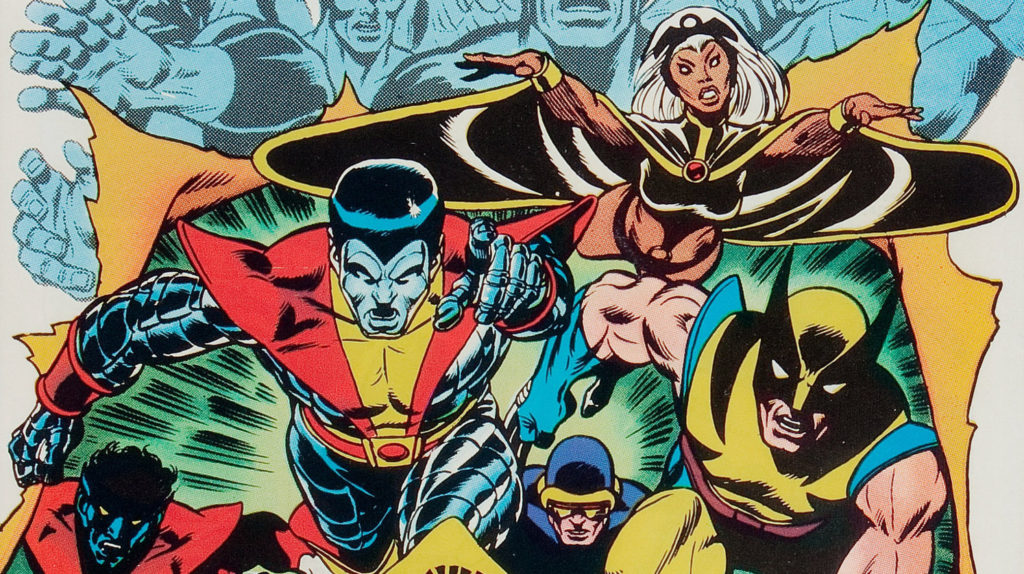
Bryan Singer banned comic books from the set to keep actors focused on the script. He wanted the film to stand on its own, not mimic the comics exactly. This upset some fans, as Singer wasn’t deeply familiar with the source material, but he aimed for a grounded, realistic story.
The decision led to changes, like swapping the comics’ colorful costumes for black leather. Stan Lee and writer Chris Claremont supported the leather look, saying bright spandex wouldn’t work on screen. This choice gave the film a distinct, modern style that set it apart.
Iconic Line Was Ad-Libbed
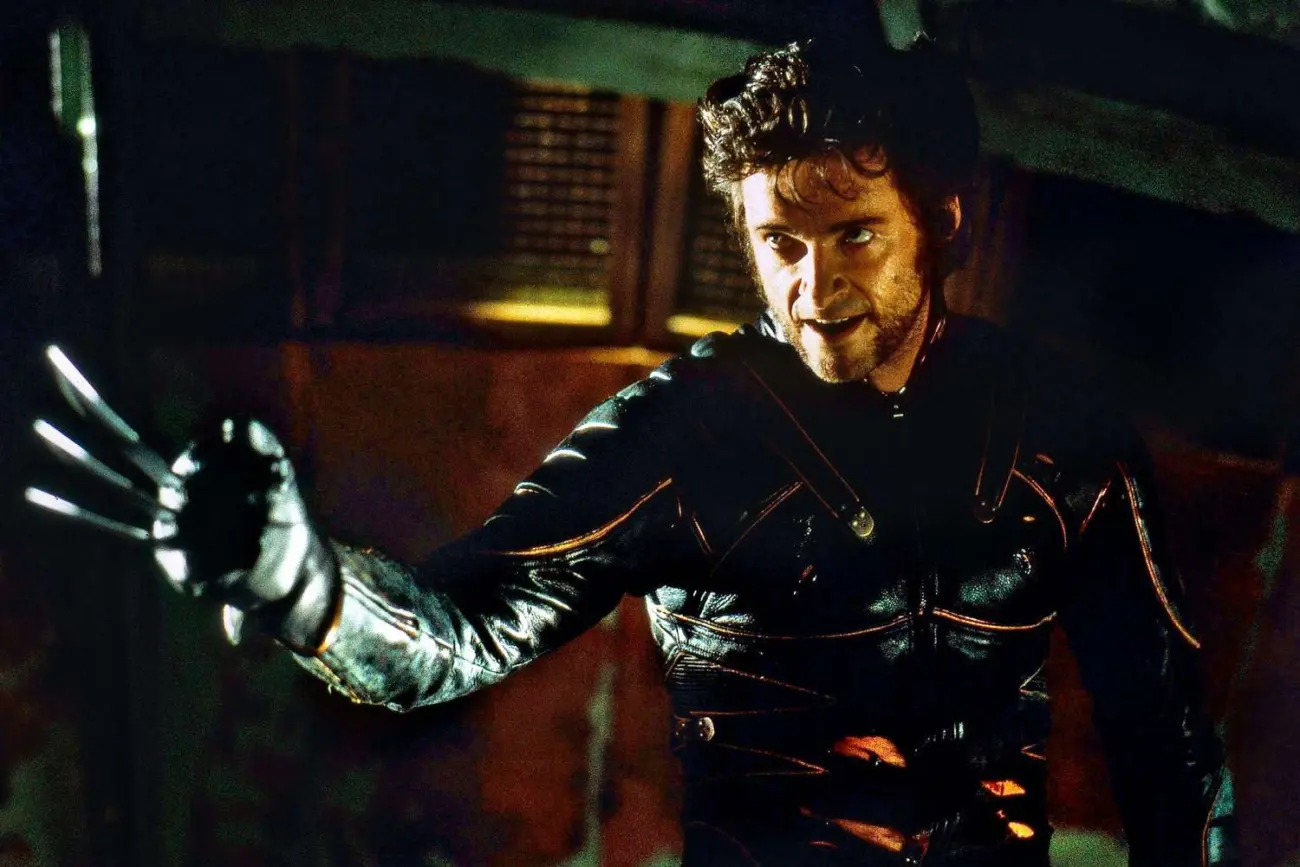
Wolverine’s famous “bub” catchphrase wasn’t in the script. In the comics, he uses it often, but the screenplay left it out. Hugh Jackman improvised the word during filming, slipping it into scenes to stay true to the character. One instance made the final cut, delighting fans.
Another iconic exchange, where Cyclops tells Wolverine, “Prove it,” and Wolverine replies, “You’re a dick,” also stayed. Written by Joss Whedon, it captured their rivalry perfectly. These spontaneous moments added personality to the film’s dialogue.
Unique Premiere Location

The film’s premiere wasn’t at a typical theater—it was held on Ellis Island. This symbolic location, where immigrants once entered America, tied into the movie’s themes of acceptance and difference. The event was a bold choice, making the launch memorable.
The setting resonated with the story’s focus on mutants as outsiders. It also generated buzz, contributing to the film’s strong opening. On its first day, ‘X-Men’ earned $21.4 million, setting a record for superhero movies at the time. The premiere helped cement its cultural impact.
Storm’s Infamous Line
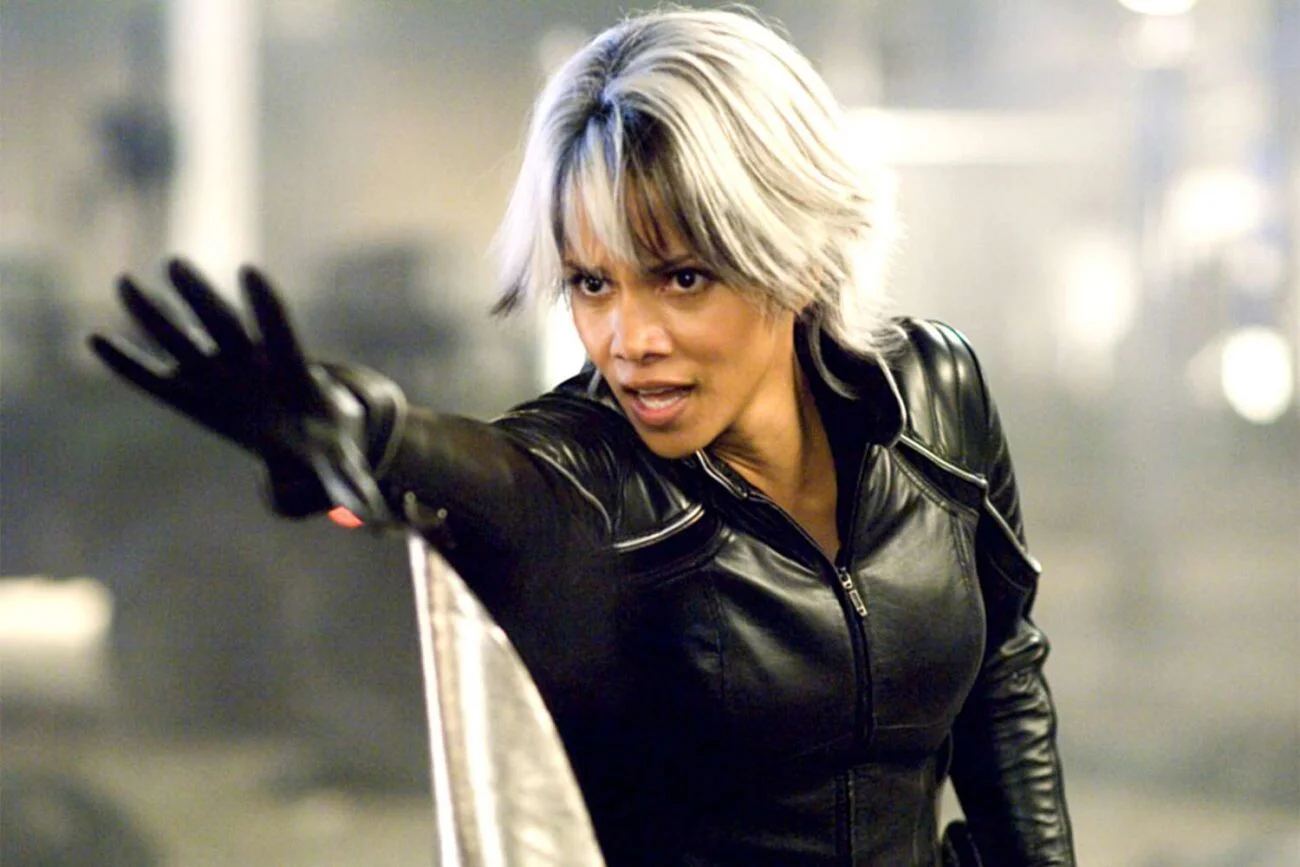
Storm’s line to Toad, “Do you know what happens to a toad when it’s struck by lightning? The same thing that happens to everything else,” is often mocked. Written by Joss Whedon, it was meant to be low-key, but Halle Berry’s dramatic delivery made it cheesy. Whedon later said he was surprised it stayed in.
Berry was a last-minute replacement for Angela Bassett, who was heavily favored by fans. Critics felt Berry was miscast, but she kept the role through the sequels. The line remains a quirky, divisive moment in the film.
Early Script from the 1980s
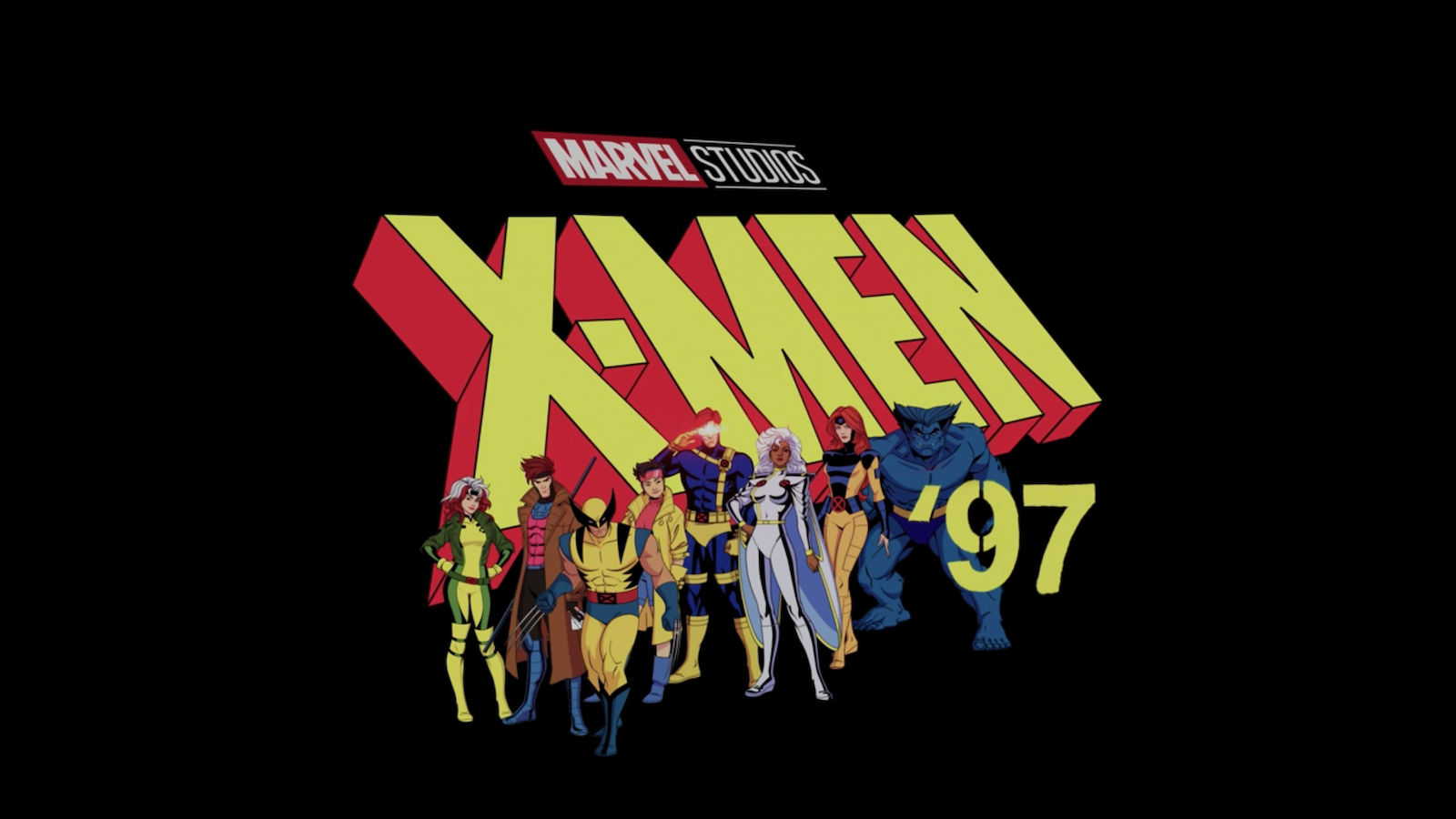
The first ‘X-Men’ screenplay was written in 1984 by Marvel writers Gerry Conway and Roy Thomas for Orion Pictures. It featured Professor X, Kitty Pryde, Cyclops, Wolverine, Nightcrawler, Storm, and Colossus fighting an organization called Proteus. Financial troubles at Orion scrapped the project.
When Fox picked up the rights in the 1990s, the script was reworked by multiple writers, including Joss Whedon. The final version kept only a few elements from the original, like the core team. This long development shows how hard it was to bring mutants to the screen.
Mystique’s Makeup Marathon

Rebecca Romijn’s transformation into Mystique took nine hours each day. The process involved full-body blue paint, prosthetics, and contact lenses to create her scaly look. It was grueling, but Romijn’s commitment made Mystique a standout character visually.
The detailed makeup helped sell the film’s mutant world. Romijn’s athletic performance, combined with the striking design, made Mystique iconic. Fans loved her shape-shifting menace, and the effort behind the look paid off in the film’s success.
Civil Rights Inspiration

The film’s themes of prejudice and acceptance were inspired by the 1960s civil rights movement. Co-creators Stan Lee and Jack Kirby wrote the comics during that era, reflecting racial tensions in the mutant-human conflict. Magneto’s radical stance and Xavier’s hope for coexistence mirror real-world debates.
Singer leaned into these themes, making the film more than just action. Scenes like Senator Kelly’s anti-mutant speech highlight fear of the “other.” This social commentary gave ‘X-Men’ depth, resonating with audiences beyond typical superhero fare.
Which of these ‘X-Men’ facts blew your mind? Share your favorite in the comments!