10 Things You Probably Didn’t Know About ‘X2: X-Men United’

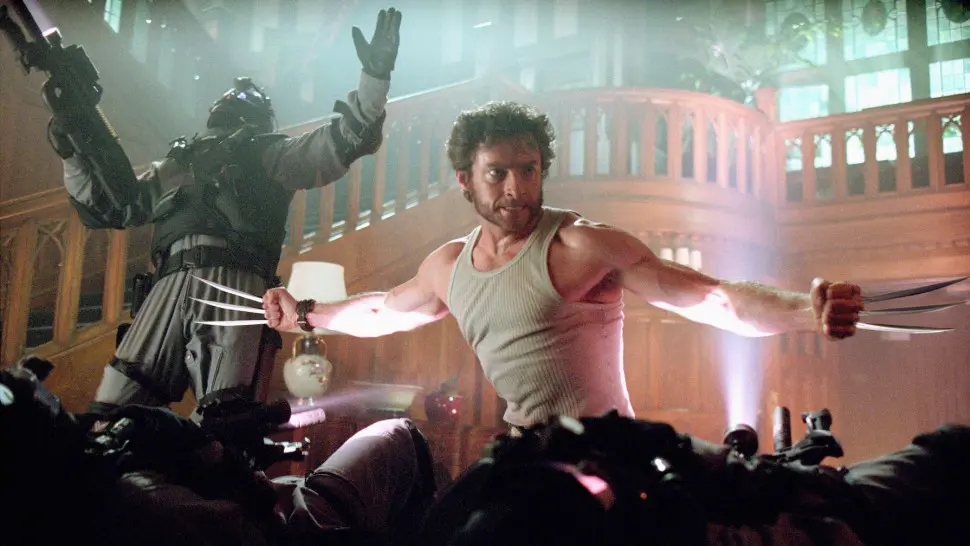

‘X2: X-Men United’ is a beloved sequel that raised the bar for superhero films. It follows the X-Men as they team up with Magneto to stop a military plot against mutants, diving deeper into Wolverine’s past and Jean Grey’s powers. With thrilling action and strong performances, it grossed over $407 million worldwide and is often called one of the best X-Men films. Its mix of heart, intrigue, and spectacle made it a fan favorite.
The production of ‘X2: X-Men United’ was packed with surprises and challenges. From bold casting choices to creative risks, the film’s creation was as dynamic as its story. Here are 10 things you probably didn’t know about ‘X2: X-Men United’.
Nightcrawler’s Iconic Opening
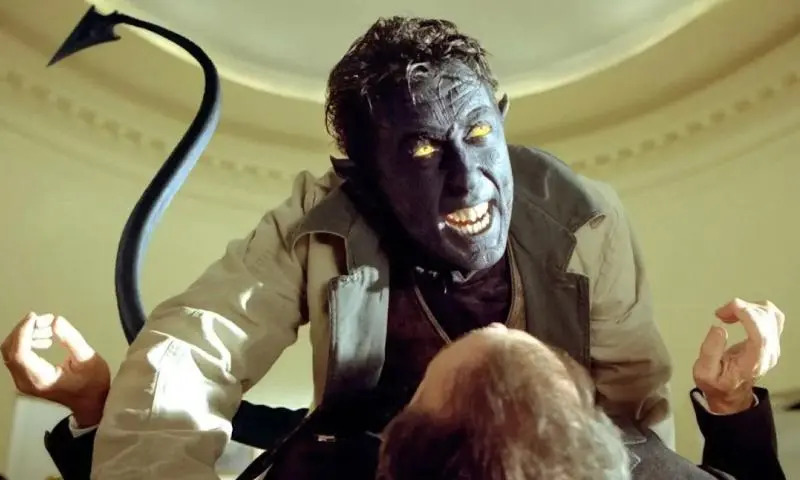
The film’s opening, where Nightcrawler attacks the White House, was a last-minute addition. Director Bryan Singer wanted a bold start to show the mutant-human conflict. Alan Cumming, playing Nightcrawler, spent hours in makeup and performed his own stunts for the teleporting sequence. The scene became one of the most memorable in superhero cinema.
Cumming’s portrayal added depth, blending agility with a spiritual side. The sequence took weeks to film, using wires and CGI to capture Nightcrawler’s movements. It set the tone for the film’s intense action. Fans still praise it as a highlight of the franchise.
Wolverine’s Height Fix
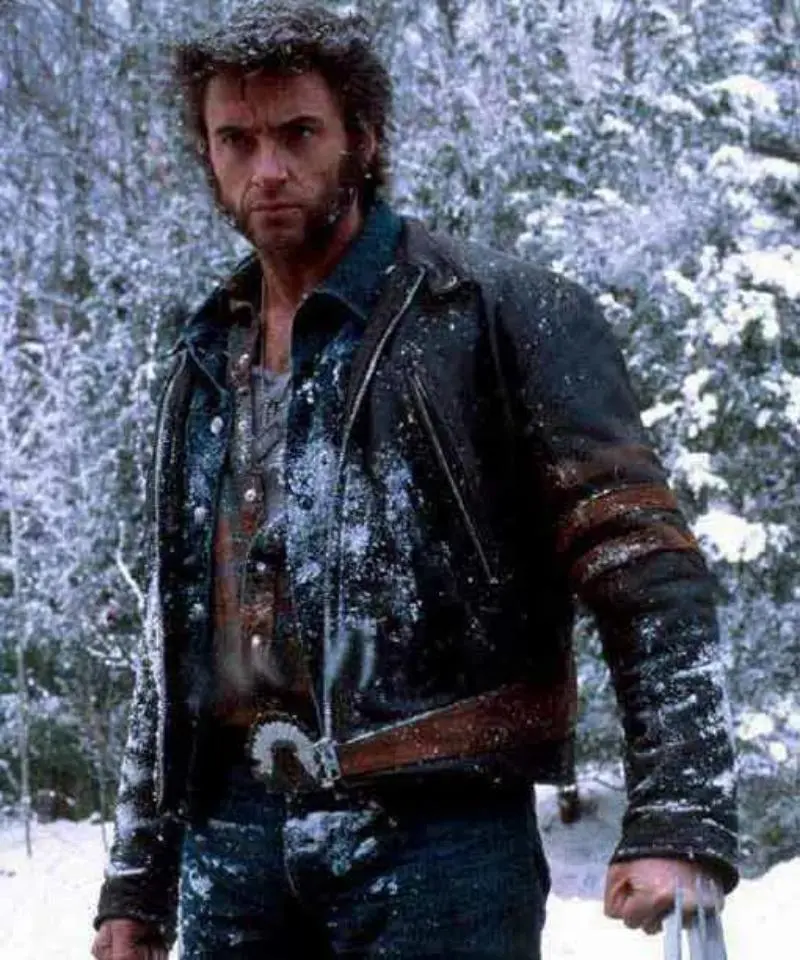
Hugh Jackman, at 6’2”, was much taller than the comic book Wolverine, who is 5’3”. The crew used camera angles and platforms for actors like James Marsden to make Jackman appear shorter. This continued from the first film but was refined to be less noticeable. It helped keep Wolverine’s gritty, compact vibe intact.
The height adjustments were subtle but crucial for authenticity. Jackman also bulked up more than in the first film to match Wolverine’s rugged look. These efforts ensured fans accepted him despite the height difference. His performance made the character iconic.
Brian Cox as the Perfect Villain
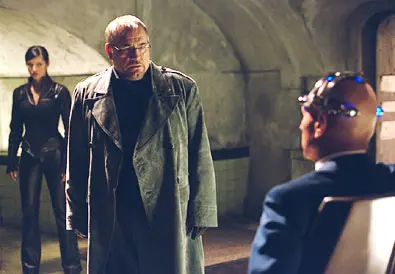
Brian Cox’s casting as William Stryker was a masterstroke. Cox brought a steely menace to the anti-mutant colonel, drawing from his theater background to match Ian McKellen and Patrick Stewart. His role was expanded after early script feedback, making Stryker a central threat. Cox’s performance gave the film a grounded, human villain.
Stryker’s personal vendetta against mutants added emotional weight. Cox studied military figures to nail the character’s cold authority. His scenes with McKellen’s Magneto are especially intense. Fans loved how he elevated the film’s stakes.
Cyclops Got Shortchanged
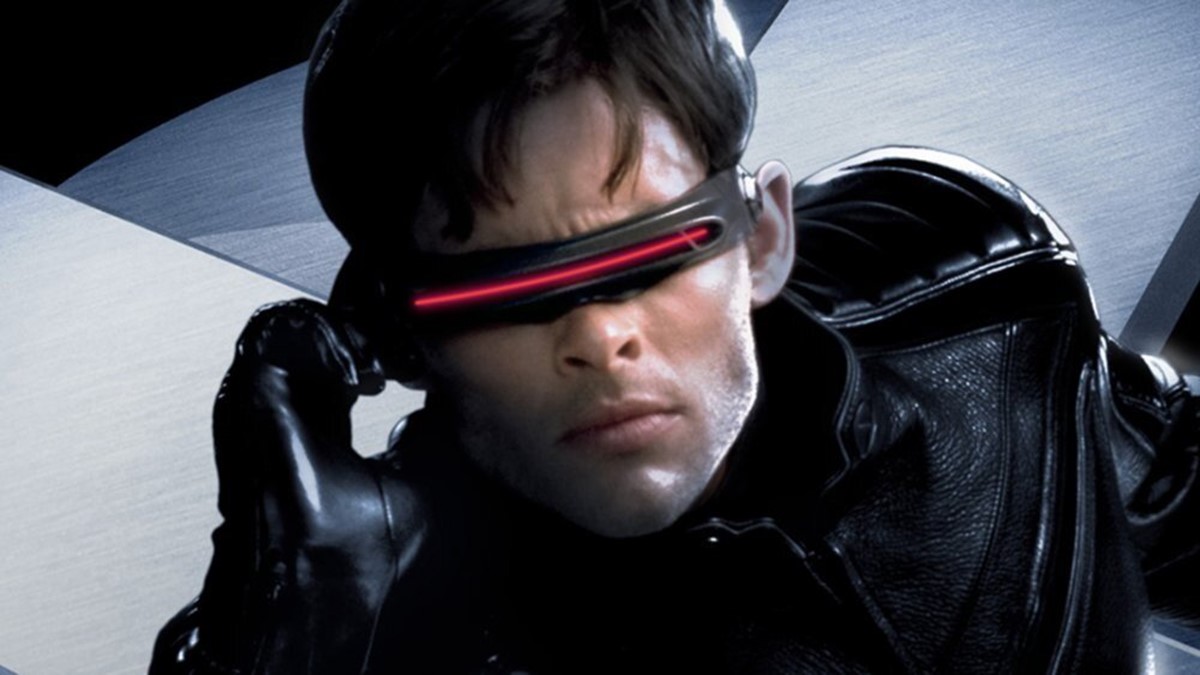
James Marsden’s Cyclops had less screen time than fans expected. The script focused on Wolverine, Jean Grey, and new characters, leaving Cyclops sidelined for much of the film. Marsden was frustrated but still delivered a solid performance in his limited scenes. His absence sparked debates among fans.
The choice to prioritize other characters hurt Cyclops’ development. Marsden appeared briefly at the start and end, totaling under 10% of the runtime. This set a pattern for the character’s treatment in later films. Fans still wish he’d had more to do.
Magneto’s Prison Break
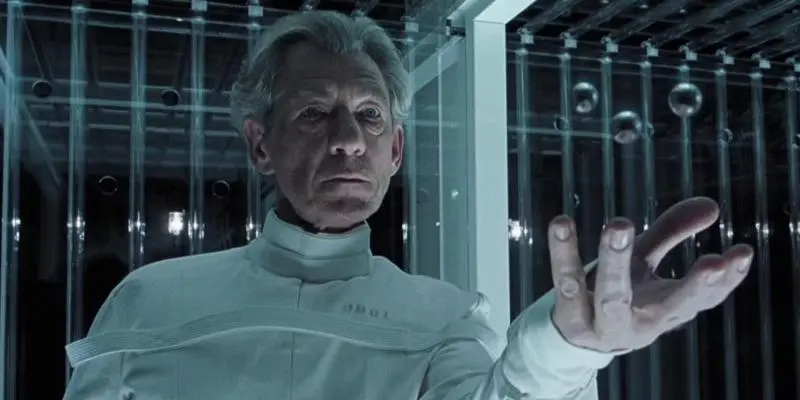
The scene where Magneto escapes his plastic prison is a standout. Ian McKellen’s commanding performance, paired with clever visual effects, made it unforgettable. The set was built from scratch to look like a high-security cell, with iron injected into a guard’s body for Magneto’s escape. It took weeks to perfect the sequence.
McKellen’s delivery of Magneto’s lines added gravitas to the moment. The effects team used practical and digital tricks to show the iron extraction. This scene highlighted Magneto’s power and cunning. It remains a fan-favorite moment.
Halle Berry’s Struggles

Halle Berry’s Storm felt underused, despite her star power. Berry was vocal about wanting more for her character, feeling Storm’s powers were underutilized. She still trained hard for the role, learning martial arts to enhance her scenes. Fans and critics noted she seemed less engaged than in the first film.
The script gave Storm fewer moments than Wolverine or Jean Grey. Berry’s performance was solid, but the role didn’t match her potential. This sparked discussions about Storm’s treatment in the franchise. Her weather powers shone in a few key scenes, though.
Jean Grey’s Dark Turn
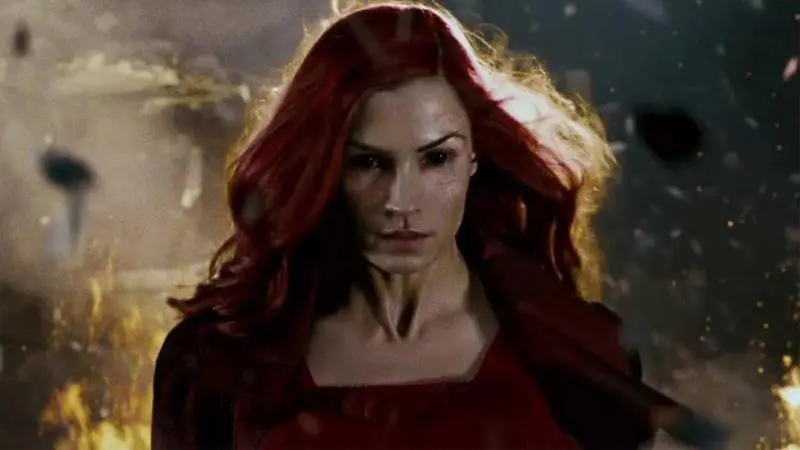
Jean Grey’s growing powers hinted at the Phoenix storyline from the comics. Famke Janssen worked with Singer to show Jean’s inner conflict, setting up her arc for the next film. The script added subtle clues, like her glowing eyes, to foreshadow the transformation. This made her character a ticking time bomb.
Janssen’s emotional performance added depth to Jean’s struggle. The crew used minimal CGI to enhance her powers, keeping the focus on her acting. Fans loved the hints of what was to come. It built excitement for the franchise’s future.
Real Locations for Grit
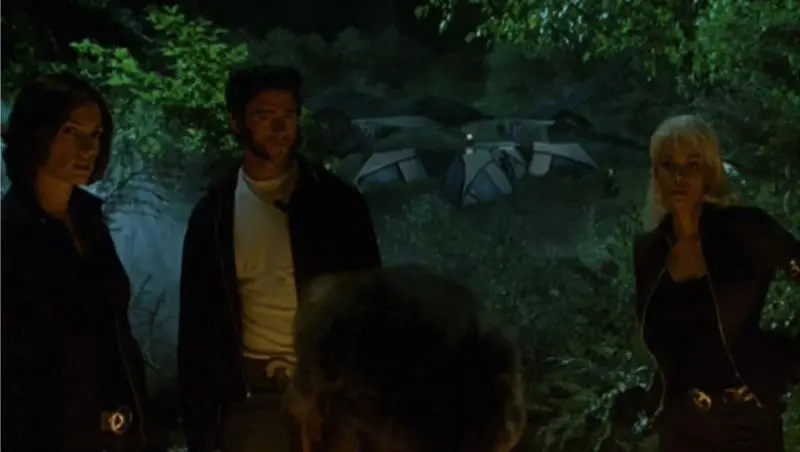
The film used real locations, like Canada’s Alberta forests and Vancouver sets, for its gritty feel. The Alkali Lake base was a massive set built to look like an underground military facility. These locations grounded the film’s sci-fi elements. They made the mutant world feel real.
Shooting in harsh weather added authenticity to scenes like the dam burst. The crew faced challenges with snow and cold during filming. This effort paid off, giving the movie a visceral atmosphere. Fans appreciated the tangible settings.
Soundtrack Upgrades

The soundtrack, composed by John Ottman, was a step up from the first film. Ottman, also the film’s editor, crafted a more dynamic score with memorable themes. The sound of Wolverine’s claws was amplified to sound sharper and more menacing. This added to the film’s intensity.
Ottman worked closely with Singer to match the music to the action. The score’s darker tones fit the film’s mature themes. Fans noticed the improved audio, especially in fight scenes. It helped make the movie feel like a true saga.
Dr Pepper Product Placement
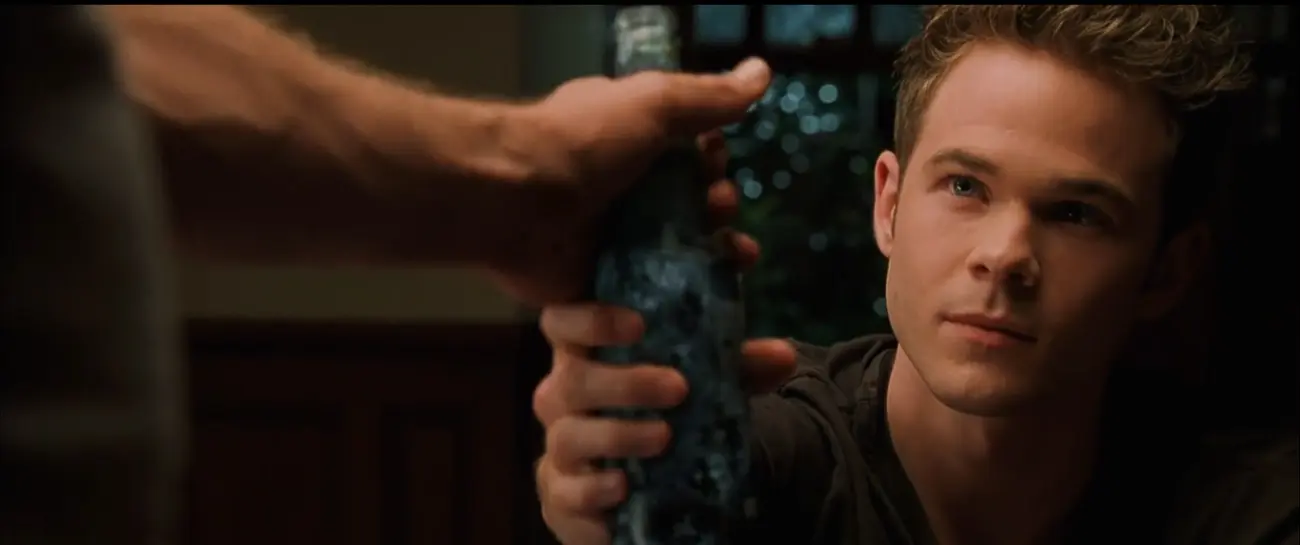
In one scene, Wolverine asks for a drink and is told there’s “some Dr Pepper” in the fridge. In international versions, the line was changed to “some soda,” but the bottle remained Dr Pepper. This subtle product placement was a studio decision to appeal to audiences. It’s a small but noticeable detail.
The choice didn’t distract from the scene’s tension. It showed how studios blend branding into films. Fans often joke about Wolverine’s drink preference. It’s a quirky fact that stands out on rewatches.
Which ‘X2: X-Men United’ fact surprised you the most? Drop your thoughts in the comments!