Philip Seymour Hoffman’s Career: From ‘Triple Bogey on a Par Five Hole’ to ‘The Hunger Games: Mockingjay – Part 2’


Philip Seymour Hoffman was widely regarded as one of the greatest actors of his generation, a performer of immense talent and fearless dedication. Throughout his career, he built a reputation for his incredible versatility, seamlessly disappearing into a vast range of characters. From insecure outcasts and bumbling assistants to charismatic leaders and menacing villains, Hoffman brought a profound sense of humanity and truth to every role he inhabited. His ability to convey complex inner turmoil often with just a glance or a subtle gesture set him apart.
His journey began with small parts in the early 1990s, but he quickly became a sought-after character actor, known for scene-stealing supporting performances. He formed a significant collaborative partnership with director Paul Thomas Anderson and eventually transitioned into powerful leading roles, culminating in an Academy Award for Best Actor for his transformative portrayal of Truman Capote. Though his life was tragically cut short, Philip Seymour Hoffman left behind a remarkable and enduring body of work that continues to be celebrated for its depth, honesty, and brilliance.
‘Triple Bogey on a Par Five Hole’ (1991)
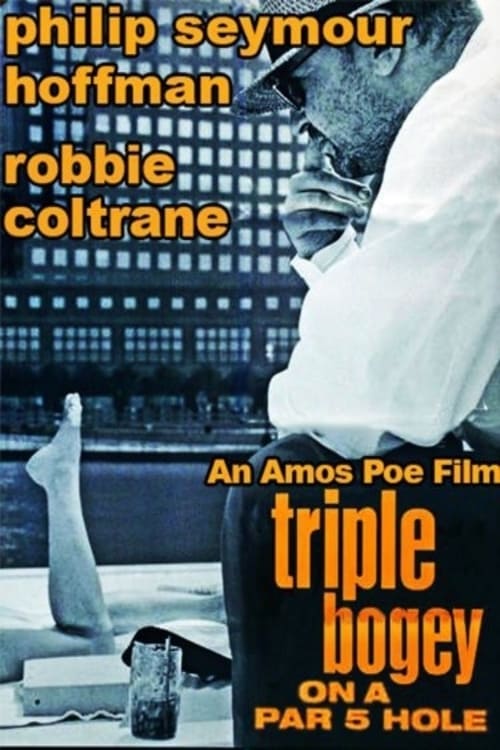
In his feature film debut, Philip Seymour Hoffman played a character named Klutch. This independent film is a crime drama centered on a group of disaffected young people whose lives spiral into chaos and violence. Hoffman was credited in the film as Phil Hoffman.
This minor role marked the very beginning of his journey in cinema after he had studied acting at New York University. It was the first step in a career that would see him become one of the most respected and acclaimed actors of his time, showcasing his commitment to independent film from the very start.
‘Szuler’ (1992)

Philip Seymour Hoffman had a role as the character Martin in this Polish film, which translates to ‘Cheat’ in English. The movie is a psychological drama about a high-stakes card game where the players’ wits and wills are tested to their limits. Hoffman was once again credited as Phil Hoffman.
This early and lesser-known international project was part of the foundation of his career. It demonstrated his willingness to take on diverse and unconventional roles, even before he had become an established name in Hollywood.
‘My New Gun’ (1992)

In this quirky independent comedy, Philip Seymour Hoffman played a character named Chris. The story follows a suburban housewife whose life is thrown into turmoil after her husband buys her a handgun for protection, leading to a series of strange and comical events involving her eccentric neighbors.
Hoffman’s supporting role placed him in an ensemble of up-and-coming actors in a film that gained a cult following. It was an early example of his ability to fit into unique, character-driven stories and make an impression even in a smaller part.
‘Leap of Faith’ (1992)
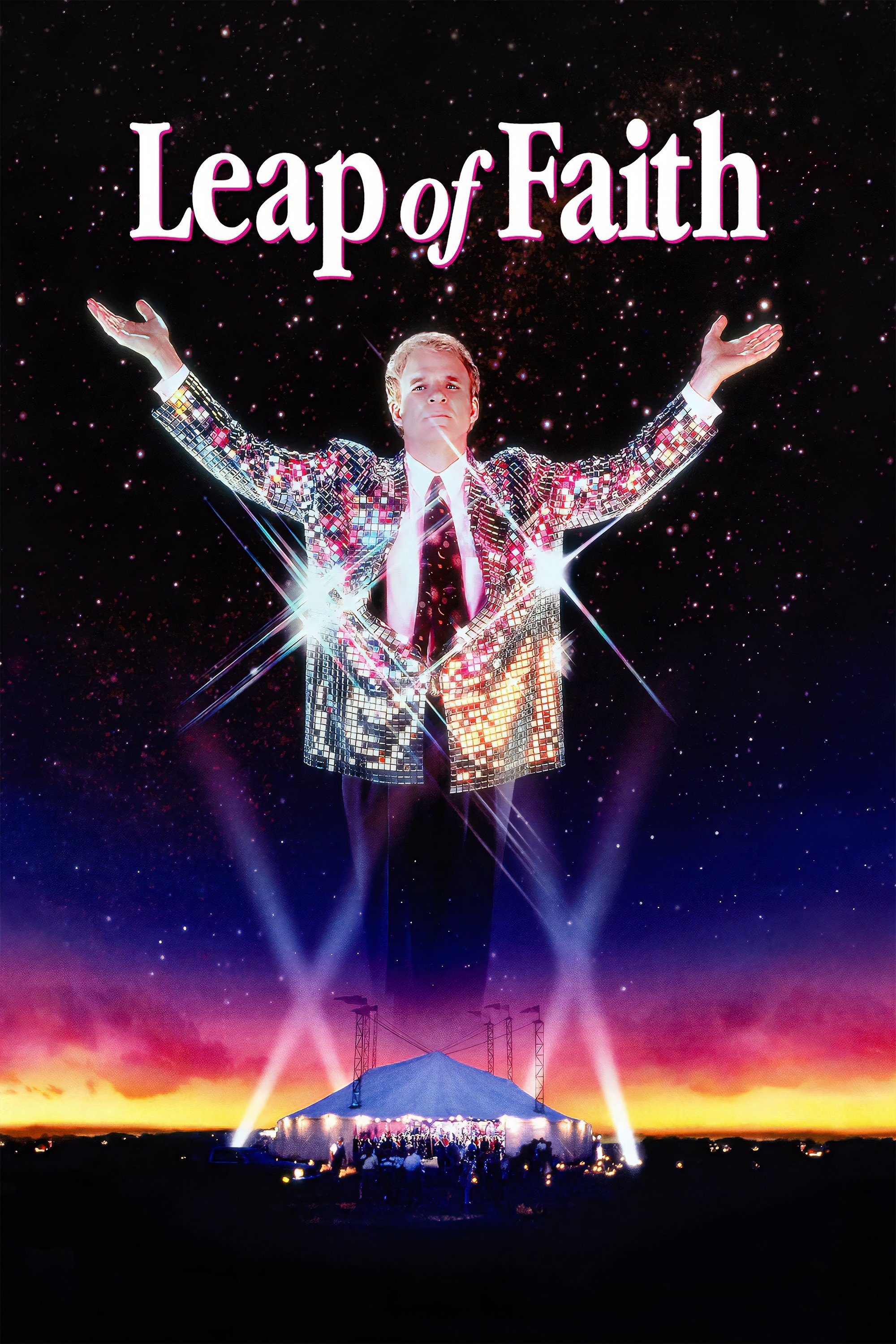
Philip Seymour Hoffman had a small role as Matt in this drama starring Steve Martin. The film is about a cynical and fraudulent faith healer who travels across the country with his entourage, putting on elaborate revival shows to con people out of their money.
His part was a minor one in a major studio production with a well-known cast. This role was one of several small appearances he made in the early 1990s that helped him gain experience and visibility within the film industry.
‘Scent of a Woman’ (1992)
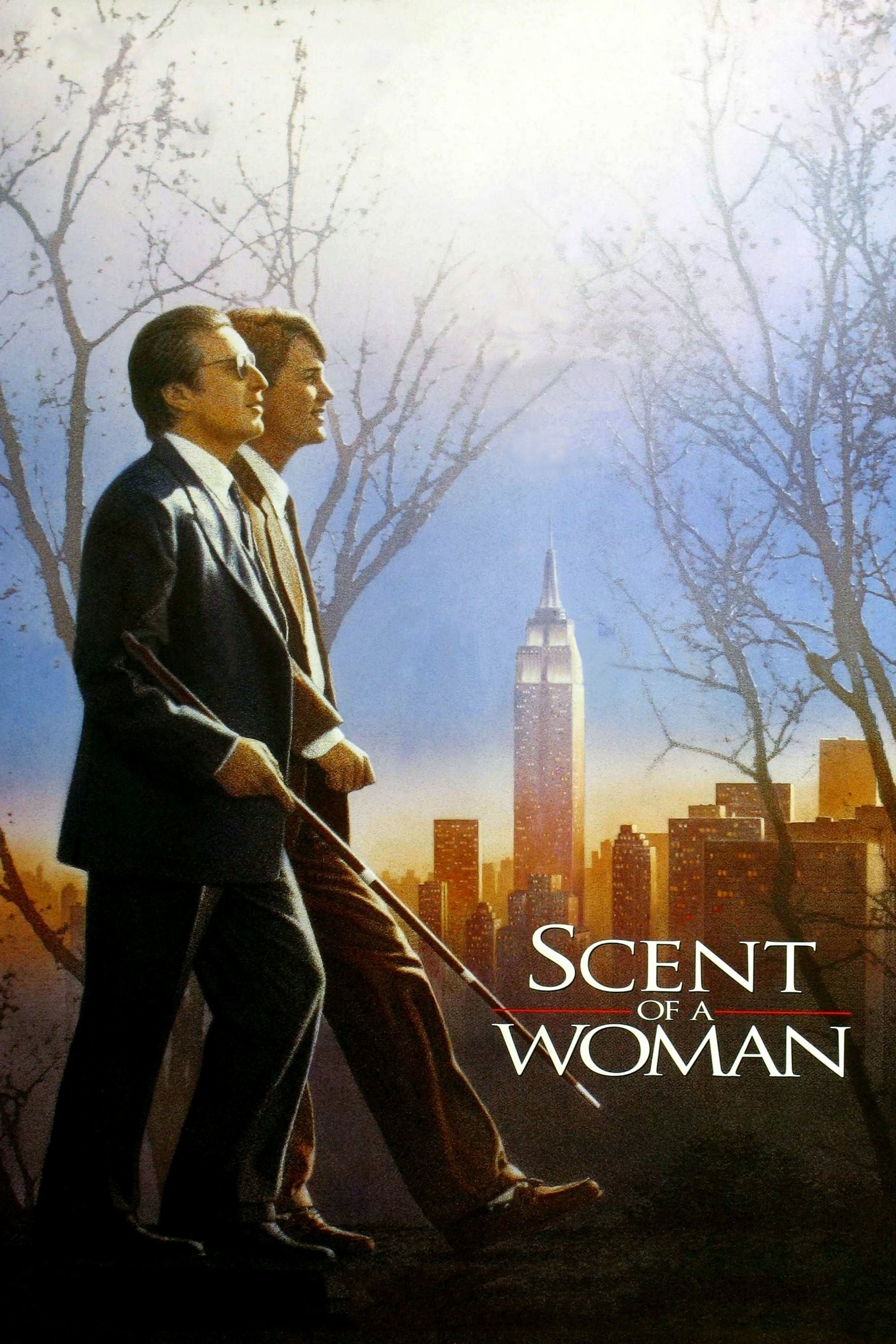
In one of his first truly memorable roles, Philip Seymour Hoffman played George Willis, Jr. The film follows a prep school student who takes a job looking after a blind and cantankerous retired Army officer, played by Al Pacino. Hoffman’s character is a sniveling and wealthy classmate who tries to pressure the protagonist into not reporting him for a prank.
Credited as Philip S. Hoffman, he made a significant impact in his scenes, holding his own opposite the veteran Pacino. His convincing portrayal of the cowardly and privileged student was a standout performance that helped put him on the map in Hollywood.
‘My Boyfriend’s Back’ (1993)
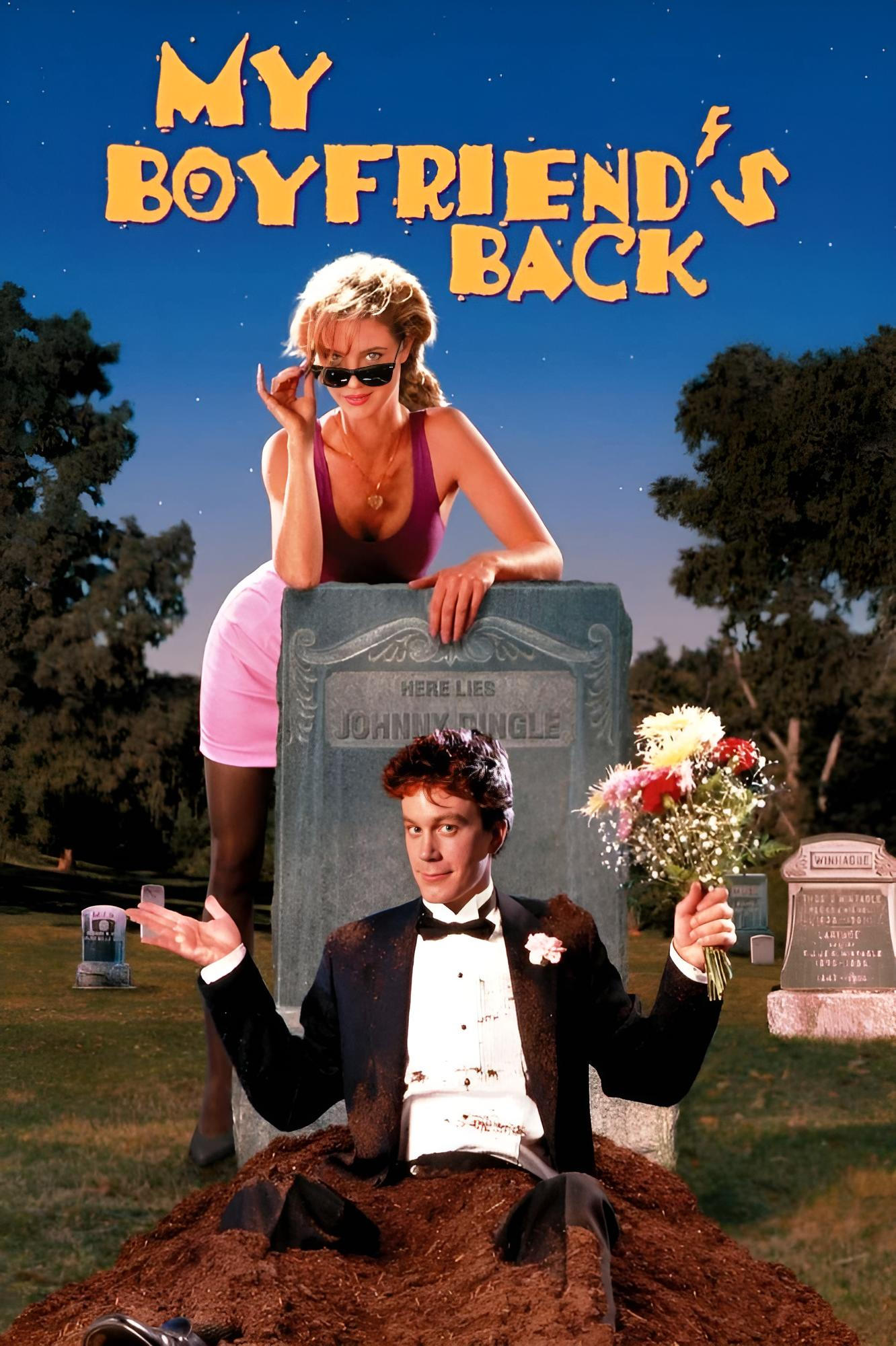
Philip Seymour Hoffman appeared as Chuck Bronski in this horror-comedy. The film’s bizarre plot centers on a high school boy who comes back from the dead as a zombie to take his dream girl to the prom.
Hoffman had a minor supporting role as one of the friends of the main character. This quirky film was an early example of his work in the comedy genre, where he would later deliver some of his most iconic performances.
‘Joey Breaker’ (1993)
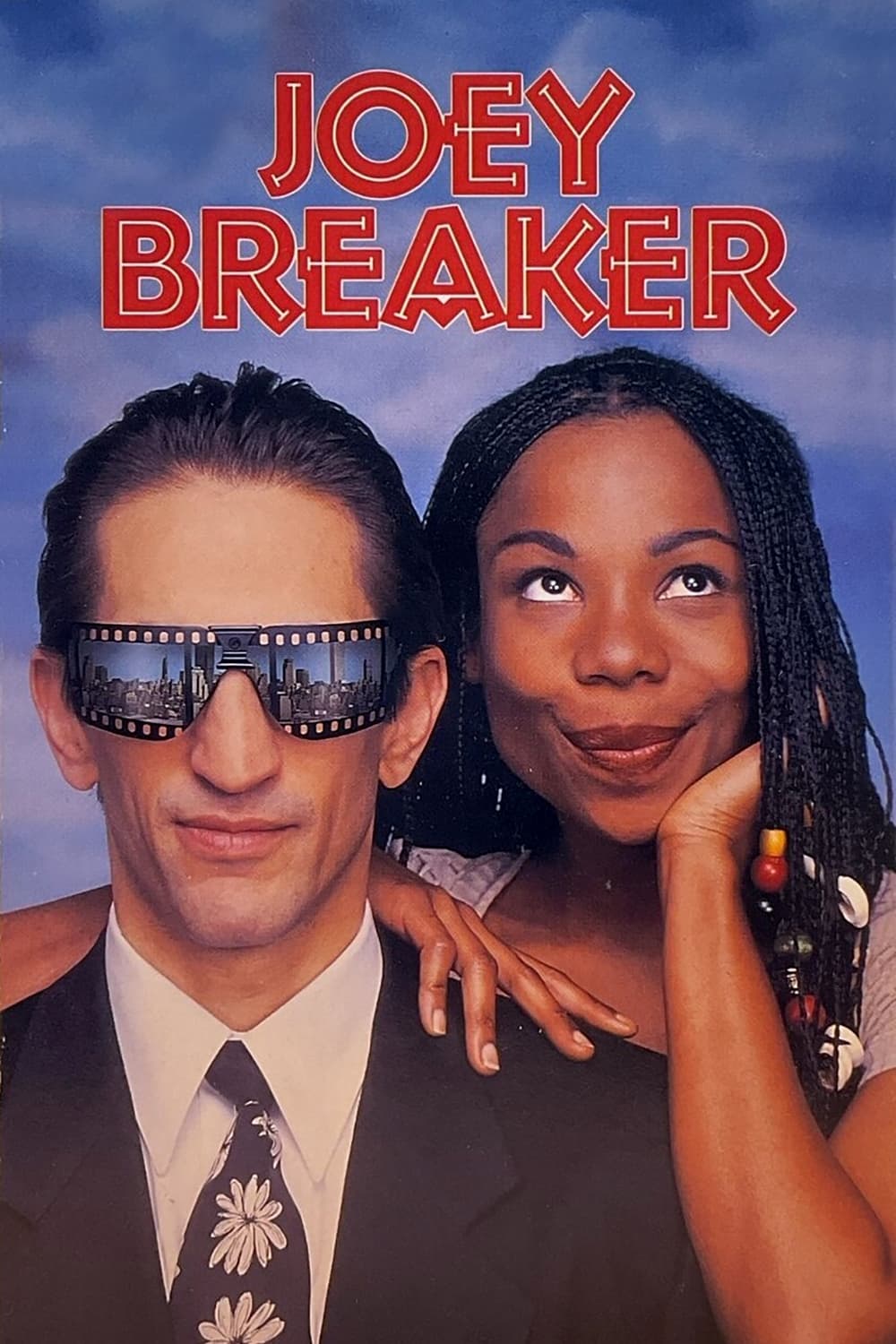
In this independent film, Philip Seymour Hoffman played Wiley McCall. The story is about a successful but shallow New York talent agent who begins to question his life and values after he meets a woman who works with people who have AIDS.
Hoffman’s supporting role as a friend and colleague of the main character was part of the film’s exploration of life, love, and meaning in the early 1990s. The role continued his work in the independent film scene, where he was consistently drawn to character-focused stories.
‘Money for Nothing’ (1993)
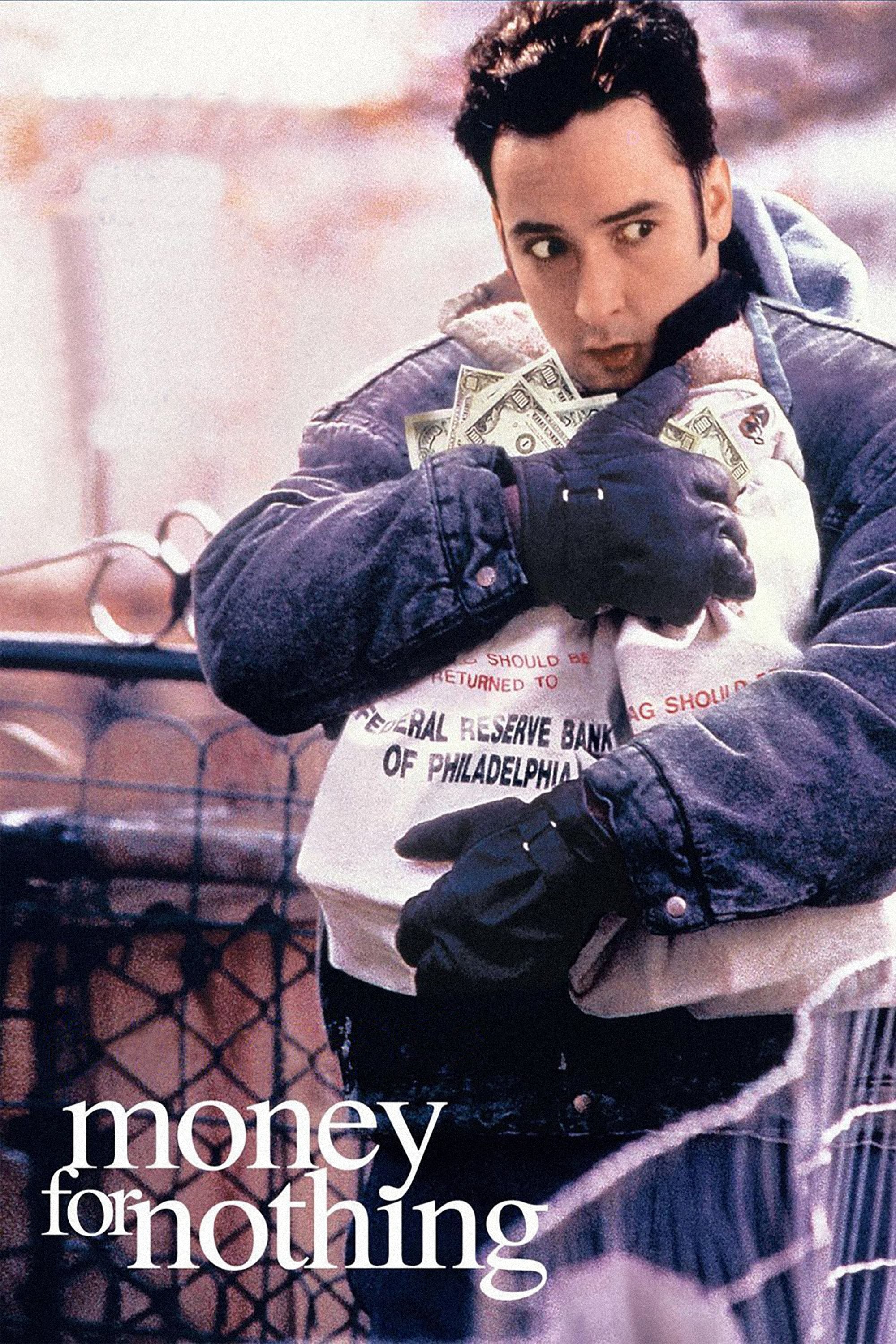
Philip Seymour Hoffman played a character named Cochran in this crime comedy. The film is based on a true story and stars John Cusack as an unemployed dockworker who finds over a million dollars in cash that has fallen out of an armored car and decides to keep it.
Credited as Philip S. Hoffman, he had a supporting role in the film’s ensemble cast. His character is part of the world that the protagonist is drawn into as he tries to manage his newfound and illicit wealth.
‘The Getaway’ (1994)
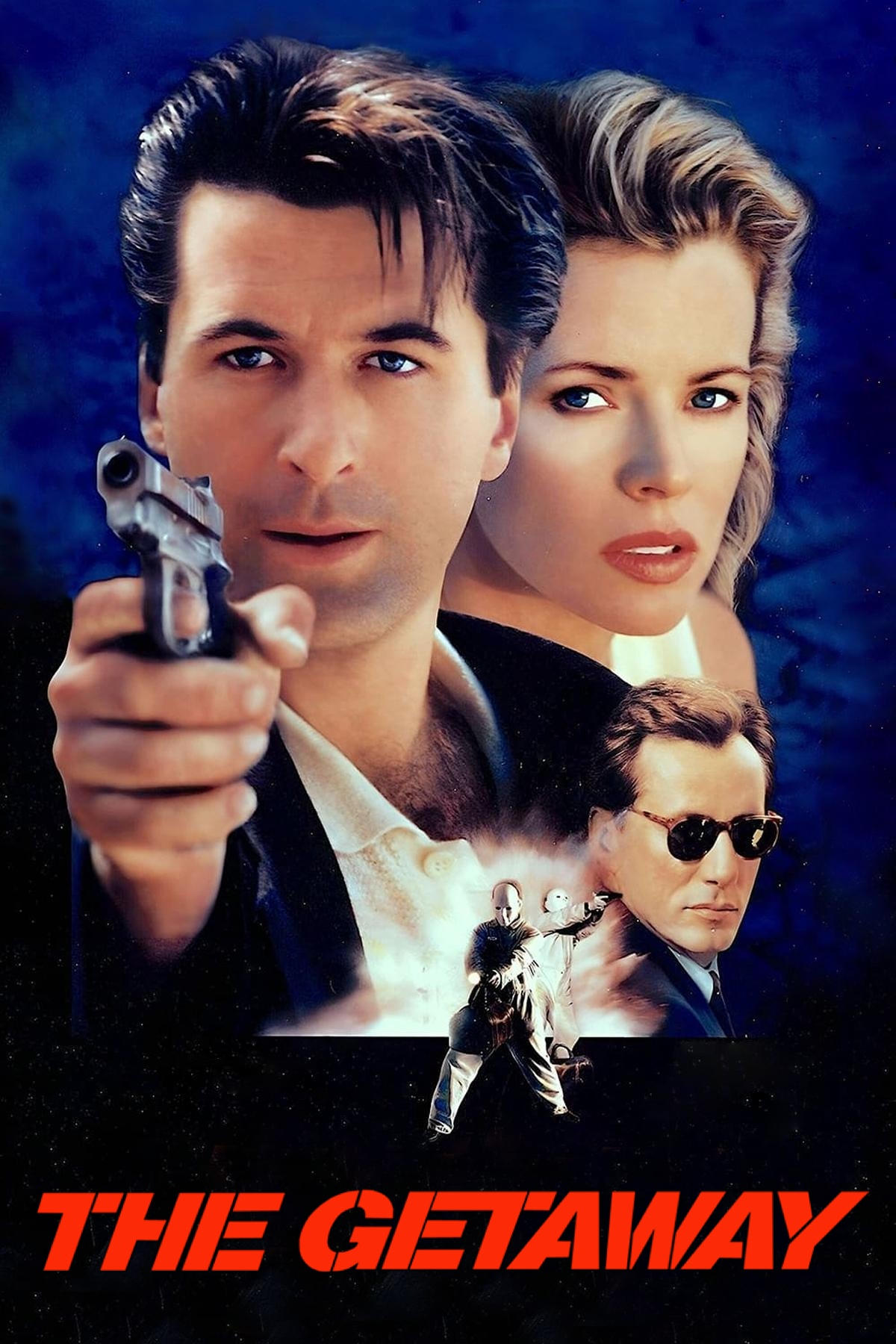
In this action thriller, a remake of a 1972 film, Philip Seymour Hoffman played Frank Hansen. The movie stars Alec Baldwin and Kim Basinger as a husband-and-wife team of professional criminals who are double-crossed after a heist and must go on the run.
Credited as Philip Hoffman, he had a minor role as one of the men involved in the criminal enterprise. It was a brief appearance in a major studio action film, a genre he would only occasionally visit throughout his career.
‘When a Man Loves a Woman’ (1994)
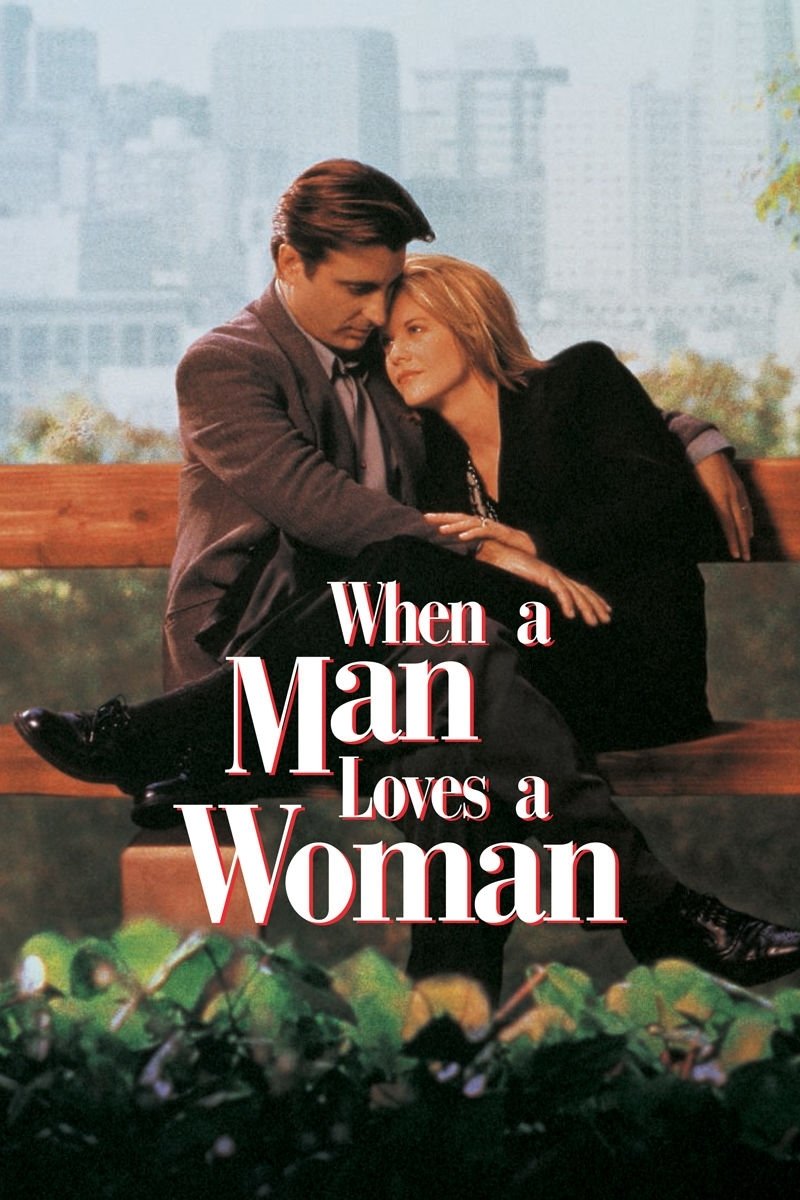
Philip Seymour Hoffman had a supporting role as Gary in this romantic drama. The film stars Meg Ryan as a school counselor and mother whose struggles with alcoholism threaten to tear her family apart, forcing her husband, played by Andy Garcia, to confront the crisis.
Hoffman plays a man in the same recovery group as the main character. His gentle and understanding performance showcased his ability to bring sincerity and compassion to his roles, even in a small capacity.
‘Nobody’s Fool’ (1994)
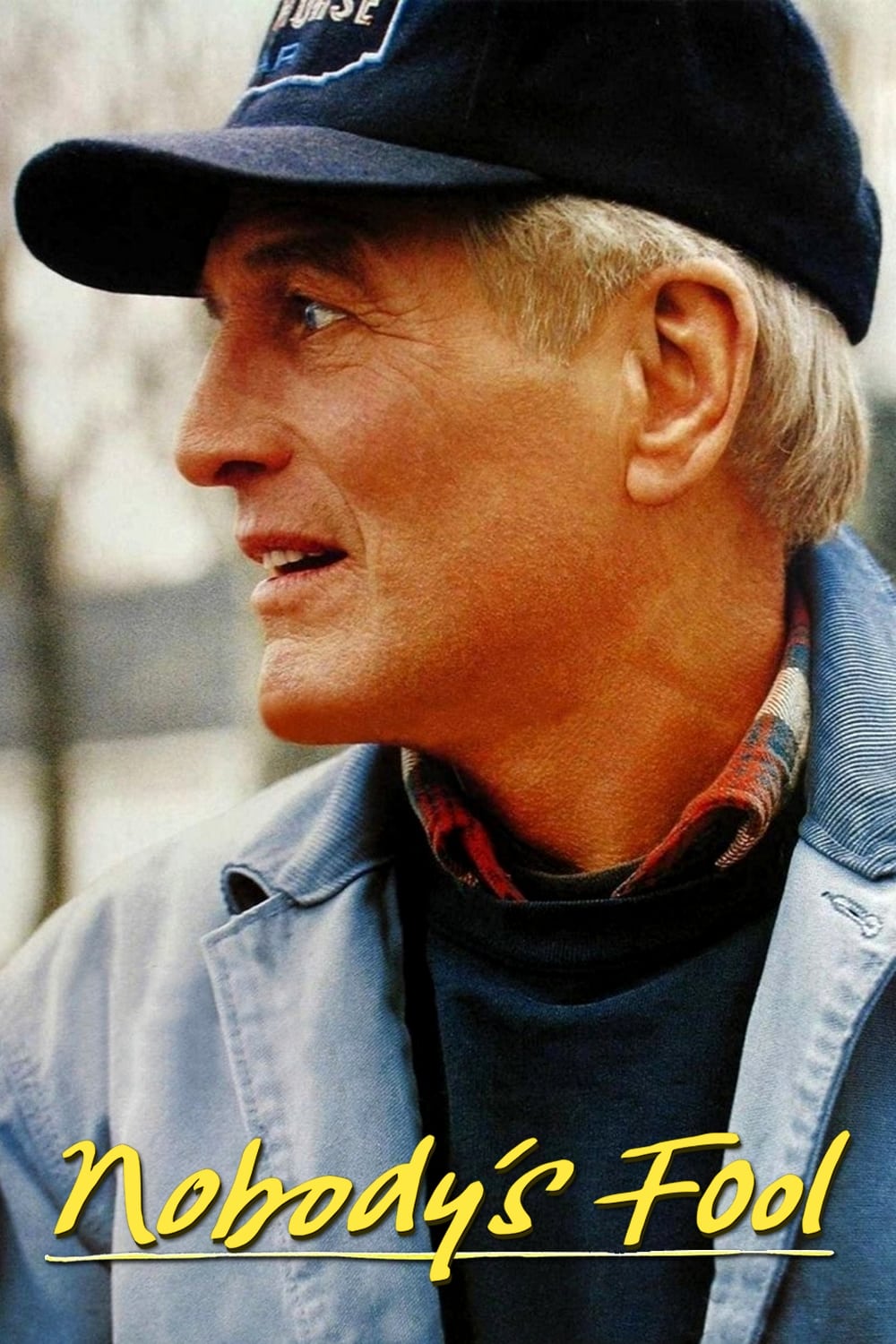
In this quiet drama, Philip Seymour Hoffman delivered a memorable comedic performance as Officer Raymer. The film stars Paul Newman as a stubborn old man living in a small New York town who is forced to confront his responsibilities when his estranged son comes back into his life.
As the town’s young and somewhat bumbling police officer, Raymer is frequently on the receiving end of the protagonist’s mischief. Hoffman’s scenes with the legendary Newman were a highlight, showcasing his excellent comedic timing and his ability to make a small role unforgettable.
‘The Fifteen Minute Hamlet’ (1995)
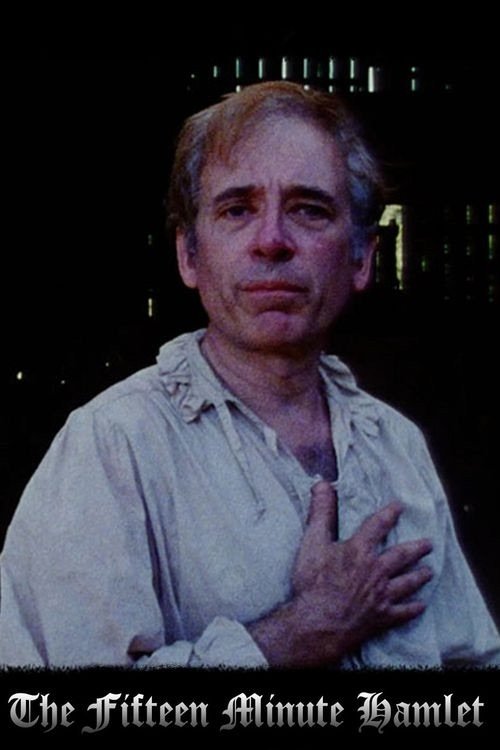
Philip Seymour Hoffman appeared in this short film, which is a comedic and drastically condensed version of Shakespeare’s famous play. Directed by Todd Louiso, the film presents the entire story of ‘Hamlet’ in just fifteen minutes.
In this creative and fast-paced project, Hoffman played multiple roles, including Bernardo, Horatio, and Laertes. The film was an early opportunity for him to tackle classical material, something he would continue to do with great success on the stage throughout his career.
‘Hard Eight’ (1996)
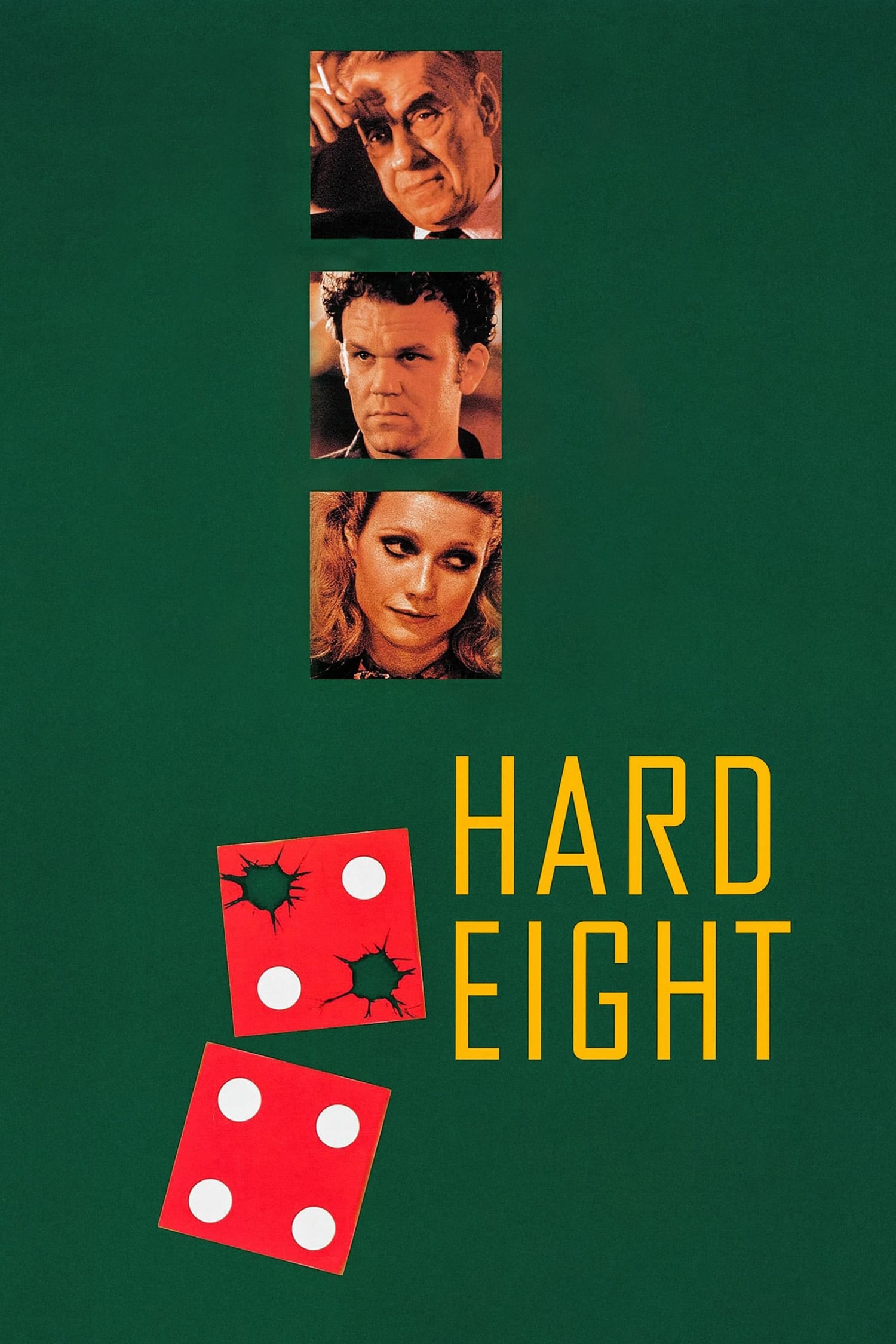
This film marked the first of five collaborations between Philip Seymour Hoffman and director Paul Thomas Anderson. The neo-noir crime drama follows a veteran gambler who takes a down-on-his-luck young man under his wing. Hoffman had a brief but memorable role as a loud and obnoxious young craps player.
Incorrectly credited as “Phillip Seymour Hoffman,” his energetic and scene-stealing performance made a strong impression. Though he is only in one scene, his confrontation with the main characters is a standout moment that signaled the beginning of one of modern cinema’s most important actor-director partnerships.
‘Twister’ (1996)
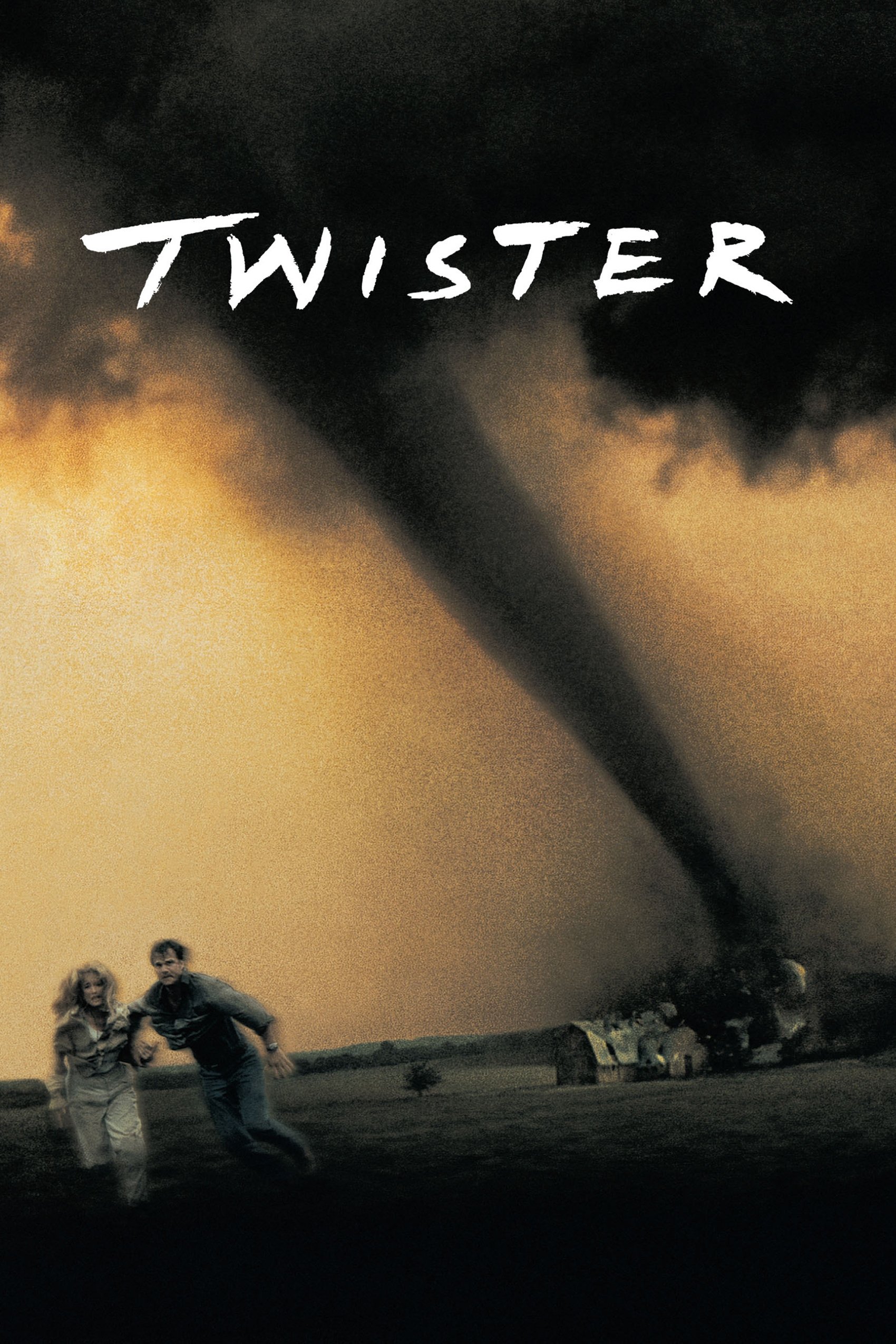
Philip Seymour Hoffman gained wider mainstream recognition for his role as the energetic and eccentric storm chaser Dustin “Dusty” Davis. In this blockbuster disaster film, a team of scientists pursues massive tornadoes in Oklahoma to test a new weather-alert device.
As part of the supporting team of lovable misfits, Hoffman’s character was a source of comic relief and enthusiasm. His joyful and goofy performance made him a fan favorite and demonstrated his ability to stand out in a large ensemble cast.
‘Boogie Nights’ (1997)

In his second film with Paul Thomas Anderson, Philip Seymour Hoffman delivered a heartbreaking performance as Scotty J. The film is an epic ensemble drama about a group of people working in the adult film industry in the late 1970s and early 1980s. Hoffman played a gay boom operator who harbors an intense and unrequited crush on the film’s well-endowed star.
His performance was a critical breakthrough, praised for its vulnerability and raw emotion. The scene in which Scotty confesses his feelings and is rejected is one of the most powerful and painful moments in the film, establishing Hoffman as a dramatic actor of incredible depth.
‘Culture’ (1997)
Philip Seymour Hoffman starred as Bill in this short film. The story follows a man who tries to communicate with a group of friends, but they can only speak in lines of dialogue from movies, television, and commercials.
This experimental short explores themes of communication and the influence of media on modern life. Hoffman’s lead role in this quirky project demonstrated his continued interest in unconventional and thought-provoking filmmaking.
‘Montana’ (1998)
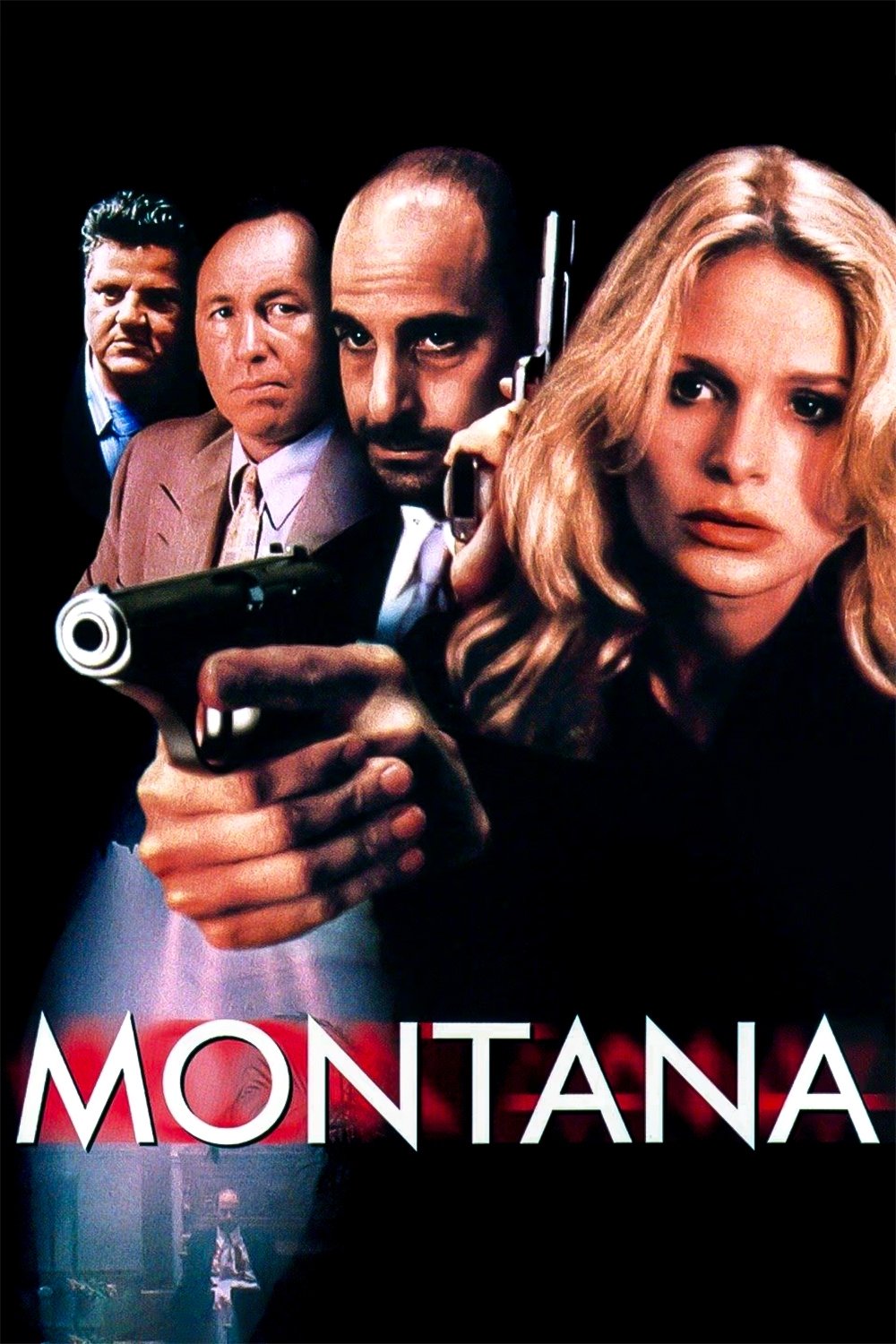
In this crime film, Philip Seymour Hoffman played the role of Duncan. The story centers on a loyal enforcer for a crime organization who gets caught between his boss, his best friend, and a woman who wants him to run away with her.
Hoffman had a supporting role as part of the criminal underworld depicted in the film. The role was one of several character parts he played in crime dramas during the late 1990s.
‘The Big Lebowski’ (1998)
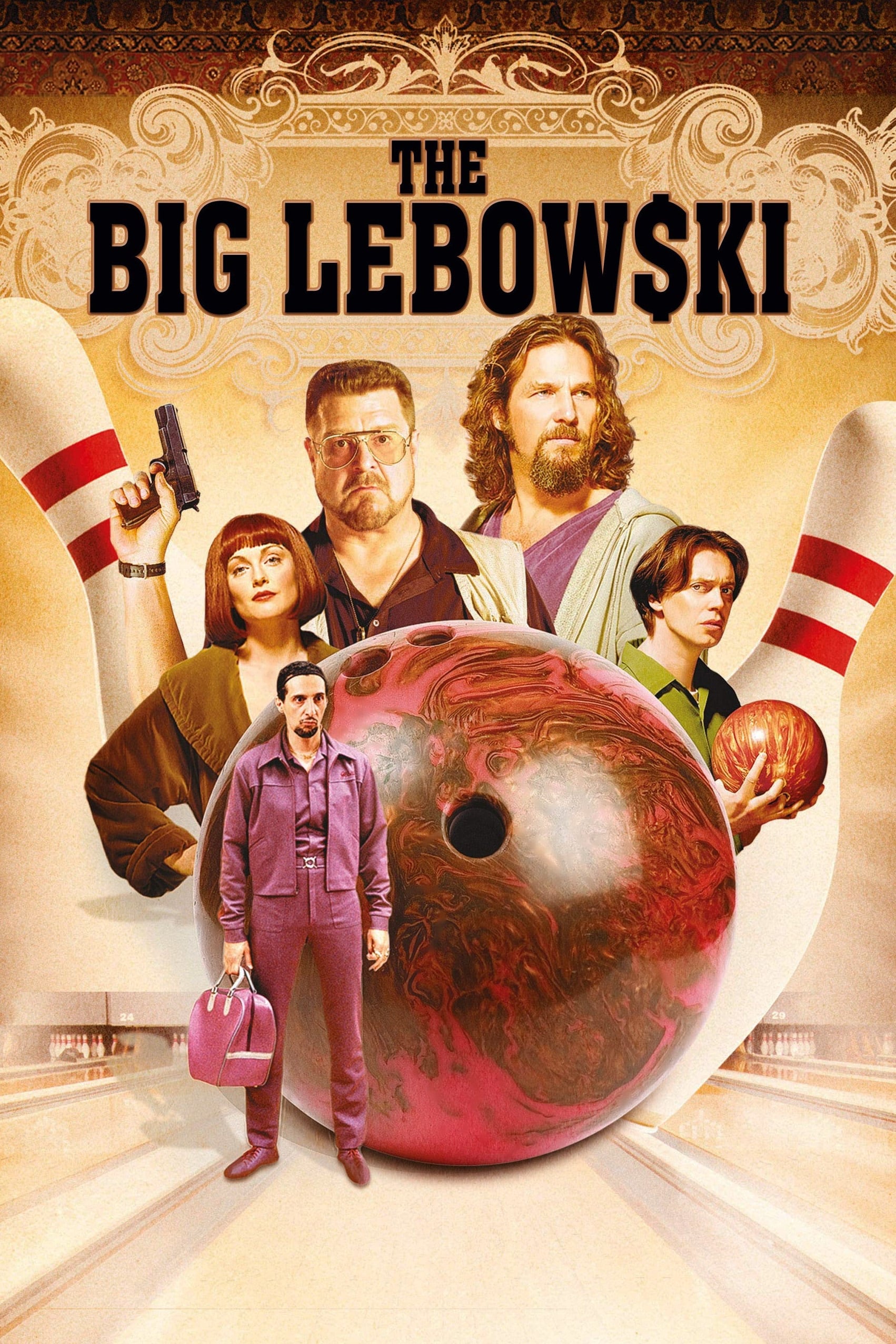
Philip Seymour Hoffman delivered an iconic comedic performance as Brandt in this cult classic comedy from the Coen Brothers. The film follows “The Dude,” a slacker who is mistaken for a millionaire with the same name, leading him into a bizarre world of crime and intrigue. Hoffman played the millionaire’s loyal and sycophantic assistant.
Brandt is a character defined by his nervous laugh and his hilariously earnest dedication to his employer. Hoffman’s portrayal is a masterclass in comedic timing, and his scenes with Jeff Bridges are some of the most memorable and quoted moments in the beloved film.
‘Next Stop Wonderland’ (1998)
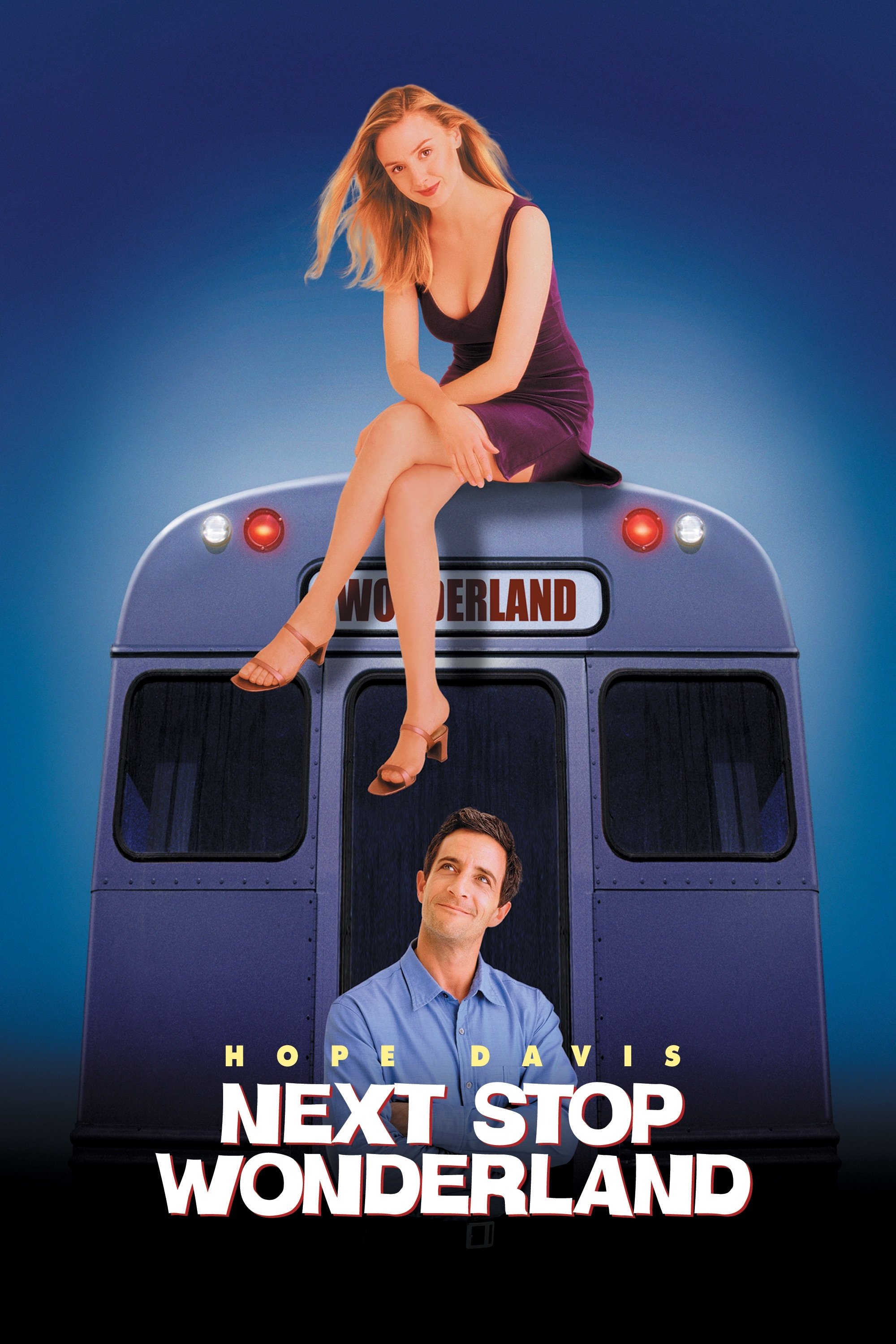
In this independent romantic comedy, Philip Seymour Hoffman played Sean. The film follows a lonely nurse in Boston whose mother places a personal ad for her without her knowledge, leading to a series of disastrous dates with various men.
Credited as Phil Hoffman, his character is one of the potential suitors that the protagonist meets. The role was another example of his work in the independent film world, where he often played quirky and relatable characters.
‘Happiness’ (1998)

Philip Seymour Hoffman took on one of his most challenging and controversial roles as Allen in this dark and unsettling comedy from director Todd Solondz. The film explores the lives of three sisters and the lonely, dysfunctional people in their orbit. Hoffman played a sad and reclusive man who makes obscene phone calls to his female neighbor.
His performance was praised for being both disturbing and deeply pathetic, finding the humanity in a deeply troubled character. The role demonstrated his fearlessness as an actor and his willingness to explore the darkest corners of the human experience.
‘Patch Adams’ (1998)
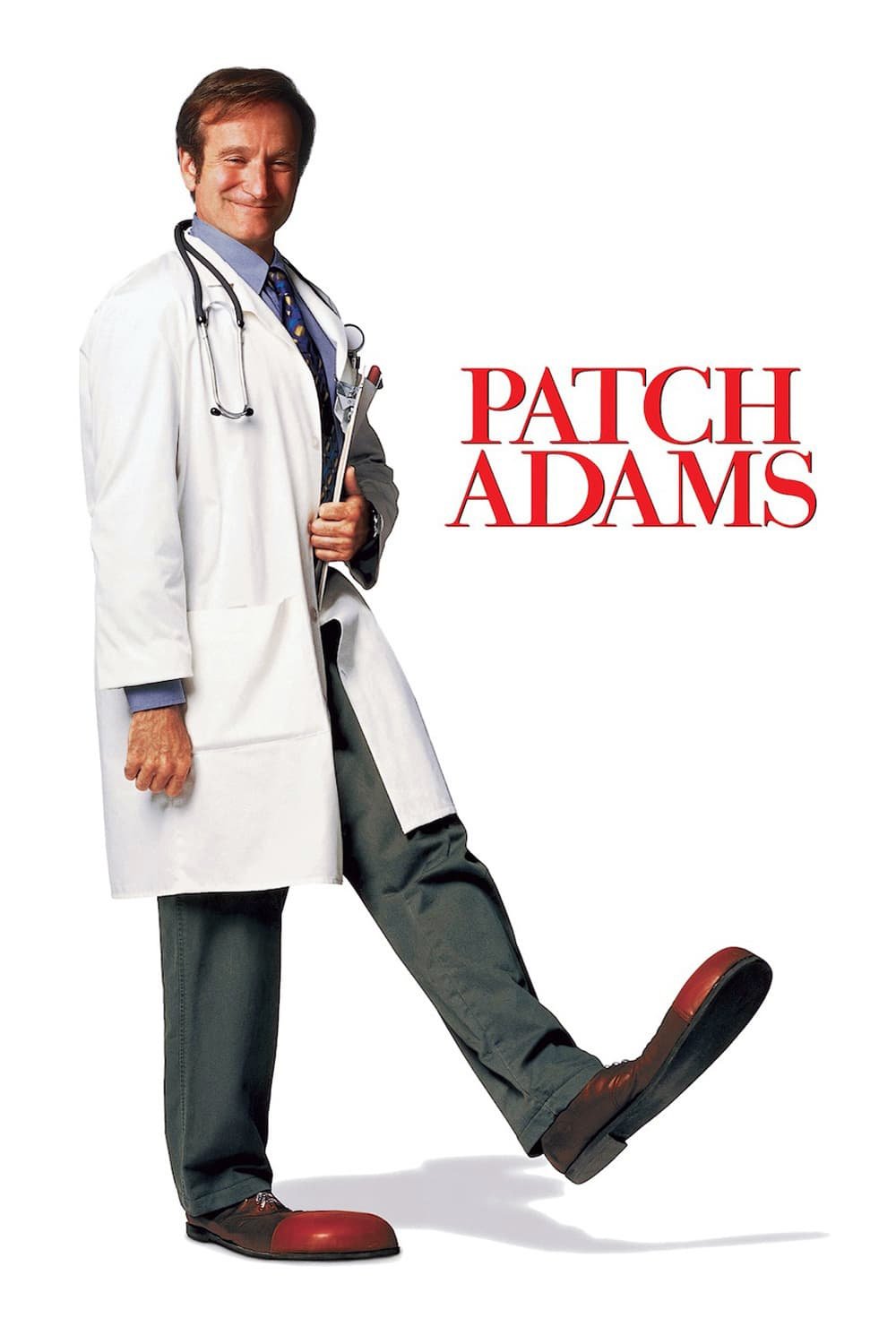
In this biographical comedy-drama, Philip Seymour Hoffman played Mitch Roman. The film stars Robin Williams as a medical student who believes humor and compassion are the best medicine, much to the dismay of the traditional medical establishment.
Hoffman played Patch’s serious, by-the-book roommate who initially disapproves of his methods. His character serves as the dramatic foil to Williams’ exuberant protagonist, representing the rigid and impersonal system that Patch is trying to change.
‘Flawless’ (1999)
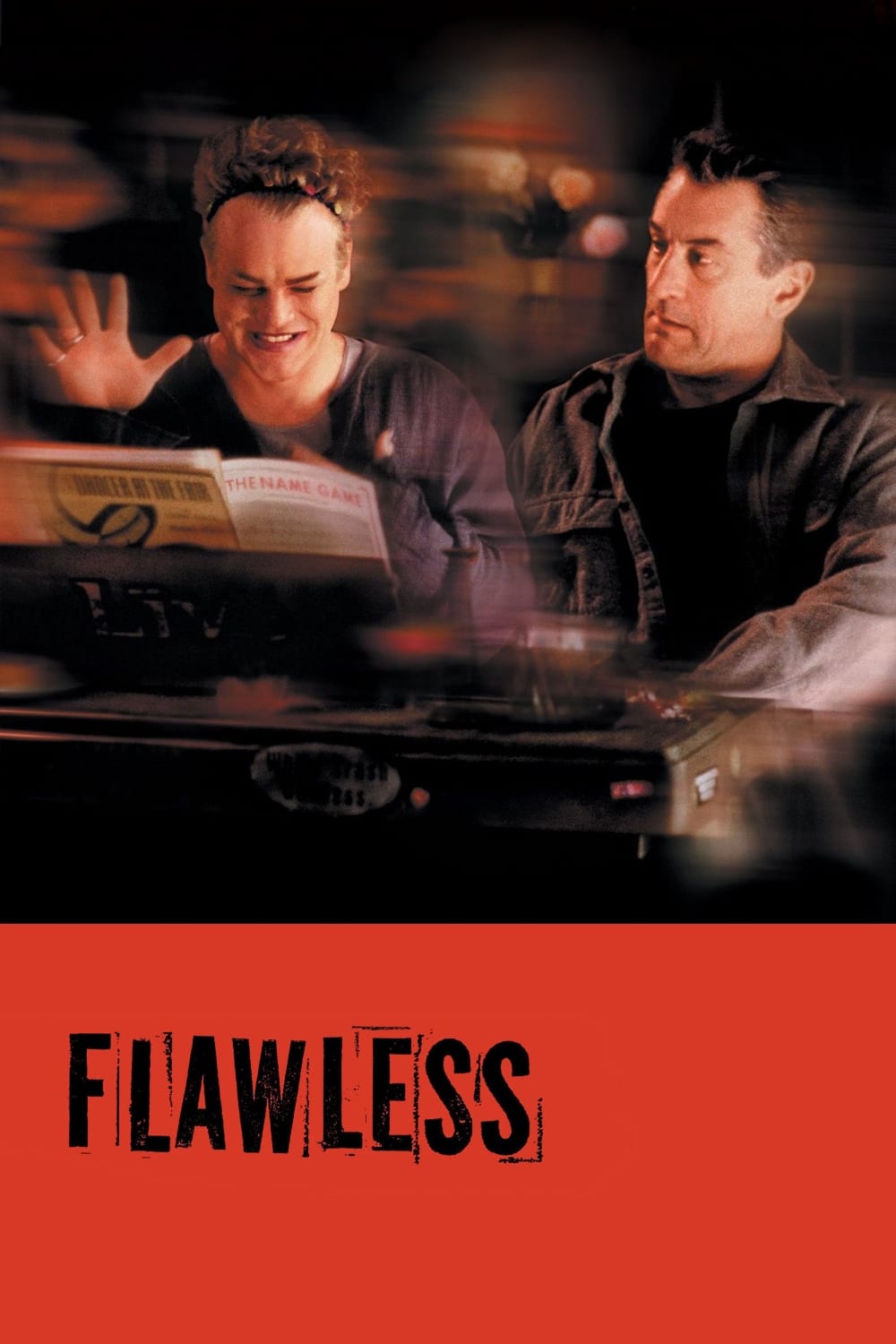
Philip Seymour Hoffman gave a powerful and compassionate performance as Rusty Zimmerman, a flamboyant and kind-hearted drag queen. The film follows the unlikely friendship that develops between Rusty and a homophobic, retired security guard, played by Robert De Niro, who suffers a stroke and takes singing lessons from Rusty as a form of speech therapy.
The role required Hoffman to be both vibrant and vulnerable, and his warm and funny performance was highly praised. He created a memorable and multi-dimensional character that transcended stereotypes.
‘The Talented Mr. Ripley’ (1999)
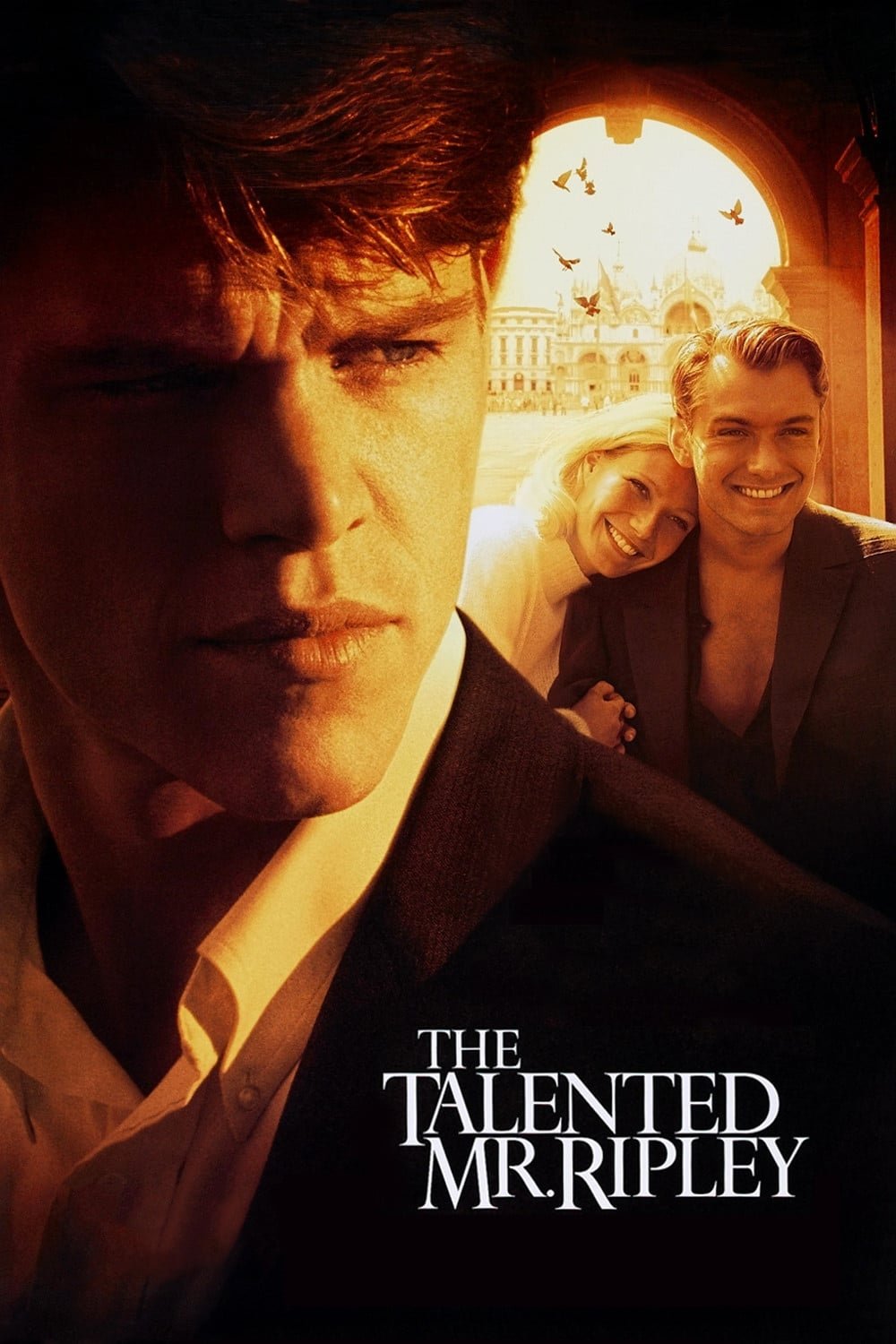
In this stylish psychological thriller, Philip Seymour Hoffman had a scene-stealing supporting role as Freddie Miles. The film is about a young man who is sent to Italy to retrieve a wealthy playboy, but instead becomes obsessed with his lifestyle and begins to assume his identity.
As Freddie, the arrogant and suspicious friend of the playboy, Hoffman is the first person to see through the protagonist’s deception. His brief but impactful performance is full of bravado and contempt, making him a formidable and memorable obstacle in the hero’s path.
‘Magnolia’ (1999)

In his third collaboration with Paul Thomas Anderson, Philip Seymour Hoffman played Phil Parma. The film is an epic ensemble drama that tells the intersecting stories of several characters over one day in the San Fernando Valley. Hoffman’s character is a kind and dedicated nurse caring for a dying television producer.
In a film full of characters in emotional turmoil, Phil Parma is a beacon of compassion and decency. Hoffman’s gentle and earnest performance provided the film with its moral center, showcasing his ability to portray profound goodness and empathy.
‘State and Main’ (2000)

Philip Seymour Hoffman played Joseph Turner White in this ensemble comedy written and directed by David Mamet. The film is about a Hollywood movie crew that descends upon a small Vermont town to shoot a film, leading to a clash of cultures and a series of comical disasters.
Hoffman’s character is the film’s idealistic screenwriter, who struggles to maintain his artistic integrity amidst the chaos and compromises of the production. His performance was a key part of the film’s satirical look at the movie industry.
‘Almost Famous’ (2000)
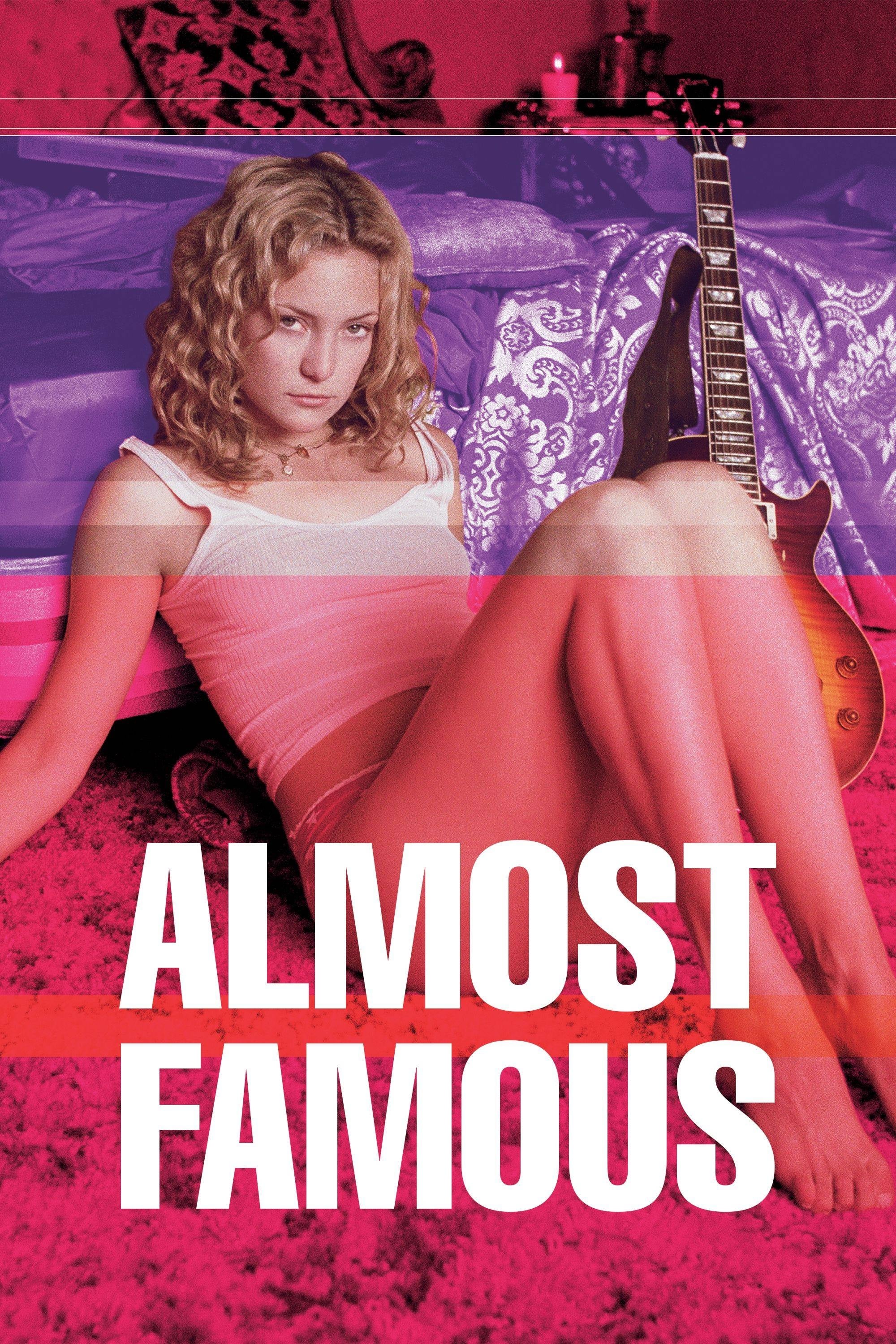
Philip Seymour Hoffman delivered one of his most beloved performances as the legendary real-life rock journalist Lester Bangs. In this semi-autobiographical film from director Cameron Crowe, Bangs serves as a mentor to a teenage aspiring writer who gets a chance to go on tour with a rock band for ‘Rolling Stone’ magazine.
Though he appears in only a few scenes, Hoffman’s portrayal of the cynical, passionate, and deeply wise journalist is iconic. His advice to the young protagonist, delivered with warmth and weary conviction, became a cornerstone of the celebrated film.
‘Love Liza’ (2002)

In a raw and powerful leading role, Philip Seymour Hoffman played Wilson Joel, a web designer whose life falls apart after the sudden suicide of his wife. Unable to open the suicide note she left for him, he develops an addiction to inhaling gasoline fumes to cope with his overwhelming grief.
The screenplay was written by his brother, Gordy Hoffman, and the role gave him the opportunity to deliver a devastating and deeply committed performance. He fully inhabited the character’s profound sense of loss and confusion, making for a difficult but compelling viewing experience.
‘Punch-Drunk Love’ (2002)

In his fourth film with Paul Thomas Anderson, Philip Seymour Hoffman played the aggressive and intimidating Dean Trumbell. The film is an unconventional romantic comedy about a lonely man with social anxiety who falls in love while also being blackmailed by a phone-sex line.
As the manager of a mattress store that runs the phone-sex line as a front, Hoffman is the film’s primary antagonist. His explosive and hilariously menacing confrontation with the protagonist over the phone is a standout comedic moment.
‘Red Dragon’ (2002)
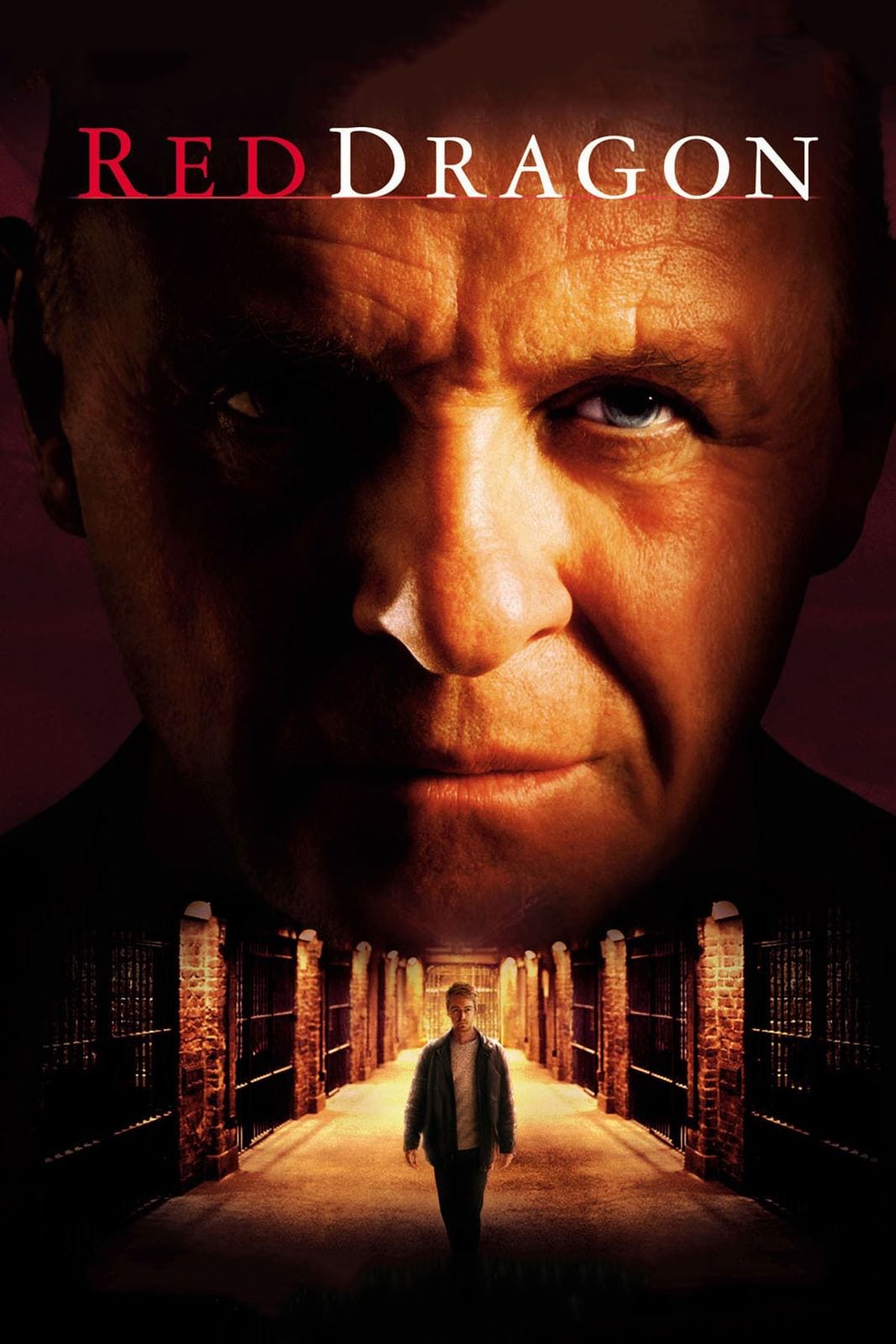
Philip Seymour Hoffman played Freddy Lounds, a sleazy and opportunistic tabloid journalist, in this prequel to ‘The Silence of the Lambs’. The film follows retired FBI agent Will Graham as he is brought back to help catch a new serial killer, and he once again seeks the help of the imprisoned Dr. Hannibal Lecter.
Lounds becomes a pawn in the deadly game between Graham and Lecter, ultimately meeting a gruesome end. Hoffman’s portrayal of the disliked journalist made the character both contemptible and pitiably human.
’25th Hour’ (2002)
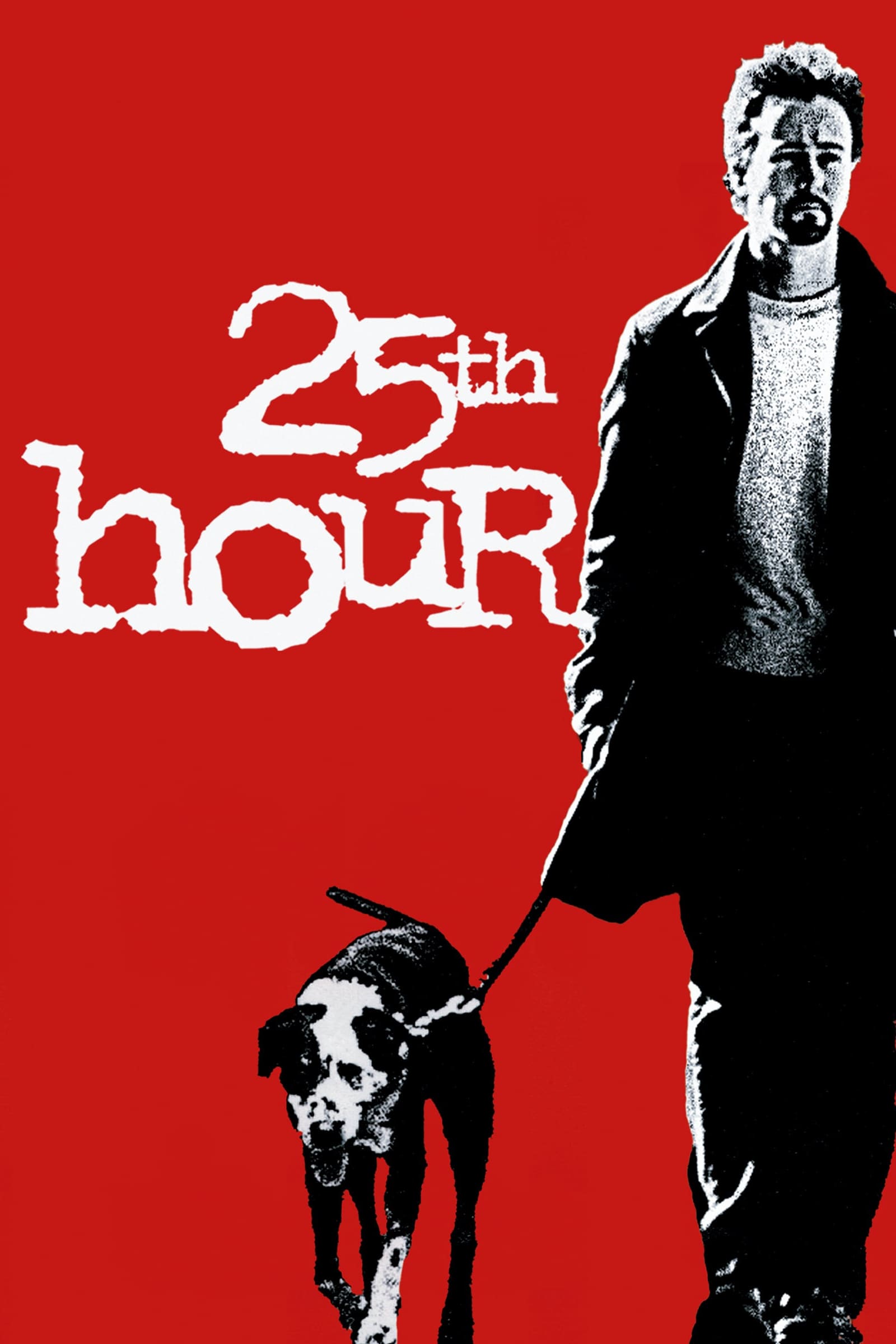
In this Spike Lee drama, Philip Seymour Hoffman played Jacob Elinsky. The film chronicles the last day of freedom for a convicted drug dealer before he begins a seven-year prison sentence. Hoffman’s character is a shy high school English teacher and one of the protagonist’s two best friends.
Jacob is grappling with his own moral crisis, as he finds himself attracted to one of his teenage students. Hoffman’s subplot provides a thoughtful and melancholic counterpoint to the main story, exploring themes of regret, temptation, and quiet desperation.
‘Owning Mahowny’ (2003)
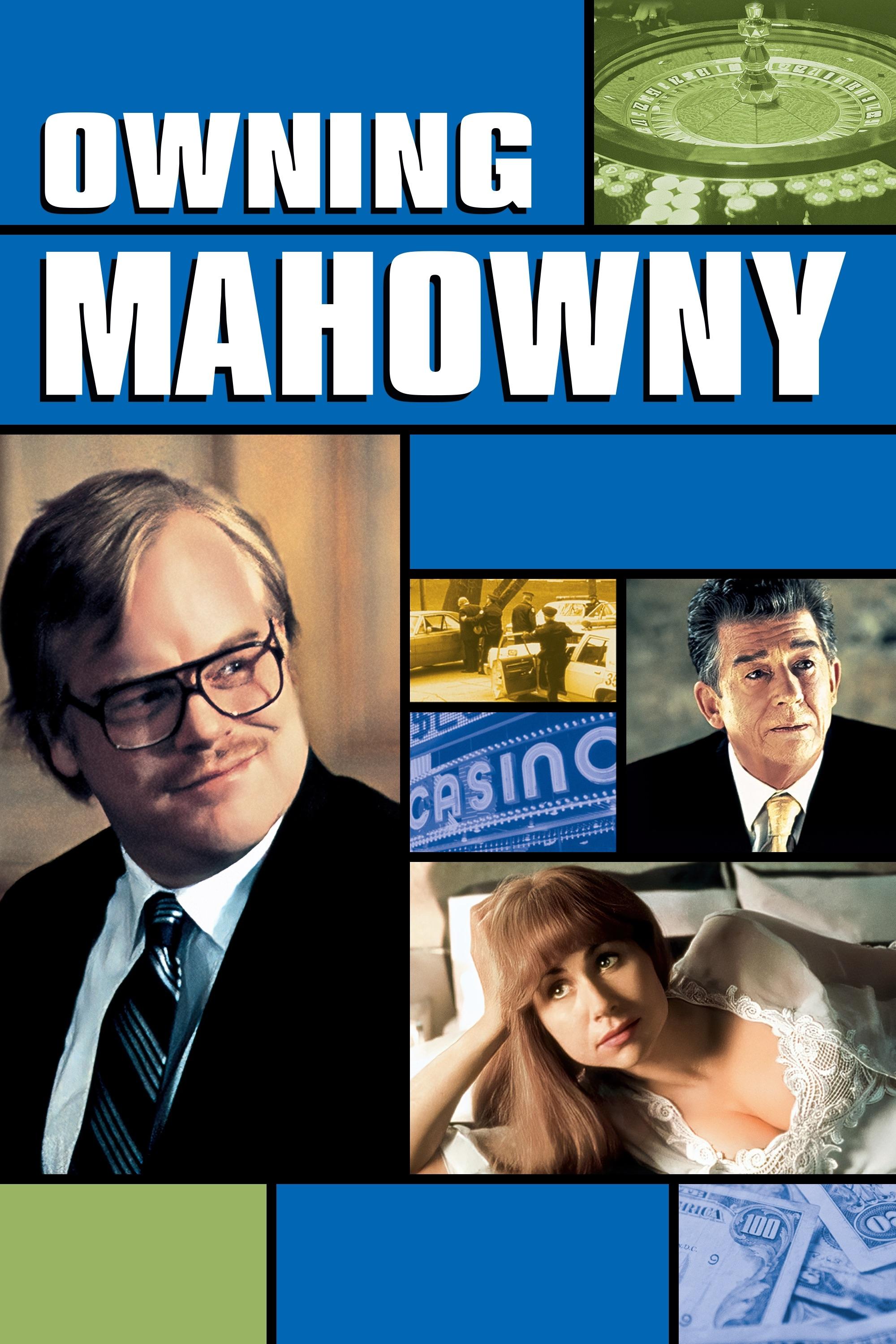
Philip Seymour Hoffman delivered a critically acclaimed lead performance as Dan Mahowny, a real-life Toronto bank manager who perpetrated one of the largest one-man bank frauds in Canadian history. Mahowny was a quiet, unassuming man who had a crippling gambling addiction, leading him to embezzle millions of dollars to feed his habit in Atlantic City.
Hoffman’s portrayal of the compulsive gambler is a masterful study in addiction. He doesn’t play Mahowny for sympathy, but instead presents a quiet and unsettling portrait of a man in the grip of an obsession he cannot control.
‘The Party’s Over’ (2003)
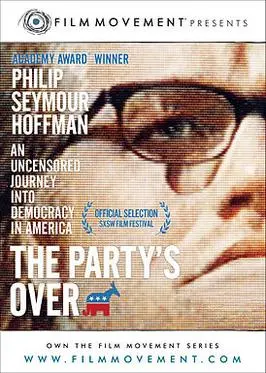
Philip Seymour Hoffman appeared as himself in this documentary film. The movie follows the journey of a man who becomes disillusioned with the American two-party political system and sets out to explore alternative political movements and ideas.
Hoffman was one of several public figures interviewed for the film, offering his perspective on the state of American democracy. His participation reflected his own engagement with political and social issues.
‘Cold Mountain’ (2003)
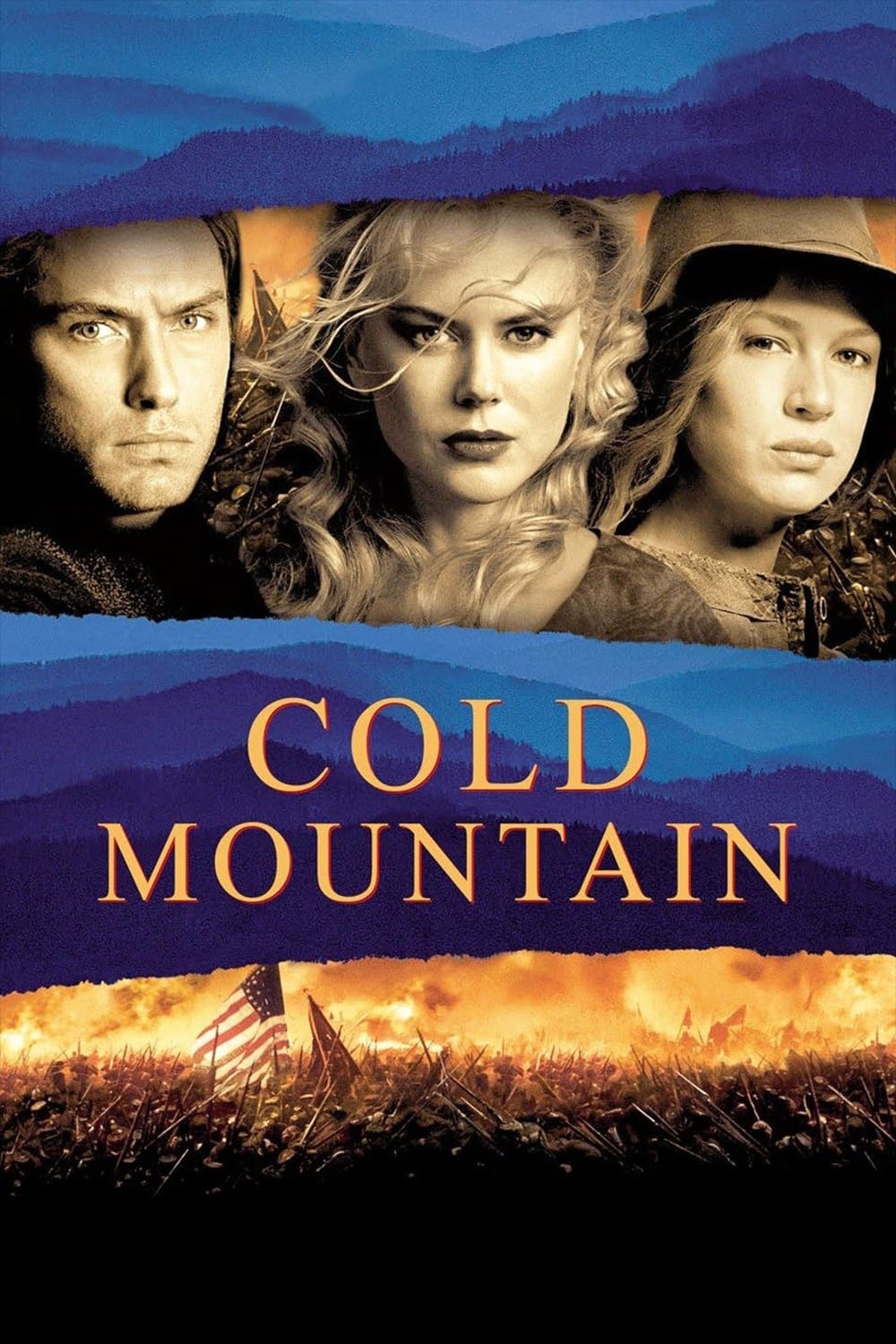
In this Civil War epic, Philip Seymour Hoffman had a memorable supporting role as the Reverend Veasey. The film’s protagonist is a wounded Confederate soldier who deserts the army and makes a perilous journey home to his love. Along the way, he encounters Veasey, a lecherous and disgraced preacher.
Hoffman’s character is a hypocrite and a scoundrel, providing a source of both dark humor and danger. His performance was a standout in the star-studded ensemble cast, showcasing his ability to play morally corrupt but entertaining characters.
‘Along Came Polly’ (2004)

Philip Seymour Hoffman gave a hilarious and scene-stealing performance as Sandy Lyle in this romantic comedy. The film stars Ben Stiller as a risk-averse man whose life is turned upside down by a free-spirited woman, played by Jennifer Aniston. Hoffman played Stiller’s best friend, a washed-up former child actor trying to make a comeback.
Hoffman’s portrayal of the delusional and over-the-top Sandy was a comedic tour de force. He improvised many of his lines, and his fearless commitment to the character’s ridiculousness, particularly during a basketball game, made him the highlight of the film for many viewers.
‘Strangers with Candy’ (2005)

Philip Seymour Hoffman made a brief cameo appearance as Henry in this film, which serves as a prequel to the cult classic television series of the same name. The story follows Jerri Blank, a 46-year-old former drug addict and prostitute who returns to high school as a freshman.
Hoffman’s appearance as a school board member was a small but funny part of the film’s quirky and surreal world. It was one of several cameos he made in comedies throughout his career.
‘Capote’ (2005)
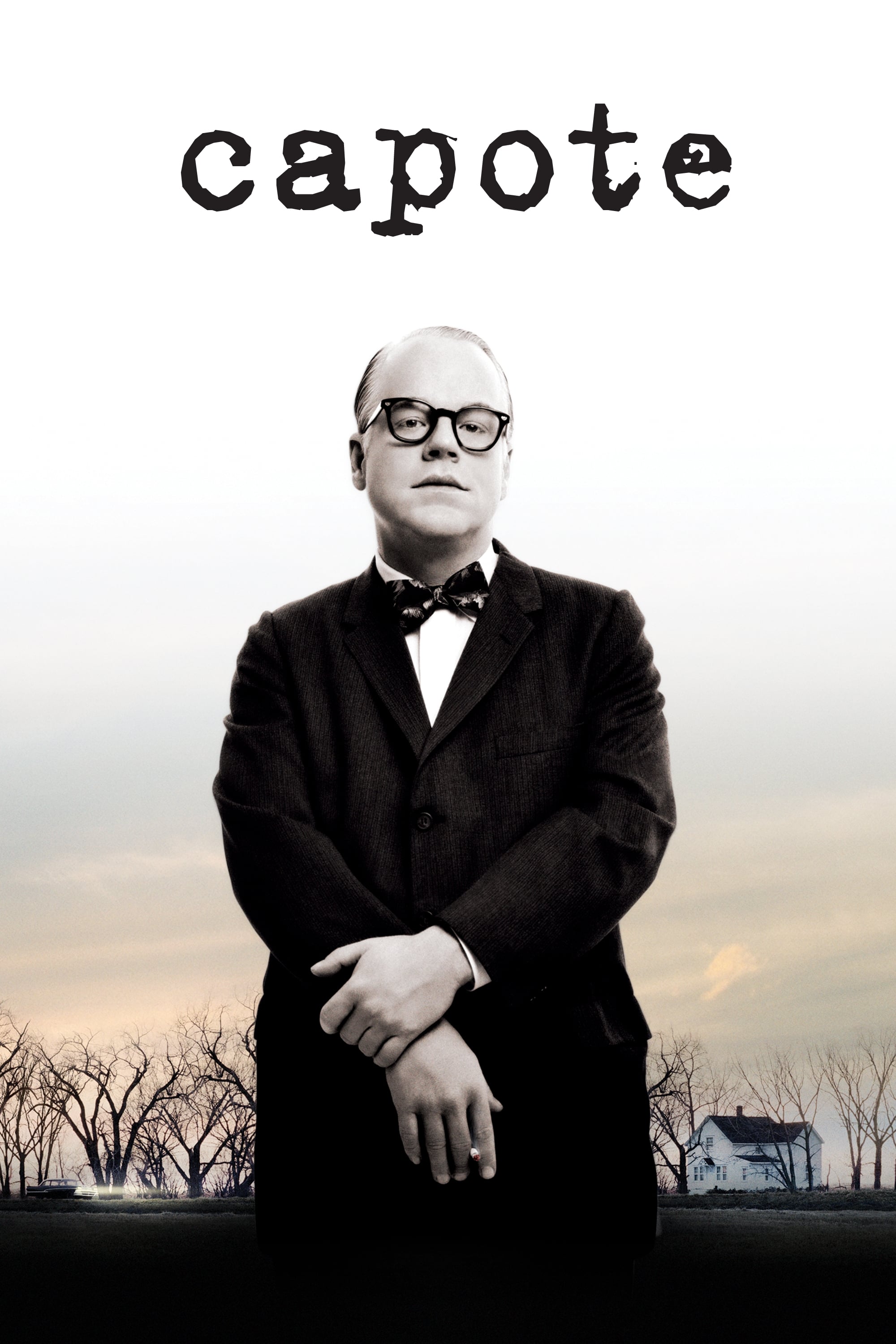
In the role that would define his career, Philip Seymour Hoffman delivered a stunning and transformative performance as the author Truman Capote. The film focuses on the period of Capote’s life when he was researching and writing his masterpiece, the “non-fiction novel” ‘In Cold Blood’. The film also served as his first credit as an executive producer.
Hoffman captured not only Capote’s famous voice and mannerisms but also his ambition, his charm, and the profound moral toll the project took on him. The performance was a monumental achievement, earning him the Academy Award for Best Actor and cementing his status as one of the finest actors of his time.
‘Mission: Impossible III’ (2006)
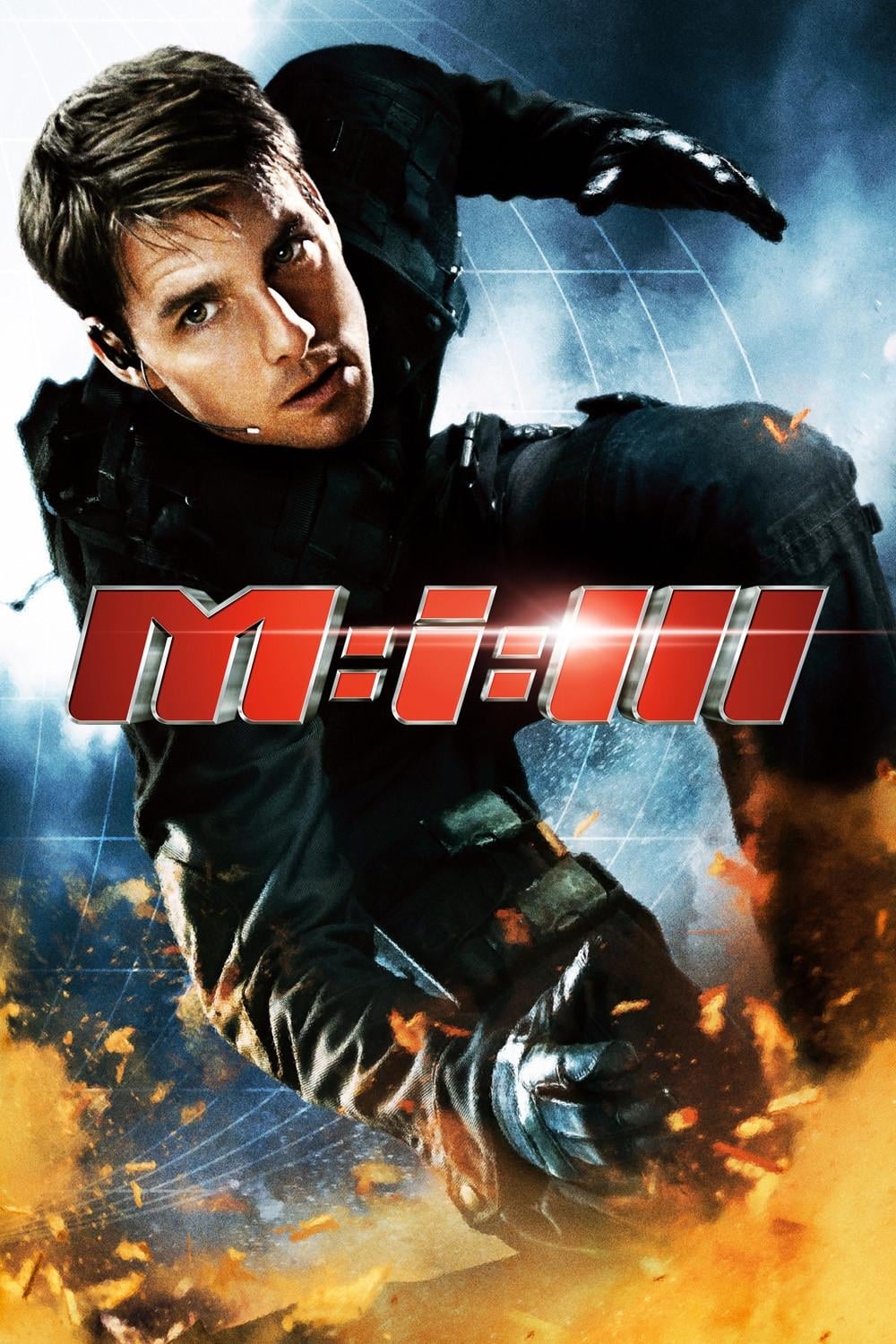
Philip Seymour Hoffman played the role of Owen Davian, a ruthless and chillingly calm international arms dealer. In this installment of the action franchise, secret agent Ethan Hunt is forced out of retirement to face the most formidable villain he has ever encountered.
As the film’s antagonist, Hoffman created a truly menacing and frightening character. He eschewed typical blockbuster villain theatrics for a quiet, cold-blooded intensity that made Davian one of the most memorable and effective villains in the entire series.
‘The Savages’ (2007)
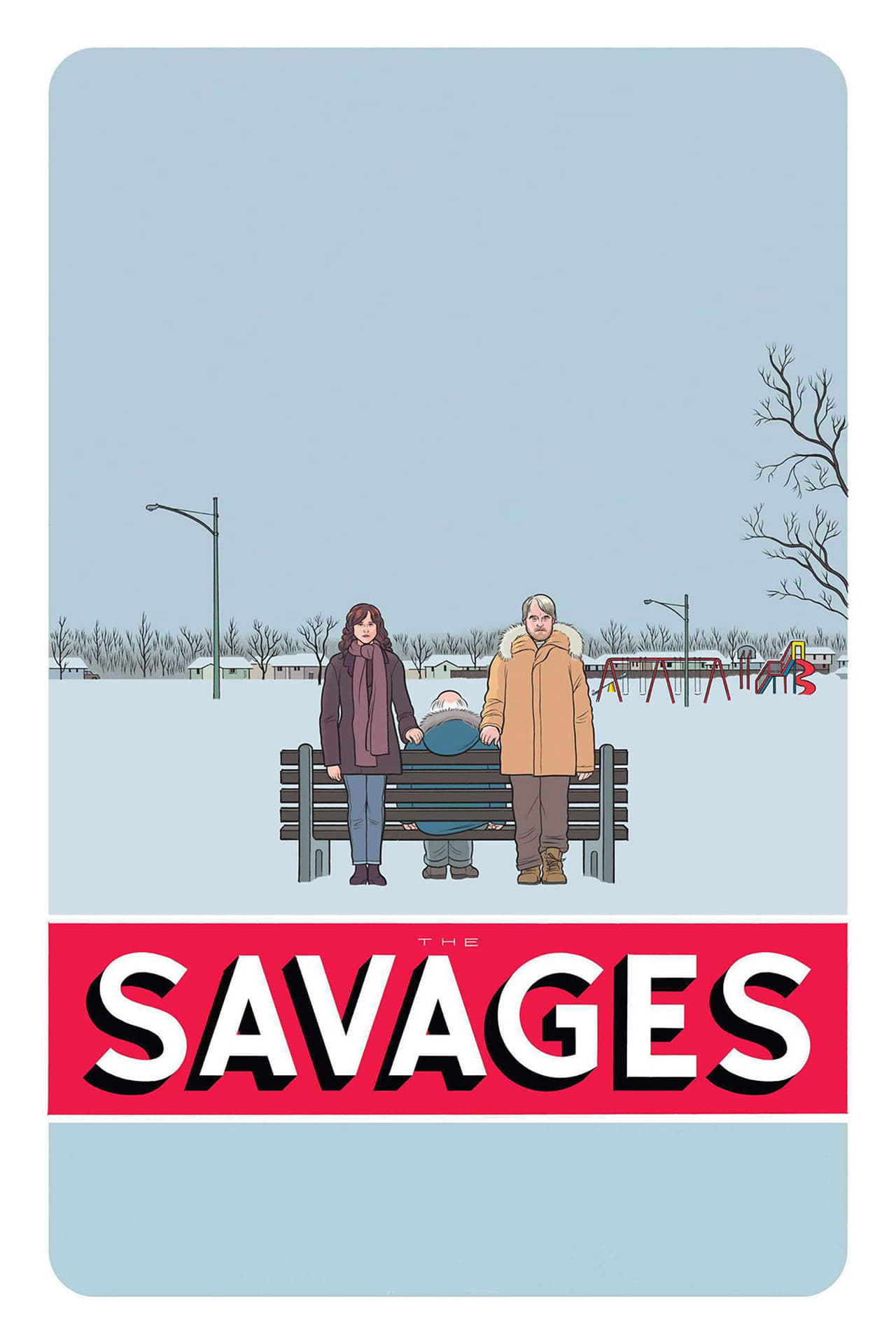
In this poignant comedy-drama, Philip Seymour Hoffman starred as Jon Savage. He and his sister, both self-absorbed writers, are forced to come together to care for their estranged and aging father, who is slipping into dementia.
Hoffman gave a nuanced and deeply human performance as a man struggling with his own professional and personal failures while being confronted with the messy and heartbreaking realities of family responsibility. His chemistry with co-star Laura Linney was highly praised.
‘Before the Devil Knows You’re Dead’ (2007)
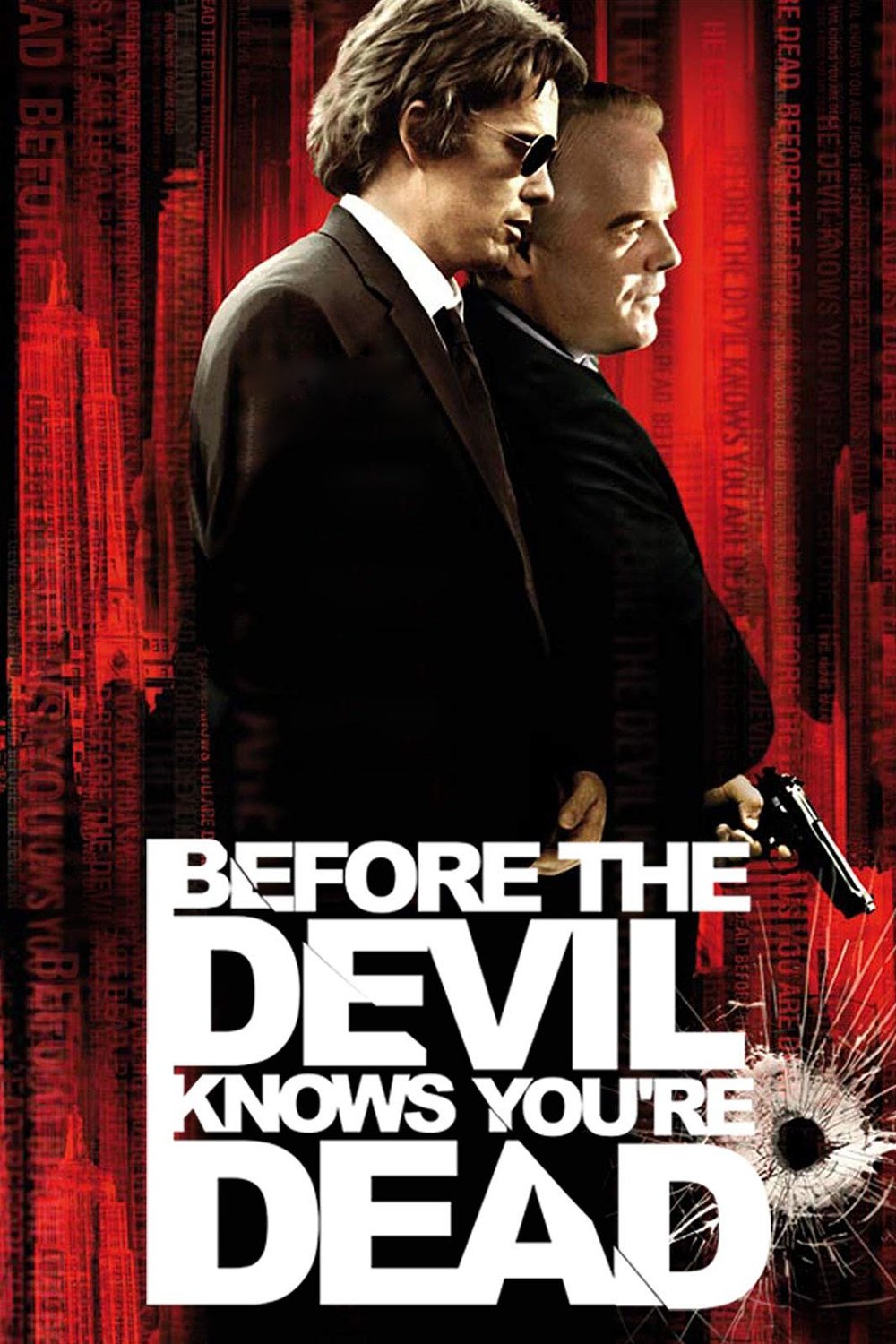
Philip Seymour Hoffman gave a devastating performance as Andy Hanson in this dark crime thriller from director Sidney Lumet. His character is a desperate, drug-addicted finance executive who ropes his younger, weaker brother into a seemingly perfect plan to rob their own parents’ jewelry store.
When the robbery goes horribly wrong, it sets off a tragic and violent chain of events. Hoffman’s portrayal of a man consumed by greed, panic, and self-loathing is terrifying and unforgettable, and the film is considered a modern masterpiece of the genre.
‘Charlie Wilson’s War’ (2007)
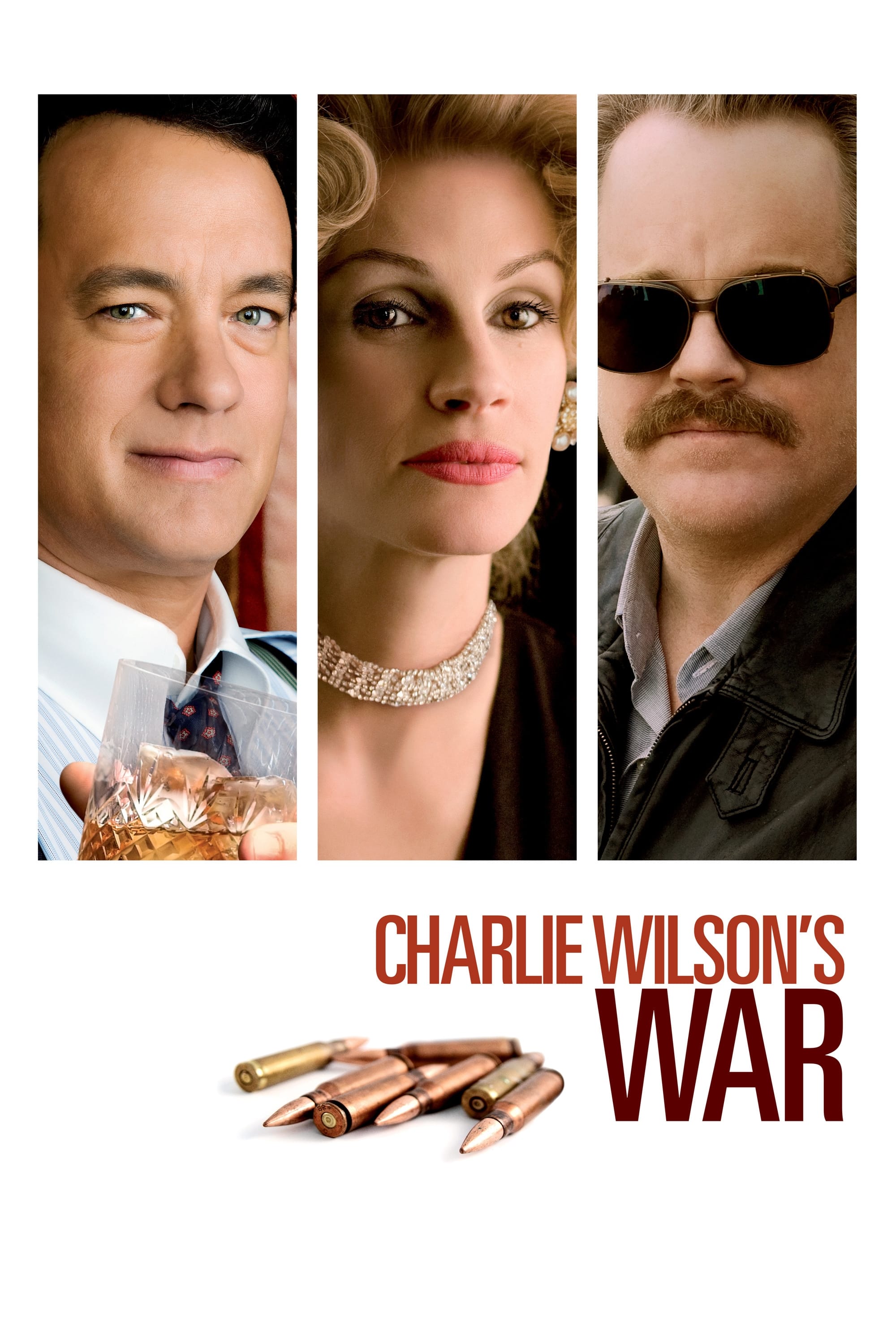
For his role as the blunt and brilliant CIA operative Gust Avrakotos, Philip Seymour Hoffman earned an Academy Award nomination for Best Supporting Actor. The film tells the true story of a fun-loving Texas congressman who, with the help of Avrakotos, orchestrated the largest covert operation in history to arm the Afghan mujahideen against the Soviet Union.
Hoffman’s portrayal of the schlumpy, working-class spy who is smarter than all the Ivy League elites around him is a comedic and dramatic triumph. His explosive introductory scene is a masterclass in character establishment and remains one of his most celebrated performances.
‘Synecdoche, New York’ (2008)
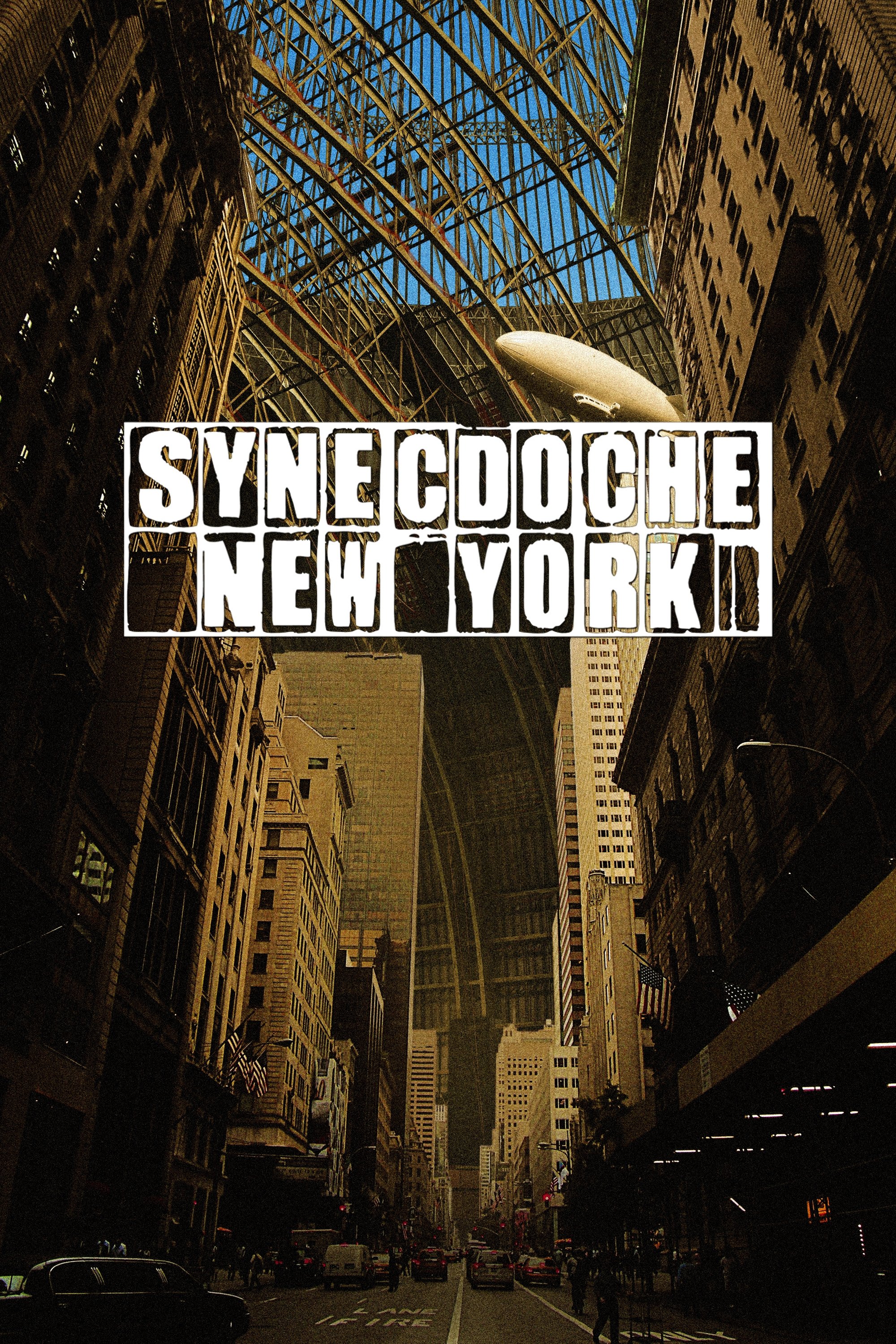
In this sprawling and ambitious film written and directed by Charlie Kaufman, Philip Seymour Hoffman played Caden Cotard. He is a theater director from Schenectady, New York, who receives a prestigious grant and decides to create a work of art of unflinching honesty, ultimately building a life-size replica of New York City in a warehouse where the lines between reality and his play begin to blur.
The role was incredibly demanding, following a character over decades as he grapples with art, love, illness, and mortality. Hoffman’s deeply committed and emotionally exhaustive performance is the anchor of this complex and profound film about the human condition.
‘Doubt’ (2008)
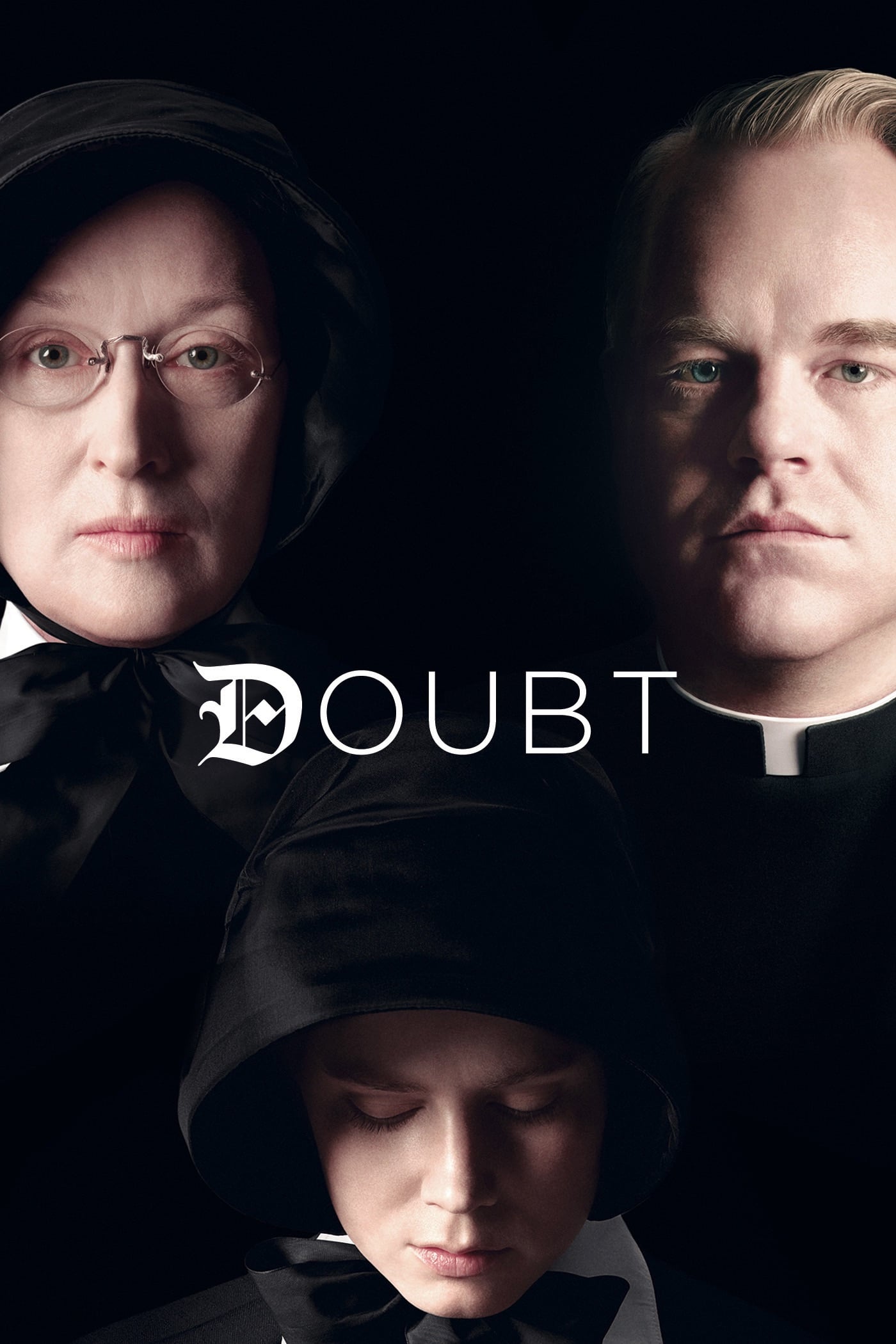
Philip Seymour Hoffman earned another Academy Award nomination for his role as Father Brendan Flynn in this adaptation of the Pulitzer Prize-winning play. The story is set in a Catholic school in the Bronx in 1964, where a progressive and charismatic priest is accused of paying inappropriate attention to the school’s first black student by the rigid and suspicious principal.
The film is a powerful acting showcase, and Hoffman’s performance is perfectly balanced. He portrays Father Flynn as a warm and forward-thinking leader, while leaving just enough ambiguity for the audience to question his innocence, creating a riveting and thought-provoking moral drama.
‘Mary and Max’ (2009)

In this unique stop-motion animated film, Philip Seymour Hoffman provided the voice for Max Jerry Horowitz. The story chronicles the long-distance pen-pal friendship between Mary, a lonely little girl in Australia, and Max, a morbidly obese, middle-aged man with Asperger’s syndrome living in New York City.
Hoffman’s voice work captured the anxiety, confusion, and deep-seated loneliness of Max with incredible sensitivity and nuance. He brought warmth and pathos to the character, making their unlikely friendship both funny and profoundly moving.
‘The Boat That Rocked’ (2009)
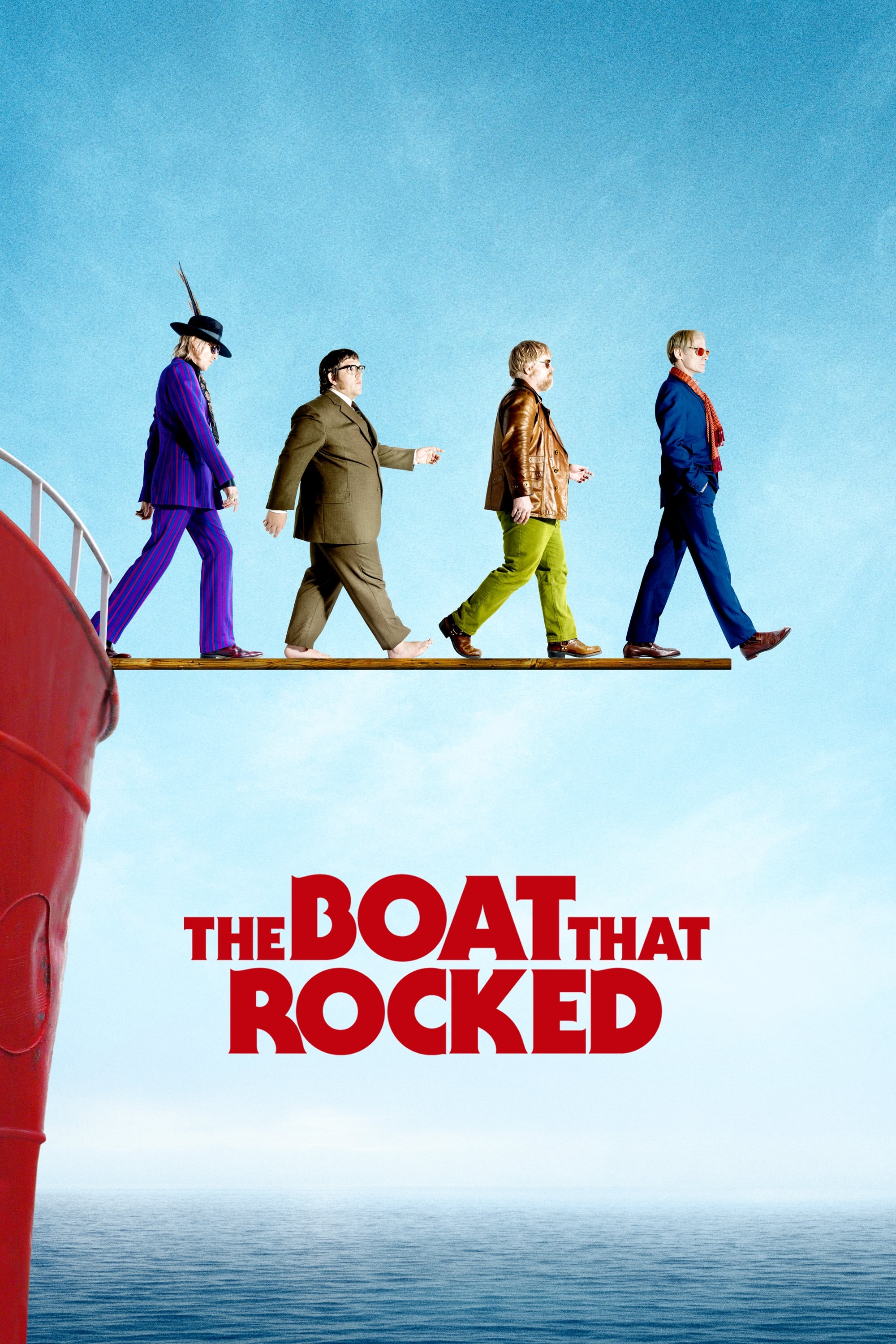
Philip Seymour Hoffman played “The Count” in this British comedy film. The movie is about a group of eccentric DJs in the 1960s who run a pirate radio station from a ship in the North Sea, broadcasting rock and roll to the UK against the wishes of the government.
As the bombastic and larger-than-life American DJ, Hoffman was the only American in the main cast. He fully embraced the rebellious spirit of the era, creating a character who was a passionate and charismatic champion of rock music.
‘The Invention of Lying’ (2009)

Philip Seymour Hoffman had a small but memorable cameo as Jim the Bartender in this high-concept comedy. The film is set in an alternate reality where no one has ever lied, until a down-on-his-luck man, played by Ricky Gervais, spontaneously invents the concept of dishonesty.
Hoffman’s character appears in a scene with the protagonist’s romantic rival, and their brutally honest conversation is a source of great humor. His brief appearance was a fun addition to the star-studded cast.
‘Jack Goes Boating’ (2010)

This film marked Philip Seymour Hoffman’s directorial debut, and he also starred in the lead role of Jack. Based on a play in which he had also starred, the story follows a shy and awkward New York limo driver who, with the help of his friends, tries to learn to swim and cook so he can pursue a new romance. The film also served as one of his credits as an executive producer.
As both director and star, Hoffman created a gentle and compassionate film about lonely people trying to connect. His performance as the insecure but hopeful Jack is understated and touching, showcasing a softer and more vulnerable side of his acting range.
‘The Ides of March’ (2011)
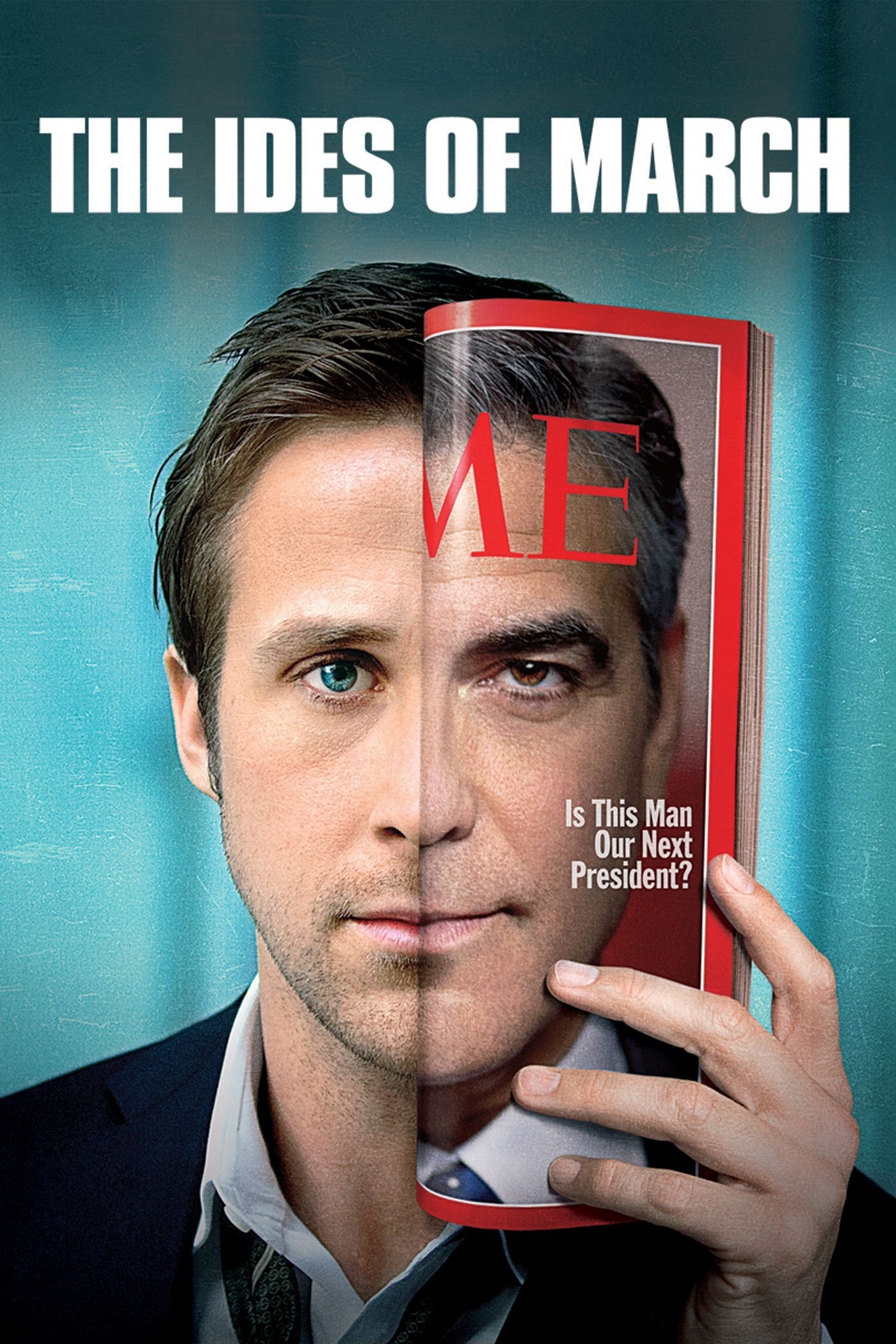
In this political thriller, Philip Seymour Hoffman played Paul Zara, a veteran political strategist and campaign manager. The film follows a brilliant young press secretary who gets a harsh education in the dirty reality of politics while working on a presidential primary campaign.
As the world-weary and deeply cynical Zara, Hoffman portrayed a man who has seen it all and understands the moral compromises necessary to win. His performance as the grizzled and pragmatic old-guard political operative was a powerful and grounding presence in the film.
‘Moneyball’ (2011)

Philip Seymour Hoffman played Art Howe, the real-life manager of the Oakland Athletics baseball team. The film tells the story of the team’s general manager, Billy Beane, who revolutionized the sport by using statistical analysis to build a competitive team with a very small budget.
Howe is portrayed as the old-school and resistant manager who clashes with Beane’s new, unconventional methods. Hoffman perfectly embodied the frustration and stubbornness of a man whose experience and intuition were being challenged by a computer-based system.
‘The Master’ (2012)
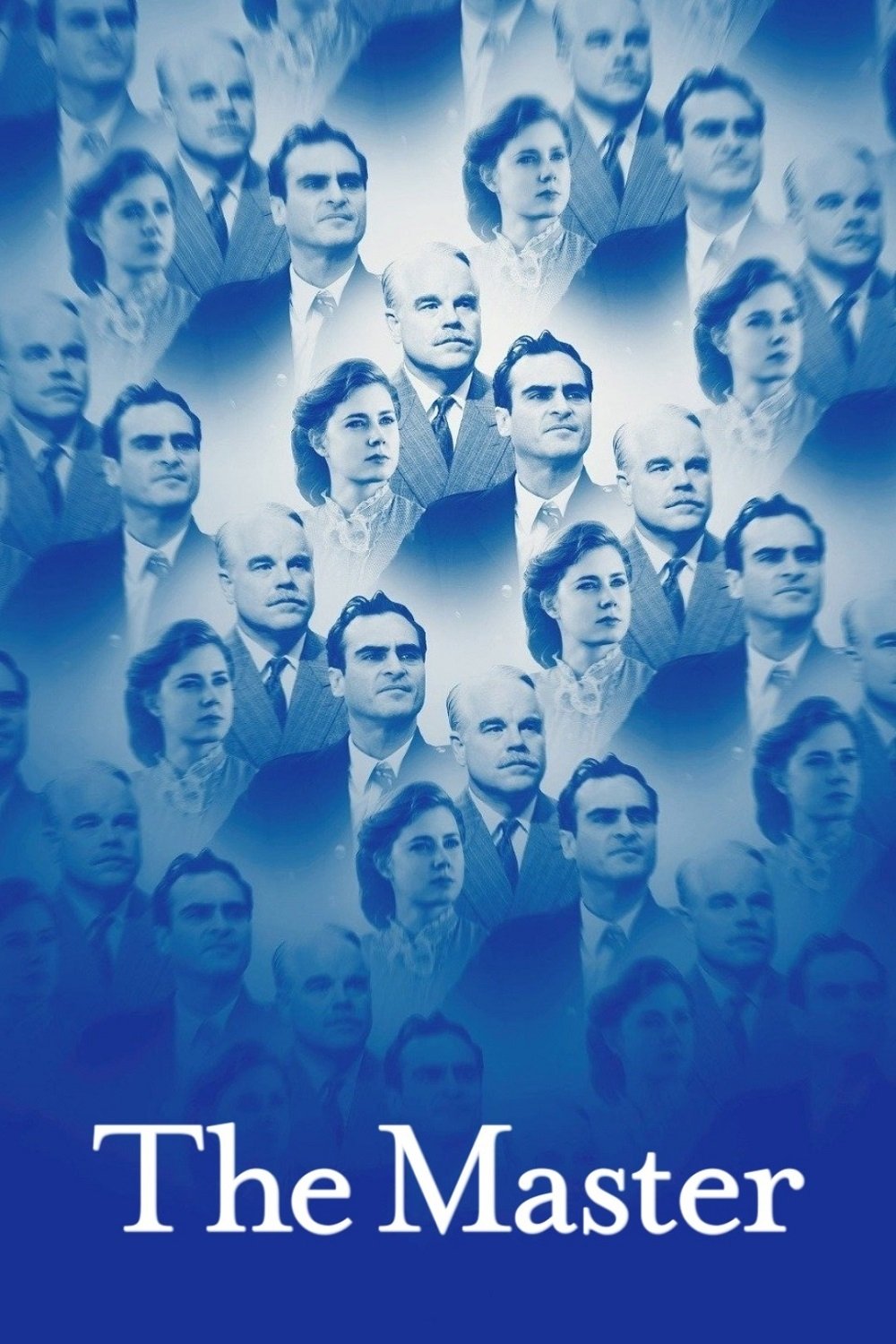
In his fifth and final collaboration with Paul Thomas Anderson, Philip Seymour Hoffman played Lancaster Dodd, a character inspired by Scientology founder L. Ron Hubbard. For this role, he received his final Academy Award nomination. The film follows a troubled World War II veteran who becomes drawn into the inner circle of Dodd, the charismatic and larger-than-life leader of a new philosophical movement known as “The Cause.”
Hoffman’s performance as Dodd is a magnetic and terrifying force of nature. He is at once charming, brilliant, paternal, and menacingly volatile. His complex psychological battle of wills with Joaquin Phoenix’s character is the core of the film and features some of the most powerful acting of both of their careers.
‘A Late Quartet’ (2012)

Philip Seymour Hoffman played Robert Gelbart in this drama about a world-renowned string quartet. When the group’s cellist is diagnosed with a life-altering illness, the four members are forced to confront their long-simmering resentments, conflicting egos, and personal passions, threatening to tear the group apart.
As the quartet’s second violinist, Robert feels stifled and undervalued, and his desires create a major source of conflict within the group. Hoffman gave a sensitive and nuanced performance as a man struggling with his place in both his professional and personal life.
‘Salinger’ (2013)
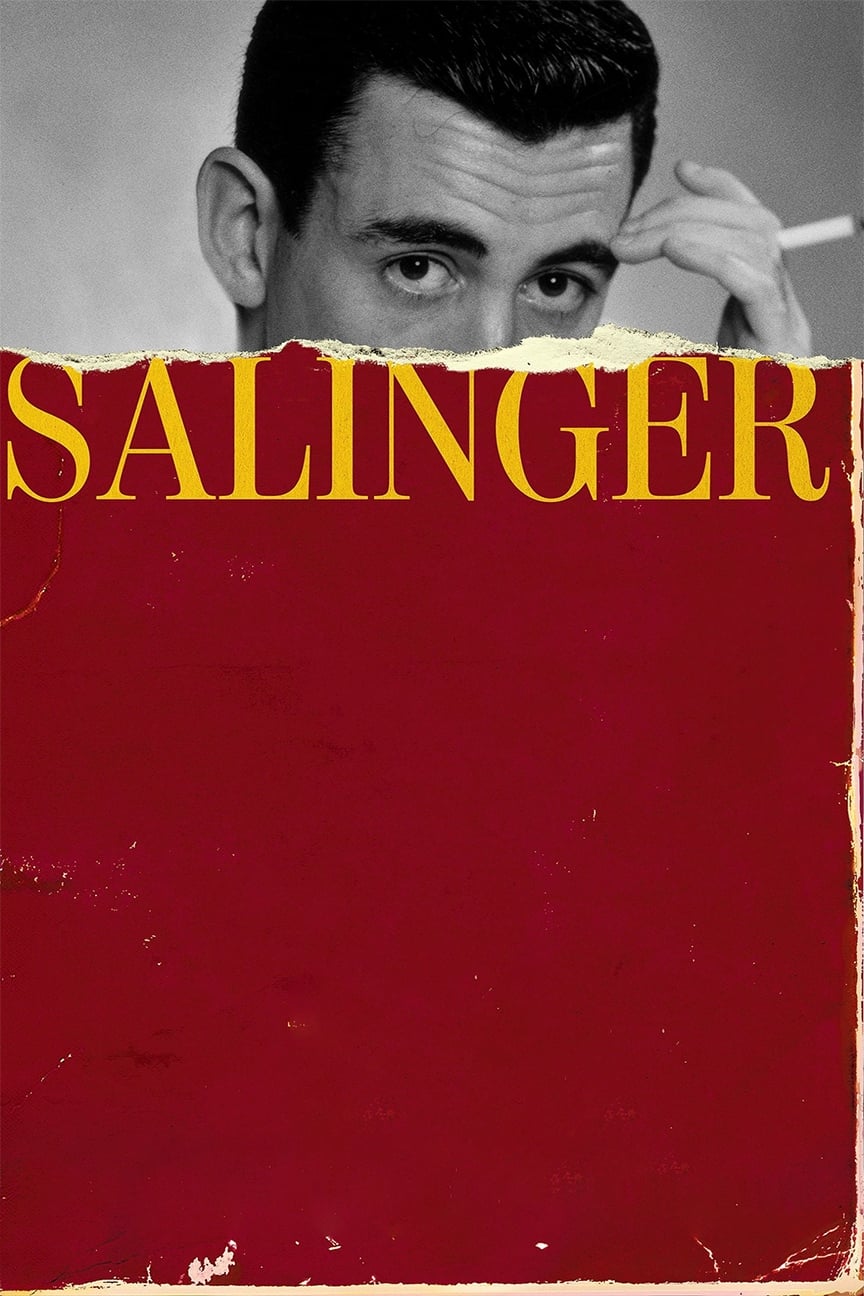
Philip Seymour Hoffman appeared as himself in this documentary film that explores the life and work of the famously reclusive author J.D. Salinger, the writer of ‘The Catcher in the Rye’.
The film featured interviews with a wide range of friends, critics, and admirers of Salinger’s work. Hoffman was one of several prominent actors who participated, reading excerpts from Salinger’s writing and offering his perspective on the author’s enduring legacy.
‘The Hunger Games: Catching Fire’ (2013)

Philip Seymour Hoffman joined the hugely popular blockbuster franchise as Plutarch Heavensbee. In this second installment, former victors Katniss Everdeen and Peeta Mellark are forced back into the arena for a special anniversary edition of the deadly games.
As the new Head Gamemaker who replaces the one from the first film, Plutarch is a cunning and enigmatic figure whose true allegiances are unclear. Hoffman brought a sense of intellectual weight and subtle intrigue to the role, making him a key player in the series’ expanding political landscape.
‘God’s Pocket’ (2014)
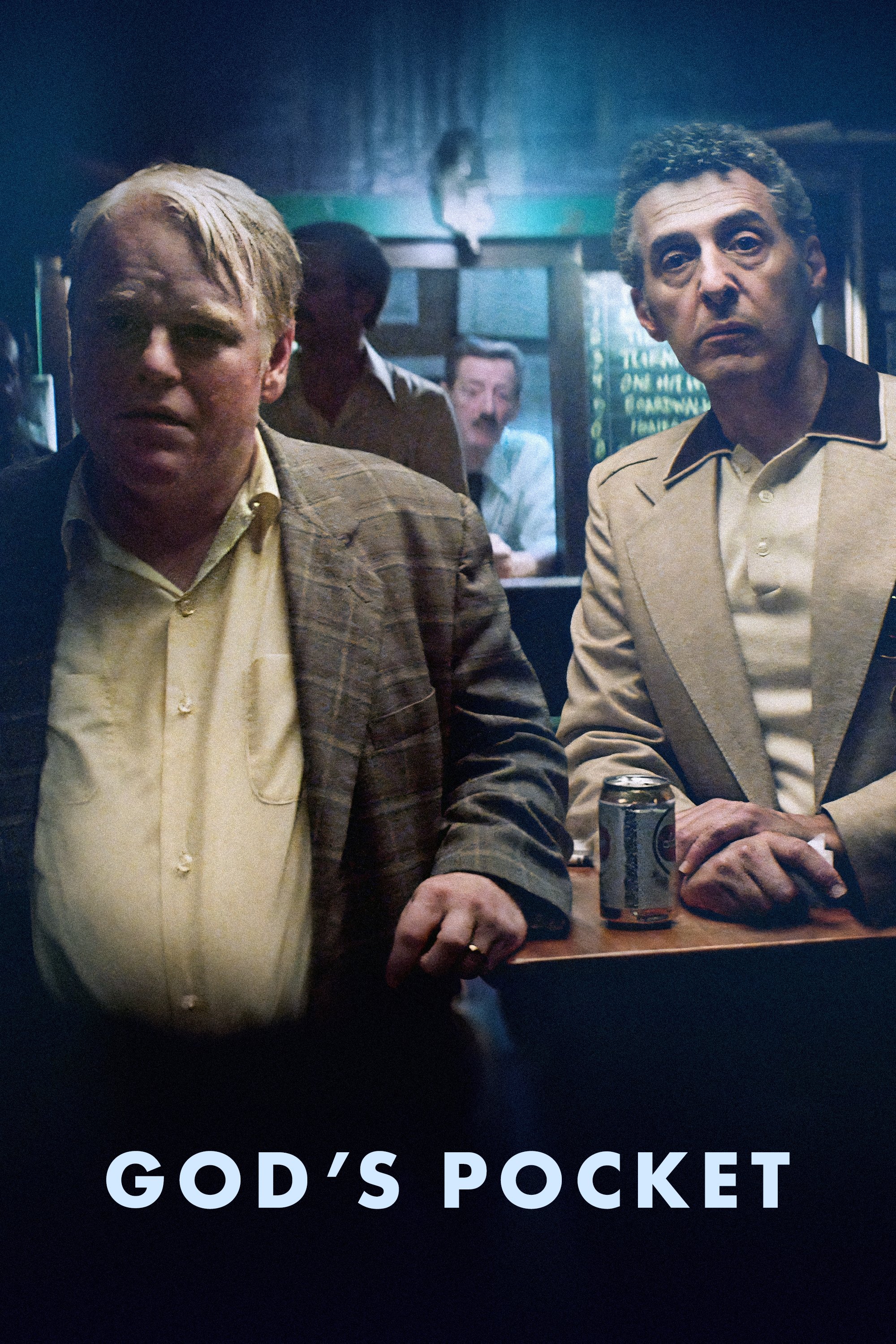
In one of his final films, Philip Seymour Hoffman starred as Mickey Scarpato. The film is a dark comedy set in a working-class Philadelphia neighborhood and follows Mickey as he tries to cover up the accidental death of his mentally unstable stepson and pay for the funeral. This film was a posthumous release and he also served as a producer.
Hoffman gives a lived-in performance as a weary, small-time crook who finds himself in a situation that quickly spirals out of his control. He perfectly captures the desperation and grim humor of a man trapped in a no-win situation.
‘A Most Wanted Man’ (2014)
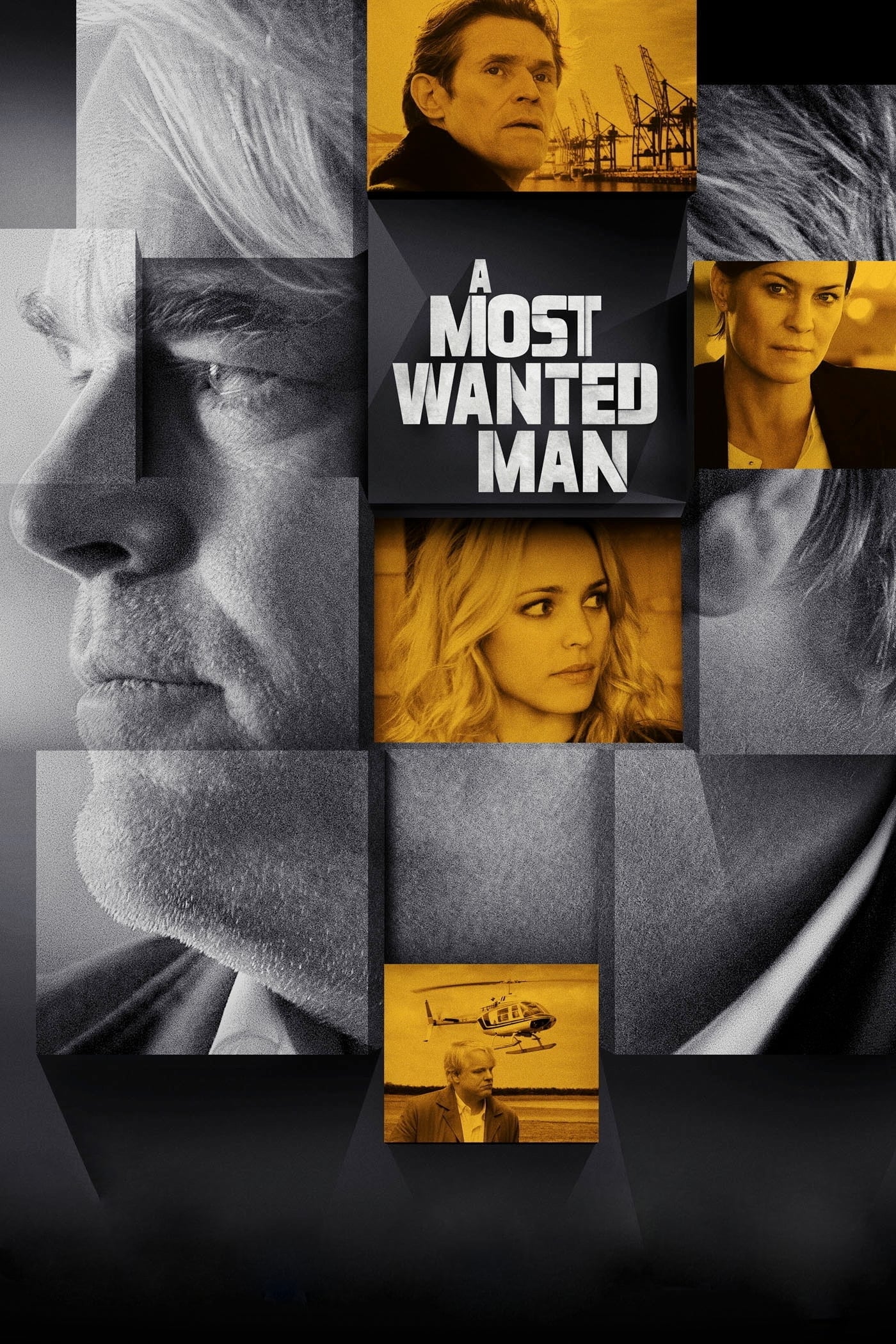
Philip Seymour Hoffman’s final leading performance was as Günther Bachmann in this tense spy thriller based on a John le Carré novel. Bachmann is the weary and brilliant head of a covert German intelligence unit that tries to recruit a Chechen refugee to get to a more important terrorism suspect. This film was a posthumous release.
His portrayal of the schlumpy, chain-smoking, and deeply dedicated spy was hailed by critics as one of the best of his career. He embodied the soul-crushing weight of a life spent in the morally gray world of espionage, and the film serves as a powerful final showcase for his immense talent.
‘The Hunger Games: Mockingjay – Part 1’ (2014)

In this posthumous release, Philip Seymour Hoffman reprised his role as Plutarch Heavensbee. Following the events of the previous film, Plutarch is revealed to be a leader of the rebellion against the Capitol. He now works alongside the rebel president to turn Katniss Everdeen into the “Mockingjay,” the living symbol of their revolution.
Hoffman’s character serves as a key strategist and propagandist for the rebellion. His calm intelligence and political savvy were essential to the film’s plot as it shifted from the arena to an all-out war.
‘The Hunger Games: Mockingjay – Part 2’ (2015)

This film marked the final on-screen appearance of Philip Seymour Hoffman. As the rebellion moves into its final, decisive phase, Plutarch Heavensbee continues to advise the rebel leaders and guide Katniss through the political and psychological landscape of the war. This film was a posthumous release.
Hoffman had completed the majority of his scenes before his death. For one remaining key scene, the filmmakers opted to have another character read a letter from Plutarch rather than try to recreate his performance digitally, a decision made out of respect for the late actor.
Please share your most cherished Philip Seymour Hoffman performance and what made it so special in the comments below.