10 Underrated Films by Clémence Poésy You Must See

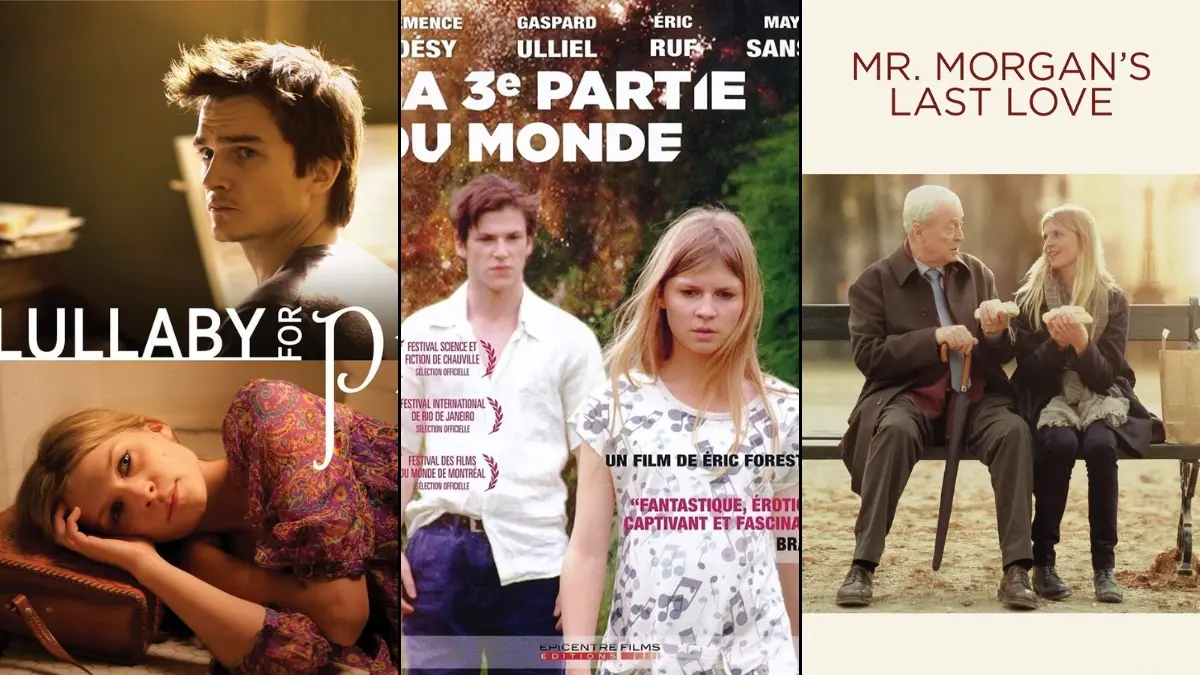

Clémence Poésy’s career zigzags gracefully between art-house discoveries and mainstream juggernauts, but tucked inside that range are films where her presence is the quiet engine—refining tone, deepening mood, and tilting whole stories toward resonance. This list spotlights works that slipped past wider attention or were overshadowed by starrier names, yet reward a revisit for the specificity and steel she brings to the screen.
From intimate romances and literary period pieces to political and psychological thrillers, these picks show how she threads vulnerability with poise, mischief with melancholy. Consider this your map to ten under-sung corners of her filmography—counting down from 10 to 1.
10. ‘Tenet’ (2020)
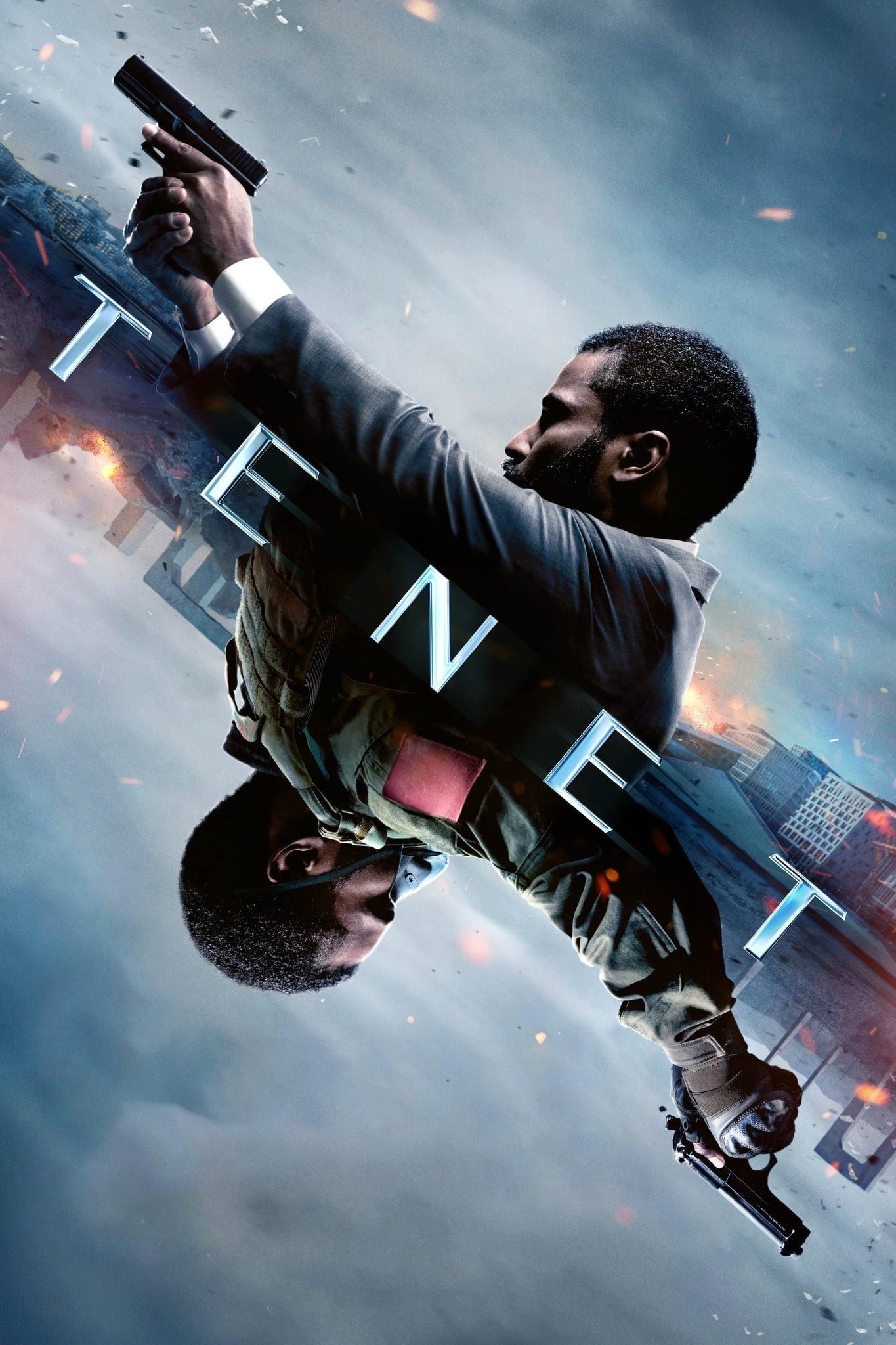
A whirlwind epic can leave small roles lost in the blast radius, but Poésy makes her brief appearance count. As the scientist who coolly introduces the story’s mind-bending physics, she sets the film’s intellectual temperature with clipped precision and an almost clinical curiosity.
What might read as exposition becomes character: an expert who refuses to grandstand, calibrating the hero’s path with a single, steadying conversation. It’s a masterclass in turning a few minutes on screen into a tonal keystone.
9. ‘In Bruges’ (2008)
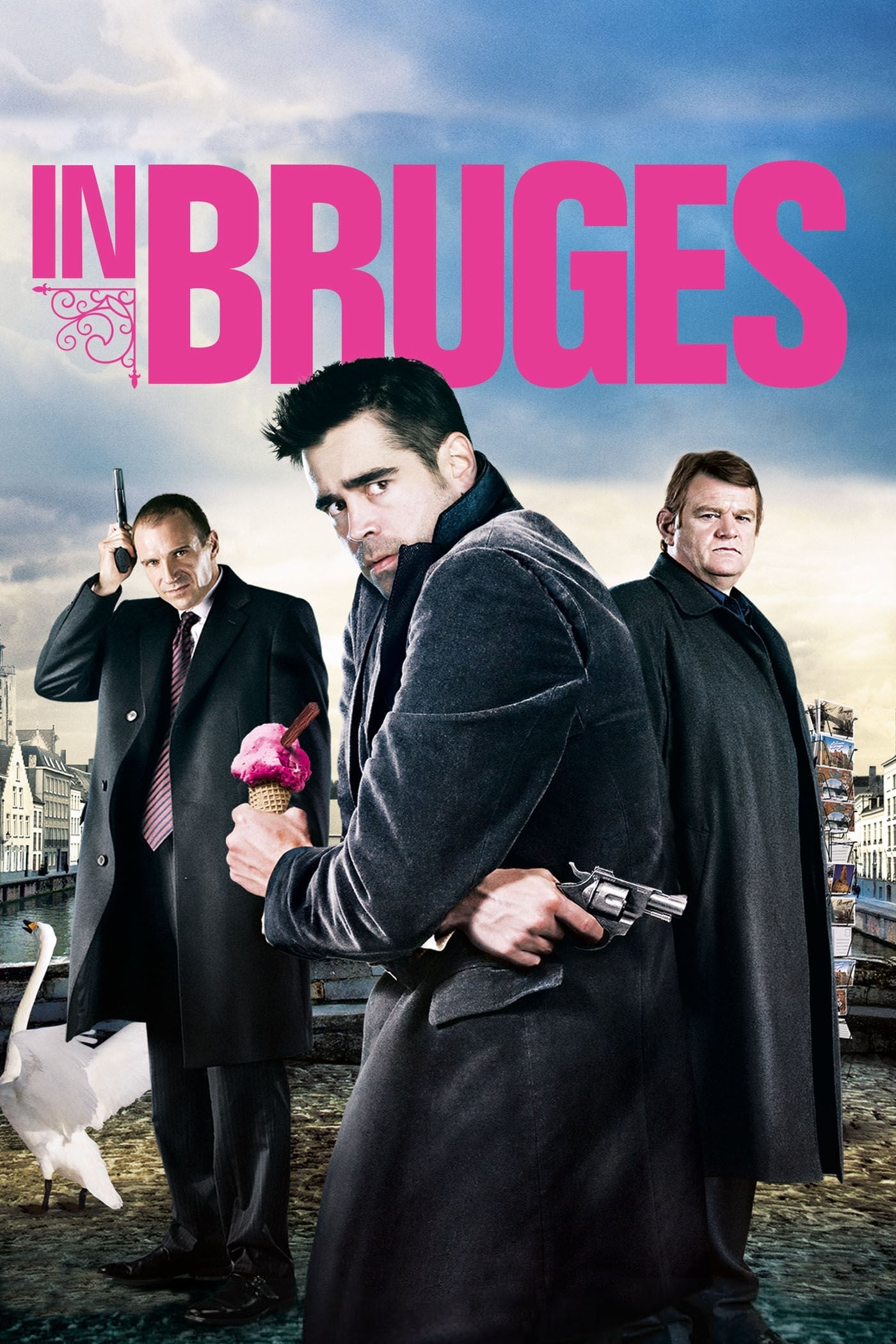
This cult favorite has justly earned its devoted following, yet Poésy’s sly, quicksilver turn can get eclipsed by the central duo. As a local with edges—charming, prickly, and a little dangerous—she threads tenderness through the film’s gallows humor without sanding down its barbs.
Her scenes deliver a necessary counter-rhythm: sudden warmth that never cancels the menace around it. The result is a character who feels lived-in rather than ornamental, sharpening the film’s moral hangover.
8. ‘Two Is a Family’ (2016)
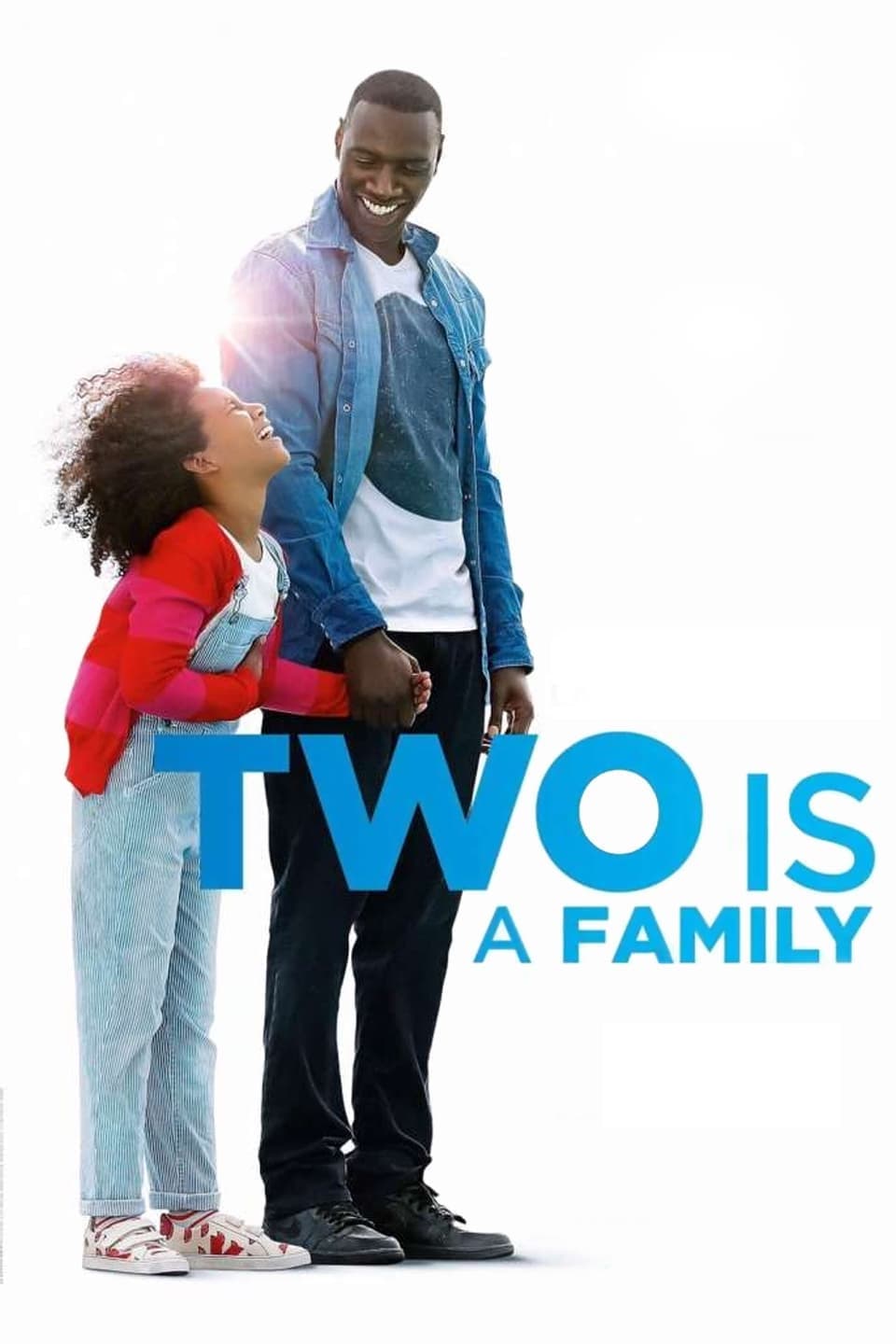
Amid the film’s crowd-pleasing blend of comedy and heartbreak, Poésy takes on a role that could have been flattened into a plot device and instead finds the knot of human complication at its center. She plays a young woman whose choices ignite the story’s central dilemma, refusing easy labels.
By leaning into ambiguity—hurt, hope, fear, and freedom all flickering in the same glance—she keeps the film honest about the messiness of love and responsibility. It’s a performance that lingers precisely because it resists neat answers.
7. ‘Lullaby for Pi’ (2010)

In this jazzy chamber piece about grief and renewal, Poésy turns mystery into magnetism. She isn’t simply the muse to a grieving musician; she’s a full-blooded presence with her own secrets, coaxing the story away from cliché and toward emotional risk.
The film moves like a late-night improvisation, and she plays the pauses as beautifully as the notes—listening, challenging, inviting. When the music swells, it’s her quiet that gives it meaning.
6. ‘The Great Game’ (2015)
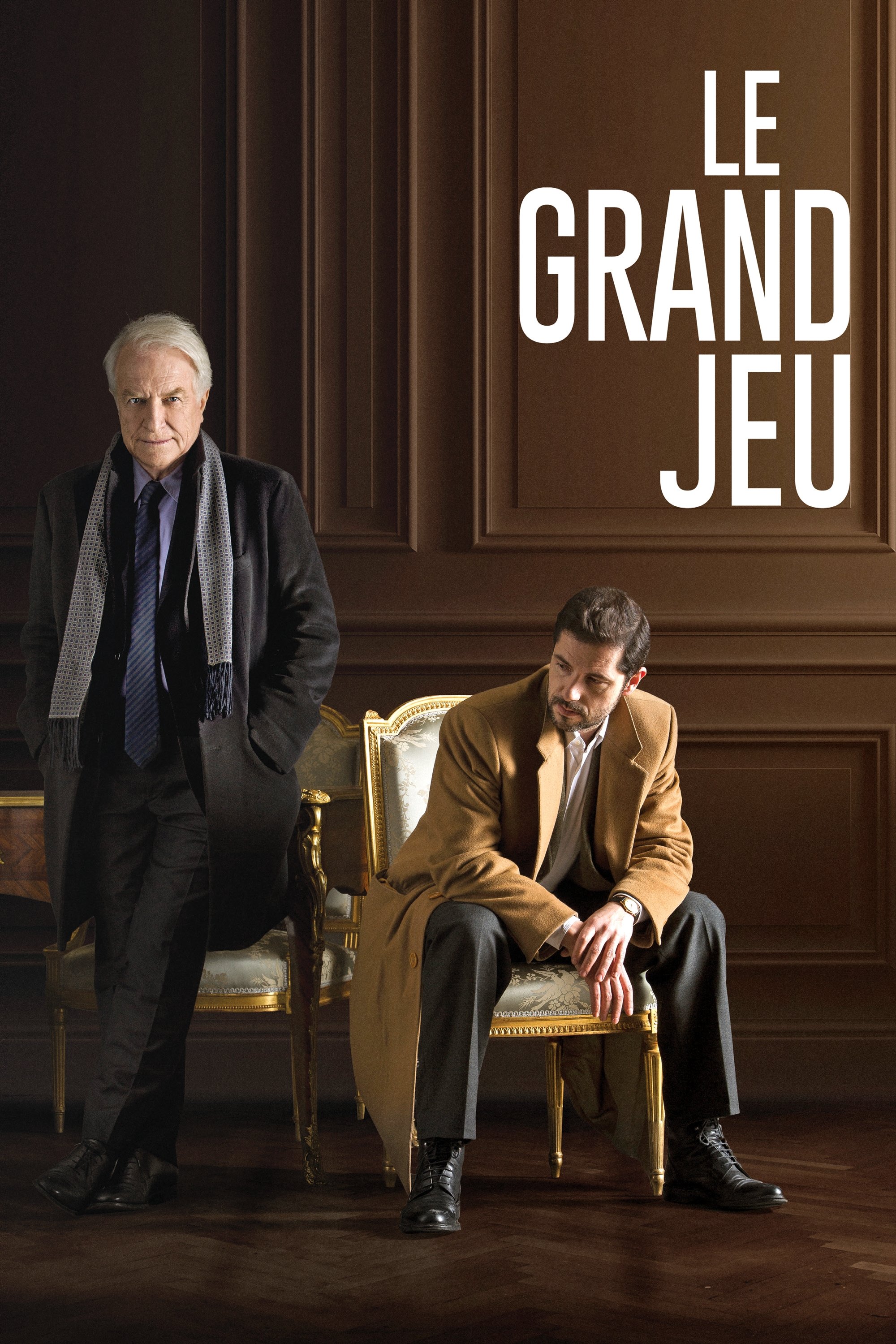
A cool-blooded political thriller with literary undertones, this one flew under many radars. Poésy slides through its web of publishers, fixers, and ideologues with feline grace, a catalyst whose loyalties remain intriguingly off-axis.
Rather than grandstanding, she trims the fat from every scene—precise looks, subtle shifts, and a voice that can ice a room. The film’s tension depends on people who speak softly while moving mountains, and she understands that tempo perfectly.
5. ‘Mr. Morgan’s Last Love’ (2013)
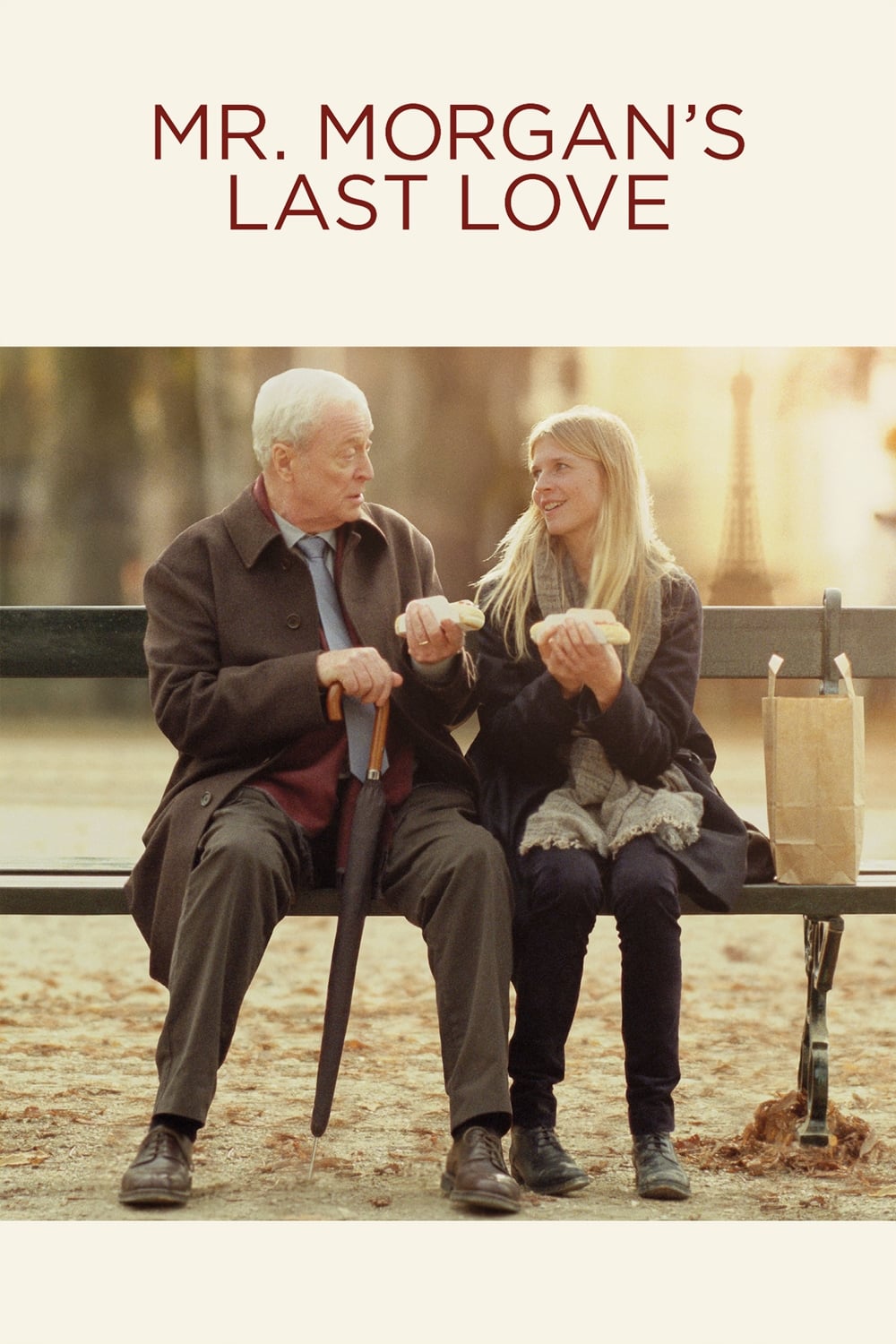
Opposite a towering lead, Poésy offers a portrait of compassion that never curdles into sentimentality. As a dance teacher whose friendship reawakens a widower, she keeps the story grounded in ordinary gestures—shared meals, long walks, the courage to be curious about someone else’s pain.
Her radiance here isn’t the showy kind; it’s the sort that opens windows and lets air in. When the film reaches for catharsis, it’s the integrity of her performance that makes it feel earned.
4. ‘Heartless’ (2009)

This urban nightmare blends folk horror with Faustian bargains, and Poésy leans into its bruised romanticism. She plays an enigmatic figure who might be salvation, temptation, or both—an emotional compass that spins as the city itself turns sinister.
The movie thrives on half-light and uneasy beauty, and she matches it beat for beat. Her softness is never simple; it’s a texture that lets the dread seep in slowly, making the shocks land harder.
3. ‘The Great Meaulnes’ (2006)
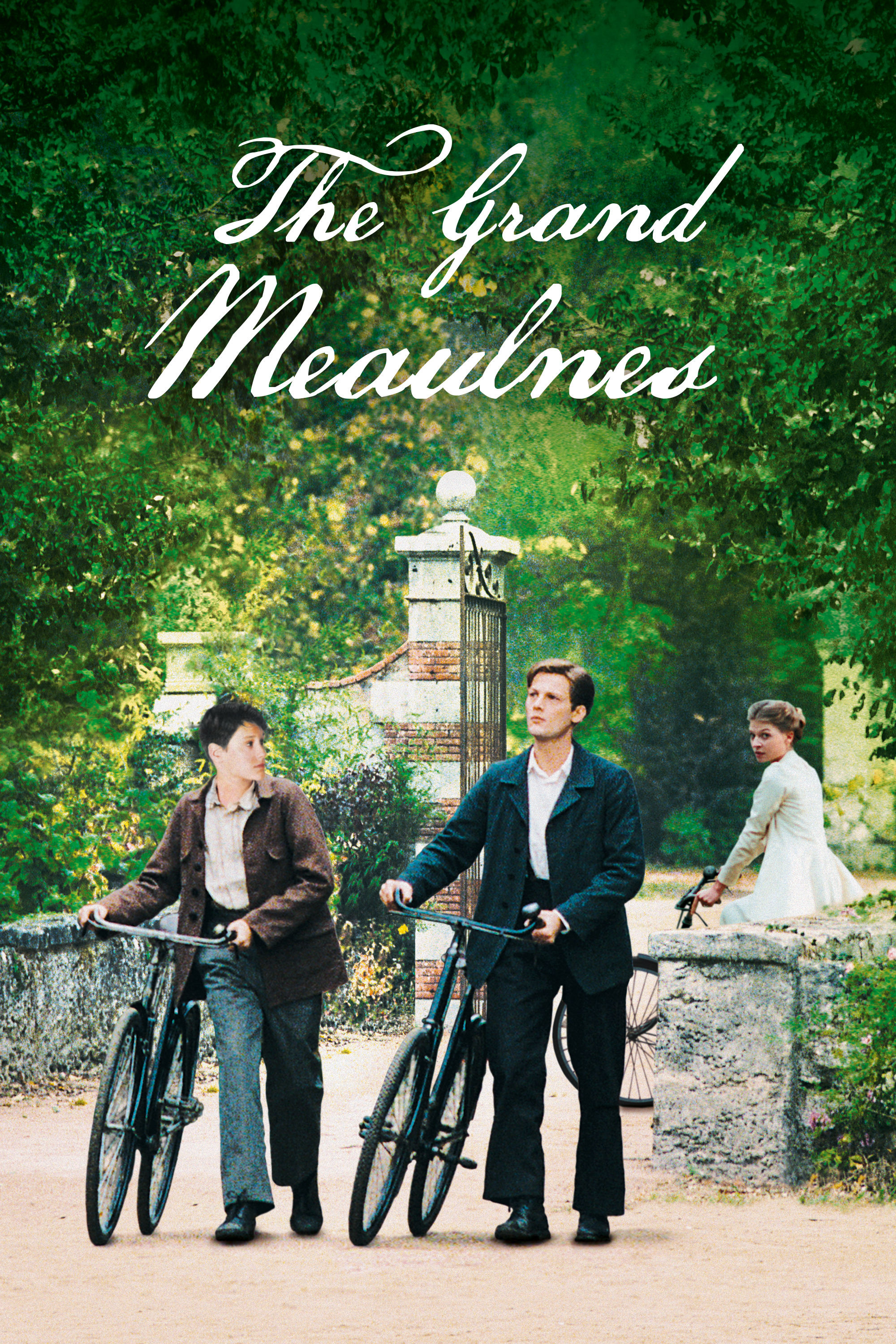
A faithful, dreamy walk through a beloved novel, the film depends on an ideal made flesh—and Poésy delivers. As the elusive Yvonne, she captures the ache of a love that feels more like a spell than a meeting, balancing aristocratic polish with an almost shy wonder.
What’s striking is her restraint: the character’s power comes from stillness, from the way a glance can turn a room into a memory. She makes the film’s fragile world feel touched by grace rather than gilded nostalgia.
2. ‘The Third Part of the World’ (2008)
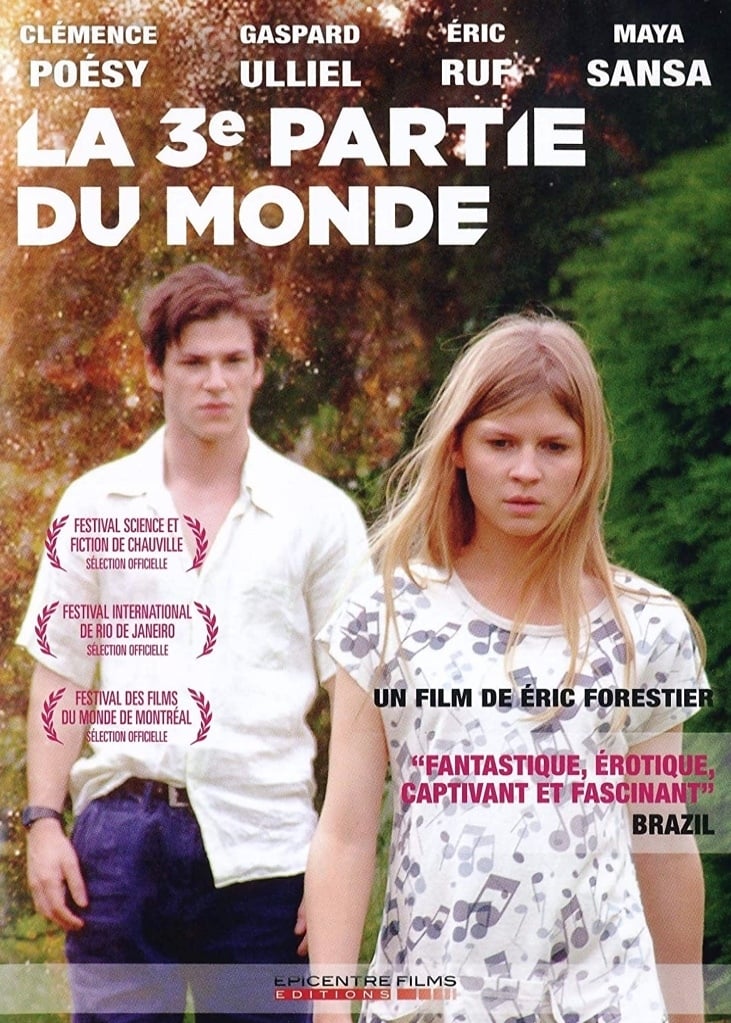
Part romance, part metaphysical puzzle, this under-seen gem gives Poésy the space to be playful, cerebral, and haunting at once. The film drifts through disappearances and obsessions, and she anchors its heady ideas with lived-in, tactile emotion.
Even when the story slides into abstraction, she keeps it human—eyes alert, hands restless, a mind always a beat ahead. It’s the rare performance that makes enigma feel intimate.
1. ‘The Ones Below’ (2015)
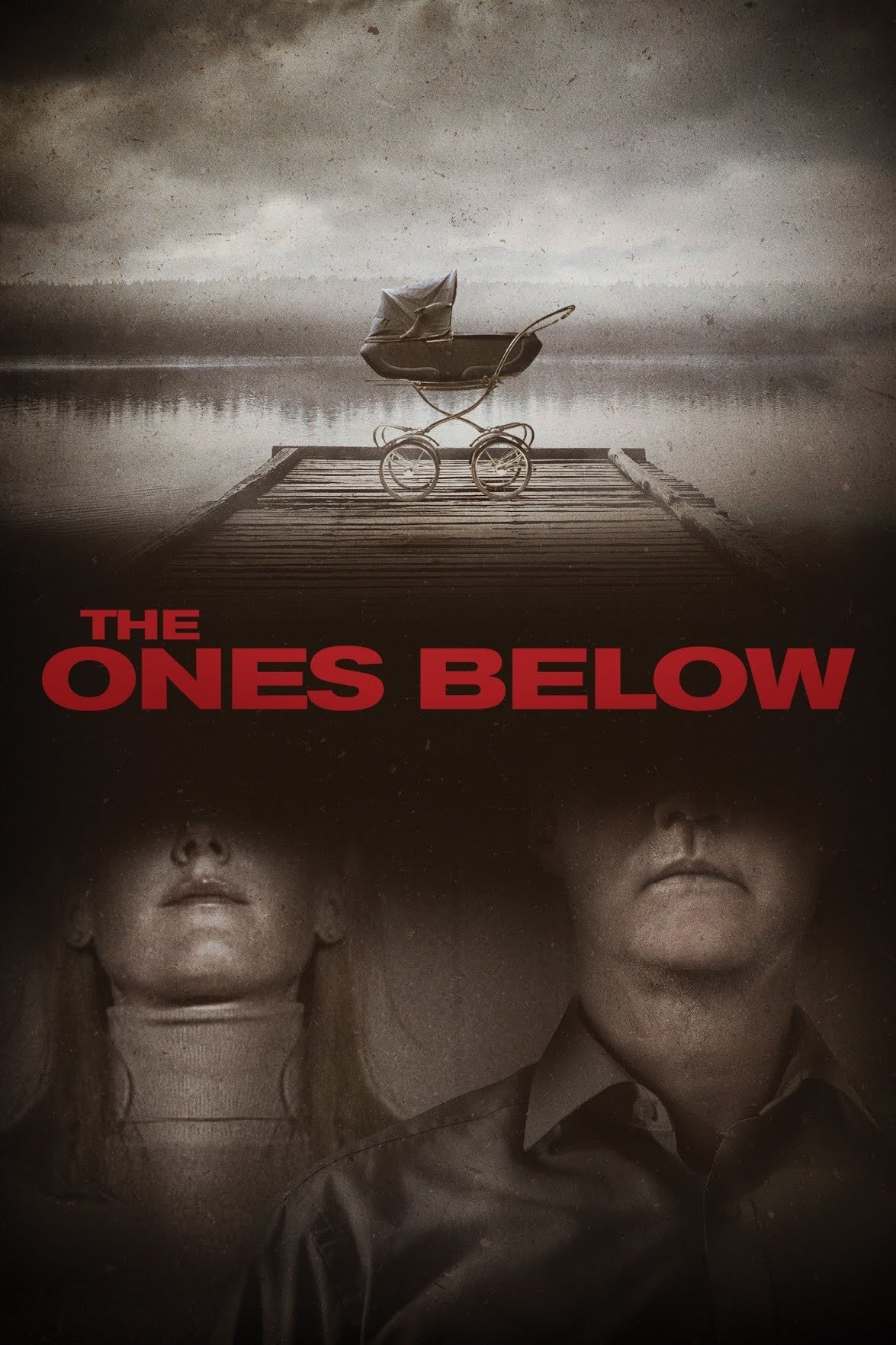
A needle-sharp psychological thriller about neighboring couples and creeping dread, this is Poésy at her most quietly devastating. As an expectant mother wrestling with doubt and exhaustion, she maps the body language of anxiety—the tightened jaw, the half-finished sentence—with unnerving accuracy.
The film’s power lies in ambiguity: is the threat real or conjured by stress and grief? Poésy lets that question breathe without ever losing the pulse of a woman trying to protect what she loves. It’s a performance—and a film—that deserve far more conversation.
Share your own picks for overlooked Clémence Poésy films in the comments and tell us which performance surprised you most.