The Craziest Movie Theories That Change Everything


Movies spark imagination and debate among fans. Some theories about popular films are so wild they completely shift how we see the story. From hidden meanings to shocking twists, these fan ideas challenge what we think we know about our favorite movies. They make us rewatch films with fresh eyes, spotting clues we missed before.
This list dives into 50 of the craziest movie theories that have gained traction online. Each one offers a new perspective, backed by clever details or fan logic, that could change how you view these films forever. Let’s explore these mind-blowing ideas that turn classic movies upside down.
‘Inception’ (2010): The Ending Is Reality
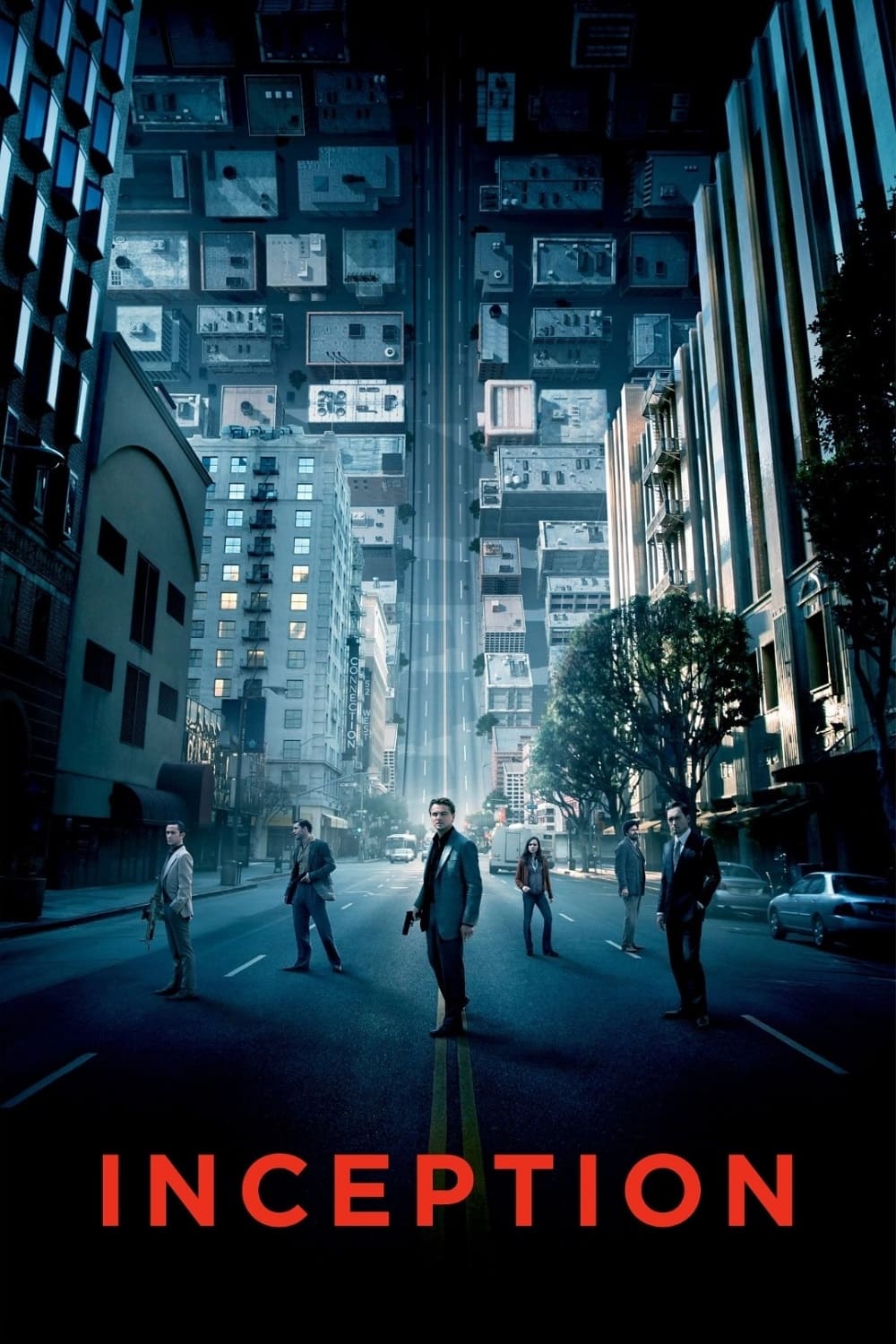
The spinning top in ‘Inception’ has fans arguing if the ending is a dream or real. One theory claims it’s reality because Cobb’s true totem is his wedding ring, not the top. He wears the ring in dreams but not in the final scene, showing he’s back in real life.
This idea flips the ambiguity of the ending. It suggests Cobb’s reunion with his kids is genuine, not a dream, making the film’s conclusion feel more grounded and hopeful.
‘Star Wars: Episode I – The Phantom Menace’ (1999): Jar Jar Binks Is a Sith Lord
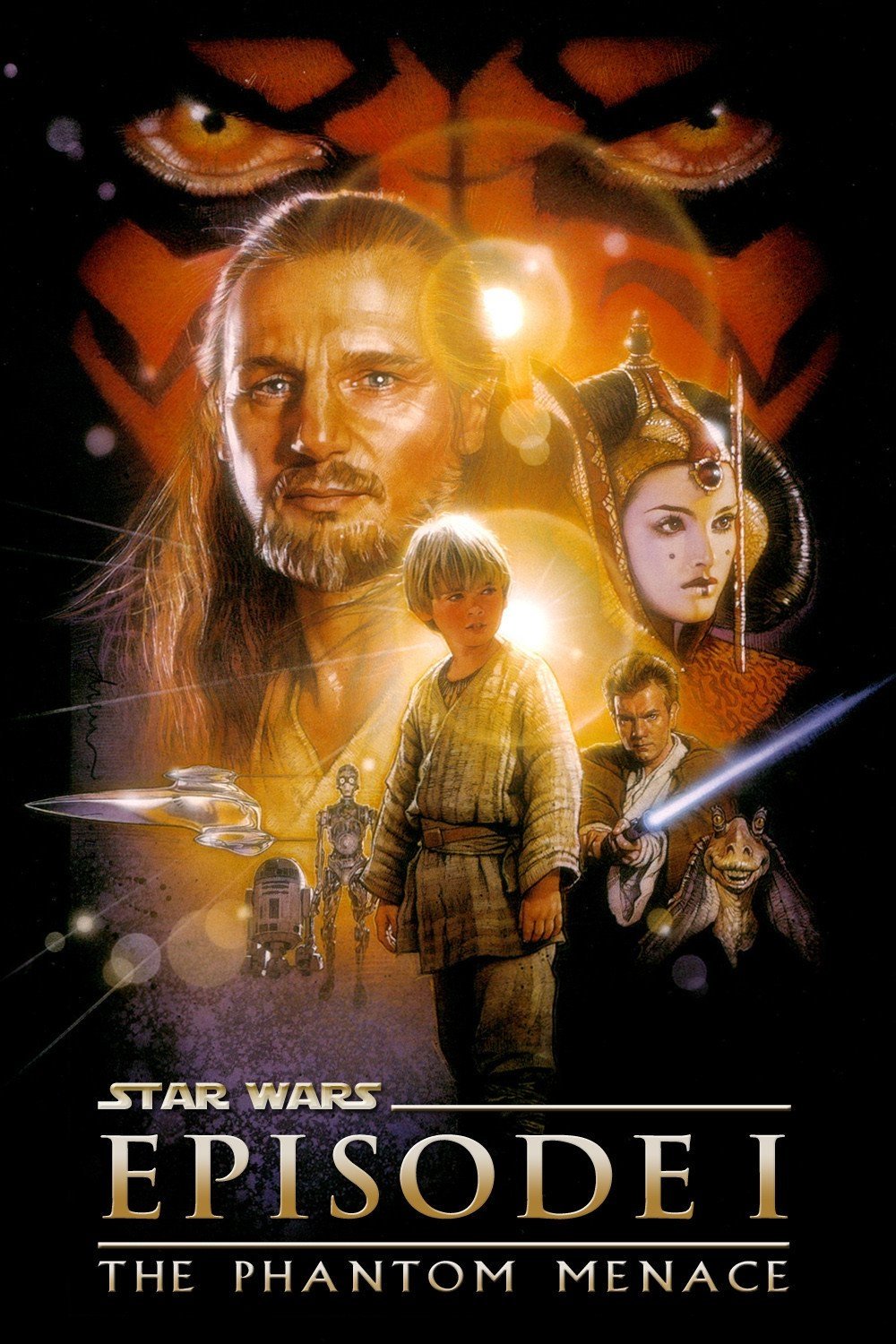
Jar Jar Binks is often seen as a clumsy comic relief character. A popular theory argues he’s secretly a Sith Lord manipulating events. His awkward moves mimic “drunken boxing,” a fighting style, and he oddly ends up in powerful positions, like helping Palpatine rise.
This theory turns Jar Jar from a joke into a mastermind. It makes fans rethink his every action, wondering if he’s hiding dark intentions behind his goofy facade.
‘The Matrix’ (1999): The Machines Are the Good Guys
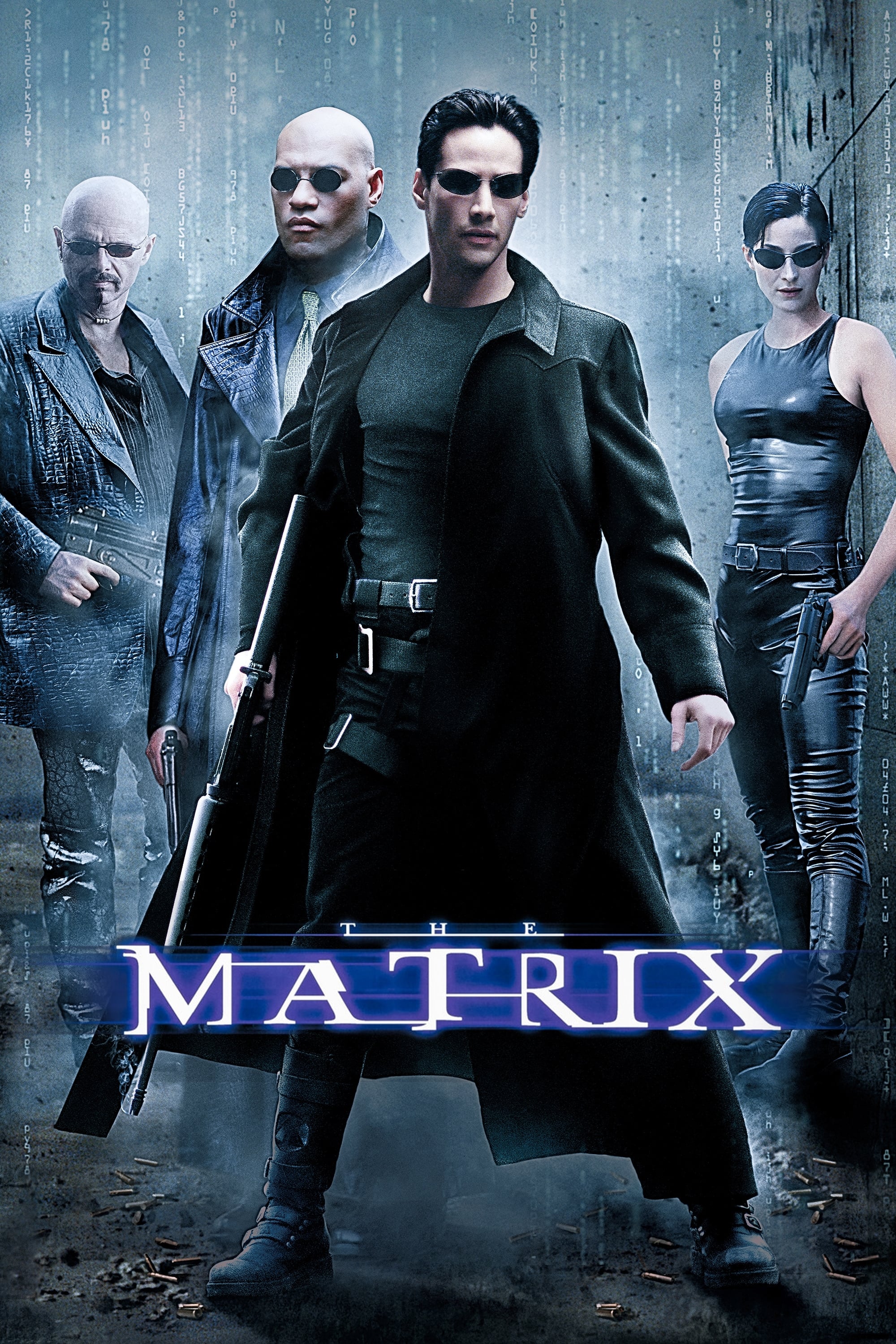
In ‘The Matrix,’ humans fight machines that trap them in a virtual world. A theory suggests the machines are actually protecting humans. After humans blocked the sun, the machines used the Matrix to keep them alive in a ruined world, even allying with Neo to stop Agent Smith.
This flips the film’s moral landscape. It paints the machines as caretakers, not villains, and humans as their own worst enemies.
‘Willy Wonka & the Chocolate Factory’ (1971): Wonka Planned the Kids’ Fates
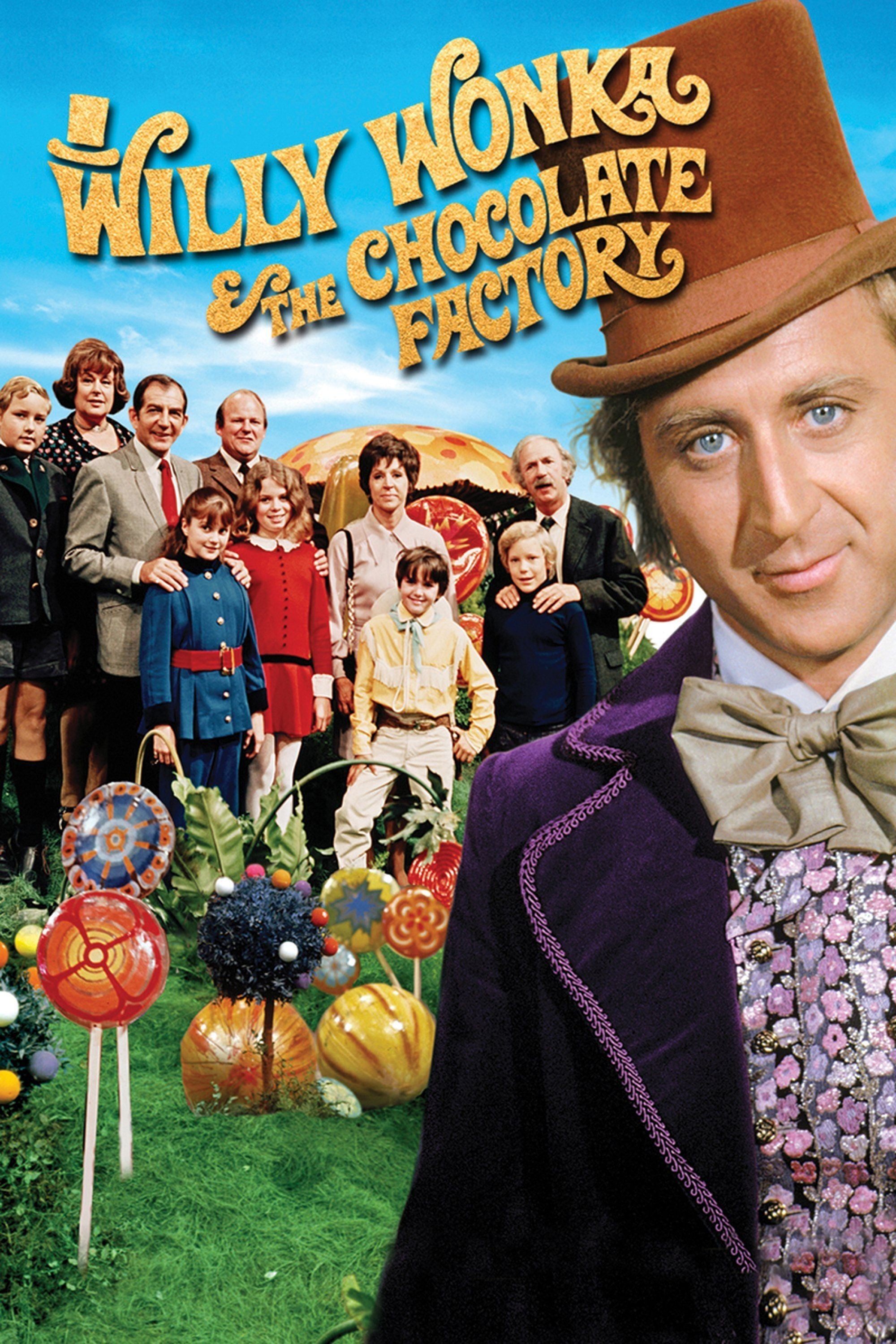
Willy Wonka seems to reward Charlie with his factory. A dark theory claims Wonka rigged the tour to eliminate the other kids. Each trap, like the chocolate river or shrinking tunnel, targets their specific flaws, ensuring only Charlie wins.
This makes Wonka a calculating schemer, not a quirky candy maker. It casts the happy ending as a sinister plan, with Charlie possibly doomed to a lonely life.
‘Aladdin’ (1992): The Peddler Is the Genie
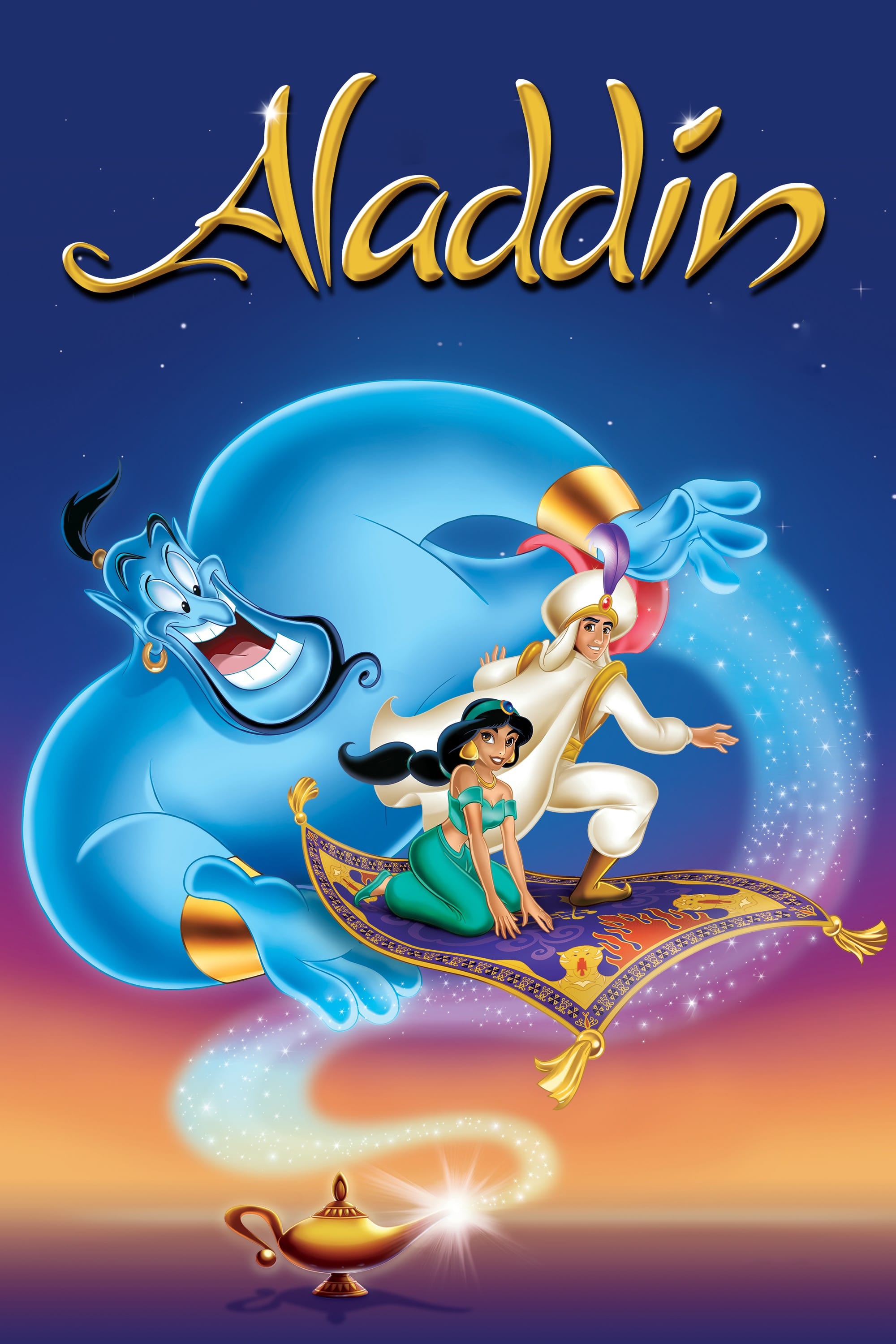
The peddler who starts ‘Aladdin’ tells the story of the lamp. A theory, confirmed by co-director Ron Clements, says he’s the Genie after being freed. Both share Robin Williams’ voice and humor, and the peddler’s storytelling hints at his magical past.
This theory ties the film’s narrative together. It suggests the whole movie is the Genie’s tale, adding a layer of charm to his character arc.
‘The Lord of the Rings: The Return of the King’ (2003): Frodo Doesn’t Know Legolas’ Name
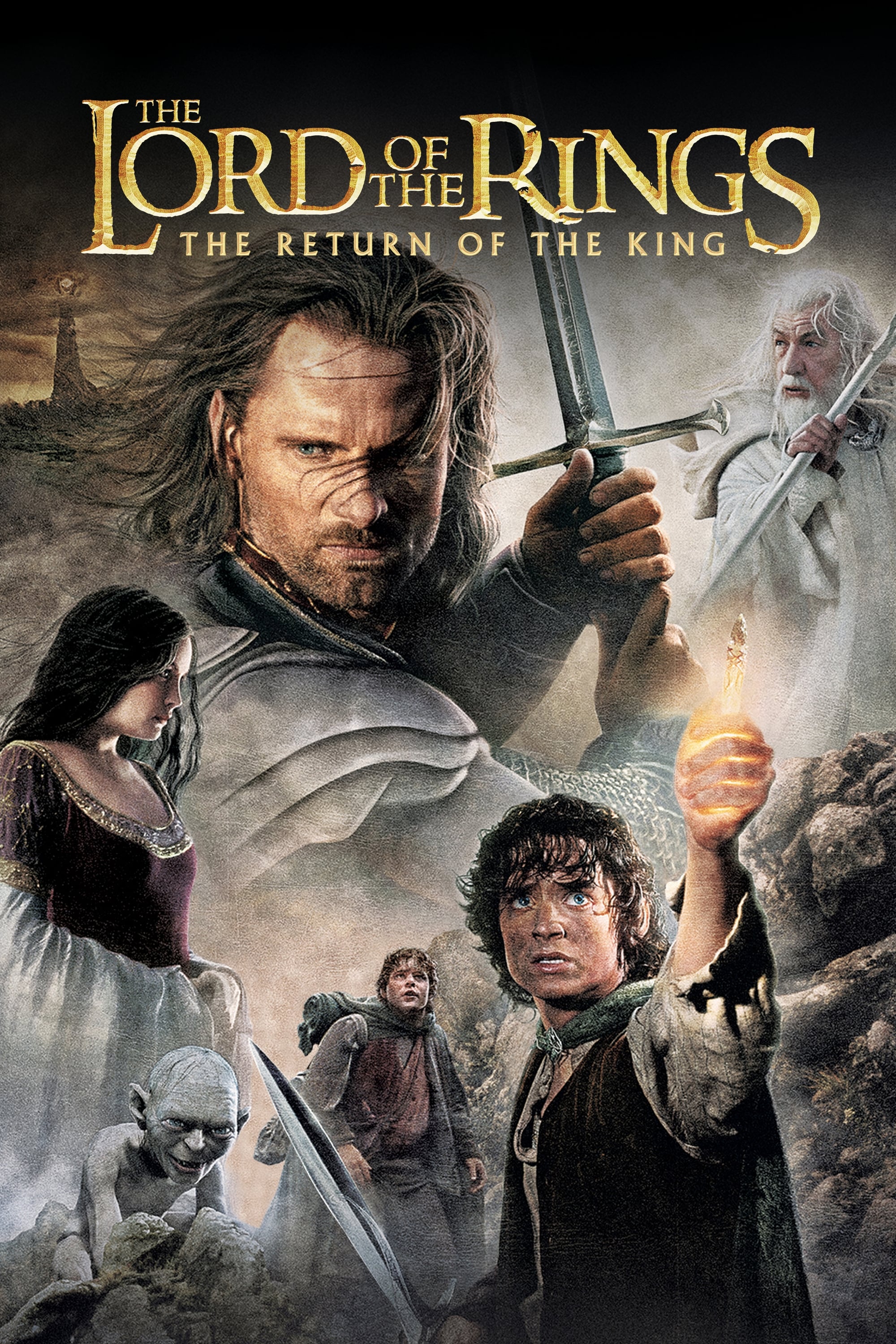
Frodo greets everyone by name in the hospital scene except Legolas, whom he just smiles at. A theory suggests Frodo never learned Legolas’ name during their journey, highlighting their distant relationship.
This small detail adds humor to the epic trilogy. It makes Frodo’s silence a subtle nod to their lack of interaction, despite being allies.
‘Grease’ (1978): Sandy Died at the Beach
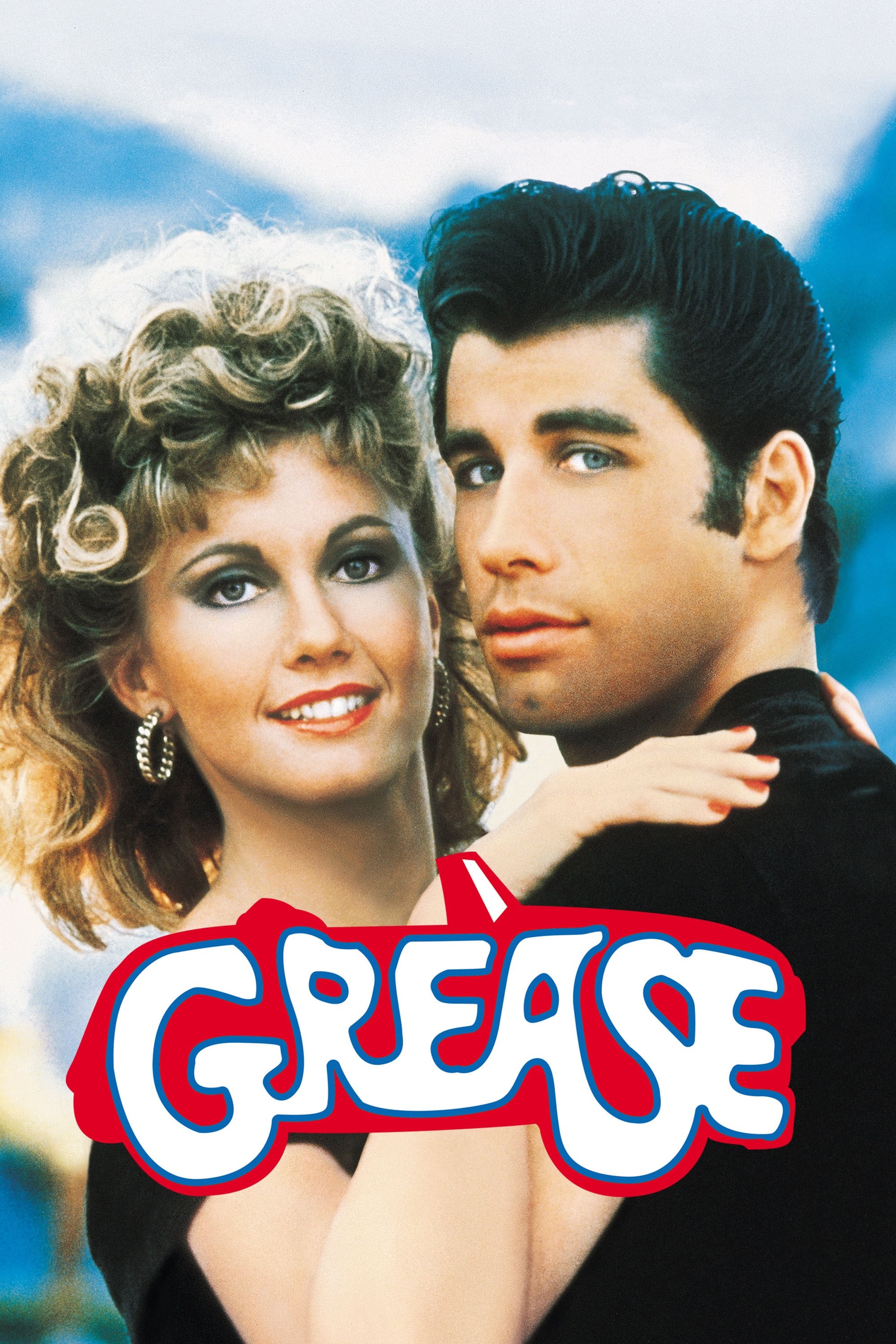
In ‘Grease,’ Danny saves Sandy from drowning in the song ‘Summer Nights.’ A theory claims she actually died, and the movie is her dying fantasy of a perfect senior year, ending with her ascending to heaven in a flying car.
This dark twist turns a fun musical into a tragic dream. It makes every happy moment feel bittersweet, as Sandy imagines a life she never lived.
‘The Shining’ (1980): Kubrick Faked the Moon Landing
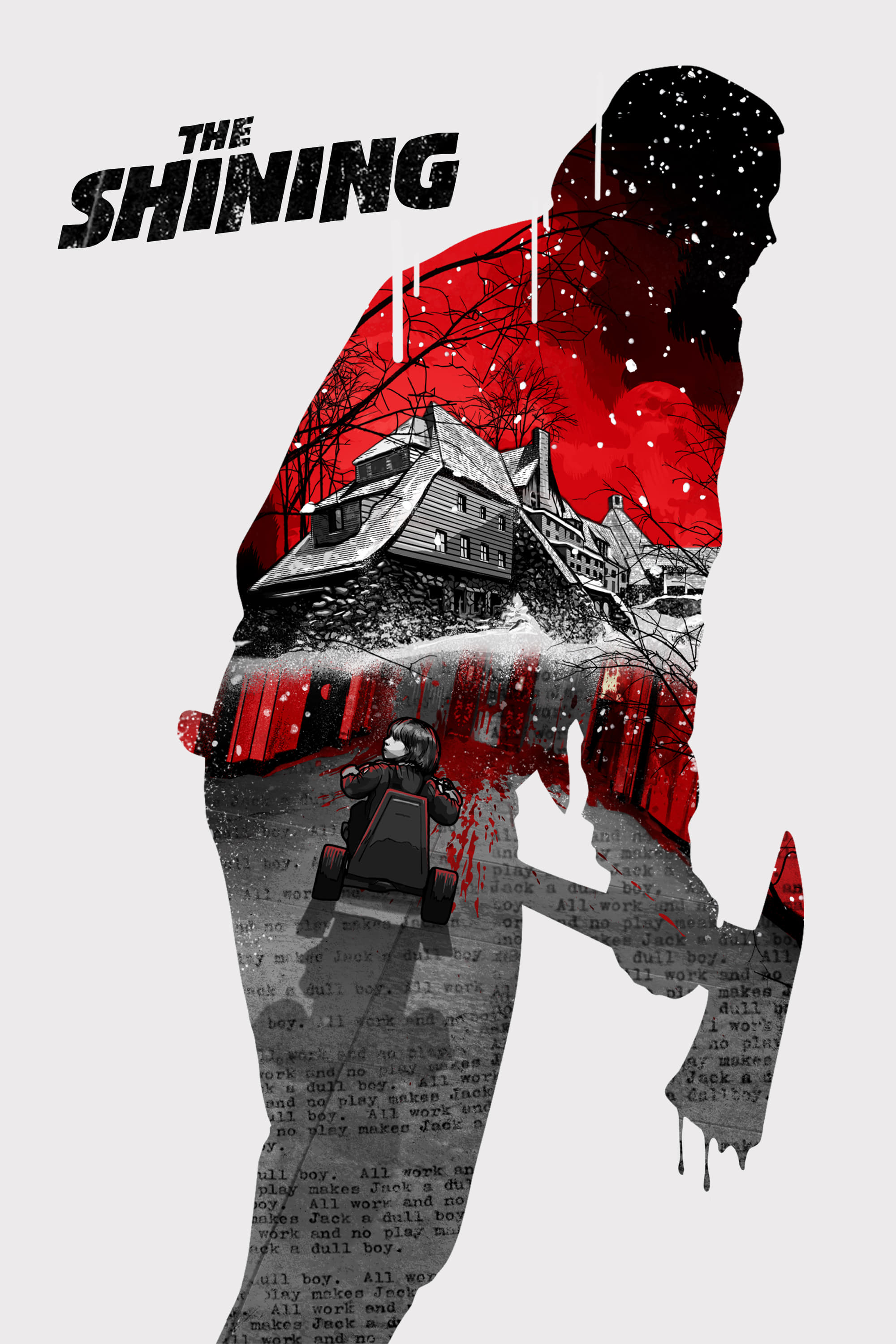
Some fans believe ‘The Shining’ hides clues that Stanley Kubrick helped fake the Apollo 11 moon landing. Danny’s Apollo 11 sweater, the carpet resembling a launchpad, and Room 237 (close to the moon’s 238,000-mile distance) fuel this idea.
While far-fetched, this theory adds intrigue to the film’s eerie vibe. It suggests Kubrick embedded a secret confession, making every detail feel suspicious.
‘Harry Potter’ (2001-2011): Harry Is a Mental Patient
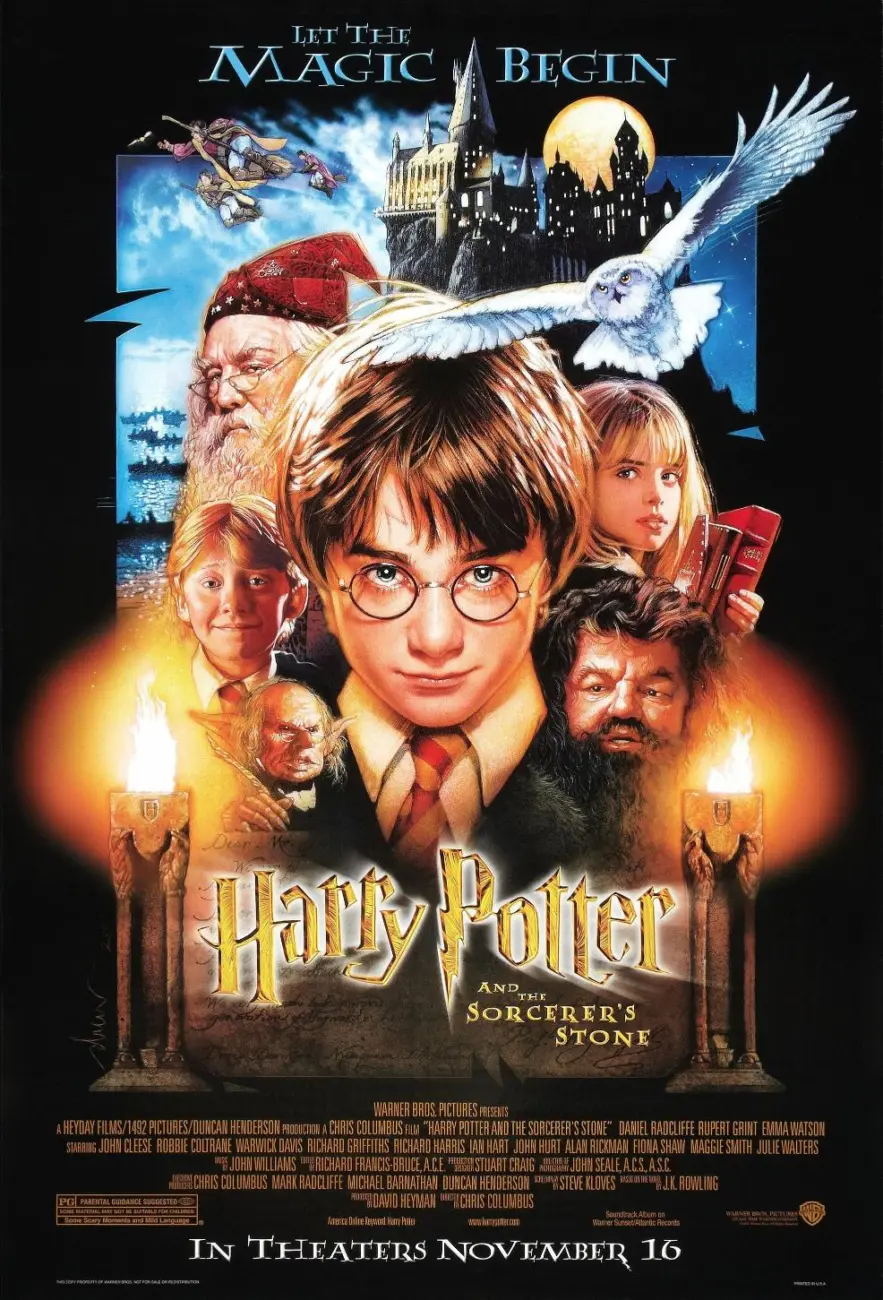
A wild theory claims Harry Potter is a delusional mental patient, and Hogwarts is an asylum. His visions of Dementors, obsession with his dead parents, and Sirius Black’s instability support this grim idea.
This reframes the magical world as a coping mechanism. It turns the beloved series into a dark tale of a troubled mind, questioning what’s real.
‘Back to the Future’ (1985): Doc Planned to Die
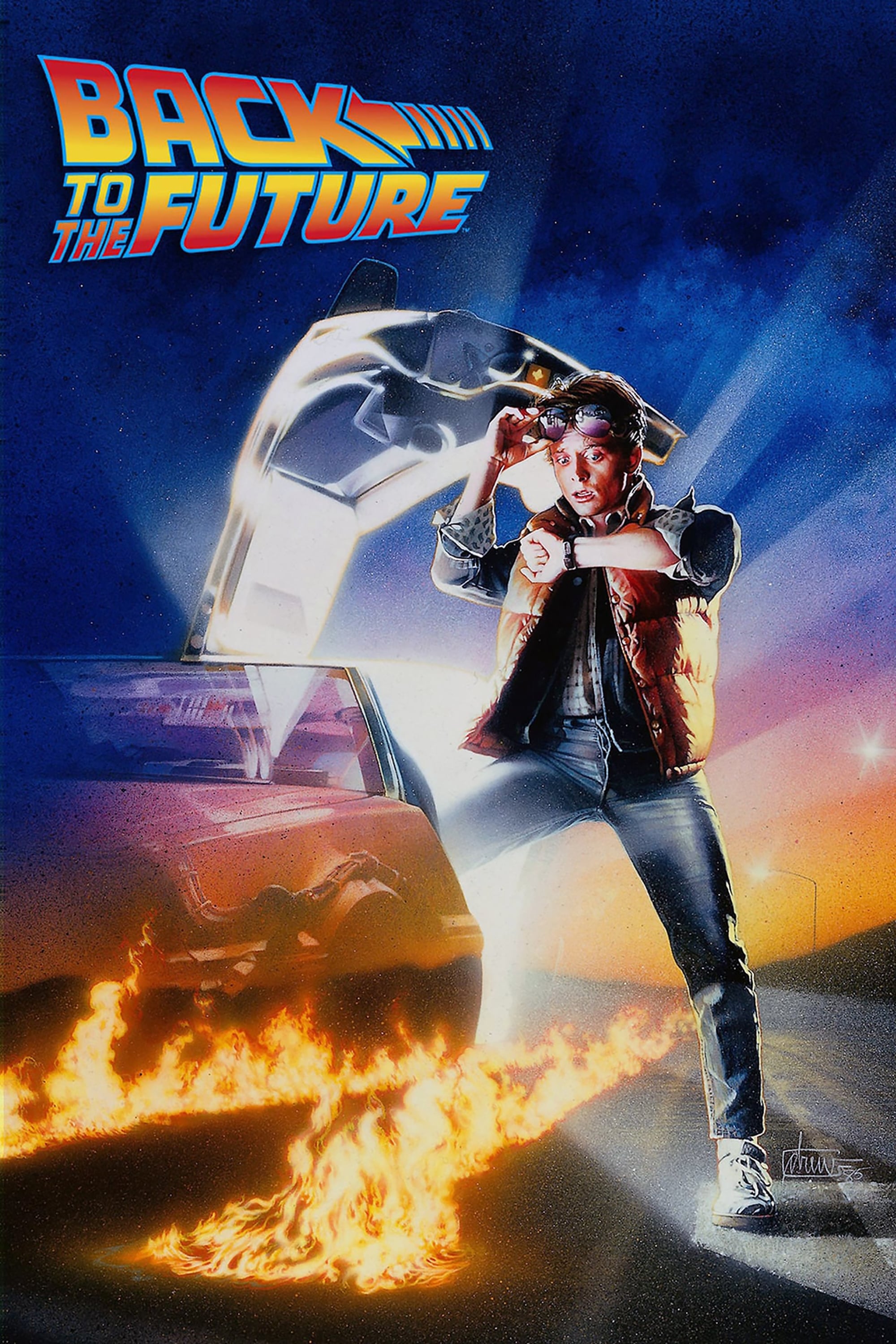
Doc Brown stands in front of the DeLorean during its time-travel test. A theory suggests he wanted to die if it failed, tired of his life’s failures. He pulls Marty into danger, hinting at a suicidal motive.
This casts Doc as a tragic figure, not just a quirky scientist. It adds a dark edge to the fun adventure, making his success bittersweet.
‘Pulp Fiction’ (1994): The Briefcase Holds Marcellus’ Soul
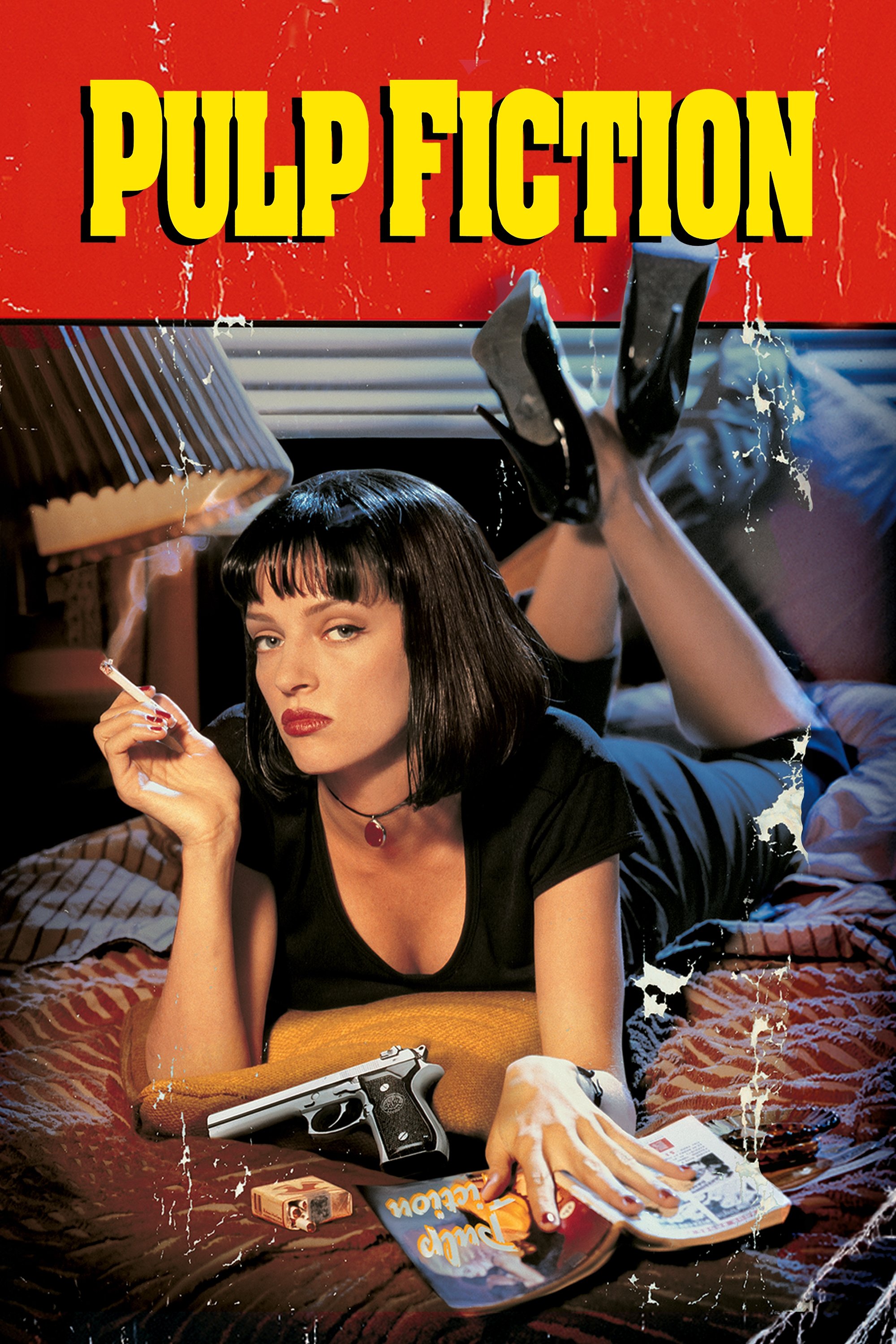
The glowing briefcase in ‘Pulp Fiction’ is never explained. A theory claims it contains Marcellus Wallace’s soul, with the 666 lock code and Jules’ biblical quotes hinting at a deal with the devil.
This supernatural idea deepens the film’s gritty crime story. It makes the briefcase a symbol of redemption, tying into Jules’ moral awakening.
‘Toy Story’ (1995-2019): Andy’s Parents Are Divorcing
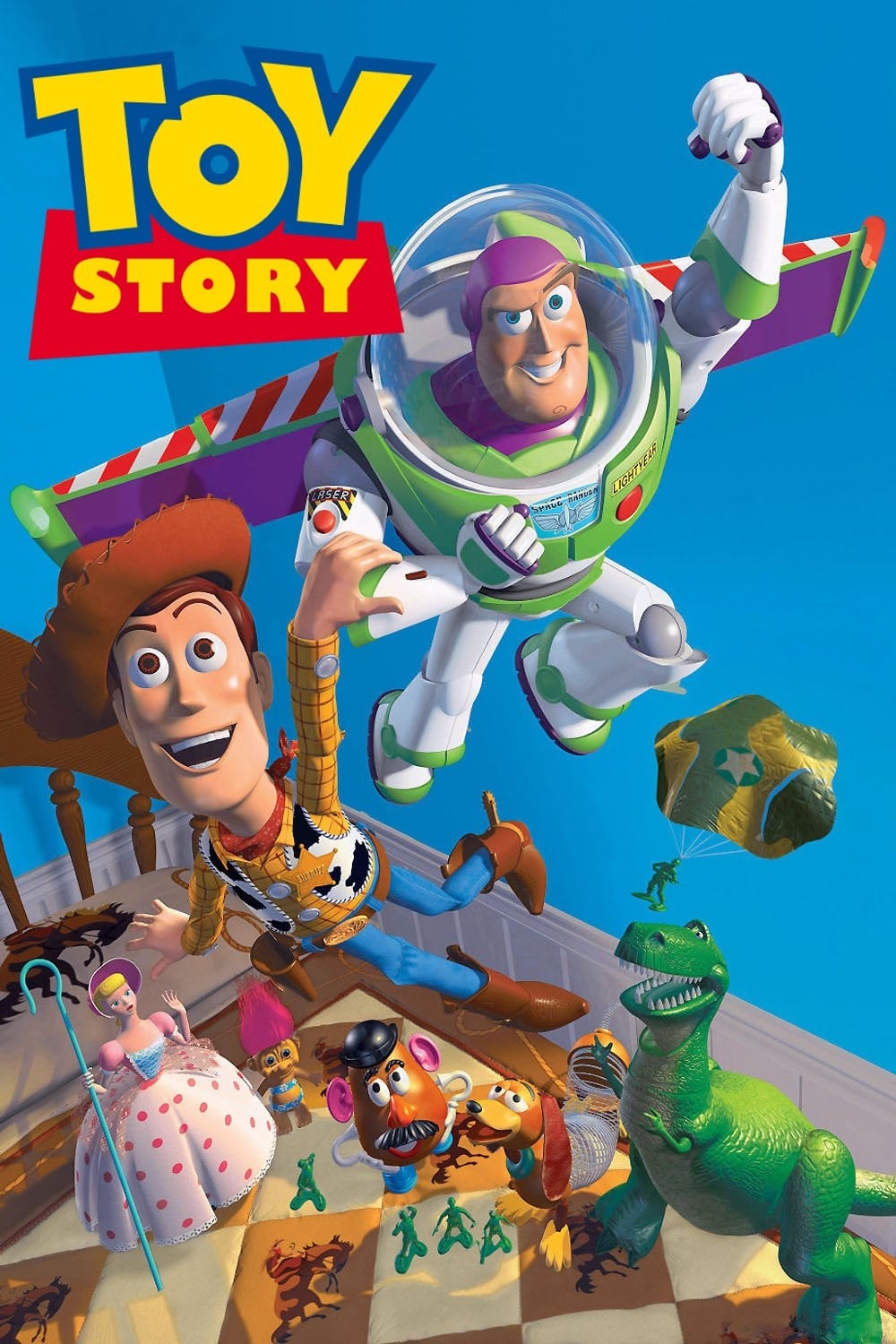
Andy’s dad is never seen in the ‘Toy Story’ films, and his mom lacks a wedding ring. Fans theorize Andy’s parents are divorcing, explaining the family’s subtle tension and Andy’s attachment to his toys.
This adds a layer of real-world sadness to the series. It makes Andy’s journey feel like a child grappling with family upheaval.
‘The Wizard of Oz’ (1939): Glinda Is the True Villain
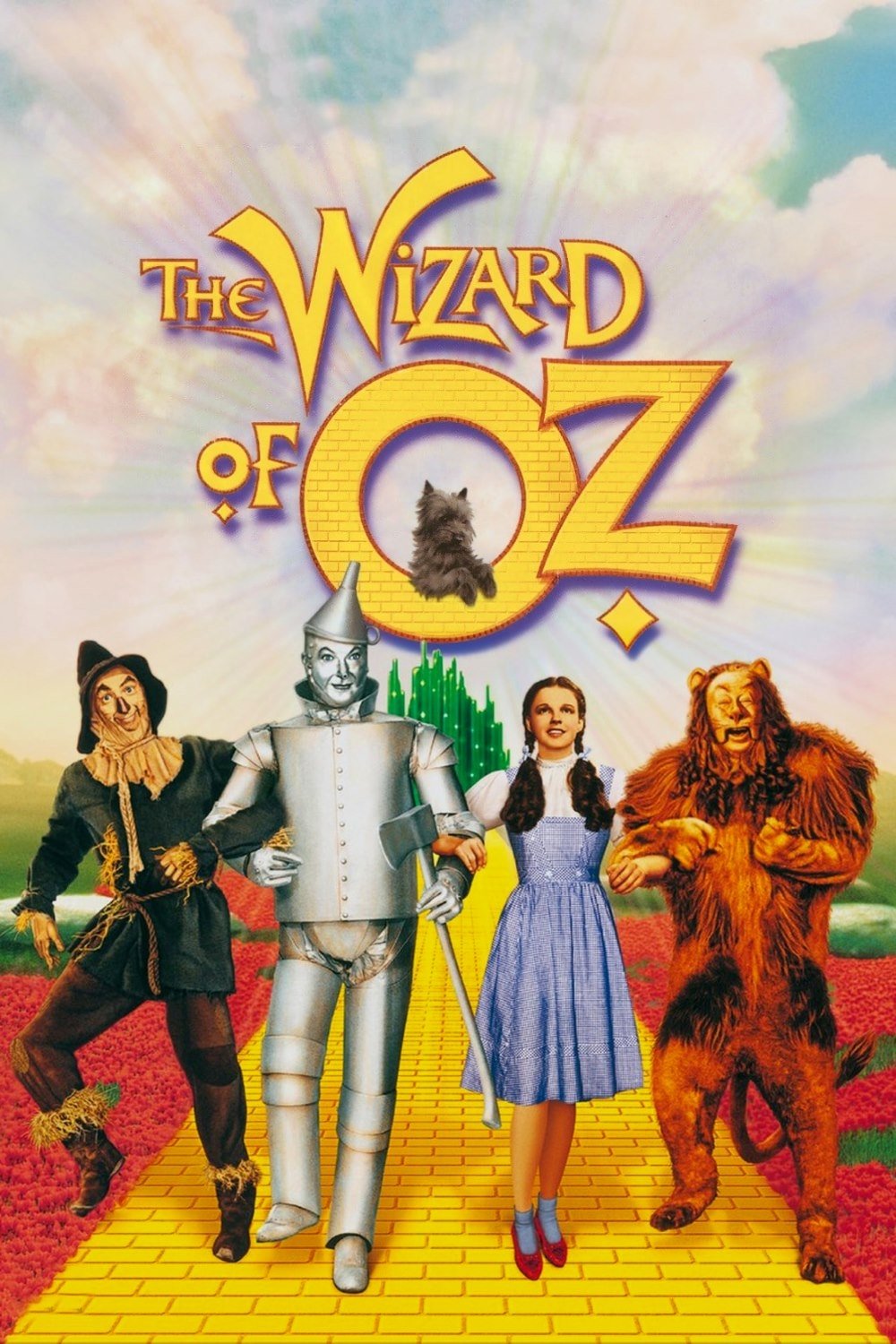
Glinda, the Good Witch, guides Dorothy but knows the ruby slippers can send her home. A theory claims Glinda manipulates Dorothy to kill her rivals, the Wicked Witches and the Wizard, to become Oz’s sole ruler.
This turns Glinda from a hero into a cunning mastermind. It makes Dorothy’s journey a pawn’s quest in a power grab.
‘Ferris Bueller’s Day Off’ (1986): Ferris Is Cameron’s Imagination
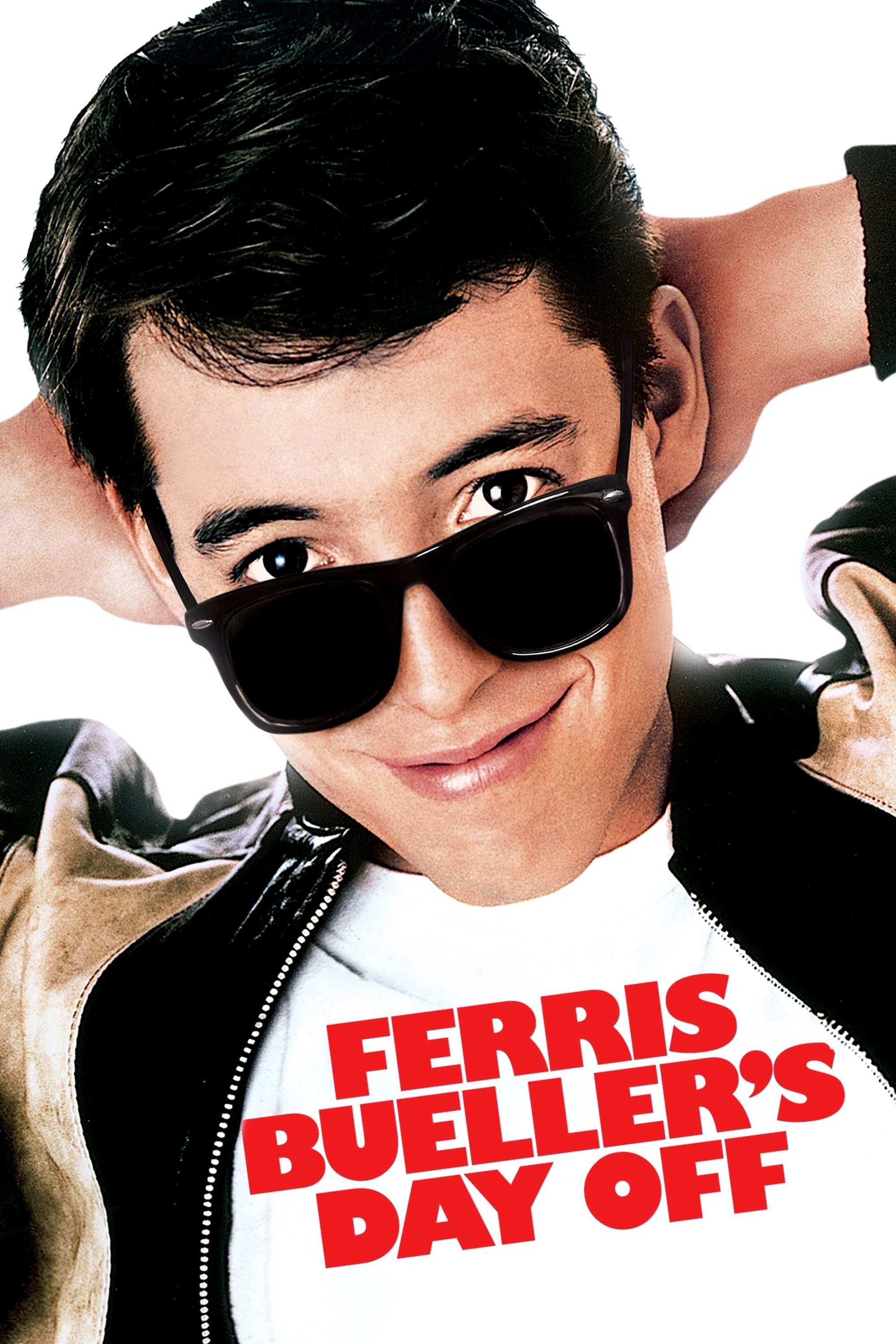
Ferris Bueller is the ultimate cool kid, but a theory suggests he’s a figment of Cameron’s mind. Cameron, dealing with a strict father, invents Ferris to cope and rebel, as seen in their contrasting personalities.
This makes the film a psychological study, not a comedy. It shifts focus to Cameron’s inner struggle, with Ferris as his bold alter ego.
‘The Big Lebowski’ (1998): Donny Never Existed
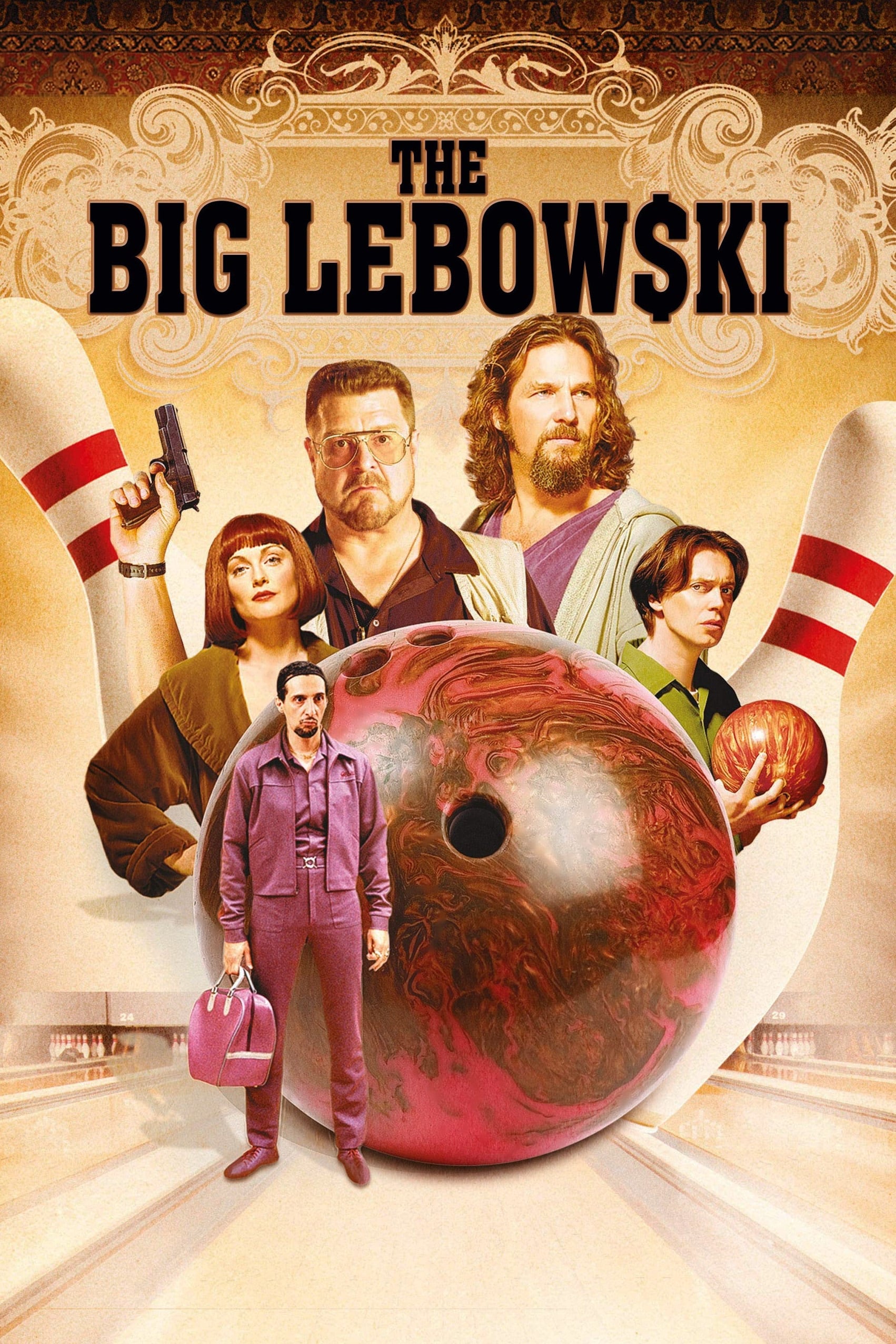
Donny in ‘The Big Lebowski’ is mostly spoken to by Walter, who mourns him deeply. A theory claims Donny is Walter’s imaginary friend from his Vietnam War days, explaining why others rarely address him.
This adds a tragic layer to Walter’s character. It turns the comedy into a study of grief and delusion, centered on his loss.
‘Jurassic Park’ (1993): The Dinosaurs Aren’t Real
Scientists say dinosaur DNA from mosquitoes is impossible. A theory claims ‘Jurassic Park’ is a scam, with genetically modified modern animals passed off as dinosaurs to make money, hinted at by Hammond’s flea circus speech.
This makes the park a giant con, not a scientific marvel. It shifts the film into a critique of greed and deception.
‘The Dark Knight’ (2008): The Joker Was a Soldier
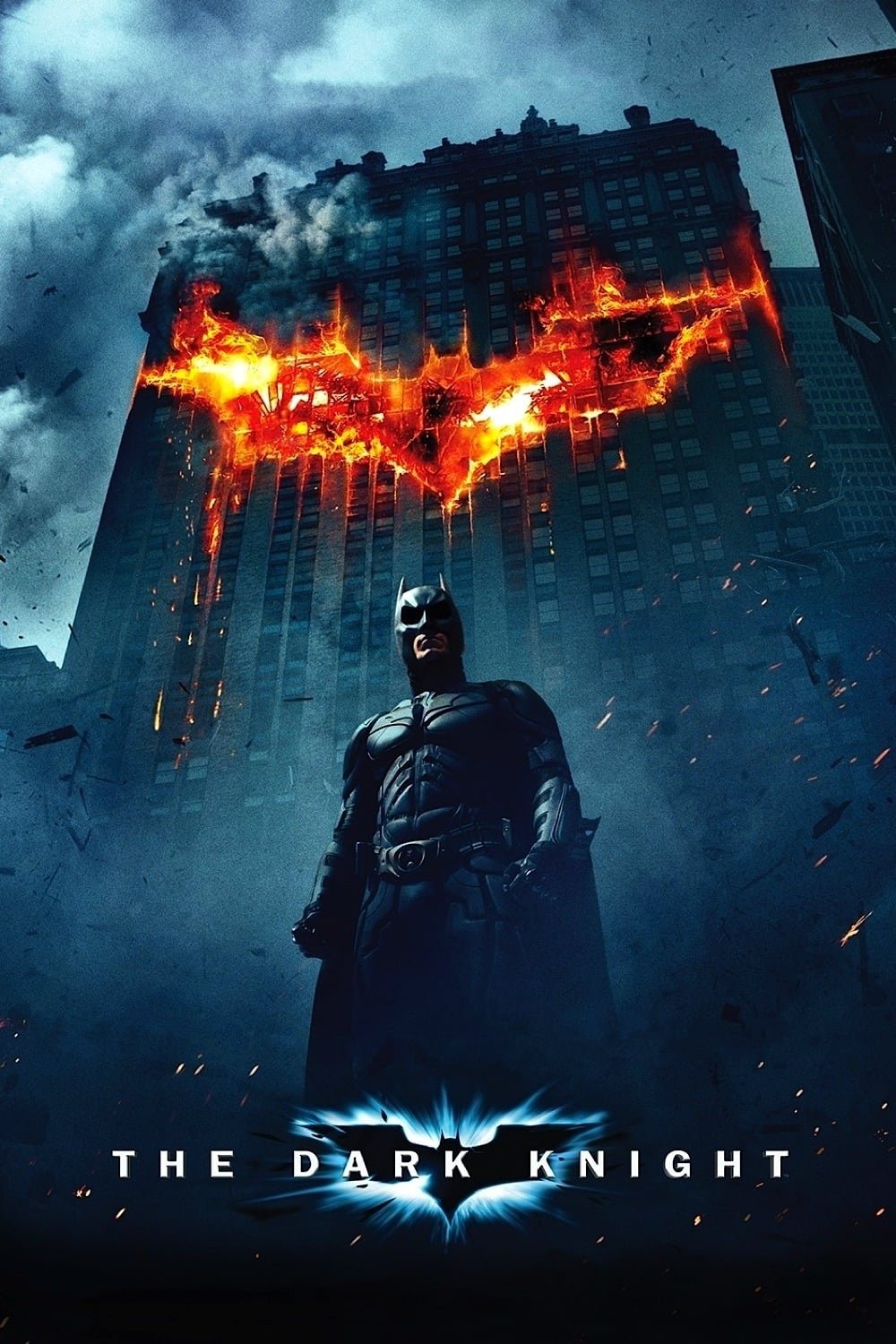
The Joker’s chaos in ‘The Dark Knight’ could stem from military trauma. Fans theorize he’s a war veteran, scarred by conflict, explaining his disdain for rules and skill with weapons.
This gives the Joker a grounded backstory. It makes him a tragic figure, driven mad by war, not just a cartoonish villain.
‘Shrek’ (2001): Shrek Made Up His Name
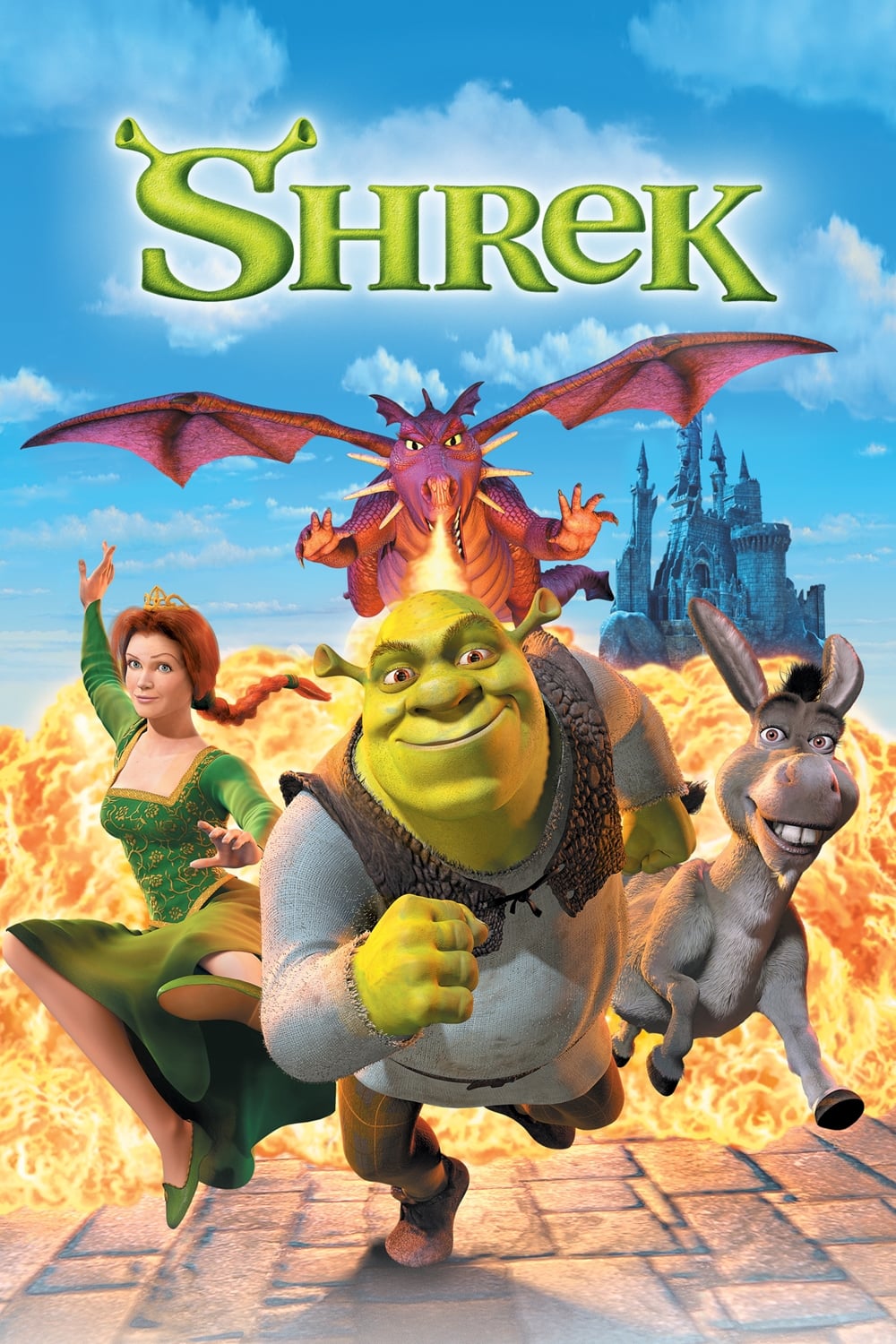
When Donkey asks Shrek’s name, he pauses before answering. A theory suggests he invented “Shrek,” meaning “fright” in German, as villagers called him that due to his terrifying appearance.
This adds depth to Shrek’s loneliness. It shows him embracing a name tied to fear, reflecting his outsider status.
‘Mad Max’ (1979-2015): Max Is a Myth
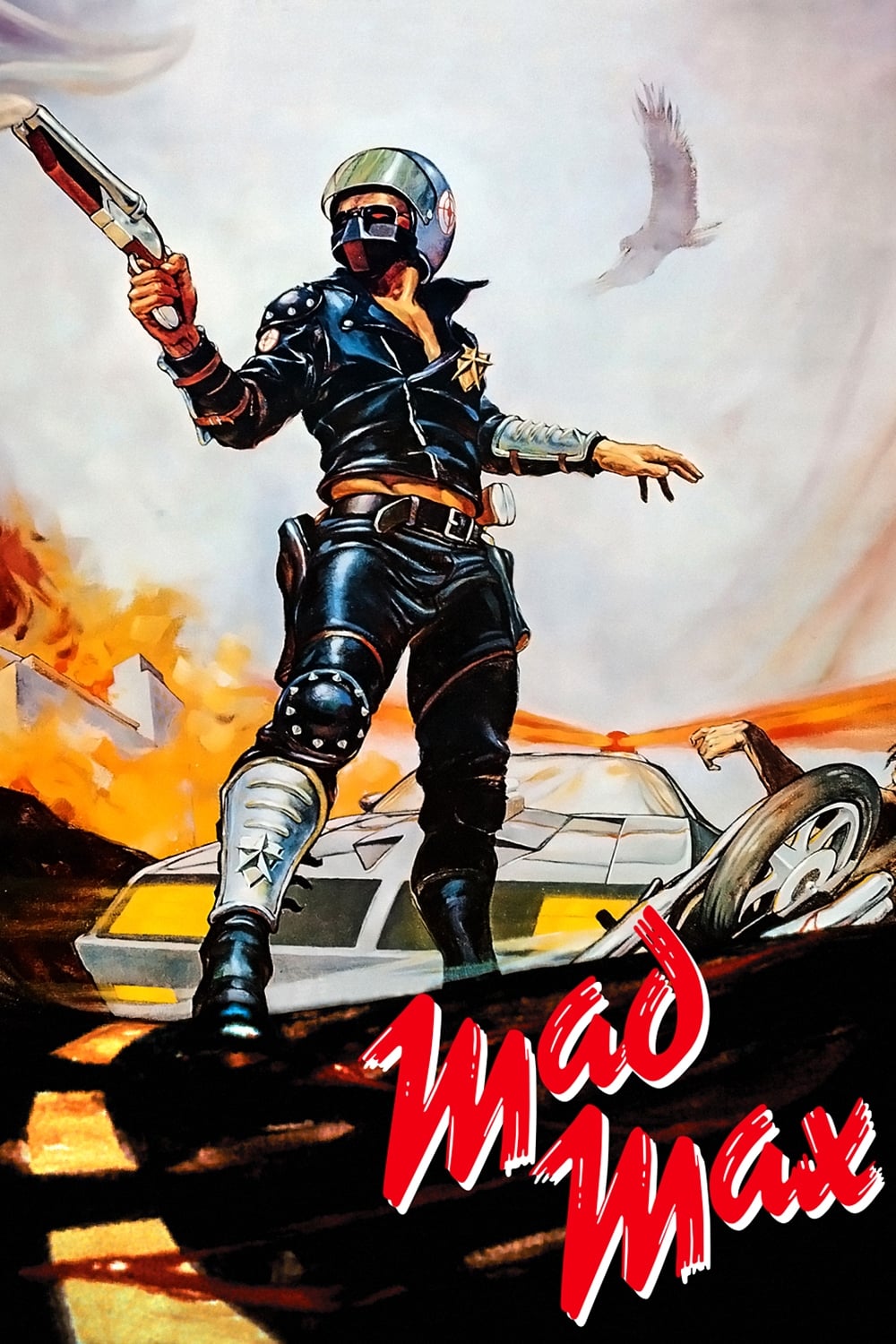
The ‘Mad Max’ films seem inconsistent in timeline and character. A theory claims they’re retellings of a single story about a grieving hero, passed down as a legend in a post-apocalyptic world.
This makes Max a folk hero, not a real person. It unifies the series as a mythic tale, not a linear story.
‘The Nightmare Before Christmas’ (1993): It’s One Man’s Story
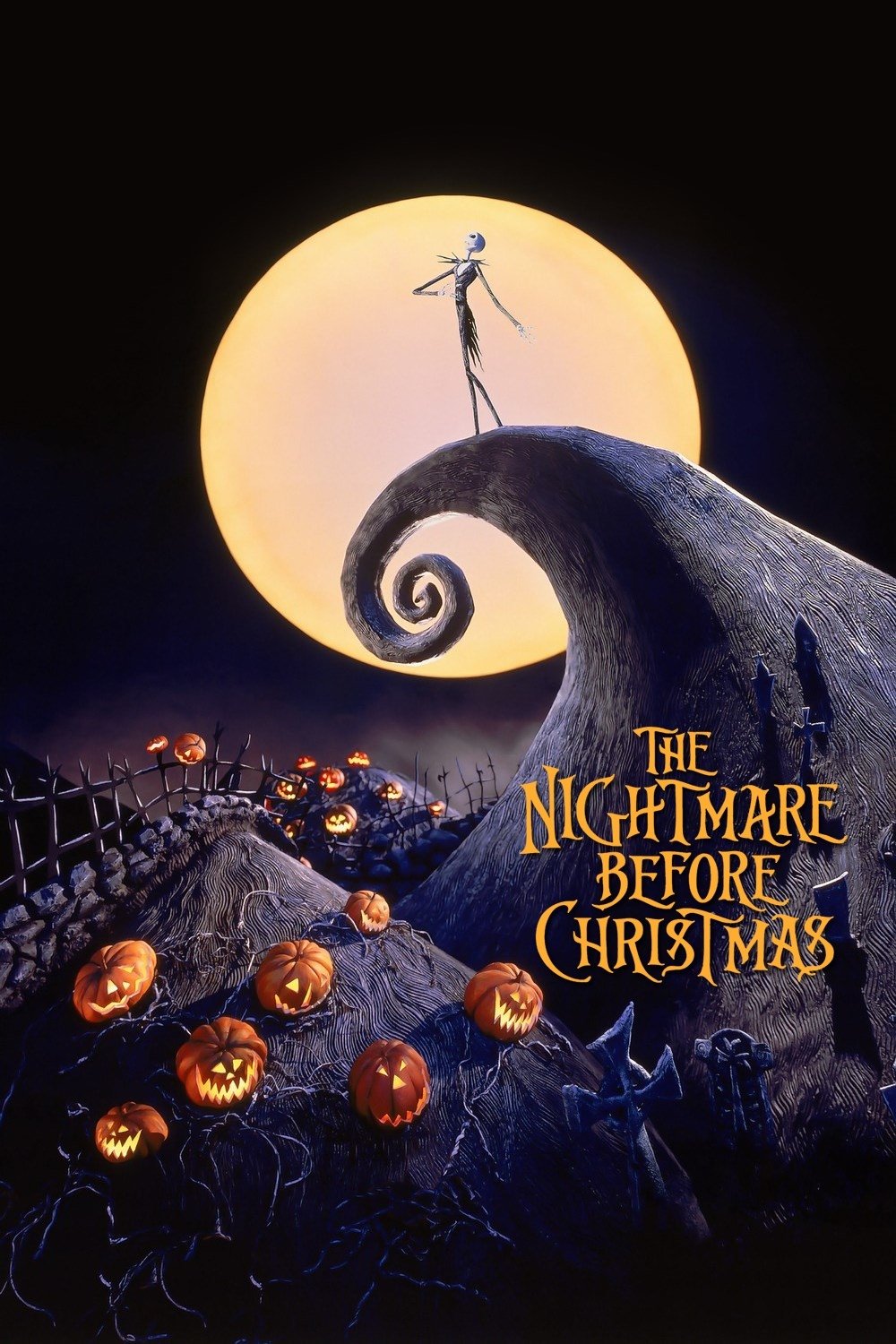
Fans notice similarities between ‘The Nightmare Before Christmas,’ ‘Corpse Bride,’ and ‘Frankenweenie.’ A theory suggests they’re about one man, Victor, and his dog, told in reverse, connecting Jack Skellington to Victor’s undead adventures.
This links Tim Burton’s films into a single narrative. It makes Jack’s Halloween quest part of a larger, tragic life story.
‘E.T. the Extra-Terrestrial’ (1982): E.T. Is a Jedi
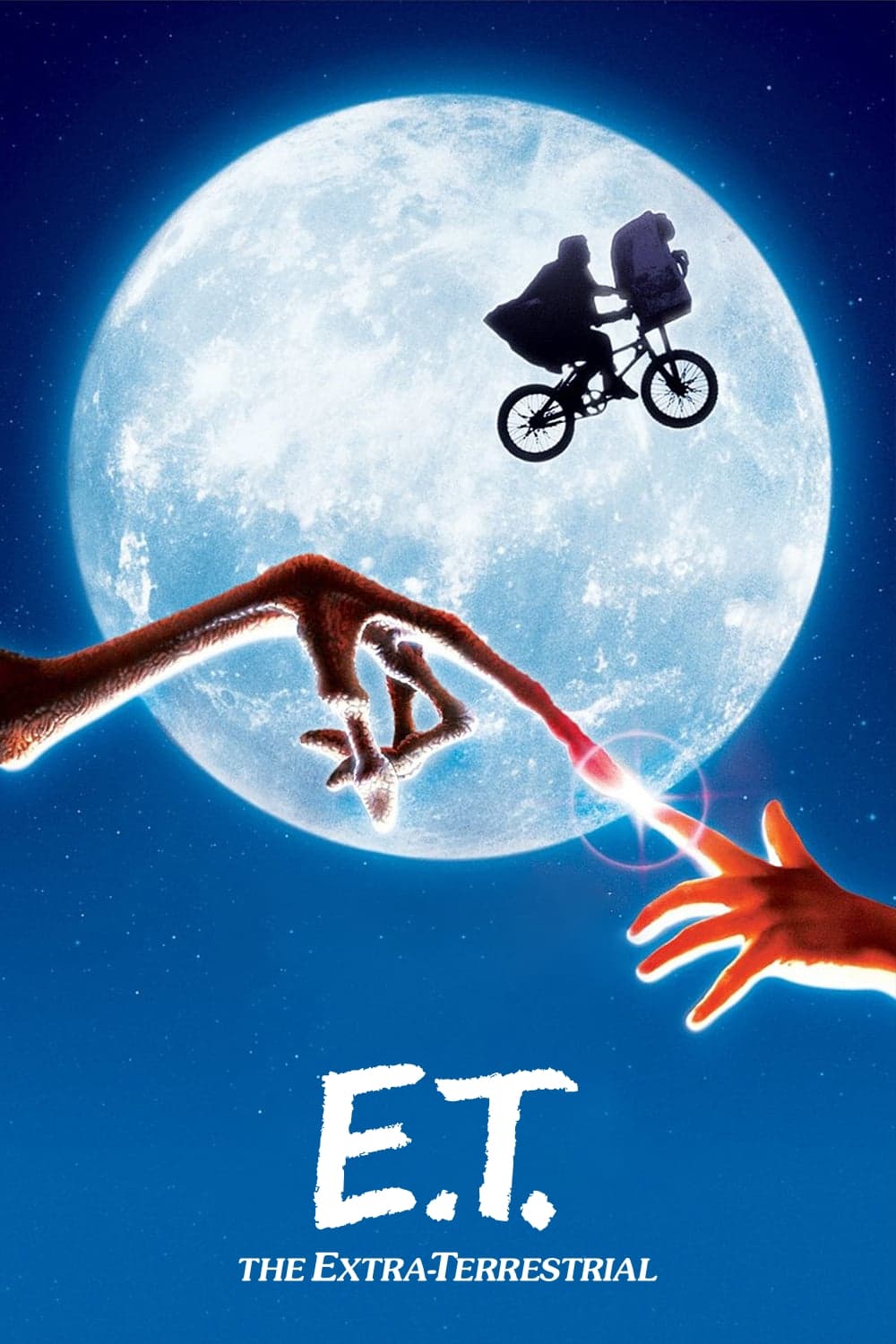
E.T. has powers like levitation and healing, and he recognizes a Yoda costume. A theory claims he’s a Jedi, stranded on Earth, using Force-like abilities to survive and connect with Elliott.
This ties ‘E.T.’ to ‘Star Wars,’ making it a sci-fi crossover. It adds a galactic layer to E.T.’s heartwarming tale.
‘Field of Dreams’ (1989): Terrence Mann Is a Ghost
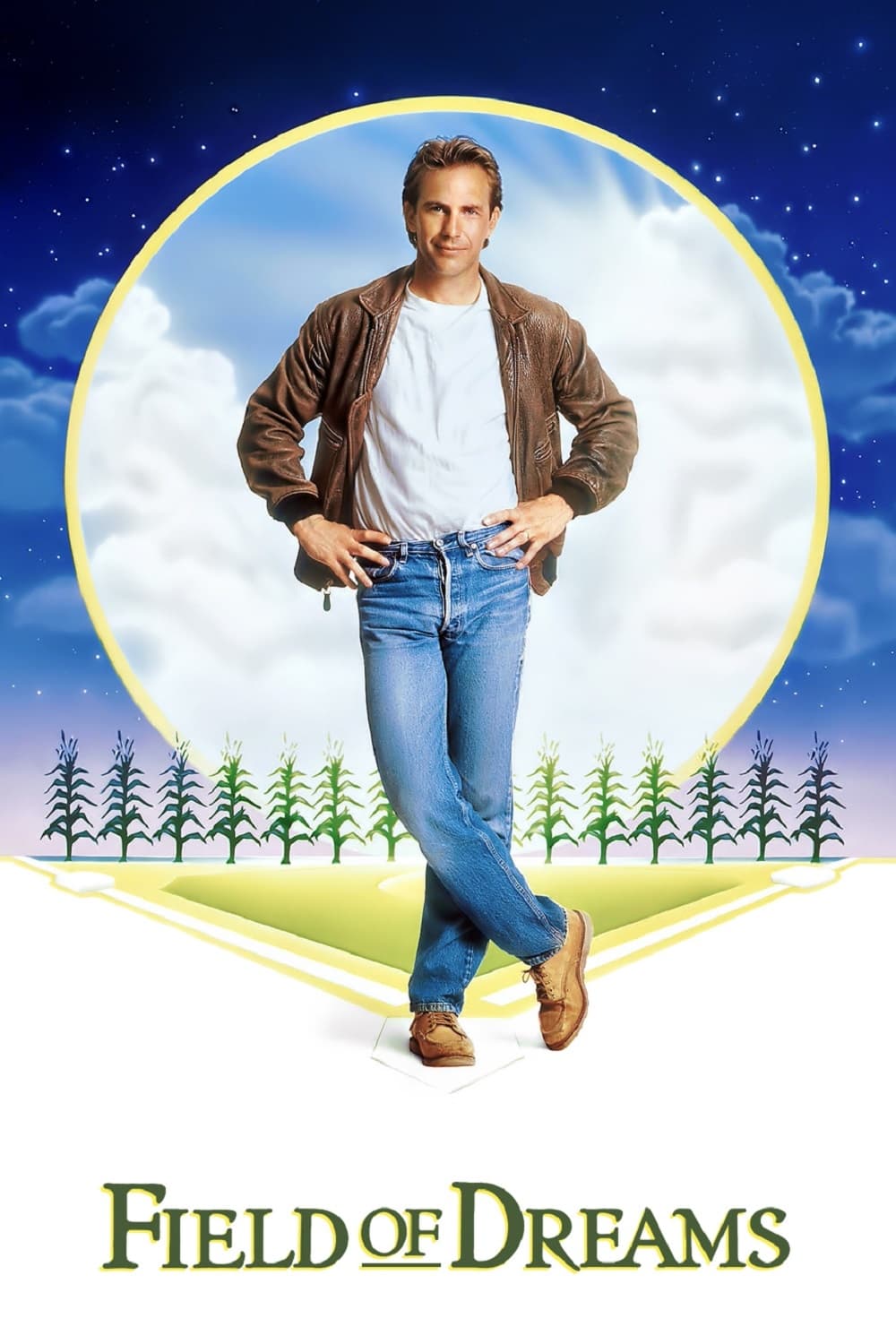
In ‘Field of Dreams,’ Ray seeks Terrence Mann, who joins the ghostly baseball players in the cornfield. A theory suggests Mann was dead all along, as only the dead enter the cornfield, per Shoeless Joe’s words.
This makes Mann a spectral figure, not a living author. It deepens the film’s supernatural theme, tying it to loss and redemption.
‘Blade Runner’ (1982): Deckard Is a Replicant
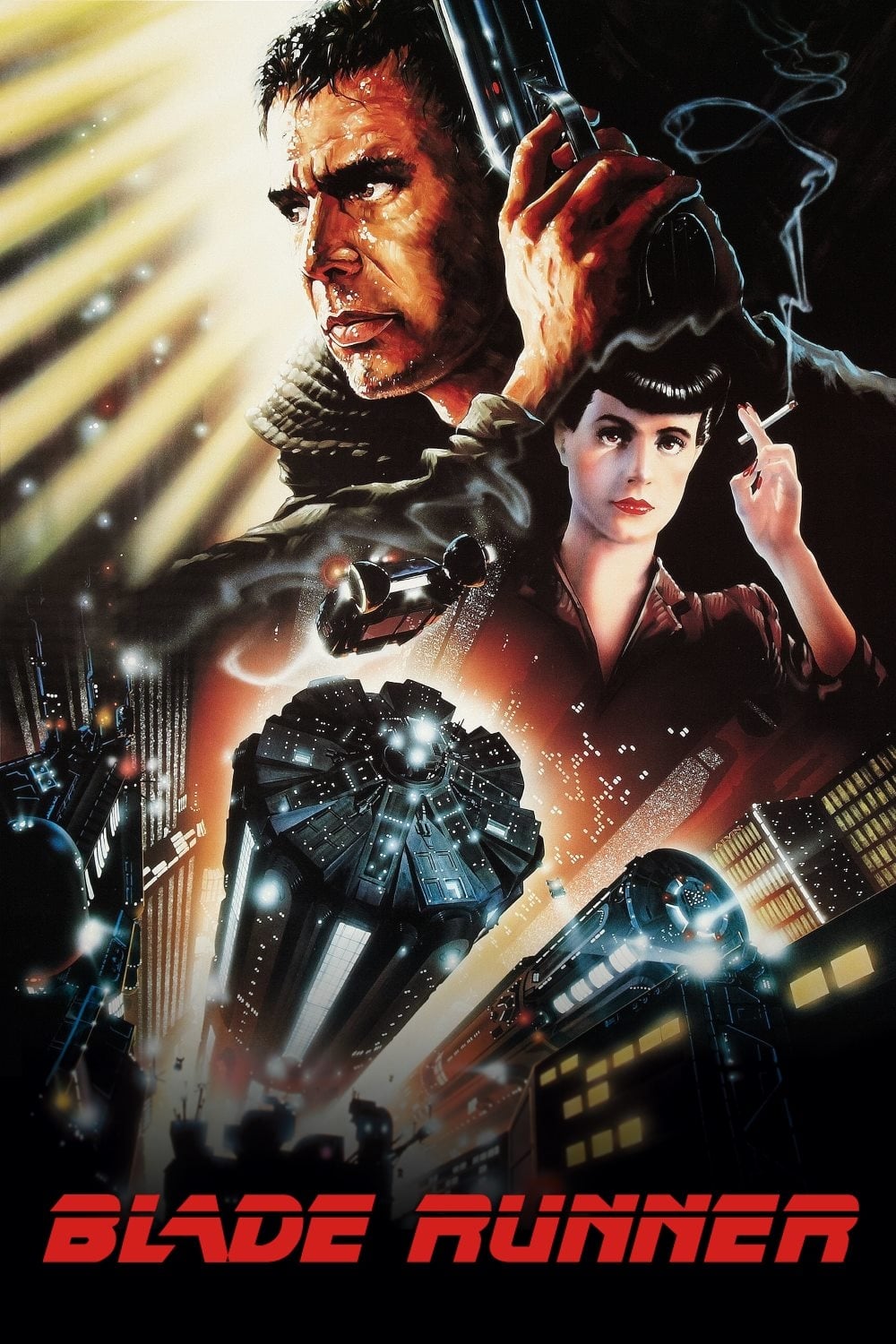
Deckard’s unicorn dream in ‘Blade Runner’ matches an origami left by Gaff. A theory claims he’s a replicant with implanted memories, possibly Gaff’s, explaining his cold demeanor and the film’s hints.
This blurs the line between human and machine. It makes Deckard’s hunt a tragic irony, as he’s what he pursues.
‘The Lion King’ (1994): Scar Is in ‘Hercules’
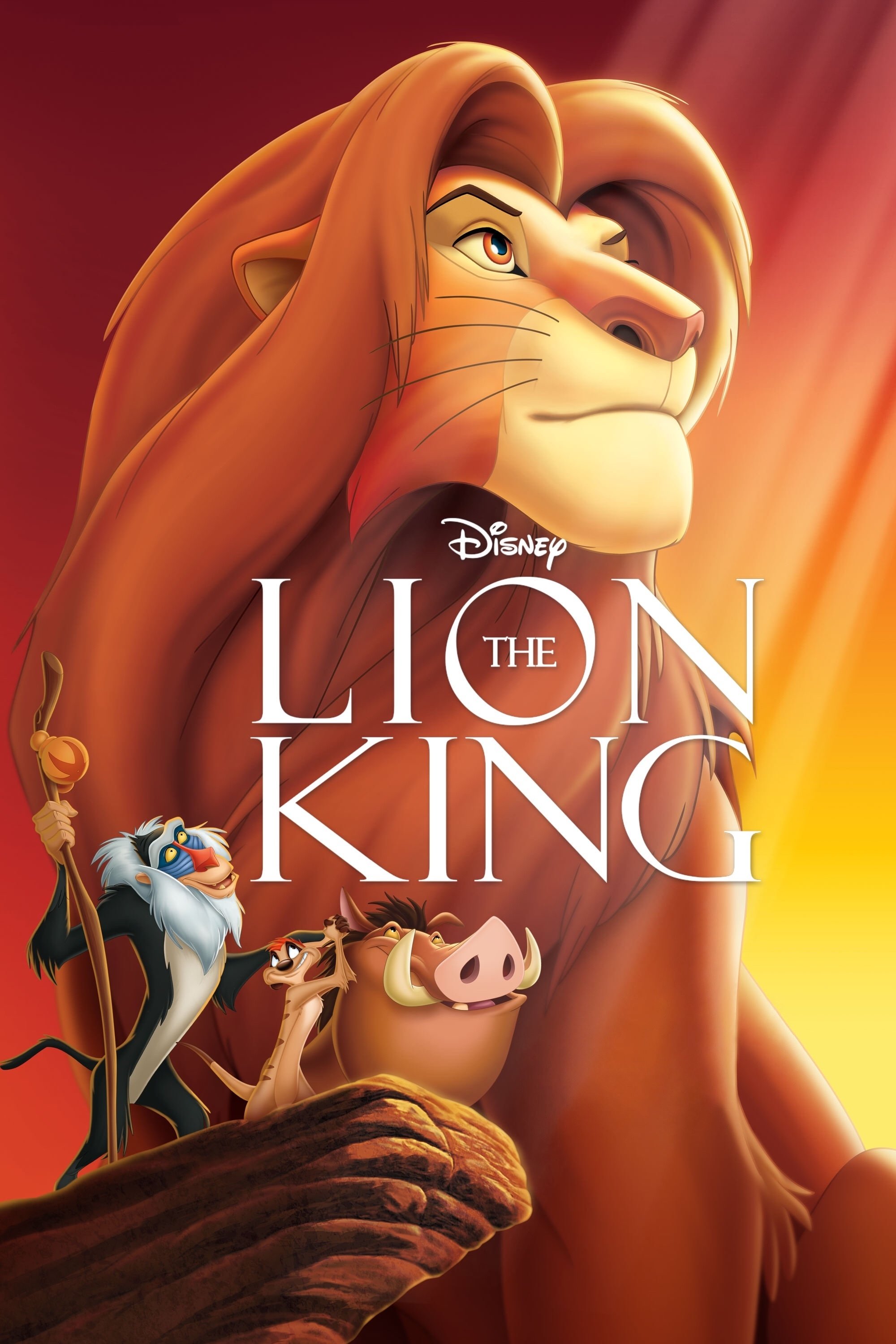
In ‘The Lion King,’ Zazu suggests Scar would make a good throw rug. A theory notes Scar’s pelt appears in ‘Hercules,’ worn by Hercules, implying someone hunted Scar and linked the Disney worlds.
This connects two Disney classics in a dark way. It suggests Scar’s fate extends beyond his film, tying into Greek mythology.
‘Frozen’ (2013): Linked to ‘The Little Mermaid’ and ‘Tangled’
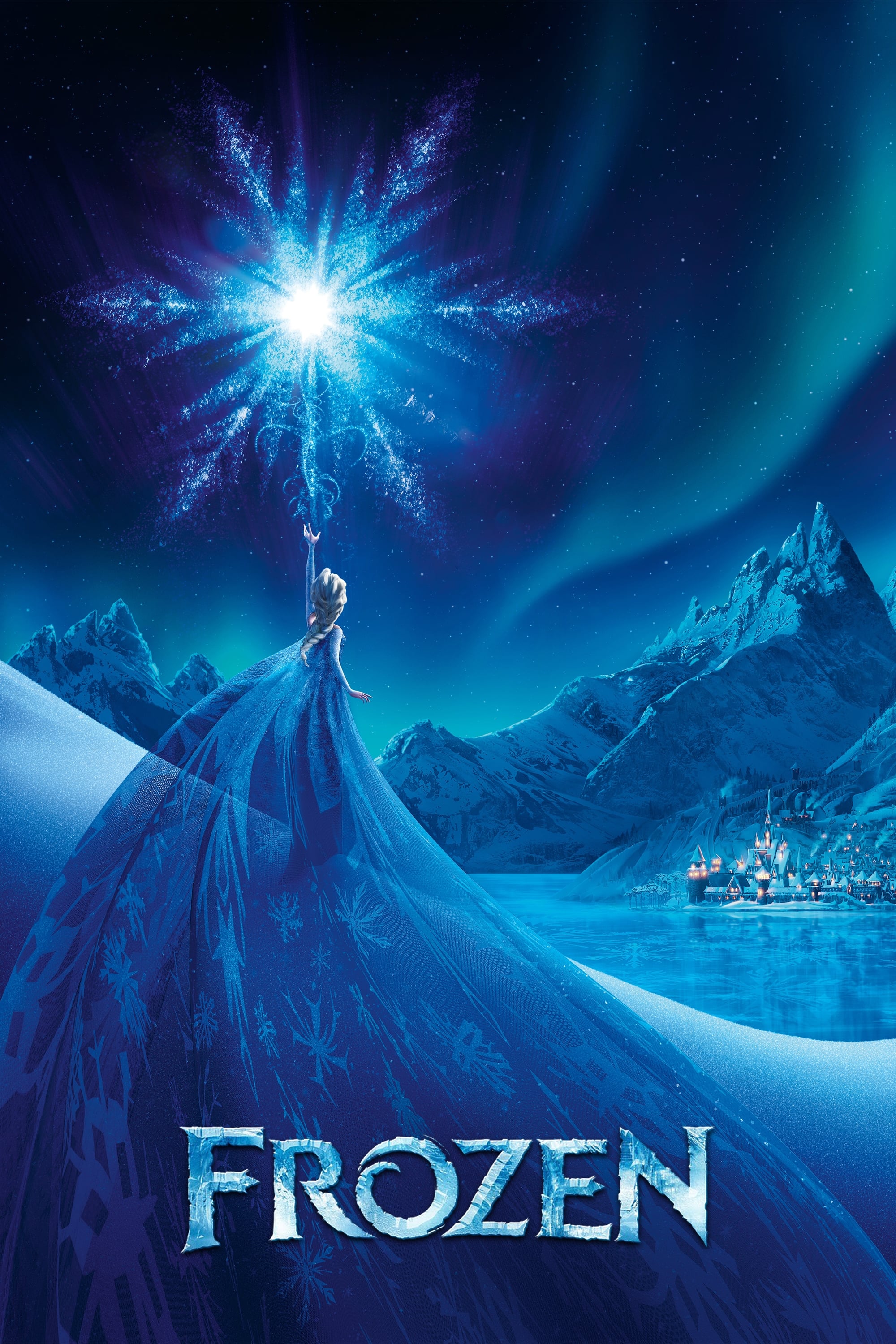
Fans spot Rapunzel and Eugene at Elsa’s coronation in ‘Frozen.’ A theory claims the sunken ship in ‘The Little Mermaid’ is Anna and Elsa’s parents’, linking the three films in one universe.
This creates a shared Disney world. It makes ‘Frozen’ part of a larger narrative, with tragic ties to other princess tales.
‘Mary Poppins’ (1964): She’s a Time Lord
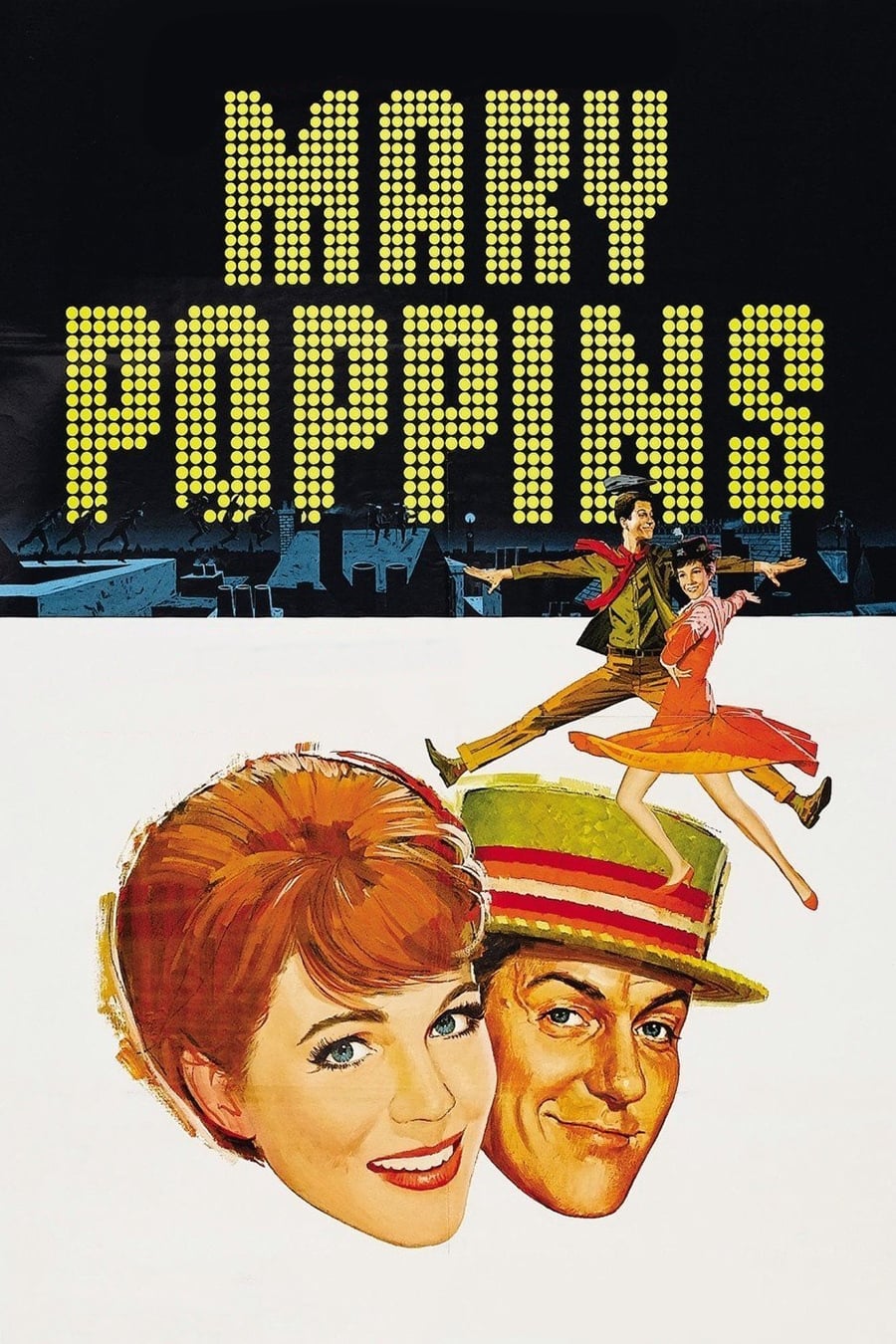
Mary Poppins arrives via a magical umbrella with odd powers. A theory suggests she’s a Time Lord from ‘Doctor Who,’ with her umbrella as a TARDIS, explaining her whimsical travels and knowledge.
This turns her into a sci-fi figure, not a nanny. It adds a cosmic twist to her magical adventures.
‘The Blair Witch Project’ (1999): Josh Did the Killing
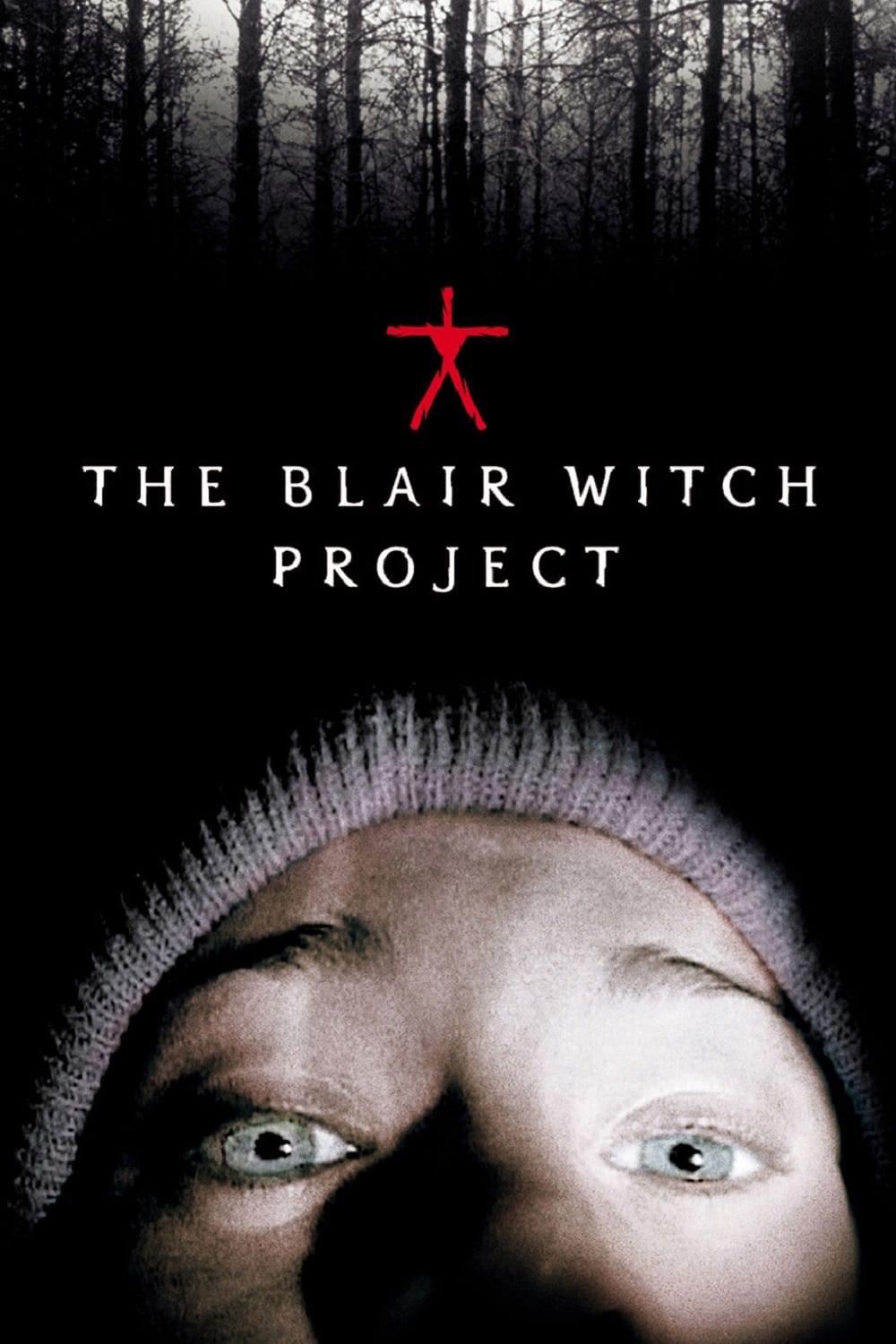
The Blair Witch is never seen in the film. A theory claims Josh, possessed or unhinged, killed his friends, as his behavior grows erratic and he disappears before the final deaths.
This makes the horror human, not supernatural. It shifts the film into a psychological nightmare, with Josh as the monster.
‘Toy Story 2’ (1999): Andy’s Mom Is Emily
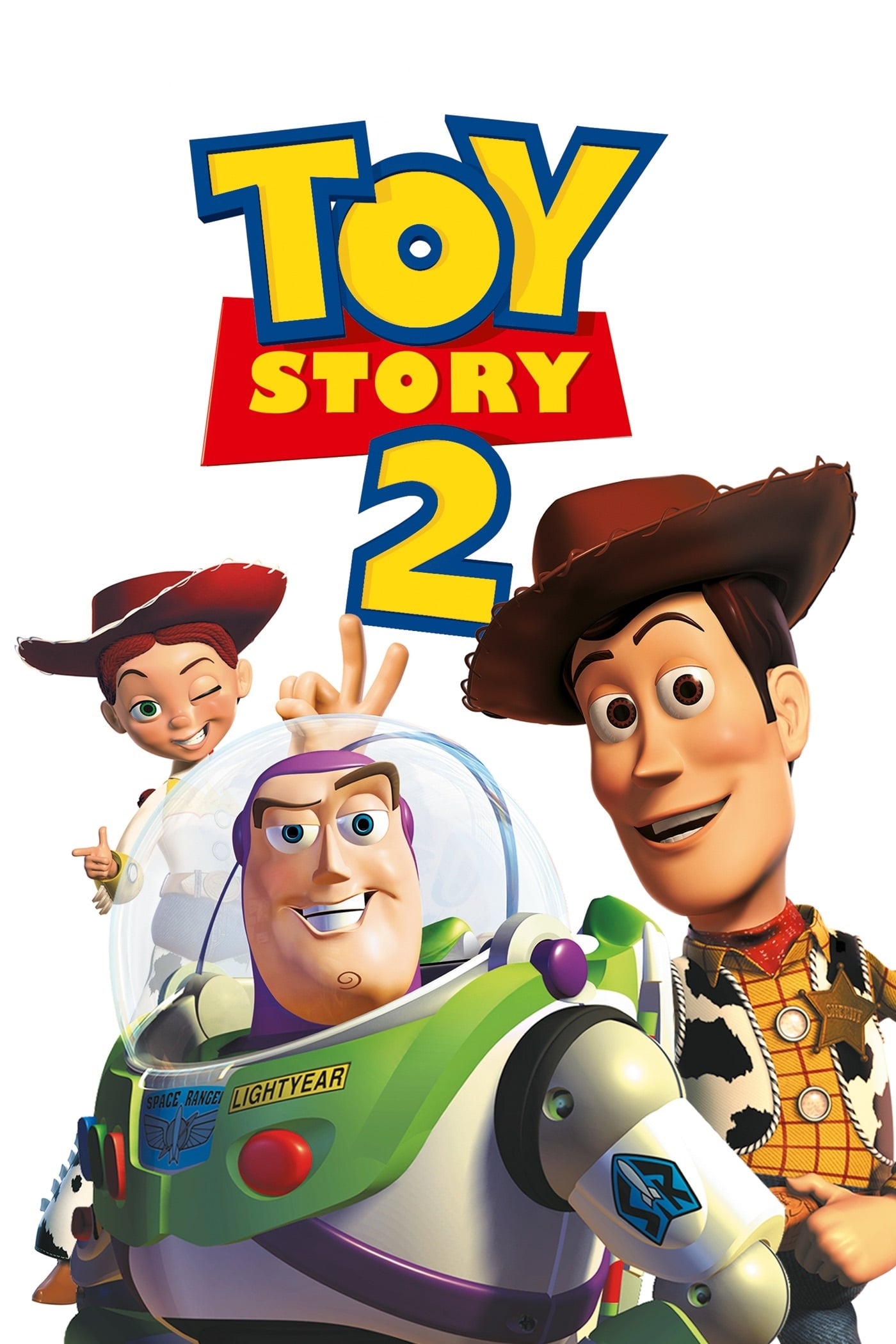
Jessie’s owner in ‘Toy Story 2,’ Emily, abandons her when she grows up. A theory claims Emily is Andy’s mom, as Andy’s red cowboy hat matches one on Emily’s bed in flashbacks.
This ties the toys’ stories to Andy’s family. It makes Jessie’s abandonment a personal tragedy for Andy’s mom.
‘The Emperor’s New Groove’ (2000): The Fly Was an Emperor
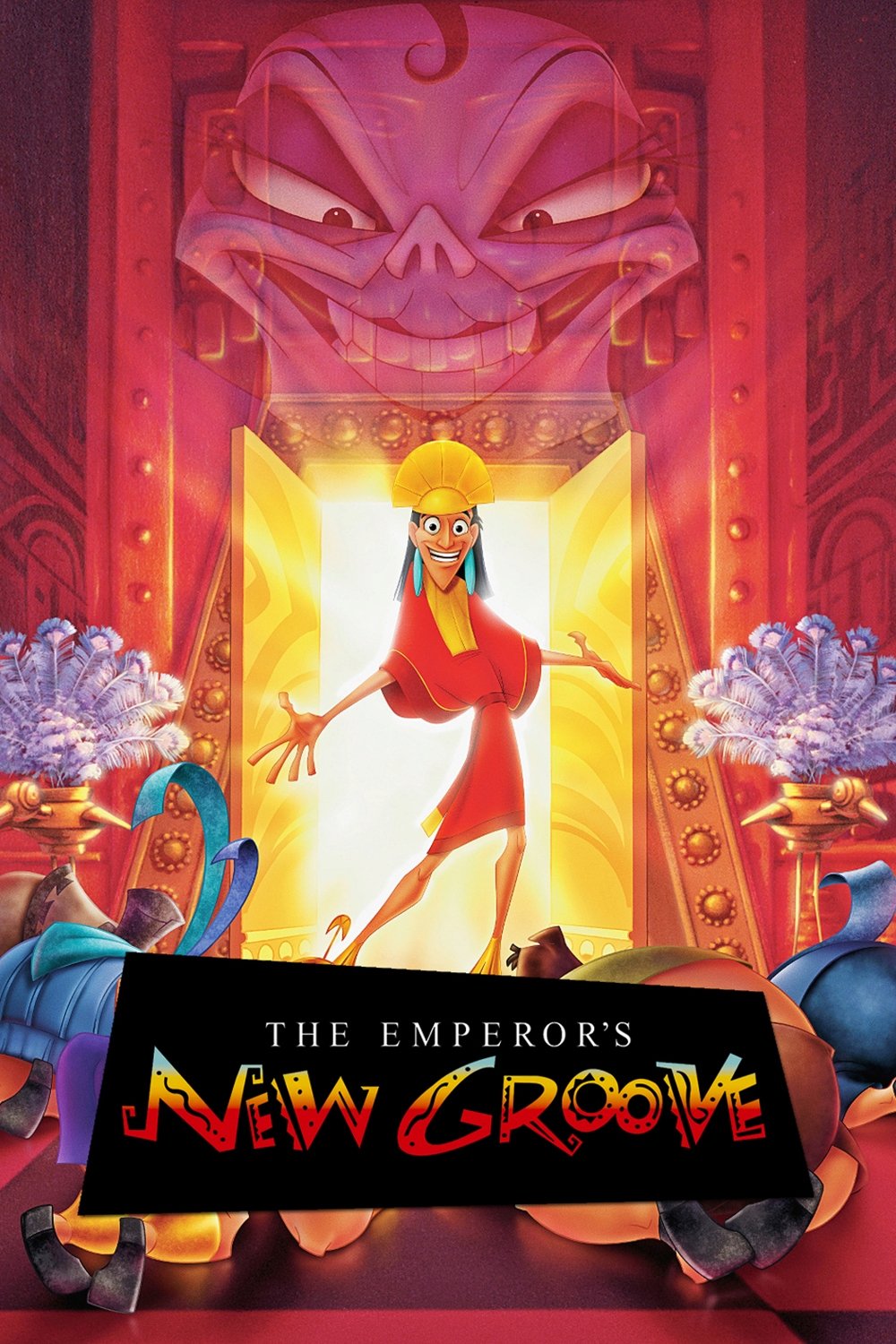
A fly in ‘The Emperor’s New Groove’ screams “help me” before being eaten. A theory suggests it’s a former emperor turned into a fly by Yzma, who planned to transform Kuzco similarly.
This adds a dark backstory to Yzma’s schemes. It makes Kuzco’s transformation part of a pattern of betrayal.
‘Harry Potter and the Chamber of Secrets’ (2002): Neville’s Memory Issues
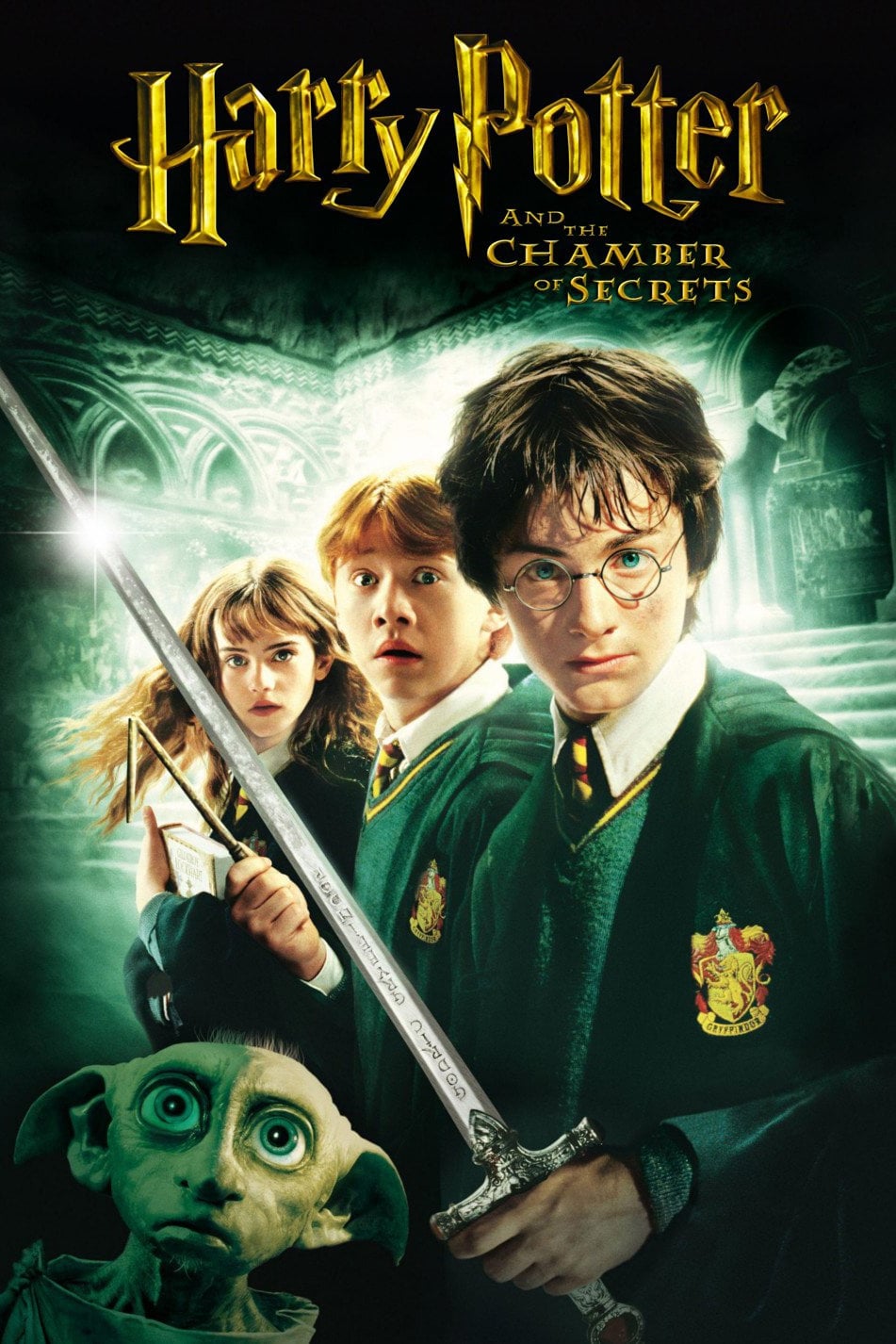
Neville Longbottom is forgetful early in the ‘Harry Potter’ series. A theory claims it’s because he saw his parents tortured and was obliviated to ease the trauma, causing chronic memory problems.
This deepens Neville’s tragic backstory. It makes his clumsiness a symptom of a dark past, not just comic relief.
‘The Prestige’ (2006): Angier Framed Borden
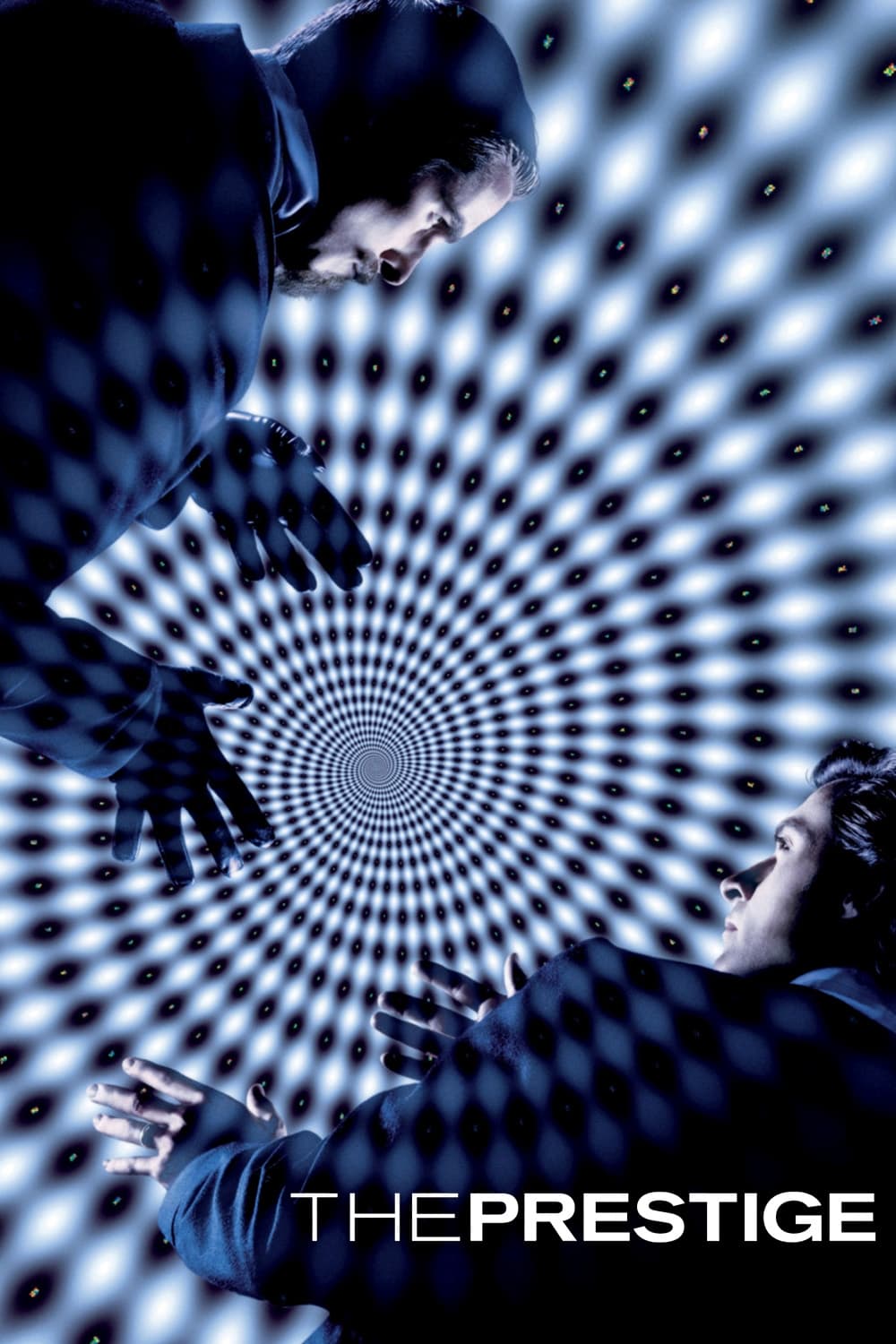
In ‘The Prestige,’ Angier drowns in a tank during his final trick. A theory suggests he used a double all along and only drowned to frame Borden for murder, knowing he’d investigate.
This makes Angier a ruthless schemer, not a victim. It turns the film’s tragic ending into a calculated revenge plot.
‘Kill Bill: Vol. 2’ (2004): Bill Faked His Death
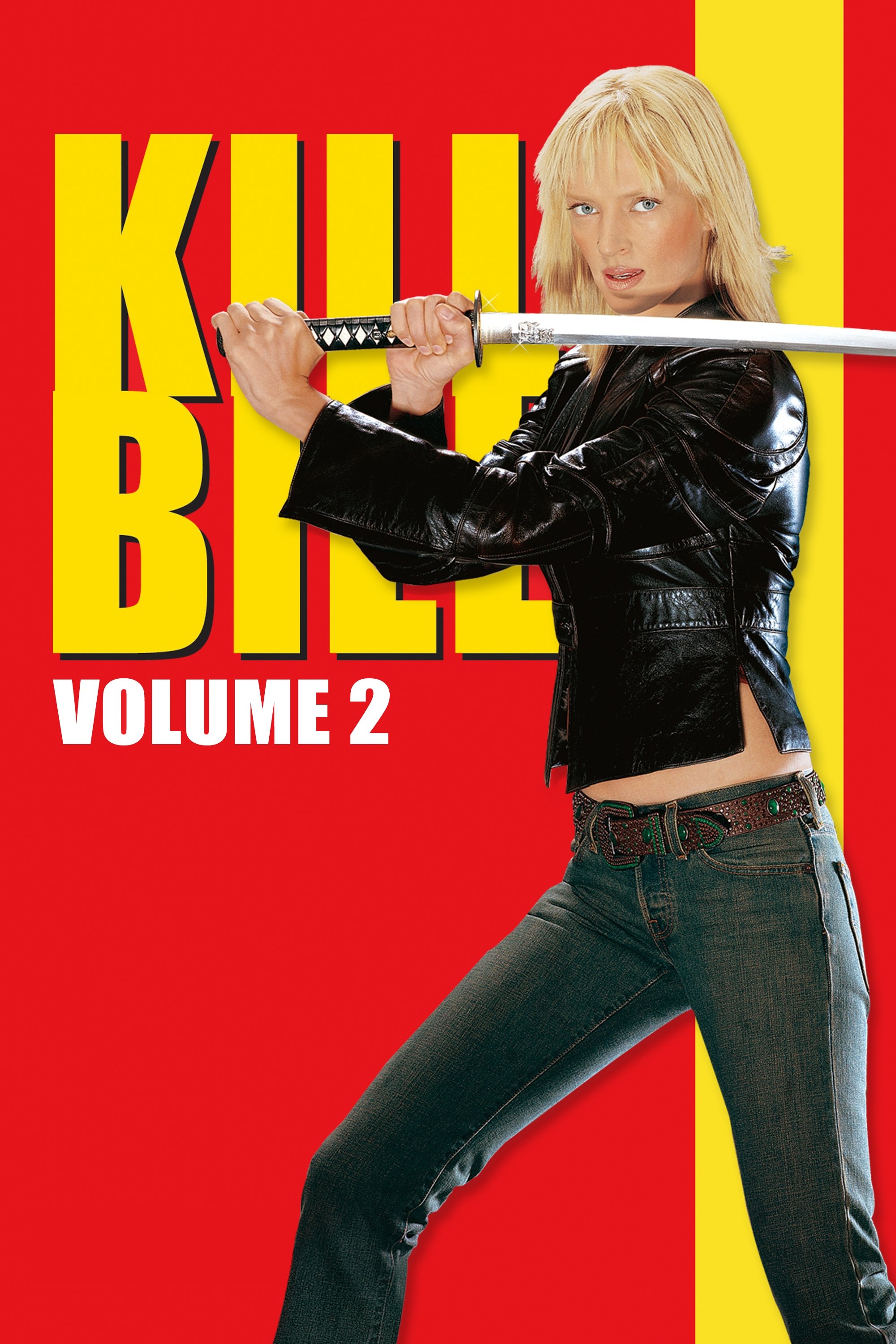
Beatrix uses the five-point palm exploding heart technique on Bill, who dies. A theory claims it’s fake, and Bill, knowing this, plays dead to let Beatrix take their daughter and leave.
This softens the film’s violent climax. It suggests Bill’s love for Beatrix allowed her to win and escape.
‘The Thing’ (1982): Childs Is the Alien
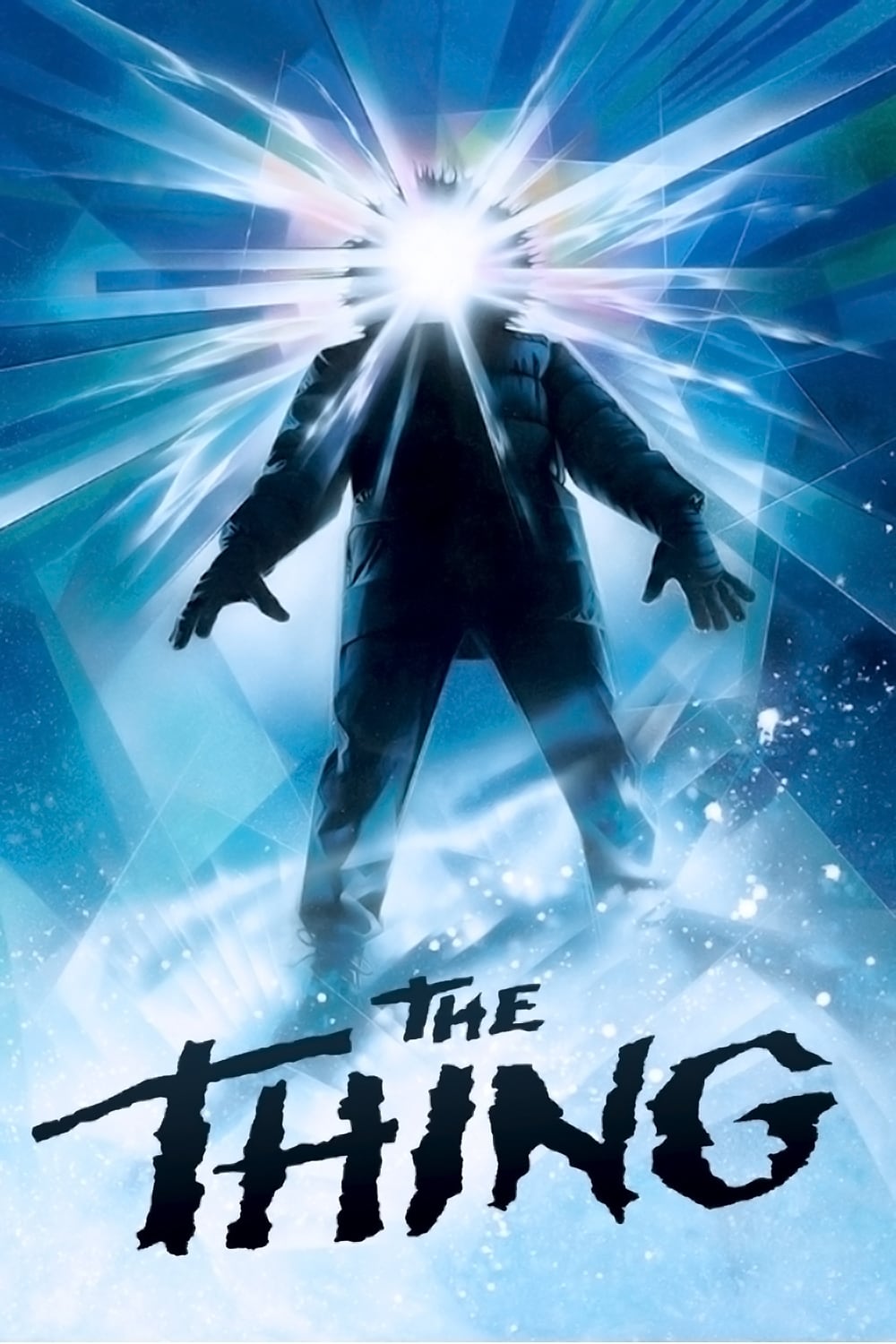
In ‘The Thing,’ MacReady and Childs face off, unsure who’s human. A theory claims Childs is the alien because he drinks gasoline, not Scotch, from MacReady’s bottle, revealing his non-human nature.
This clarifies the ambiguous ending. It makes MacReady’s laugh a sign he’s won, ready to burn the alien.
‘Taxi Driver’ (1976): Travis Dies at the End
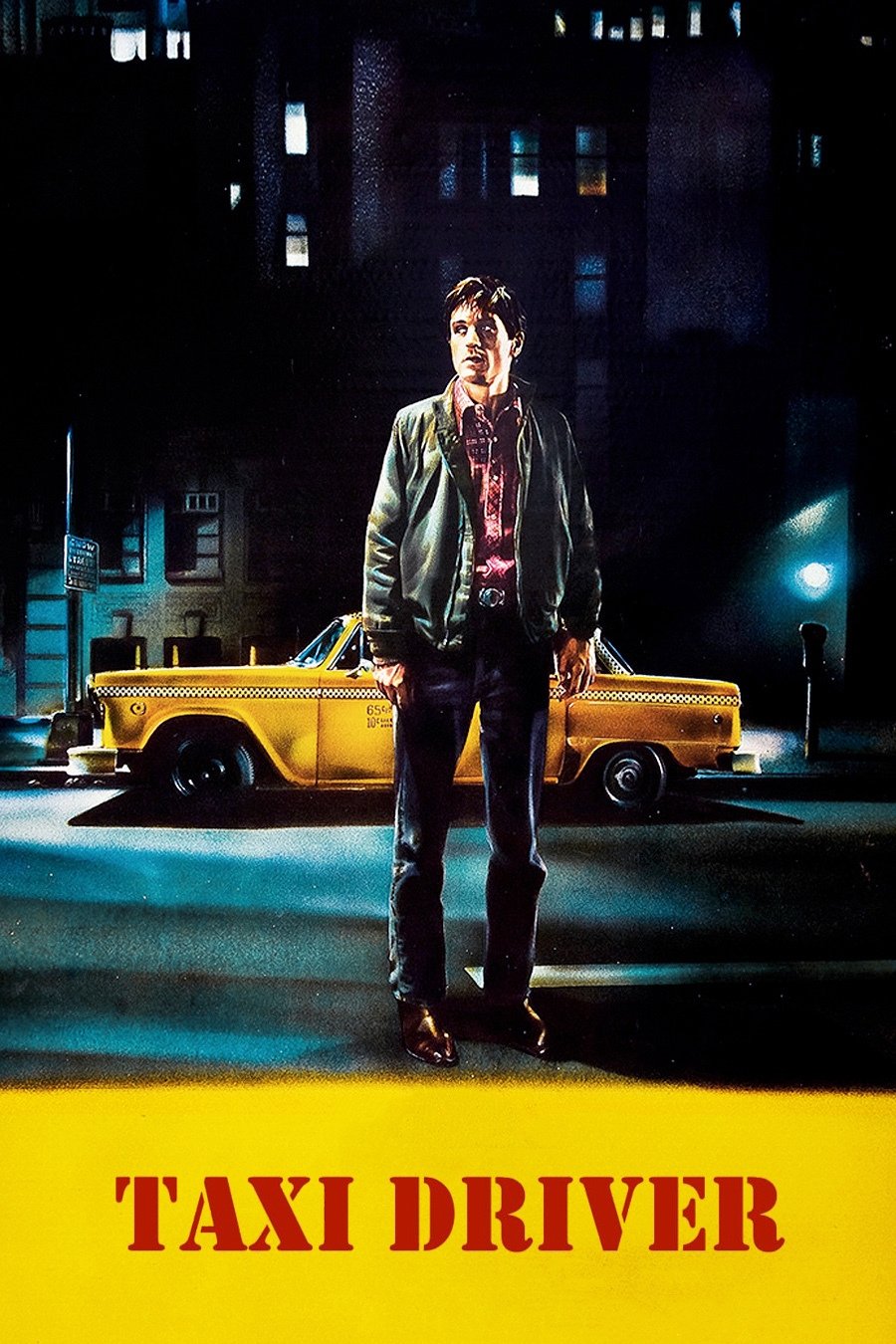
Travis Bickle survives a bloody shootout in ‘Taxi Driver’ and is hailed as a hero. A theory suggests he died, and the heroic ending is his dying dream, given the film’s dark tone.
This makes the ending a delusion, not reality. It aligns with the film’s grim exploration of Travis’ broken mind.
‘Memento’ (2000): Leonard Killed His Wife
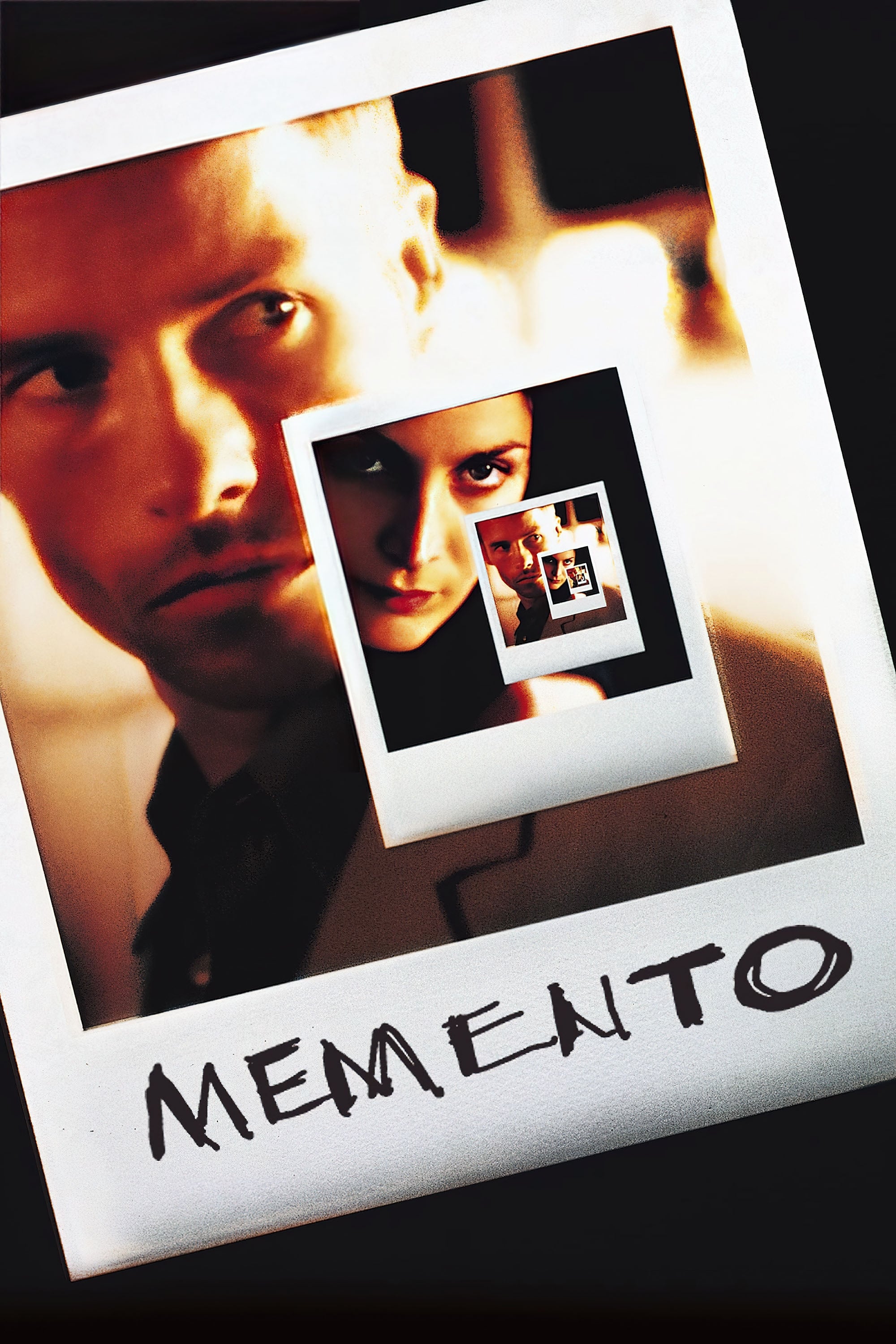
Leonard in ‘Memento’ hunts his wife’s killer, but clues suggest he’s the murderer. A fleeting shot shows him, not Sammy Jankis, in a hospital, implying he created the story to deny his guilt.
This twists the film’s unreliable narrative. It makes Leonard a tragic villain, living in denial of his own crime.
‘The Usual Suspects’ (1995): No Keyser Soze Exists
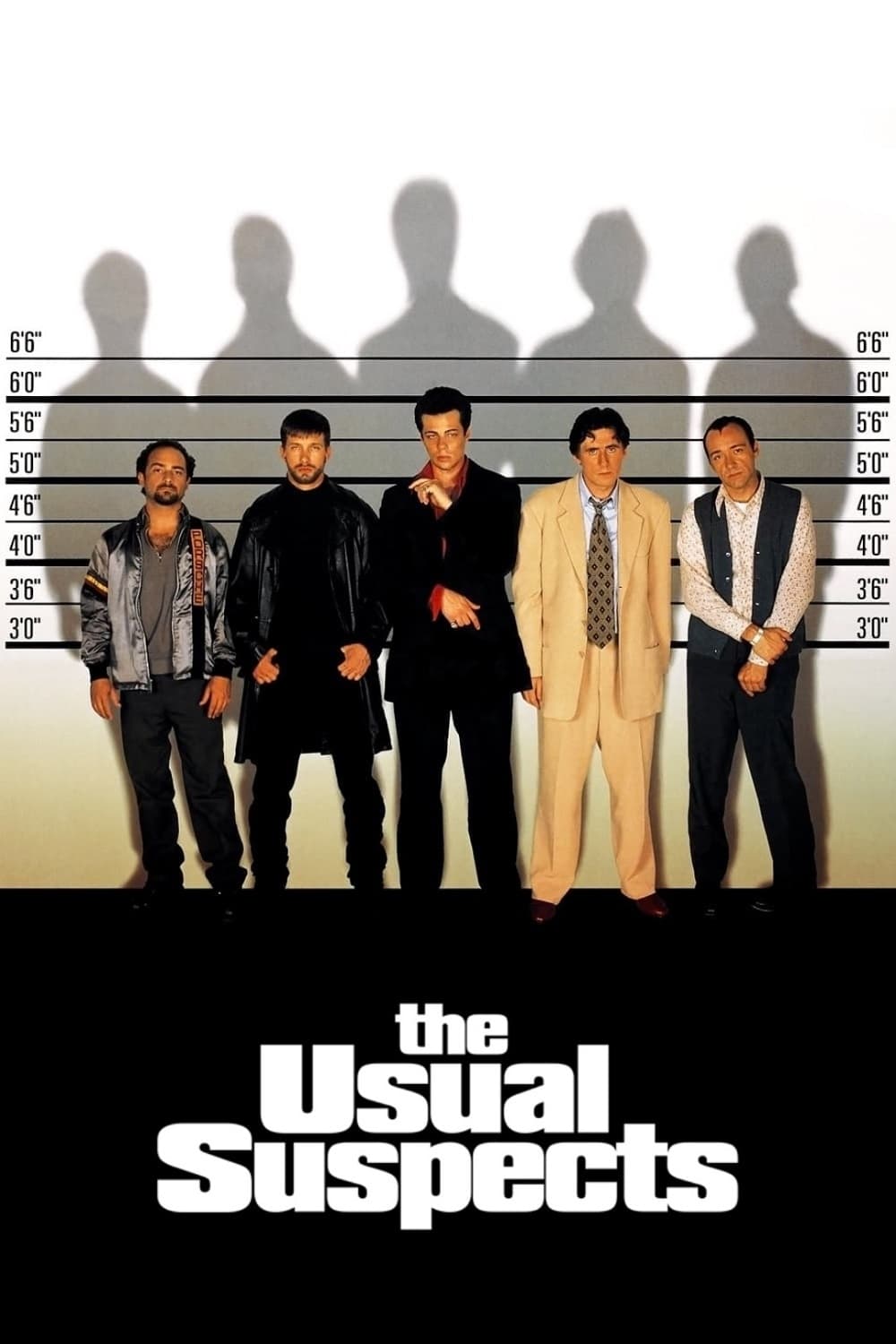
Verbal Kint is revealed as Keyser Soze in ‘The Usual Suspects.’ A theory claims Soze is a myth, a name used by many, including Kint, to scare others, with no single mastermind.
This makes the film a game of deception. It turns Soze into a legend, not a person, amplifying the mystery.
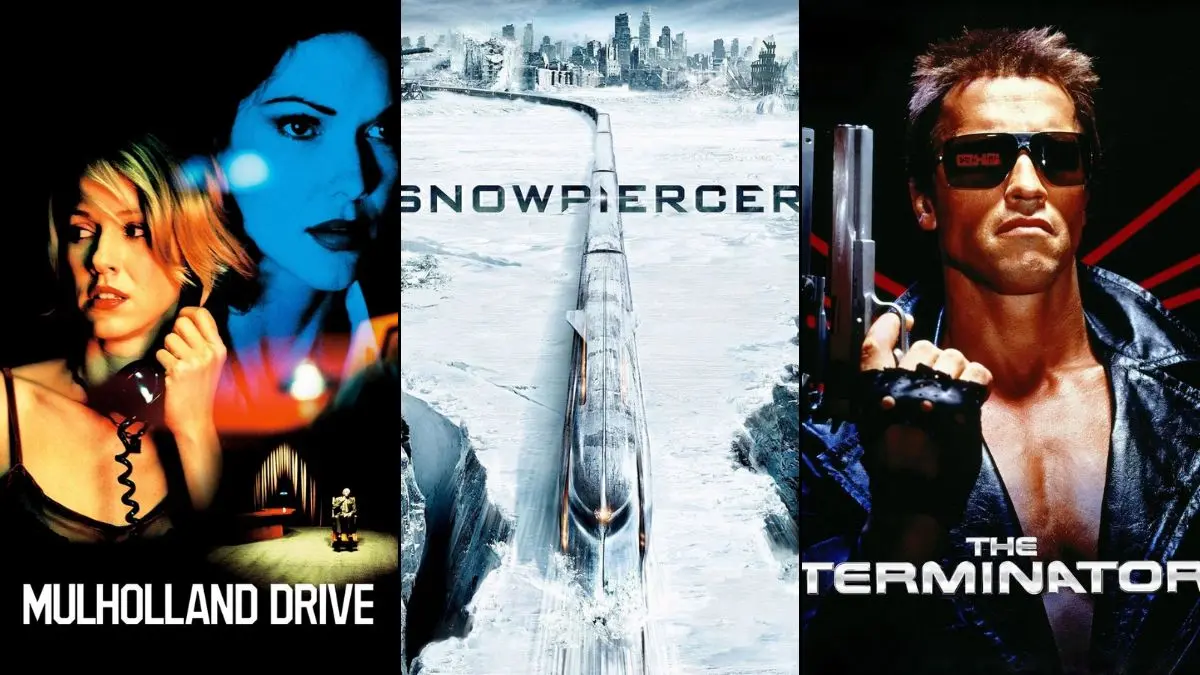
‘Mulholland Drive’ (2001): Betty and Rita Are Lovers
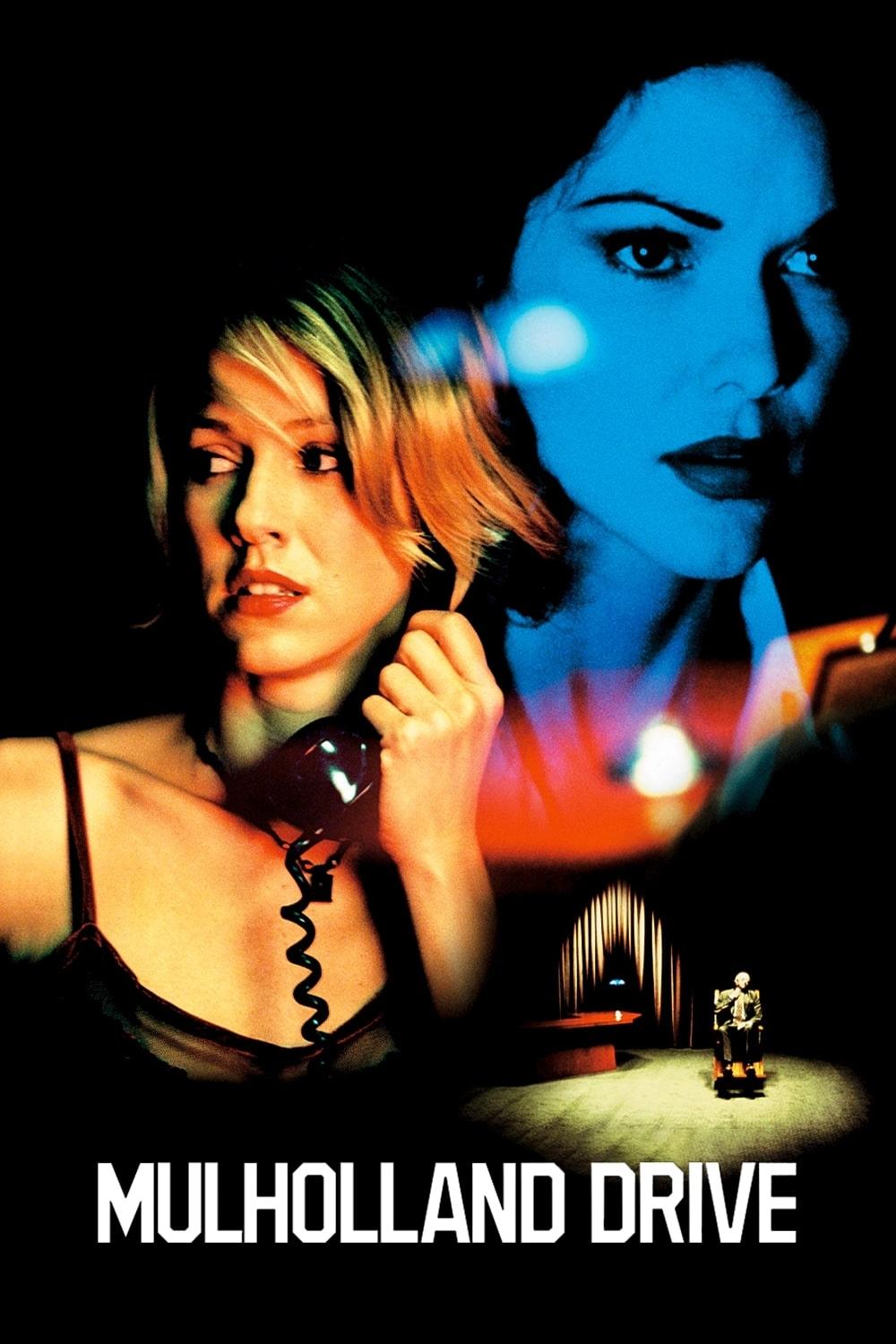
‘Mulholland Drive’ is a surreal puzzle, but a theory suggests Betty and Rita are real lovers, not illusions. Diane represents Betty’s fear of failure, making the film a tragic love story amid Hollywood’s cruelty.
This grounds the film’s dreamlike narrative. It frames it as a romance torn apart by ambition and despair.
‘Caché’ (2005): The Sons Sent the Tapes
In ‘Cache,’ mysterious tapes haunt Georges. A theory claims the sons of Georges and Majid sent them to expose Georges’ past guilt, as they’re seen talking in the final shot, despite not knowing each other.
This adds a layer of revenge to the thriller. It suggests a generational plot to confront buried sins.
‘The Master’ (2012): Freddie and Dodd Are Lovers
‘The Master’ explores cult dynamics, but a theory claims Freddie and Dodd are lovers. Their intense bond, despite societal alienation, hints at a romantic connection beneath their mentor-student facade.
This reframes the film as a love story. It adds emotional depth to their complex, troubled relationship.
‘2001: A Space Odyssey’ (1968): The God Theory
The monolith in ‘2001: A Space Odyssey’ sparks human evolution. A theory suggests it’s a divine tool, guiding humanity toward godhood, with Dave’s transformation into the Star Child as the final step.
This makes the film a spiritual journey. It turns a sci-fi epic into a tale of divine intervention.
‘Birdman’ (2014): Birdman Was Real
In ‘Birdman,’ Riggan hears his superhero alter ego. A theory claims Birdman is real, and Riggan is his suppressed self, with the final shot of him flying suggesting he embraces his true identity.
This blurs reality and fantasy. It makes Riggan’s struggle a battle to accept his authentic, heroic self.
‘Snowpiercer’ (2013): It’s a ‘Willy Wonka’ Sequel
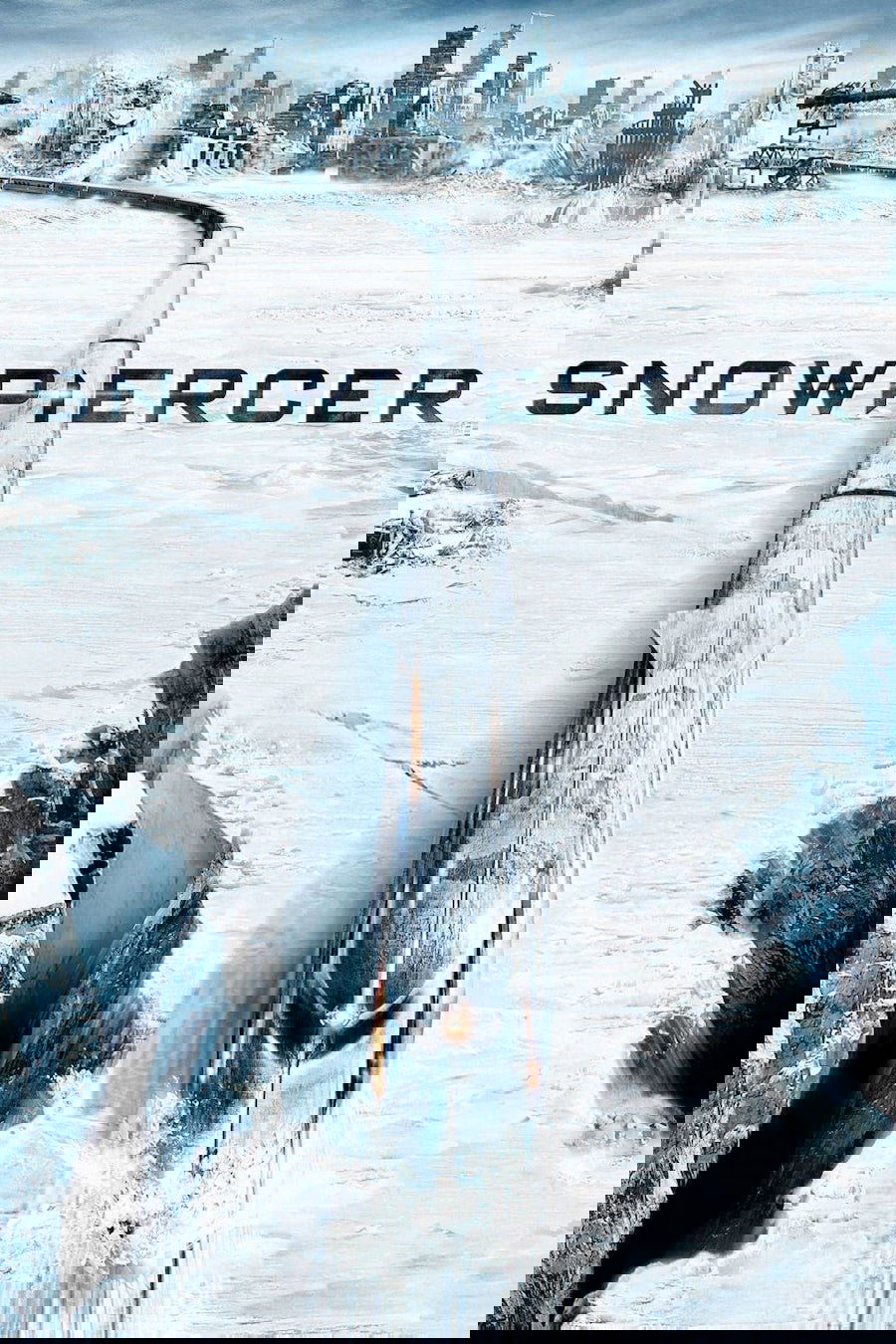
‘Snowpiercer’ shows a train carrying humanity’s survivors. A theory claims it’s a sequel to ‘Willy Wonka,’ with Wilford as Wonka, using the train to test survivors like the factory tested kids.
This links two wildly different films. It casts Wilford as a dark evolution of Wonka’s eccentric control.
‘Se7en’ (1995): It’s Pre-Batman Gotham
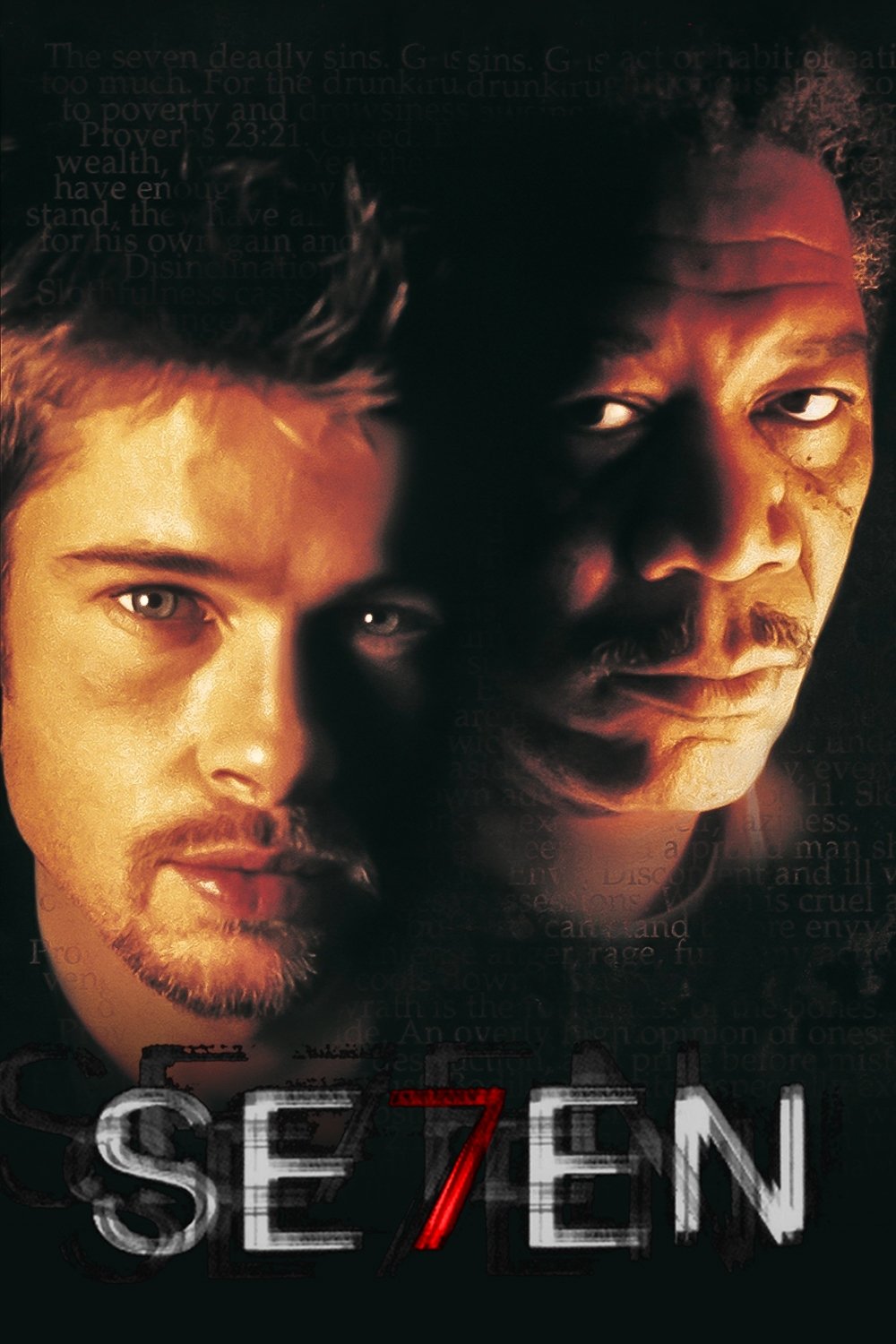
‘Se7en’s grim city and twisted crimes feel like Gotham. A theory suggests it’s set before Batman, with David Mills becoming the Joker after his wife’s death drives him mad.
This ties ‘Se7en’ to the Batman universe. It makes Mills’ tragedy a chilling origin for a classic villain.
‘Heavyweights’ (1995): It’s a ‘Dodgeball’ Prequel
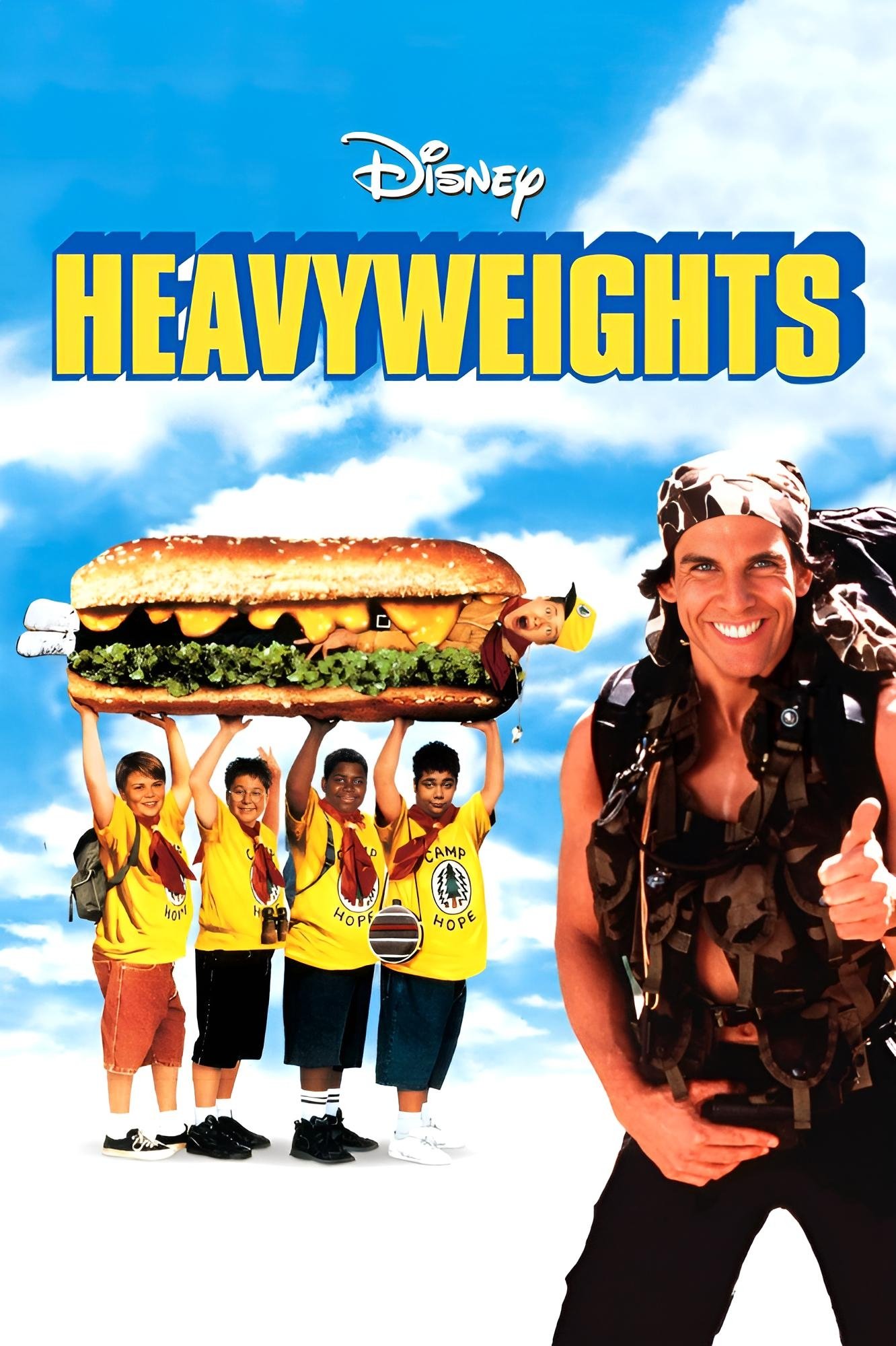
Tony Perkis in ‘Heavyweights’ is a quirky camp leader. A theory claims he’s a younger White Goodman from ‘Dodgeball,’ linking their similar personalities and fitness obsessions.
This connects two comedies into one timeline. It makes Tony’s antics a stepping stone to White’s absurdity.
‘Death at a Funeral’ (2007, 2010): Peter Dinklage Plays One Character
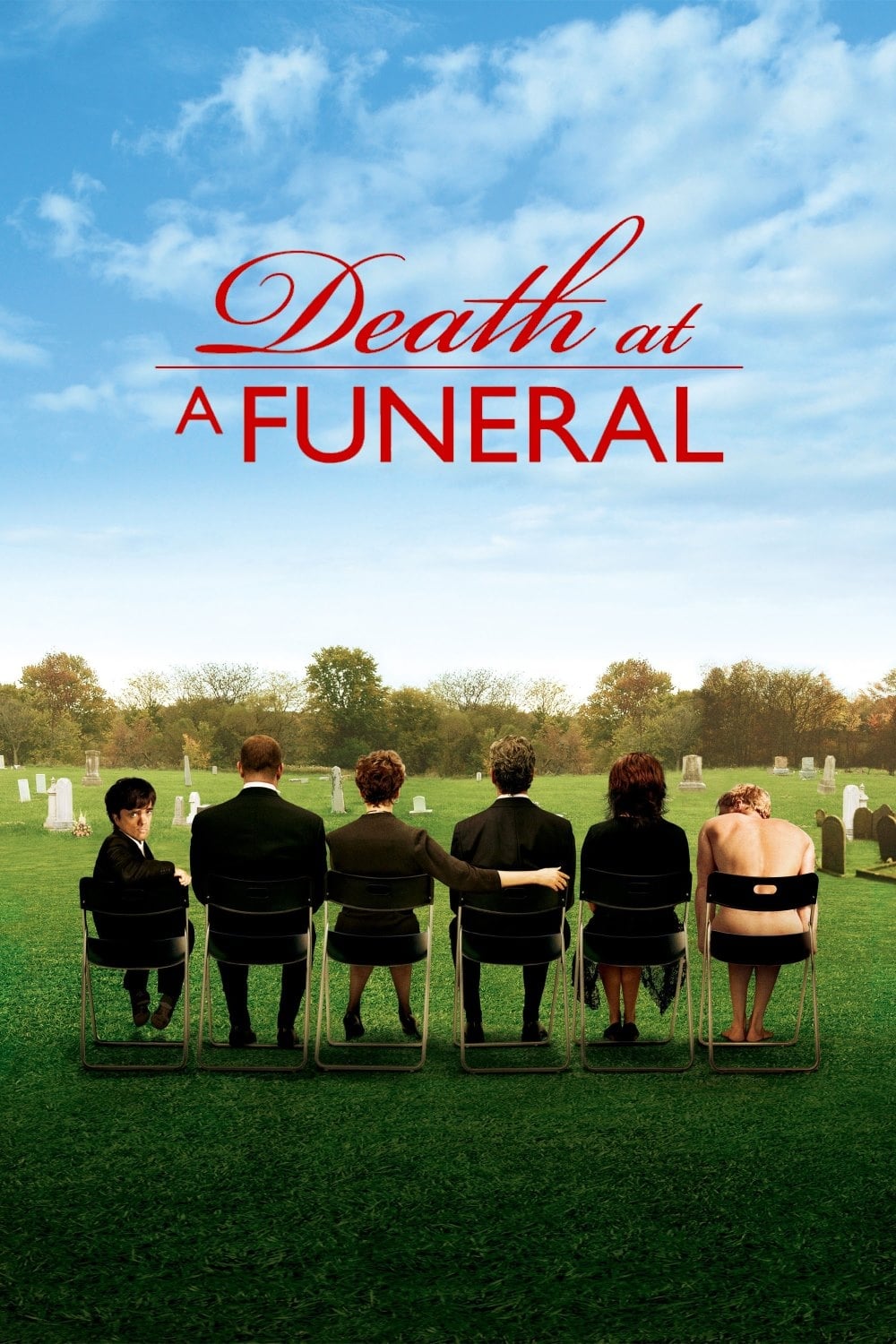
Peter Dinklage appears in both ‘Death at a Funeral’ films as different characters. A theory suggests he’s the same conman, targeting two families with the same blackmail scheme.
This unifies the remakes with a clever twist. It makes Dinklage’s role a sneaky, recurring trickster.
‘Ghostbusters’ (1984): They Died in the First Film
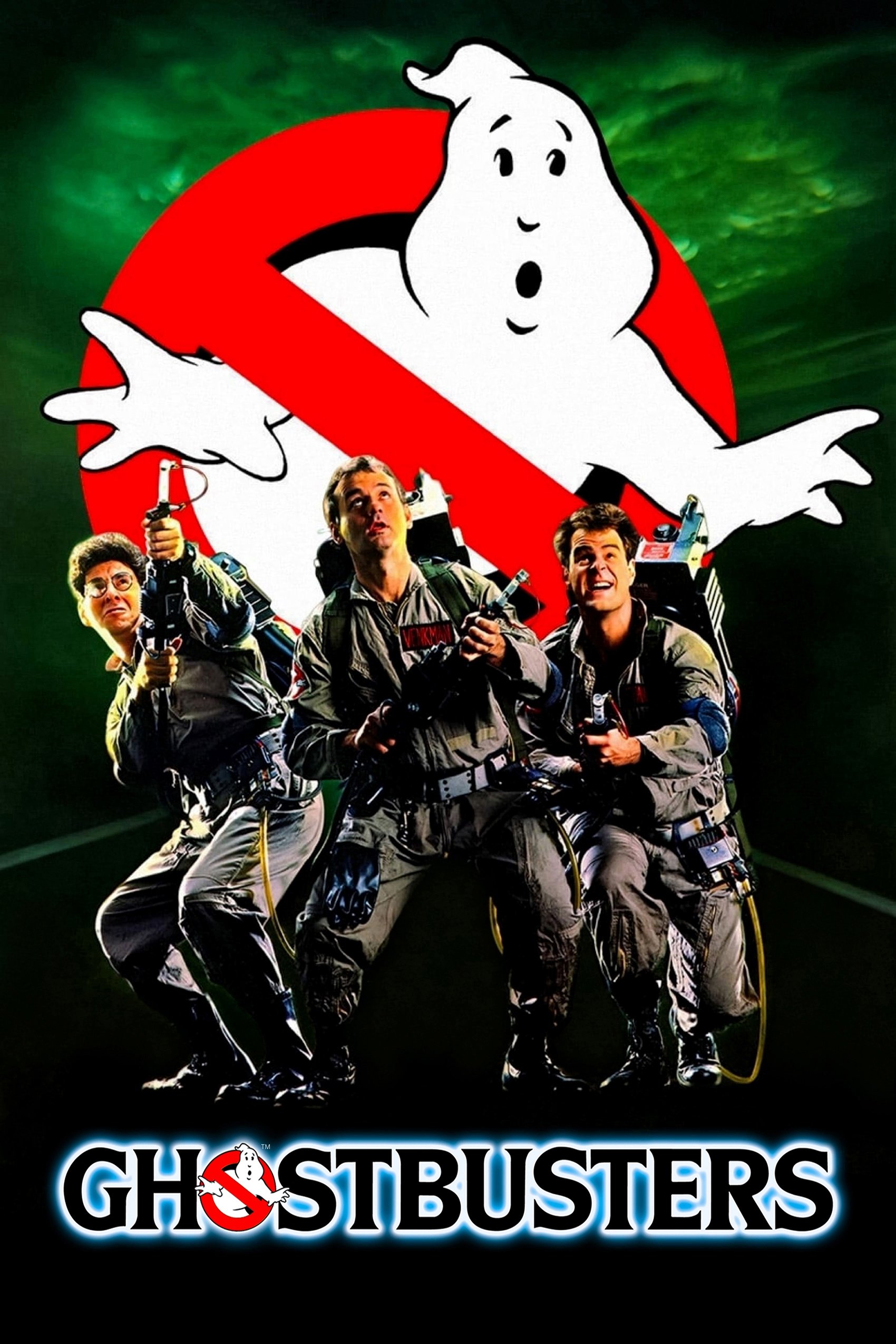
The ‘Ghostbusters’ cross streams to defeat Gozer, a forbidden act. A theory claims they died, and the sequel is their purgatory, with each character facing personal demons.
This turns the comedy into a supernatural tragedy. It makes the sequel a ghostly journey of redemption.
‘The Terminator’ (1984): John Chose His Father
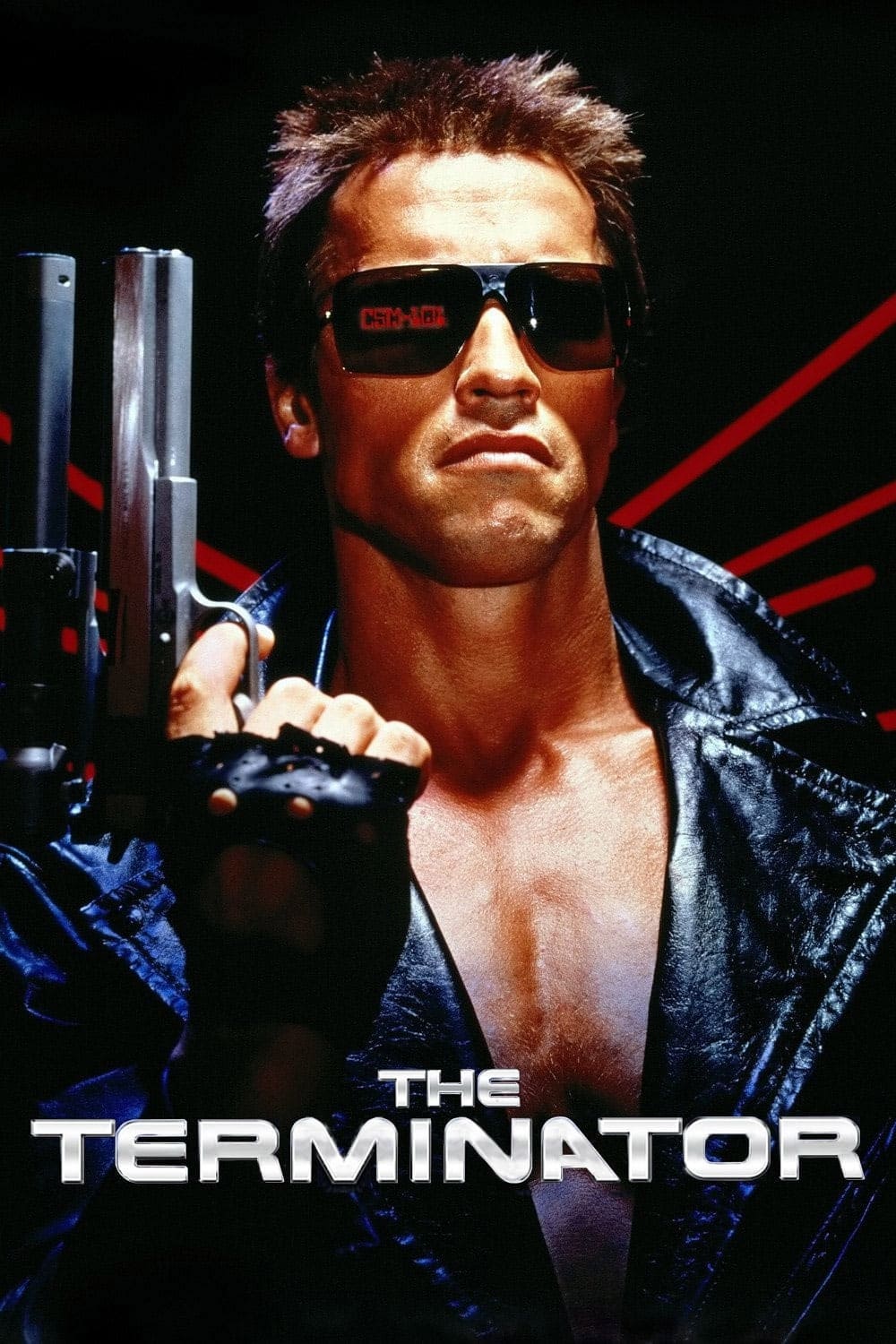
In ‘The Terminator,’ John Connor sends Kyle Reese back to save Sarah. A theory suggests John deliberately chose Kyle as his father to ensure a stronger self, knowing Kyle’s traits.
This adds agency to John’s leadership. It makes the time loop a calculated move, not just fate.
‘Skyfall’ (2012): Kincade Is an Older Bond
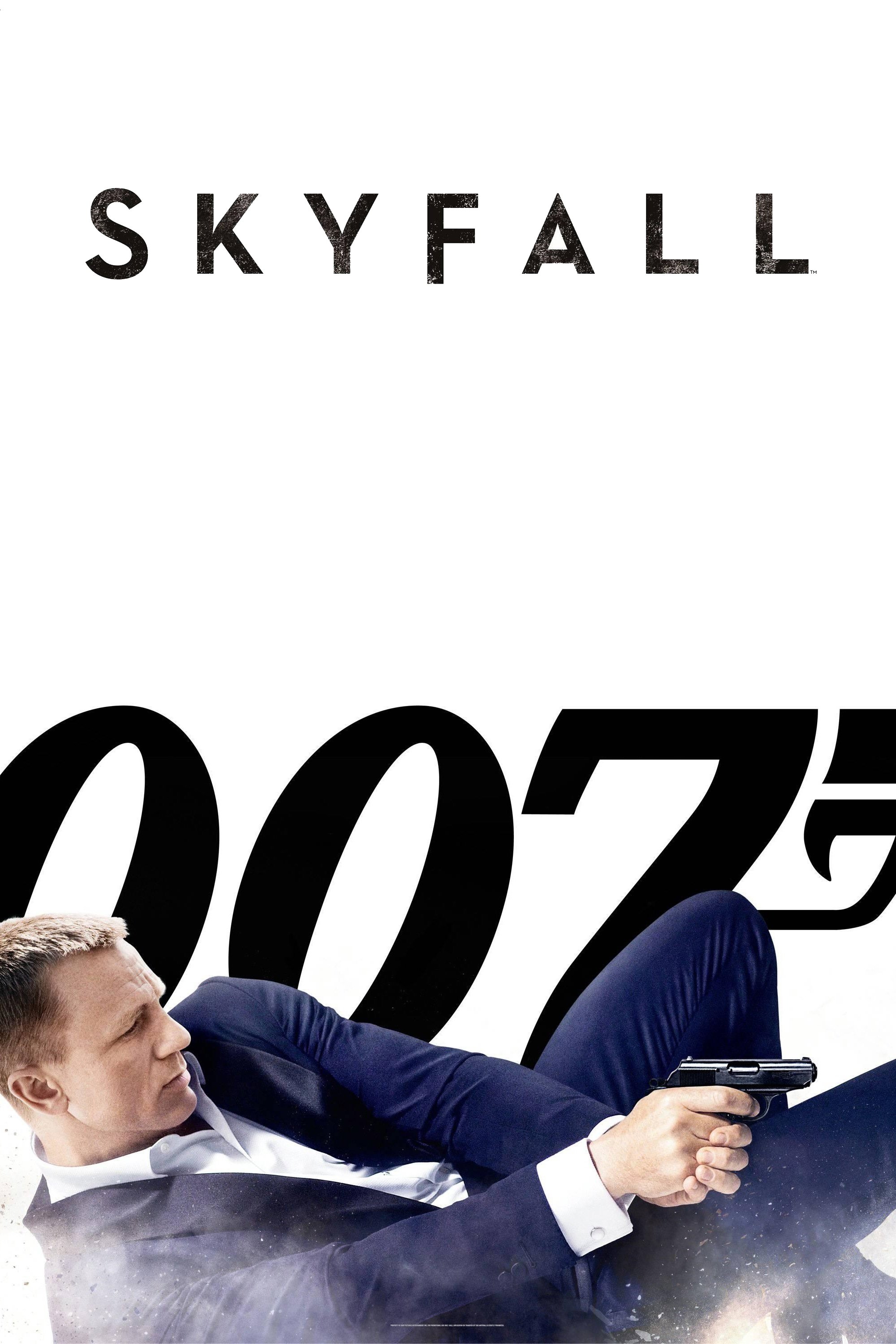
In ‘Skyfall,’ Kincade is a gruff caretaker at Bond’s childhood home. A theory, partly backed by director Sam Mendes, suggests he’s an older James Bond, played by Sean Connery, linking the Bond eras.
This unifies the Bond franchise. It makes Kincade a nod to Bond’s enduring legacy.
‘The Rock’ (1996): It’s a Bond Sequel
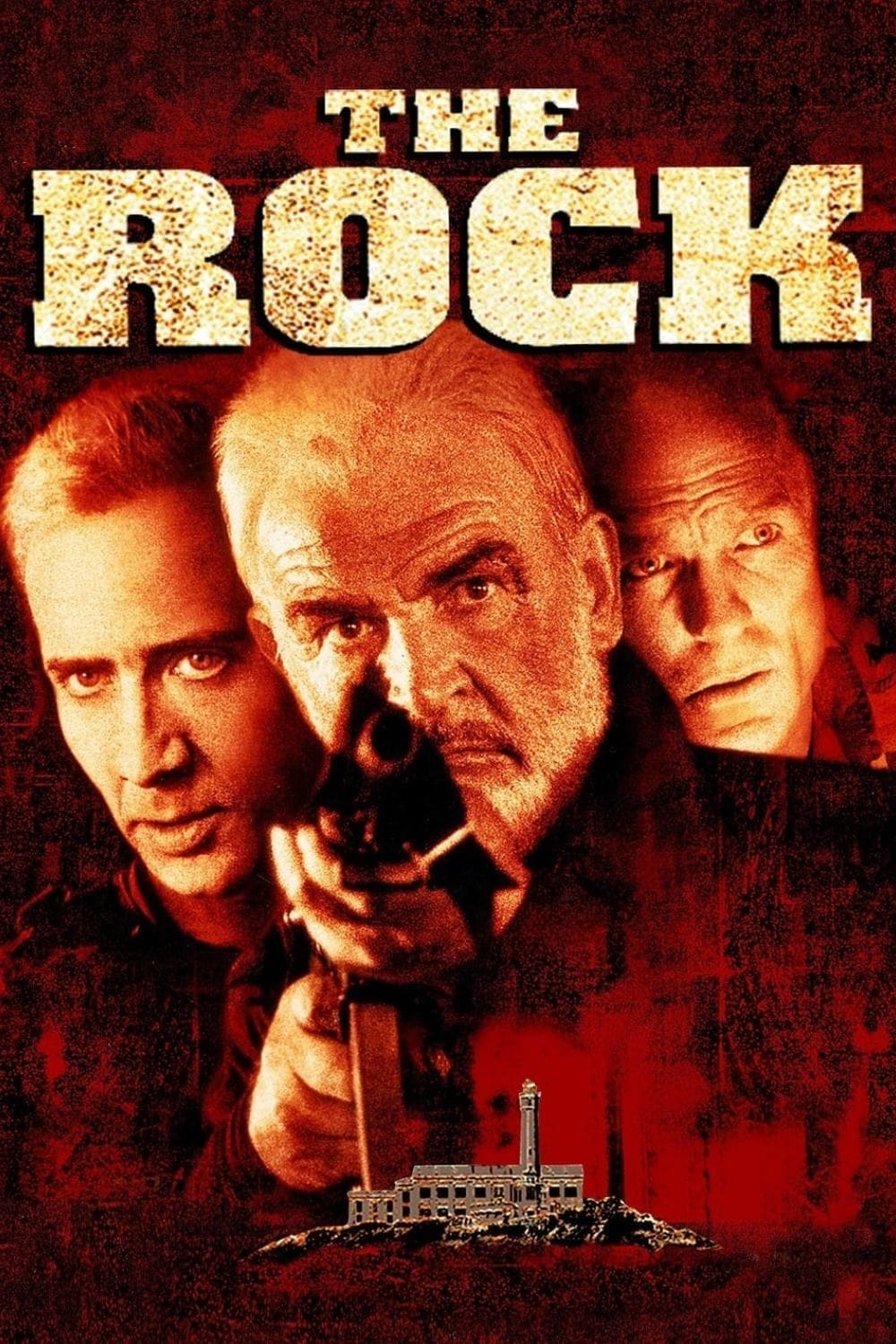
Sean Connery’s character in ‘The Rock,’ John Mason, is a disavowed spy. A theory claims he’s an older James Bond, imprisoned for decades, with the timeline and skills matching 007.
This turns ‘The Rock’ into a secret Bond film. It adds intrigue to Mason’s shadowy past.
‘Inside Llewyn Davis’ (2013): The Gorfeins Are Mike’s Parents
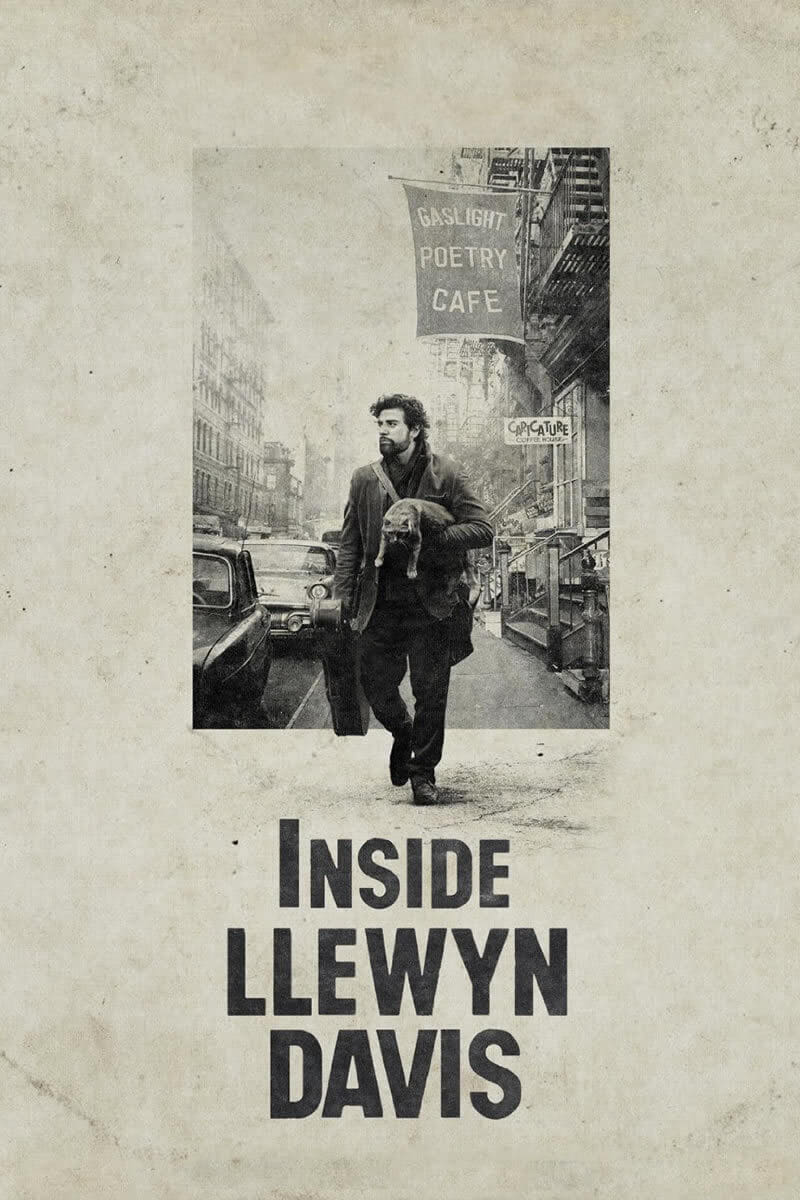
Llewyn stays with the Gorfeins in ‘Inside Llewyn Davis,’ but their connection is unclear. A theory suggests they’re Mike’s parents, as they live near his suicide site and call him “Mikey.”
This deepens the film’s grief. It makes Llewyn’s visits a quiet tribute to his lost partner.
‘Guardians of the Galaxy’ (2014): It’s a Role-Playing Game
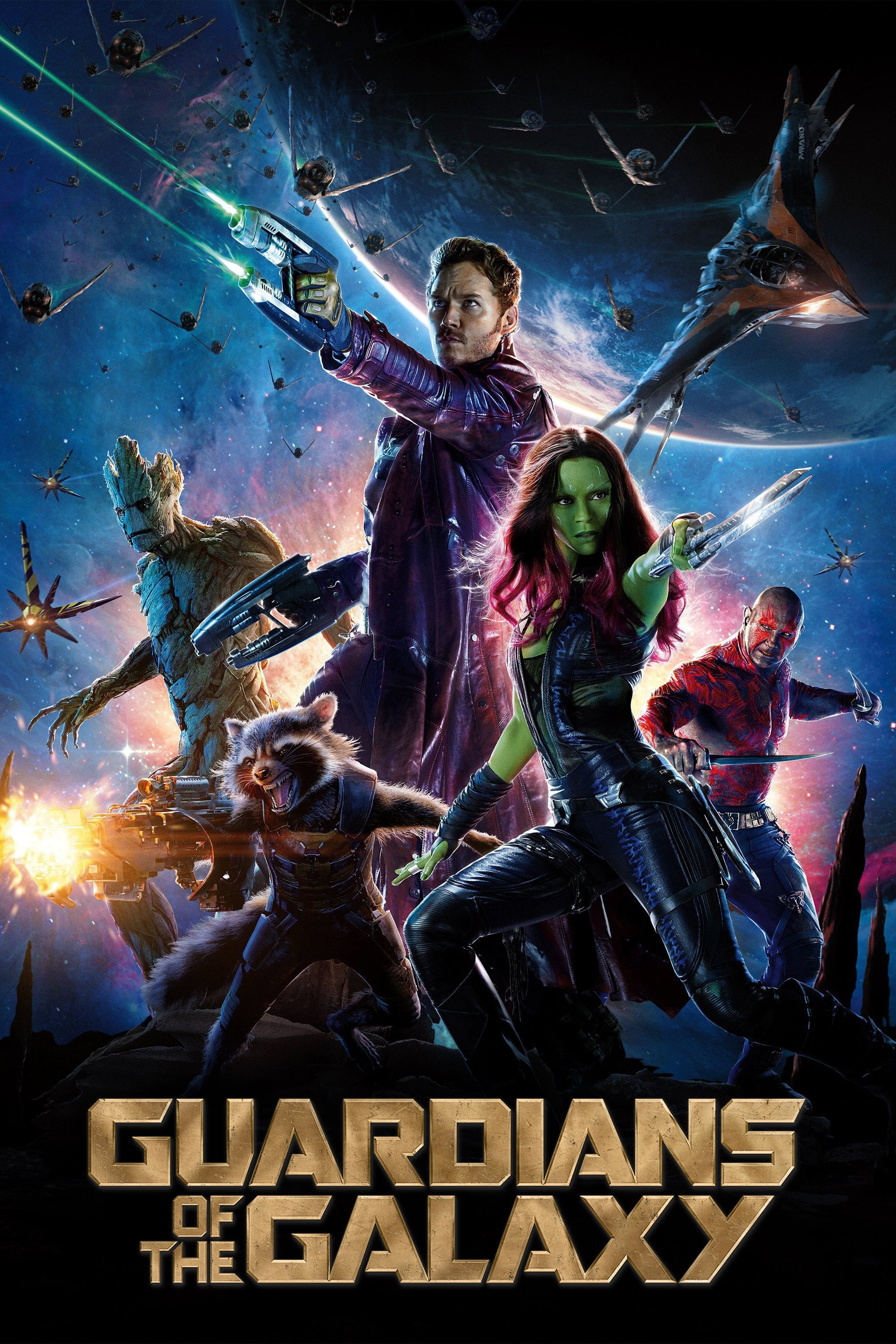
The ‘Guardians of the Galaxy’ team uses a translator for alien languages. A theory claims the film is a role-playing game played by the Avengers, with Quill’s human slang shaping the dialogue.
This makes the cosmic adventure a playful fantasy. It ties the film to the MCU in a meta way.
What’s the wildest movie theory you’ve come across? Share it in the comments and let’s debate how it changes the film!