Movie Actors Who Disappeared After One Role

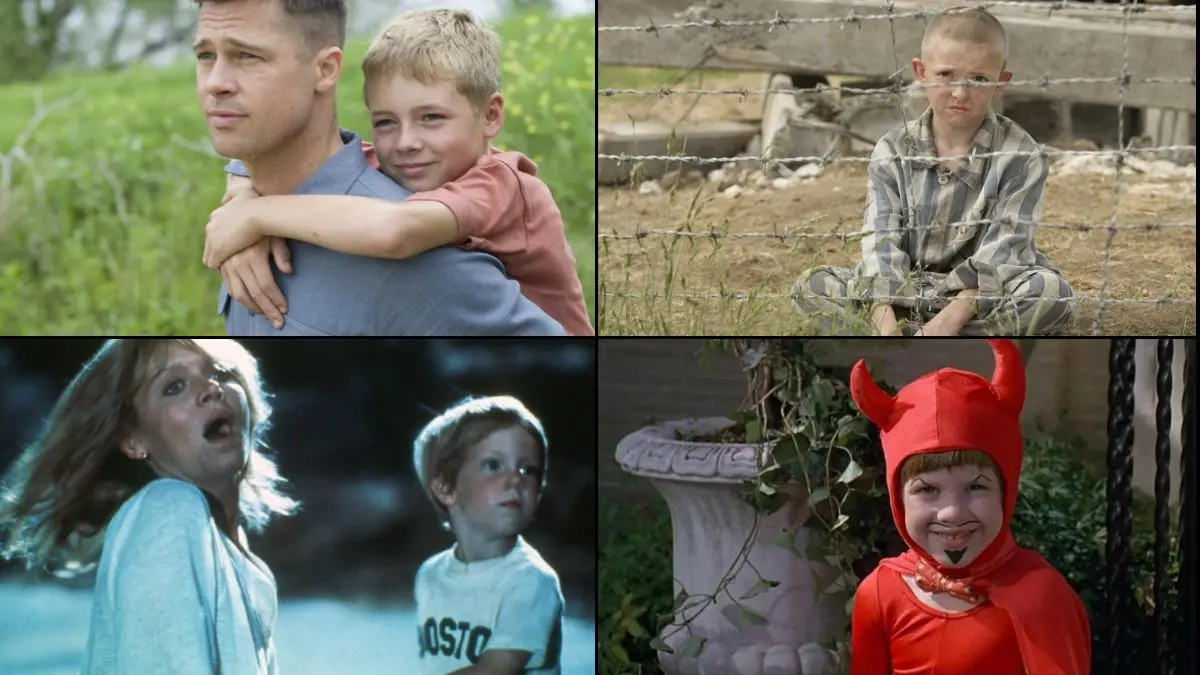

A breakout performance is supposed to open every door. Yet film history is full of actors who made a dazzling impression once and then chose a different life—teaching classes, fixing teeth, running bakeries, or simply guarding their privacy. Some were non-professionals cast for a specific truth a director needed; others were kids whose families decided one credit was plenty.
This list focuses on performers who largely stepped away from film after a single, standout role. A few resurfaced years later for a cameo or a passion project, but the pattern holds: one indelible credit, then a deliberate fade from the industry spotlight. Where possible, we’ve included how they were discovered, what they did next, and why the retreat made sense for them.
Peter Ostrum – Charlie Bucket, Willy Wonka & the Chocolate Factory (1971)
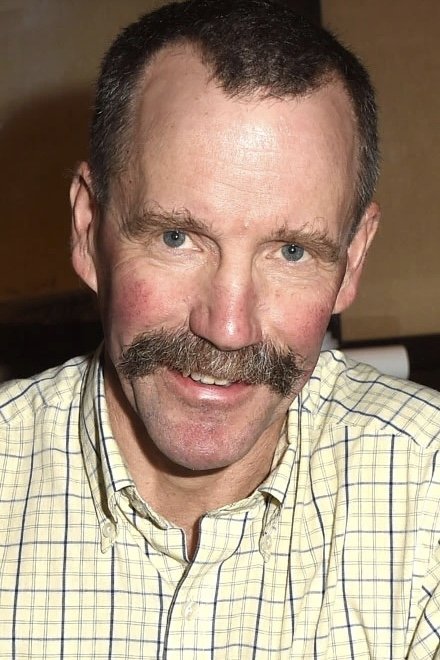
Ostrum was a Cleveland sixth-grader when a talent team visited his school; a few auditions later, he was leading a major studio musical opposite Gene Wilder. His guileless sincerity is a big reason the film’s sugar-rush fantasy feels grounded.
Offscreen, he turned down a three-film contract and left acting behind. Ostrum became a veterinarian in upstate New York, occasionally speaking about the movie at schools and reunions but otherwise keeping the Golden Ticket in a memory box.
Carrie Henn – Newt, Aliens (1986)

Director James Cameron wanted a child who didn’t act like a “movie kid,” and found Henn—whose father was stationed at a U.S. Air Force base in England—through a school casting call. Her wary, resilient rapport with Sigourney Weaver helps the sequel’s heart beat under all the hardware.
Henn never pursued more roles; she returned to the States, earned a degree, and became a teacher. She’ll pop up at conventions, but the classroom, not the call sheet, is her day job.
Danny Lloyd – Danny Torrance, The Shining (1980)
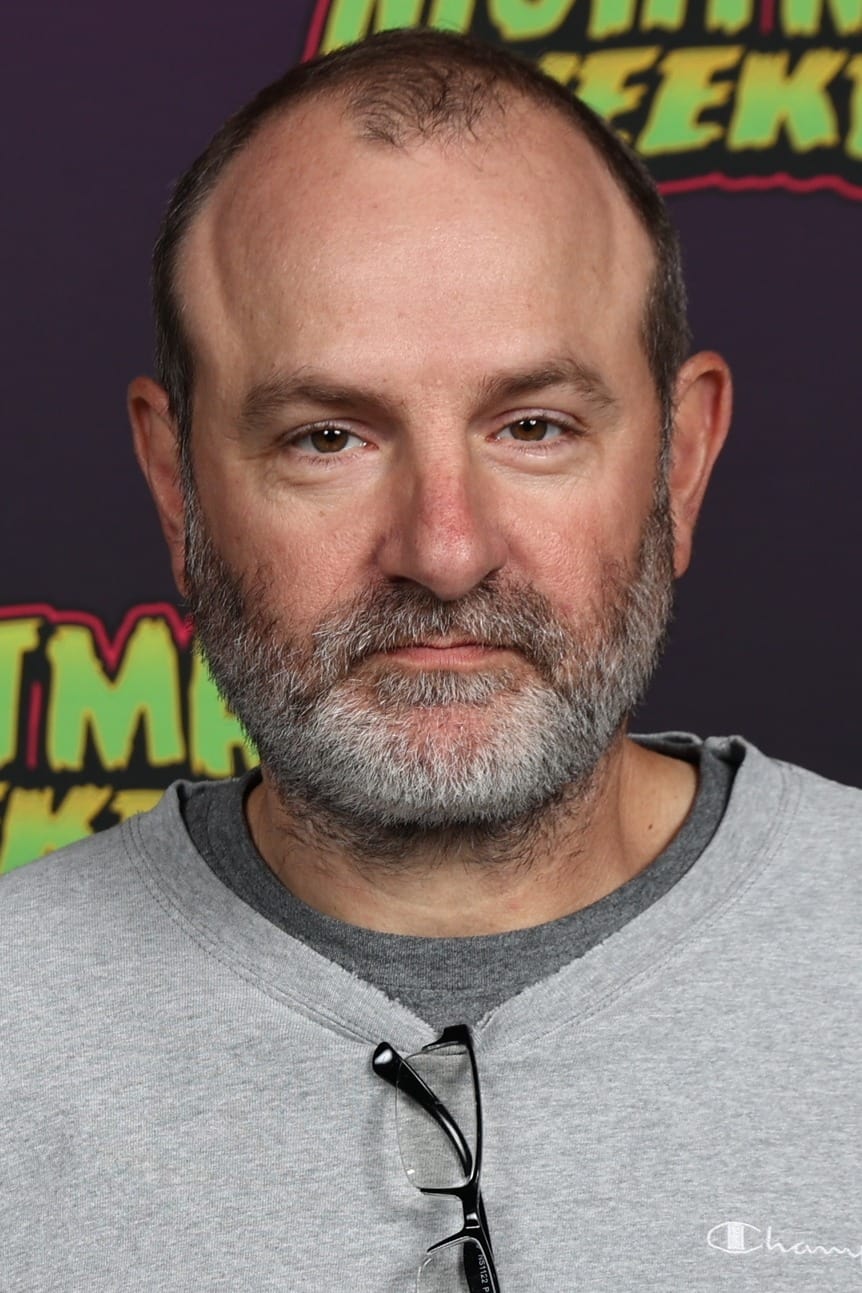
Kubrick famously shielded Lloyd from the story’s horror, filming his scenes as if he were in a family drama. The result is an unnervingly calm child whose tricycle rides and whispered “redrum” became genre icons.
Lloyd had a small television credit soon after, then stepped away and later became a biology professor. Decades later he made a friendly cameo in Doctor Sleep, a nod to a role that loomed large in pop culture even as he built a quiet life.
Alicia Rhett – India Wilkes, Gone With the Wind (1939)
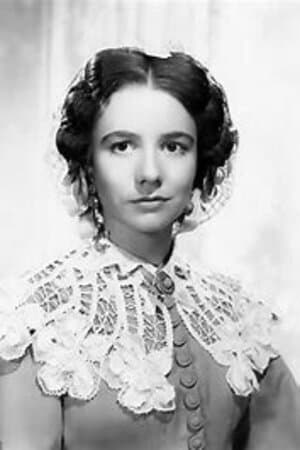
Rhett, a Charleston socialite and stage performer, was cast for her patrician bearing and effortless period poise. As India, she’s a sharp counterweight to the film’s bigger personalities.
Hollywood wanted more, but Rhett preferred home to the studio system. She returned to South Carolina, where she worked as a portrait artist and radio announcer, letting her one film credit grow only more singular with time.
Thelonious Bernard – Laurent, A Little Romance (1979)
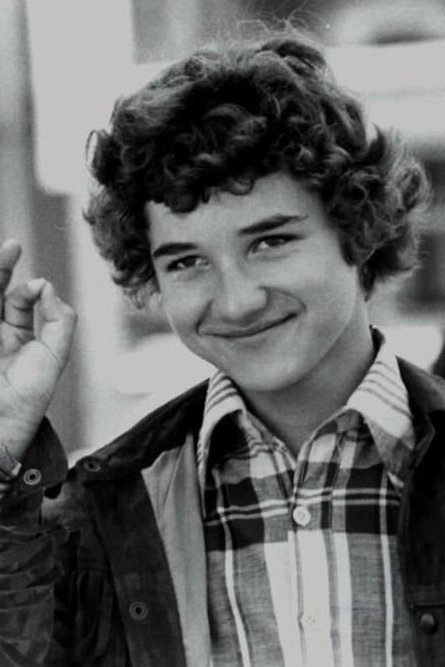
Picked from a Paris casting search, Bernard’s unaffected charm sells a teen romance opposite a young Diane Lane. The picture won an Oscar for its screenplay and became a cult favorite on cable.
Bernard promptly traded film sets for dental school. He built a career as a dentist in France, surfacing occasionally for retrospectives but never angling for a second act in front of the camera.
Dorothy McGowan – Polly, Who Are You, Polly Maggoo? (1966)
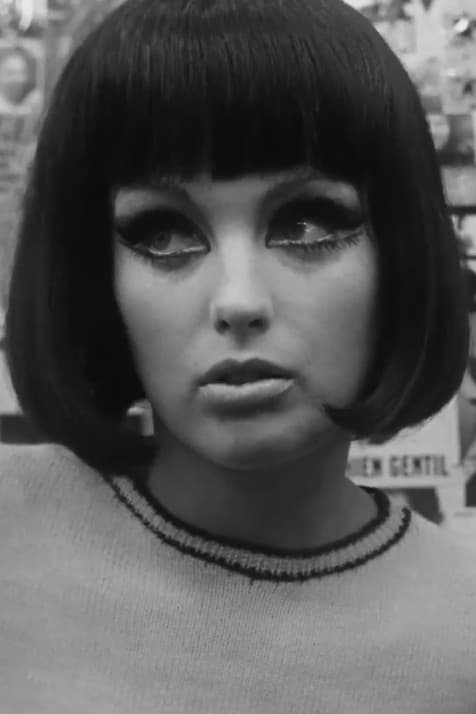
A muse to fashion photographers like Richard Avedon, McGowan embodied director William Klein’s satire of the image-making machine—both glamorous and skeptical at once. Her deadpan makes the film’s critique land.
After this splash, she disappeared from movies entirely. Accounts vary—marriage, family, a preference for privacy—but the effect is the same: one role that perfectly captured a moment, left undisturbed.
John Sweet – Sgt. Bob Johnson, A Canterbury Tale (1944)
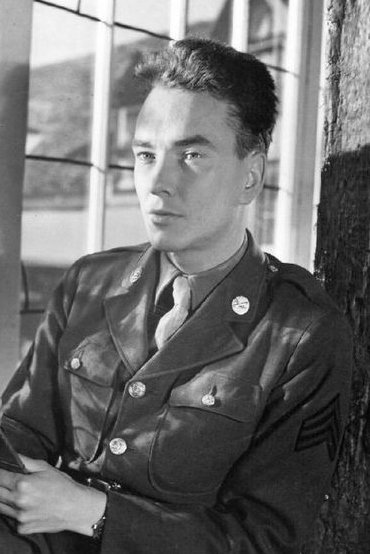
Powell and Pressburger wanted an authentic American GI on leave in wartime Britain; they found Sweet, a real U.S. Army sergeant with zero experience and a natural, wry delivery. His presence anchors the film’s gentle wartime mysticism.
When the war ended, so did his screen career. Sweet became a teacher and community theater regular back home, happy to let his single film credit serve as a souvenir of an extraordinary detour.
Tami Stronach – The Childlike Empress, The NeverEnding Story (1984)
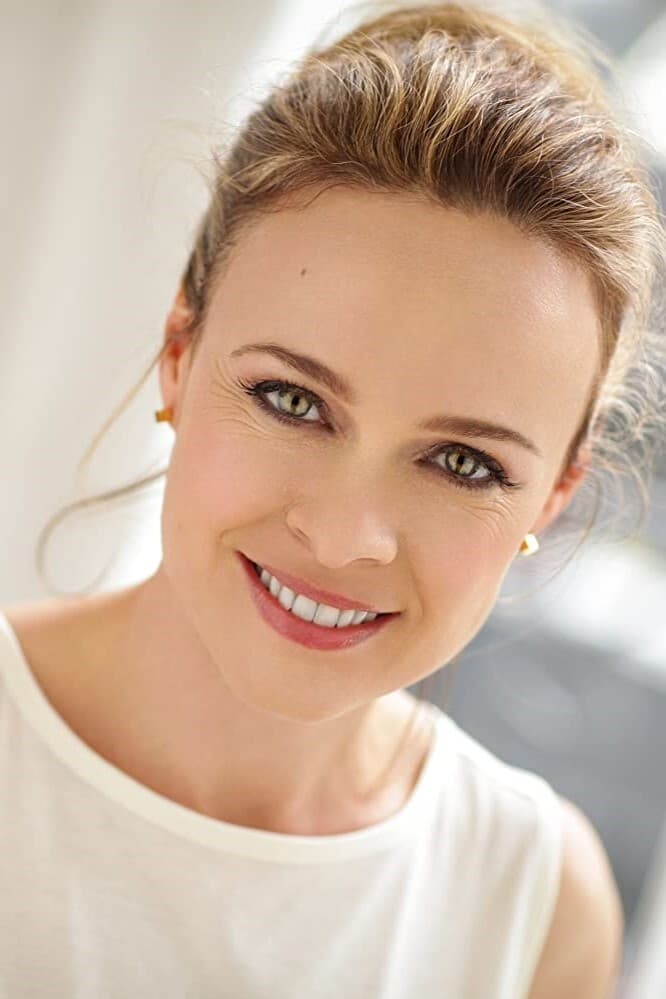
Stronach, then 11, delivers a poised, otherworldly ruler whose plea—“Bastian, say my name”—stuck to a generation’s ribs. Her crystalline, almost theatrical diction helped sell a fantasy world built on practical effects.
Afterward she pivoted to dance and choreography, founding her own company and performing widely. Aside from rare appearances (and a recent indie passion project), she left the film industry to the nostalgia that kept her scene immortal.
Renée Jeanne Falconetti – Joan, The Passion of Joan of Arc (1928)
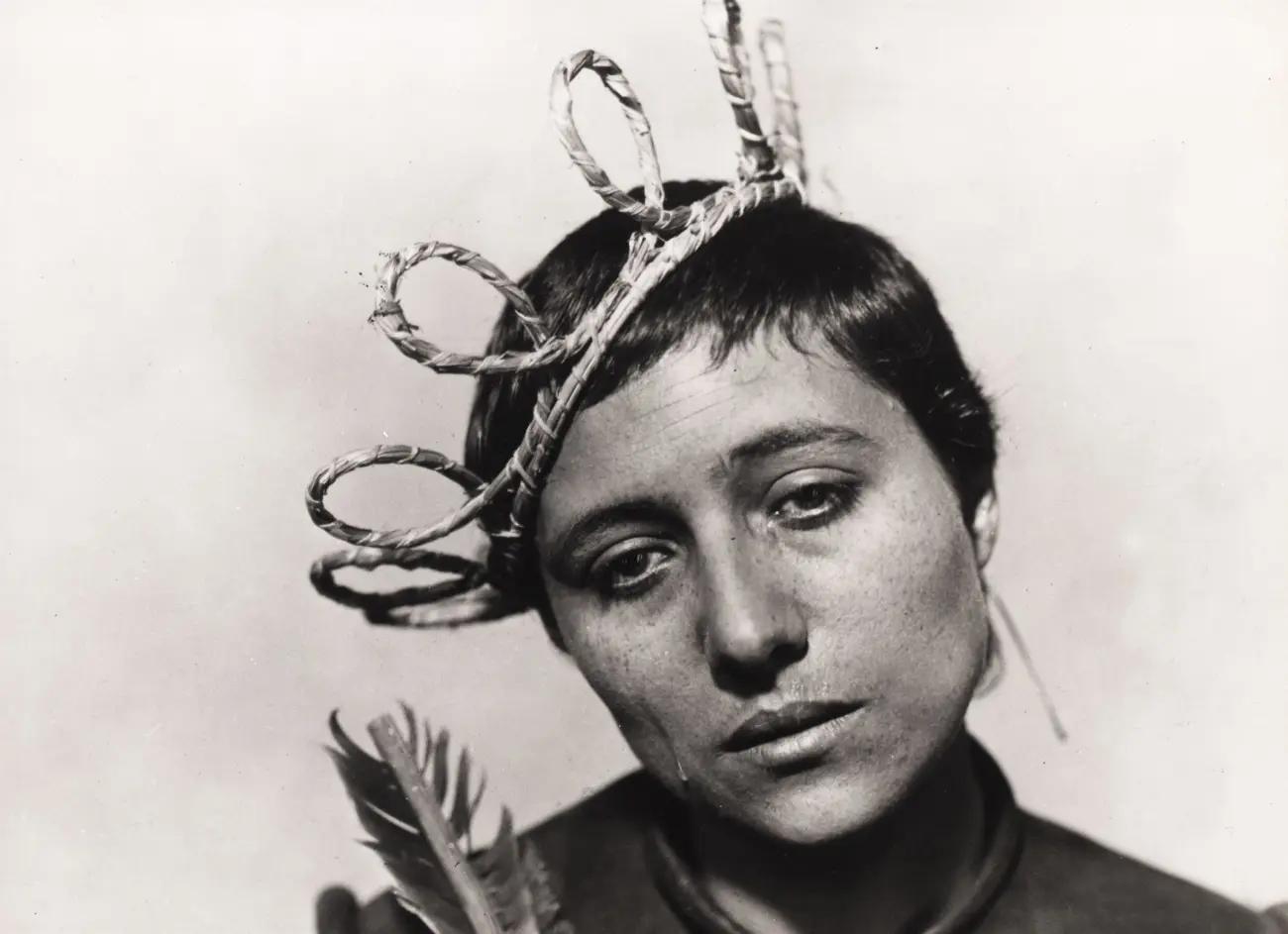
Falconetti, primarily a stage actress, gave one of cinema’s most revered performances—close-ups that seem to strip the soul bare. Dreyer’s austere style meets her tremulous conviction in a true once-in-a-medium alignment.
She returned to theater and never made another feature. That singularity only magnified the legend: one role, arguably among the greatest ever filmed, and nothing else to dilute its power.
Peter Hinwood – Rocky, The Rocky Horror Picture Show (1975)
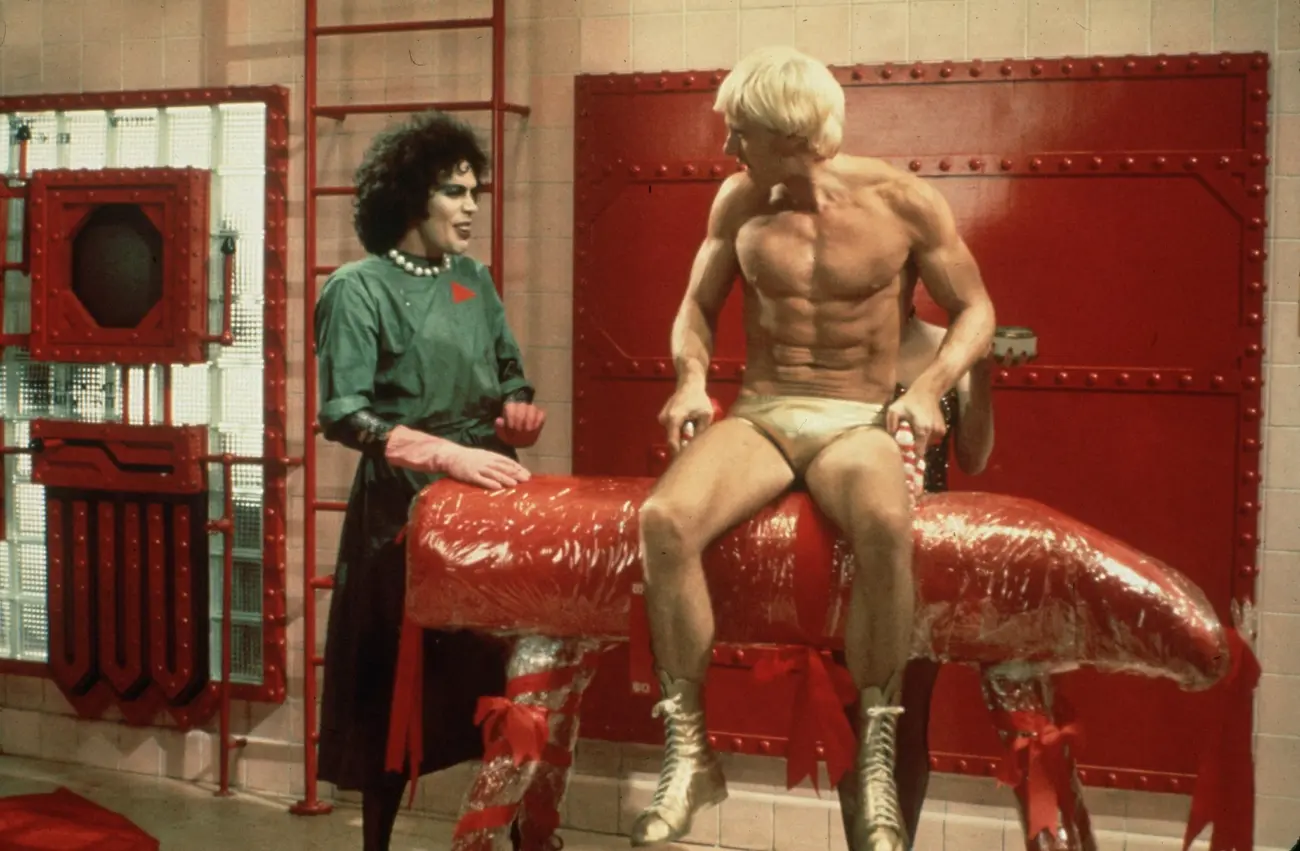
Hinwood was cast more for presence than experience—sculpted physique, cherubic face, an ideal “creation” for Frank-N-Furter. He barely speaks but radiates the film’s prankish energy.
He soon exited acting and became an antiques dealer in London. Content to be a cult curiosity, he avoided the reunion circuit for years, which only burnished the “we hardly knew him” aura.
Ben Sliney – Himself, United 93 (2006)
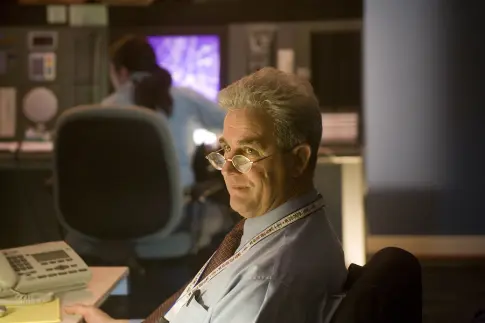
On September 11, 2001, Sliney had just taken over as the FAA’s National Operations Manager; his calm, procedural decisions were part of the real-time response. Five years later, Greengrass cast him as himself to recreate that day.
Sliney’s unadorned, professional presence makes the docudrama feel eerily lived-in. After filming, he went back to aviation work and public service consulting, not a second career in movies.
Dillon Freasier – H.W., There Will Be Blood (2007)
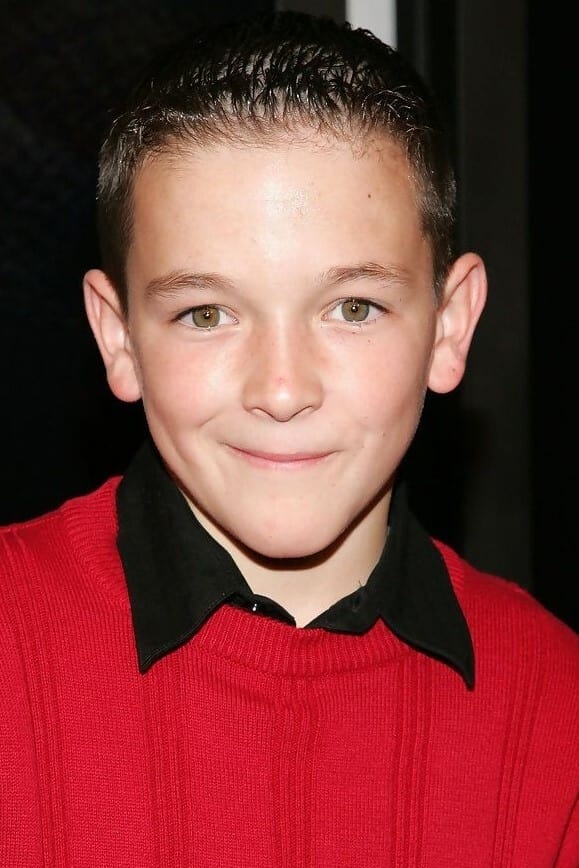
A Texas casting search led PTA to Freasier, whose quiet, observant performance counterbalances Daniel Day-Lewis’s volcanic turn. Without many lines, he communicates injury, loyalty, and a child’s confusion about power.
Freasier and his family chose normal life over Los Angeles. Apart from a tiny follow-up credit, he left the industry, which keeps his H.W. frozen in the film’s mythic amber.
Heather Donahue – Heather, The Blair Witch Project (1999)
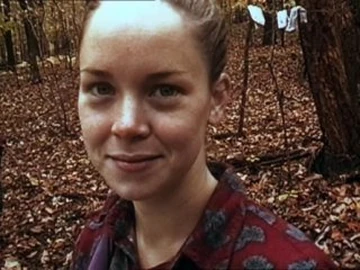
Her raw, first-person panic—shot on Hi-8 and 16mm—convinced audiences they were watching found footage, not performance. The tearful “I’m so sorry” confessional became a meme before memes existed.
Typecasting and the film’s odd notoriety made next steps tricky. Donahue (later using the name Rei Hance) wrote a memoir about leaving Hollywood, explored new careers, and largely let Blair Witch be her pop-culture footprint.
Michael Oliver – Junior, Problem Child (1990)
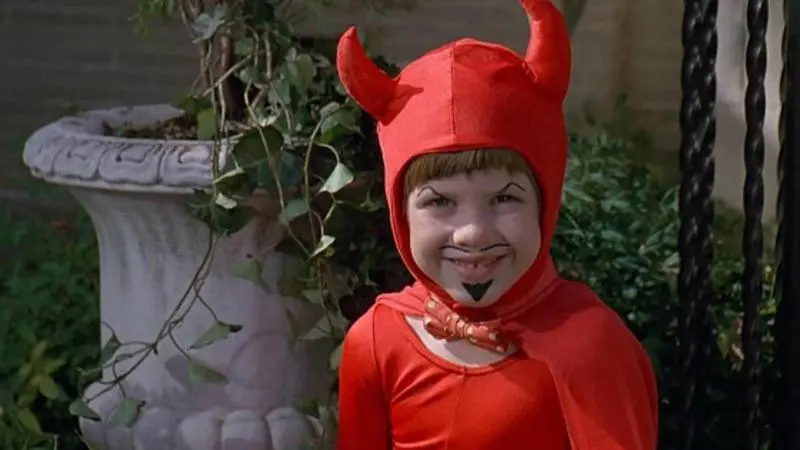
Oliver’s weaponized scowl and comic timing turned a modest family comedy into a surprise hit. He reprised the role once, but behind-the-scenes legal wrangles and the pitfalls of child stardom followed.
Soon after, he walked away. As an adult he has kept a low profile and avoided the nostalgia circuit, a choice that makes his “terror tyke” phase feel like a self-contained time capsule.
Shafiq Syed – Krishna, Salaam Bombay! (1988)
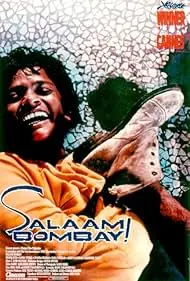
Mira Nair cast street-connected kids to tell a street-level story; Syed’s performance avoids sentimentality even as it breaks your heart. The film’s success helped fund educational initiatives for its young cast.
Syed returned to ordinary work in Bangalore, far from film sets. Interviews over the years have highlighted both the opportunity the movie brought and the structural challenges of turning one role into a career.
François Bégaudeau – François, The Class (2008)

A novelist and teacher, Bégaudeau co-wrote the film from his own book and then played a version of himself. The classroom debates and power tussles feel like documentary because the lead understands the job’s rhythms.
He returned to writing and journalism rather than pursue more acting. The lone starring credit underlines the project’s ethos: truth first, performance second.
Enzo Staiola – Bruno, Bicycle Thieves (1948)
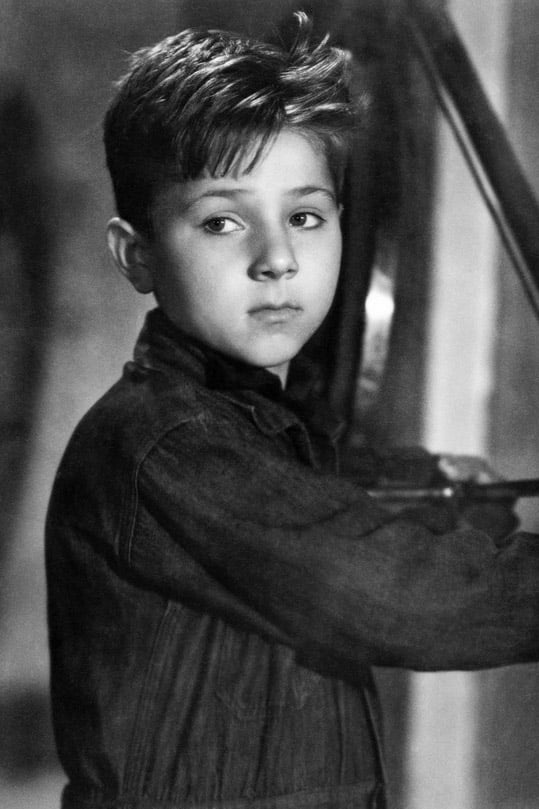
Vittorio De Sica wanted non-actors; he found Staiola on a Roman street. Bruno’s bruised dignity—tiny hand in his father’s—helped define Italian neorealism’s emotional core.
Staiola made a few small appearances before choosing a conventional career (often reported as teaching). The effect on film history is outsize, the filmography vanishingly small.
Pascal Lamorisse – The Boy, The Red Balloon (1956)
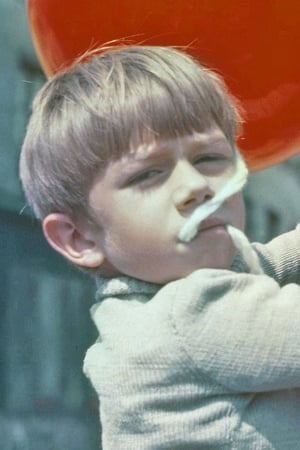
Director Albert Lamorisse cast his own son as the boy whose companion floats through a gray Paris. With almost no dialogue, Pascal projects curiosity and stubborn hope.
He didn’t pursue on-camera work beyond childhood. As an adult he helped preserve and complete his father’s projects, leaving his single, luminous performance intact.
Mary Badham – Scout Finch, To Kill a Mockingbird (1962)
Badham’s plainspoken warmth with Gregory Peck made Harper Lee’s world feel lived-in. Scout’s arc—watchful innocence colliding with injustice—depends on the actor’s unforced reactions, and Badham delivered them.
After a couple of follow-ups she left acting for decades, later reappearing for select stage/film cameos. The long absence kept “Scout” from being diluted by adult roles, which is partly why the performance still feels definitive.
Olga Mironova – Glasha, Come and See (1985)
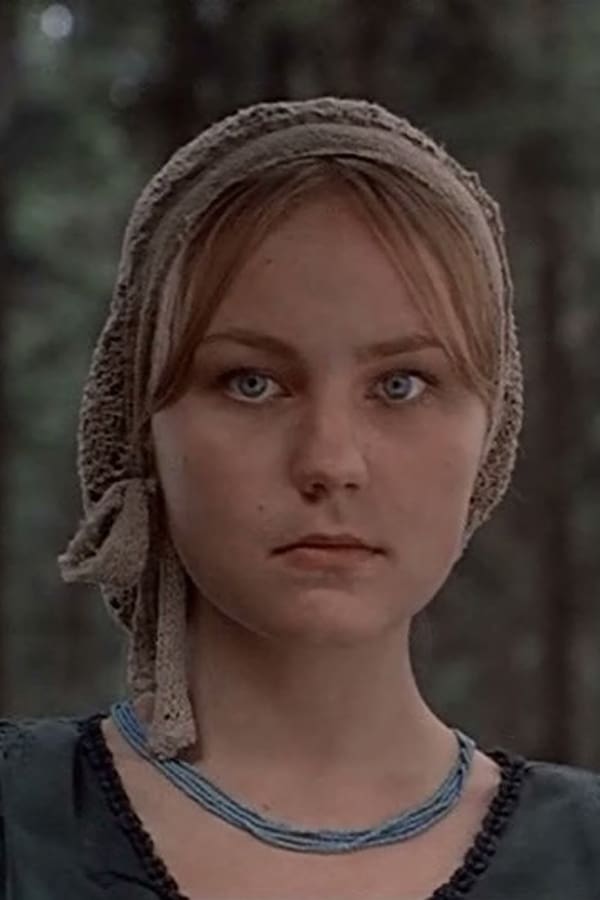
Elem Klimov cast Mironova for a face that could bear witness; the film’s wartime horrors are written across it. She and co-star Aleksei Kravchenko endured grueling shoots to achieve that documentary intensity.
Mironova did not build a screen career afterward. That decision, paired with Come and See’s reputation, leaves her lodged in cinema history as a single, searing presence.
Megan Burns – Hannah, 28 Days Later (2002)

Burns was only 16, but her flinty composure opposite Cillian Murphy and Naomie Harris gave Boyle’s rebooted zombie film a moral center. She avoids melodrama, which makes the rare outbursts matter.
Soon after, she shifted to music under the stage name Betty Curse. Apart from a handful of credits, she let that one high-profile feature be the cinematic headline.
Markéta Irglová – Girl, Once (2007)

A teenage Czech musician cast opposite Glen Hansard, Irglová’s shy, quietly determined presence made the lo-fi romance feel honest. Their original songs won the Oscar and traveled the world.
Irglová leaned fully into music—solo albums, tours, collaborations—and did not chase a film career. Once remains exactly what it felt like: a beautiful detour for a musician, captured on film.
Eminem – B-Rabbit, 8 Mile (2002)
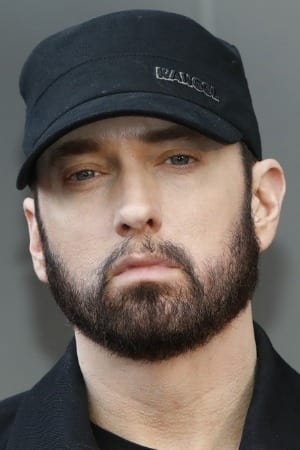
Playing a thinly fictionalized version of himself, Eminem brought battle-rap rhythm and defensive humor to a studio drama that could’ve felt contrived without him. The “Lose Yourself” Oscar sealed the cultural moment.
He’s appeared in the odd cameo since, but never pursued another leading role. The choice kept his screen persona from hardening into shtick and left 8 Mile as a singular crossover.
Lauryn Hill – Rita, Sister Act 2: Back in the Habit (1993)

Already a formidable vocalist, Hill steals scenes with unshowy authenticity and actually transformative singing. The character arc—finding a voice—tracks with her real-life artistic emergence.
Hill focused on music and activism, not acting. With no follow-up lead roles, the performance sits as an early gem before The Miseducation of Lauryn Hill rewired the culture.
Hunter McCracken – Young Jack, The Tree of Life (2011)
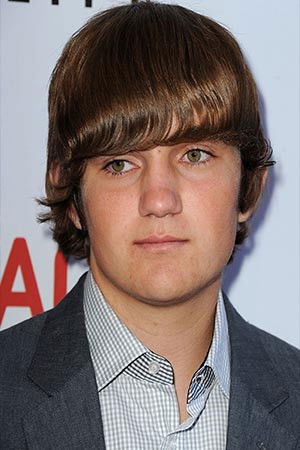
Malick cast McCracken from Texas open calls for a face that could carry wonder, resentment, and curiosity without a lot of dialogue. His sun-bleached memories with Jessica Chastain and Brad Pitt anchor the film’s cosmic reach.
He didn’t launch a Hollywood career afterward, opting for privacy and the occasional low-profile credit. That restraint lets his Tree of Life work stand as a pristine fragment of adolescence.
Laramie Eppler – R.L., The Tree of Life (2011)
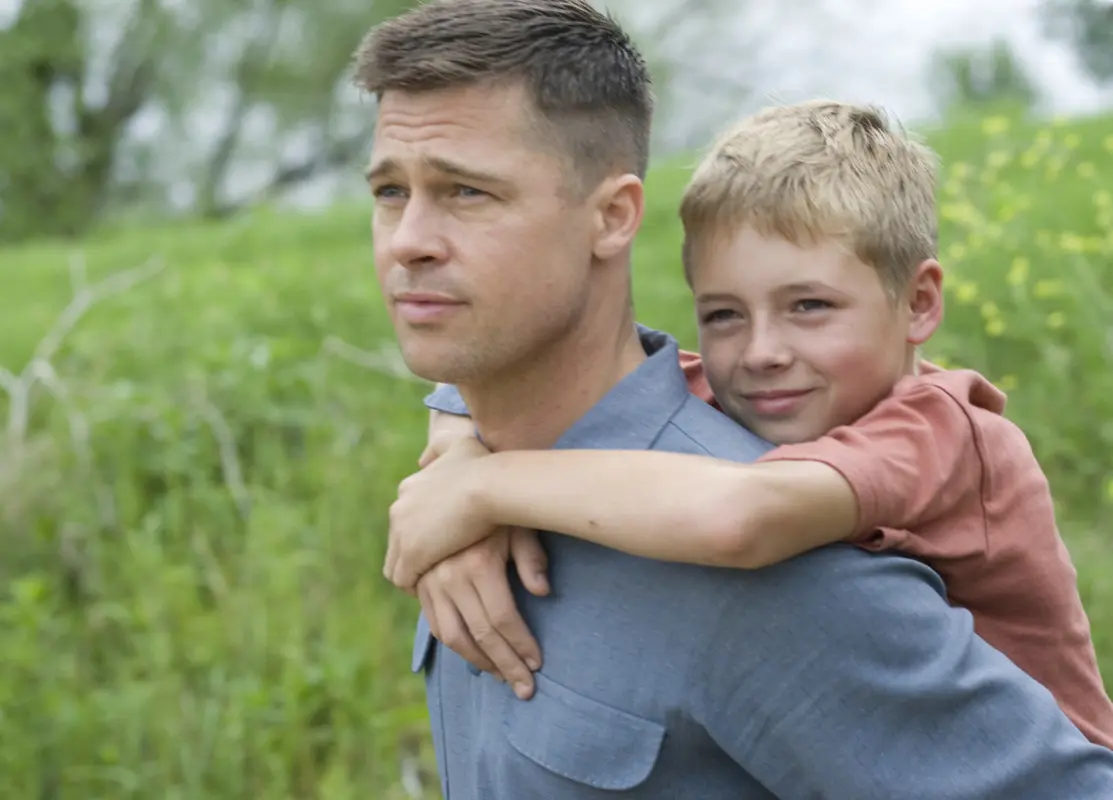
Cast from Texas open calls alongside Hunter McCracken, Eppler plays the younger brother whose gentleness throws the film’s memories into relief. His scenes with Jessica Chastain embody the movie’s vision of grace—quiet, luminous, and aching.
After Malick’s film, Eppler didn’t pursue a screen career. He returned to a low-profile life in Texas, leaving his single major credit to age the way Malick films do: slowly, beautifully, and largely undisturbed.
Carey Guffey – Barry, Close Encounters of the Third Kind (1977)
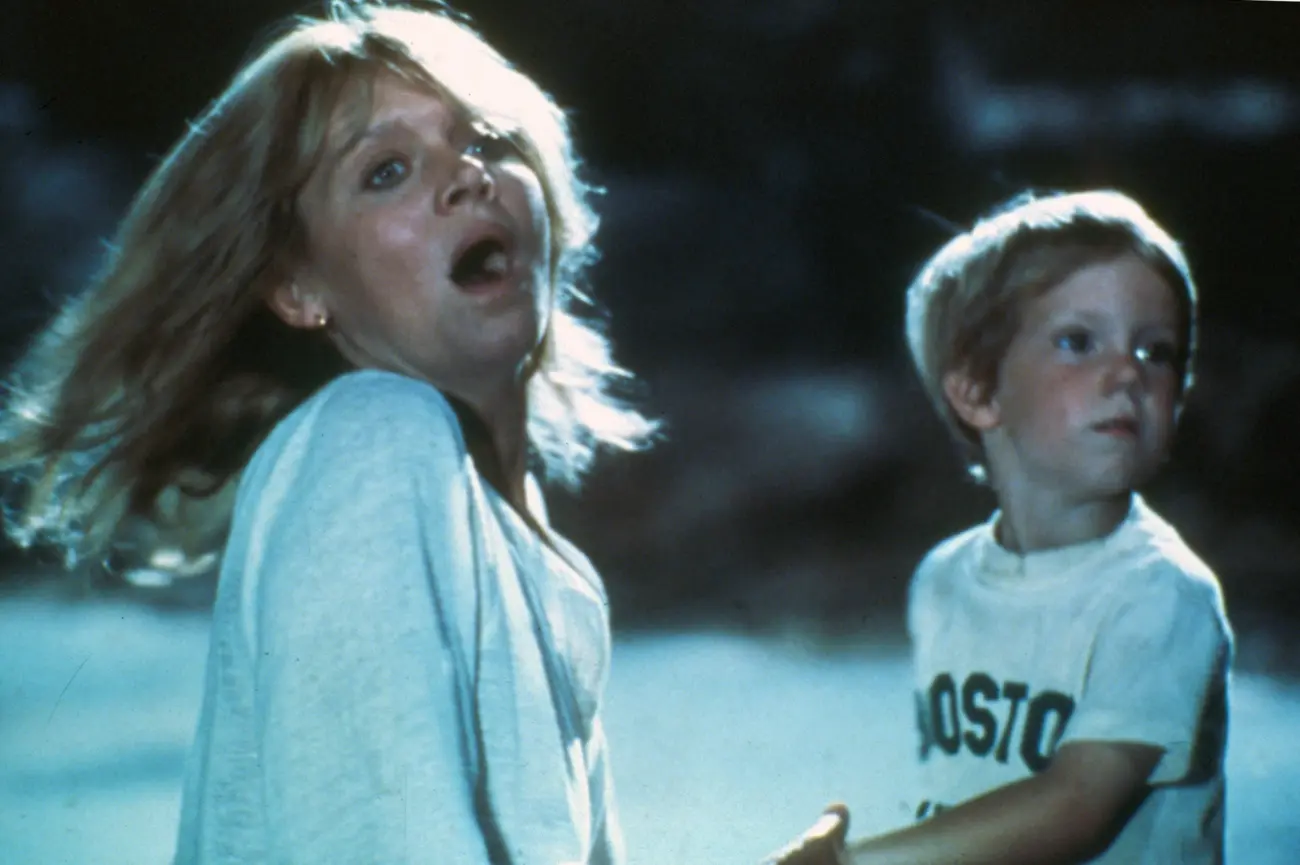
Spielberg needed unfiltered wonder, and Guffey delivered it—those beaming reactions and tiny waves became the movie’s heart. He was so young that many shots were engineered as games, not performances.
Guffey did a couple of follow-ups and then bowed out of acting. As an adult he chose a different profession entirely, which keeps his alien-lit smile preserved in a single, defining role.
Amir Farrokh Hashemian – Ali, Children of Heaven (1997)
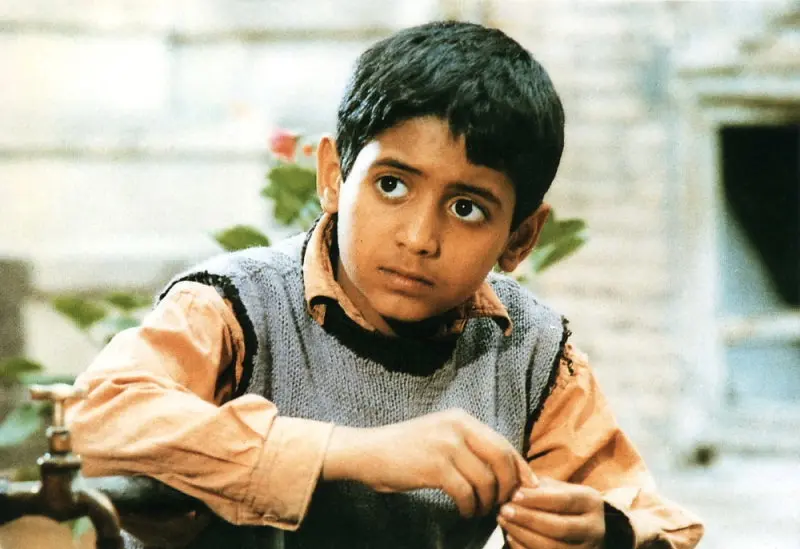
Majid Majidi cast Hashemian for candid naturalism; the boy’s scramble to keep a secret about a lost pair of shoes becomes a tender epic of sibling loyalty. The minimalism lives or dies on the kids, and he makes it sing.
He didn’t parlay the hit into a film career. Hashemian returned to everyday life and study in Iran, leaving behind one film that still circulates in classrooms and festivals worldwide.
Lamberto Maggiorani – Antonio, Bicycle Thieves (1948)
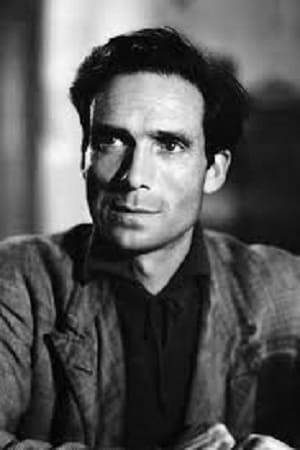
De Sica plucked Maggiorani from a factory floor to embody postwar desperation. His tired posture, his protective anger, his collapse—all of it feels stolen from life rather than staged.
Maggiorani had scattered later appearances, but financial realities and the loss of his day job pulled him back to manual work. That first role remains the cornerstone of neorealism and his legacy.
Peg Entwistle – Hazel, Thirteen Women (1932)

A respected stage actor, Entwistle made a poised impression in this pre-Code thriller, one of her only screen appearances. Her camera presence suggests a Hollywood future that never arrived.
Her life ended tragically soon after the film’s release, leaving a single credit and a cautionary legend. The brevity of her screen story is part of why her name still echoes.
Agata Trzebuchowska – Ida, Ida (2013)

Found in a Warsaw café and cast as a novitiate nun grappling with identity, Trzebuchowska carries Pawlikowski’s austere, 4:3 frame with a face you can read for miles. The performance is quiet but tectonic.
After Ida, she moved into writing and directing and kept acting to a minimum. The pivot makes sense: her lone lead remains pristine, and her creative life continues behind the camera.
Subir Banerjee – Apu (child), Pather Panchali (1955)
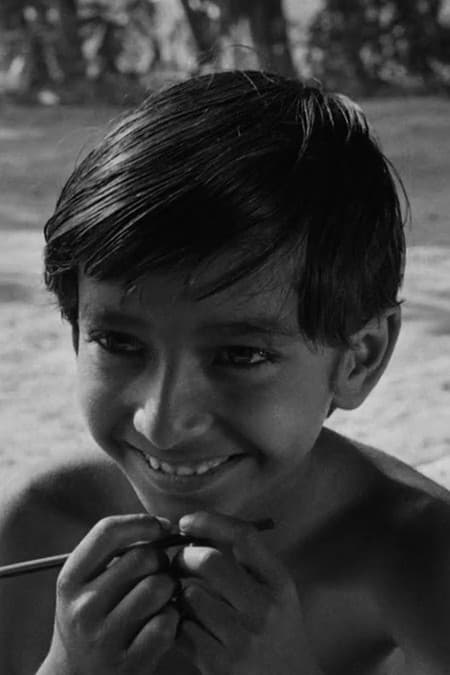
Satyajit Ray sought untrained truth and found it in Banerjee, whose wide-eyed curiosity anchors the opening chapter of the Apu Trilogy. The puddle splashes and train sequence are cinema memories as much as plot.
He didn’t pursue acting as a profession. Banerjee’s contribution stands as a singular gift to world cinema, the first spark of a character others would later carry forward.
Brady Jandreau – Brady, The Rider (2017)
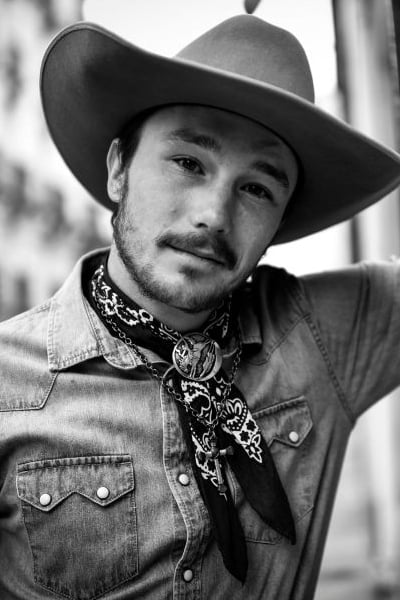
A rodeo cowboy recovering from a life-altering injury, Jandreau plays a version of himself with uncanny honesty. The nonprofessional cast gives the film its bone-deep authenticity.
After the film’s acclaim, he returned to horses and ranch work, taking only occasional screen opportunities. His choice underscores the movie’s thesis: some identities are lived, not performed.
Juliette Danielle – Lisa, The Room (2003)

In a so-bad-it’s-transfixing cult curio, Danielle’s earnest line readings help crystallize the movie’s idiosyncratic tone. Her performance has been memed, quoted, and re-contextualized for two decades.
She kept a low profile afterward, surfacing for occasional indie projects and fan events. The result: one strange, indelible credit that outlived a thousand better movies.
Rubina Ali – Young Latika, Slumdog Millionaire (2008)

Ali’s scenes supply the film’s early tenderness, grounding its rags-to-riches sweep in lived-in detail. The production set up education support for its child actors, recognizing their sudden visibility.
Ali’s on-screen work remained limited after the awards-season whirlwind. She focused on school and family, letting a single global hit stand as her cinematic calling card.
Jack Scanlon -Shmuel, The Boy in the Striped Pajamas (2008)
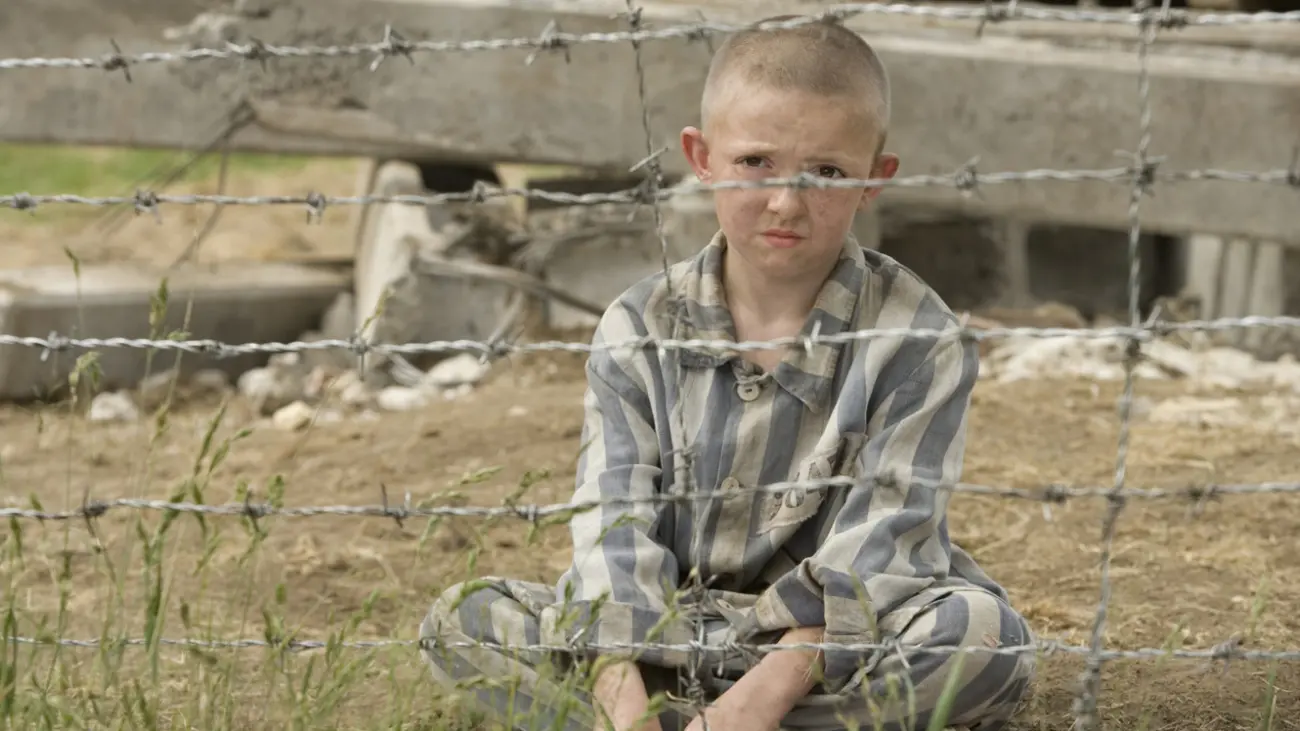
Scanlon’s solemn, clear-eyed performance opposite Asa Butterfield gives the film its quiet devastation. His small gestures—hesitations, glances—are the story’s conscience.
He stepped away from acting not long after, popping up only sporadically. That retreat leaves his breakthrough undiluted by later typecasting.
Brahim Haggiag – Ali La Pointe, The Battle of Algiers (1966)

Cast from the streets of Algiers, Haggiag’s intensity powers a film that still feels like breaking news. His transformation from petty criminal to revolutionary is the movie’s spine.
Though he appeared a few times afterward, he never built a conventional acting career. Remaining largely a nonprofessional, he left behind one role that continues to galvanize political cinema.
Dwight Henry – Wink, Beasts of the Southern Wild (2012)
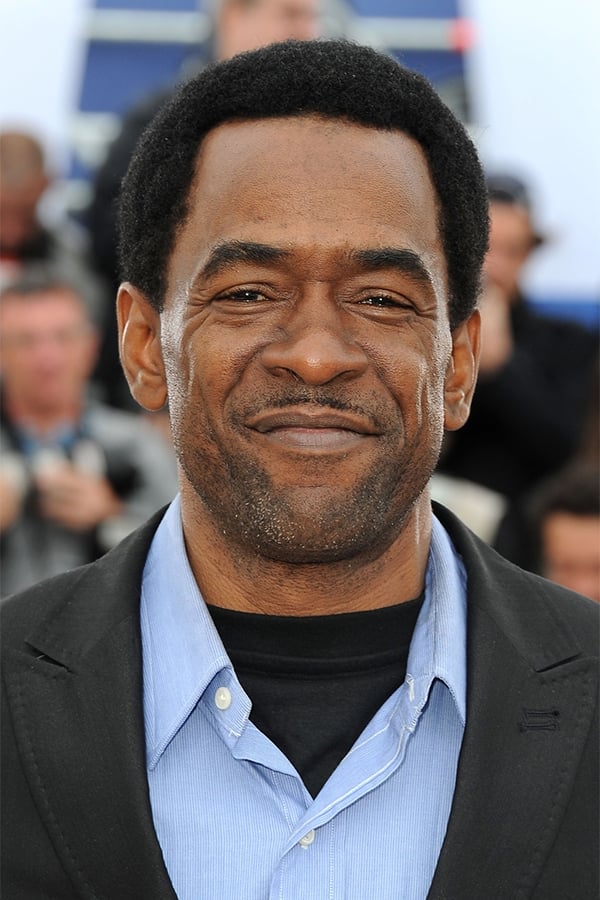
A New Orleans baker with no formal training, Henry plays a fiercely loving, deeply flawed father with raw vulnerability. His scenes with Quvenzhané Wallis are lightning in a bottle.
He returned to his bakery and local life after the film, taking only occasional roles. That decision preserves the sense that Beasts captured something real rather than manufactured.
Yalitza Aparicio – Cleo, Roma (2018)

A preschool teacher from Oaxaca with no acting background, Aparicio became the film’s center of gravity—stoic, tender, and resilient. Her Oscar nomination marked a seismic moment for representation.
She’s stayed selective since, dedicating time to advocacy and education and appearing sparingly on screen. Roma remains the performance most people associate with her name.
Björk – Selma, Dancer in the Dark (2000)

Already a music icon, Björk gave a shattering turn as a factory worker losing her sight, folding song into despair. Whatever you think of the film’s provocations, her performance is ferociously committed.
She largely stepped away from acting afterward, returning to albums and art projects (with only rare appearances years later). That single lead keeps its singular, bruised aura.
Kiami Davael – Lavender, Matilda (1996)

Davael’s deadpan delivery and mischievous glances helped turn a classroom ensemble into a gallery of tiny legends. She made the best friend every kid wanted.
A few TV credits followed, then a step back. As an adult she pursued studies and behind-the-scenes work, leaving Matilda as the marquee memory.
Robert Tsai – Lawrence “Mr. Cool,” School of Rock (2003)
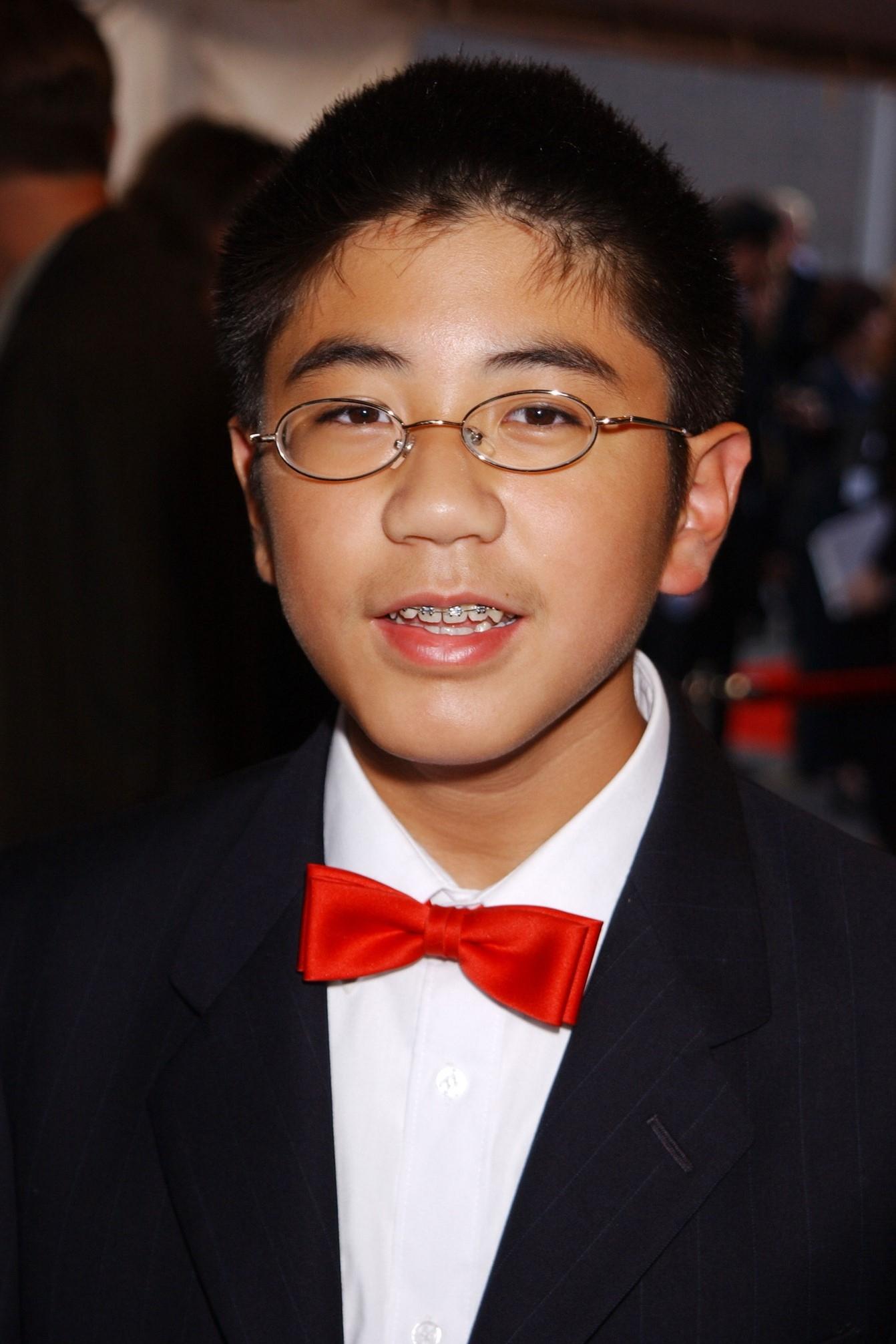
Tsai’s keyboard swagger and bone-dry reactions became comic highlights. The film’s authenticity rests on kids who seem like actual kids; he’s a big part of that.
He didn’t chase a Hollywood path afterward. Music and school took priority, and his one major credit stayed exactly one.
Amber Scott – Maggie, Hook (1991)

As Peter’s daughter, Scott brings a clear, unaffected sweetness to a story buzzing with star power. Her lullaby moment still floats in fans’ heads.
She didn’t pivot into adult acting. Instead, Hook exists as a cherished childhood snapshot—one role, no second chapter required.
Maryam Hassan – Tomika, School of Rock (2003)

Hassan’s powerhouse vocals turn a punchline into a mic-drop. Her arc from shy to showstopper is one of the movie’s best payoffs.
She focused on music rather than screen work afterward. That choice keeps her film persona from being stretched thin across lesser parts.
Brian Falduto – Billy “Fancy Pants,” School of Rock (2003)

Falduto’s timing and confidence steal scenes from veteran comedians. His fashion-police asides became instant quotes.
He later reinvented himself as a musician and coach, leaving acting mostly behind. The early spotlight remains a happy, singular anomaly.
Joey Gaydos Jr. – Zack “Zack-Attack,” School of Rock (2003)
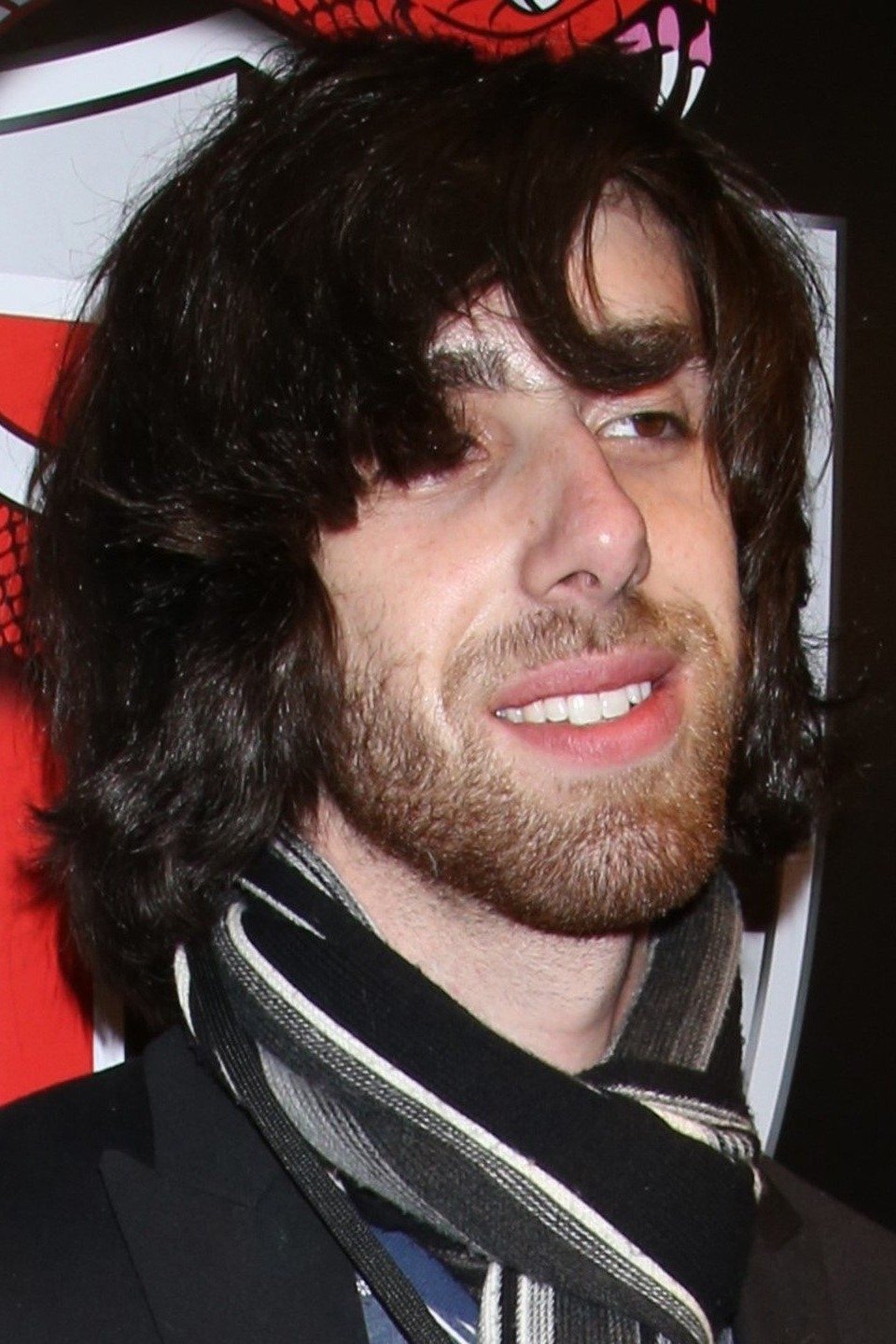
The kid who could actually shred, Gaydos sells the band’s transformation from joke to legit. His solo is a mission statement for the movie.
He kept playing—just not for the camera. Aside from a few small appearances, he stepped away from film and stayed with the guitar.
Richard Vuu – Toddler Puyi, The Last Emperor (1987)
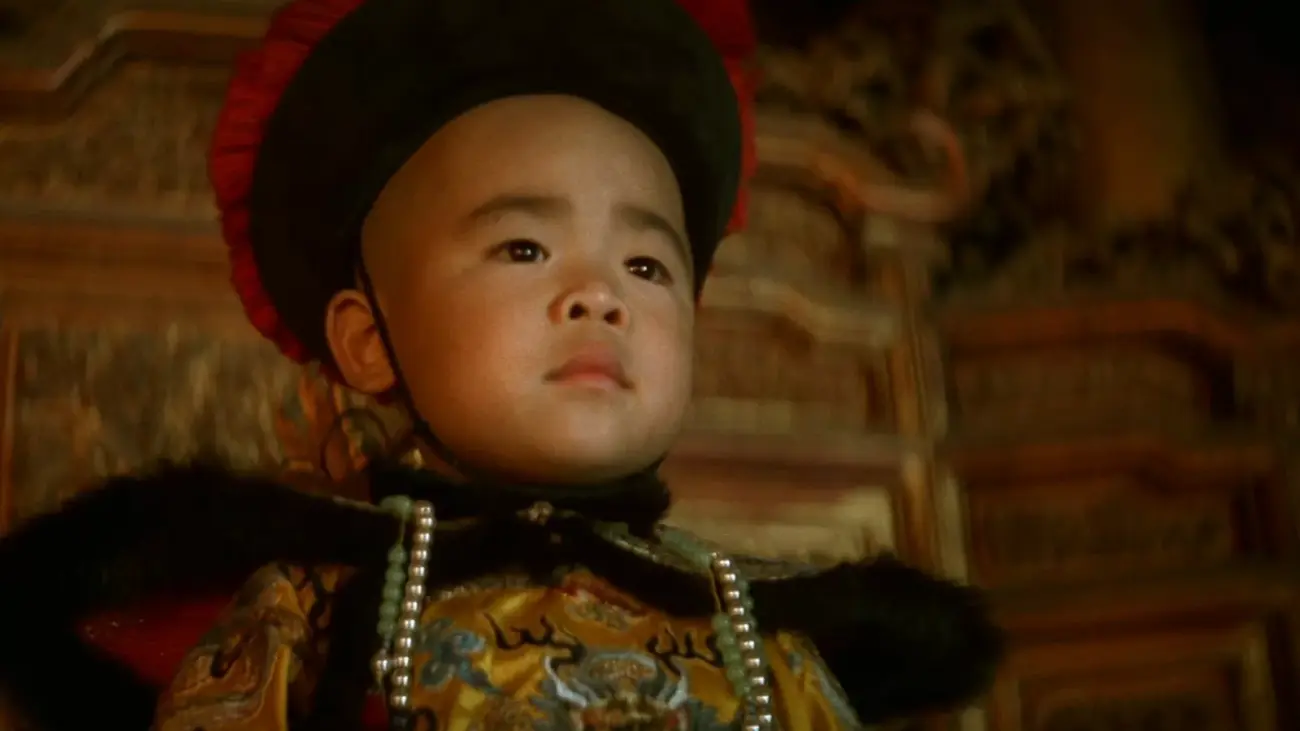
For a brief stretch at the beginning of Bertolucci’s epic, Vuu’s impassive, miniature emperor sets the tone. The image of a child lost in imperial grandeur lingers.
Vuu didn’t continue in film, making that blink-and-it-stays moment his whole screen story—a reminder that even a few minutes can be unforgettable.
Charmian Carr – Liesl, The Sound of Music (1965)
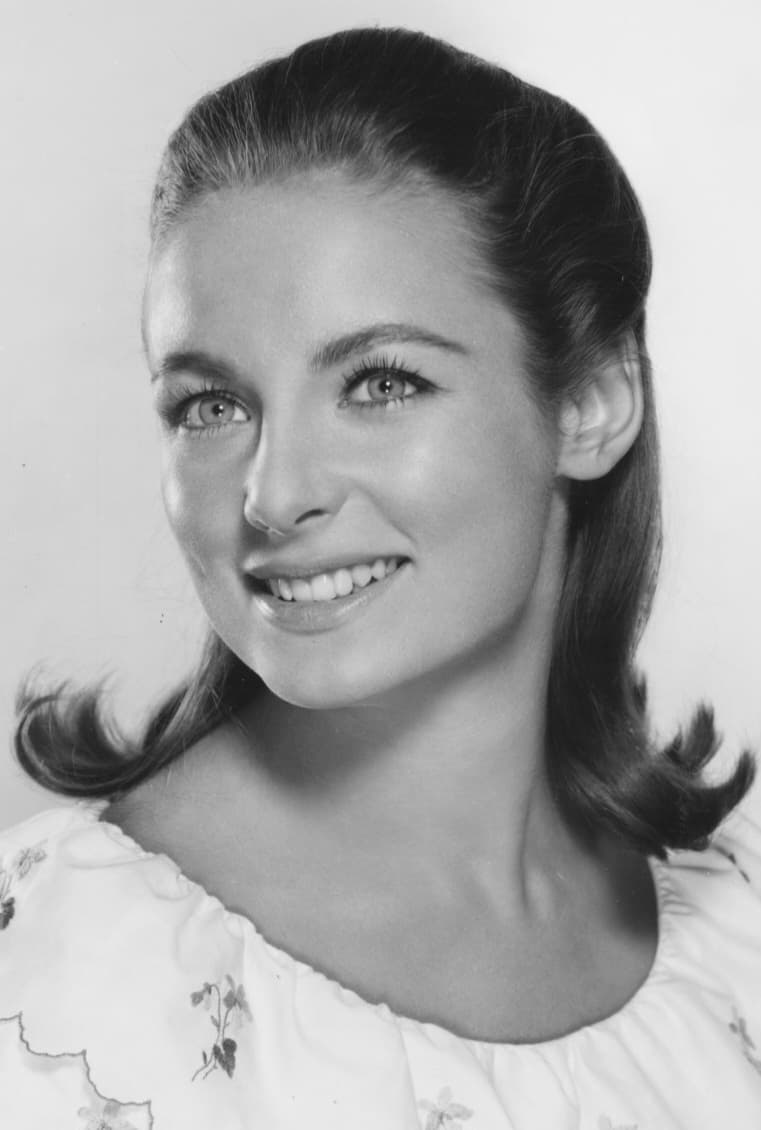
“I am sixteen going on seventeen” is more than a lyric; it’s Carr’s legacy. She radiates warmth and a touch of mischief that helps explain the film’s generational grip.
Apart from a Sondheim TV musical and a few appearances, she left acting for a career in interior design and authorship. One role, a lifetime of singalongs.
Michael Bollner – Augustus Gloop, Willy Wonka & the Chocolate Factory (1971)
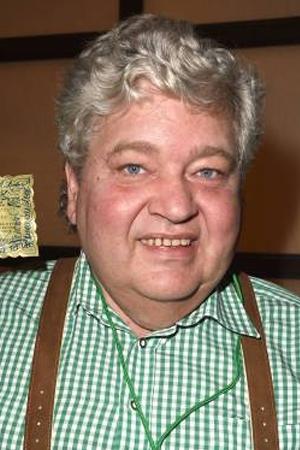
Bollner’s cheerful, unapologetic gluttony gives the film one of its most memorable exits. His few lines and perfect expression work like a Looney Tune made human.
He didn’t pursue more roles, later working as a tax professional in Germany. The single credit endures because the film does—and because Augustus is forever Augustus.
Paris Themmen – Mike Teavee, Willy Wonka & the Chocolate Factory (1971)
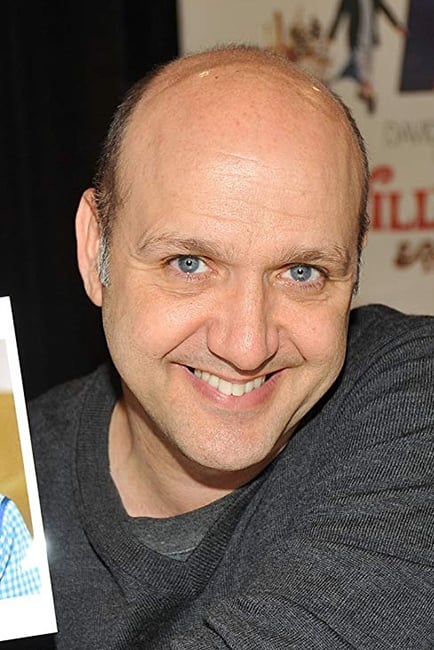
A pint-sized nihilist with a cowboy swagger, Themmen nails the satire of TV-obsessed kids long before smartphones. His teleportation scene is still a practical-effects delight.
Themmen stepped away from acting, moving into travel, real estate, and convention appearances. His one famous role remains a golden ticket at reunion time and a wrap elsewhere.
Your turn! Which one-film performances did we miss, and which backstories surprised you most? Share your picks and theories in the comments—let’s compare notes and build the ultimate “one-and-done” hall of fame.