Christoph Waltz’s Career: From ‘Headstand’ to ‘Old Guy’

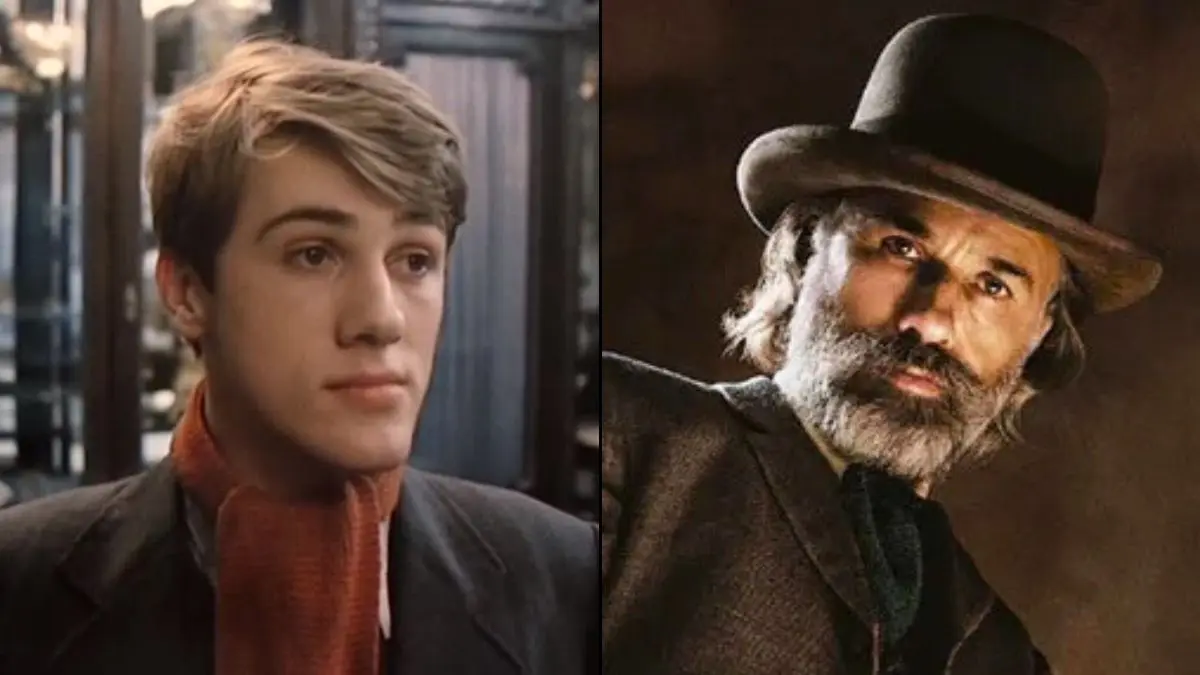

Christoph Waltz is an Austrian-German actor who had a long and successful career in European film and television before becoming an international star. For decades, he was a familiar face in German-language productions, building a reputation for his versatility across the stage and screen. While financially stable, Waltz by his own account found his work creatively unfulfilling. It wasn’t until his late career that a single role propelled him to global fame, introducing his talents to a much wider audience.
His international breakthrough came with his role in a Quentin Tarantino film, which earned him numerous awards and redefined his career. This success led to a string of high-profile roles in major Hollywood productions, where he became known for playing intelligent, charming, and often dangerous characters. With two Academy Awards, he has solidified his place as one of the most respected actors of his generation, celebrated for his ability to bring complexity and wit to every performance.
Headstand (1981)
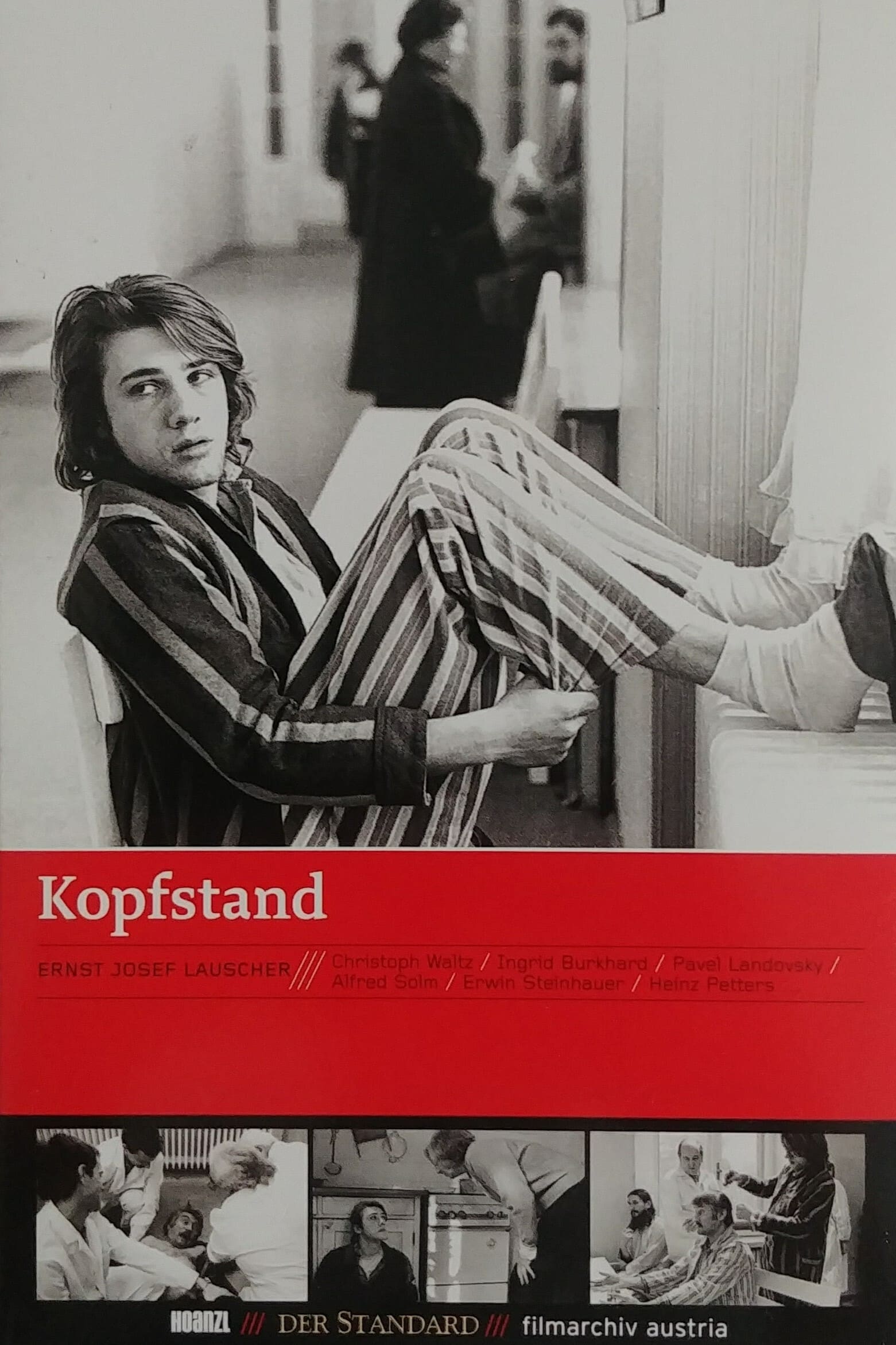
In one of his earliest film roles, Christoph Waltz played the character Markus in the German-language film ‘Kopfstand,’ known in English as ‘Headstand’. The film was directed by Ernst Josef Lauscher and explores the difficult experiences of its main character. It tells the story of a young man who is admitted to a psychiatric hospital.
Waltz’s role as Markus was a supporting part within the narrative. The film provided him with an early opportunity to work in cinema, contributing to a dramatic story that dealt with serious themes of mental health and institutionalization. This role was part of the foundation of his extensive acting career in the German-speaking world before he achieved international recognition.
Fire and Sword (1982)
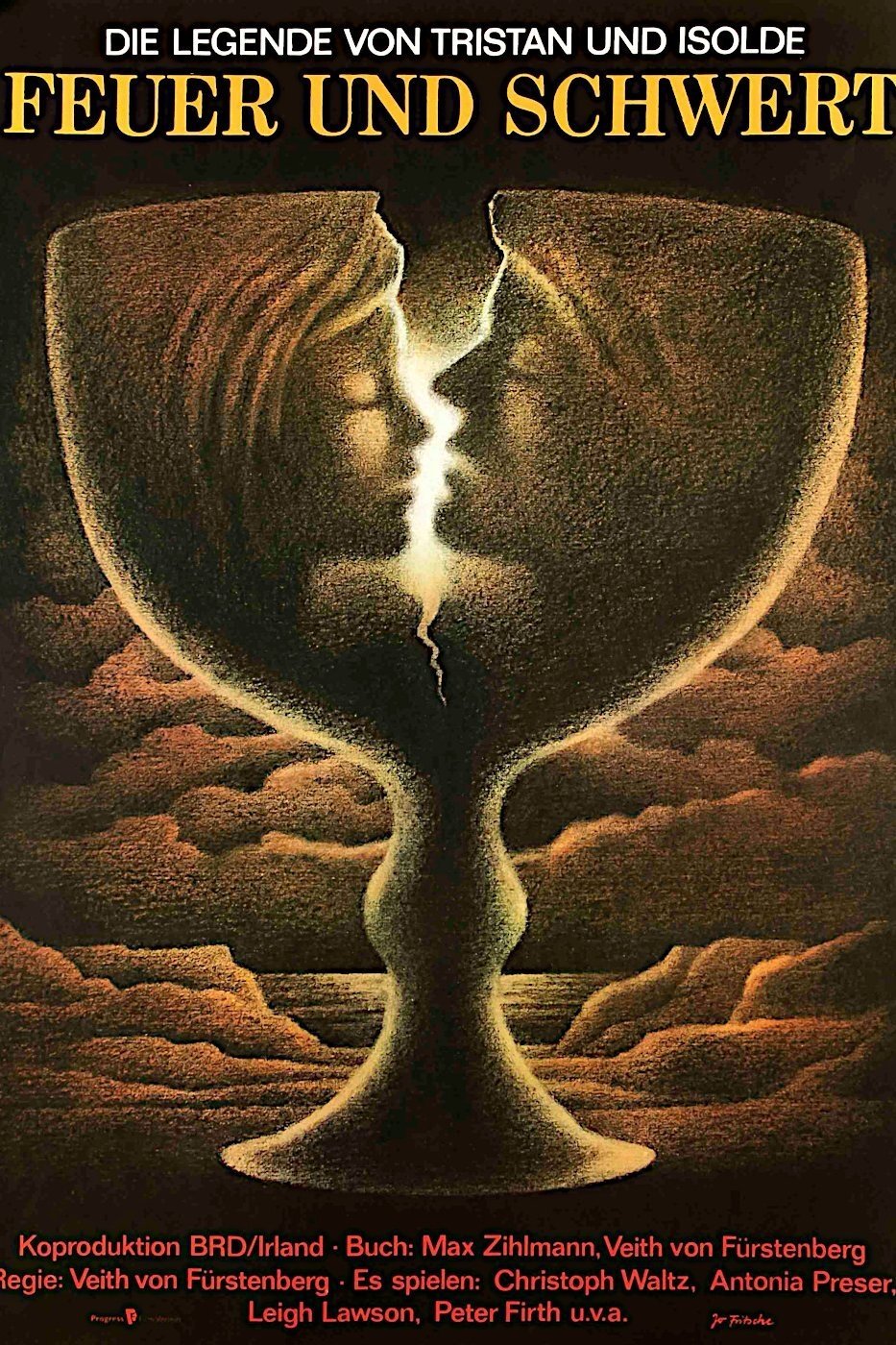
Christoph Waltz appeared as Tristan in this epic romance film, which is based on the medieval legend of Tristan and Isolde. The movie, directed by Veith von Fürstenberg, tells the classic tale of a tragic love affair between a knight and a princess who are destined for others. The story is one of the most famous romantic legends from the Middle Ages.
In this early English-language role, Waltz took on a legendary character, contributing to a sweeping and dramatic production. The film aimed to bring the classic story to life with historical detail and emotional weight. It was an ambitious project that allowed Waltz to work on an international stage and explore a different genre early in his career.
Wahnfried (1986)
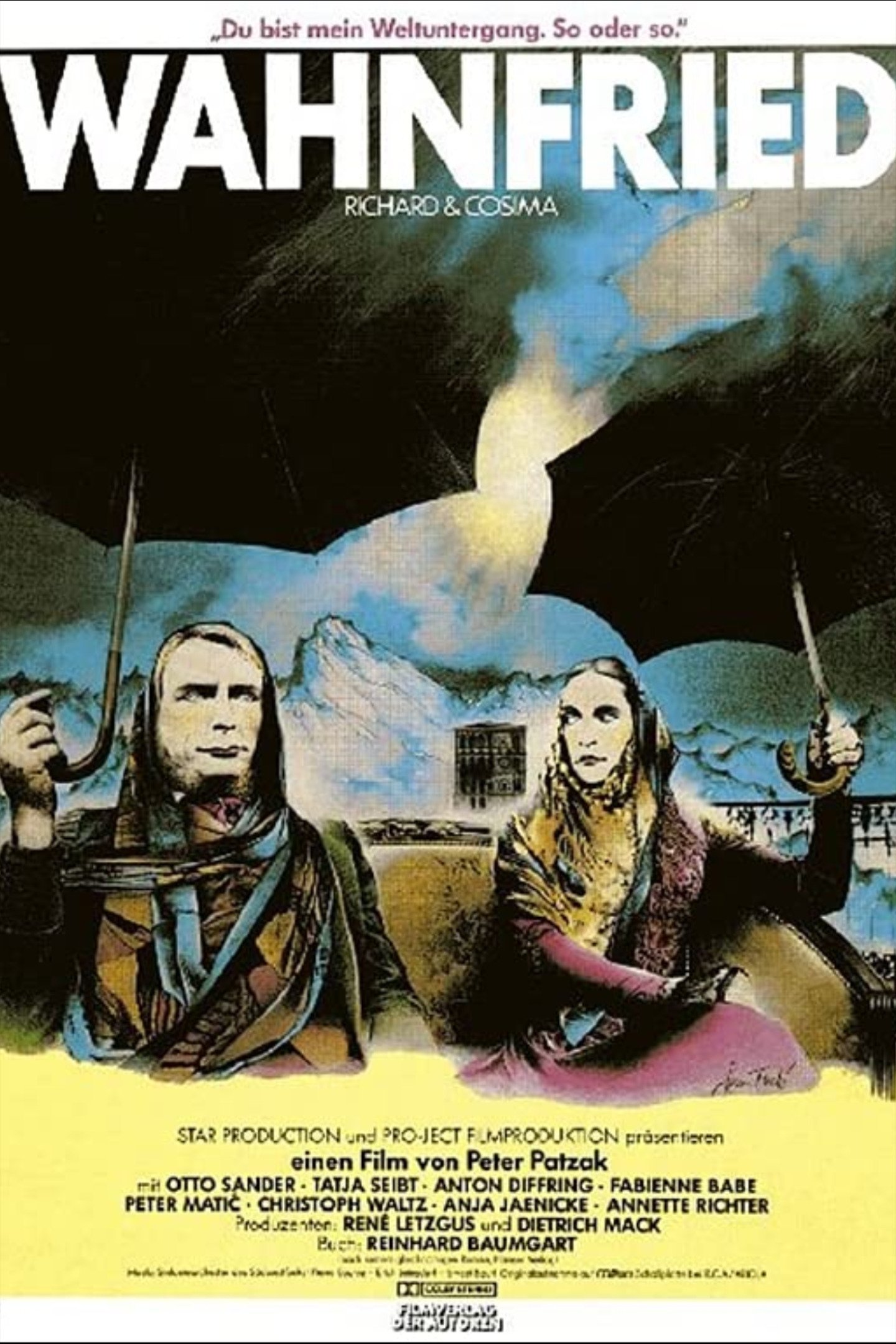
In this film, Christoph Waltz portrayed the famous German philosopher Friedrich Nietzsche. The movie, directed by Peter Patzak, focuses on the life of composer Richard Wagner and is set during the later years of Wagner’s life. The title ‘Wahnfried’ refers to the name of Wagner’s villa in Bayreuth.
Waltz’s role as Nietzsche was significant, as the philosopher was initially a close friend and admirer of Wagner before their relationship famously fell apart. The film explores the complex intellectual and personal dynamics between these two major historical figures. This part allowed Waltz to portray a real-life personality known for his profound and challenging ideas.
Quicker Than the Eye (1988)
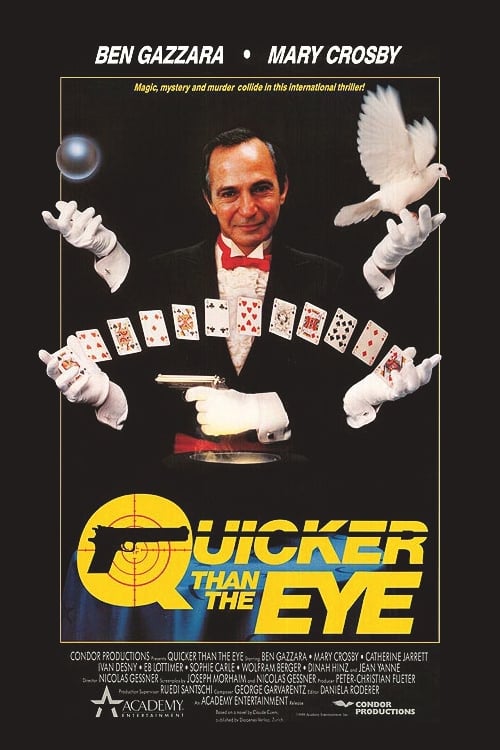
In this thriller film, Christoph Waltz played the role of a police chief. The movie, directed by Nicolas Gessner, centers on a magician who accidentally captures a political assassination on his special camera during a magic show. This discovery puts his life in danger as he becomes the target of powerful enemies.
Waltz’s character is part of the official investigation into the crime. The film is a suspenseful story that combines elements of magic and political intrigue. For Waltz, this English-language production was another step in building his experience in international films, taking on a supporting role in a genre picture.
Life for Life: Maximilian Kolbe (1991)
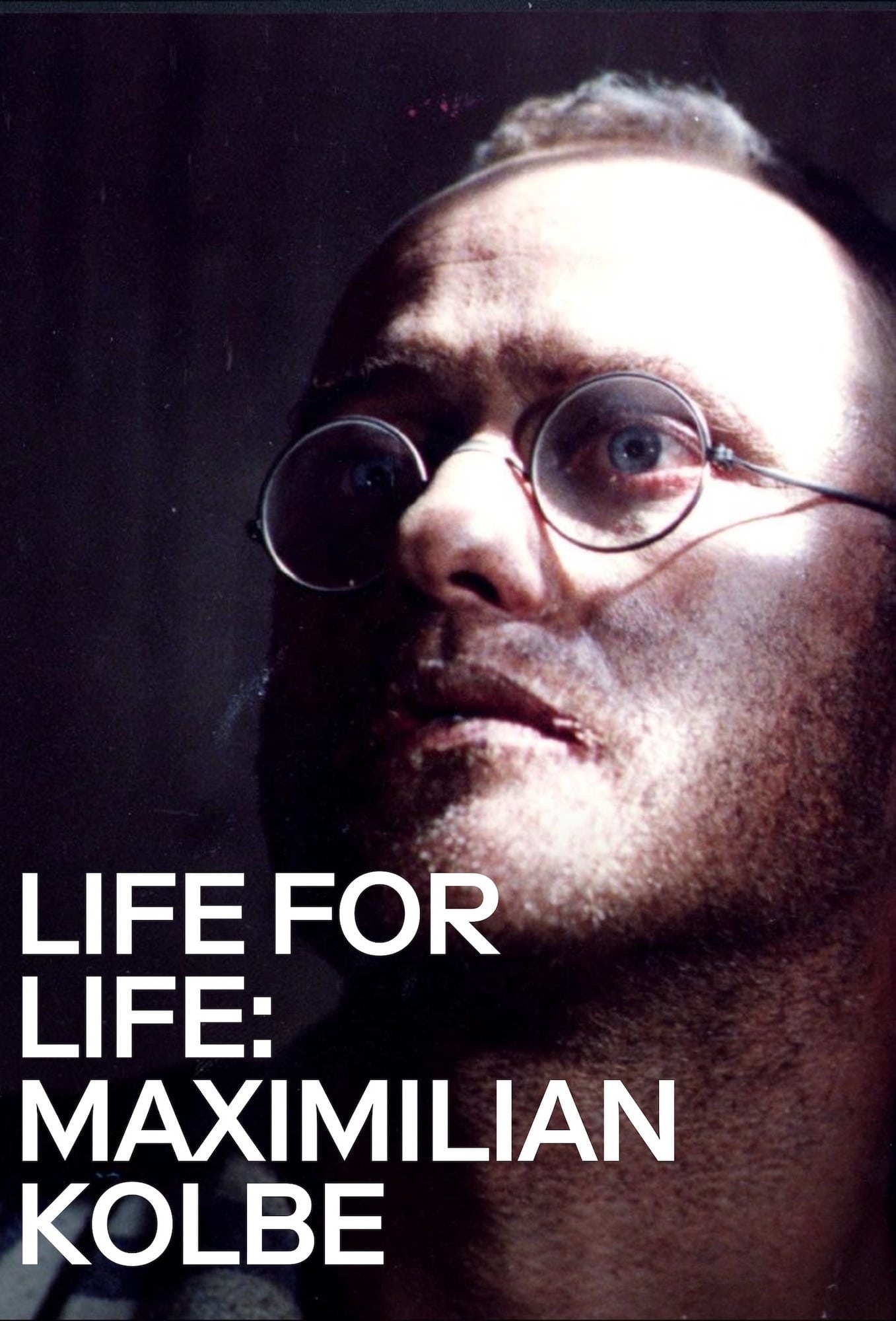
Christoph Waltz starred as Jan Tytz, an Auschwitz survivor, in this powerful Polish-German drama. The film, directed by the renowned Krzysztof Zanussi, tells the true story of St. Maximilian Kolbe, a Catholic priest who volunteered to die in place of a stranger in the Auschwitz concentration camp. Waltz’s character is the man whose escape led to the retaliatory death sentence for ten other prisoners.
Waltz delivered a haunted performance as the man who survives but is forever linked to the priest’s sacrifice. The film explores profound themes of guilt, sacrifice, and faith through a non-linear narrative, focusing on the meaning of Kolbe’s actions. This role showcased Waltz’s ability to handle deeply serious and historically significant material long before his Hollywood fame.
Our God’s Brother (1997)
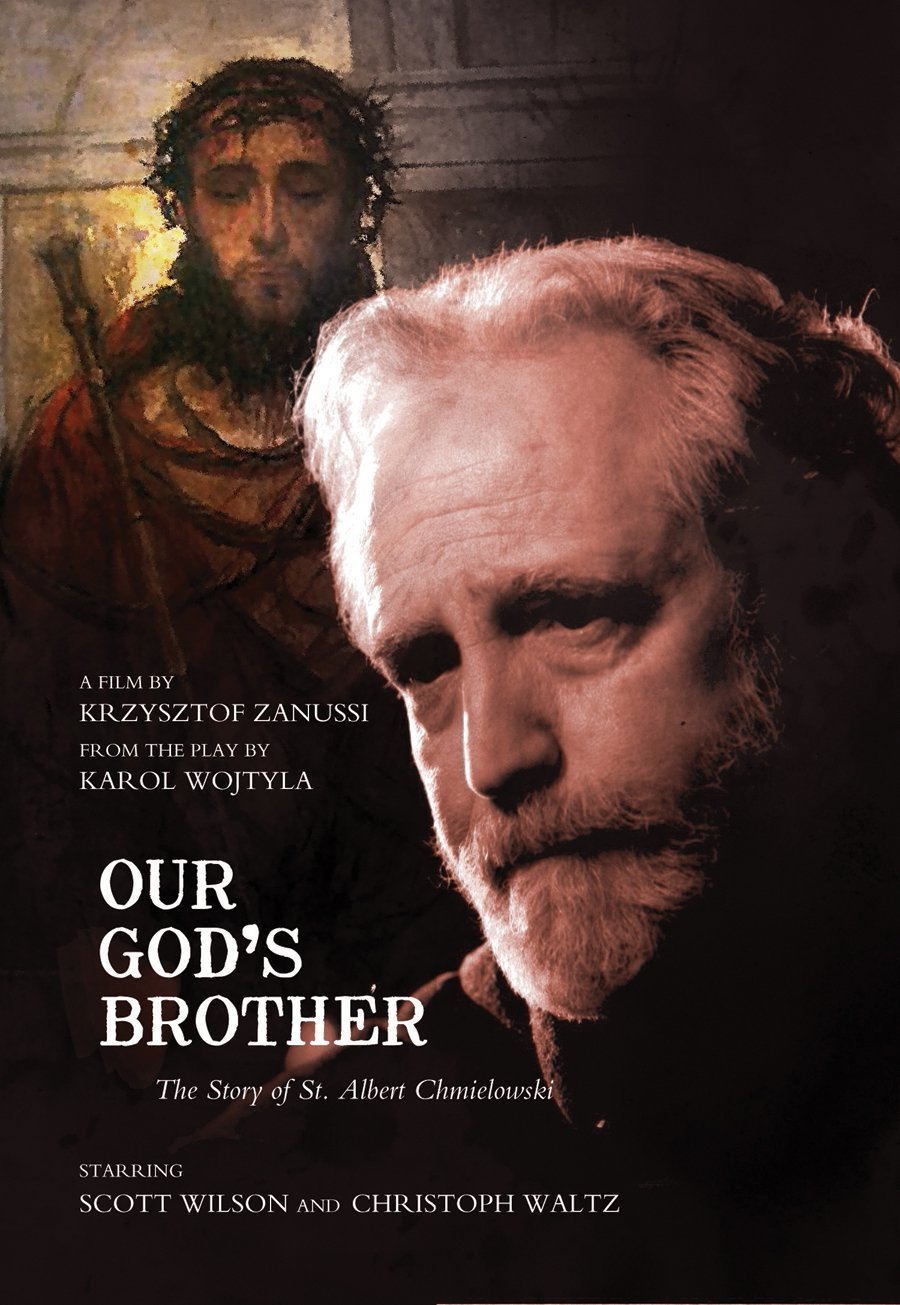
Christoph Waltz appeared as Maksymilian Gierymski in this film directed by Krzysztof Zanussi. The movie is an adaptation of a play written by Karol Wojtyła, who later became Pope John Paul II. It tells the story of Albert Chmielowski, a Polish artist who gave up his career to serve the poor and homeless, eventually becoming a saint.
Waltz’s character, Maksymilian Gierymski, was a real-life painter and a contemporary of the main character. The film examines themes of art, faith, and social responsibility. This role saw Waltz once again working with director Krzysztof Zanussi on a project that explored the intersection of Polish history and Catholic faith.
Ordinary Decent Criminal (2000)
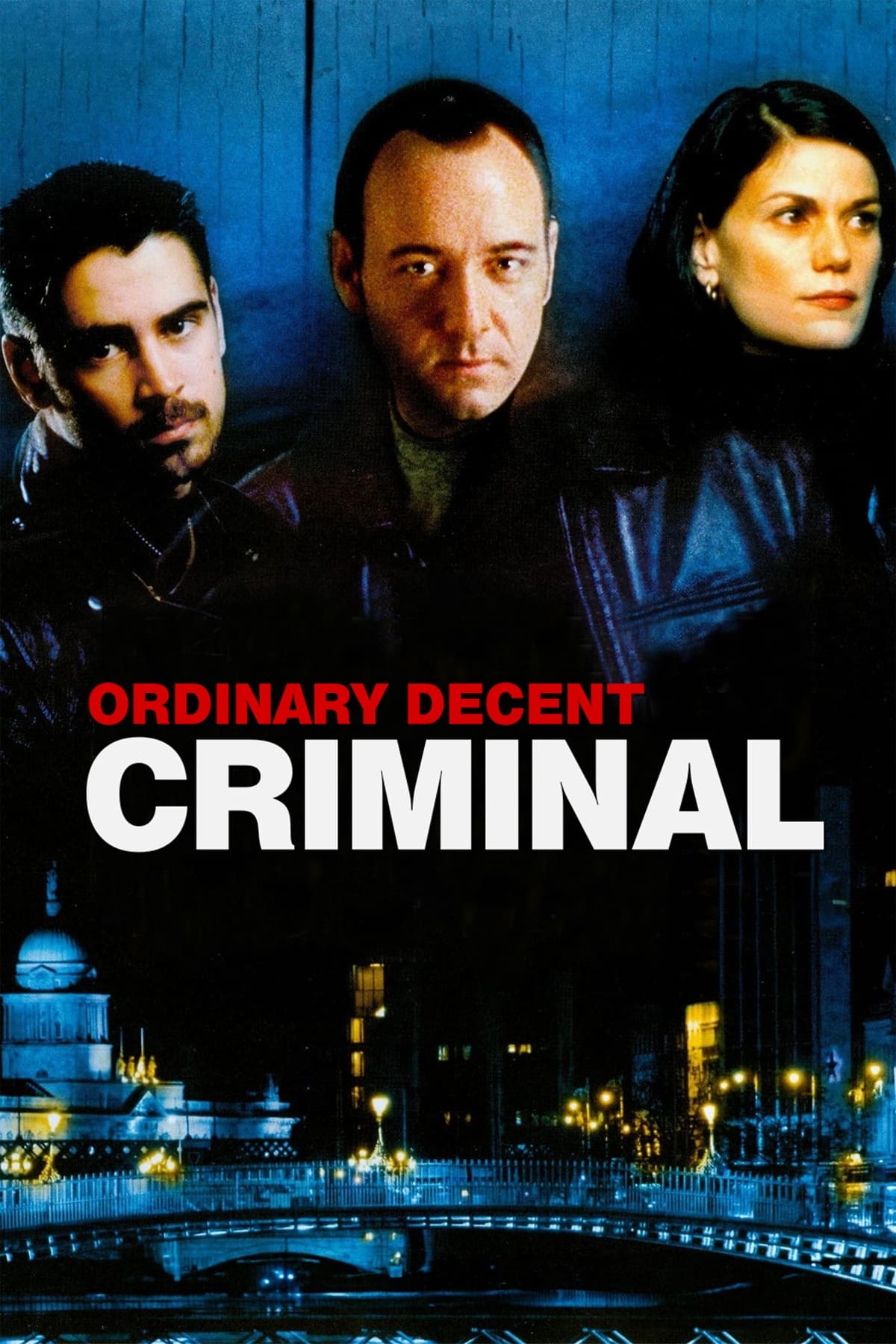
In this crime film starring Kevin Spacey, Christoph Waltz played the role of Peter. The movie is loosely based on the life of Martin Cahill, a famous Irish crime boss. The story follows Michael Lynch, a brilliant and daring criminal in Dublin who becomes a folk hero for his elaborate heists and his defiance of authority.
Waltz’s character is a peripheral figure in the criminal world surrounding the main character. The film blends comedy and crime, aiming for a stylish and entertaining tone. His involvement in this movie was part of his work in English-language productions prior to his major international breakthrough.
Inglourious Basterds (2009)

Christoph Waltz’s international career was launched by his unforgettable performance as SS-Colonel Hans Landa in Quentin Tarantino’s World War II film. Landa is a highly intelligent, multilingual, and chillingly charming SS officer known as “The Jew Hunter”. The character was so complex that Tarantino feared the part might be unplayable until he met Waltz.
For his portrayal, Waltz received widespread critical acclaim, winning the Best Actor Award at the Cannes Film Festival and an Academy Award for Best Supporting Actor. His performance was praised for its mix of politeness and menace, making Hans Landa one of the most memorable villains in modern cinema. The role made him a household name and led to a flood of offers from Hollywood.
The Green Hornet (2011)

In this superhero action-comedy, Christoph Waltz played the main villain, Benjamin Chudnofsky. His character is a Russian gangster who wants to control all crime in Los Angeles but suffers from a midlife crisis and worries that he is not scary enough. He attempts to rebrand himself as “Bloodnofsky” to sound more intimidating.
Waltz brought a unique comedic energy to the role, portraying a villain who is both ruthless and insecure. The film, which starred Seth Rogen as the title hero, aimed to be a fun and modern take on the classic radio and television series. Waltz took the role because he was intrigued by the idea of a villain having a midlife crisis, finding it a more complex motivation than simple evil.
Water for Elephants (2011)

Christoph Waltz co-starred as August Rosenbluth in this romantic drama set in a 1930s traveling circus. August is the charismatic but dangerously volatile ringmaster and head animal trainer. He is married to the star performer Marlena, played by Reese Witherspoon, and hires a young veterinary student, Jacob, played by Robert Pattinson, to care for the circus animals.
Waltz’s performance was widely praised by critics, who noted his skill at portraying a character who could be charming one moment and terrifying the next. His portrayal of August’s violent and possessive nature provided the central conflict of the film. The role demonstrated his ability to play complex, layered characters who are both captivating and menacing.
The Three Musketeers (2011)
In this action-adventure film, Christoph Waltz took on the role of the scheming Cardinal Richelieu. The movie is a stylized and modern adaptation of Alexandre Dumas’s classic novel. Richelieu is the primary antagonist, plotting to seize power in France by creating a war between France and England.
Waltz played the famous historical figure with a cool and calculating demeanor, serving as the story’s main political villain. The film was a large-scale production with elaborate action sequences and special effects. His involvement in the movie further established him as a go-to actor for intelligent and sophisticated antagonists in major Hollywood films.
Carnage (2011)
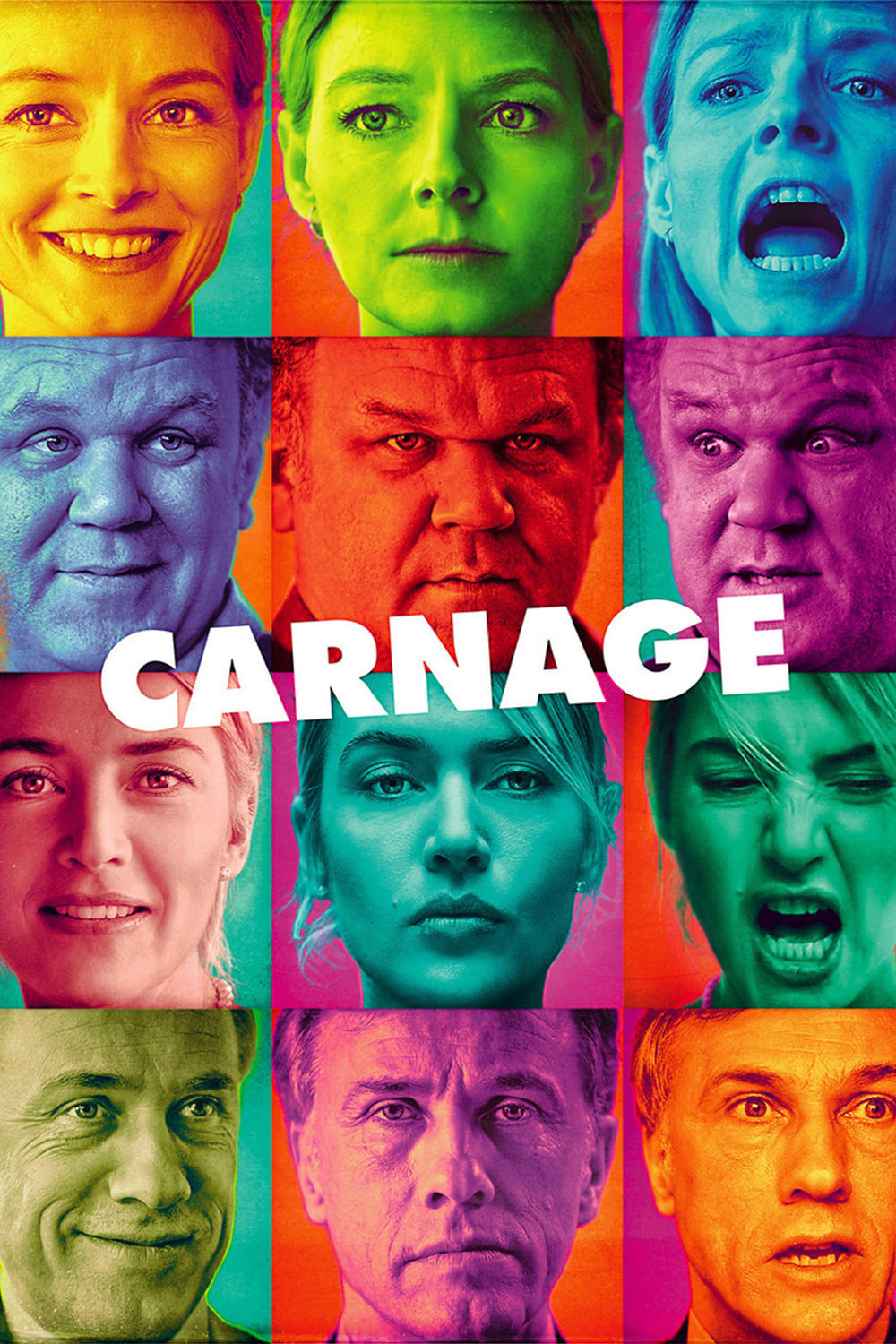
Christoph Waltz starred as Alan Cowan in this dark comedy directed by Roman Polanski. The entire film takes place in a single apartment in real time, as two sets of parents meet to discuss a fight between their sons. What starts as a civil conversation quickly descends into chaos, exposing the prejudices and insecurities of all four adults.
Waltz’s character, Alan, is a cynical and work-obsessed lawyer who is constantly interrupting the meeting to take business calls. His performance was part of a strong ensemble cast that also included Jodie Foster, Kate Winslet, and John C. Reilly. The film was praised for its sharp dialogue and the powerful performances of its actors.
Django Unchained (2012)
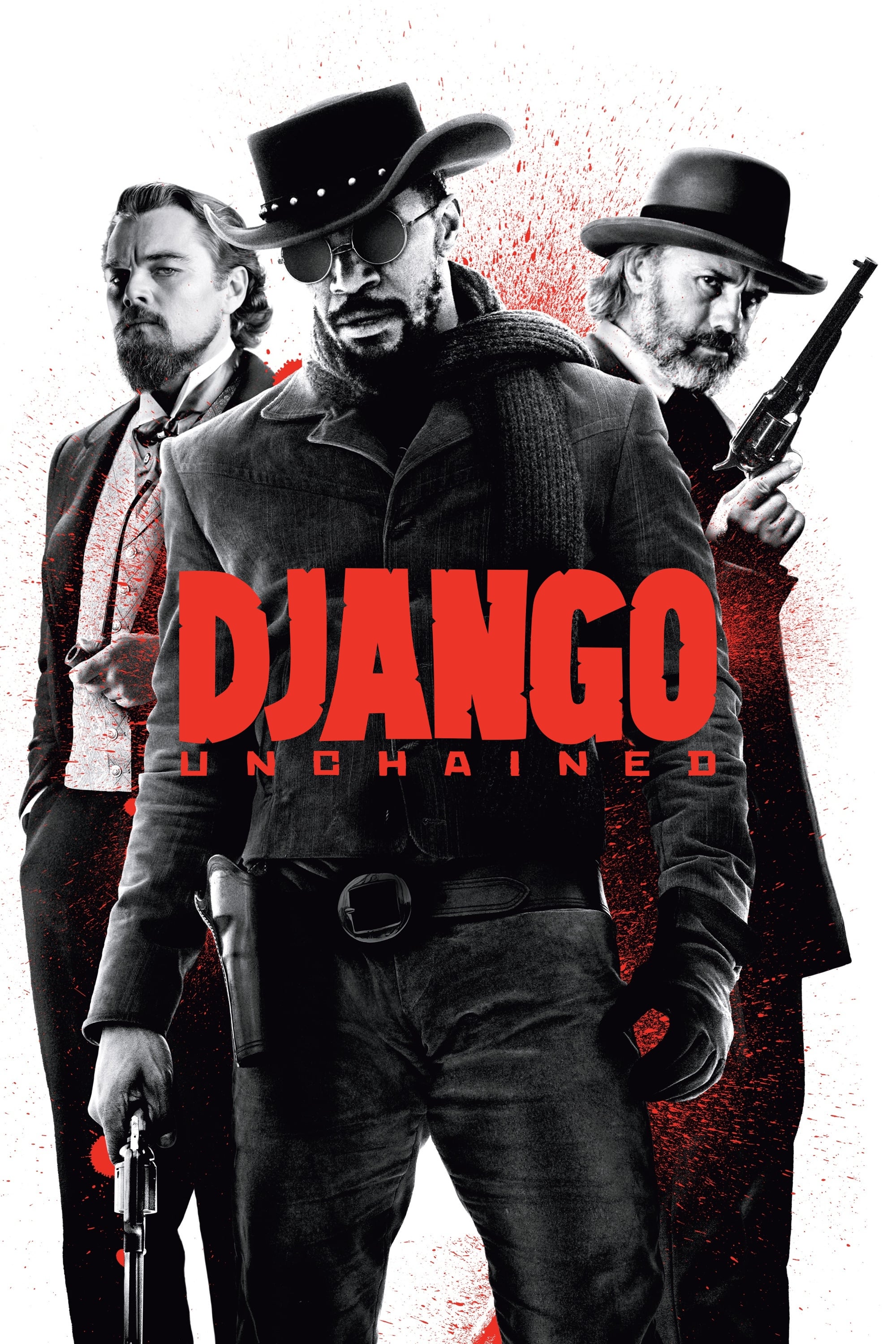
Christoph Waltz reunited with director Quentin Tarantino for this revisionist Western, playing Dr. King Schultz. Schultz is a German dentist-turned-bounty hunter who frees a slave named Django, played by Jamie Foxx, and teaches him the bounty hunting trade. He serves as Django’s partner and mentor, agreeing to help him rescue his wife from a brutal plantation owner.
The role was written specifically for Waltz by Tarantino. His performance as the eloquent and principled Schultz was a complete contrast to his role as Hans Landa and earned him his second Academy Award for Best Supporting Actor. The character became a fan favorite, admired for his wit, kindness, and heroic actions in the face of extreme brutality.
Epic (2013)

In this animated fantasy film, Christoph Waltz lent his voice to the main villain, Mandrake. The movie tells the story of a hidden world of tiny warriors who protect a forest from evil forces. Mandrake is the leader of the Boggans, creatures who want to bring decay and destruction to the forest.
As Mandrake, Waltz created a voice performance that was both menacing and theatrical. The character is determined to see his world of rot triumph over the life and growth of the forest. The role allowed Waltz to use his distinctive voice to bring an animated villain to life for a family audience.
The Zero Theorem (2013)
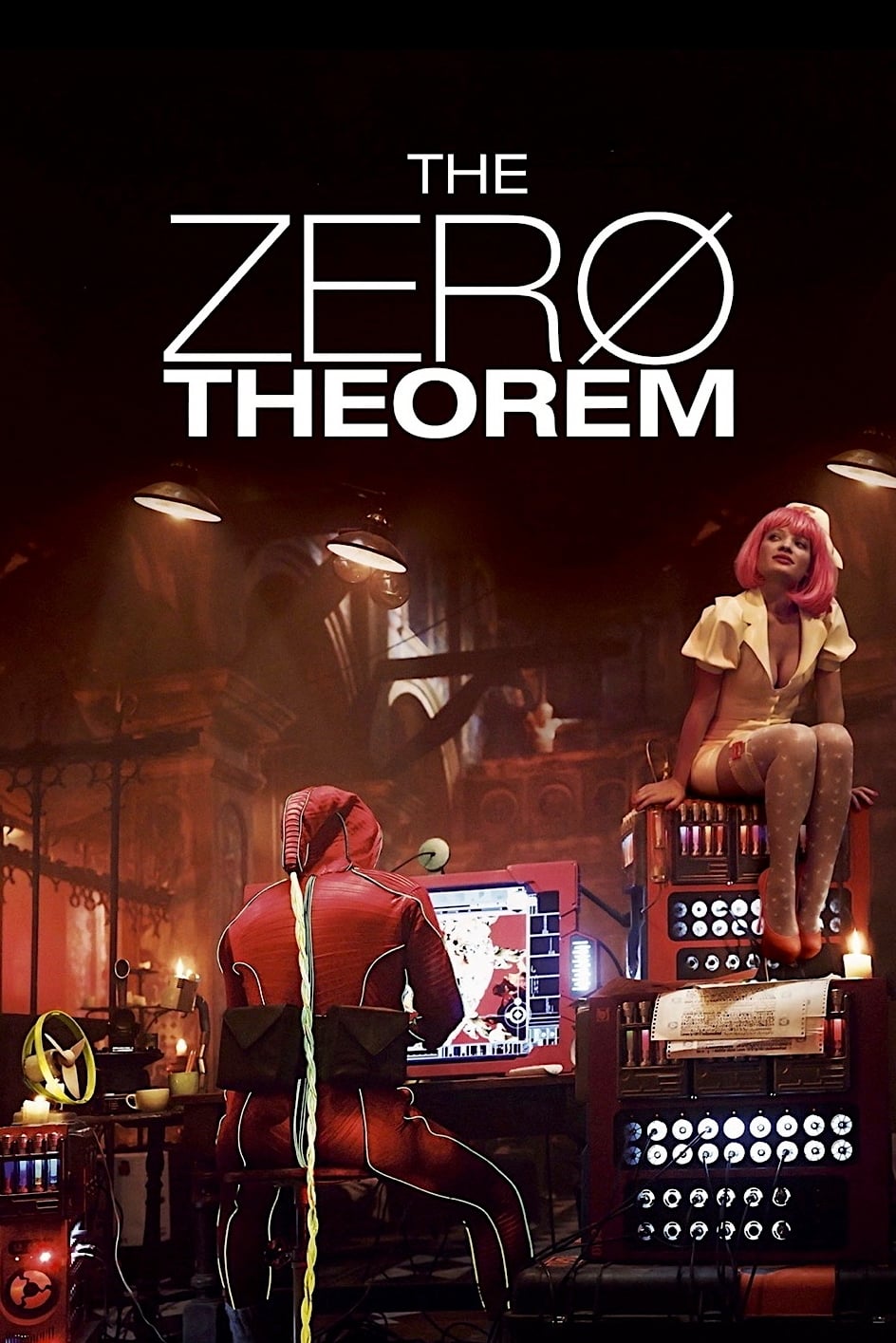
Christoph Waltz took the lead role of Qohen Leth in this science fiction film directed by Terry Gilliam. Qohen is a reclusive and eccentric computer genius living in a dystopian future who is working to solve a mysterious mathematical formula that could determine the meaning of life. He isolates himself in a burnt-out chapel, anxiously waiting for a phone call he believes will give him purpose.
The role was a significant leading part for Waltz, who portrayed the character’s intense anxiety and existential dread with a twitchy, compelling performance. The film is considered by some to be the final part of a satirical trilogy from Gilliam that includes ‘Brazil’ and ’12 Monkeys’. ‘The Zero Theorem’ is a visually inventive and thought-provoking film that explores themes of faith, connection, and the search for meaning.
Horrible Bosses 2 (2014)
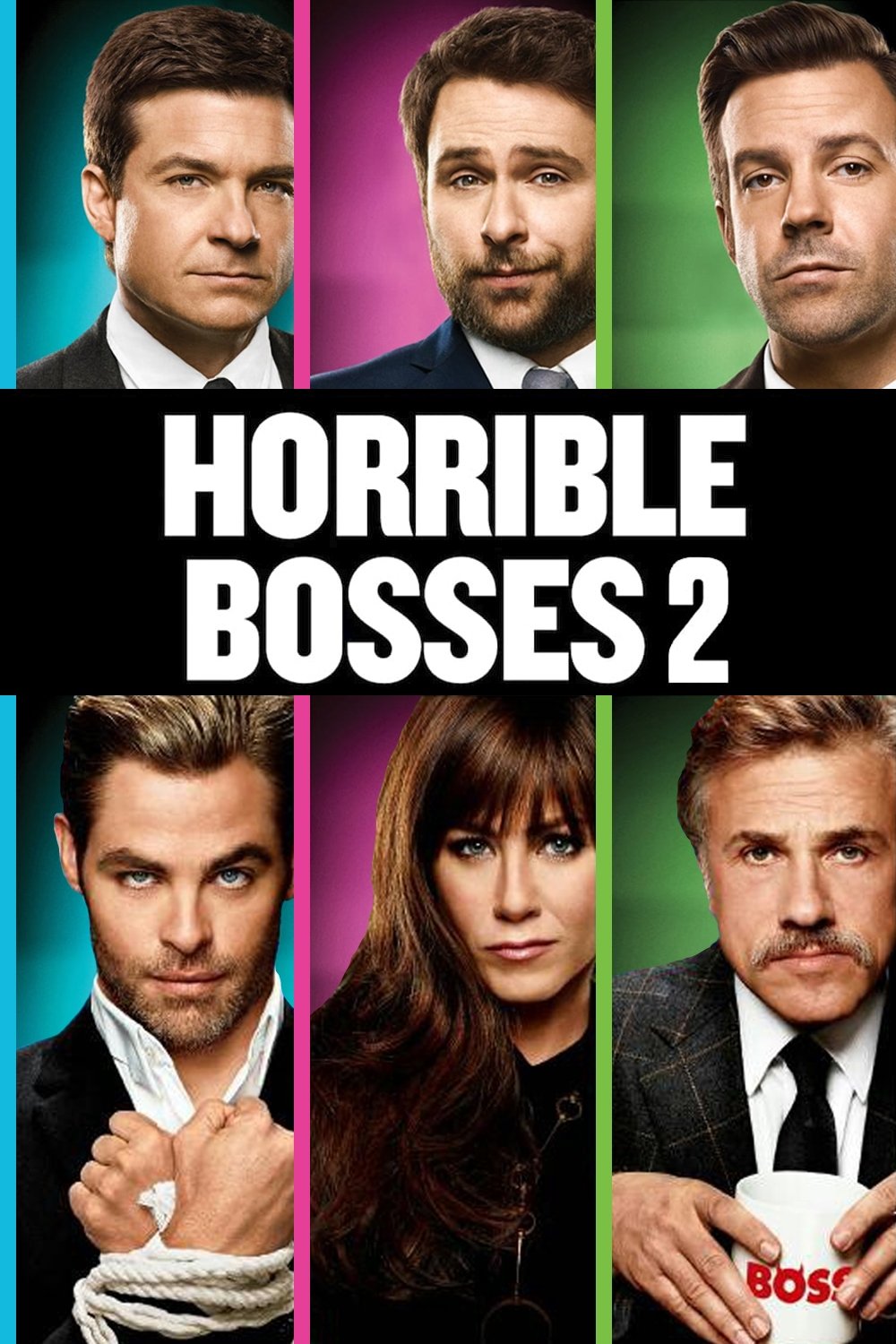
Christoph Waltz played the role of Burt Hanson, one of the antagonists in this comedy sequel. Burt is a wealthy and ruthless investor who, along with his son Rex, tricks the main characters into a disastrous business deal. When the protagonists’ invention is stolen by the Hansons, they decide to kidnap Rex to get their company back.
Waltz’s character is a charming but completely unethical businessman who masterminds the plot against the heroes. The role allowed him to showcase his comedic talents in a mainstream R-rated comedy. He played the part of the sophisticated corporate villain with a sense of humor, contributing to the film’s chaotic and funny tone.
Big Eyes (2014)

In this biographical film directed by Tim Burton, Christoph Waltz portrayed Walter Keane. The movie tells the true story of painter Margaret Keane, whose popular paintings of big-eyed children were fraudulently claimed by her husband, Walter, for many years. Amy Adams played the role of Margaret Keane.
Waltz played Walter as a charismatic and masterful salesman who was also a manipulative and controlling husband. He successfully built an art empire based on a lie, taking all the credit for his wife’s work. The performance showed Waltz’s ability to portray a complex real-life figure, capturing both his public charm and his private cruelty.
Spectre (2015)

Christoph Waltz joined the James Bond franchise as the iconic villain Ernst Stavro Blofeld. In this film, Blofeld is revealed to be the head of the shadowy criminal organization SPECTRE and the mastermind behind the events of the previous Daniel Craig Bond films. The story also controversially reveals a personal connection, establishing Blofeld as Bond’s adoptive brother, formerly known as Franz Oberhauser.
Waltz’s portrayal of the classic villain was a major part of the film’s marketing and story. The twist that he was Bond’s foster brother was a significant and debated change to the Bond lore, intended to create a deeper, more personal conflict. Waltz brought a quiet menace to the role, reintroducing one of 007’s greatest enemies to a new generation of viewers.
The Legend of Tarzan (2016)

In this action-adventure film, Christoph Waltz played the main villain, Captain Léon Rom. His character is a corrupt and ruthless Belgian envoy for King Leopold II. Rom makes a deal to deliver Tarzan to an enemy chief in exchange for diamonds to fund the Belgian colonial efforts in the Congo.
Waltz portrayed the historical figure as a cool, sophisticated, and cruel antagonist. He served as the primary force opposing Tarzan, representing the destructive impact of colonialism in Africa. The role was another example of Waltz playing an intelligent and dangerous villain in a big-budget Hollywood production.
Tulip Fever (2017)
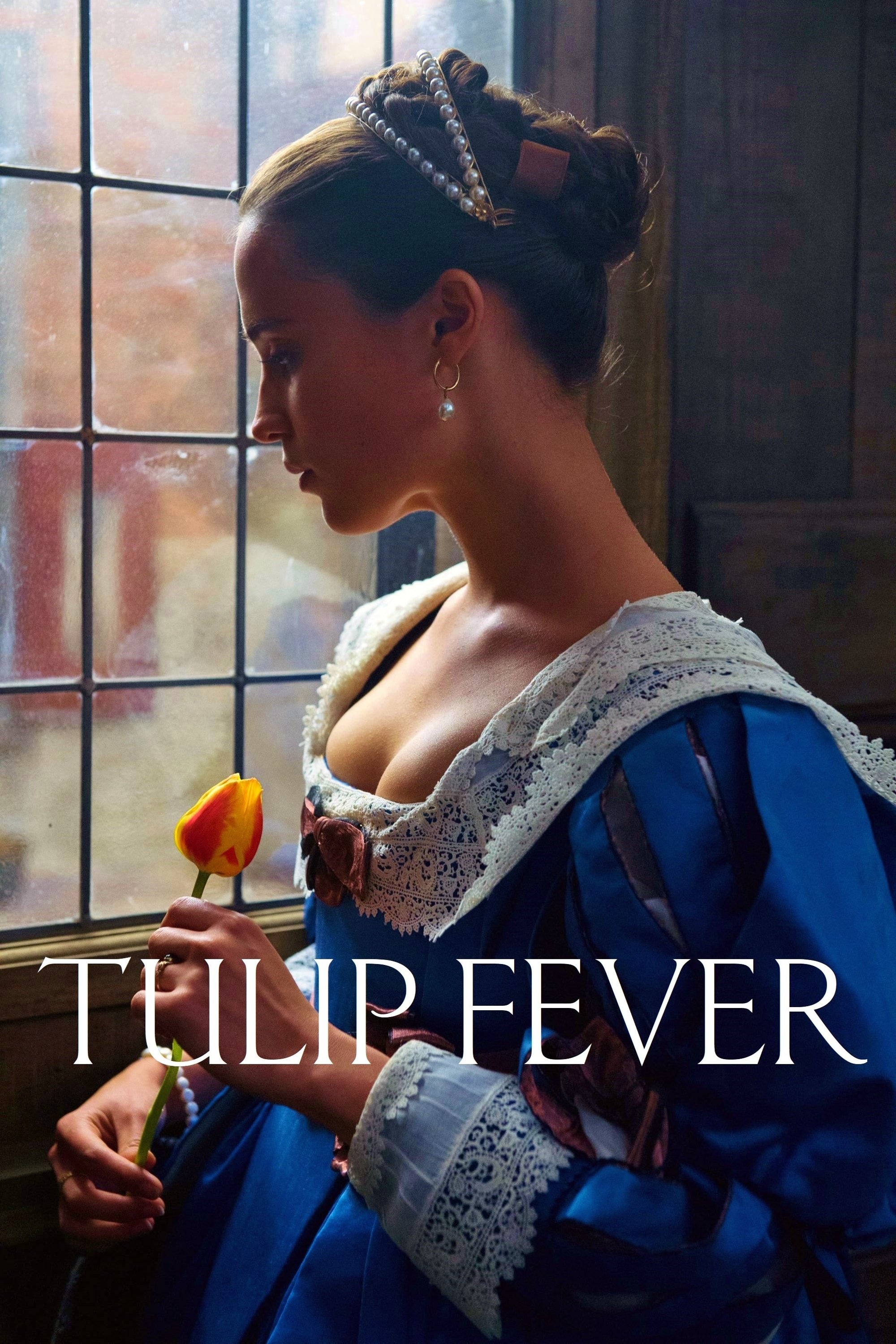
Christoph Waltz starred as Cornelis Sandvoort in this historical drama set in 17th-century Amsterdam during the height of “tulip mania.” Cornelis is a wealthy and powerful merchant who is much older than his young wife, Sophia, played by Alicia Vikander. He commissions a portrait of them from a young artist, which leads to a forbidden romance between his wife and the painter.
Waltz portrayed Cornelis as a sympathetic but tragic figure. His character is desperate for an heir and is unaware of the love affair happening under his own roof. The film was delayed for several years before its release and received mixed reviews, but it featured a strong cast and lavish period detail.
Downsizing (2017)

In this science fiction comedy-drama, Christoph Waltz played Dusan Mirkovic, an eccentric and opportunistic Serbian playboy. The film is about people who undergo a procedure to shrink themselves to five inches tall as a solution to overpopulation and a way to live a more luxurious life. Dusan is a party-loving entrepreneur who lives in one of the miniature communities and profits from the system.
Waltz’s character serves as a guide for the protagonist, played by Matt Damon, showing him the wilder side of life in the small world. He delivered a lively and comedic performance, stealing many of the scenes he was in. The role allowed him to play a charismatic and humorous character with a philosophical side.
Alita: Battle Angel (2019)

Christoph Waltz played the role of Dr. Dyson Ido in this cyberpunk action film. Dr. Ido is a compassionate cyber-scientist who finds a discarded cyborg core in a scrapheap and rebuilds her, naming her Alita. He becomes a father figure to Alita, protecting her and trying to help her uncover the secrets of her past.
The role was a departure for Waltz, casting him as a kind and caring mentor rather than a villain. He provided the heart of the film, showing a warm and protective side. His character has a secret life as a bounty hunter, which adds a layer of complexity to his paternal role.
Georgetown (2019)
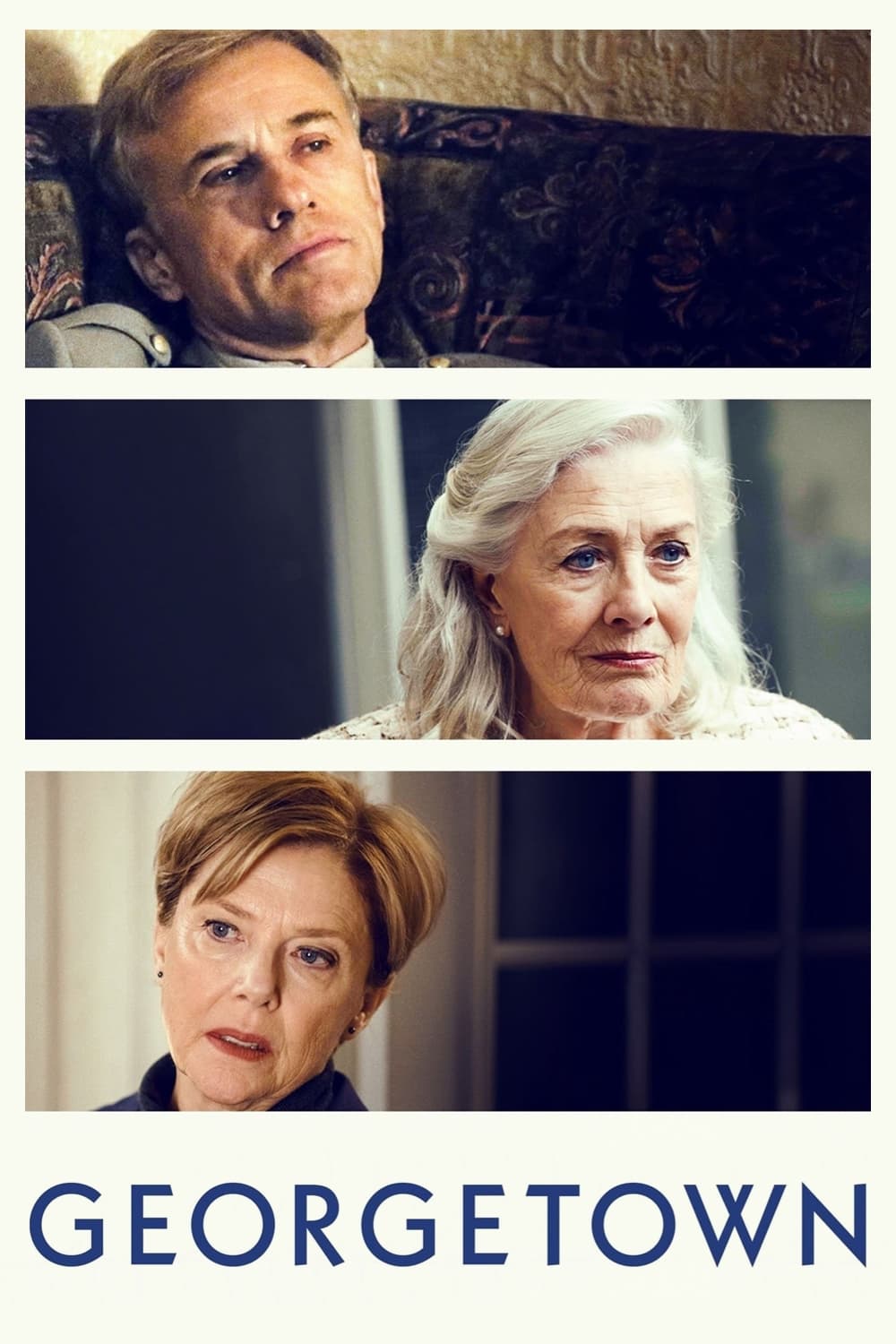
Christoph Waltz made his directorial debut with this crime drama, in which he also starred as the lead character, Ulrich Mott. The film is based on the true story of Albrecht Muth, a social climber who married a wealthy, older woman and was later convicted of her murder.
Waltz’s performance as the eccentric and deceptive Mott was a central part of the film. He portrayed a character full of ambition and mystery, who may or may not be responsible for his wife’s death. The film premiered at the Tribeca Film Festival and showcased Waltz’s talent both in front of and behind the camera.
The French Dispatch (2021)

In Wes Anderson’s anthology film, Christoph Waltz appeared in a small role as Paul Duval. The movie is a tribute to journalism and is structured as a collection of stories from the final issue of a fictional American magazine based in France. Waltz’s character appears in the segment titled “Revisions to a Manifesto.”
Waltz plays an art collector in his first collaboration with the distinctive director. His part is a brief but memorable appearance within a large ensemble cast that includes many of Anderson’s regular actors and other famous faces. The film was praised for its unique visual style and witty storytelling.
No Time to Die (2021)

Christoph Waltz reprised his role as Ernst Stavro Blofeld in Daniel Craig’s final James Bond film. In the movie, Blofeld is in a high-security MI6 prison after his capture in the previous film, ‘Spectre’. Despite being imprisoned, he continues to be a threat and holds key information related to the new villain, Safin.
His return was seen as necessary to conclude the storyline that began in ‘Spectre’. Blofeld’s connection to Bond as his foster brother is revisited, and his interactions with Bond while in captivity are tense and important to the plot. The role provided a final appearance for Waltz’s version of the iconic Bond villain, tying up the narrative threads of the Daniel Craig era.
Dead for a Dollar (2022)

In this Western film directed by Walter Hill, Christoph Waltz starred as the bounty hunter Max Borlund. This role saw him return to the Western genre after his award-winning performance in ‘Django Unchained’. He also served as an executive producer on the film.
Waltz’s character is hired to find the kidnapped wife of a businessman. His journey takes him deep into Mexico, where he encounters a professional gambler and outlaw whom he had sent to prison years earlier. The film is a classic revenge Western, and Waltz’s performance as the principled bounty hunter was a central element of the story.
Pinocchio (2022)
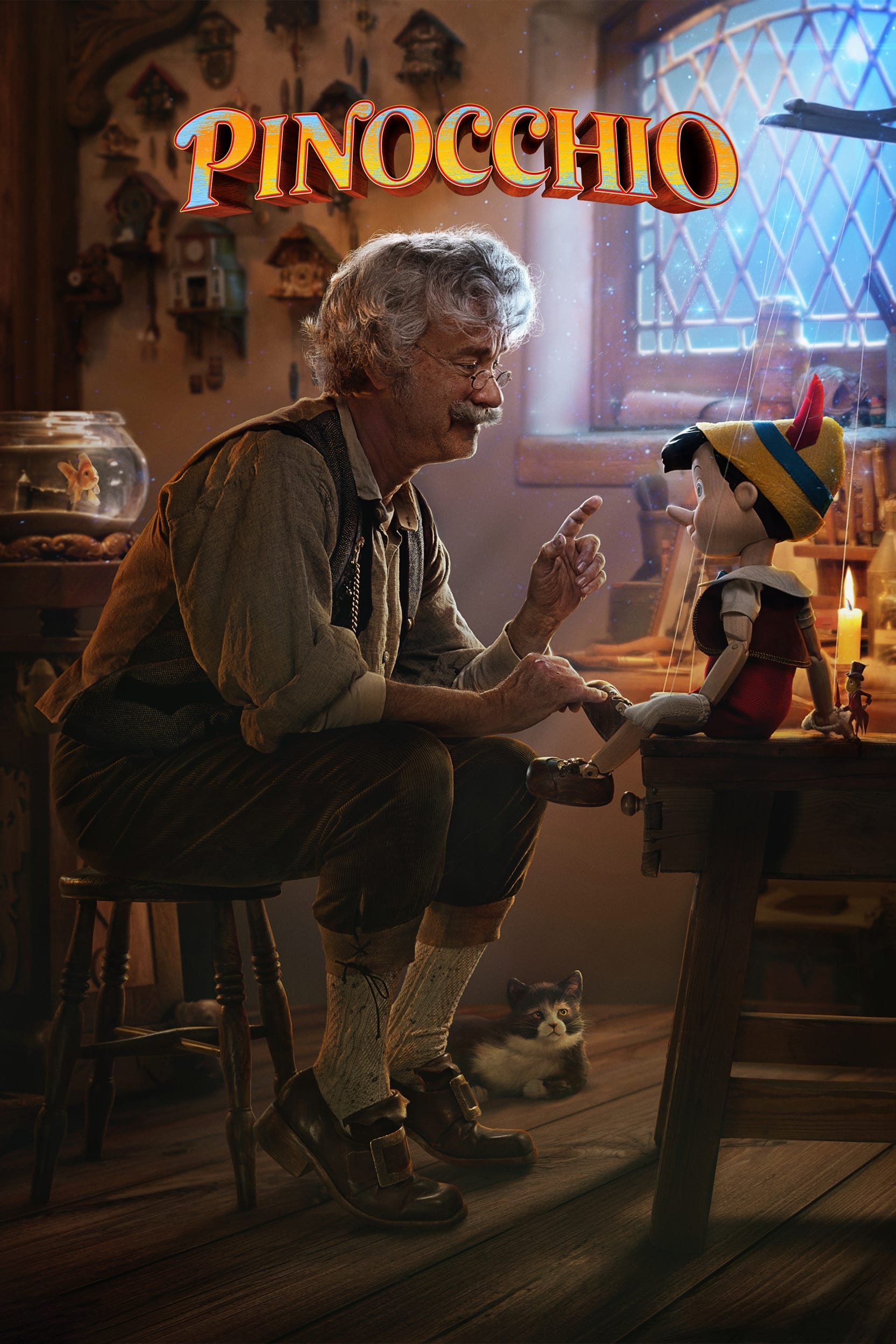
Christoph Waltz provided the voice for the character Count Volpe in Guillermo del Toro’s stop-motion animated version of ‘Pinocchio’. Count Volpe is a manipulative and greedy carnival owner who exploits Pinocchio for his own financial gain. He is a combination of two characters from the original story, the Fox and the Ringmaster.
Waltz’s voice performance brought a cunning and theatrical villain to life. He portrayed Count Volpe as a charming but dangerous aristocrat who takes advantage of Pinocchio’s innocence. The film was widely acclaimed for its dark and artistic take on the classic tale, and Waltz’s character was a memorable antagonist.
The Portable Door (2023)
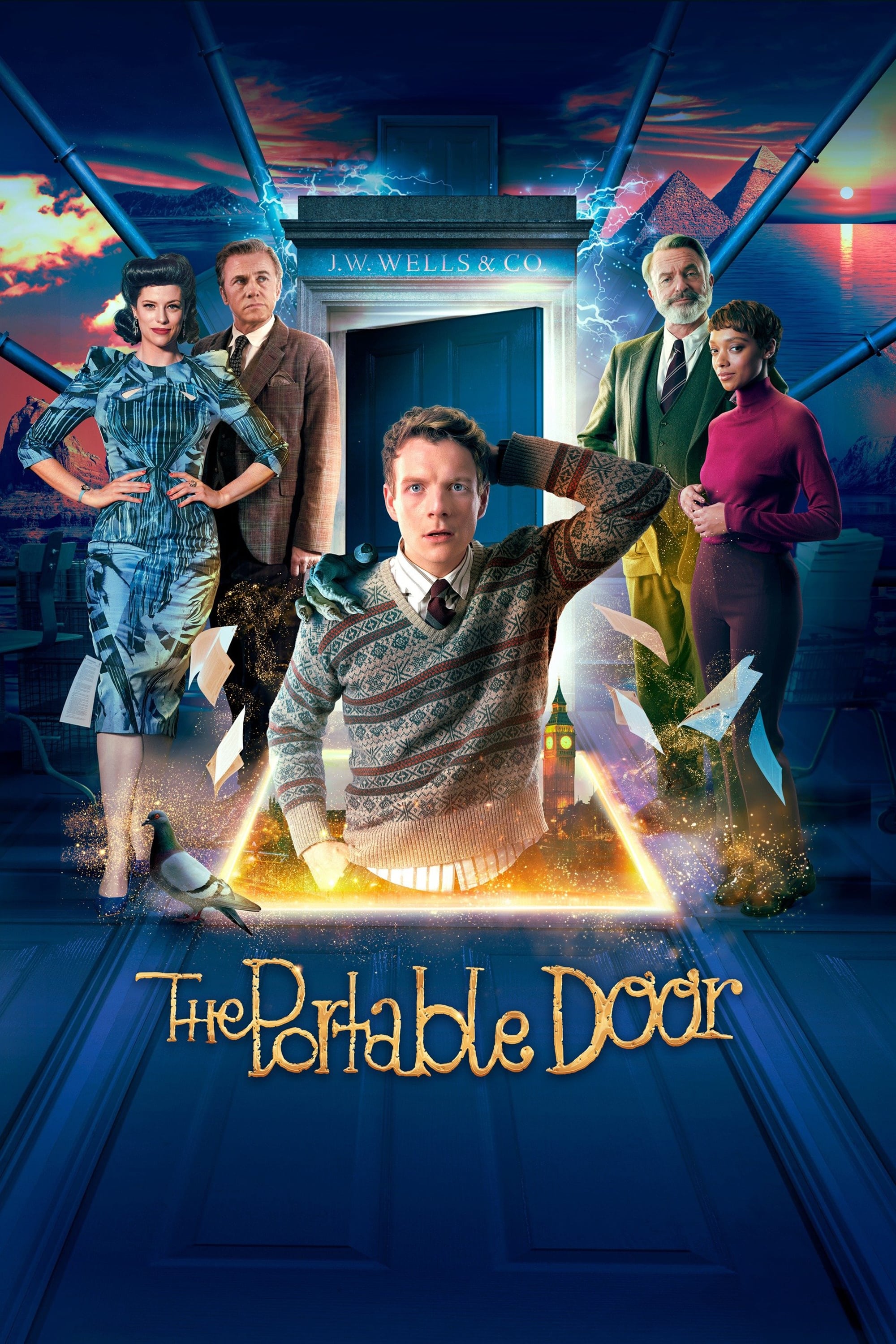
Christoph Waltz starred as Humphrey Wells in this fantasy-adventure film. He played the CEO of the mysterious London firm J.W. Wells & Co., where a new intern discovers that the company is actually a front for a magical organization that manipulates the world. Wells is a charismatic but morally ambiguous character.
In the film, Waltz’s character is a charming CEO who hides a darker purpose. The story follows the new interns as they uncover the company’s true nature and try to stop its sinister plans. The role allowed Waltz to play in a fantasy setting, blending his signature charm with a hint of menace.
Old Guy (2025)

Christoph Waltz stars as an aging contract killer in the action-comedy ‘Old Guy’. He plays Danny Dolinski, a hitman who is still at the top of his game but finds himself out of step with his younger colleagues and the modernizing standards of his company. His superiors see him as a relic of the past.
The plot thickens when Danny is assigned a mission to train a young, up-and-coming assassin named Wihlborg, a Gen Z prodigy. However, the mission is revealed to be a setup designed to eliminate the “old guy.” Danny must then team up with his supposed replacement to turn the tables on the very company that betrayed them.
From his complex villains to his charming heroes, which Christoph Waltz performance do you find most compelling? Let us know your favorites in the comments.