15 Must-Watch Sports Films from the 1960s You Cannot Skip

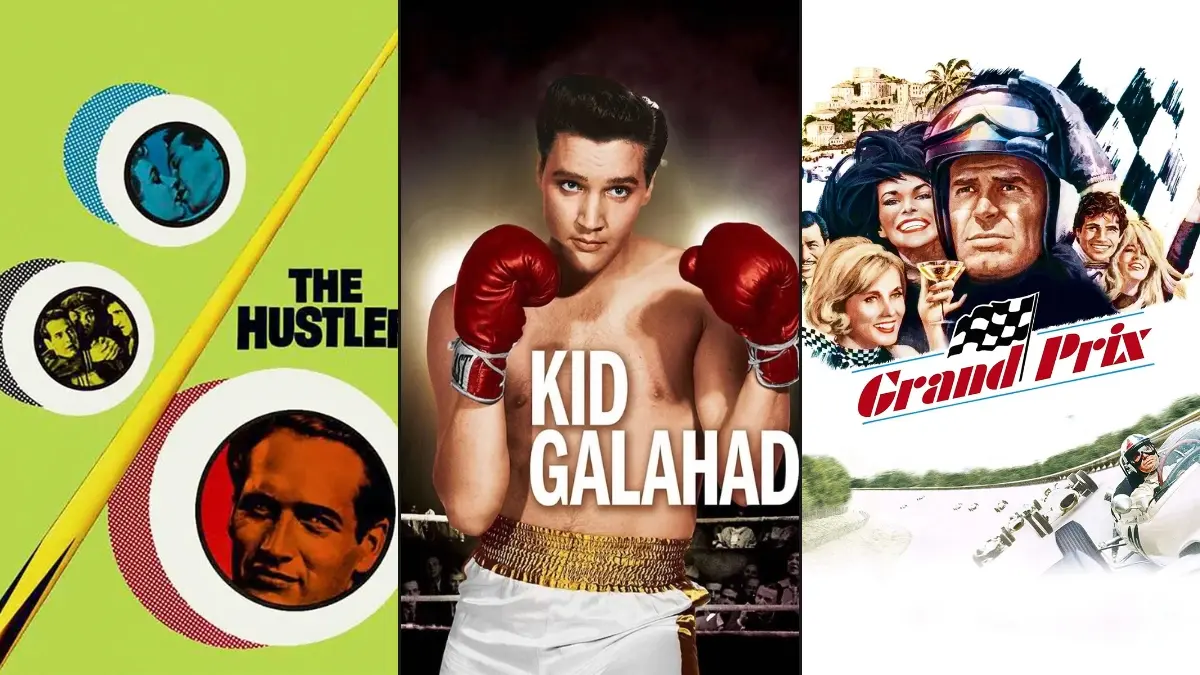

Sports stories in the sixties stretched from intimate character pieces to large scale spectacles. Filmmakers took viewers into pool halls, boxing gyms, football camps, alpine courses, and surf lineups, often shooting on location with real athletes and authentic venues. The result covered a wide field of disciplines and styles, from grounded British dramas to globe trotting documentaries and big studio racing epics.
This list gathers films that show the era’s breadth. You will find groundbreaking camera work, cooperation with major leagues and event organizers, and casts that include future legends. Every pick focuses on the people who train, compete, and organize, along with the institutions that shaped their worlds.
‘The Hustler’ (1961)
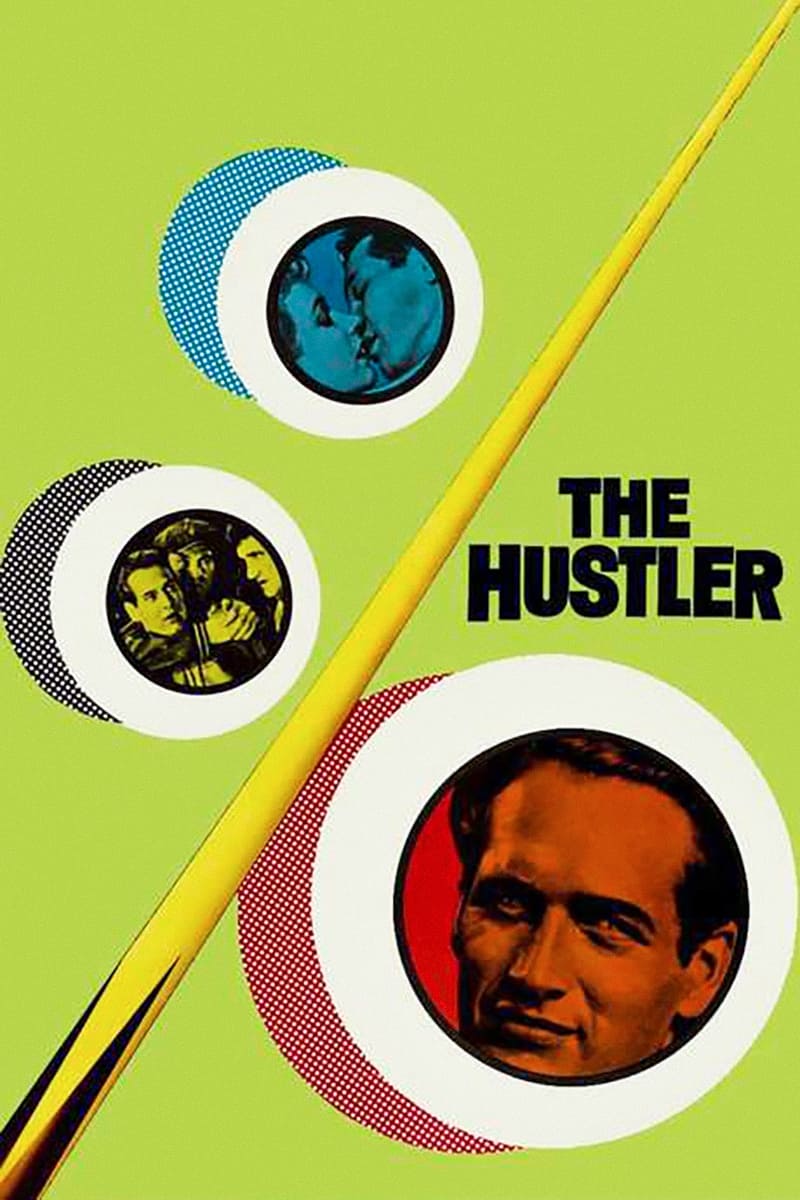
‘The Hustler’ follows Eddie Felson, a small time pool player who challenges established star Minnesota Fats while navigating high stakes rooms, promoters, and personal setbacks. The film presents the mechanics of straight pool with careful attention to shot selection, table strategy, and the unspoken rules that govern money games in urban halls.
Produced by Twentieth Century Fox and directed by Robert Rossen, ‘The Hustler’ stars Paul Newman, Jackie Gleason, Piper Laurie, and George C Scott. The production used extended pool sequences staged by expert players, and it earned multiple Academy Award nominations with wins in cinematography and art direction for its stark black and white look and its detailed environments.
‘This Sporting Life’ (1963)
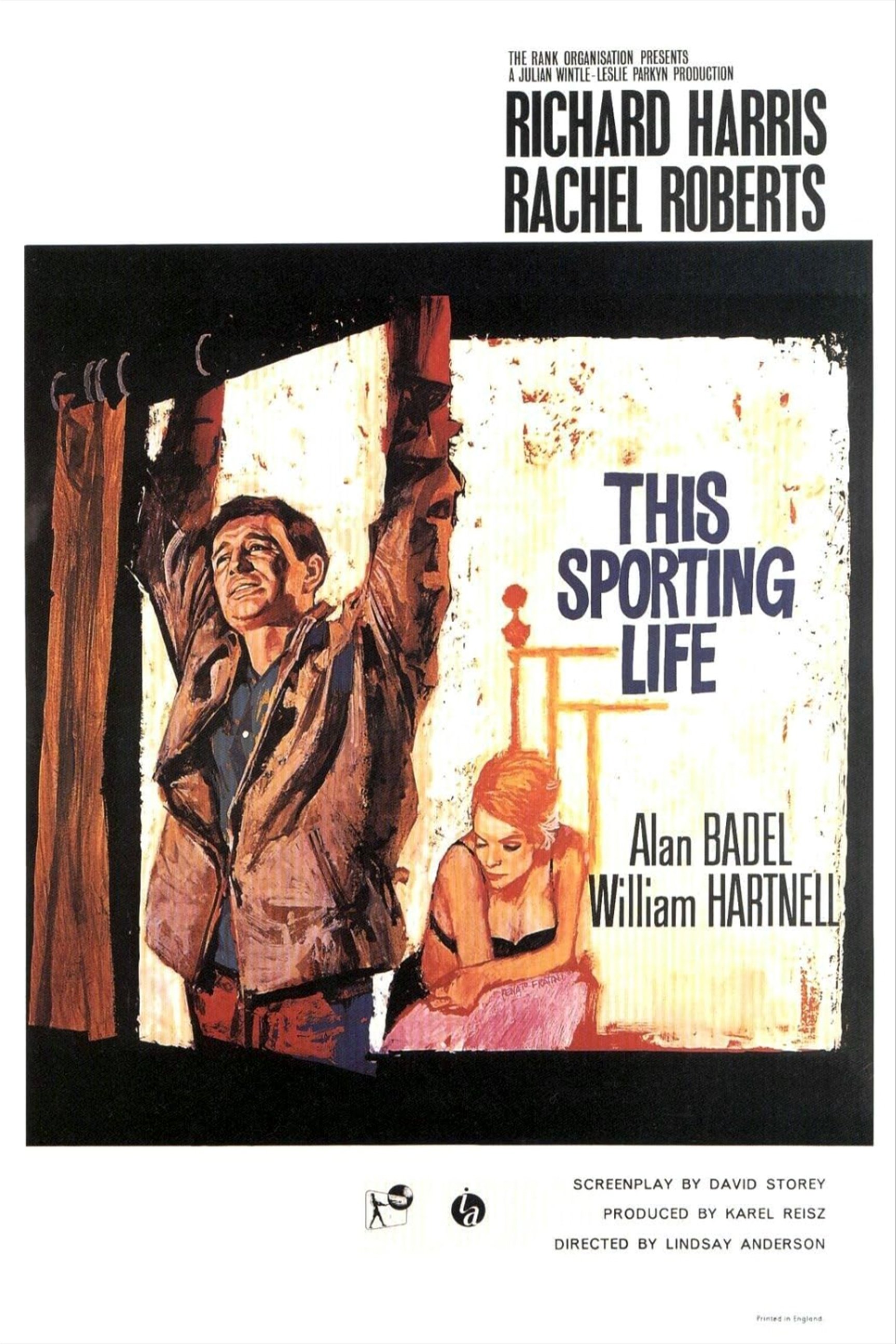
‘This Sporting Life’ centers on a coal town rugby league club in northern England and tracks the rise of a powerful forward whose aggressive style brings quick success and personal complications. Match scenes show set pieces, scrums, and the physical toll of domestic league play, with training routines and team management depicted in close detail.
Directed by Lindsay Anderson and adapted from David Storey’s novel, the film stars Richard Harris and Rachel Roberts. Location work around Wakefield and use of real club facilities ground the rugby action, while awards attention included an acting prize for Harris at Cannes and Academy Award nominations for both leads.
‘Requiem for a Heavyweight’ (1962)
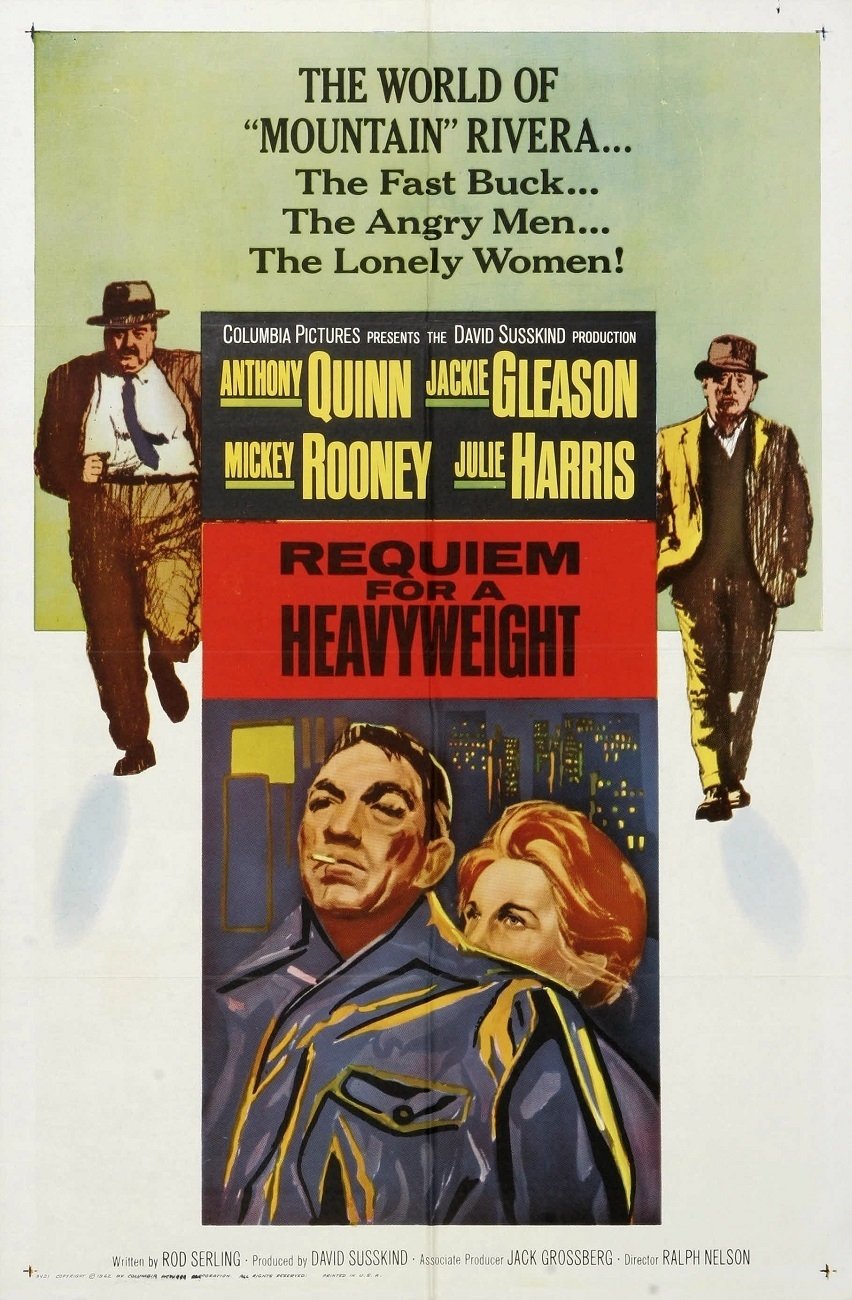
‘Requiem for a Heavyweight’ follows a veteran boxer at the end of his career after a punishing loss, as he faces medical limits, state athletic commission rules, and the realities of life outside the ring. The story examines the role of managers and matchmakers, the economics of purses, and the licensing issues that determine whether a fighter can continue.
Based on a teleplay by Rod Serling and directed by Ralph Nelson, the film stars Anthony Quinn, Jackie Gleason, and Mickey Rooney, with a notable opening appearance by Muhammad Ali as an opponent. Production used real boxing venues and period broadcast crews to stage the opening bout, and the film carried over Serling’s sharp focus on governance and safety in the sport.
‘The Loneliness of the Long Distance Runner’ (1962)
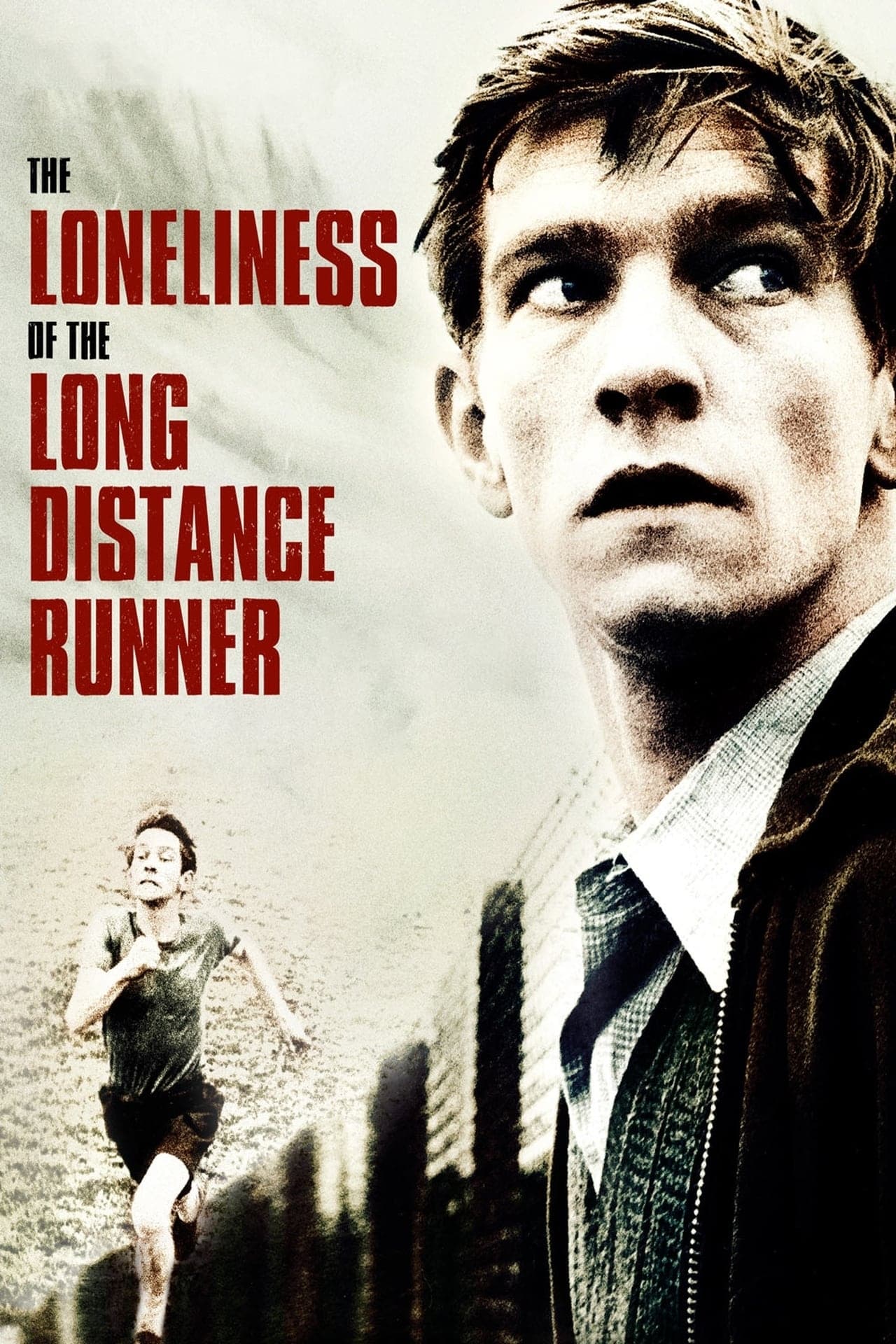
‘The Loneliness of the Long Distance Runner’ follows a youth sent to a borstal who discovers talent for distance running and is selected for an inter school cross country race. Training passages cover pacing, terrain strategy, and the solitary mental approach required for long events, while the institution’s staff view sport as a path to discipline and reputation.
Directed by Tony Richardson and adapted from Alan Sillitoe’s short story, the film stars Tom Courtenay and Michael Redgrave. Shot in black and white with a documentary feel, ‘The Loneliness of the Long Distance Runner’ uses real locations and a lean production style associated with the British New Wave, highlighting the social context around amateur athletics.
‘Grand Prix’ (1966)
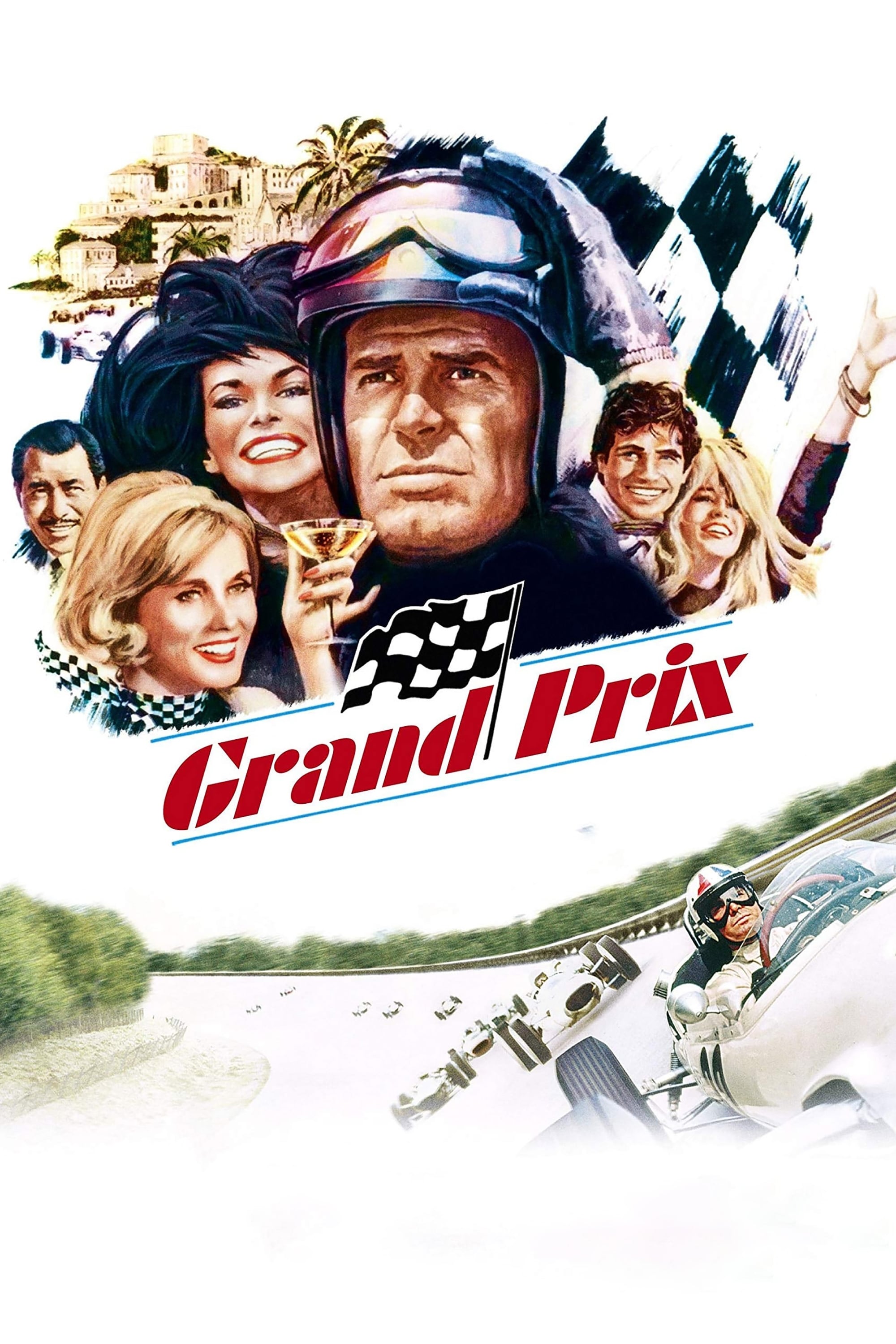
‘Grand Prix’ follows multiple Formula One teams through a full season, covering driver transfers, team orders, mechanical failures, and the logistics of international travel between classic circuits. Racing sequences explain slipstreaming, pit strategy, and the difference between factory backed operations and privateer efforts during a period of rapid technical change.
Directed by John Frankenheimer and produced by MGM, the film was shot at real tracks including Monaco, Spa, Monza, Zandvoort, and Brands Hatch. The production worked with active teams and drivers and used camera rigs mounted on actual race cars along with split screen editing, and it earned multiple Academy Awards in technical categories for sound and editing achievements.
‘Winning’ (1969)
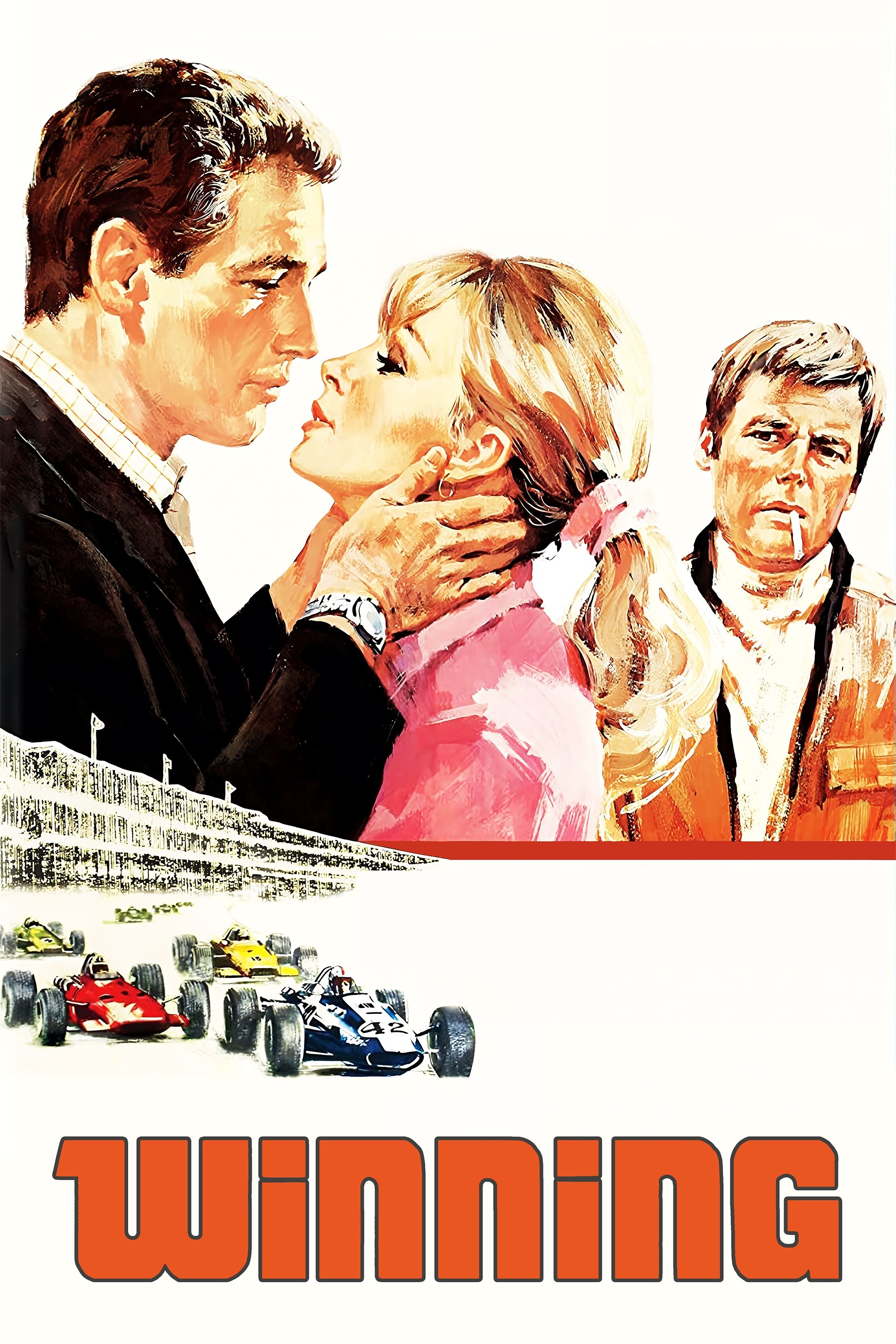
‘Winning’ centers on an American open wheel driver working toward the Indianapolis 500 while balancing team relationships, sponsorship demands, and family life. The film lays out qualifying formats, pit procedures, and car setup considerations, and it frames the Indy schedule as a long build with testing, practice, and media obligations.
Directed by James Goldstone and starring Paul Newman, Joanne Woodward, and Robert Wagner, ‘Winning’ shot racing material at the Indianapolis Motor Speedway and other tracks with veteran consultants assisting. Paul Newman’s motorsport training for the film led him to a long association with professional racing and team ownership, and the movie captures the paddock atmosphere with real crews and officials.
‘Downhill Racer’ (1969)
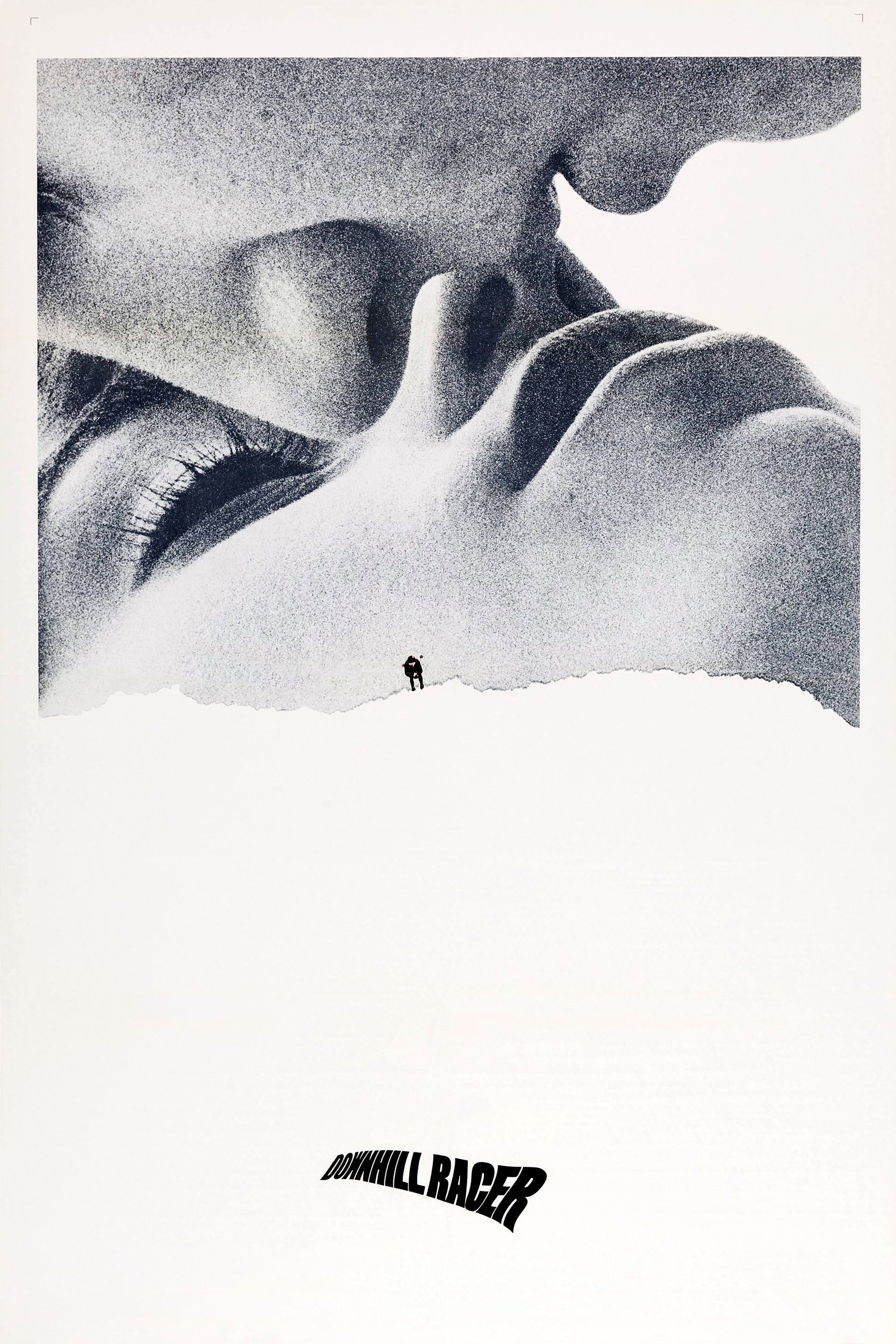
‘Downhill Racer’ follows an American skier who joins a European circuit and learns the demands of downhill and giant slalom competition, from wax selection to course inspection and start house protocol. The story shows the difference between individual time trial events and team dynamics, along with the financial and federation pressures on international athletes.
Directed by Michael Ritchie with a screenplay by James Salter from Oakley Hall’s novel, the film stars Robert Redford and Gene Hackman. Shot on location at major alpine venues with national team cooperation, ‘Downhill Racer’ uses long lens photography to convey speed and terrain while capturing coaching meetings, federation politics, and the media’s influence on athlete promotion.
‘The Endless Summer’ (1966)
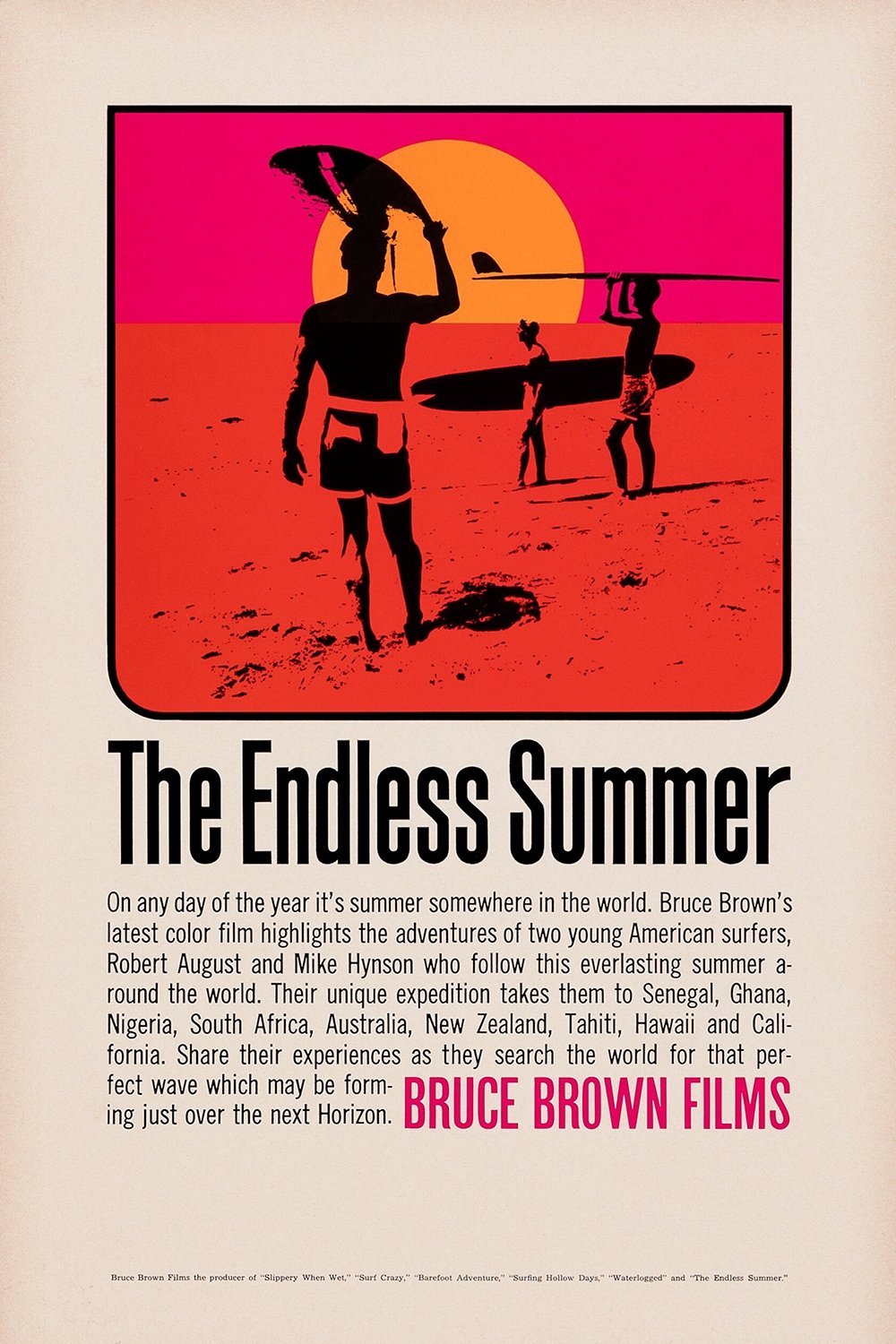
‘The Endless Summer’ documents two surfers who travel the globe in search of waves and in the process map out seasonal wind patterns, swell windows, and local board design trends. It records lineup etiquette, paddle routes, and region specific hazards, and it introduces many viewers to the idea of surf travel as a structured pursuit.
Written, shot, and narrated by Bruce Brown, ‘The Endless Summer’ features Mike Hynson and Robert August and uses a simple production package with lightweight cameras and on site commentary. The film toured as a roadshow with the director presenting the film himself before gaining wider distribution, and it helped popularize point breaks in Africa and reef passes in the Pacific among a broad audience.
‘Tokyo Olympiad’ (1965)
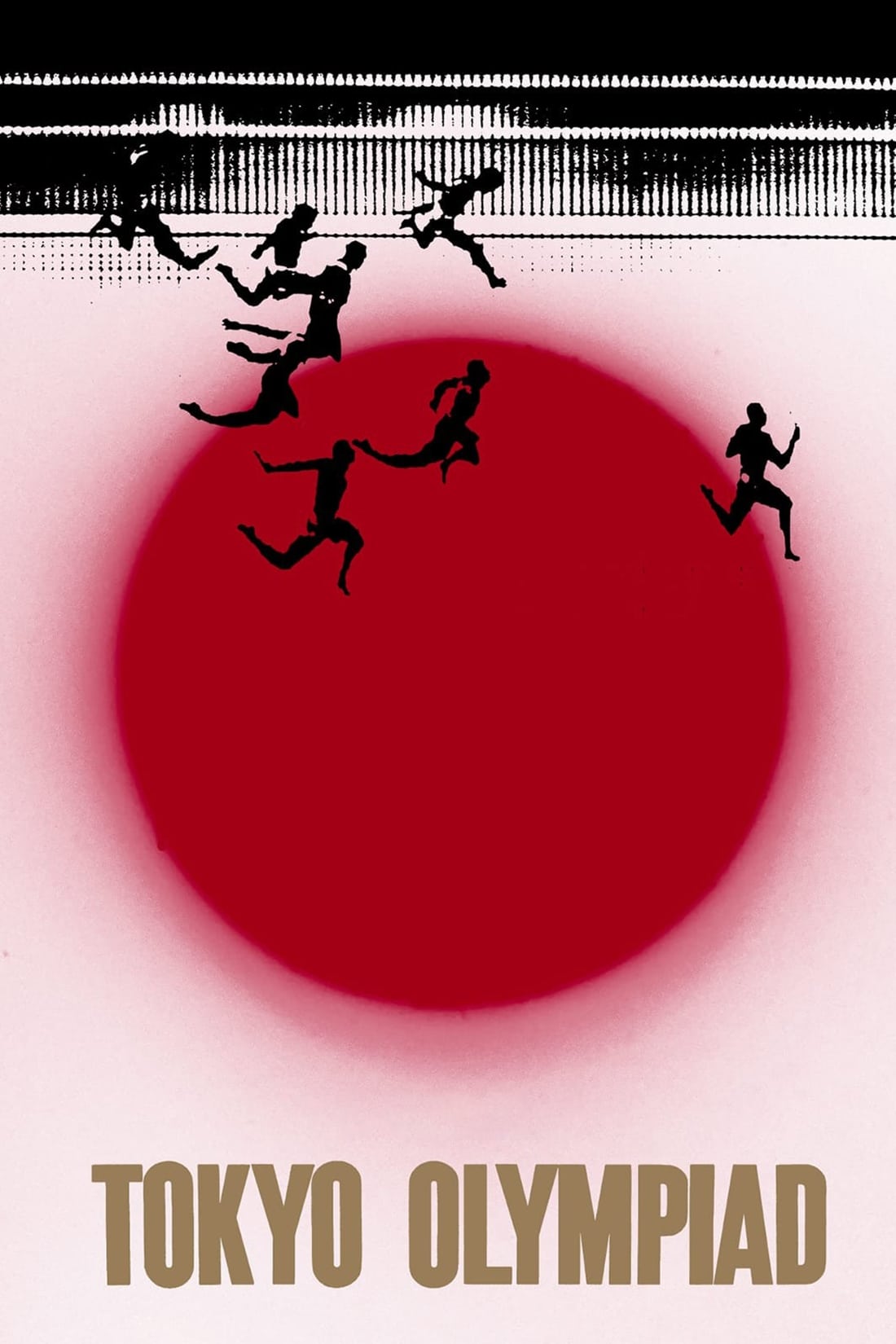
‘Tokyo Olympiad’ chronicles the Summer Games in Japan with extensive coverage of track and field, swimming, gymnastics, and team sports, while focusing on the preparation and emotion of the athletes rather than only medal counts. The film features slow motion analysis, telephoto studies of technique, and behind the scenes looks at officiating and venue logistics.
Directed by Kon Ichikawa with cooperation from organizers and international federations, ‘Tokyo Olympiad’ used a large camera crew and innovative lenses across multiple venues. The production design captured ceremonies and competition with a lyrical approach while still documenting events comprehensively, and the film stands as an official record approved by hosts and sporting bodies.
‘Paper Lion’ (1968)
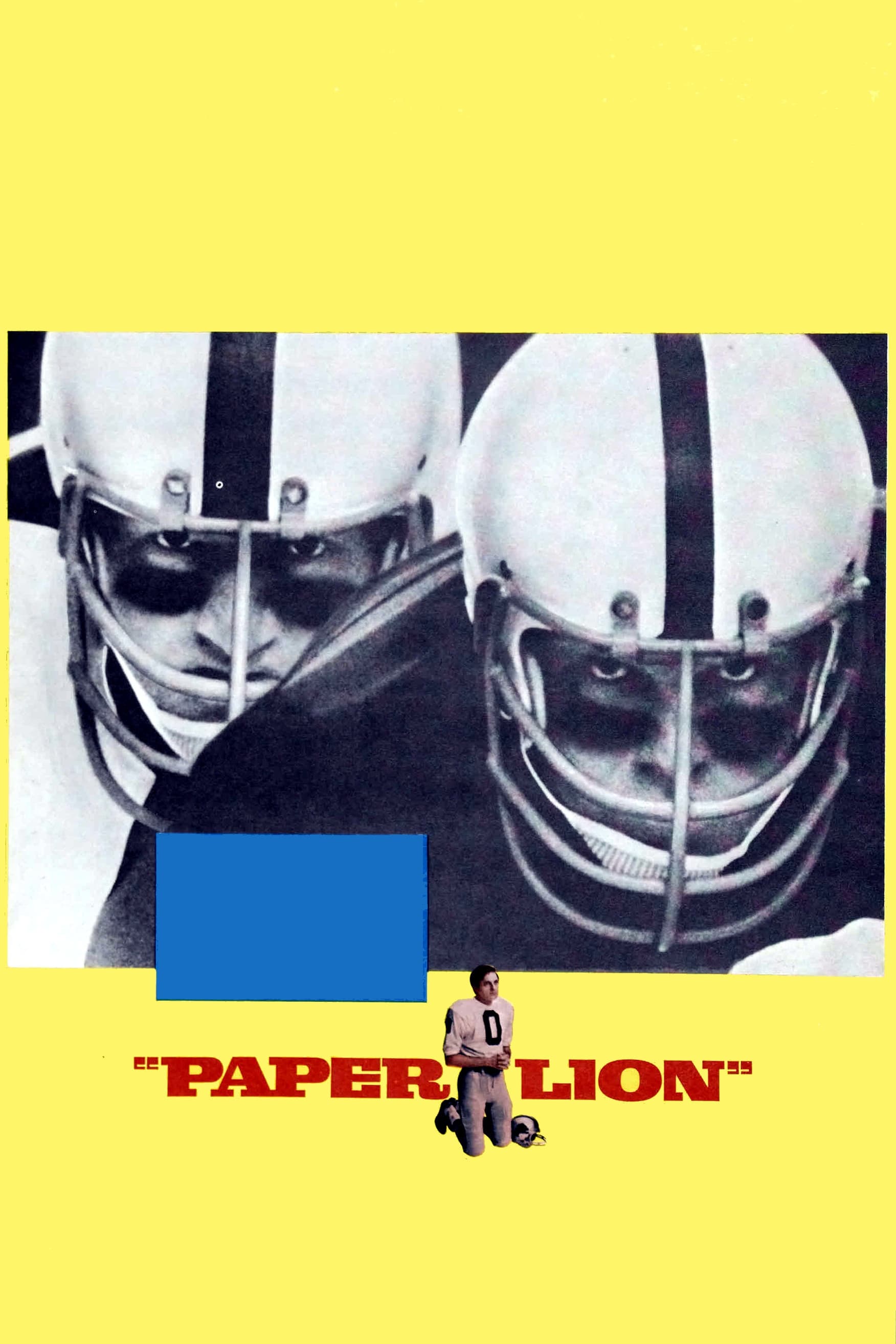
‘Paper Lion’ adapts George Plimpton’s account of joining an NFL training camp to attempt a quarterback tryout, showing playbook study, drills, and roster cuts from a reporter’s perspective. It captures the grind of two a day practices, preseason scrimmages, and the evaluation sessions used by coaching staffs to reduce squads to regular season numbers.
Starring Alan Alda as Plimpton and filmed with the Detroit Lions, the production features appearances by active players and coaches and includes practice footage at team facilities. ‘Paper Lion’ blends staged scenes with documentary elements and records the customs of professional locker rooms, team meetings, and media relations in a period before modern collective bargaining shaped camp procedures.
‘Number One’ (1969)
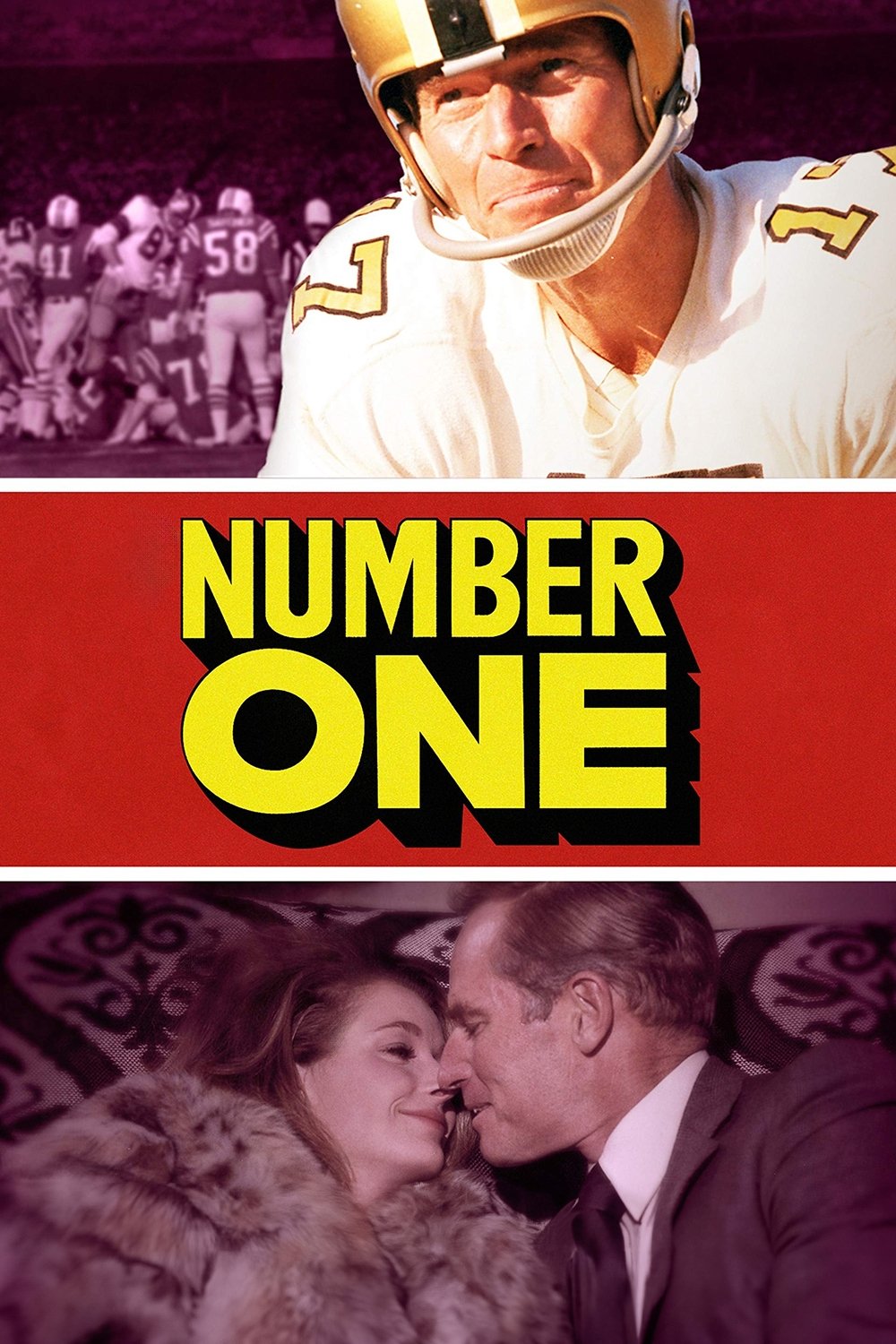
‘Number One’ follows a veteran quarterback for the New Orleans Saints who faces declining performance, injuries, and front office decisions that affect his future with the franchise. The story lays out play calling from the field, treatment rooms, and the film study routines that guide weekly game plans during a pro football season.
Directed by Tom Gries and starring Charlton Heston with support from real team personnel, ‘Number One’ shot sequences in actual stadiums and practice fields. The production gained access to sidelines and locker rooms for authenticity, and it depicts contract talks, endorsement negotiations, and the role of local media in shaping a player’s status with fans and management.
‘The Love Bug’ (1968)
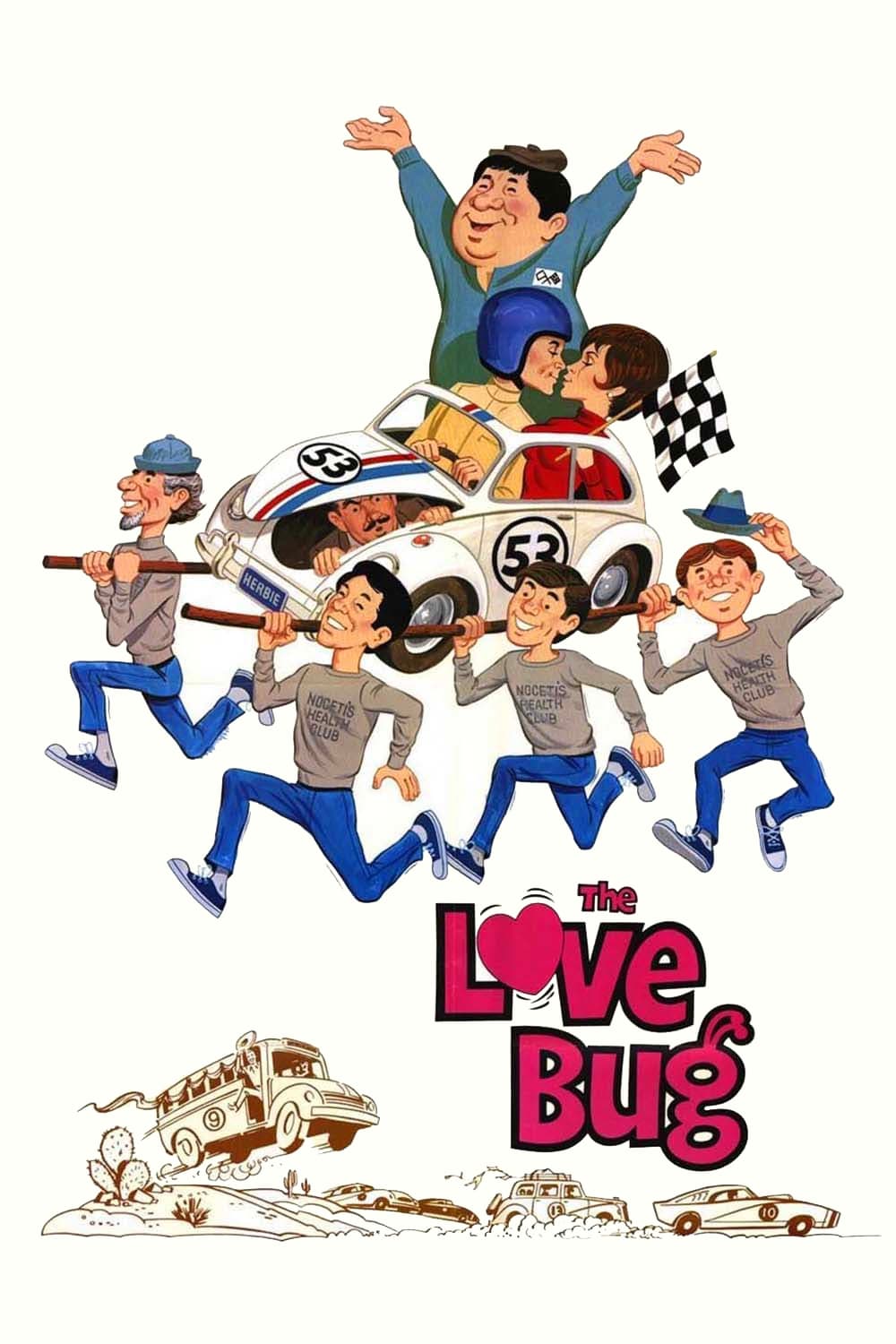
‘The Love Bug’ introduces Herbie, a Volkswagen Beetle with a mind of its own that forms a partnership with struggling driver Jim Douglas and returns him to club level road racing. The film includes grid formation procedures, post race inspections, and a look at the small team model that relies on friends, independent shops, and secondhand parts.
Produced by Walt Disney Productions and directed by Robert Stevenson, the film stars Dean Jones, Michele Lee, Buddy Hackett, and David Tomlinson. Racing sequences were staged at California circuits with professional drivers handling close quarters camera work, and Herbie’s number and livery became a recurring feature in later entries and promotional events tied to motorsport meets.
‘Ride the Wild Surf’ (1964)
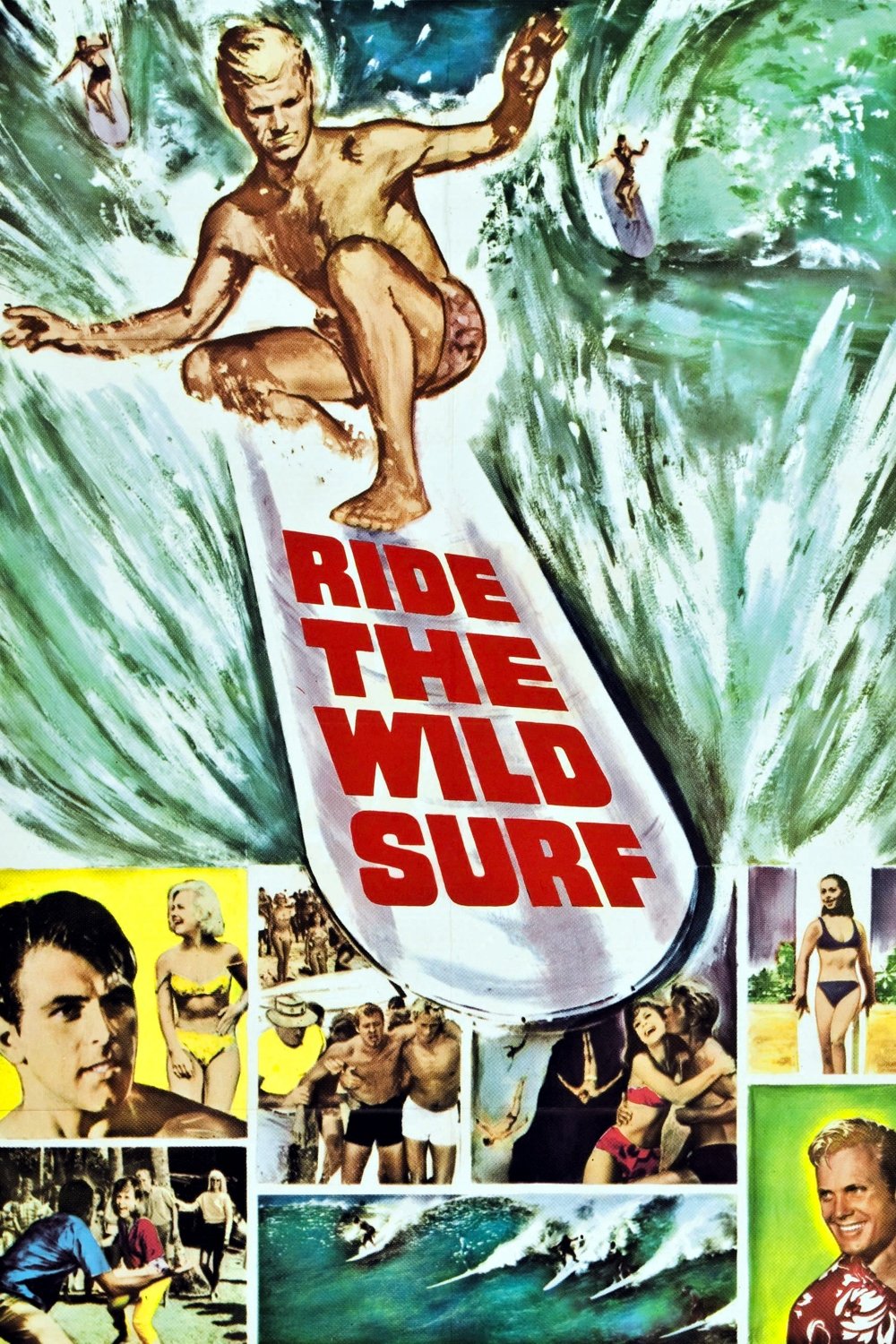
‘Ride the Wild Surf’ follows three mainland surfers who travel to Hawaii for big wave season and find themselves tested by local conditions and the social scene that surrounds the beaches. The surf action shows lineup positioning, sets at outer reefs, and the risk management required when swells rise beyond usual crowd limits.
Directed by Don Taylor and featuring Fabian, Tab Hunter, Peter Brown, Barbara Eden, and Shelley Fabares, the production shot on Oahu with professional surfers performing the heaviest rides. ‘Ride the Wild Surf’ used long telephoto setups from cliffs and water angles from ski equipped craft, and it helped bring the North Shore’s winter waves to a wide audience through studio distribution.
‘Goal!’ (1966)

‘Goal!’ is the official film of the World Cup hosted in England, presenting group play through the final with attention to tactics, national styles, and the logistics of a major tournament. It explains substitution rules of the time, training bases, and travel between stadiums, while also showing fan culture and the work of stewards and referees.
Directed by Abidin Dino and Ross Devenish with support from the tournament organizers, ‘Goal!’ features narration by Nigel Patrick and extensive match footage sourced from broadcast and dedicated camera crews. The film uses slow motion and montage to analyze key plays and records ceremonies and press conferences, preserving an authoritative account of the event.
‘Kid Galahad’ (1962)
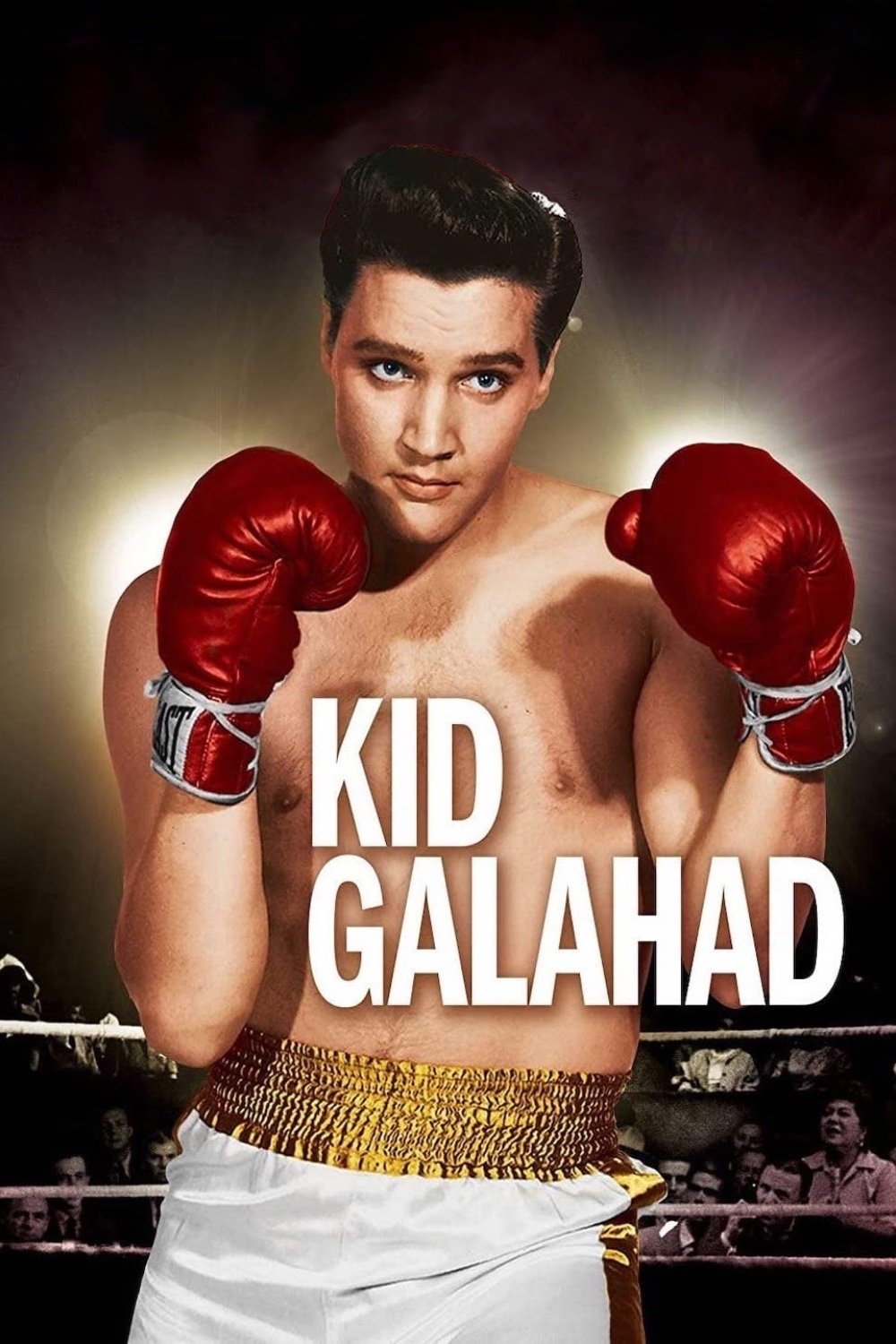
‘Kid Galahad’ tells the story of a young Army veteran who becomes a professional boxer under the guidance of a seasoned trainer and a small time promoter. The film covers licensing, sparring schedules, weight management, and matchmaking as the fighter climbs through preliminary bouts toward more competitive contests.
Directed by Phil Karlson and starring Elvis Presley with support from Gig Young, Lola Albright, and Charles Bronson, ‘Kid Galahad’ staged boxing scenes with experienced fight choreographers and used real gyms for authenticity. The production balances training camp details and promotional strategy, showing how regional cards build a fighter’s reputation before headlining opportunities arrive.
Share your favorite picks and any hidden gems from the decade in the comments.