Martin Sheen’s Career: From ‘The Incident’ to ‘Lost & Found in Cleveland’

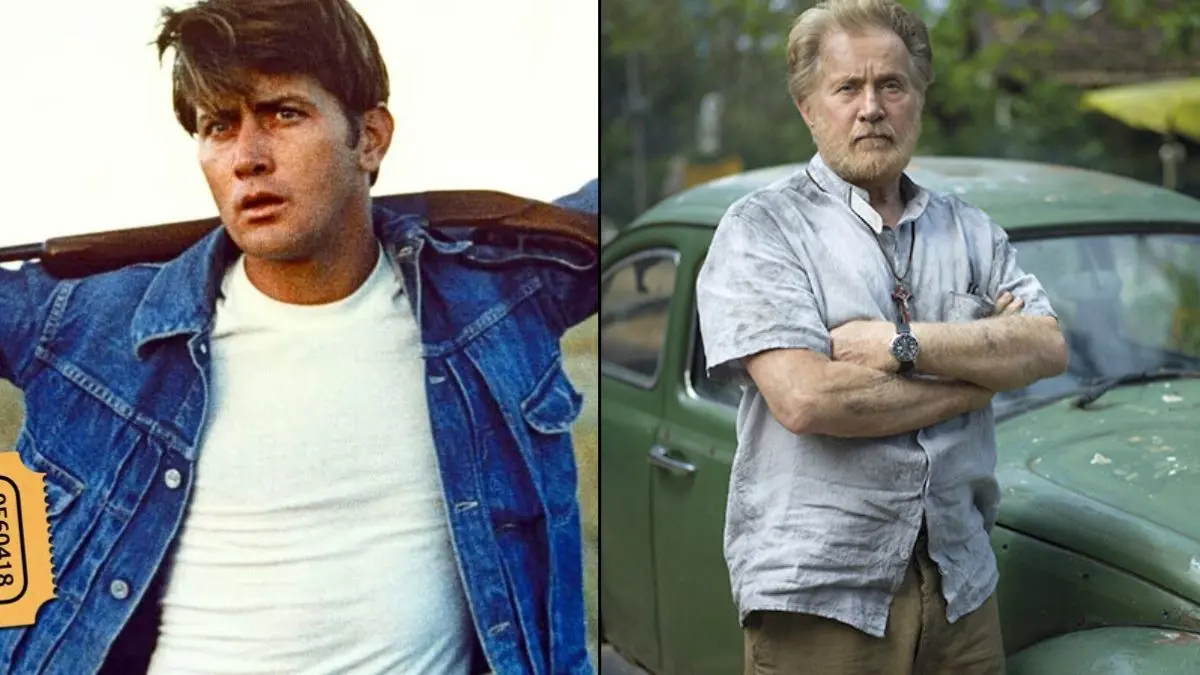

Martin Sheen is an acclaimed American actor with a career spanning over six decades. Born Ramón Estévez, he adopted his stage name to gain better opportunities in the acting world, though he never legally changed his name. He began his journey in the 1960s with roles in New York theater, which quickly led to guest appearances on various television series. His talent for portraying complex and intense characters soon became evident, setting the stage for a long and respected career in both film and television.
His early work established him as a powerful performer, willing to take on challenging roles that explored the depths of the human experience. He first gained significant notice for his roles in films like ‘The Subject Was Roses’ and ‘Badlands’. These performances paved the way for his iconic lead role in ‘Apocalypse Now’. Throughout his career, Sheen has been recognized for his versatility, playing everything from presidents to police captains, and has collected numerous awards, including a Golden Globe and multiple Emmy Awards, cementing his status as a legendary figure in Hollywood.
‘The Incident’ (1967)

‘The Incident’ is a tense crime thriller and marked Martin Sheen’s debut in a feature film. He plays Artie Connors, one of two street thugs who terrorize passengers on a late-night New York City subway car. The film captures the fear and paralysis of the commuters when confronted by the menacing and unpredictable behavior of Artie and his friend Joe. Sheen’s performance introduces his ability to portray intense and disturbed characters.
The story unfolds as the two hoodlums move through the train car, taunting and tormenting each passenger. The film examines the bystander effect, as the trapped commuters are too afraid to intervene or help one another. The tension builds to a dramatic climax, highlighting the darker aspects of human nature and societal indifference. Sheen’s role as the volatile Artie was a powerful introduction for the actor.
‘The Subject Was Roses’ (1968)

In ‘The Subject Was Roses’, Sheen reprises his Tony-nominated Broadway role as Timmy Cleary, a young man who returns home after serving in World War II. He finds himself caught in the middle of the long-standing conflict between his parents, John and Nettie. The film is a powerful drama that explores the deep emotional wounds and unresolved issues within a seemingly typical family. Sheen portrays the son who must navigate the turbulent relationship of his parents.
Timmy’s return disrupts the fragile peace in his parents’ strained marriage. As old resentments surface, he is forced to confront the painful dynamics of his family. The film is a character-driven story, focusing on the intense and emotional conversations between the three family members. Sheen’s performance earned him a Golden Globe nomination and showcased his talent for dramatic roles.
‘Catch-22’ (1970)

Based on Joseph Heller’s famous novel, ‘Catch-22’ is a satirical war film with a large ensemble cast. The story follows Captain Yossarian, a U.S. Army Air Forces bombardier trying to be declared insane so he can stop flying missions. Martin Sheen plays 1st Lt. Dobbs, a pilot who becomes increasingly unstable due to the absurd and dangerous situations of war.
Dobbs is another pilot who wants to avoid flying more missions and eventually plans to take drastic action. Sheen’s character is a small but memorable part of the film’s chaotic and darkly comedic world. The movie critiques the bureaucracy and insanity of war through its eccentric characters and non-linear narrative, and Sheen contributes to its overall anti-war message.
‘Rage’ (1972)
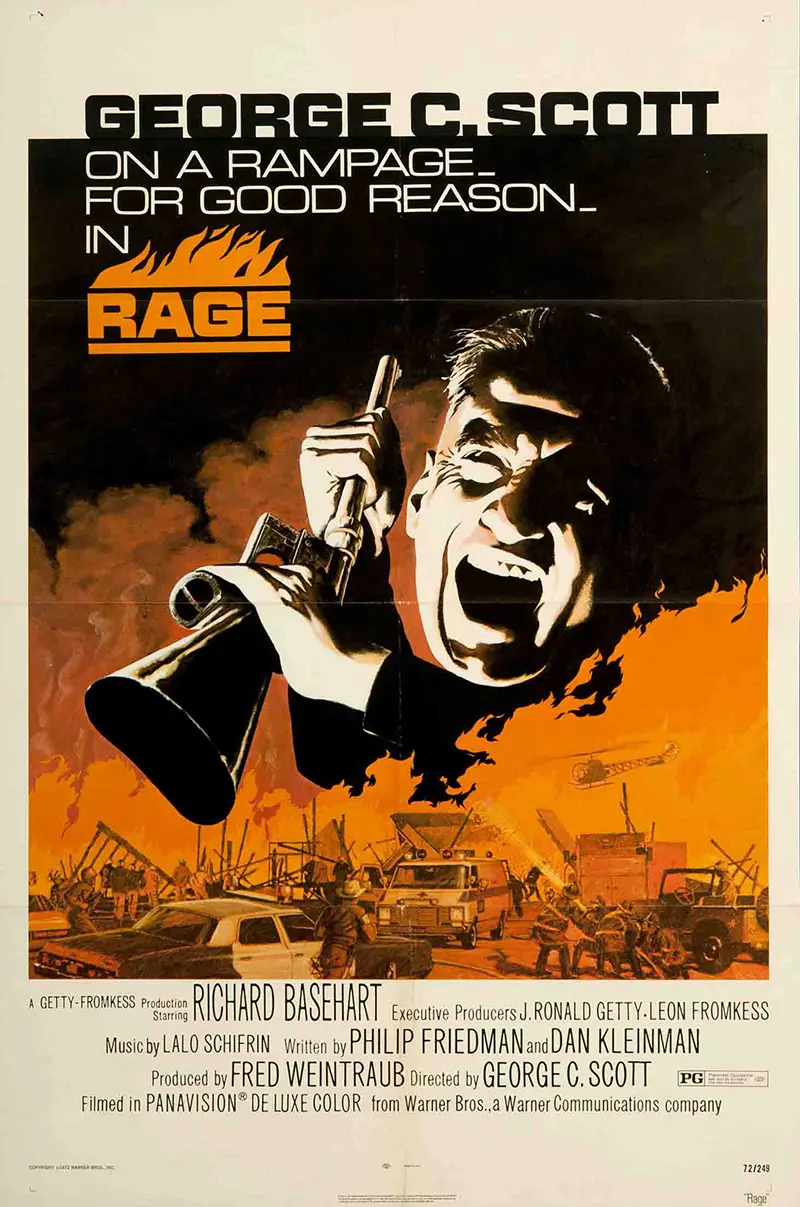
In ‘Rage’, Martin Sheen plays Major Holliford, a military doctor involved in a cover-up. The film, directed by and starring George C. Scott, follows a rancher named Dan Logan whose son is accidentally exposed to a deadly military nerve gas. Sheen’s character is tasked with treating the Logans while concealing the true cause of their illness from them.
As the rancher’s son’s condition worsens, Logan becomes increasingly desperate for answers, which Holliford and his superiors are determined to hide. The film is a tense thriller that builds as Logan seeks revenge on those responsible for his son’s fate. Sheen portrays a man caught between his duty to the military and the unfolding human tragedy.
‘Badlands’ (1973)
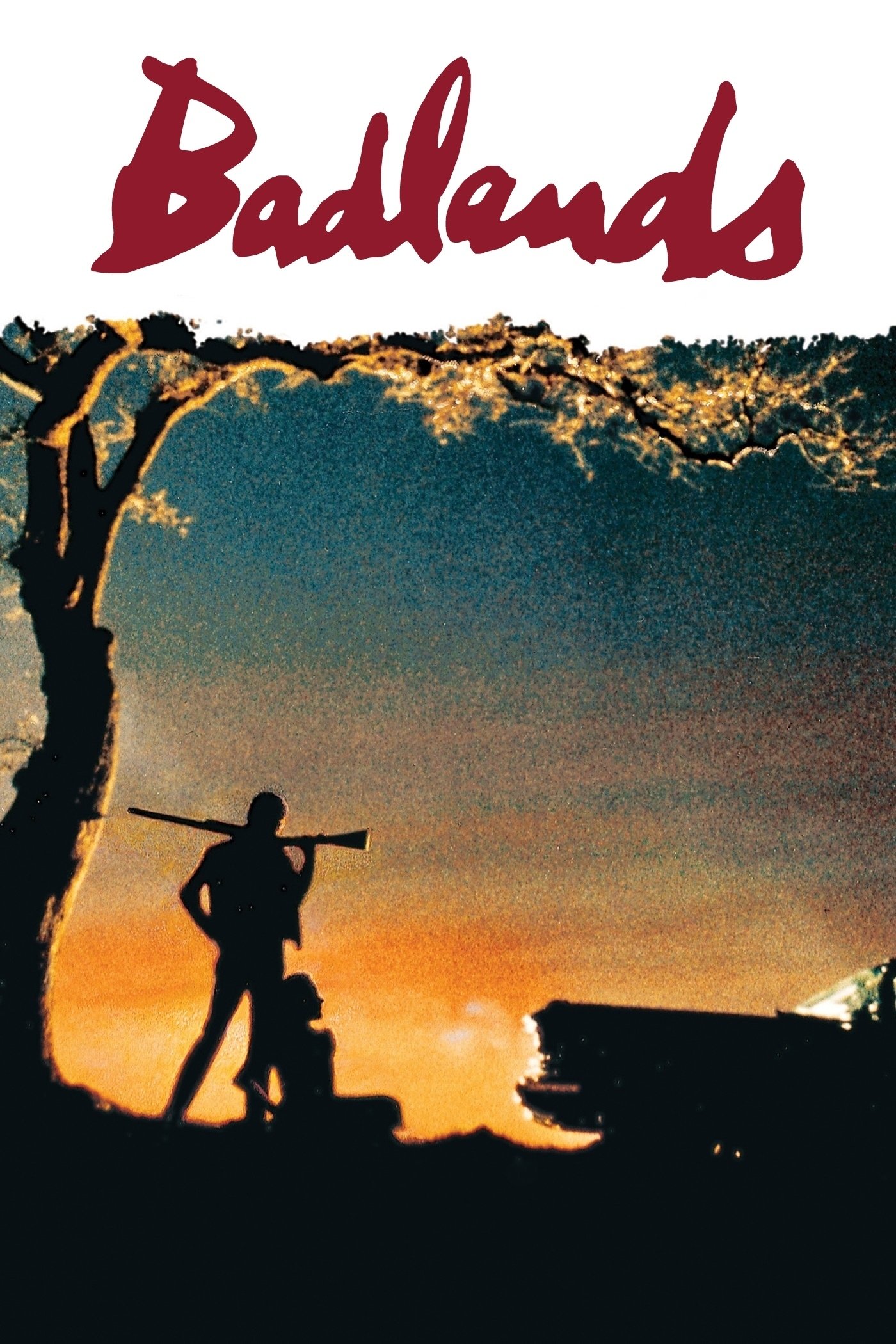
‘Badlands’ features one of Martin Sheen’s most memorable early performances as Kit Carruthers, a character loosely based on a real-life killer. The film follows Kit, a troubled and charismatic young man, and his teenage girlfriend Holly as they embark on a crime spree across the Midwest. Sheen’s portrayal of the detached and unpredictable Kit helped establish the film as a classic and is considered one of his breakout roles.
The story is told from Holly’s naive perspective, which contrasts sharply with the violent acts committed by Kit. His calm demeanor while engaging in criminal acts makes his character deeply unsettling. The film is noted for its beautiful cinematography and lyrical tone, which stands in stark opposition to the dark subject matter. Sheen’s performance was widely praised for its quiet intensity.
‘Apocalypse Now’ (1979)
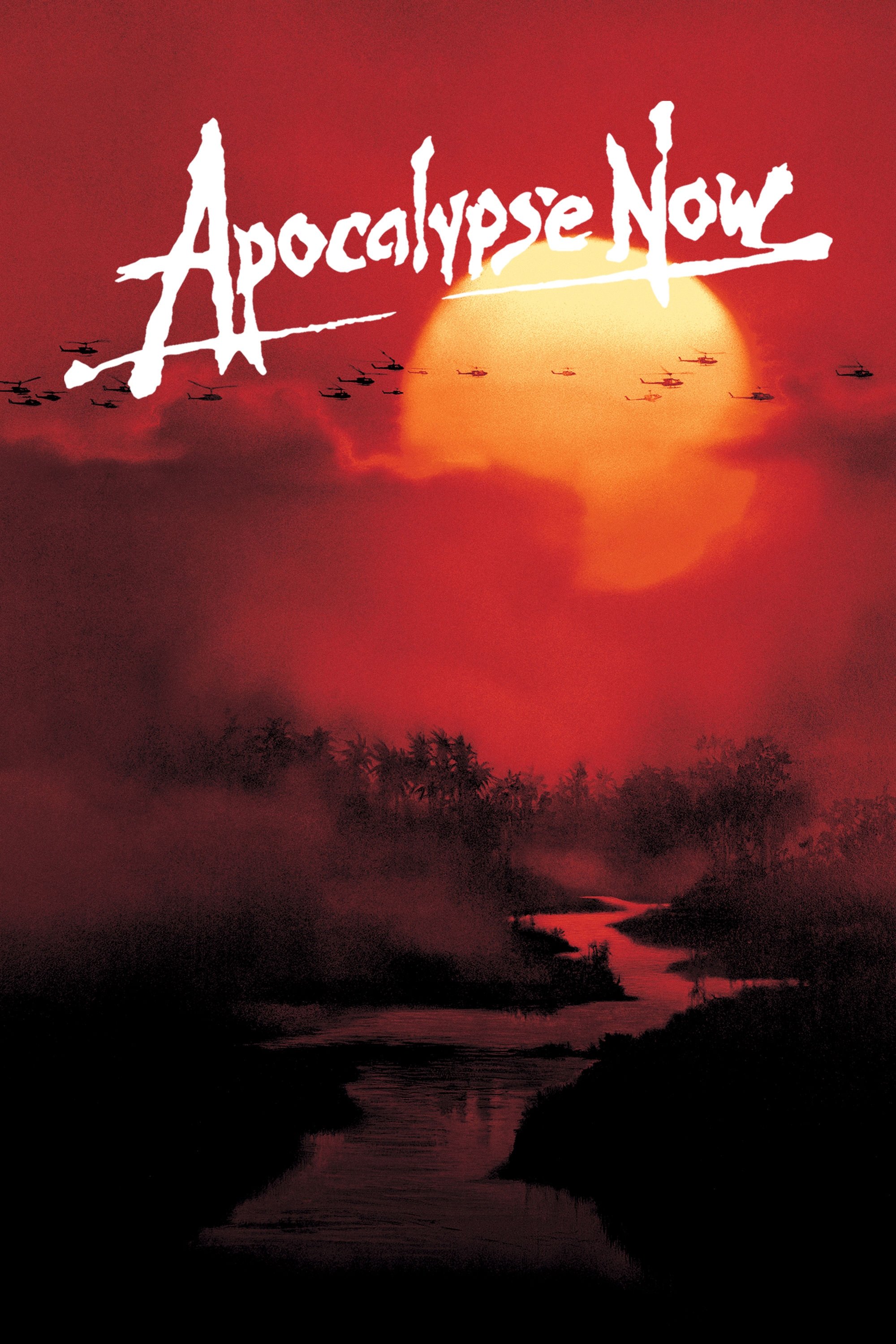
In Francis Ford Coppola’s epic war film ‘Apocalypse Now’, Martin Sheen stars as Captain Benjamin L. Willard, a U.S. Army officer sent on a secret mission during the Vietnam War. His task is to travel upriver into Cambodia to find and assassinate the rogue and presumed insane Colonel Kurtz. The journey is a descent into madness, with Willard confronting the horrors of war and his own inner demons.
Sheen’s intense and gripping performance is central to the film. The production was famously difficult, and Sheen himself suffered a heart attack during the shoot in the Philippines, which mirrored his character’s own physical and psychological breakdown. His portrayal of the weary and tormented Willard became one of the most iconic roles of his career and earned him a BAFTA nomination for Best Actor.
‘The Final Countdown’ (1980)
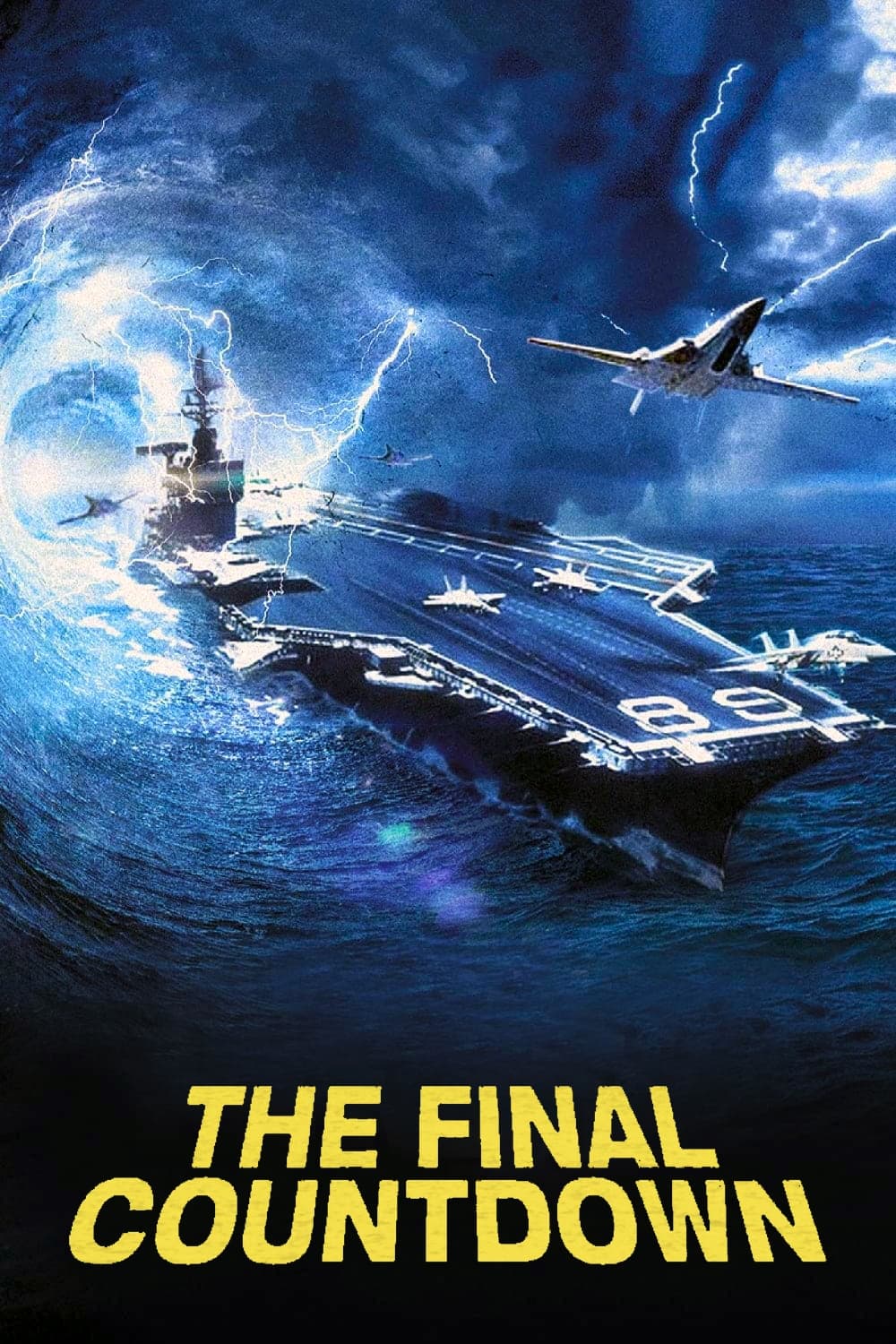
‘The Final Countdown’ is a science fiction film where Martin Sheen stars as Warren Lasky, a civilian systems analyst. He is invited aboard the aircraft carrier USS Nimitz to observe its operations. While at sea, the ship encounters a mysterious storm and is transported back in time to December 6, 1941, just one day before the attack on Pearl Harbor.
Lasky, along with the ship’s captain and a naval air commander, must grapple with the incredible situation they find themselves in. They face a monumental decision: whether to intervene and change the course of history or to let the tragic events unfold as they originally did. Sheen’s character represents the civilian perspective, caught in a military and historical dilemma.
‘Gandhi’ (1982)
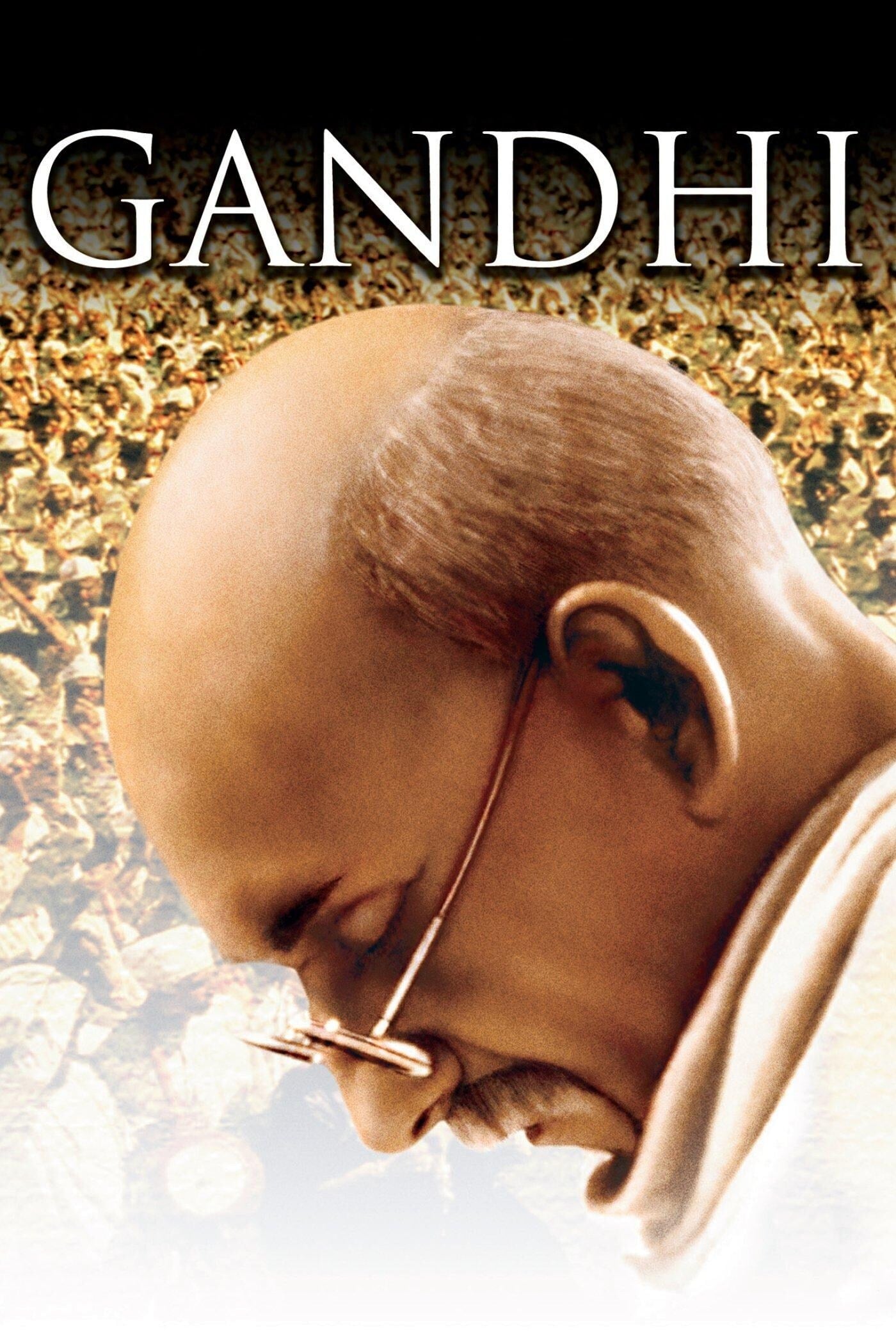
In the historical epic ‘Gandhi’, Martin Sheen plays Vince Walker, a fictional journalist who covers Mahatma Gandhi’s life and activism. While the character is a composite of several real-life journalists, he serves as an important narrative device in the film. Through Walker’s eyes, the audience follows Gandhi’s journey from a young lawyer to a world-renowned leader of nonviolent resistance.
Sheen’s character helps to frame the story, providing a Western perspective on Gandhi’s movement for India’s independence. He interviews Gandhi at various points, allowing the film to explain key events and philosophies. Though a supporting role, Sheen’s presence adds a familiar face for international audiences and helps guide them through the historical narrative.
‘The Dead Zone’ (1983)

In the thriller ‘The Dead Zone’, based on a Stephen King novel, Martin Sheen plays Greg Stillson, a ruthless and ambitious politician. The film’s protagonist is a schoolteacher who awakens from a coma with psychic abilities, including the power to see a person’s future by touching them. When he shakes Stillson’s hand at a political rally, he has a terrifying vision of Stillson becoming president and causing a nuclear holocaust.
Sheen portrays Stillson as a charismatic but secretly unhinged populist who is willing to do anything to gain power. His performance is both charming and menacing, creating a memorable villain. The film becomes a tense cat-and-mouse game as the psychic hero must decide if he should take drastic measures to stop the dangerous politician from reaching the White House.
‘Firestarter’ (1984)
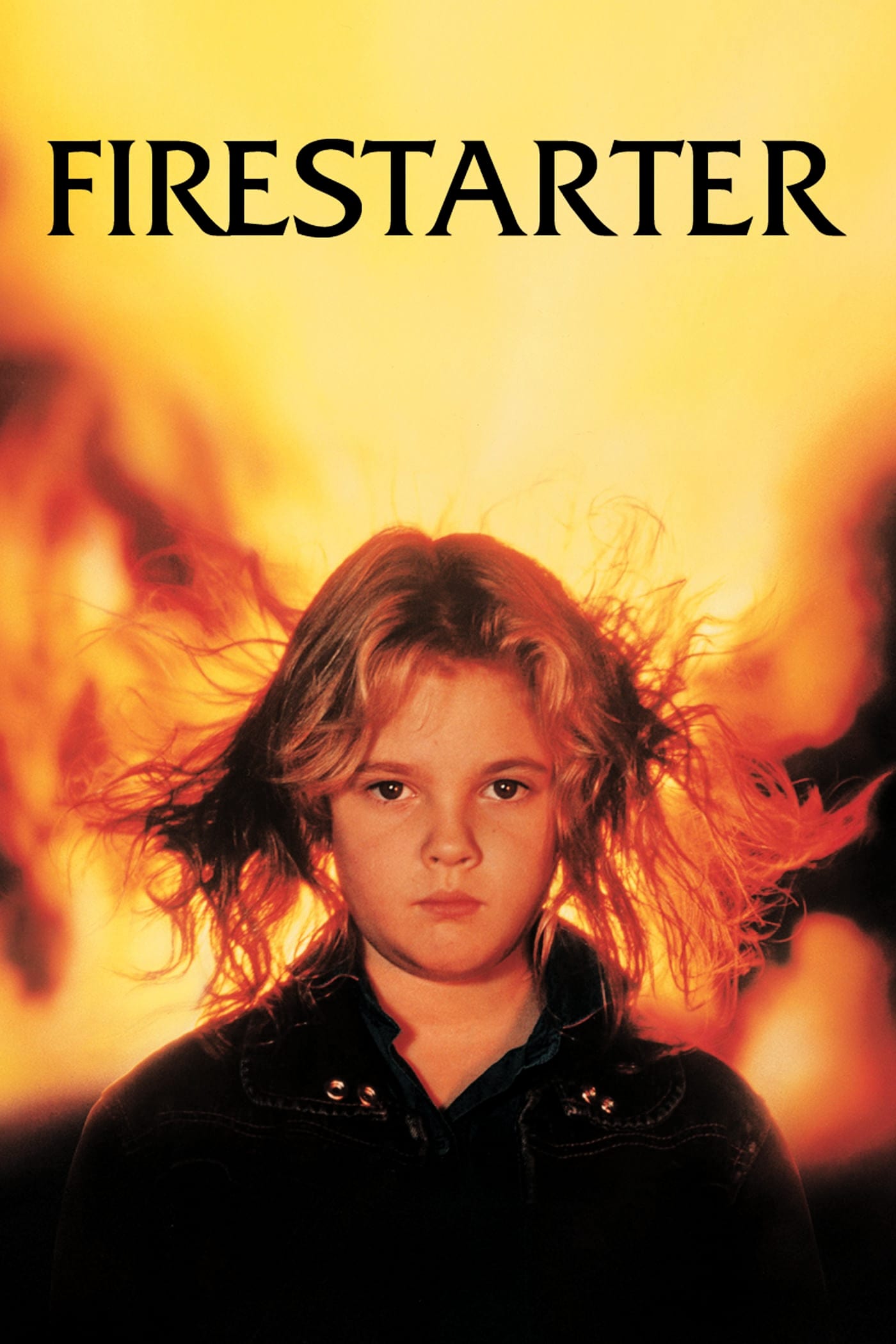
In ‘Firestarter’, another adaptation of a Stephen King novel, Sheen plays Captain Hollister, the head of a secret government agency known as “The Shop”. This agency is responsible for experiments that gave a young couple telekinetic abilities. Their daughter, Charlie, develops a much more powerful and dangerous ability: pyrokinesis, the power to create and control fire with her mind.
Hollister is determined to capture and control Charlie for the government’s purposes. He leads the relentless pursuit of the girl and her father, viewing them as subjects rather than people. Sheen portrays Hollister as a cold and manipulative bureaucrat, representing a government that is both faceless and menacing in its quest for power.
‘Wall Street’ (1987)
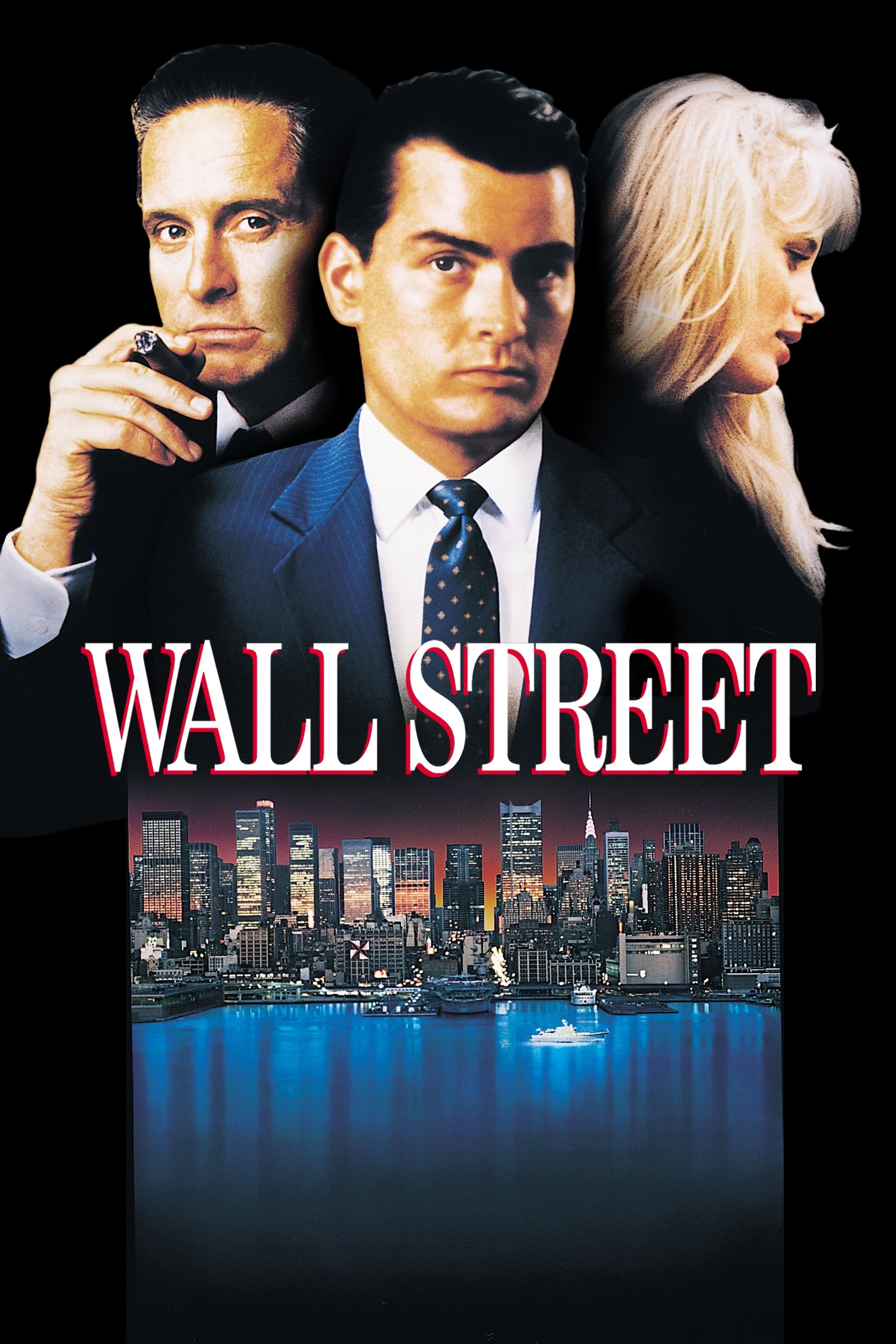
In ‘Wall Street’, Martin Sheen plays Carl Fox, the hardworking, blue-collar father of the ambitious young stockbroker Bud Fox, who was played by Sheen’s real-life son, Charlie Sheen. Carl is an airline mechanic and union leader who represents the moral compass of the film. He stands in stark contrast to the greed and corruption of the corporate raider Gordon Gekko.
Carl’s relationship with his son is central to the film’s conflict. He tries to instill his honest work ethic in Bud, but Bud is lured by the wealth and power of Gekko. Carl’s wisdom and integrity eventually lead Bud to question the illegal and unethical path he has chosen. The father-son dynamic was made more authentic by the real-life relationship between the actors.
‘Gettysburg’ (1993)

Martin Sheen portrays Confederate General Robert E. Lee in the epic war film ‘Gettysburg’. The movie provides a detailed depiction of the pivotal three-day Battle of Gettysburg during the American Civil War. Sheen’s performance captures the dignity and stoicism of Lee as he leads the Army of Northern Virginia. He portrays the general as a revered but flawed commander dealing with the immense pressure of the conflict.
The film focuses on the strategies and human drama of the battle. Sheen’s Lee is shown interacting with his subordinate commanders, like General James Longstreet, as they make critical decisions that will determine the outcome of the war. Sheen provides a nuanced portrayal of a historical figure, showing the man behind the legend who must bear the weight of his army’s fate.
‘The American President’ (1995)
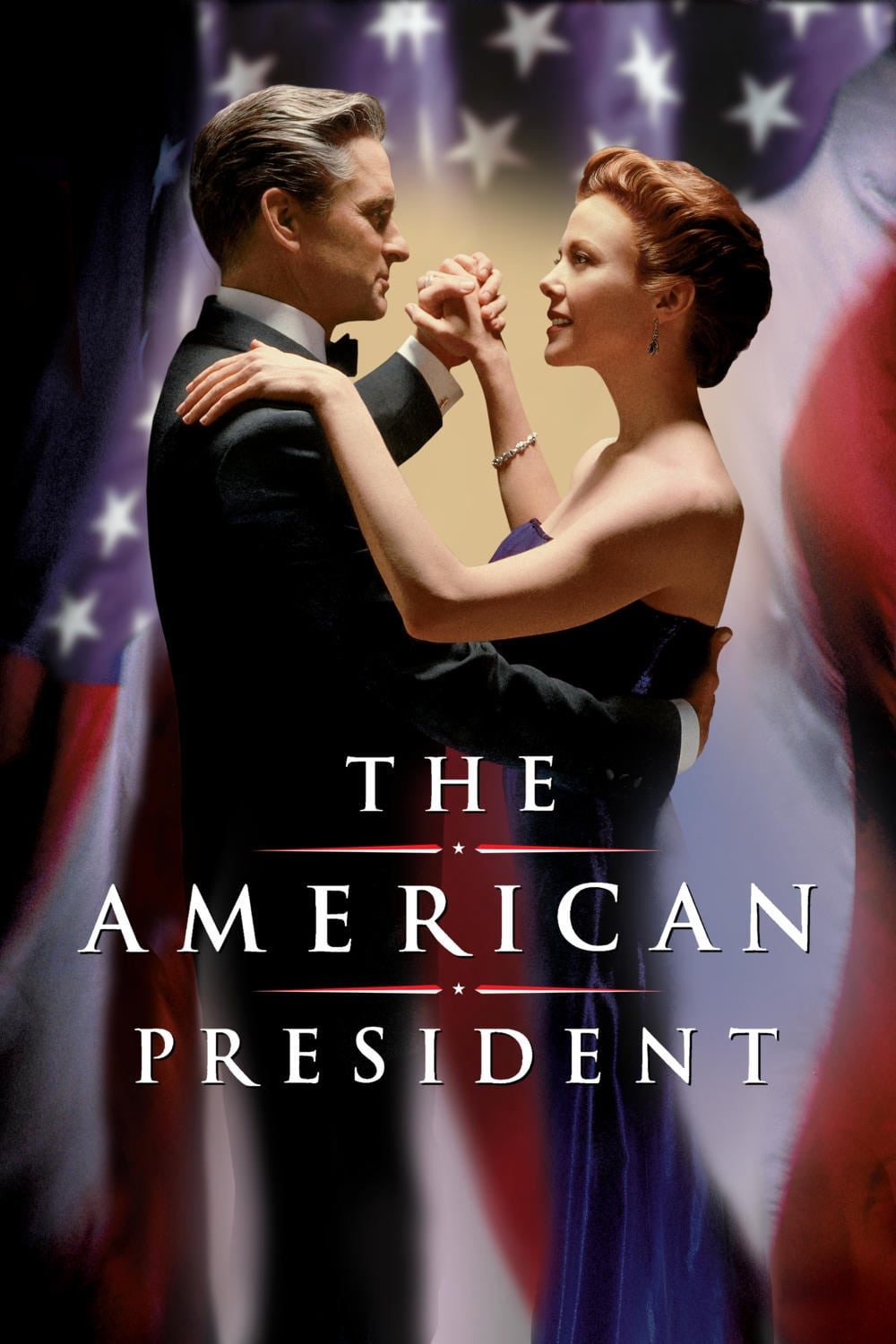
In ‘The American President’, Martin Sheen plays A.J. MacInerney, the loyal and pragmatic Chief of Staff to President Andrew Shepherd. The film is a romantic comedy-drama about a widowed U.S. President who falls in love with an environmental lobbyist. Sheen’s character serves as the President’s most trusted advisor and close friend, often providing guidance on both political and personal matters.
MacInerney is a seasoned political operator who is fiercely protective of the President. He is often the voice of reason, trying to manage the political fallout from the President’s new relationship. Sheen’s portrayal is steady and authoritative, providing a strong supporting performance that adds depth to the film’s depiction of life in the White House.
‘Spawn’ (1997)

Martin Sheen plays the villainous Jason Wynn in the superhero film ‘Spawn’. Wynn is the head of a covert government agency who betrays and murders his top assassin, Al Simmons. Simmons is sent to Hell, where he makes a deal to return to Earth as a “Hellspawn” to lead Hell’s army in exchange for seeing his fiancée again.
As Spawn returns to the world of the living, he seeks vengeance against the man who sent him to his grave. Sheen portrays Wynn as a corrupt and power-hungry mastermind, a purely evil character with no redeeming qualities. His role is central to the hero’s origin story, serving as the embodiment of the human evil that Spawn must confront.
‘Catch Me If You Can’ (2002)

In the biographical crime film ‘Catch Me If You Can’, Sheen has a supporting role as Roger Strong, the father of Brenda Strong, who becomes the fiancée of the young con artist Frank Abagnale Jr. Frank, posing as a doctor, meets Brenda at the hospital where she works as a nurse. He is then introduced to her parents, Roger and Carol.
Sheen portrays Roger as a stern and respected lawyer who is initially suspicious of Frank. However, Frank’s charm and apparent success win him over. The role is small but important, as Frank’s relationship with the Strong family represents his desire for a normal life and a stable family, something he lost as a teenager.
‘The Departed’ (2006)
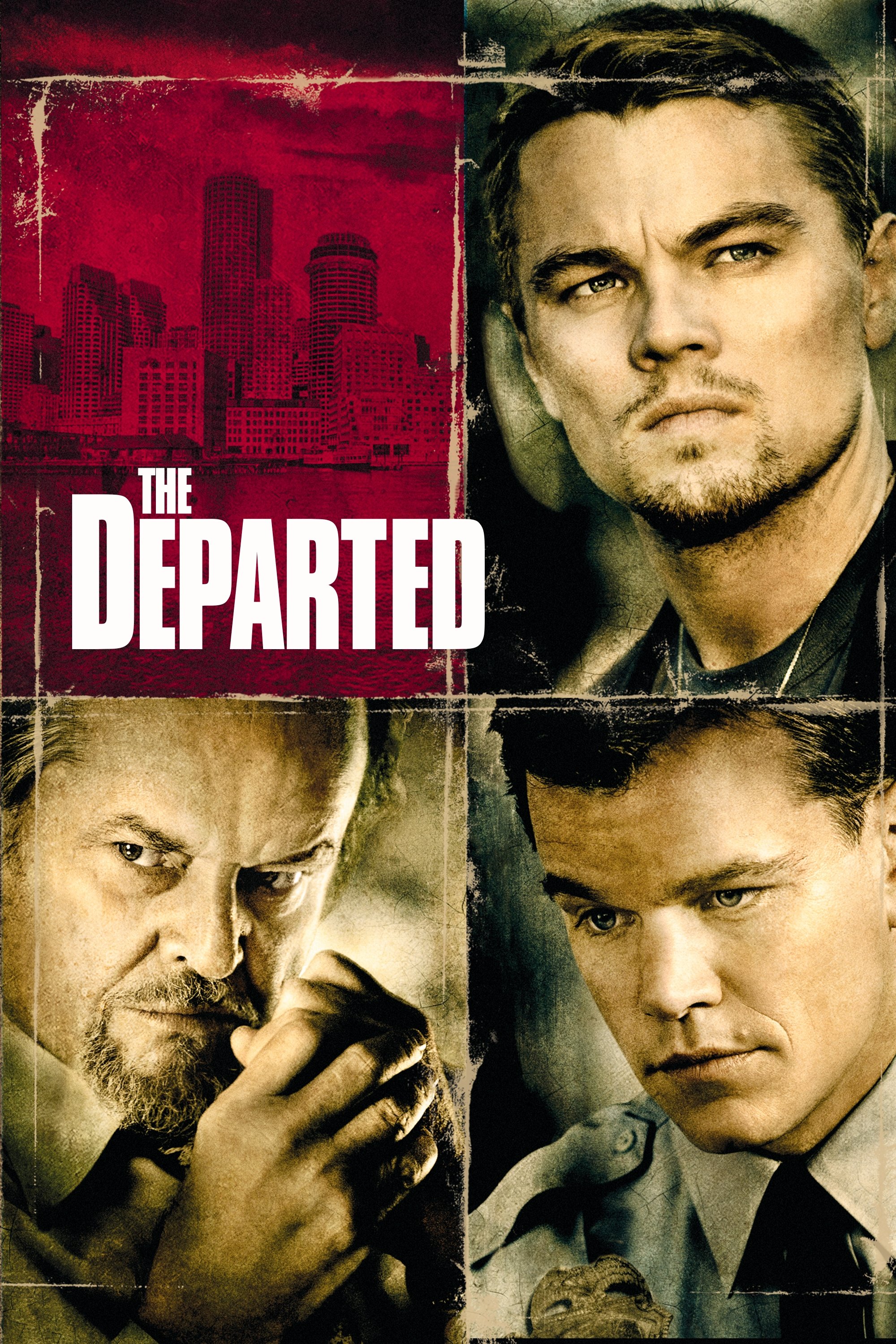
In the crime thriller ‘The Departed’, Martin Sheen plays Captain Oliver Queenan, a commanding officer in the Massachusetts State Police. Queenan is one of only two people who know that officer Billy Costigan is working undercover to infiltrate the Irish mob. Sheen portrays Queenan as a dedicated and honorable police captain who is deeply committed to his duty and protective of his undercover officer.
Queenan’s character is a key figure in the tense and complex plot. He guides Costigan through the dangerous operation while dealing with the pressure of having a mole within his own department. Sheen’s performance brings a sense of gravity and integrity to the role, making the character a moral anchor in a story filled with corruption and betrayal.
‘Bobby’ (2006)

‘Bobby’ is an ensemble drama that tells a fictionalized story of the hours leading up to the assassination of U.S. Senator Robert F. Kennedy. The film follows various characters whose lives intersect at the Ambassador Hotel in Los Angeles on that fateful day. Sheen is part of the large cast, playing a wealthy man who is having an affair with a younger woman.
His character and his wife, played by Helen Hunt, are among the many guests and employees at the hotel. Their personal story is one of many that unfold against the backdrop of the political and social turmoil of the era. The film uses these individual stories to paint a larger picture of a nation on the brink of change and the hope that Kennedy’s campaign represented.
‘The Way’ (2010)
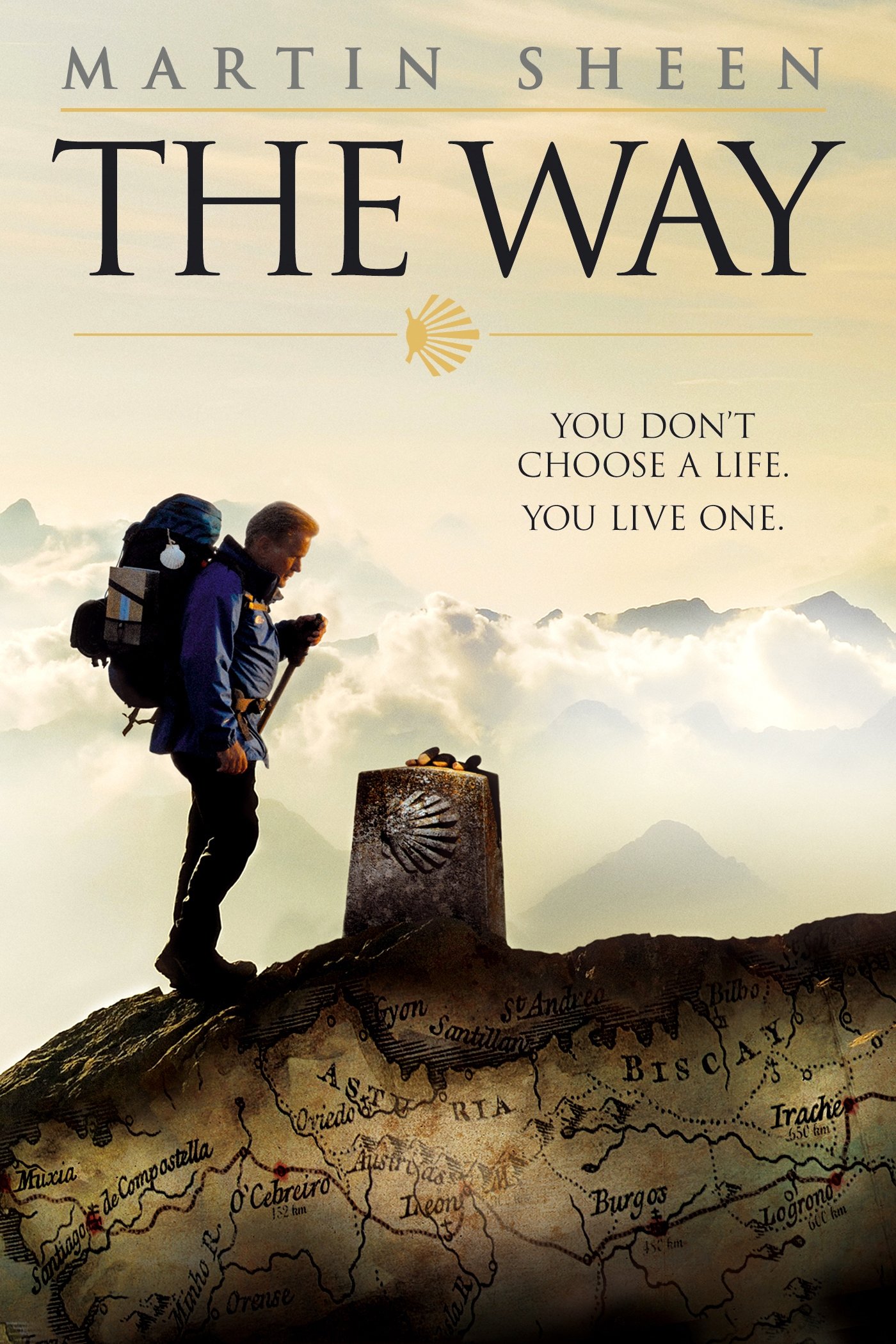
In ‘The Way’, Martin Sheen plays Tom, an American doctor who travels to France to collect the remains of his estranged adult son, who died in a storm while walking the Camino de Santiago. Driven by a combination of grief and a desire to understand his son, Tom decides to embark on the historical pilgrimage himself, carrying his son’s ashes with him.
Along the journey, Tom meets other pilgrims from around the world, each with their own reasons for walking the path. The film, directed by Sheen’s son Emilio Estevez, is a powerful and personal story about family, loss, and self-discovery. Sheen’s performance is deeply moving, capturing the emotional transformation of a man reconnecting with his son and his own life.
‘The Amazing Spider-Man’ (2012)
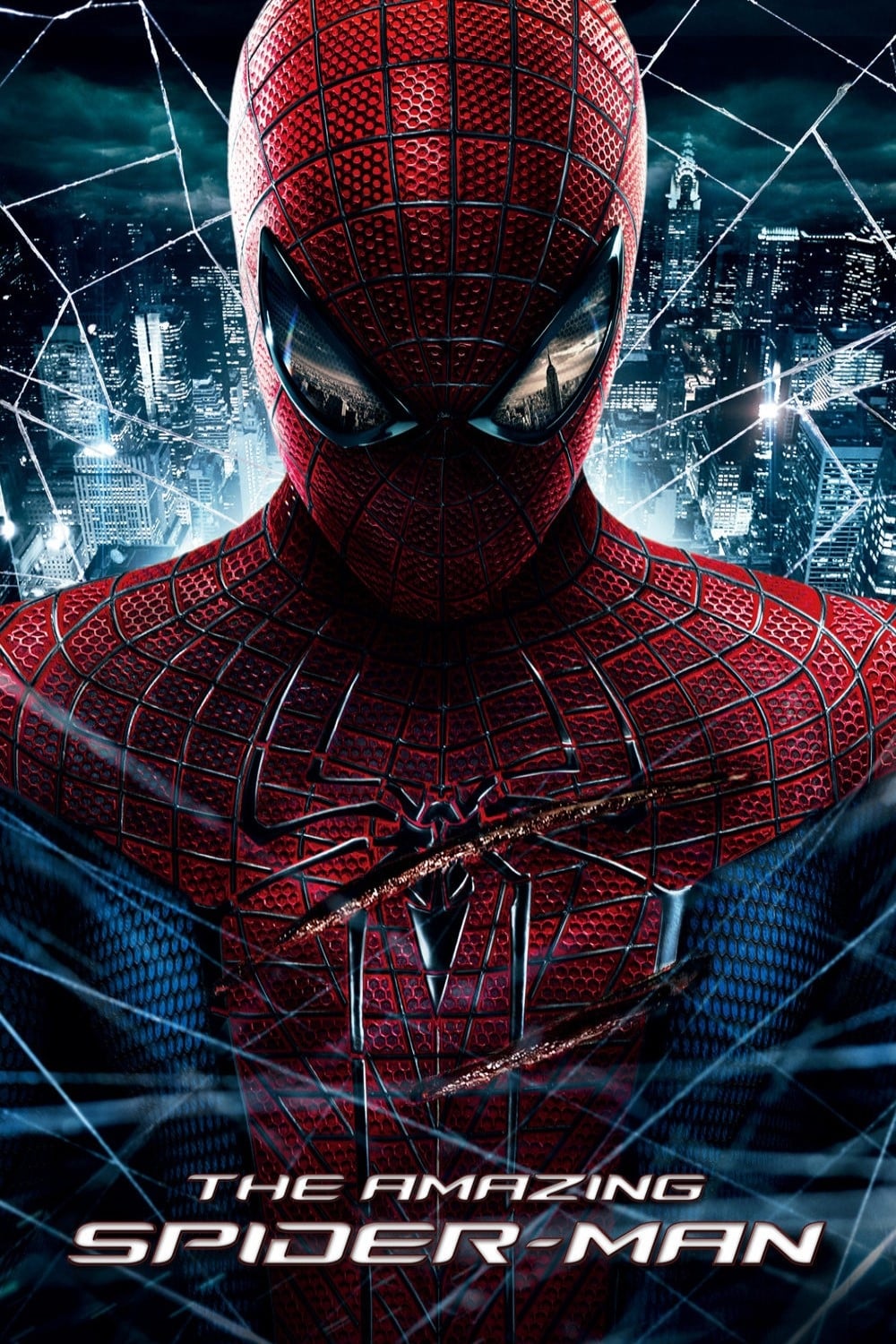
In ‘The Amazing Spider-Man’, Sheen takes on the iconic role of Ben Parker, the beloved uncle of Peter Parker. Uncle Ben and his wife, Aunt May, raise Peter after his parents disappear. Sheen portrays Ben as a warm, wise, and principled father figure who tries to instill a strong sense of responsibility in his nephew.
His character delivers the famous line, “if you could do good things for other people, you had a moral obligation to do those things.” Uncle Ben’s tragic death serves as the catalyst for Peter’s transformation into Spider-Man. Sheen’s portrayal provides the emotional core for the hero’s origin story, emphasizing the personal loss that drives Peter to use his powers for good.
‘Trash’ (2014)

Set in Brazil, ‘Trash’ follows three teenage boys who live and work in a large dumpsite. Martin Sheen plays Father Juilliard, an American priest running a mission in their community. The boys’ lives take a dramatic turn when they find a wallet containing cash and a key that connects to a story of political corruption.
As the boys go on the run from the police, they turn to Father Juilliard for help. Sheen’s character is a tired but compassionate man who, along with an NGO worker, tries to aid the boys in their dangerous quest for justice. Although a supporting role, Father Juilliard represents a source of guidance and sanctuary for the young protagonists.
‘Judas and the Black Messiah’ (2021)
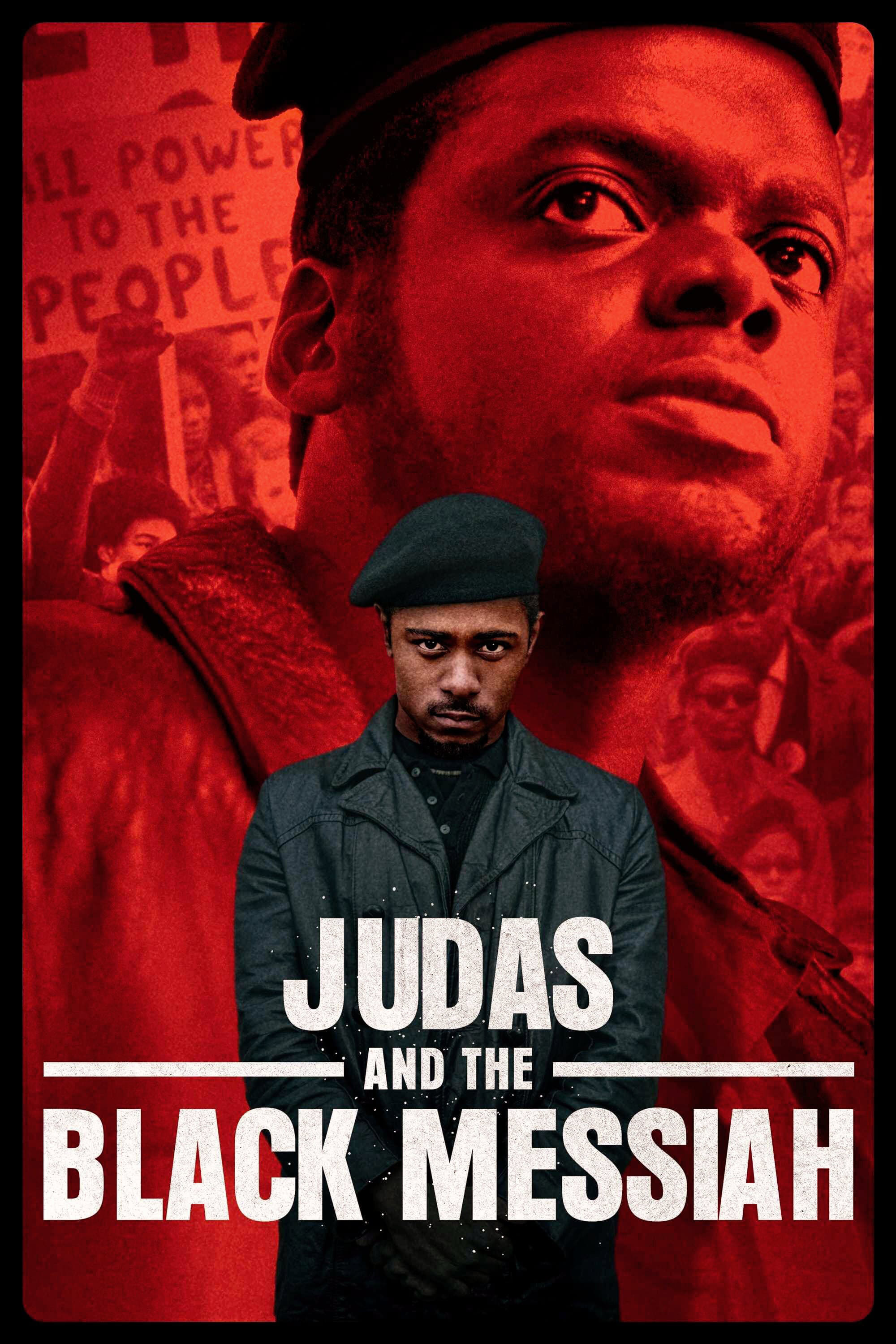
In ‘Judas and the Black Messiah’, Martin Sheen portrays J. Edgar Hoover, the powerful and controversial director of the FBI. The film tells the true story of how the FBI infiltrated the Black Panther Party in the late 1960s. Hoover viewed the Black Panthers, and specifically their charismatic leader Fred Hampton, as a major threat to national security.
Sheen’s role is crucial in setting the film’s conflict in motion. He is shown as the architect of the plan to use an informant to bring down Hampton. Sheen captures the historical figure’s resolve and his deep-seated opposition to the civil rights movement, providing a chilling look at the abuse of power at the highest levels of government.
‘Lost & Found in Cleveland’ (2024)
‘Lost & Found in Cleveland’ is a dramedy that follows the intertwining lives of five different people over a 24-hour period. Their stories connect when a popular antiques appraisal television show comes to their city. The film explores the dreams and personal journeys of residents in a post-industrial American city. Martin Sheen is part of an ensemble cast that brings this slice-of-life story to the screen.
The movie presents a heartfelt look at the lives of its characters, whose paths cross in unexpected ways. Sheen delivers a commanding performance as one of the Cleveland residents whose life is impacted by the arrival of the TV show. The film is a tale about hope, community, and the surprising ways people’s lives can change in a single day.
What is your favorite Martin Sheen performance from his long and varied career?