Did You Know These 10 Things About ‘Spider-Man 2’

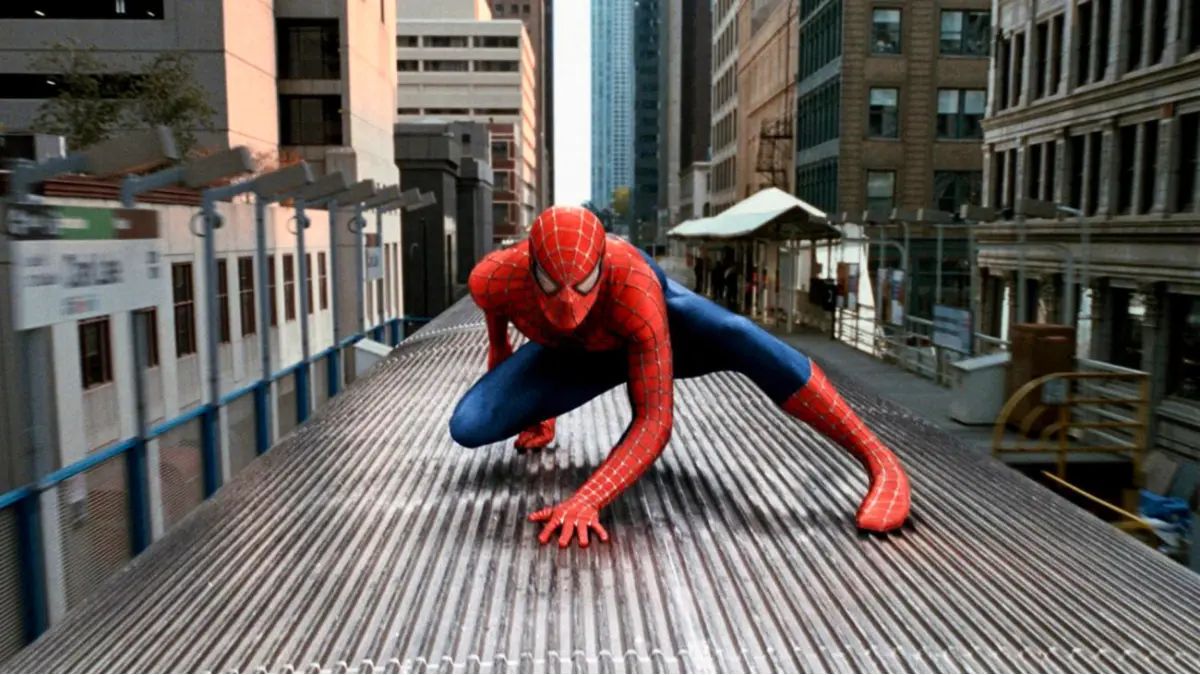

When ‘Spider-Man 2’ hit theaters in 2004, it wasn’t just another superhero sequel. The film raised the bar for comic book movies with its emotional storytelling, groundbreaking visual effects, and thrilling action sequences. Directed by Sam Raimi and starring Tobey Maguire, Kirsten Dunst, James Franco, and Alfred Molina, it became a defining moment in superhero cinema and is still praised today for how it balanced character depth with spectacular set pieces.
Behind the scenes, though, there were plenty of fascinating details and little-known stories that shaped the movie into what fans saw on screen. From technical breakthroughs to casting twists and even unexpected real-world inspirations, the making of ‘Spider-Man 2’ is full of surprises. Here are ten things you probably didn’t know about this iconic film.
The Train Fight Took Months to Perfect
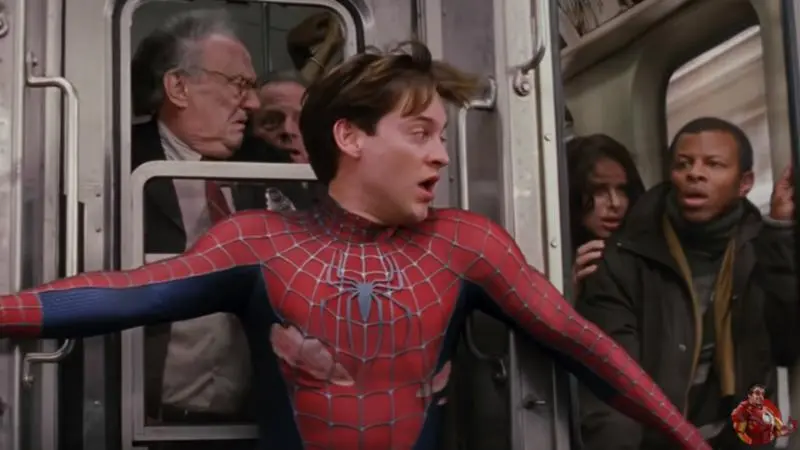
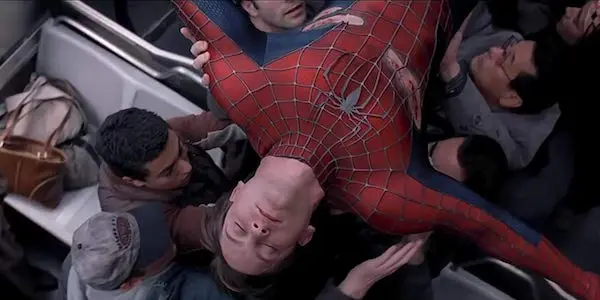
The train fight sequence between Spider-Man and Doctor Octopus is one of the most memorable action scenes in superhero history. It combined practical stunts, miniatures, and cutting-edge CGI, which required months of planning and execution. Raimi and his team wanted the fight to feel raw and dangerous, so they filmed much of it using real stunt work on a partial train set.
Visual effects artists spent countless hours refining the sequence to make Spider-Man’s movements fluid while keeping Doc Ock’s tentacles believable. The result was a mix of real photography and digital wizardry that made the scene look timeless. Even today, many fans point to this fight as one of the greatest superhero action sequences ever put on screen.
Alfred Molina’s Tentacles Were Puppeteered
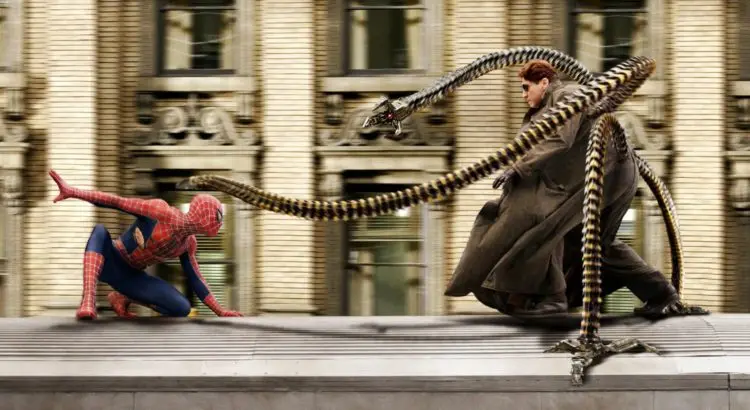
Doctor Octopus’ mechanical arms were not always computer-generated. For most close-up shots, Alfred Molina worked with giant practical tentacles attached to his body. These rigs were controlled by a team of puppeteers, each operating a different arm to create lifelike movements.
This practical approach gave Molina something real to interact with, making his performance more convincing. The actors and crew often referred to the tentacles as characters themselves because they had so much personality in their movements. This blend of practical effects with CGI made Doc Ock a villain that still feels authentic today.
Tobey Maguire Almost Didn’t Return
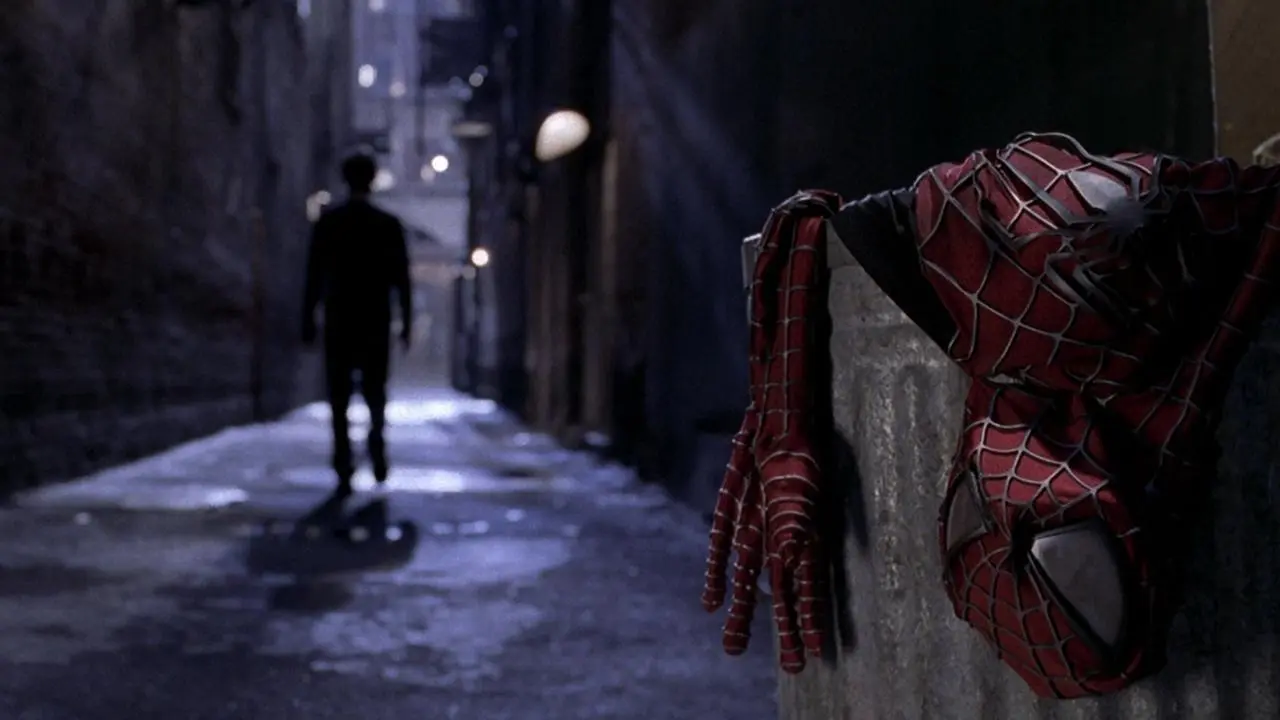
Before filming began, Tobey Maguire suffered a serious back injury that nearly cost him the role. The studio even considered replacing him with Jake Gyllenhaal, who was on standby if Maguire couldn’t continue. This uncertainty created tension during pre-production as the team wasn’t sure if their lead actor would recover in time.
Ultimately, Maguire healed enough to perform, although many of his stunts had to be carefully managed. His return gave continuity to the series and allowed Raimi to explore Peter Parker’s struggles more deeply in the sequel. The injury scare, however, showed just how fragile big-budget productions can be when they depend on a single actor.
The Movie Won an Oscar
‘Spider-Man 2’ was recognized not just as a fun blockbuster but as a technical achievement. It won the Academy Award for Best Visual Effects, beating out several other high-profile films. The win was significant because superhero movies had not always been taken seriously by award shows before this point.
The Oscar highlighted how groundbreaking the film’s visual work truly was. From Spider-Man swinging through New York to Doc Ock’s tentacles in action, the effects team created visuals that felt ahead of their time. The recognition cemented ‘Spider-Man 2’ as a milestone in the genre’s history.
The Clock Tower Scene Nods to Classic Comics
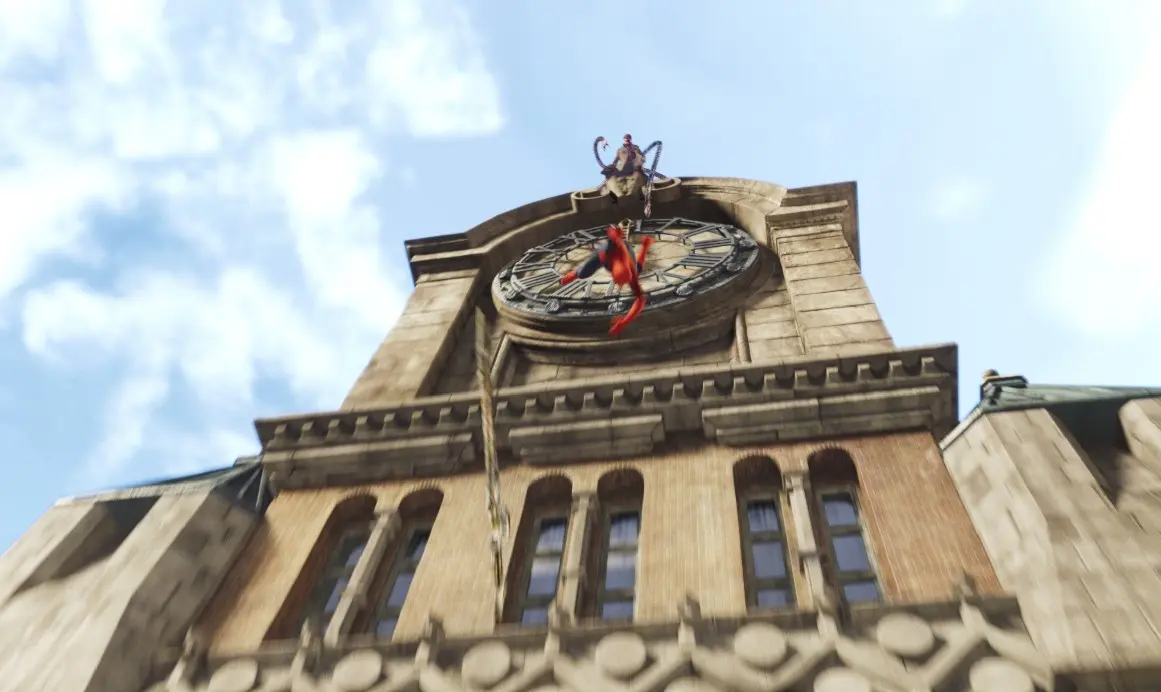
The dramatic fight between Spider-Man and Doc Ock on the clock tower was more than just an action beat. It was inspired by classic Spider-Man comic book battles, particularly those where Spidey’s agility and resourcefulness were tested against much stronger foes. Raimi wanted the scene to capture the feeling of a desperate struggle where the hero might not win.
To make the fight look authentic, Raimi pushed for practical sets with collapsing gears and swinging pendulums. The combination of real props and CGI backgrounds gave the sequence a sense of weight that still resonates with audiences today. It became a perfect blend of comic book homage and cinematic spectacle.
J.K. Simmons Wore False Muscles as J. Jonah Jameson
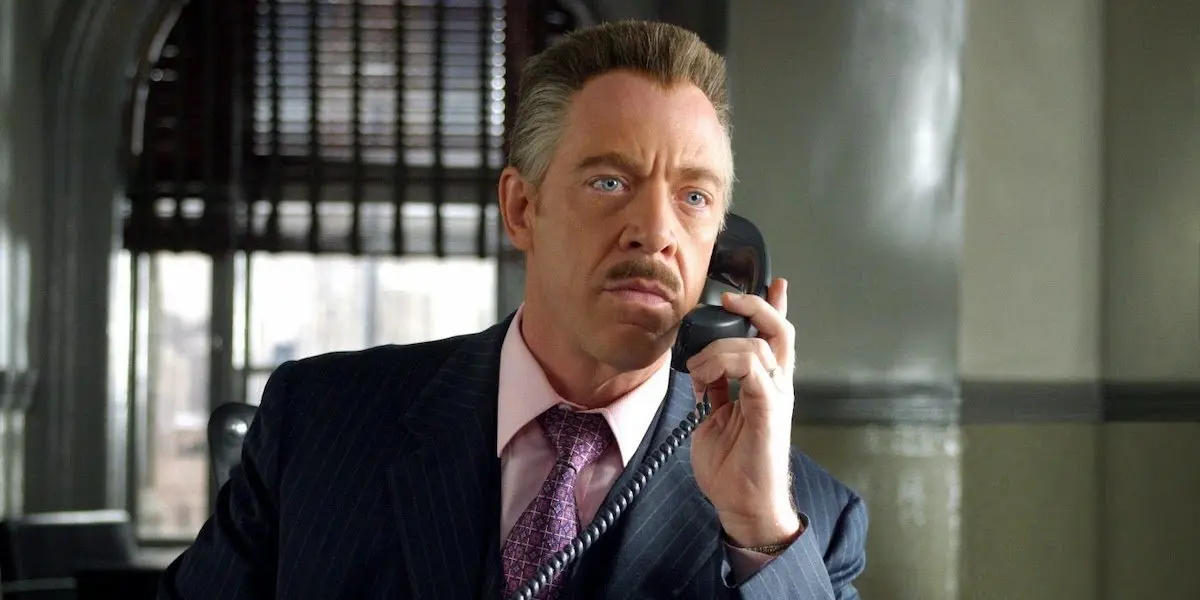
J.K. Simmons stole every scene he was in as J. Jonah Jameson, but one detail often goes unnoticed. For several shots, Simmons wore a muscle suit under his shirt to give the character a more exaggerated, almost cartoonish build. This subtle touch helped emphasize Jameson’s blustery personality and made him seem larger than life.
The addition of the muscle padding was a playful way to bring the comic book version of Jameson to the screen. Simmons’ performance, combined with the look, made Jameson a fan favorite and one of the most accurate comic-to-film portrayals ever.
A Famous Composer Replaced Danny Elfman
Danny Elfman, who scored the first ‘Spider-Man,’ initially returned for the sequel but eventually left the project due to creative differences with Sam Raimi. This led to composer Christopher Young stepping in to finish parts of the soundtrack. Some sections of the final score are Elfman’s work, while others were completed by Young.
The mixture created a unique musical identity for ‘Spider-Man 2.’ While Elfman’s themes still carried over, Young’s contributions added new layers, especially in the darker, more tragic moments involving Doc Ock. This blending of styles gave the movie a soundtrack that matched its emotional depth.
The Upside-Down Kiss Was Almost Repeated
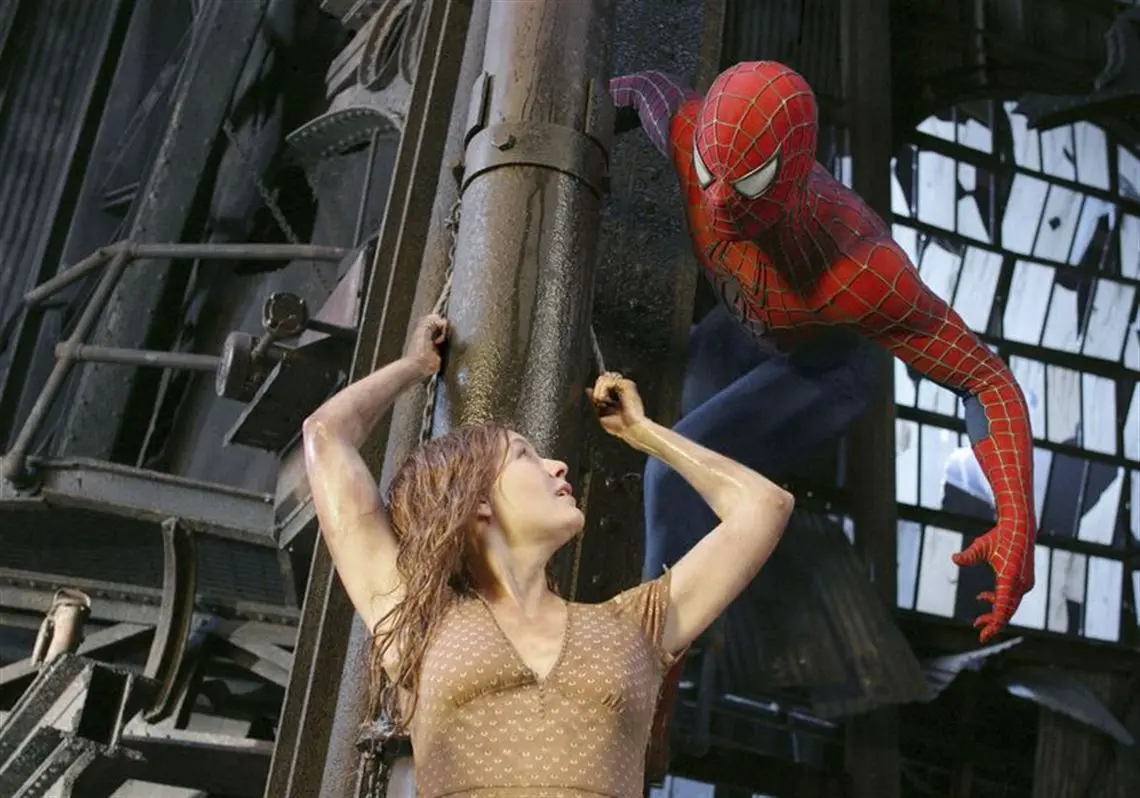
One of the most iconic moments in the first ‘Spider-Man’ was the upside-down kiss between Peter Parker and Mary Jane. The creative team originally considered including another upside-down kiss in the sequel to mirror the first film. However, they ultimately decided against it to avoid repeating themselves.
Instead, Raimi crafted new romantic moments between Peter and Mary Jane that reflected their growing complications. By not reusing the same gimmick, the film was able to deepen the emotional stakes rather than relying on nostalgia. This choice helped ‘Spider-Man 2’ stand on its own as a story about responsibility and sacrifice.
The Elevator Scene Was Improvised
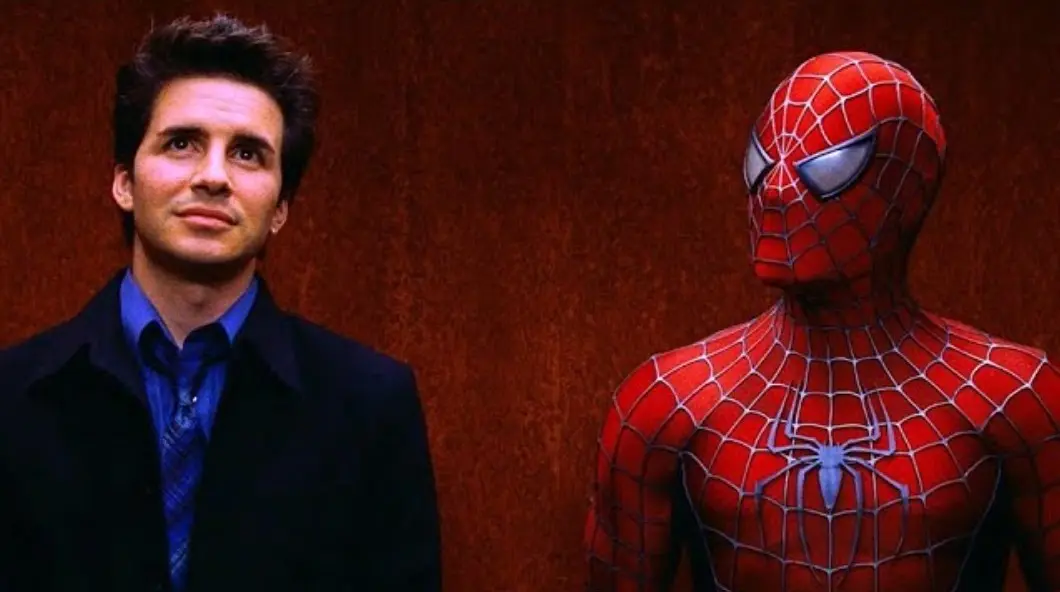
The elevator scene where Spider-Man awkwardly talks to a stranger after losing his powers wasn’t heavily scripted. Much of the humor came from improvisation between Tobey Maguire and the actor playing the other passenger. This gave the scene a natural, comedic feel that audiences loved.
Moments like this showed how the film balanced humor with drama. By allowing small improvised interactions, Raimi created a world that felt more real and relatable. It also gave fans a lighter break between the intense action sequences.
Doc Ock’s Tragedy Came From Literature
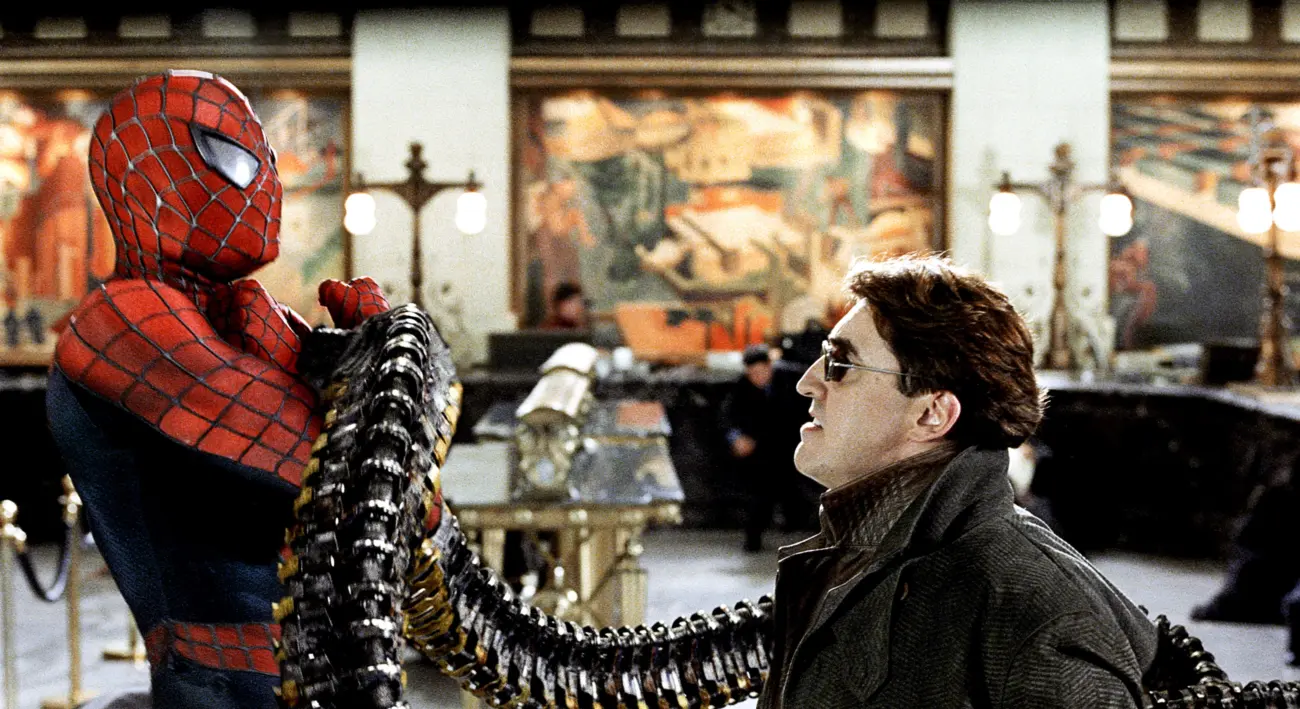
Alfred Molina and Sam Raimi wanted Doctor Octopus to be more than just a villain. They drew inspiration from classic literature, particularly tragic figures who are corrupted by their own ambitions. This helped give Doc Ock depth and made his downfall feel both heartbreaking and terrifying.
By giving Otto Octavius a sympathetic side before his transformation, the film made his battles with Spider-Man more emotionally charged. This tragic approach set Doc Ock apart from many one-dimensional villains of the time and helped make ‘Spider-Man 2’ a standout superhero story.
Which of these behind-the-scenes details about ‘Spider-Man 2’ surprised you the most? Share your thoughts in the comments!