Actors Who Saved Their Careers

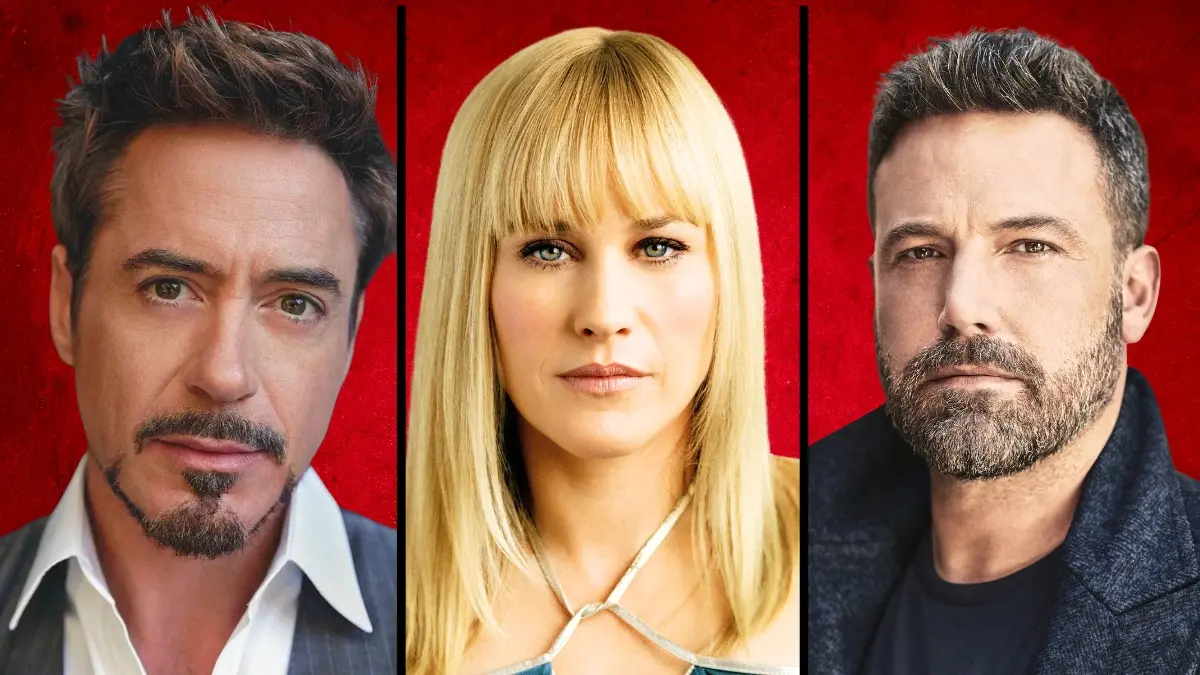

Careers in film and television rarely follow a straight line. Some performers face long dry spells, public setbacks, or shifts in audience taste, then find the right role or project that resets everything. This list looks at actors who changed their trajectories with a single standout turn or a strategic run of work that opened new doors and restored industry momentum.
Each entry shares concrete milestones like awards, viewership, and box office results. Titles appear in single quotes so they stand out clearly, and every item focuses on useful facts about how the comeback happened and what followed for each performer.
Robert Downey Jr.
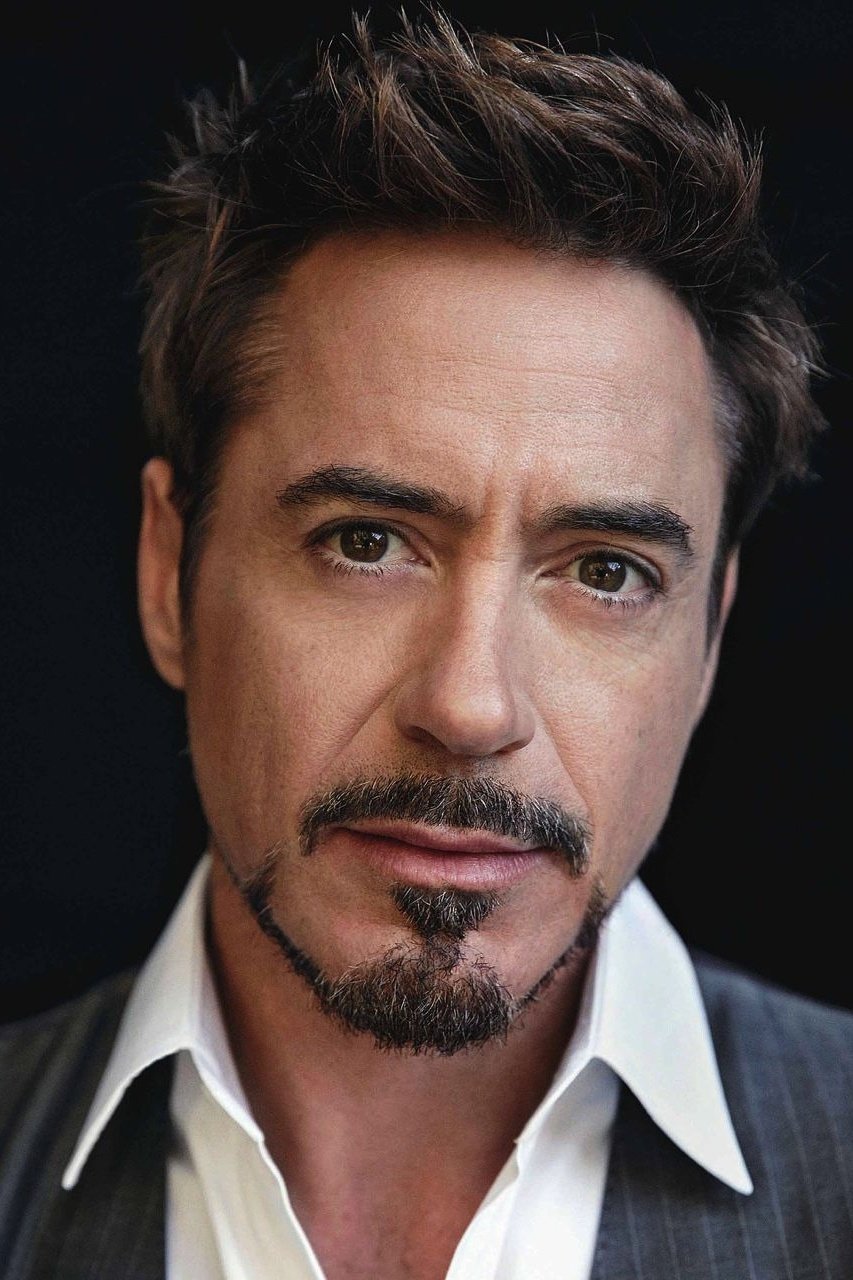
After legal and personal setbacks, Robert Downey Jr. rebuilt industry trust through steady, insured work and then took the lead in ‘Iron Man’. The film’s worldwide box office crossed the half billion mark, which immediately positioned him as a reliable tentpole star and a foundational face for a major franchise.
The success led to long term multi-picture contracts, ensemble leadership in ‘The Avengers’, and top tier compensation tied to performance bonuses. He then parlayed the momentum into the ‘Sherlock Holmes’ series and continued prestige work, which kept his profile strong across genres.
Keanu Reeves
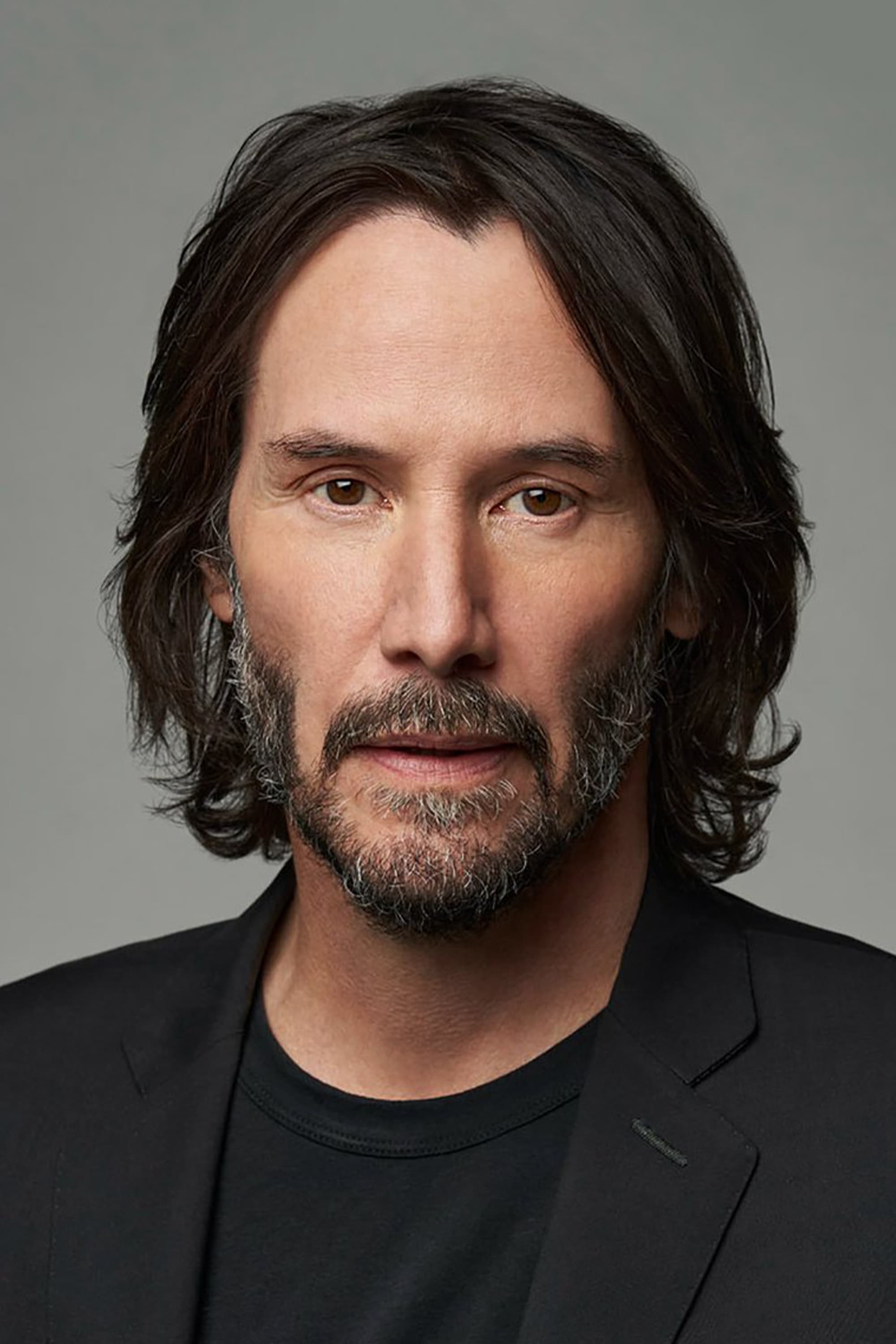
Keanu Reeves returned to headlining action status with ‘John Wick’, a mid budget thriller that expanded into a global franchise. The initial film grew through word of mouth and strong home entertainment performance, which justified sequels with larger international footprints.
The series later passed the billion dollar mark in cumulative worldwide grosses. It also refreshed Reeves’s stunt heavy screen image, which led to new game and film partnerships and created a durable role that supported touring training programs and live events tied to the brand.
John Travolta
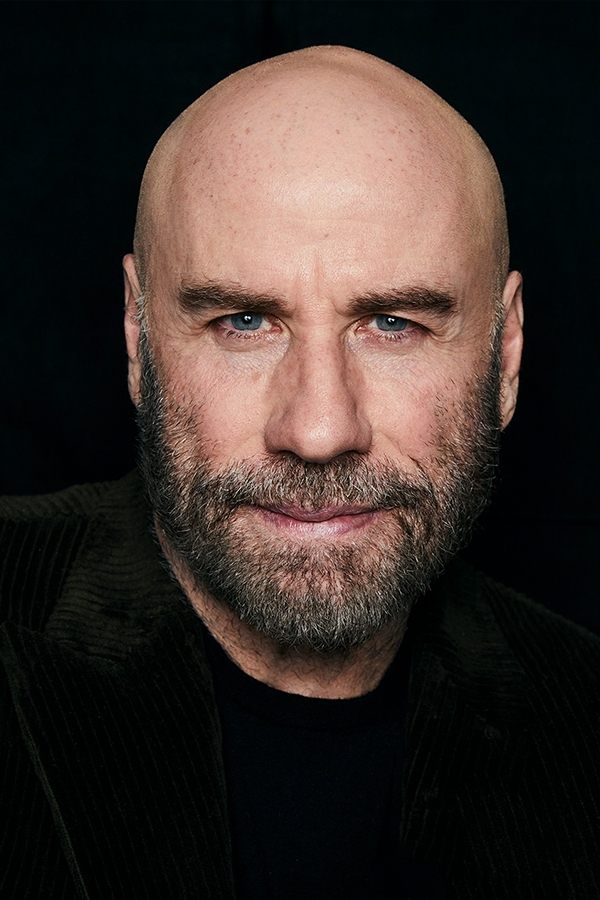
John Travolta reentered the A list with ‘Pulp Fiction’ after a long period of smaller projects. The film earned the top prize at Cannes and became a major commercial success, which resulted in a surge of new offers in both action and drama.
Following the comeback, he secured lead roles in high profile releases like ‘Get Shorty’ and ‘Face Off’. Award nominations and renewed bankability allowed him to command higher salaries and profit participation on subsequent projects.
Matthew McConaughey
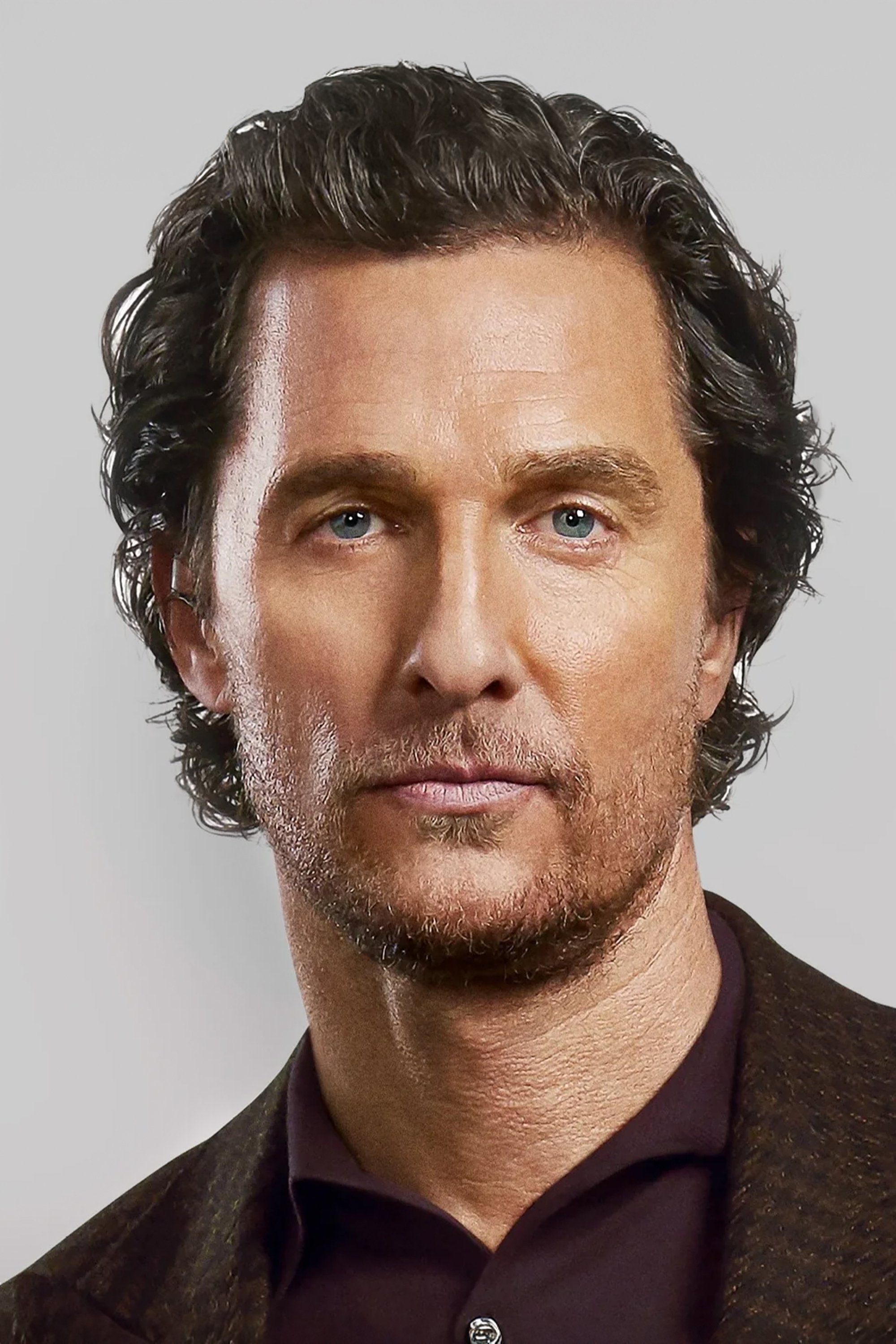
Matthew McConaughey shifted from routine romantic comedies to character driven work and won Best Actor for ‘Dallas Buyers Club’. He also anchored ‘True Detective’ as an executive producer and series lead, which delivered premium cable viewership records and widespread awards recognition.
The run, often labeled by the media as a career transformation, extended to ‘The Wolf of Wall Street’ and ‘Interstellar’. He increased his range of producers he worked with and negotiated more control over material selection through his production shingle.
Brendan Fraser
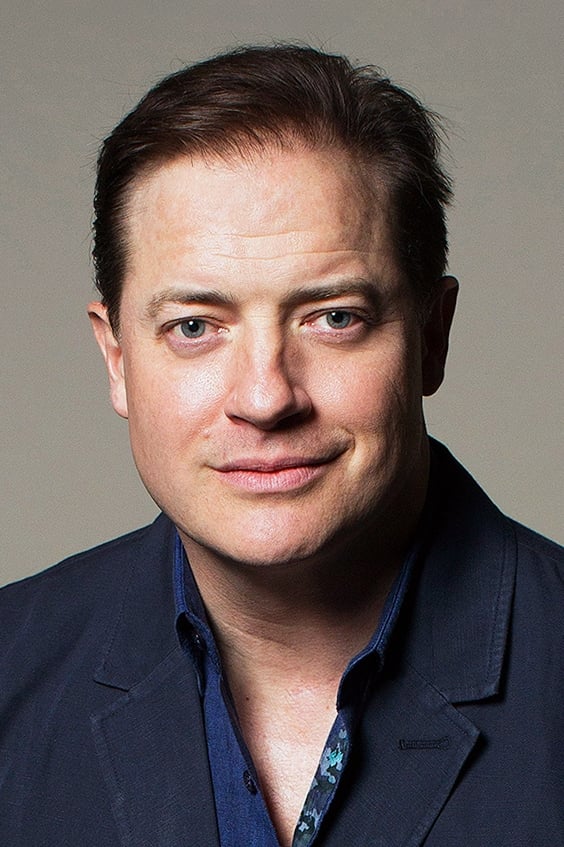
Brendan Fraser returned to awards season prominence with ‘The Whale’, earning Best Actor from the Academy. The role followed steady television work and festival driven films that put him back in front of casting directors for prestige projects.
The win led to new lead offers and scripts from major studios and A list directors. He also booked roles in ensemble films like ‘Killers of the Flower Moon’, which further reintroduced him to international audiences.
Mickey Rourke
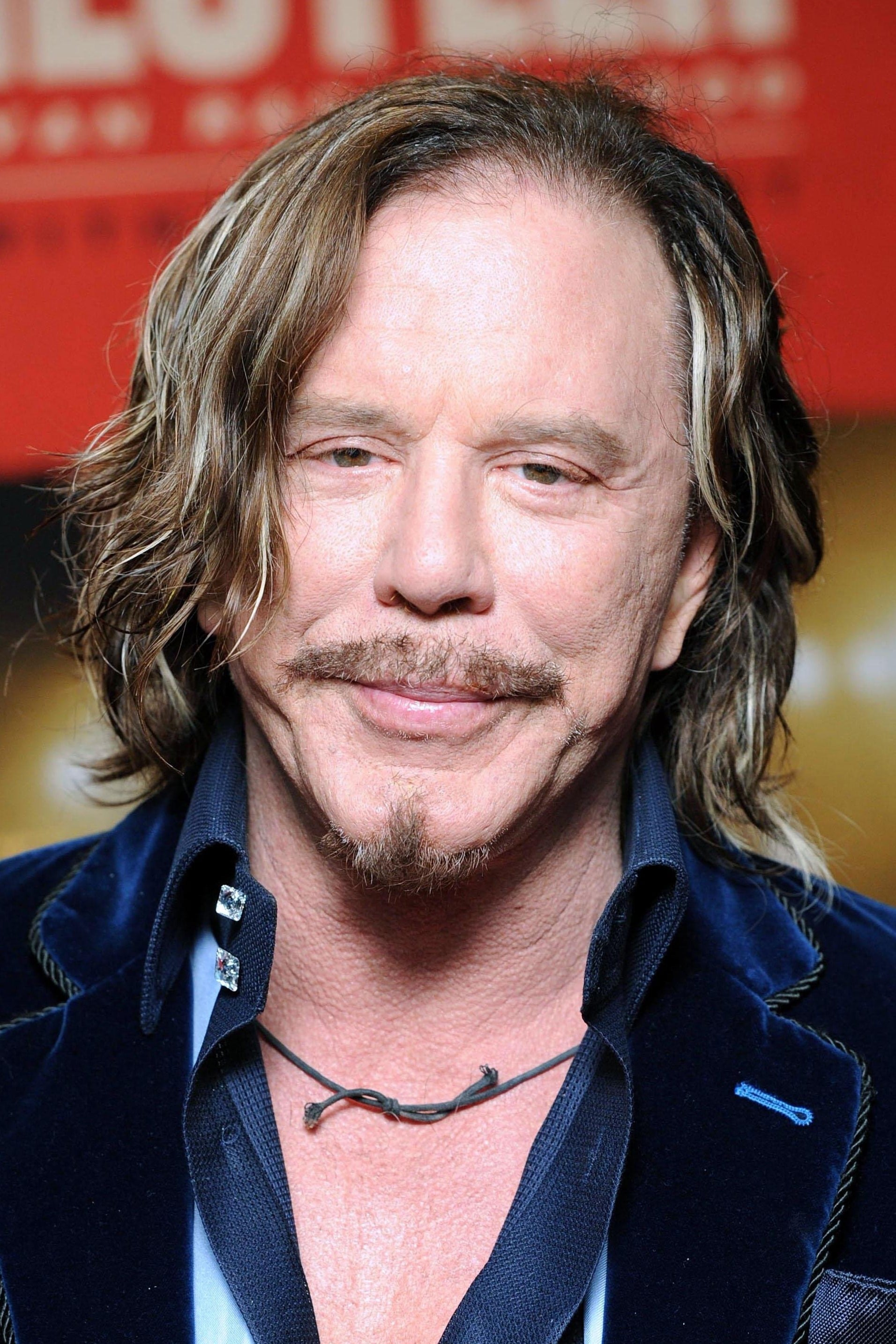
Mickey Rourke reestablished himself with ‘The Wrestler’, which earned him an Academy Award nomination and multiple major wins. The performance revived industry confidence after a long period away from top billing.
He then joined ‘Iron Man 2’ and other studio projects that capitalized on his renewed visibility. The comeback secured better representation and improved deal terms, including bonuses tied to opening weekend and global performance.
Ben Affleck
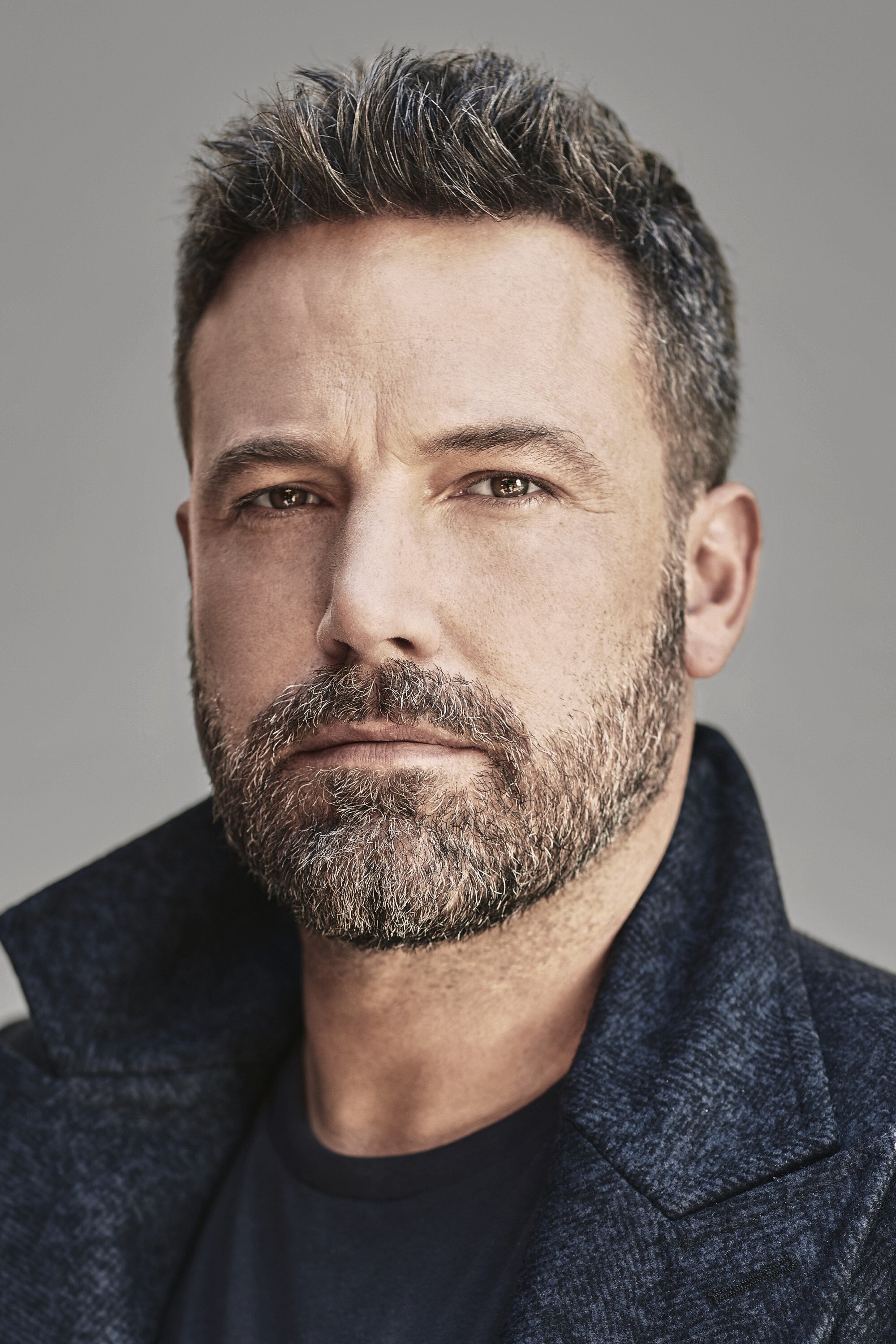
Ben Affleck shifted from a run of uneven acting vehicles to directing and starring in ‘The Town’. He then produced and directed ‘Argo’, which won Best Picture and earned him top honors from guilds and international bodies.
The double hit solidified his credibility as a filmmaker and revived his acting prospects. He leveraged the momentum into franchise casting, producer first-look arrangements, and the ability to mount mid budget thrillers with strong theatrical support.
Winona Ryder

Winona Ryder returned to mainstream visibility with ‘Stranger Things’, playing Joyce Byers in a series that reached global streaming highs. The show’s success reintroduced her to a new generation and stabilized long term employment with multiple seasons.
The role generated award nominations and brand partnerships. It also led to increased booking for films and limited series, with contracts that included back end participation due to the show’s sustained popularity.
Michael Keaton

Michael Keaton reignited his career with ‘Birdman’, which earned him major awards and an Academy Award nomination for Best Actor. The film’s Best Picture win brought him back to prestige casts and auteur driven productions.
He then played the lead in ‘Spotlight’, another Best Picture winner, and took on franchise work in ‘Spider-Man: Homecoming’. The combination of awards credibility and blockbuster presence diversified his offers and extended his career runway.
Neil Patrick Harris
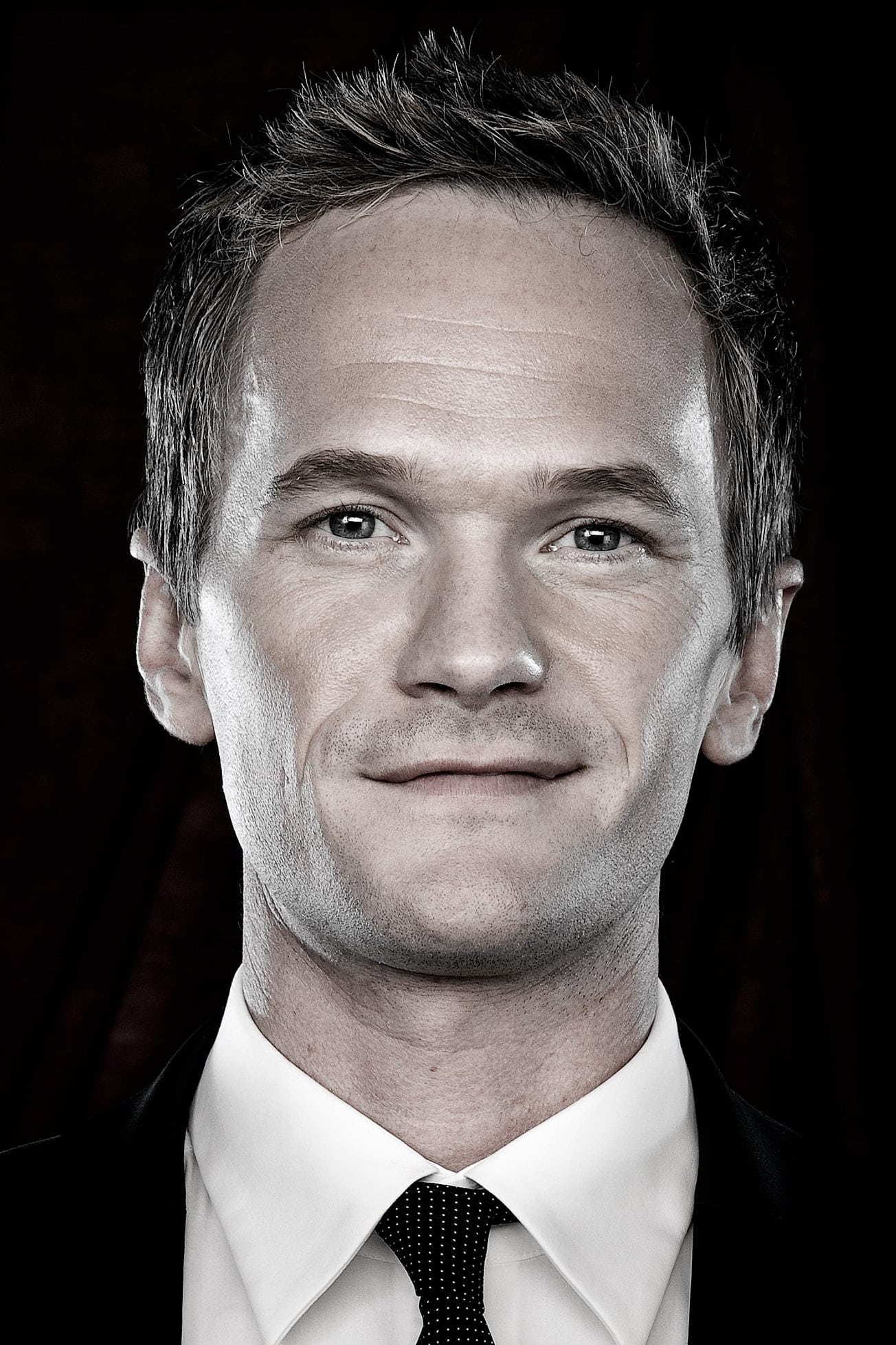
Neil Patrick Harris pivoted from child stardom to a long running adult lead with ‘How I Met Your Mother’. The series delivered strong ratings across syndication and streaming, which kept him in the public eye for nearly a decade.
He expanded his profile through live hosting of the Tonys and the Emmys, earning multiple awards. Cameos like his meta turn in ‘Harold and Kumar Go to White Castle’ and later roles in projects such as ‘Gone Girl’ showed range that supported film opportunities alongside television work.
Christian Slater

Christian Slater returned to prominence with ‘Mr. Robot’, winning a Golden Globe for his performance. The series gained critical attention and international distribution, which restored his value as a leading or key supporting player.
He used the momentum to secure voice roles and additional series work with strong platform promotion. The success improved his agency packages and placed him in demand for tech and conspiracy themed projects.
Kiefer Sutherland
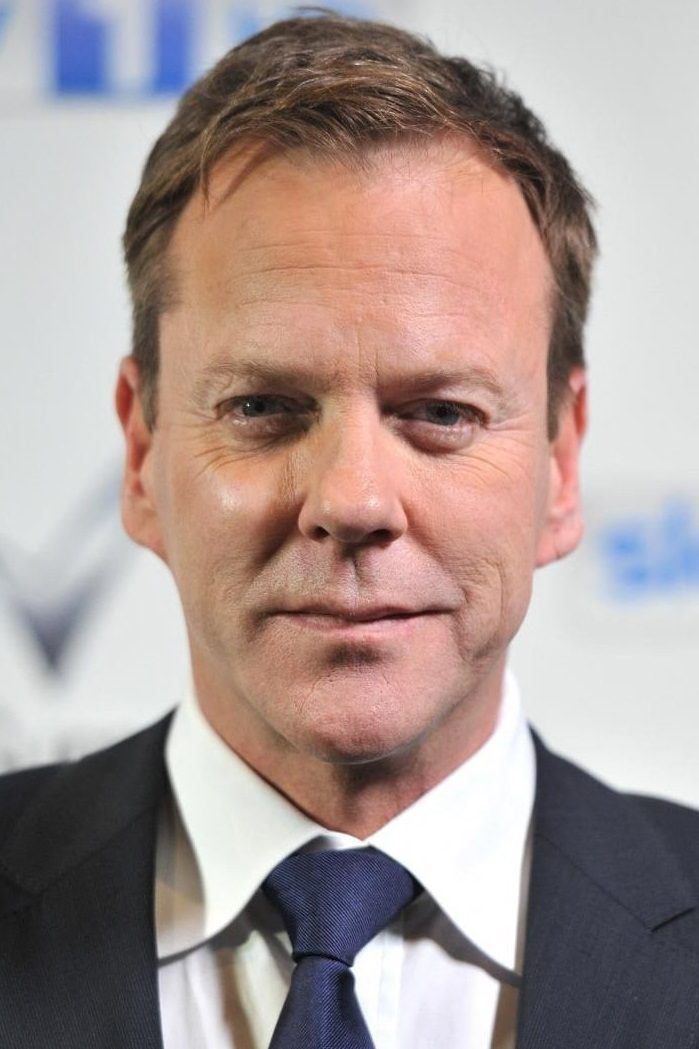
Kiefer Sutherland moved from a stalled film phase to a defining television role in ’24’. The real time thriller format produced strong ratings, international sales, and multiple season renewals.
He won both an Emmy and a Golden Globe for the role. The series led to future network leads like ‘Designated Survivor’ and created a touring music sideline that benefited from the renewed visibility.
Sylvester Stallone
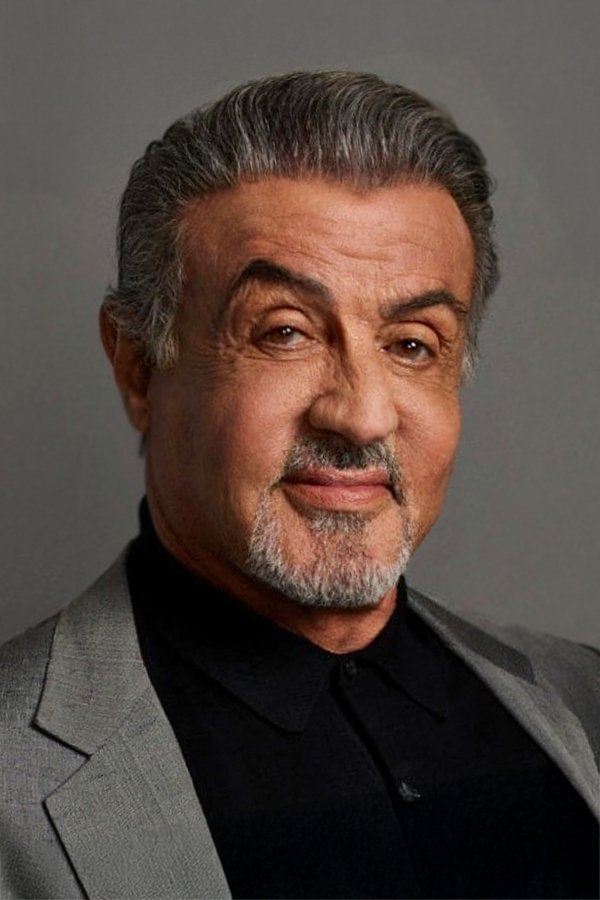
Sylvester Stallone revived interest in the ‘Rocky’ universe with ‘Rocky Balboa’, then returned as Rocky in ‘Creed’, which earned him a Golden Globe and an Academy Award nomination. The character’s legacy became a platform for new stars and continued revenue.
He also launched ‘The Expendables’ ensemble, which produced multiple profitable entries and strong overseas performance. The dual track of legacy and ensemble franchises helped him secure producer credit and international pre sales on subsequent titles.
Ryan Reynolds
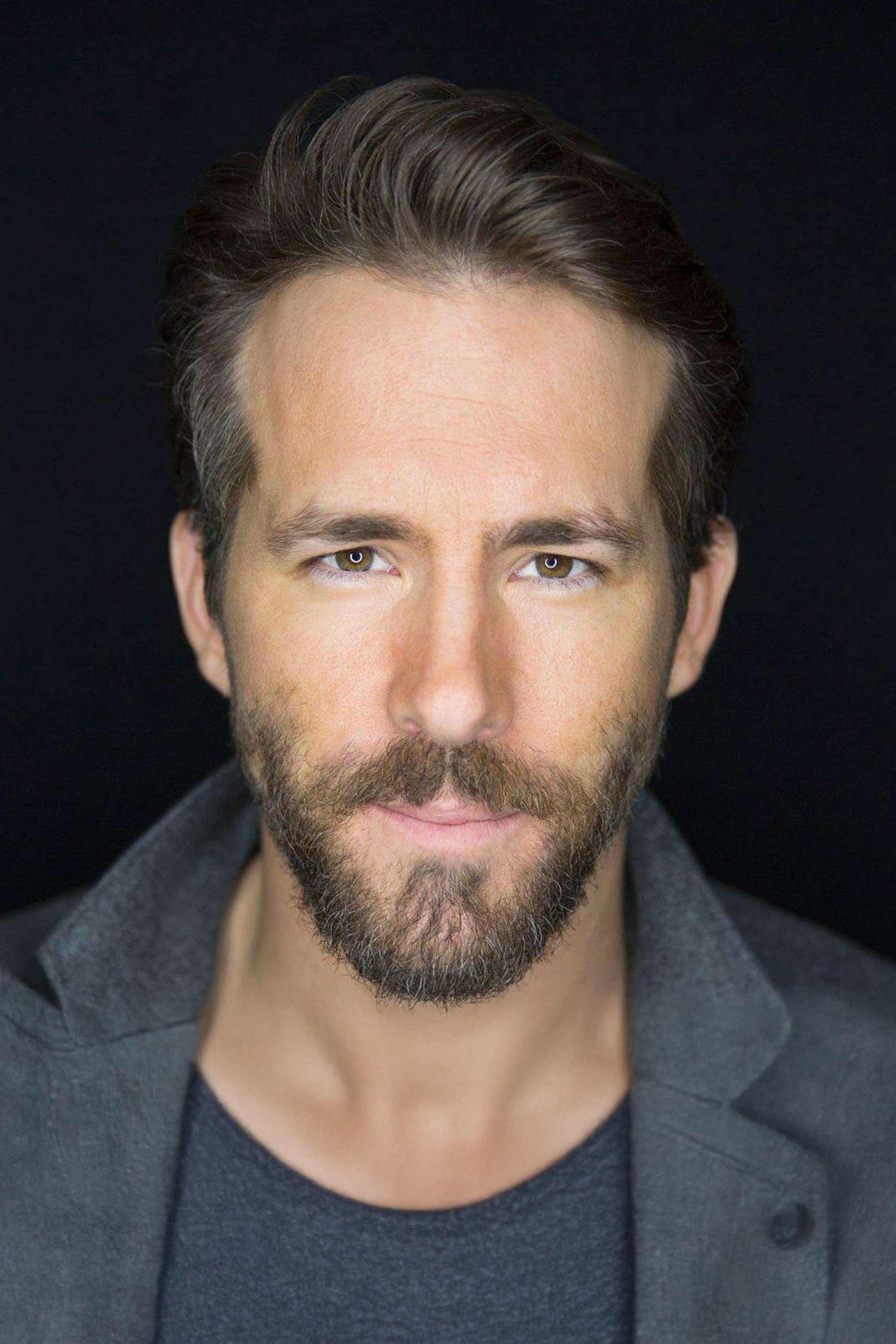
Ryan Reynolds turned a long held passion project into a major success with ‘Deadpool’. The film set records for an R rated superhero release and produced strong ancillary sales.
He leveraged the win into sequels, a streaming leadership role through a production company, and game and beverage brand partnerships. This diversified revenue while keeping his action comedy persona front and center for global audiences.
Eddie Murphy
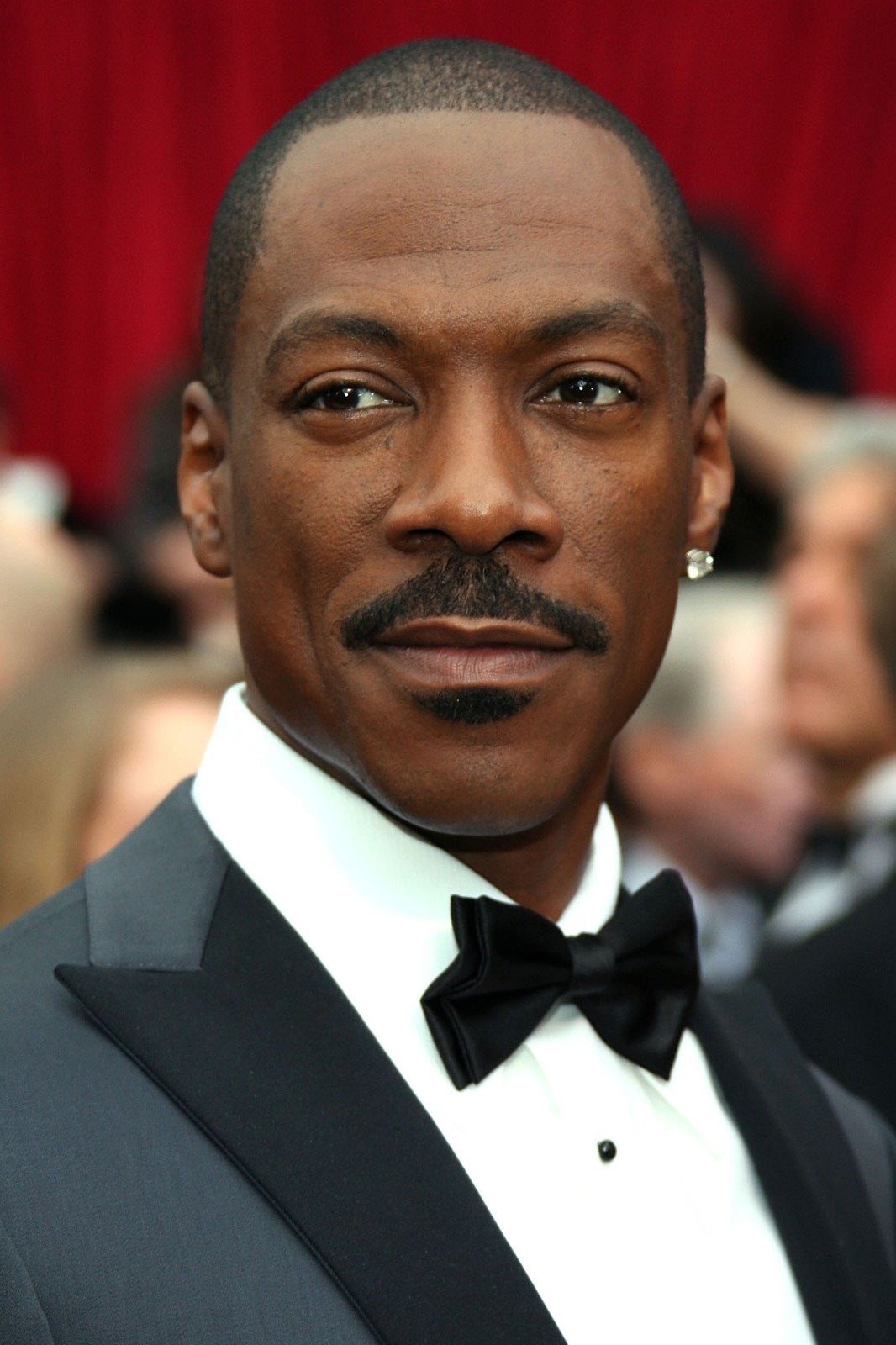
Eddie Murphy reengaged awards voters with ‘Dreamgirls’, earning an Academy Award nomination and winning multiple major prizes. The recognition reset perceptions after a series of broad comedies.
He later returned to critical favor with ‘Dolemite Is My Name’, which drew strong streaming numbers and awards nominations. The renewed acclaim supported a mix of legacy projects and new vehicles with favorable creative control clauses.
Drew Barrymore
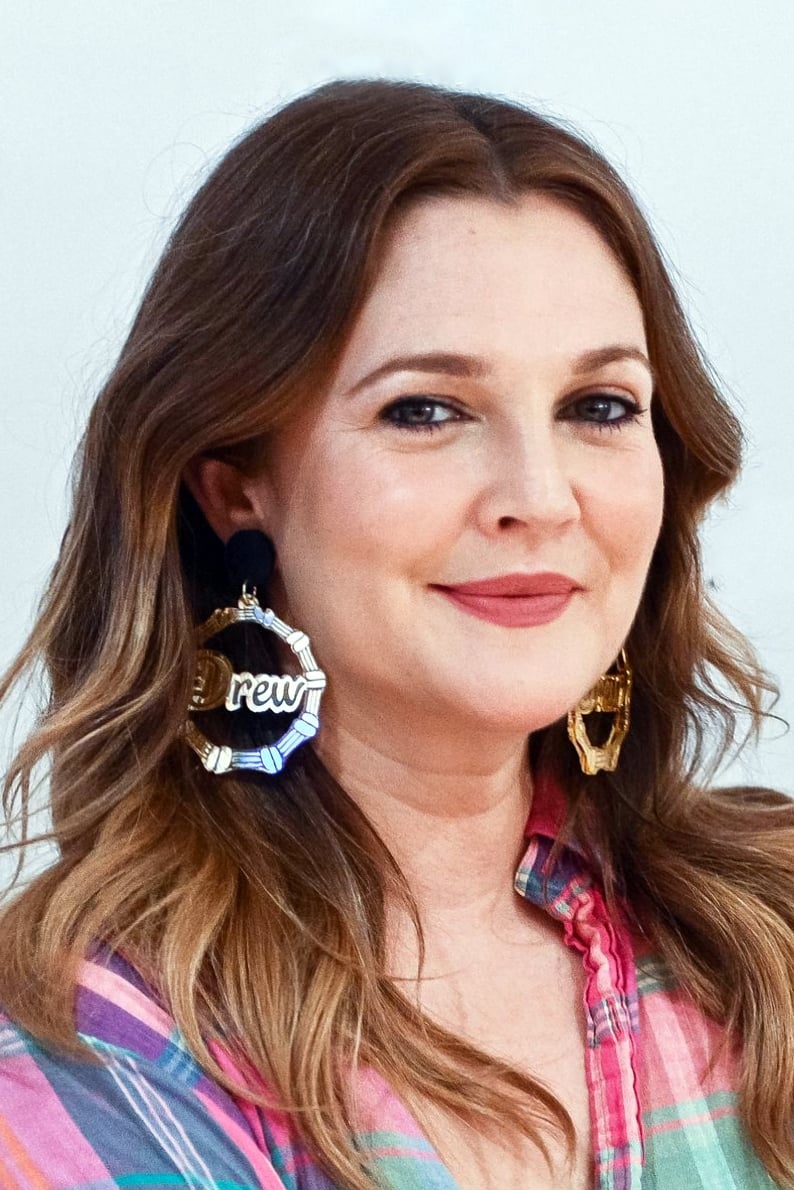
Drew Barrymore rebuilt her career through a combination of savvy producing and high visibility roles. Her opening sequence role in ‘Scream’ refreshed her image, and she then co founded Flower Films to develop projects like ‘Never Been Kissed’ and ‘Charlie’s Angels’.
The move into producing created recurring work and long term profit participation. She later launched a daytime talk show that broadened her brand and provided a steady platform for cross promotion with film and streaming projects.
Robert Pattinson

Robert Pattinson transitioned from franchise heartthrob to acclaimed character actor through independent films like ‘Good Time’ and ‘The Lighthouse’. Festival premieres and strong reviews repositioned him for auteur collaborations.
He then led ‘The Batman’, which delivered a major global box office result and launched a new cycle of related projects. The balance of indie credibility and franchise leadership expanded his casting range across thriller, science fiction, and drama.
Hugh Grant

Hugh Grant shifted from romantic leads to character roles and earned major nominations for ‘A Very English Scandal’. His comedic turn in ‘Paddington 2’ received widespread recognition and added family audience reach.
The reset led to scene-stealing parts in ‘The Gentlemen’ and ‘Operation Fortune’. Streaming series work and awards attention reestablished him as a versatile supporting or lead presence for both film and television.
Jason Bateman
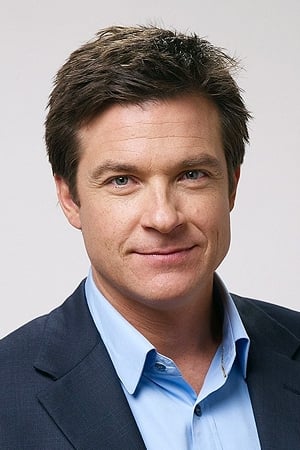
Jason Bateman moved from former child star to adult lead with ‘Arrested Development’, which built a lasting cult and streaming audience. The show’s reputation kept him in the conversation during years when it was off the air.
He then anchored ‘Ozark’ as star, director, and executive producer, winning an Emmy for directing. The series delivered high engagement on its platform and gave him leverage to direct features and secure first-look production deals.
Jennifer Lopez

Jennifer Lopez reasserted her screen presence with ‘Hustlers’, earning nominations from major awards bodies and strong box office for a mid budget drama. The film put her back into conversations for prestige and commercial roles.
The performance supported a busy slate that included thrillers and romantic comedies with solid international play. It also increased interest in concert documentaries and unscripted projects that benefited from the acting resurgence.
Renée Zellweger

Renée Zellweger returned from a career hiatus and won Best Actress for ‘Judy’. The role showcased a transformative performance that reintroduced her to voters and audiences after time away.
Following the win, she booked limited series work and choice film roles with strong creative teams. The comeback secured higher quotes and offers that emphasized character driven material.
Patricia Arquette

Patricia Arquette earned a sweep of major awards for ‘Boyhood’, which required a long production schedule and delivered a unique result. The recognition immediately led to prominent television limited series offers.
She then headlined ‘Escape at Dannemora’ and ‘The Act’, earning additional awards and nominations. The sustained run established her as a top choice for prestige limited series with complex leads.
Ke Huy Quan
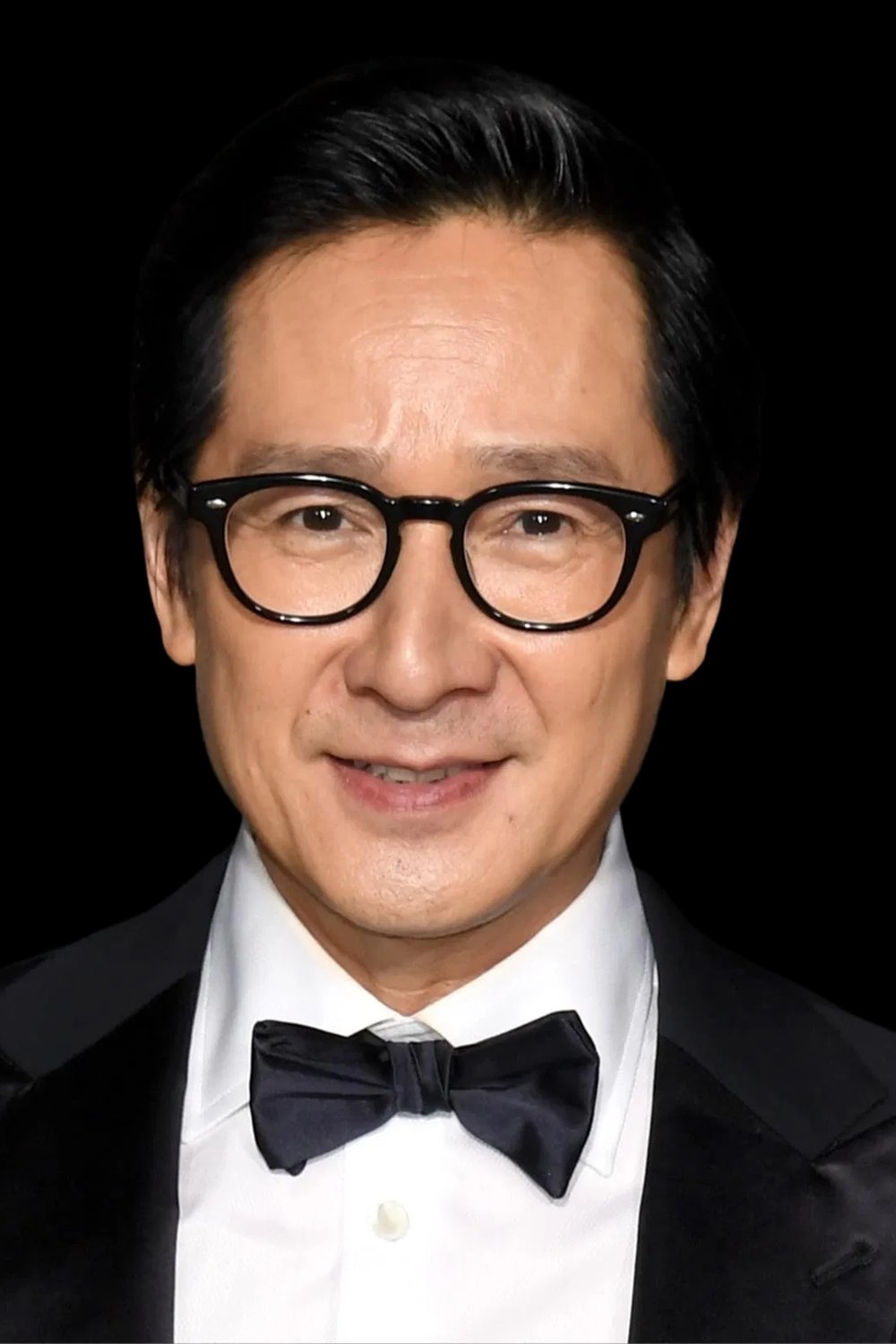
Ke Huy Quan returned to on screen acting and won Best Supporting Actor for ‘Everything Everywhere All at Once’. The role arrived after years working behind the camera in stunt and assistant roles.
The award led to a wave of new film and streaming offers across action and adventure. He also signed with top tier representation and joined major franchise projects that capitalize on his renewed global profile.
Jamie Lee Curtis
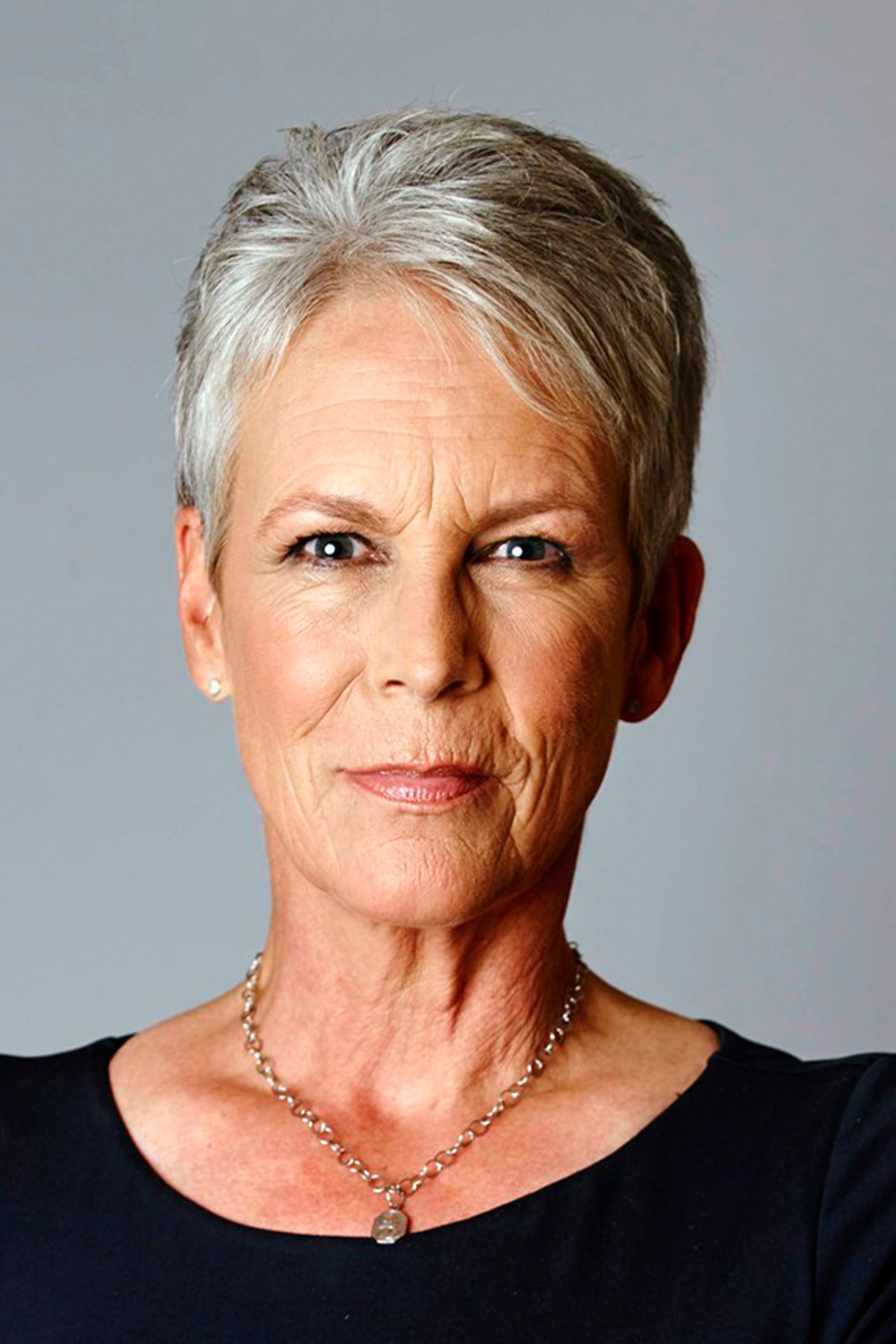
Jamie Lee Curtis saw a major resurgence with the legacy sequel ‘Halloween’, which delivered a strong opening and long legs in theaters. The film revitalized the franchise and reaffirmed her status as a bankable lead.
She then won Best Supporting Actress for ‘Everything Everywhere All at Once’. The back to back success expanded her opportunities in both genre and prestige spaces and supported projects with producing involvement.
Tom Cruise
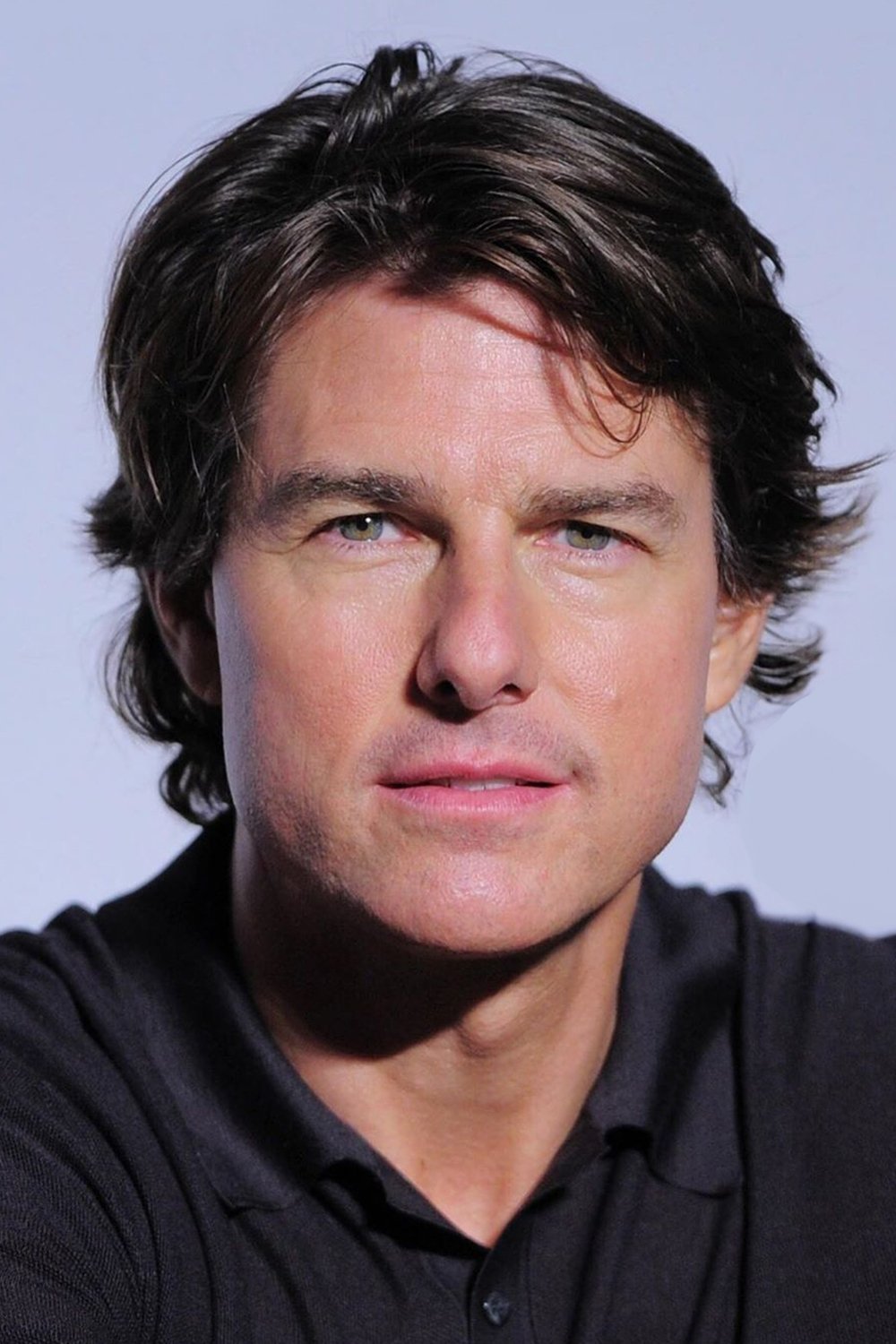
Tom Cruise returned to record breaking box office with ‘Top Gun: Maverick’, which passed the billion dollar milestone worldwide. The film drew strong repeat viewing and excellent premium format performance.
The result strengthened his long running ‘Mission Impossible’ series and secured expanded partnerships with exhibitors and premium screen chains. It also reinforced his strategy of large scale practical stunts, which became a marketing asset for future releases.
Share your picks of actors who turned it around in a big way in the comments.