10 Things You Probably Didn’t Know About ‘Daredevil’

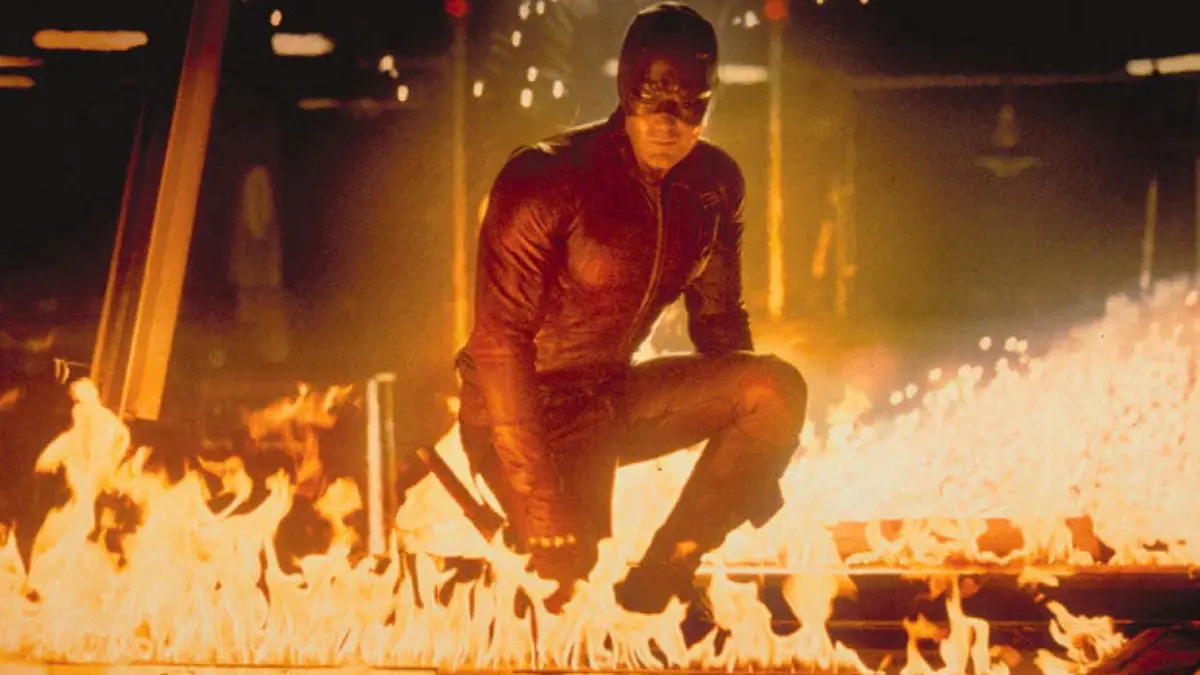

When ‘Daredevil’ was released in 2003, it brought Marvel’s blind superhero to the big screen for the first time. Directed by Mark Steven Johnson and starring Ben Affleck as Matt Murdock, Jennifer Garner as Elektra, Michael Clarke Duncan as Kingpin, and Colin Farrell as Bullseye, the film aimed to introduce audiences to a darker, grittier hero than the ones seen in earlier comic book adaptations. While the movie received mixed reviews, it gained a cult following and paved the way for later Marvel projects.
Behind the leather suits and action sequences, the making of ‘Daredevil’ came with its own set of challenges and surprising choices. From casting decisions to behind-the-scenes struggles, there are plenty of details that even fans might not know. Here are ten things you probably didn’t know about ‘Daredevil’.
Ben Affleck Took the Role Out of Fandom
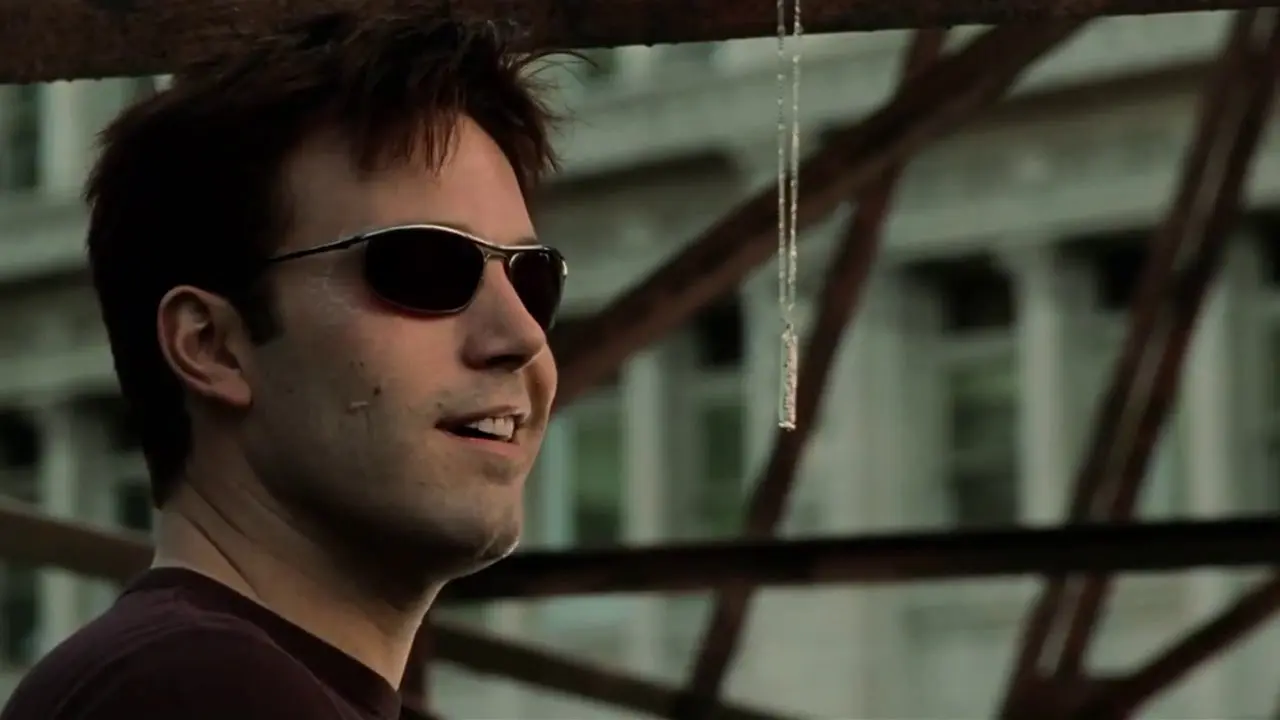
Ben Affleck was already a well-known actor when he signed on to play Daredevil, but his motivation came from being a longtime comic book fan. He grew up reading ‘Daredevil’ comics and saw the role as a chance to bring one of his favorite heroes to life.
Ironically, Affleck later admitted he was unhappy with how the movie turned out, which made him hesitant to take on another superhero role—until he eventually agreed to play Batman years later.
The Costume Was Made of Real Leather
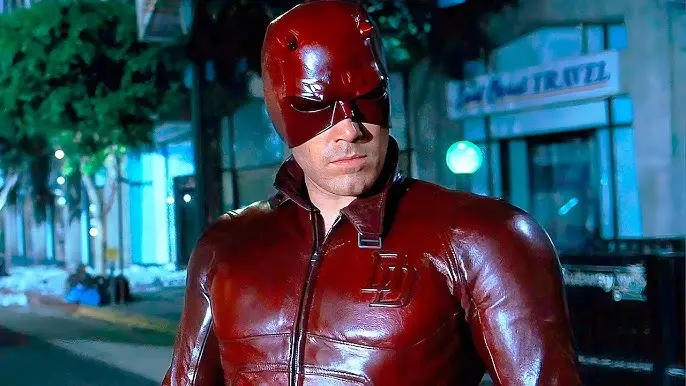
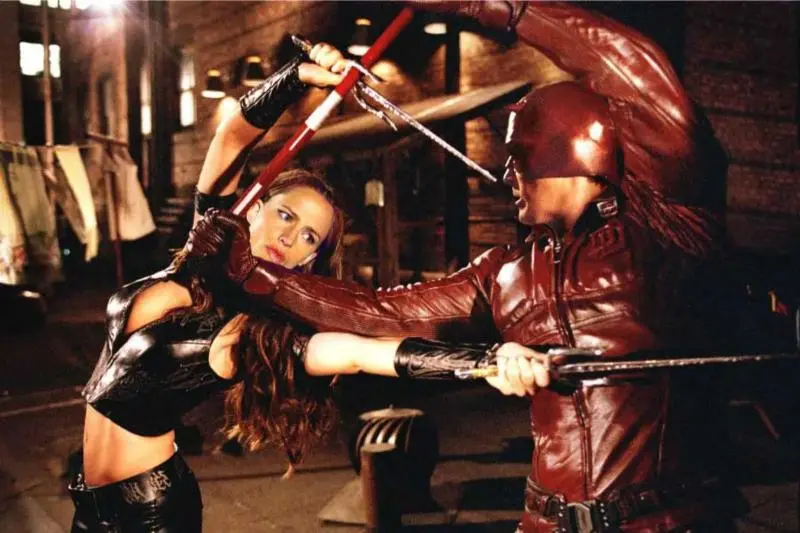
Matt Murdock’s red Daredevil suit was designed entirely from real leather. While it looked stylish on screen, it was extremely uncomfortable for Affleck to wear. The heavy material restricted movement and made action scenes more difficult to perform.
The production team chose leather to give the costume a more grounded, gritty look compared to the spandex-style suits common in earlier superhero films. It gave Daredevil a distinct aesthetic, even if it was tough on the actor.
Colin Farrell’s Bullseye Was Almost Very Different
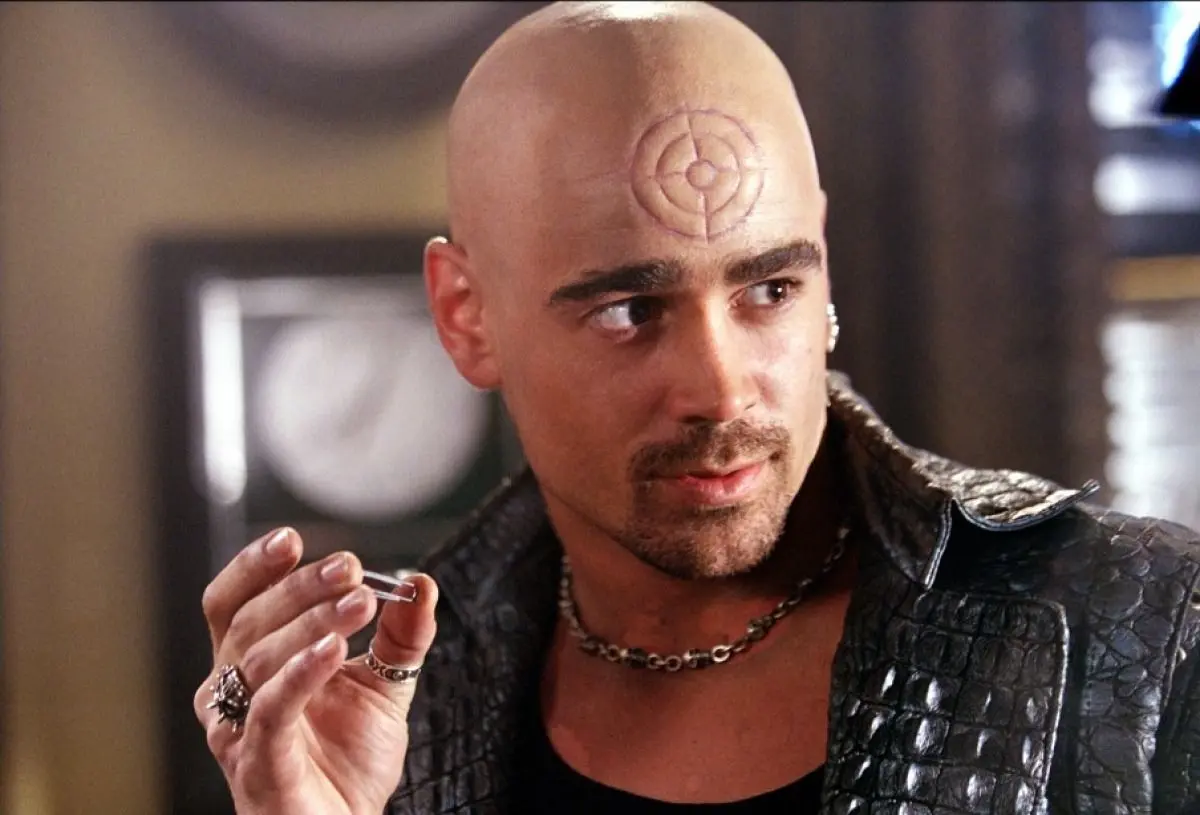
Colin Farrell’s over-the-top performance as Bullseye became one of the movie’s most memorable aspects. However, early drafts of the film considered giving Bullseye a traditional costume closer to his comic book look, complete with a mask.
The filmmakers decided to modernize him instead, giving him a bullseye-shaped scar on his forehead. Farrell leaned into the eccentric personality of the villain, making Bullseye unpredictable and dangerous.
The Director’s Cut Changed the Story
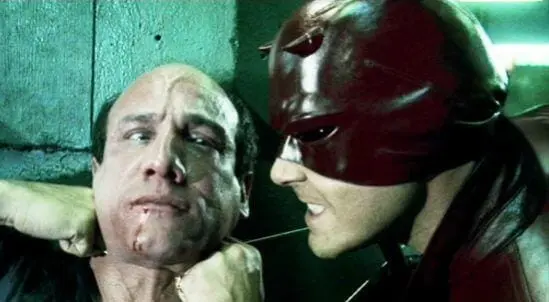
After its theatrical release, a longer Director’s Cut of the film was released on DVD. This version added about 30 minutes of footage, including a subplot involving Coolio as a client of Matt Murdock.
The additional scenes made the story darker and more complex, and many fans consider the Director’s Cut to be a significant improvement over the theatrical version. It became a cult favorite among comic book enthusiasts.
Jennifer Garner’s Role Led to a Spin-Off
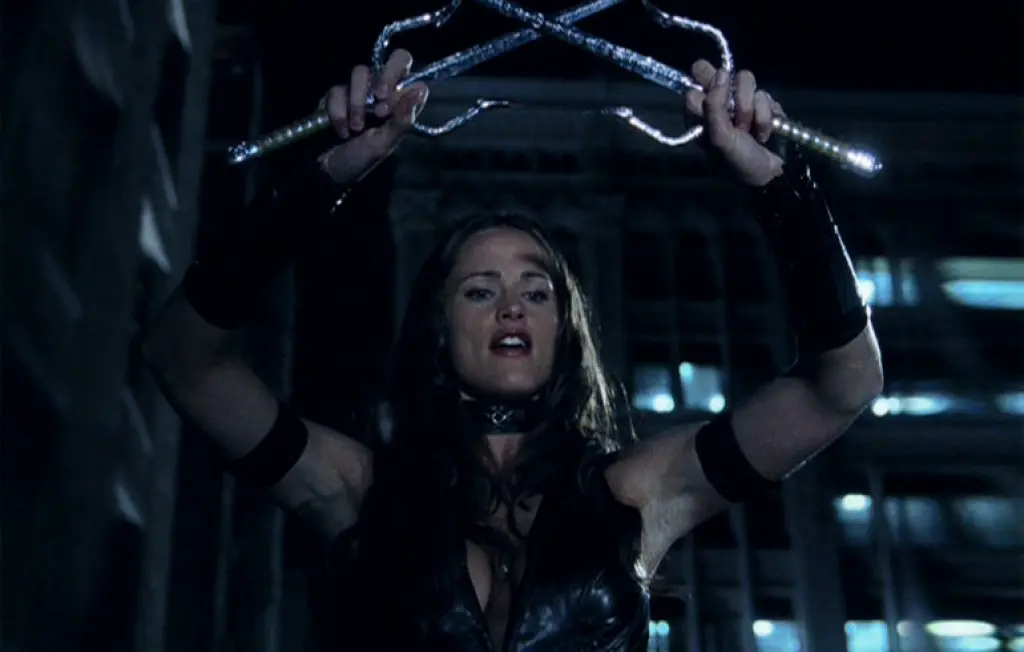
Jennifer Garner’s performance as Elektra was well-received, leading to her getting her own solo movie in 2005. While ‘Elektra’ didn’t perform well critically or financially, Garner’s work in ‘Daredevil’ made her character one of the most talked-about parts of the film.
Her casting also marked one of the earliest major female superhero roles in Hollywood, paving the way for more women-led comic book films in later years.
Michael Clarke Duncan Transformed for Kingpin
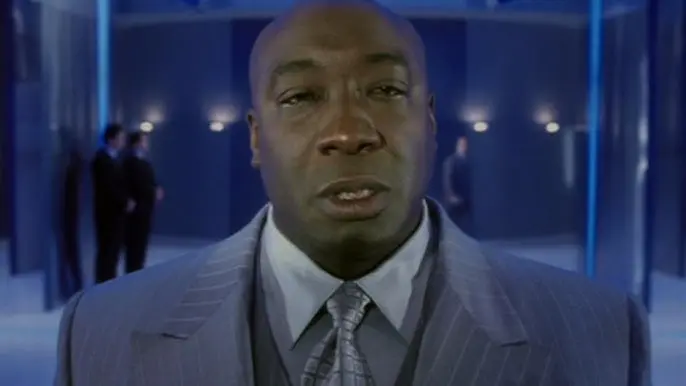
Michael Clarke Duncan was cast as the imposing Kingpin, a role that required him to bulk up even more than usual. He gained additional weight and trained to make his presence physically intimidating.
Duncan’s portrayal of the crime lord stood out as one of the highlights of the film. His commanding voice and sheer size gave Kingpin the gravitas needed to be a worthy adversary for Daredevil.
Evanescence Became Closely Associated With the Movie
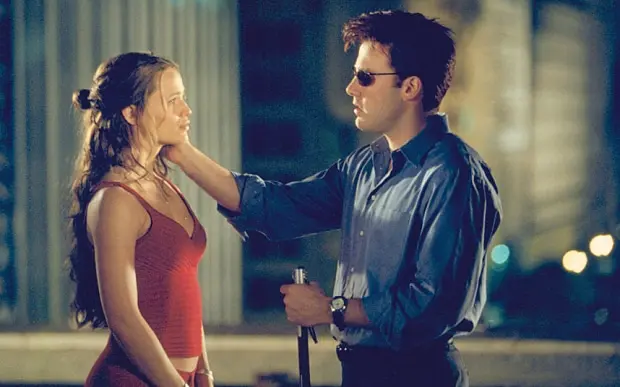
The film’s soundtrack featured several songs from the band Evanescence, including the hit “Bring Me to Life.” The music became so tied to ‘Daredevil’ that many fans still associate the band with the film.
At the time, Evanescence was just breaking out, and the exposure from the movie helped launch them into mainstream success. The soundtrack ended up being one of the most successful aspects of the film.
Matt Murdock’s Apartment Was Designed With Symbolism
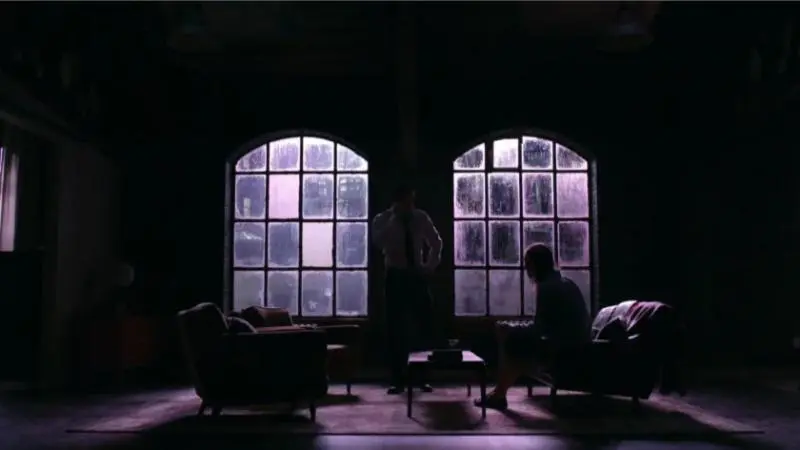
Set designers paid special attention to Matt Murdock’s apartment. The layout included a sensory deprivation tank where he could rest, reflecting his need to escape the overwhelming sounds of the city.
Small details, such as the arrangement of objects and soundproofing, reinforced the idea of Murdock living in a world shaped by his heightened senses. These touches helped ground the character’s unique perspective.
The Fight Scenes Took Inspiration From Hong Kong Cinema
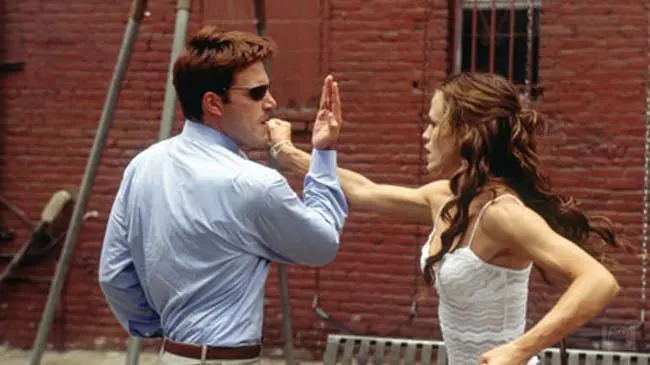
The action sequences in ‘Daredevil’ were heavily inspired by Hong Kong martial arts films. The choreography emphasized acrobatics and fluid motion to showcase Daredevil’s agility.
To achieve this, stunt coordinators combined wire work with practical stunts. The result was a mix of Western superhero action and Asian fight choreography, giving the film a distinct visual style.
The Film Was One of Marvel’s Early Experiments
Before the launch of the Marvel Cinematic Universe, Marvel licensed many of its characters to different studios. ‘Daredevil’ was part of this experimental phase, along with films like ‘X-Men’ and ‘Spider-Man.’
While not a massive critical success, ‘Daredevil’ helped prove that Marvel characters outside of Spider-Man and the X-Men could carry their own films. It laid some of the groundwork for Marvel’s eventual rise in Hollywood.
Which of these behind-the-scenes facts about ‘Daredevil’ did you find the most surprising? Share your thoughts in the comments!