Actresses Who Reinvented Themselves—and Won


Sometimes a career needs a new chapter to unlock bigger opportunities. These actresses changed lanes with intention, picked fresh material, learned new skills, and built teams that matched their ambitions. The results show up in credits, awards, and long lasting leverage.
Here are twenty five examples of reinvention that paid off in measurable ways. You will see producing banners, medium shifts, franchise moves, and bold genre pivots. Each entry highlights concrete steps and outcomes, from specific roles to new companies and major wins.
Reese Witherspoon
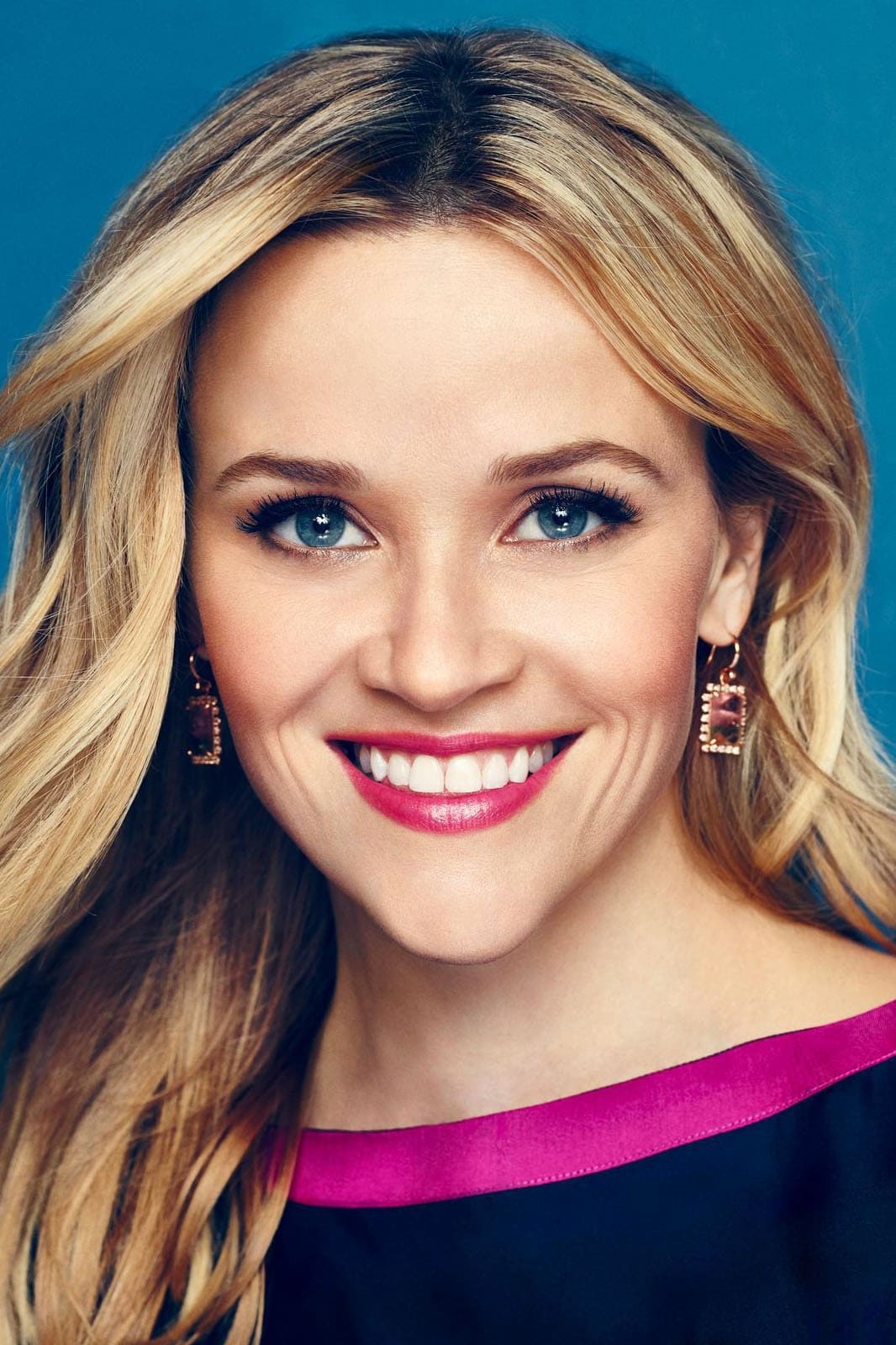
Reese Witherspoon expanded from star to producer by launching Hello Sunshine and building a book to screen pipeline that put projects like ‘Wild’, ‘Big Little Lies’, and ‘The Morning Show’ on the map. She used first look deals and strong development to secure author partnerships and recurring collaborations with filmmakers and showrunners.
Her strategy created steady leading roles and executive producer credits across film and television. Hello Sunshine also backed ‘Little Fires Everywhere’ and ‘Daisy Jones and the Six’, which kept her slate diversified across streamers and cable while strengthening her position in rights packaging and adaptation.
Nicole Kidman

Nicole Kidman formed Blossom Films and moved decisively into prestige television while maintaining a feature presence. She co developed ‘Big Little Lies’ and followed it with limited series like ‘The Undoing’, aligning with premium networks and top directors.
That pivot delivered lead roles with awards momentum and long form storytelling that showcased range. On the film side she alternated commercial and arthouse work such as ‘Lion’ and ‘Destroyer’, which kept her festival profile active and her global audience engaged.
Charlize Theron
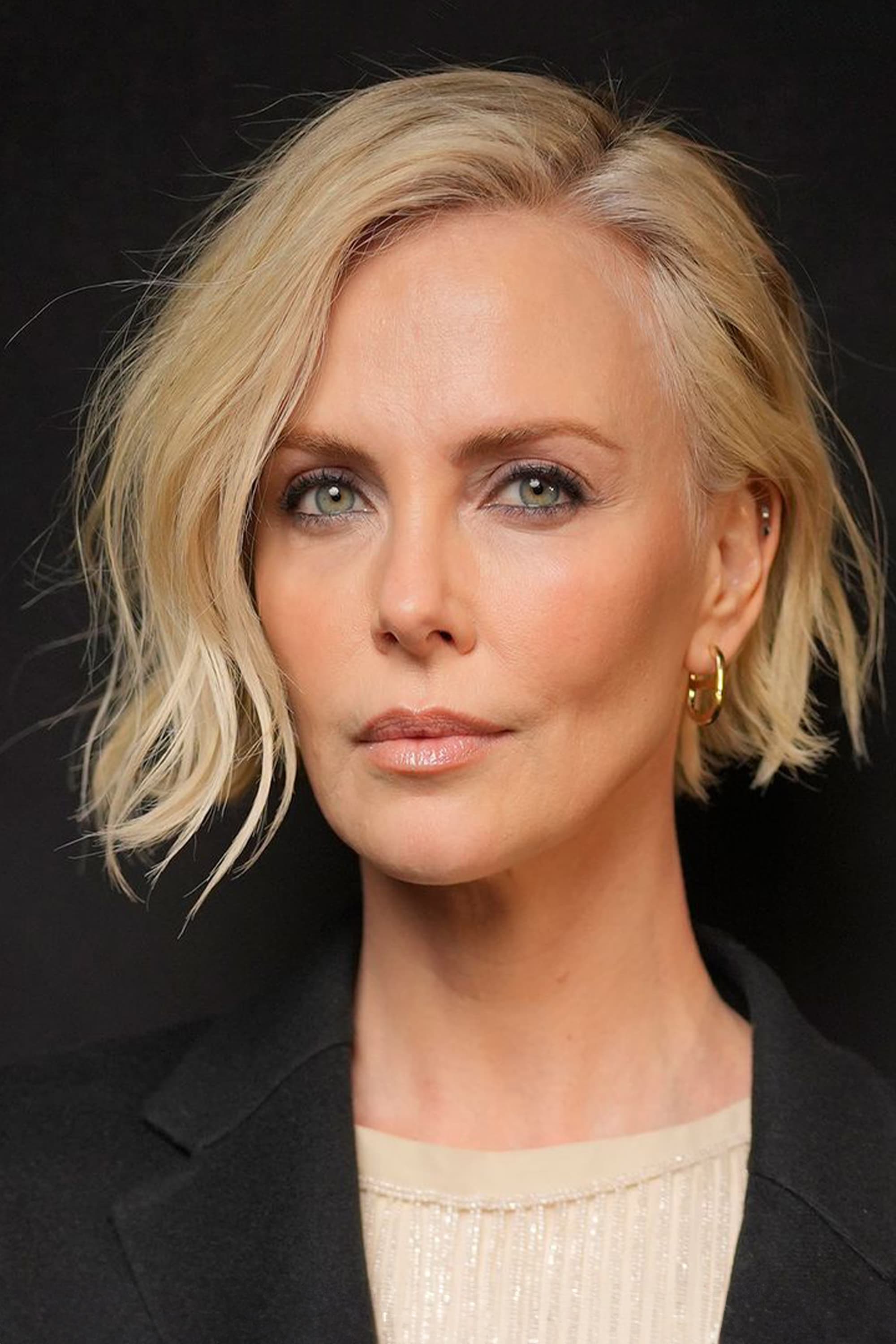
Charlize Theron retooled as a full scale action lead through intense stunt training and producer control. With ‘Mad Max: Fury Road’, ‘Atomic Blonde’, and ‘The Old Guard’ she built a modern action brand supported by her Denver and Delilah banner.
That move created durable franchises and sequel paths while keeping her attached to prestige directors. She balanced physical roles with character driven turns like ‘Monster’ and used producing leverage to shape release strategies and assemble teams tailored to action filmmaking.
Sandra Bullock
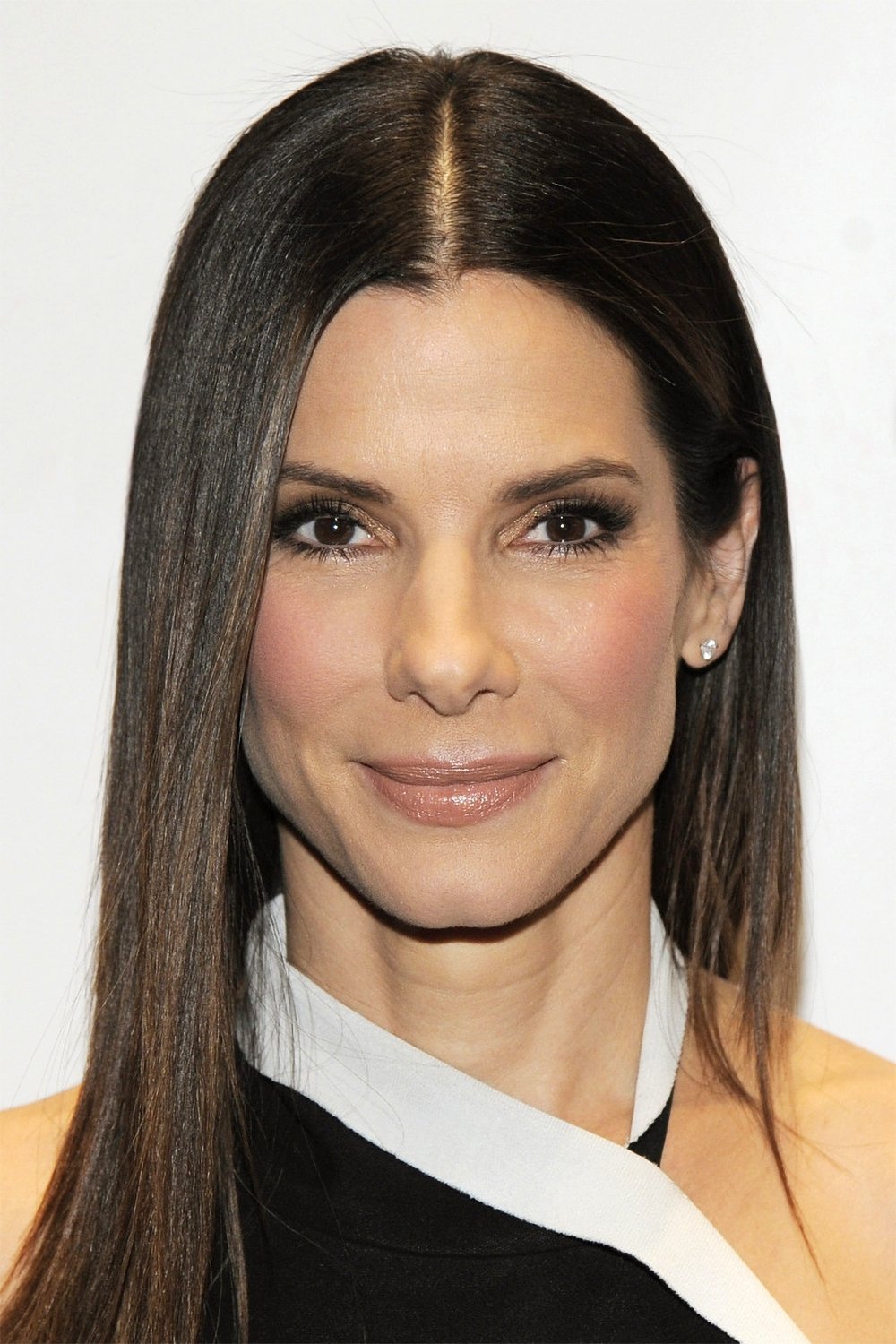
Sandra Bullock repositioned through high concept survival and thriller projects while producing under Fortis Films. ‘Gravity’ and ‘Bird Box’ delivered global viewership milestones and kept her in lead roles at major studios and streamers.
She also built behind the scenes influence as an executive producer on television with ‘George Lopez’ and on select features. The combined approach sustained bankable openings and maintained flexibility across theatrical and streaming windows.
Jennifer Lopez
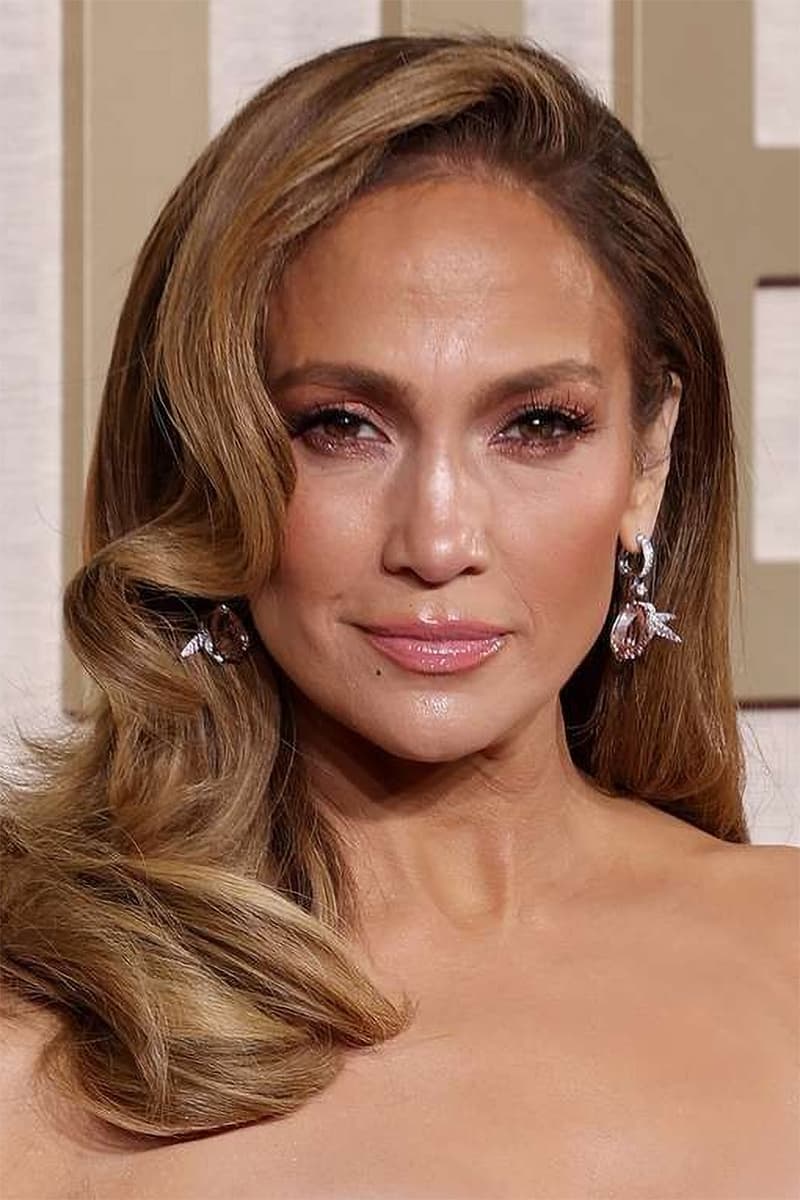
Jennifer Lopez shifted from romantic comedies to character driven crime drama with ‘Hustlers’, a performance backed by meticulous pole training and a festival launch. She paired that with leadership at Nuyorican Productions, which set up television like ‘Shades of Blue’ and features at multiple platforms.
Her slate added action and thriller titles such as ‘The Mother’, which expanded her footprint in global streaming. The mix of producing control and substantive roles diversified her brand and increased her negotiating position across music and film.
Natalie Portman
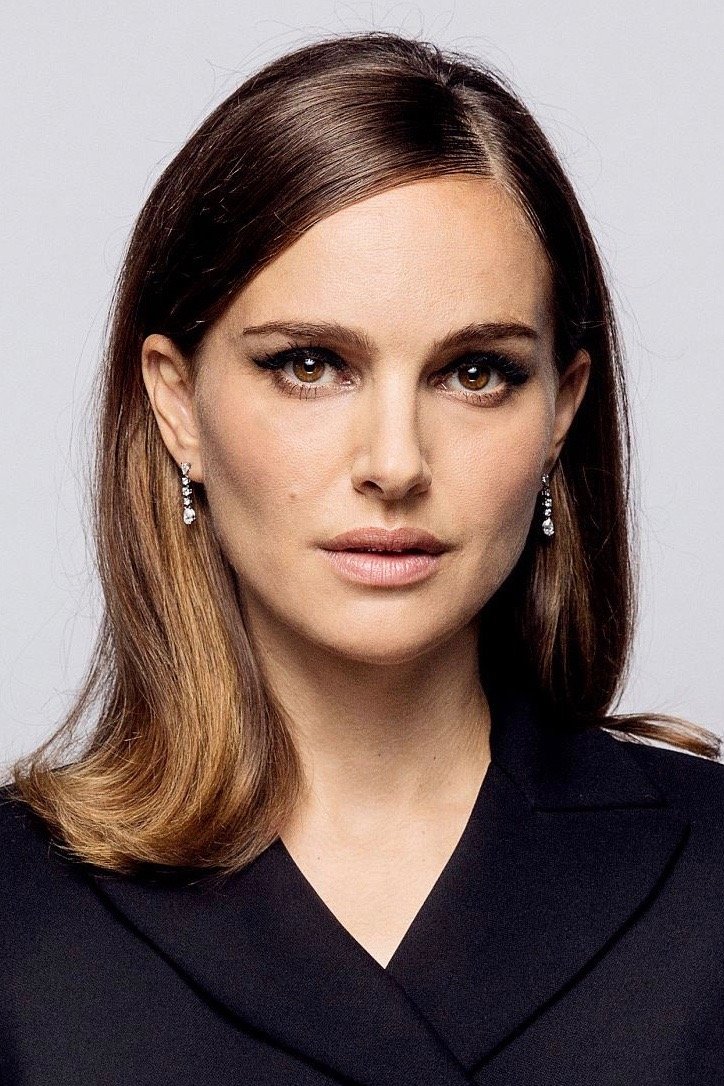
Natalie Portman broadened her toolkit by directing ‘A Tale of Love and Darkness’ and by returning to a tentpole franchise with a physically demanding spin in ‘Thor’ and ‘Thor: Love and Thunder’. She paired franchise work with psychological drama in ‘Black Swan’ and layered in festival titles like ‘May December’.
She also launched a production partnership under MountainA, which built packages with international auteurs and major streamers. The plan kept her active across formats while creating space for development driven by material she selected and shaped.
Drew Barrymore
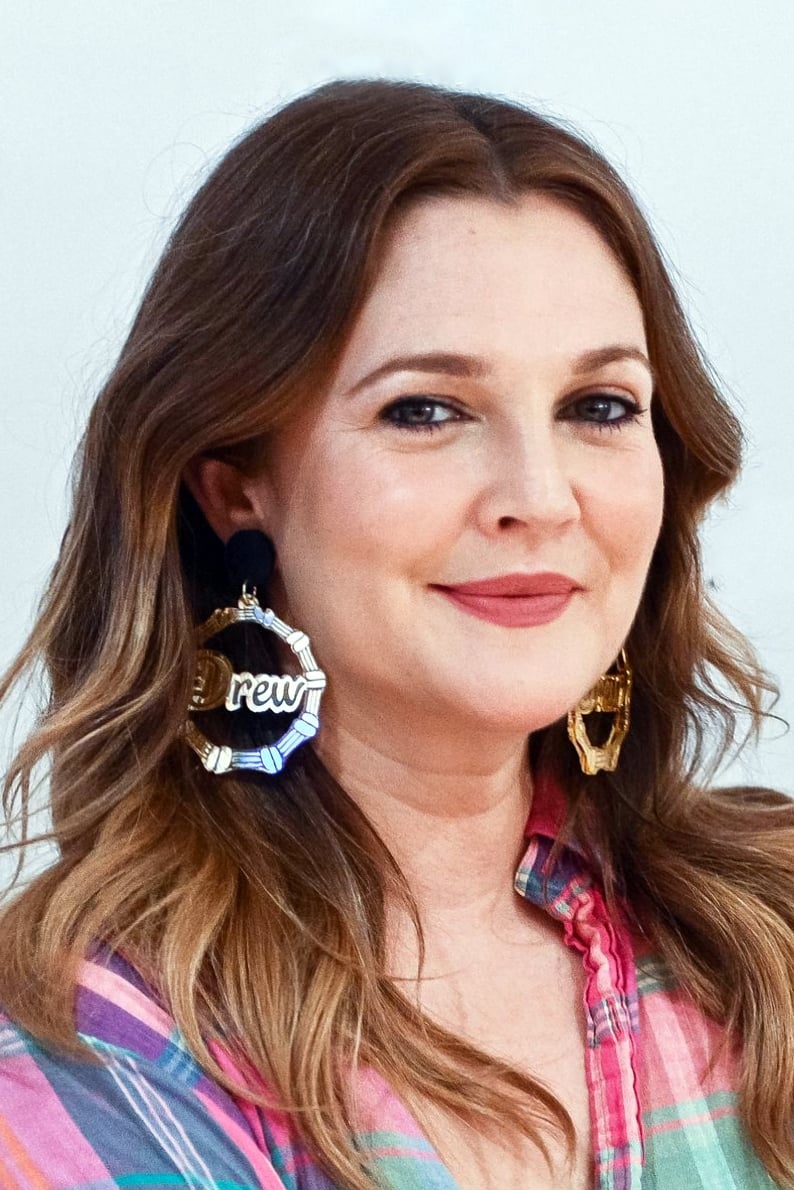
Drew Barrymore transformed early fame into sustained ownership through Flower Films, delivering hits like ‘Charlie’s Angels’ and genre television with ‘Santa Clarita Diet’. She then added a daily platform with ‘The Drew Barrymore Show’, which extended her reach and created a steady content engine.
That combination kept her on camera while expanding revenue streams through daytime television and consumer products with Flower Beauty. The integrated approach ensured consistent visibility alongside scripted work and gave her flexibility in choosing acting projects.
Emma Stone
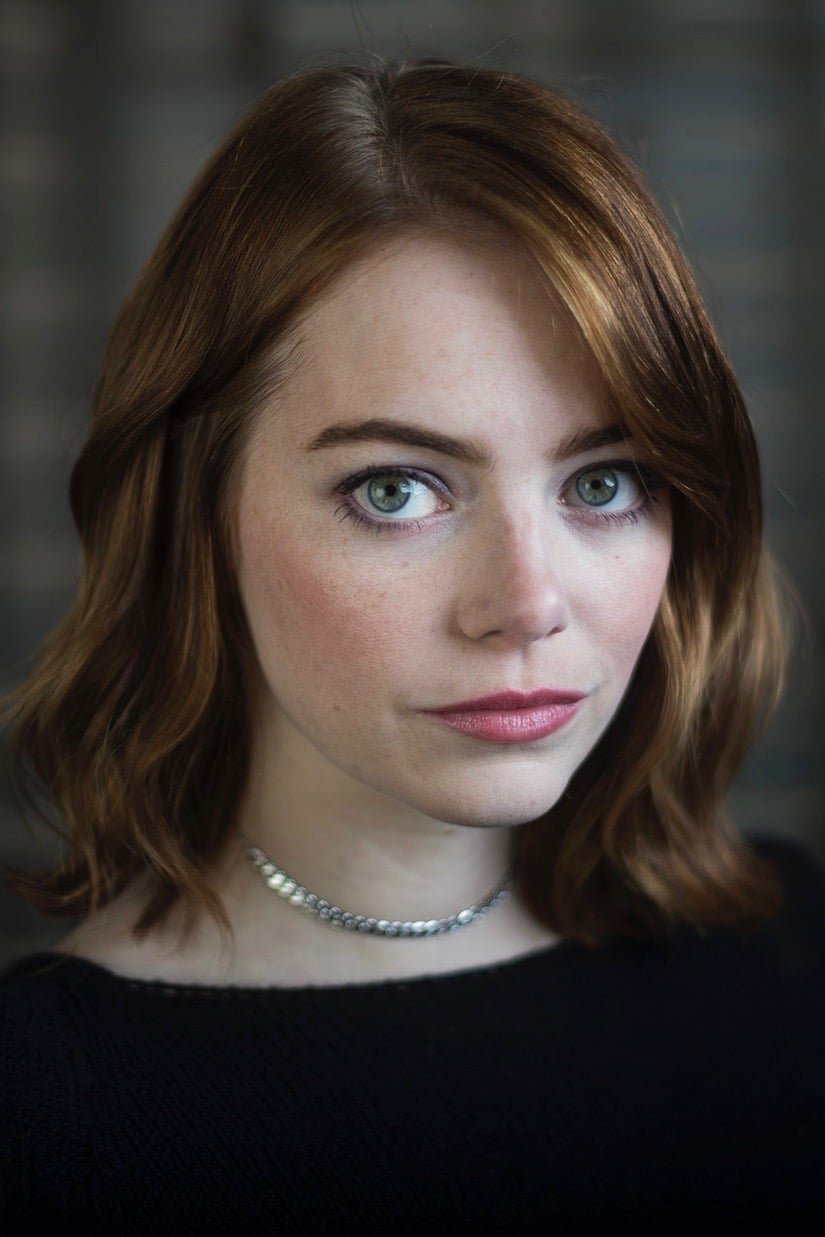
Emma Stone built Fruit Tree with Dave McCary and used it to originate and shepherd projects across film and TV. She coupled musical and period roles in ‘La La Land’ and ‘The Favourite’ with inventive lead work in ‘Poor Things’ and then moved into television with ‘The Curse’ as star and executive producer.
Fruit Tree now develops a pipeline with festival ready features and distinctive series. The company structure gives her influence in director selection, casting, and marketing plans while keeping her attached to material that supports awards and international distribution.
Anne Hathaway
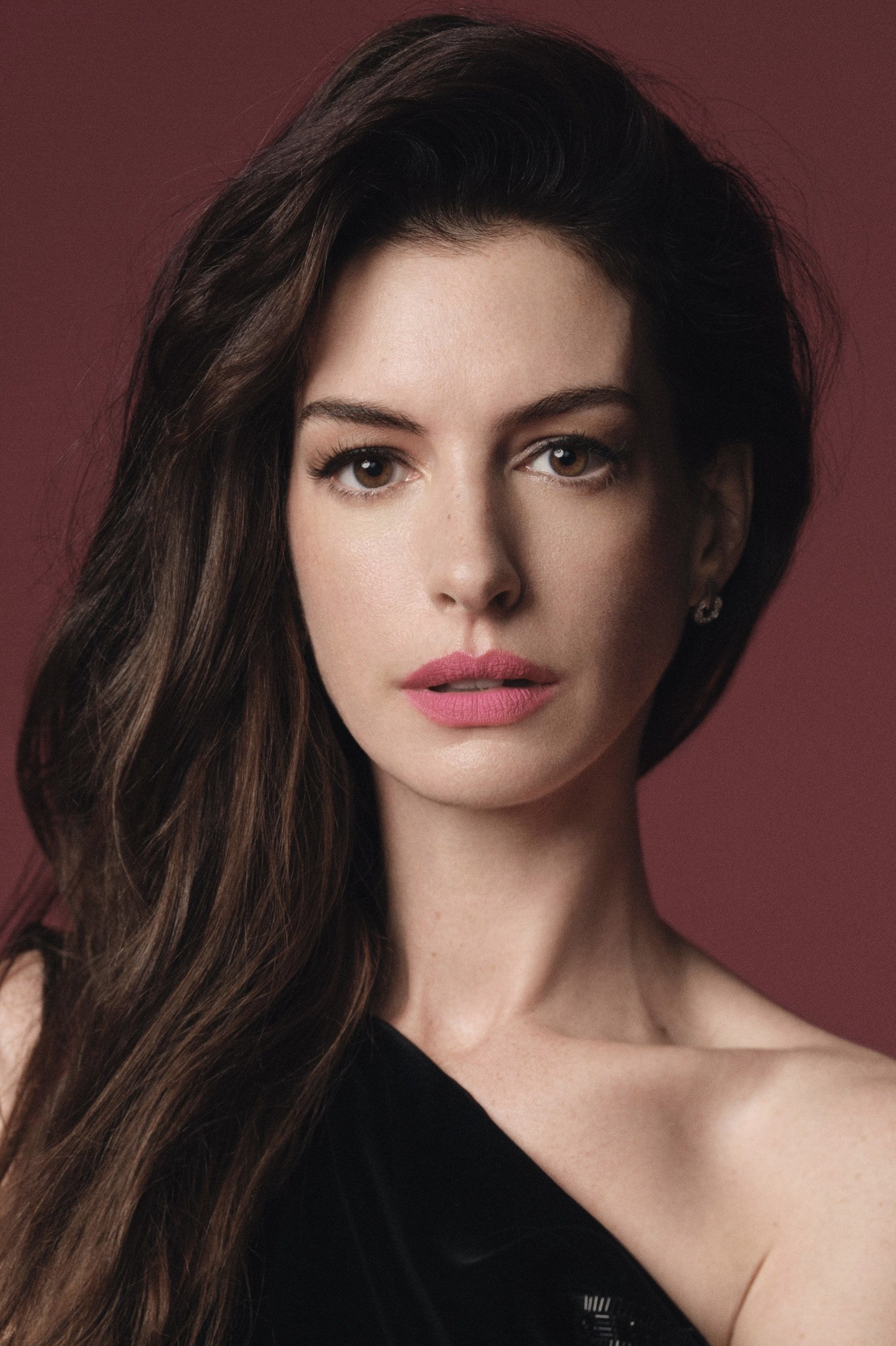
Anne Hathaway moved from early family fare into prestige drama and then into streamer era leadership. She secured an Oscar with ‘Les Misérables’ after a dramatic turn in ‘Rachel Getting Married’ and later anchored the heist ensemble ‘Ocean’s 8’.
She expanded into limited series as star and executive producer of ‘WeCrashed’ and continued with buzzy features like ‘The Idea of You’. The mix keeps her present in both cultural conversation and platform strategy while reinforcing her ability to carry projects across genres.
Margot Robbie

Margot Robbie co founded LuckyChap Entertainment and focused on creator led films. That model produced ‘I, Tonya’ and ‘Promising Young Woman’, then scaled to a global phenomenon with ‘Barbie’.
LuckyChap aligns with directors at early stages and moves fast on development and financing. The result is a slate that travels from indie scale to tentpole level while keeping Robbie in prime roles and in control of key creative and business decisions.
Lady Gaga
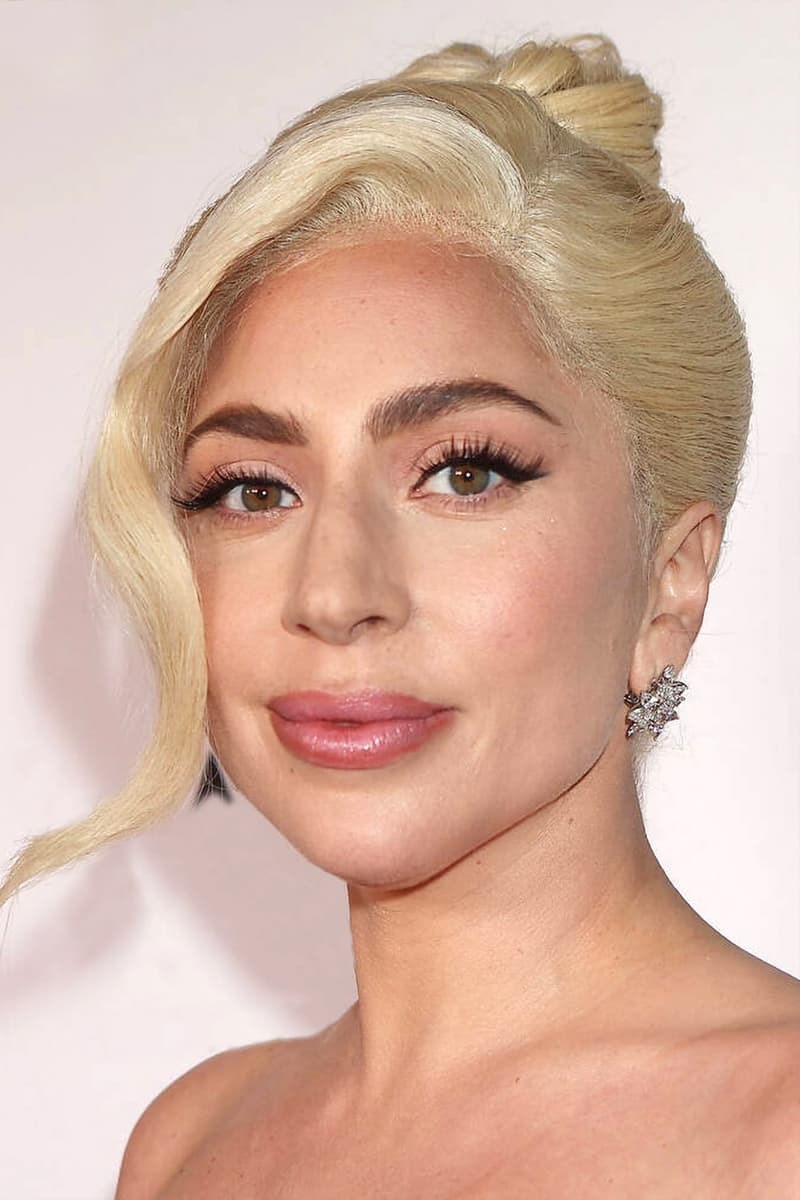
Lady Gaga crossed from music to screen with a calculated path through television and features. She earned awards traction with ‘American Horror Story’ and then headlined ‘A Star Is Born’, which combined a major acting turn with original songs.
She followed with fashion centered drama in ‘House of Gucci’ and stepped into comic book territory with a new ‘Joker’ film as Harley Quinn. The transitions expanded her audience beyond music and added recurring film collaborations with established directors.
Zendaya

Zendaya moved from kids network comedy to adult prestige drama with ‘Euphoria’, where she also holds an executive producer credit. She added event cinema with ‘Dune’ and led a sports romance with ‘Challengers’, which involved intensive tennis training and production prep.
Her team manages fashion partnerships and long lead campaigns that support releases across multiple cycles. The approach ties red carpet visibility to project timelines and strengthens global awareness around each new role.
Kristen Stewart
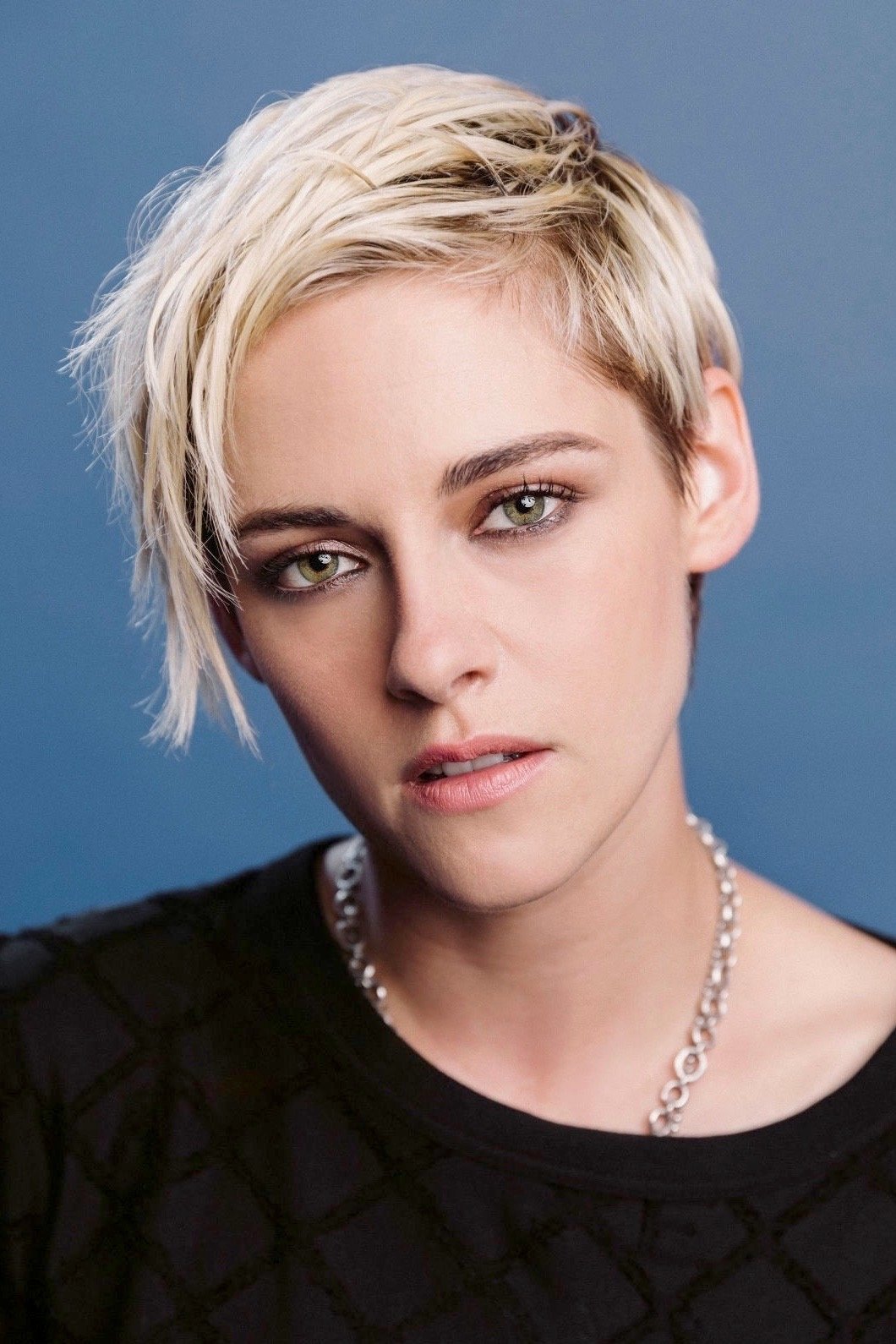
Kristen Stewart pivoted from franchise spotlight to auteur driven cinema. She won a major European acting award for ‘Clouds of Sils Maria’ and continued with character studies in ‘Personal Shopper’ before earning an Oscar nomination for ‘Spencer’.
She launched Nevermind Pictures to produce literary adaptations and filmmaker led features, including the planned ‘The Chronology of Water’. The company gives her input on material and director pairings while keeping her schedule balanced between acting and development.
Michelle Yeoh
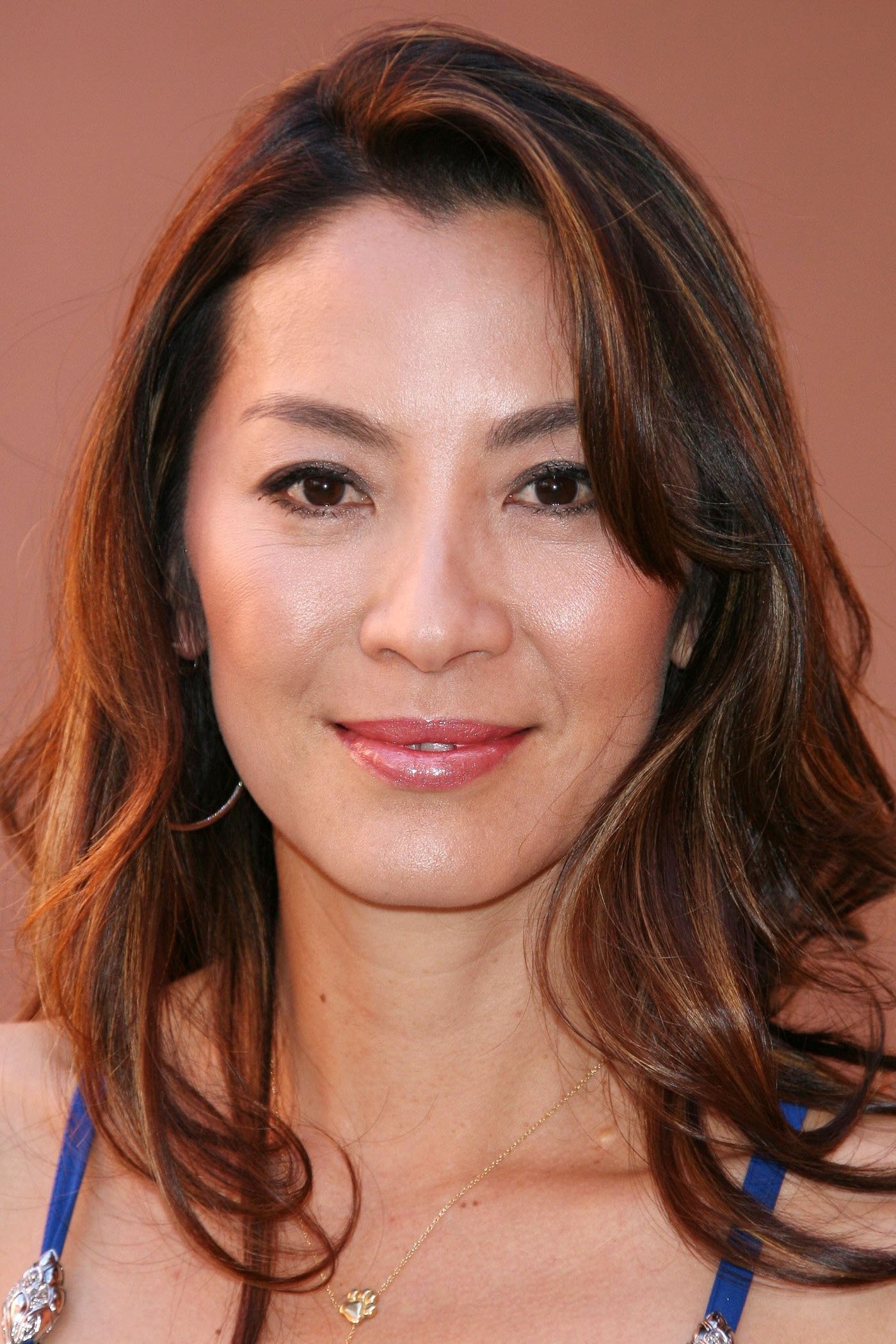
Michelle Yeoh moved from martial arts and Hong Kong cinema roots to multiverse storytelling with ‘Everything Everywhere All at Once’ and became the first Asian woman to win the Academy Award for Best Actress. She also gained new franchise visibility with ‘Star Trek: Discovery’ and a greenlit ‘Section 31’ project.
Her slate added musical fantasy with ‘Wicked’ and continued global productions across Asia, Europe, and North America. The shift delivered leading roles in English language projects while keeping action skills and dramatic depth in active use.
Jamie Lee Curtis
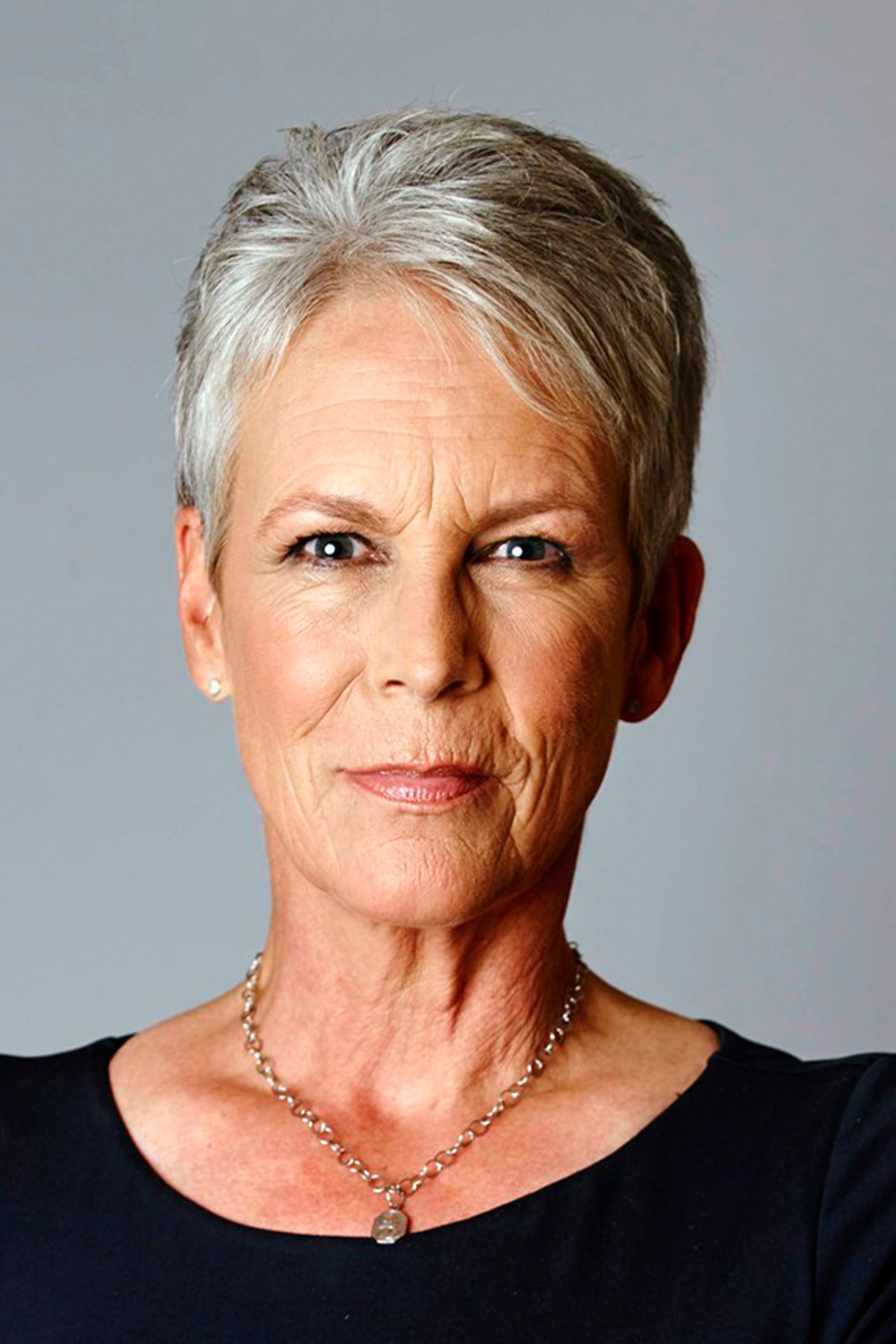
Jamie Lee Curtis refreshed a long career by returning to ‘Halloween’ with a modern trilogy while taking on character work in ‘Everything Everywhere All at Once’ that won the Academy Award for Supporting Actress. She also built Comet Pictures to generate genre and thriller properties.
Her literary work and advocacy created additional platforms that support film campaigns and audience engagement. The combined footprint across franchises, awards films, and production has kept her at the center of major releases.
Jennifer Coolidge
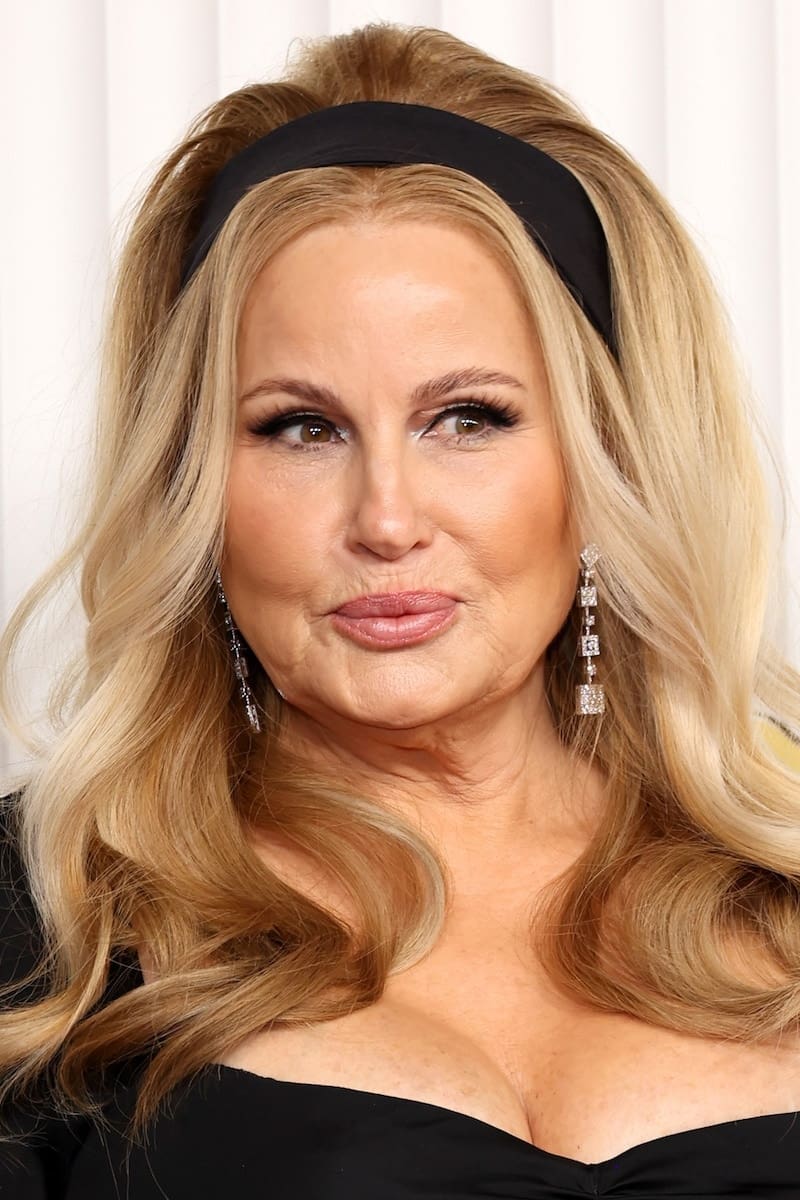
Jennifer Coolidge moved from scene stealing comedy parts to a career defining lead in ‘The White Lotus’. The series brought her Emmy and Golden Globe wins and renewed demand for complex roles.
She used that momentum to secure prominent parts in film and television with directors who build ensemble pieces. The shift concentrated her schedule on prestige projects and broadened the types of characters offered to her.
Viola Davis
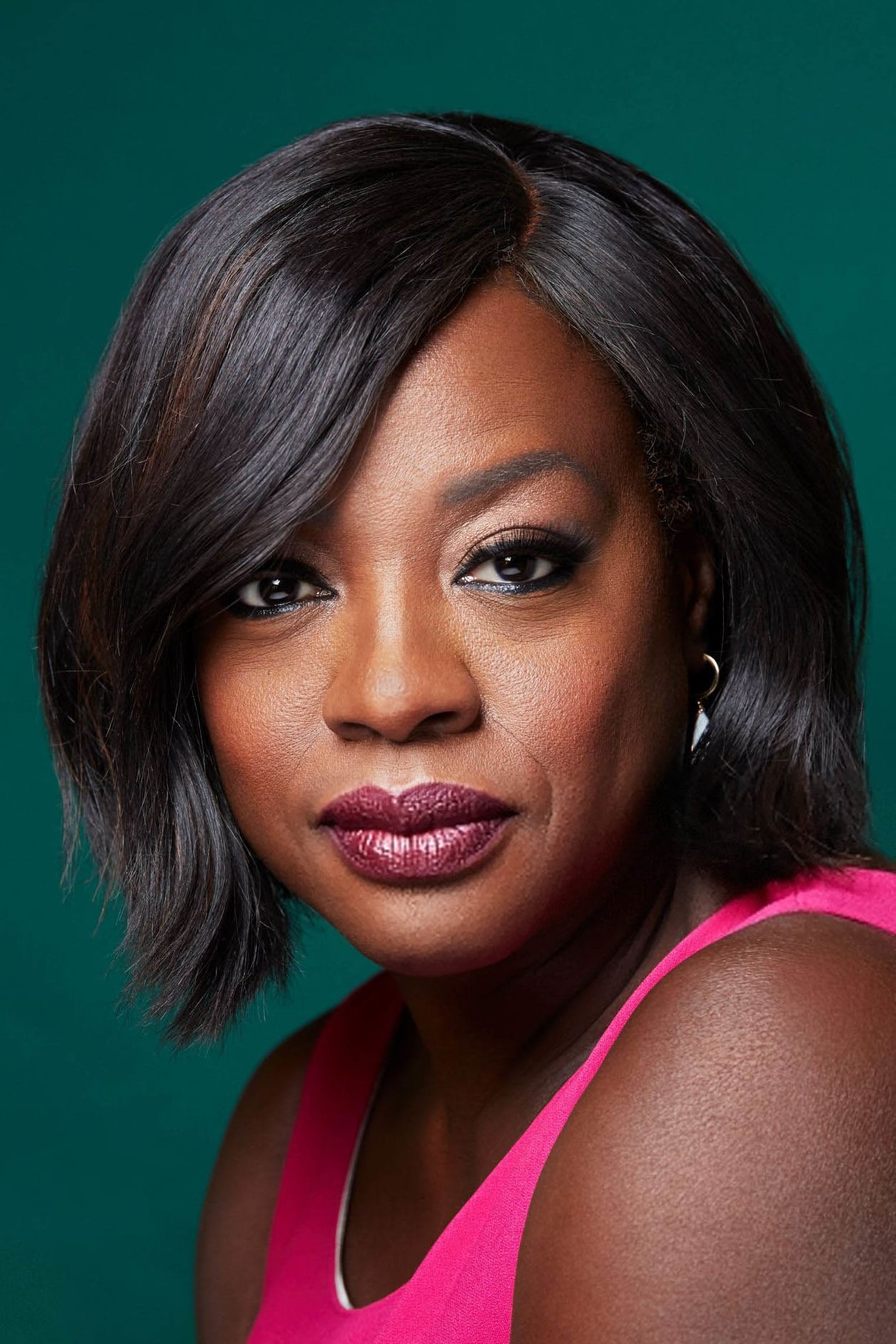
Viola Davis expanded from acclaimed stage and film work to a network lead with ‘How to Get Away with Murder’, which ran for multiple seasons and earned her significant awards. She completed EGOT status with a Grammy for the audiobook of ‘Finding Me’.
Through JuVee Productions she developed vehicles like ‘The Woman King’ while supporting emerging writers and directors. The company structure placed her at the center of historical epics, franchise entries, and character dramas with meaningful scale.
Kate Winslet
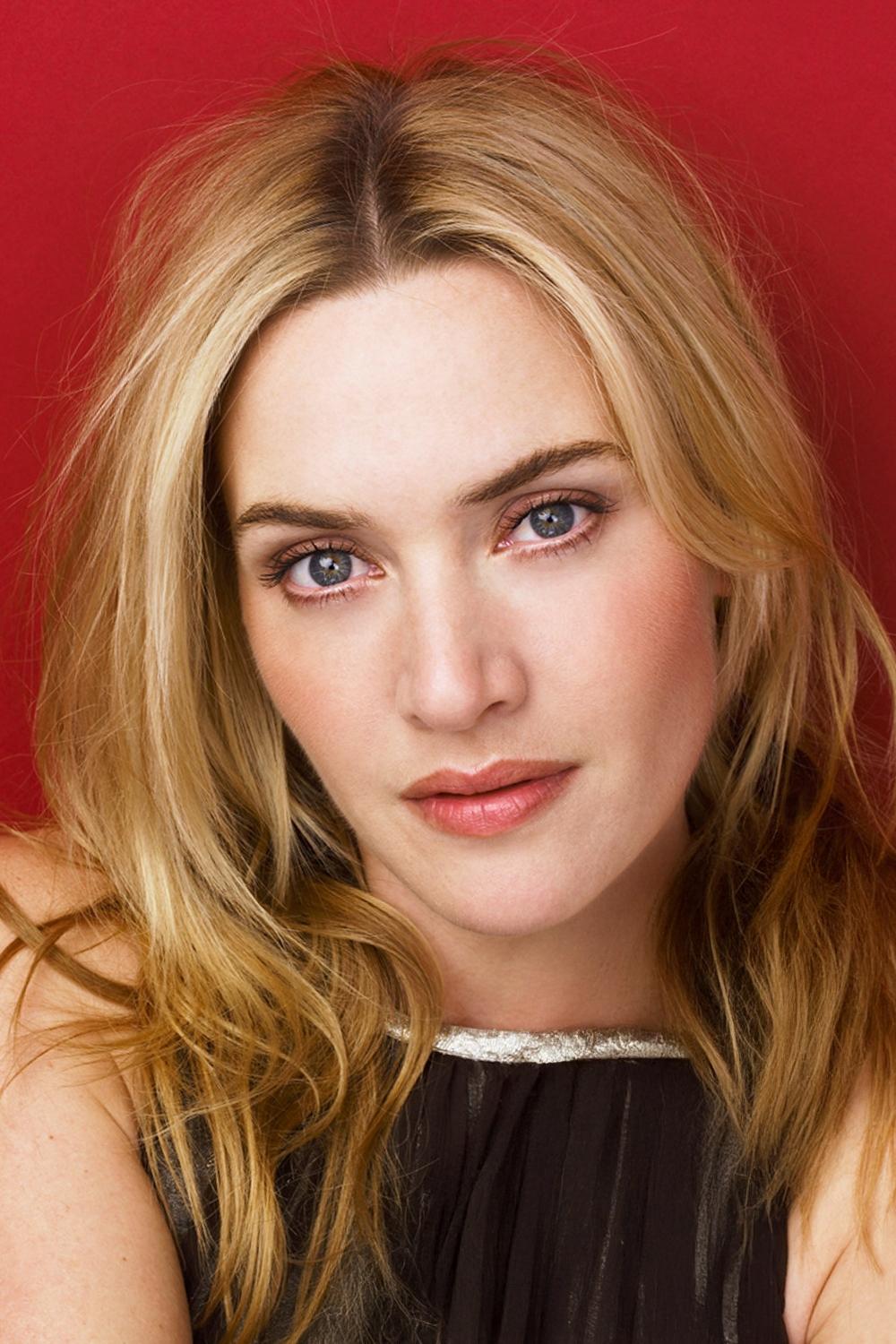
Kate Winslet leveraged limited series to great effect with ‘Mare of Easttown’ and returned to HBO with ‘The Regime’. She paired these with film work like ‘Steve Jobs’ and ‘The Reader’ to maintain awards presence across formats.
She also took on producing roles for television projects, which gave her input on scripts, accents, and location choices. The television pivot delivered extended character time and strong audience engagement between feature releases.
Brie Larson
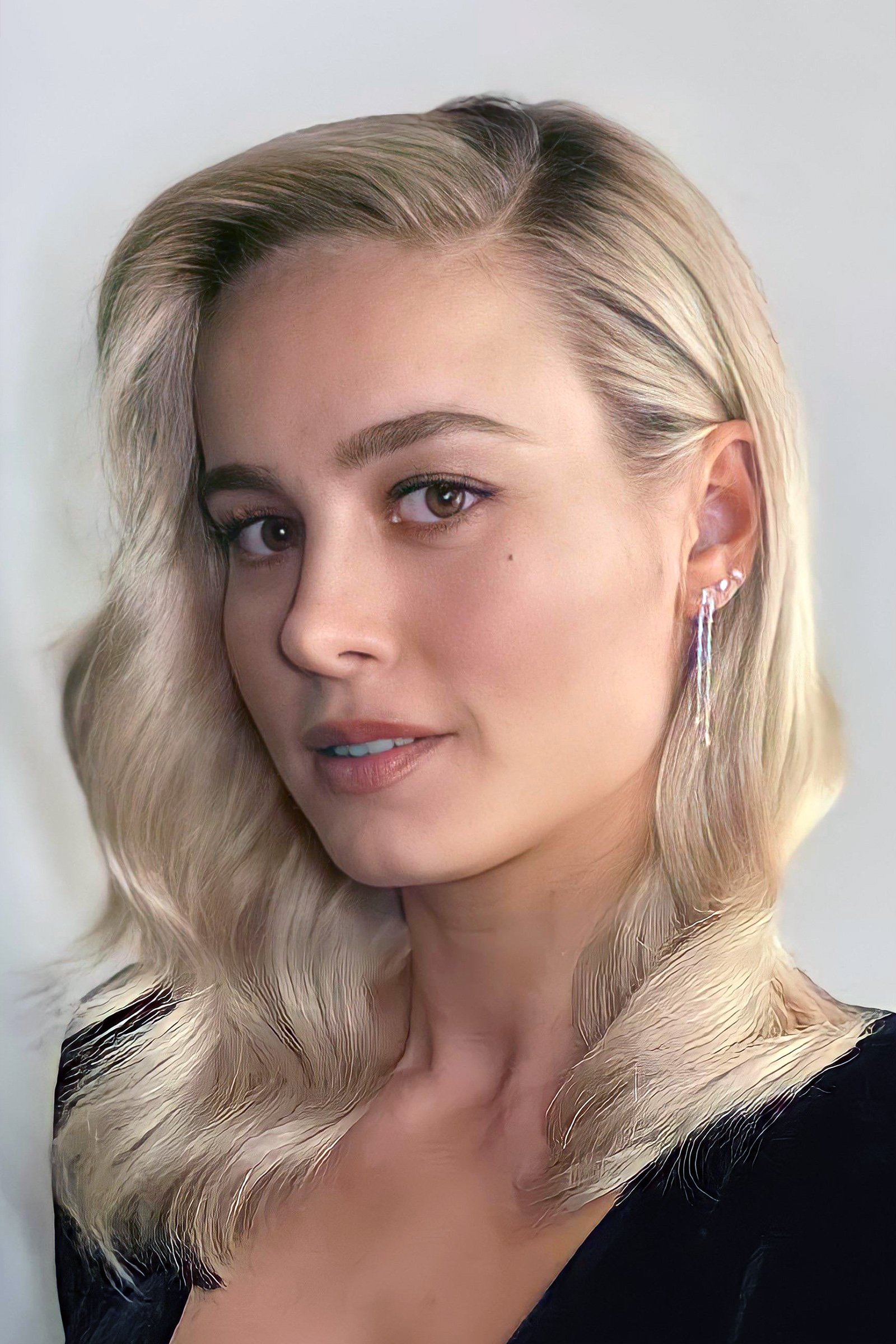
Brie Larson moved from indie breakthroughs to an Academy Award for ‘Room’ and then became a franchise lead with ‘Captain Marvel’. She directed and starred in ‘Unicorn Store’, adding behind the camera experience that informed later choices.
She returned to series television with ‘Lessons in Chemistry’ as star and executive producer. That role combined adaptation work with a period production, expanding her credentials as a leader on and off set.
Alicia Vikander
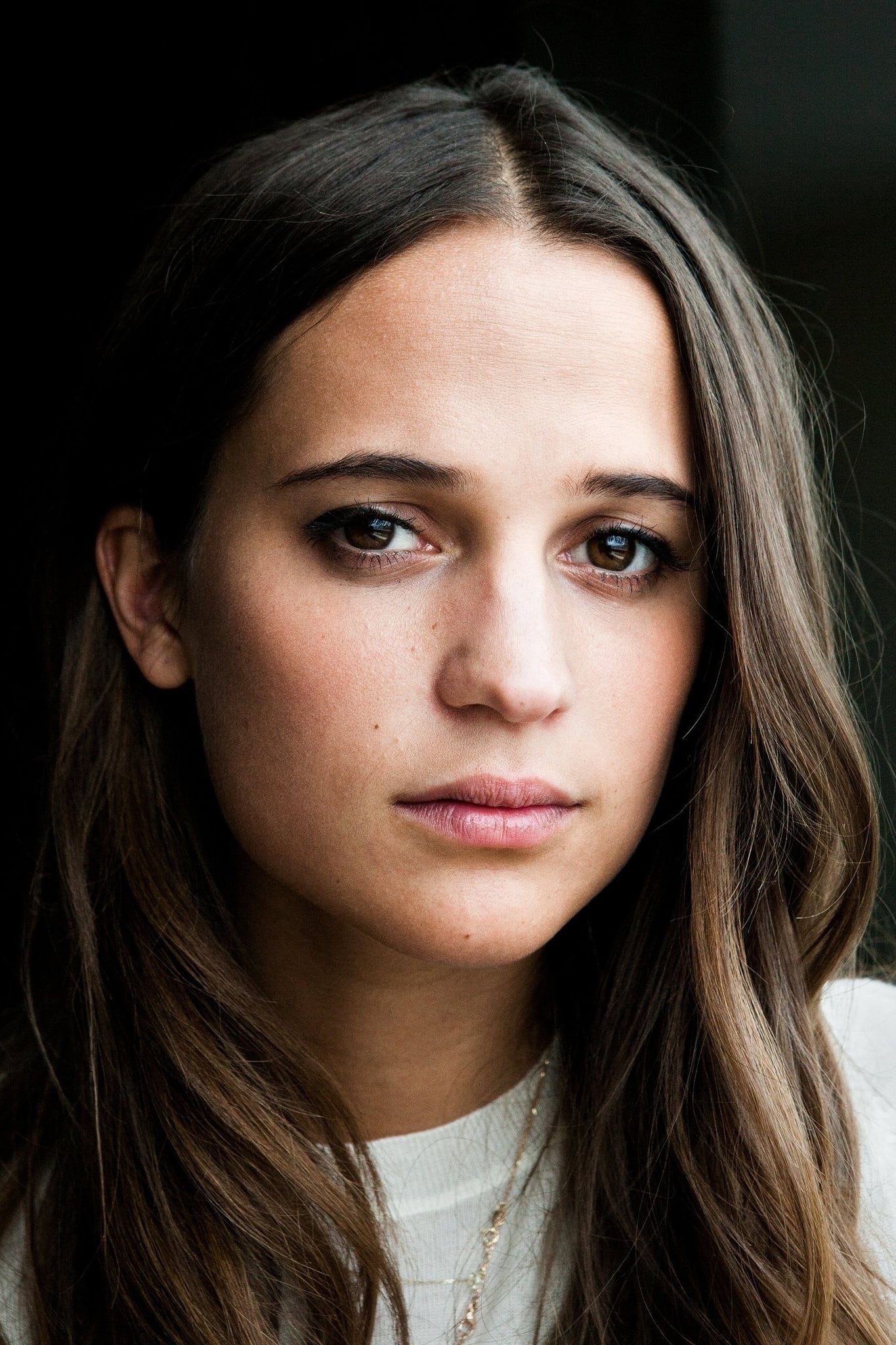
Alicia Vikander advanced from dance training to international film recognition in ‘Ex Machina’ and earned an Academy Award for ‘The Danish Girl’. She then stepped into action with ‘Tomb Raider’ after extensive physical preparation.
She broadened her television presence with ‘Irma Vep’ while taking on executive producer duties. The shift balanced auteur projects with commercial action and added development input at the series level.
Elisabeth Moss
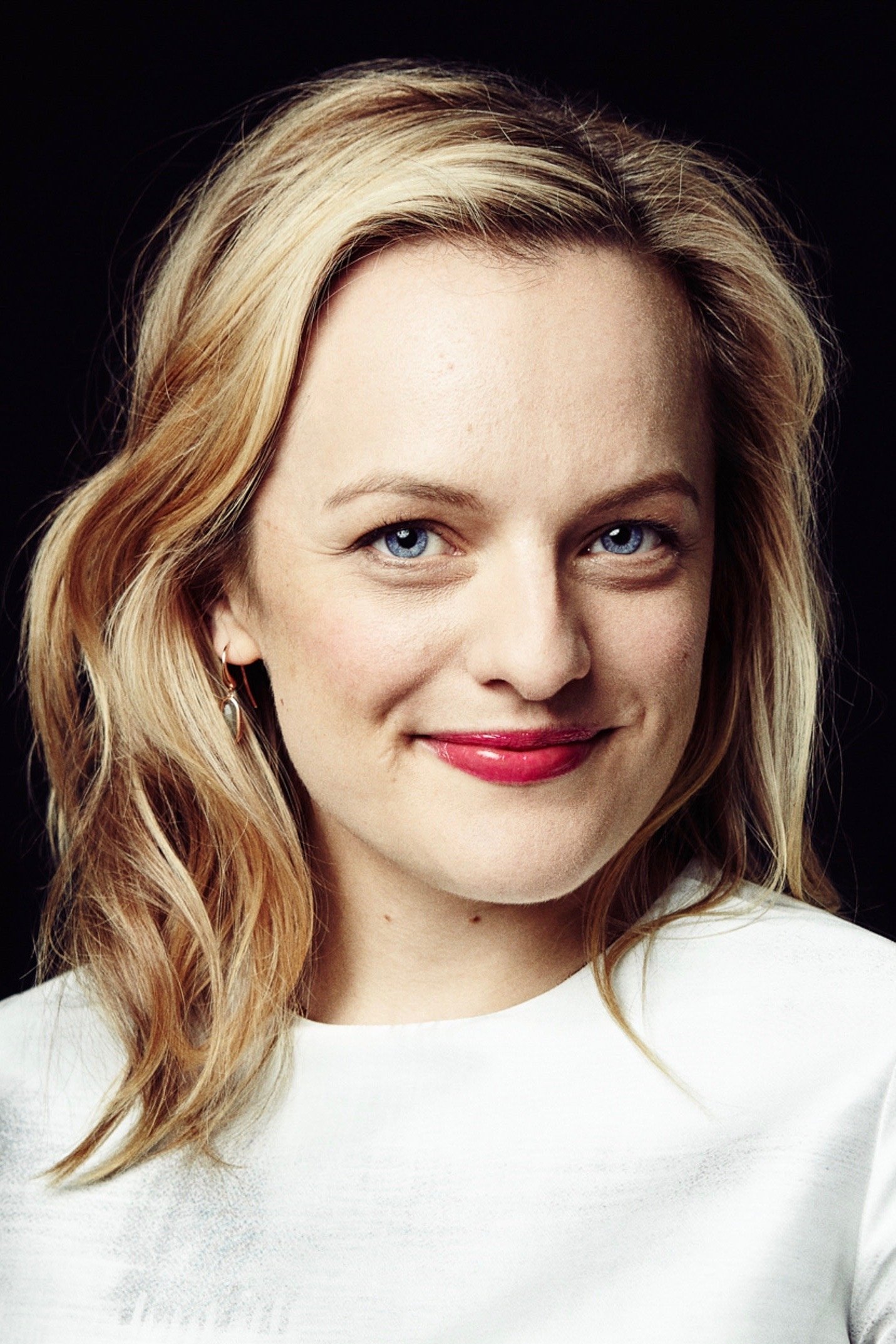
Elisabeth Moss transitioned from ensemble success in ‘Mad Men’ to lead and executive producer on ‘The Handmaid’s Tale’. She expanded into thriller cinema with ‘The Invisible Man’, which performed strongly for a mid budget release.
Through Love and Squalor Pictures she developed ‘Shining Girls’ and additional series. The producing role gave her control over tone, director selection, and post production, which strengthened delivery across seasons.
Awkwafina
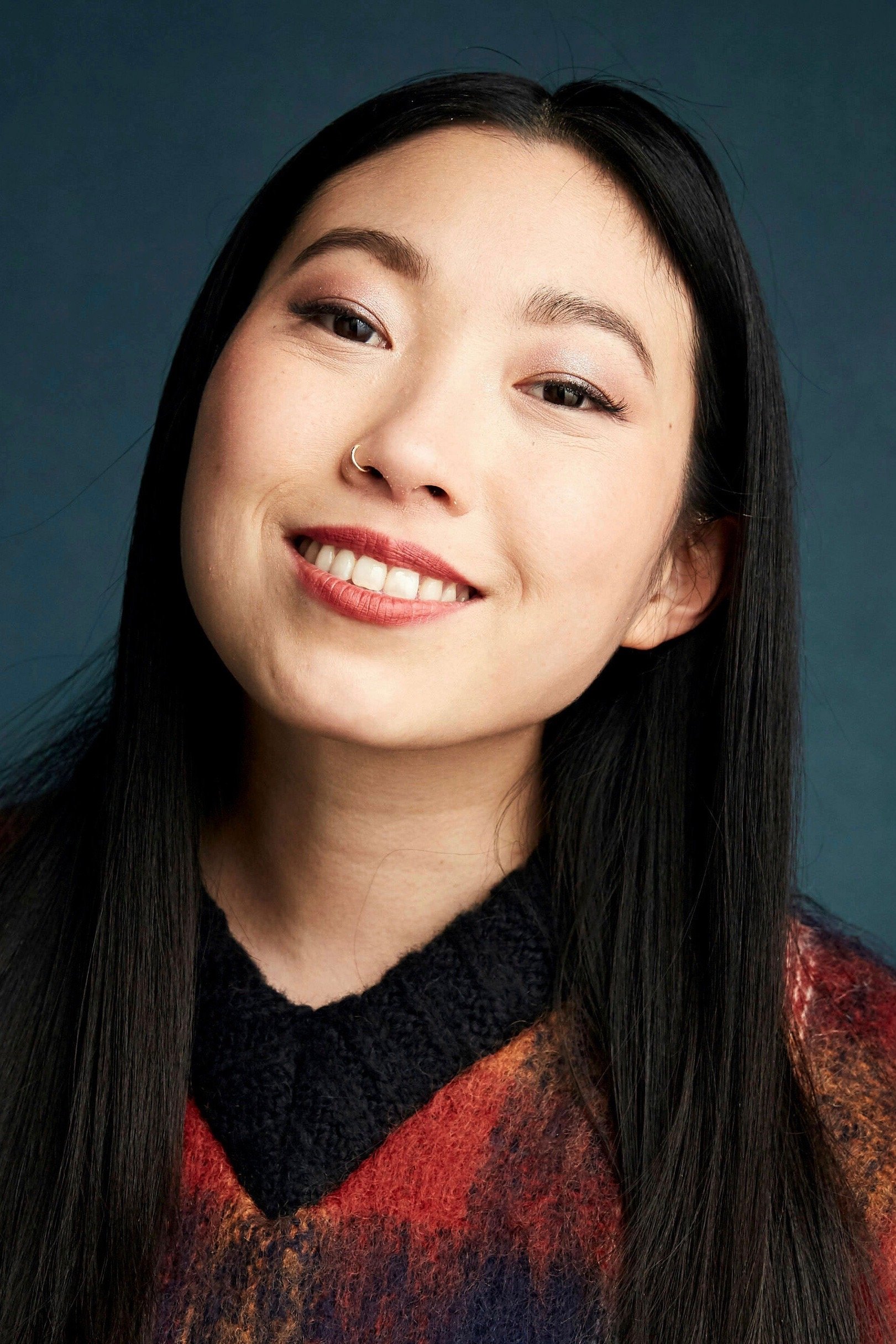
Awkwafina moved from viral music and stand up to studio hits with ‘Crazy Rich Asians’ and then won a Golden Globe for ‘The Farewell’. She created and starred in ‘Awkwafina Is Nora from Queens’, which established a steady TV footprint.
She added major voice roles in ‘Raya and the Last Dragon’ and ‘The Little Mermaid’, which extended her brand to family audiences worldwide. The mix of comedy, drama, and voice acting kept her active across different release calendars.
Aubrey Plaza

Aubrey Plaza shifted from deadpan comedy in ‘Parks and Recreation’ to darker indies like ‘Black Bear’ and then headlined and produced ‘Emily the Criminal’. She followed with awards attention for ‘The White Lotus’, which broadened her international profile.
She launched Evil Hag Productions to back distinctive features and genre work. That structure supports roles that use her range while creating ownership positions in projects with strong festival and streaming potential.
Jessica Chastain
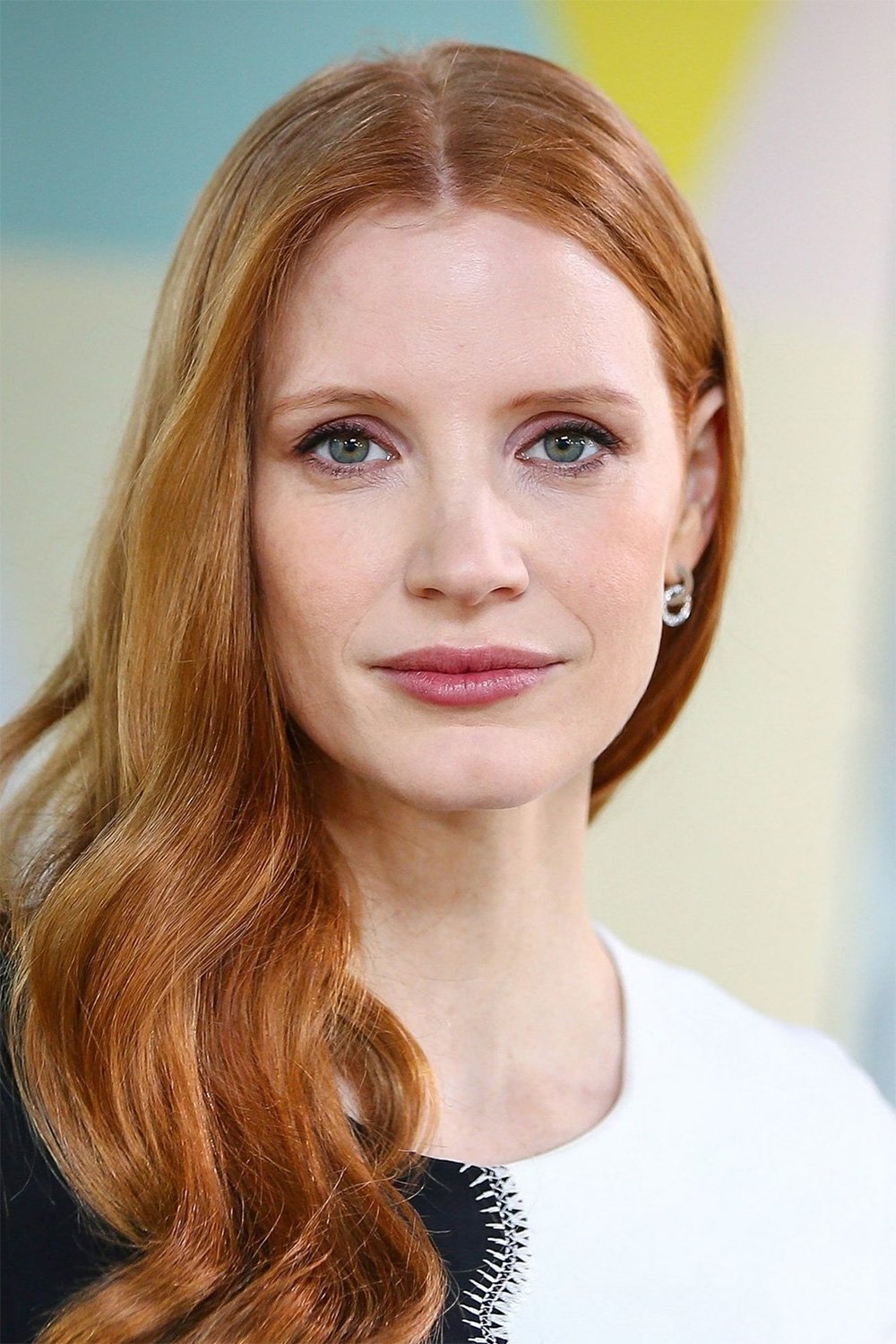
Jessica Chastain created Freckle Films to develop female led stories and produced ‘The Eyes of Tammy Faye’, which earned her the Academy Award for Best Actress. She also led the limited series ‘George and Tammy’ with music performance and producer oversight.
She returned to Broadway with ‘A Doll’s House’ and continued to balance stage, television, and film. The multi platform plan keeps her visible year round and places her at the center of development from early drafts to release.
Carey Mulligan
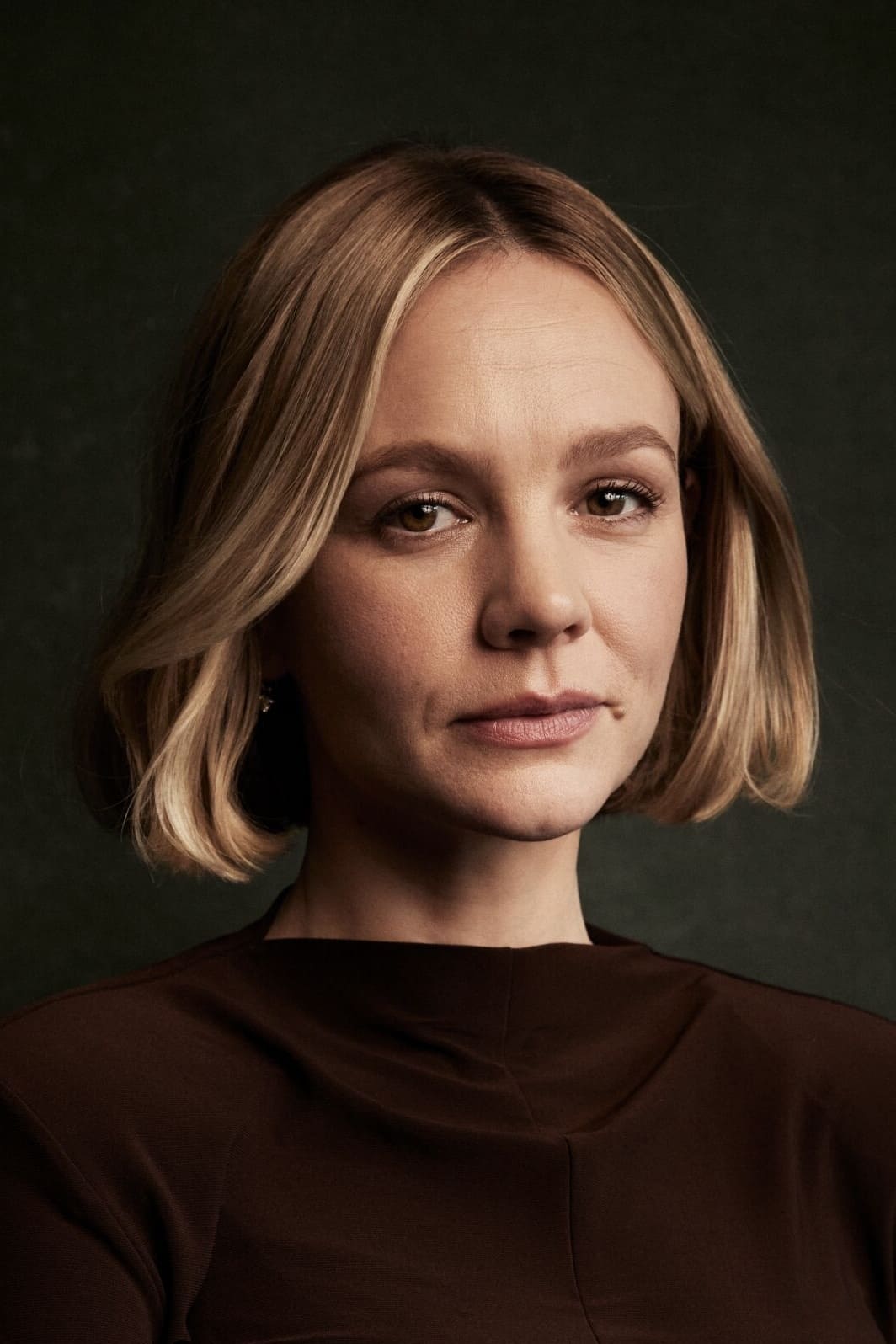
Carey Mulligan moved from period drama associations to a contemporary lead in ‘Promising Young Woman’, which brought extensive awards recognition. She then took on a high profile biographical role in ‘Maestro’ that required vocal preparation and detailed research.
Her stage work in plays like ‘Skylight’ and ‘Girls and Boys’ continues to run alongside film commitments. The combination sustains critical attention while opening doors to complex modern characters across media.
Share your favorite examples of reinvention in the comments so everyone can compare notes on the performances and projects that impressed them most.