The Greatest Movie Performances by an African-American Actor


There are so many film roles that shaped the way audiences think about character, history, and craft. This roundup looks at specific screen performances from African American men and gives clear, useful details about what each actor did and how the work fits into the film around it.
You will find the character each actor played, the story the film tells, and concrete facts like awards, production choices, and source material. It is a simple way to revisit performance highlights and to learn a little about the films that frame them.
Denzel Washington in ‘Malcolm X’
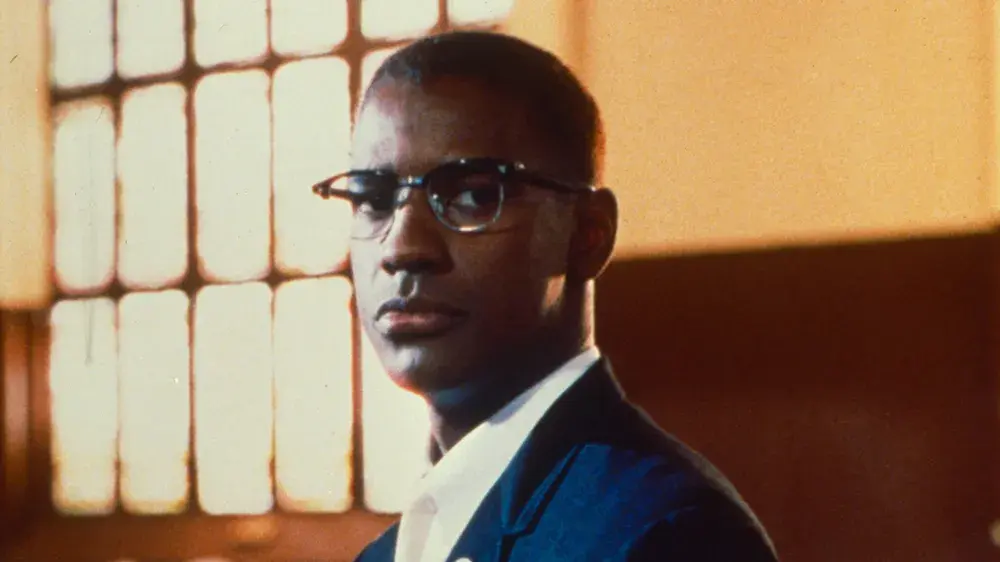
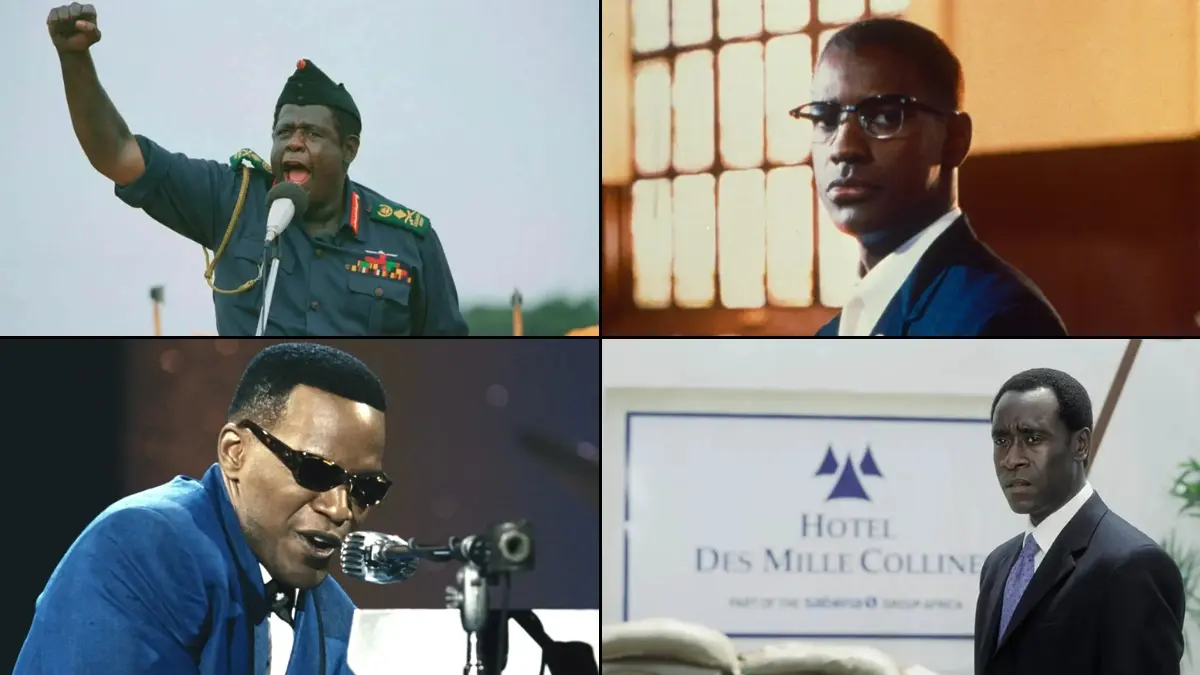
Denzel Washington portrays minister and human rights leader Malcolm X as the film tracks his life from Malcolm Little through his work with the Nation of Islam and into his final years. The production uses locations tied to the real figure, including the Audubon Ballroom for pivotal scenes, and adapts material from The Autobiography of Malcolm X with approval from the Shabazz family.
Washington received an Academy Award nomination for Best Actor, and the film was directed by Spike Lee with a large ensemble cast that includes Angela Bassett and Albert Hall. Costume and hair teams recreated period looks across multiple decades, and the film’s running time reflects an epic biographical scope.
Sidney Poitier in ‘In the Heat of the Night’
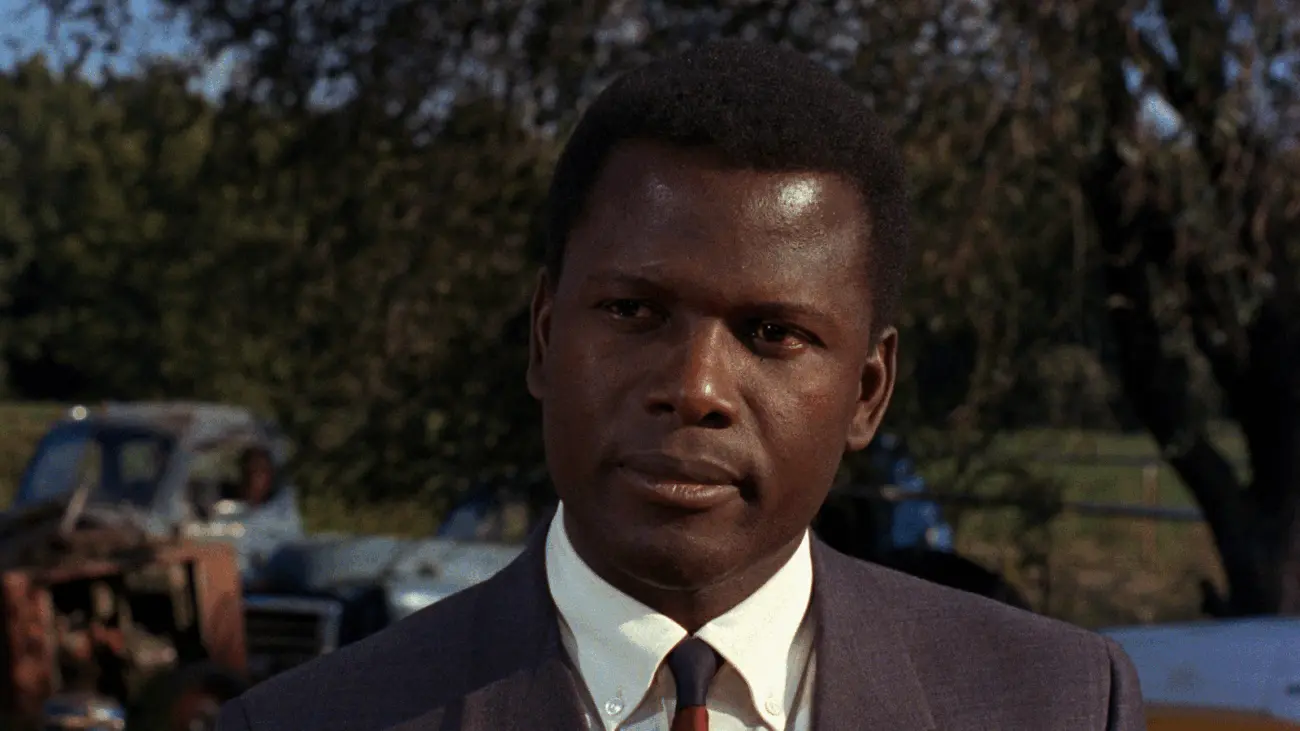
Sidney Poitier plays detective Virgil Tibbs, a Philadelphia homicide expert who assists a small Mississippi town during a murder investigation. The story places a Black professional in an environment resistant to his authority and knowledge, with the plot unfolding through interrogations, forensics, and clashes with local power.
Production moved many scenes to Illinois to avoid safety problems during filming in the South, while still depicting a Mississippi setting. The film won the Academy Award for Best Picture, and Poitier’s line They call me Mister Tibbs later titled the follow up film ‘They Call Me Mister Tibbs!’.
James Earl Jones in ‘The Great White Hope’
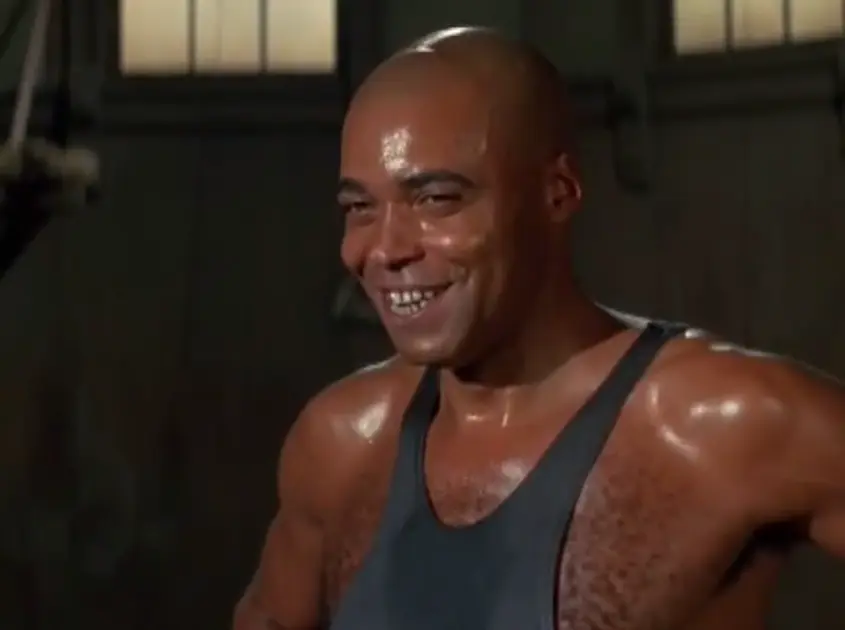
James Earl Jones brings Jack Jefferson to the screen, a fictionalized version of boxer Jack Johnson, showing a champion’s career and the legal and social pressures around him. The film adapts Howard Sackler’s Pulitzer winning play and keeps the focus on the athlete’s relationships and court battles as fights move across state lines.
Jones transferred his stage role to the film and received an Academy Award nomination for Best Actor. Jane Alexander also reprised her stage role and was nominated for Best Actress, and the production team used period boxing rings, gloves, and training gear to match early twentieth century equipment.
Forest Whitaker in ‘The Last King of Scotland’
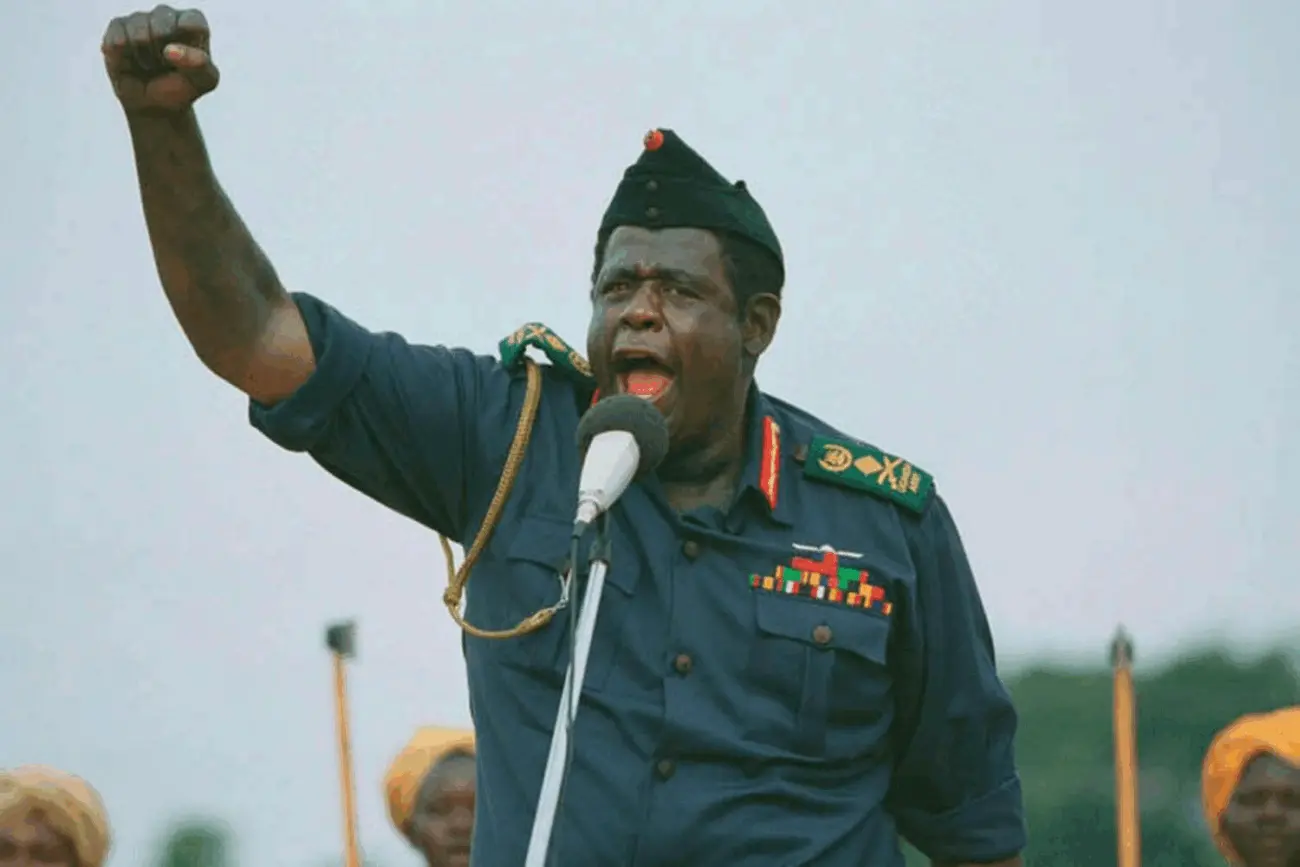
Forest Whitaker portrays Ugandan president Idi Amin as the film follows a young Scottish doctor who becomes Amin’s personal physician. The story presents official ceremonies, private meetings, and scenes inside government compounds to show how the doctor witnesses the regime from close range.
Whitaker won the Academy Award for Best Actor for his portrayal, along with major honors from guilds and international academies. The film shot on location in Uganda and also in the United Kingdom, and the production worked with local crews to stage rallies, military sequences, and news broadcasts.
Jamie Foxx in ‘Ray’
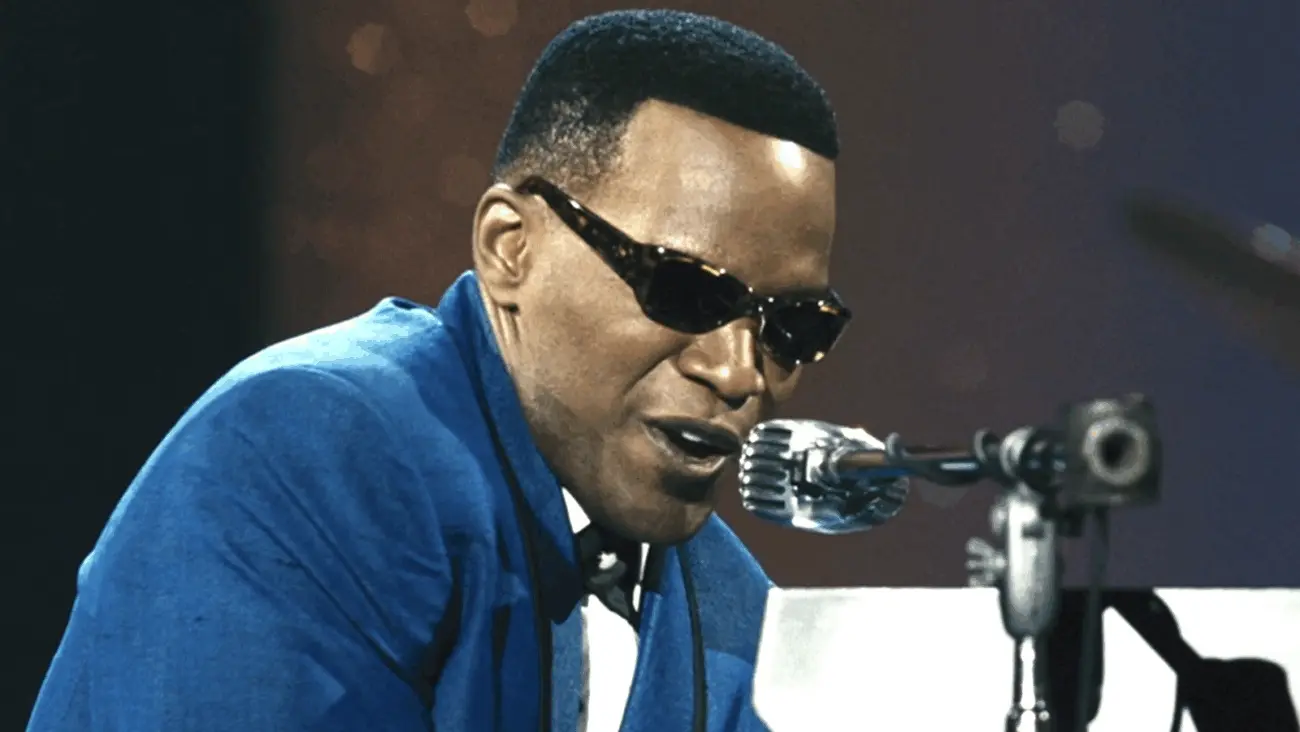
Jamie Foxx plays musician Ray Charles, covering his childhood, early career, and national success as a recording and touring artist. The film uses performance set pieces, recording sessions, and tour stops to illustrate how songs were created and how the artist worked with his band and producers.
Foxx won the Academy Award for Best Actor, and he performed much of the piano work on set after training to match Charles’s technique and posture. The soundtrack features original Ray Charles masters alongside new recordings, and the production coordinated with the Ray Charles estate for music and life rights.
Will Smith in ‘King Richard’
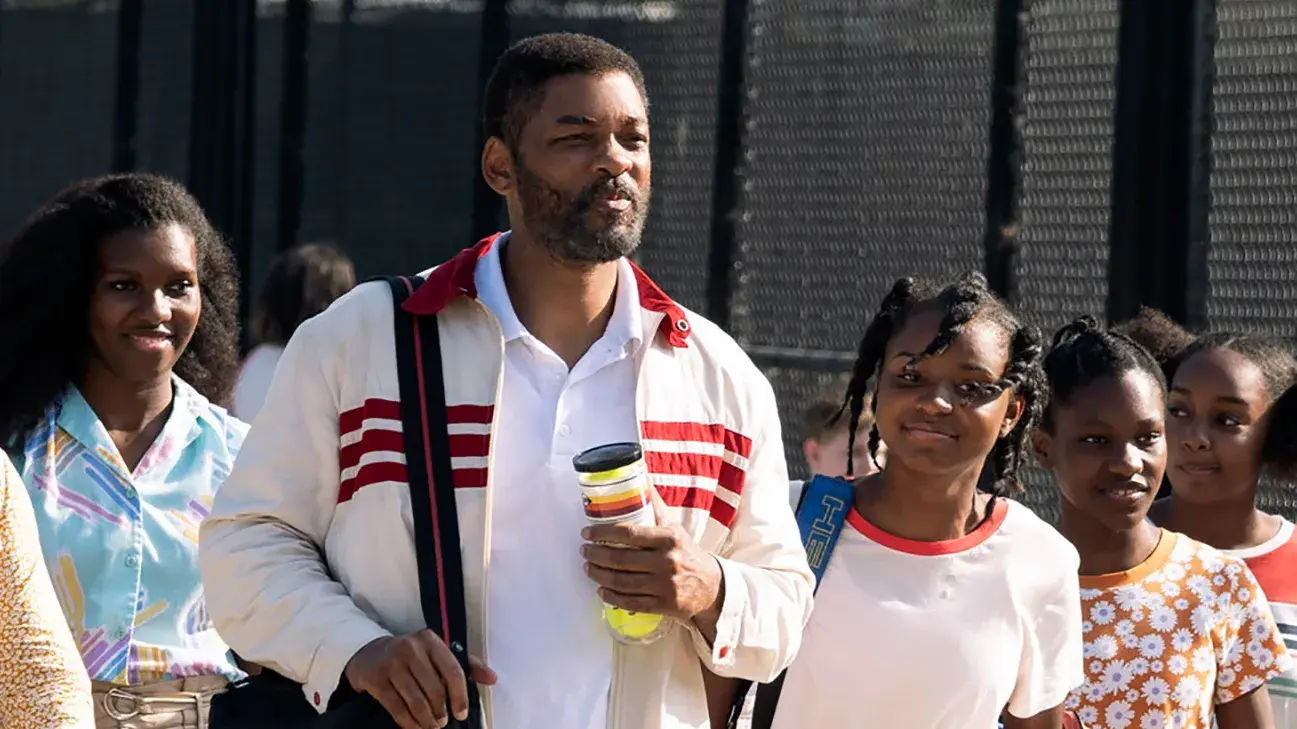
Will Smith portrays Richard Williams as the film follows the upbringing and training of Venus and Serena Williams in Compton and at elite academies. The plot traces practice schedules, junior tournaments, and contract negotiations, with scenes that show coaching plans, travel logistics, and family decision making.
Smith won the Academy Award for Best Actor for the role. The tennis sequences were mapped with professional consultants for footwork and stroke accuracy, and Saniyya Sidney and Demi Singleton trained extensively to replicate match patterns and on court habits seen in archival footage.
Morgan Freeman in ‘The Shawshank Redemption’
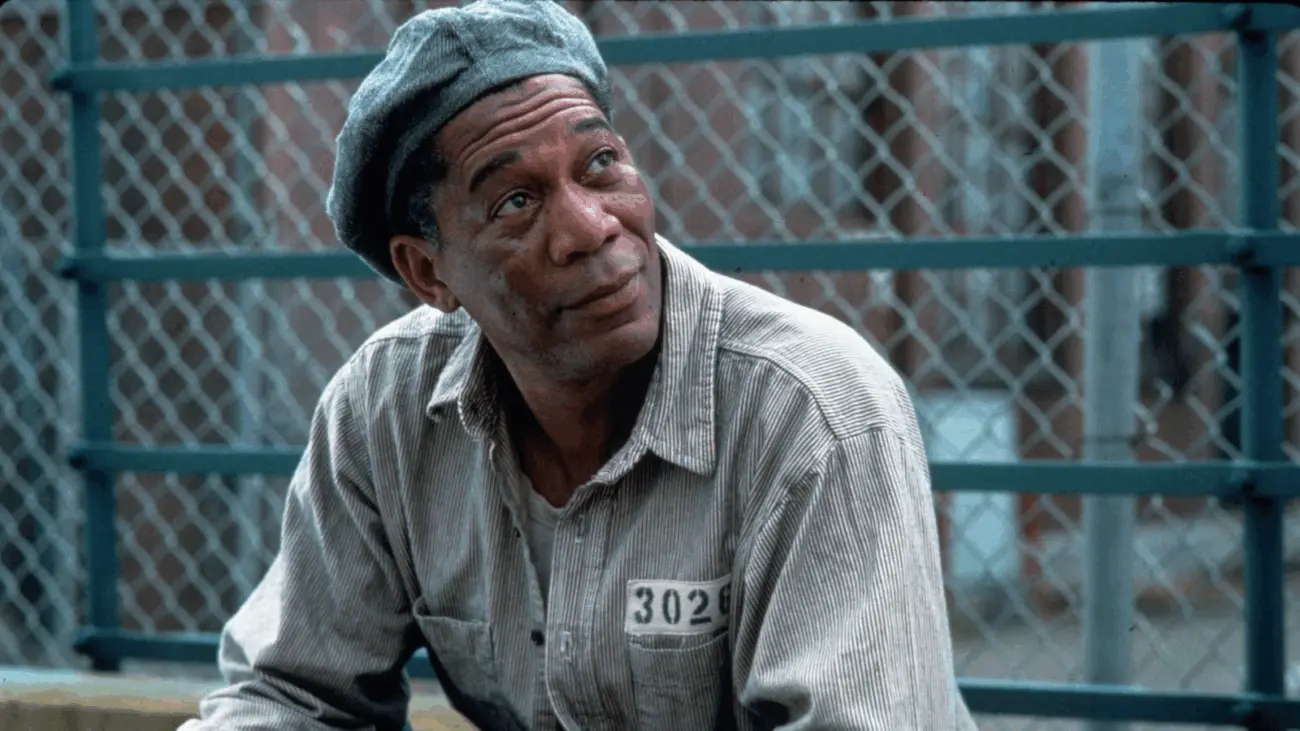
Morgan Freeman plays Ellis Boyd ‘Red’ Redding, a long term inmate whose narration guides the audience through the routines and relationships inside Shawshank State Penitentiary. The film adapts Stephen King’s novella Rita Hayworth and Shawshank Redemption and follows the friendship between Red and Andy Dufresne across many years of prison life.
Freeman received an Academy Award nomination for Best Actor. The production used a decommissioned prison in Ohio for principal photography, and sound design emphasized keys, doors, and echoing corridors to create a recognizable institutional environment.
Mahershala Ali in ‘Moonlight’
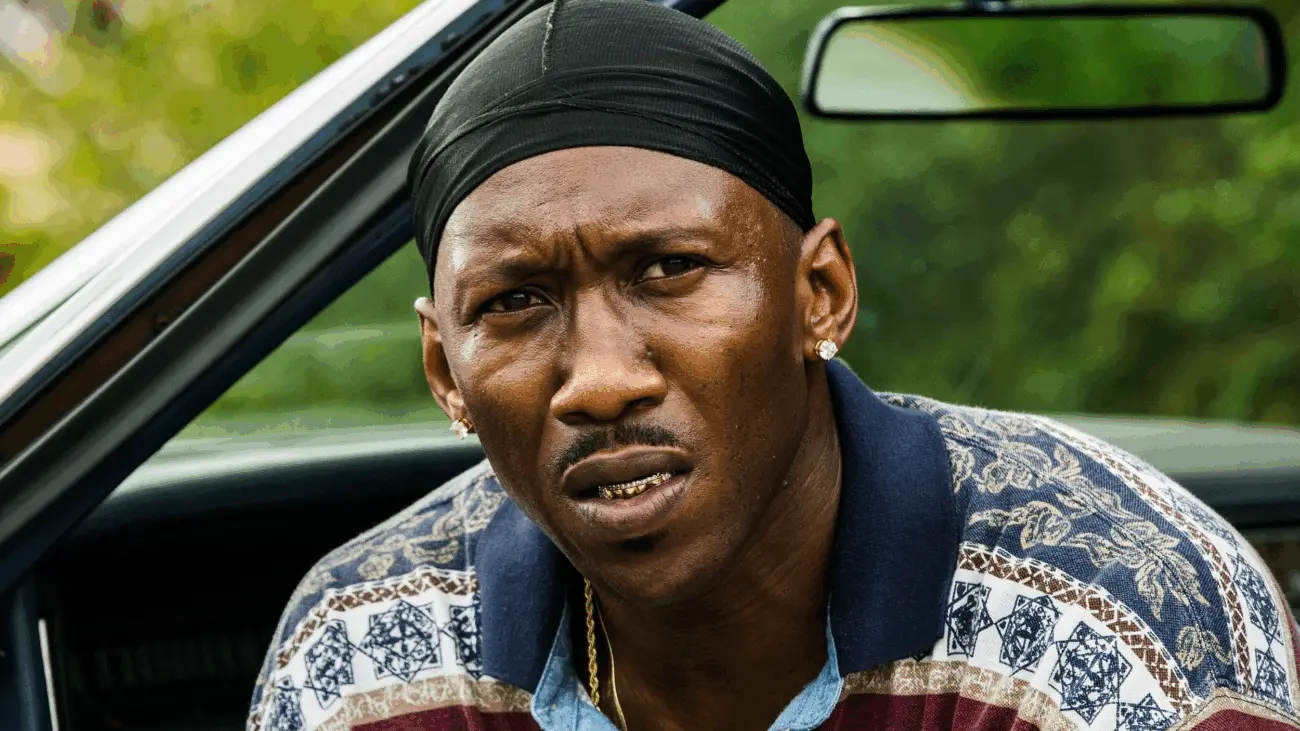
Mahershala Ali portrays Juan, a Miami drug dealer who becomes a mentor to a young boy named Chiron. The film unfolds in three chapters that track Chiron at different ages, and Ali anchors the first chapter with scenes that establish food, shelter, and hard conversations about identity and safety.
Ali won the Academy Award for Best Supporting Actor. The film adapts Tarell Alvin McCraney’s play In Moonlight Black Boys Look Blue, and principal photography took place in Miami neighborhoods where the playwright and director Barry Jenkins grew up.
Don Cheadle in ‘Hotel Rwanda’
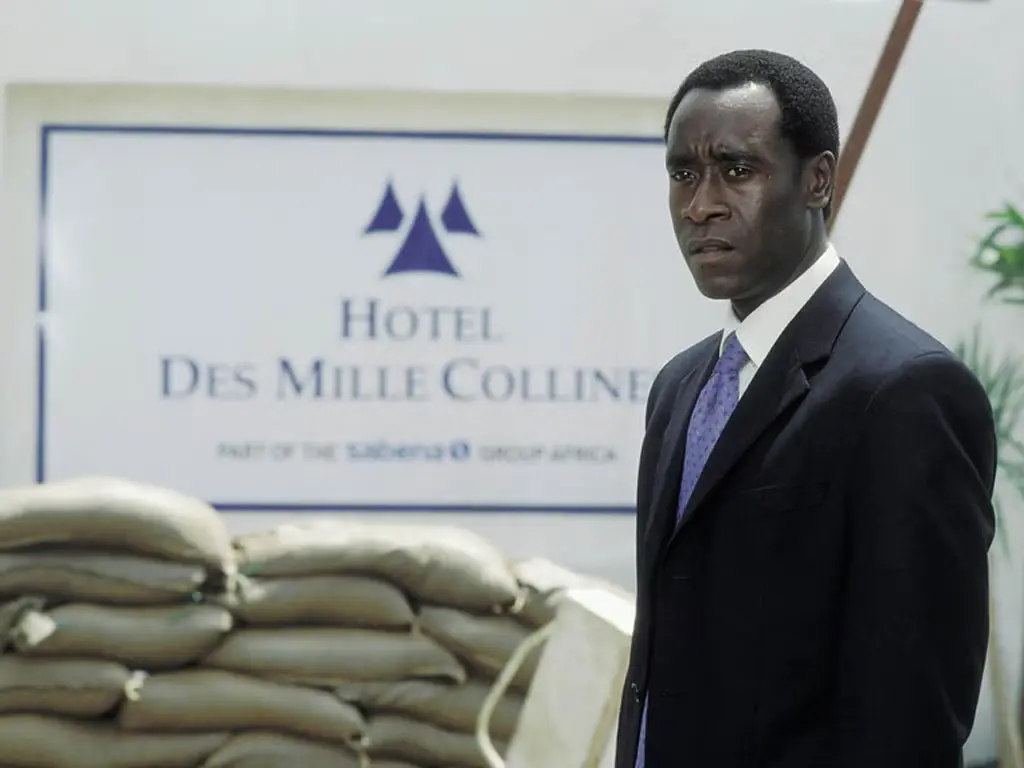
Don Cheadle plays Paul Rusesabagina, a hotel manager who shelters refugees during the Rwandan genocide. The story follows real procedures of lodging, lists, bribes, and calls to suppliers and diplomats, and the hotel’s physical layout becomes central to the plot as people move between rooms, kitchens, and reception.
Cheadle earned an Academy Award nomination for Best Actor. The film shot mainly in South Africa with design work to mirror Kigali locations, and the production consulted survivors and humanitarian workers to confirm details about uniforms, vehicles, and aid operations.
Terrence Howard in ‘Hustle & Flow’
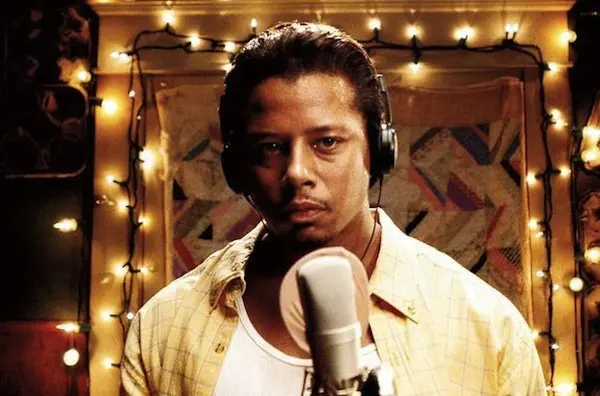
Terrence Howard portrays DJay, a Memphis hustler who begins writing and recording rap songs while reworking his living space into a makeshift studio. The narrative tracks microphone placement, beat making with basic gear, and demo distribution, along with the personal fallout of chasing a recording break.
Howard received an Academy Award nomination for Best Actor. The song ‘It’s Hard out Here for a Pimp’ won the Academy Award for Best Original Song for Three 6 Mafia and Frayser Boy, and the production recorded many vocal takes on set to capture the sound of a cramped apartment studio.
Michael B. Jordan in ‘Fruitvale Station’
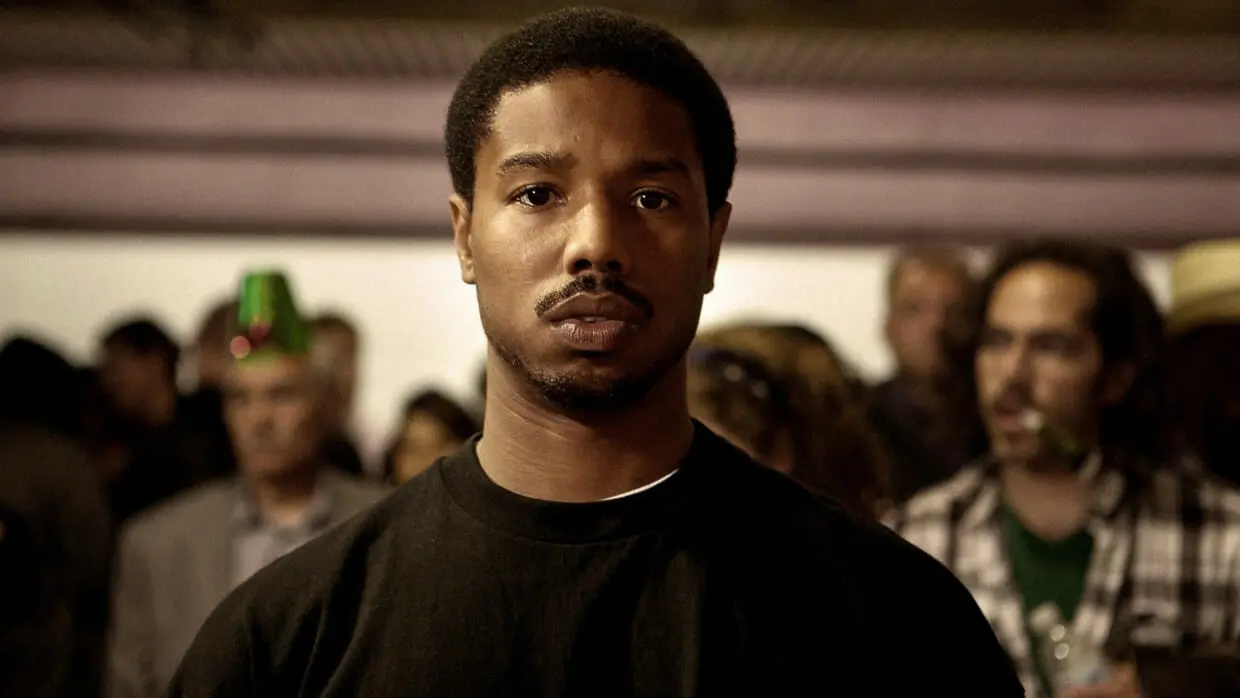
Michael B. Jordan plays Oscar Grant, following his final day through errands, phone calls, and a night out that ends at the Fruitvale BART platform. The film reconstructs events using witness accounts and mobile footage while focusing on family routines and small choices over the course of the day.
The film won both the Grand Jury Prize and the Audience Award at the Sundance Film Festival. Jordan worked with Oscar Grant’s family to understand personal details, and the production filmed at the actual BART station with cooperation from the transit authority for accuracy.
Laurence Fishburne in ‘What’s Love Got to Do with It’
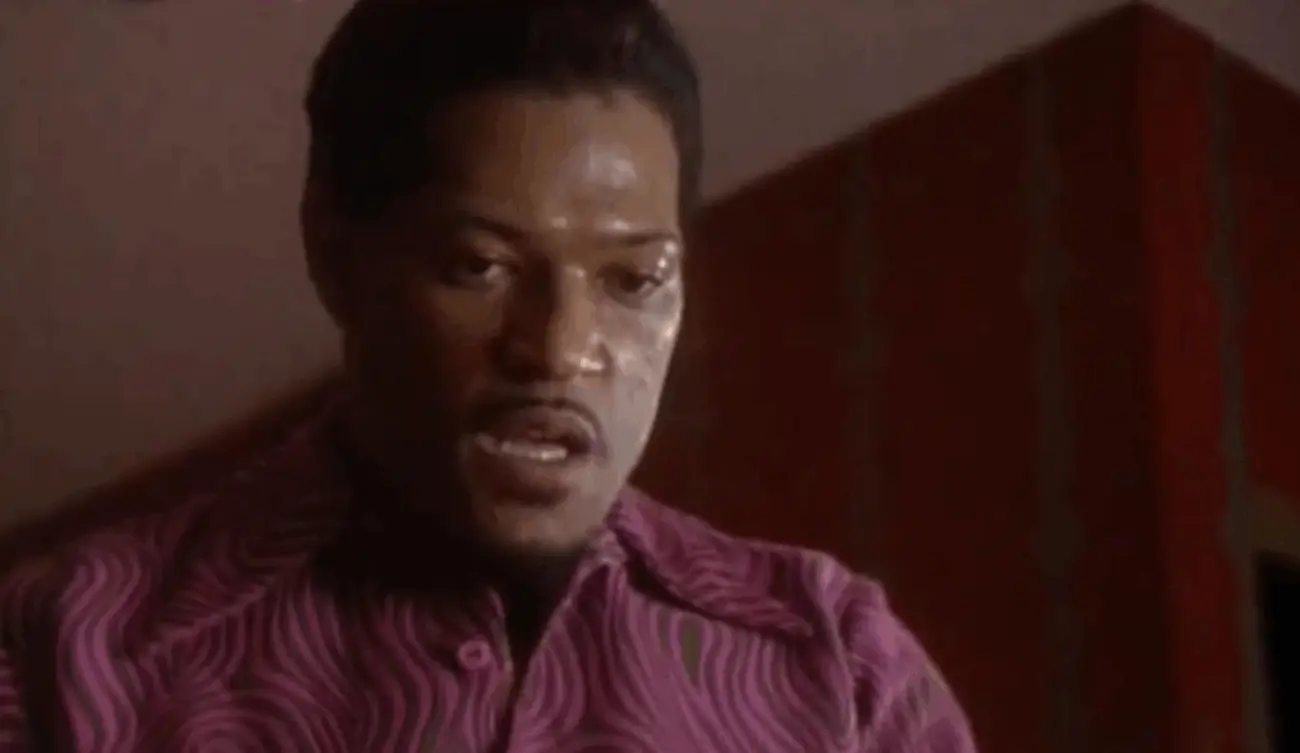
Laurence Fishburne portrays musician Ike Turner in a biographical film centered on Tina Turner’s life and career. The script stages songwriting sessions, label meetings, and tour logistics, while also showing how contracts and royalties affected the band.
Fishburne received an Academy Award nomination for Best Actor. Angela Bassett, who portrays Tina Turner, was also nominated for Best Actress, and the production licenses include studio recordings and recreated live performances that match period instrumentation and stage design.
Wesley Snipes in ‘Blade’
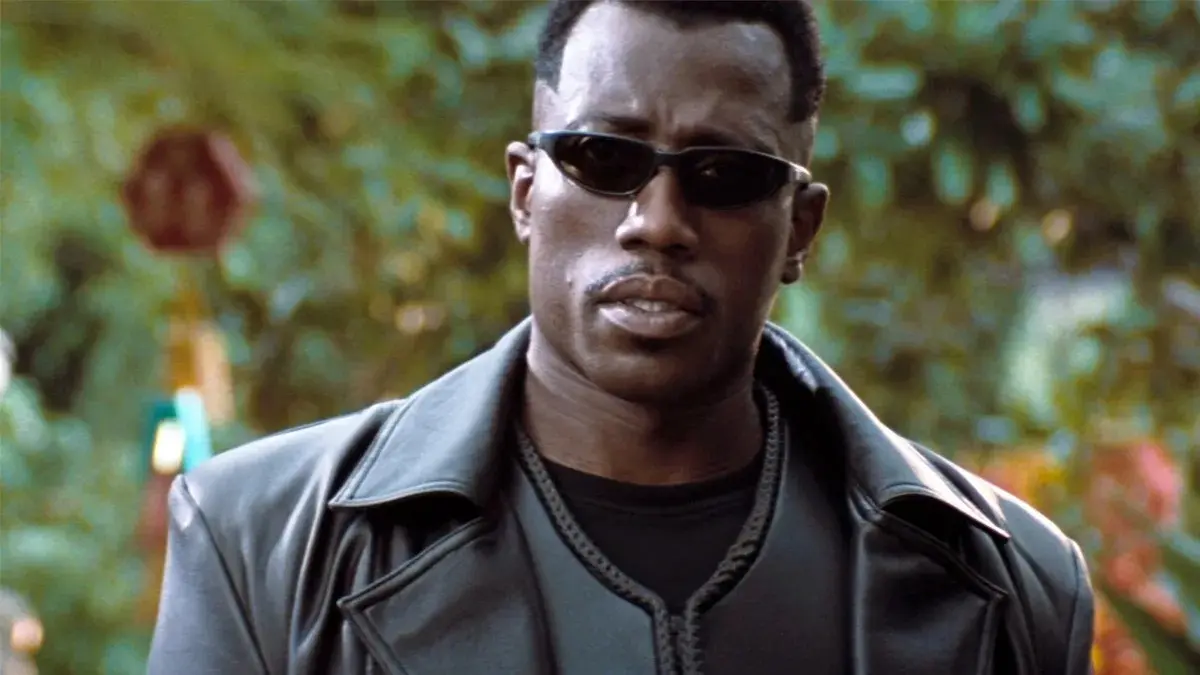
Wesley Snipes plays Eric Brooks, known as Blade, a half human vampire hunter who operates with specialized weapons and a strict code. The story introduces vampire hierarchies, underground clubs, and a mentor partnership with Whistler as Blade targets a plan to unleash a catastrophic ritual.
The film is based on a Marvel Comics character and led to the sequels ‘Blade II’ and ‘Blade Trinity’. Snipes performed extensive fight choreography with wire work and edited sequences that align with martial arts rhythms, and the production blended practical effects with early digital work for creature transformations.
Cuba Gooding Jr. in ‘Jerry Maguire’
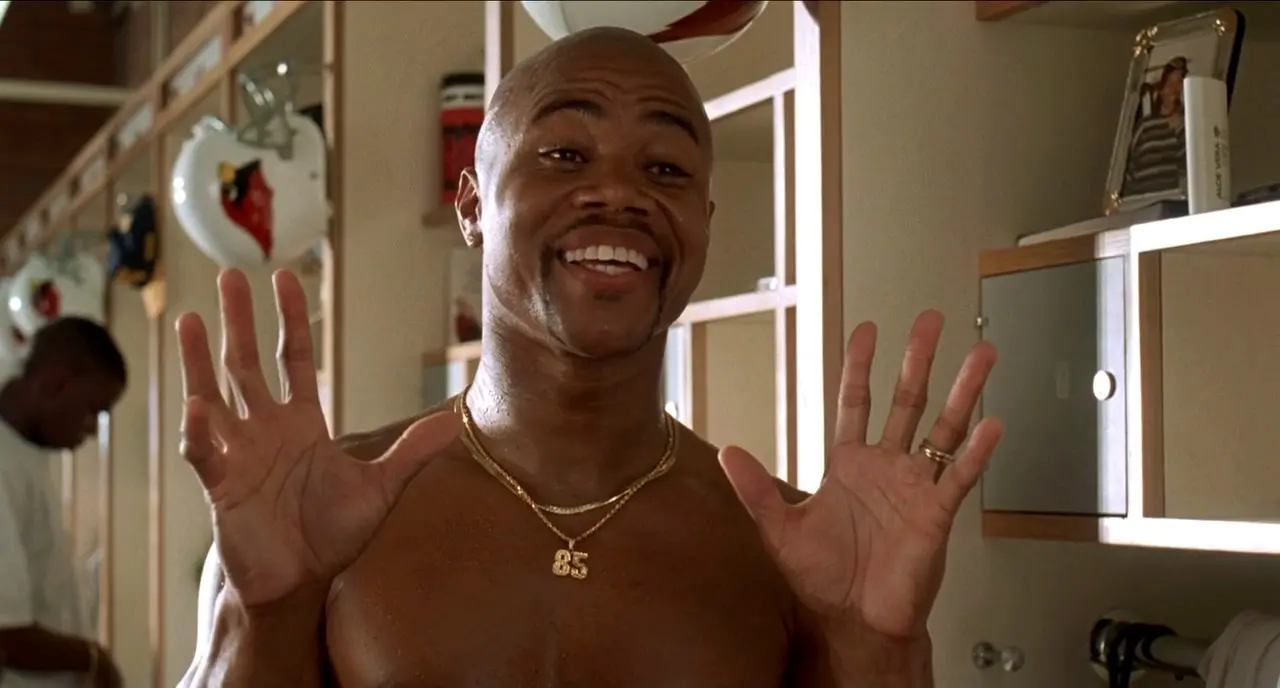
Cuba Gooding Jr. portrays wide receiver Rod Tidwell, whose contract negotiations and family priorities move the film’s sports agency plot. The character’s catchphrase Show me the money appears in repeated phone calls and becomes a marker for his relationship with agent Jerry Maguire.
Gooding Jr. won the Academy Award for Best Supporting Actor. Football sequences were staged with professional consultants for route running and sideline setups, and the production filmed on actual stadium fields with cooperation from teams and broadcasters.
Michael Clarke Duncan in ‘The Green Mile’
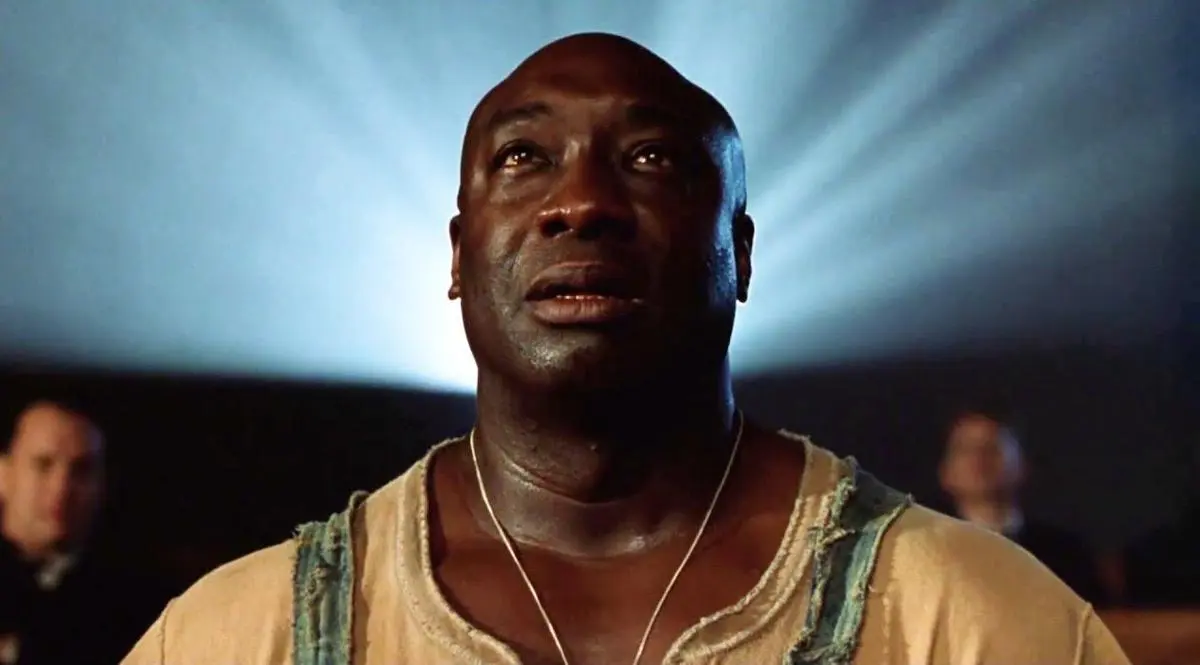
Michael Clarke Duncan plays John Coffey, a death row inmate with a mysterious gift, in a prison story told through the eyes of a corrections officer. The film adapts Stephen King’s serialized novel and organizes scenes around cell blocks, executions, and night rounds inside a southern penitentiary.
Duncan received an Academy Award nomination for Best Supporting Actor. Filming used the closed Tennessee State Prison for key interiors, and production design reproduced electric chair equipment, guard uniforms, and period signage to reflect carceral procedures of the era.
Paul Winfield in ‘Sounder’
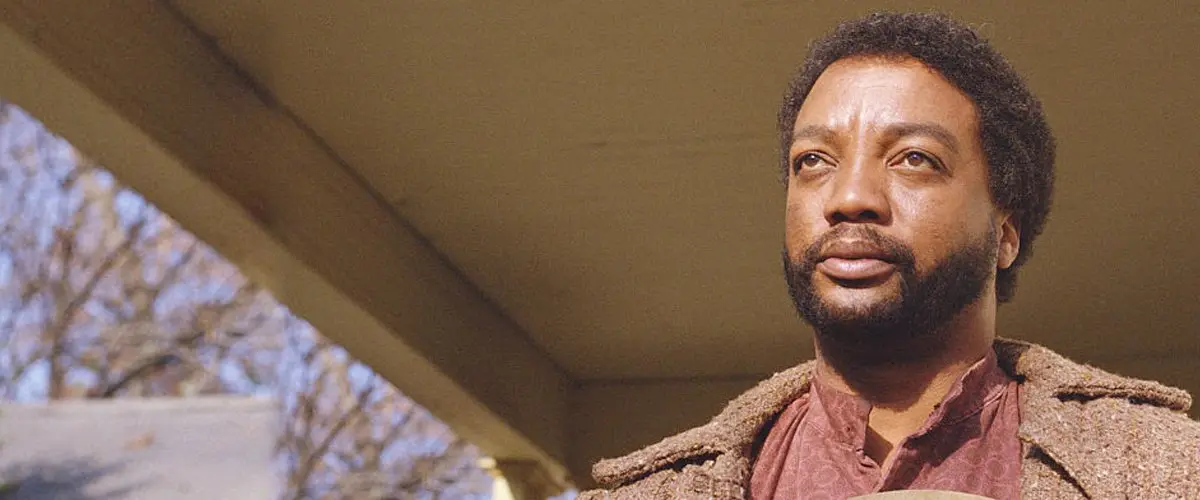
Paul Winfield portrays Nathan Lee Morgan, a sharecropper whose arrest forces his family to navigate work, school, and survival. The plot tracks a son’s search for his father across parishes and labor camps, with quiet scenes of reading and letter writing that connect the family.
Winfield received an Academy Award nomination for Best Actor. Cicely Tyson was nominated for Best Actress, and the film adapts William H. Armstrong’s novel with an emphasis on rural classrooms, church gatherings, and farm routines that shape the family’s days.
Chadwick Boseman in ‘Ma Rainey’s Black Bottom’
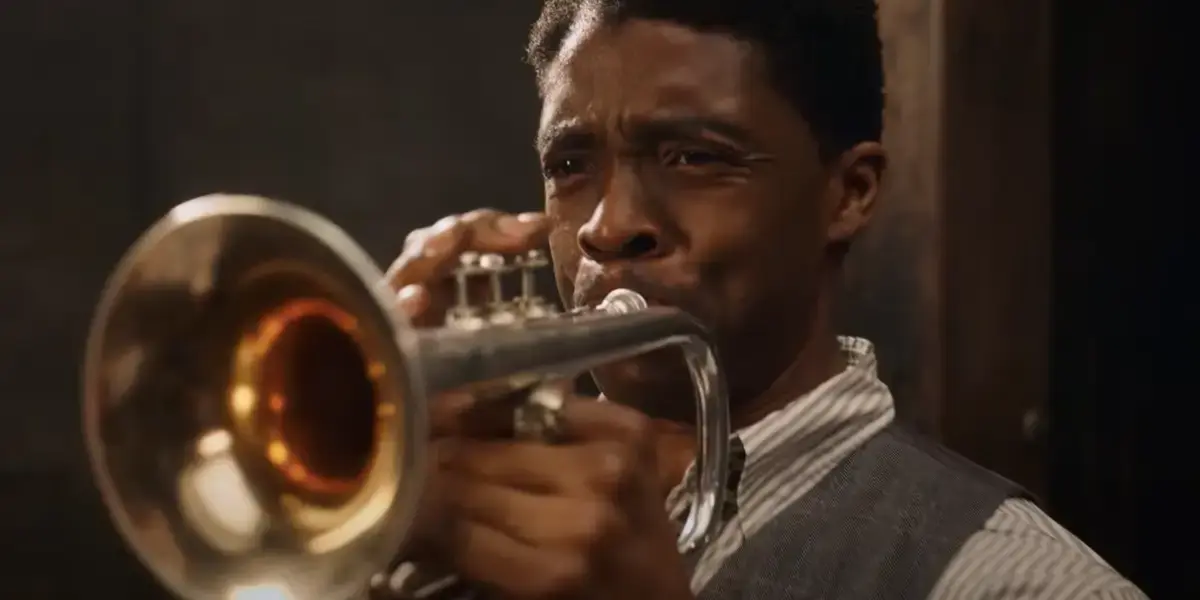
Chadwick Boseman plays Levee Green, an ambitious trumpet player whose clashes in a Chicago recording studio drive the story. The film adapts August Wilson’s play and keeps the action inside rehearsal rooms, a studio floor, and a cramped band room as contracts, lyrics, and arrangements are debated.
Boseman received a posthumous Academy Award nomination for Best Actor and won major honors from guilds and press groups. The production recorded music under the supervision of Branford Marsalis, and set design reproduced early recording technology like acoustic baffles and ribbon microphones.
Samuel L. Jackson in ‘Pulp Fiction’
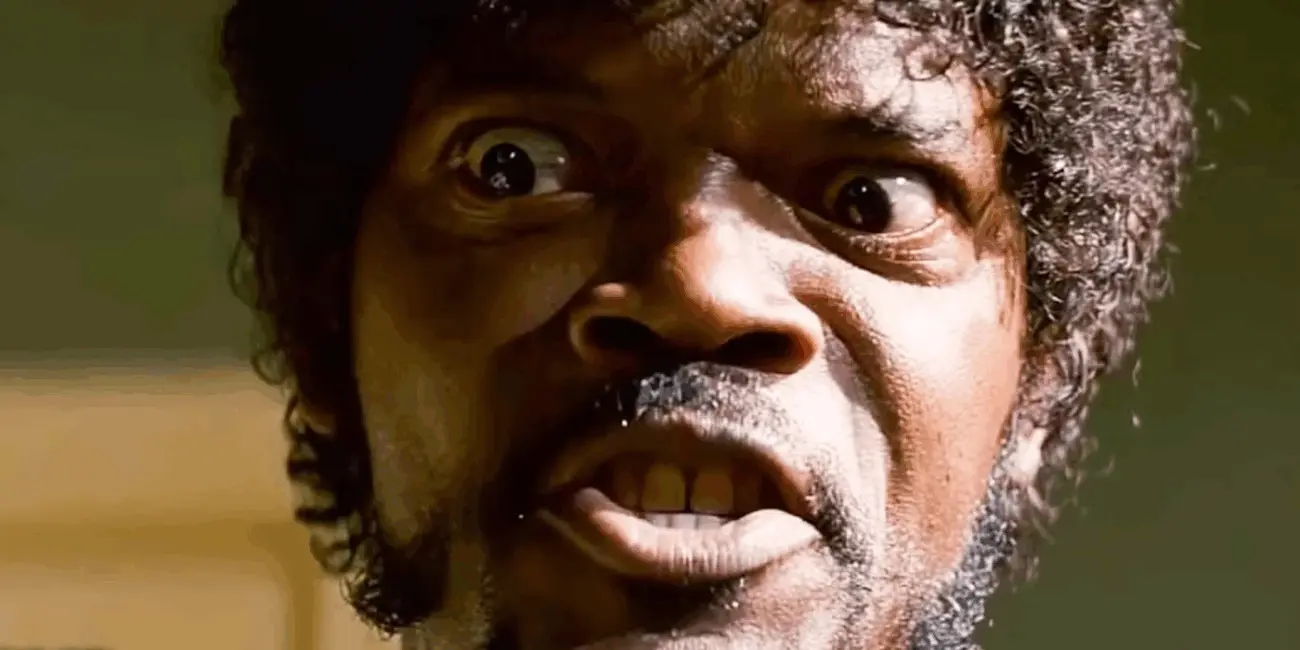
Samuel L. Jackson portrays Jules Winnfield, a hitman whose jobs intersect with other criminal storylines across Los Angeles. The script arranges out of order chapters that place the character in a diner standoff and multiple apartment confrontations, with recurring dialogue that ties scenes together.
Jackson earned an Academy Award nomination for Best Supporting Actor. The film won the Palme d’Or at Cannes, and production elements such as trunk shots, needle drops, and diner layouts have been documented in storyboards and shot lists preserved for film study.
Giancarlo Esposito in ‘Do the Right Thing’
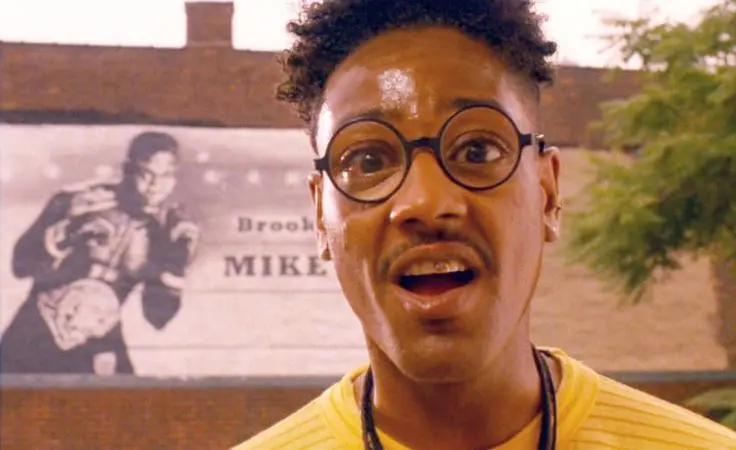
Giancarlo Esposito plays Buggin Out, a Bed Stuy resident whose complaints at Sal’s pizzeria escalate into a neighborhood confrontation. The film shows a single hot day as deliveries, hydrants, street corners, and a boombox become key visual and sound elements.
The Library of Congress selected the film for the National Film Registry for cultural and historical significance. Spike Lee directed and also appears on screen, and the production painted building facades and used high contrast costumes to heighten the effect of summer heat on the block.
Jeffrey Wright in ‘Basquiat’
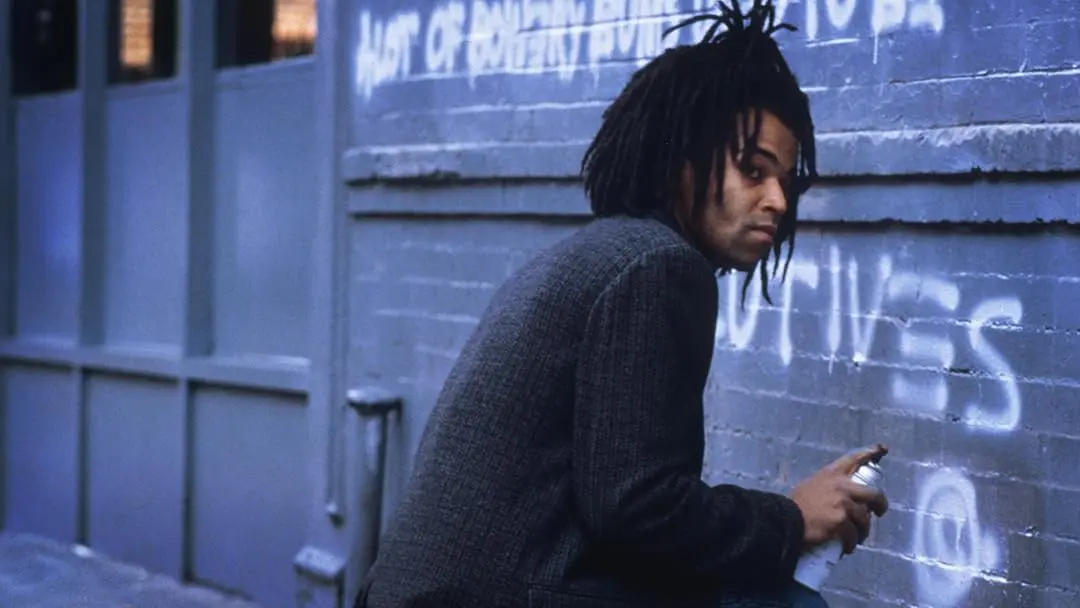
Jeffrey Wright portrays artist Jean Michel Basquiat, following his rise from street work to gallery exhibitions. The narrative places the artist in studios, lofts, and downtown spaces where canvases, found materials, and collaborations come together.
Julian Schnabel directed the film, and David Bowie appears as Andy Warhol alongside a cast that includes Benicio Del Toro and Parker Posey. Production design recreated large scale canvases and period gallery interiors, while costuming matched the artist’s recognizable wardrobe and hair.
Sterling K. Brown in ‘Waves’
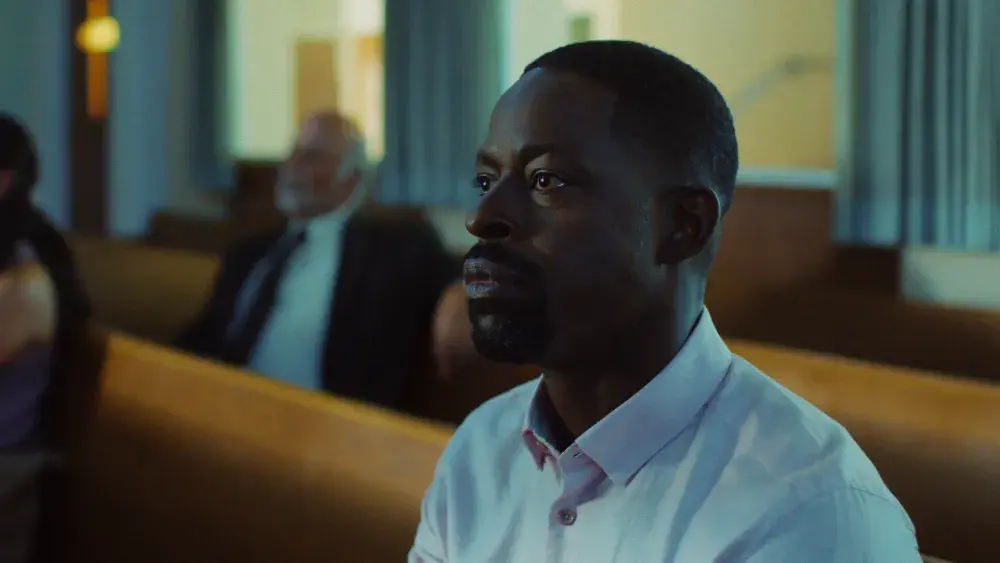
Sterling K. Brown plays Ronald, a father and wrestling coach whose family faces a series of crises in South Florida. The film uses long takes, popular music, and shifting aspect ratios to chart emotional states while the family handles school, sports, and medical decisions.
Trey Edward Shults wrote and directed the film, which features an ensemble that includes Kelvin Harrison Jr., Taylor Russell, and Alexa Demie. The production shot in Broward and Miami Dade counties, and water imagery and driving sequences were planned to match the coastal setting.
Colman Domingo in ‘Rustin’
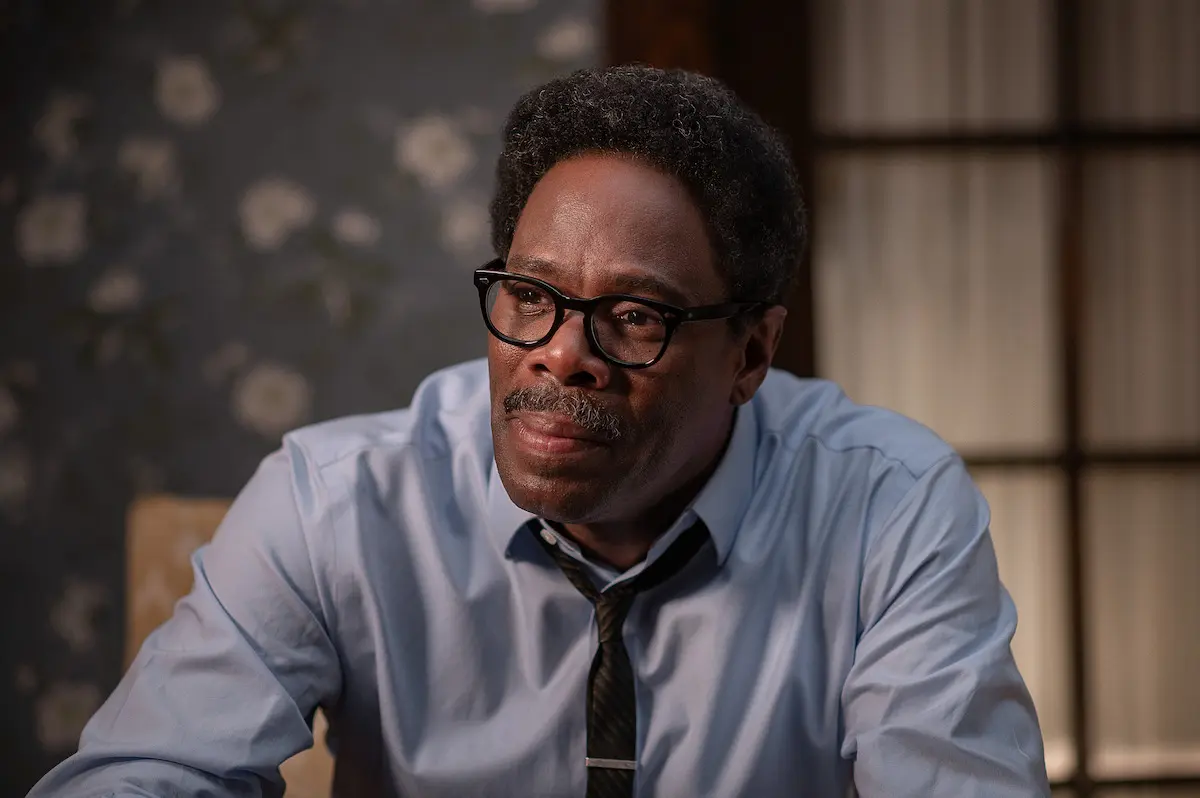
Colman Domingo portrays civil rights organizer Bayard Rustin as the film details planning for the March on Washington. The story covers meeting rooms, strategy sessions, and negotiations with unions and faith leaders, showing calendars, maps, and logistics that build toward the event.
Domingo received an Academy Award nomination for Best Actor. The film was produced by Higher Ground with George C. Wolfe directing, and location work included historically significant sites in Pennsylvania and Washington with permission from city and federal offices.
LaKeith Stanfield in ‘Sorry to Bother You’
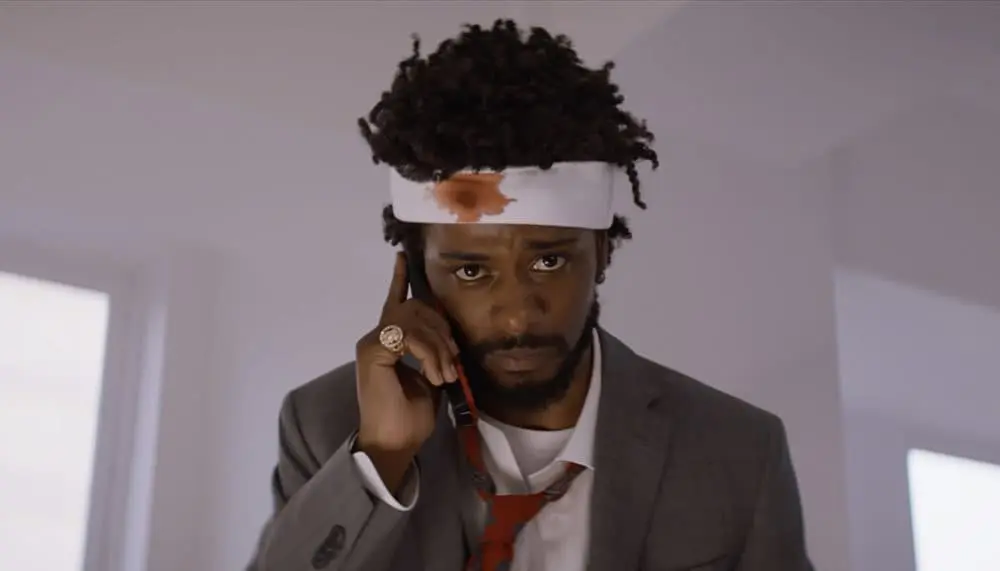
LaKeith Stanfield plays telemarketer Cassius Green, whose career shifts when he learns to use a different speaking voice on the phone. The plot explores corporate culture, union efforts, and media spectacle, using visual gags and office layouts to show how work transforms daily life.
Boots Riley wrote and directed the film in Oakland. Voice performances from David Cross and Patton Oswalt create the on call contrast that drives the joke and the critique, and art direction uses cubicles, headsets, and call screen props to map the workflow.
John David Washington in ‘BlacKkKlansman’
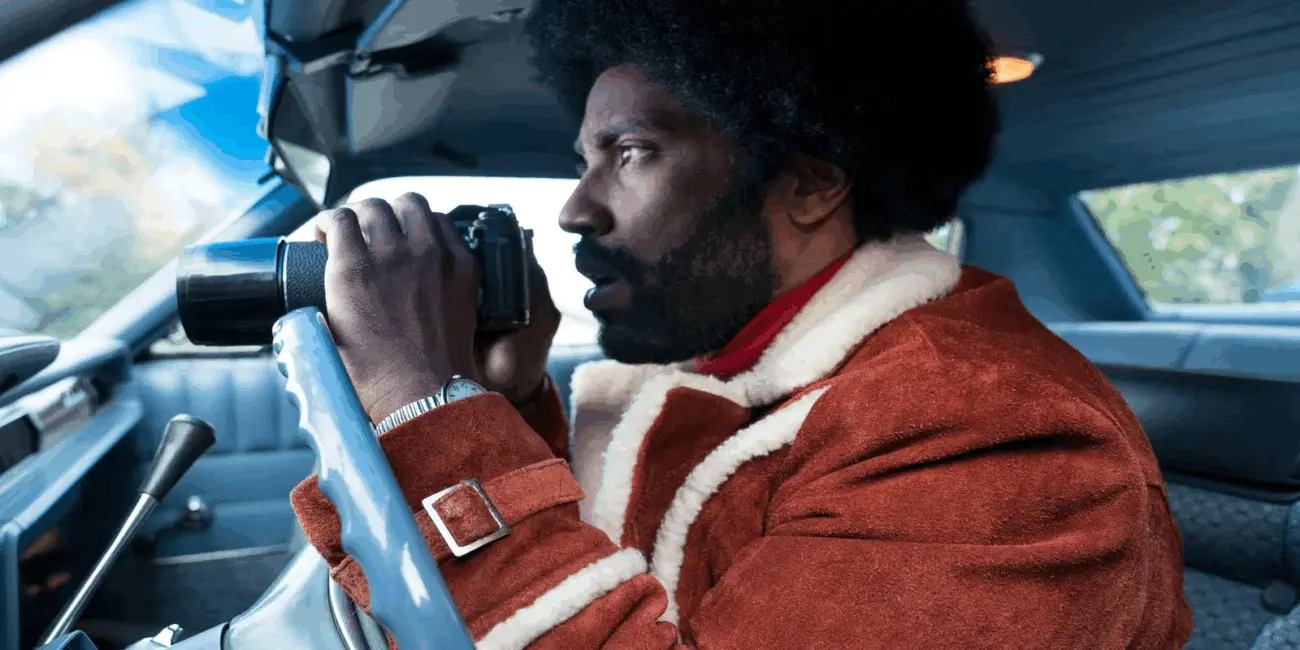
John David Washington portrays detective Ron Stallworth, who infiltrates a white supremacist group by phone while a colleague meets members in person. The film adapts Stallworth’s memoir ‘Black Klansman’ and stages operations involving taped calls, file folders, and undercover meetings.
The film won the Academy Award for Best Adapted Screenplay. Spike Lee directed and brought together a cast that includes Adam Driver and Topher Grace, and the production used Colorado Springs locations along with sets built to match police offices and meeting halls.
Ice Cube in ‘Boyz n the Hood’
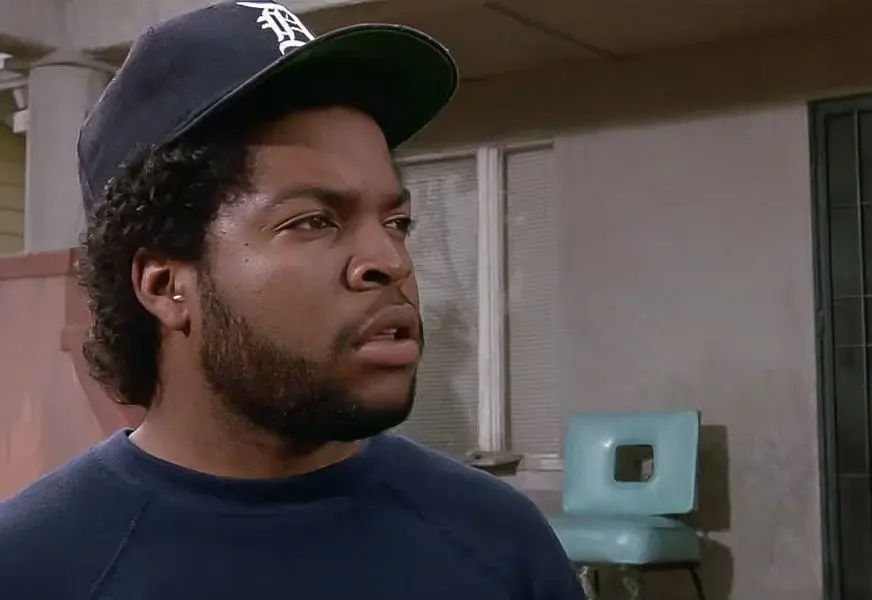
Ice Cube plays Doughboy, whose life in South Central Los Angeles is shown through family gatherings, neighborhood hangouts, and encounters with police. The film follows friends with different home situations and school paths while making room for scenes with coaches, store owners, and older neighbors.
John Singleton wrote and directed the film and received Academy Award nominations for Best Director and Best Original Screenplay. Location shooting took place in Los Angeles with residents as background players, and music supervision blended hip hop and R and B tracks that matched the neighborhood soundscape.
Share your own picks for standout performances in the comments and let everyone know which roles you would add.