The Best Movies that Show the Dark Side of Hollywood

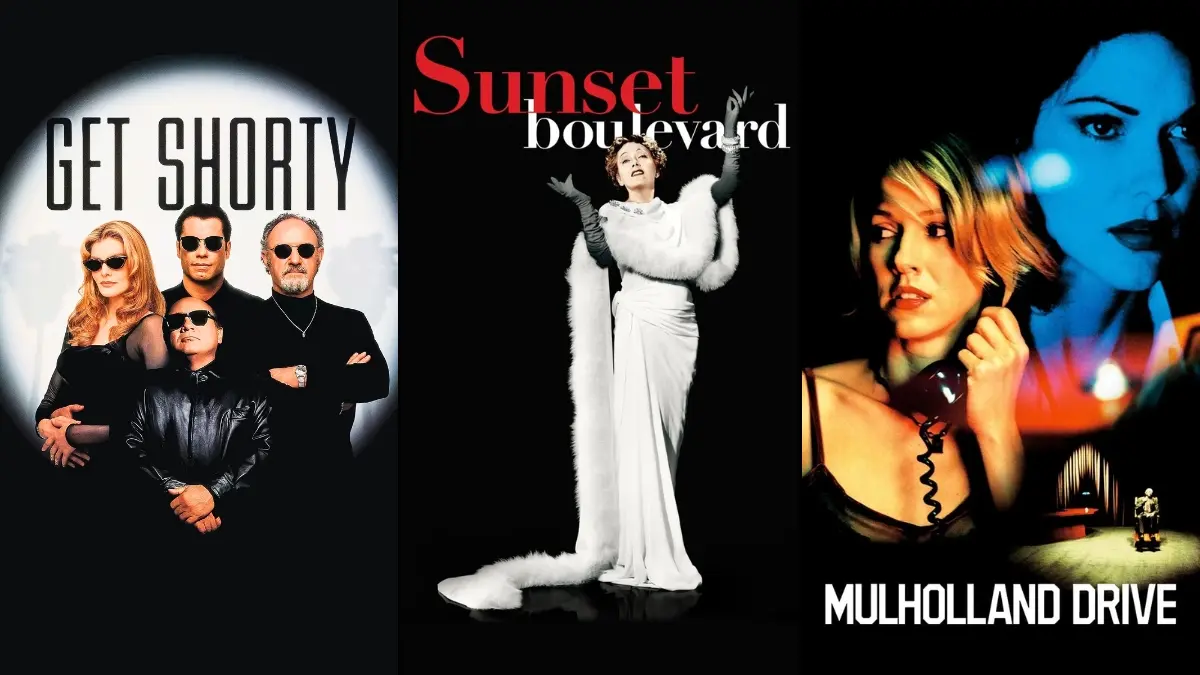

Hollywood sells dreams, but plenty of films pull back the curtain on how those dreams get made. These stories track power brokers, fixers, strivers, and casualties across studio lots, backroom meetings, and late night calls. They trace the machinery of fame, the cost of image making, and the systems that decide who rises and who disappears.
This list gathers films that use real incidents, insider knowledge, or sharp historical detail to map the business of show. You will find studio crackups, blacklist battles, on set disasters, and cautionary tales of image and identity. Each title below focuses on how the industry actually works and what that reality means for the people inside it.
‘Sunset Boulevard’ (1950)
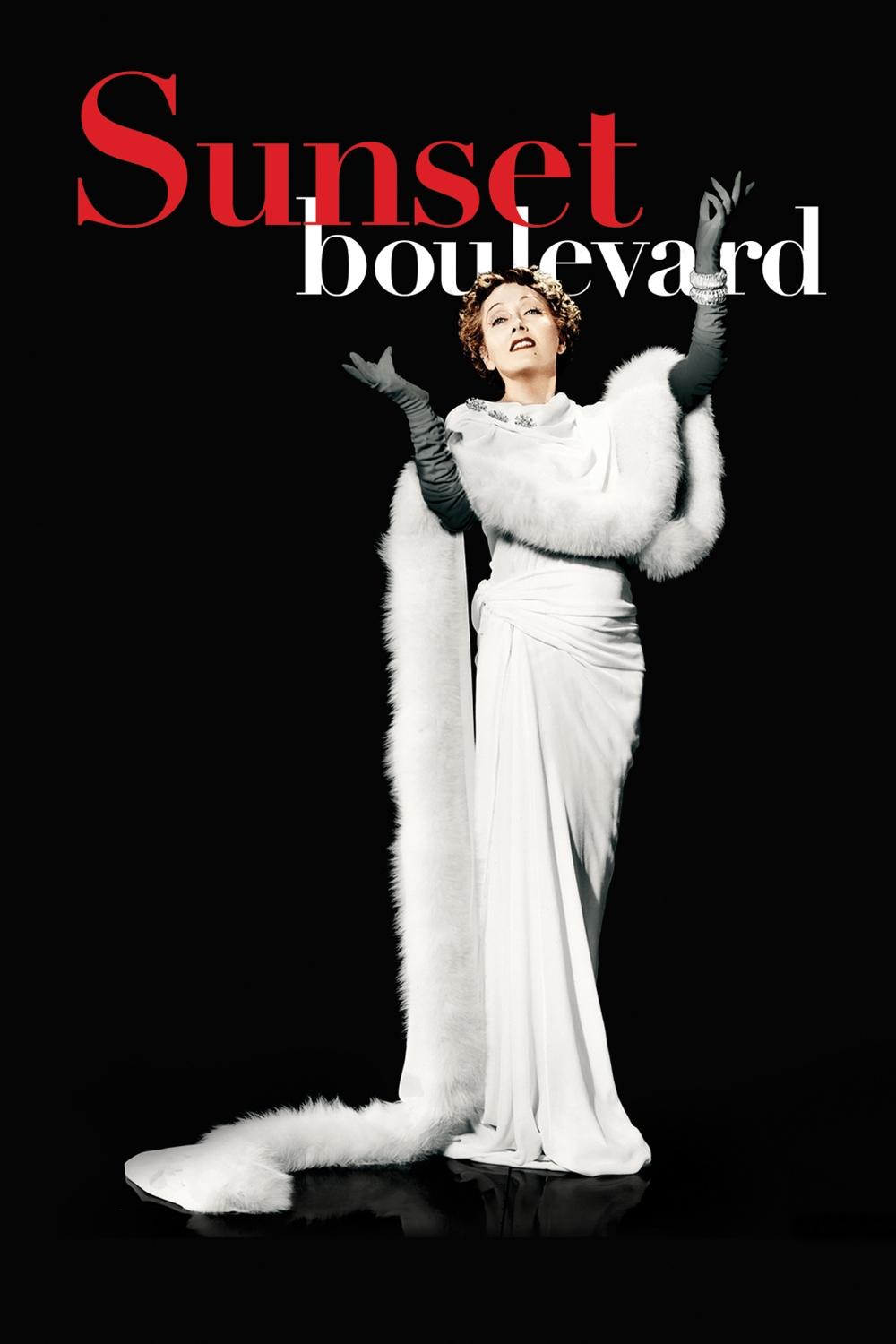
Billy Wilder directed this story of a struggling screenwriter and a reclusive silent era star who lives in a decaying mansion off the famous street. The production used Paramount stages and included appearances by Cecil B. DeMille and Buster Keaton, which anchors the fiction in actual studio spaces and figures.
The film chronicles the leverage that money and access give to a former star, along with the limited power of writers in the system. It earned many Academy Award nominations and has been widely studied for its detailed look at studio era practices.
‘Mulholland Drive’ (2001)
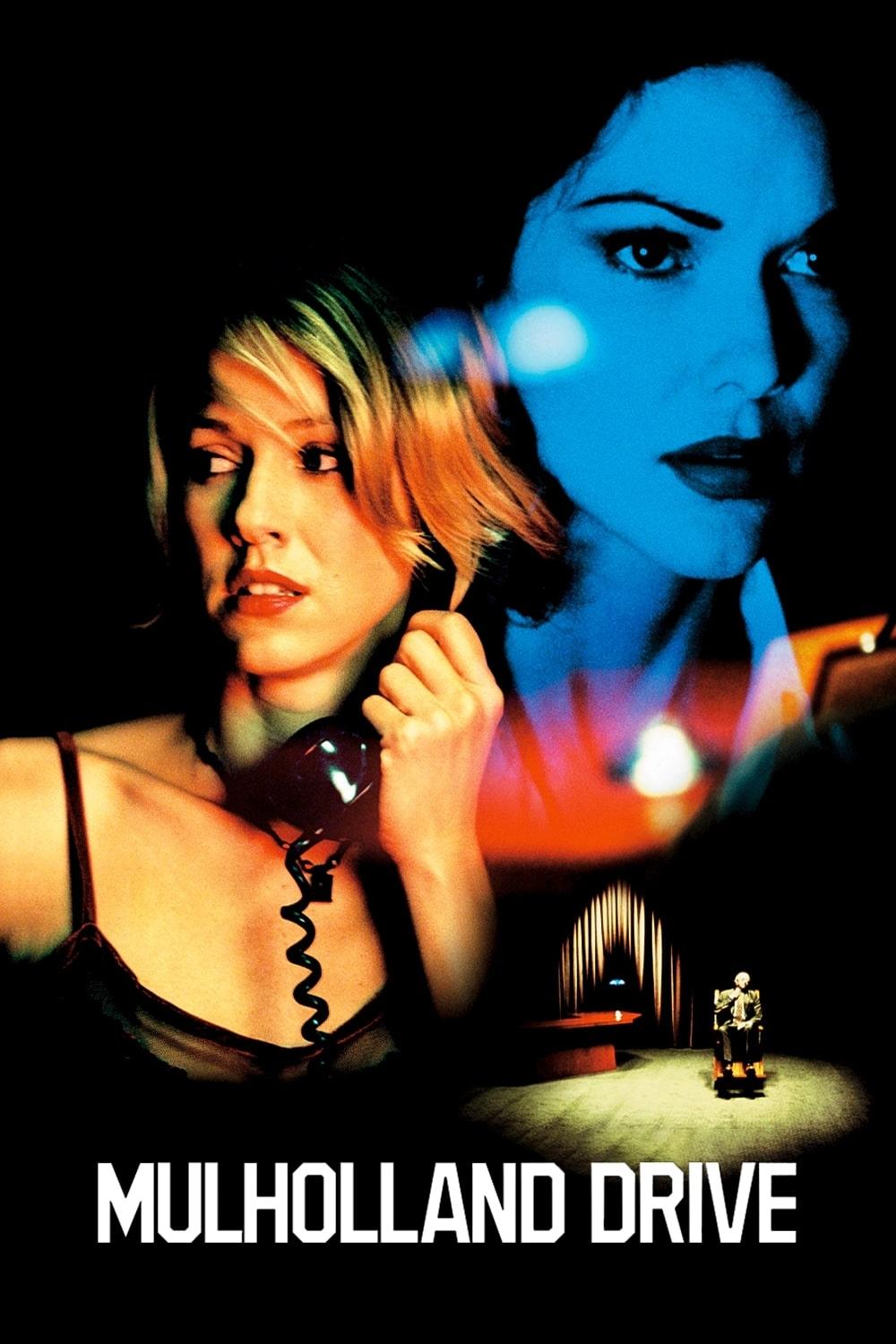
David Lynch began the project as a television pilot that later expanded into a feature, which explains its interconnected storylines about casting, financing, and control. The narrative follows an aspiring performer and an amnesiac as they cross paths with a director squeezed by backers and gatekeepers.
Los Angeles locations like Club Silencio and Hollywood Hills homes give the film street level texture tied to actual neighborhoods. It examines the pressure applied by shadowy decision makers on creative choices, including who gets the lead in a project.
‘The Player’ (1992)
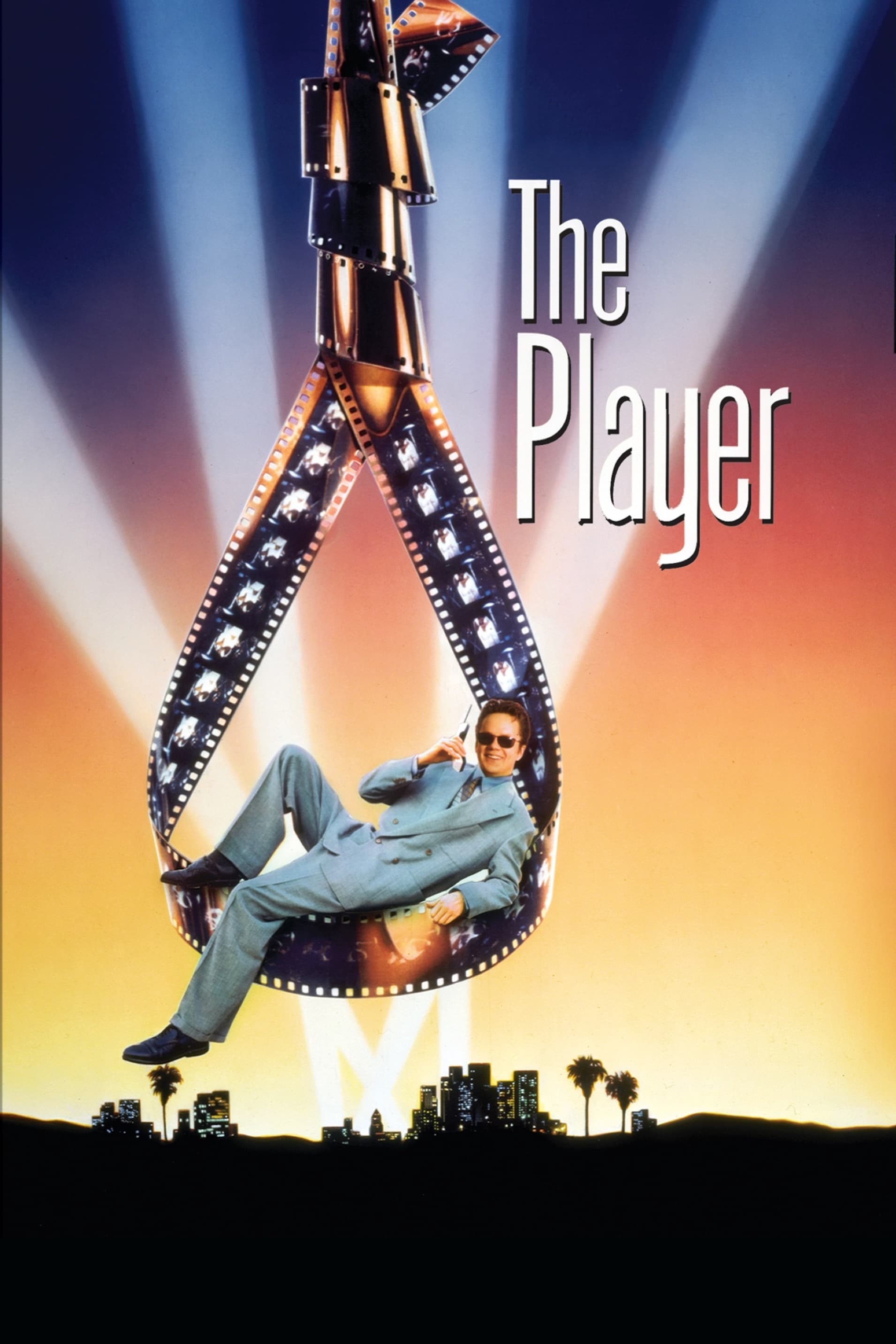
Robert Altman sets the story inside a major studio where a development executive fields endless pitches and faces a threatening unsigned writer. The film is famous for a long opening shot that tracks through a working lot with real executives and dozens of cameos.
It details how test screenings, market calculations, and packaging shape greenlight decisions more than individual artistry. The script draws on trade lingo and meeting culture to show how projects live or die in the conference room.
‘Barton Fink’ (1991)
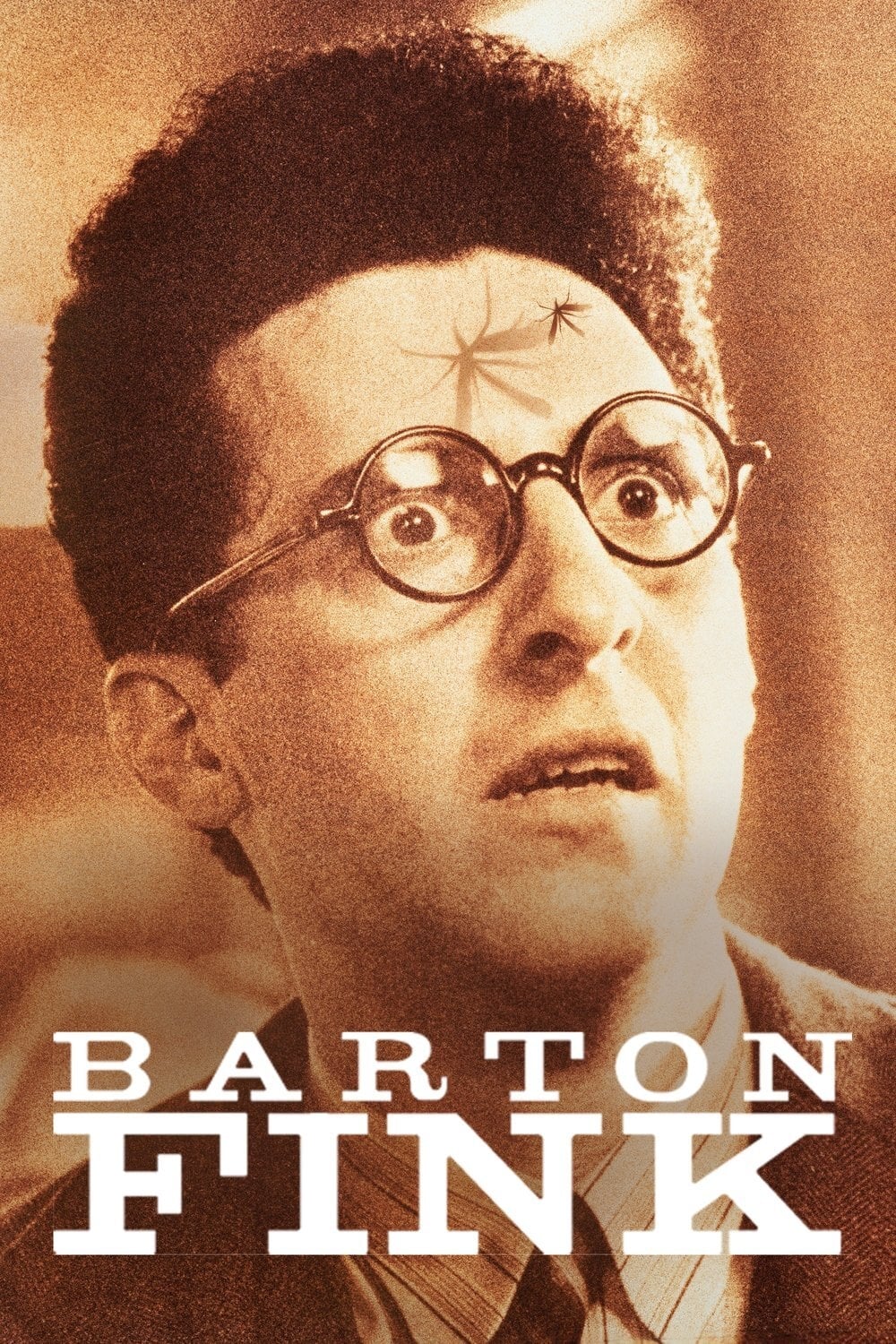
Joel and Ethan Coen follow a New York playwright who accepts a studio contract and lands in a claustrophobic hotel while wrestling with an assignment. The production recreates a contract era environment where writers worked under weekly pay and strict oversight.
The film uses period research to portray studio notes, genre demands, and the distance between prestige theater and assignment driven screenwriting. It won top honors at Cannes, which brought extra attention to its depiction of creative control inside the system.
‘Boogie Nights’ (1997)
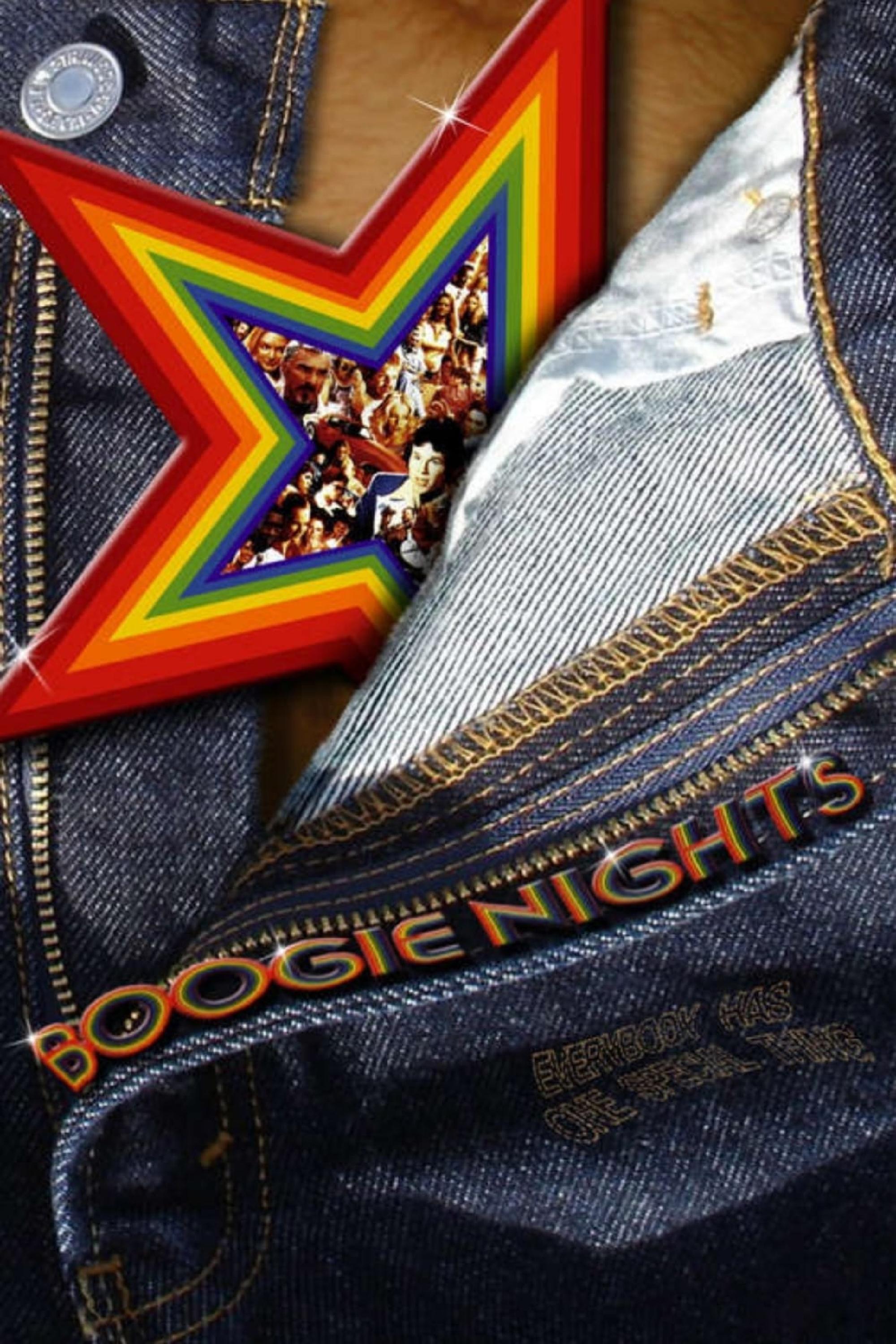
Paul Thomas Anderson traces the rise of the adult film business in the Valley, which operated next door to mainstream Hollywood while sharing crews, equipment, and distribution channels. The story follows performers, directors, and producers as they navigate new formats and shifting markets.
Anderson expanded material from his early short film, and he cast established names alongside newcomers to reflect real hiring patterns. The production maps how changes in technology restructure labor, budgets, and careers across both mainstream and adult sets.
‘Maps to the Stars’ (2014)
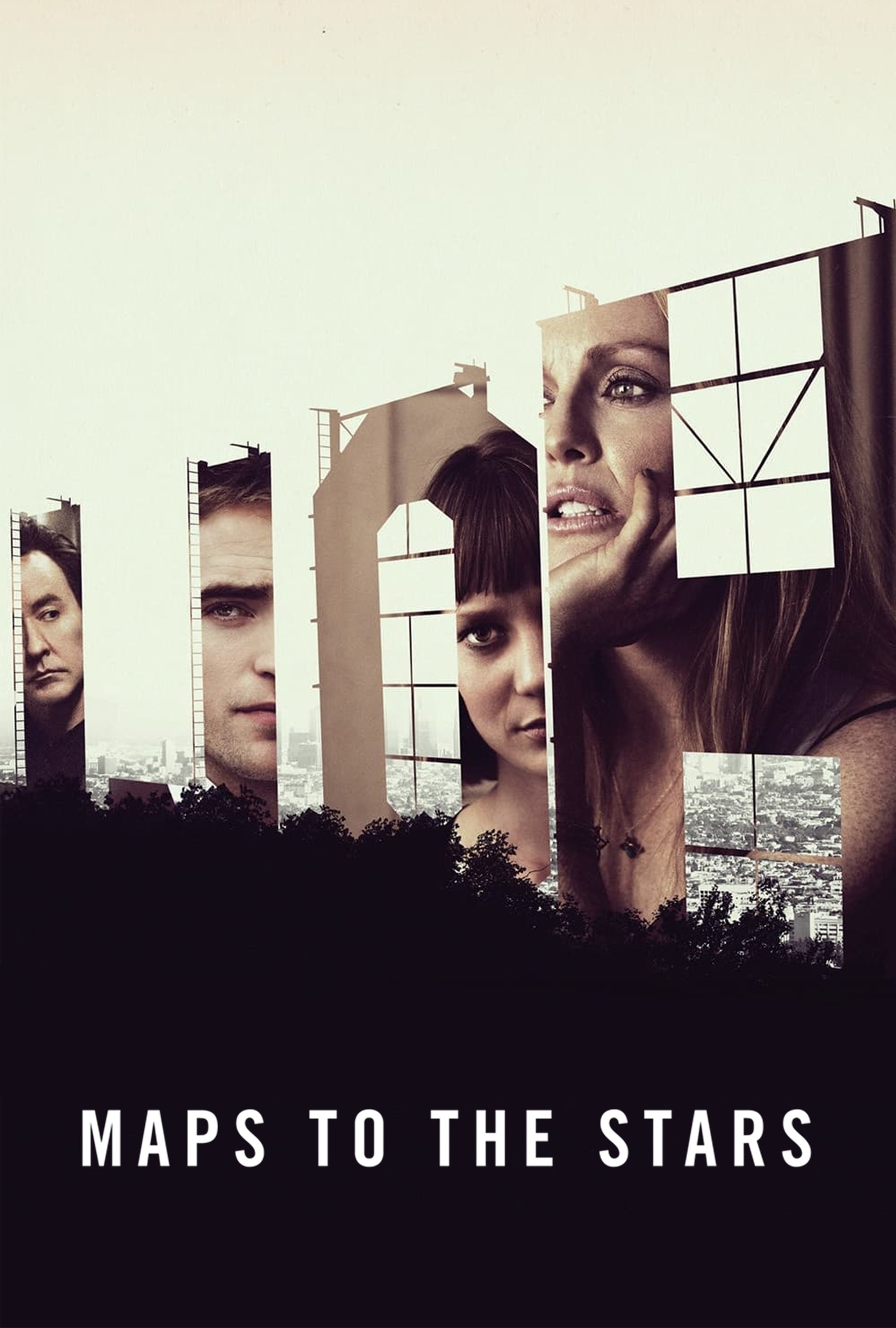
David Cronenberg interweaves the routines of a personal assistant, a faded actor, a self help guru, and a young star, all moving through gated houses and studio meetings. The cast includes Julianne Moore and Mia Wasikowska in roles built around publicity cycles and image repair.
Filming took place in Los Angeles and Canada to match industry spaces while managing logistics. The plot catalogs fixers, publicists, and wellness services that orbit stars and influence the flow of roles, endorsements, and press.
‘Hollywoodland’ (2006)
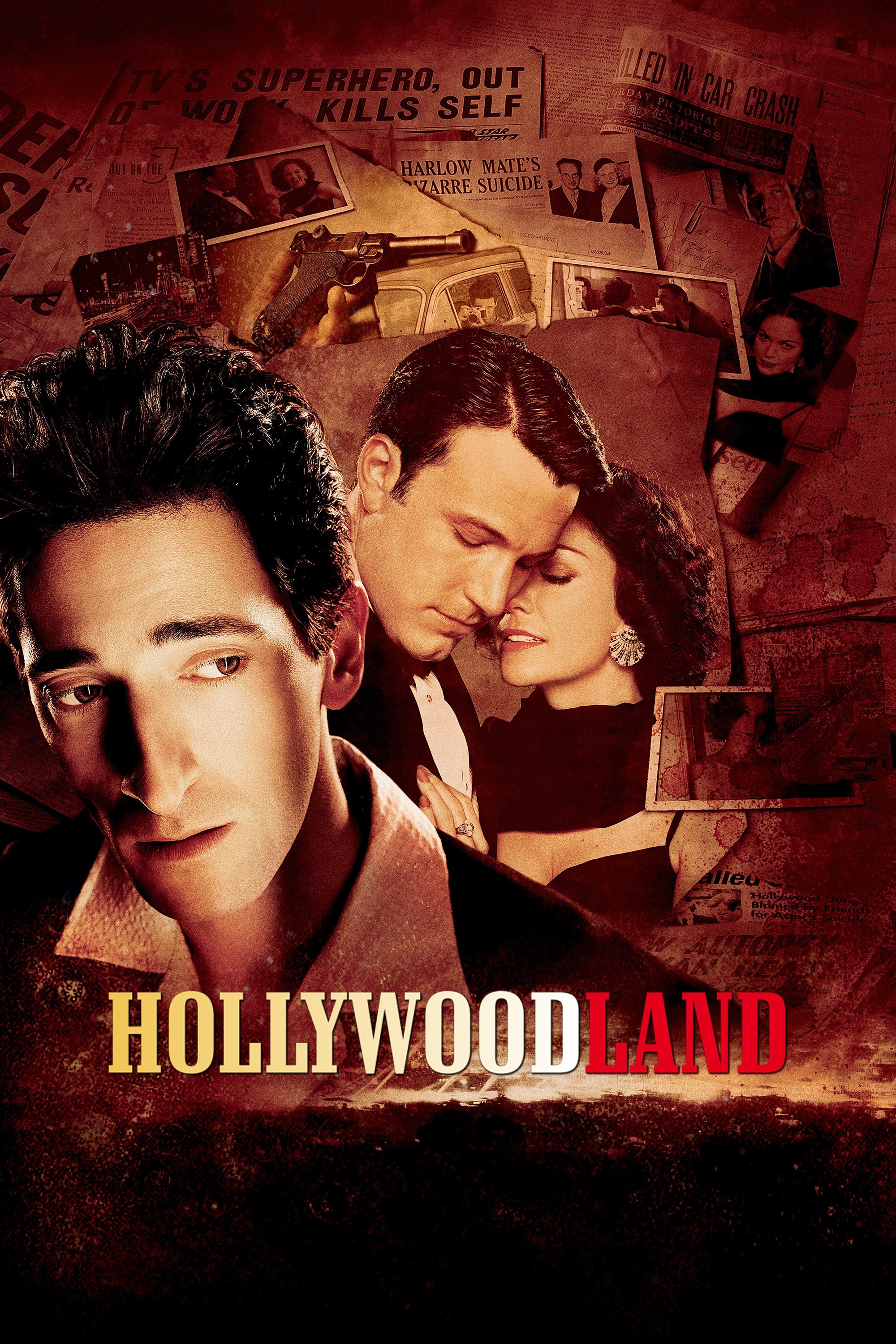
This drama follows an investigator reviewing the death of George Reeves, the screen actor known for playing Superman, and examines studio relationships that shaped his career. Ben Affleck portrays Reeves, while Adrien Brody plays the detective who questions official accounts.
The film reconstructs contract clauses, publicity demands, and personal obligations that came with recognizable roles. It shows how studio priorities, image concerns, and private pressures collide when a tragedy touches a marketable name.
‘The Bad and the Beautiful’ (1952)
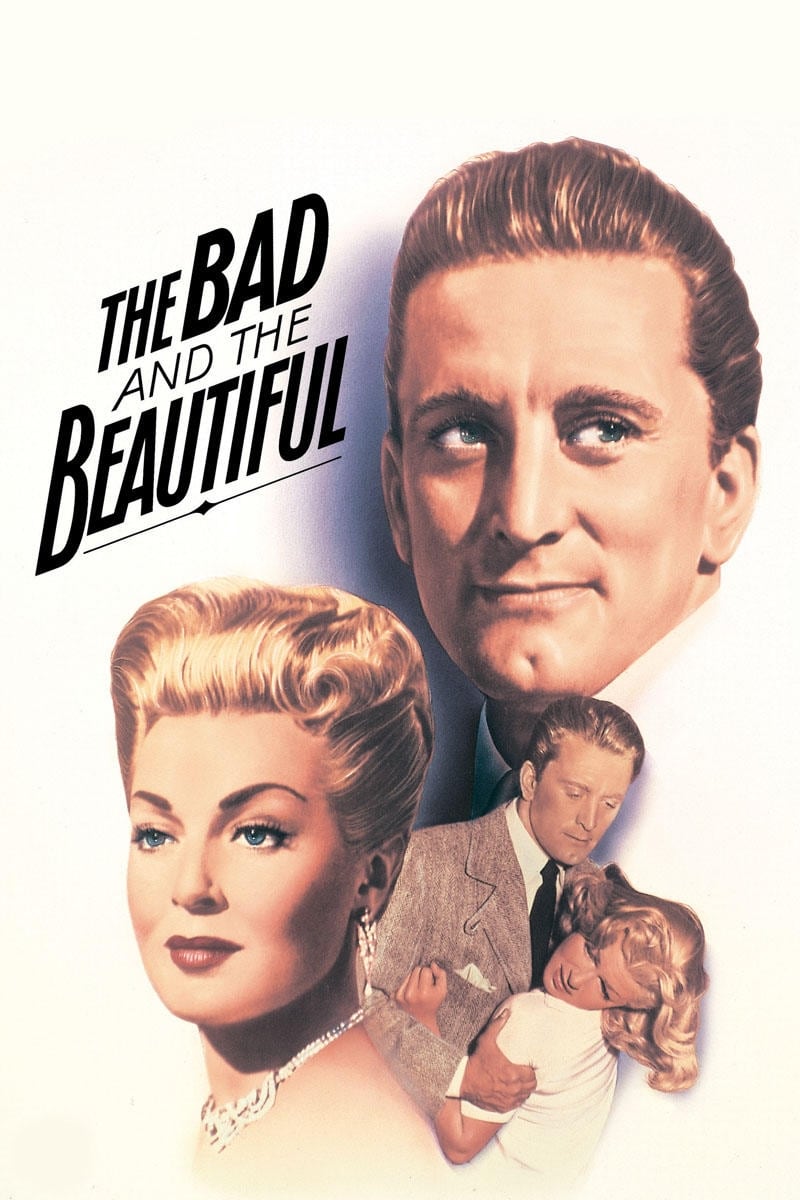
Vincente Minnelli centers the story on a driven producer whose collaborations with a director, an actor, and a writer transform their careers. The narrative structure uses separate testimonies to show how long term deals and favors accumulate power.
The film explores pay or play clauses, reputation management, and the calculus behind awards pushes and premieres. It received multiple Academy Awards and is often cited for its accurate outline of producer led project assembly.
‘The Day of the Locust’ (1975)
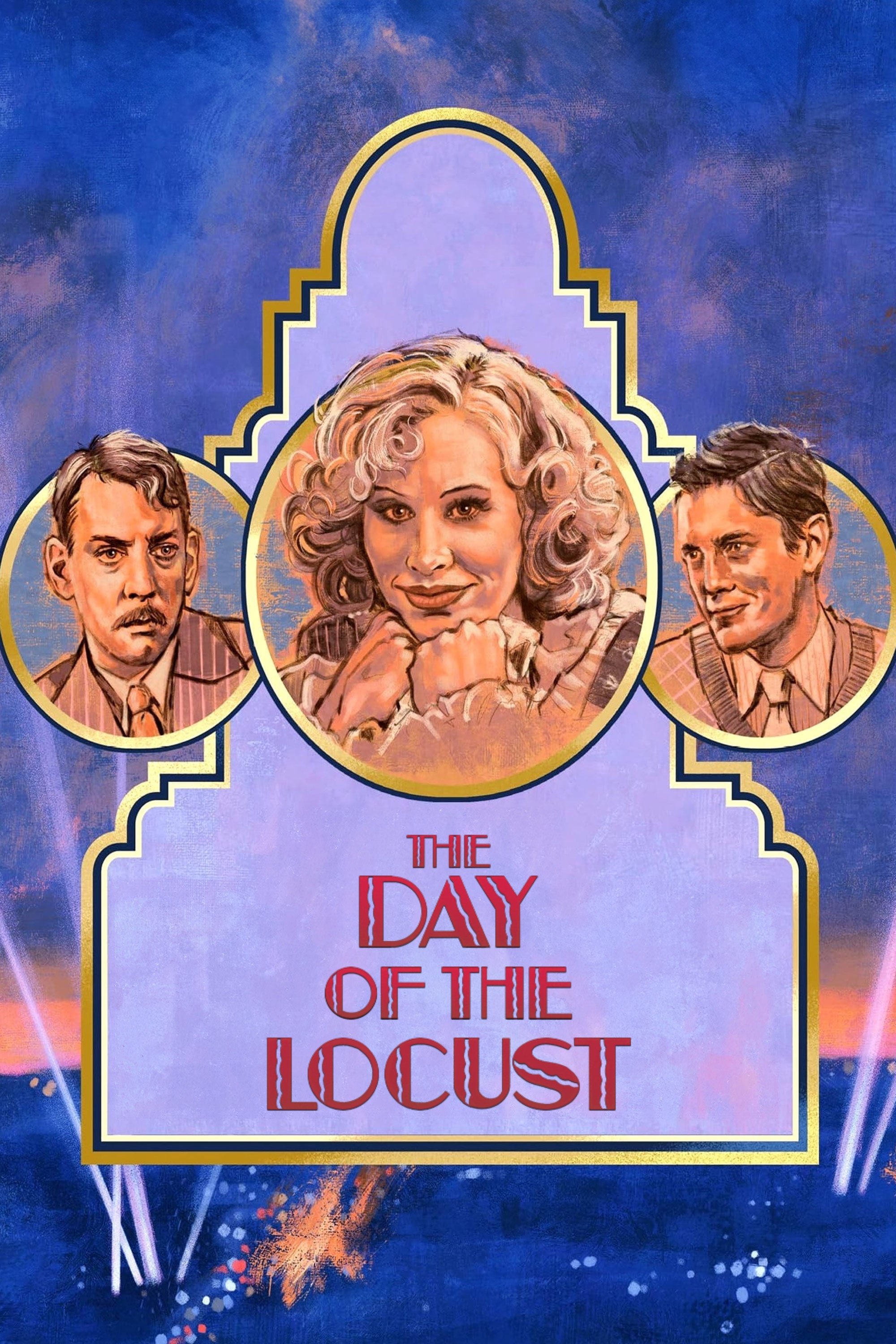
Based on the Nathanael West novel, this film portrays workers on the fringes of studio life, including extras, set decorators, and publicity seekers. The story builds toward a public premiere that erupts into chaos outside a theater.
Production design recreates backlot streets and period signage to match studio era Los Angeles. The cast features Donald Sutherland and Karen Black, and the film charts how spectacle attracts crowds that the industry then struggles to control.
‘Swimming with Sharks’ (1994)
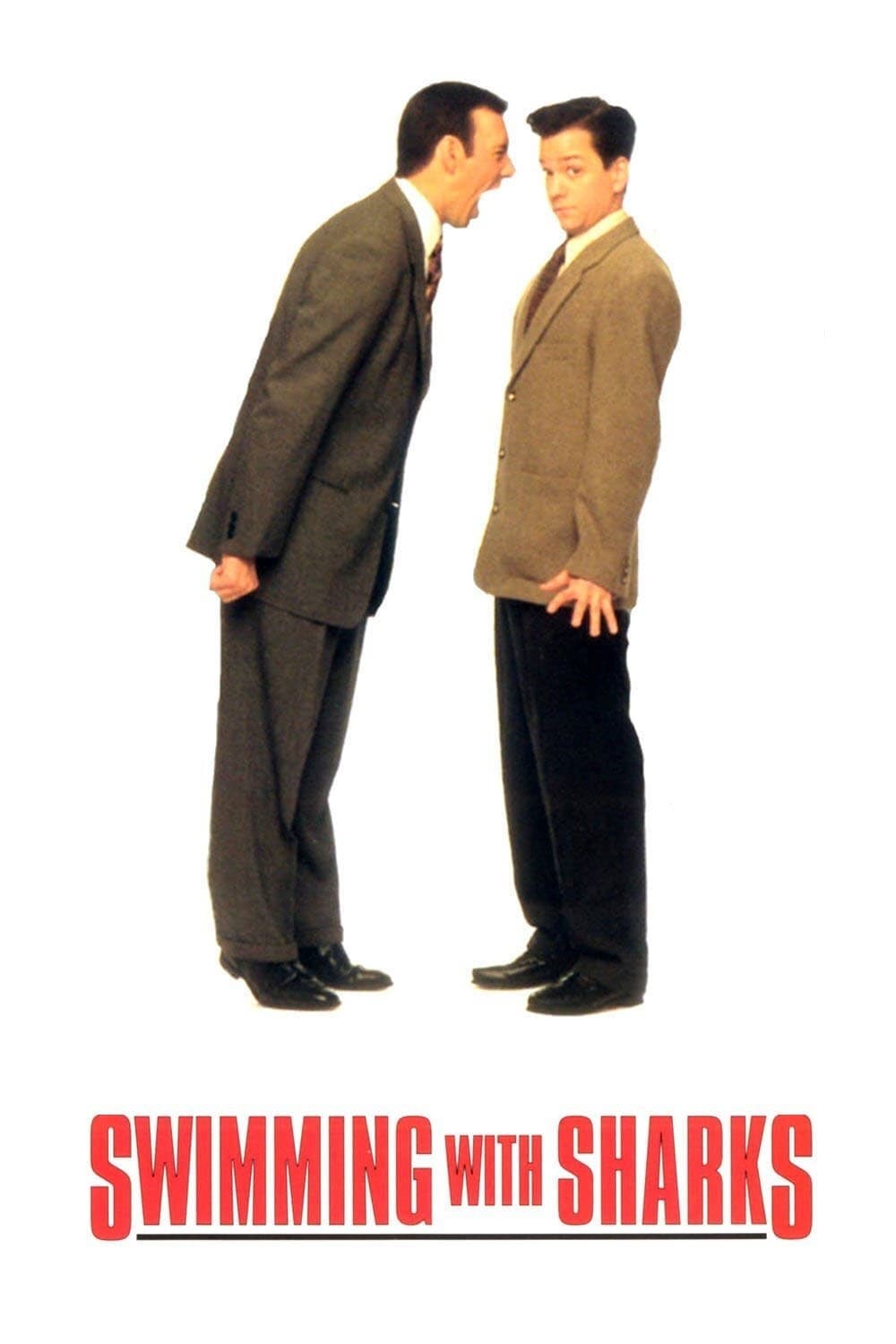
Writer director George Huang drew on first hand assistant stories to depict a powerful producer and a new hire who learns the job under abusive conditions. Kevin Spacey and Frank Whaley play the central figures in a series of escalating encounters.
The script details call sheets, coverage, and development deadlines that define entry level work. It later inspired remakes and a series, which indicates how the core dynamics of mentorship and exploitation remain recognizable across generations.
‘Trumbo’ (2015)
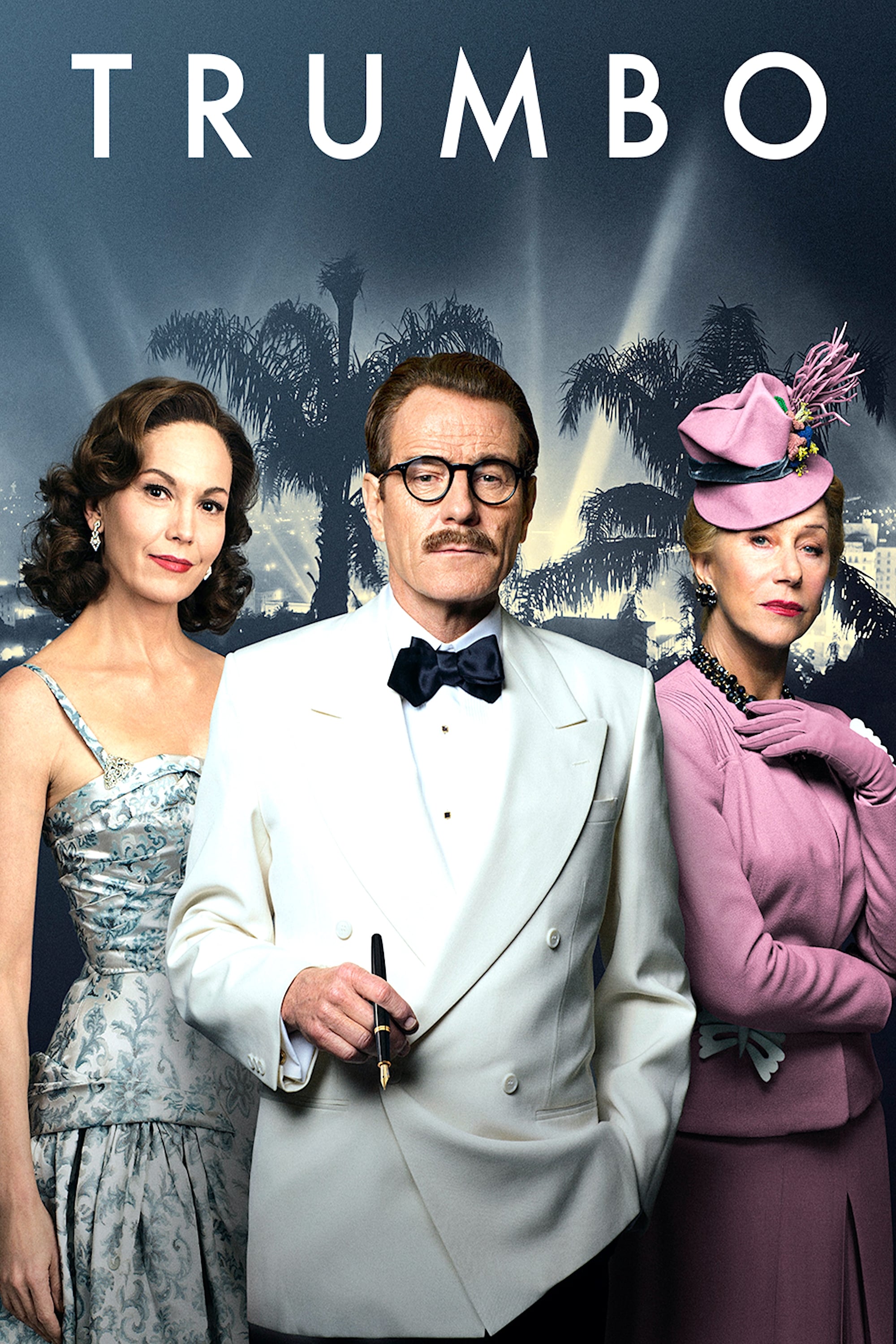
Bryan Cranston plays screenwriter Dalton Trumbo, who faced blacklisting after refusing to cooperate with a congressional committee. The film follows his work under pseudonyms, his use of front writers, and his eventual public credit restoration.
It includes studio chiefs, producers, and stars who navigated pressure from politicians and advocacy groups. The production shows how labor rights, guild rules, and awards eligibility intersected with political scrutiny during that period.
‘Mank’ (2020)
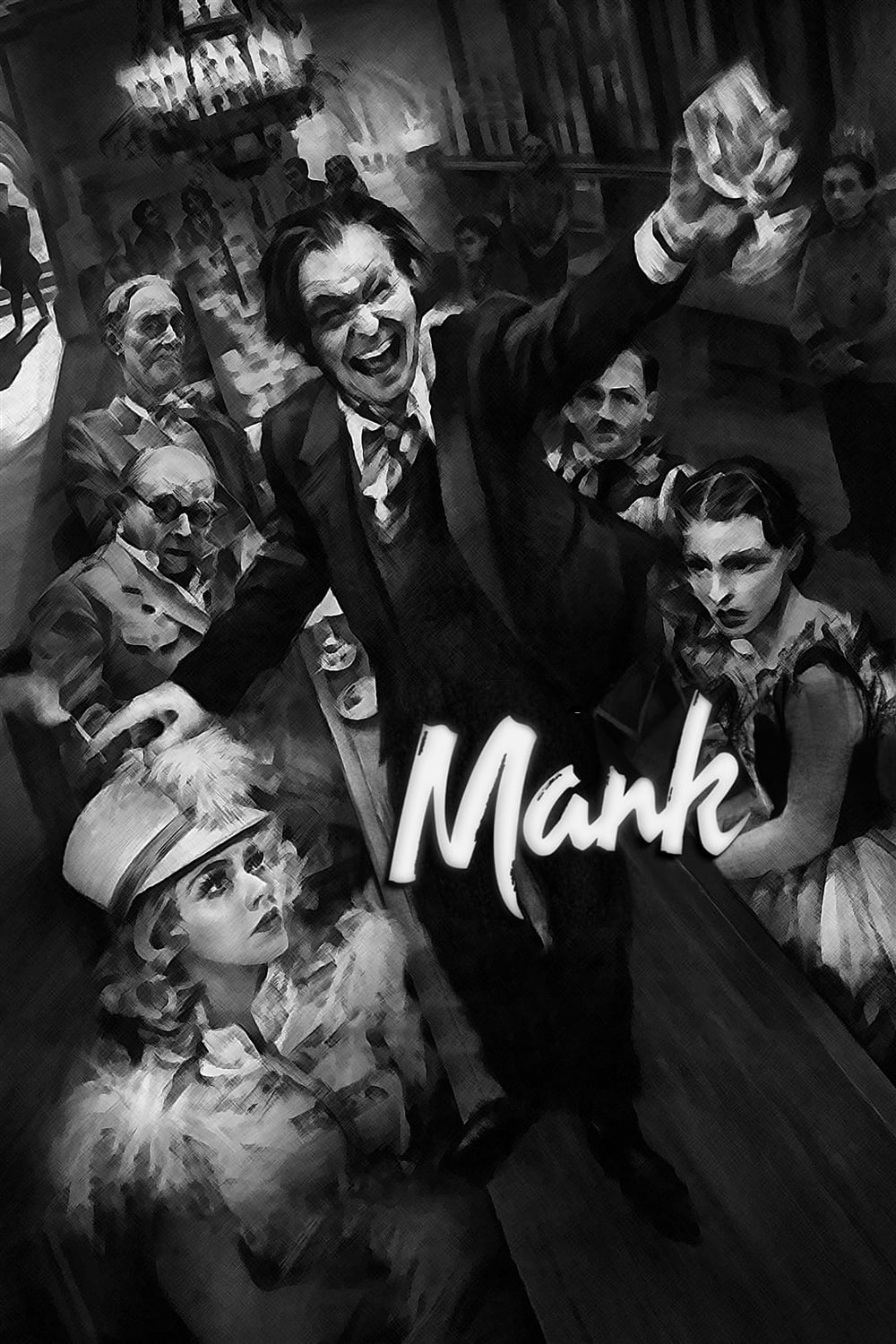
David Fincher’s film tracks Herman J. Mankiewicz as he writes the script for ‘Citizen Kane’ while dealing with studio alliances and radio era power brokers. The production used black and white digital photography to match period textures.
It recreates writer rooms, contract talks, and story conferences that shaped the final draft. The film won Academy Awards for cinematography and production design, reflecting the detail in its depiction of working environments and tools.
‘Once Upon a Time… in Hollywood’ (2019)
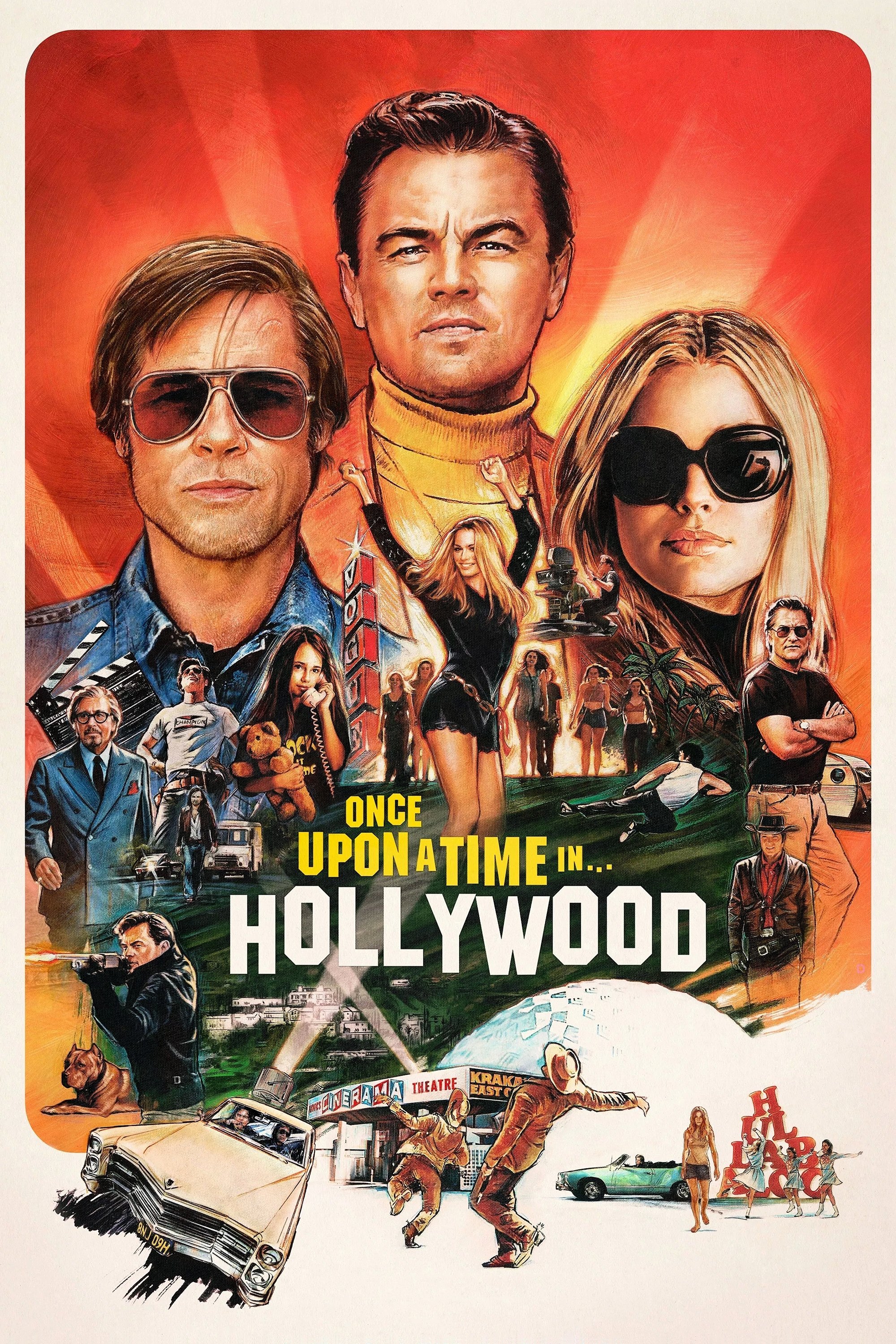
Quentin Tarantino sets his story around actors and stunt performers working in television and features during a period of cultural transition. Leonardo DiCaprio and Brad Pitt play a star and his double as they move through lots, locations, and trailer dressing rooms.
The production dressed whole blocks of Los Angeles with period ads and marquees to mirror entertainment marketing of the time. Brad Pitt won an Academy Award for supporting actor, and the film highlights how careers shift when audience tastes change.
‘Babylon’ (2022)
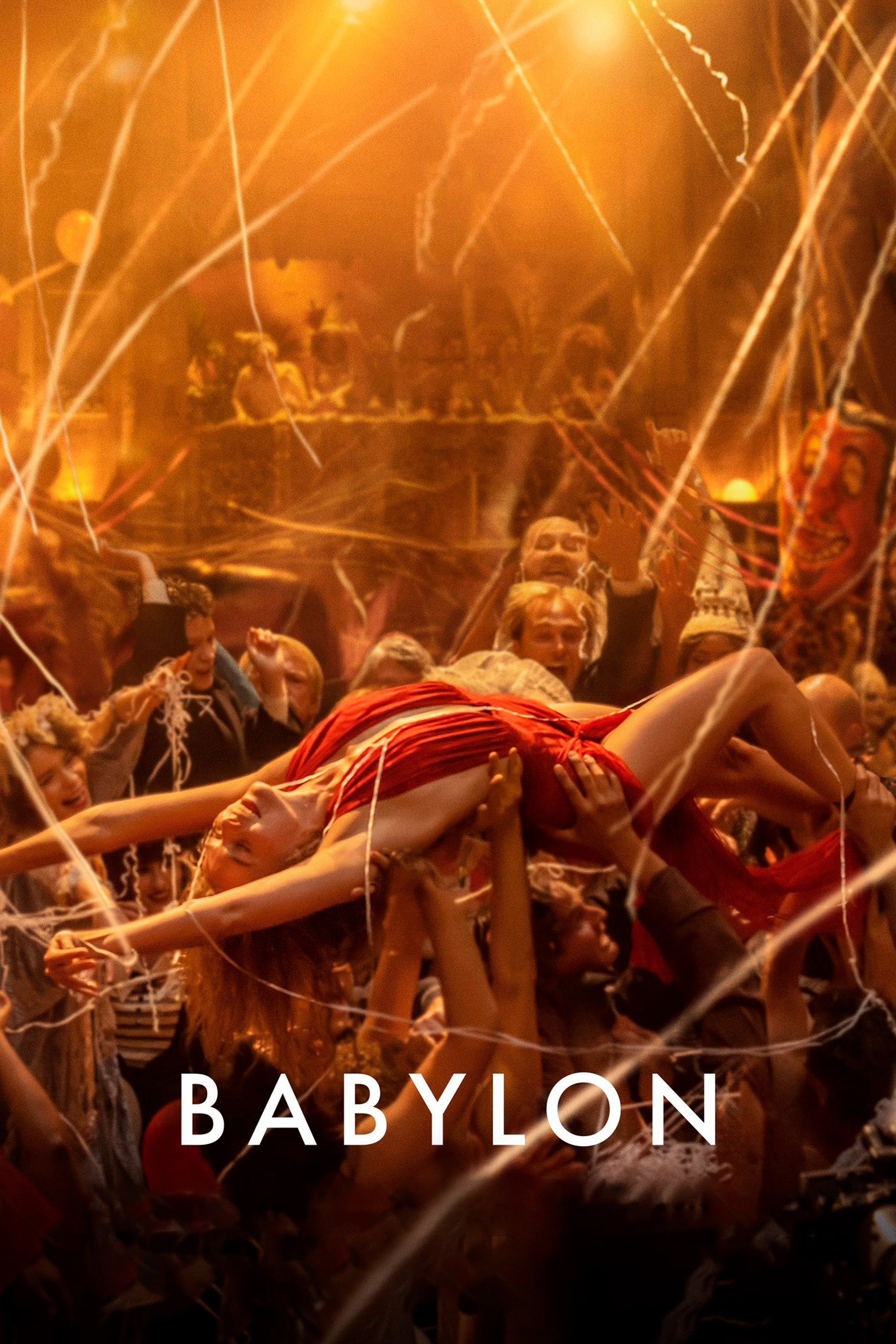
Damien Chazelle presents an ensemble portrait of performers, directors, and crew grappling with the shift from silent to sound production. The story tracks how microphones, new staging, and technical teams altered shooting days and budgets.
The film features extensive set pieces that illustrate early recording problems and location sound work. It received Academy Award nominations in score, production design, and costume design, which reflects the emphasis on craft and logistics.
‘L.A. Confidential’ (1997)

This adaptation of the James Ellroy novel follows detectives, a tabloid publisher, and a ring of studio connections that shape public narratives. The story links police cases to image control for actors and producers.
Kim Basinger won an Academy Award for supporting actress for her role as a performer modeled on a celebrity image. The production shows how planted stories, off the record deals, and protection arrangements influenced careers and investigations.
‘The Neon Demon’ (2016)
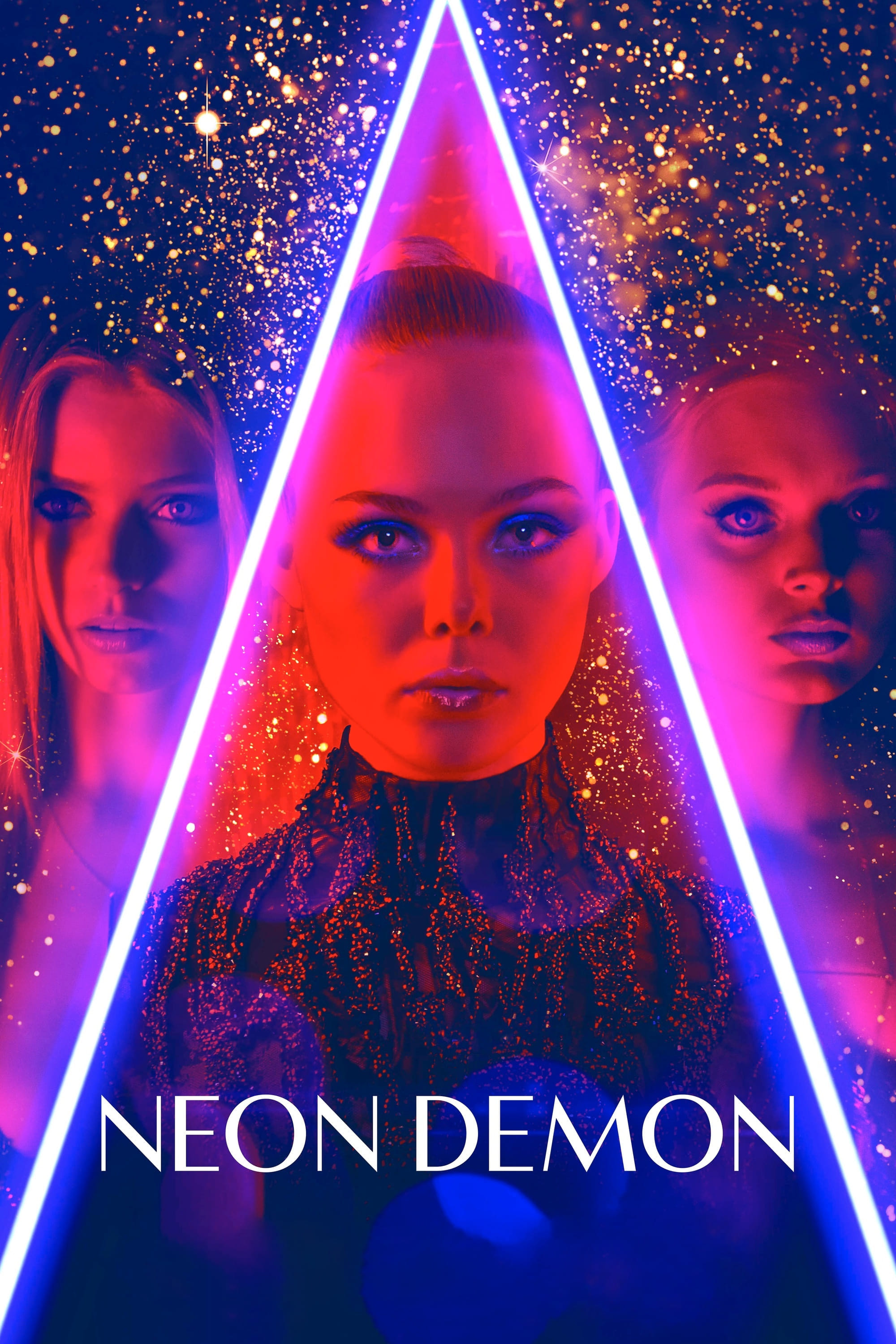
Nicolas Winding Refn centers on a newcomer to the Los Angeles fashion scene who draws attention from photographers, designers, and rivals. The film was shot on location in studios, motels, and hillside houses that tie the story to real spaces.
Cliff Martinez composed the score, and the crew used practical lighting to capture runway and photo shoot atmospheres. The plot maps how images are created, sold, and consumed within a network that values marketable faces over personal safety.
‘The Bling Ring’ (2013)
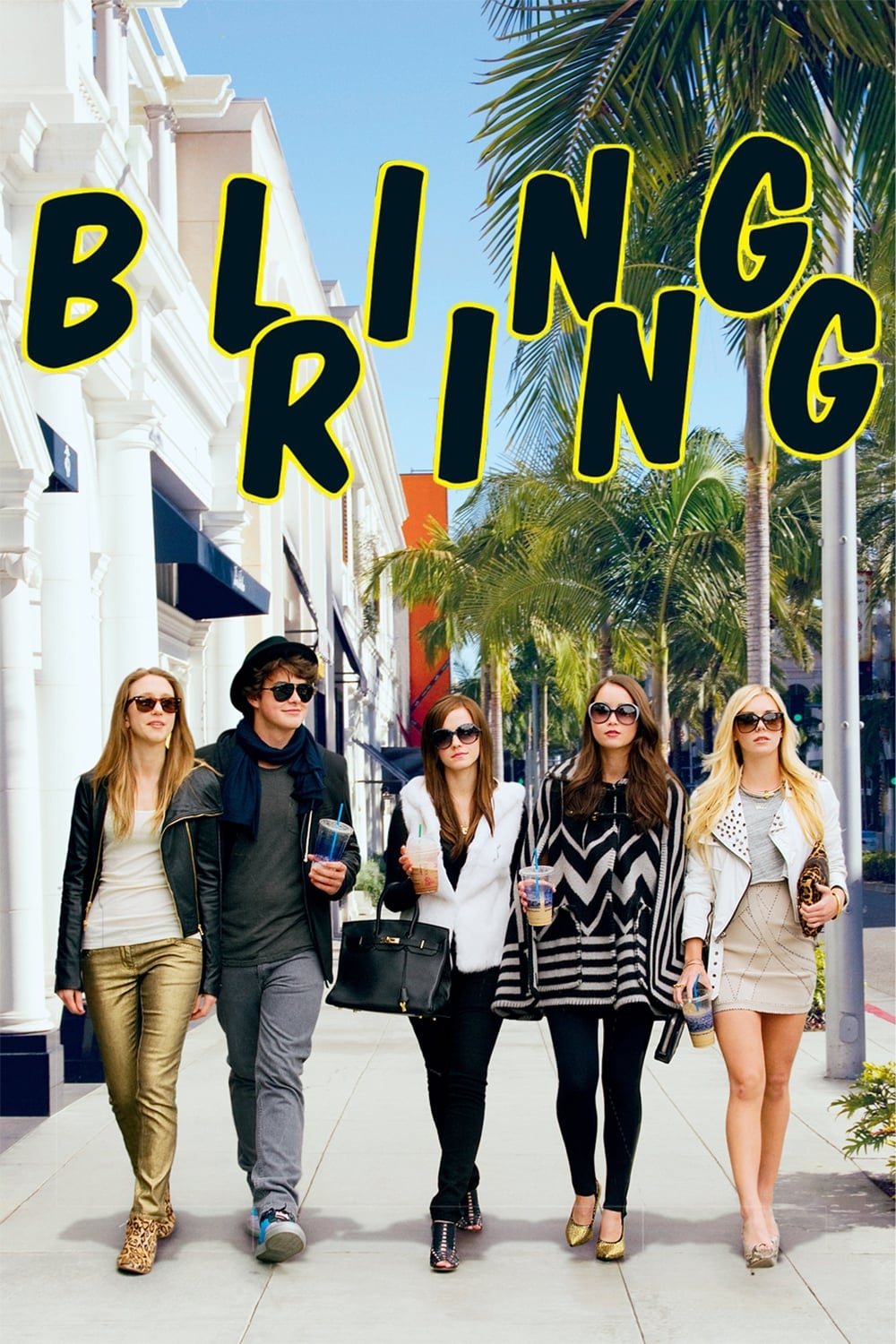
Sofia Coppola dramatizes a series of burglaries committed by teenagers who targeted celebrity homes using public maps and online schedules. The cast includes Emma Watson and Taissa Farmiga among an ensemble of young actors.
The film was shot in Los Angeles neighborhoods and shows police reports, surveillance footage, and courtroom procedures. It documents how fame driven branding can create opportunities for intrusion and how victims respond through security and press.
‘Under the Silver Lake’ (2018)
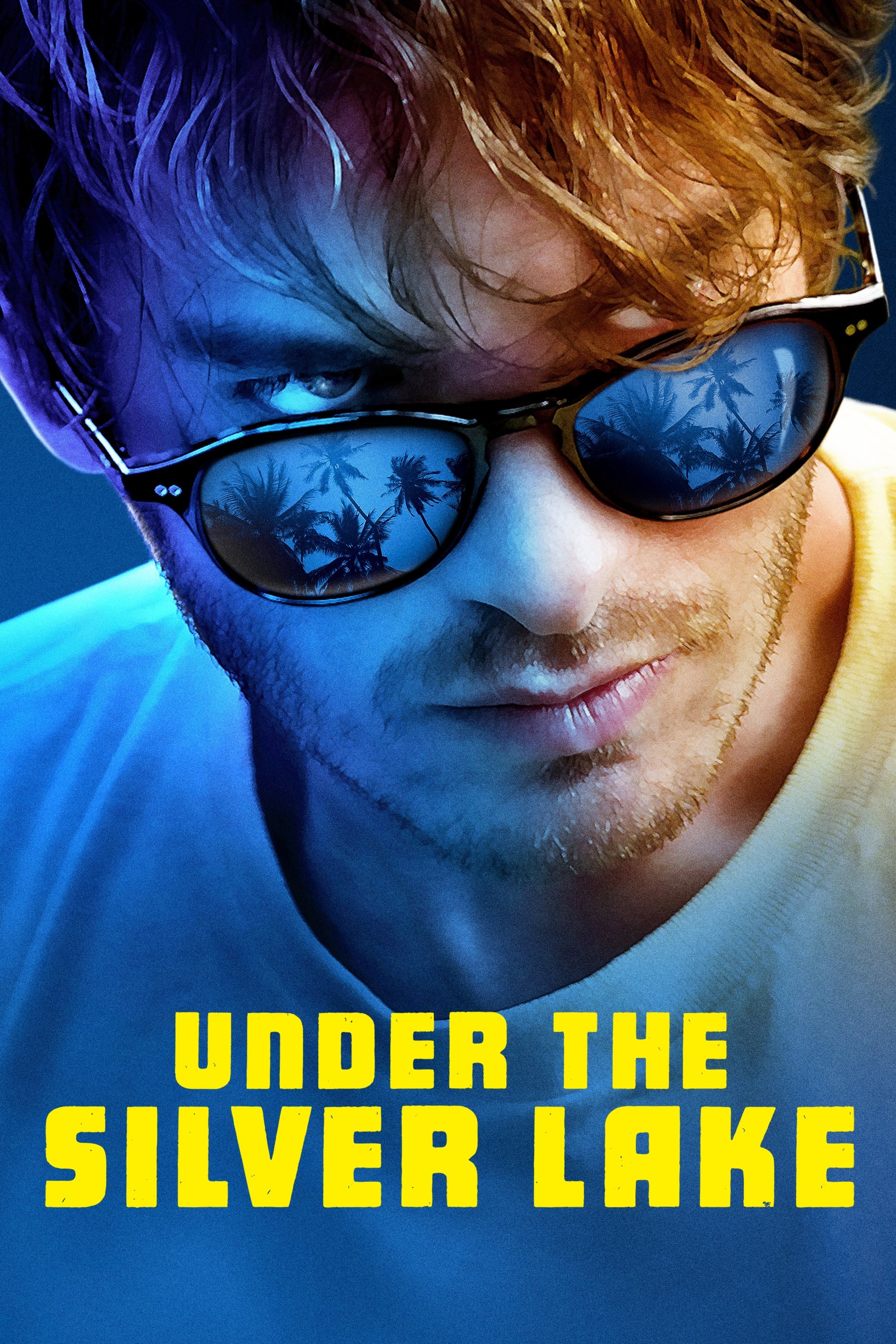
David Robert Mitchell follows a drifting Angeleno who uncovers hidden messages and secret clubs attached to the entertainment world. The film uses classic theaters, reservoirs, and coffee shops to build a map of rumor and lore.
The release strategy shifted after its festival premiere, and it gained a following through digital platforms. The plot catalogs urban myths about coded songs, zines, and eccentric moguls that linger around the industry.
‘The Black Dahlia’ (2006)
Brian De Palma adapts James Ellroy’s novel about the unsolved murder of Elizabeth Short and the ways Hollywood publicity shaped the investigation. The film stars Josh Hartnett, Scarlett Johansson, and Hilary Swank.
Production took place in Los Angeles and Europe with sets that rebuilt historic streets and studios. It received an Academy Award nomination for cinematography, highlighting the care taken to recreate period lighting and framing.
‘The Cat’s Meow’ (2001)
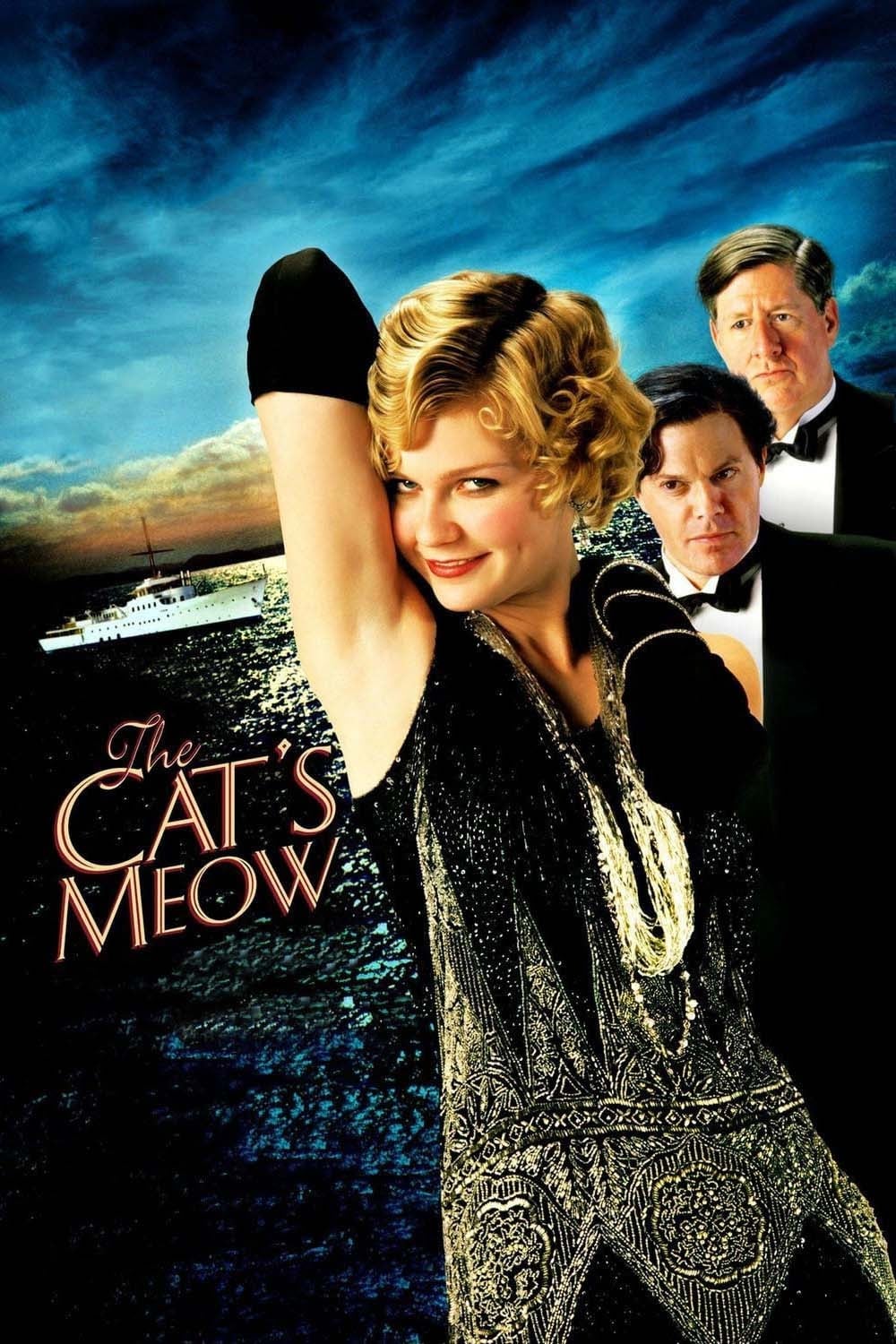
Peter Bogdanovich directs this retelling of the death of producer Thomas Ince during a yacht trip involving William Randolph Hearst, Marion Davies, and Charlie Chaplin. The script explores competing accounts and the private management of scandal.
The film examines how wealth and media ownership can influence which stories reach the public. Costumes and sets reconstruct upscale party culture linked to studio decision makers and tabloid coverage.
‘A Star Is Born’ (2018)
Bradley Cooper directs and stars alongside Lady Gaga in a story about a rising singer whose career ascends while her mentor struggles with addiction. The film shows tour logistics, label meetings, and television performances that shape a modern rollout.
Live concert recording techniques and on stage filming add practical detail to performance scenes. The soundtrack topped charts, and several songs won major awards, which demonstrates how a film can function as both drama and music release.
‘Hail, Caesar!’ (2016)
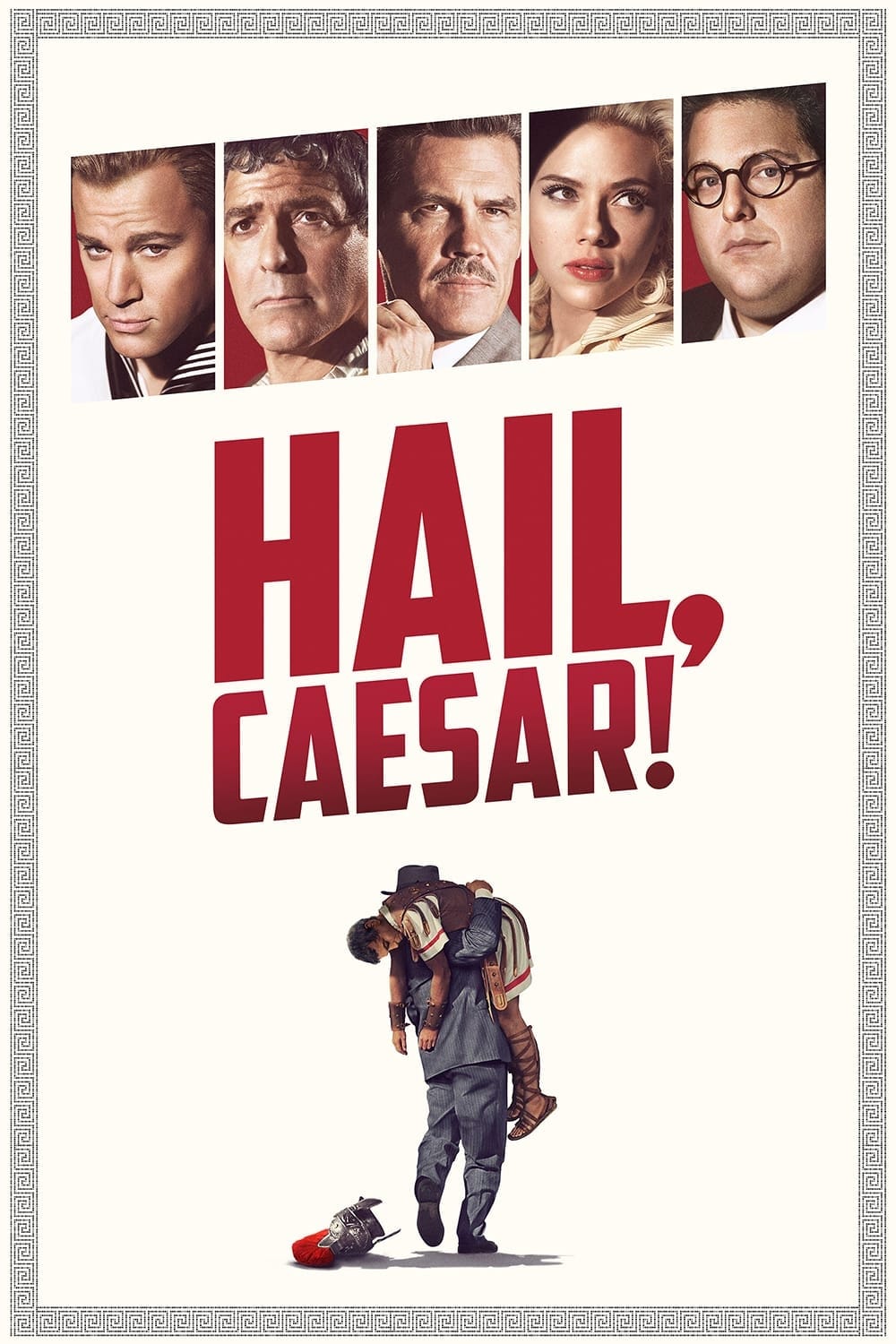
Joel and Ethan Coen follow studio fixer Eddie Mannix through a single day of damage control that includes lost stars, labor questions, and religious consultation on a biblical epic. The cast features Josh Brolin, George Clooney, and Scarlett Johansson.
It recreates soundstage water ballets, western backlots, and synchronized dance numbers to show the range of genres running at once. The character of Mannix is based on a real executive who handled scandal management for a major studio.
‘The Canyons’ (2013)
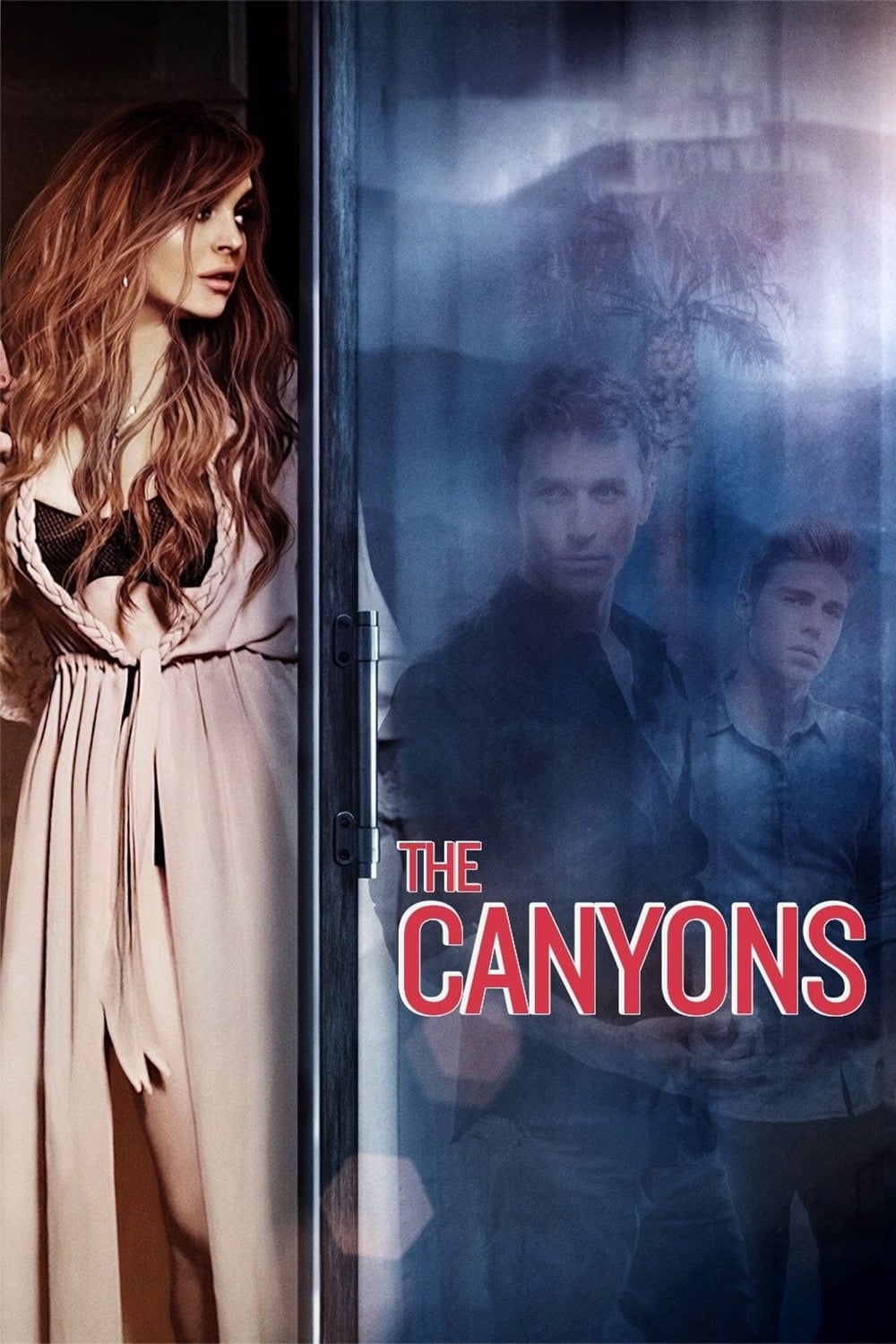
Paul Schrader directs a microbudget thriller about young industry players whose relationships mix money, power, and casting. The film stars Lindsay Lohan and adult performer James Deen, and it was financed in part through crowdfunding.
It shot with a small crew, minimal lighting, and digital cameras in contemporary Los Angeles locations. The script by Bret Easton Ellis places phones, texts, and hush agreements at the center of career moves and personal risk.
‘The Big Picture’ (1989)
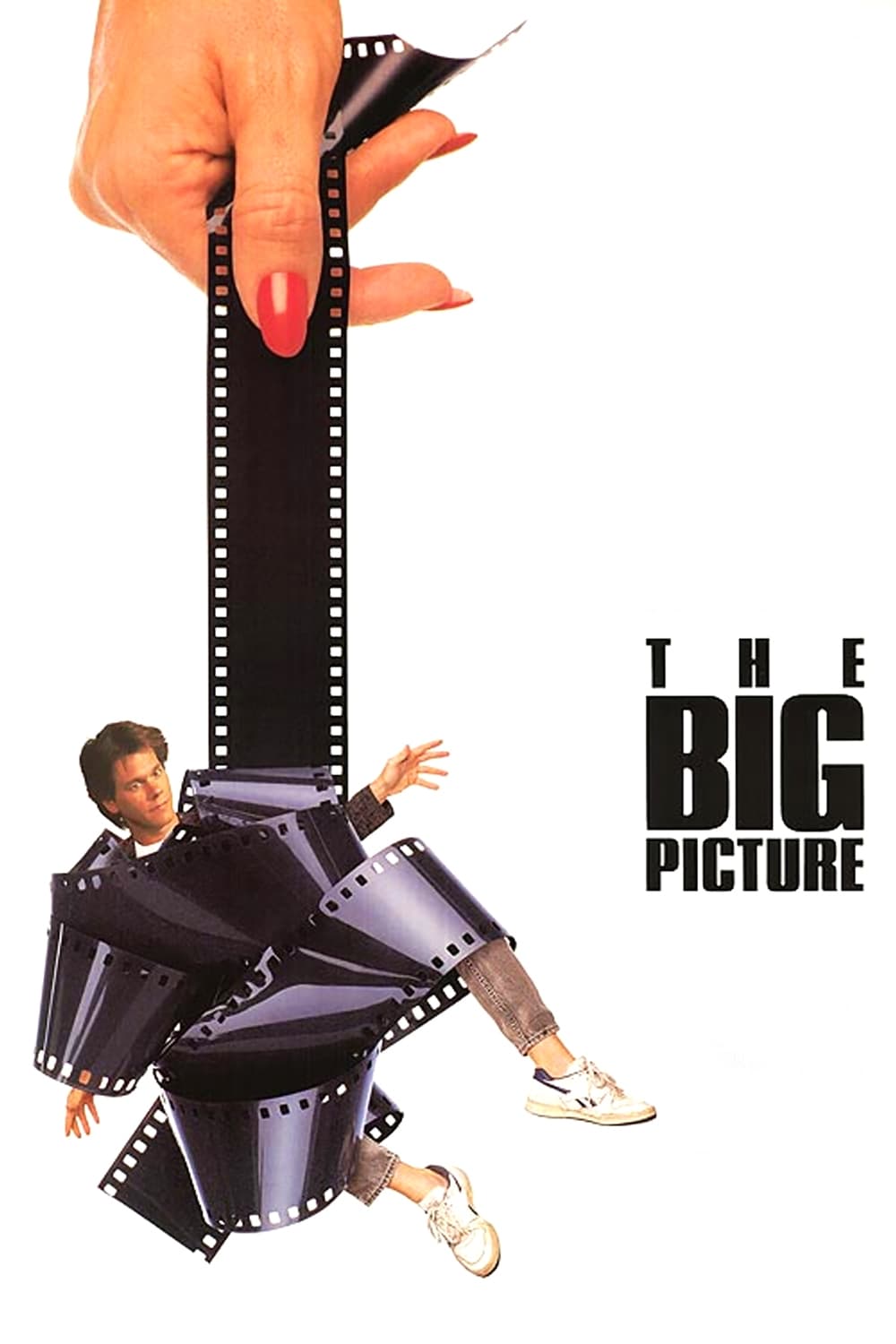
Christopher Guest tells the story of a film school winner who enters development meetings and watches his project change through notes and attachments. Kevin Bacon plays the newcomer who learns the language of package deals.
Cameos by industry veterans and scenes set at agencies and restaurants mirror real meeting circuits. The film breaks down how casting lists, marketing concepts, and test screenings can reshape an original idea.
‘Get Shorty’ (1995)
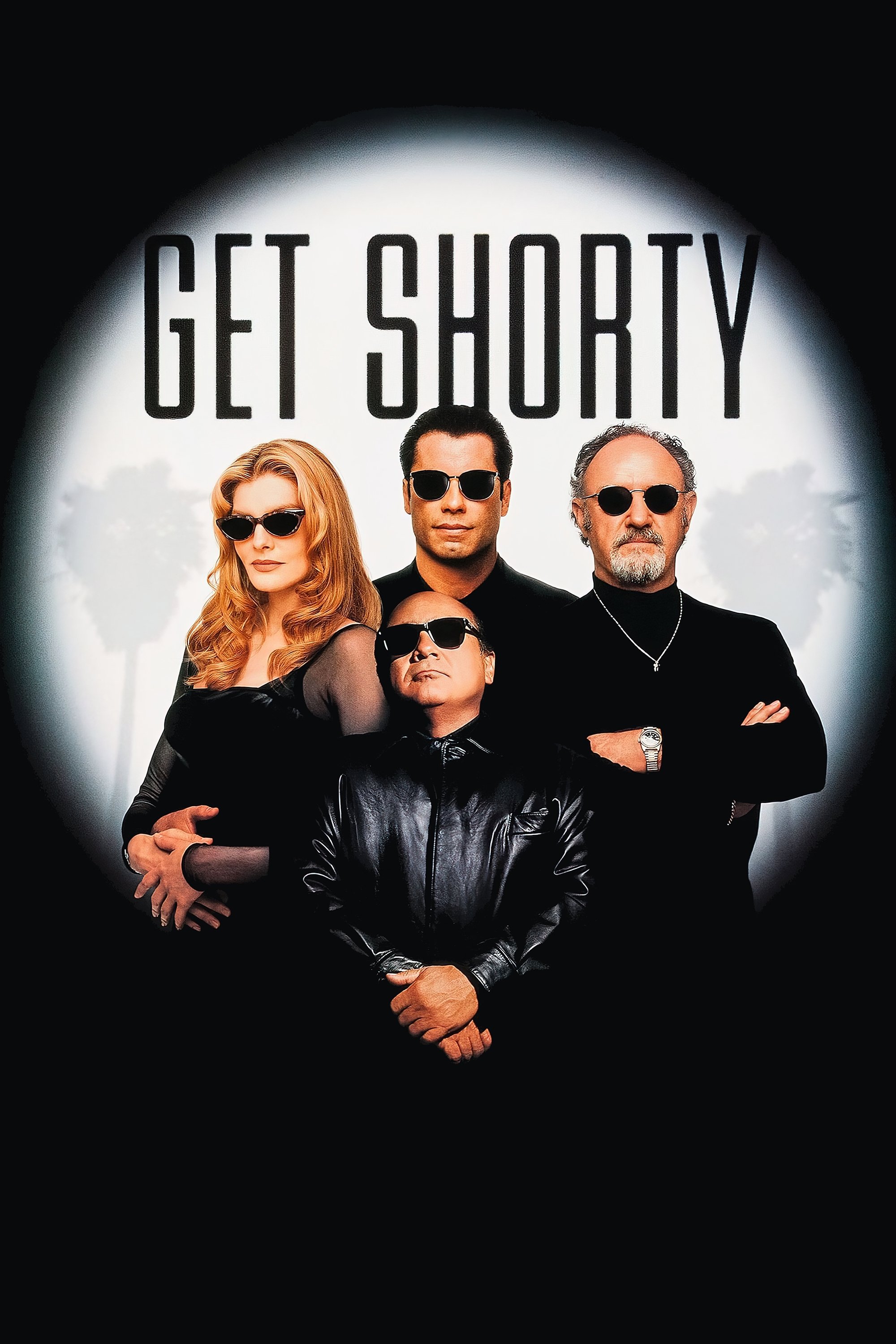
Barry Sonnenfeld adapts Elmore Leonard’s novel about a Miami loan shark who discovers that Hollywood uses the same negotiation tactics he knows from the street. John Travolta plays the lead opposite Gene Hackman, Rene Russo, and Danny DeVito.
Location work at studios and valley offices grounds the satire in real spaces. The plot walks through option agreements, producer credits, and the value of true story rights, which often drive bidding wars.
‘For Your Consideration’ (2006)
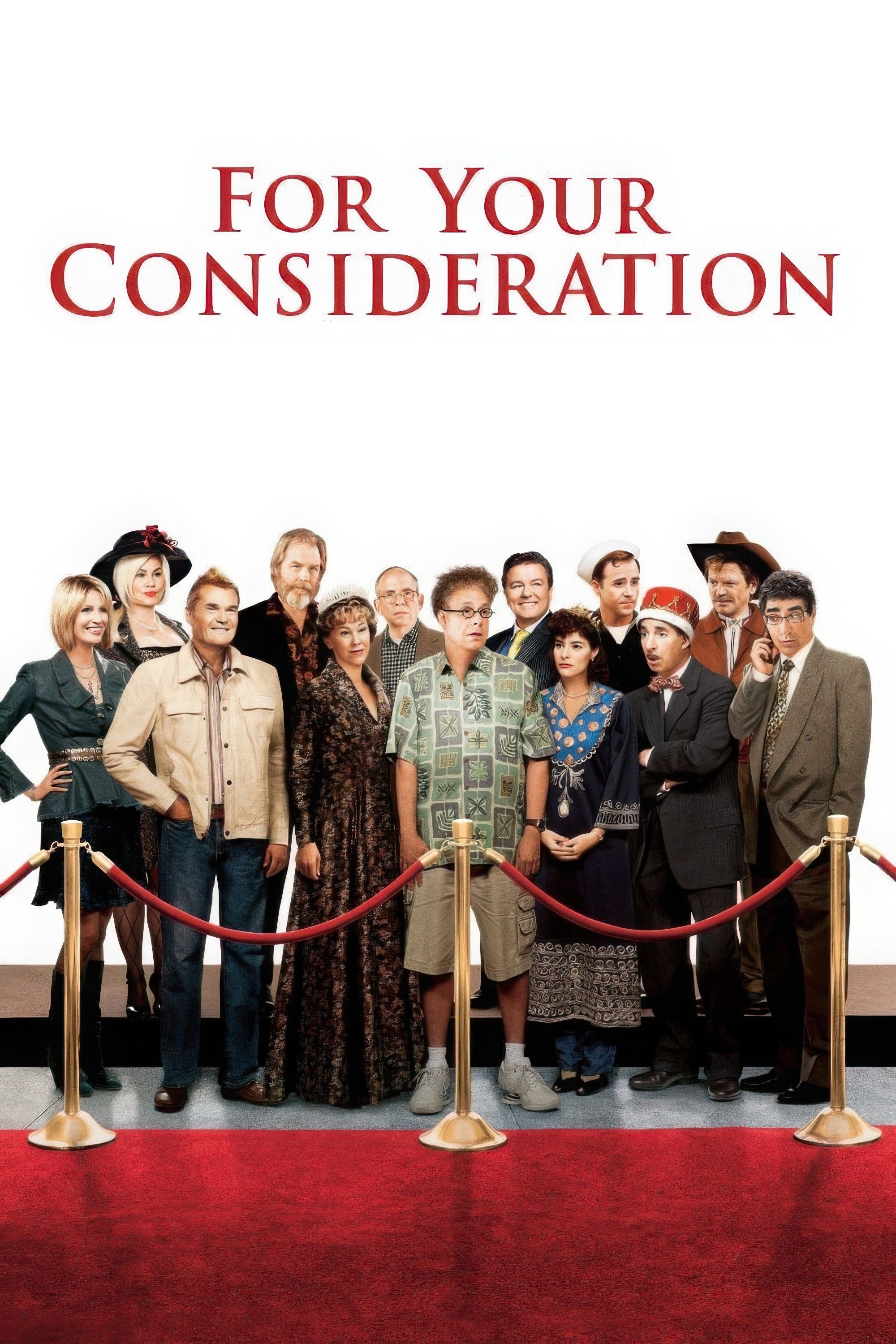
Christopher Guest focuses on a small production that becomes the subject of awards chatter, which sets off a wave of reshoots, interviews, and branding shifts. The ensemble includes Catherine O’Hara, Harry Shearer, and Eugene Levy.
The film shows how publicity firms craft narratives for voters and how rumors steer on set changes. It captures press junkets, early morning radio hits, and trade ads that try to convert buzz into box office and trophies.
‘Tropic Thunder’ (2008)
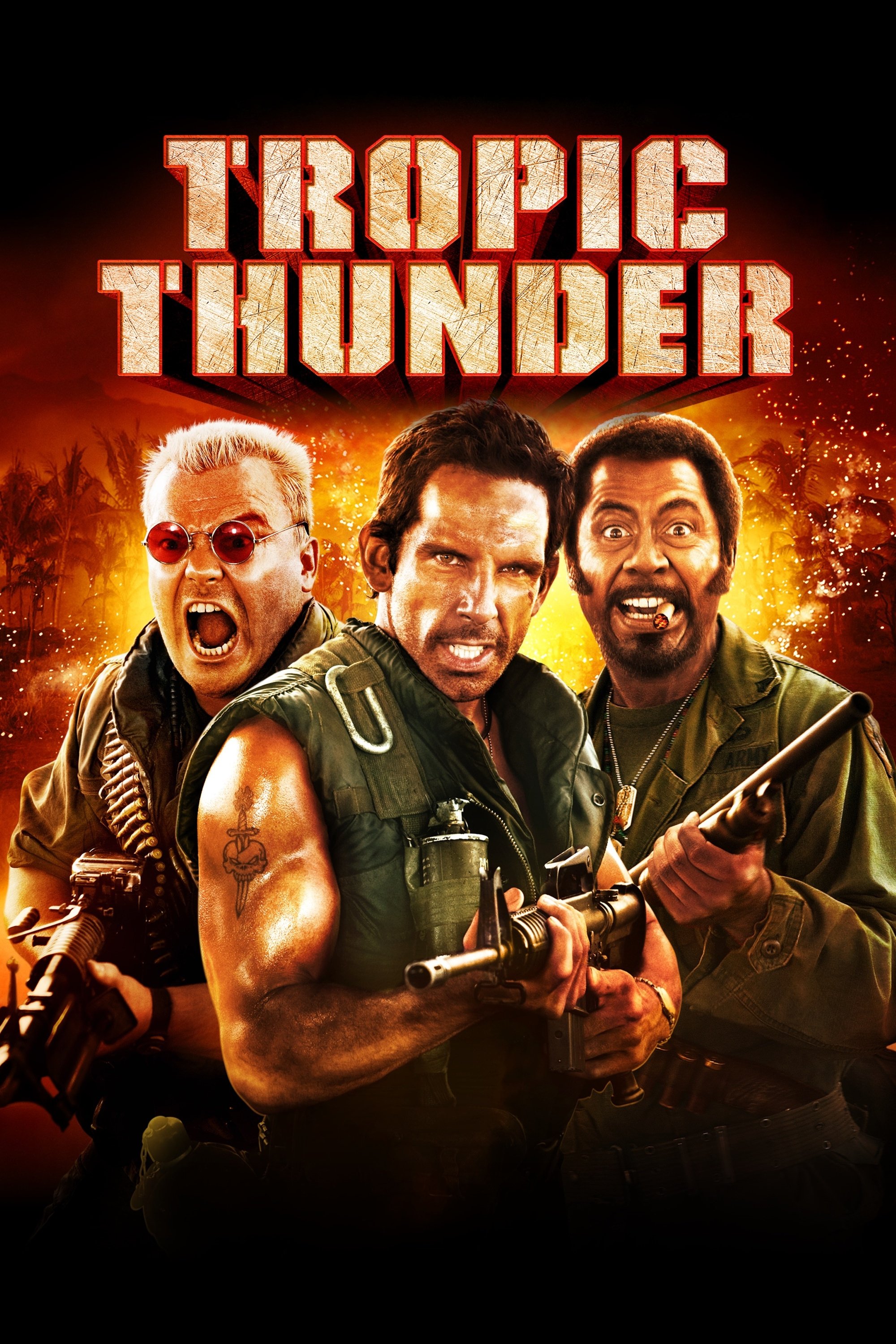
Ben Stiller directs a film about a troubled war movie shoot that moves into jungle terrain while executives push for marketable spectacle. Robert Downey Jr., Jack Black, and Stiller lead the cast, with Tom Cruise as a volatile studio head.
Marketing featured fake trailers and character posters released as if they were real projects, which mirrored how stars build brands. The production uses detailed call sheets, stunt coordination, and pyrotechnics to show the scale of action filmmaking.
‘S.O.B.’ (1981)
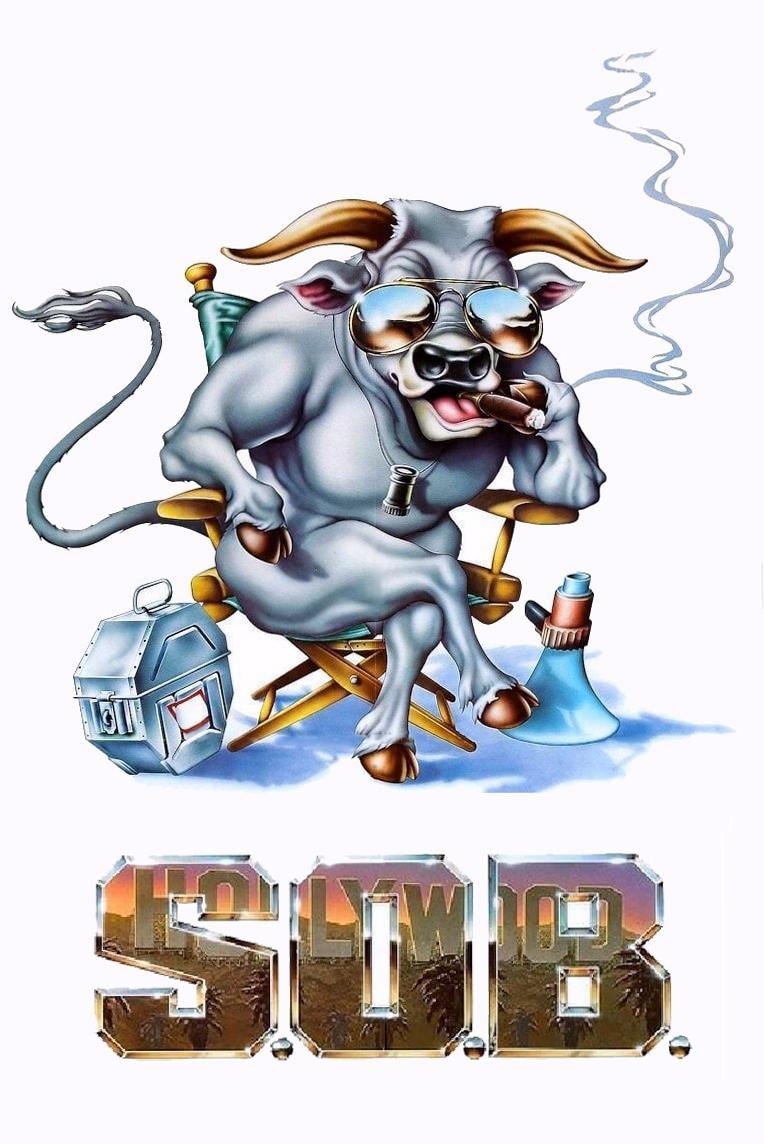
Blake Edwards wrote and directed this satire after conflicts with studios on earlier projects, and he cast Julie Andrews, William Holden, and Richard Mulligan. The plot follows a filmmaker who radically alters a film to rescue it after disastrous previews.
It tracks ratings board negotiations, reshoots, and publicity pivots that try to salvage an investment. The film’s title references an industry term and its storyline mirrors actual battles over tone, marketing, and audience expectations.
‘A Face in the Crowd’ (1957)
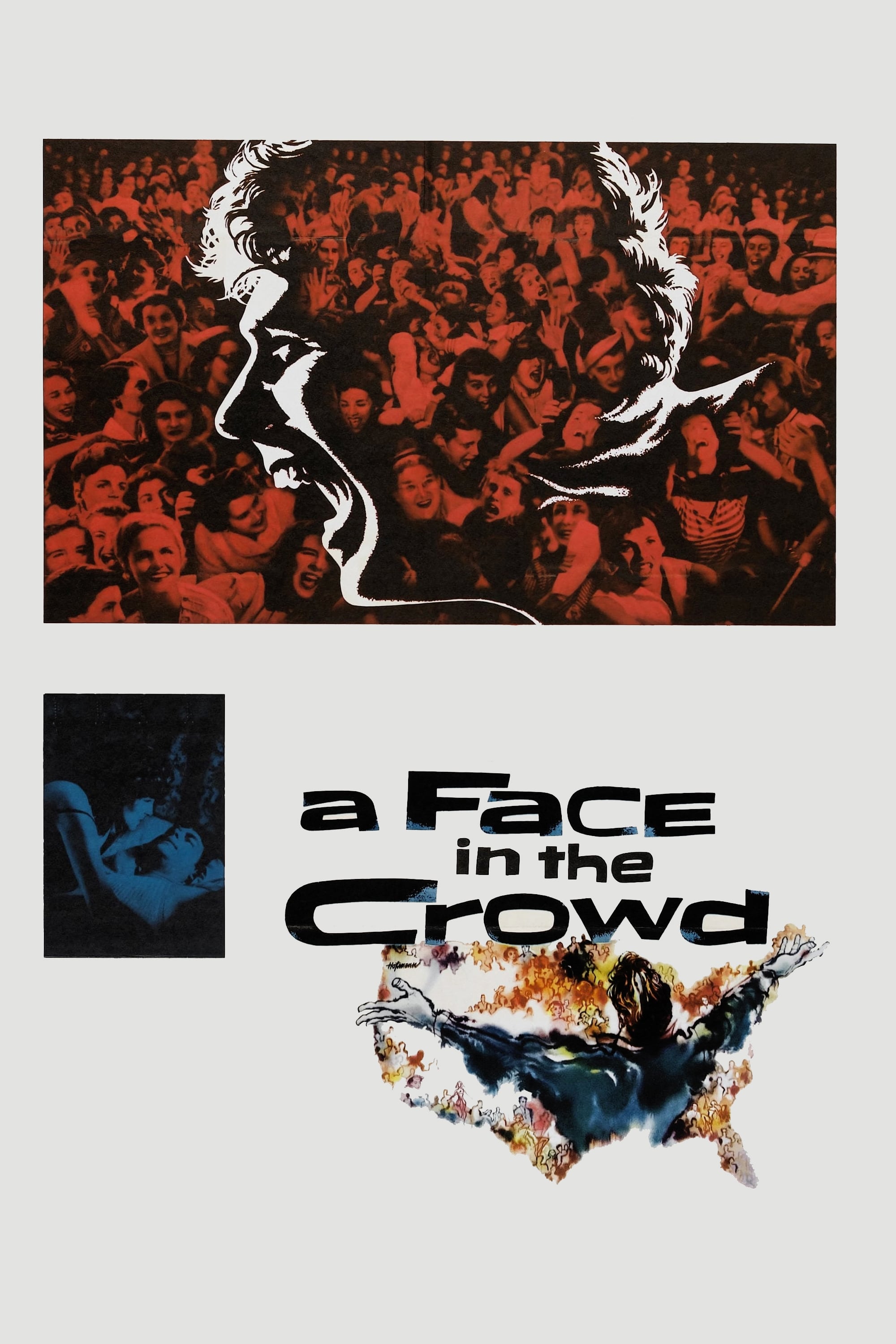
Elia Kazan and writer Budd Schulberg chart the rise of a drifter into a national media figure through radio and television. Andy Griffith makes his feature debut as the lead performer whose public image hides private behavior.
The film examines sponsor influence, polling, and cross platform promotion that turnspersonality into power. It remains a key text for understanding how entertainment formats can stage political and commercial messaging.
‘Starry Eyes’ (2014)
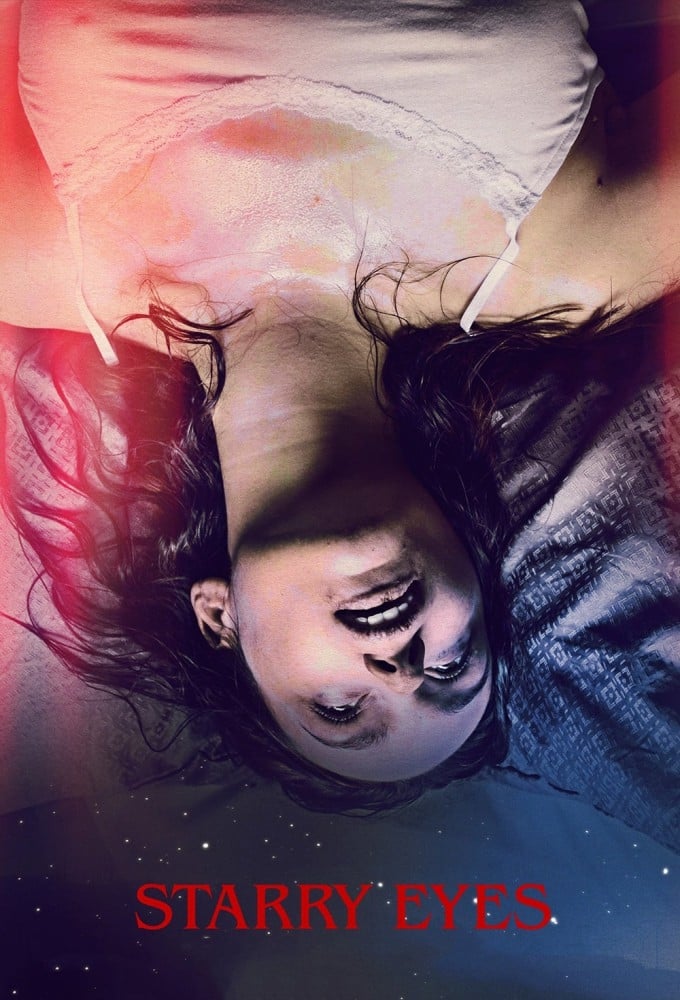
Directors Kevin Kölsch and Dennis Widmyer follow a server and aspiring actor who enters a secretive network tied to a production company with a coveted role. The lead performance by Alex Essoe anchors the story in casting rooms and low rent apartments.
The film was shot around Los Angeles with locations that include community theaters and independent soundstages. It uses horror elements to visualize the costs of ambition while citing real audition practices and exploitative promises.
Share your own picks of films that expose the industry’s shadows in the comments.