Mystery Movies You Must Watch at Least Once in Your Life

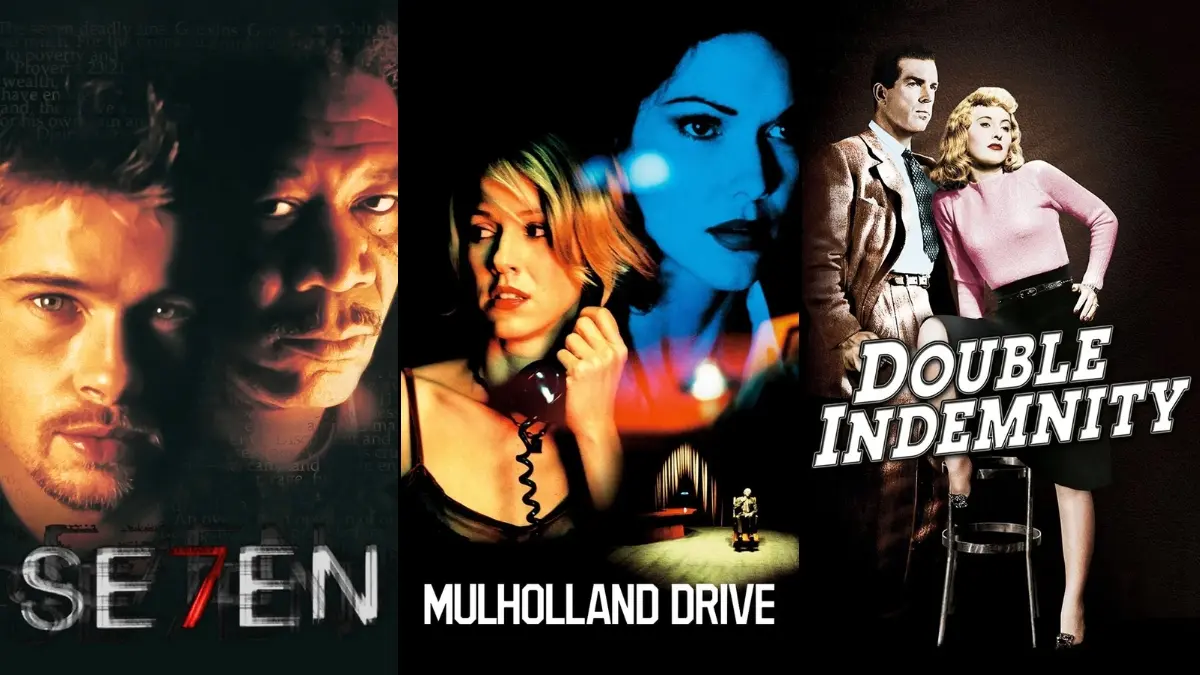

Mystery stories keep viewers focused on clues, suspects, and hidden motives, and film has explored that puzzle box from noir streets to country estates to remote islands. The selections here cover different eras and countries, from studio classics to contemporary investigations, with plots built on missing persons, locked rooms, unreliable memories, and long buried secrets. Many began as novels or short stories, and several introduced detectives and techniques that shaped crime storytelling on screen.
You will find literary adaptations by authors such as Agatha Christie, Dashiell Hammett, and Daphne du Maurier, along with fact based cases that follow police work and journalism step by step. The list spans black and white cinematography and modern digital production, courtroom showdowns and procedural detail, and it highlights notable casts, directors, and music that help define each film’s identity within the genre.
‘Rear Window’ (1954)
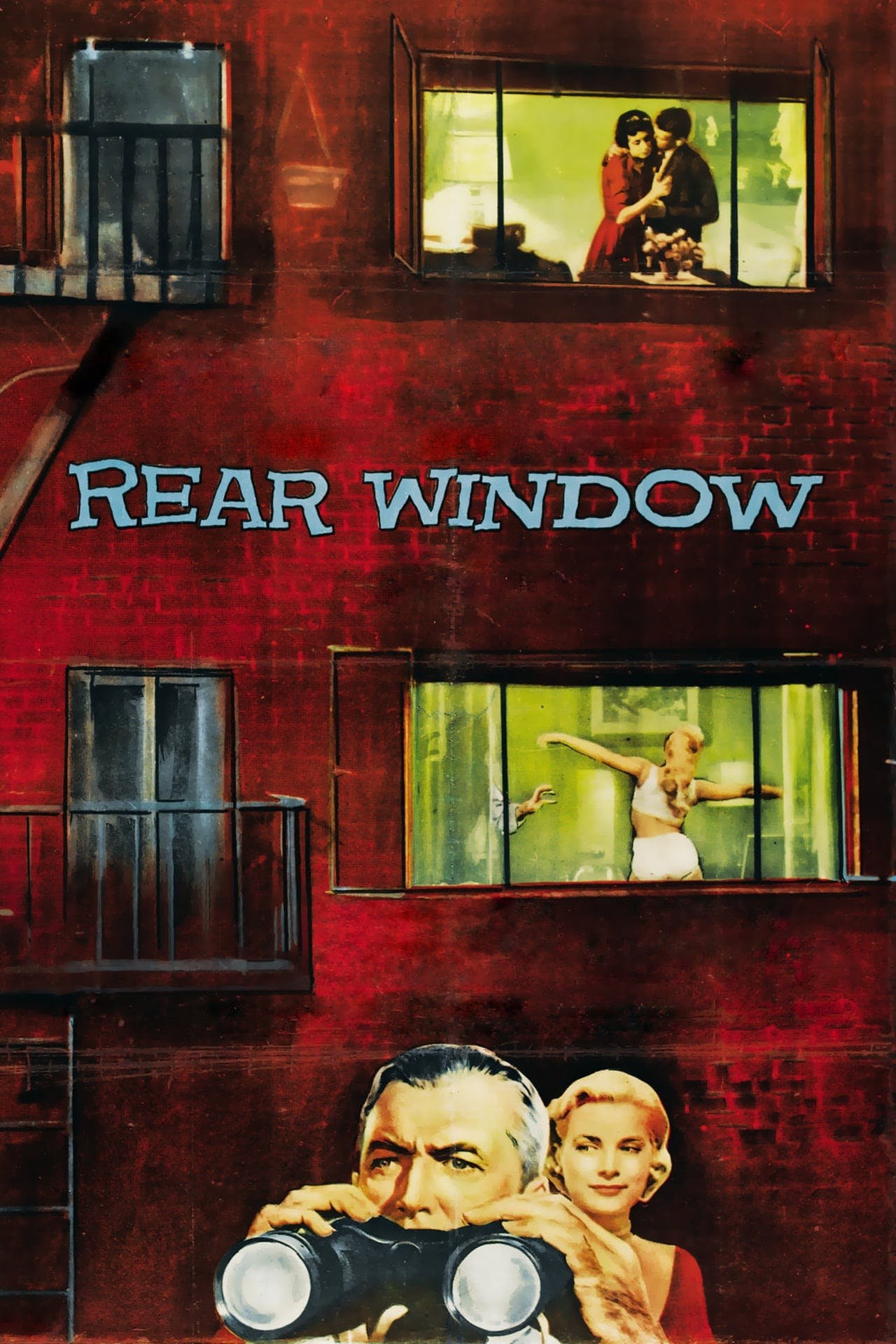
Alfred Hitchcock directs James Stewart and Grace Kelly in a story adapted from Cornell Woolrich’s short story It Had to Be Murder. The production built a large New York courtyard set on a soundstage with dozens of apartments wired for sound and lights, which allowed the camera to observe neighbors at different times and distances through windows.
The film uses a confined point of view from a photographer in a wheelchair who watches daily routines that begin to look suspicious. Robert Burks shot the color cinematography and Franz Waxman composed the score, and the narrative organizes evidence through binoculars, flashbulbs, and sightlines that emphasize how seeing can mislead.
‘Vertigo’ (1958)
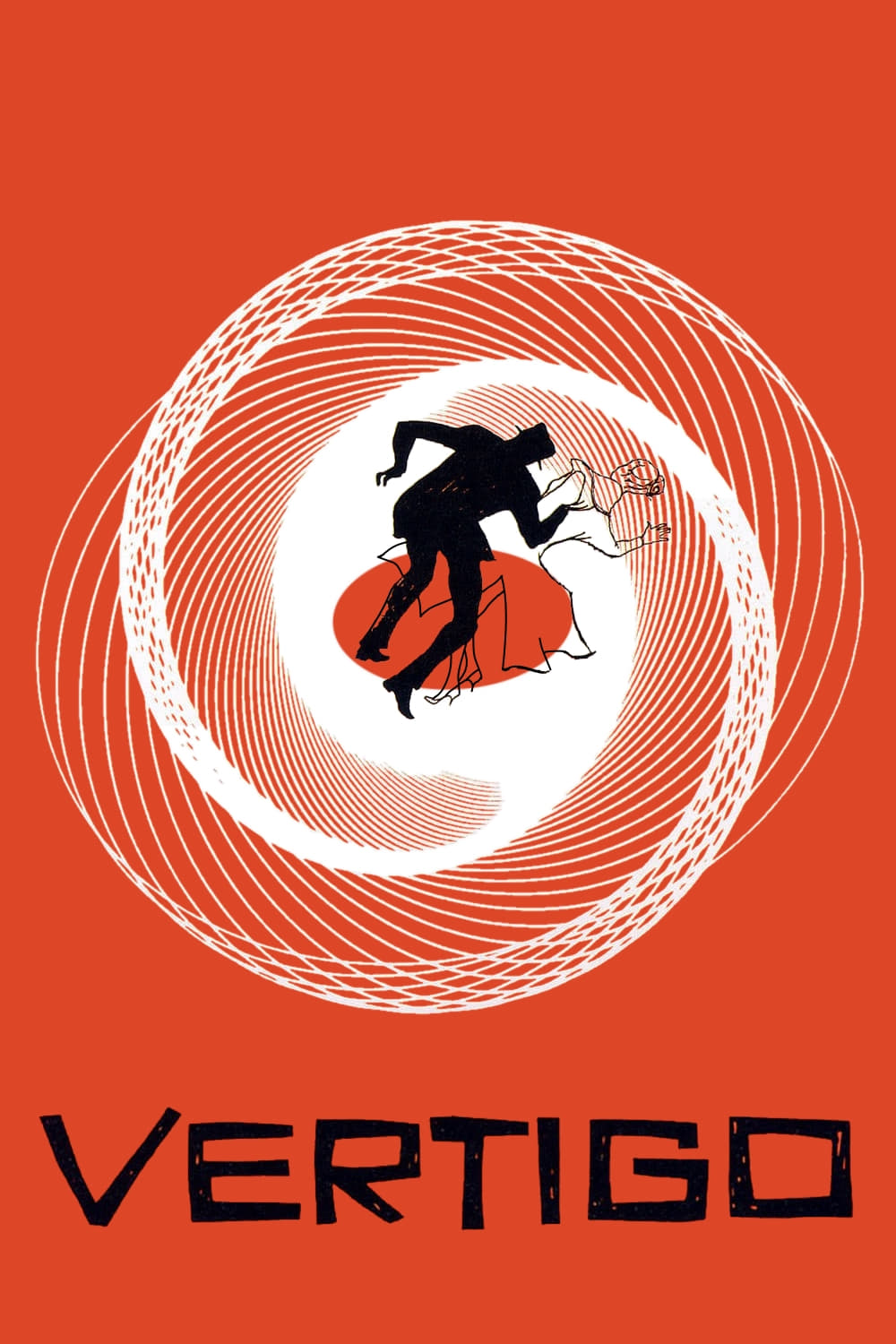
Alfred Hitchcock adapts the French novel by Boileau and Narcejac and sets the story in San Francisco locations that include the Golden Gate Bridge, Mission San Juan Bautista, and the Legion of Honor. James Stewart and Kim Novak lead the cast, and Bernard Herrmann’s score uses recurring motifs that mirror the film’s spirals and doubles.
The production combines rear projection, location photography, and visual effects to depict acrophobia and transformation. Source novel elements are reworked to fit the city’s geography, and recurring imagery like towers, bouquets, and color cues organize the investigation into identity and memory.
‘Chinatown’ (1974)
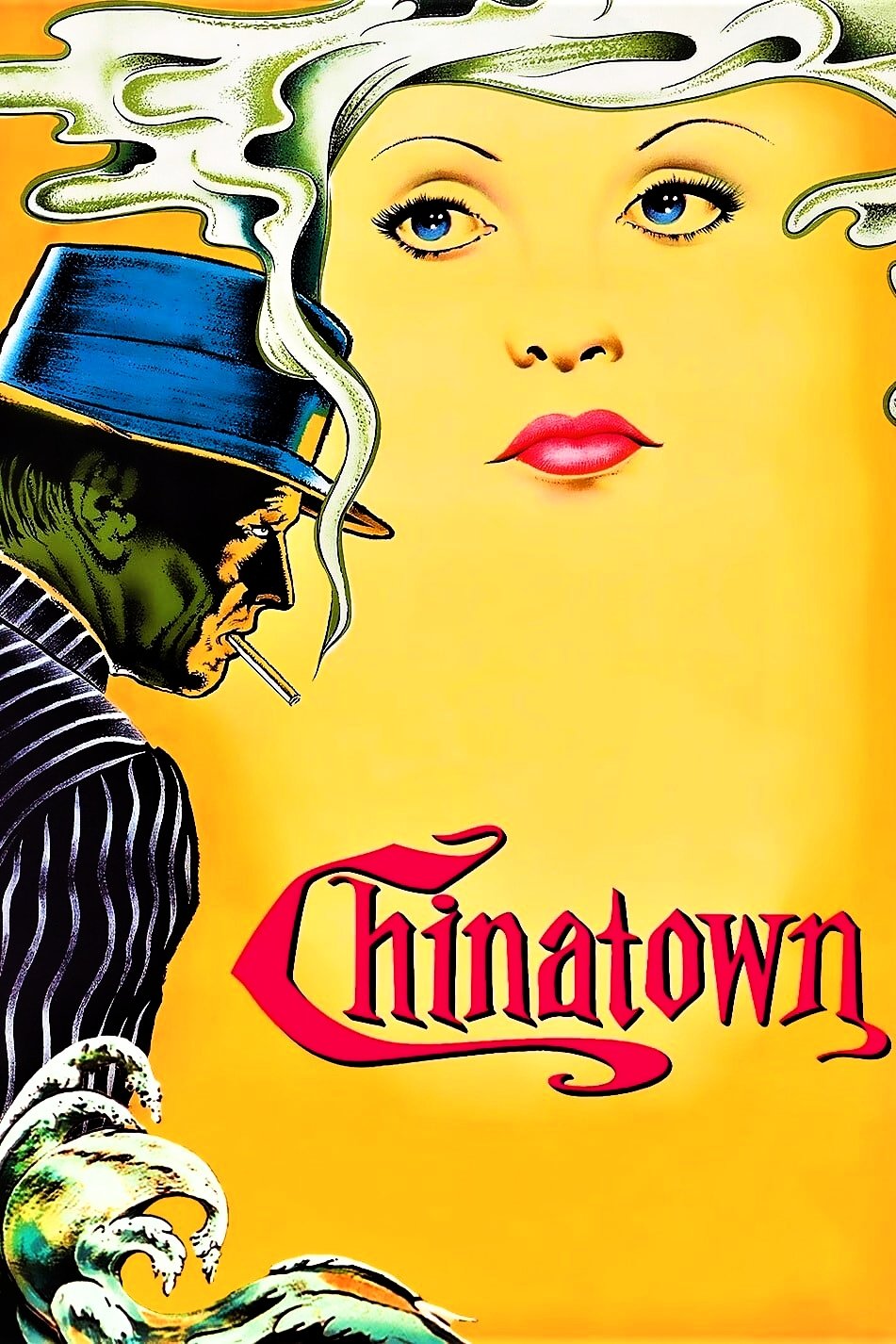
Robert Towne’s screenplay draws on Los Angeles water history from the early twentieth century and places a private investigator amid legal disputes and municipal expansion. Jack Nicholson and Faye Dunaway star under Roman Polanski’s direction, and John A. Alonzo’s cinematography presents period detail such as suits, cars, and neighborhoods from the 1930s.
Jerry Goldsmith’s music was recorded with a small ensemble that features trumpet and strings, which supports the period mood. The plot’s documents, land plats, and water flows function as clues, and the production uses real civic buildings and ranch locations to ground the case in the city’s changing landscape.
‘The Third Man’ (1949)
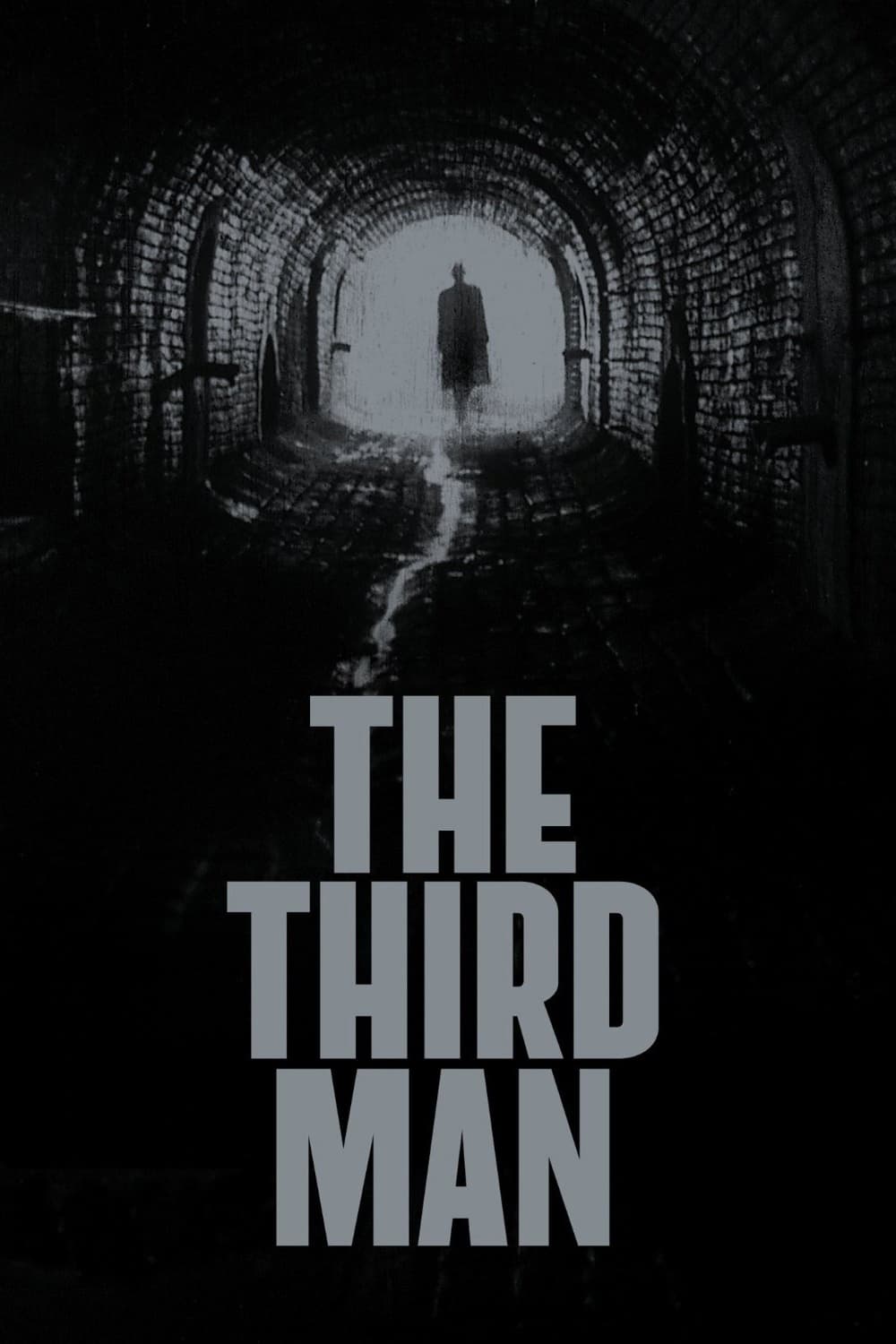
Carol Reed directs a story by Graham Greene set in postwar Vienna during Allied occupation, with Joseph Cotten as a writer and Orson Welles in a key role. The city’s divided zones, black market trade, and destroyed buildings provide the setting for meetings at the Prater Ferris wheel and pursuits in the sewers.
Anton Karas performs the zither music that became closely associated with the film, and Robert Krasker’s photography uses tilted angles and deep shadows that align with the distrust among characters. The narrative structure places letters, records, and eyewitness accounts as pieces that reshape the missing person investigation at every turn.
‘Se7en’ (1995)
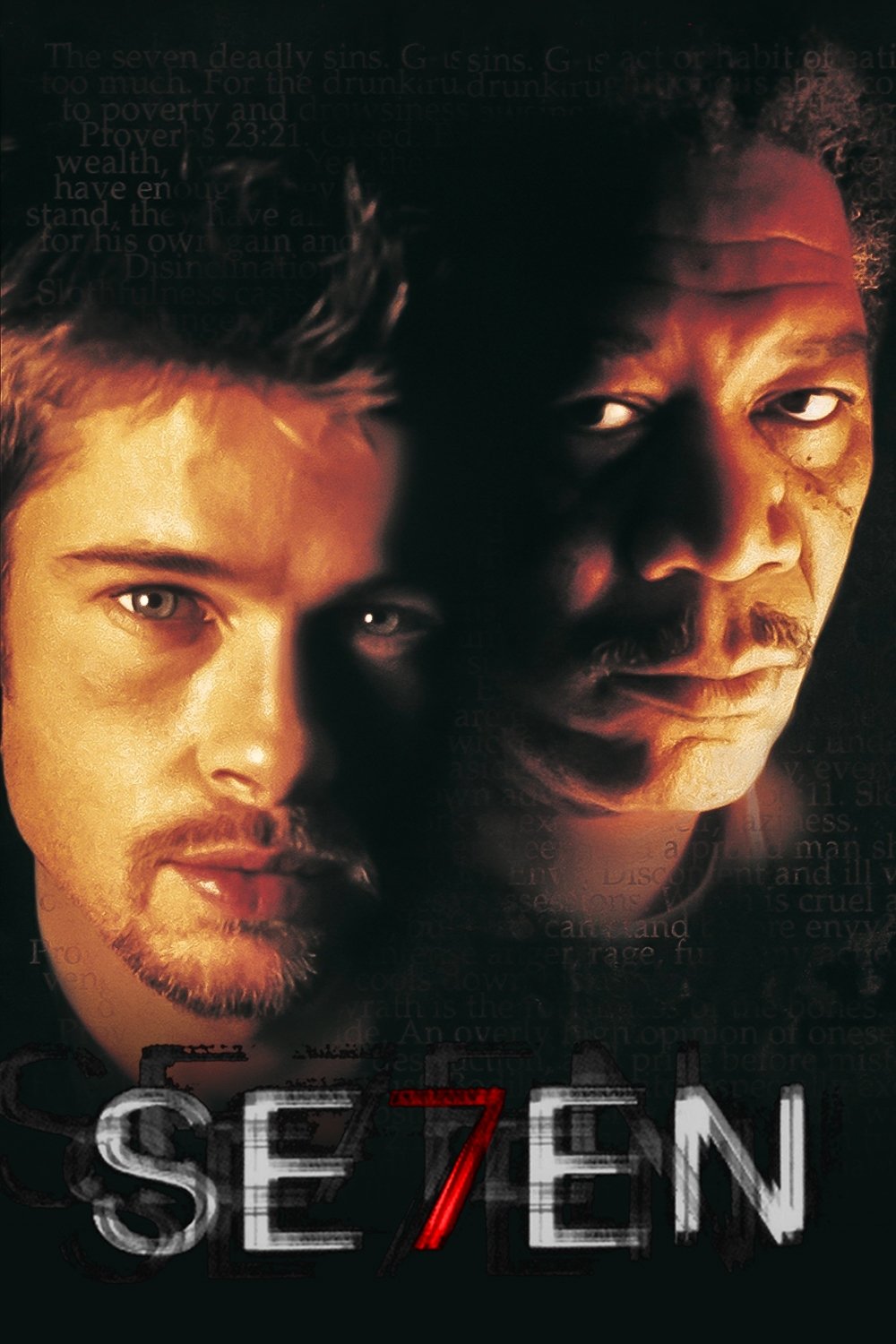
David Fincher directs Brad Pitt and Morgan Freeman as detectives who encounter crimes staged around seven deadly sins, with city locations photographed to appear rain soaked and decaying. Darius Khondji’s cinematography emphasizes low light and textured surfaces, and the title sequence assembles notebooks, scraps, and tools that foreshadow the evidence trail.
The production used practical effects for crime scenes and controlled lighting to keep environments oppressive and hard to read. Howard Shore’s music and careful sound design help mark shifts between crime scenes and police work, and the case advances through library research, forensic details, and anonymous records.
‘Zodiac’ (2007)
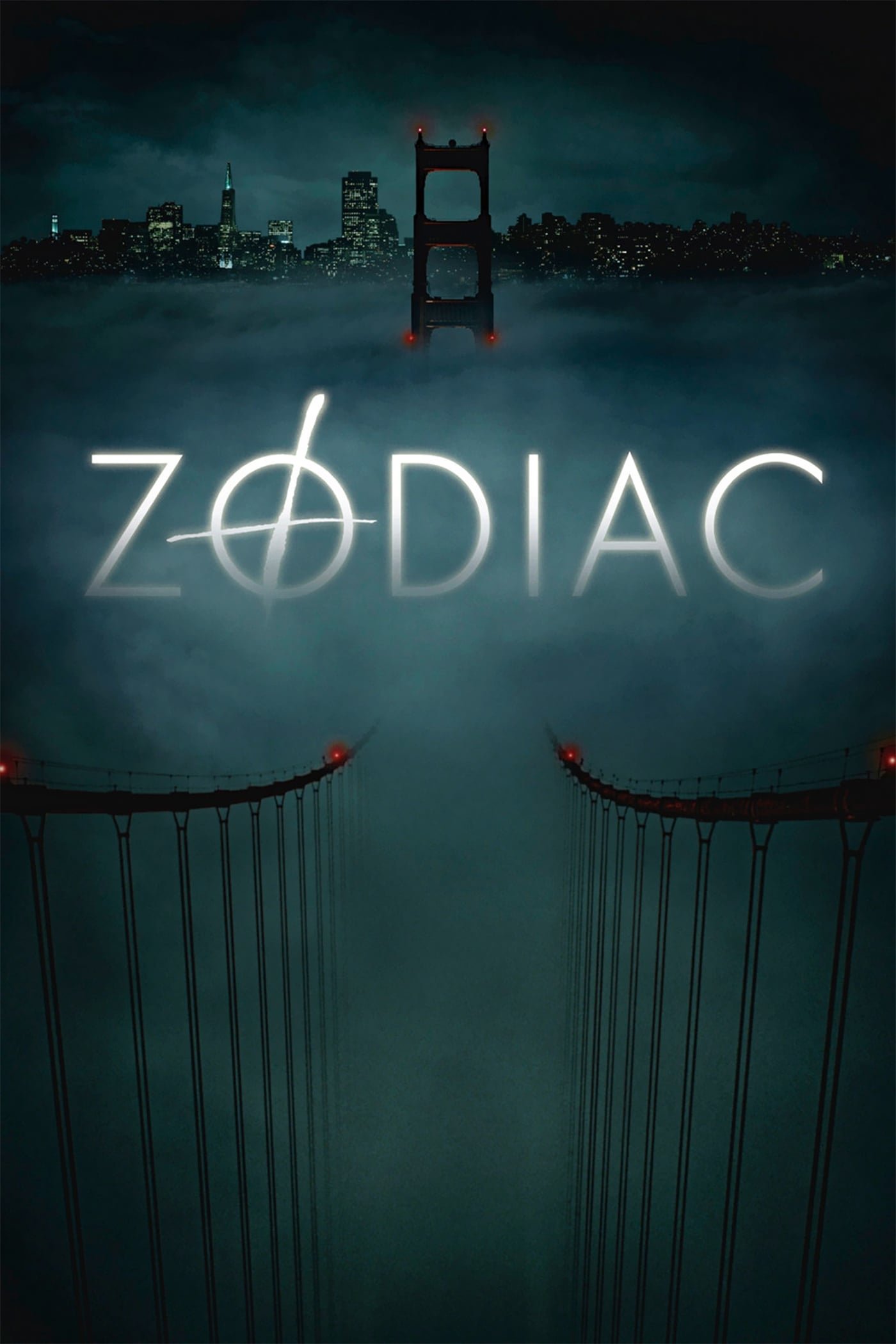
David Fincher adapts Robert Graysmith’s books about the Zodiac killer and follows journalists and police across San Francisco, Vallejo, and Napa through the 1960s and 1970s. Jake Gyllenhaal, Robert Downey Jr., and Mark Ruffalo lead the cast, and the timeline tracks letters, ciphers, and phone calls with dates and addresses pulled from case files.
The production employed an early digital workflow with extensive visual effects used to recreate period streets and skylines and to match camera moves across time. Interviews, handwriting analysis, and composite sketches are shown in detail, and the film aligns newspaper archives and case notes to present competing suspects and unresolved threads.
‘The Silence of the Lambs’ (1991)
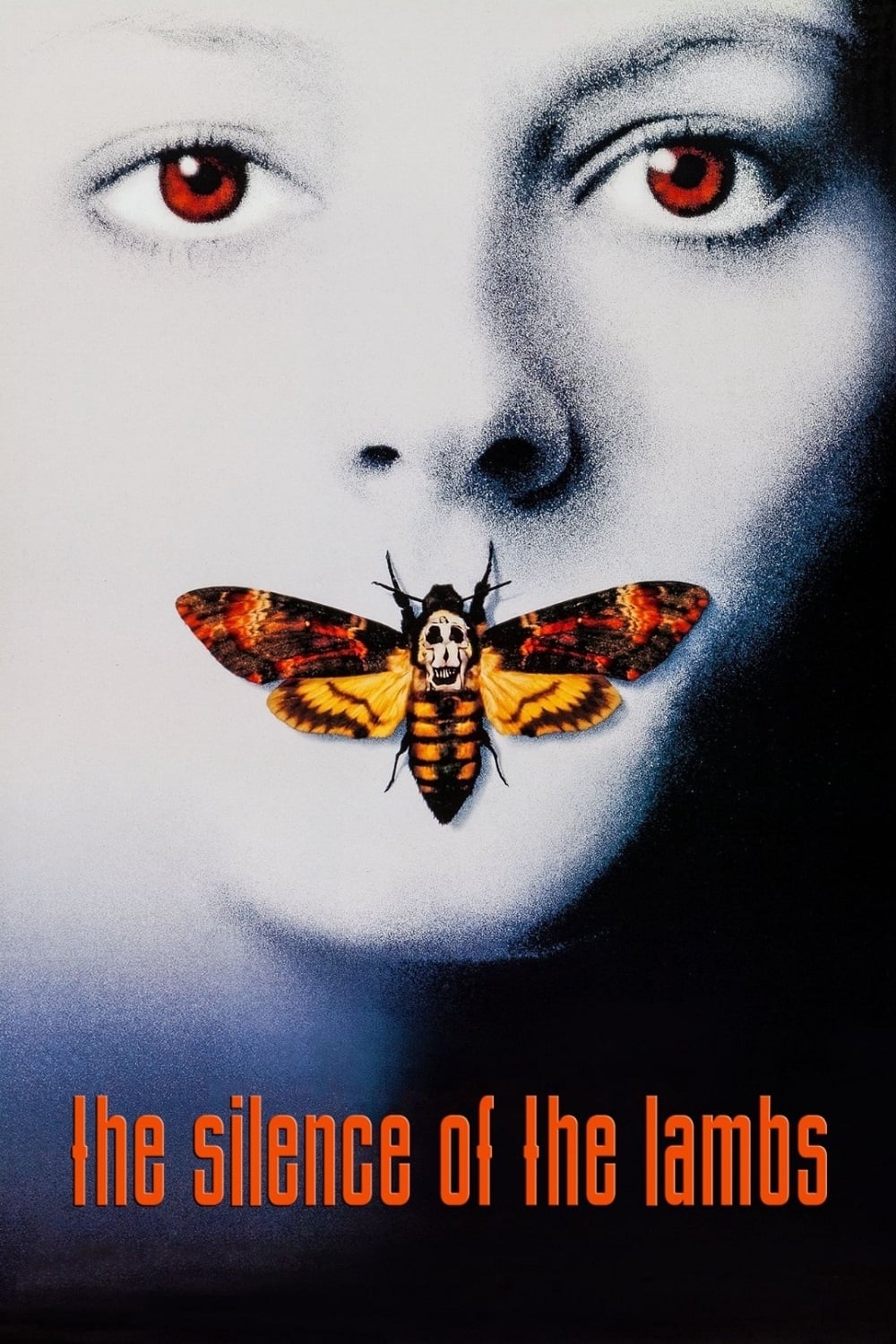
Jonathan Demme adapts Thomas Harris’s novel and follows an FBI trainee who seeks insight from a convicted psychiatrist while pursuing an active serial offender. Jodie Foster and Anthony Hopkins star, and the production worked with the FBI to depict training facilities and investigative procedures.
The film presents crime scene processing, behavioral analysis, and victimology as the basis for narrowing leads. It received major Academy Awards and influenced later depictions of forensic profiling, and the dialogue between interviewer and prisoner frames key information about method, motive, and personal history.
‘Memento’ (2000)
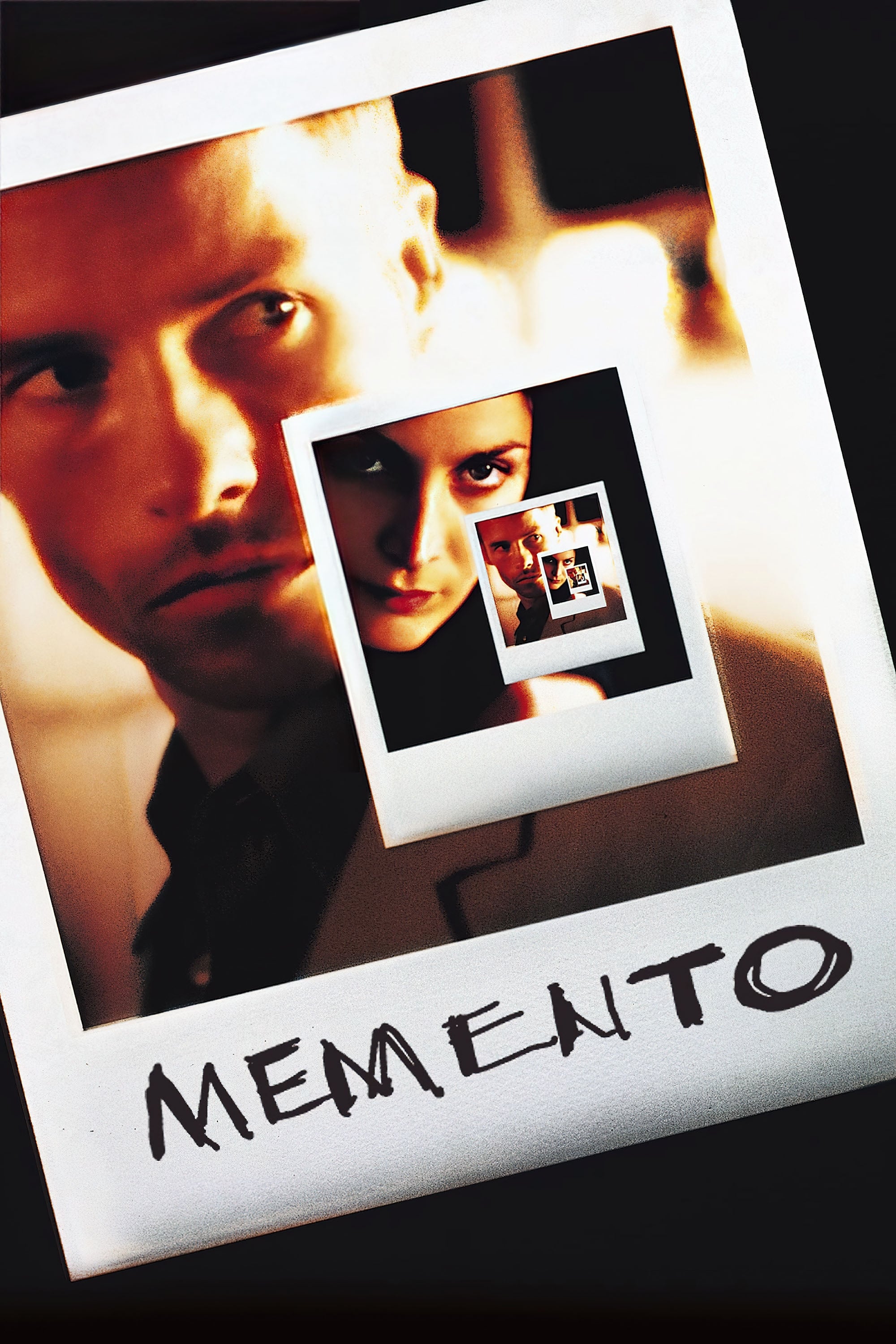
Christopher Nolan’s feature uses two interlaced timelines that move in opposite directions, one in black and white and one in color. Guy Pearce stars as a man with short term memory loss who relies on Polaroids and tattoos to track people and places tied to a violent crime.
The structure turns memory aids into physical clues, with each color scene starting where the next one ends to simulate disorientation. The story originated from Jonathan Nolan’s short story ‘Memento Mori’, and the production emphasizes analog tools like notes and photographs to keep evidence tangible.
‘The Usual Suspects’ (1995)
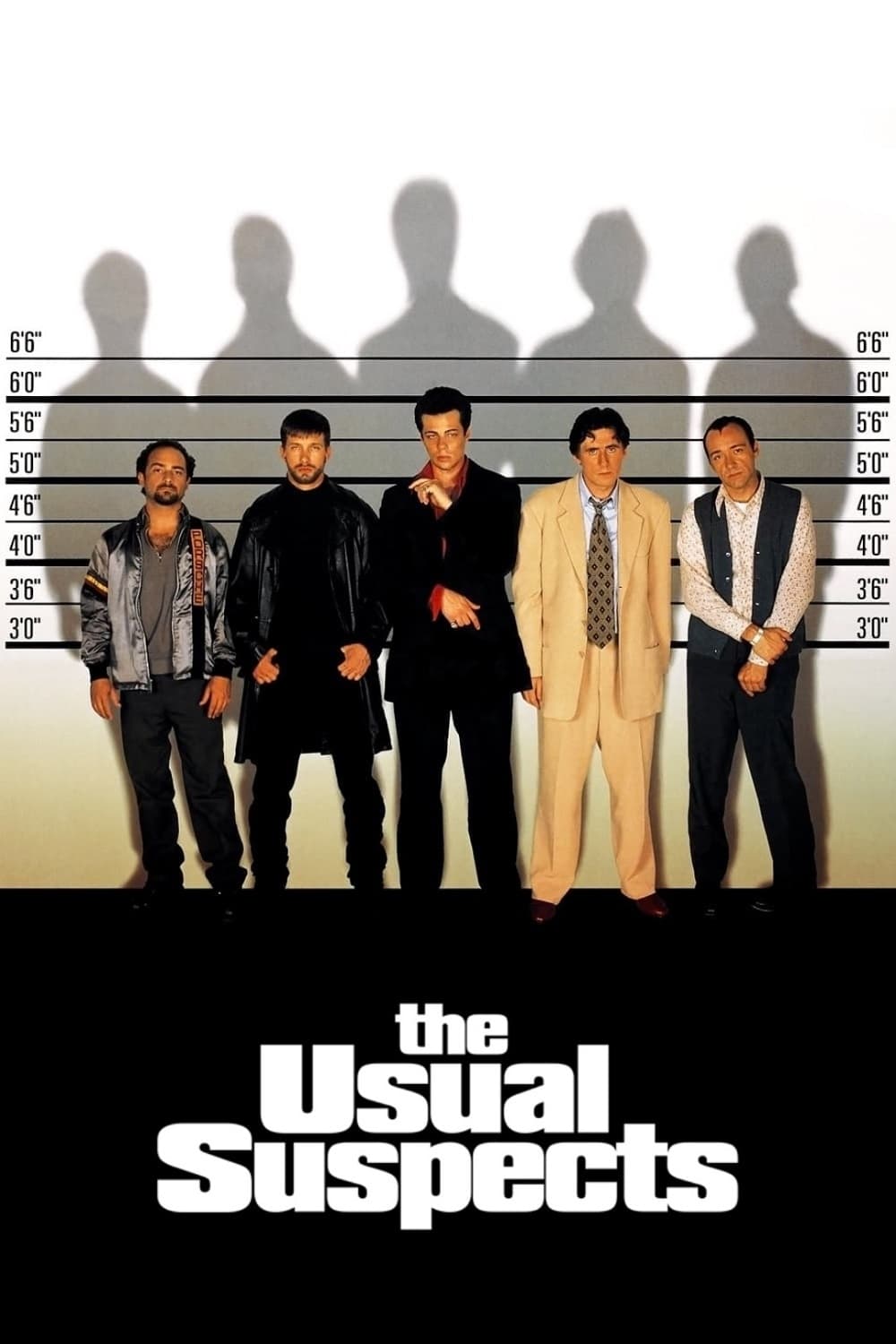
Bryan Singer directs a script by Christopher McQuarrie that follows a group of criminals brought together after a police lineup and interrogations that revolve around a mysterious figure. Kevin Spacey, Gabriel Byrne, and Benicio del Toro lead the ensemble as the narrative moves between present questioning and past operations.
The film uses voiceover from an unreliable narrator and inserts flashbacks that can be interpreted in different ways depending on what the audience accepts as true. The production shot on practical locations around Los Angeles, and the structure assembles names, signs, and objects that link back to statements given under pressure.
‘Mulholland Drive’ (2001)
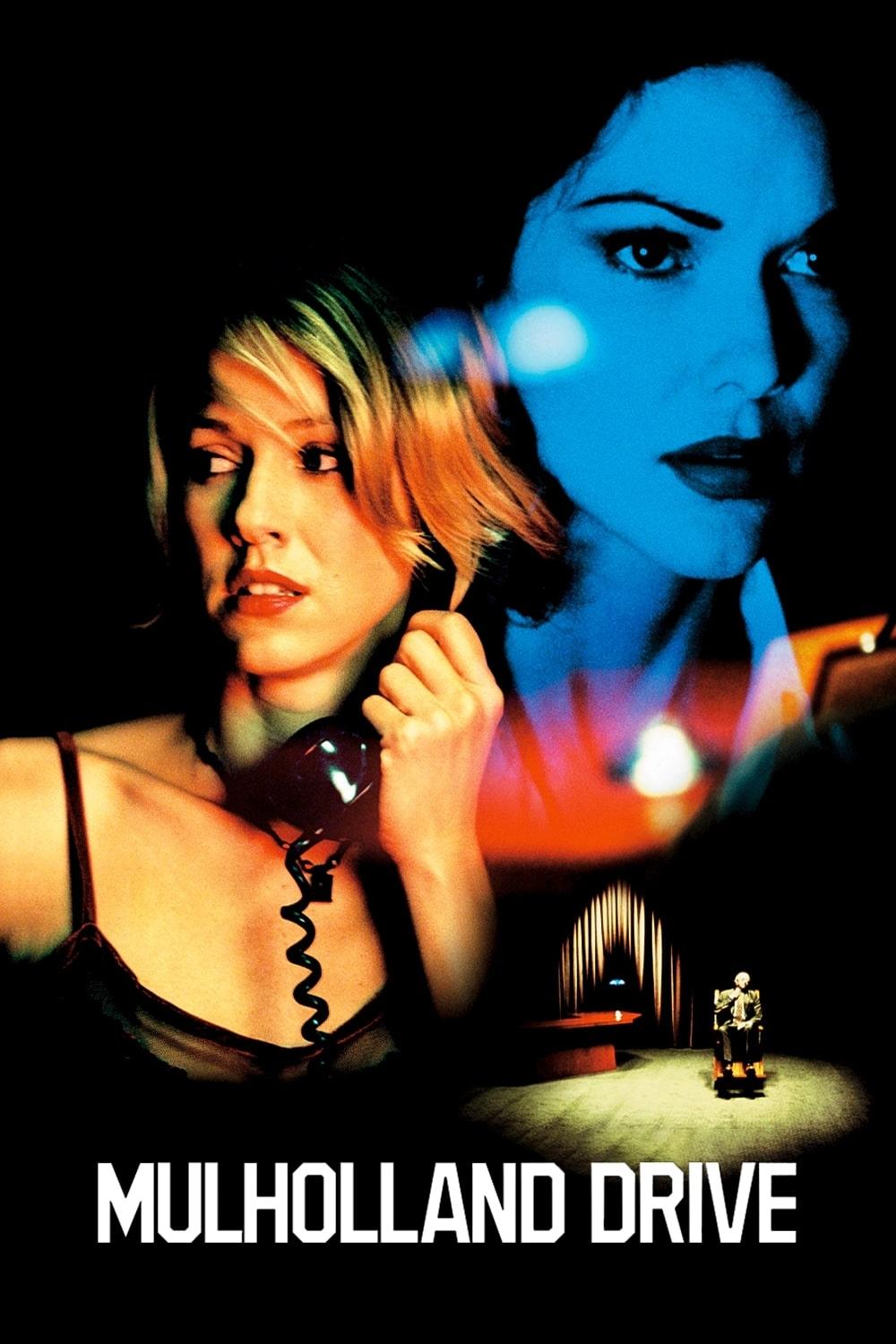
David Lynch developed this project from a network pilot that became a feature with additional material and a reedited structure. Naomi Watts and Laura Harring star in a story that uses Los Angeles neighborhoods, studios, and nightclubs to explore identity and performance in the film industry.
Angelo Badalamenti’s music and careful sound design position certain spaces as thresholds where the narrative shifts. The film aligns key props, audition scenes, and apartment addresses as recurring markers, and the change from pilot material to feature footage creates deliberate echoes that act like clues.
‘Oldboy’ (2003)
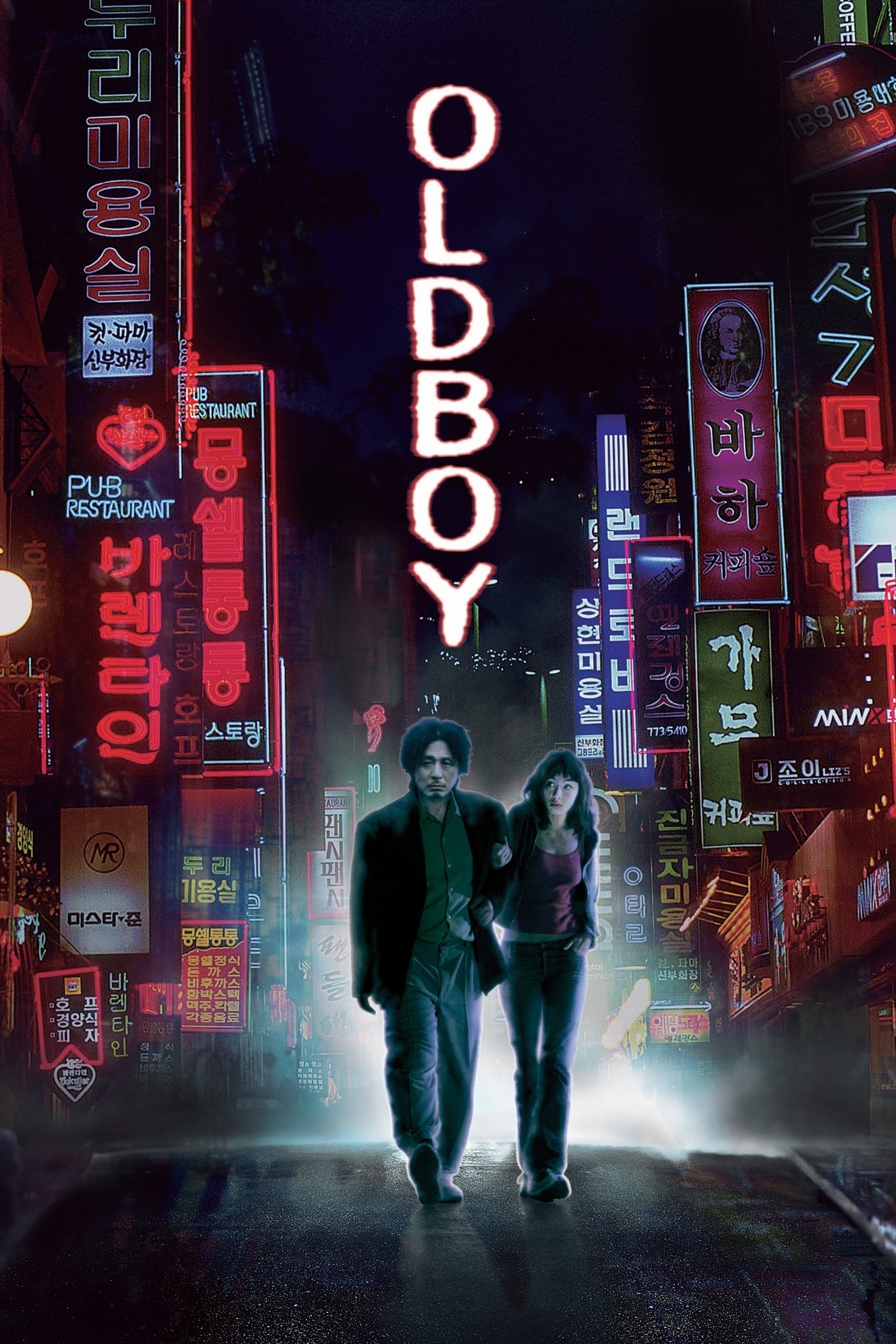
Park Chan wook adapts a manga and follows a man who is abducted and confined for years and then released without explanation. Choi Min sik stars and the story tracks investigations into the reason behind the captivity using names, school records, and family histories.
The production is noted for a hallway fight staged as a long take with carefully coordinated movement and framing. The film is part of the director’s Vengeance Trilogy and won the Grand Prix at Cannes, and its investigation intersects with themes of memory, identity, and retribution through documents and staged revelations.
‘The Girl with the Dragon Tattoo’ (2011)
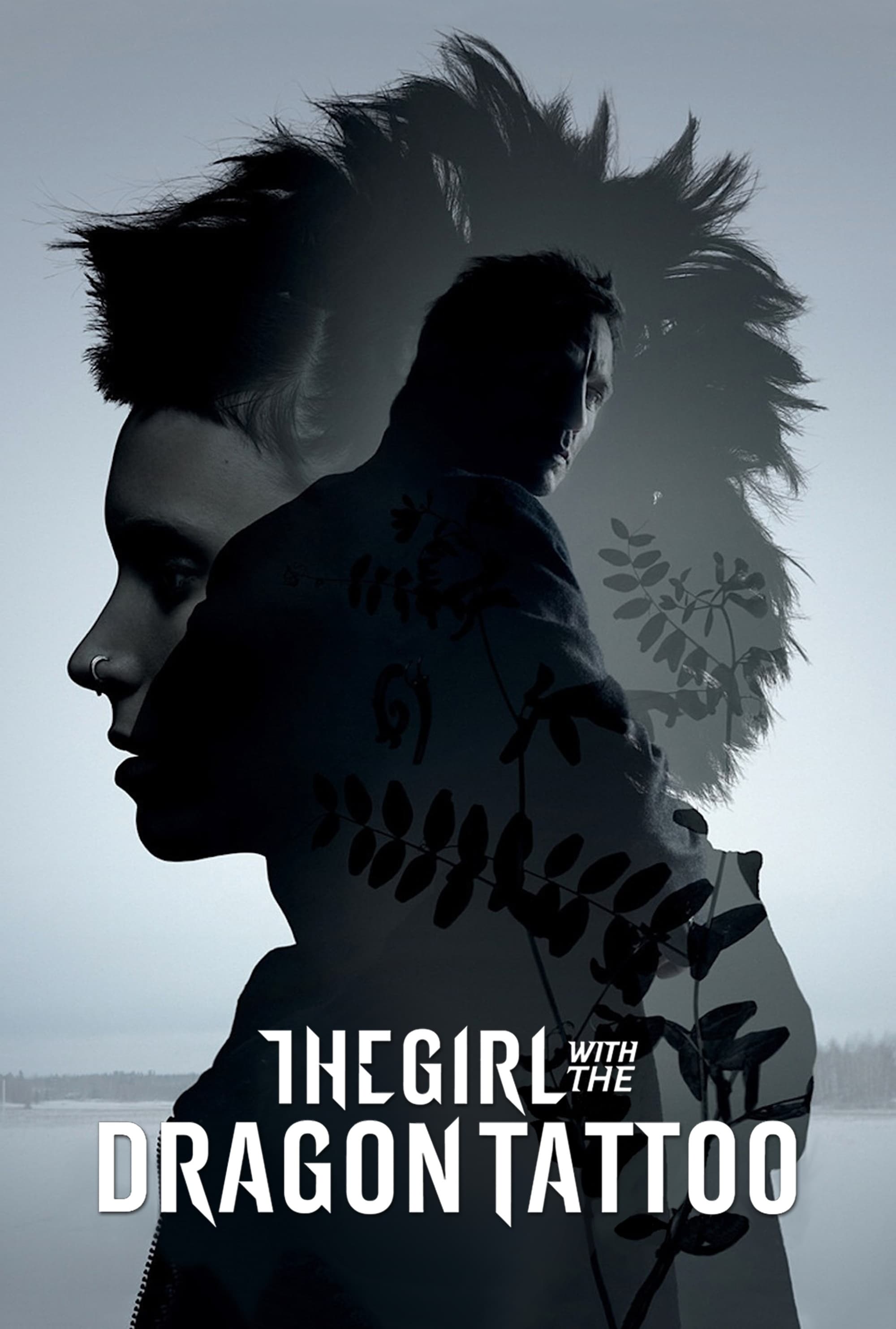
David Fincher adapts Stieg Larsson’s novel and pairs a journalist with a hacker to reexamine a disappearance in a wealthy family. Rooney Mara and Daniel Craig lead the cast, and the investigation organizes photographs, corporate records, and archived articles into a grid of data points.
The production filmed in Sweden and used winter locations to match the book’s setting, and Trent Reznor and Atticus Ross composed the score. The case proceeds through code breaking, financial tracing, and family lineage mapping, which turn a single missing person case into a broader pattern of related crimes.
‘Gone Girl’ (2014)
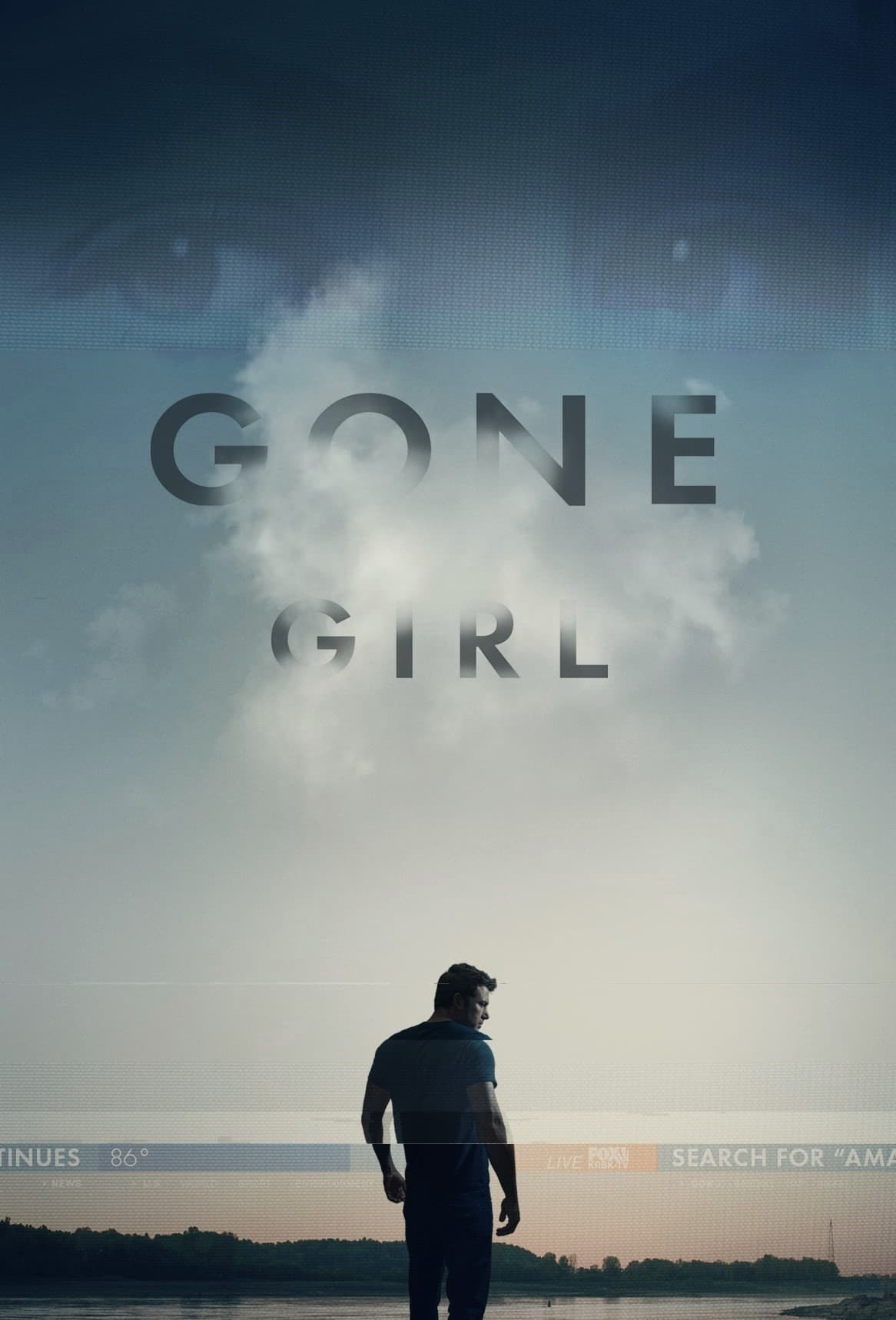
David Fincher works from Gillian Flynn’s adaptation of her own novel and follows a marriage placed under public scrutiny after a disappearance. Rosamund Pike and Ben Affleck star, and the film’s timeline alternates between present coverage and past diary entries that are examined for reliability.
The production uses television interviews, press conferences, and neighborhood searches to show how media shapes investigations. Trent Reznor and Atticus Ross provide an electronic score, and the story relies on financial transactions, written notes, and staged scenes that require forensic and behavioral analysis.
‘Prisoners’ (2013)
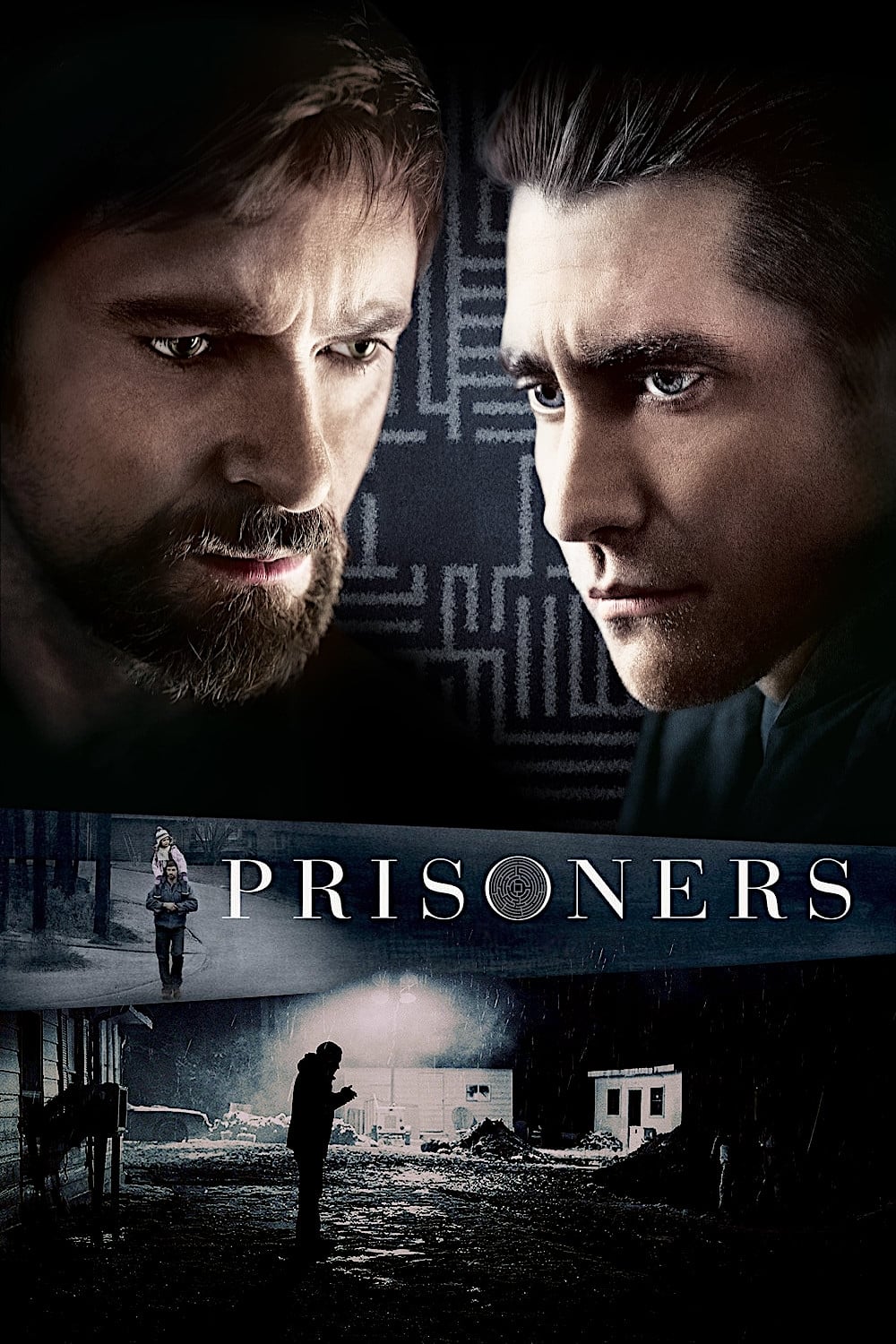
Denis Villeneuve directs Hugh Jackman and Jake Gyllenhaal in a case that begins with two missing children in Pennsylvania. Roger Deakins serves as cinematographer, and the setting includes suburban streets, wooded edges, and industrial spaces that become central to searches and interrogations.
The narrative examines evidence such as parked vehicles, old case files, and handmade objects that recur across different locations. The film tracks how leads branch into dead ends and reappear through overlooked details, and Jóhann Jóhannsson’s music supports a mood of steady pressure on the investigators and the families.
‘L.A. Confidential’ (1997)

Curtis Hanson adapts James Ellroy’s novel about Los Angeles police and the entertainment press in the early 1950s. Russell Crowe, Guy Pearce, and Kim Basinger lead the cast, and production design reconstructs nightclubs, precincts, and apartment interiors from the period.
The case involves celebrity scandals, organized crime, and political pressure that converge in a series of raids and interrogations. Jerry Goldsmith’s score, vintage cars, and newsroom layouts help map the network of relationships, and the film received Academy Awards including one for Supporting Actress.
‘The Big Sleep’ (1946)
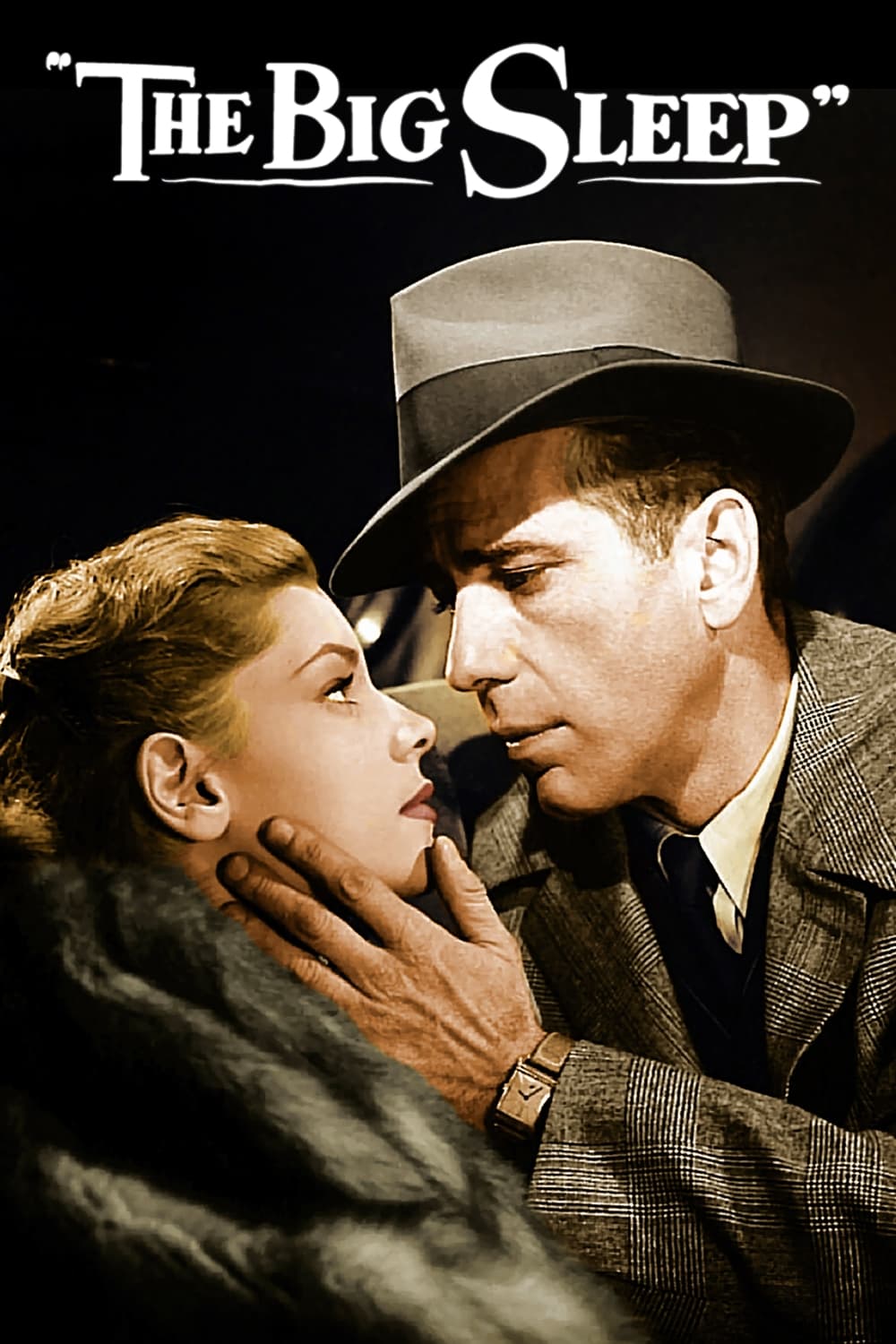
Howard Hawks adapts Raymond Chandler’s novel and reunites Humphrey Bogart and Lauren Bacall. The story begins with a family blackmail problem and expands to gambling, bookstores, and a series of disappearances.
The screenplay involved Leigh Brackett, William Faulkner, and Jules Furthman, and the production reworked scenes after preview screenings to clarify relationships. The adaptation condenses Chandler’s plot while preserving multiple suspects and overlapping crimes that keep the investigation active across the city.
‘Rebecca’ (1940)
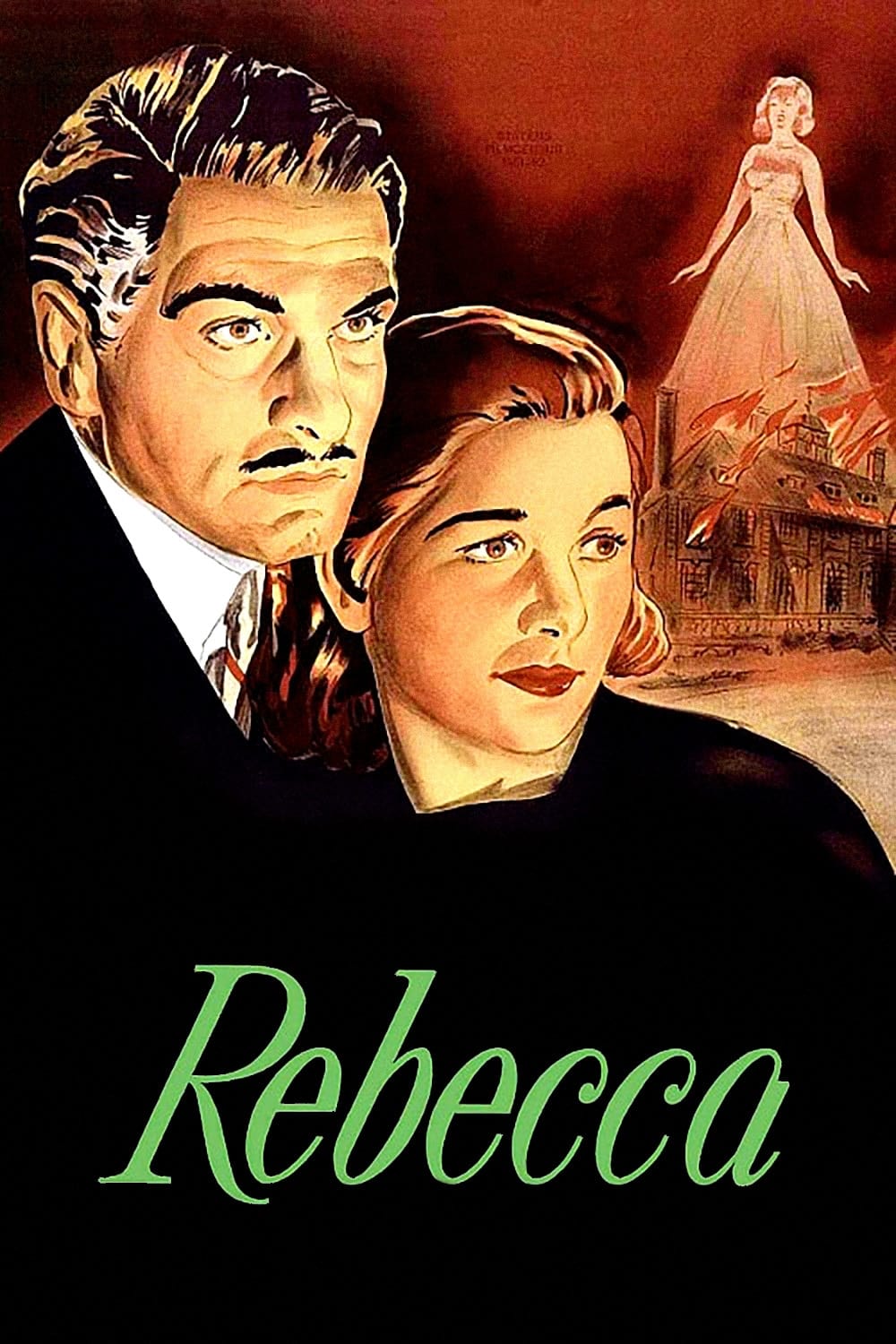
Alfred Hitchcock adapts Daphne du Maurier’s novel with Joan Fontaine and Laurence Olivier, produced by David O. Selznick. The story centers on an estate in Cornwall, with sets that include the grand house Manderley and its boathouse and west wing.
The production combines studio craftsmanship with rear projection for coastal views and uses light and shadow in corridors and staircases to signal memory and presence. The film won the Academy Award for Best Picture and presents secrets through letters, diaries, and household routines that control who learns what and when.
‘Double Indemnity’ (1944)
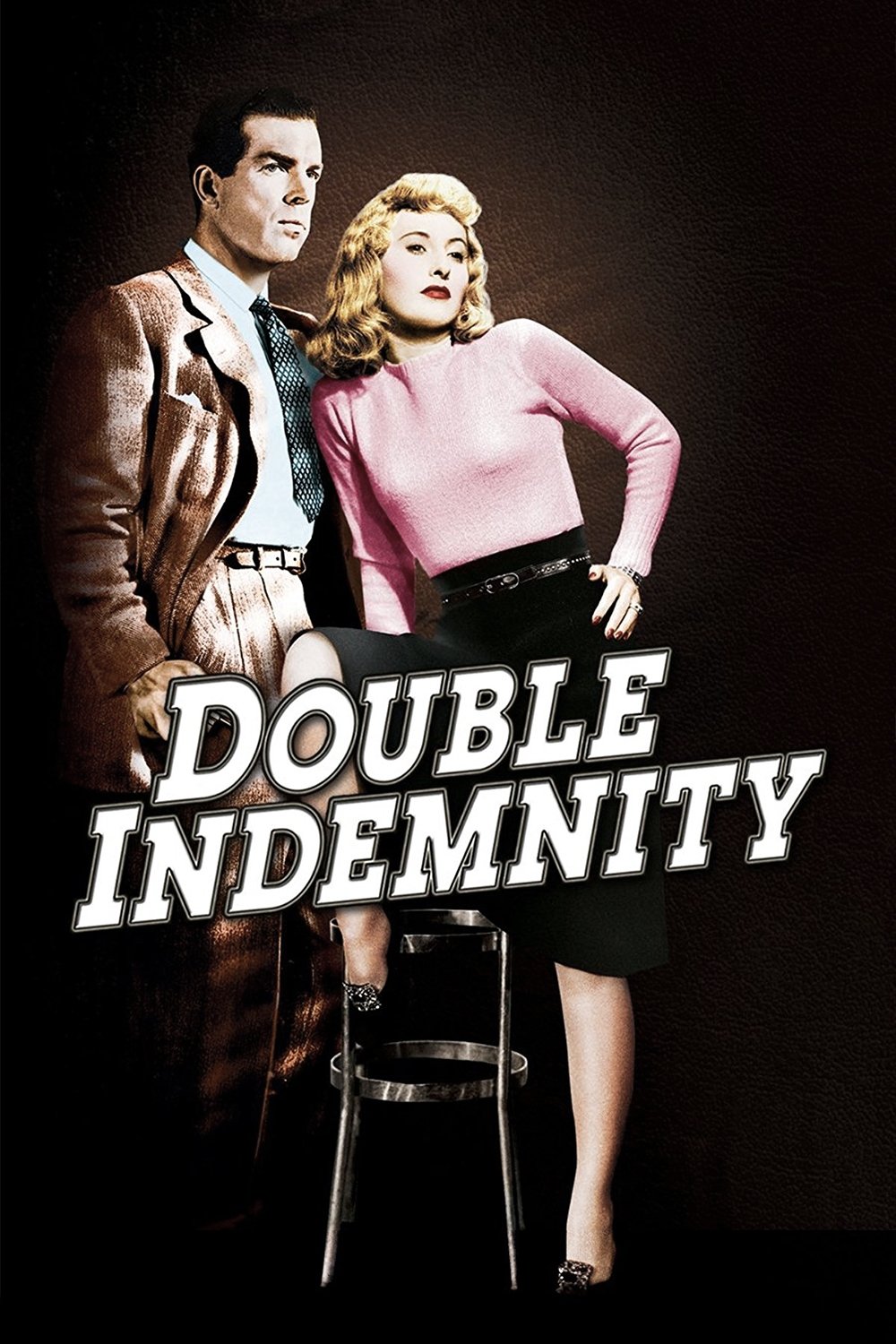
Billy Wilder directs a story based on James M. Cain’s novella, co written with Raymond Chandler. Fred MacMurray, Barbara Stanwyck, and Edward G. Robinson star in a plot that details an insurance scheme and the procedures used to verify claims.
The film uses voiceover confession, flashbacks, and dates and amounts from policy paperwork as key evidence. Office layouts, recording devices, and train schedules supply factual anchors for the timeline, and the narrative shows how actuarial logic and human motive intersect in corporate systems.
‘The Maltese Falcon’ (1941)
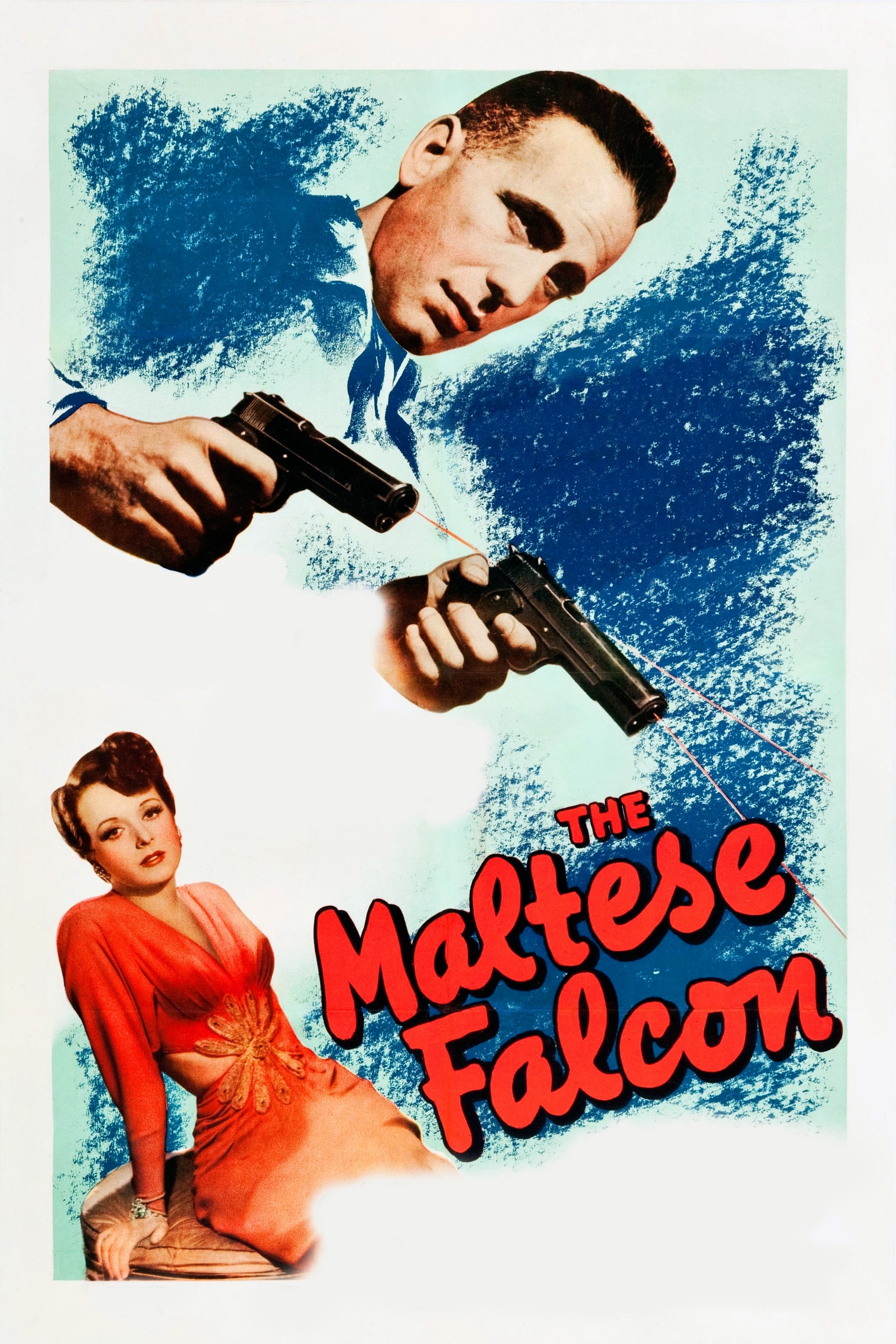
John Huston adapts Dashiell Hammett’s novel with Humphrey Bogart as a private detective who becomes involved with a group seeking a valuable statuette. Mary Astor, Peter Lorre, and Sydney Greenstreet are central to the ensemble, and the story moves between offices, apartments, and a ship registry.
The production foregrounds documents such as bills of lading and letters of provenance to establish ownership claims. Huston’s script closely follows the book’s dialogue and scene order, and the film launched Sydney Greenstreet’s screen career while setting a template for hardboiled investigation on film.
‘And Then There Were None’ (1945)
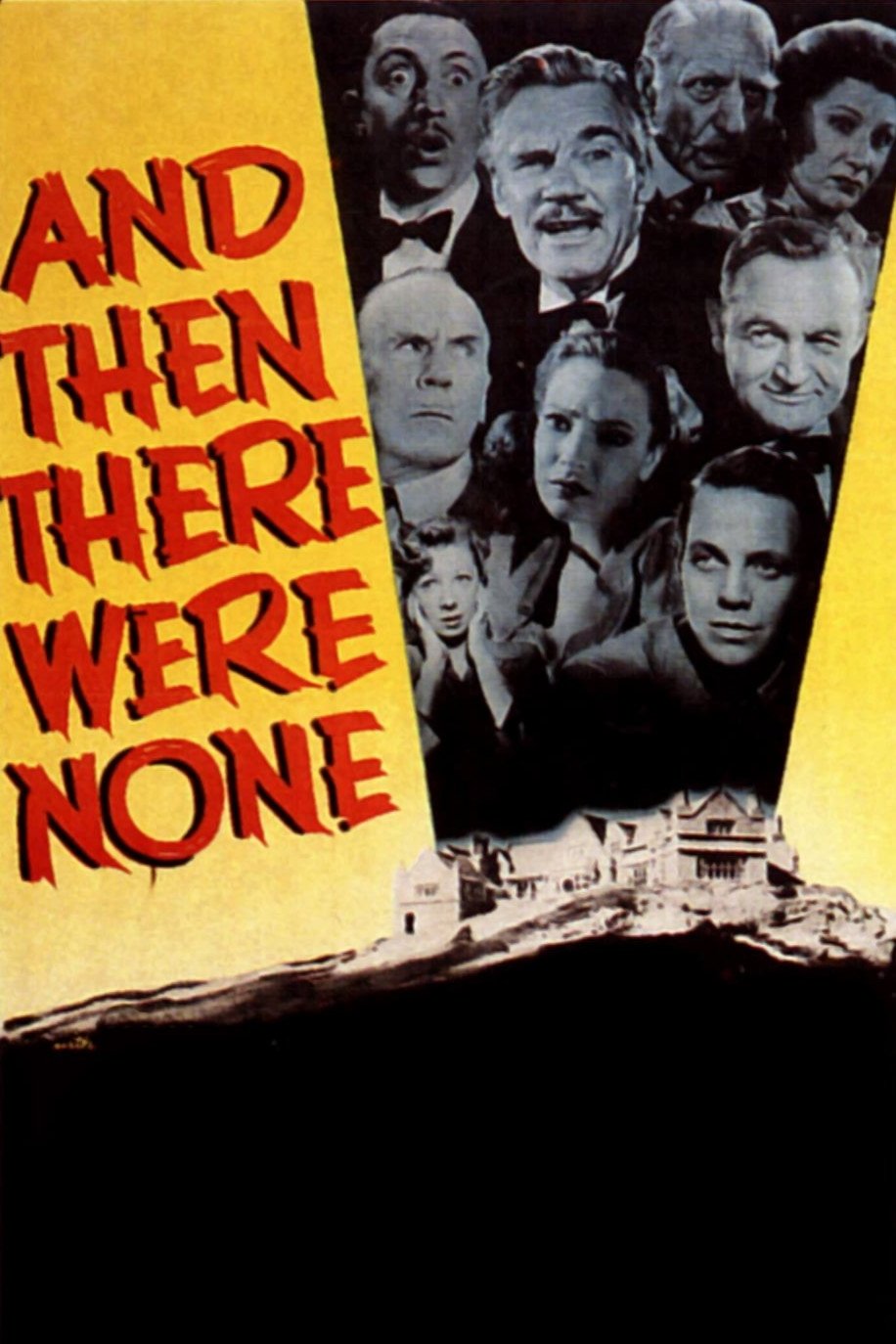
René Clair adapts Agatha Christie’s novel and places ten strangers in an island house where recorded accusations and a nursery rhyme structure a sequence of deaths. The film uses a single location with dining room, bedrooms, and cliffs that restrict movement and force characters to track alibis by timepiece.
The adaptation softens certain elements from the novel while retaining elimination through rhyme verses that are removed one by one. Casting includes Barry Fitzgerald and Walter Huston, and the production uses props like figurines, keys, and bottles to formalize the rules of suspicion inside the house.
‘Murder on the Orient Express’ (1974)
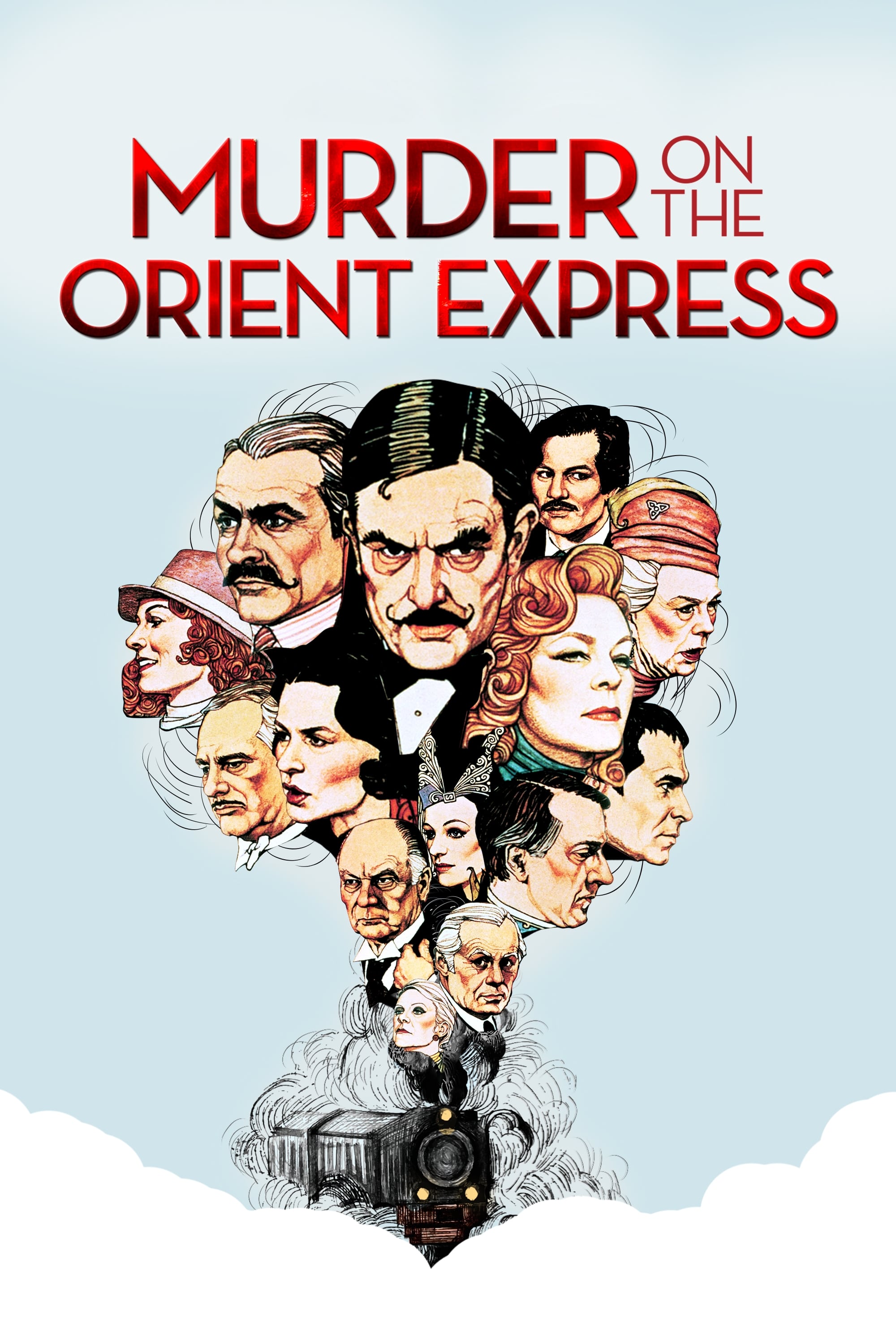
Sidney Lumet directs this Agatha Christie adaptation with Albert Finney as Hercule Poirot and an ensemble that includes Lauren Bacall, Ingrid Bergman, and Sean Connery. The production built train sets and used period costumes and lighting to represent luxury rail travel across snowy terrain.
The case structure presents multiple interviews in a confined space and cross checks witness statements against passenger lists and luggage. Ingrid Bergman won an Academy Award for Supporting Actress, and the script aligns tickets, compartment diagrams, and meal times as a grid for tracking movement.
‘Witness for the Prosecution’ (1957)
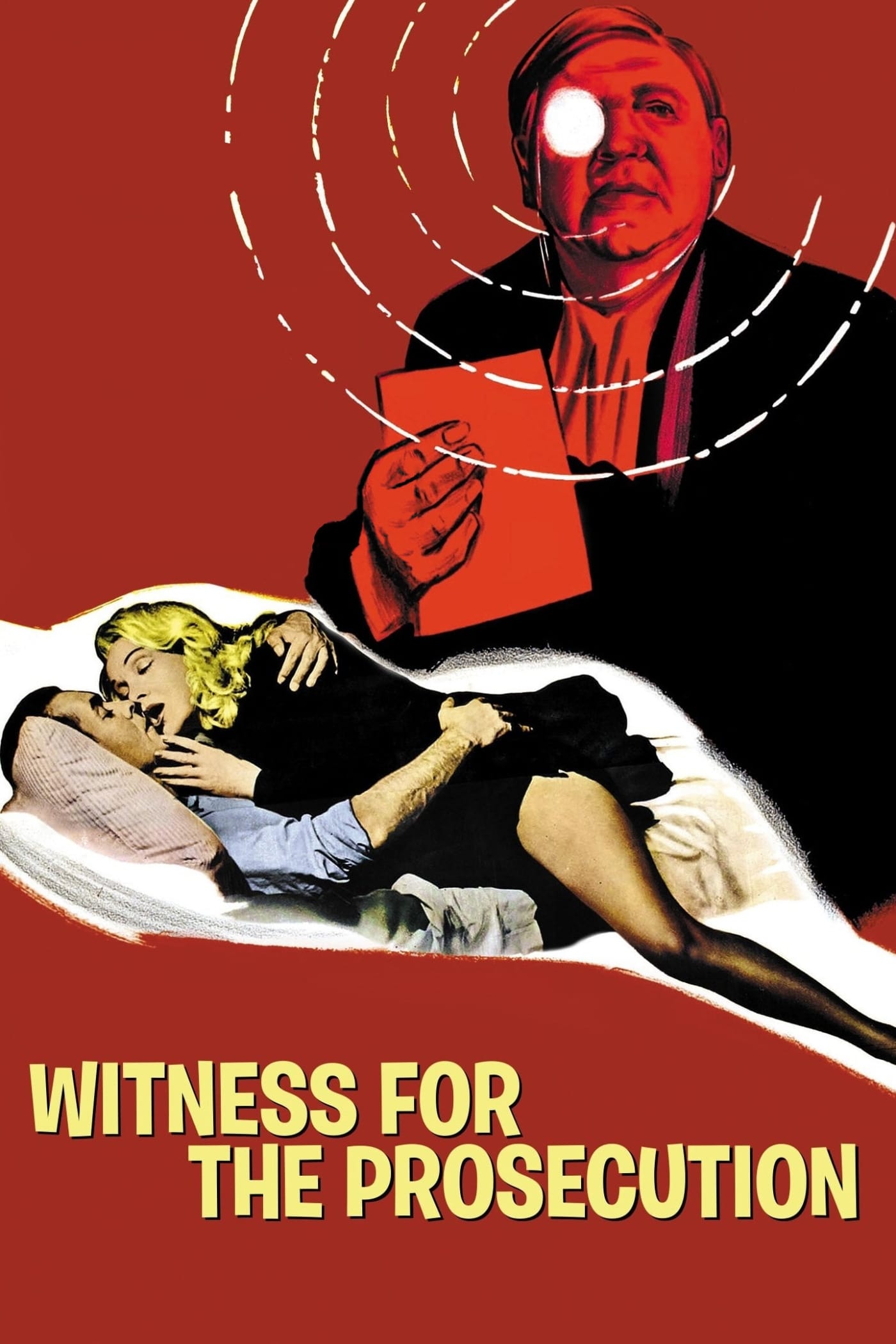
Billy Wilder adapts Agatha Christie’s stage play and centers on a barrister at the Old Bailey who defends a man accused of murder. Charles Laughton, Tyrone Power, and Marlene Dietrich headline, and the courtroom setting shapes how evidence and testimony are revealed.
The film preserves theatrical qualities such as surprise witnesses and strategic cross examination while adding cinematic scenes that show events outside the courtroom. Production design recreates chambers, hospitals, and flats, and the script uses letters, travel records, and personal histories to test credibility.
‘The Secret in Their Eyes’ (2009)
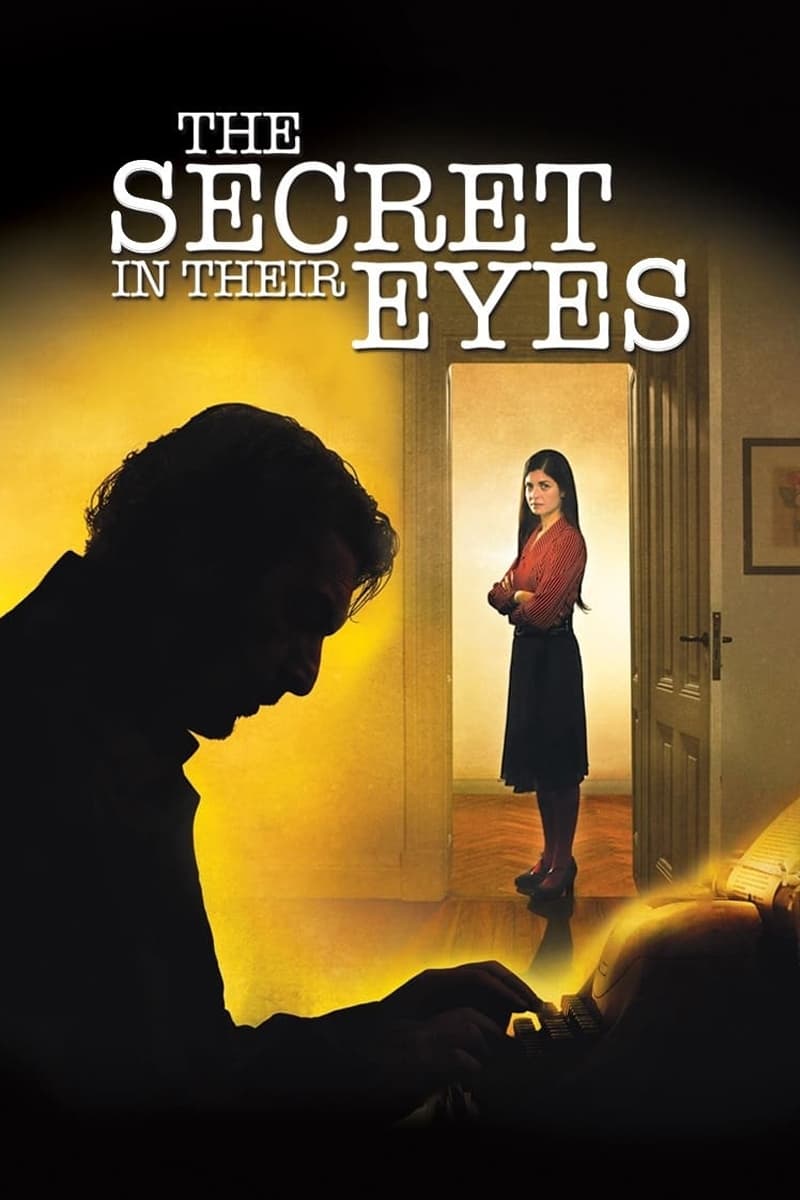
Juan José Campanella directs this Argentine film based on a novel by Eduardo Sacheri and sets the investigation across two time periods. Ricardo Darín and Soledad Villamil lead the cast, and a key sequence uses a long camera move set in a football stadium that connects a crowd search to a chase.
The narrative balances a criminal case with the long term impact on the investigators, using case files, typewritten reports, and photographs as anchors. The film won the Academy Award for Best Foreign Language Film and presents a justice system shaped by political conditions and personal decisions.
‘Memories of Murder’ (2003)
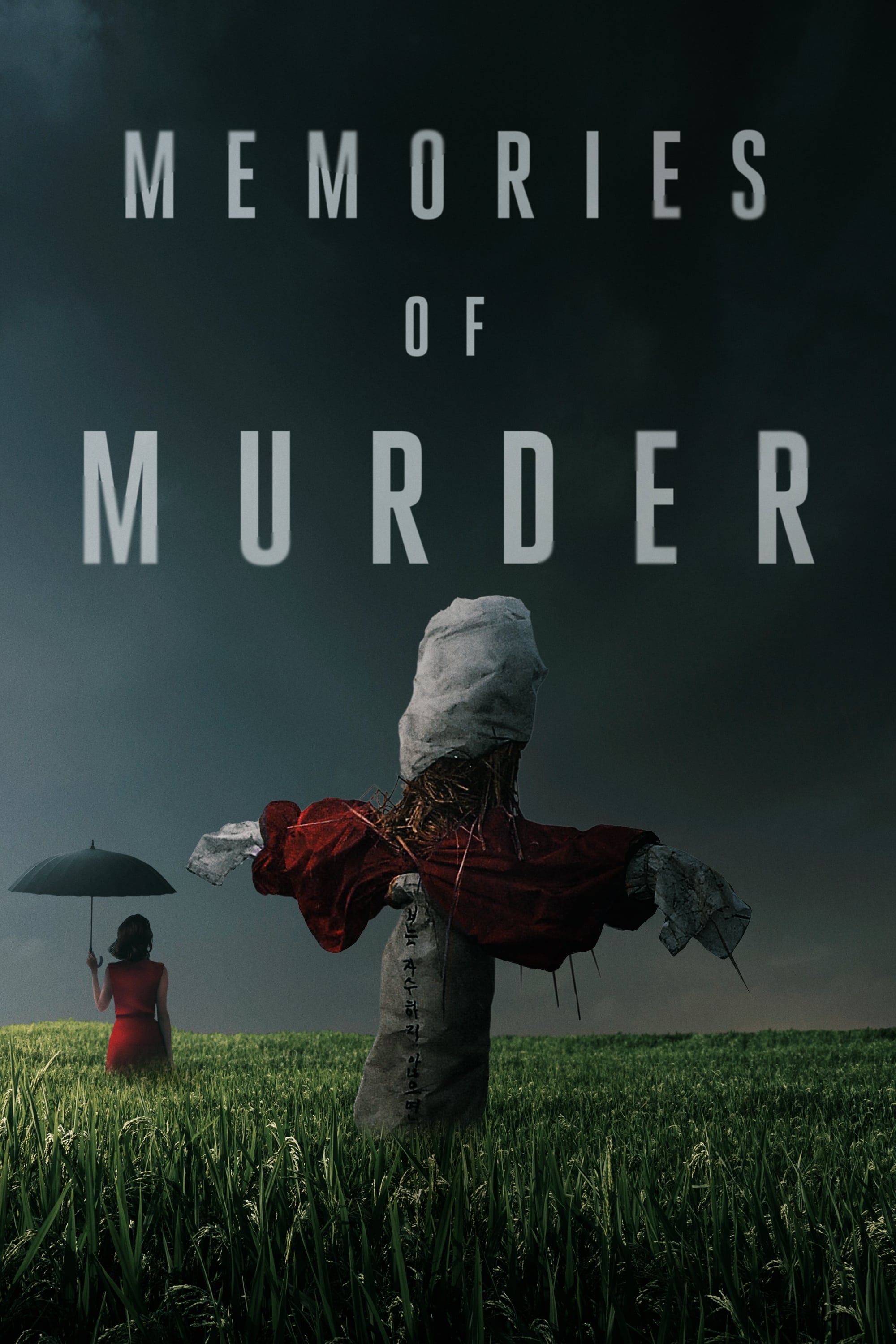
Bong Joon ho dramatizes the Hwaseong serial murder cases and follows local detectives whose methods change over time as new techniques and leads emerge. Song Kang ho and Kim Sang kyung star, and the timeline runs from the mid 1980s to the early 1990s as investigators confront limited resources.
The production shows how forensic advances such as DNA testing became available after the earliest crimes, which affected the ability to match evidence. Fields, tunnels, and interrogation rooms provide recurring spaces, and the script uses witness statements and everyday items to show how small details can reshape a case.
‘Spoorloos‘ (1988)

George Sluizer adapts Tim Krabbé’s novella The Golden Egg and tells a story about a disappearance on a roadside during a holiday trip. Gene Bervoets and Johanna ter Steege star, and the film alternates between the search by the partner and the perspective of the man responsible.
The structure reveals planning and repetition in a way that explains method without relying on spectacle. The director later made an American remake of the story, and the original film uses postcards, gas station receipts, and geography between cities as elements that trace a path toward the truth.
‘Shutter Island’ (2010)
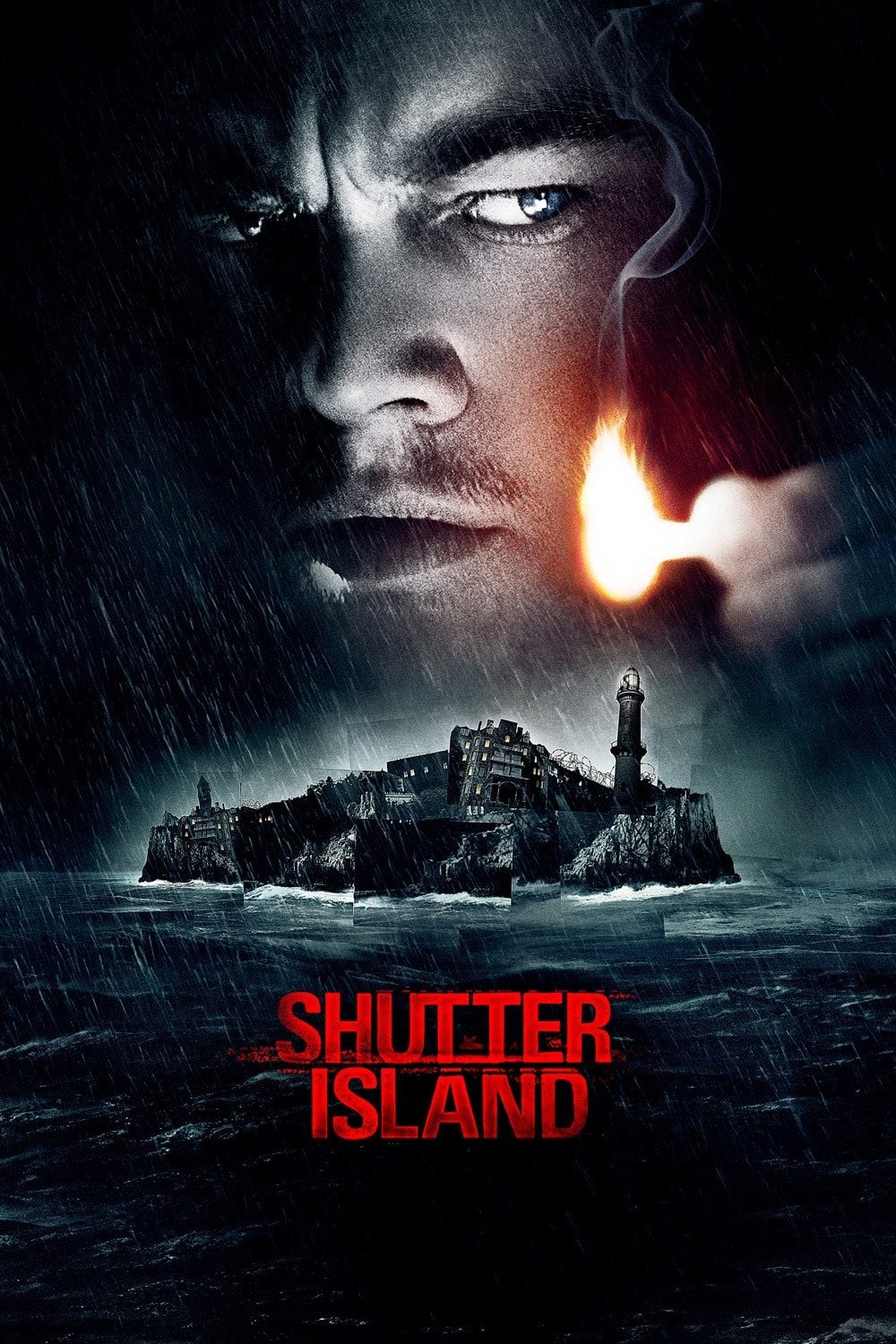
Martin Scorsese adapts Dennis Lehane’s novel about federal officers who travel to a hospital for the criminally insane located on an island off the Massachusetts coast. Leonardo DiCaprio and Mark Ruffalo star, and locations include Peddocks Island and the former Medfield State Hospital.
The film integrates storm conditions, medication records, and patient interviews into a procedural framework. Music supervision collected existing classical and modern compositions, and the production uses institutional architecture and lighthouse settings as spaces where evidence is tested and confronted.
‘The Sixth Sense’ (1999)
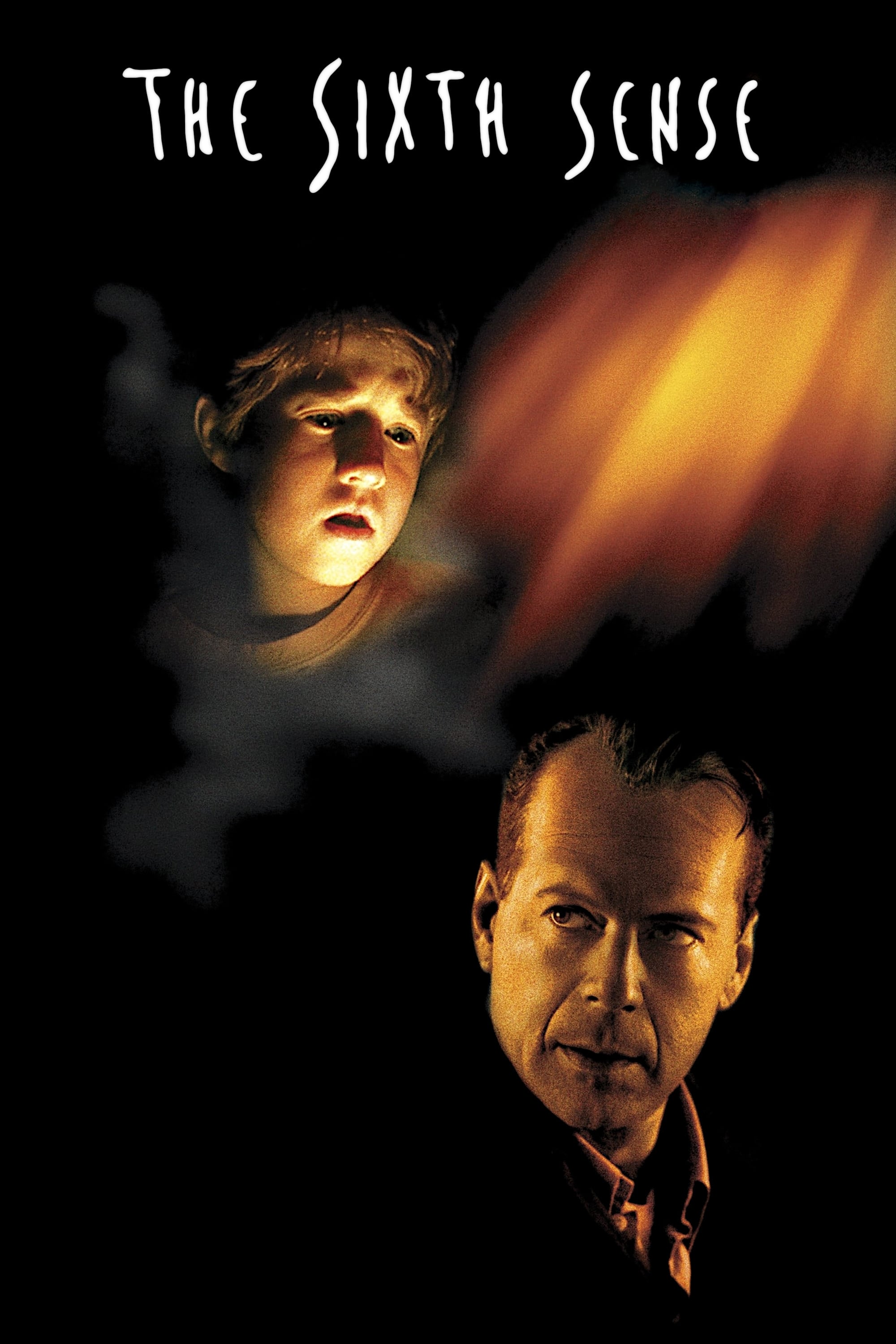
M. Night Shyamalan writes and directs a story about a child psychologist who works with a young boy who reports encounters that he cannot explain. Bruce Willis and Haley Joel Osment lead the cast, and the film shot in Philadelphia, using schools, row houses, and churches to ground the setting.
The narrative structure plants information through small visual details and revisits scenes from different angles to reveal new data. It received multiple Academy Award nominations including Best Picture and features a score by James Newton Howard that supports shifts between clinical sessions and family life.
‘The Prestige’ (2006)
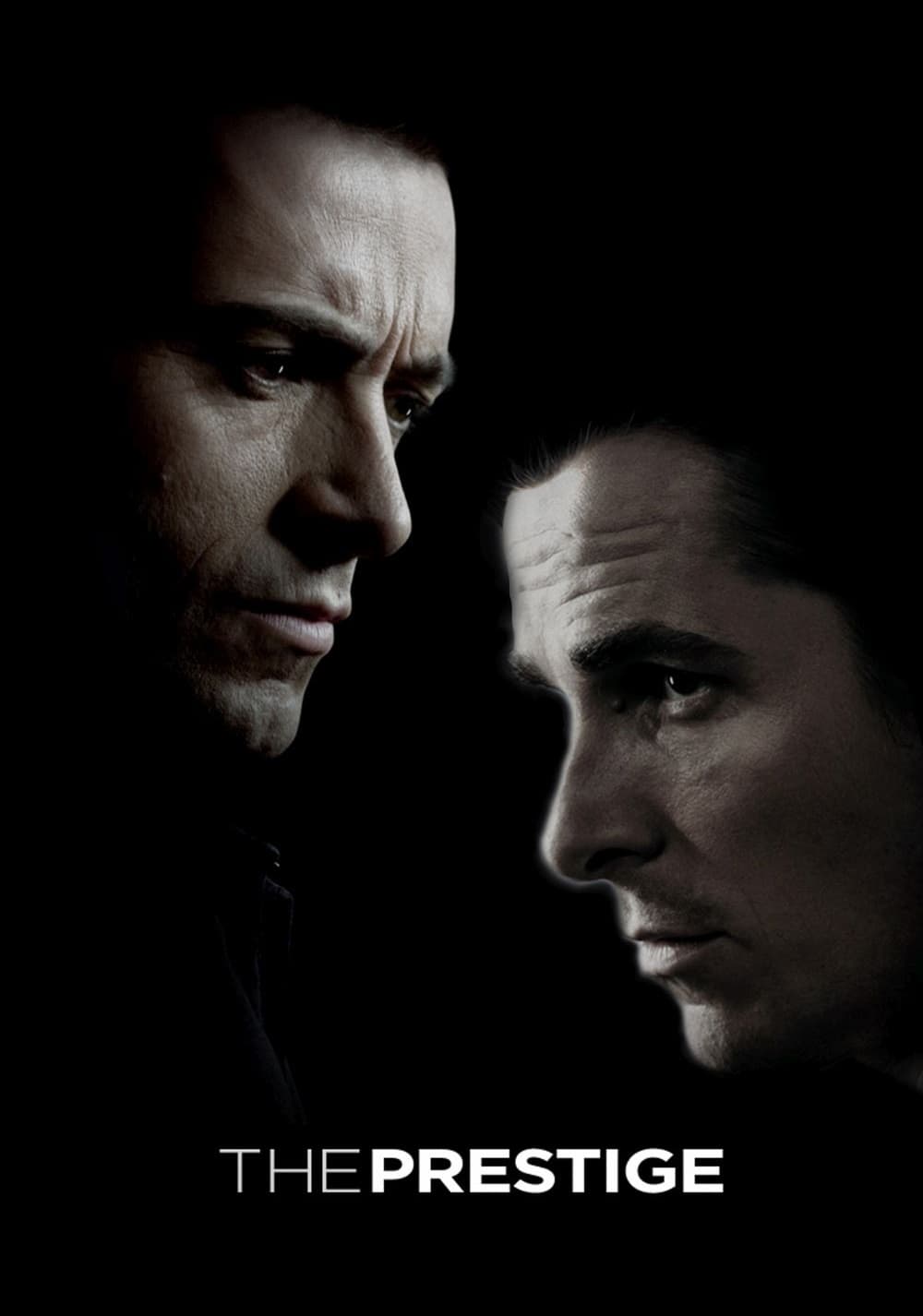
Christopher Nolan adapts Christopher Priest’s novel about rival stage magicians in the late nineteenth and early twentieth centuries. Christian Bale and Hugh Jackman star, and the production uses London theaters and Colorado locations to stage performances and experiments related to their acts.
The story uses diaries within diaries as a device that carries secrets across borders and years. Wally Pfister’s cinematography and Nathan Crowley’s production design recreate backstage machinery and electrical demonstrations, and the film received Academy Award nominations for cinematography and art direction.
‘Mystic River’ (2003)
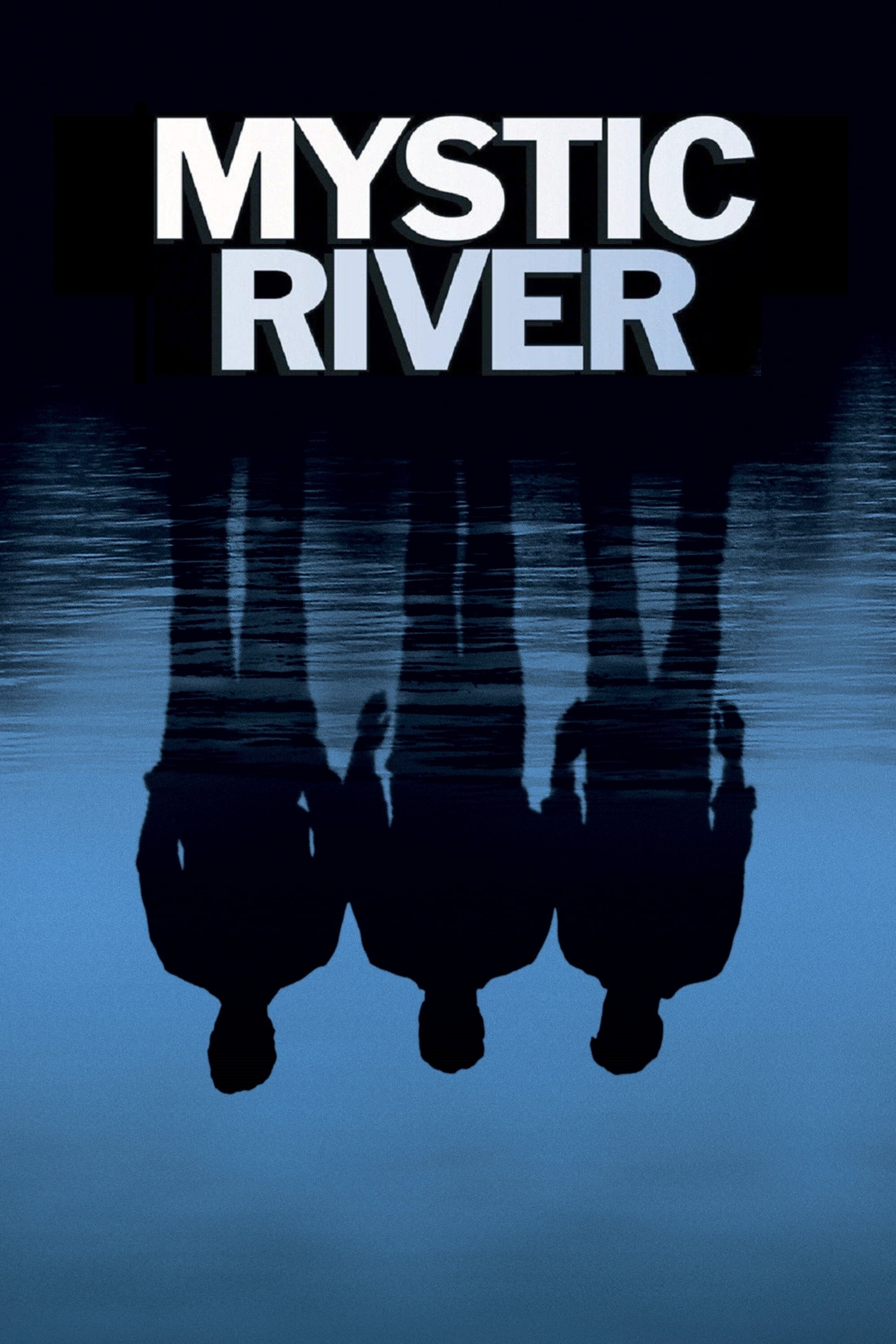
Clint Eastwood adapts Dennis Lehane’s novel and follows three men connected by a childhood trauma and a present day murder in Boston. Sean Penn, Tim Robbins, and Kevin Bacon lead the cast, and the film uses neighborhood bars, homes, and police stations to track the flow of information.
The investigation draws on witness statements, tire tracks, and ballistic work that connect events across two generations. The film won Academy Awards for Lead Actor and Supporting Actor, and the narrative shows how family ties and neighborhood histories shape who speaks and who stays silent.
‘Knives Out’ (2019)
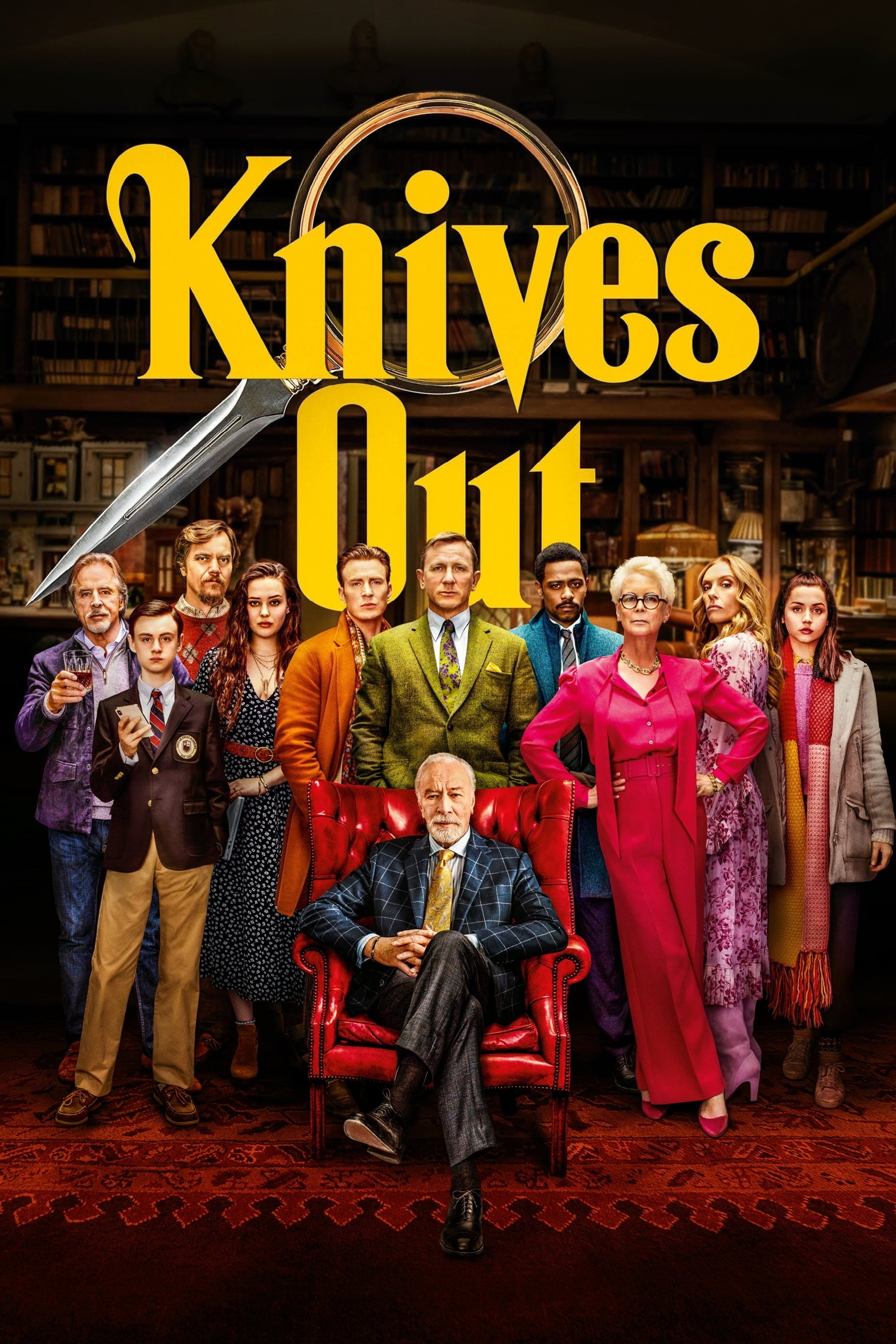
Rian Johnson writes and directs a contemporary whodunit built around a wealthy author’s death and a family with competing motives. Daniel Craig appears as a private detective, and the investigation takes place in a Massachusetts mansion filled with manuscripts, props, and a wall of knives that signals the genre.
The story tracks toxicology reports, medical charts, and immigration paperwork alongside interviews that conflict with camera recorded timelines. The film’s success led to the sequel ‘Glass Onion’, and the script integrates modern technology such as text messages and ride services into traditional clue gathering.
Share your favorite picks and any essential mystery films you think belong here in the comments so others can discover them too.