Iconic Shows That Were Nearly Canceled after Season One

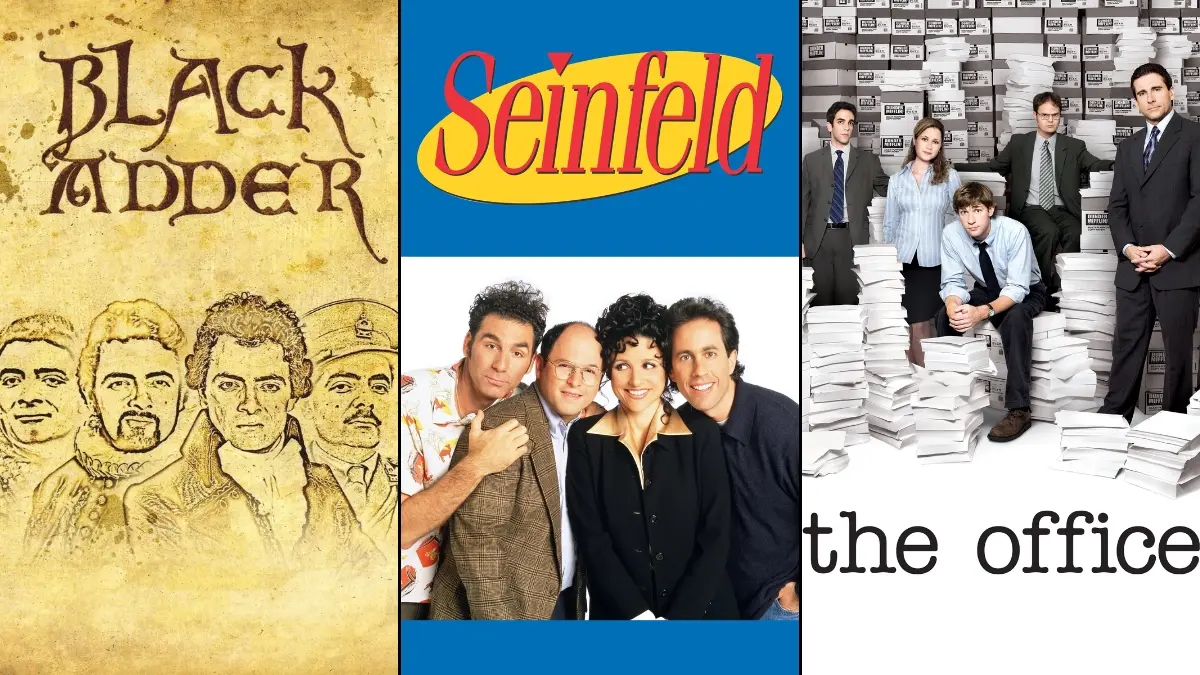

Some of the most beloved series almost did not make it past their first batch of episodes. Early ratings can be shaky, time slots can be unkind, and even great casts sometimes need a little time to settle into a format that works. Behind many long runs there is a moment when a network debated cutting things short.
This list gathers well known shows that brushed up against cancellation in season one and explains why they survived. You will see how schedule moves, format tweaks, fan interest, and timely support from executives or sponsors kept these stories going long enough to find their audiences.
‘Seinfeld’ (1989–1998)
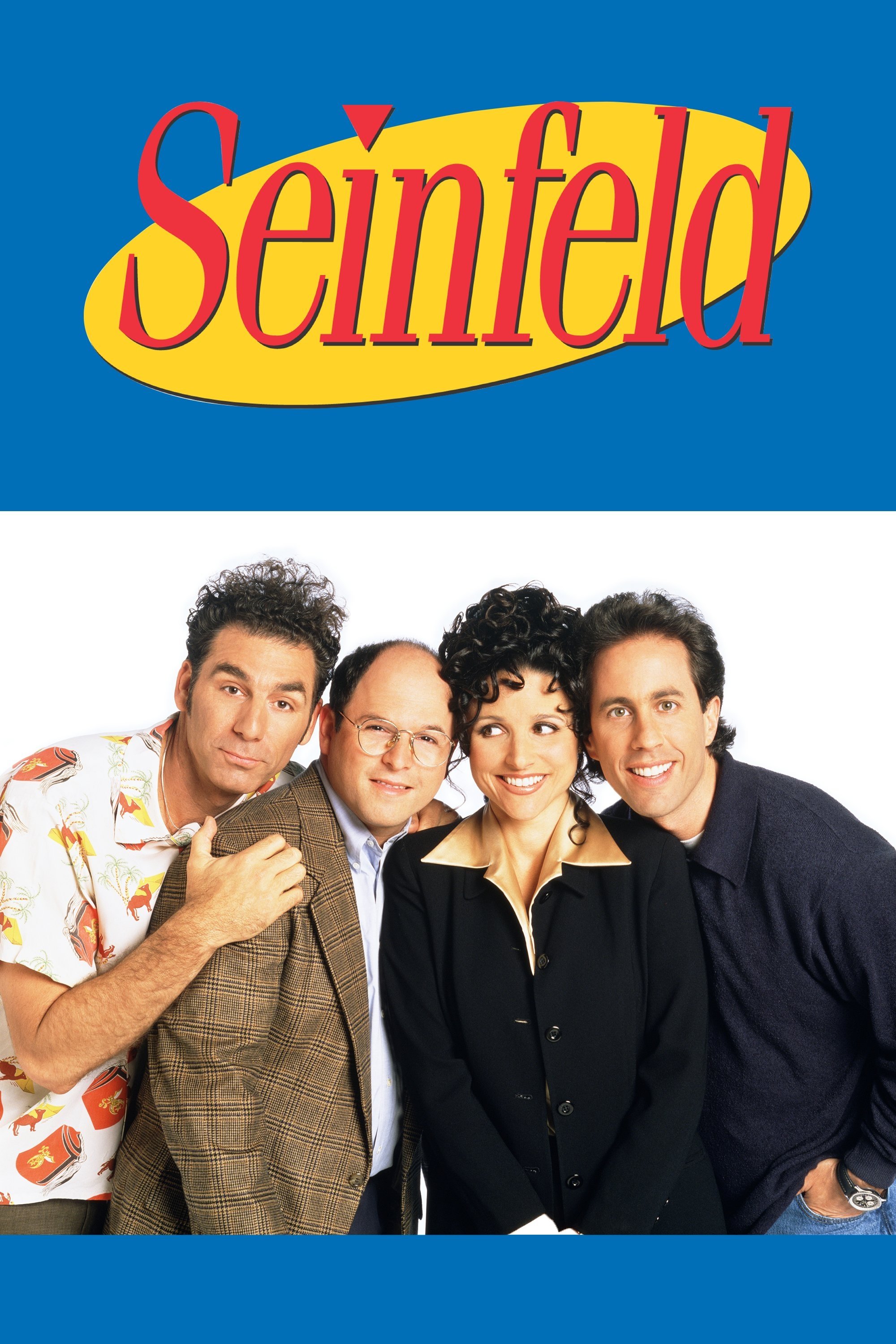
NBC launched the series with a tiny order and a summer run, and the early ratings were underwhelming. Internal testing showed strong appeal with specific audience segments and an executive in late night programming redirected funds to keep the show alive.
A second small order followed and the network shuffled time slots to give it a better lead in. Word of mouth built slowly during repeats and the show’s unique observational approach began to stand out, which helped secure larger orders.
‘Cheers’ (1982–1993)
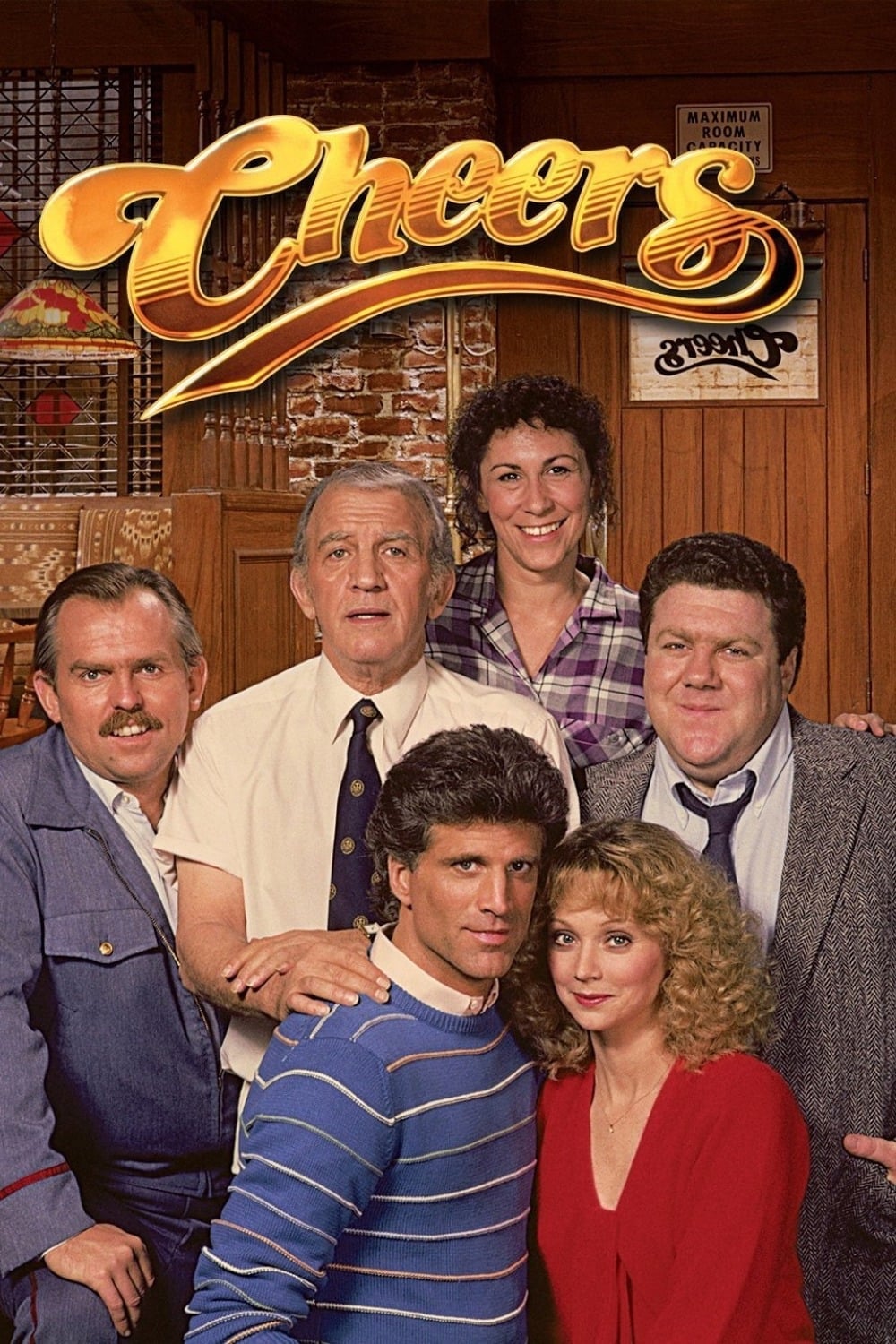
The premiere ranked at the bottom of the weekly ratings and the first season numbers stayed soft. NBC kept the show on the schedule because its creative team had a strong reputation and the network needed stable comedies.
The network stuck with a consistent time slot and promoted the ensemble heavily. Repeats during breaks performed better than expected and gave the show enough momentum to earn renewal.
‘The Office’ (2005–2013)
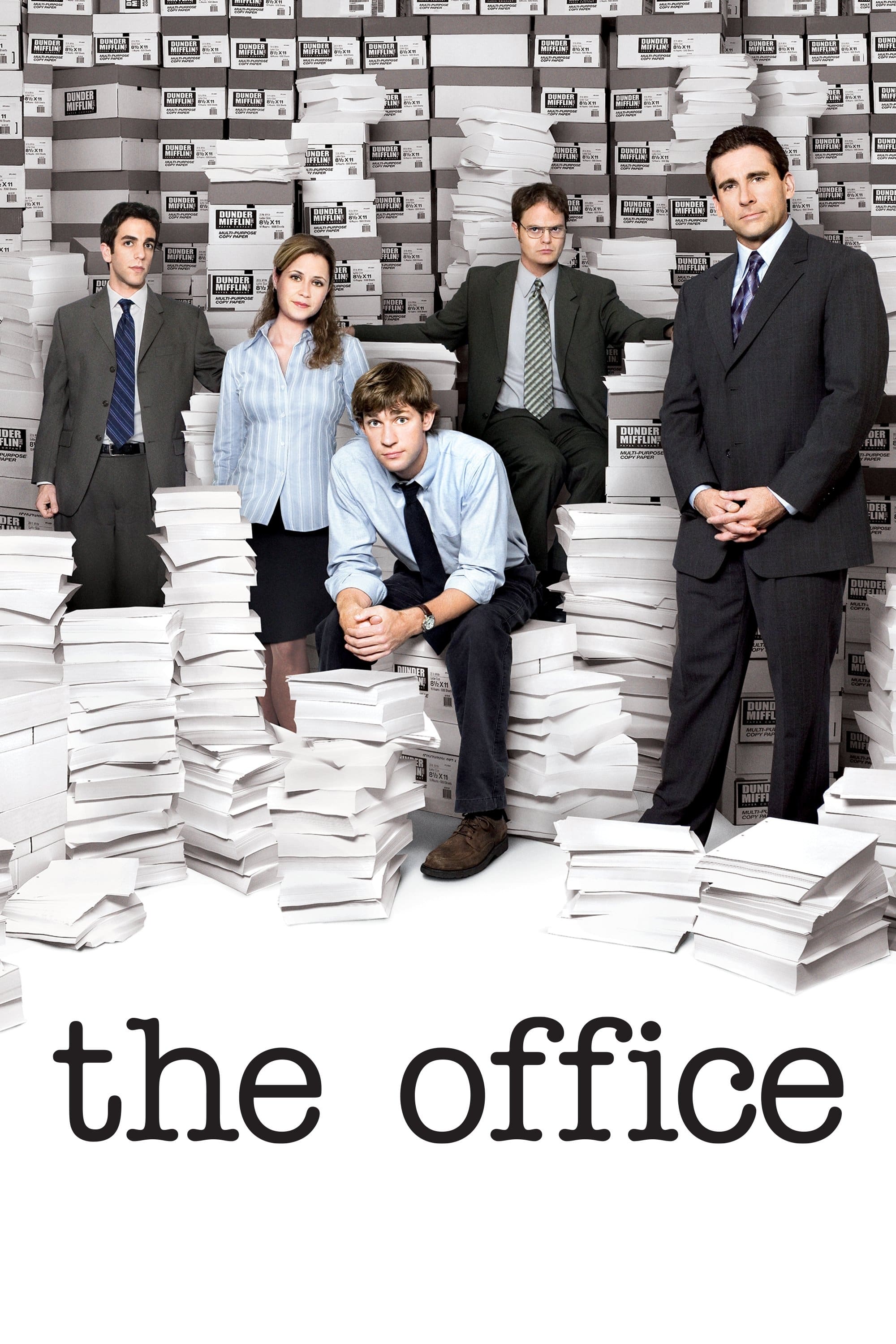
The first run finished with modest live viewership and uncertain support. The series benefited from strong digital downloads of the early episodes and an uptick in awareness after the lead actor’s breakout in the theatrical comedy ‘The 40-Year-Old Virgin’.
NBC ordered more episodes after experimenting with time slots and seeing improvement in delayed viewing. The show’s documentary format also allowed low production costs, which made the renewal decision easier.
‘Parks and Recreation’ (2009–2015)
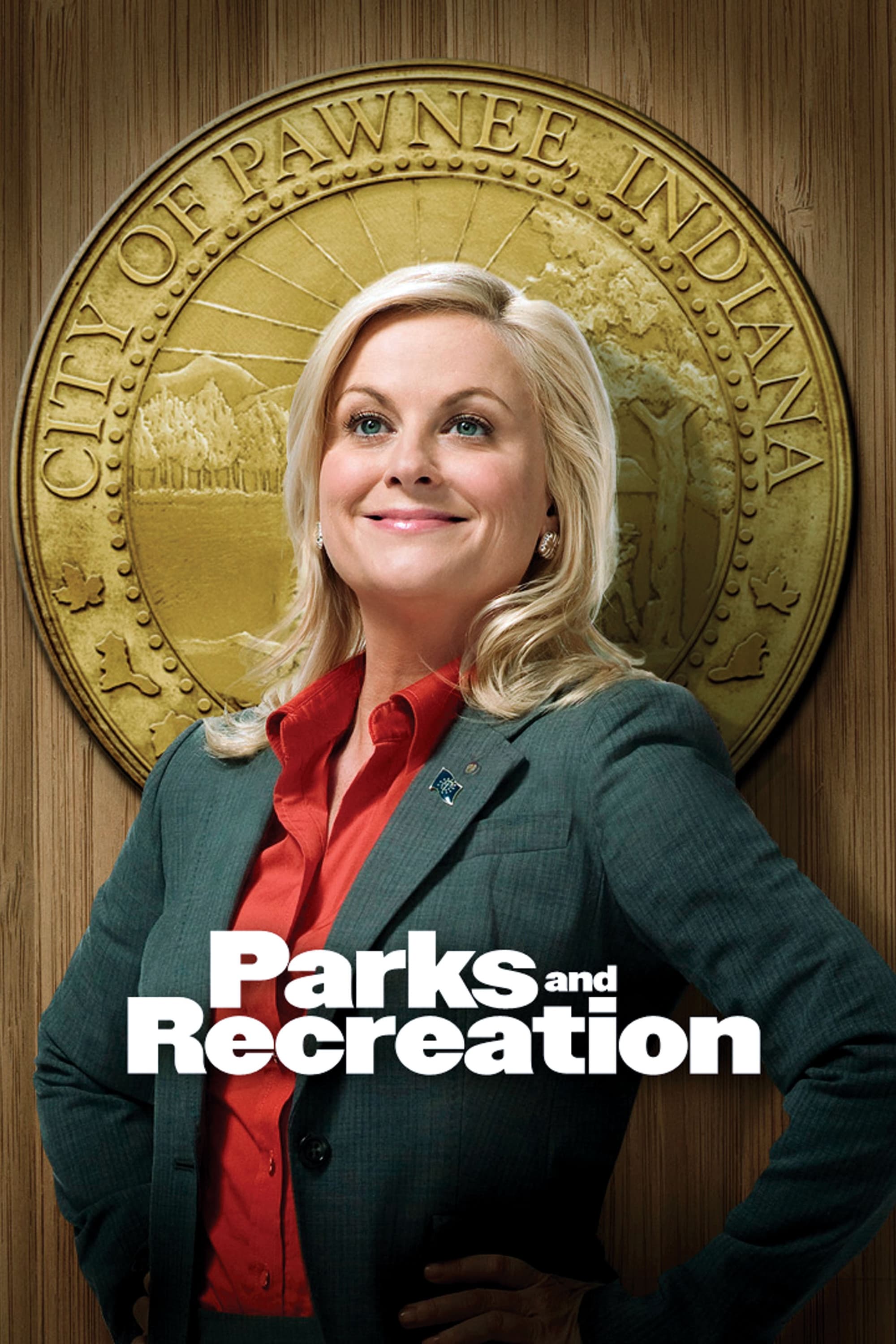
The debut season was short and the reception was mixed, which left renewal in doubt. The writers adjusted character dynamics and shifted the tone away from confusion between mockery and sincerity.
The second production cycle began with clearer arcs for each member of the parks department. That reset, along with a more favorable time slot, pushed the show off the bubble.
‘Arrested Development’ (2003–2006)
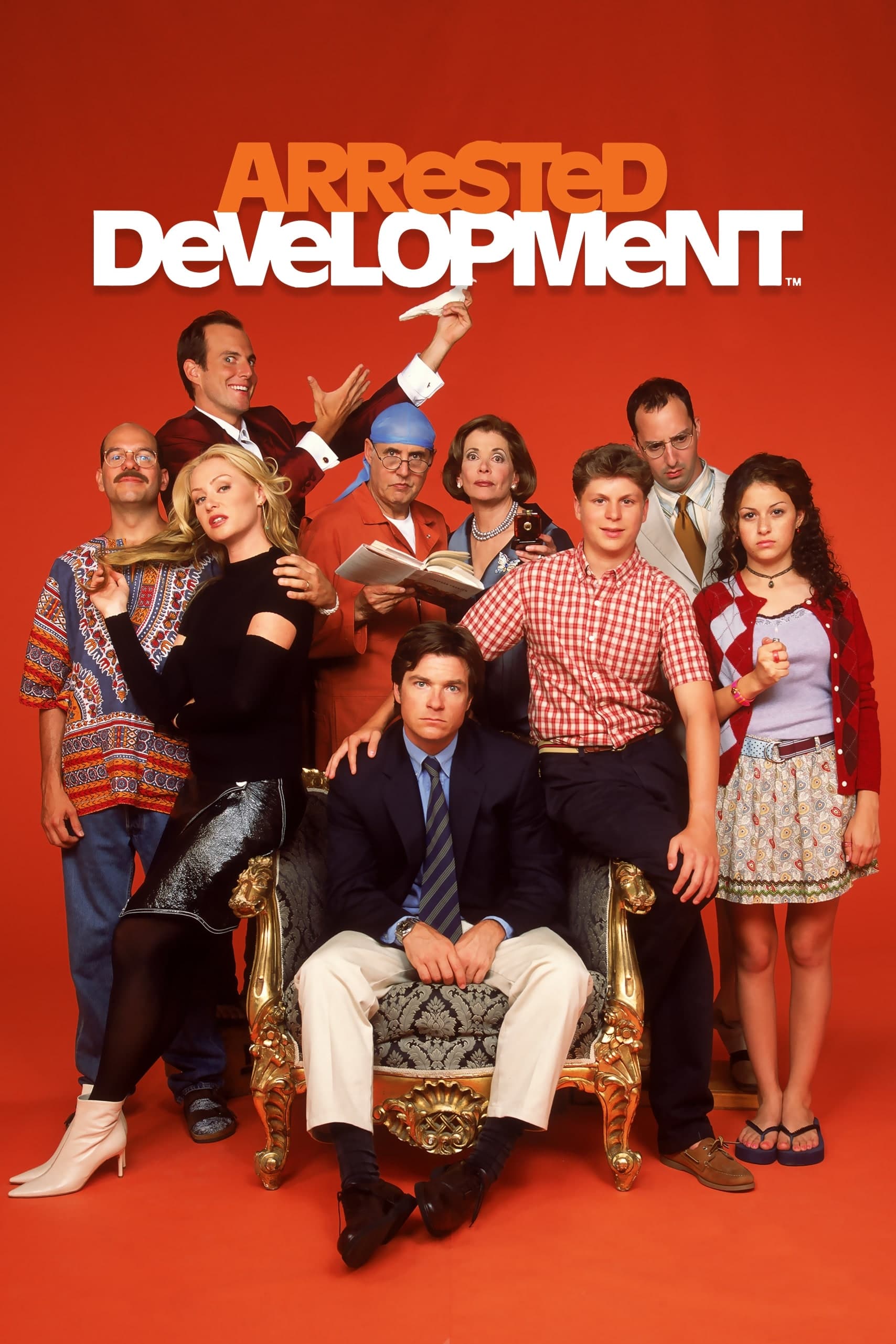
Season one drew small audiences despite critical praise and awards attention. The network trimmed the initial episode order and weighed the expense of continuing a single camera comedy with elaborate gags.
A renewal arrived with a reduced order and a different time slot. International sales and strong DVD expectations factored into the decision to keep it going a little longer.
‘Friday Night Lights’ (2006–2011)
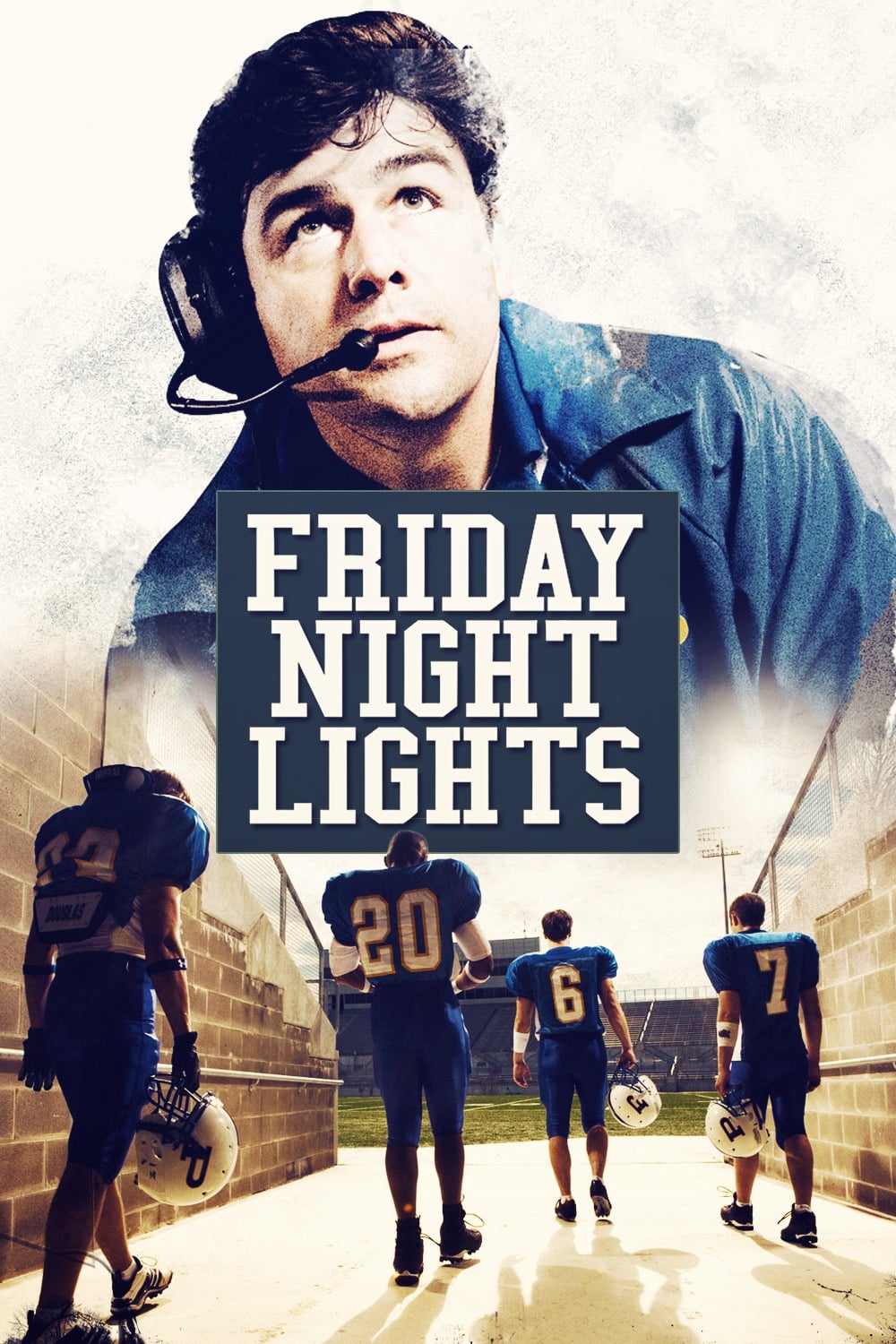
Live ratings during the first season were low for a broadcast drama. Enthusiastic reviews and strong playback numbers suggested an audience that was not watching in the initial time period.
The network negotiated costs and kept the show on the air with a modest episode order. The series leaned into character driven stories that could be produced efficiently, which helped it survive.
‘Everybody Loves Raymond’ (1996–2005)
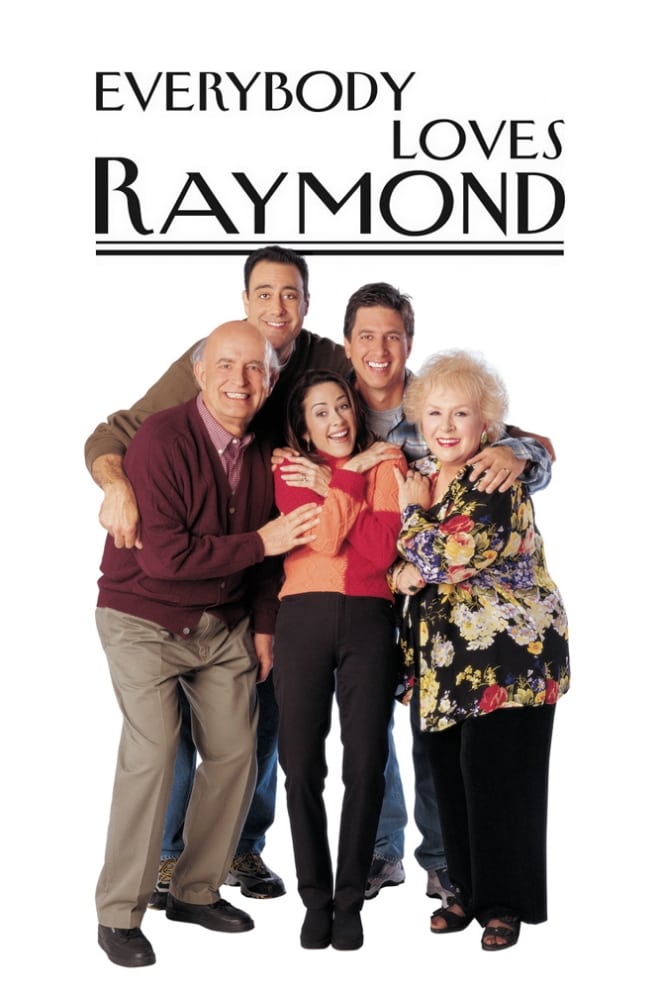
The series launched on a tough night and struggled to draw families at the end of the workweek. The network considered ending it after one season due to the time slot’s poor performance.
A move to a weekday night with stronger comedy companions changed the picture. The show’s household viewership climbed steadily after the move, and the cast was locked in for longer terms.
‘M*A*S*H’ (1972–1983)
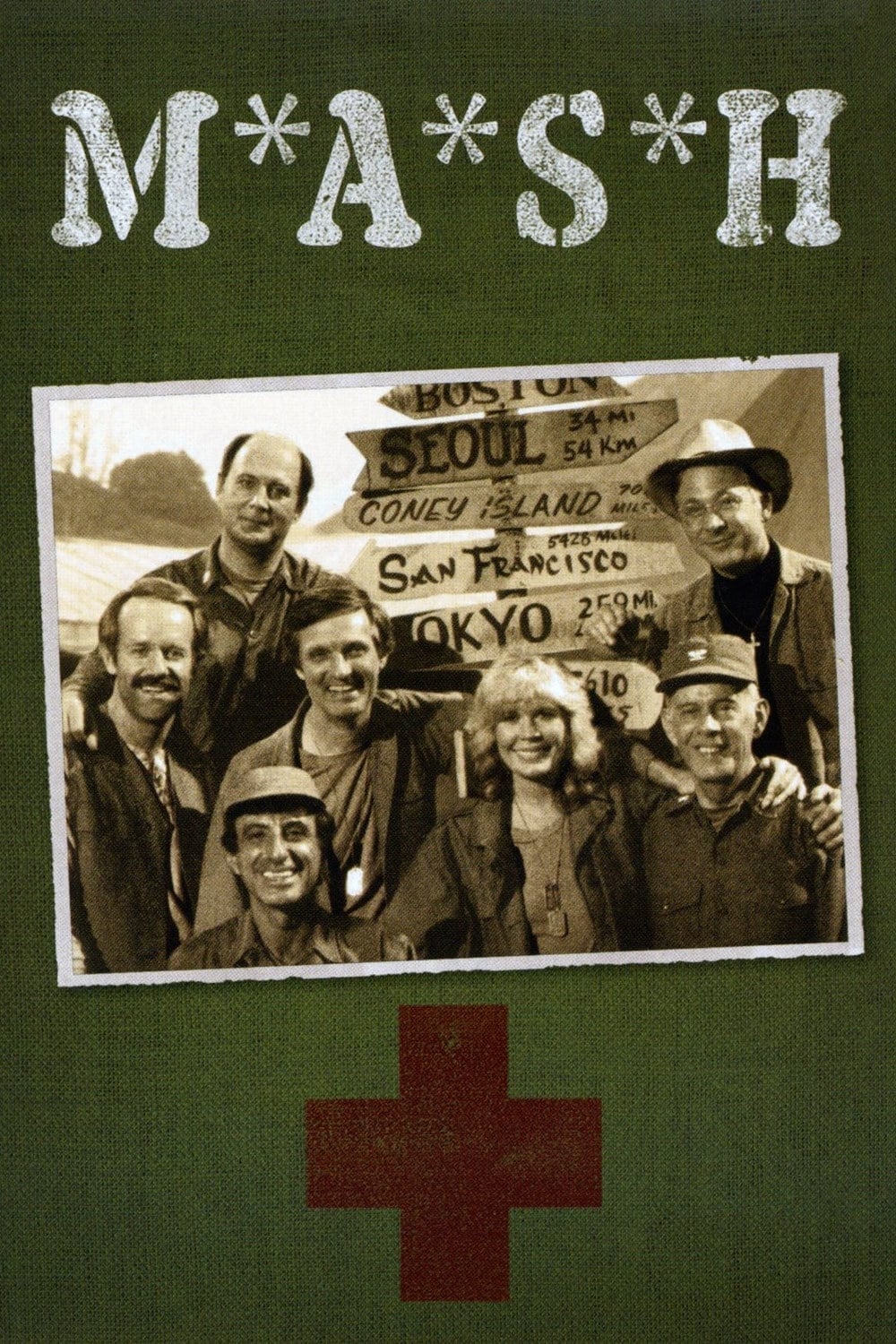
The satirical war comedy opened with disappointing ratings and an uncertain future. Affiliates reported stronger than expected responses to reruns, which suggested the show needed a more compatible time period.
A schedule shift paired it with established hits and the audience followed. The ensemble format and contained setting kept costs predictable, which strengthened the renewal case.
‘Hill Street Blues’ (1981–1987)
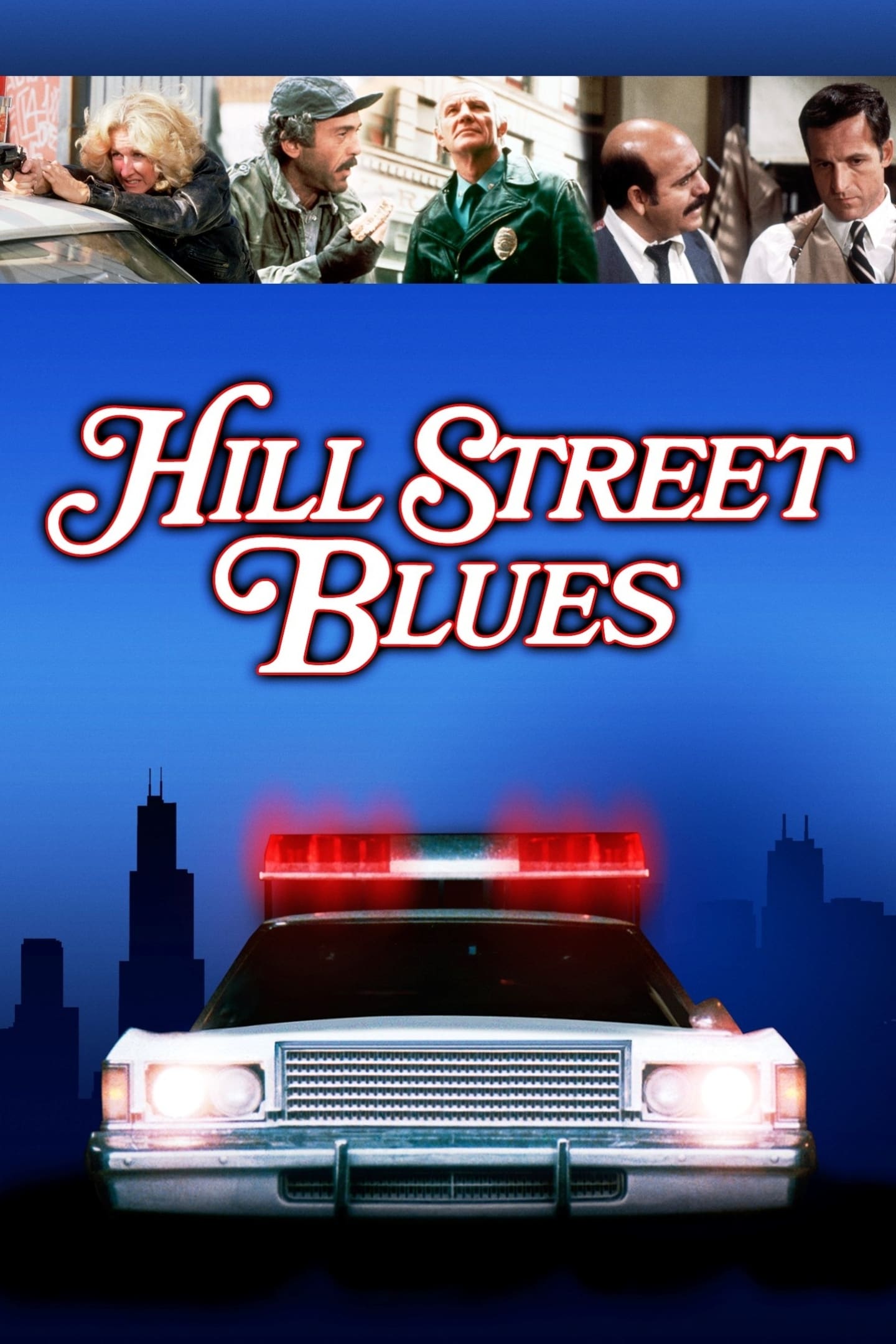
The police drama arrived with low ratings and a complex serialized style that was new for network television. The network weighed cancellation after the first order because the live numbers did not justify the budget.
The show won an avalanche of awards for its first episodes and that industry recognition convinced executives to stay the course. Additional promotion emphasized the quality accolades and brought in new viewers.
’30 Rock’ (2006–2013)
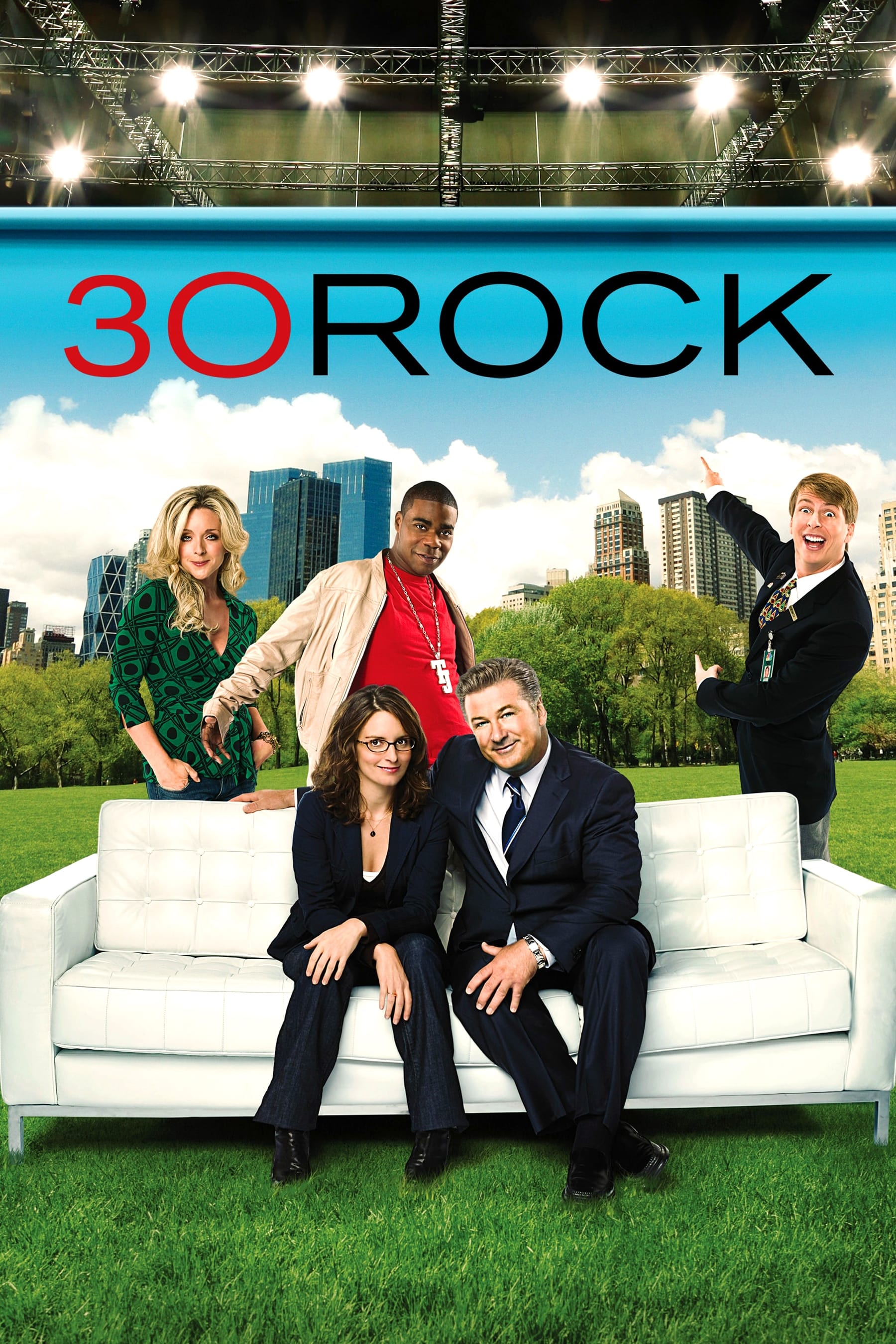
The debut season narrowly avoided being cut due to modest ratings. The network experimented with different nights and paired it with compatible comedies to stabilize its weekly performance.
Awards attention arrived quickly and the production’s cost controls improved as sets and workflows settled. Those factors combined to secure a second season order.
‘The Dick Van Dyke Show’ (1961–1966)
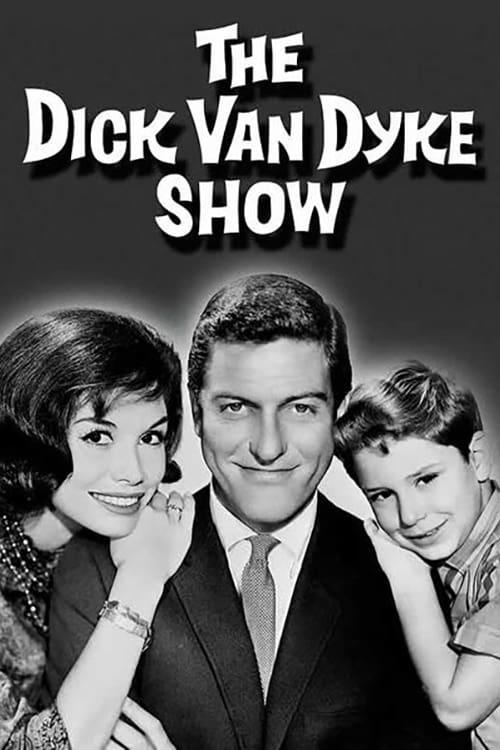
The first season’s numbers were not strong and cancellation was discussed. The production team worked with the network to adjust the schedule and refine the balance between workplace and home stories.
Sponsor support and patient executives kept the cameras rolling while the audience found the show. Repeats in summer helped new viewers catch up, which lifted ratings enough for renewal.
‘The Facts of Life’ (1979–1988)
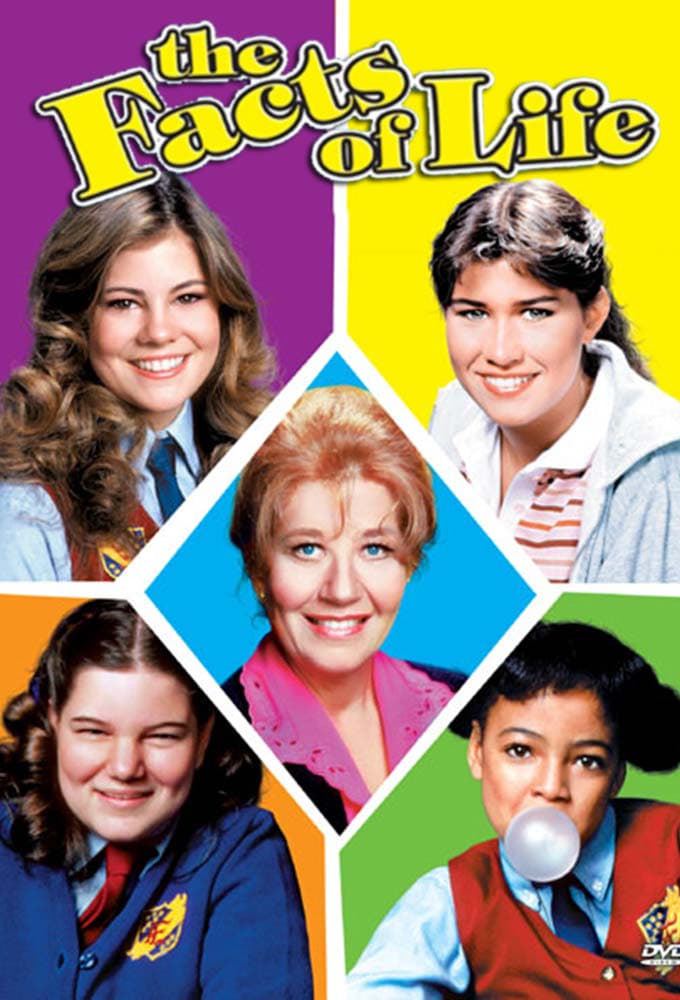
The school set ensemble launched with a large cast and uneven performance. Ratings lagged and the network prepared to shut it down after the initial episodes.
Before season two, producers streamlined the cast and focused on three core students with a mentor figure. The simpler setup lowered costs and gave viewers a clear center, which bought the series more time.
‘The Practice’ (1997–2004)
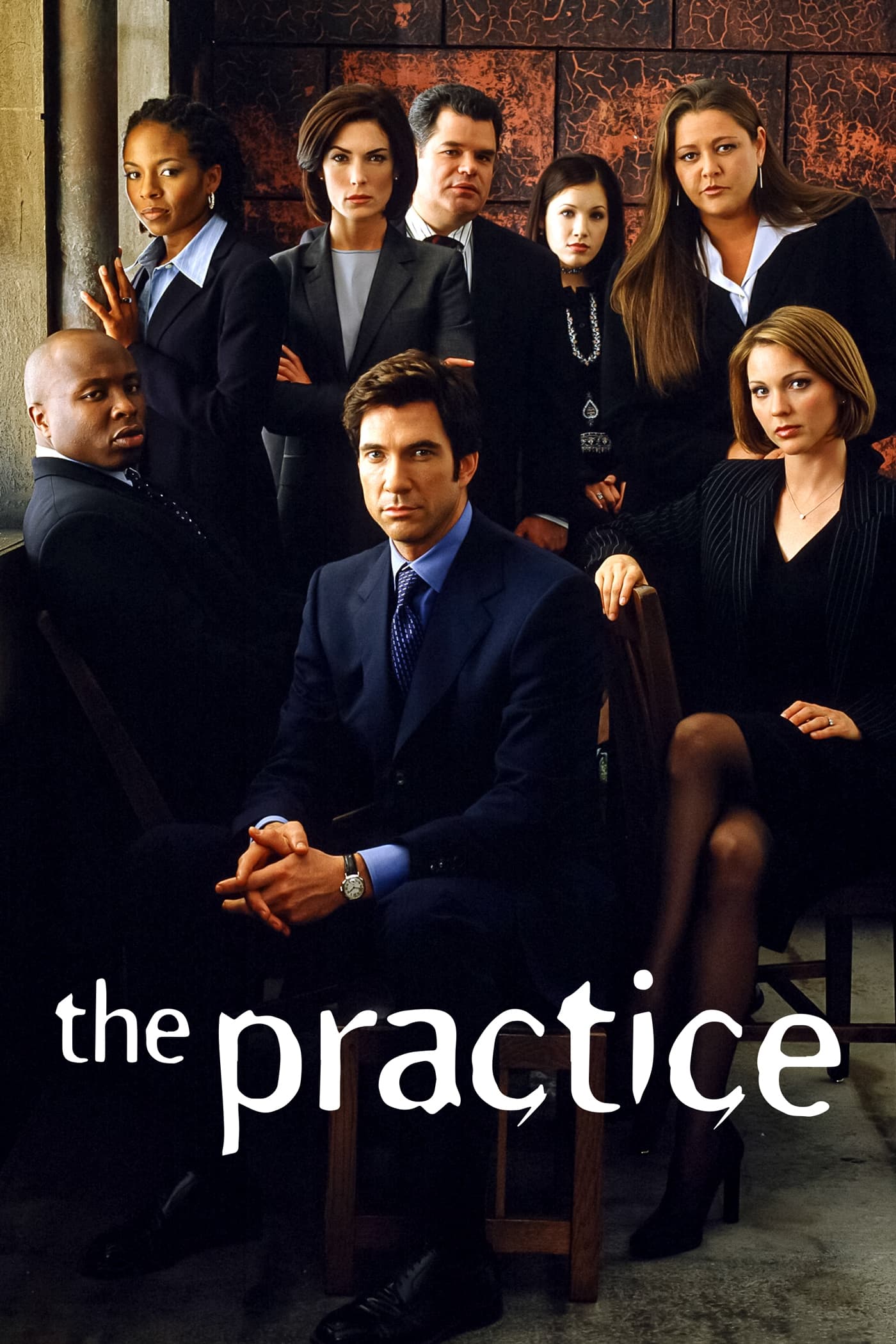
The legal drama started with soft ratings and faced heavy competition in its time period. The network nearly pulled it, citing the challenge of building audience loyalty for case of the week programming.
A move to a less crowded night and a promotion push kept the show alive. Standalone episodes mixed with serialized arcs proved more accessible and retention improved.
‘Halt and Catch Fire’ (2014–2017)
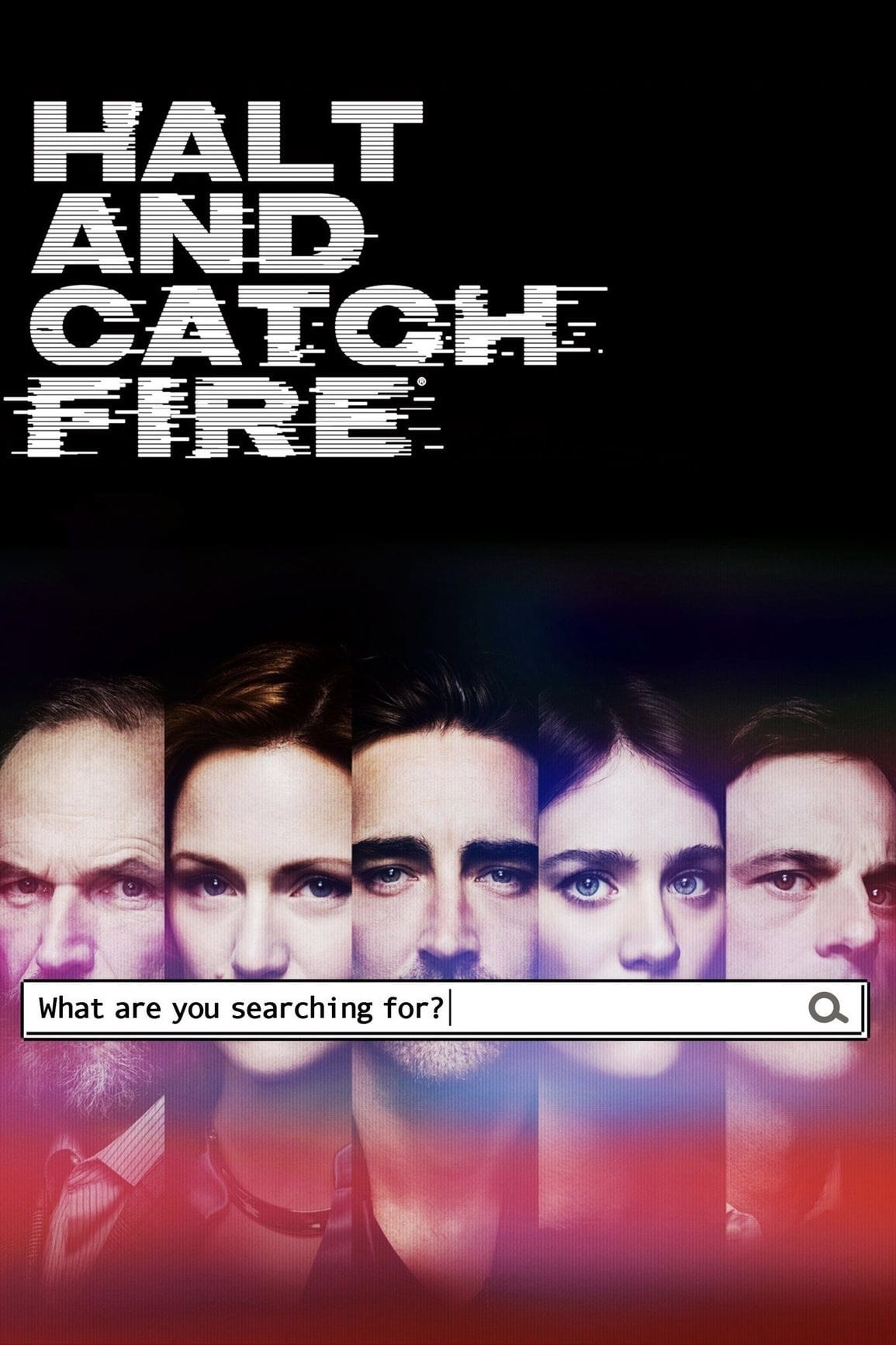
The period tech drama premiered with critical praise but very small live audiences. The network struggled with whether to continue a story that was not drawing mass viewership.
Leadership opted to renew while redirecting the narrative toward the software and startup world. That pivot, along with steady international sales, justified continuing beyond the first run.
‘Quantum Leap’ (1989–1993)
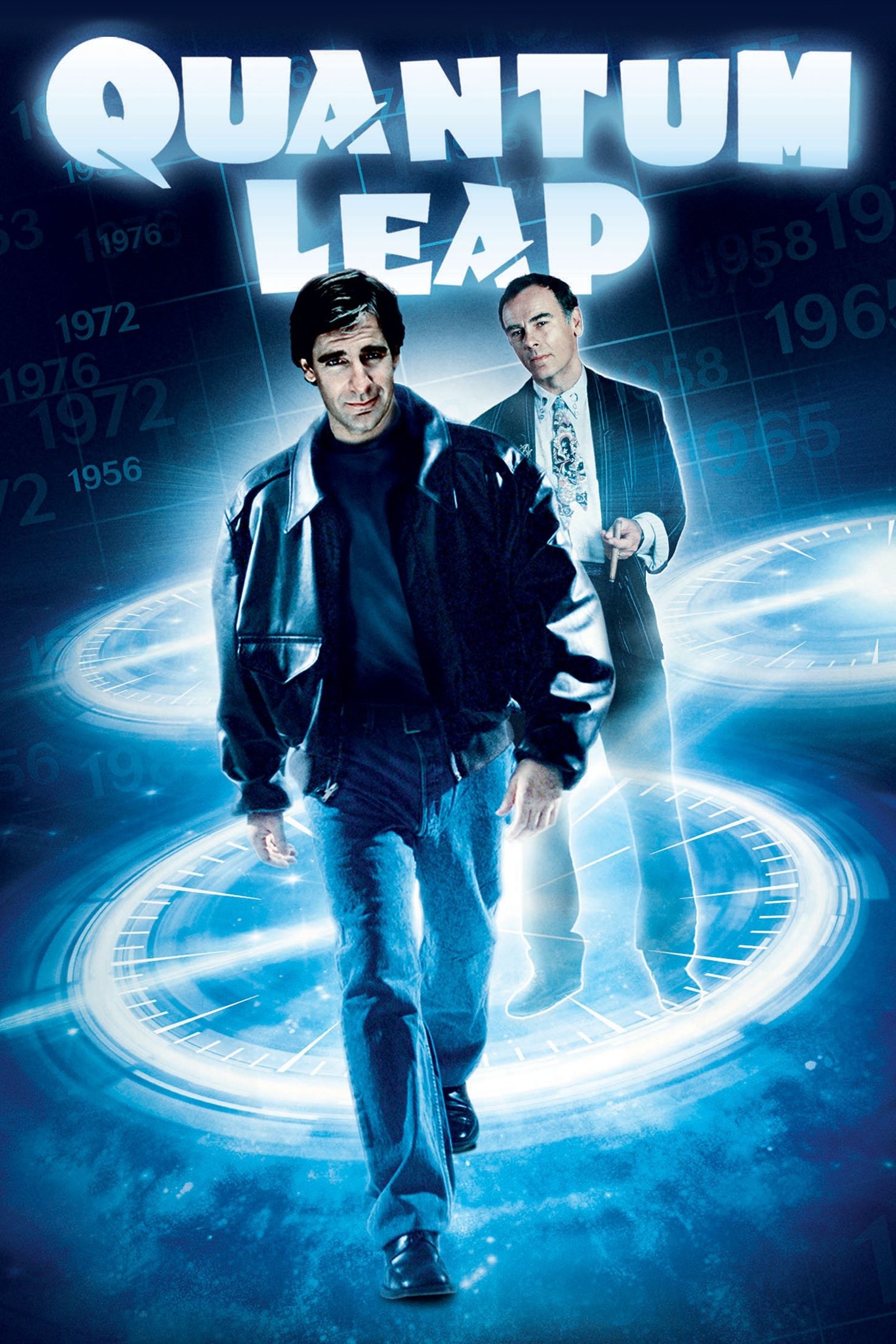
The time travel drama launched as a limited run with uncertain future plans. Initial numbers were not strong enough for a straightforward pickup.
Fan mail and strong repeat performance persuaded the network to order more episodes. A stable weekly slot allowed viewers to find the show and turned it from a trial into a returning series.
‘Dynasty’ (1981–1989)
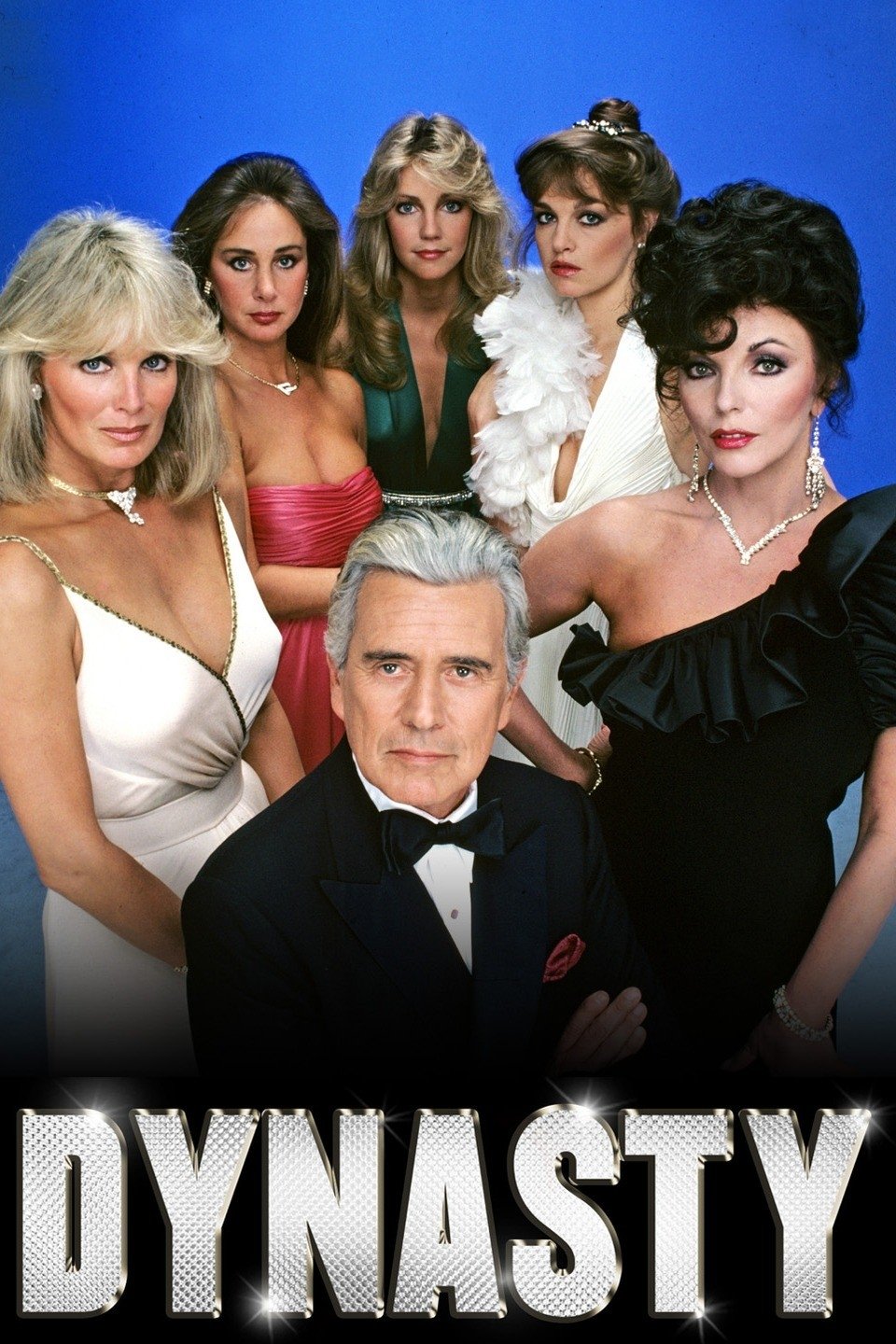
The first season posted middling numbers compared with rival primetime soaps. The network debated dropping it because production costs were significant for the lavish look.
The producers promised fresh story engines and introduced a high profile antagonist at the start of the next run. International sales potential also weighed in favor of renewal, which kept sets open.
‘Just Shoot Me!’ (1997–2003)
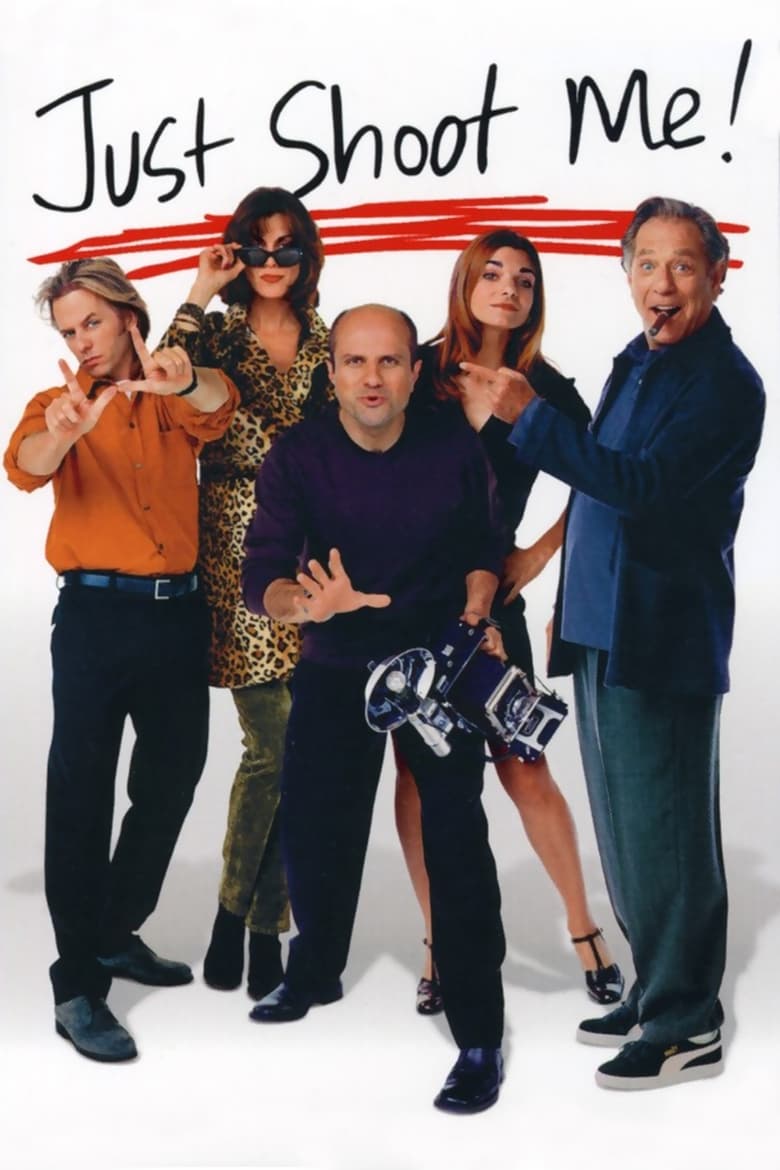
The workplace comedy aired a small batch of episodes and was briefly pulled after low initial ratings. Several produced episodes sat unaired while the network considered cancellation.
A return as a midseason entry after a strong lead in delivered an immediate boost. The quick improvement led to a full season order and a long run.
‘Doctor Who’ (1963–1989)

The earliest episodes were hurt by timing when major news events dominated the airwaves. The broadcaster repeated the first episode and noticed better numbers, which led to a reassessment.
Educational goals and family appeal matched the public service mission, which helped it survive. Merchandising interest and a flexible format also supported the decision to keep producing new adventures.
‘Blackadder’ (1983–1989)
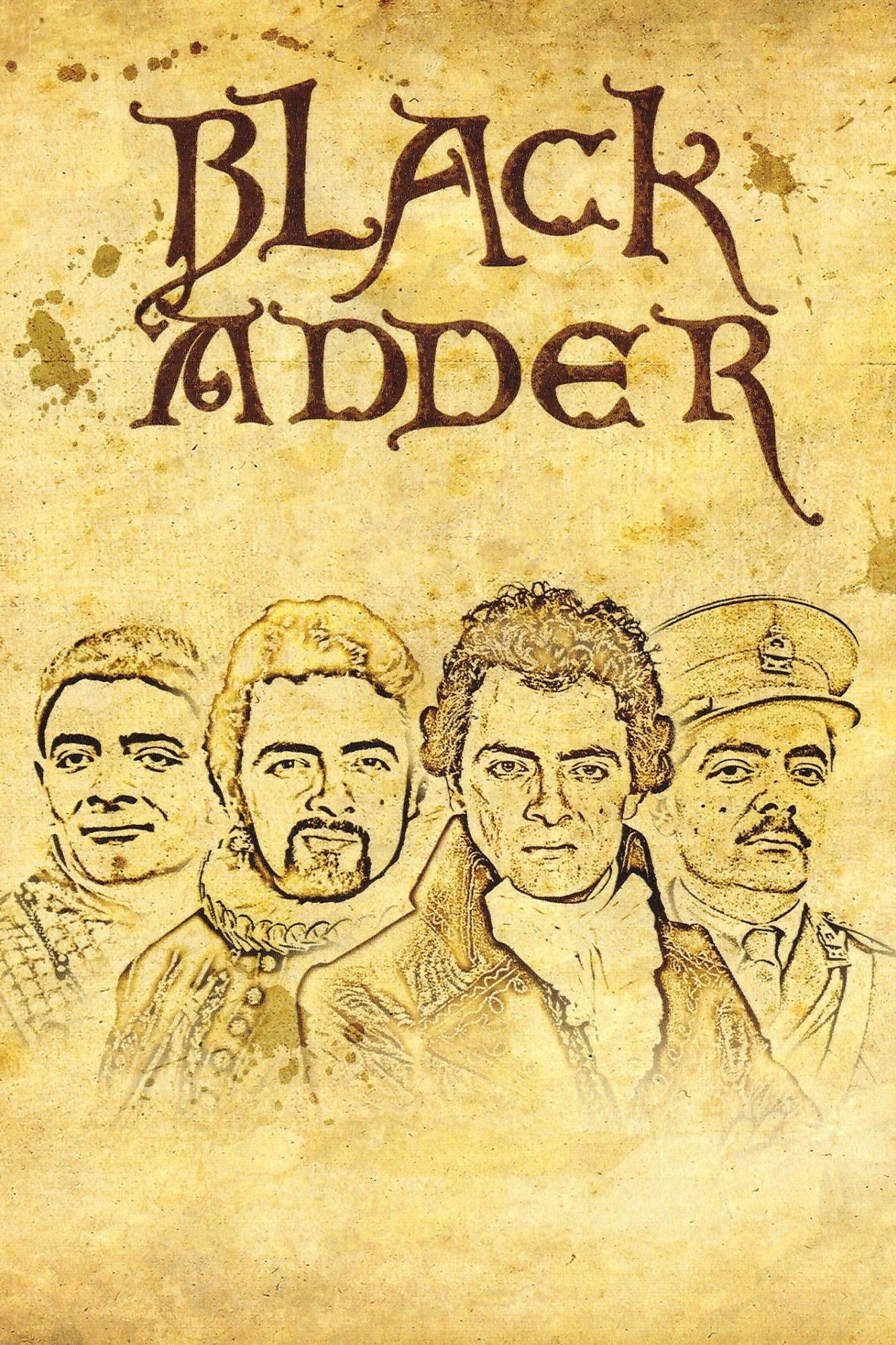
The first series was costly due to extensive location filming and large scale scenes. Ratings did not justify that expense and the broadcaster weighed ending it.
The creative team returned with a new writing partner and a studio based approach that reduced costs. The reworked format convinced executives to continue with a second series.
‘Only Fools and Horses’ (1981–2003)
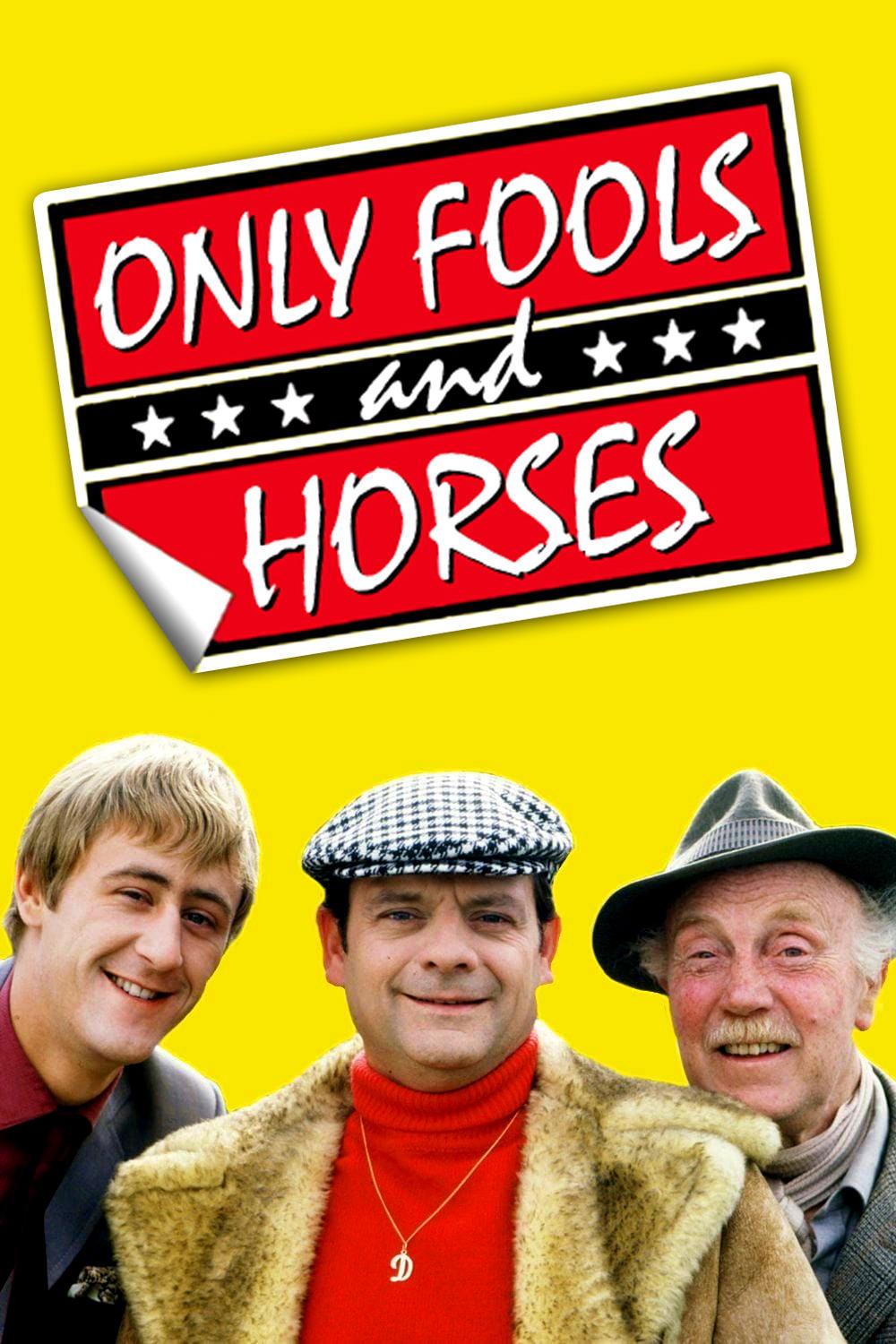
The opening run delivered modest ratings and some affiliates were skeptical. Cancellation talks surfaced when the initial numbers did not meet expectations.
Summer repeats drew significantly larger audiences and changed perceptions. Strong Christmas specials later became appointment viewing and secured the show’s future.
‘Peep Show’ (2003–2015)
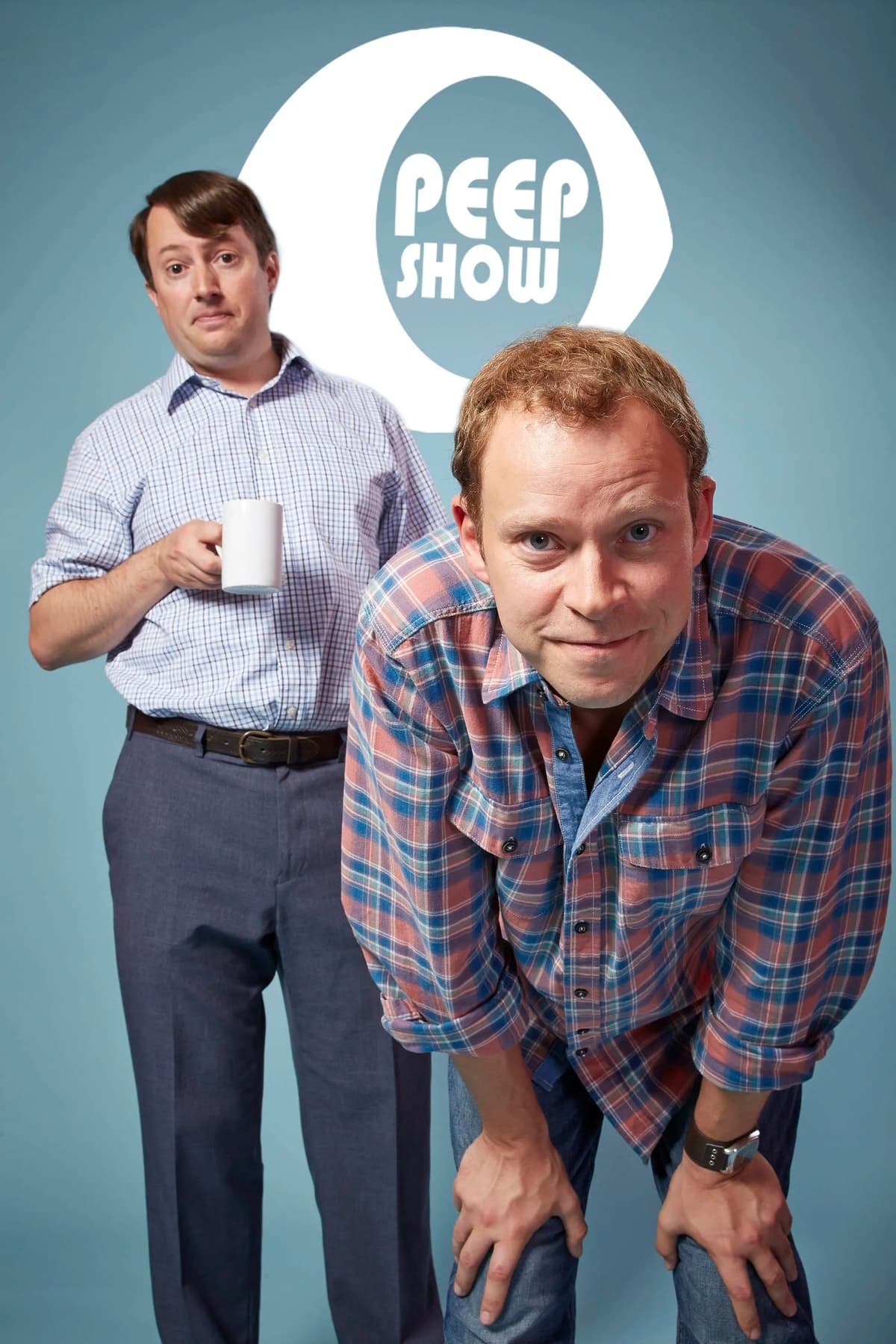
The first series pulled small audiences despite a distinct point of view. The broadcaster considered shutting it down due to the gap between critical notice and live ratings.
DVD sales and strong student viewership online demonstrated demand beyond overnight numbers. The network kept renewing in short bursts while production remained inexpensive.
‘Mobile Suit Gundam’ (1979–1980)

The original broadcast struggled to find viewers and the sponsor cut the planned episode count. The series faced cancellation threats while still airing its initial run.
Reruns built a following and plastic model kit sales exploded, which revived interest in the property. Compilation films soon followed and established a long running franchise that grew from that narrow escape.
‘Homicide: Life on the Street’ (1993–1999)
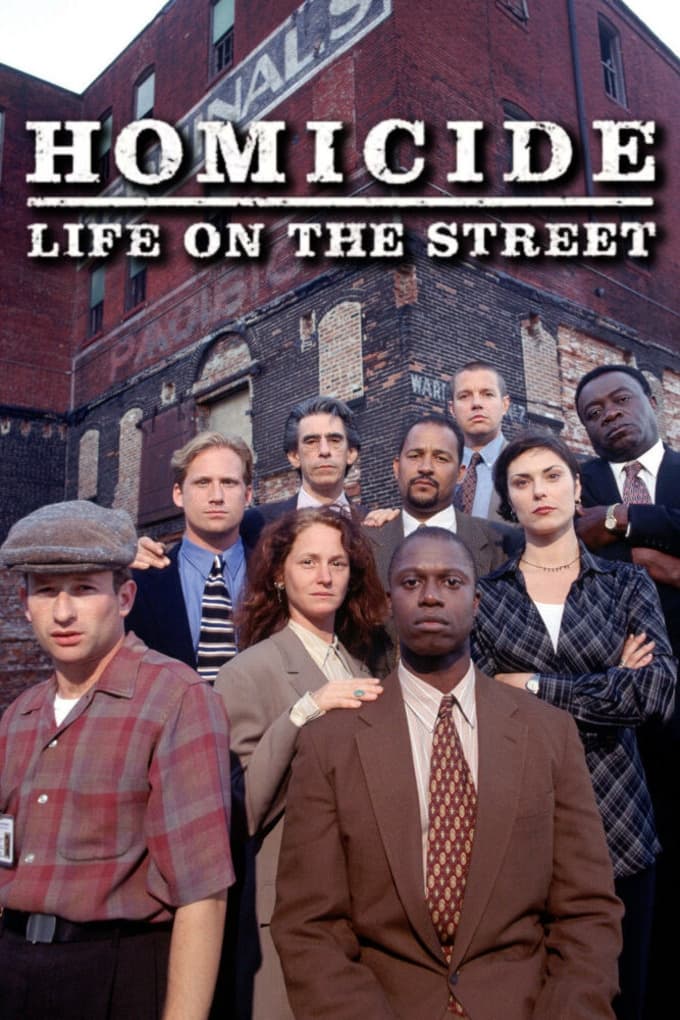
The gritty police series delivered low ratings in its first episodes. The network considered cancellation and demanded adjustments to make it more accessible to casual viewers.
Producers added more self contained cases and streamlined the cast presentation. The show also benefited from awards attention, which helped secure a second season.
‘Family Ties’ (1982–1989)
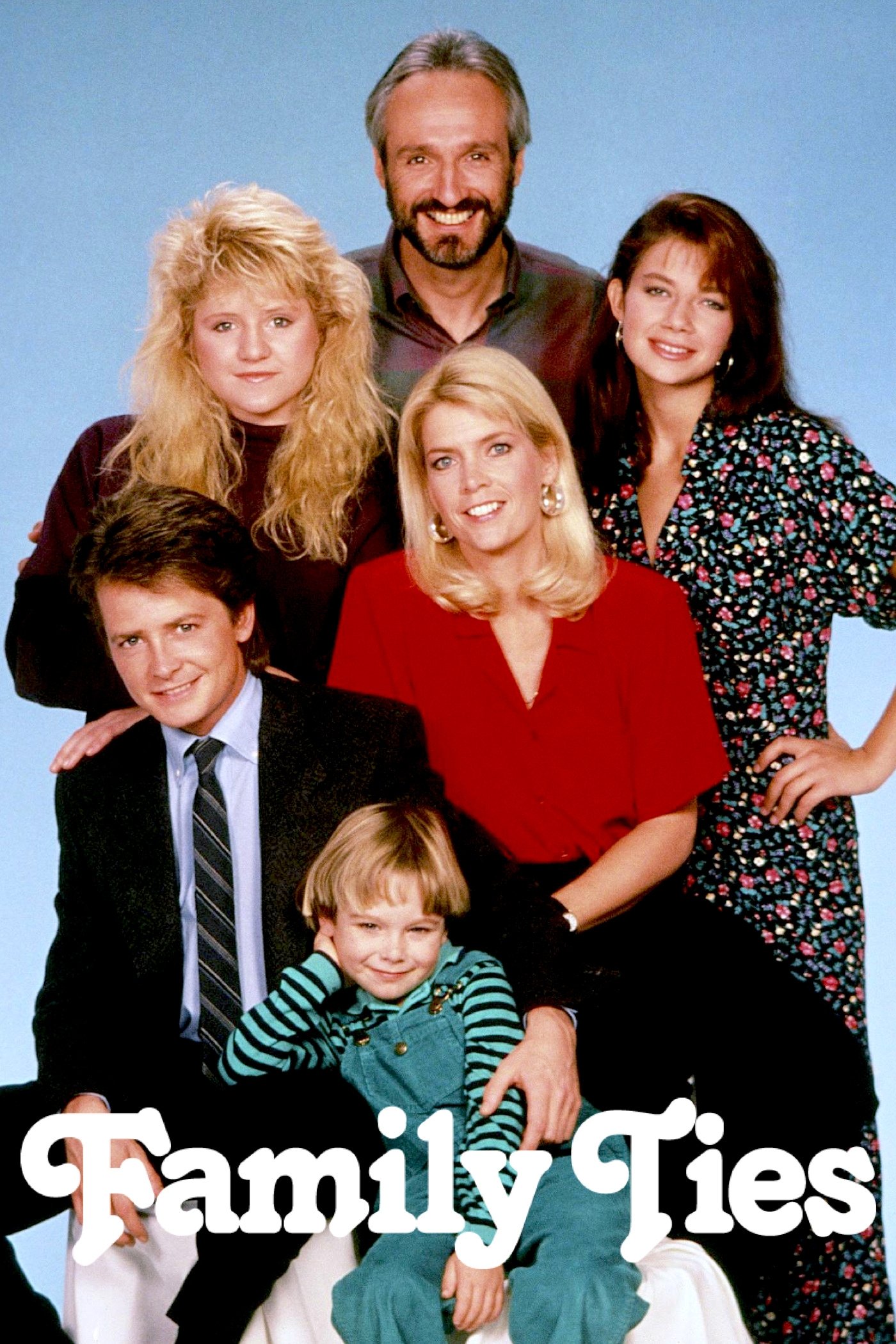
The first season’s performance was modest and placed the series on the bubble. Executives questioned whether the family premise could stand out in a crowded field.
A move to a stronger night with compatible hits transformed its fortunes. The show’s growing popularity with younger viewers stabilized ratings and made further seasons a safe bet.
‘The Odd Couple’ (1970–1975)
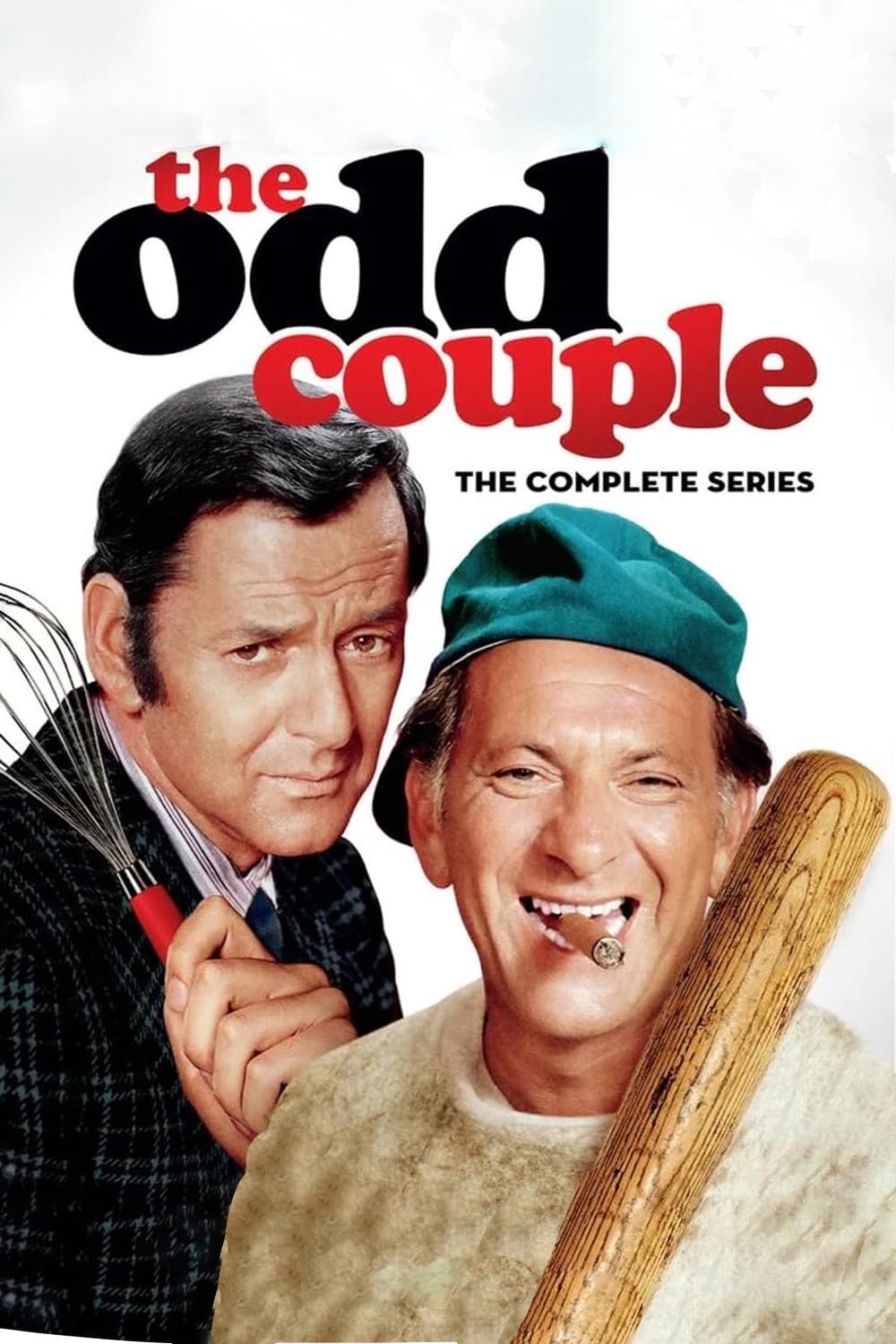
The inaugural season drew limited audiences and the network looked at canceling the sitcom. Production costs for single camera filming were a concern given the performance.
A switch to a live audience and multi camera setup cut costs and sharpened the comedic rhythm. Steady weekday scheduling built familiarity, which kept the series on the air.
Share which near misses surprised you most in the comments and tell us which other first season saves deserve a spot on this list.