Box-Office Bombs That Secretly Changed Cinema

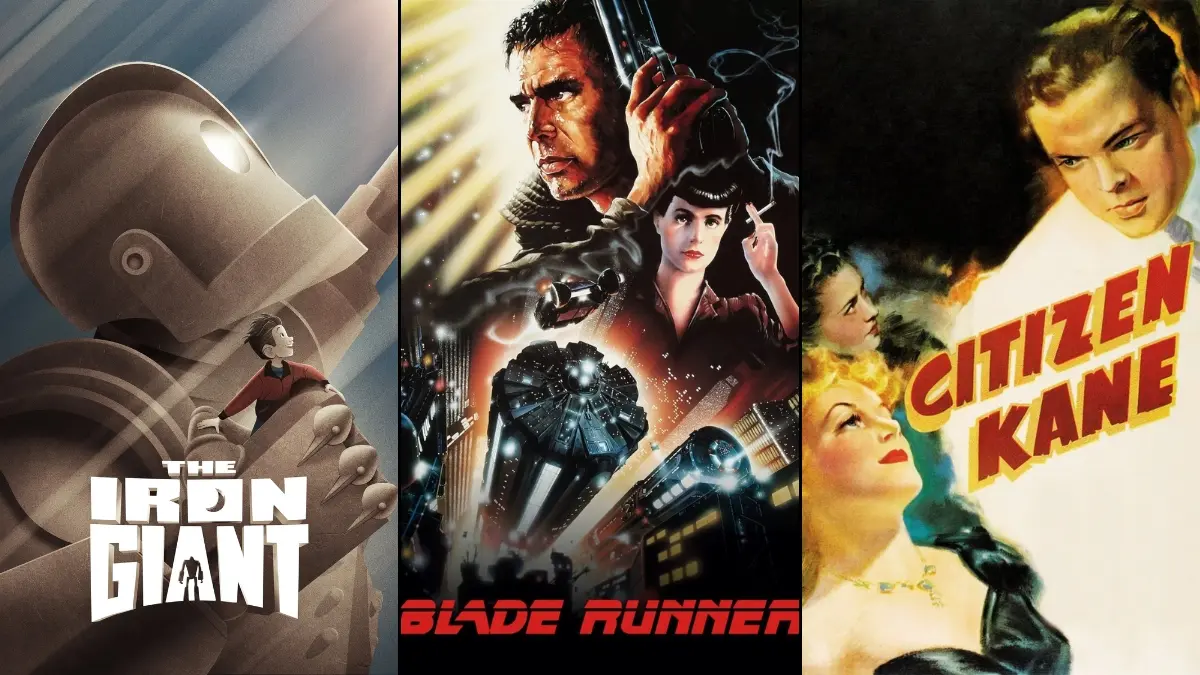

Some movies stumble in theaters but leave footprints that never fade. Studios might write them off as losses, yet the techniques they pioneered, the careers they launched, or the business shake ups they triggered keep echoing through later releases. The industry often learns more from the misses than the easy wins.
This list looks at films that struggled to sell tickets but ended up steering how movies are made, released, or preserved. You will see shifts in studio power, bold uses of technology, and new playbooks for marketing and distribution that arrived only after an initial flop.
‘Heaven’s Gate’ (1980)
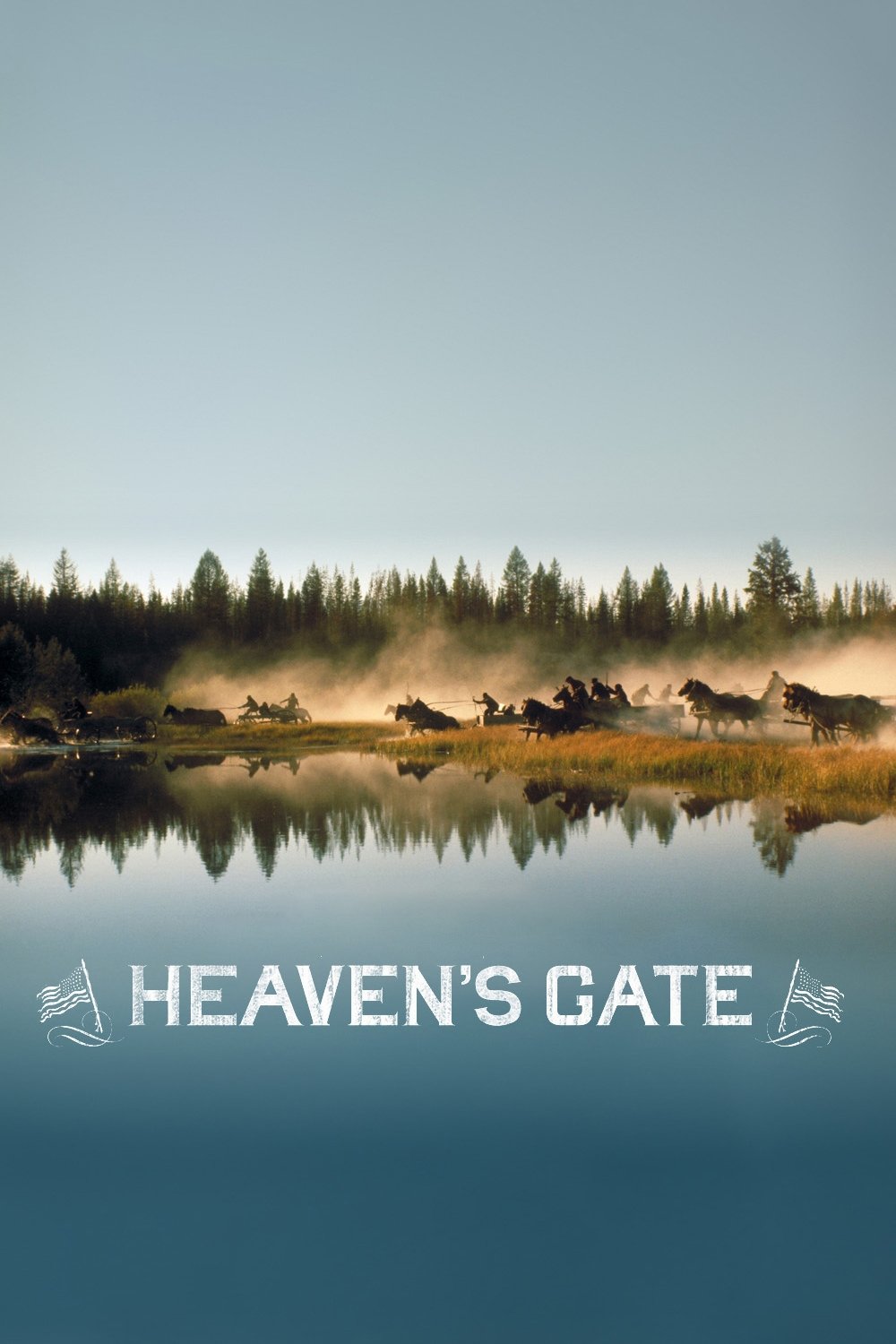
The production ran over budget and schedule, and the theatrical run failed to recover costs. United Artists took heavy losses and was absorbed into a new corporate structure, which cut short a period when directors held unusual control over expensive projects.
Studios responded by tightening greenlight rules, expanding use of completion bonds, and giving line producers stronger authority. The fallout pushed executives toward high concept packaging, heavy test screening, and stricter oversight that still shapes risk management today.
‘Blade Runner’ (1982)
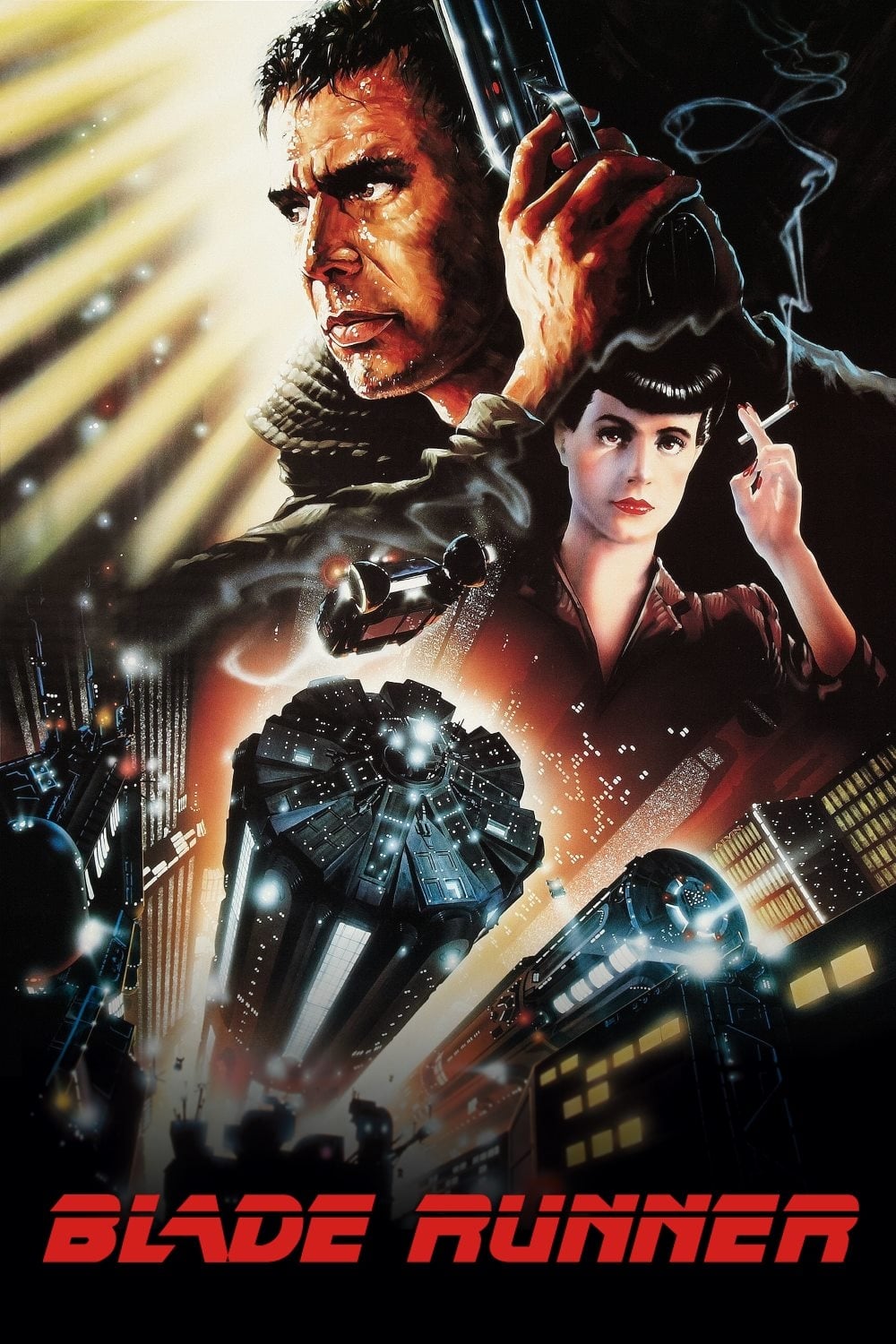
The initial release underperformed, yet the film’s dense world building by futurist designers and its mix of practical effects, miniature photography, and optical compositing became a standard reference for urban science fiction. Production design programs and VFX houses use its methods and visuals in training and pitch materials.
Multiple official cuts circulated on home video and in theaters, which proved that alternate versions could extend a title’s lifespan. That practice helped normalize director’s cuts and archival restorations as viable products for catalogs and streaming libraries.
‘The Thing’ (1982)
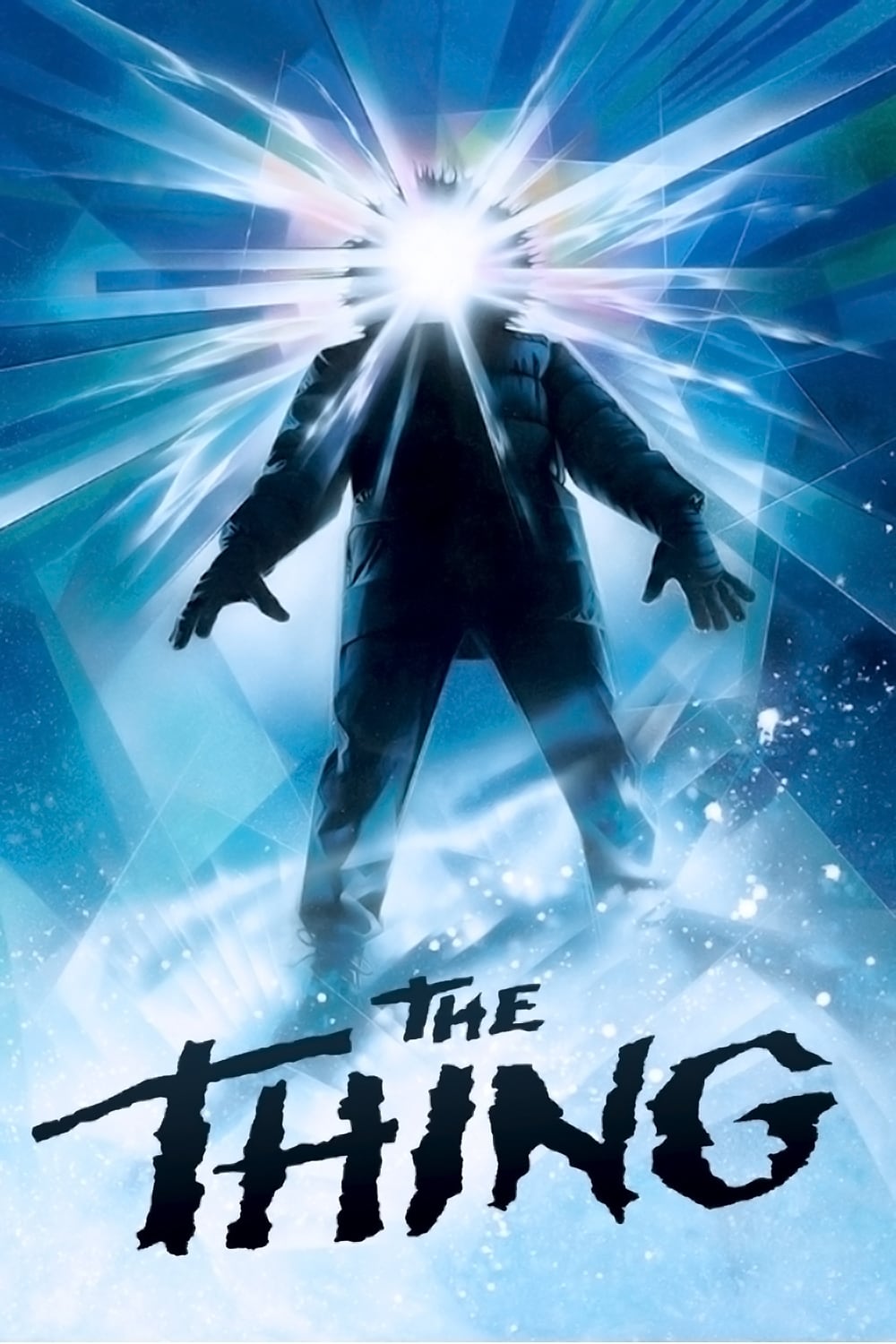
Theatrical grosses disappointed, but the film’s creature work set a new bar for practical effects. Teams led by Rob Bottin created animatronics, prosthetics, and on set gags that are still studied for mechanical design, materials, and lighting tricks that sell texture on camera.
Its closed circle structure and trust collapse blueprint became a template for later ensemble thrillers and survival horror storytelling. Repertory play and home video drove steady demand for making-of education, which kept practical creature effects in the professional toolkit even through digital waves.
‘The Iron Giant’ (1999)
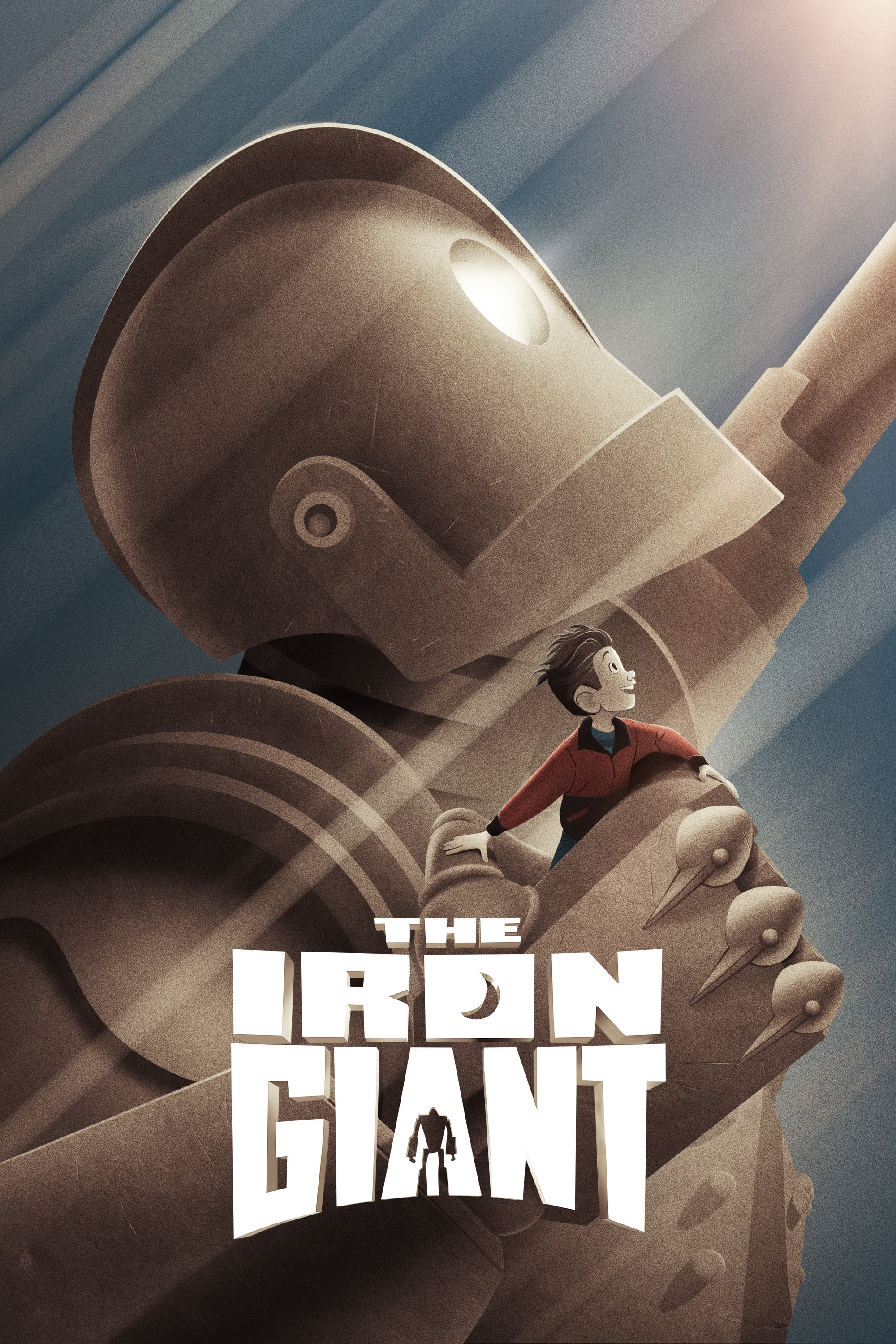
Marketing misfires and a brief theatrical window yielded weak ticket sales, but cable rotation and home video built a large audience. The film’s success after release showed studios the long tail value of family titles that earn loyalty outside opening weekend.
Director Brad Bird moved from this project to lead major animated features like ‘The Incredibles’ and ‘Ratatouille’, carrying over staging ideas, character physics, and storyboarding discipline. Animation departments cite this pathway when advocating for director driven development inside large pipelines.
‘The Shawshank Redemption’ (1994)
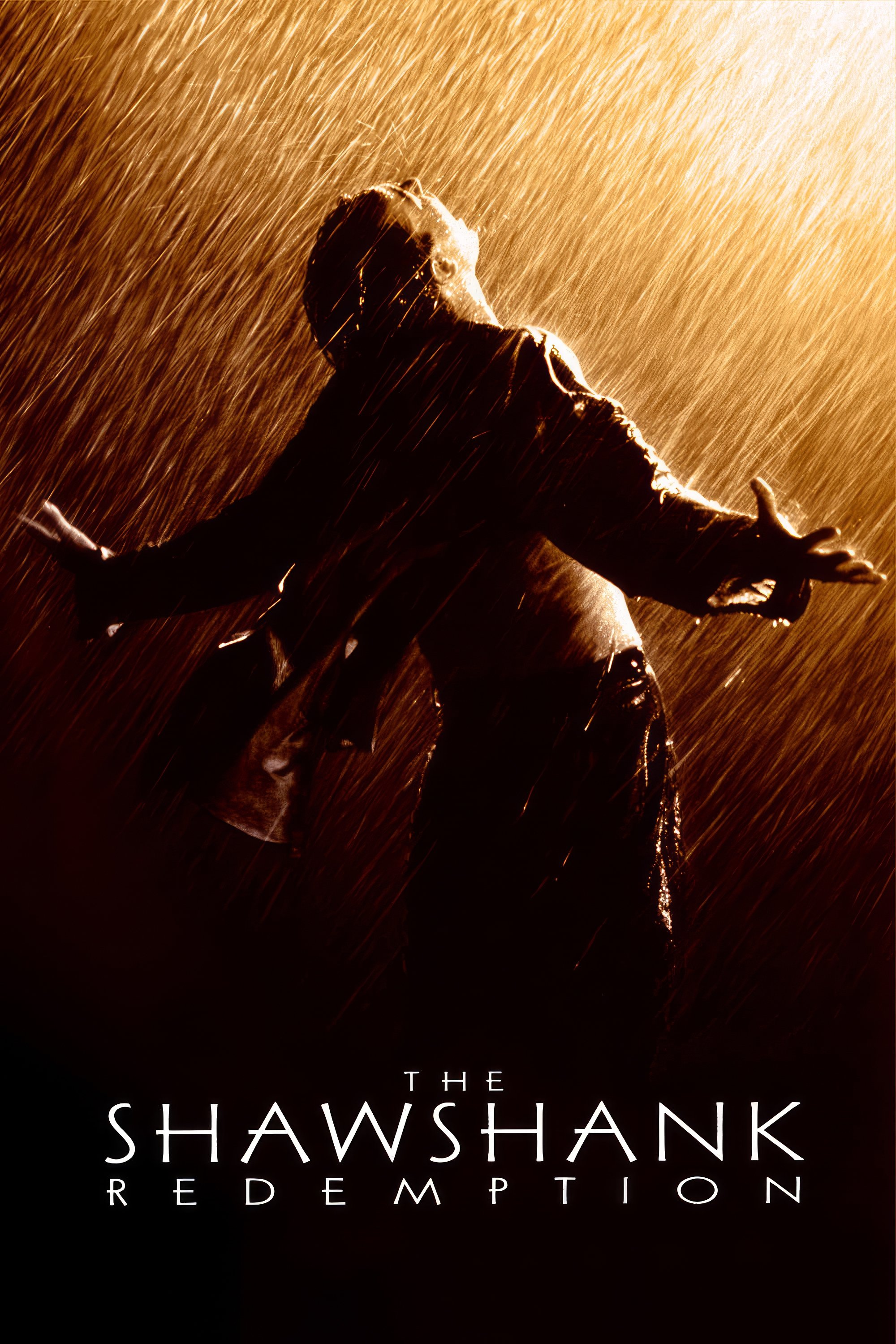
Box office returns were modest during the initial run, yet the title dominated rental charts and cable scheduling. Programmers used its steady ratings to design marathons and counterprogramming blocks, which became a model for how a library film can anchor viewing habits.
Home video performance encouraged distributors to support slow burn dramas with extended ancillary plans. Catalog teams later prioritized high quality restorations and frequent rereleases because repeated airings had proven the long term revenue potential.
‘Peeping Tom’ (1960)
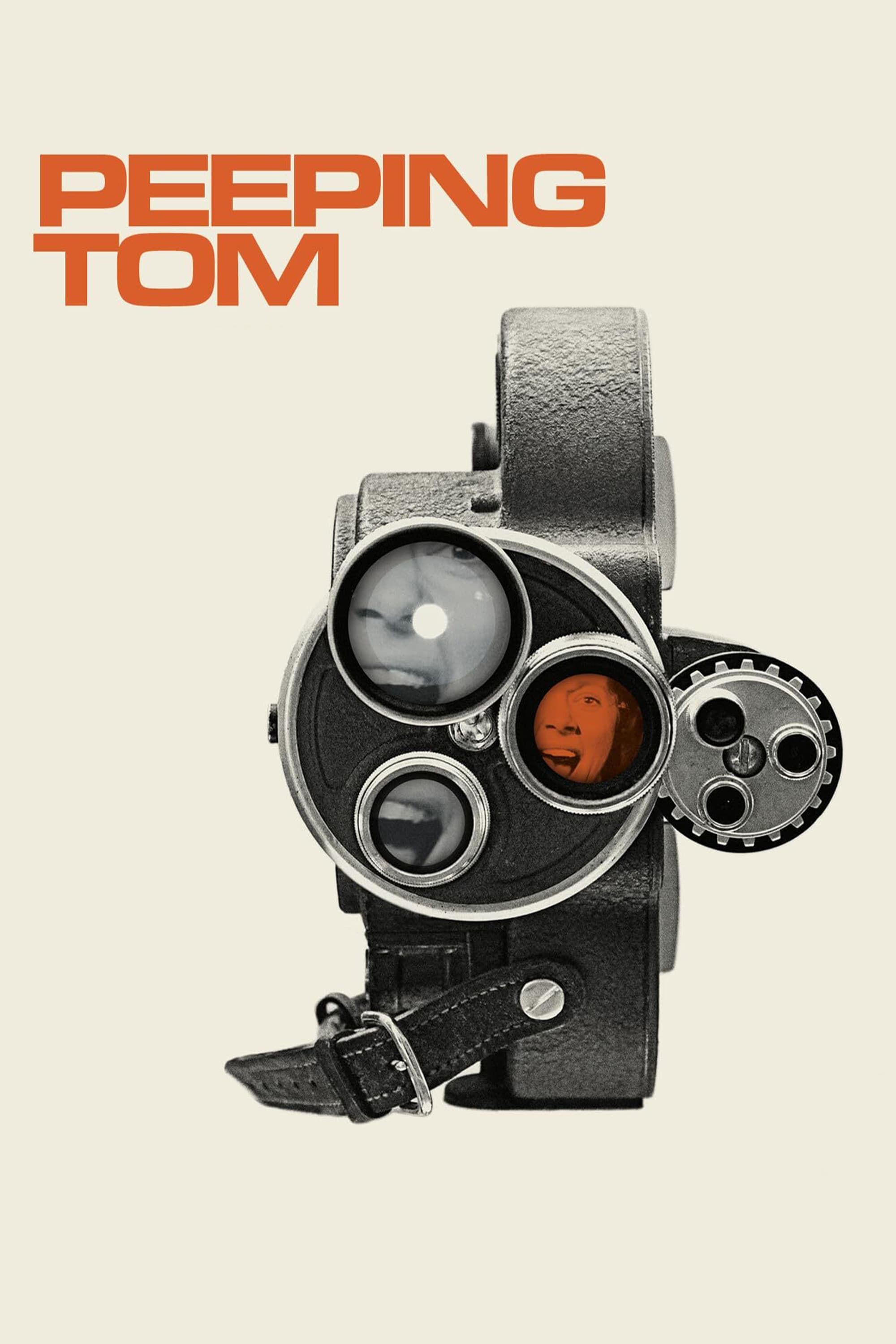
Theatrical reception was hostile and returns were poor, which hurt the director’s career for years. Archivists and critics later restored and reassessed the film, and its first person camera technique entered textbooks as a tool for psychological point of view.
Its study of voyeurism and the mechanics of filming within a story influenced slasher structure and investigative thrillers. Camera operators and editors still use its approach to diegetic cameras to motivate cuts and frame choices that place the audience inside an unsettling perspective.
‘It’s a Wonderful Life’ (1946)
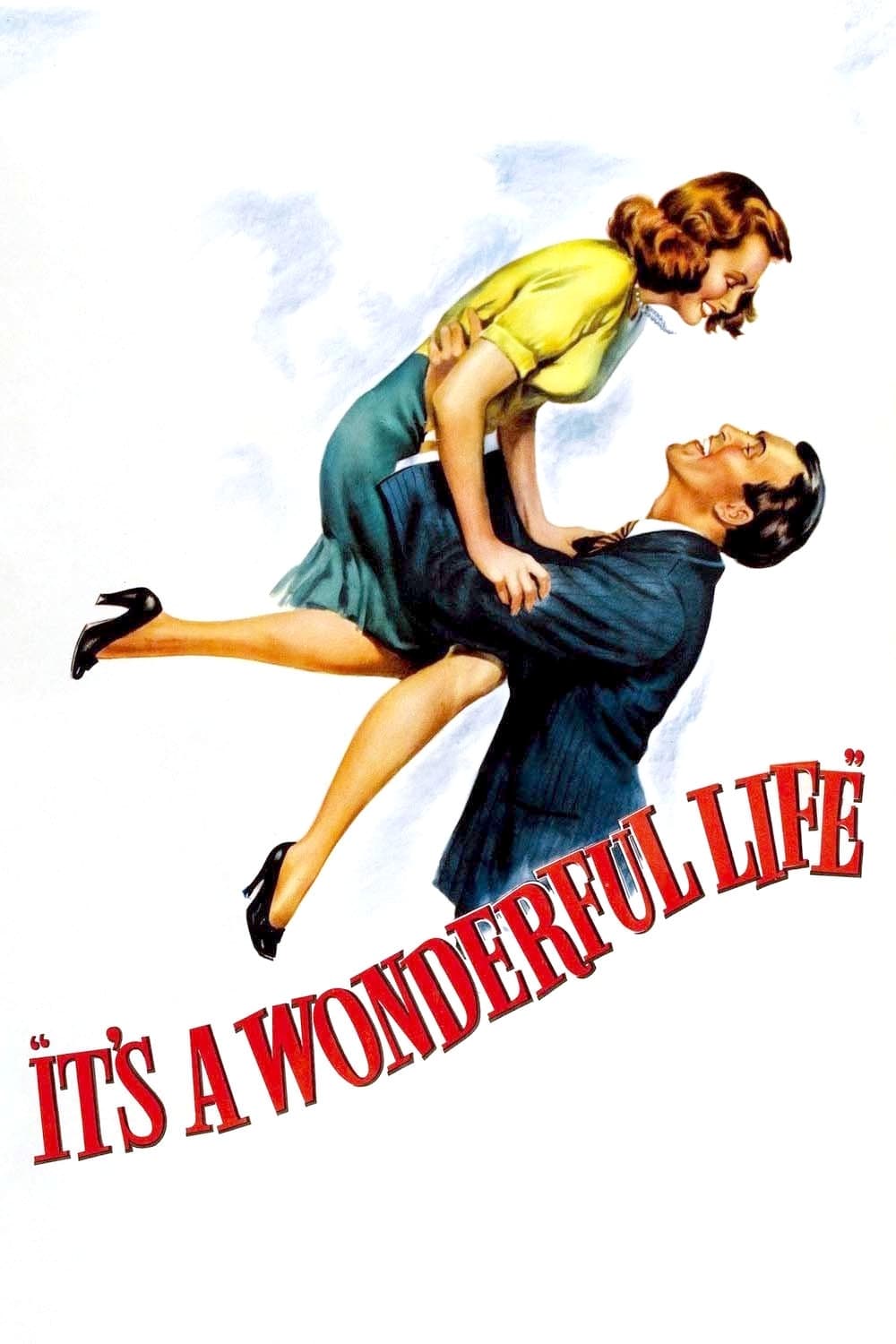
Initial receipts did not meet expectations, but a lapse in rights control led to widespread television broadcasts over many holiday seasons. The constant exposure turned it into a household fixture and demonstrated the power of seasonal programming.
Networks and distributors learned that consistent scheduling can create an annual event around a single title. That playbook now informs how streamers and broadcasters position holiday libraries and how rights holders value older films during negotiations.
‘Citizen Kane’ (1941)
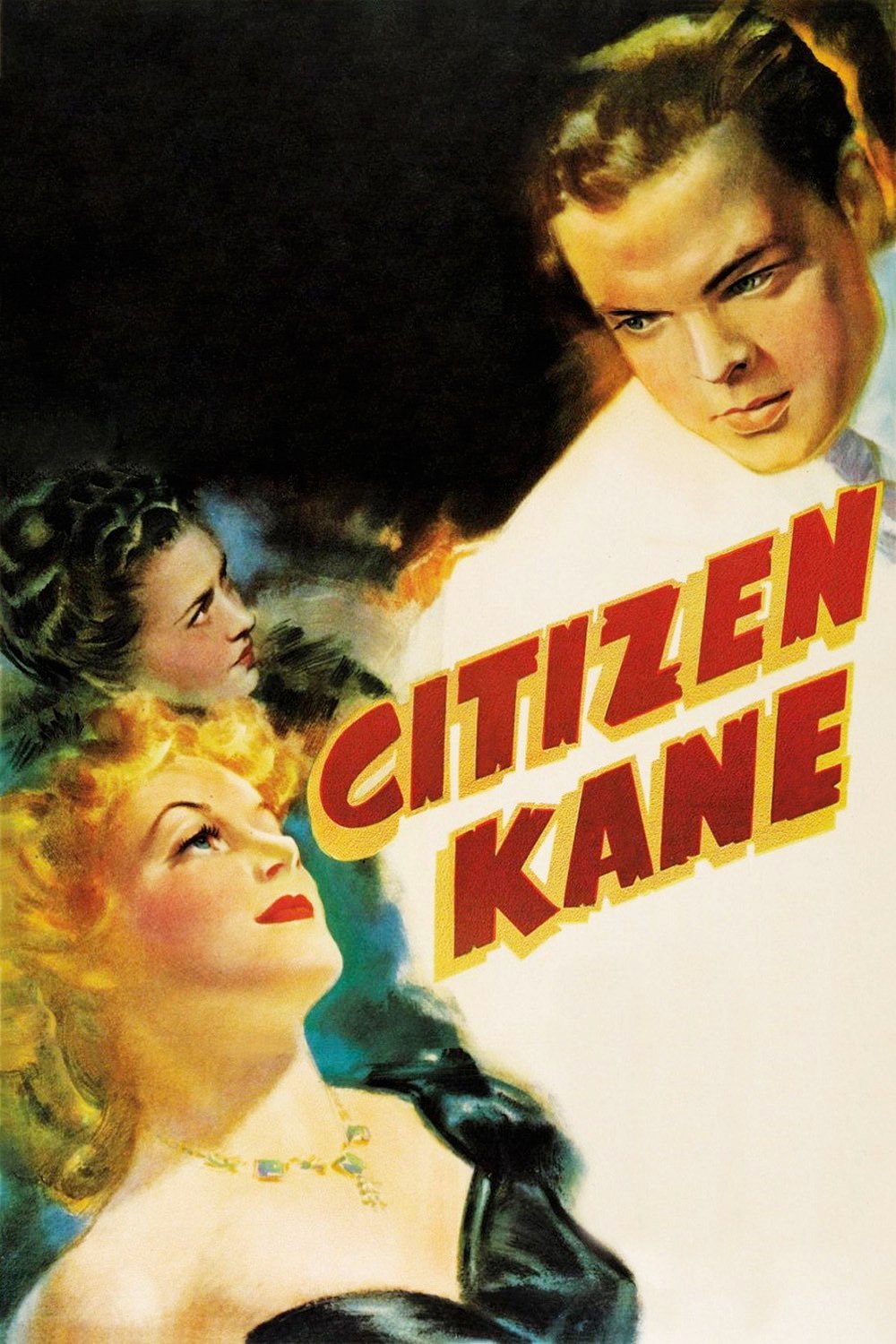
Theatrical revenues were limited by pressure from powerful media interests, and the release pattern restricted access. Inside the craft, the film’s deep focus photography, ceilinged sets, and overlapping dialogue became core lessons in cinematography and sound staging.
Film schools around the world adopted scene breakdowns from this title, which standardized vocabulary for camera height, lens choice, and narrative time jumps. Those classroom practices influenced generations of directors of photography and editors who carried the methods into mainstream production.
‘Speed Racer’ (2008)
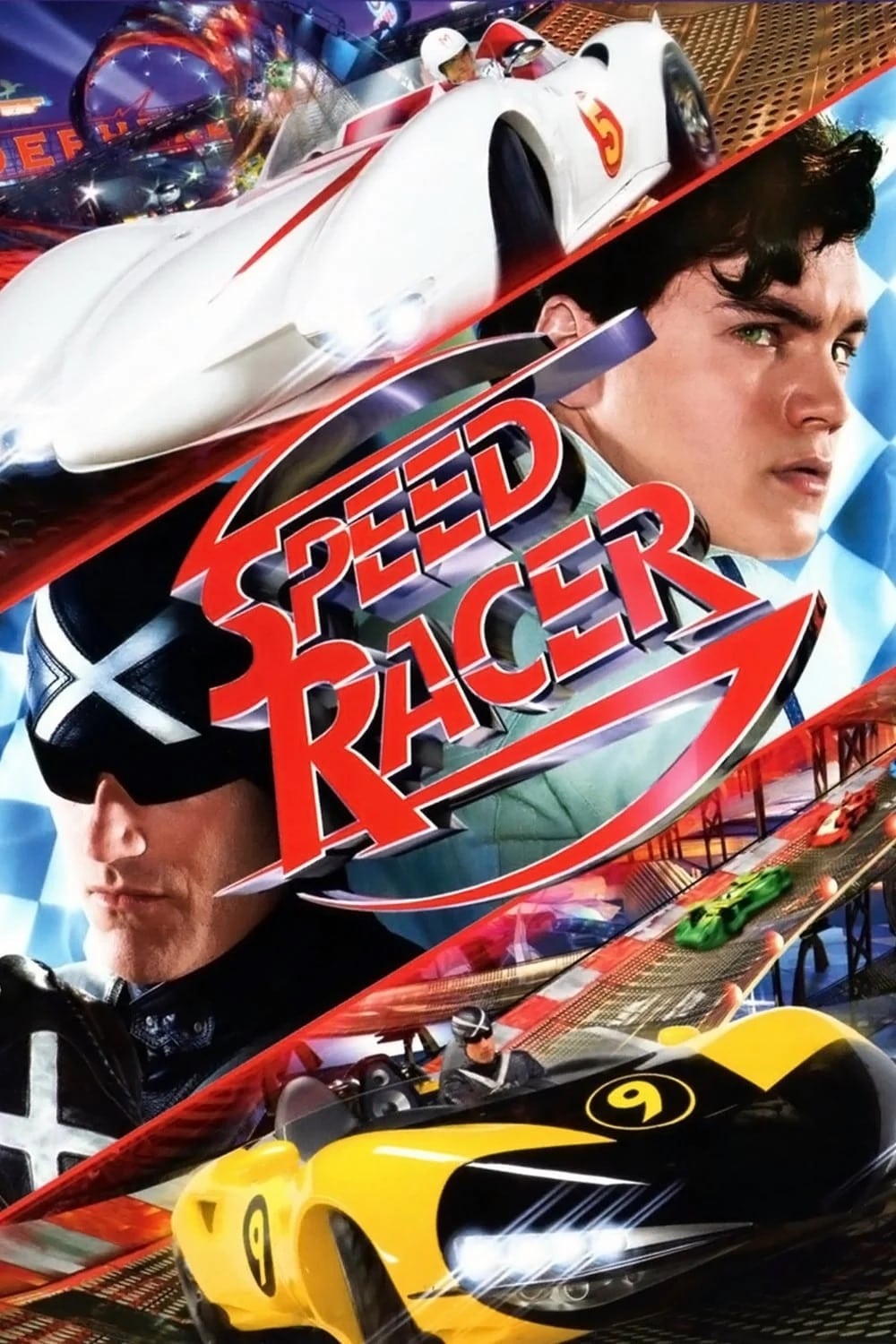
The film disappointed at the box office, but it pioneered an all digital look with virtual backlots and aggressive compositing. The approach mapped camera moves to fully synthetic environments and encouraged artists to treat color and motion as expressive rather than naturalistic.
Action units and commercials soon applied its previs heavy methodology to plan stunts inside flexible digital volumes. The project also pushed color pipeline discussions that paved the way for high dynamic range deliverables across home platforms.
‘Dredd’ (2012)
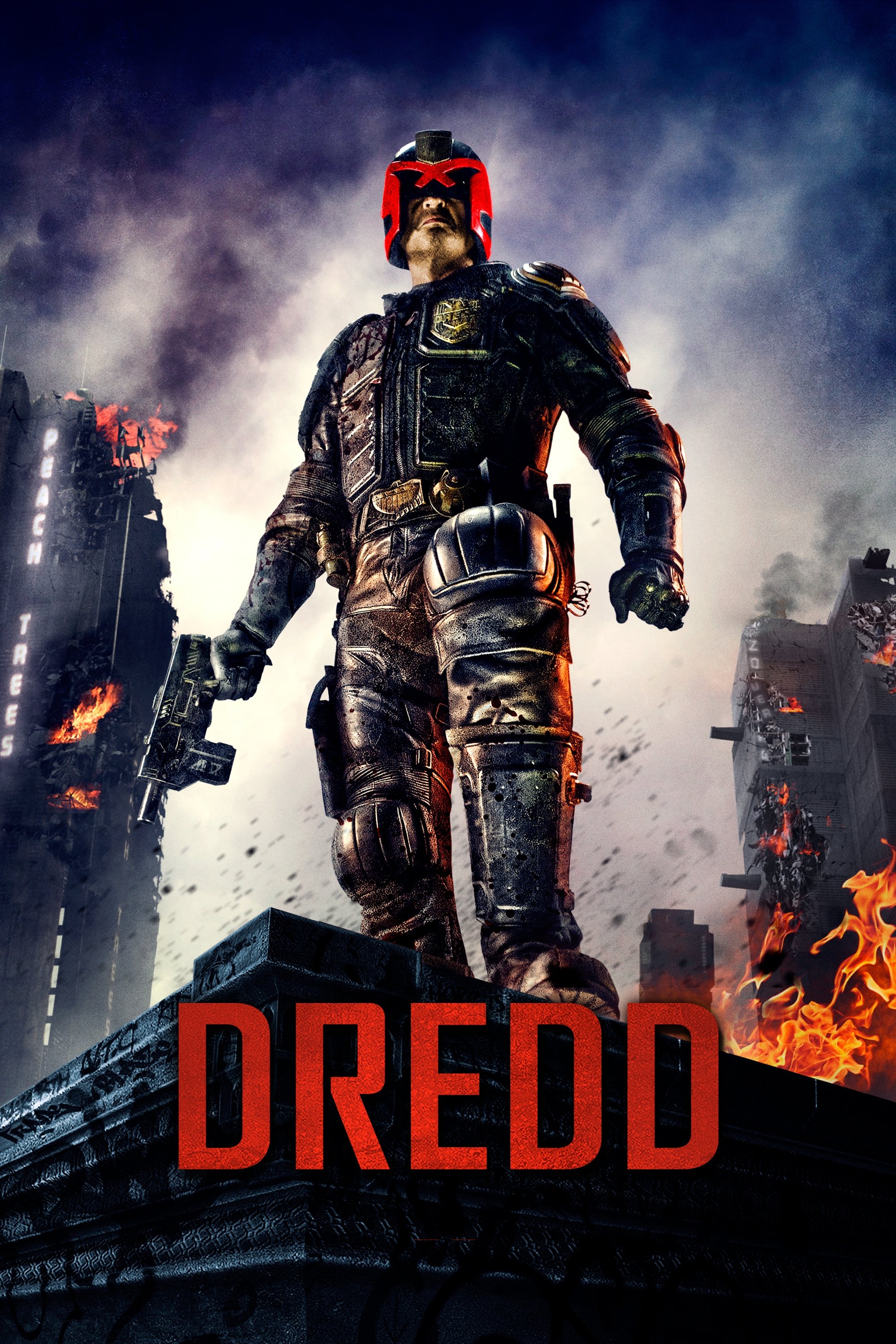
The release earned little in theaters, yet it found a large audience on home media and streaming. Its reputation convinced buyers that hard R comic adaptations could thrive outside four quadrant targeting when discovery is driven by word of mouth.
The production showcased extreme slow motion imagery using high speed photography in stereoscopic capture. Post teams documented workflows that paired particle elements and lighting passes to create the signature look, and those guides circulated widely in VFX communities.
‘Scott Pilgrim vs. the World’ (2010)
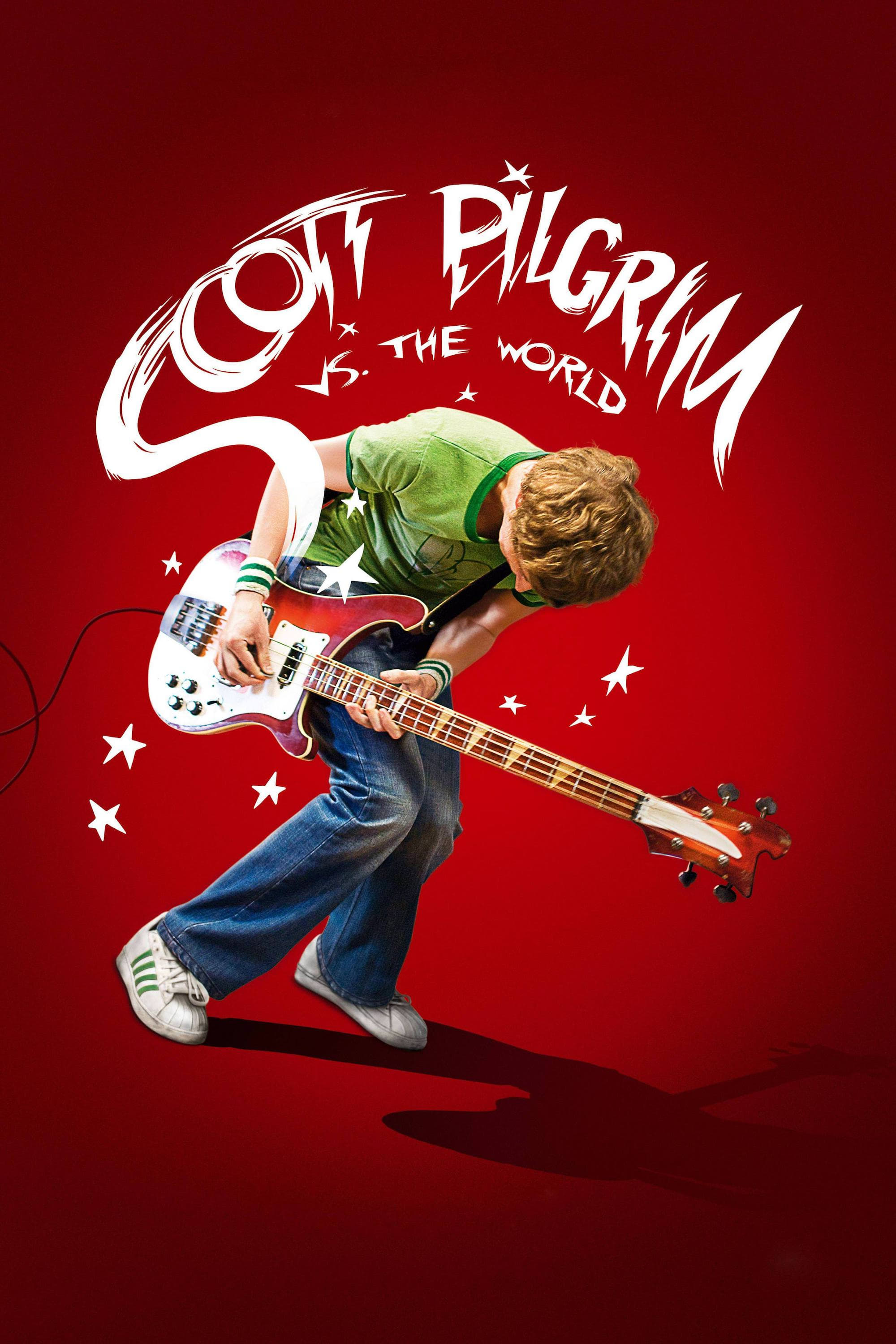
Theatrical grosses fell short, but the film’s integration of on screen text, panel inspired transitions, and rhythmic sound design influenced editing grammar for music driven action. Directors and promo editors borrowed its approach for trailers, series openings, and branded content.
Previsualization and post heavy planning from the project became a case study for making complex gags land on set. The techniques encouraged tighter collaboration between editorial, sound, and VFX from the earliest animatic stage.
‘Cloud Atlas’ (2012)
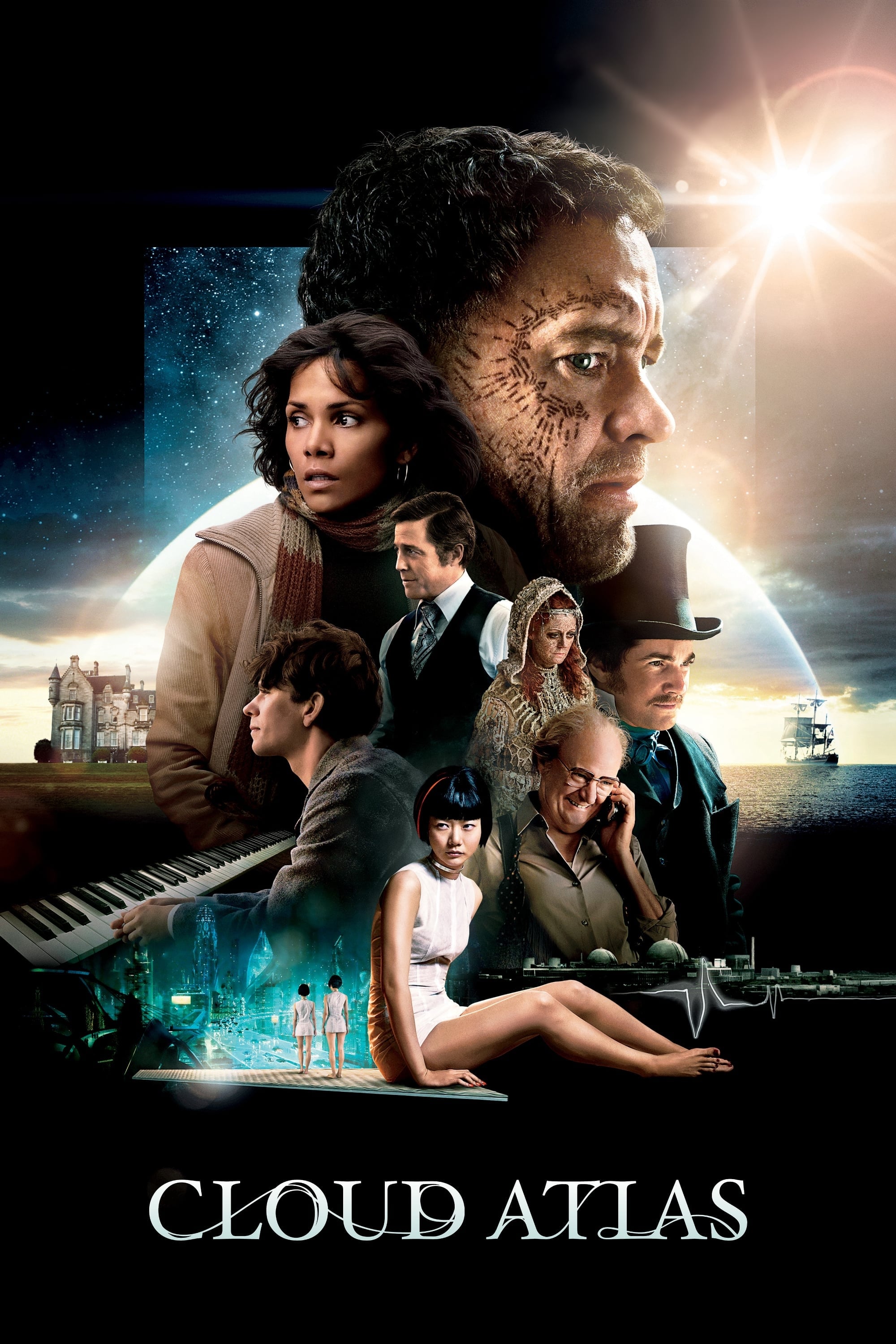
The film could not recoup its large cost during its run, but it was financed through an intricate mix of regional funds, presales, and multiple distributors. That structure proved that an independent pathway could mount an epic scale production without a single controlling studio.
Its cross cut narrative linked six stories with recurring actors across roles, which influenced later anthology projects and event series. Producers point to it when arguing for flexible financing and creative packaging that matches form to global markets.
‘Treasure Planet’ (2002)
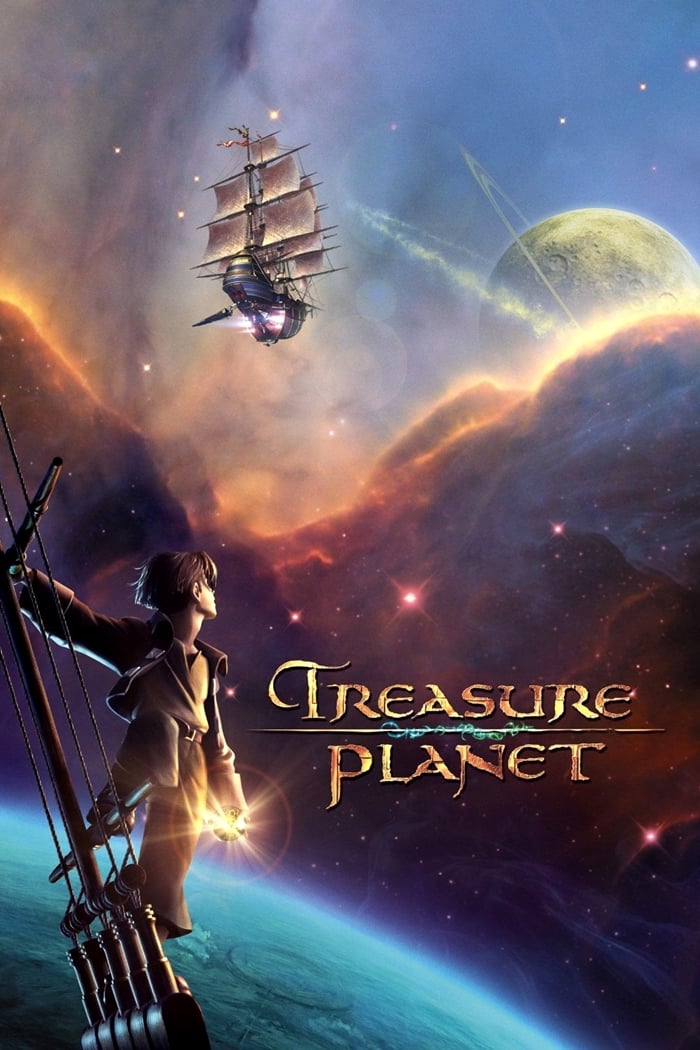
Ticket sales were far below budget, which forced a reassessment inside a major animation division. The film combined hand drawn character work with computer generated environments and props, and the pipeline required new training and asset management across departments.
The loss accelerated a strategic shift toward fully computer animated features and new production tooling. Lessons from the hybrid process informed later approaches to integrating two dimensional styling in three dimensional renders for shorts and series.
‘Donnie Darko’ (2001)
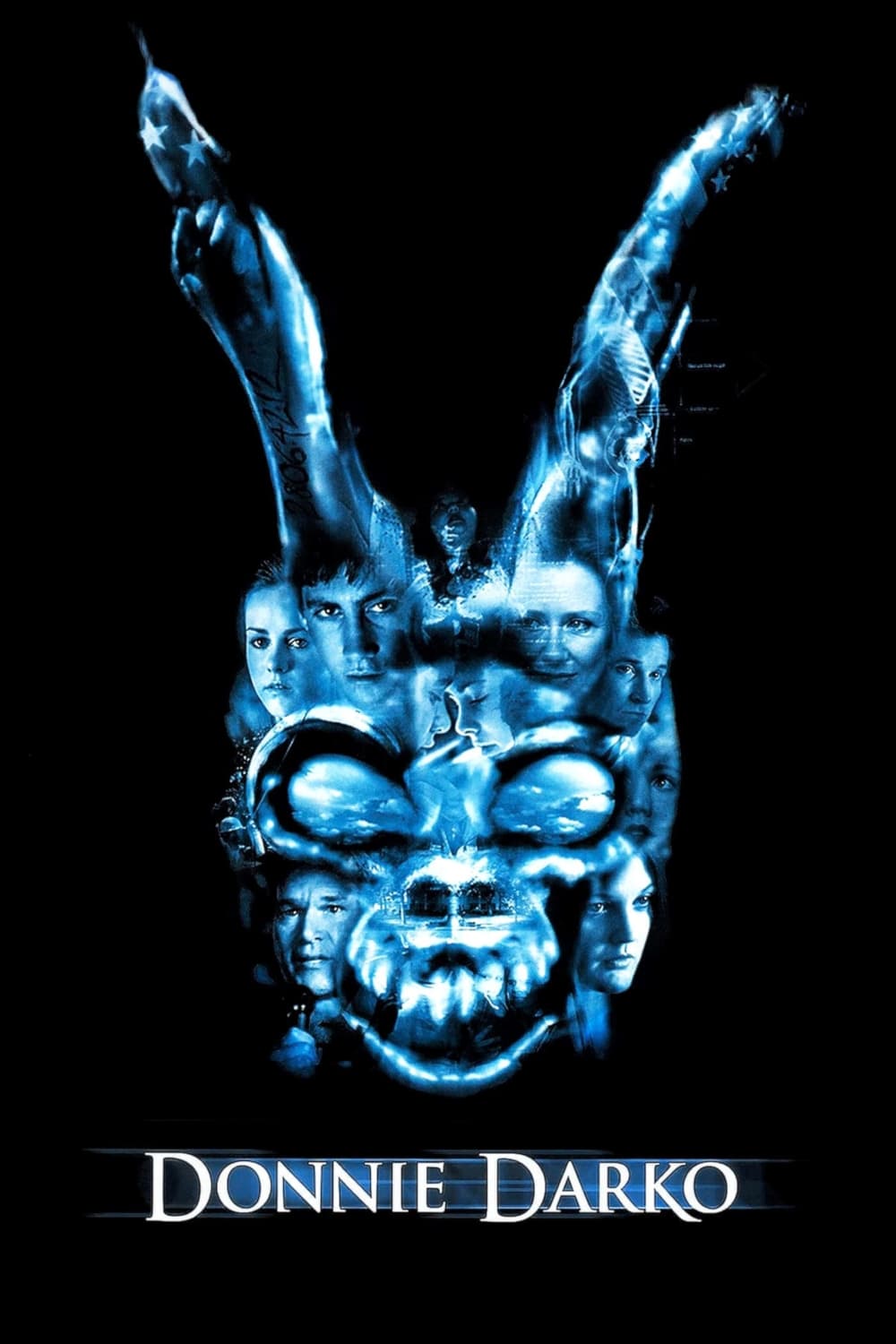
The film struggled in theaters due to limited marketing and a difficult release window, but it exploded on DVD and through midnight screenings. Retailers and exhibitors used it to build cult programming that guaranteed steady attendance.
A later director’s cut and frequent repertory play showed distributors how niche science fiction can thrive through targeted community building. Specialty labels adopted similar rollout plans for challenging titles that benefit from discussion and repeat viewings.
‘Brazil’ (1985)
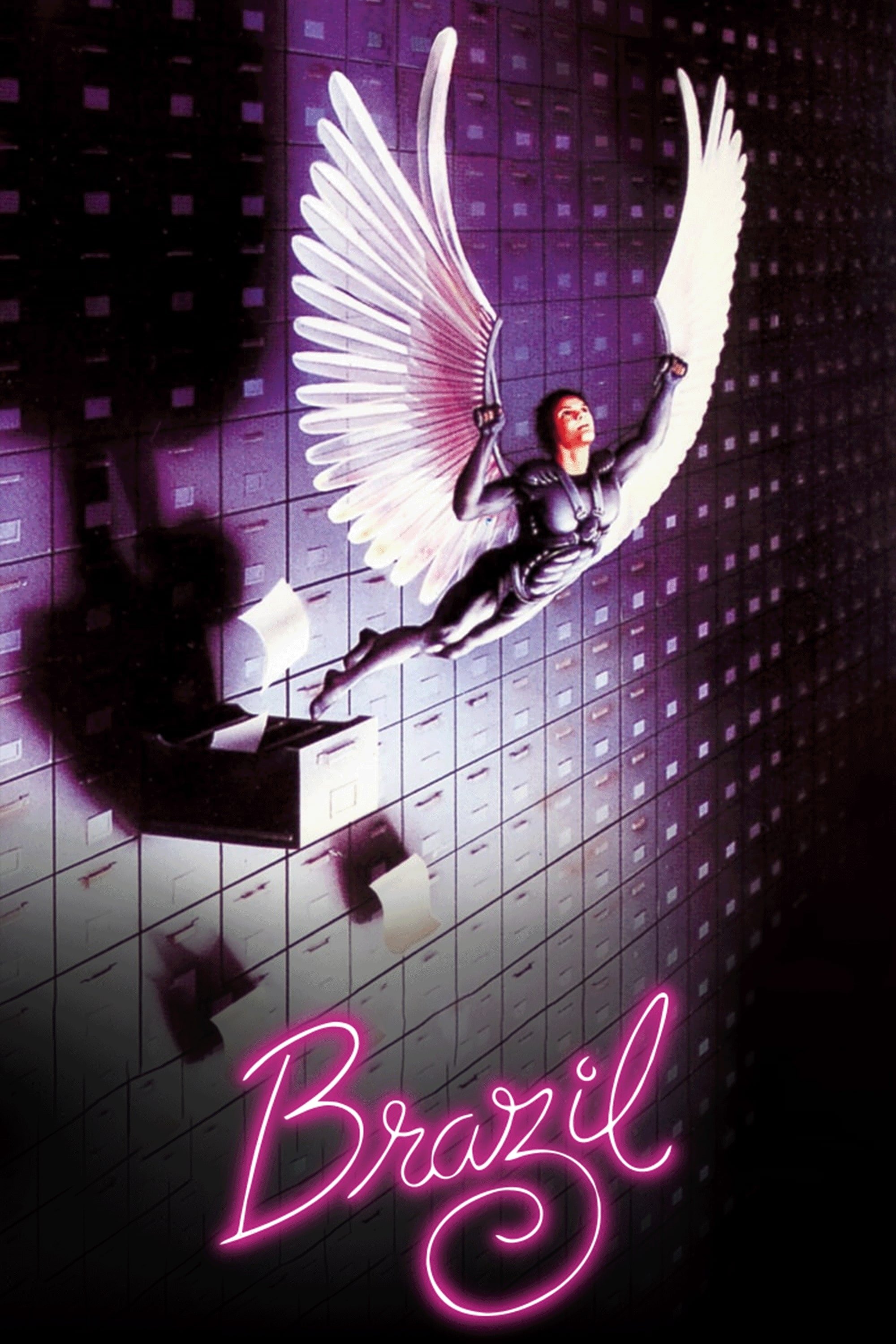
The project faced a prolonged battle over final cut, and the initial domestic release underperformed. Public screenings of an alternate version and critical awards created pressure that forced a broader release with the director’s preferred vision.
The case reshaped contract language around creative control and marketing obligations. It also influenced awards campaign tactics by proving that critics groups and special screenings can change a studio’s release strategy for difficult films.
Share the underseen films you think changed the game in the comments and tell us how they did it.