The Best 1980s Movies That Need a Reboot


The eighties delivered high concept ideas, practical effects, and bold genre blends that left behind worlds and characters with room to expand. Many of these films built recognizable settings and clear rules that can carry fresh stories without losing what made them work.
This list gathers titles with strong hooks, established mythologies, and production touchpoints that translate well to modern filmmaking. You will find adventure, science fiction, fantasy, and offbeat comedy, along with cast, crew, effects, and legacy details that show how each property can support a new take.
‘The Last Starfighter’ (1984)
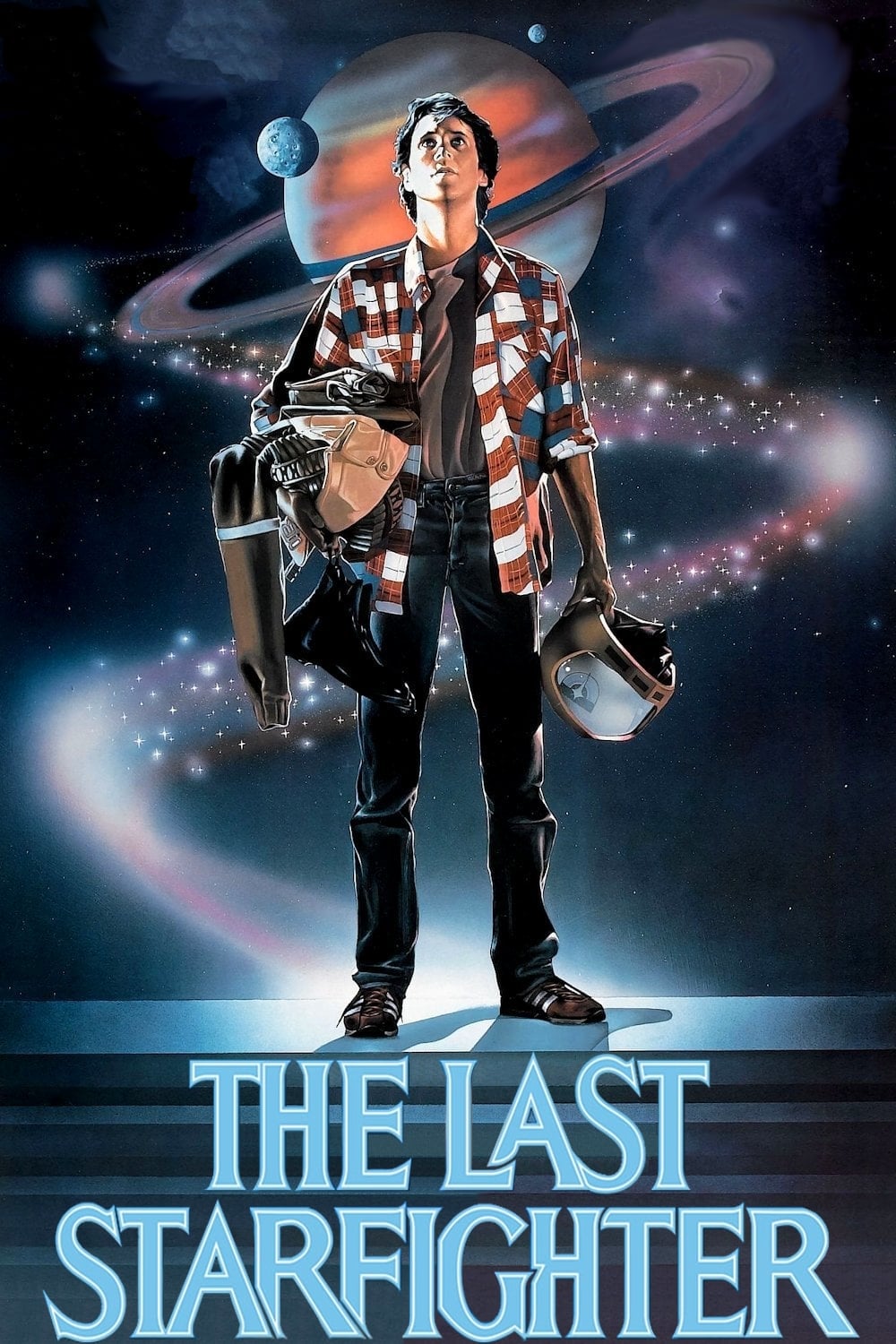
Nick Castle directed this space adventure about a small town gamer who discovers an arcade cabinet is a recruitment tool for alien starfighter pilots. Lance Guest and Robert Preston lead the cast, and Digital Productions supplied large scale computer graphics for spacecraft and battle shots.
Lorimar produced and Universal handled theatrical release. Composer Craig Safan scored the film, and home video and cable play built a lasting audience that kept sequel and follow up discussions active across decades.
‘Flight of the Navigator’ (1986)
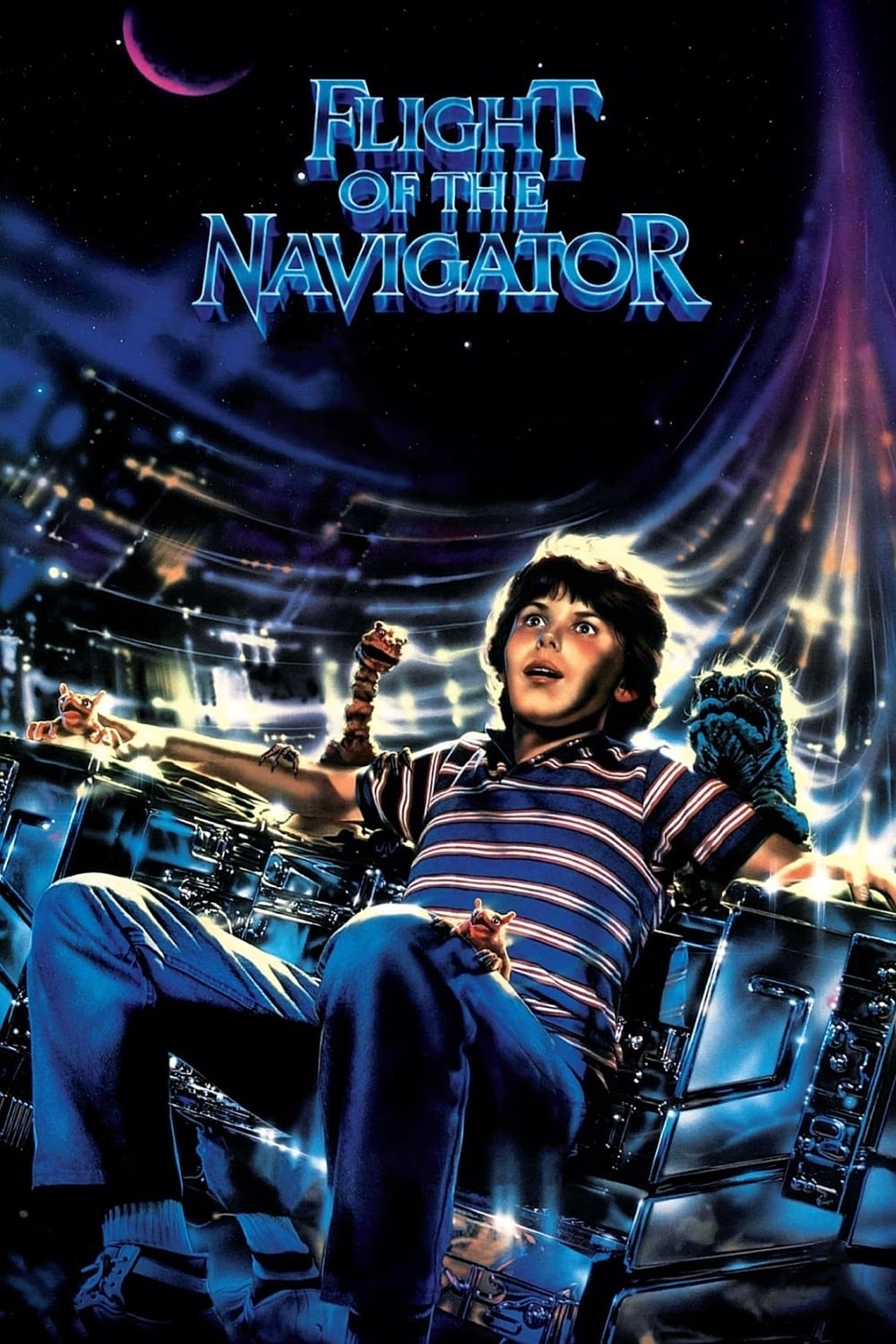
Randal Kleiser directed this story of a missing boy who returns and connects with a sentient spacecraft that speaks with a distinctive voice performance by Paul Reubens. The ship’s reflective surface and shape shifting interior showcased early character driven computer imagery alongside puppetry.
Walt Disney Pictures partnered with Producers Sales Organization on distribution. Location work included NASA facilities in Florida, and the electronic score supported the film’s blend of humor, time displacement, and laboratory settings.
‘Enemy Mine’ (1985)
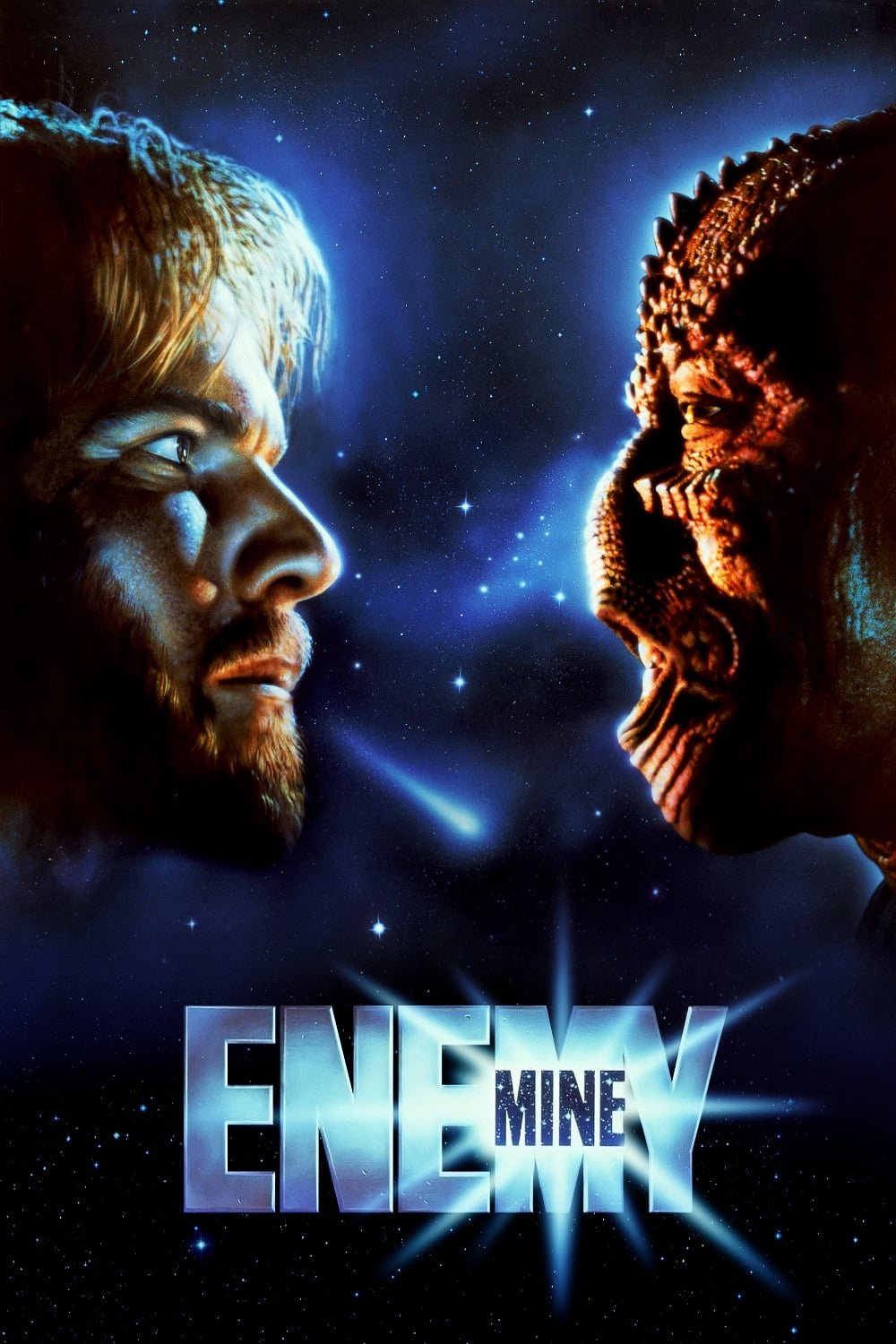
Wolfgang Petersen directed this survival tale about a human pilot and a Drac warrior who must cooperate after a crash on a hostile planet. Dennis Quaid and Louis Gossett Jr star, with extensive alien makeup that allowed clear facial articulation for dialogue heavy scenes.
Twentieth Century Fox released the film. Production involved major set construction for exteriors and interiors, language creation for the Drac culture, and a sound design that emphasized environmental hazards and isolation.
‘Krull’ (1983)
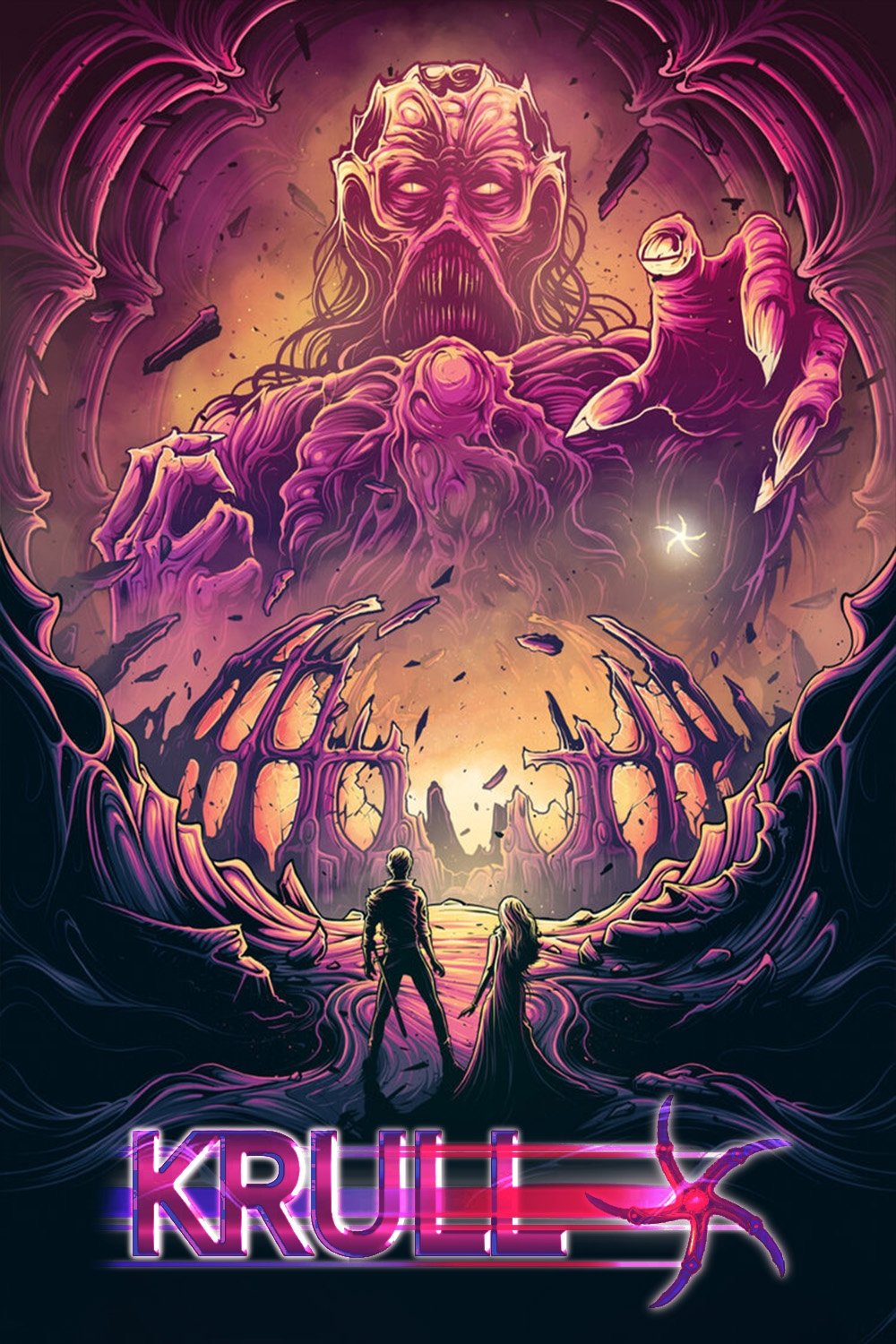
Peter Yates combined fantasy and science fiction in a quest to rescue a royal captive from an extraterrestrial invader known as the Beast. Ken Marshall and Lysette Anthony star, and the Glaive prop and related choreography became a central visual element for action sequences.
Pinewood Studios hosted large indoor builds that included cavern systems and castle interiors. Columbia Pictures distributed the film, James Horner composed the score, and licensed media such as a novelization and games carried the world into other formats.
‘Explorers’ (1985)
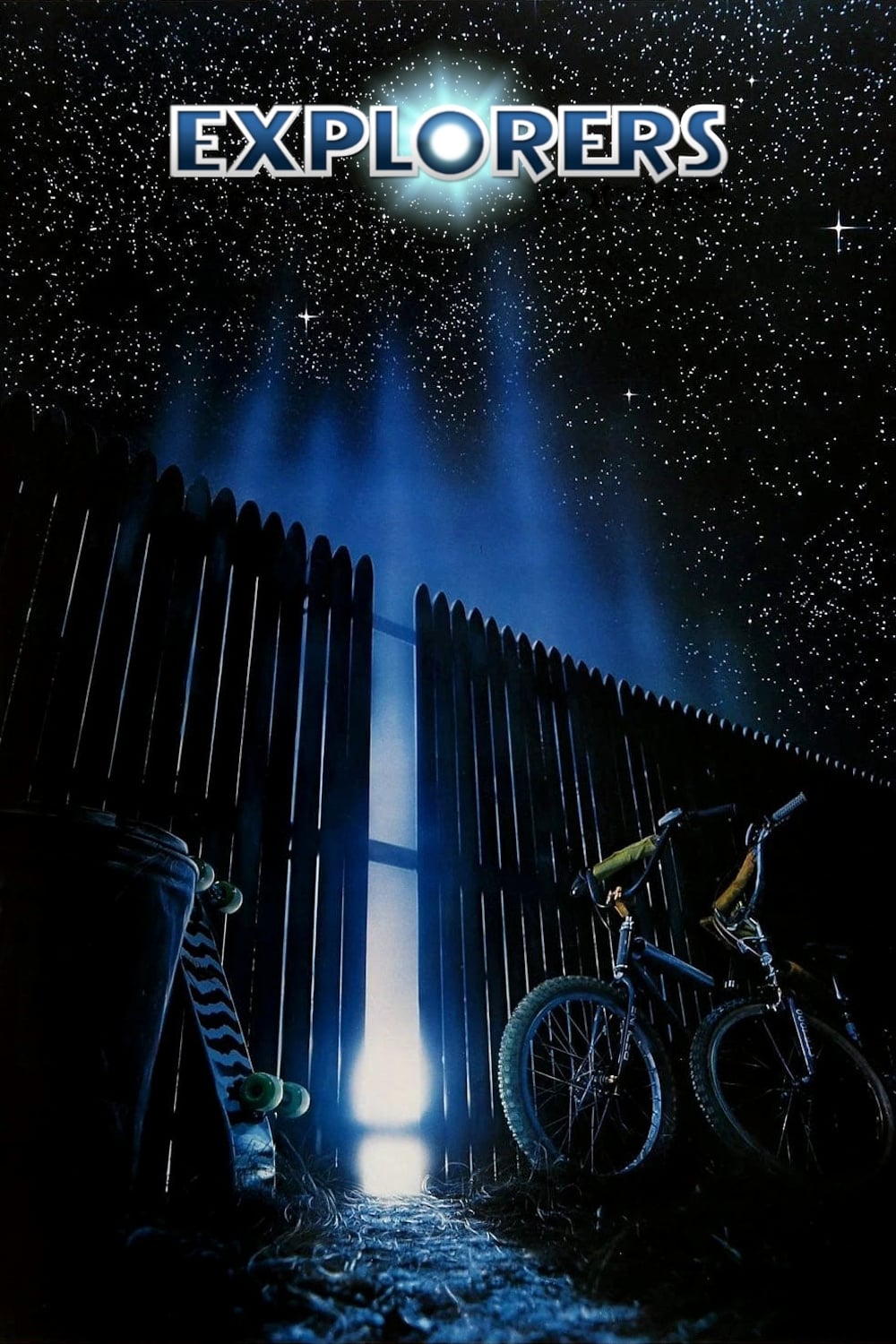
Joe Dante directed this story of friends who decode a design from a shared dream and assemble a homemade spacecraft from found parts. Ethan Hawke and River Phoenix appear in early roles, and Industrial Light and Magic created effects for the flight and encounter scenes.
Paramount released the film after a fast post production schedule. Jerry Goldsmith’s score supports both neighborhood scenes and the finale, and alternate edits circulated on television and video that highlighted different character beats.
‘The Monster Squad’ (1987)
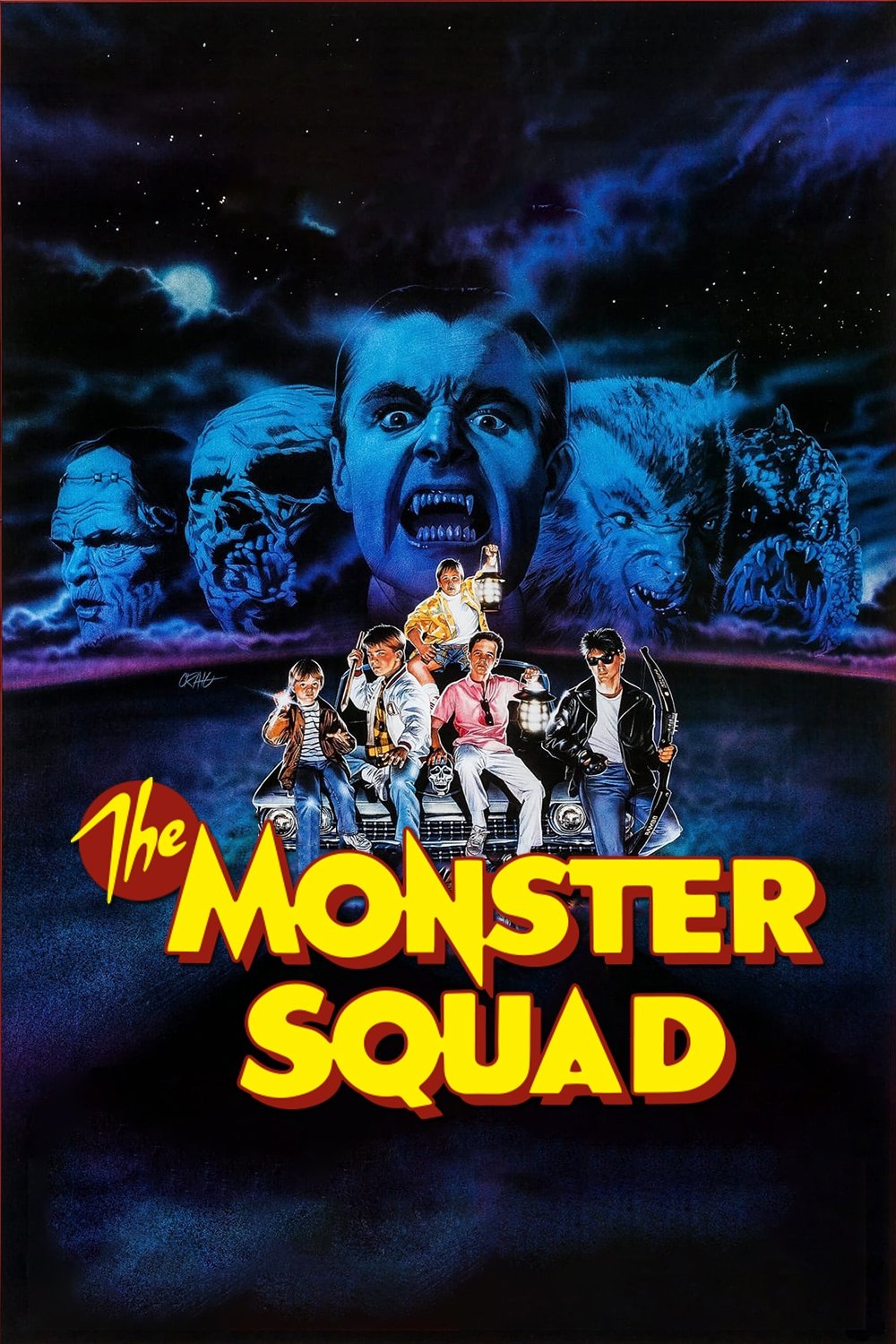
Fred Dekker directed a neighborhood adventure where a club of kids faces versions of classic screen monsters. Shane Black co wrote the script, and Stan Winston Studio built new takes on Dracula, the Wolfman, the Gillman, the Mummy, and Frankenstein’s creature.
TriStar Pictures handled release. The documentary ‘Wolfman’s Got Nards’ later chronicled the film’s reception and fandom, and repertory screenings and merchandise runs kept the property visible for new viewers.
‘*batteries not included’ (1987)
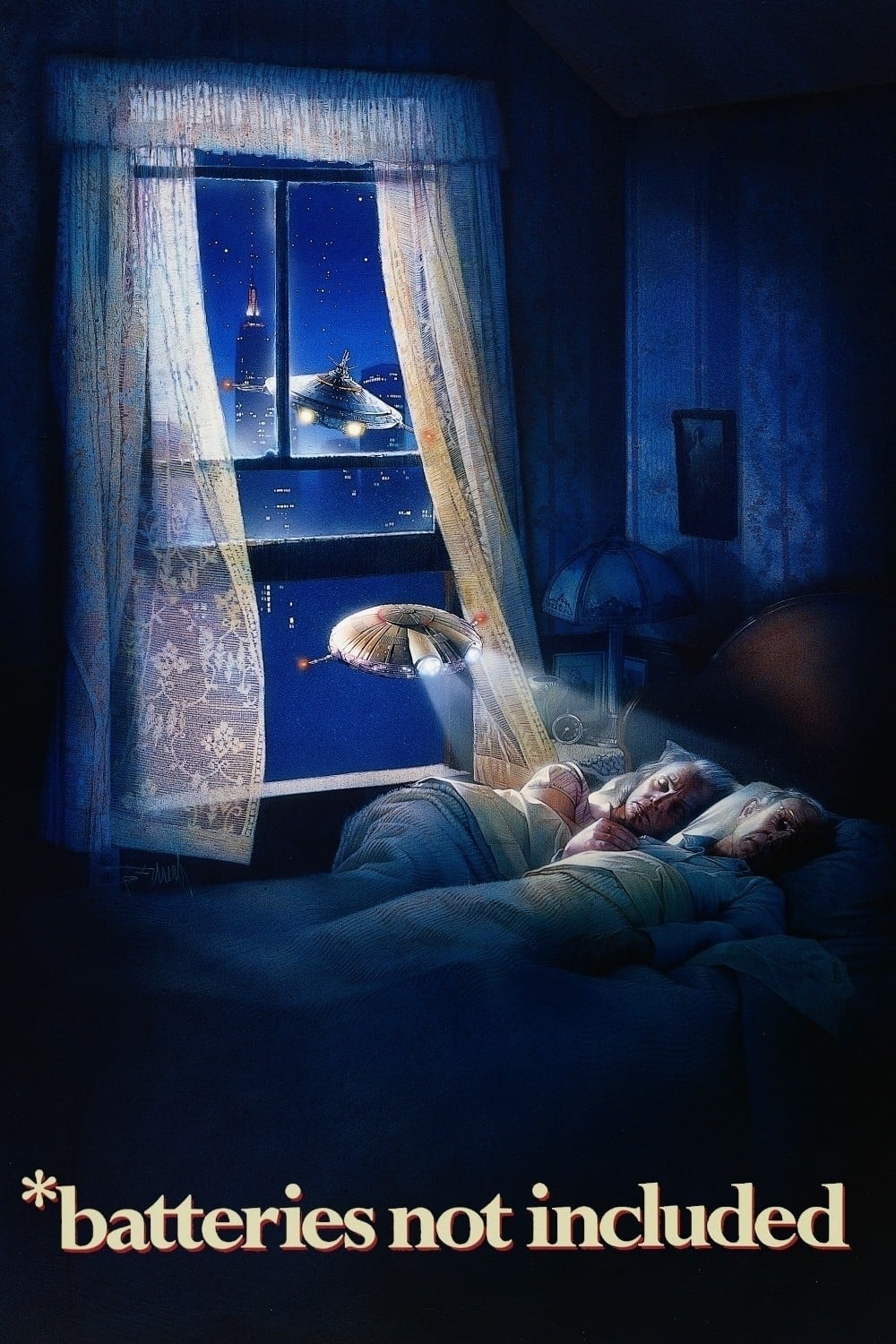
Matthew Robbins directed a story about residents of a threatened apartment building who receive help from small alien machines known as Fix Its. Hume Cronyn and Jessica Tandy head the ensemble, and puppetry and miniatures conveyed the visitors’ movements and repairs.
Amblin produced and Universal distributed the film. The premise began as an ‘Amazing Stories’ concept before expansion to feature length, and Industrial Light and Magic managed the blend of mechanical rigs and optical work.
‘Innerspace’ (1987)
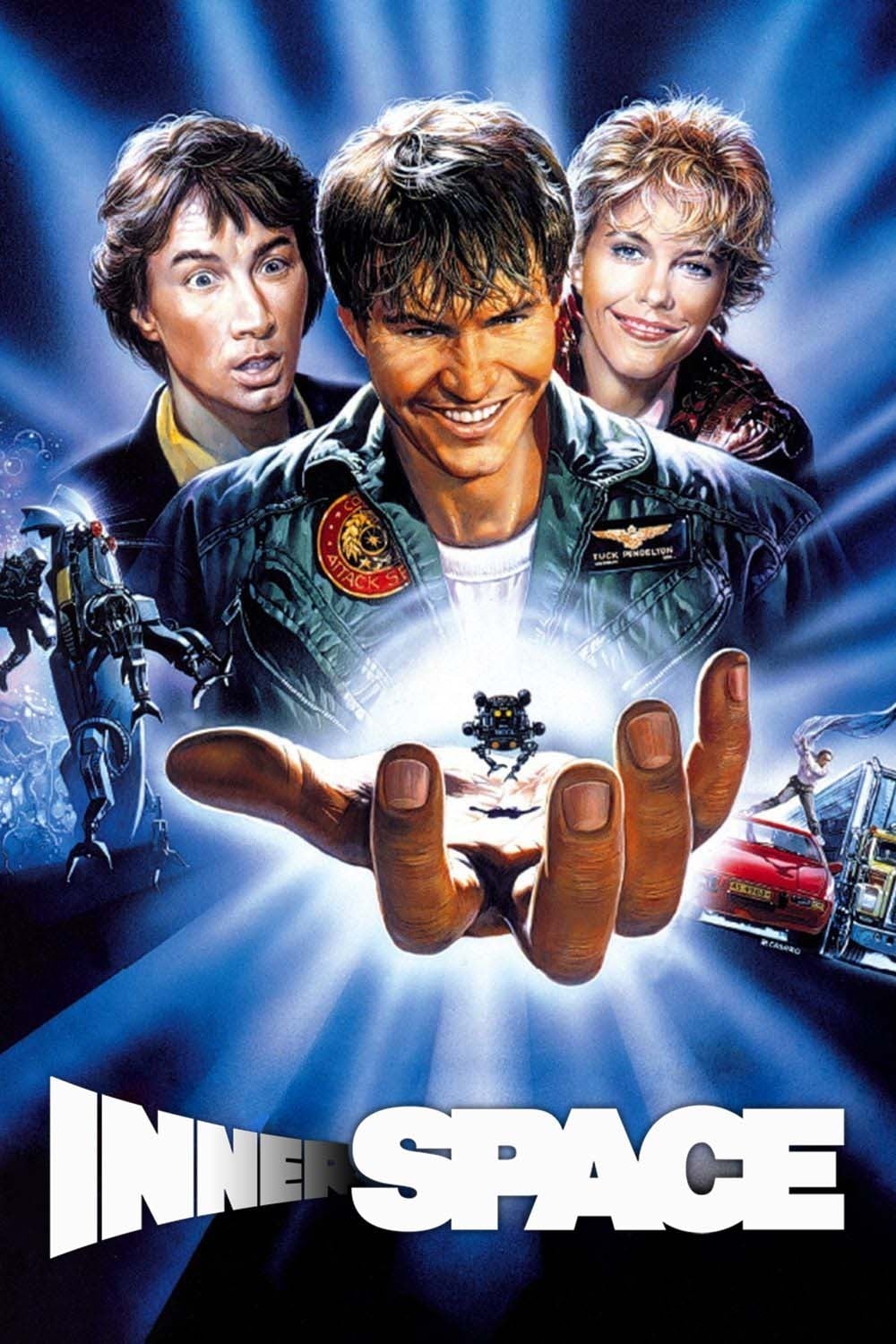
Joe Dante directed this science fiction comedy about a test pilot who is miniaturized and injected by accident into a grocery clerk. Dennis Quaid, Martin Short, and Meg Ryan star, and interior body environments combined large physical builds with optical compositing.
Warner Bros released the film. Industrial Light and Magic led the effects effort that received an Academy Award for visual effects, and Jerry Goldsmith’s score set the pace for chase and lab sequences.
‘Real Genius’ (1985)
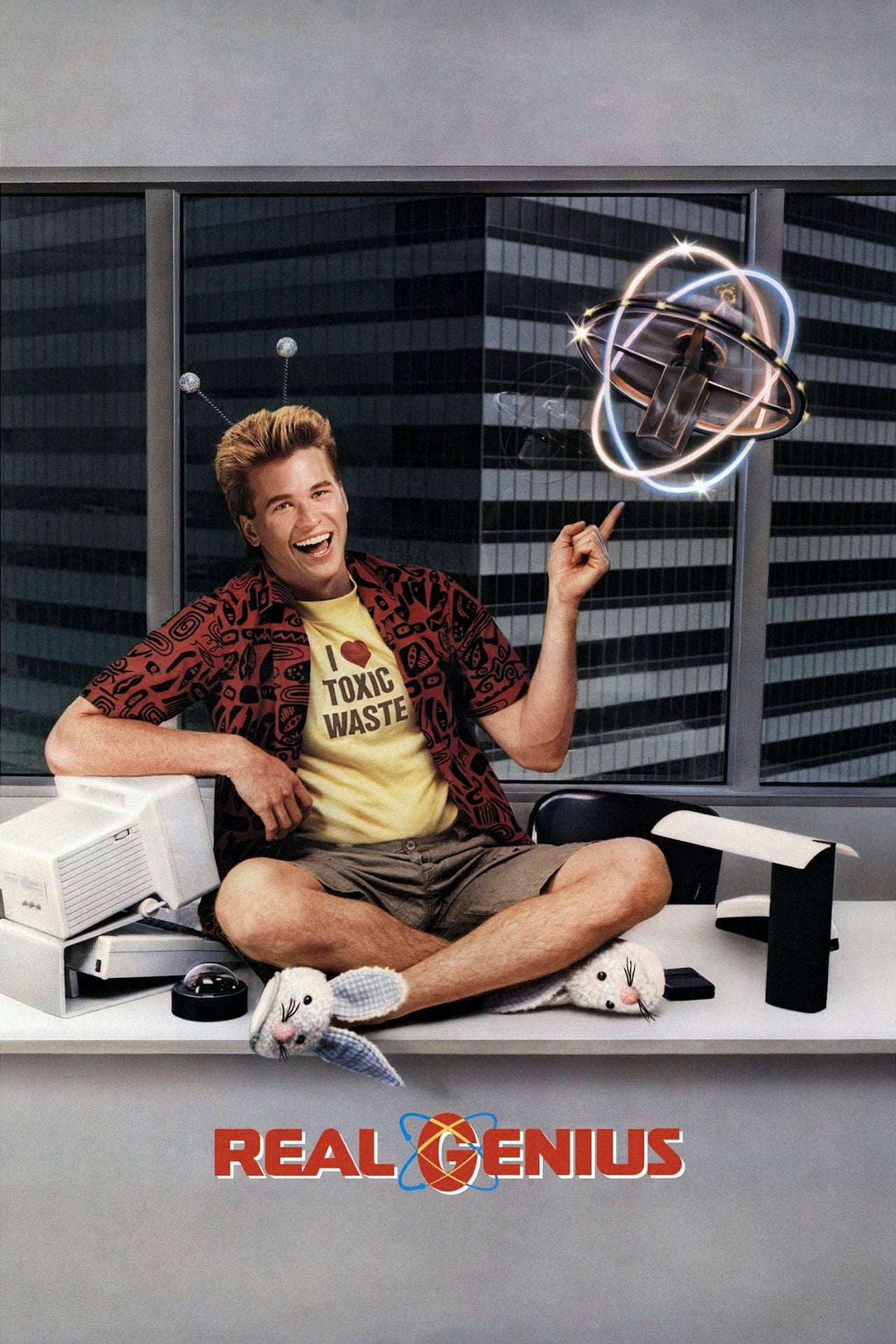
Martha Coolidge directed a campus story about student researchers who uncover a hidden defense project tied to a high energy laser. Val Kilmer and Gabriel Jarret lead the cast, and the script drew on university culture and lab practices for its pranks and experiments.
Columbia Pictures handled release. Consultants advised on optics and gas laser behavior so props and demonstrations would photograph accurately, and a soundtrack placement in the finale anchored the closing sequence.
‘They Live’ (1988)
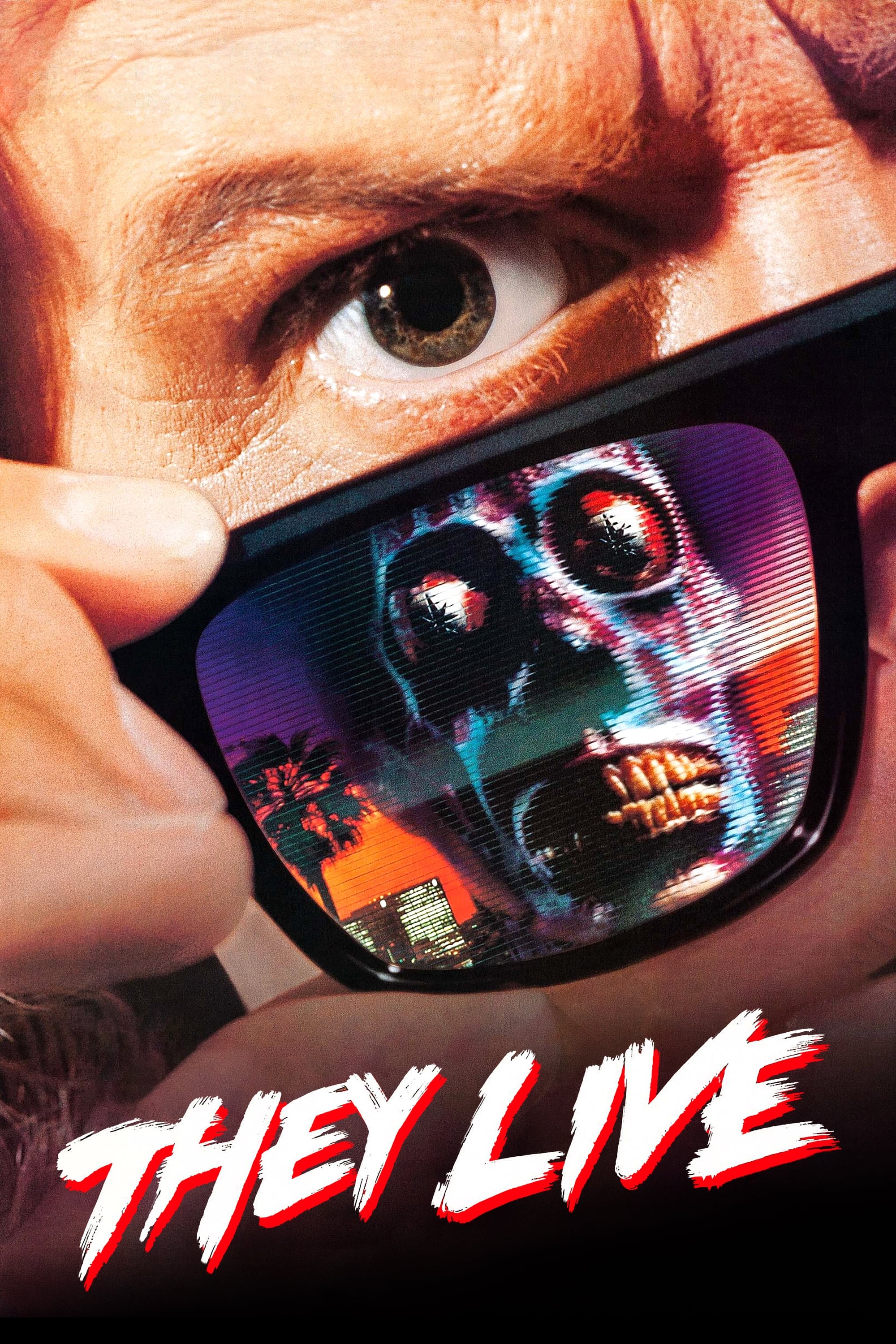
John Carpenter directed and co composed this science fiction thriller about a drifter who finds sunglasses that reveal subliminal messages and disguised controllers. Roddy Piper and Keith David star, and a lengthy alley fight became a showcase for stunt timing and choreography.
The script adapts the short story Eight O’Clock in the Morning by Ray Nelson and uses practical signage and billboards to display commands. Alive Films produced on a lean budget and Universal distributed, with Alan Howarth collaborating on the score.
‘Starman’ (1984)
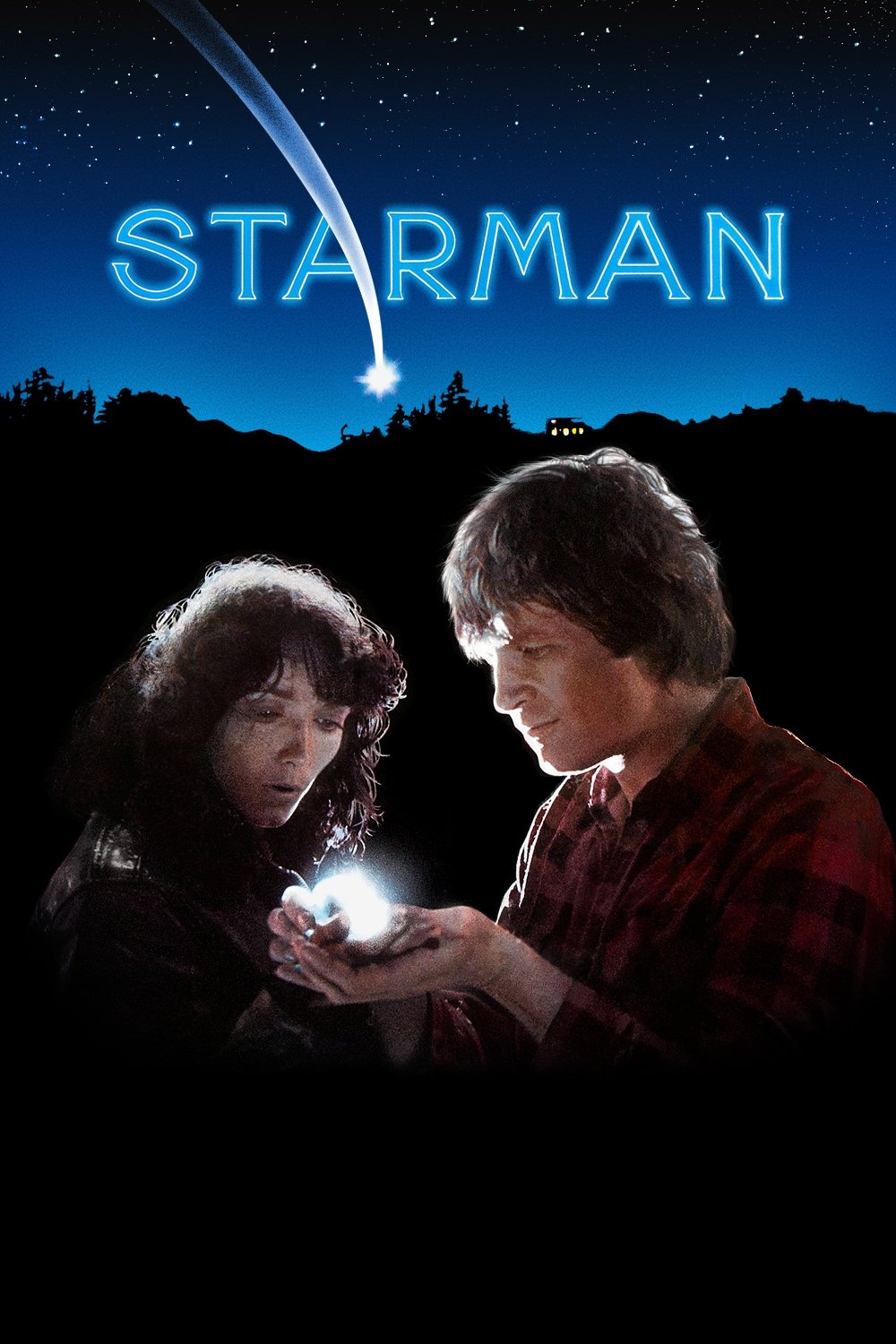
John Carpenter directed this road story about an extraterrestrial who copies a man’s appearance and seeks a pickup point while traveling with the man’s widow. Jeff Bridges and Karen Allen star, and Bridges received an Academy Award nomination for his performance.
Columbia Pictures released the film, which later continued as a ‘Starman’ television series with new cast members. The production emphasized location photography across multiple states, and Jack Nitzsche provided a melodic score.
‘Legend’ (1985)
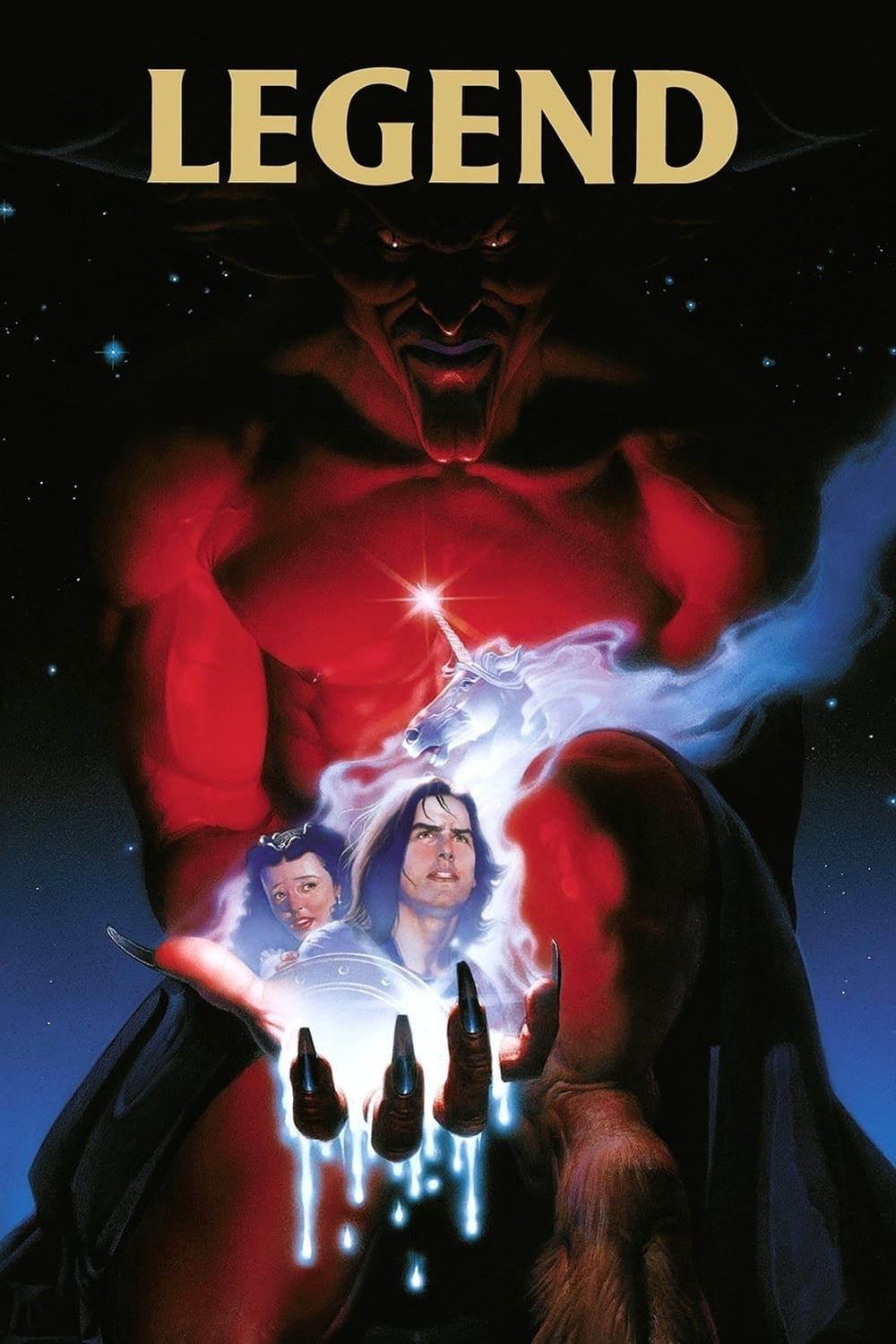
Ridley Scott directed a fantasy about a young hero, a princess, and a figure of darkness set in dense forests and sprawling cavern sets. Tom Cruise, Mia Sara, and Tim Curry star, and Rob Bottin designed complex horns and prosthetics that supported full performance.
Multiple cuts of the film circulate with different editorial approaches and different music. One version features a Jerry Goldsmith score and another features music by Tangerine Dream, and both versions rely on large stage builds at Pinewood Studios.
‘Highlander’ (1986)
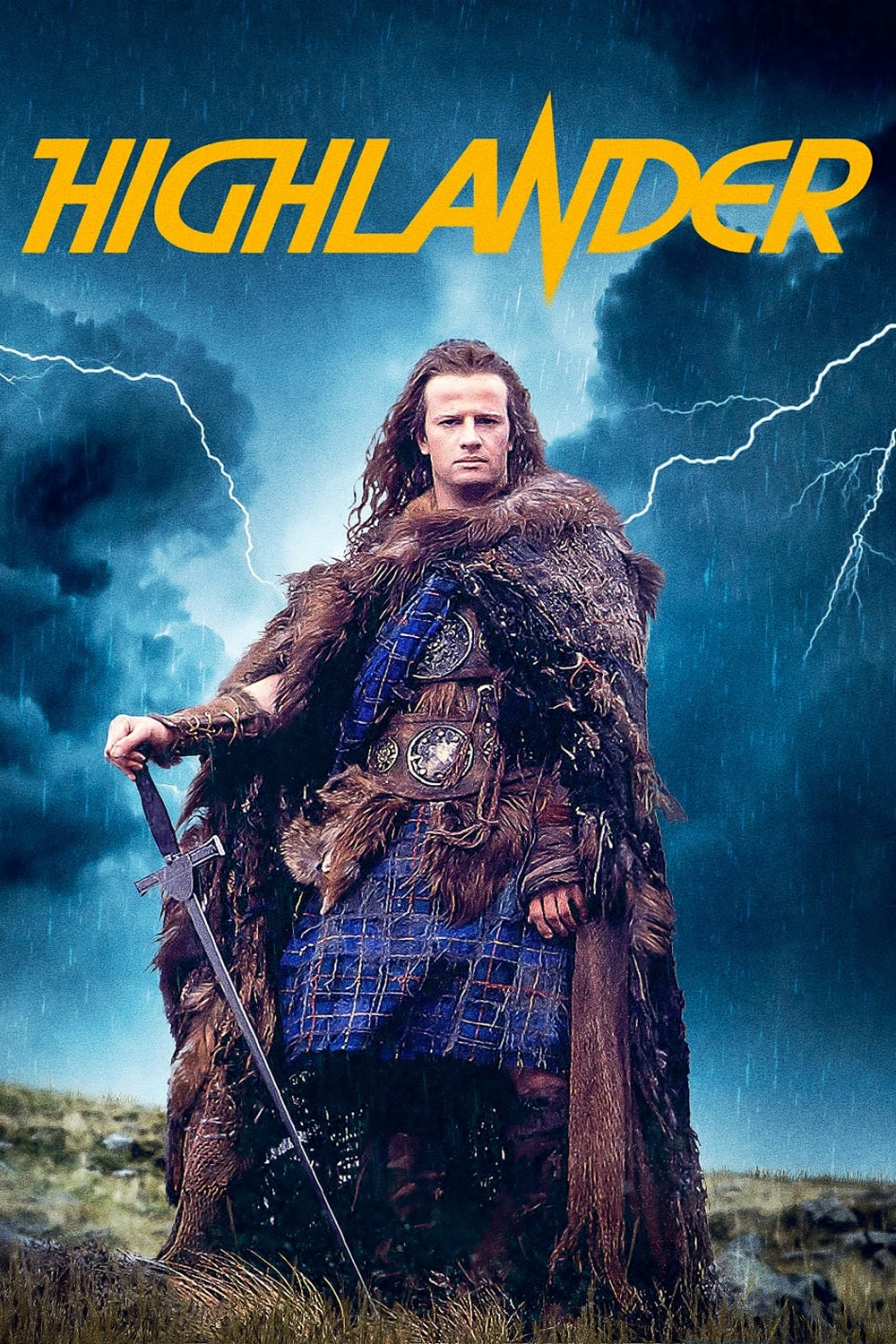
Russell Mulcahy directed an action fantasy built on immortals who follow rules and fight through history. Christopher Lambert, Sean Connery, and Clancy Brown star, and flashbacks establish the code and the origin of the central characters.
The property expanded into ‘Highlander’ sequels, a long running ‘Highlander’ television series, and licensed fiction. Songs by Queen became part of the brand identity, and the production leaned on location shifts to move between centuries.
‘WarGames’ (1983)
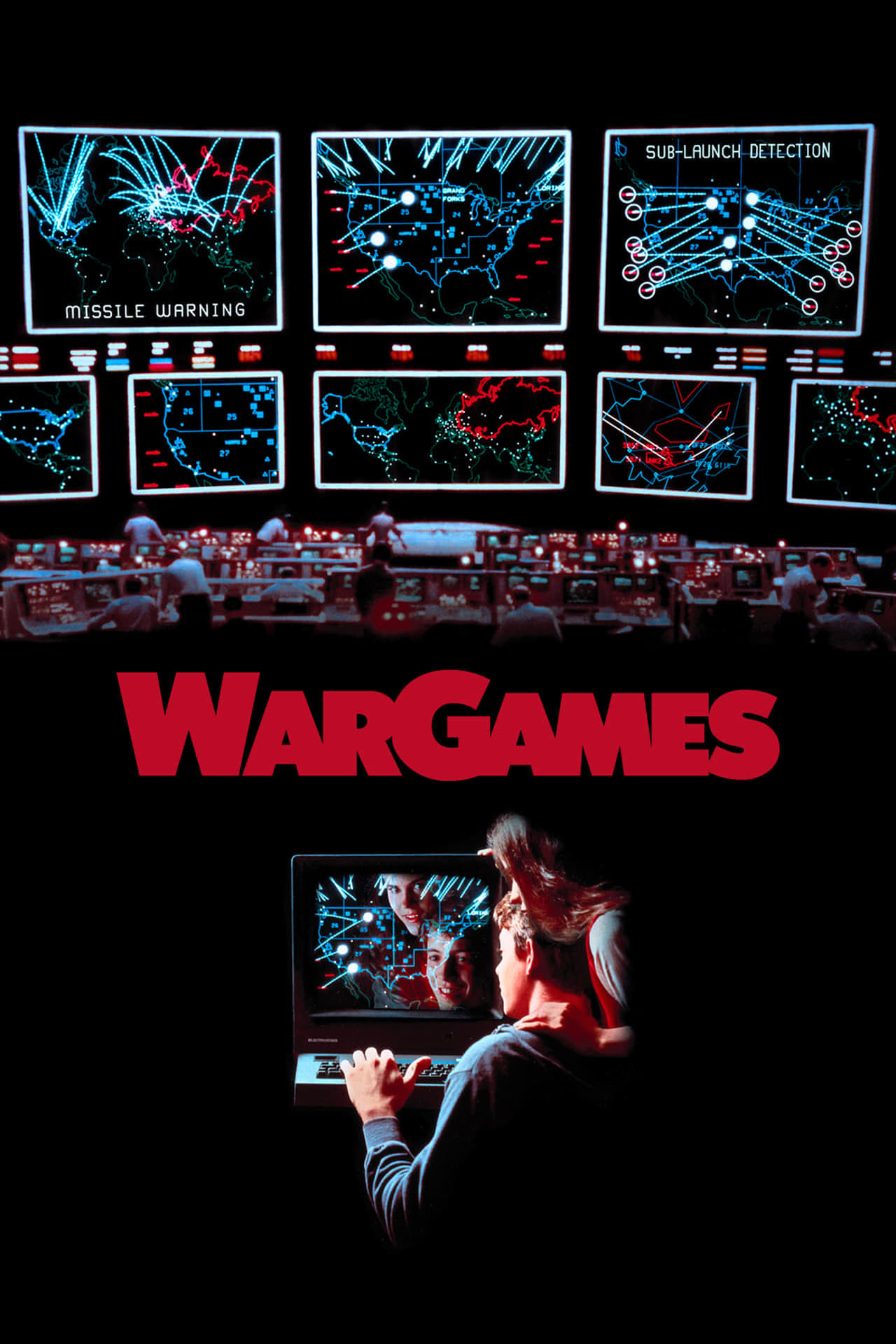
John Badham directed this techno thriller about a student who dials into a defense computer named WOPR and starts a simulation that looks real to the system. Matthew Broderick, Ally Sheedy, and Dabney Coleman star, and production design built command centers with period correct hardware.
Writers Lawrence Lasker and Walter F Parkes developed the script with policy and security input. The film influenced public discussion around computer access, and Arthur B Rubinstein’s score underscored the escalating set pieces.
‘The Last Unicorn’ (1982)
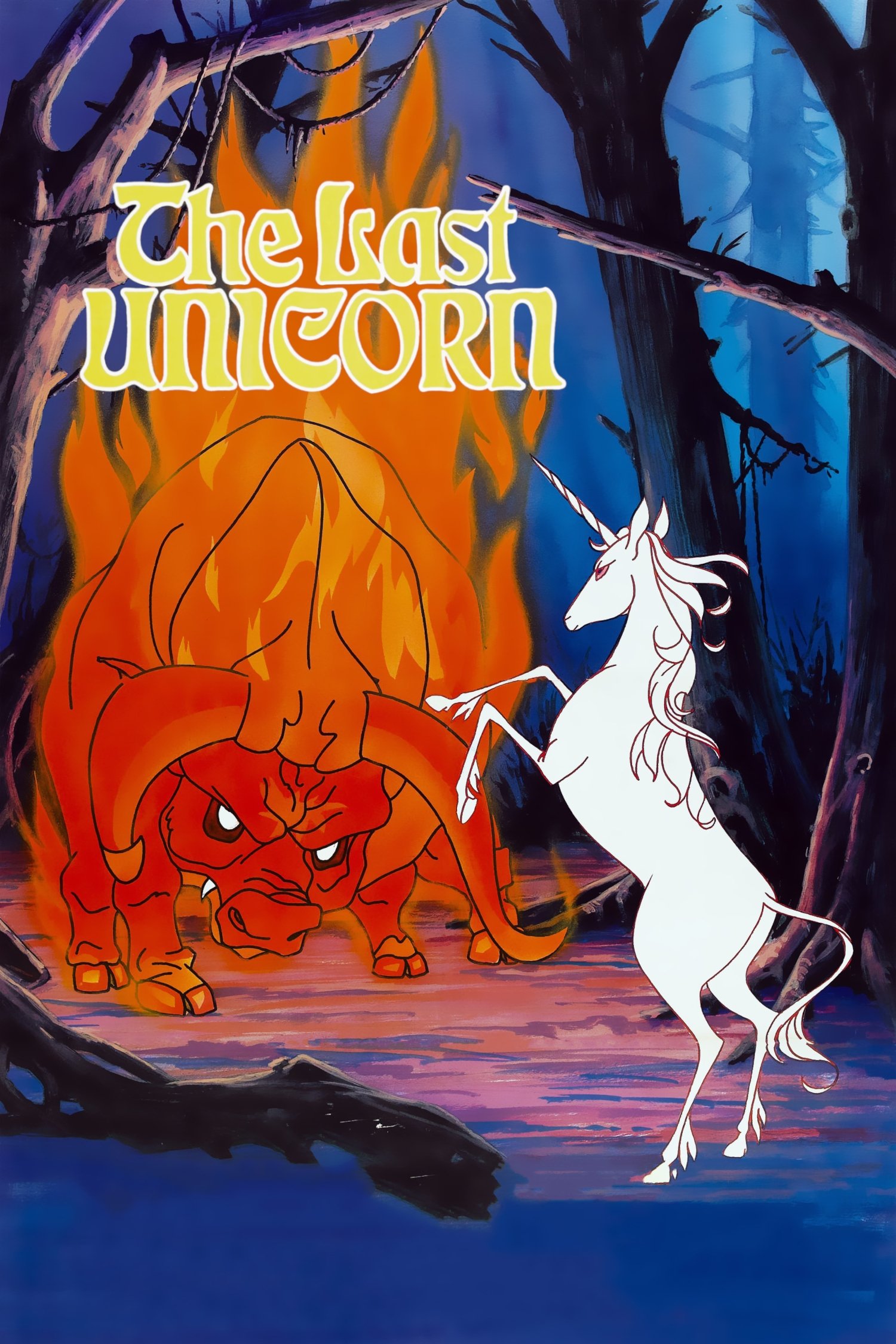
Rankin Bass produced this animated fantasy based on a novel by Peter S Beagle, with voice work by Mia Farrow, Alan Arkin, Jeff Bridges, and Christopher Lee. Topcraft in Japan animated the film with a detailed line style and expressive character movement.
Music by America produced by Jimmy Webb supported the tone. The production ran across New York, London, and Tokyo, and home video circulation and fresh printings of the source novel kept the title in circulation.
‘Ladyhawke’ (1985)
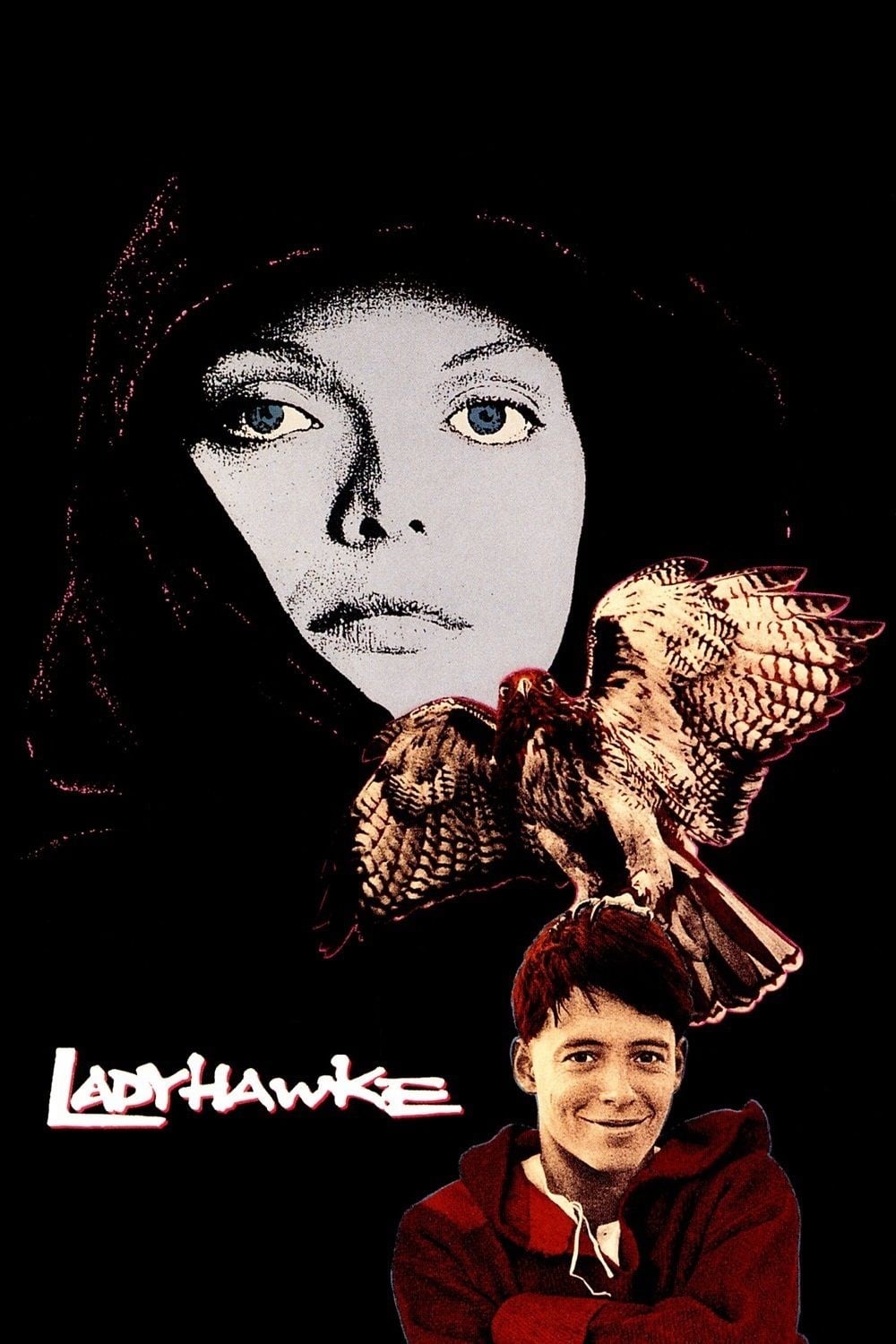
Richard Donner directed a medieval romance about lovers bound to opposite forms and time cycles who seek a cure with help from a thief. Michelle Pfeiffer, Rutger Hauer, and Matthew Broderick star, and animal handling required careful coordination with camera teams.
Location work used Italian castles and mountain terrain for natural scale. Warner Bros released the film, and Andrew Powell’s score with members of The Alan Parsons Project combined orchestral writing with contemporary instruments.
‘Cobra’ (1986)

George P Cosmatos directed this urban action title featuring Sylvester Stallone as Marion Cobretti, a specialist assigned to a violent crime network. The screenplay drew from the novel Fair Game, and production created a hero car based on a customized Mercury.
The Cannon Group financed the project and emphasized practical squibs and night exterior work. The soundtrack featured contemporary artists, and marketing focused on the lead character’s visual profile and tagline lines.
‘The Adventures of Buckaroo Banzai Across the 8th Dimension’ (1984)

W D Richter directed this genre mix about a scientist surgeon pilot and band leader who faces an alien threat with the Hong Kong Cavaliers. Peter Weller, John Lithgow, Ellen Barkin, and Jeff Goldblum lead the ensemble, and props and set dressing filled in universe references.
End credits announced the next adventure as ‘Buckaroo Banzai Against the World Crime League’. The film inspired comics and licensed materials that mapped character backstories and the wider setting.
‘The Running Man’ (1987)
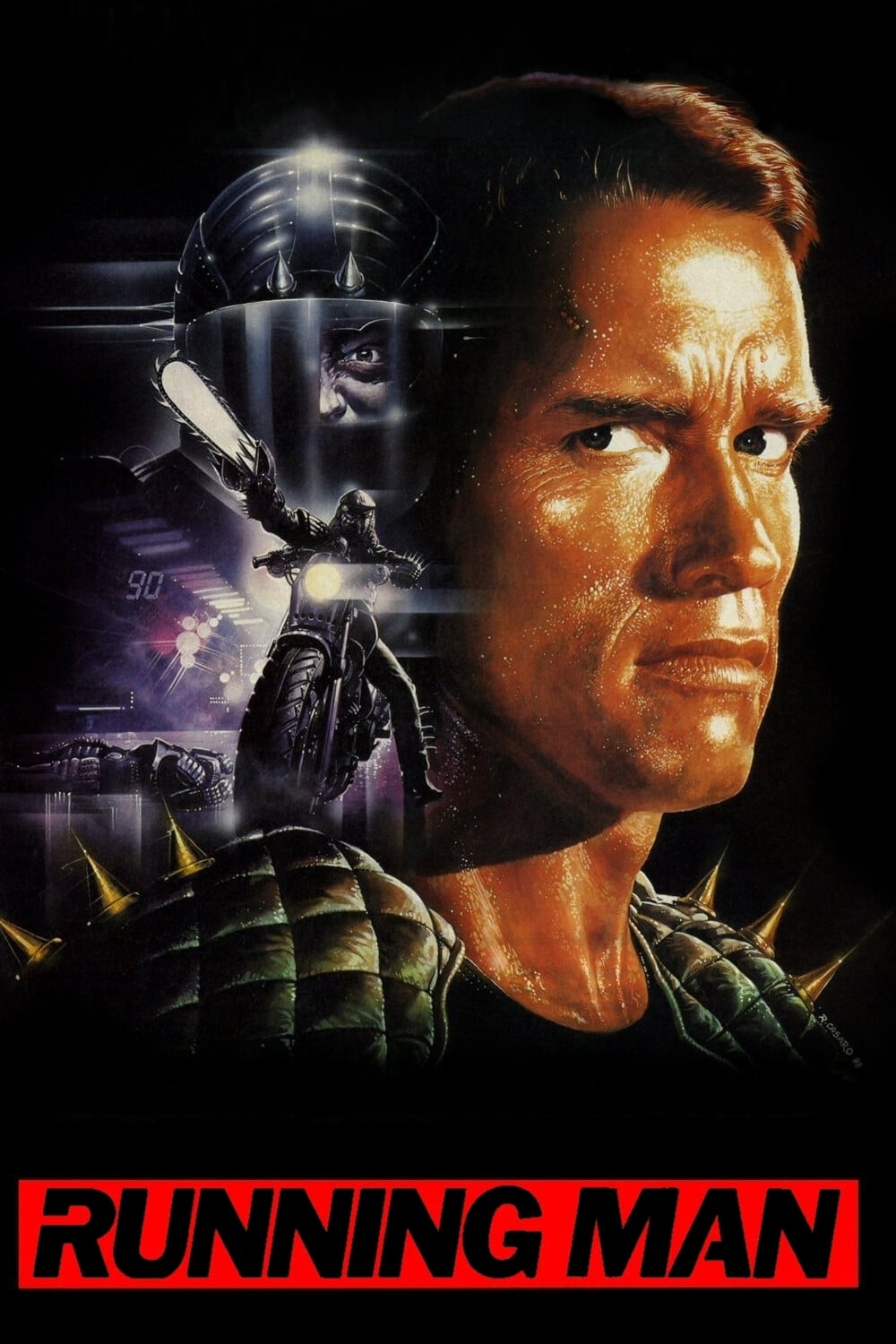
Paul Michael Glaser directed this adaptation of a Richard Bachman novel about a televised pursuit where contestants evade themed hunters. Arnold Schwarzenegger and Richard Dawson star, and Dawson used game show experience to shape the host character.
Harold Faltermeyer composed the score. Production used industrial locations and costume designs that defined each hunter, and the premise translated to print and interactive media with ease.
‘Labyrinth’ (1986)
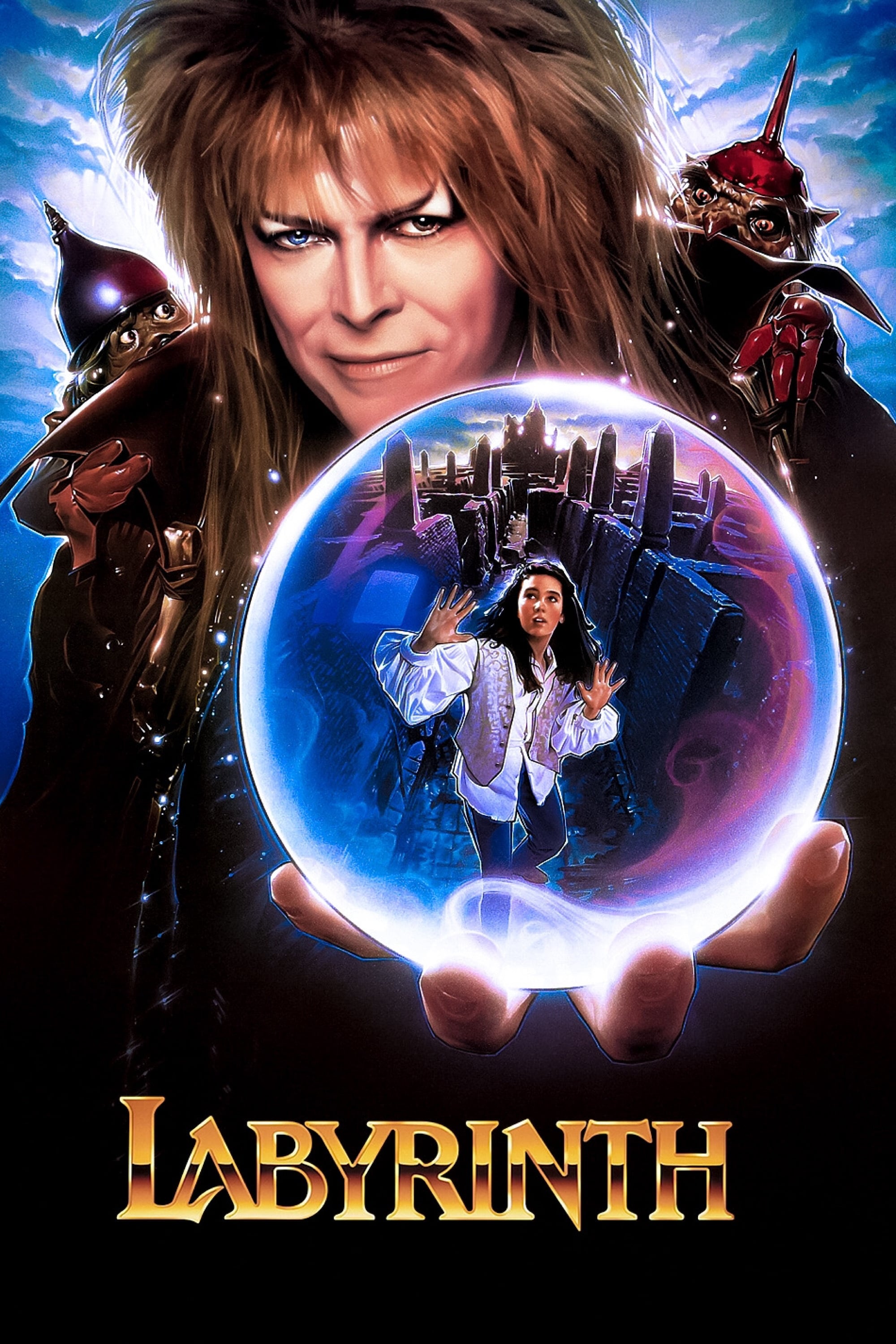
Jim Henson directed this fantasy quest produced with George Lucas, starring Jennifer Connelly and David Bowie within a maze ruled by the Goblin King. Jim Henson’s Creature Shop built puppets and suits that interacted closely with live actors on set.
Concept artist Brian Froud designed characters and environments, including the worm and the staircase sequence that referenced M C Escher. Elstree Studios hosted large scale builds, and the soundtrack combined original Bowie songs with a Trevor Jones score.
‘Big Trouble in Little China’ (1986)
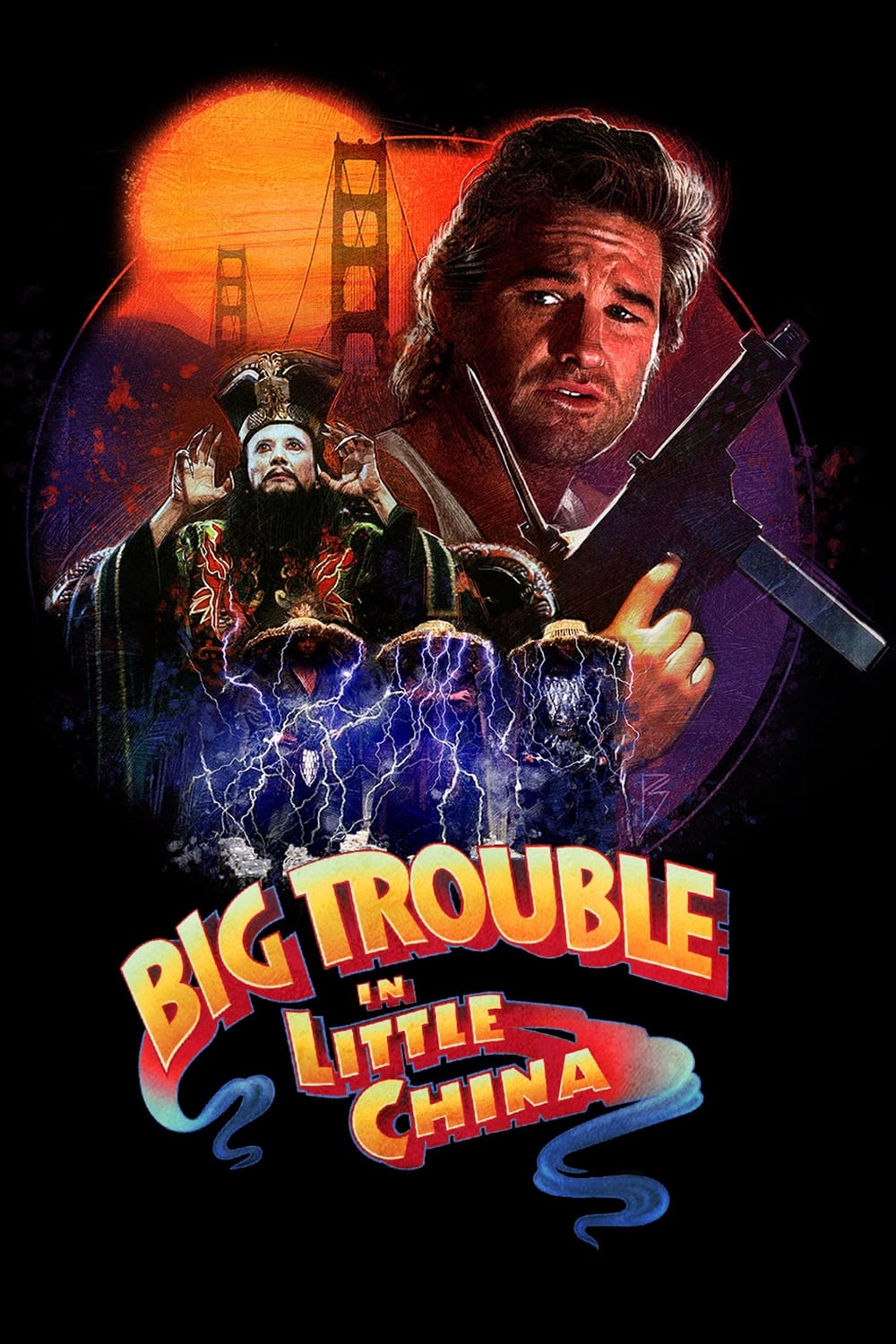
John Carpenter directed this martial arts fantasy set in San Francisco’s Chinatown with Kurt Russell as a trucker drawn into a sorcerer’s plot. Kim Cattrall, James Hong, and Dennis Dun co star, and the stunt team staged wire work and ensemble fights.
Boss Film Studios delivered visual effects for creatures, magic, and set extensions. The story draws on Chinese folklore and Taoist traditions, and production design filled alleys and lairs with practical sets and props.
‘Willow’ (1988)
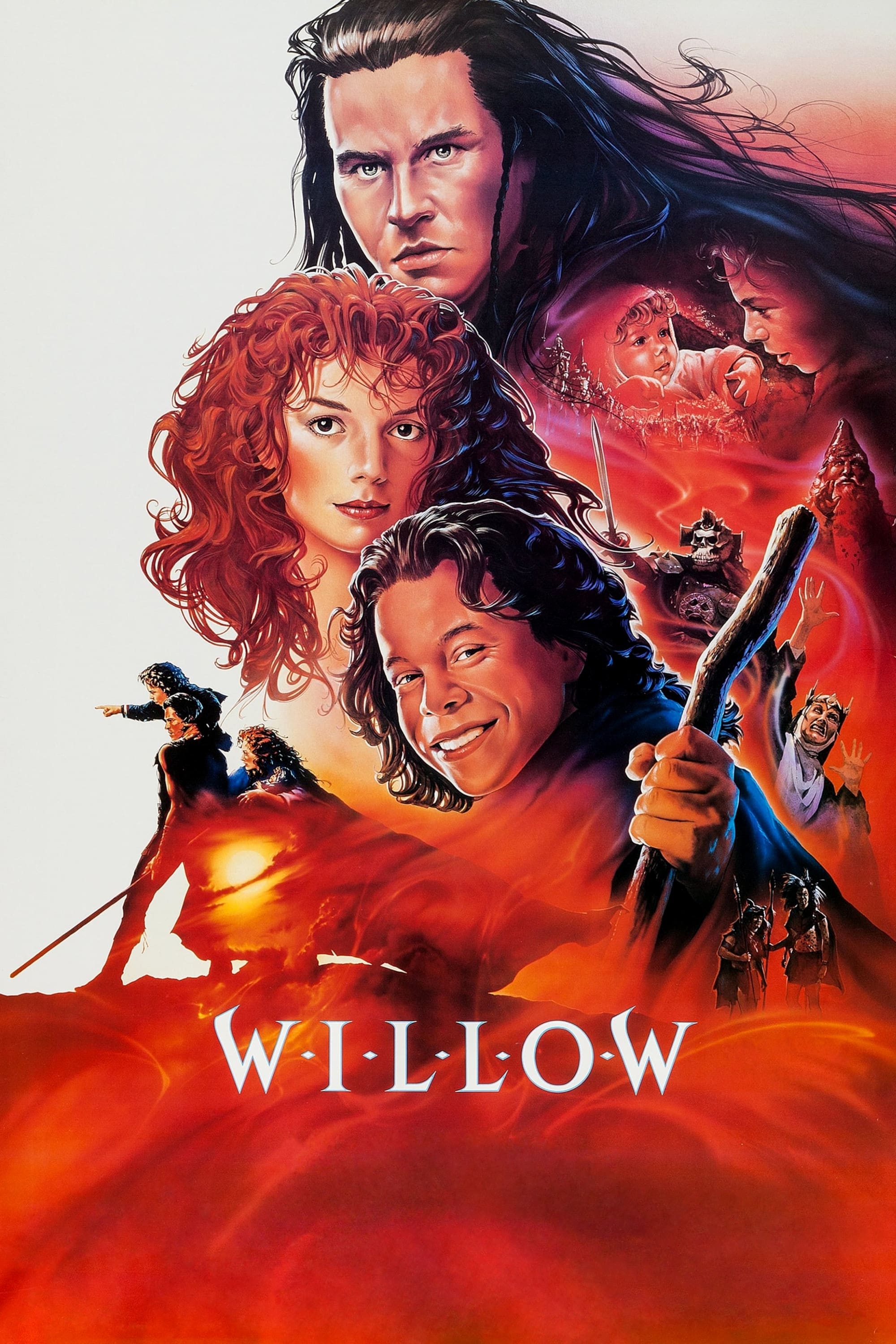
Ron Howard directed from a story by George Lucas about a farmer who protects a prophesied child with help from a swordsman. Warwick Davis and Val Kilmer star, and Industrial Light and Magic advanced digital morphing techniques that saw wide adoption later.
The world continued through novels by Chris Claremont in collaboration with Lucas. A ‘Willow’ streaming series later returned to the setting with new characters, and location photography included Wales and New Zealand.
‘The Black Cauldron’ (1985)

Walt Disney Feature Animation adapted The Chronicles of Prydain into a darker fantasy about an assistant pig keeper who faces an undead army led by the Horned King. John Hurt and other voice actors recorded performances that matched richly painted backgrounds.
Select sequences used computer assisted imagery during a transitional period for the studio. Elmer Bernstein composed the score, and home video editions drew renewed attention after the initial run.
‘Romancing the Stone’ (1984)
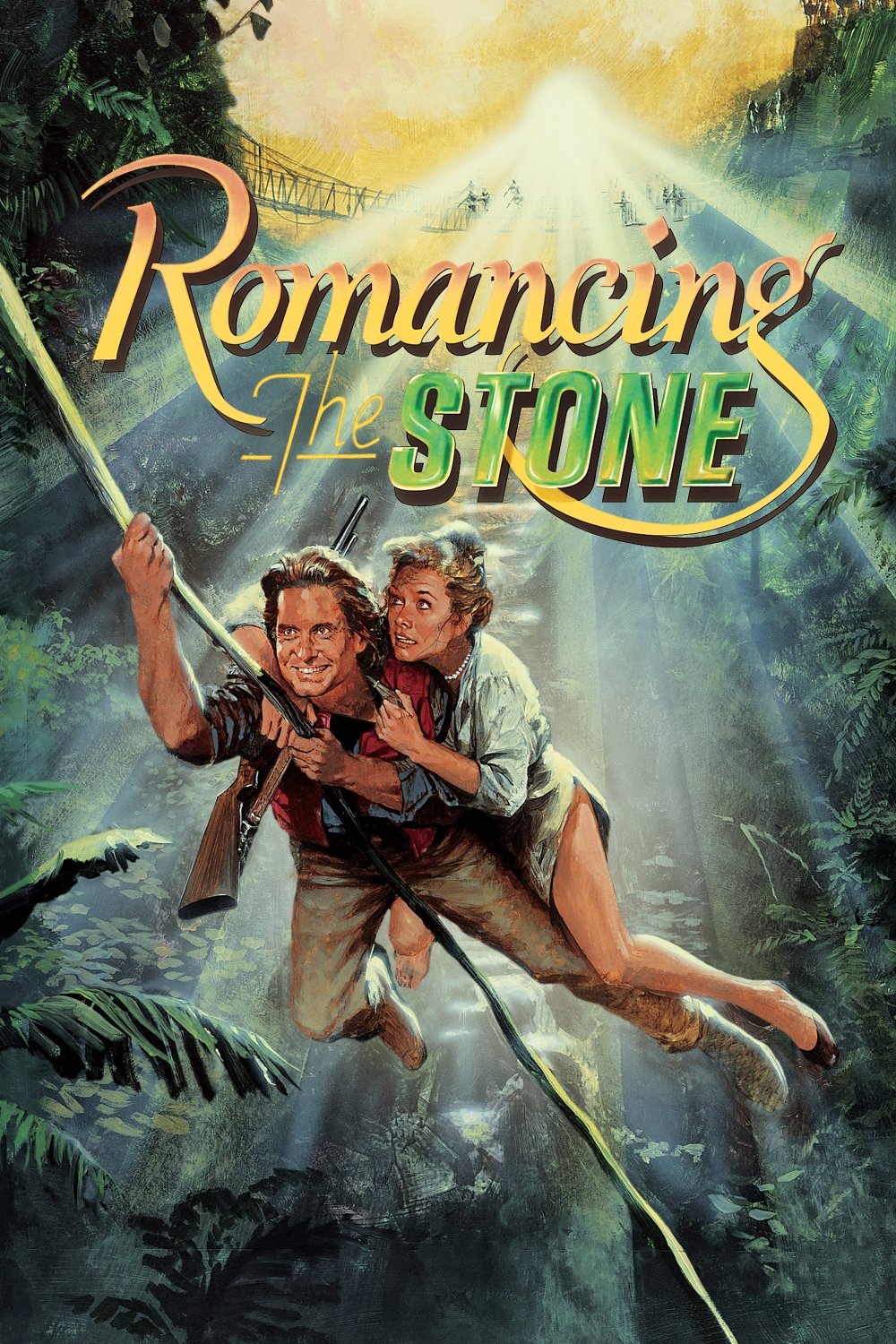
Robert Zemeckis directed this adventure romance about a novelist who travels to Colombia to help her sister and partners with a fortune seeker. Michael Douglas, Kathleen Turner, and Danny DeVito lead the cast, and set pieces include jungle chases and treasure hunts.
The production shot many exteriors in Mexico to match rugged terrain. The success led to the sequel ‘The Jewel of the Nile’, and the blend of comedy and action helped set a template that many later titles followed.
‘Short Circuit’ (1986)
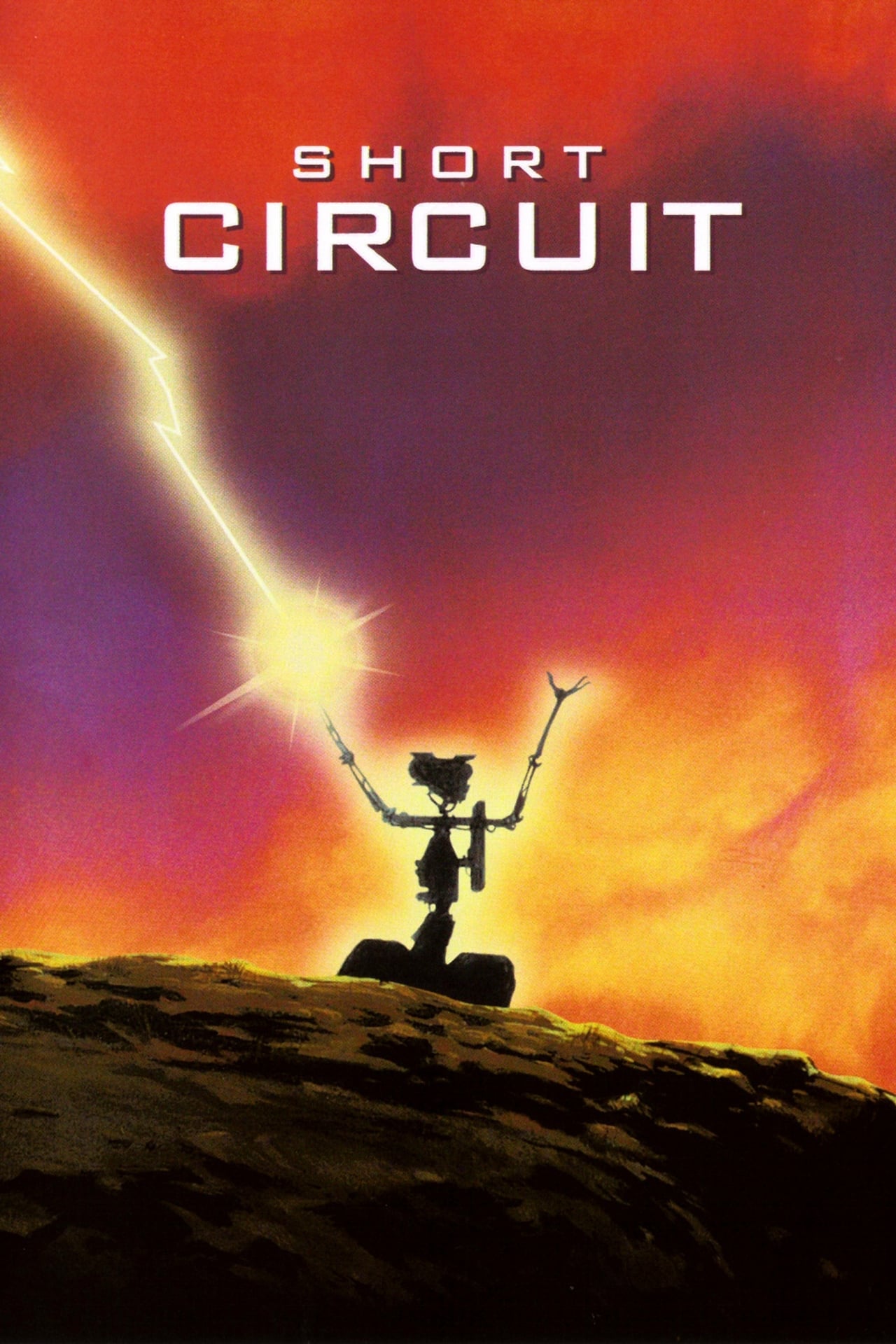
John Badham directed this story about a military robot that gains self awareness after a lightning strike and adopts the name Number 5. Ally Sheedy and Steve Guttenberg star, and the production used a full size animatronic rig for facial expression and tracked movement.
The film led to a sequel and licensed toys and games. The robot’s hardware design remained recognizable in later media appearances and homages, and practical builds allowed on set interaction with human performers.
Share your own picks for eighties films that are ready for a fresh retelling in the comments.