The Best 1990s Movies That Are in Desperate Need of a Reboot

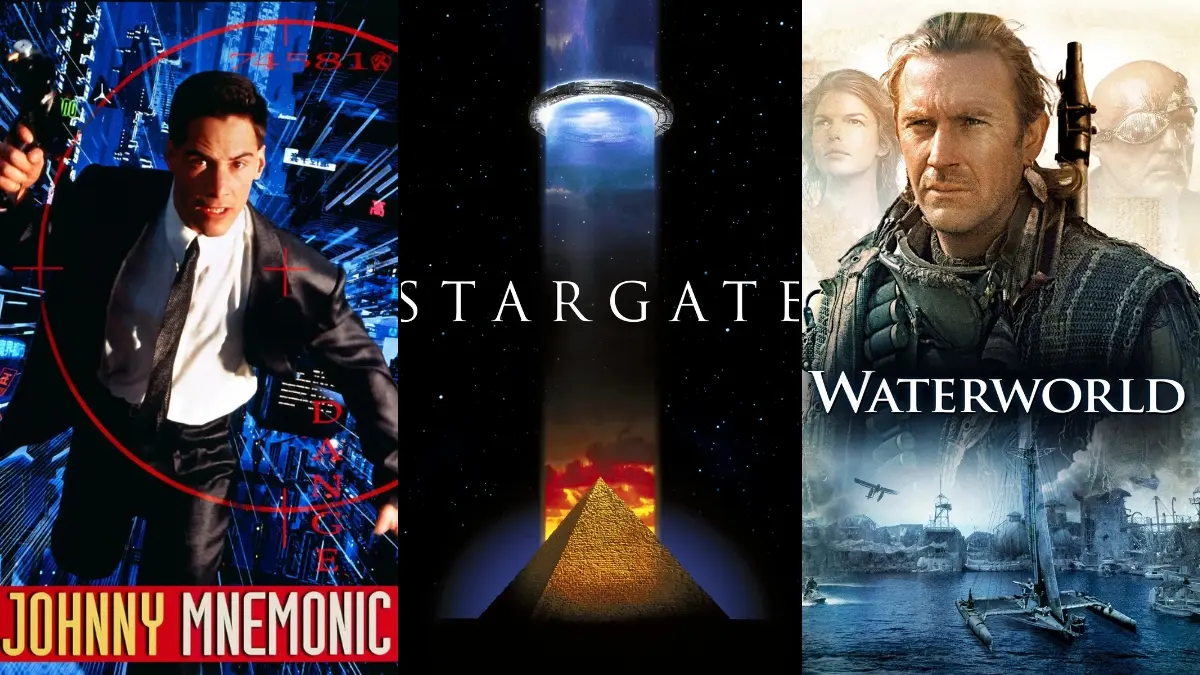

The decade delivered original worlds, big swing concepts, and memorable characters that studios still license and reference today. Many of these films came from comics and novels or built dense settings that invited spin offs in television, animation, and games, which means there is already a roadmap for new stories.
Reboots remain a common way to reactivate familiar ideas for global audiences and new platforms. The titles below each have clear hooks, flexible worldbuilding, or active fan communities, and many already sit inside libraries that continue to develop related projects across media.
‘Stargate’ (1994)
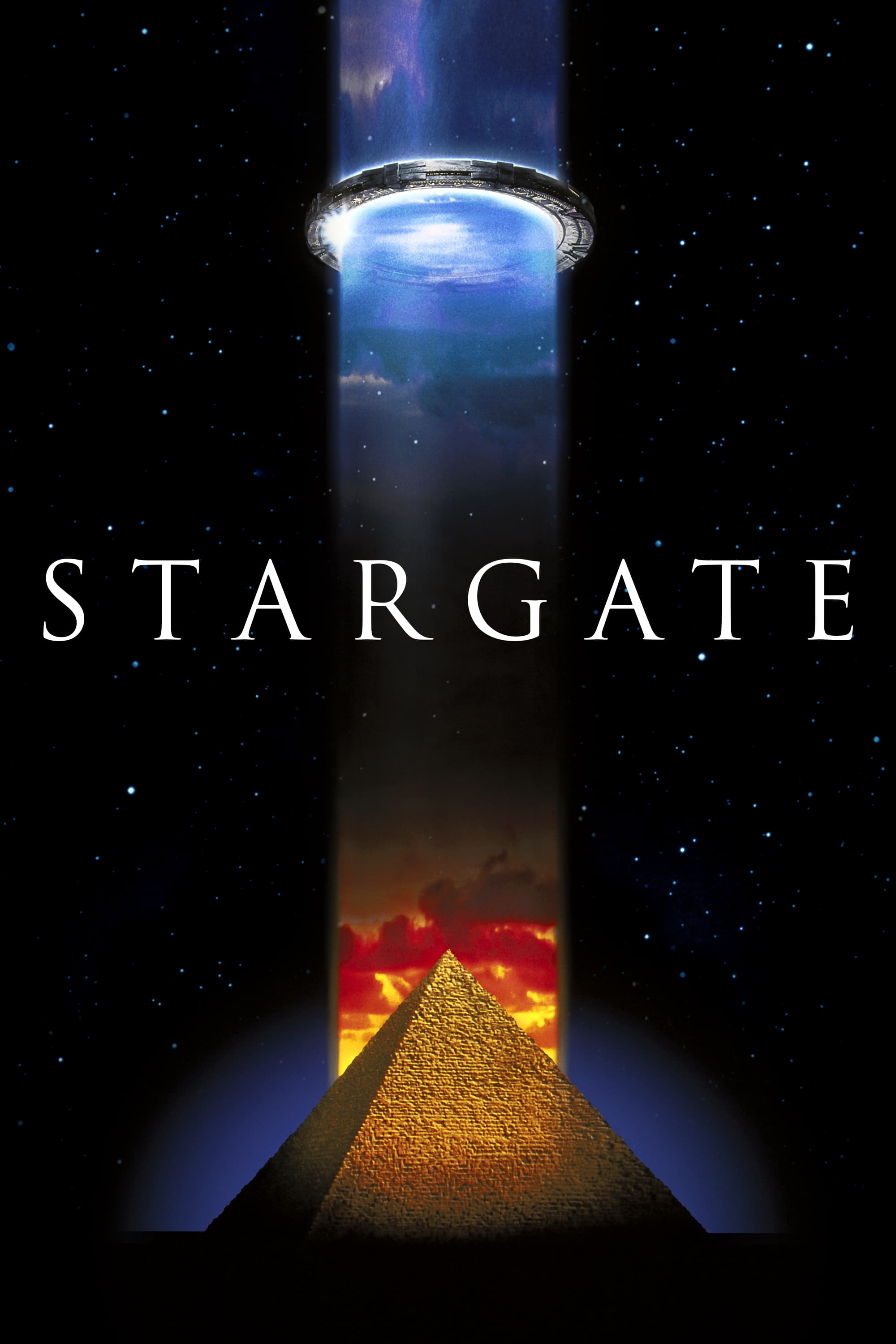
The story follows a military scientist team that activates an ancient ring device and steps onto a distant world ruled by a being posing as a god. Roland Emmerich directed and James Spader and Kurt Russell led the cast, with production design that mixed science fiction tech and Egyptian motifs.
The film launched a long running television universe through ‘Stargate SG-1’, ‘Stargate Atlantis’, and ‘Stargate Universe’, along with novels and games. The core idea of a network of portals paired with episodic exploration provides a built in structure for new missions and new threats.
‘The Rocketeer’ (1991)
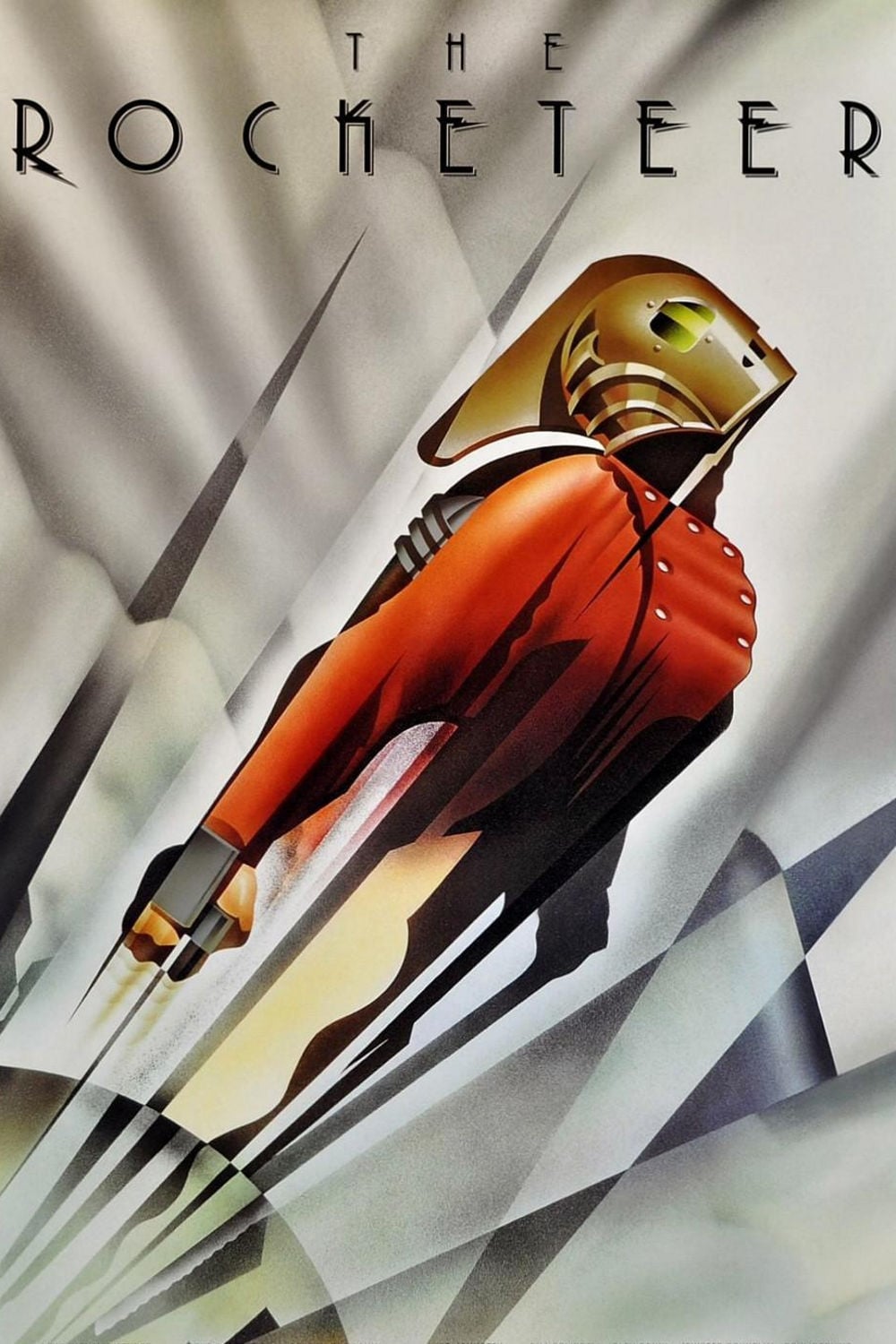
Based on Dave Stevens comics, this adventure follows a stunt pilot in Los Angeles who discovers a prototype jetpack and becomes a masked hero. Joe Johnston directed and the cast included Billy Campbell, Jennifer Connelly, and Timothy Dalton, with period aircraft and art deco production design.
The property has been developed across publishing and animation and remains part of a family friendly adventure lane at a major studio. The source material features additional villains and gadgets that were not fully explored on film, giving future storytellers ready to use arcs and imagery.
‘Galaxy Quest’ (1999)
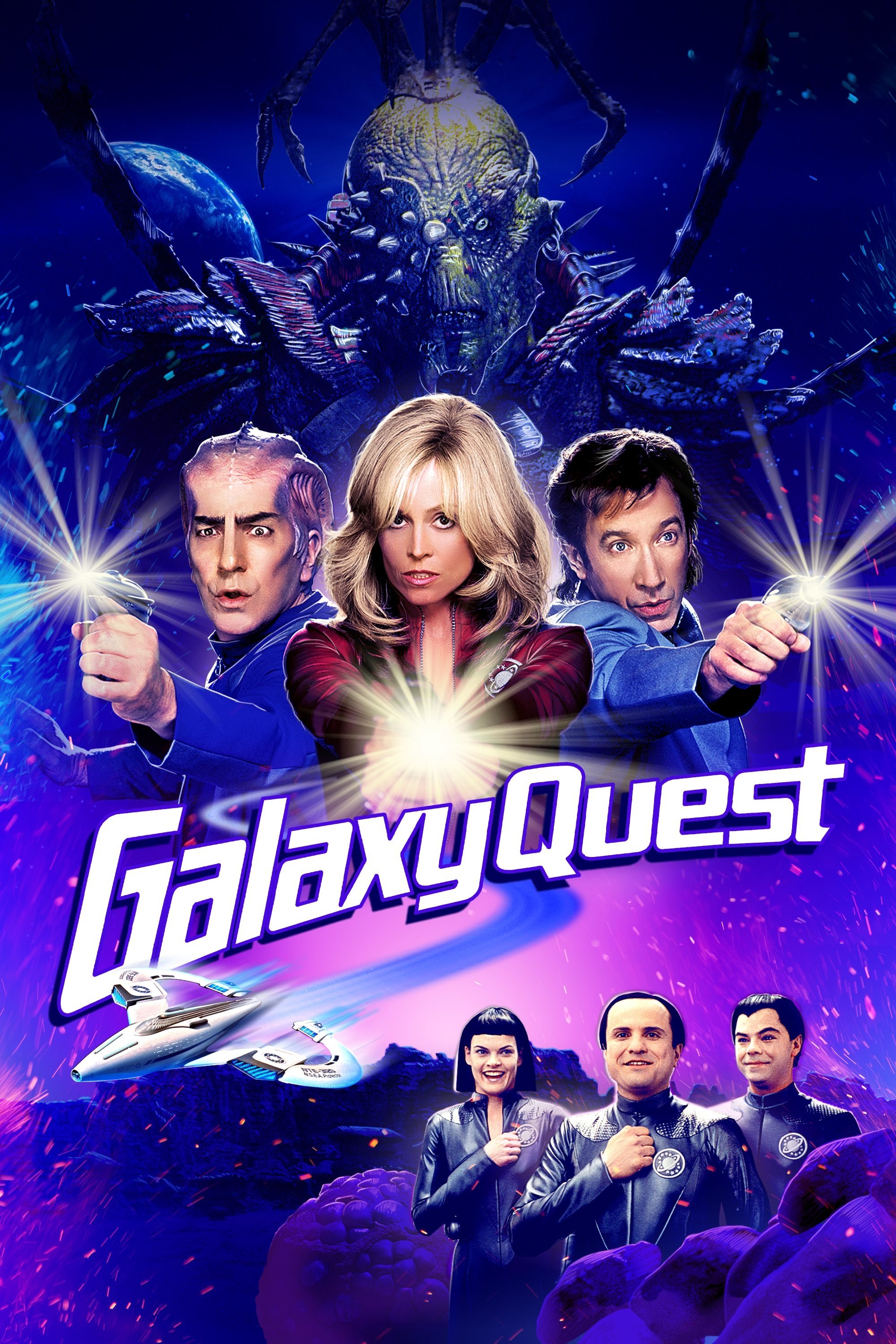
The plot centers on actors from a canceled space show who are recruited by real aliens who believe the series was a historical record. Tim Allen, Sigourney Weaver, and Alan Rickman starred, and the film combined convention culture details with practical sets and creature work.
The concept later inspired a documentary titled ‘Never Surrender’ and has seen active development for television. The in universe fake series, the Thermian species, and the Protector ship all offer modular elements that can support fresh crews and new episodes.
‘Dark City’ (1998)
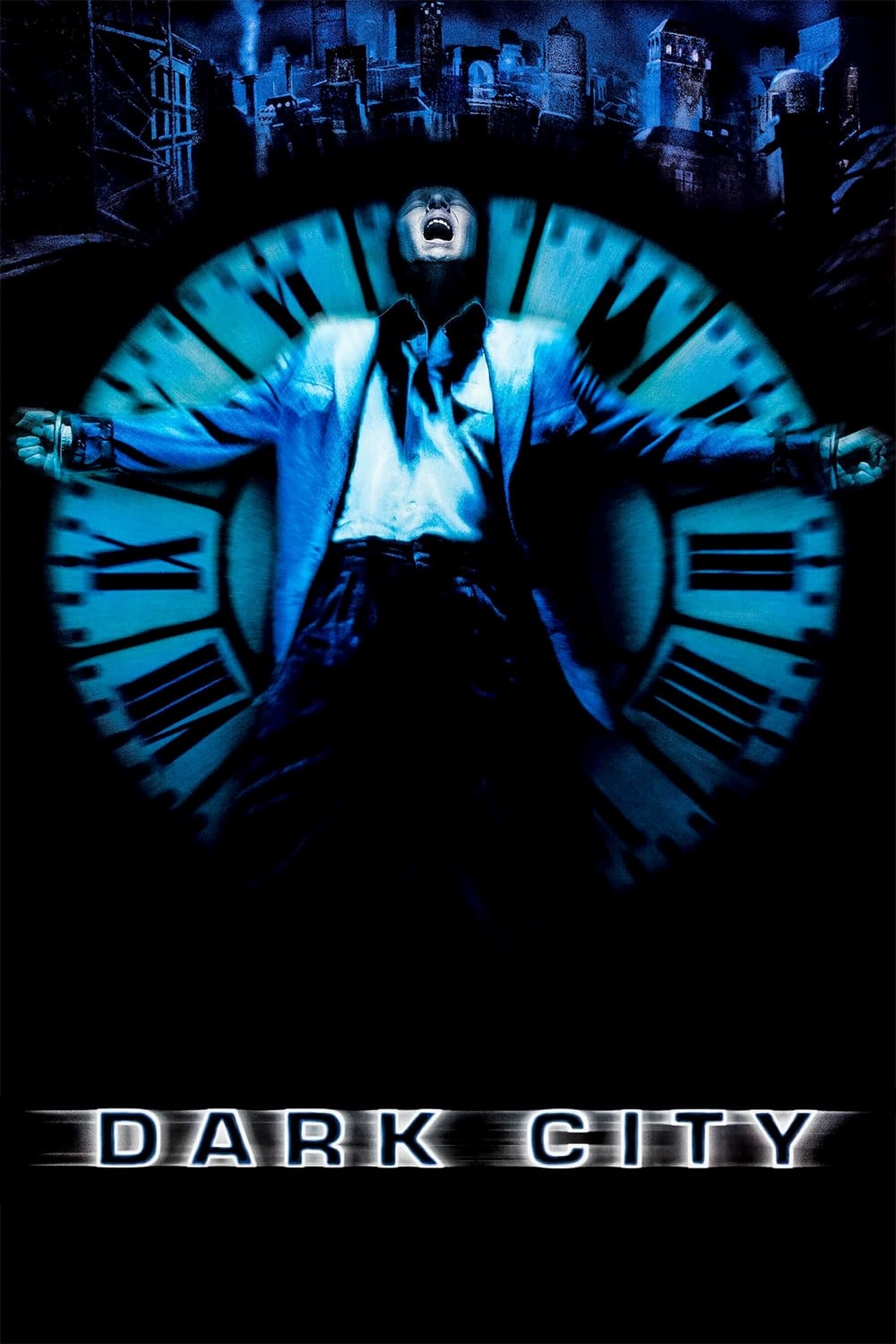
This neo noir science fiction mystery follows a man who wakes in a city where reality is rewritten by a group known as the Strangers. Alex Proyas directed and the cast included Rufus Sewell, Jennifer Connelly, and Kiefer Sutherland, with striking miniatures and visual effects.
The film’s questions about memory and identity connect with later explorations of simulated reality such as ‘The Matrix’. Its controlled environment and shifting architecture offer a contained canvas for new characters and new experiments inside the same ruleset.
‘The Fifth Element’ (1997)
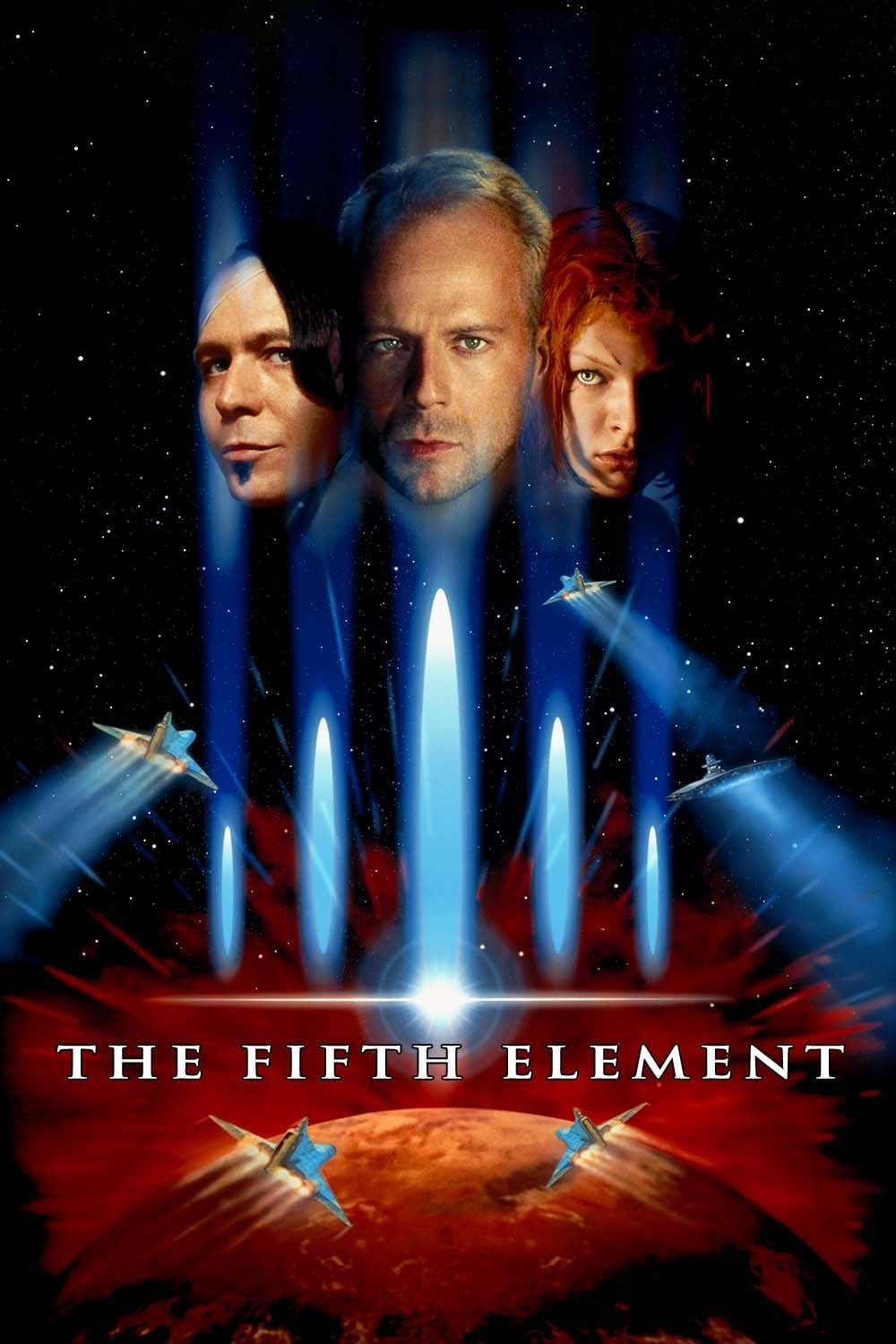
Luc Besson’s space opera follows a former soldier turned cab driver who teams with a supreme being to stop a cosmic threat. Bruce Willis, Milla Jovovich, Gary Oldman, and Chris Tucker led the cast, and the costumes and vehicles came from artists like Moebius and Jean Claude Mezieres.
The universe extends far beyond the single quest shown on screen, including city life on multiple planets and corporate rivalries. Merchandising, games, and concept art archives preserve vehicles, weapons, and species that can be reorganized into new plots without altering the established tone.
‘Demolition Man’ (1993)
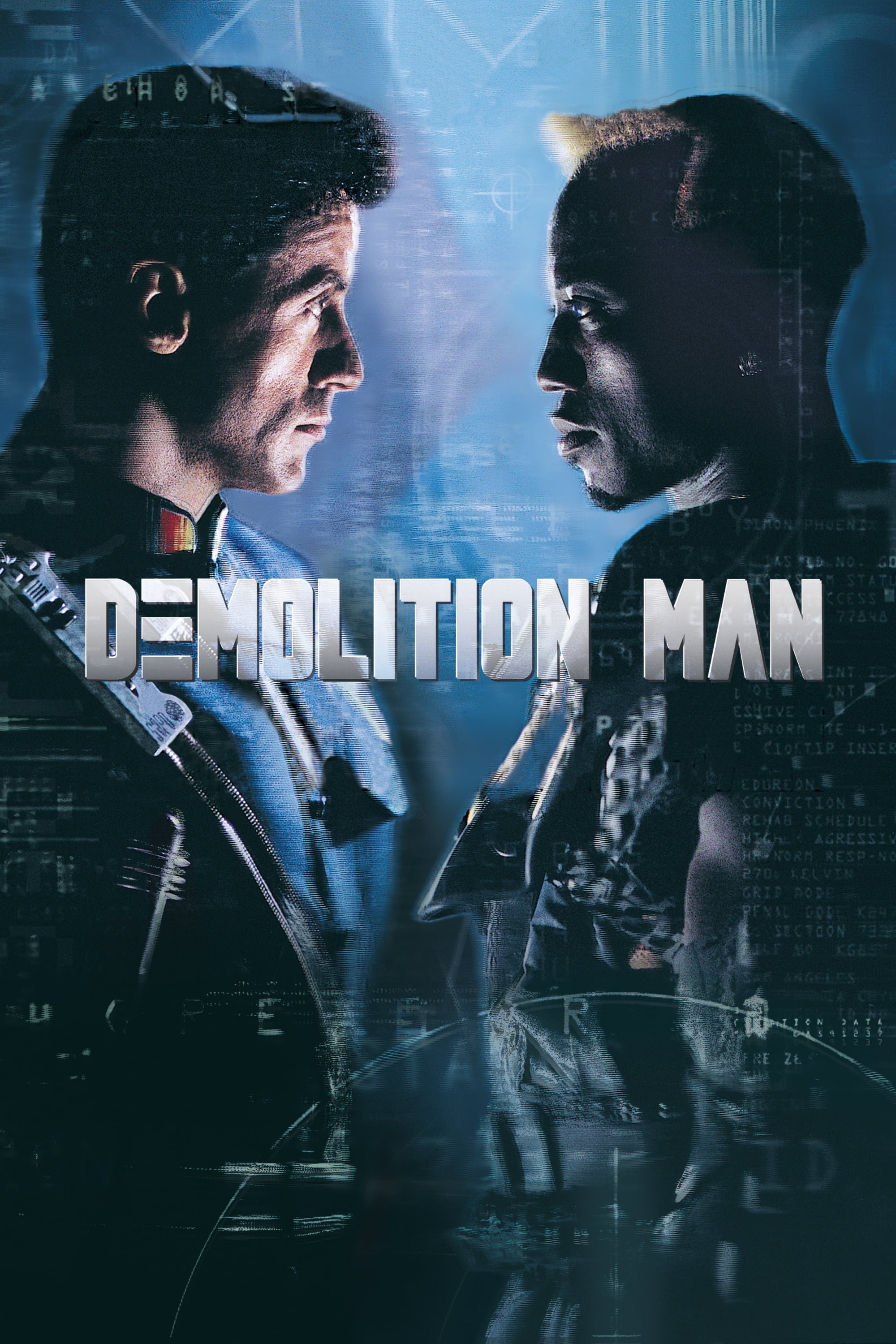
The narrative contrasts an aggressive cop and a violent criminal who are cryogenically incarcerated and then revived in a pacified future city. Sylvester Stallone, Wesley Snipes, and Sandra Bullock headlined, with bold production design and memorable tech like nonlethal weapons and automated systems.
World rules such as outlawed profanity, corporate controlled dining, and curious sanitation practices create a distinct setting for new cases. The original film’s mix of police procedure and social engineering gives writers multiple entry points for crime stories and culture clash.
‘Gattaca’ (1997)
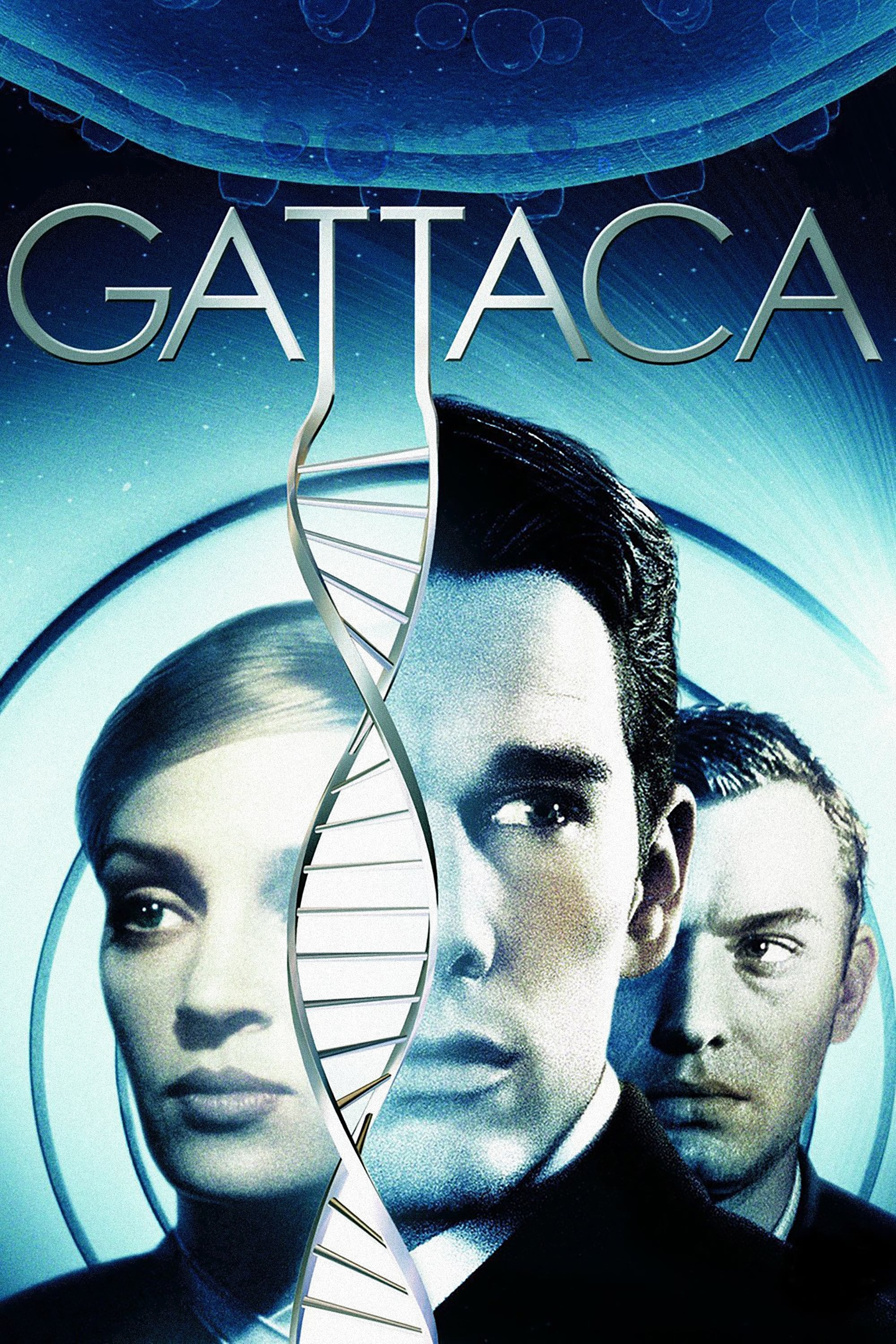
Andrew Niccol’s drama presents a society stratified by genetic screening, where a determined man assumes another identity to join a space program. Ethan Hawke, Uma Thurman, and Jude Law starred, with sleek production design that emphasized clinical spaces and minimalist tech.
The film frequently appears in bioethics courses and policy discussions about screening, privacy, and discrimination. Its grounded science and institutional framework support additional stories in training facilities, corporate labs, and off world missions that test the same systems.
‘Starship Troopers’ (1997)
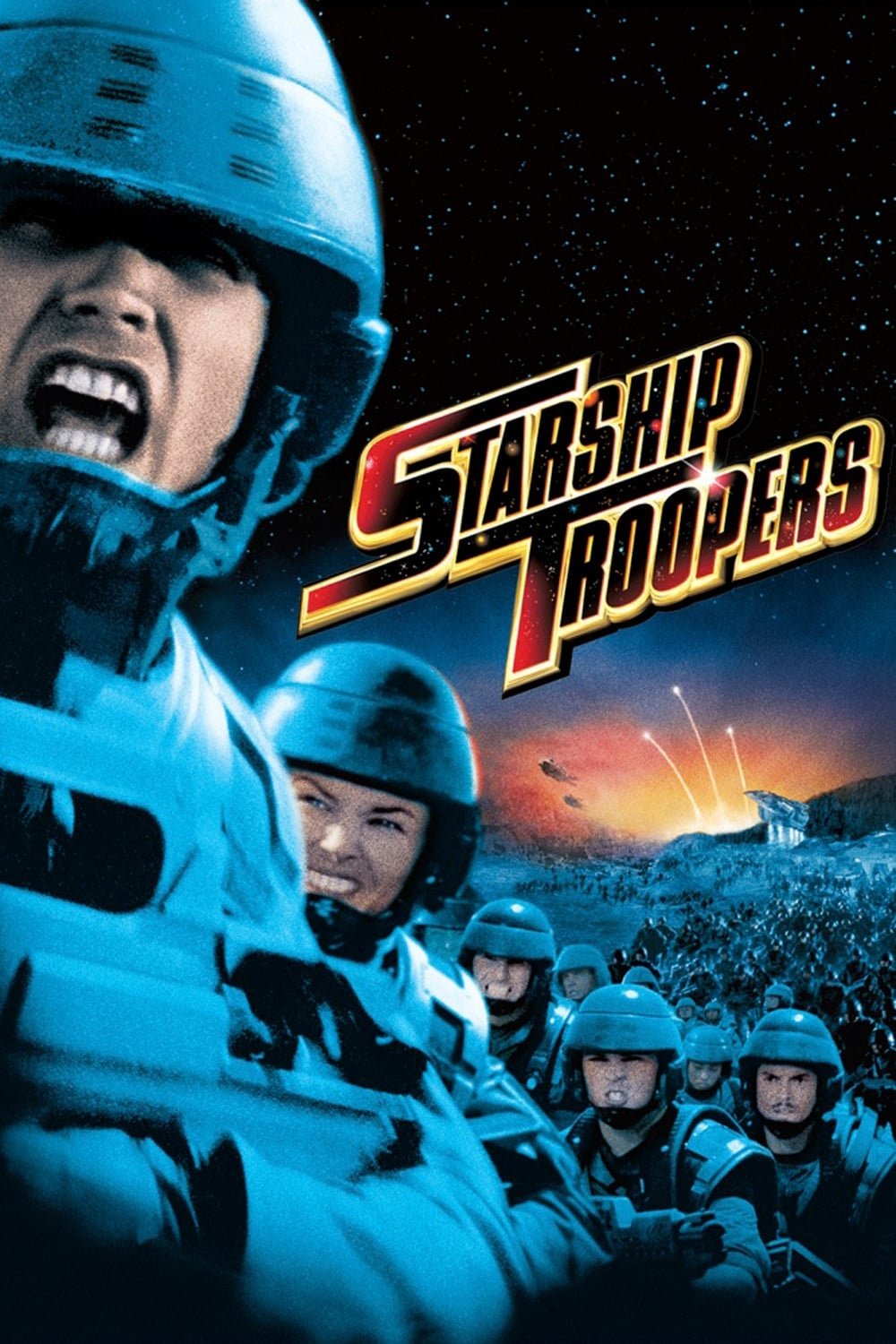
Paul Verhoeven adapted the Robert A Heinlein novel about mobile infantry battling arachnid species across multiple planets. Casper Van Dien, Dina Meyer, Denise Richards, and Neil Patrick Harris formed the main ensemble, with large scale creature effects and military hardware.
The brand expanded through sequels and animation, along with licensed games and collectibles. The mix of infantry tactics, propaganda media, and interservice rivalries makes a flexible platform for new squads, new campaigns, and new perspectives on the same interstellar war.
‘Waterworld’ (1995)
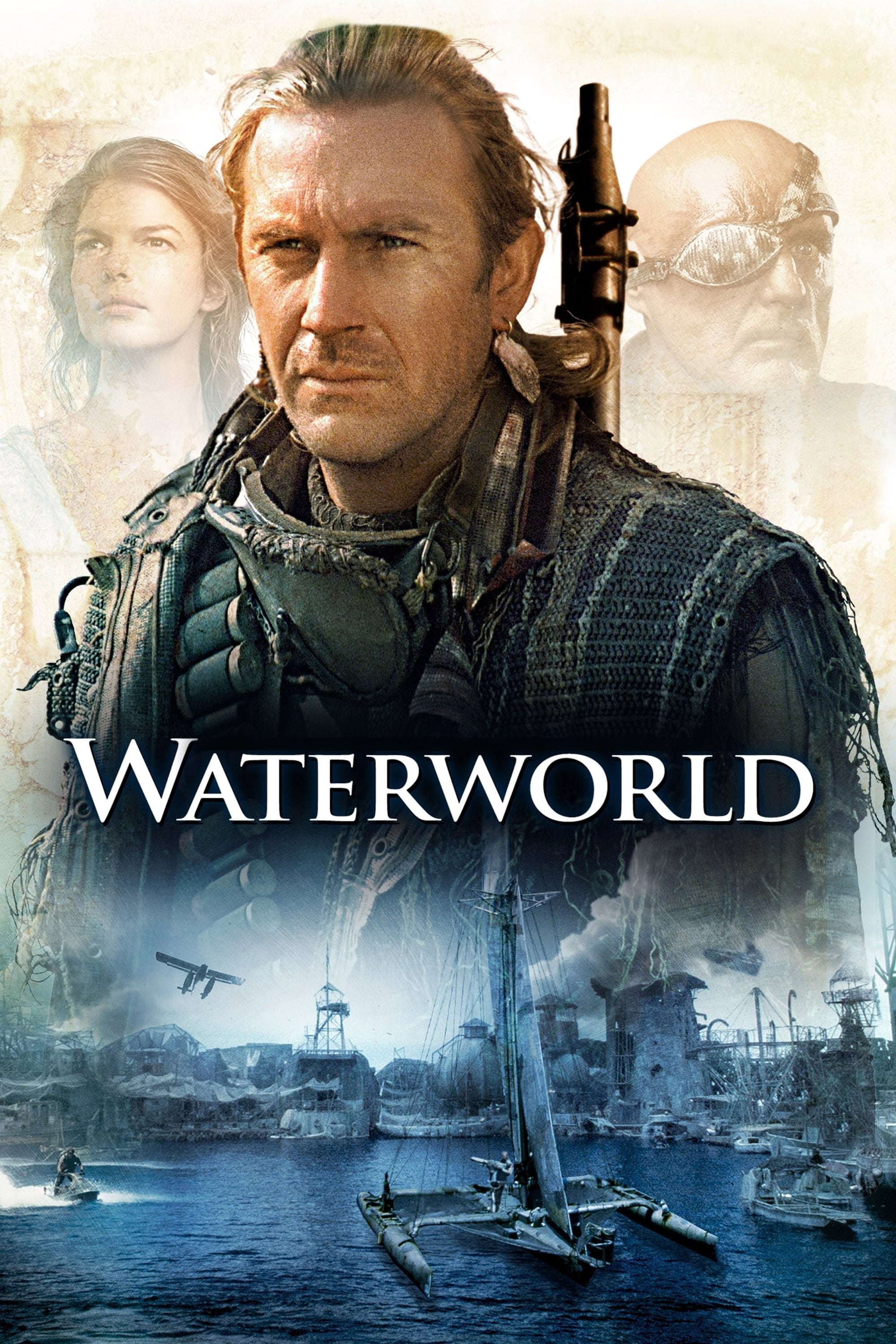
Set on a flooded Earth, the plot follows a mutated drifter who trades and survives on the open sea while factions search for dry land. Kevin Costner, Jeanne Tripplehorn, Tina Majorino, and Dennis Hopper starred, and the production became known for floating sets and extensive marine filming.
The property lives on through a long running stunt show at a major theme park and through extended home video cuts. Maritime clans, atoll communities, and improvised tech like trimarans and wave skiffs offer immediate tools for episodic journeys and new map discoveries.
‘The Shadow’ (1994)
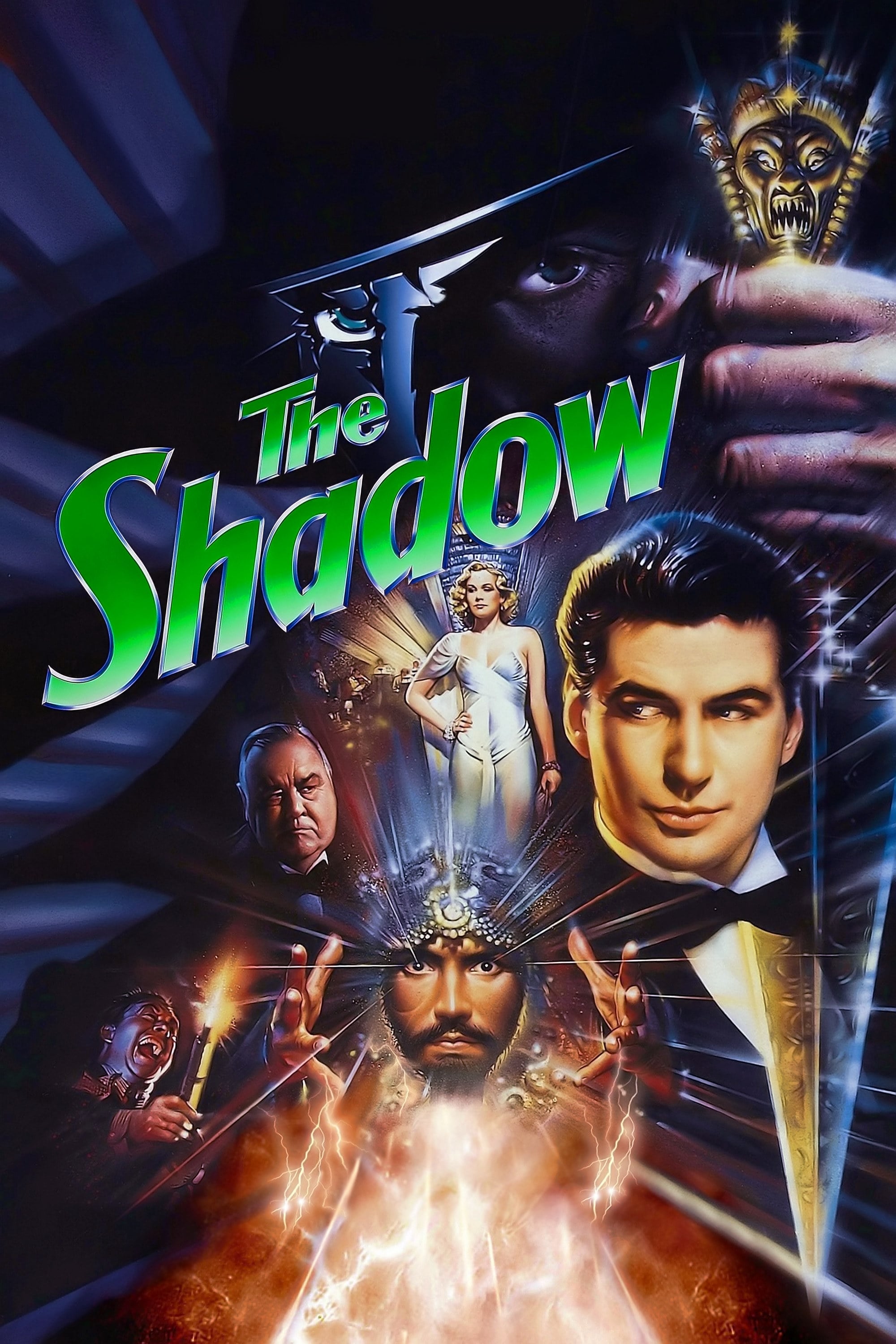
Drawn from classic pulp and radio adventures, the story features wealthy Lamont Cranston who fights crime using hypnosis and stealth. Alec Baldwin played the lead with Penelope Ann Miller and John Lone, and the film showcased period New York locations and practical illusions.
The character’s legacy spans novels, comics, and audio dramas with recurring foes and mystical training lore. That library provides serialized cases, secret societies, and gadgets that can be filmed with contemporary techniques while staying true to the mythos.
‘The Phantom’ (1996)
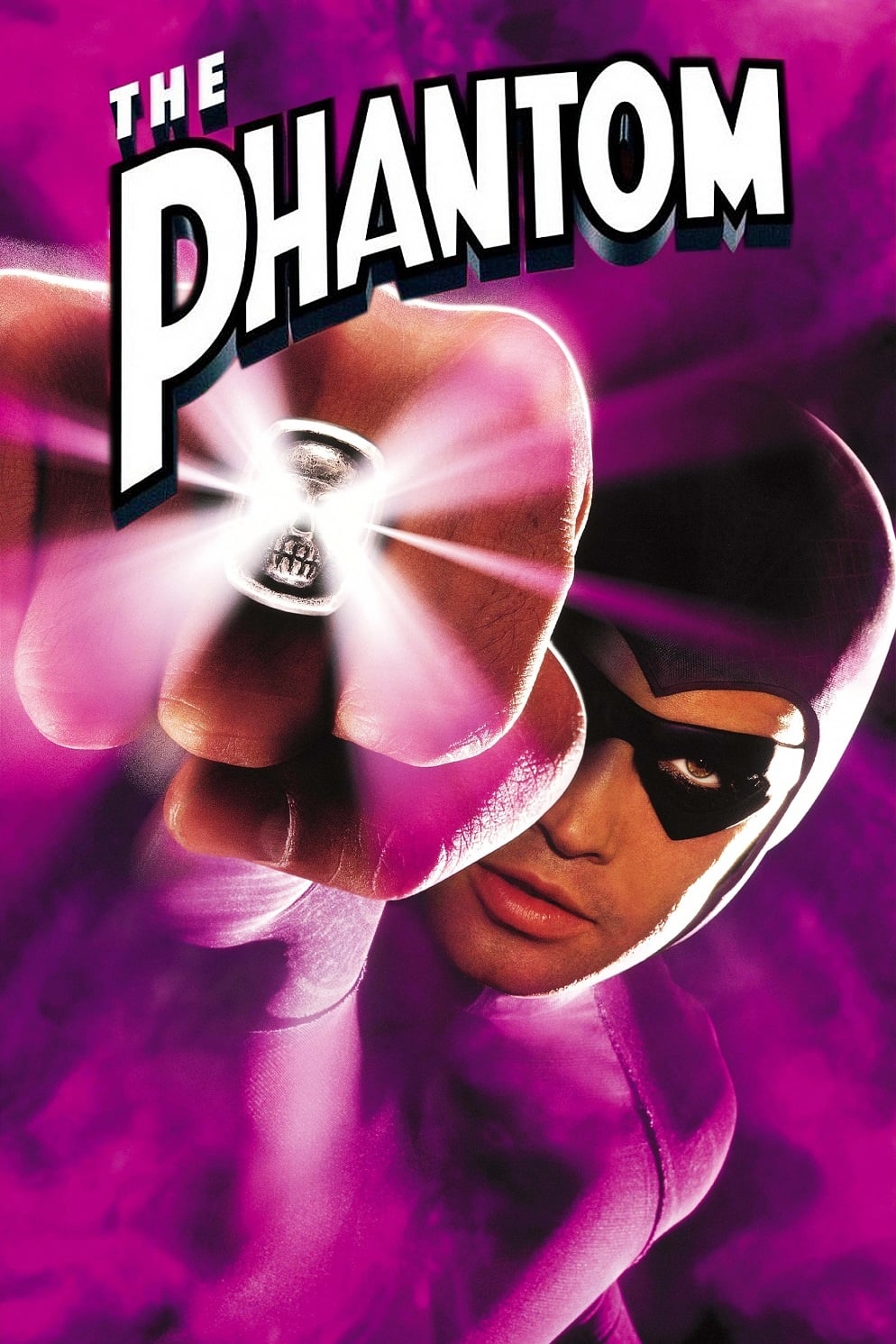
Based on the Lee Falk comic strip, the story follows Kit Walker who inherits the mantle of the Ghost Who Walks and protects the jungle nation of Bengalla. Billy Zane starred alongside Treat Williams and Catherine Zeta Jones, using practical stunts and real world locations.
The mythology centers on a lineage that passes from parent to child, a hidden Skull Cave base, and artifacts like skull rings. Those elements support standalone treasure hunts, maritime piracy arcs, and city based crime tales anchored by a single heroic identity.
‘Small Soldiers’ (1998)
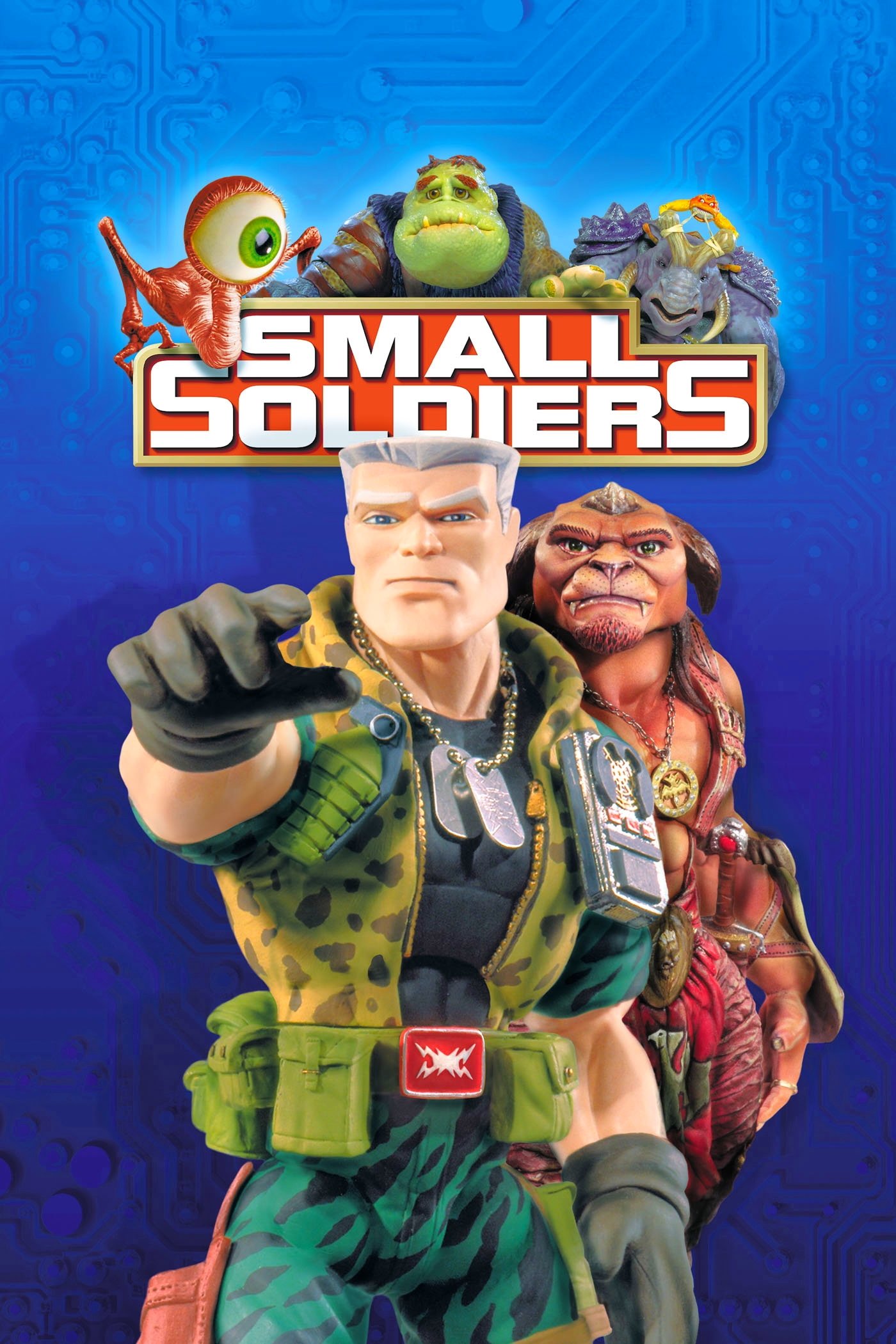
Joe Dante’s adventure follows a shipment of action figures that gain battlefield intelligence after a defense chip is installed. Gregory Smith and Kirsten Dunst headlined the live action cast, while Tommy Lee Jones and Frank Langella voiced the toy leaders.
The film connected with toy lines, fast food campaigns, and a console game, showing cross media potential. Its premise blends suburban settings with military gadgets and can scale from contained neighborhood stories to corporate thriller plots about misused technology.
‘Event Horizon’ (1997)
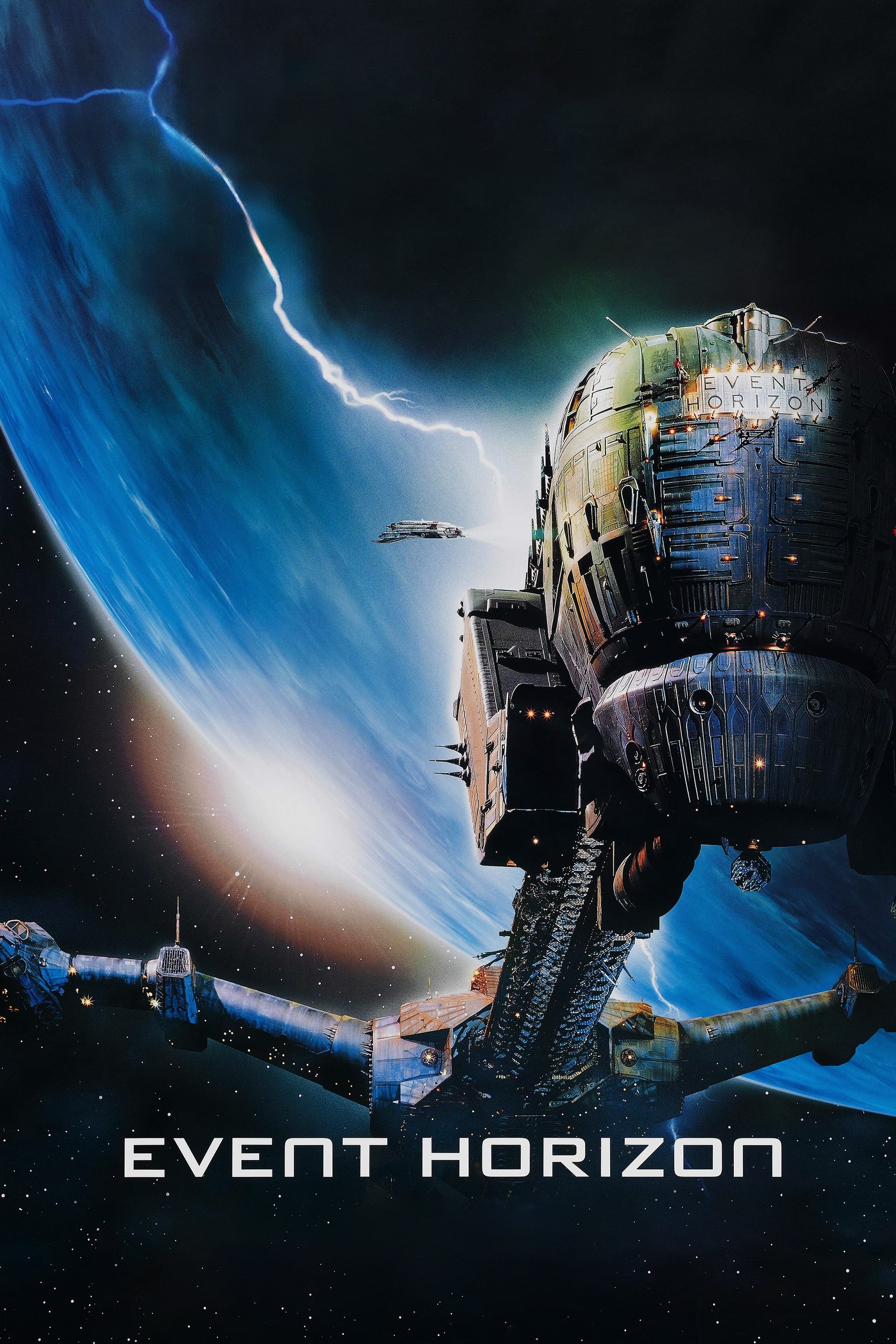
This science fiction horror tale sends a rescue crew to a lost ship whose experimental gravity drive opened a gateway with disturbing consequences. Laurence Fishburne and Sam Neill led the ensemble, with detailed interiors and practical gory makeup effects.
The central device and the missing years of the ship’s journey allow for additional missions and investigations. Themes of signal analysis, crew psychology, and classified research facilities provide a procedural spine for further entries in the same universe.
‘Contact’ (1997)
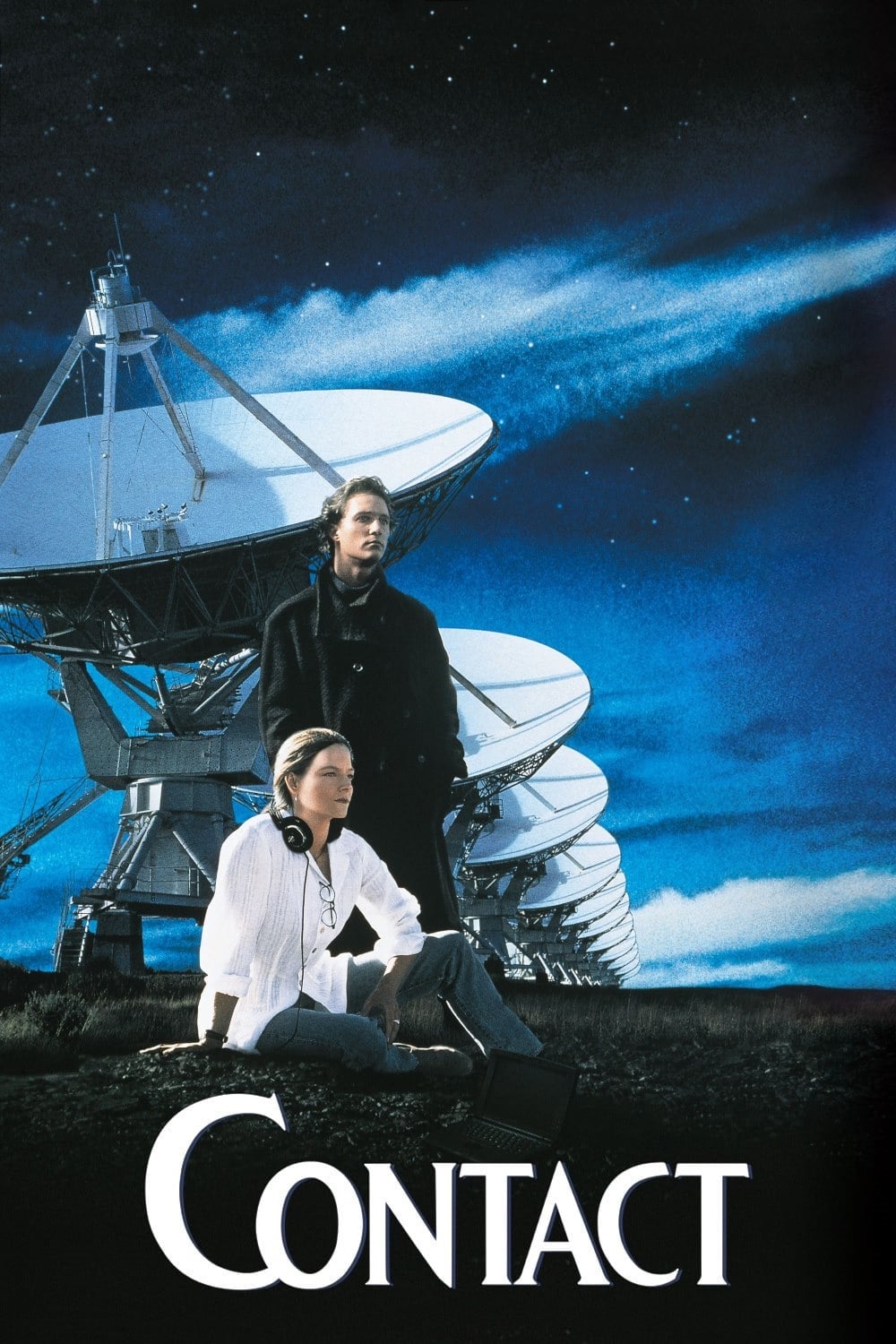
Adapted from a Carl Sagan novel, the film follows radio astronomer Ellie Arroway after a signal delivers instructions for a complex machine. Jodie Foster and Matthew McConaughey starred, and the production filmed at real observatories and consulted scientists for accuracy.
The narrative covers government committees, international coordination, and media responses to a first contact event. Those institutions and locations can be revisited for follow up transmissions, secondary machine construction, and ethical debates tied to exploration.
‘Deep Blue Sea’ (1999)
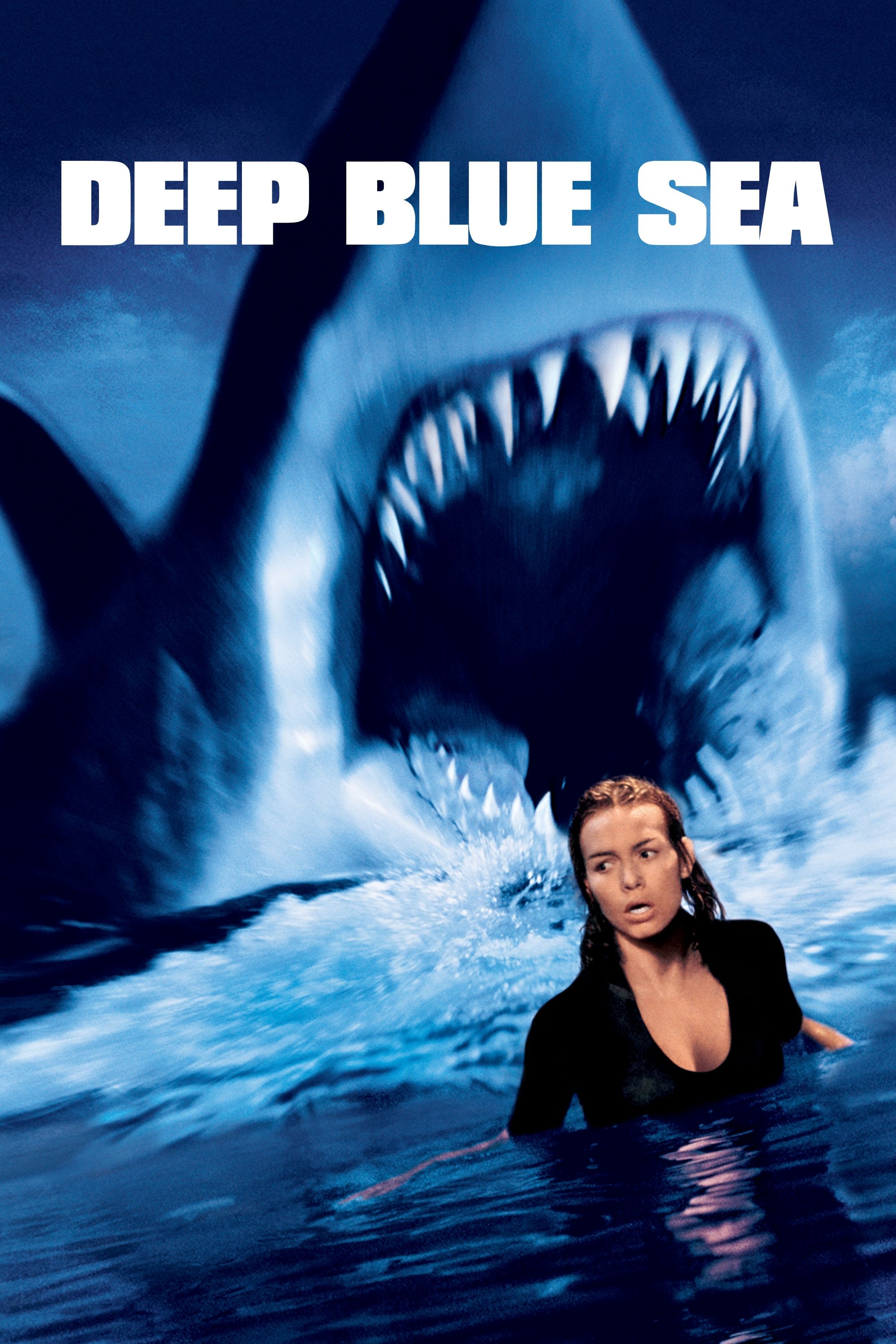
The story centers on researchers at an offshore facility who engineer sharks for a medical experiment, only to lose control of the site. Thomas Jane, Saffron Burrows, LL Cool J, and Samuel L Jackson appeared, with large water tanks and animatronic creatures used for key sequences.
The film’s setting offers contained survival scenarios and corporate accountability angles that can be expanded. Subsequent entries released to home entertainment proved continued interest, and updated marine tech and habitats create new spaces for future incidents.
‘Face/Off’ (1997)
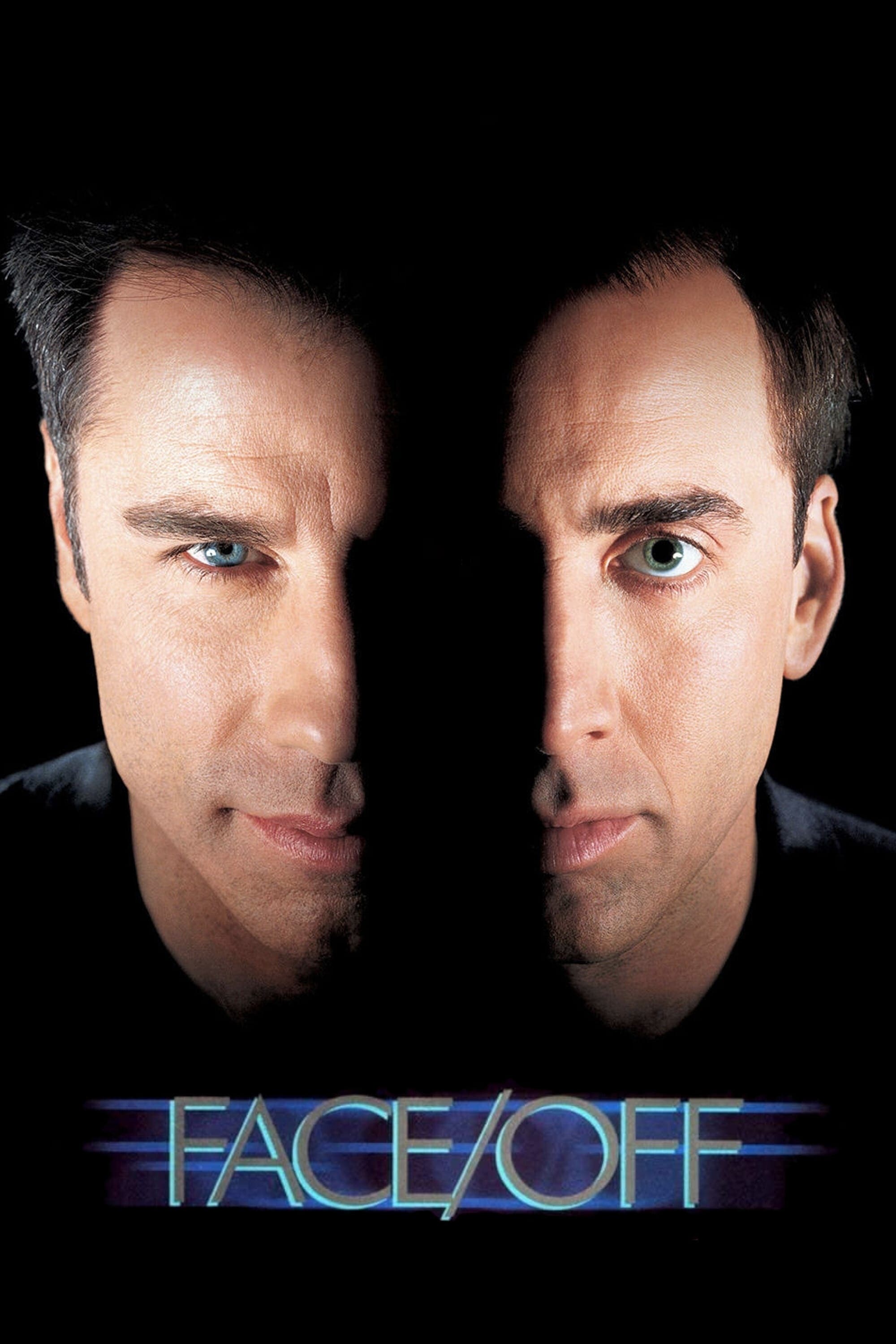
John Woo directed this identity swapping action thriller about an agent and a criminal who undergo a radical surgical procedure. Nicolas Cage and John Travolta played mirrored roles, and the production emphasized practical stunts and stylized gunplay.
The premise introduces medical teams, federal programs, and underworld networks that can be revisited with new characters. Questions of biometric security, impersonation, and evidence chain integrity offer procedural engines for further cases.
‘Sneakers’ (1992)
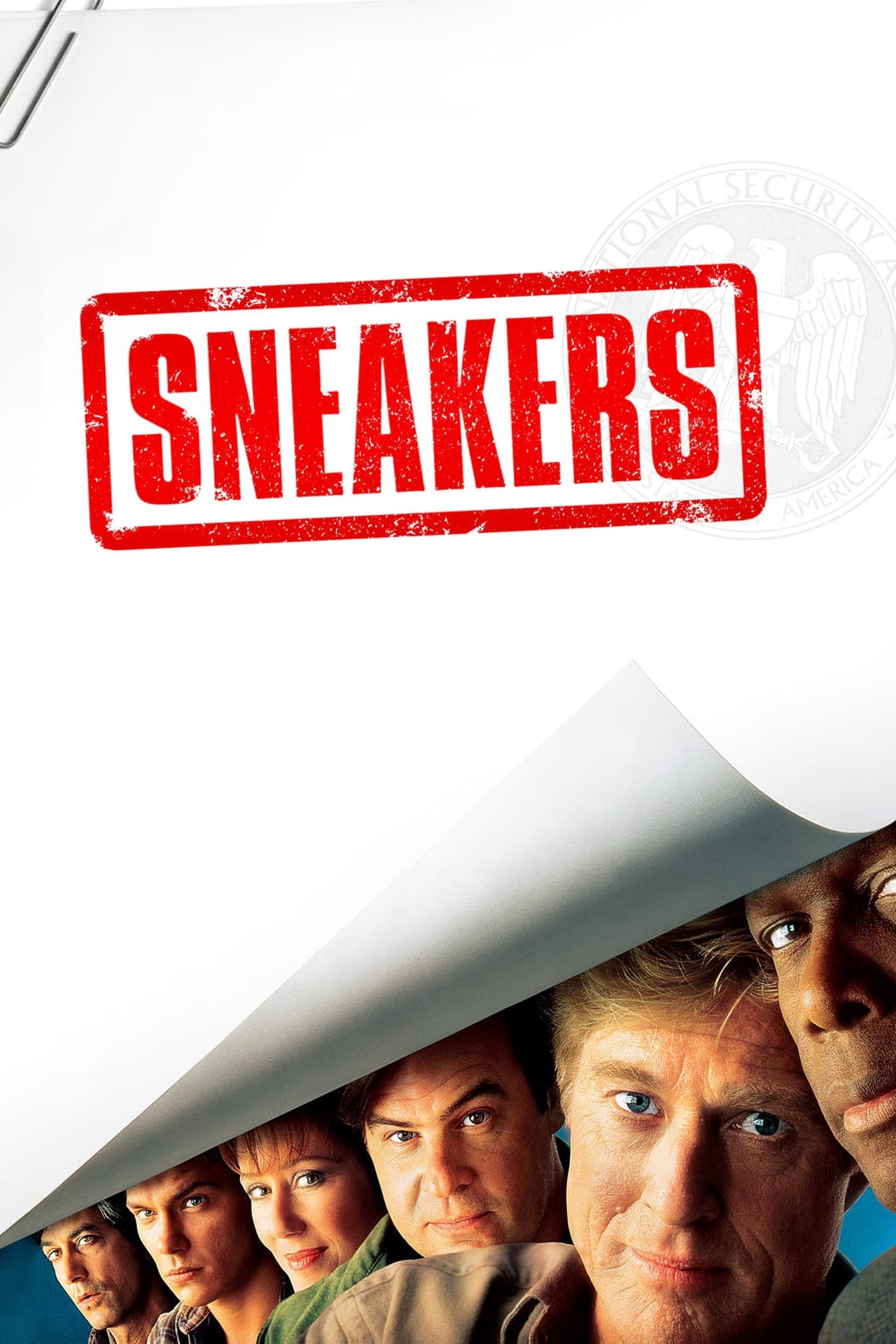
This heist and tech thriller follows a team of security experts hired to test systems who encounter a universal decryption device. Robert Redford, Sidney Poitier, Dan Aykroyd, River Phoenix, Mary McDonnell, and Ben Kingsley formed a standout ensemble.
The story integrates cryptography, social engineering, and cold war era intelligence contacts. Its world of penetration testing firms and government contractors can support fresh capers built around new protocols, supply chain attacks, and post breach investigations.
‘Clueless’ (1995)
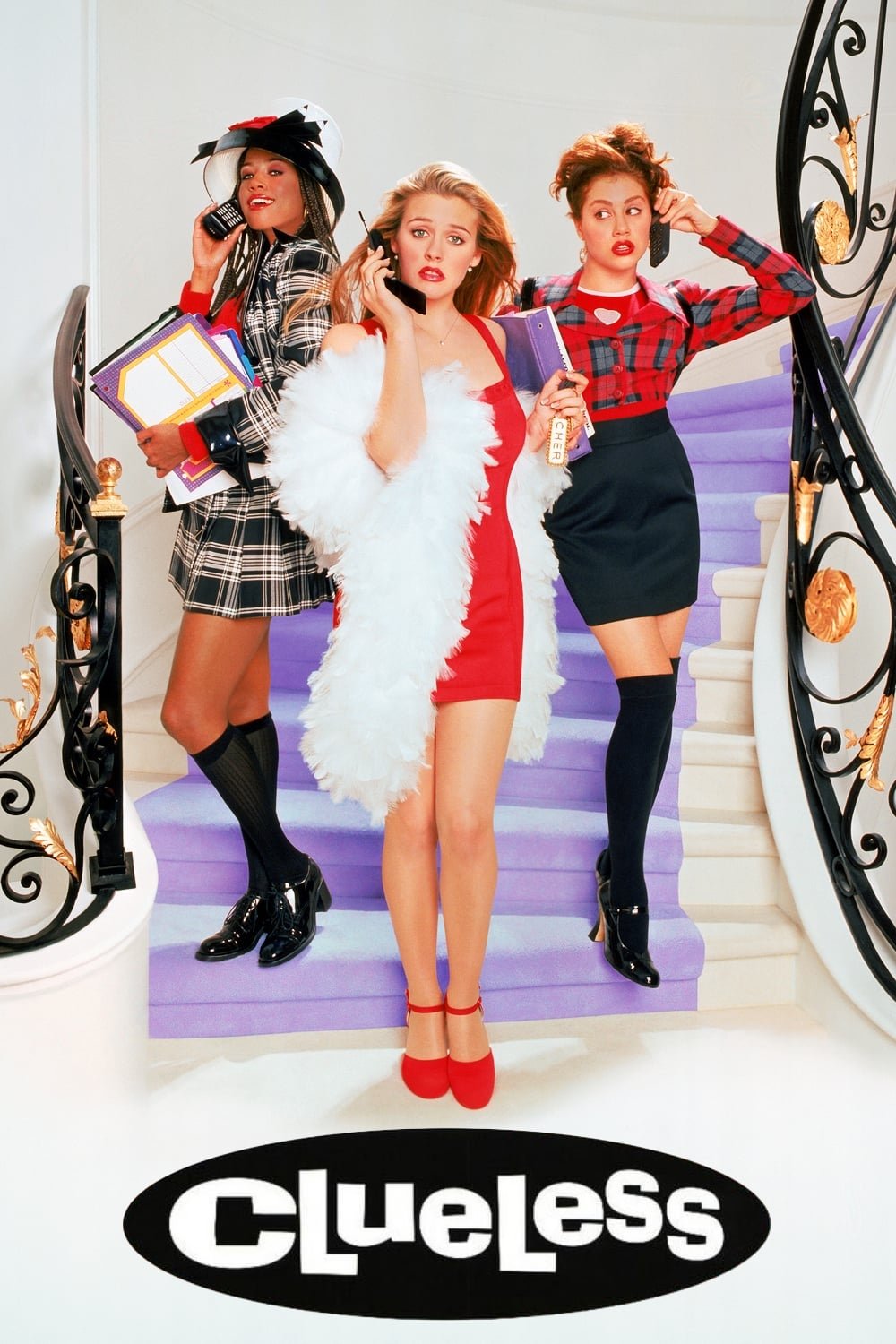
A modern Beverly Hills update of Jane Austen’s ‘Emma’, the film tracks Cher Horowitz as she navigates friendships, family, and school. Alicia Silverstone, Paul Rudd, Brittany Murphy, Donald Faison, and Stacey Dash anchored the cast, with memorable slang and wardrobe.
The brand extended into television and books, and its school and family framework is naturally episodic. The setting covers classrooms, malls, and city nightlife, giving ample room for new arcs about mentorship, civic projects, and evolving social tech.
‘The Rock’ (1996)
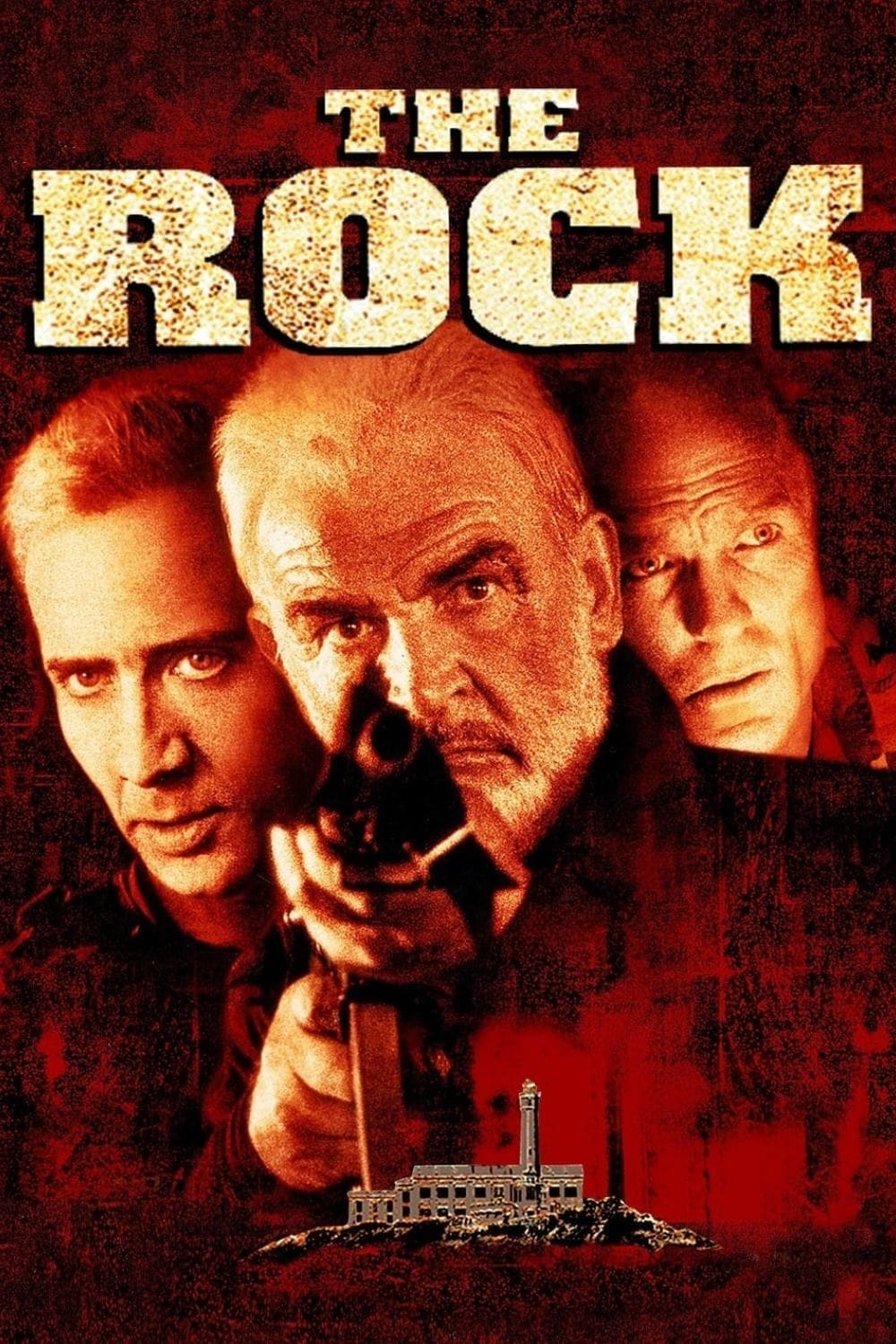
This action thriller pairs a former convict and a chemist with a special forces team to stop a chemical weapons threat on Alcatraz. Sean Connery, Nicolas Cage, and Ed Harris led the cast, and Michael Bay directed with sweeping location work around San Francisco.
Iconic elements include VX glass spheres, close quarters island combat, and a dramatic chase through city streets. The premise connects military procurement, rogue operations, and federal custody issues, which can fuel new plots involving different sites and teams.
‘The Mask’ (1994)
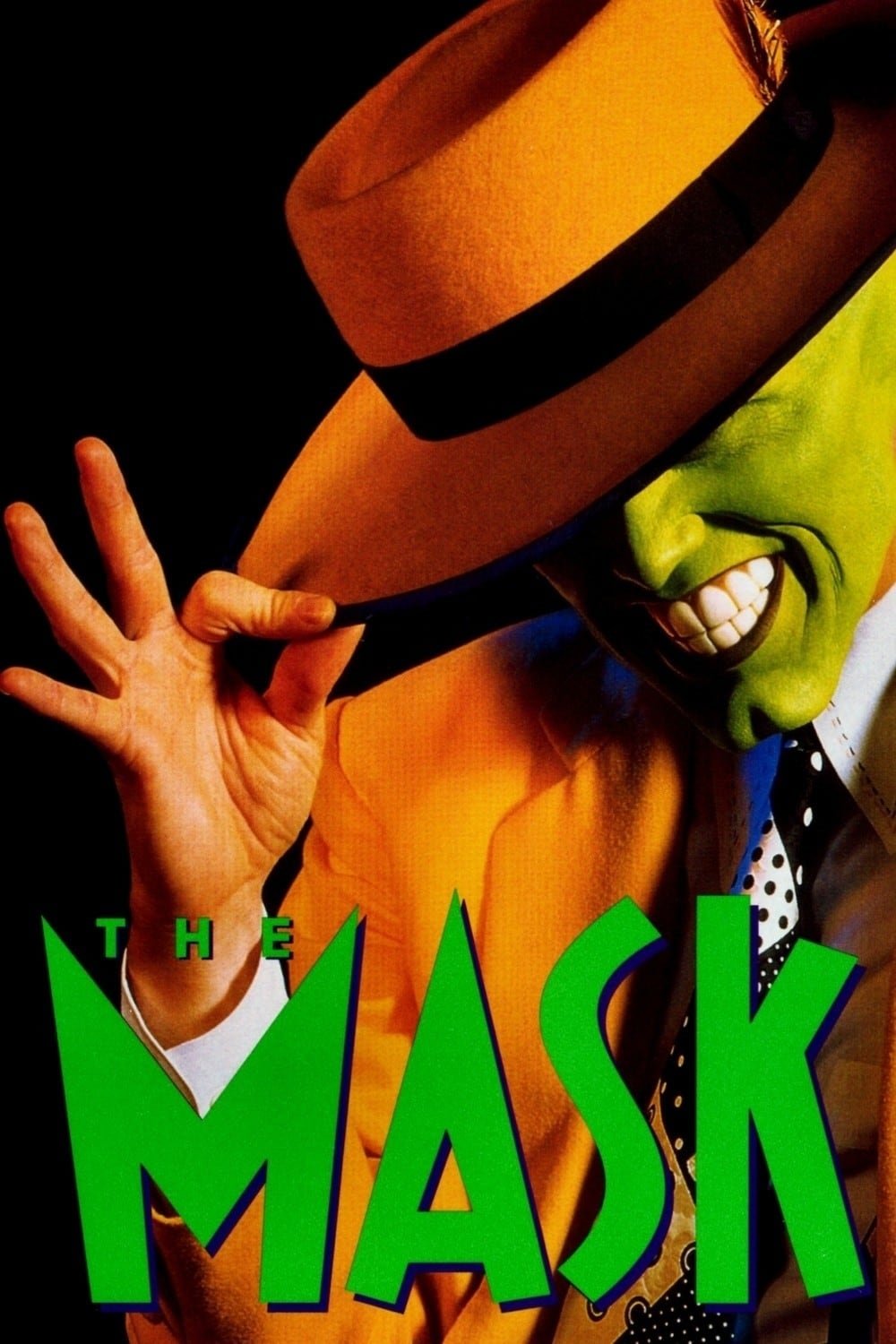
Adapted from Dark Horse comics, the story follows a timid banker who becomes a cartoonish force when he wears a mysterious mask. Jim Carrey starred with Cameron Diaz in her film debut, blending physical comedy with early digital effects.
The property branched into an animated series and console games that introduced additional mask lore. The mythology of a trickster artifact that rewrites reality supports new hosts, new cities, and new rules for how the mask chooses its wearer.
‘The Truman Show’ (1998)
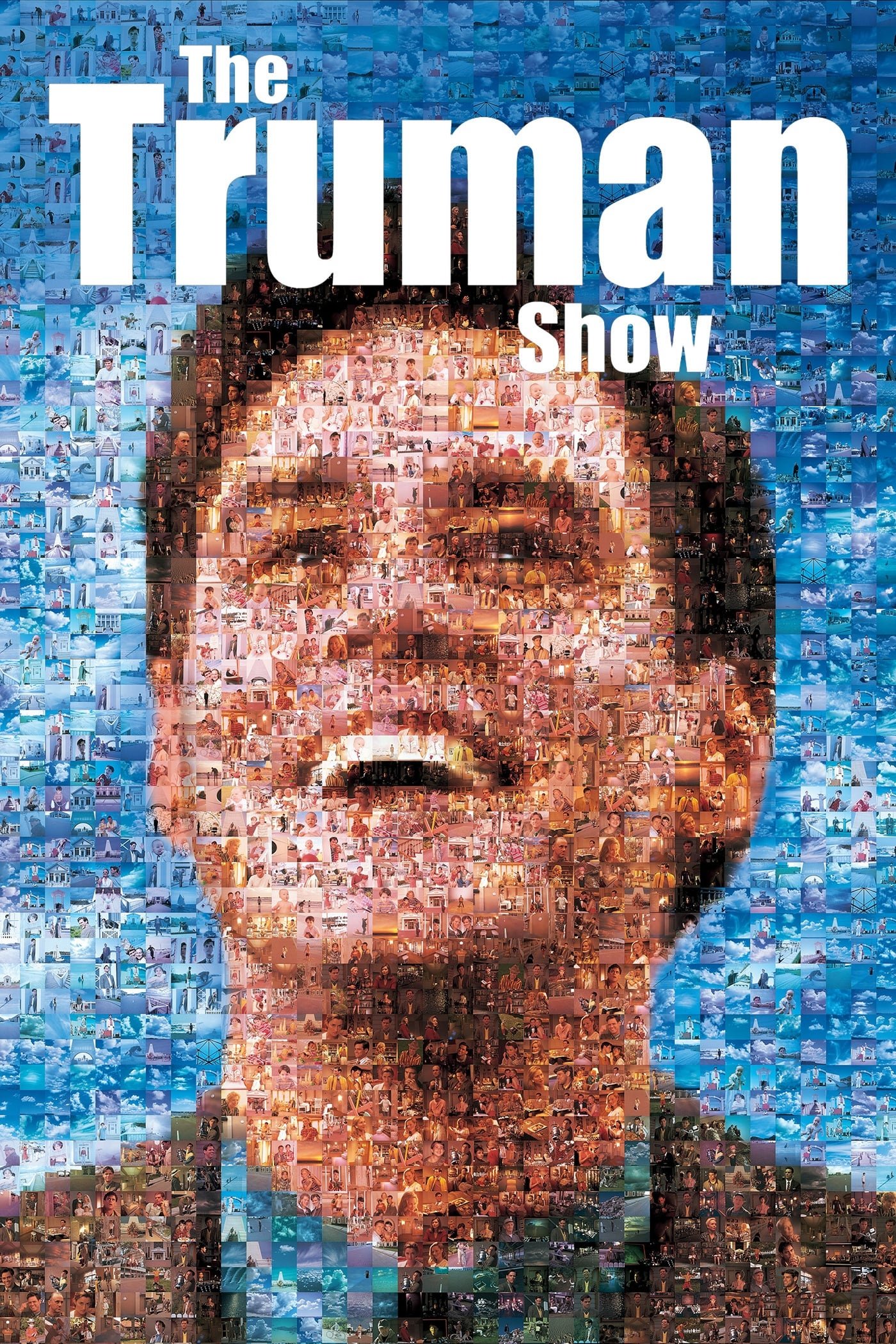
Peter Weir directed this drama about a man raised inside a massive set where every moment is broadcast as entertainment without his knowledge. Jim Carrey played Truman Burbank with Laura Linney and Ed Harris in key roles, and the production built a detailed seaside town.
The film is frequently cited in media studies and psychology, with the term Truman Show delusion used in clinical literature. The infrastructure of cameras, producers, and brand partners can support follow up stories about other controlled series and the lives of participants after the spotlight.
‘The Long Kiss Goodnight’ (1996)
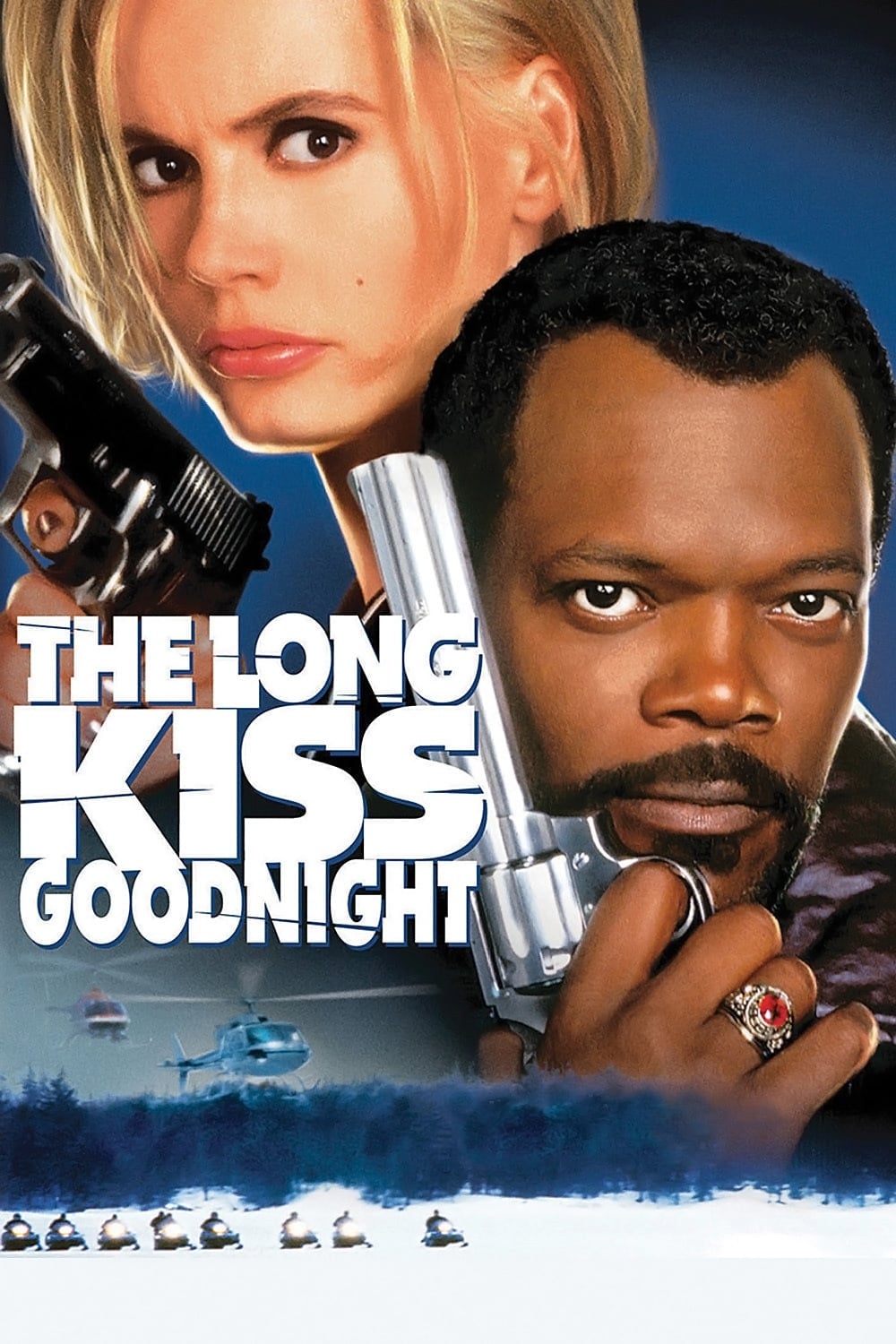
Shane Black wrote this thriller about a teacher with amnesia who discovers a past career as an elite government operative. Geena Davis and Samuel L Jackson starred, and the film features practical car chases and large scale pyrotechnics.
The narrative connects intelligence agencies, black budgets, and sleeper identities that can be explored in new operations. Its family angle and small town cover life create a strong contrast for future missions that surface unresolved contacts and training programs.
‘Mystery Men’ (1999)
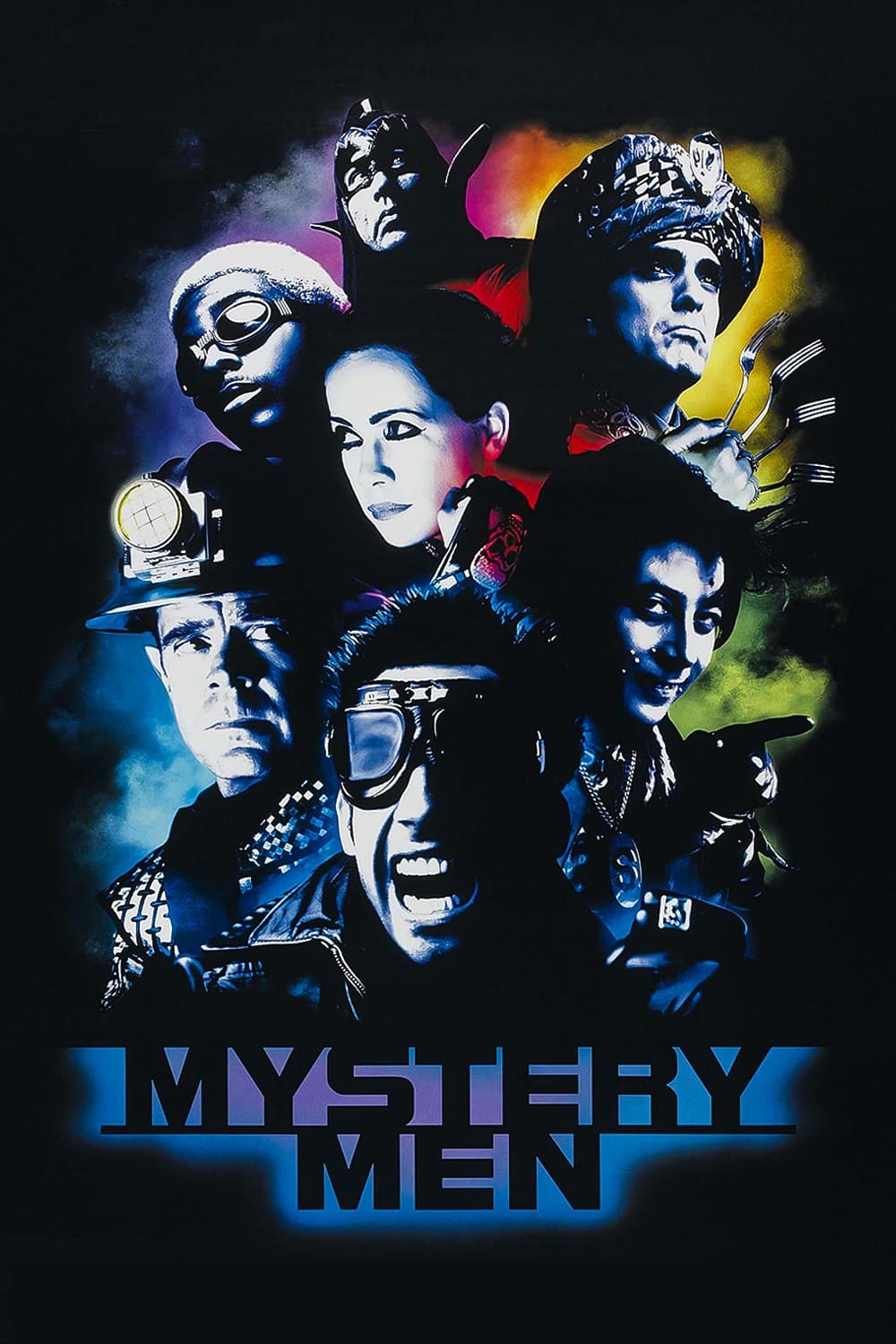
Based on characters from Bob Burden’s comics, this ensemble follows amateur heroes who try to save their city when the main champion disappears. Ben Stiller, William H Macy, Hank Azaria, Janeane Garofalo, and Geoffrey Rush appeared, with colorful sets and offbeat gadgets.
The world includes competing hero teams, corporate sponsors, and a gallery of odd powers that invite new recruits. As superhero universes keep expanding, this satire friendly framework supports fresh rosters and city wide events without relying on a single protagonist.
‘Tank Girl’ (1995)
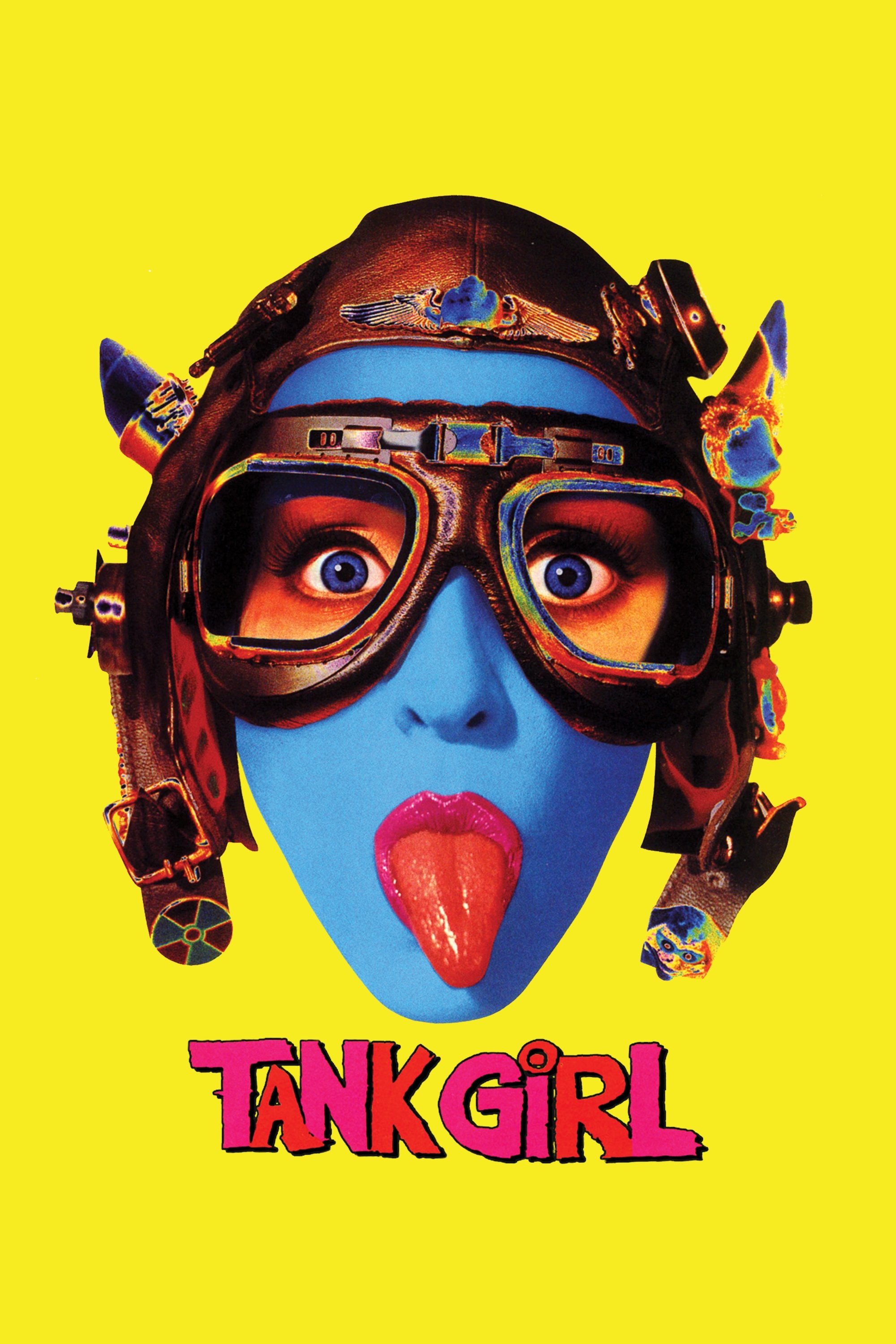
Drawn from the comic by Jamie Hewlett and Alan Martin, the film tracks a rebellious scavenger fighting a water monopoly in a desert wasteland. Lori Petty starred with Naomi Watts and Ice T, and the production leaned into practical sets, punk fashion, and creature suits.
The brand continues in comics with additional arcs that introduce new vehicles, gangs, and creatures. That ongoing material and the distinctive visual identity supply ready episodic quests and rivalries for a new screen version.
‘Johnny Mnemonic’ (1995)
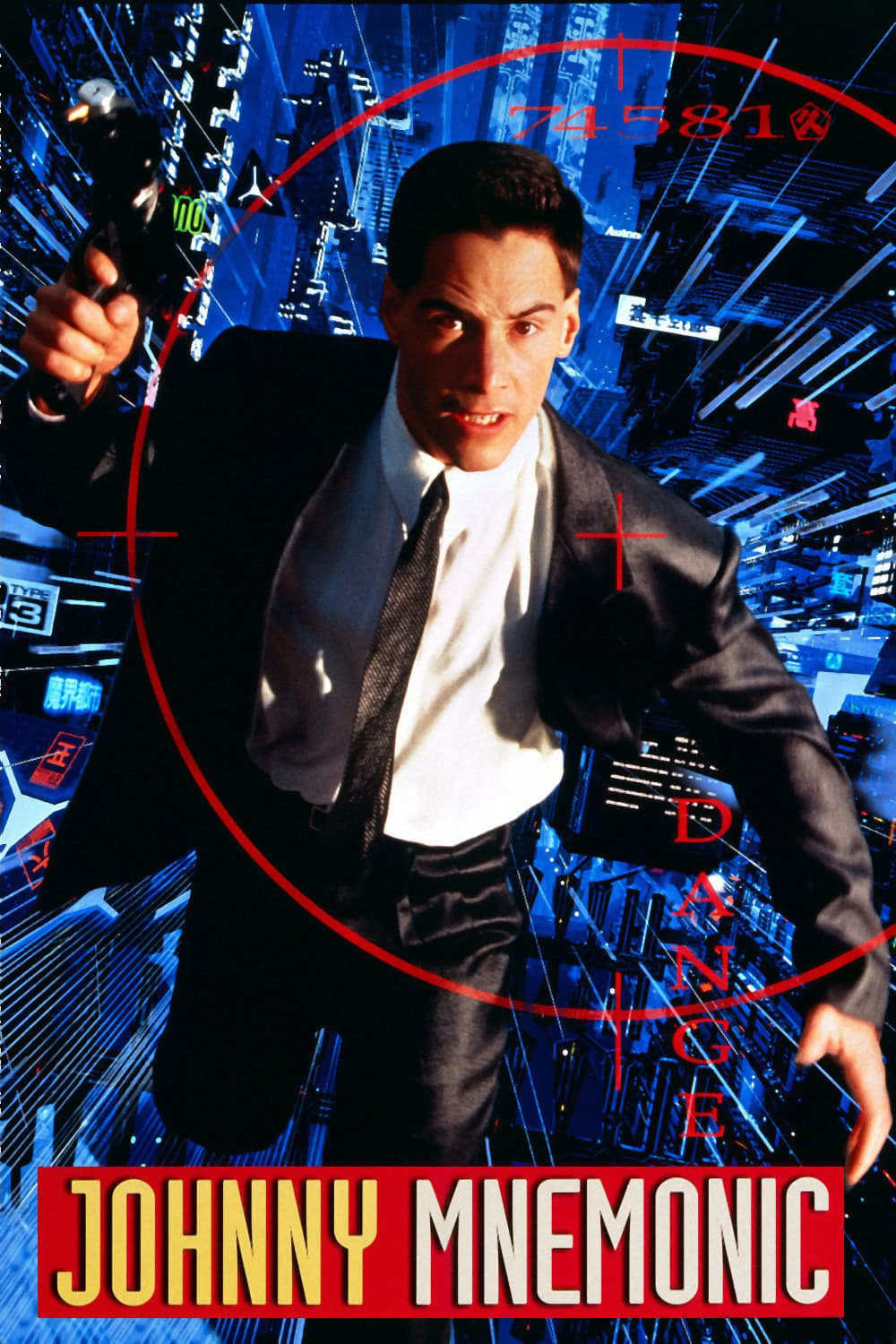
Adapted from William Gibson’s short story, the film follows a data courier who stores encrypted payloads in a neural implant. Keanu Reeves starred with Dina Meyer, Takeshi Kitano, and Dolph Lundgren, and the production featured corporate mercenaries and augmented enforcers.
Different cuts of the film exist, including a regional version with alternate editing and music. The cyberpunk setting covers megacorporations, street clinics, and virtual reality arenas, which can anchor new contracts and new data heists within the same rules.
Share the titles you would add and tell us in the comments which worlds you want to see rebuilt for modern screens.