The Best Movie Reboots of All Time


Reboots give familiar stories a fresh start, taking well known characters and worlds and rebuilding them with new cast members, updated craft, and modern storytelling. The best ones honor the core idea that made the original work while using new technology, locations, and production approaches to create something that stands on its own. Viewers get a clean entry point, and studios gain a foundation for future chapters.
This list focuses on films that restarted a property or launched a new continuity. Each entry notes who made it, who starred, and what changed from the earlier version, along with production facts like locations, effects work, and awards. If a reboot sparked sequels or new timelines, that is included as well.
‘Mad Max: Fury Road’ (2015)
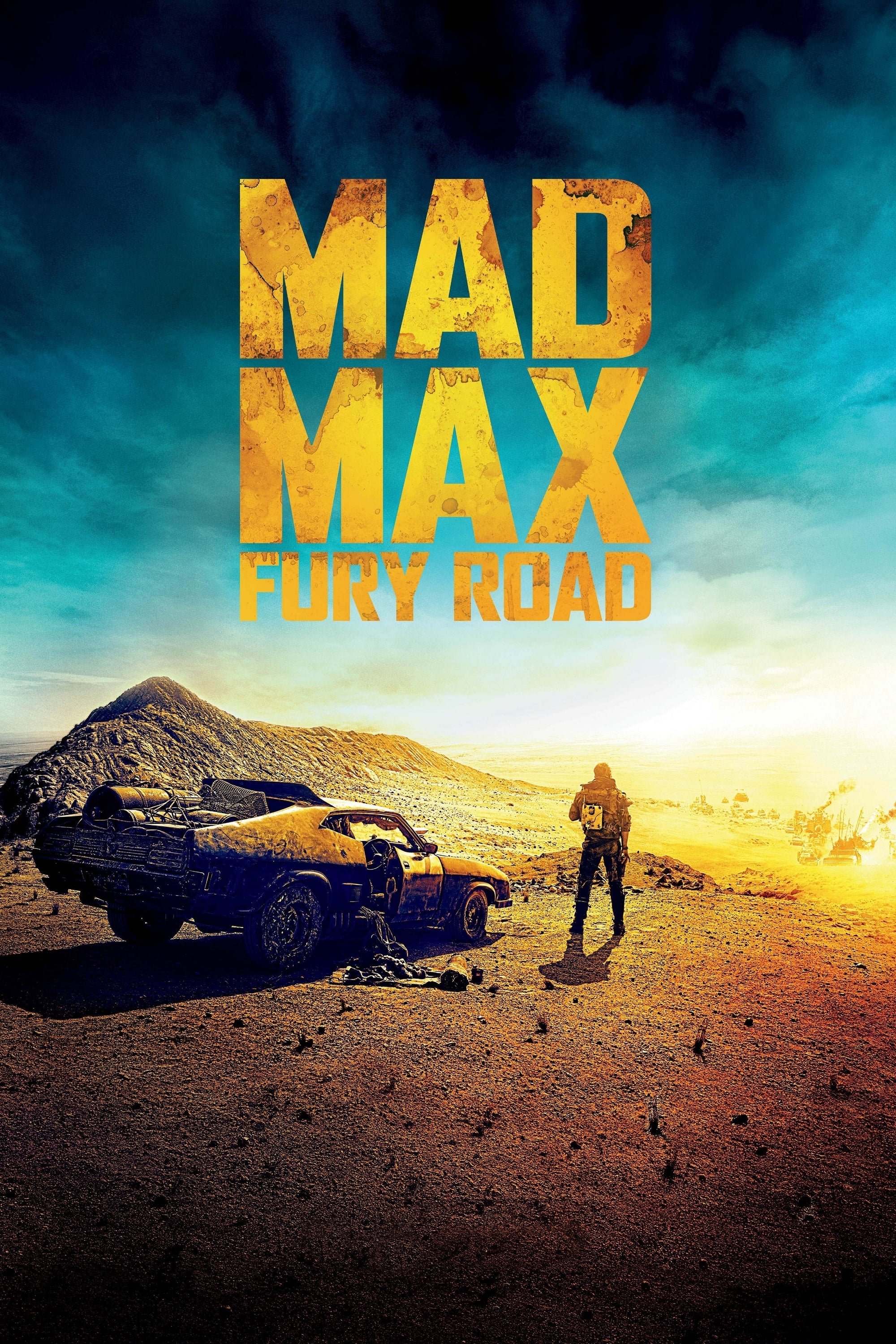
George Miller returned to his wasteland with Tom Hardy and Charlize Theron leading a new cast and a near continuous convoy chase built around practical stunts. The production mounted extensive vehicle builds and in camera pyrotechnics across desert locations in Namibia, with editors and sound teams shaping the film’s propulsive flow.
The film revived the series for a new generation and collected multiple Academy Awards in craft categories including editing, production design, costume, makeup and hairstyling, and sound. It also reintroduced the world’s iconography, such as the War Rig and the Citadel, while keeping continuity loose so new viewers could jump in easily.
‘Batman Begins’ (2005)
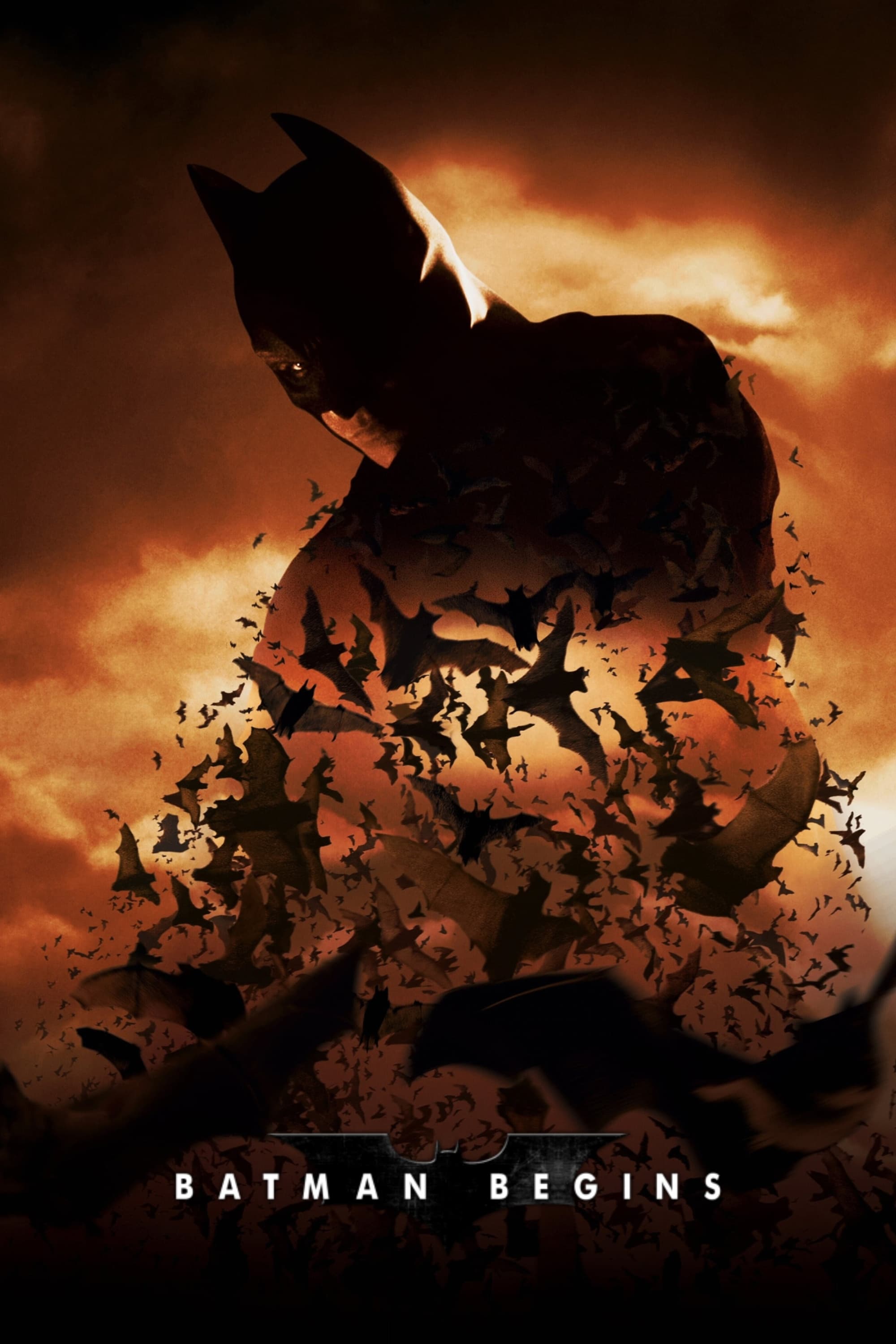
Christopher Nolan rebooted Gotham with Christian Bale, Michael Caine, Liam Neeson, and Cillian Murphy, building a grounded origin that moved away from the previous cycle’s tone. The crew shot on large scale sets and city locations in Chicago and the United Kingdom, with a Tumbler Batmobile engineered for real driving and stunt work.
The film launched a cohesive trilogy and reset the screen versions of allies and rogues. The production emphasized practical effects, tactile suits, and a crime drama approach that became a template for later comic book adaptations.
‘Casino Royale’ (2006)
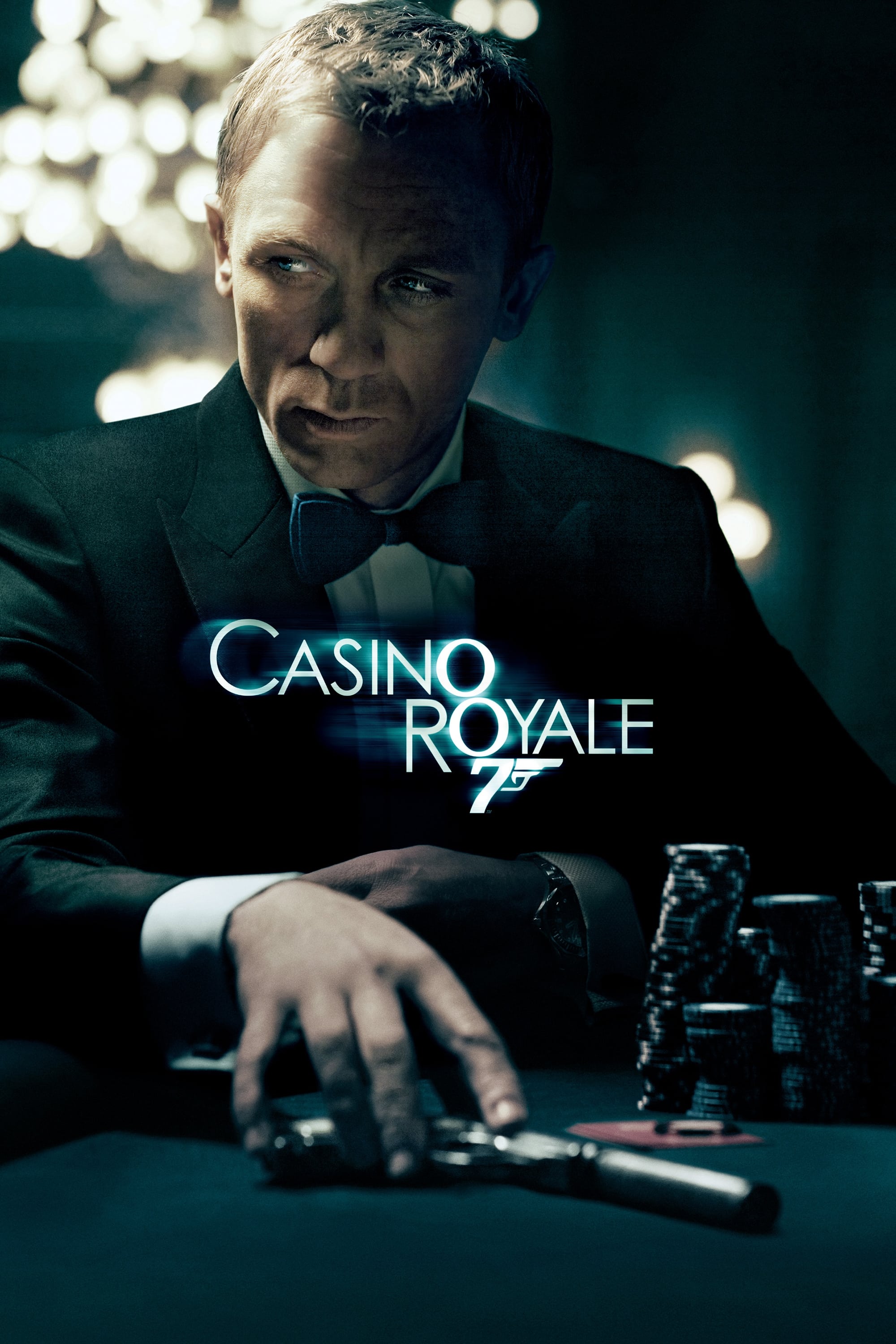
Daniel Craig’s first outing as James Bond rebooted the character at the start of his career and adapted Ian Fleming’s debut novel with a modern frame. The film shot across the Bahamas, Prague, Italy, and the United Kingdom, and featured parkour driven chases and practical stunt work on construction cranes and airport runways.
The reboot retired the long running continuity and rebuilt the supporting cast around a new M played by Judi Dench and a new Felix Leiter played by Jeffrey Wright. It refreshed the tone through a more physical lead performance and a character focused arc that set up future entries in a unified storyline.
‘Rise of the Planet of the Apes’ (2011)
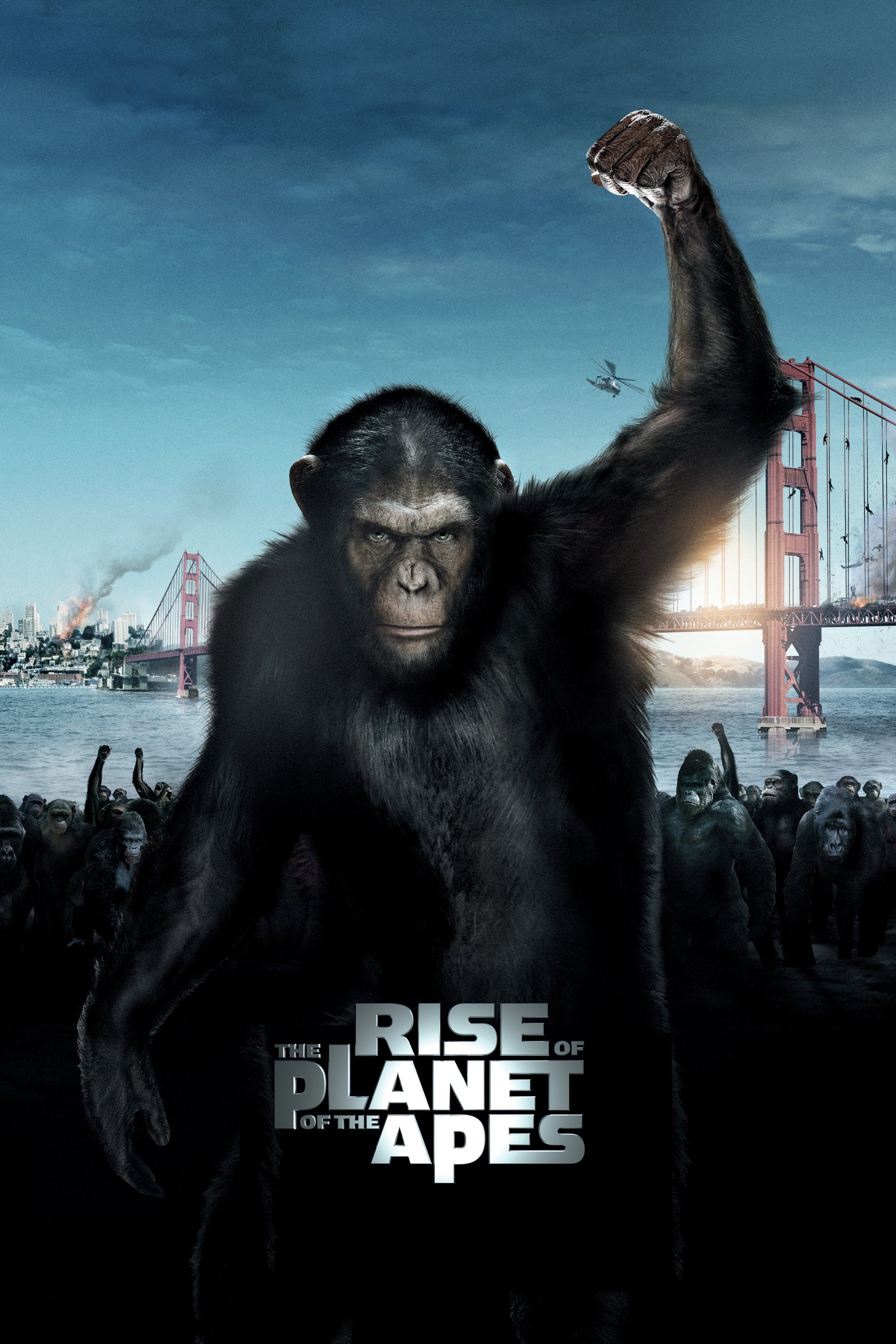
Rupert Wyatt introduced a new continuity centered on Caesar, with Andy Serkis delivering a performance capture lead brought to life by Weta Digital. The story tracked an experimental treatment that enhanced intelligence in apes and placed events around San Francisco laboratories, homes, and bridges.
The reboot launched a trilogy that used performance capture as its core creative tool and refined character animation for fur, skin, and eyes. It reframed the series around Caesar’s perspective and laid the groundwork for large scale conflict told through the new continuity.
‘Star Trek’ (2009)
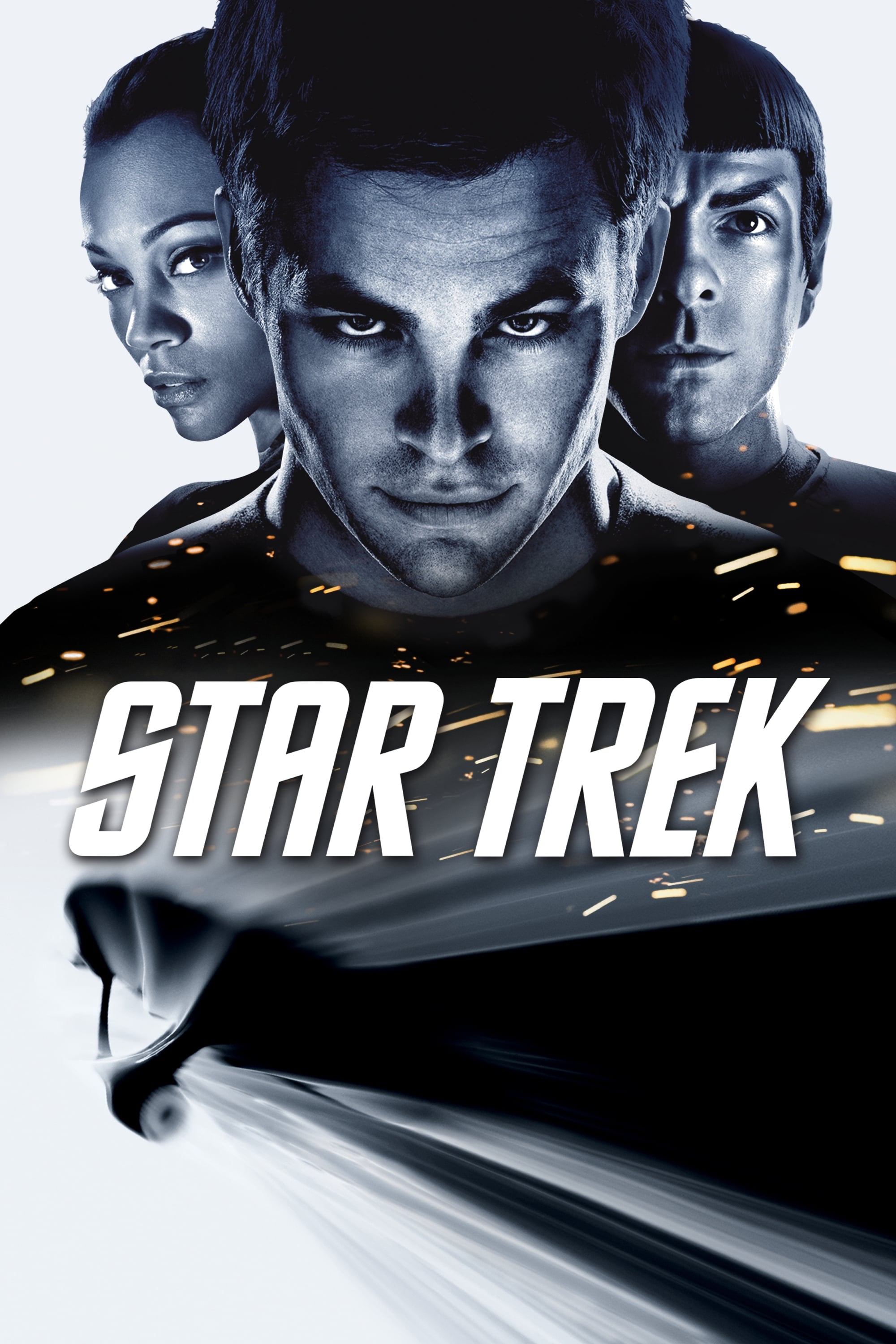
J. J. Abrams restarted the franchise with Chris Pine, Zachary Quinto, Zoë Saldana, and Karl Urban as younger versions of the original crew. The story introduced the Kelvin timeline, which preserved legacy canon while allowing new plots without contradicting earlier films and television.
Industrial Light and Magic delivered stylized space photography and detailed ship interiors, while sound teams built new warp and transporter signatures. The reboot won an Academy Award for makeup and invited newcomers through a self contained origin that still referenced familiar Federation history.
‘Spider-Man: Homecoming’ (2017)
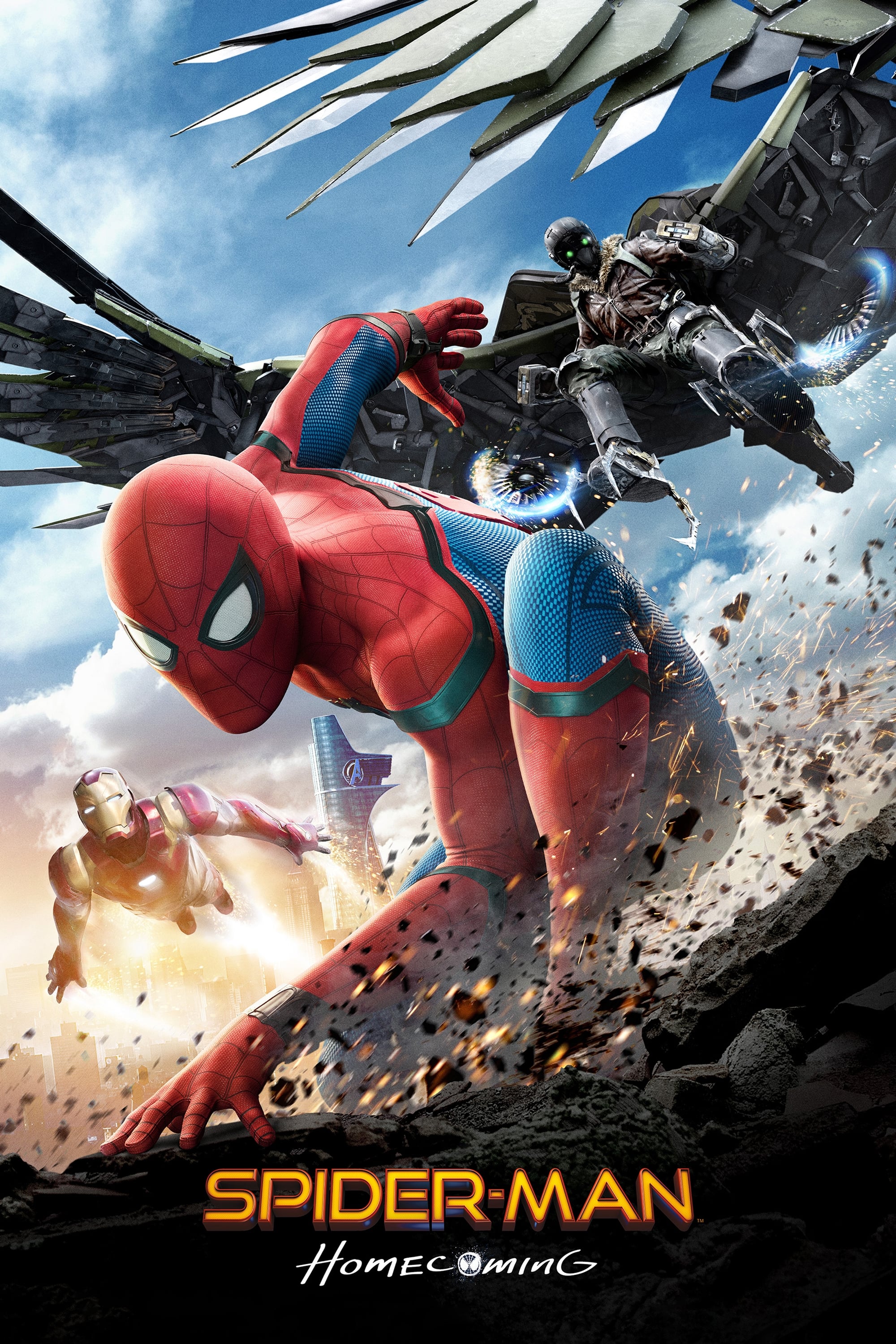
Tom Holland took over as Peter Parker in a reboot that placed the character inside the shared world of the ‘Avengers’. Michael Keaton played Adrian Toomes, with the plot connecting his salvage operation to the aftermath of a major New York battle and to black market alien tech.
The production shot in Atlanta and New York and leaned on a coming of age structure set around a Queens high school. It reintroduced core elements like the Midtown classmates and a tech assisted suit supplied by Tony Stark, while setting up future team ups in the larger universe.
‘Dredd’ (2012)
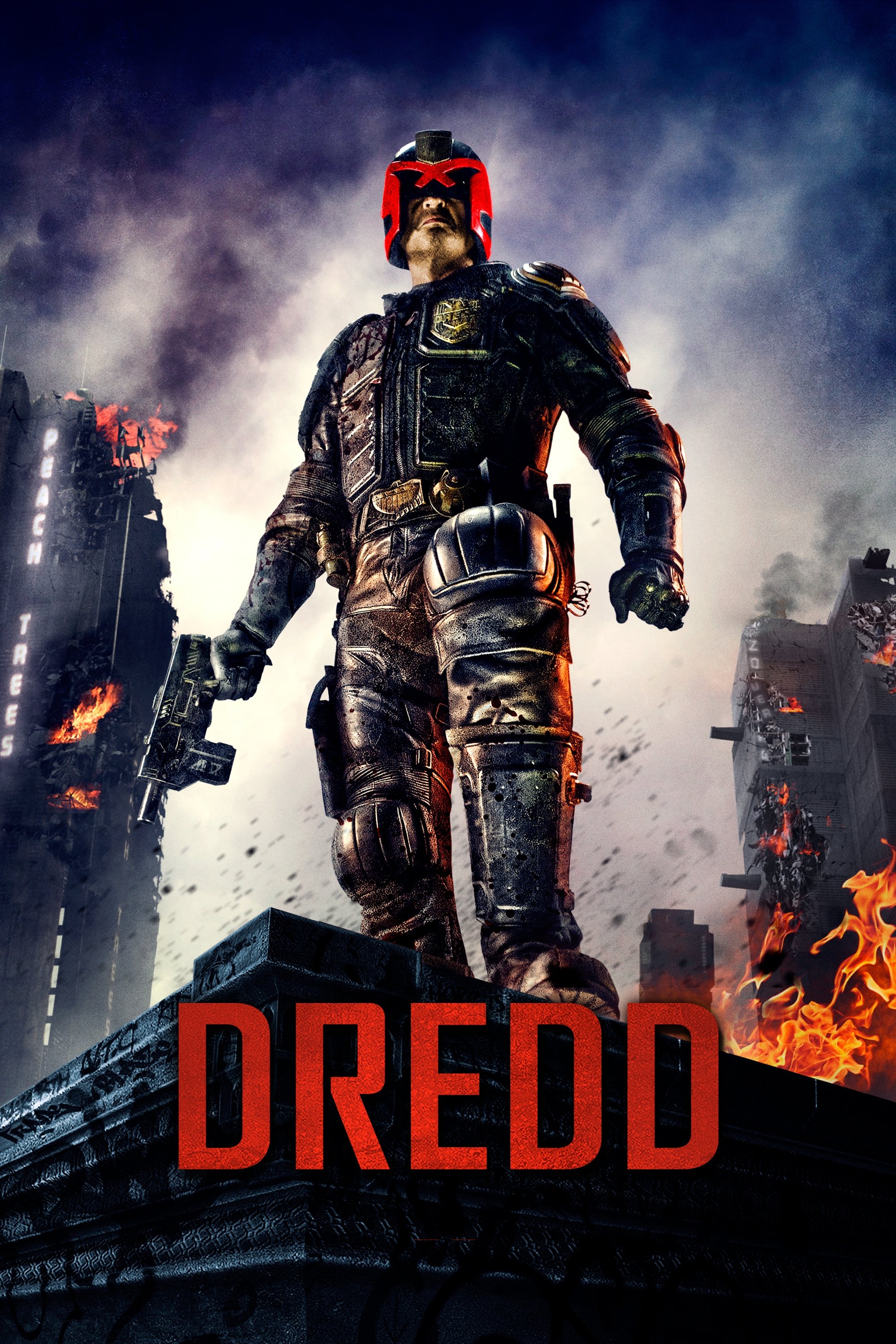
Karl Urban portrayed Judge Dredd, with Olivia Thirlby as Anderson, in a lean, contained reboot written by Alex Garland. The film shot at Cape Town Film Studios with careful use of 3D and high speed photography to depict the narcotic Slo Mo, which gave action scenes crystal like slow motion beats.
This version focused on street level law enforcement inside a single high rise and presented the Mega City One setting with gritty detail. Practical costumes and props, combined with digital extensions, created a precise look that distanced the reboot from the earlier adaptation.
‘The Batman’ (2022)
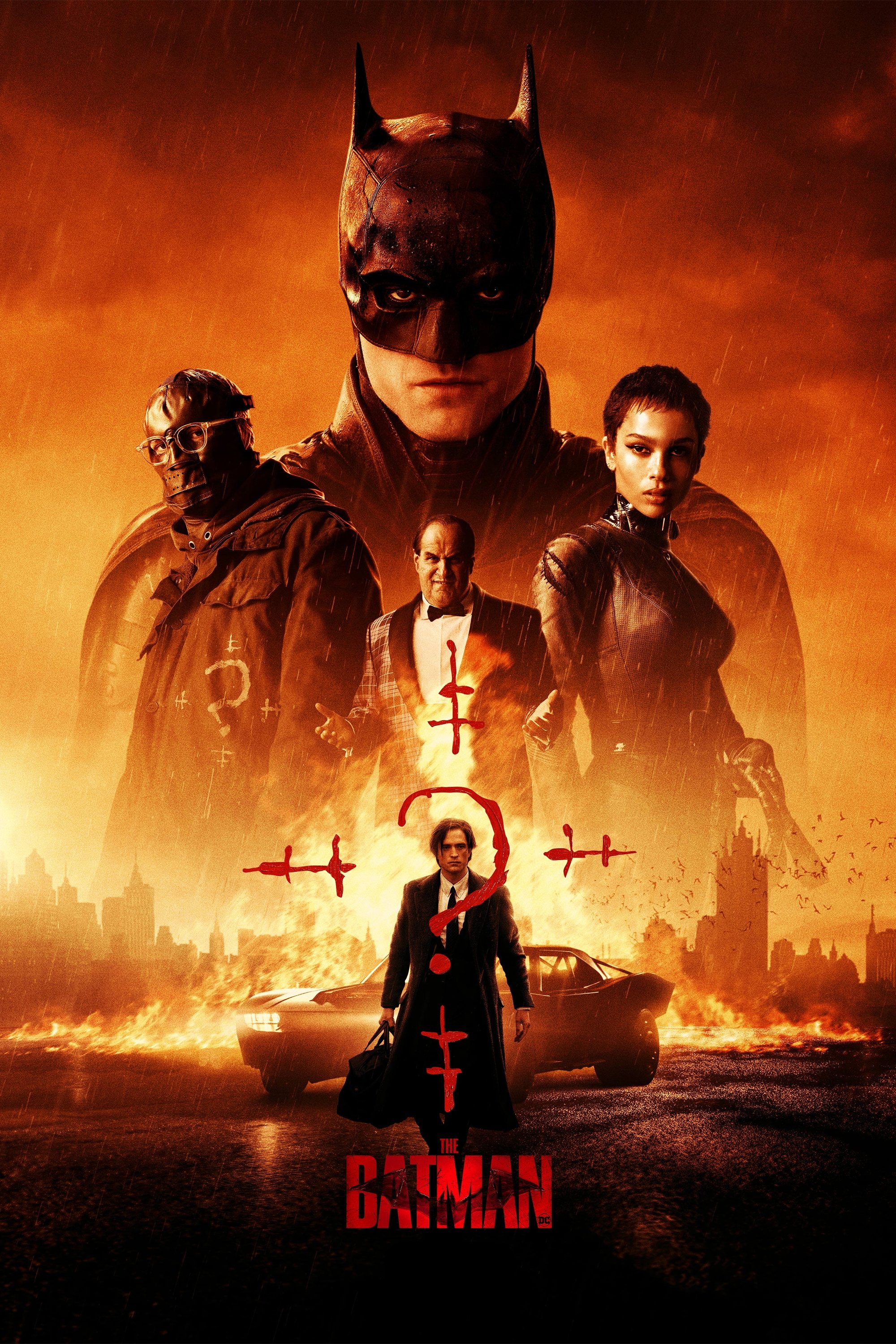
Matt Reeves directed a detective driven take with Robert Pattinson, Zoë Kravitz, Paul Dano, and Colin Farrell. The production built expansive Gotham sets and used selective virtual production for driving scenes, while cinematographer Greig Fraser crafted a low light aesthetic that favored practical rain and reflective surfaces.
Michael Giacchino composed a new theme, and the story framed Bruce Wayne in his early years investigating a series of crimes tied to city corruption. The reboot operated outside prior continuities and established new versions of key figures like the Riddler, Catwoman, and the Penguin for future chapters.
‘It’ (2017)
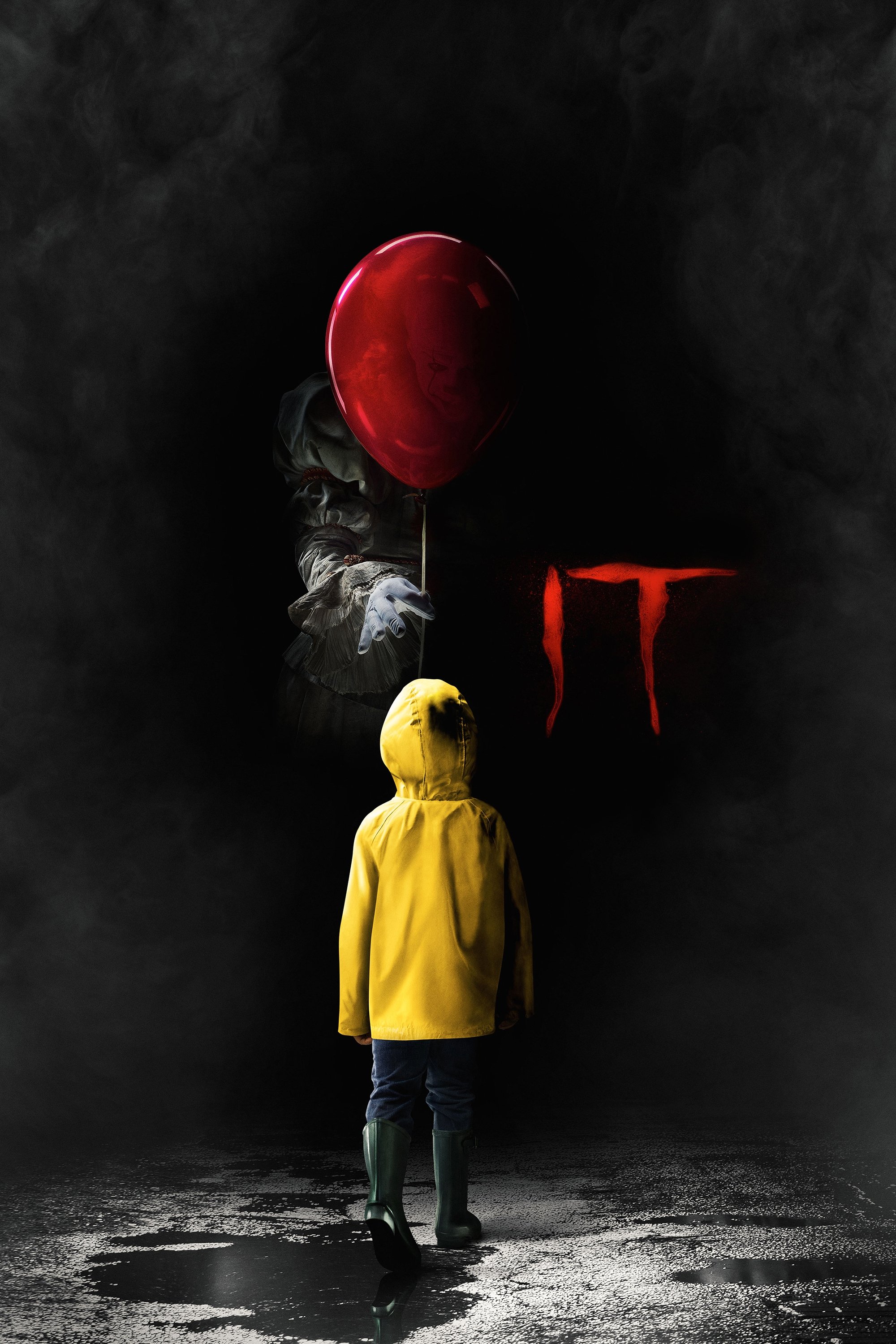
Andy Muschietti adapted Stephen King’s novel with Bill Skarsgård as Pennywise and an ensemble of young actors as the Losers Club. The production filmed in Canadian locations that doubled for Derry and used a mix of practical makeup, contortion work, and digital augmentation for the clown’s transformations.
The release set new benchmarks for horror box office and led to a concluding chapter titled ‘It Chapter Two’. The reboot reframed the story to focus on the childhood timeline in one film, which allowed the cast to bond onscreen and gave the production a clear tonal focus.
‘Halloween’ (2018)
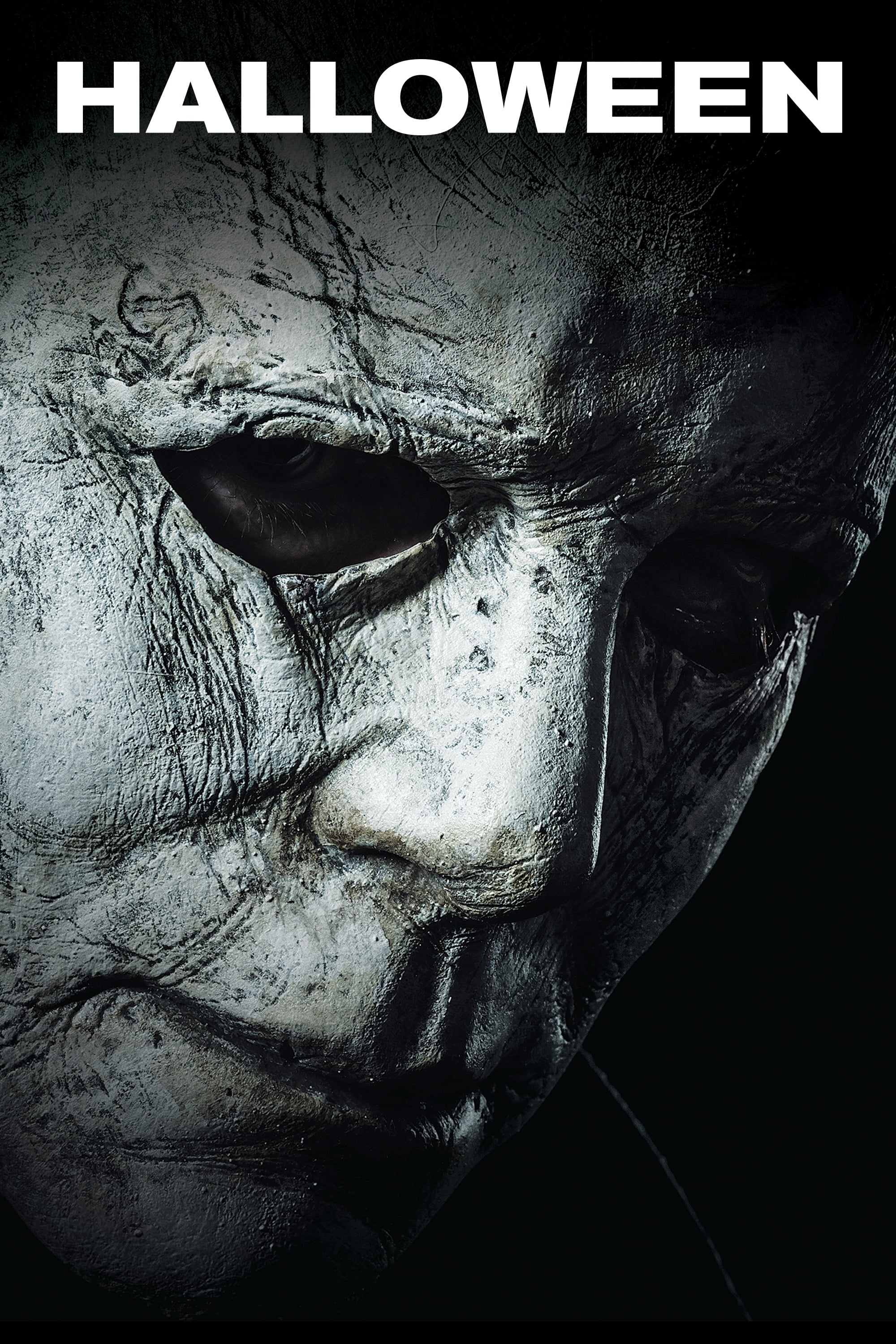
David Gordon Green continued from the original film while discarding prior sequels, with Jamie Lee Curtis returning as Laurie Strode. John Carpenter joined as executive producer and collaborated on a score that updated the classic theme with new instrumentation.
Blumhouse produced the film with an emphasis on practical effects and tense, contained environments. The approach reset the continuity and opened space for direct follow ups that explored the aftermath in Haddonfield through a new cycle.
‘The Fly’ (1986)
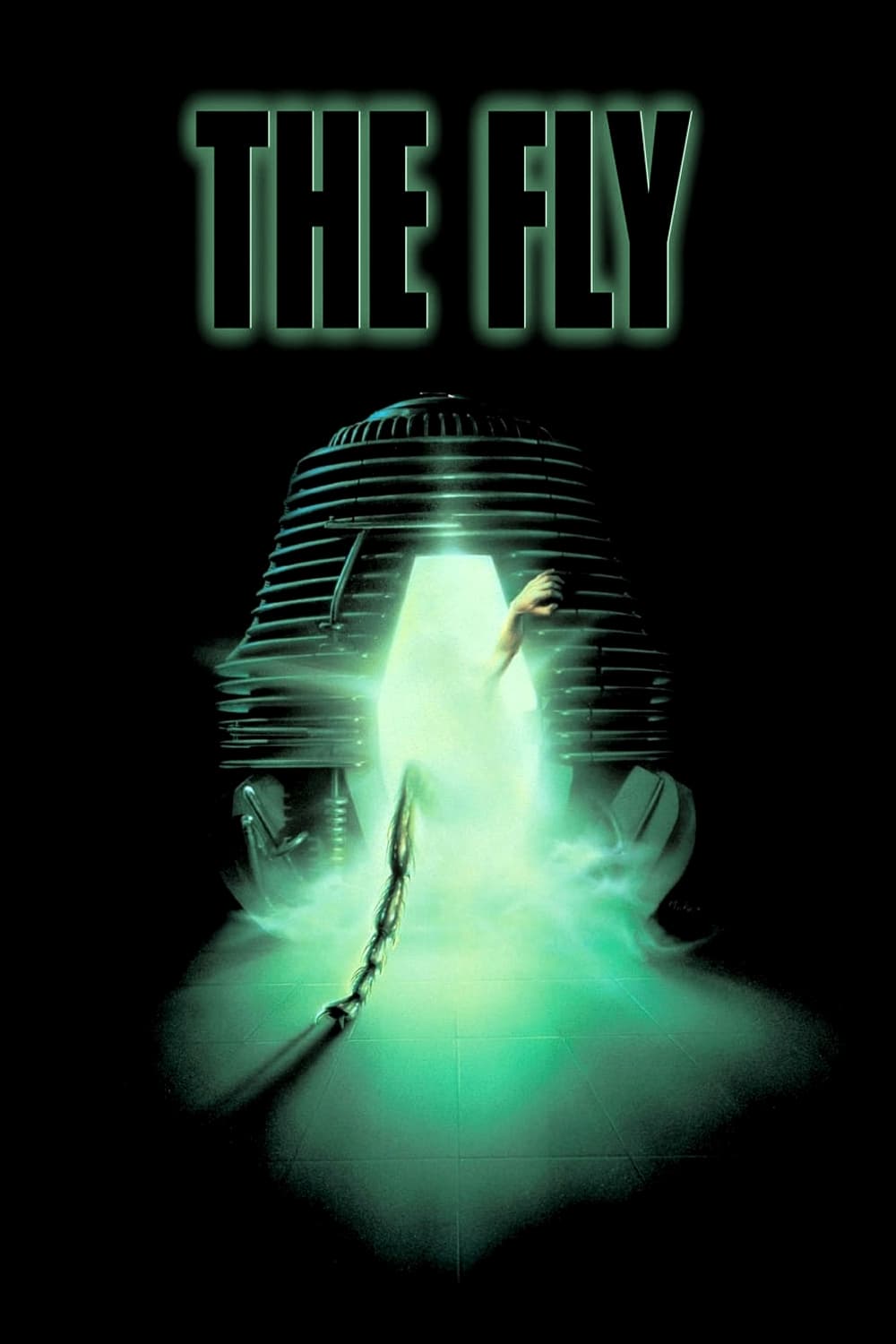
David Cronenberg reimagined an earlier creature feature as a character driven science tale starring Jeff Goldblum and Geena Davis. The production used elaborate animatronics and progressive makeup stages to depict a scientist’s transformation after an experiment goes wrong.
Makeup designer Chris Walas led work that earned an Academy Award for makeup and set a benchmark for practical effects in body horror. The reboot kept the core premise of teleportation experiments and turned it into an intimate tragedy with a tight ensemble and contained locations.
‘The Thing’ (1982)
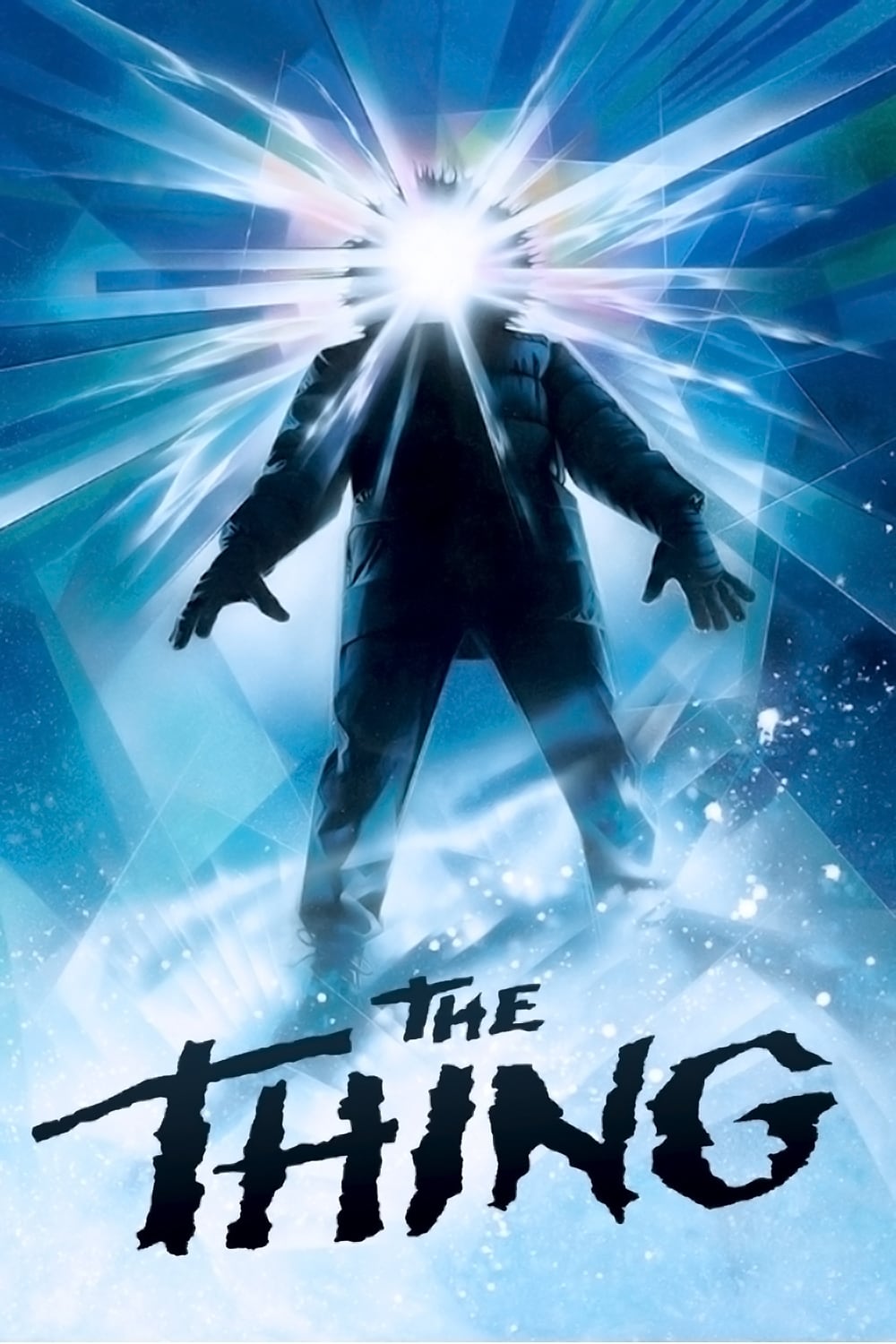
John Carpenter adapted a classic novella with a remote Antarctic outpost, an all male ensemble, and an organism that imitates its host. Rob Bottin’s effects team created intricate creature builds and slime coated puppetry, with additional work by Stan Winston for a major dog kennel sequence.
Ennio Morricone provided a minimalist electronic score that underlined paranoia and isolation. The film later achieved strong cult standing and influenced countless siege and survival stories, and it stands as a clear reboot of an earlier screen version while staying close to the source text.
‘Scarface’ (1983)

Brian De Palma and writer Oliver Stone relocated the story to Miami and followed Cuban exile Tony Montana, played by Al Pacino. The film tracked the rise of a criminal empire through nightclubs, mansions, and street level deals, with Giorgio Moroder composing a synth heavy soundtrack.
The release faced ratings board scrutiny for language and violence before securing a wide release. Over time it reshaped the property’s identity with new iconography such as the gold chains, the lavish offices, and the final mansion siege, which differ from the earlier version.
‘The Mummy’ (1999)
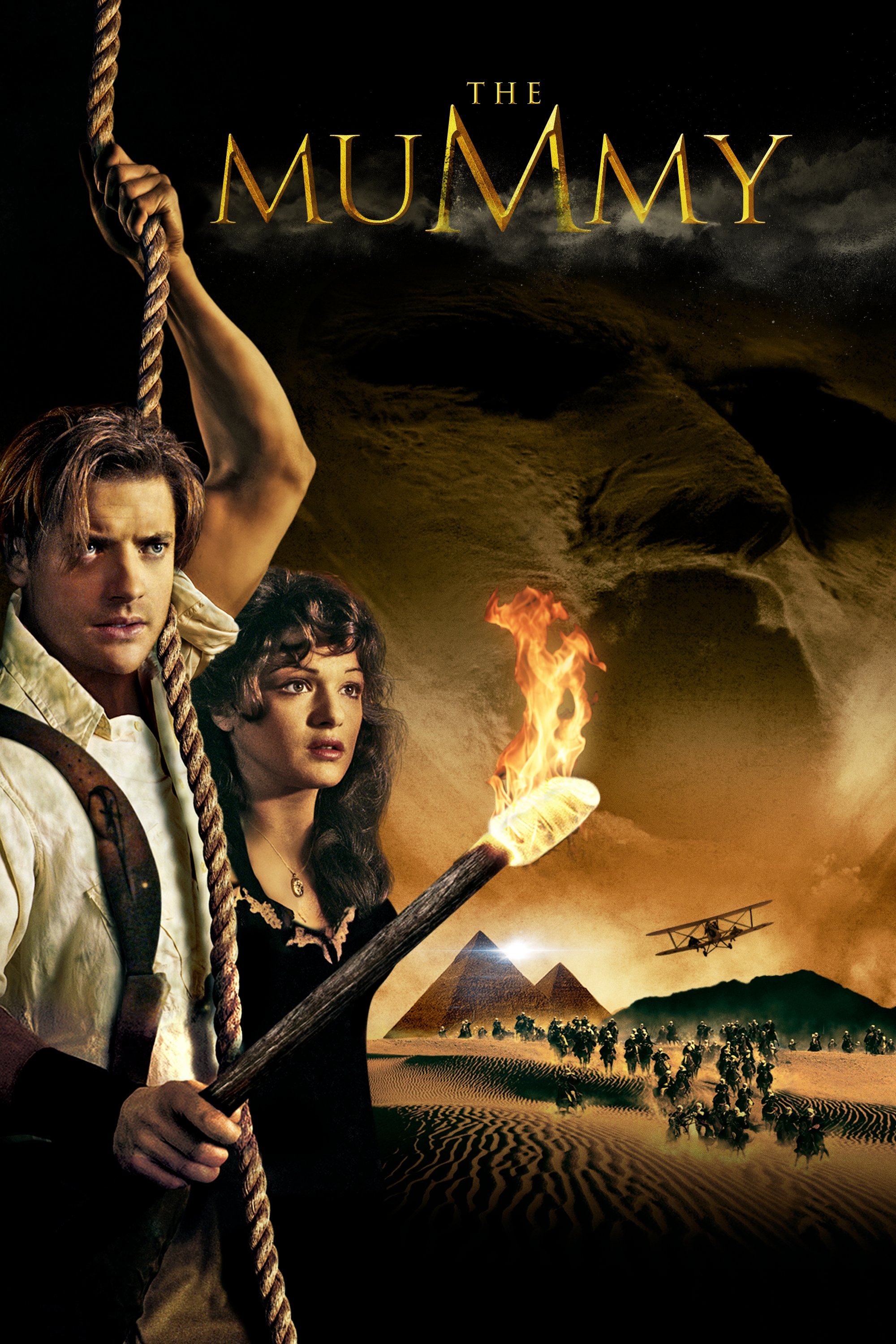
Stephen Sommers rebooted a Universal classic as an adventure film starring Brendan Fraser and Rachel Weisz. The production mixed location work in desert landscapes with extensive sets and effects that brought to life cursed tombs and sandstorm manifestations.
Industrial Light and Magic delivered large scale digital sequences, while stunt teams staged practical fights and chases. The success led to sequels and a spinoff titled ‘The Scorpion King’, which turned the reboot into a modern franchise for audiences who discovered the property through this version.
‘Ocean’s Eleven’ (2001)
Steven Soderbergh gathered an ensemble that included George Clooney, Brad Pitt, Julia Roberts, Don Cheadle, and Matt Damon for a stylish heist. The production partnered with the Bellagio in Las Vegas, using the casino’s fountain and back of house spaces to lend authenticity to the robbery plan.
The reboot replaced the earlier Rat Pack hangout vibe with intricate cons and team dynamics that carried into two direct sequels. Its structure established a framework for later entries, including a related spinoff centered on a new crew.
‘King Kong’ (2005)

Peter Jackson mounted a large scale retelling with Naomi Watts, Jack Black, and Adrien Brody, and Andy Serkis performing Kong through motion capture. Weta Digital created complex fur simulation and expressive facial animation, while the production built full size sets for Skull Island and period New York streets.
The film expanded character backstories and devoted significant screen time to the voyage and island ecosystem. It presented digital creature work and period recreation on a large canvas and reinforced the property’s place in modern effects driven cinema.
‘War of the Worlds’ (2005)
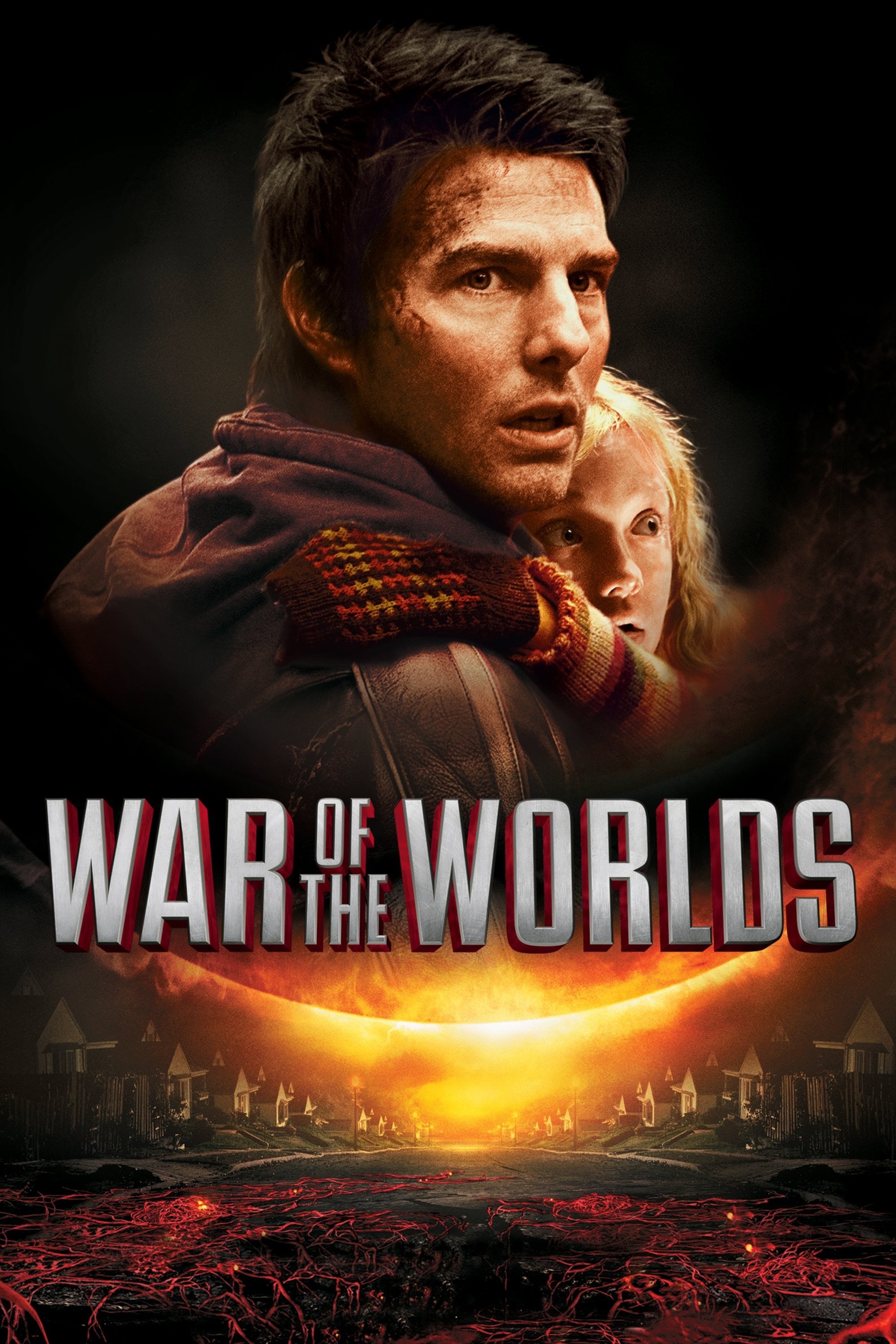
Steven Spielberg reworked the H. G. Wells invasion for a contemporary American setting with Tom Cruise and Dakota Fanning as a family on the run. The production used large scale pyrotechnics, crowd coordination, and location shoots to portray urban destruction and mass evacuations.
Industrial Light and Magic created collapsing ground effects and articulated tripod machines with distinct audio signatures. The reboot kept key motifs like red vegetation and underground hiding while changing the perspective to a parent and children caught in a fast moving disaster.
‘True Grit’ (2010)
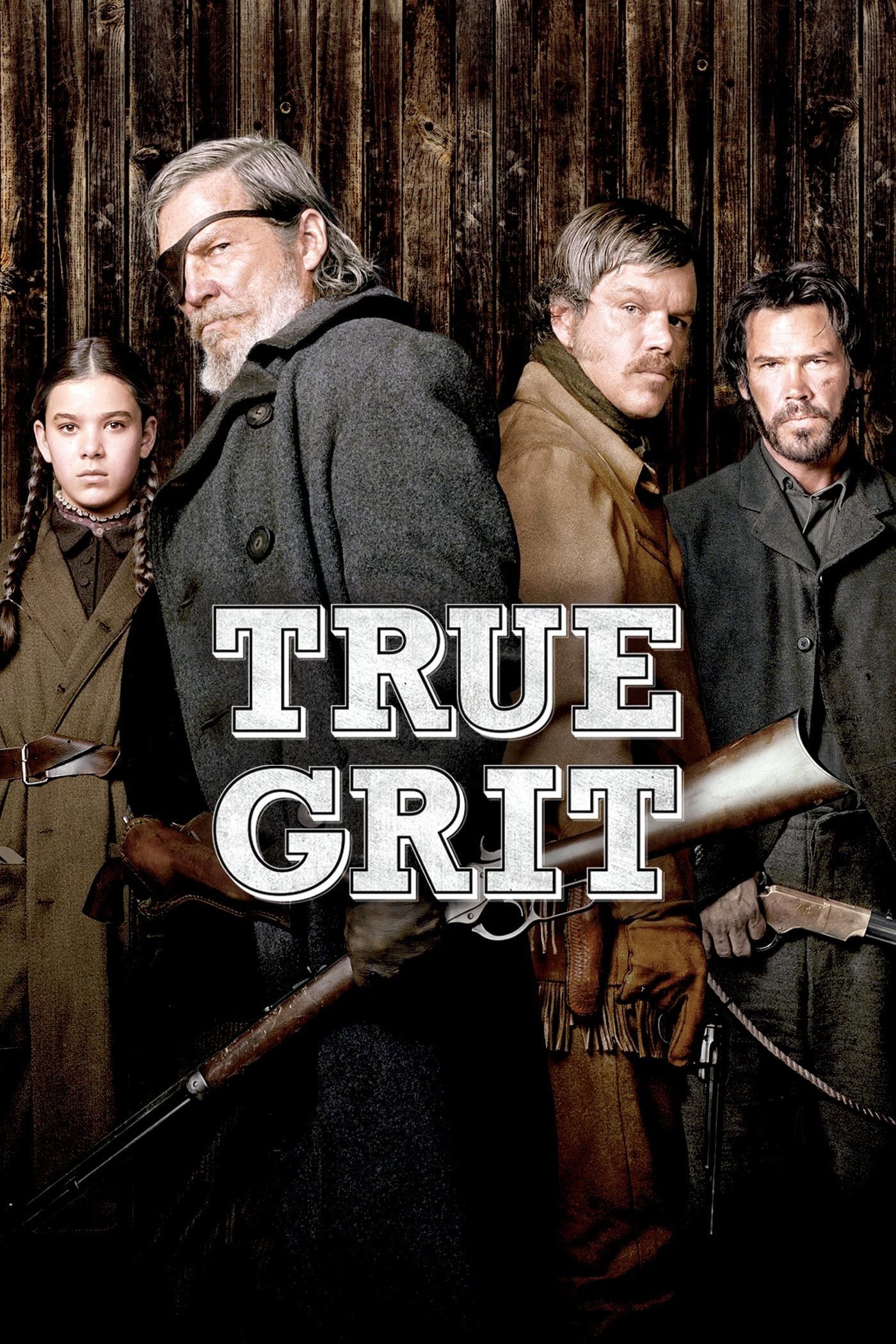
Joel and Ethan Coen adapted the Charles Portis novel with Jeff Bridges as Rooster Cogburn and Hailee Steinfeld as Mattie Ross. The production emphasized the novel’s dialogue and frontier detail, with Roger Deakins photographing plains and river crossings in crisp natural light.
The film received multiple Academy Award nominations across acting, cinematography, and best picture categories. It returned to the source material rather than the earlier screen version’s tone and delivered a faithful literary reboot that reached a wide audience.
‘Evil Dead’ (2013)
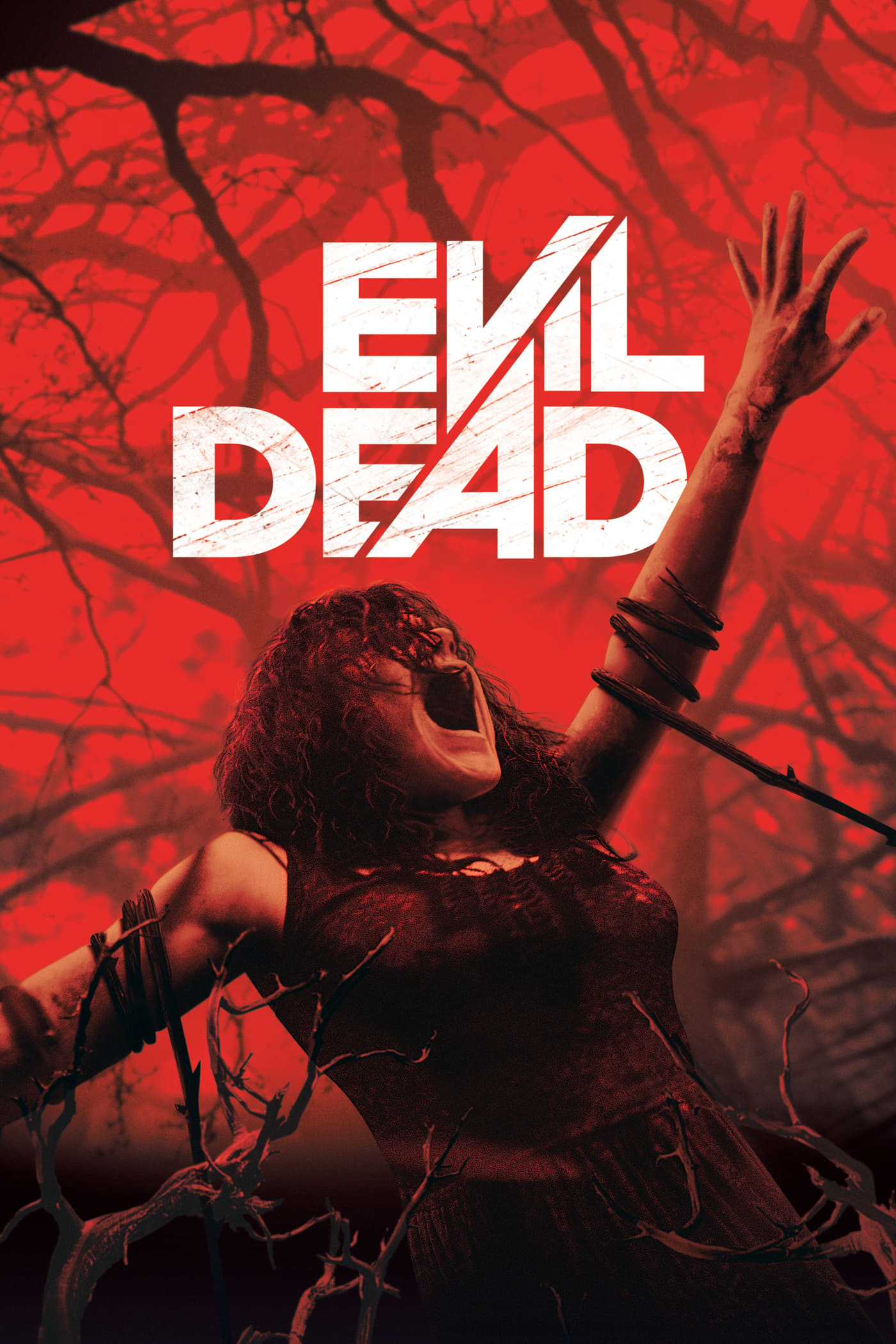
Fede Álvarez rebooted the cabin in the woods premise, with Jane Levy leading a new group who encounter the Necronomicon. The production prioritized practical gore effects, prosthetics, and on set rigs to achieve gruesome set pieces without heavy digital work.
Sam Raimi, Bruce Campbell, and Rob Tapert produced, which connected the new film to the original creators while allowing a new cast and continuity. The release presented a modern, serious approach and opened doors for later explorations across formats.
‘Man of Steel’ (2013)
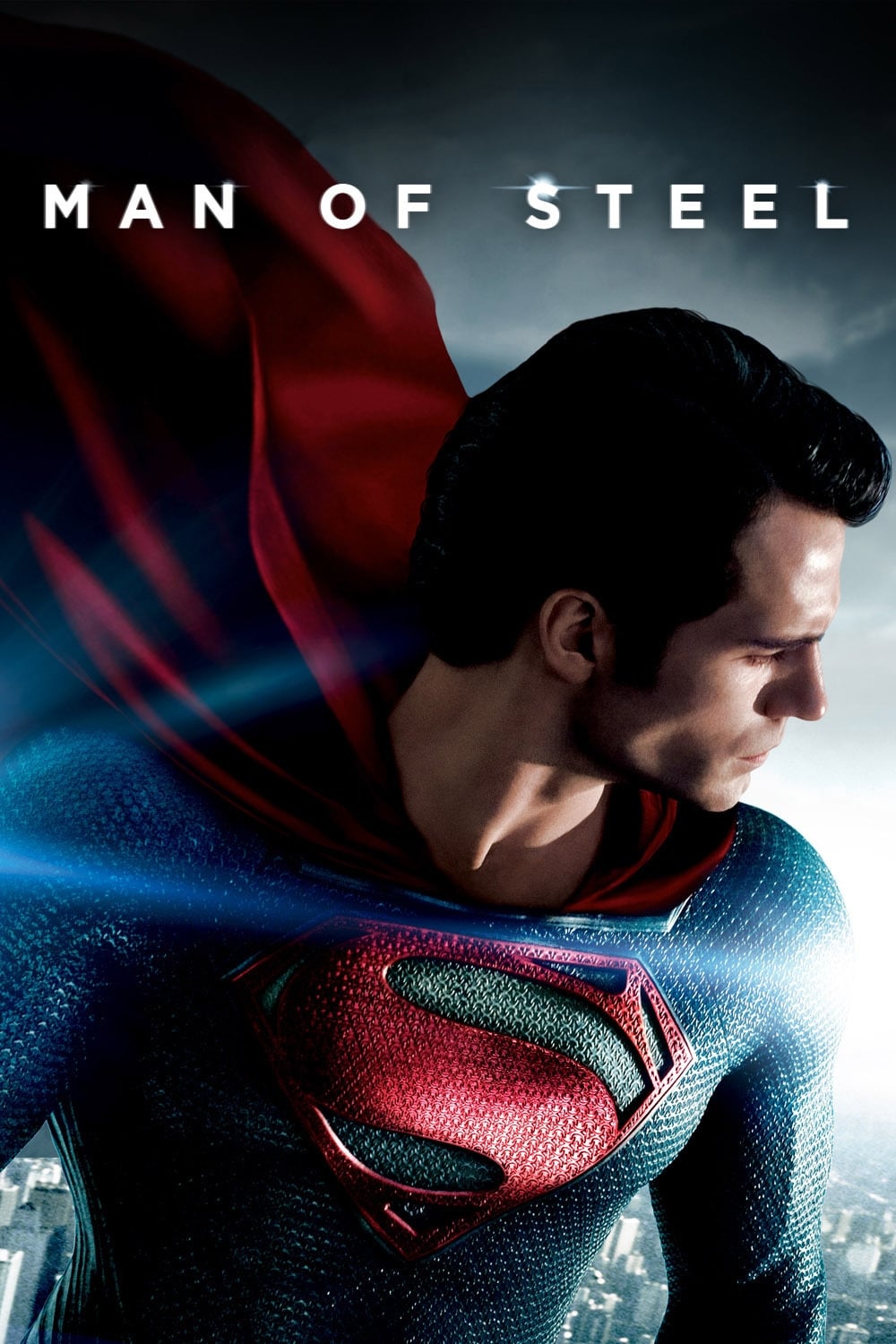
Zack Snyder relaunched the Kryptonian hero with Henry Cavill, Amy Adams, and Michael Shannon. The production designed an ornate Krypton with advanced suits and flying beasts, while Earthbound scenes used handheld framing and location shoots for Smallville and Metropolis.
Hans Zimmer composed a new musical identity separate from earlier themes, and the film established the foundation for a shared continuity of DC characters. The reboot reintroduced key figures like Lois Lane, General Zod, and the Kents, with updated character dynamics and world building.
‘Godzilla’ (2014)
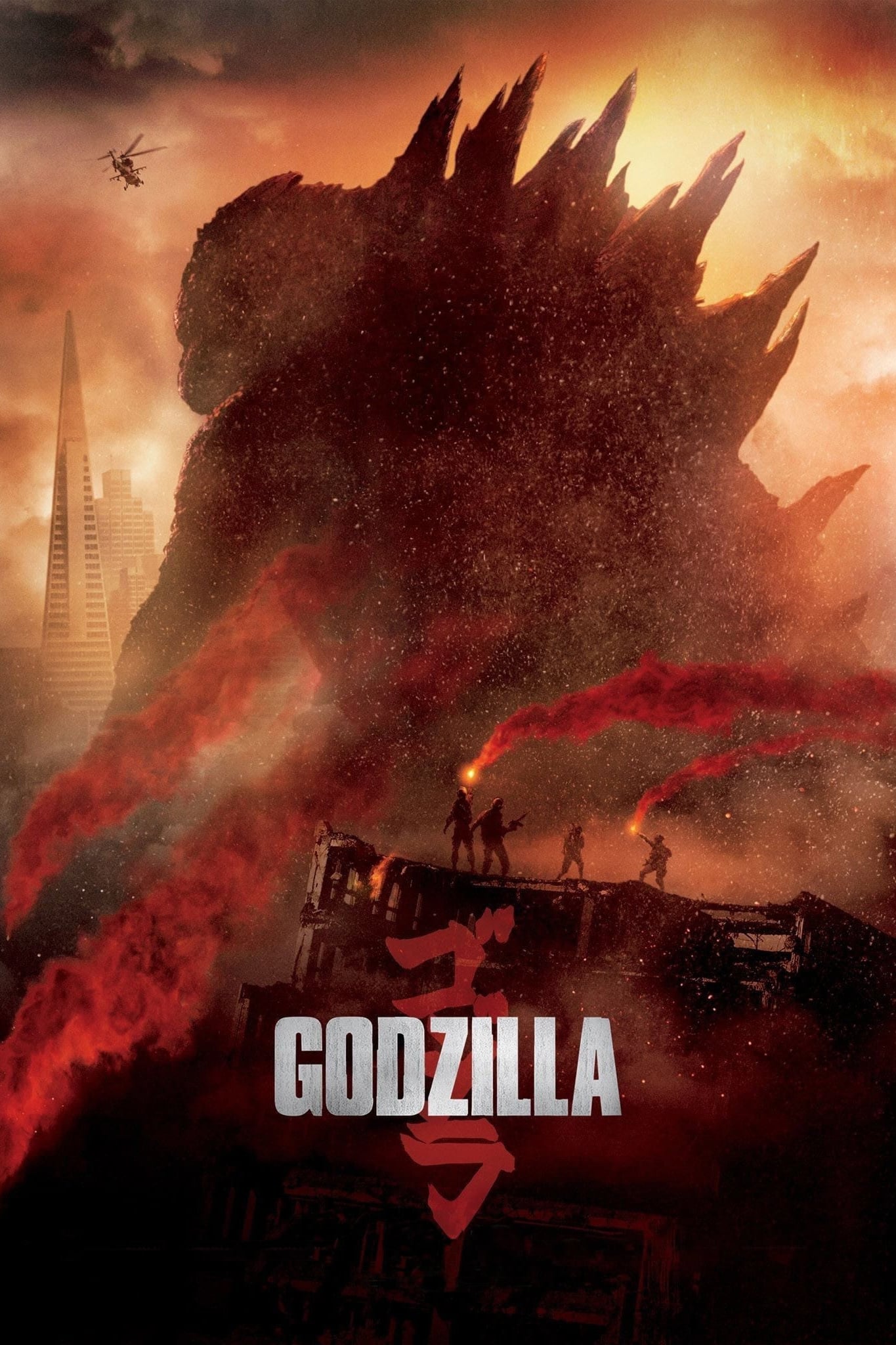
Gareth Edwards began a new licensed cycle with Legendary and Toho that placed the monster within a broader ecosystem of ancient creatures. The story followed a military bomb disposal officer and scientists, with Ken Watanabe delivering the franchise’s famous name reveal.
Major visual effects vendors built large scale city destruction, tidal surges, and creature battles while maintaining a sense of size through ground level viewpoints. The reboot seeded a connected series that soon brought in other titans and led to crossover events.
‘The Jungle Book’ (2016)
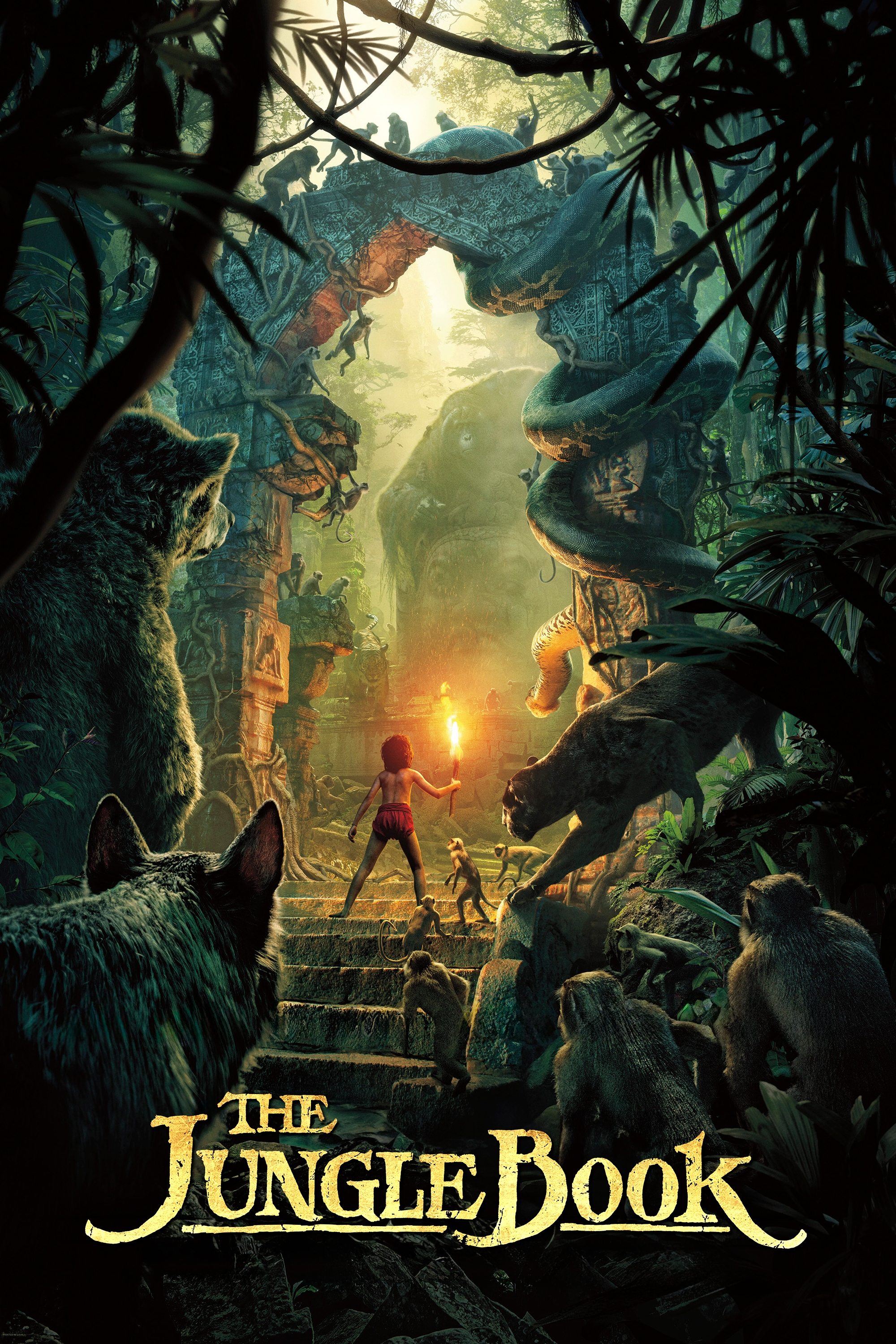
Jon Favreau directed a near fully digital production anchored by live action actor Neel Sethi as Mowgli. The crew shot on soundstages in Los Angeles and used virtual production tools to create photoreal animals voiced by Bill Murray, Idris Elba, and others.
The film won the Academy Award for visual effects and demonstrated new workflows for creature animation and lighting. It presented familiar songs and characters in a new realistic style that differed from earlier animated versions while keeping the core story intact.
‘The Karate Kid’ (2010)
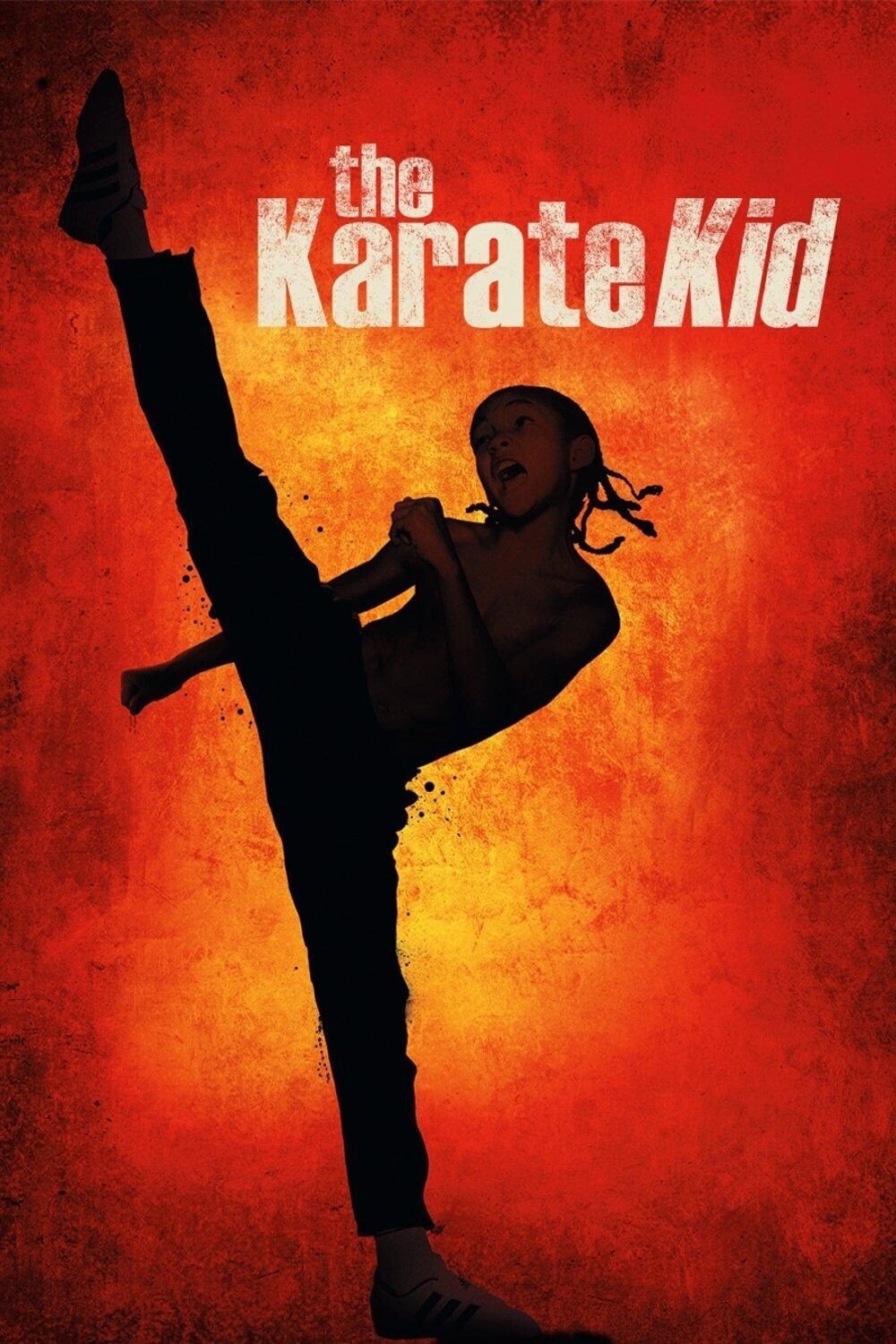
Harald Zwart shifted the setting to China with Jaden Smith as the young student and Jackie Chan as the mentor figure. The production filmed in Beijing, the Wudang Mountains, and landmark sites including the Great Wall, and emphasized training based on local martial arts traditions.
The reboot updated the bullying and school themes with a new cultural context and reworked the central technique into a jacket routine. It performed strongly in global markets and introduced a new generation to the property through its location work and mentor student chemistry.
‘Scream’ (2022)
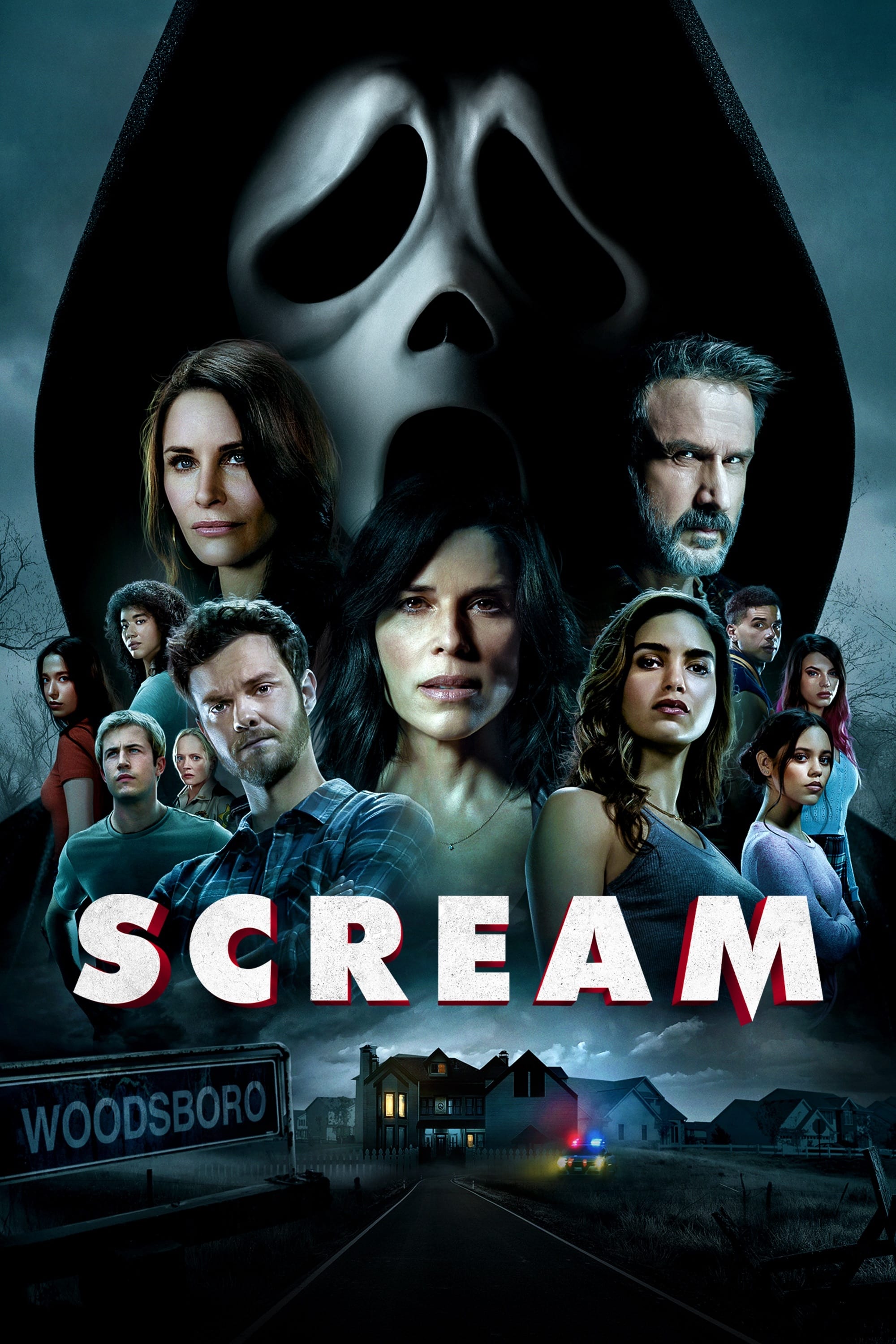
Directors Matt Bettinelli Olpin and Tyler Gillett returned to Woodsboro with Melissa Barrera and Jenna Ortega joining legacy cast members. The story passed the Ghostface mystery to a younger group while keeping phone calls, rules talk, and self aware commentary that define the series.
The film used practical knife gags, suburban houses, and a familiar high school backdrop while updating the whodunit with modern social media and fandom threads. It functioned as a soft reboot that relaunched the series for new viewers and set up further entries.
‘Ghostbusters: Afterlife’ (2021)
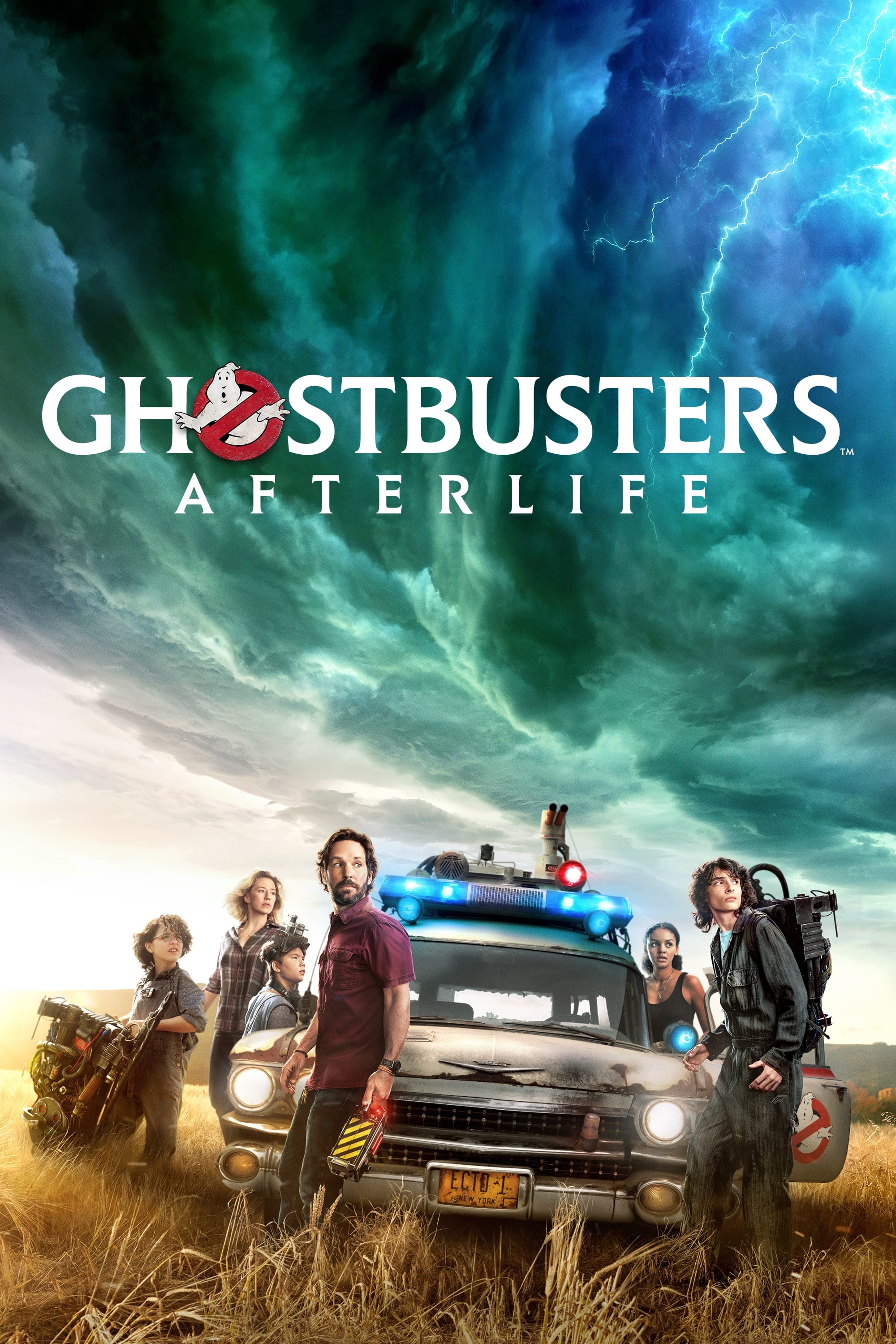
Jason Reitman directed, with Carrie Coon, Mckenna Grace, Finn Wolfhard, and Paul Rudd leading a new cast connected to the Spengler family. The production shot primarily in Alberta, with sets and small town locations standing in for rural Oklahoma, and brought back the Ecto-1 with a functional side mounted gunner seat alongside updated proton packs and traps.
The film continued the original timeline by reintroducing legacy characters and integrating Elmer Bernstein’s musical motifs through a new score by Rob Simonsen. It added new elements like the Mini Pufts and a mine linked to Ivo Shandor, and its success led to a follow up titled ‘Ghostbusters: Frozen Empire’.
Share your own picks for standout reboots in the comments, and let everyone know which fresh starts you think belong on this list.