10 Things You Probably Didn’t Know About ‘Iron Man’

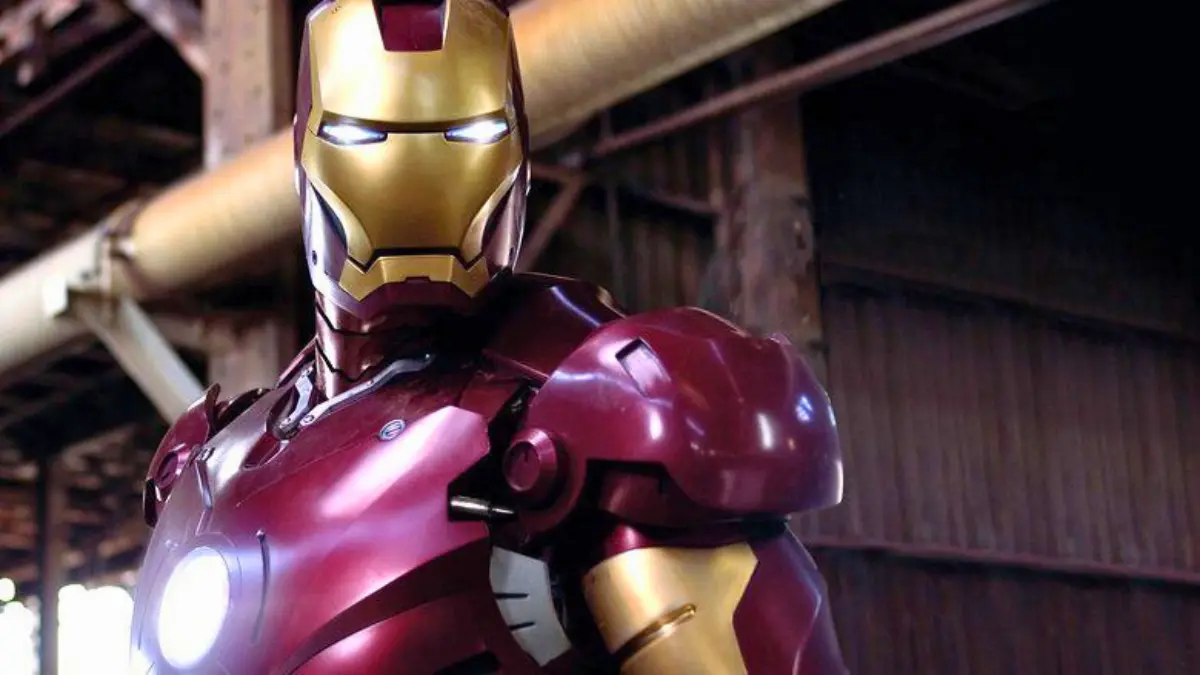

When ‘Iron Man’ premiered in 2008, it launched what would become the Marvel Cinematic Universe and turned a lesser-known comic book hero into a worldwide icon. Directed by Jon Favreau and starring Robert Downey Jr. as Tony Stark, the film combined action, humor, and heart in a way that set a new standard for superhero movies. With Gwyneth Paltrow, Jeff Bridges, and Terrence Howard rounding out the cast, it was both a critical and commercial success that changed the future of blockbuster filmmaking.
While fans know it as the film that kickstarted the MCU, there are many fascinating behind-the-scenes details about how ‘Iron Man’ came together. From improvisation to last-minute choices, the making of this movie is just as remarkable as its legacy. Here are ten things you probably didn’t know about ‘Iron Man’.
Robert Downey Jr. Improvised Much of His Dialogue
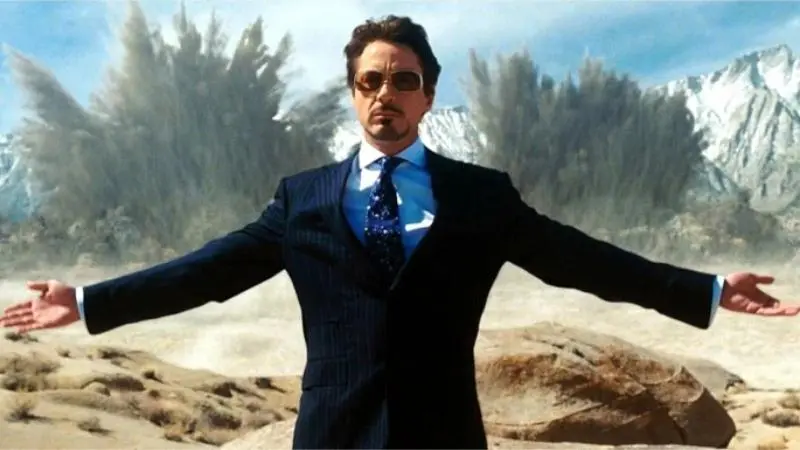
Robert Downey Jr. brought his quick wit to the role of Tony Stark, often improvising lines during filming. Many of his quips and humorous exchanges were unscripted, giving the character a natural charm.
This improvisational style influenced the tone of the entire MCU, setting a precedent for blending humor with superhero action. It also helped solidify Downey Jr. as the perfect embodiment of Iron Man.
The Script Wasn’t Fully Finished During Filming
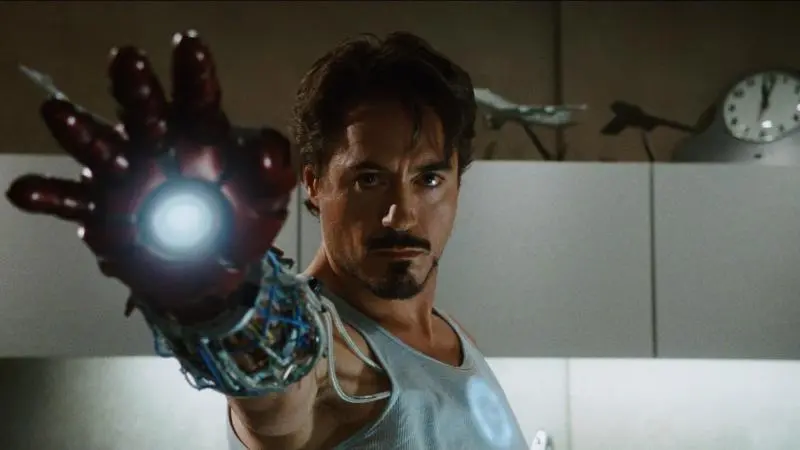
When production began, the script was still being developed, which meant the cast and crew often had to adjust scenes on the spot. Director Jon Favreau encouraged improvisation to keep the story moving.
This unusual process created a looser, more spontaneous atmosphere on set. The actors’ chemistry and creativity filled in the gaps, resulting in dialogue that felt fresh and authentic.
Tom Cruise Nearly Played Tony Stark
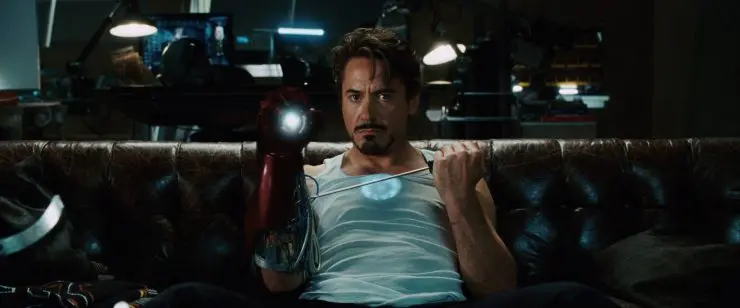
Before Robert Downey Jr. was cast, Tom Cruise was seriously considered for the role of Tony Stark. Cruise eventually passed on the project, and the part went to Downey Jr. instead.
Looking back, many fans and critics agree that Downey Jr.’s performance was so defining that it’s now hard to imagine anyone else in the role. His casting is often cited as one of the best in superhero film history.
Jeff Bridges Was Frustrated by the Lack of Script
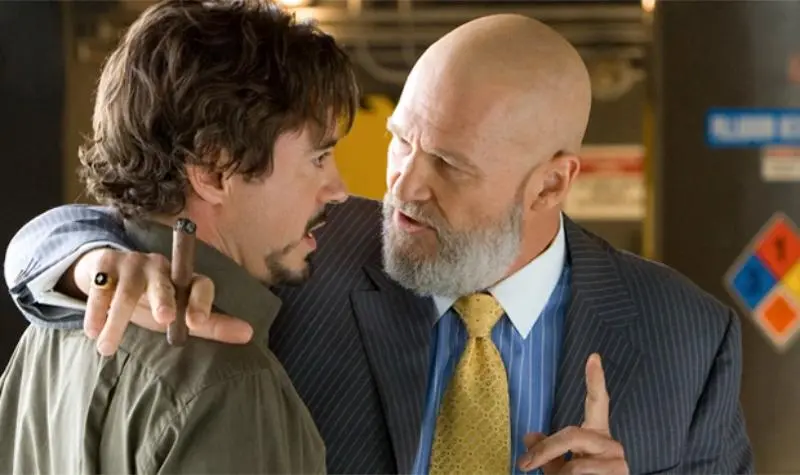
Jeff Bridges, who played Obadiah Stane, admitted that the unfinished script frustrated him at first. He compared the process to “making a \$200 million student film” because of the constant rewrites and improvisation.
Despite the challenges, Bridges adapted and delivered a memorable villain. His imposing presence provided the perfect contrast to Downey Jr.’s quick-talking Stark.
The Iron Man Suit Was a Combination of Practical and CGI
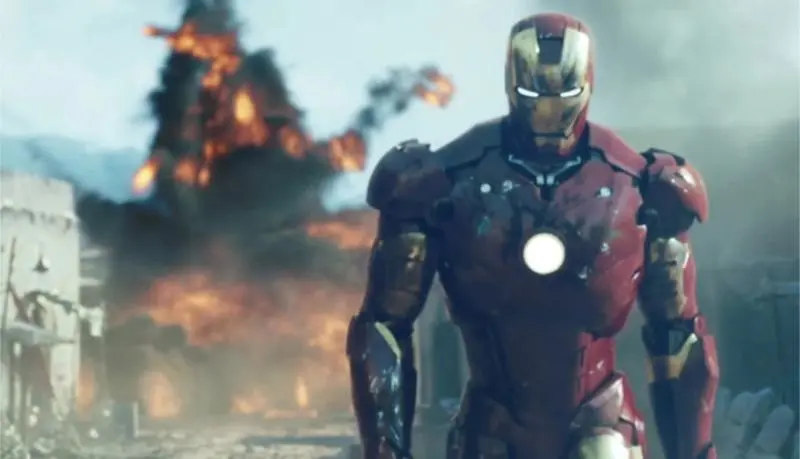
The Mark I and Mark II suits used in the film were partly built as real, wearable armor. Actor and stunt performers wore heavy practical suits for certain shots to give a sense of realism.
For action sequences, the suits were enhanced or replaced entirely with CGI. The seamless blend of practical design and visual effects set a high standard for the MCU’s look.
Stan Winston Studios Built the Armor
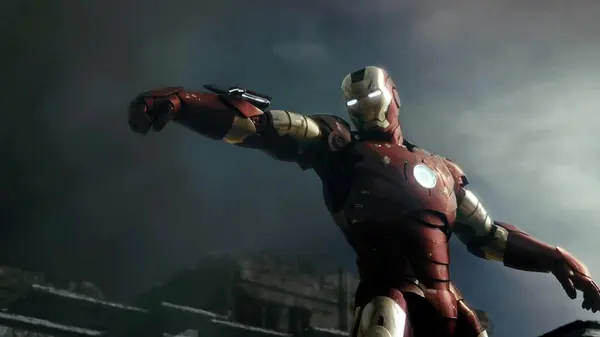
The legendary Stan Winston Studios, known for work on films like ‘Jurassic Park’ and ‘Aliens,’ built the practical Iron Man suits. Their craftsmanship gave the armor weight and authenticity on screen.
The detailed designs became instantly iconic, inspiring toys, merchandise, and countless cosplay replicas. Their work laid the foundation for Iron Man’s evolving suits in later films.
Samuel L. Jackson’s Cameo Was a Secret

The post-credit scene featuring Samuel L. Jackson as Nick Fury was kept secret during production. Marvel only revealed it at the film’s premiere, shocking audiences and teasing the creation of the Avengers.
This small moment became a groundbreaking addition, turning post-credit scenes into a signature of the MCU and exciting fans for the interconnected universe to come.
The Film Used Real Military Cooperation
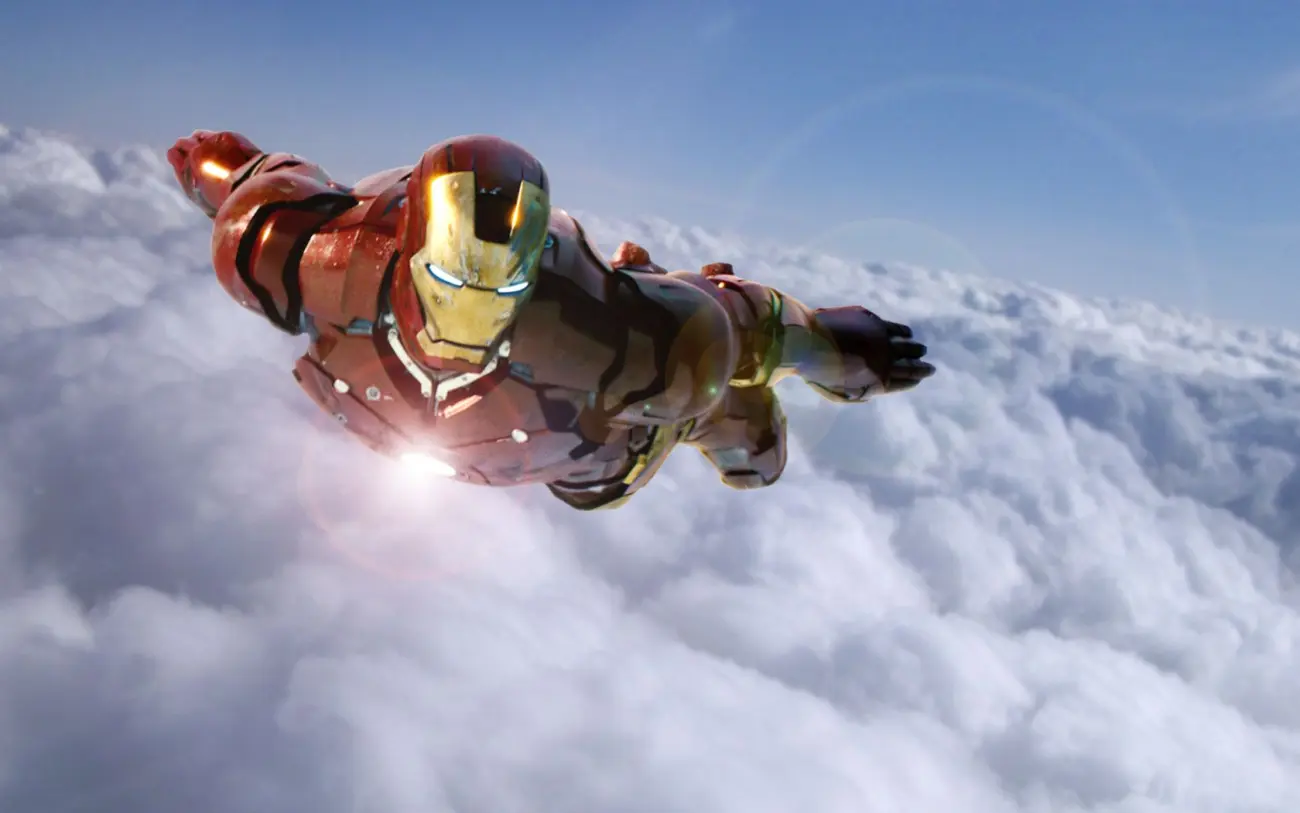
The U.S. Air Force collaborated with the filmmakers, providing access to bases, aircraft, and technical advisers. This cooperation helped make the military aspects of the film more realistic.
In return, the movie portrayed the Air Force in a positive light, showing off its technology and personnel. This partnership added authenticity to Tony Stark’s early story as a weapons manufacturer.
The Arc Reactor Became a Symbol Beyond the Film
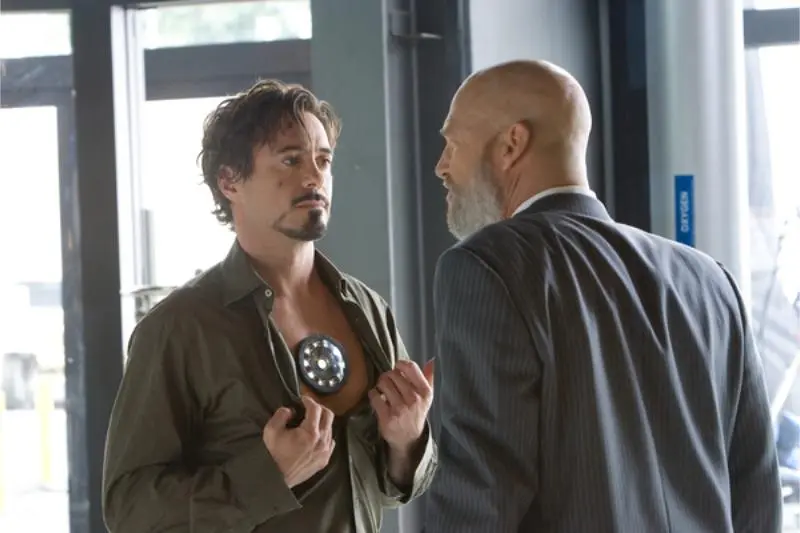
The glowing arc reactor in Tony Stark’s chest was designed to be both futuristic and medically plausible. It became one of the film’s most recognizable visual elements.
Beyond its story function, the arc reactor symbolized Stark’s transformation from a careless billionaire into a hero dedicated to protecting others. It became a lasting emblem of Iron Man’s legacy.
The Movie’s Success Surprised Hollywood
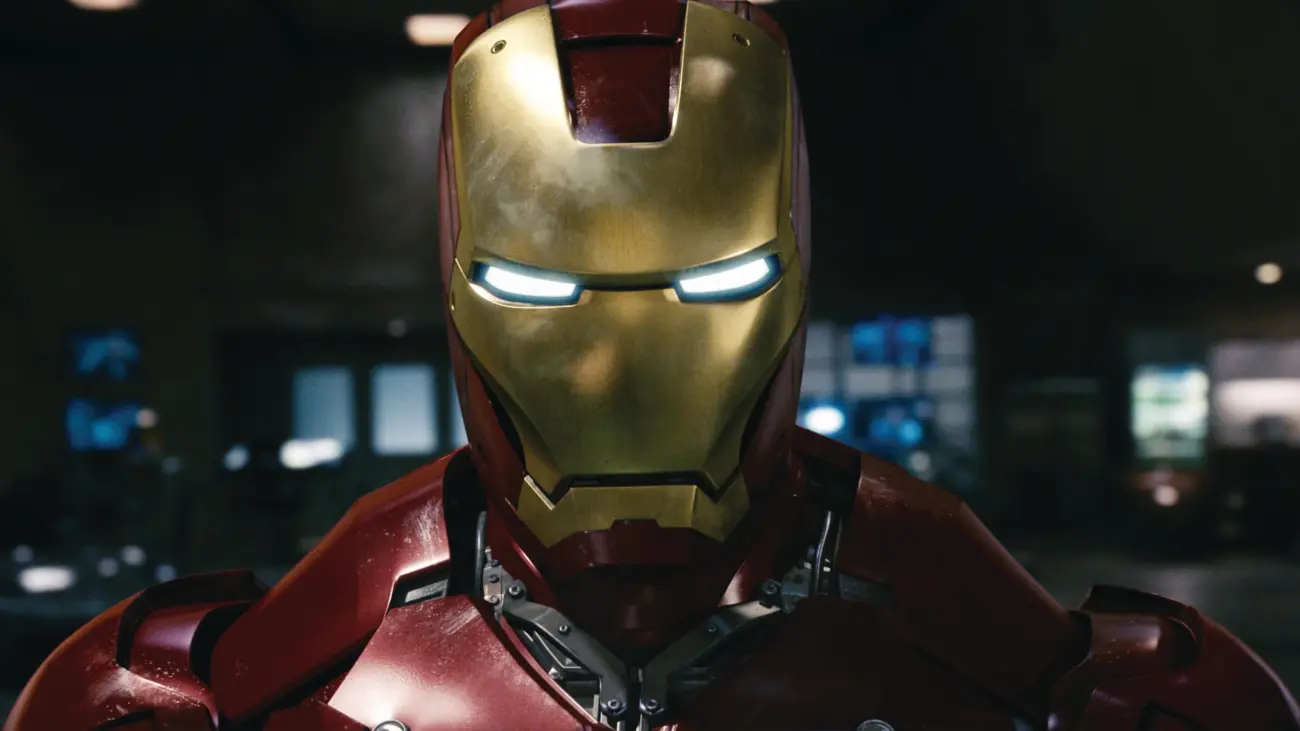
At the time, Iron Man was considered a risky character to launch a franchise with, especially compared to bigger names like Spider-Man or the X-Men. Many doubted a film about a lesser-known hero would succeed.
Instead, ‘Iron Man’ grossed over \$585 million worldwide and set the stage for the Marvel Cinematic Universe. Its unexpected success changed superhero films forever.
Which of these behind-the-scenes facts about ‘Iron Man’ did you find the most surprising? Share your thoughts in the comments!